

A Phenotypic Profile of the Candida albicans Regulatory Network
Open accessThe DOI matches its Crossref record; 66 of the 66 references it cites were found in a registry or an index.
Abstract
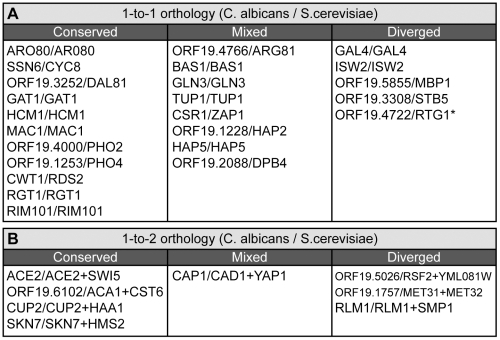
Candida albicans is a normal resident of the gastrointestinal tract and also the most prevalent fungal pathogen of humans. It last shared a common ancestor with the model yeast Saccharomyces cerevisiae over 300 million years ago. We describe a collection of 143 genetically matched strains of C. albicans, each of which has been deleted for a specific transcriptional regulator. This collection represents a large fraction of the non-essential transcription circuitry. A phenotypic profile for each mutant was developed using a screen of 55 growth conditions. The results identify the biological roles of many individual transcriptional regulators; for many, this work represents the first description of their functions. For example, a quarter of the strains showed altered colony formation, a phenotype reflecting transitions among yeast, pseudohyphal, and hyphal cell forms. These transitions, which have been closely linked to pathogenesis, have been extensively studied, yet our work nearly doubles the number of transcriptional regulators known to influence them. As a second example, nearly a quarter of the knockout strains affected sensitivity to commonly used antifungal drugs; although a few transcriptional regulators have previously been implicated in susceptibility to these drugs, our work indicates many additional mechanisms of sensitivity and resistance. Finally, our results inform how transcriptional networks evolve. Comparison with the existing S. cerevisiae data (supplemented by additional S. cerevisiae experiments reported here) allows the first systematic analysis of phenotypic conservation by orthologous transcriptional regulators over a large evolutionary distance. We find that, despite the many specific wiring changes documented between these species, the general phenotypes of orthologous transcriptional regulator knockouts are largely conserved. These observations support the idea that many wiring changes affect the detailed architecture of the circuit, but not its overall output.
Overview
The claims and statistics of this paper haven’t been checked yet.
Free: it reads the open-access text and checks the first 5 claims that cite a source we can check. Create a free account to check every claim.
Integrity signals
Registry
Cites
Statistics
Figures
Verification
Claims the paper makes
The claims and statistics of this paper haven’t been checked yet.
Free: it reads the open-access text and checks the first 5 claims that cite a source we can check. Create a free account to check every claim.
Claims other papers make about this one
Each is checked against this paper’s own text: does it say what the citing paper says it does?
The cited source says what the claim attributes to it.
In the citing paper
“Amongst the 165 TFs represented in the library31, rtg1- and rtg3-deletion strains showed the greatest growth defect (Fig. 3a).”
From Multifactor transcriptional control of alternative oxidase induction integrates diverse environmental inputs to enable fungal virulence (2023) · cites this paper as [31]
Self-check
Percentages, sums and reported differences re-computed from the paper’s own numbers.
The self-check needs the paper’s full text.
Citations
Cites
Functional profiling of the Saccharomyces cerevisiae genome
Giaever, G., Chu, A. M., Ni, L., Connelly, C., Riles, L., Véronneau, S., Dow, S., Lucau-Danila, A., Anderson, K., André, B., et al. (2002) · Nature · doi:10.1038/nature00935 · Cited by 4,316 · cited 1×
“deletion strains were obtained from the Saccharomyces Genome Deletion Project collection”
MethodTranscriptional Regulatory Networks in Saccharomyces cerevisiae
Lee, T. I., Rinaldi, N. J., Robert, F., Odom, D. T., Bar-Joseph, Z., Gerber, G. K., Hannett, N. M., Harbison, C. T., Thompson, C. M., Simon, I., et al. (2002) · Science · doi:10.1126/science.1075090 · Cited by 2,956
InterProScan – an integration platform for the signature-recognition methods in InterPro
Zdobnov, E. M., & Apweiler, R. (2001) · Bioinformatics · doi:10.1093/bioinformatics/17.9.847 · Cited by 2,939 · cited 1×
“The list of candidate genes for inclusion in our transcriptional regulator knockout (TRKO) library was compiled from multiple sources (Dataset S1; [7,15–22]).”
MethodDujon, B., Sherman, D., Fischer, G., Durrens, P., Casaregola, S., Lafontaine, I., de Montigny, J., Marck, C., Neuvéglise, C., Talla, E., et al. (2004) · Nature · doi:10.1038/nature02579 · Cited by 1,623 · cited 1×
“those of fish and humans [3].”
Pfam: A comprehensive database of protein domain families based on seed alignments
Sonnhammer, E. L. L., Eddy, S. R., & Durbin, R. (1997) · Proteins: Structure, Function, and Genetics · doi:10.1002/(sici)1097-0134(199707)28:3<405::aid-prot10>3.0.co;2-l · Cited by 1,221
Automatic clustering of orthologs and in-paralogs from pairwise species comparisons
Remm, M., Storm, C. E. V., & Sonnhammer, E. L. L. (2001) · Journal of Molecular Biology · doi:10.1006/jmbi.2000.5197 · Cited by 1,174 · cited 2×
“algorithms, SYNERGY [59] and INPARANOID [60] supple-”
SGD: Saccharomyces Genome Database
Cherry, J. (1998) · Nucleic Acids Research · doi:10.1093/nar/26.1.73 · Cited by 1,159
The Chemical Genomic Portrait of Yeast: Uncovering a Phenotype for All Genes
Hillenmeyer, M. E., Fung, E., Wildenhain, J., Pierce, S. E., Hoon, S., Lee, W., Proctor, M., St.Onge, R. P., Tyers, M., Koller, D., et al. (2008) · Science · doi:10.1126/science.1150021 · Cited by 1,003 · cited 2×
“[8,9,12,14]), the extent of concordance between these studies is sufficiently low that these data are not suitable for inter-species comparison.”
BackgroundThe distinct morphogenic states of Candida albicans
Sudbery, P., Gow, N., & Berman, J. (2004) · Trends in Microbiology · doi:10.1016/j.tim.2004.05.008 · Cited by 876 · cited 1×
“reflect the transitions among these three cell forms [54].”
BackgroundThe origin and evolution of model organisms
Hedges, S. B. (2002) · Nature Reviews Genetics · doi:10.1038/nrg929 · Cited by 806 · cited 1×
“ancestor some 300–900 million years ago [1,2], and, in terms of coding sequences, their genomes are approximately as divergent as”
Background
Cited by
Items 201–300 of 444
Chinnici, J. L., Yerke, L. M., Tsou, C., Busarajan, S., Mancuso, R., Sadhak, N. D., Kim, J.-W., & Maddi, A. (2019) · PeerJ · doi:10.7717/peerj.7870 · Cited by 28
Genome-Wide Screen for Haploinsufficient Cell Size Genes in the Opportunistic Yeast Candida albicans
Chaillot, J., Cook, M. A., Corbeil, J., & Sellam, A. (2017) · G3 Genes Genomes Genetics · doi:10.1534/g3.116.037986 · Cited by 25
The Same but Different: Worms Reveal the Pervasiveness of Developmental System Drift
Haag, E. S. (2014) · PLoS Genetics · doi:10.1371/journal.pgen.1004150 · Cited by 23
“the phenotypes of orthologs to be compared [5].”
BackgroundGenetic Modification of Closely Related Candida Species
Mancera, E., Frazer, C., Porman, A. M., Ruiz‐Castro, S., Johnson, A. D., & Bennett, R. J. (2019) · Frontiers in Microbiology · doi:10.3389/fmicb.2019.00357 · Cited by 24
Self-citationSong, Y.-D., Hsu, C.-C., Lew, S. Q., & Lin, C. (2020) · Medical Mycology · doi:10.1093/mmy/myaa063 · Cited by 28
Candida albicans reprioritizes metal handling during fluconazole stress
Hunsaker, E. W., & Franz, K. J. (2019) · Metallomics · doi:10.1039/c9mt00228f · Cited by 22
Controlling Candida : immune regulation of commensal fungi in the gut
Jensen, O., Trujillo, E. N., Hanson, L., & Ost, K. S. (2024) · Infection and Immunity · doi:10.1128/iai.00516-23 · Cited by 24
If looks could kill: Fungal macroscopic morphology and virulence
Kowalski, C. H., & Cramer, R. A. (2020) · PLoS Pathogens · doi:10.1371/journal.ppat.1008612 · Cited by 33
“Underlying features of macroscopic microbial colonies include the production and secretion of extracellular matrix (ECM) [7], quorum sensing [8], surface appendages [9], pigmentation [10,11], and cellular morphology [12].”
BackgroundLiu, Z., Basso, P., Hossain, S., Liston, S. D., Robbins, N., Whitesell, L., Noble, S. M., & Cowen, L. E. (2023) · Nature Communications · doi:10.1038/s41467-023-40209-w · Cited by 22
Self-citationMcCrory, C., Verma, J., Tucey, T. M., Turner, R., Weerasinghe, H., Beilharz, T. H., & Traven, A. (2023) · mBio · doi:10.1128/mbio.02605-23 · Cited by 21
“The nrg1 Δ/Δ and tup1 Δ/Δ mutants and their control strain SN250 are described in the Homann collection (68).”
BackgroundAlkafeef, S. S., Lane, S., Yu, C., Zhou, T., Solis, N. V., Filler, S. G., Huang, L., & Liu, H. (2020) · PLoS Genetics · doi:10.1371/journal.pgen.1008881 · Cited by 24
Solis, N. V., Wakade, R. S., Glazier, V. E., Ollinger, T. L., Wellington, M. A., Mitchell, A. P., Filler, S. G., & Krysan, D. J. (2022) · mBio · doi:10.1128/mbio.03447-21 · Cited by 21
“action during in vitro biofilm formation (11, 29).”
BackgroundShrivastava, M., Kouyoumdjian, G. S., Kirbizakis, E., Ruiz, D., Henry, M., Vincent, A. T., Sellam, A., & Whiteway, M. S. (2023) · mBio · doi:10.1128/mbio.01807-23 · Cited by 24
“Transcription factors (TFs) play a key role in determining how cells function and respond to different environments, and approximately 4% of C. albicans genes encode transcription factors (11), making them the single largest family of proteins in the pathogen.”
BackgroundRehman, L., Su, X., Li, X., Qi, X., Guo, H., & Cheng, H. (2017) · Current Genetics · doi:10.1007/s00294-017-0780-x · Cited by 26
Role of Mediator in virulence and antifungal drug resistance in pathogenic fungi
Moran, G. P., Anderson, M. Z., Myers, L. C., & Sullivan, D. J. (2019) · Current Genetics · doi:10.1007/s00294-019-00932-8 · Cited by 21
Rao, K. H., Paul, S., & Ghosh, S. (2021) · Journal of Fungi · doi:10.3390/jof7010065 · Cited by 25
“These studies show that the NDT80 family is a group of transcription factors that help to form resistance against different stresses and also plays a pivotal role in development of hyphae and virulence in Candida albicans [51,52].”
BackgroundMechanisms of Azole Potentiation: Insights from Drug Repurposing Approaches
Xiong, J., Lu, H., & Jiang, Y. (2025) · ACS Infectious Diseases · doi:10.1021/acsinfecdis.4c00657 · Cited by 20
Wells, M. L., Washington, O. L., Hicks, S. N., Nobile, C. J., Hartooni, N., Wilson, G. M., Zucconi, B. E., Huang, W., Li, L., Fargo, D. C., et al. (2015) · Molecular Microbiology · doi:10.1111/mmi.12913 · Cited by 20
“To avoid concerns regarding secondary mutations, we utilized two independent deletion strains for our analyses (Homann et al., 2009).”
BackgroundMethodInfluentialOverexpression approaches to advance understanding of Candida albicans
Rai, L. S., van Wijlick, L., Chauvel, M., d’Enfert, C., Legrand, M., & Bachellier‐Bassi, S. (2021) · Molecular Microbiology · doi:10.1111/mmi.14818 · Cited by 20
“…and AHR1 inhibits white- to- opaque switching (Sonneborn et al., 1999; Wang et al., 2011), while overexpression of CZF1, WOR1, WOR3, and WOR4 stimulates white- toopaque switching (Huang et al., 2006; Lohse et al., 2013; Lohse & Johnson, 2016; Vinces & Kumamoto, 2007; Zordan et al., 2006, 2007).”
BackgroundTranscriptional Control of Hypoxic Hyphal Growth in the Fungal Pathogen Candida albicans
Henry, M., Burgain, A., Tebbji, F., & Sellam, A. (2022) · Frontiers in Cellular and Infection Microbiology · doi:10.3389/fcimb.2021.770478 · Cited by 29
“A growth score was given for each mutant (Table S1).”
BackgroundInfluentialFunction and Regulation of Cph2 in Candida albicans
Lane, S., Lena, P. D., Tormanen, K., Baldi, P., & Liu, H. (2015) · Eukaryotic Cell · doi:10.1128/ec.00102-15 · Cited by 23
“WT (HLY4151), cph2 (HLY4152), cph2 CPH2 (HLY4195), upc2 (54), and two independently obtained cph2 upc2 double mutant strains (HLY4007 and HLY4008) were grown in YPD to an OD600 of 1.”
MethodRaut, J. S., Chauhan, N. M., Shinde, R. B., & Karuppayil, S. M. (2013) · Journal of Medicinal Plants Research · doi:10.5897/jmpr12.765 · Cited by 31
Van Hauwenhuyse, F., Fiori, A., & Van Dijck, P. (2014) · Eukaryotic Cell · doi:10.1128/ec.00096-14 · Cited by 20
“To confirm the role of Upc2 in the Hsp90-mediated inhibition of elongated growth forms, we tested two independent strains in which the endogenous UPC2 genes were deleted (22, 31), as such strains are expected to be hypersusceptible to GdA.”
BackgroundMethodLiang, Y., Wei, D., Wang, H., Xu, N., Zhang, B., Xing, L., & Li, M. (2010) · Microbiology · doi:10.1099/mic.0.037978-0 · Cited by 20
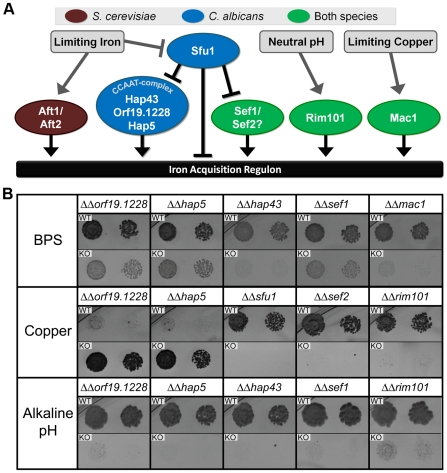
“Recently, Sef1p was identified as a new positive regulator of iron acquisition in C. albicans (Homann et al., 2009).”
BackgroundImpaired amino acid uptake leads to global metabolic imbalance of Candida albicans biofilms
Böttcher, B., Driesch, D., Krüger, T., Garbe, E., Gerwien, F., Kniemeyer, O., Brakhage, A. A., & Vylkova, S. (2022) · npj Biofilms and Microbiomes · doi:10.1038/s41522-022-00341-9 · Cited by 22
Crespo-Sempere, A., Selma‐Lázaro, C., Martínez‐Culebras, P. V., & González-Candelas, L. (2013) · Food Research International · doi:10.1016/j.foodres.2013.08.008 · Cited by 19
Bishop, A. C., Sun, T., Johnson, M. E., Bruno, V. M., & Patton, J. L. (2011) · Eukaryotic Cell · doi:10.1128/ec.05160-11 · Cited by 21
“In order to gain insight into the transcriptional regulation of CaGIT1, a library of transcription factor mutants (20) was screened.”
BackgroundMethodInfluentialUrrialde, V., Prieto, D., Plá, J., & Alonso‐Monge, R. (2016) · Frontiers in Microbiology · doi:10.3389/fmicb.2016.01062 · Cited by 21
“This defective growth in the presence of stresses was not previously identified by Homann et al. (2009) since this strain already displayed a growth defect on YPD (that is, control plates) and, therefore it was not considered as sensitive to osmotic or oxidative stress.”
BackgroundMethodInfluentialvan Wijlick, L., Swidergall, M., Brandt, P., & Ernst, J. F. (2016) · Molecular Microbiology · doi:10.1111/mmi.13494 · Cited by 19
“…this work CLvW199 as hst7, but LEU2/LEU2::pBI-SAT1 (empty vector) this work zcf21 arg4D/arg4D leu2D/leu2D his1D/his1D zcf21D::HIS1/zcf21D::LEU2 Homann et al., 2009 CLvW131 as zcf21, but ace2D::FRT/ace2D::FRT this work CLvW200 as CLvW131, but LEU2/LEU2::pPCKp-ACE2-SAT1(PCK1p-ACE2-SAT1) this…”
Michl, T. D., Giles, C., Mocny, P., Futrega, K., Doran, M. R., Klok, H., Griesser, H. J., & Coad, B. R. (2017) · Biointerphases · doi:10.1116/1.4986054 · Cited by 19
Efg1 and Cas5 Orchestrate Cell Wall Damage Response to Caspofungin in Candida albicans
Xiong, K., Su, C., Sun, Q., & Lü, Y. (2020) · Antimicrobial Agents and Chemotherapy · doi:10.1128/aac.01584-20 · Cited by 24
“albicans deletion mutants of transcription factors (27) and found that in addition to the cas5 mutant, deletion of EFG1 confers hypersensitivity to caspofungin.”
BackgroundCandida albicans Oropharyngeal Infection Is an Exception to Iron-Based Nutritional Immunity
Solis, N. V., Wakade, R. S., Filler, S. G., & Krysan, D. J. (2023) · mBio · doi:10.1128/mbio.00095-23 · Cited by 20
“and have been previously reported (19).”
Diverse Hap43-Independent Functions of the Candida albicans CCAAT-Binding Complex
Hsu, P., Chao, C., Yang, C., Ye, Y.-L., Liu, F., Chuang, Y., & Lan, C. (2013) · Eukaryotic Cell · doi:10.1128/ec.00014-13 · Cited by 18
“This result is consistent with the results of a previous study (36).”
BackgroundResultInfluentialWakade, R. S., Ristow, L. C., Stamnes, M. A., Kumar, A., & Krysan, D. J. (2020) · mBio · doi:10.1128/mbio.01900-20 · Cited by 20
“Of the proteins derepressed by decreased Nrg1 activity, the transcription factor Brg1 is particularly important (48).”
BackgroundMethodBöhm, L., Muralidhara, P., & Pérez, J. C. (2015) · Molecular Microbiology · doi:10.1111/mmi.13320 · Cited by 18
“In agreement with results of a large-scale phenotypic screening (Homann et al., 2009), we found that, when grown in solid media, the zcf21 mutant shows increased resistance to this compound (Supporting Information, Fig.”
BackgroundResultInfluentialGenome-wide functional analysis inCandida albicans
Motaung, T. E., Ells, R., Pohl, C. H., Albertyn, J., & Tsilo, T. J. (2017) · Virulence · doi:10.1080/21505594.2017.1292198 · Cited by 19
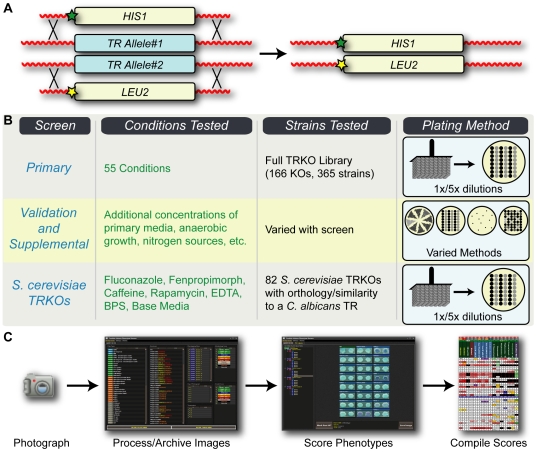
“successfully created 143 high-confidence homozygous mutant strains, with two independent isolates of each homozygous deletion strain.(27) An additional 23 low-confidence mutants represented by a single homozygous knockout isolate was also constructed.”
BackgroundMethodInfluentialQasim, M. N., Arevalo, A. V., Nobile, C. J., & Hernday, A. D. (2021) · Journal of Fungi · doi:10.3390/jof7010037 · Cited by 20
“79 Stress response, Drug resistance [39,83]”
Three topological features of regulatory networks control life-essential and specialized subsystems
Wolf, I. R., Simões, R. P., & Valente, G. T. (2021) · Scientific Reports · doi:10.1038/s41598-021-03625-w · Cited by 18
Stress- and metabolic responses of Candida albicans require Tor1 kinase N-terminal HEAT repeats
Qi, W., Acosta‐Zaldívar, M., Flanagan, P. R., Liu, N.-N., Jani, N. M., Fierro, J. F., Andrés, M. T. A., Moran, G. P., & Köhler, J. R. (2022) · PLoS Pathogens · doi:10.1371/journal.ppat.1010089 · Cited by 20
Exploring conditional gene essentiality through systems genetics approaches in yeast.
Bosch-Guiteras, N., & van Leeuwen, J. S. (2022) · Current Opinion in Genetics and Development · doi:10.1016/j.gde.2022.101963 · Cited by 17
Regulation of heme utilization and homeostasis in Candida albicans
Andrawes, N., Weissman, Z., Pinsky, M., Moshe, S., Berman, J., & Kornitzer, D. (2022) · PLOS Genetics · doi:10.1371/journal.pgen.1010390 · Cited by 17
“albicans strain, we first took advantage of an existing deletion of HAP1/ZCF20 within a library of transcription factor mutants [36], and found that the hap1 strains are defective in growth at low hemoglobin concentrations compared to the wild-type (S4 Fig).”
BackgroundMethodInfluentialMarquez, L., Lee, Y., Duncan, D., Whitesell, L. J., Cowen, L. E., & Quave, C. L. (2023) · ACS Infectious Diseases · doi:10.1021/acsinfecdis.3c00113 · Cited by 19
Encapsulation of Antifungals in Micelles Protects Candida albicans during Gall-Bladder Infection
Hsieh, S., Brunke, S., & Brock, M. (2017) · Frontiers in Microbiology · doi:10.3389/fmicb.2017.00117 · Cited by 18
“For studies on Tye7, strain SN152 tye71/1 and the corresponding wild-type strain SN152 were used (Noble and Johnson, 2005; Homann et al., 2009).”
BackgroundMethodGenome-Wide Transposon Mutagenesis in Saccharomyces cerevisiae and Candida albicans
Xu, T., Bharucha, N., & Kumar, A. (2011) · Methods in molecular biology · doi:10.1007/978-1-61779-197-0_13 · Cited by 21
Hsp90 interaction networks in fungi—tools and techniques
Crunden, J. L., & Diezmann, S. (2021) · FEMS Yeast Research · doi:10.1093/femsyr/foab054 · Cited by 18
“The Homann library covers 166 TF gene deletions (Homann et al. 2009).”
InfluentialThe Fungus Candida albicans Tolerates Ambiguity at Multiple Codons
Simões, J., Bezerra, A. R., Moura, G. R., Araújo, H., Gut, I. G., Bayés, M., & Santos, M. A. S. (2016) · Frontiers in Microbiology · doi:10.3389/fmicb.2016.00401 · Cited by 19
“Phenotypic assays were performed as previously described (Homann et al., 2009) with minor alterations.”
Brown, A. J. P., Haynes, K., Gow, N. A. R., & Quinn, J. (2014) · ASM Press eBooks · doi:10.1128/9781555817176.ch15 · Cited by 23
Candida albicans adds more weight to iron regulation
Blankenship, J. R., & Mitchell, A. P. (2011) · Cell Host & Microbe · doi:10.1016/j.chom.2011.08.001 · Cited by 15
“The first unexpected twist is that C. albicans has a third transcription factor, Sef1, that was implicated in iron regulation by a growth-related mutant screen (Homann et al., 2009).”
BackgroundA CO 2 sensing module modulates β-1,3-glucan exposure in Candida albicans
Avelar, G. M., Pradhan, A., Ma, Q., Hickey, E., Leaves, I., Liddle, C., Rodriguez Rondon, A. V., Kaune, A.-K., Shaw, S., Maufrais, C., et al. (2024) · mBio · doi:10.1128/mbio.01898-23 · Cited by 15
“The hcm1 mutants grew slowly compared to the parental wild-type strain SC5314, thereby recapitulating this reported phenotype for hcm1 cells (48).”
BackgroundYau, K. P. S., Weerasinghe, H., Olivier, F. A. B., Lo, T. L., Powell, D., Koch, B., Beilharz, T. H., & Traven, A. (2023) · PLoS Pathogens · doi:10.1371/journal.ppat.1011338 · Cited by 18
“Two independent deletion clones of RPN4, rpn4Δ/Δ x and y (HIS1 LEU2 arg4) were obtained from a transcriptional regulator knockout library [22], which was obtained from the Fungal Genetics Stock Centre [41].”
MethodResultJiang, Q., Deng, Y., Li, S., Yang, D., & Li, T. (2023) · Journal of Oral Microbiology · doi:10.1080/20002297.2023.2278937 · Cited by 20
“The library containing 165 transcription factor gene deletion mutants for screening associated genes was the same as previously described [19,20].”
MethodChow, E. W. L., Song, Y., Chen, J., Xu, X., Wang, J., Chen, K., Gao, J., & Wang, Y. (2023) · mBio · doi:10.1128/mbio.02688-23 · Cited by 22
“Similarly, increased fluconazole sensitivity was observed in a rpn4 Δ mutant in C. albicans during the phenotypic profiling of a transcription factor mutant library (58).”
BackgroundMutational Robustness of Gene Regulatory Networks
van Dijk, A. D. J., van Mourik, S., & van Ham, R. C. H. J. (2012) · PLoS ONE · doi:10.1371/journal.pone.0030591 · Cited by 21
“regulatory networks can be highly robust against network rewiring [25,26,27].”
Chang, F.-M., Ou, T.-Y., Cheng, W.-N., Chou, M., Lee, K.-C., Chin, Y.-P., Lin, C.-P., Chang, K.-D., Lin, C.-T., & Su, C. (2014) · Fungal Genetics and Biology · doi:10.1016/j.fgb.2014.06.009 · Cited by 16
Naseem, S., Douglas, L. M., & Konopka, J. B. (2019) · mBio · doi:10.1128/mbio.02503-19 · Cited by 18
“Genes required for invasive growth were identified by screening three libraries of mutant C. albicans strains (21, 28, 29), along with mutant strains in our own collection (see Table S1 in the supplemental material).”
InfluentialThe Cbk1-Ace2 axis guides Candida albicans from yeast to hyphae and back again
Wakade, R. S., & Krysan, D. J. (2021) · Current Genetics · doi:10.1007/s00294-020-01152-1 · Cited by 18
“Yeast peptone dextrose (YPD) and Spider medium (SM) were prepared using standard recipes (Homann et al. 2009).”
MethodOllinger, T. L., Vu, B. G., Murante, D., Parker, J. E., Šimoničová, L., Doorley, L. A., Stamnes, M. A., Kelly, S. L., Rogers, P. D., Moye-Rowley, S., et al. (2021) · mSphere · doi:10.1128/msphere.00830-21 · Cited by 14
“Yeast-peptone-dextrose (YPD) and synthetic complete medium (SCM) with amino acid dropout/supplements were prepared using standard recipes (34) for both liquid and plate (2% agar)-based media.”
MethodTaylor, M. B., Skophammer, R. G., Warwick, A. R., Geck, R. C., Boyer, J. M., Students, Y., Walson, M., Large, C. R. L., Hickey, A. S.-M., Rowley, P. A., et al. (2022) · G3 Genes Genomes Genetics · doi:10.1093/g3journal/jkac246 · Cited by 15
Metal Acquisition and Homeostasis in Fungi
Bailão, E. F. L. C., Parente, A. F. A., Parente, J. A., Bailão, M. G. S., de Castro, K. P., Kmetzsch, L., Staats, C. C., Schrank, A., Vainstein, M. H., Borges, C. L., et al. (2012) · Current Fungal Infection Reports · doi:10.1007/s12281-012-0108-8 · Cited by 22
Glazier, V. E., & Krysan, D. J. (2018) · Current Genetics · doi:10.1007/s00294-018-0804-1 · Cited by 14
Candida albicans Morphology-Dependent Host FGF-2 Response as a Potential Therapeutic Target
Vellanki, S., Huh, E. Y., Saville, S. P., & Lee, S. C. (2019) · Journal of Fungi · doi:10.3390/jof5010022 · Cited by 18
“albicans strain SC5314 (with or without compound 9029936) and the 99 yeast-locked mutant efg1Δ/Δ [29] were adjusted to 5 x 10⁶/ml and were grown for 24 hours in HUVEC 100 cell culture medium (EBM) at 37°C.”
RetroGREAT signaling: The lessons we learn from yeast
Bui, T. H. D., & Labedzka‐Dmoch, K. (2024) · IUBMB Life · doi:10.1002/iub.2775 · Cited by 14
“3,26 64 – 66 Notably, these species possess the AOX gene and mitochondrially encoded complex I of NADH: ubiquinon oxidoreductase, 59,65 – 68 which are present in many yeasts and fungi, but absent from S. cerevisiae and S. pombe .”
BackgroundKramara, J., Kim, M.-J., Ollinger, T. L., Ristow, L. C., Wakade, R. S., Żarnowski, R., Wellington, M. A., Andes, D. R., Mitchell, A. P., & Krysan, D. J. (2024) · mBio · doi:10.1128/mbio.01249-24 · Cited by 17
“One of the most widely employed C. albicans mutant collections is the bar-coded transcription factor (TF) deletion set constructed by the Johnson Laboratory (5).”
BackgroundMethodInfluentialNayak, A., Khedri, A., Chavarria, A., Sanders, K. N., Ghalei, H., & Khoshnevis, S. (2024) · npj Antimicrobials and Resistance · doi:10.1038/s44259-024-00040-9 · Cited by 18
Comparative Functional Genomics of Stress Responses in Yeasts
Lelandais, G., & Devaux, F. (2010) · OMICS A Journal of Integrative Biology · doi:10.1089/omi.2010.0029 · Cited by 16
“…for 143 transcription factors encoding genes in 55 experimental conditions, suggested that phenotypes of orthologous transcription factors are largely conserved with S. cerevisiae , despite the large evolutionary distance and genome rewiring between these two yeast species (Homann et al., 2009).”
Genetic manipulation of schistosomes – progress with integration competent vectors
Suttiprapa, S., Rinaldi, G., & Brindley, P. J. (2011) · Parasitology · doi:10.1017/s003118201100134x · Cited by 14
“Functional genomics including somatic and germline transgenesis are desirable because these techniques facilitate validation of essential genes/gene products to be targeted with drugs or vaccines (e.g. van Ooij et al. 2008; Homann et al. 2009; Langridge et al. 2009; Buguliskis et al. 2010).”
Application of the systematic “DAmP” approach to create a partially defective C. albicans mutant
Finkel, J. S., Yudanin, N. A., Nett, J. E., Andes, D. R., & Mitchell, A. P. (2011) · Fungal Genetics and Biology · doi:10.1016/j.fgb.2011.07.005 · Cited by 16
Dal81 Regulates Expression of Arginine Metabolism Genes in Candida parapsilosis
Turner, S. A., Ma, Q., Ola, M., Vicente, K. M. D. S., & Butler, G. (2018) · mSphere · doi:10.1128/msphere.00028-18 · Cited by 15
“albicans uga3 / deletion strain, and the SN152 parent strain (49), were provided from the laboratory of A.”
MethodGenetic Regulators and Physiological Significance of Glycogen Storage in Candida albicans
Zeitz, M. A., Tanveer, Z., Openshaw, A. T., & Schmidt, M. (2019) · Journal of Fungi · doi:10.3390/jof5040102 · Cited by 15
“Glycogen content and survival were analyzed in cultures of the WT SN152 and efg1/efg1 mutant strains from the Transcriptional Regulator Knockout collection [19] grown at 30 ◦C on solid YPD medium.”
BackgroundMethodInfluentialCui, Y., Wang, D., Nobile, C. J., Dong, D., Ni, Q., Su, T., Jiang, C., & Peng, Y. (2020) · Microbial Pathogenesis · doi:10.1016/j.micpath.2023.106507 · Cited by 14
Ma, Q., Ola, M., Iracane, E., & Butler, G. (2019) · mSphere · doi:10.1128/msphere.00402-19 · Cited by 16
“albicans strain carrying a deletion of the transcription factor DAL81 that was generated as part of a large-scale deletion project (19) is sensitive to low levels of MCFAs.”
BackgroundMethodInfluentialFunctional Profiling of Human Fungal Pathogen Genomes
Goranov, A. I., & Madhani, H. D. (2014) · Cold Spring Harbor Perspectives in Medicine · doi:10.1101/cshperspect.a019596 · Cited by 13
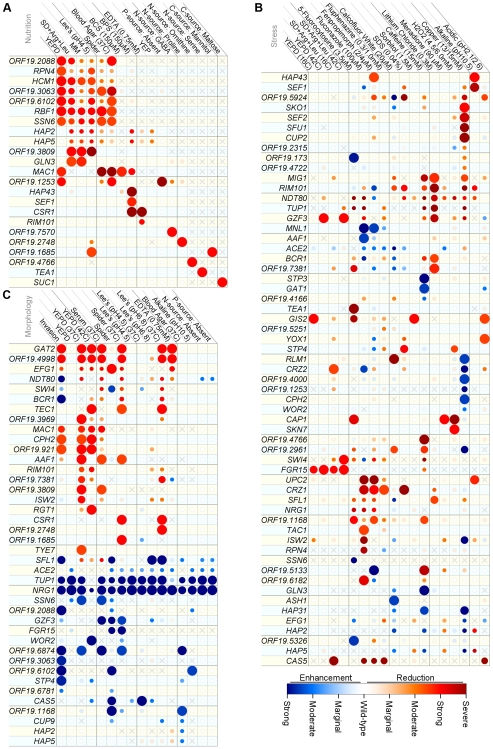
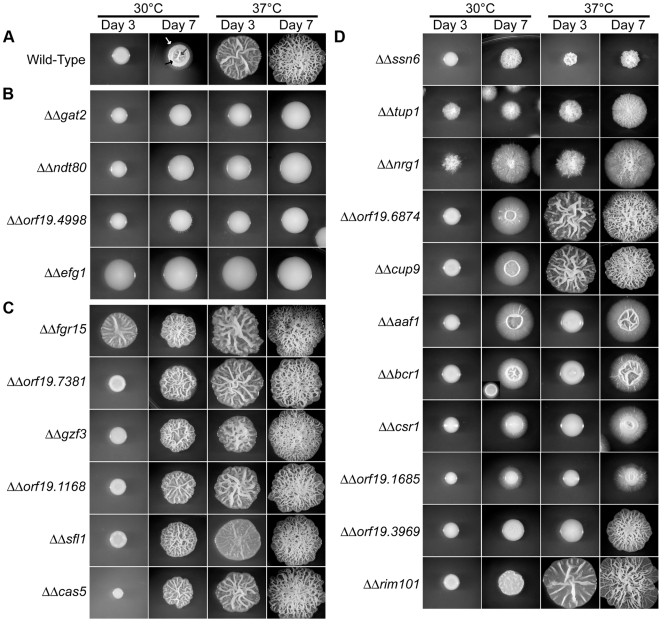
“In addition, about a quarter of the mutants affected sensitivity to commonly used antifungal drugs, and a quarter of the mutants affected colony morphology (Homann et al. 2009).”
BackgroundAdaptation of Candida albicans to Reactive Sulfur Species
Chebaro, Y., Lorenz, M., Fa, A., Zheng, R., & Gustin, M. (2017) · Genetics · doi:10.1534/genetics.116.199679 · Cited by 11
“Zcf2 has been previously implicated in cysteine-derived sulfite resistance and became our focus when we screened a collection of transcription factor deletion mutants from Homann et al. (2009) for increased sensitivity to sulfite (Hennicke et al. 2013).”
BackgroundDavis, F. A., Singh, K., Krampen, J. M., Rapala, J. R., Bryant, J. A., McFadden, M. J., Ost, K. S., Esher, S. K., Balunas, M. J., Wang, T., et al. (2026) · Current Biology · doi:10.1016/j.cub.2025.12.029 · Cited by 17
Wakade, R. S., Wellington, M. A., & Krysan, D. J. (2024) · mSphere · doi:10.1128/msphere.00785-23 · Cited by 11
“Standard recipes were used to prepare yeast peptone dextrose (YPD) (22), and all C. albicans strains were precultured overnight in YPD medium at 30°C. RPMI medium was purchased and supplemented with bovine serum (10%, vol/vol).”
MethodInfluentialWakade, R. S., Wellington, M. A., & Krysan, D. J. (2024) · mSphere · doi:10.1128/msphere.00110-24 · Cited by 14
Host Pathogen Relations: Exploring Animal Models for Fungal Pathogens
Harwood, C. A., & Rao, R. P. (2014) · Pathogens · doi:10.3390/pathogens3030549 · Cited by 15
“cells do not possess cell walls, they are good targets for drugs, like capsofungin [63].”
BackgroundInfluentialGenomic Approaches to Antifungal Drug Target Identification and Validation
Robbins, N., & Cowen, L. E. (2022) · Annual Review of Microbiology · doi:10.1146/annurev-micro-041020-094524 · Cited by 18
Miron-Ocampo, A., Beattie, S. R., Guin, S., Conway, T. P., Meyers, M. J., Moye-Rowley, S., & Krysan, D. J. (2023) · Antimicrobial Agents and Chemotherapy · doi:10.1128/aac.00567-23 · Cited by 13
“%) dextrose (YPD) plates after recovery from 25% glycerol stocks stored at −80°C. Transcrip tion factor mutants, tac1 ∆∆ and mrr2 ∆∆, were obtained from the Homann deletion collection provided by the Fungal Genetics Stock Center (17).”
MethodHigh-Throughput Identification ofCis-Regulatory Rewiring Events in Yeast
Sarda, S., & Hannenhalli, S. S. (2015) · Molecular Biology and Evolution · doi:10.1093/molbev/msv203 · Cited by 16
“It has been shown that deletion of TF RTG1 in Scer causes glutamate and aspartate auxotrophies, yet deletion of its ortholog in Calb does not result in the same phenotype (Homann et al. 2009).”
BackgroundFelice, M. R., Gulati, M., Giuffrè, L., Giosa, D., Bella, L. M. D., Criseo, G., Nobile, C. J., Romeo, O., & Scordino, F. (2016) · PLoS ONE · doi:10.1371/journal.pone.0147902 · Cited by 12
A High-Throughput Candida albicans Two-Hybrid System
Schoeters, F., Munro, C. A., d’Enfert, C., & Dijck, P. V. (2018) · mSphere · doi:10.1128/msphere.00391-18 · Cited by 13
“on Spider medium (35), making it harder to use an automated, robotic replicate system.”
Wangsanut, T., Ghosh, A. K., Metzger, P. G., Fonzi, W. A., & Rolfes, R. J. (2017) · mSphere · doi:10.1128/msphere.00161-17 · Cited by 15
“Mitchell (54), and strains SN152, OHWT, TF004Δ, TF016Δ, and TF021Δ (20) were obtained from the Fungal Genetics Stock Center.”
BackgroundMethodInfluentialLinking Sfl1 Regulation of Hyphal Development to Stress Response Kinases in Candida albicans
Unoje, O., Yang, M., Lü, Y., Su, C., & Liu, H. (2020) · mSphere · doi:10.1128/msphere.00672-19 · Cited by 17
“(46), the sfl1 mutant was found to have altered sensitivity to the cation stress of”
BackgroundMarton, T., Maufrais, C., d’Enfert, C., & Legrand, M. (2020) · mSphere · doi:10.1128/msphere.00620-20 · Cited by 12
Budding off: bringing functional genomics to Candida albicans
Anderson, M. Z., & Bennett, R. J. (2016) · Briefings in Functional Genomics · doi:10.1093/bfgp/elv035 · Cited by 11
“(2009) [147] Targeted disruption 365 166 Both No”
Backgroundvan Wijlick, L., Znaidi, S., Hernández-Cervantes, A., Basso, V., Bachellier‐Bassi, S., & d’Enfert, C. (2022) · Frontiers in Cellular and Infection Microbiology · doi:10.3389/fcimb.2022.960884 · Cited by 13
“The induction of hyphae was performed on the surface of solid SPIDER medium (1% (w/v) Difco nutrient broth, 2% (w/v) mannitol, 0.2% (w/v) dibasic potassium phosphate) at 37°C. Sensitivity assays were performed in YPD medium at 30°C and 10 mM BPS (bathophenanthrolinedisulfonate, Sigma) was added to the medium to create…”
BackgroundMethodInfluentialNon‐homology‐based prediction of gene functions in maize ( Zea mays ssp. mays )
Dai, X., Xu, Z. Q., Liang, Z., Tu, X., Zhong, S., Schnable, J. C., & Li, P. (2020) · The Plant Genome · doi:10.1002/tpg2.20015 · Cited by 16
Reuter-Weissenberger, P., Meir, J., & Pérez, J. C. (2021) · mBio · doi:10.1128/mbio.03020-21 · Cited by 12
“albicans zcf8 deletion mutant exhibited wild-type levels of proliferation across all conditions evaluated (9).”
BackgroundAlternative sulphur metabolism in the fungal pathogen Candida parapsilosis
Lombardi, L., Salzberg, L. I., Cinnéide, E. Ó., O’Brien, C. E., Morio, F., Turner, S. A., Byrne, K. P., & Butler, G. (2024) · Nature Communications · doi:10.1038/s41467-024-53442-8 · Cited by 11
“Deletion of the transcriptional regulators SFU1 ( CPAR2_700810 ) and TUP1 ( CPAR2_109520 ) led to increased sensitivity to copper, as previously observed in C. albicans 37 (Fig.”
InfluentialSahoo, B., Goyal, R., Dutta, S., Joshi, P., & Sanyal, K. (2025) · ACS Infectious Diseases · doi:10.1021/acsinfecdis.5c00079 · Cited by 15
Chaillot, J., Tebbji, F., Mallick, J., & Sellam, A. (2018) · Genetics · doi:10.1534/genetics.118.301872 · Cited by 12
Wofford, J. D., Park, J., McCormick, S. P., Chakrabarti, M., & Lindahl, P. A. (2016) · Metallomics · doi:10.1039/c6mt00070c · Cited by 12
Saputo, S., Norman, K. L., Murante, T., Horton, B. N., Diaz, J. D. L. C., DiDone, L., Colquhoun, J. M., Schroeder, J. W., Simmons, L. A., Kumar, A., et al. (2016) · Genetics · doi:10.1534/genetics.116.188029 · Cited by 14
“Homann et al. (2009) reported filament morphology phenotypes for their library of transcription factor homozygous deletion strains with a variety of inducing conditions including both serum and Spider medium.”
BackgroundIchikawa, Y., Bruno, V. M., Woolford, C. A., Kim, H., Do, E., Brewer, G. C., & Mitchell, A. P. (2021) · Genetics · doi:10.1093/genetics/iyab075 · Cited by 9
The general transcriptional repressor Tup1 governs filamentous development in
Gong, J., Huang, Q., Liang, W., Wei, Y., & Huang, G. (2019) · Acta Biochimica et Biophysica Sinica · doi:10.1093/abbs/gmz023 · Cited by 8
Zheng, Q., Guan, G., Cao, C., Li, Q., & Huang, G. (2020) · Current Genetics · doi:10.1007/s00294-020-01100-z · Cited by 11
A data library of Candida albicans functional genomic screens
Gervais, N. C., Halder, V., & Shapiro, R. S. (2021) · FEMS Yeast Research · doi:10.1093/femsyr/foab060 · Cited by 10
Das, S., Goswami, A. M., & Saha, T. (2022) · Microbial Pathogenesis · doi:10.1016/j.micpath.2022.105418 · Cited by 9
Wakade, R. S., Krysan, D. J., & Wellington, M. A. (2022) · Journal of Visualized Experiments · doi:10.3791/64258 · Cited by 8
Metadata
- Authors
- Homann, O. R., Dea, J., Noble, S. M., & Johnson, A. D.
- Affiliations
- University of California, San Francisco (US)
- Corresponding author
- Homann, Oliver R.
- Venue
- PLoS Genetics
- Publisher
- Public Library of Science (PLoS)
- Published
- 2009-12-24
- Volume
- 5
- Issue
- 12
- Pages
- e1000783
- ISSN
- 1553-7390 (ISSN-L)
- 1553-7404
- PMC
- PMC2790342
- OpenAlex
- W2041611856
- Cited by
- 444
- References
- 66
- Citations by year
- 2026: 16 · 2025: 18 · 2024: 30 · 2023: 30 · 2022: 30 · 2021: 30 · 2020: 28 · 2019: 29 · 2018: 26 · 2017: 29 · 2016: 28 · 2015: 28 · 2014: 26 · 2013: 32 · 2012: 33
- FWCI
- 8.60
- Type
- journal article
- Language
- en
- Open access
- gold
- doi.org
- Locations
- PLoS Genetics (publishedVersion, cc-by)
- PubMed Central (publishedVersion, cc-by)
- PubMed (publishedVersion)
- DOAJ (DOAJ: Directory of Open Access Journals) (submittedVersion, cc-by-sa)
- eScholarship (California Digital Library) (submittedVersion)
- eScholarship (California Digital Library) (submittedVersion, cc-by)
- Figshare (submittedVersion, cc-by)
- Funders
- National Institutes of Health
- National Institute of General Medical Sciences (R01GM037049, 5R01GM37049-22)
- National Institute of Allergy and Infectious Diseases (K08AI062800)
- Topics
- Life Sciences › Biochemistry, Genetics and Molecular Biology › Molecular Biology › Fungal and yeast genetics research
- Health Sciences › Medicine › Infectious Diseases › Antifungal resistance and susceptibility
- Life Sciences › Biochemistry, Genetics and Molecular Biology › Molecular Biology › Gene Regulatory Network Analysis
- Keywords
- Candida albicans, transcription factors, transcriptional regulatory networks, deletion mutants, phenotypic profiling, colony morphology, antifungal susceptibility, antifungal resistance, Saccharomyces cerevisiae, fungal pathogenesis
- MeSH terms
- Candida albicans, Homeostasis, Models, Biological, Phenotype, Saccharomyces cerevisiae, Transcription, Genetic, Colony Count, Microbial, Gene Library, Databases, Genetic, Gene Regulatory Networks, Gene Knockout Techniques
About these checks
Registry, retraction, Cites and statistics results are computed, not judged, with one exception: a printed reference that no index lists is read once by a model before it counts as a citation error. Claims are extracted by a model and kept only when their quote appears verbatim in the text; each cited source is then checked, with a model’s help, for whether it says what the claim relies on. Those verdicts can be wrong — read the claim’s quote and the cited source before relying on one.
Statistics and arithmetic are recomputed, not judged.
Confidence bands are shown only for fields calibrated on our annotated test set. None is calibrated yet, so no band is shown.
What counts as a claim ›How we measure confidence ›How we check this ›
Are you an author, or do you see a problem with this page? Request a review
Data sources
Bibliographic data: Semantic Scholar, OpenAlex, Crossref.
Contains information from the Semantic Scholar Academic Graph Datasets, made available under the ODC Attribution License (ODC-BY 1.0).
Semantic Scholar’s data is described in: Kinney, R., et al. (2023). The Semantic Scholar Open Data Platform. arXiv:2301.10140.
