

A Phenotypic Profile of the Candida albicans Regulatory Network
Open accessThe DOI matches its Crossref record; 66 of the 66 references it cites were found in a registry or an index.
Abstract
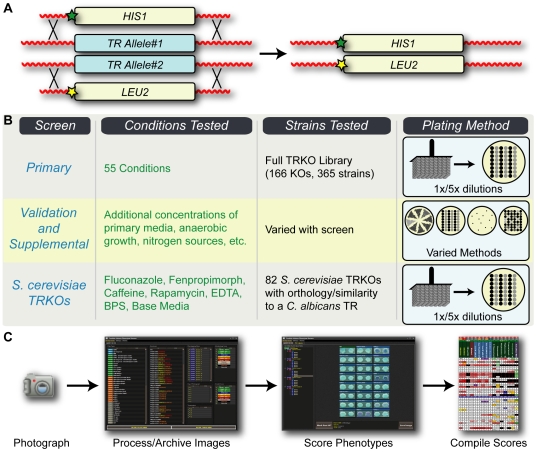
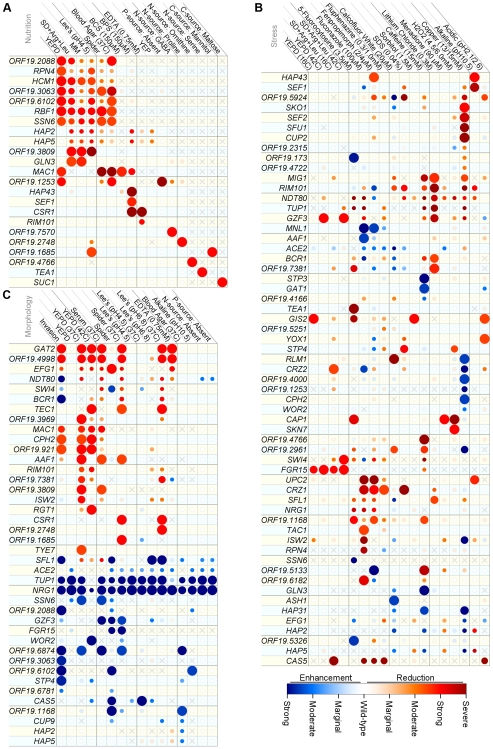
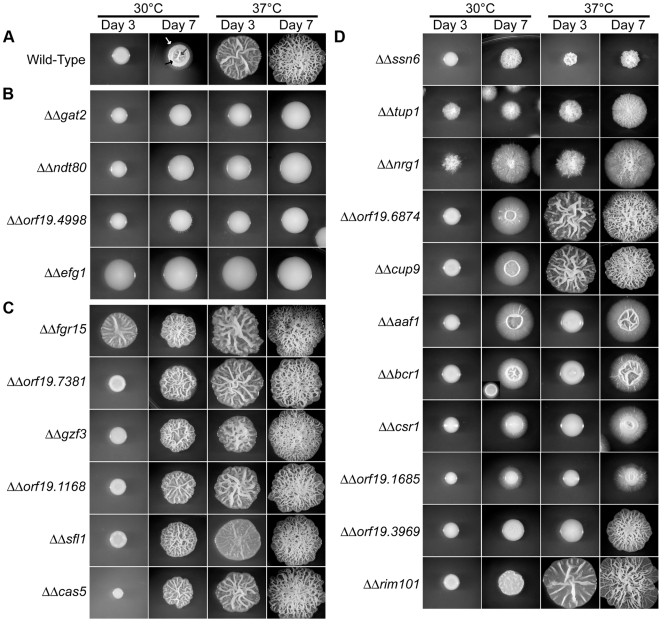
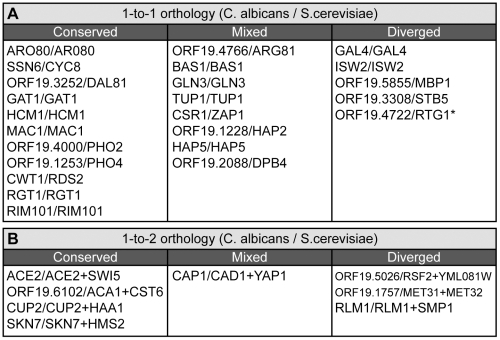
Candida albicans is a normal resident of the gastrointestinal tract and also the most prevalent fungal pathogen of humans. It last shared a common ancestor with the model yeast Saccharomyces cerevisiae over 300 million years ago. We describe a collection of 143 genetically matched strains of C. albicans, each of which has been deleted for a specific transcriptional regulator. This collection represents a large fraction of the non-essential transcription circuitry. A phenotypic profile for each mutant was developed using a screen of 55 growth conditions. The results identify the biological roles of many individual transcriptional regulators; for many, this work represents the first description of their functions. For example, a quarter of the strains showed altered colony formation, a phenotype reflecting transitions among yeast, pseudohyphal, and hyphal cell forms. These transitions, which have been closely linked to pathogenesis, have been extensively studied, yet our work nearly doubles the number of transcriptional regulators known to influence them. As a second example, nearly a quarter of the knockout strains affected sensitivity to commonly used antifungal drugs; although a few transcriptional regulators have previously been implicated in susceptibility to these drugs, our work indicates many additional mechanisms of sensitivity and resistance. Finally, our results inform how transcriptional networks evolve. Comparison with the existing S. cerevisiae data (supplemented by additional S. cerevisiae experiments reported here) allows the first systematic analysis of phenotypic conservation by orthologous transcriptional regulators over a large evolutionary distance. We find that, despite the many specific wiring changes documented between these species, the general phenotypes of orthologous transcriptional regulator knockouts are largely conserved. These observations support the idea that many wiring changes affect the detailed architecture of the circuit, but not its overall output.
Overview
The claims and statistics of this paper haven’t been checked yet.
Free: it reads the open-access text and checks the first 5 claims that cite a source we can check. Create a free account to check every claim.
Integrity signals
Registry
Cites
Statistics
Figures
Verification
Claims the paper makes
The claims and statistics of this paper haven’t been checked yet.
Free: it reads the open-access text and checks the first 5 claims that cite a source we can check. Create a free account to check every claim.
Claims other papers make about this one
Each is checked against this paper’s own text: does it say what the citing paper says it does?
The cited source says what the claim attributes to it.
In the citing paper
“Amongst the 165 TFs represented in the library31, rtg1- and rtg3-deletion strains showed the greatest growth defect (Fig. 3a).”
From Multifactor transcriptional control of alternative oxidase induction integrates diverse environmental inputs to enable fungal virulence (2023) · cites this paper as [31]
Self-check
Percentages, sums and reported differences re-computed from the paper’s own numbers.
The self-check needs the paper’s full text.
Citations
Cites
Functional profiling of the Saccharomyces cerevisiae genome
Giaever, G., Chu, A. M., Ni, L., Connelly, C., Riles, L., Véronneau, S., Dow, S., Lucau-Danila, A., Anderson, K., André, B., et al. (2002) · Nature · doi:10.1038/nature00935 · Cited by 4,316 · cited 1×
“deletion strains were obtained from the Saccharomyces Genome Deletion Project collection”
MethodTranscriptional Regulatory Networks in Saccharomyces cerevisiae
Lee, T. I., Rinaldi, N. J., Robert, F., Odom, D. T., Bar-Joseph, Z., Gerber, G. K., Hannett, N. M., Harbison, C. T., Thompson, C. M., Simon, I., et al. (2002) · Science · doi:10.1126/science.1075090 · Cited by 2,956
InterProScan – an integration platform for the signature-recognition methods in InterPro
Zdobnov, E. M., & Apweiler, R. (2001) · Bioinformatics · doi:10.1093/bioinformatics/17.9.847 · Cited by 2,939 · cited 1×
“The list of candidate genes for inclusion in our transcriptional regulator knockout (TRKO) library was compiled from multiple sources (Dataset S1; [7,15–22]).”
MethodDujon, B., Sherman, D., Fischer, G., Durrens, P., Casaregola, S., Lafontaine, I., de Montigny, J., Marck, C., Neuvéglise, C., Talla, E., et al. (2004) · Nature · doi:10.1038/nature02579 · Cited by 1,623 · cited 1×
“those of fish and humans [3].”
Pfam: A comprehensive database of protein domain families based on seed alignments
Sonnhammer, E. L. L., Eddy, S. R., & Durbin, R. (1997) · Proteins: Structure, Function, and Genetics · doi:10.1002/(sici)1097-0134(199707)28:3<405::aid-prot10>3.0.co;2-l · Cited by 1,221
Automatic clustering of orthologs and in-paralogs from pairwise species comparisons
Remm, M., Storm, C. E. V., & Sonnhammer, E. L. L. (2001) · Journal of Molecular Biology · doi:10.1006/jmbi.2000.5197 · Cited by 1,174 · cited 2×
“algorithms, SYNERGY [59] and INPARANOID [60] supple-”
SGD: Saccharomyces Genome Database
Cherry, J. (1998) · Nucleic Acids Research · doi:10.1093/nar/26.1.73 · Cited by 1,159
The Chemical Genomic Portrait of Yeast: Uncovering a Phenotype for All Genes
Hillenmeyer, M. E., Fung, E., Wildenhain, J., Pierce, S. E., Hoon, S., Lee, W., Proctor, M., St.Onge, R. P., Tyers, M., Koller, D., et al. (2008) · Science · doi:10.1126/science.1150021 · Cited by 1,003 · cited 2×
“[8,9,12,14]), the extent of concordance between these studies is sufficiently low that these data are not suitable for inter-species comparison.”
BackgroundThe distinct morphogenic states of Candida albicans
Sudbery, P., Gow, N., & Berman, J. (2004) · Trends in Microbiology · doi:10.1016/j.tim.2004.05.008 · Cited by 876 · cited 1×
“reflect the transitions among these three cell forms [54].”
BackgroundThe origin and evolution of model organisms
Hedges, S. B. (2002) · Nature Reviews Genetics · doi:10.1038/nrg929 · Cited by 806 · cited 1×
“ancestor some 300–900 million years ago [1,2], and, in terms of coding sequences, their genomes are approximately as divergent as”
Background
Cited by
A Recently Evolved Transcriptional Network Controls Biofilm Development in Candida albicans
Nobile, C. J., Fox, E. P., Nett, J. E., Sorrells, T. R., Mitrovich, Q. M., Hernday, A. D., Tuch, B. B., Andes, D. R., & Johnson, A. D. (2012) · Cell · doi:10.1016/j.cell.2011.10.048 · Cited by 711
“albicans library of 165 fully vetted transcription regulator (TR) deletion mutants consisting of two independently constructed mutants for each strain (Homann et al., 2009).”
BackgroundMethodSelf-citationRegulatory circuitry governing fungal development, drug resistance, and disease.
Shapiro, R. S., Robbins, N., & Cowen, L. E. (2011) · Microbiology and Molecular Biology Reviews · doi:10.1128/mmbr.00045-10 · Cited by 576
“At present, high-throughput analyses of known and uncharacterized transcriptional regulators are facilitating the discovery of many novel pathways and factors regulating morphogenetic transitions (228).”
BackgroundAntifungal Resistance and New Strategies to Control Fungal Infections
Vandeputte, P., Ferrari, S., & Coste, A. T. (2012) · International Journal of Microbiology · doi:10.1155/2012/713687 · Cited by 505
“First of all, treating strains with already known antifungal drugs and analyzing for example, growth modification and later transcriptional rewiring, some authors try to better understand drugs mechanisms of action and/or to find synergistic effect between them [272, 274].”
BackgroundLaFayette, S. L., Collins, C., Zaas, A. K., Schell, W. A., Betancourt-Quiroz, M., Gunatilaka, A. A. L., Perfect, J. R., & Cowen, L. E. (2010) · PLoS Pathogens · doi:10.1371/journal.ppat.1001069 · Cited by 329
“cerevisiae, deletion of RLM1 on its own had no impact on tolerance to the ergosterol biosynthesis inhibitors (Figure 5), consistent with recent findings [58].”
ResultChen, C., Pande, K., French, S. D., Tuch, B. B., & Noble, S. M. (2011) · Cell Host & Microbe · doi:10.1016/j.chom.2011.07.005 · Cited by 314
“Transcriptional Rewiring in a Commensal Pathogen”
InfluentialSelf-citationCell Wall Remodeling Enzymes Modulate Fungal Cell Wall Elasticity and Osmotic Stress Resistance
Ene, I. V., Walker, L. A., Schiavone, M., Lee, K. K., Martin-Yken, H., Dague, E., Gow, N. A. R., Munro, C. A., & Brown, A. J. P. (2015) · mBio · doi:10.1128/mbio.00986-15 · Cited by 254
Witchley, J. N., Penumetcha, P., Abon, N. V., Woolford, C. A., Mitchell, A. P., & Noble, S. M. (2019) · Cell Host & Microbe · doi:10.1016/j.chom.2019.02.008 · Cited by 240
“Null mutants targeting EFG1, RBG1, ROB1, TEC1, and UME6 are defective for filamentation in vitro (Banerjee et al., 2008; Braun and Johnson, 2000; Du et al., 2012; Homann et al., 2009; Lo et al., 1997; Schweizer et al., 2000), and efg1, brg1, tec1, and ume6 exhibit virulence defects in animal models of disseminated inf…”
BackgroundMethodInfluentialSelf-citationPortrait of Candida albicans Adherence Regulators
Finkel, J. S., Xu, W., Huang, D., Hill, E. M., Desai, J. V., Woolford, C. A., Nett, J. E., Taff, H., Norice, C. T., Andes, D. R., et al. (2012) · PLoS Pathogens · doi:10.1371/journal.ppat.1002525 · Cited by 228
“The 197 UAU his- strains used in the initial adherence screen, as well as the transcription factor deletion mutants [12], are not listed here and are available at http://www.”
BackgroundMethodInfluentialCandida albicans Triggers NLRP3-Mediated Pyroptosis in Macrophages
Wellington, M., Koselny, K., Sutterwala, F. S., & Krysan, D. J. (2014) · Eukaryotic Cell · doi:10.1128/ec.00336-13 · Cited by 227
“from the Fungal Genetics Stock Center (21).”
Global Gene Deletion Analysis Exploring Yeast Filamentous Growth
Ryan, O., Shapiro, R. S., Kurat, C. F., Mayhew, D., Baryshnikova, A., Chin, B., Lin, Z.-Y., Cox, M. J., Vizeacoumar, F., Cheung, D., et al. (2012) · Science · doi:10.1126/science.1224339 · Cited by 213
Candida albicans-Induced Epithelial Damage Mediates Translocation through Intestinal Barriers
Allert, S., Förster, T. M., Svensson, C.-M., Richardson, J. P., Pawlik, T., Hebecker, B., Rudolphi, S., Juraschitz, M., Schaller, M., Blagojevic, M., et al. (2018) · mBio · doi:10.1128/mbio.00915-18 · Cited by 208
“associated traits (41), including transcriptional regulators (43).”
Adaptive immunity induces mutualism between commensal eukaryotes
Ost, K. S., O’Meara, T. R., Stephens, W. Z., Chiaro, T., Zhou, H., Penman, J., Bell, R., Catanzaro, J. R., Song, D., Singh, S., et al. (2021) · Nature · doi:10.1038/s41586-021-03722-w · Cited by 204
Self-citationFox, E. P., Cowley, E. S., Nobile, C. J., Hartooni, N., Newman, D. K., & Johnson, A. D. (2014) · Current Biology · doi:10.1016/j.cub.2014.08.057 · Cited by 207
“albicans [23] (Table S2) and identified eight transcription regulator-encoding genes and two other genes that are required for the observed interspecies aggregation (Figures 4K– 4R and S4C).”
BackgroundSelf-citationSystematic functional profiling of transcription factor networks in Cryptococcus neoformans
Jung, K.-W., Yang, D.-H., Maeng, S., Lee, K.-T., So, Y.-S., Hong, J., Choi, J., Byun, H.-J., Kim, H., Bang, S., et al. (2015) · Nature Communications · doi:10.1038/ncomms7757 · Cited by 203
“This level is highly similar to that reported in a similar study on the ascomycete fungal pathogen Candida albicans 11 .”
InfluentialCandida albicans hyphal initiation and elongation
Lu, Y., Su, C., & Liu, H. (2014) · Trends in Microbiology · doi:10.1016/j.tim.2014.09.001 · Cited by 193
“The significance of Nrg1 as the key transcriptional repressor of the hyphal transcriptional program is underscored by phenotypic profiling of 143 transcriptional regulator knockout mutants, where only nrg1 and tup1 mutants are filamentous under all conditions examined [46].”
An expanded regulatory network temporally controls C andida albicans biofilm formation
Fox, E. P., Bui, C. K., Nett, J. E., Hartooni, N., Mui, M. C., Andes, D. R., Nobile, C. J., & Johnson, A. D. (2015) · Molecular Microbiology · doi:10.1111/mmi.13002 · Cited by 173
“The master regulators were identified by screening a transcription factor deletion library of 165 mutants (Homann et al., 2009; Nobile et al., 2012) for biofilm formation at 48 h, and we used our gene expression data to prioritize construction of 27 additional regulator deletion mutant strains,…”
MethodInfluentialSelf-citationLu, Y., Su, C., Wang, A., & Liu, H. (2011) · PLoS Biology · doi:10.1371/journal.pbio.1001105 · Cited by 162
“The significance of Nrg1 is underscored by recent phenotypic profiling of 143 transcriptional regulator knockout mutants, where only nrg1 and tup1 mutants are filamentous under all conditions examined [52].”
BackgroundPérez, J. C., Kumamoto, C. A., & Johnson, A. D. (2013) · PLoS Biology · doi:10.1371/journal.pbio.1001510 · Cited by 156
“albicans TR deletion strains (n = 165) display no significant growth or colony morphology phenotype under any of 55 different laboratory growth conditions [16].”
BackgroundInfluentialSelf-citationHsu, P.-C., Yang, C.-Y., & Lan, C.-Y. (2011) · Eukaryotic Cell · doi:10.1128/ec.00158-10 · Cited by 157
“For example, hap2 and hap5 strains are hyperresistant to rapamycin and caffeine, in contrast to the wild-type, hap43 , and hap3 strains (33).”
BackgroundSegal, E. S., Gritsenko, V., Levitan, A., Yadav, B., Dror, N., Steenwyk, J. L., Silberberg, Y., Mielich, K., Rokas, A., Gow, N. A. R., et al. (2018) · mBio · doi:10.1128/mbio.02048-18 · Cited by 150
Evolution of asexual and sexual reproduction in the aspergilli
Ojeda-López, M., Chen, W., Eagle, C. E., Gutiérrez, G., Jia, L., Swilaiman, S. S., Huang, Z., Park, H., Yu, J.-H., Cánovas, D., et al. (2018) · Studies in Mycology · doi:10.1016/j.simyco.2018.10.002 · Cited by 159
“In yeast these homologues (PHD1 and SOK2) are involved in pseudohyphal growth, a process with some similarities to the formation of sterigmata cells in the aspergilli, and in Candida EFG1 is involved in hyphal growth and the whitephase cell type (Stoldt et al. 1997).”
BackgroundInfluentialThe negative cofactor 2 complex is a key regulator of drug resistance in Aspergillus fumigatus
Furukawa, T., van Rhijn, N., Fraczek, M., Gsaller, F., Davies, E., Carr, P., Gago, S., Fortune-Grant, R., Rahman, S., Gilsenan, J. M., et al. (2020) · Nature Communications · doi:10.1038/s41467-019-14191-1 · Cited by 139
Holland, L. M., Schröder, M. S., Turner, S. A., Taff, H., Andes, D., Grózer, Z., Gácser, A., Ames, L., Haynes, K., Higgins, D. G., et al. (2014) · PLoS Pathogens · doi:10.1371/journal.ppat.1004365 · Cited by 131
“albicans [43], and another (UME6) was obtained from Banerjee et al [48].”
BackgroundMethodResultInfluentialCandida albicans gains azole resistance by altering sphingolipid composition
Gao, J., Wang, H., Li, Z., Wong, A. H.-H., Wang, Y.-Z., Guo, Y., Lin, X., Zeng, G., Liu, H., Wang, Y., et al. (2018) · Nature Communications · doi:10.1038/s41467-018-06944-1 · Cited by 130
Xie, J., Tao, L., Nobile, C. J., Tong, Y., Guan, G., Sun, Y., Cao, C., Hernday, A. D., Johnson, A. D., Zhang, L., et al. (2013) · PLoS Biology · doi:10.1371/journal.pbio.1001525 · Cited by 128
“The library of transcription factor mutants contains the TF mutants generated by the Johnson lab [37] and strains collected from Candida community [36].”
BackgroundSelf-citationHeilmann, C. J., Sorgo, A. G., Mohammadi, S., Sosinska, G. J., de Koster, C. G., Brul, S., de Koning, L. J., & Klis, F. M. (2013) · Eukaryotic Cell · doi:10.1128/ec.00278-12 · Cited by 122
“The growth rates of ace2 mutant cells and wild-type cells at 42°C are, however, similar (68).”
BackgroundSingh, R. P., Prasad, H. K., Sinha, I., Agarwal, N., & Natarajan, K. (2011) · Journal of Biological Chemistry · doi:10.1074/jbc.m111.233569 · Cited by 113
Fox, E. P., & Nobile, C. J. (2012) · Transcription · doi:10.4161/trns.22281 · Cited by 114
Fazly, A., Jain, C., Dehner, A. C., Issi, L., Lilly, E. A., Ali, A., Cao, H., Fidel, P. L., P. Rao, R., & Kaufman, P. D. (2013) · Proceedings of the National Academy of Sciences · doi:10.1073/pnas.1305982110 · Cited by 112
“albicans when grown on solid Spider media, reflecting transitions between hyphal and yeast forms (5, 27).”
BackgroundDiezmann, S., Michaut, M., Shapiro, R. S., Bader, G. D., & Cowen, L. E. (2012) · PLoS Genetics · doi:10.1371/journal.pgen.1002562 · Cited by 112
“in adherence, morphogenesis, and virulence [24,41].”
BackgroundRomo, J. A., Pierce, C. G., Chaturvedi, A. K., Lazzell, A. L., McHardy, S. F., Saville, S. P., & Lopez-Ribot, J. L. (2017) · mBio · doi:10.1128/mbio.01991-17 · Cited by 105
Candida albicans specializations for iron homeostasis: from commensalism to virulence
Noble, S. M. (2013) · Current Opinion in Microbiology · doi:10.1016/j.mib.2013.09.006 · Cited by 104
Self-citationLu, Y., Su, C., Unoje, O., & Liu, H. (2014) · Proceedings of the National Academy of Sciences · doi:10.1073/pnas.1318690111 · Cited by 105
“albicans (26) for mutants defective in hyphal initiation.”
BackgroundOverview of carbon and nitrogen catabolite metabolism in the virulence of human pathogenic fungi
Ries, L. N. A., Beattie, S., Cramer, R. A., & Goldman, G. H. (2018) · Molecular Microbiology · doi:10.1111/mmi.13887 · Cited by 103
“cerevisiae Gzf3p and Dal80p, termed GZF3, whose deletion resulted in altered colony morphology at 30 and 378C (Homann et al., 2009).”
BackgroundChauvel, M., Nesseir, A., Cabral, V., Znaidi, S., Goyard, S., Bachellier-Bassi, S., Firon, A., Legrand, M., Diogo, D., Naulleau, C., et al. (2012) · PLoS ONE · doi:10.1371/journal.pone.0045912 · Cited by 102
“It has been shown that deletion of CSR1/ZAP1 affects filamentous growth [10,13,17,33,76].”
BackgroundResultSystem-level impact of mitochondria on fungal virulence: to metabolism and beyond
Calderone, R., Li, D., & Traven, A. (2015) · FEMS Yeast Research · doi:10.1093/femsyr/fov027 · Cited by 101
“If Goa1p regulates CI activity in some fashion, what regulates GOA1? To answer this question, we screened a library of transcriptional regulatory knockout mutants (TRKO) for their growth on glycerol, a mitochondrial, respiratory-specific substrates (Homann et al. 2009; Khamooshi et al. 2014).”
BackgroundHnisz, D., Bardet, A. F., Nobile, C. J., Petryshyn, A., Glaser, W., Schöck, U., Stark, A., & Kuchler, K. (2012) · PLoS Genetics · doi:10.1371/journal.pgen.1003118 · Cited by 100
“mental and host stimuli and is controlled by several signal transduction cascades and over thirty transcriptional regulators [5,6,7,8].”
BackgroundCopper at the Fungal Pathogen-Host Axis
García-Santamarina, S., & Thiele, D. J. (2015) · Journal of Biological Chemistry · doi:10.1074/jbc.r115.649129 · Cited by 97
“genes in response to high Cu concentrations (86).”
BackgroundpH Signaling in Human Fungal Pathogens: a New Target for Antifungal Strategies
Cornet, M., & Gaillardin, C. (2014) · Eukaryotic Cell · doi:10.1128/ec.00313-13 · Cited by 98
“The azole hypersensitivity phenotype was subsequently confirmed by others as part of a large phenotypic profiling experiment on a collection of strains with deletions of genes encoding transcriptional regulators (143).”
BackgroundSu, C., Lu, Y., & Liu, H. (2013) · Molecular Biology of the Cell · doi:10.1091/mbc.e12-06-0477 · Cited by 94
“…et al., 2002), the regulation of Ace2 and morphogenesis network (McNemar and Fonzi, 2002; Song et al., 2008), the target of rapamycin (Tor1) signaling pathway (Bastidas et al., 2009; Zacchi et al., 2010; Lu et al., 2011), and more (Uhl et al., 2003; Homann et al., 2009; Blankenship et al., 2010).”
The yeast form of the fungus Candida albicans promotes persistence in the gut of gnotobiotic mice
Böhm, L., Torsin, S., Tint, S. H., Eckstein, M. T., Ludwig, T., & Pérez, J. C. (2017) · PLOS Pathogens · doi:10.1371/journal.ppat.1006699 · Cited by 95
Transcriptional control of hyphal morphogenesis in Candida albicans
Villa, S., Hamideh, M., Weinstock, A., Qasim, M. N., Hazbun, T. R., Sellam, A., Hernday, A. D., & Thangamani, S. (2020) · FEMS Yeast Research · doi:10.1093/femsyr/foaa005 · Cited by 117
Naseem, S., Gunasekera, A., Araya, E., & Konopka, J. B. (2011) · Journal of Biological Chemistry · doi:10.1074/jbc.m111.249854 · Cited by 92
Lu, Y., Su, C., & Liu, H. (2012) · PLoS Pathogens · doi:10.1371/journal.ppat.1002663 · Cited by 92
“Previous genome-wide mutant screens have identified Brg1 as a general positive regulator of morphogenesis [27] and a brg1 mutant carrying a transposon insertion proximal to the ORF was found to be hyperfilamentous [28].”
BackgroundMethodInfluentialKim, S. H., Clark, S. T., Surendra, A., Copeland, J. K., Wang, P. W., Ammar, R., Collins, C., Tullis, D. E., Nislow, C., Hwang, D. M., et al. (2015) · PLOS Pathogens · doi:10.1371/journal.ppat.1005308 · Cited by 92
“Finally, a homozygous NRG1 deletion mutant (nrg1Δ/nrg1Δ) in an independent background [39] also has comparable growth morphology to F1.”
BackgroundSantana, D. J., & O’Meara, T. R. (2021) · Nature Communications · doi:10.1038/s41467-021-27545-5 · Cited by 91
A Histone Deacetylase Complex Mediates Biofilm Dispersal and Drug Resistance in Candida albicans
Nobile, C. J., Fox, E. P., Hartooni, N., Mitchell, K. F., Hnisz, D., Andes, D. R., Kuchler, K., & Johnson, A. D. (2014) · mBio · doi:10.1128/mbio.01201-14 · Cited by 87
“albicans (hos2 / , sif2 / , snt1 / , and set3 / ) (24, 28, 29) for the ability to form biofilms on the surface of a polystyrene plate under a standard set of in vitro biofilm-inducing conditions (14, 30).”
BackgroundSelf-citationWilliams, R. B., & Lorenz, M. C. (2020) · mBio · doi:10.1128/mbio.03070-19 · Cited by 87
“available libraries of 850 strains (the Noble and Homann libraries) (40, 41).”
BackgroundCleary, I. A., Lazzell, A. L., Monteagudo, C., Thomas, D. P., & Saville, S. P. (2012) · Molecular Microbiology · doi:10.1111/j.1365-2958.2012.08127.x · Cited by 86
“We deleted both copies of BRG1 in more than one genetic background and, in agreement with the phenotypes previously described (Homann et al., 2009; Noble et al., 2010), strains lacking BRG1 are unable to form hyphae under numerous inducing conditions (Figs 1B, S2 and S3).”
InfluentialSchillig, R., & Morschhäuser, J. (2013) · Molecular Microbiology · doi:10.1111/mmi.12327 · Cited by 85
“In most cases, deletion mutants lacking the TFs (mrr1Δ, tac1Δ, cta4Δ, stb5Δ, znc1Δ) retained wild-type drug susceptibility, explaining why their ability to mediate fluconazole resistance was not revealed in previous screenings of TF deletion mutants (Coste et al., 2008; Homann et al., 2009; Vandeputte et al., 2012).”
BackgroundResultCandida albicans White and Opaque Cells Undergo Distinct Programs of Filamentous Growth
Si, H., Hernday, A. D., Hirakawa, M. P., Johnson, A. D., & Bennett, R. J. (2013) · PLoS Pathogens · doi:10.1371/journal.ppat.1003210 · Cited by 85
“CAY4522 efg1::LEU2/efg1::HIS1 arg4/arg4 leu2/leu2 his1/his1* (white) a/a [26]”
MethodSelf-citationChen, C., & Noble, S. M. (2012) · PLoS Pathogens · doi:10.1371/journal.ppat.1002956 · Cited by 83
“full induction of iron uptake genes, then a mutant lacking the relevant kinase might be hypersensitive to iron depletion, that is, phenotypically similar to sef1DD itself [6,23].”
BackgroundSelf-citationShapiro, R. S., Sellam, A., Tebbji, F., Whiteway, M., Nantel, A., & Cowen, L. E. (2012) · Current Biology · doi:10.1016/j.cub.2012.01.062 · Cited by 81
Candida albicans targets that potentially synergize with fluconazole
Lu, H., Shrivastava, M., Whiteway, M., & Jiang, Y. (2021) · Critical Reviews in Microbiology · doi:10.1080/1040841x.2021.1884641 · Cited by 81
“A C. albicans strain lacking the NDT80 gene showed increased sensitivity to fluconazole (Chen et al. 2004; Homann et al. 2009; Sellam, Tebbji, et al. 2009; Vandeputte et al. 2012).”
BackgroundInfluentialGil-Bona, A., Parra-Giraldo, C. M., Hernáez, M. L., Reales-Calderon, J. A., Solis, N. V., Filler, S. G., Monteoliva, L., & Gil, C. (2015) · Journal of Proteomics · doi:10.1016/j.jprot.2015.06.006 · Cited by 79
“In fact, little is known about the mannitol catabolic process: just one protein has been directly related to it, Zcf7, a predicted Zn(II)2Cys6 transcription factor, to date [69].”
BackgroundA tool named Iris for versatile high-throughput phenotyping in microorganisms
Kritikos, G., Banzhaf, M., Herrera-Dominguez, L., Koumoutsi, A., Wartel, M., Zietek, M., & Typas, A. (2017) · Nature Microbiology · doi:10.1038/nmicrobiol.2017.14 · Cited by 77
“We benchmarked our new readout by measuring the structure complexity (wrinkleness) and agar invasion (halo size) of two homozygous single-gene deletion Candida albicans collections 10, 50.”
Douglas, L. M., Wang, H. X., Keppler-Ross, S., Dean, N., & Konopka, J. B. (2012) · mBio · doi:10.1128/mbio.00254-11 · Cited by 75
“A cup2 mutant that lacks the Cup2 transcription factor, which induces the copperresponsive CRP1 and CUP1 genes, was also analyzed (44).”
BackgroundPhagosomal Neutralization by the Fungal Pathogen Candida albicans Induces Macrophage Pyroptosis
Vylkova, S., & Lorenz, M. C. (2017) · Infection and Immunity · doi:10.1128/iai.00832-16 · Cited by 75
Du, H., Guan, G., Xie, J., Sun, Y., Tong, Y., Zhang, L., & Huang, G. (2012) · PLoS ONE · doi:10.1371/journal.pone.0029707 · Cited by 74
“Gat2 is a GATA-type zinc finger transcription factor, which has been shown to regulate filamentous growth on Spider medium in a high-throughput screen [18].”
InfluentialLohse, M. B., Hernday, A. D., Fordyce, P. M., Noiman, L., Sorrells, T. R., Hanson-Smith, V., Nobile, C. J., DeRisi, J. L., & Johnson, A. D. (2013) · Proceedings of the National Academy of Sciences · doi:10.1073/pnas.1221734110 · Cited by 74
“Reverse transcription and dye coupling to Cy3 and Cy5 dyes were performed as previously described (35).”
MethodSelf-citationIyer, K. R., Camara, K., Daniel-Ivad, M., Trilles, R., Pimentel-Elardo, S. M., Fossen, J. L., Marchillo, K., Liu, Z., Singh, S., Muñoz, J. F., et al. (2020) · Nature Communications · doi:10.1038/s41467-020-20183-3 · Cited by 72
Robust Extracellular pH Modulation by Candida albicans during Growth in Carboxylic Acids
Danhof, H. A., Vylkova, S., Vesely, E. M., Ford, A. E., Gonzalez-Garay, M., & Lorenz, M. C. (2016) · mBio · doi:10.1128/mbio.01646-16 · Cited by 72
“mutants reported no phenotypes for the cwt1 strain (37).”
BackgroundMethodInfluentialA CRISPR Interference Platform for Efficient Genetic Repression in Candida albicans
Wensing, L. F., Sharma, J., Uthayakumar, D., Proteau, Y., Chavez, A., & Shapiro, R. S. (2019) · mSphere · doi:10.1128/msphere.00002-19 · Cited by 76
“albicans, including genetic deletion systems (11, 12), conditional expression systems (13), double-selection-based deletion systems (14), and transposon mutagenesis platforms (15–17).”
BackgroundRomanowski, K., Zaborin, A., Valuckaite, V., Rolfes, R. J., Babrowski, T., Bethel, C., Olivas, A., Zaborina, O., & Alverdy, J. C. (2012) · PLoS ONE · doi:10.1371/journal.pone.0030119 · Cited by 69
“We also compared the response to phosphate limitation using the clinically isolated strain SC5314 [27], and two prototypic laboratory strains derived from it, BWP17 [28] and SN152 [29], that carry mutations in transcription factors that mediate the response to phosphate limitation [30] (Ghosh, Metzger, Fonzi and Rolfe…”
BackgroundMethodInfluentialCandida albicans Morphogenesis Is Not Required for Macrophage Interleukin 1β Production
Wellington, M., Koselny, K., & Krysan, D. J. (2013) · mBio · doi:10.1128/mbio.00433-12 · Cited by 67
“albicans transcription factor deletion mutants (16) for those that altered IL-1 production in lipopolysaccharide (LPS)-primed J774 cells, a wellcharacterized mouse macrophage-like cell line.”
BackgroundThe RAM network in pathogenic fungi
Saputo, S., Chabrier-Rosello, Y., Luca, F. C., Kumar, A., & Krysan, D. J. (2012) · Eukaryotic Cell · doi:10.1128/ec.00044-12 · Cited by 65
“Similarly, deletion of CaACE2 leads to increased resistance to the azole class of clinically used antifungal drugs (34).”
BackgroundInfluentialChen, Y. Y., Chao, C., Liu, F., Hsu, P., Chen, H.-F., Peng, S.-C., Chuang, Y., Lan, C., Hsieh, W., & Wong, D. S. (2013) · PLoS ONE · doi:10.1371/journal.pone.0072483 · Cited by 68
Su, C., Lu, Y., & Liu, H. (2016) · Nature Communications · doi:10.1038/ncomms12916 · Cited by 64
Plasma activated coatings with dual action against fungi and bacteria
Akhavan, B., Michl, T. D., Giles, C., Ho, K. K. K., Martin, L. J., Sharifahmadian, O., Wise, S. G., Coad, B. R., Kumar, N., Griesser, H. J., et al. (2018) · Applied Materials Today · doi:10.1016/j.apmt.2018.04.003 · Cited by 67
Liu, N.-N., Flanagan, P. R., Zeng, J., Jani, N. M., Cardenas, M. E., Moran, G. P., & Köhler, J. R. (2017) · Proceedings of the National Academy of Sciences · doi:10.1073/pnas.1617799114 · Cited by 64
“albicans 70 TORC1 pathways are conserved (4), but there are important differences between these 71 species as well.”
BackgroundGómez-Gaviria, M., Ramírez-Sotelo, U., & Mora-Montes, H. M. (2022) · Journal of Fungi · doi:10.3390/jof9010011 · Cited by 88
“albicans Skn7 is another regulator that is required for resistance to hydrogen peroxide [83].”
BackgroundRinaldi, G., Eckert, S. E., Tsai, I. J., Suttiprapa, S., Kines, K. J., Tort, J. F., Mann, V. H., Turner, D., Berriman, M., & Brindley, P. J. (2012) · PLoS Pathogens · doi:10.1371/journal.ppat.1002820 · Cited by 68
“Plasmodium falciparum [24], Toxoplasma gondii [25], Candida albicans [26] and Salmonella enterica serovar Typhi [27].”
BackgroundDuvenage, L., Walker, L. A., Bojarczuk, A., Johnston, S. A., MacCallum, D. M., Munro, C. A., & Gourlay, C. W. (2019) · mBio · doi:10.1128/mbio.02535-18 · Cited by 61
“Using this phenotype, we screened a library of transcription factor deletion mutants (35) by growing the strains in the presence of SNP (cid:2) SHAM in combination with caspofungin at a level that inhibited growth of the wild-type (WT) strain.”
Dalal, C. K., Zuleta, I. A., Mitchell, K. F., Andes, D. R., El-Samad, H., & Johnson, A. D. (2016) · eLife · doi:10.7554/elife.18981 · Cited by 62
“OH13 (Homann et al., 2009) was used as a parent strain.”
BackgroundMethodInfluentialSelf-citationKoselny, K., Green, J., Favazzo, L., Glazier, V. E., DiDone, L., Ransford, S., & Krysan, D. J. (2016) · ACS Infectious Diseases · doi:10.1021/acsinfecdis.5b00134 · Cited by 61
The roles of zinc and copper sensing in fungal pathogenesis
Ballou, E. R., & Wilson, D. (2016) · Current Opinion in Microbiology · doi:10.1016/j.mib.2016.05.013 · Cited by 60
“com CaACE1/CUP2 is additionally required for growth on high copper and regulates CUP1 and CRD2 metallothioneins [42,43].”
BackgroundUwamahoro, N., Qu, Y., Jelicic, B., Lo, T. L., Beaurepaire, C., Bantun, F., Quenault, T., Boag, P. R., Ramm, G., Callaghan, J., et al. (2012) · PLoS Genetics · doi:10.1371/journal.pgen.1002613 · Cited by 59
“Resistance to calcoflour white was also observed in the ace2DD mutant (Table 3 and [62]), as was a mild sensitivity to nystatin and growth at 16uC, indicating that these phenotypes could be due to the role of Med31 in Ace2-dependent gene expression.”
BackgroundPathogenesis and Antifungal Drug Resistance of the Human Fungal Pathogen Candida glabrata
Tscherner, M., Schwarzmüller, T., & Kuchler, K. (2011) · Pharmaceuticals · doi:10.3390/ph4010169 · Cited by 59
“albicans or Cryptococcus neoformans [117,118].”
Znaidi, S., Nesseir, A., Chauvel, M., Rossignol, T., & d'Enfert, C. (2013) · PLoS Pathogens · doi:10.1371/journal.ppat.1003519 · Cited by 59
“6874 [50], NRG1 and RFG1 (Figure 6A, left boxes).”
Phosphate Acquisition and Virulence in Human Fungal Pathogens
Ikeh, M. A. C., Ahmed, Y., & Quinn, J. (2017) · Microorganisms · doi:10.3390/microorganisms5030048 · Cited by 65
“albicans is dispensable for phosphate homeostasis [34].”
Anderson, F. M., Visser, N. D., Amses, K. R., Hodgins-Davis, A., Weber, A. M., Metzner, K., McFadden, M. J., Mills, R. E., O’Meara, M. J., James, T. Y., et al. (2023) · PLoS Biology · doi:10.1371/journal.pbio.3001822 · Cited by 61
“albicans did not show any differences in phenotype compared with the parent strain [68].”
BackgroundIkeh, M. A. C., Kastora, S. L., Day, A. M., Herrero-de-Dios, C. M., Tarrant, E., Waldron, K. J., Banks, A. P., Bain, J. M., Lydall, D., Veal, E. A., et al. (2016) · Molecular Biology of the Cell · doi:10.1091/mbc.e16-05-0266 · Cited by 58
“The pho4Δ strain was derived from a published transcription factor deletion collection (Homann et al., 2009).”
BackgroundMethodInfluentialVirulence and Biofilms As Promising Targets in Developing Antipathogenic Drugs Against Candidiasis
Khan, M. S., Alshehrei, F. M., Alghamdi, S., Bamaga, M. A., Althubiani, A. S., & Alam, M. Z. (2020) · Future Science OA · doi:10.2144/fsoa-2019-0027 · Cited by 72
Vandeputte, P., Ischer, F., Sanglard, D., & Coste, A. T. (2011) · PLoS ONE · doi:10.1371/journal.pone.0026962 · Cited by 56
“5133 ZCF29 decreased colony wrinkling on YEPDA serum strong sensitivity to Caffeine and Menadione [22]”
BackgroundInfluentialGlazier, V. E., Murante, T., Murante, D., Koselny, K., Liu, Y., Kim, D., Koo, H., & Krysan, D. J. (2017) · PLOS Genetics · doi:10.1371/journal.pgen.1006948 · Cited by 56
The transcription factor Flo8 mediates CO2sensing in the human fungal pathogen Candida albicans
Du, H., Guan, G., Xie, J., Cottier, F., Sun, Y., Jia, W., Mühlschlegel, F. A., & Huang, G. (2012) · Molecular Biology of the Cell · doi:10.1091/mbc.e12-02-0094 · Cited by 55
“The original MTLa/α strains (001–167) listed in Supplemental Table S2 were the transcription factor (TF)–knockout set generated by Homann et al. (2009) and obtained from the Fungal Genetics Stock Center (University of Missouri, Kansas City, Kansas City, MO).”
MethodFactors Supporting Cysteine Tolerance and Sulfite Production in Candida albicans
Hennicke, F., Grumbt, M., Lermann, U., Ueberschaar, N., Palige, K., Böttcher, B., Jacobsen, I. D., Staib, C., Morschhäuser, J., Monod, M., et al. (2013) · Eukaryotic Cell · doi:10.1128/ec.00336-12 · Cited by 68
“albicans zcf2 mutants did not exhibit any other growth defects either in our experiments or in any assays used for exhaustive phenotyping of this transcription factor mutant library (28).”
BackgroundMethodStudy of Candida albicans and its interactions with the host: A mini review
Tsai, P.-W., Chen, Y.-T., Hsu, P., & Lan, C. (2013) · Biomedicine · doi:10.1016/j.biomed.2012.12.004 · Cited by 71
“[179] Homann OR, Dea J, Noble SM, Johnson AD.”
BackgroundMontelongo-Jauregui, D., Saville, S. P., & Lopez-Ribot, J. L. (2019) · mBio · doi:10.1128/mbio.01179-19 · Cited by 53
“1) pointed to defects in the biofilm-forming ability associated with some of the tested mutant strains in comparison to their respective parental strains (SC5314 for the als3 (cid:2) / (cid:2) and brg1 (cid:2) / (cid:2) mutant strains, SN152 for all other strains tested) when using traditional microbiological media to…”
InfluentialMirhakkak, M. H., Schäuble, S., Klassert, T. E., Brunke, S., Brandt, P., Loos, D., Vazquez-Uribe, R., Lino, F. S. D. O., Ni, Y., Vylkova, S., et al. (2020) · The ISME Journal · doi:10.1038/s41396-020-00848-z · Cited by 57
Compartmentalized gene regulatory network of the pathogenic fungusFusarium graminearum
Guo, L., Zhao, G., Xu, J., Kistler, H. C., Gao, L., & Ma, L. (2016) · New Phytologist · doi:10.1111/nph.13912 · Cited by 53
“…focused on yeasts, such as Saccharomyces cerevisiae (Pe’er et al. , 2001, 2002; Guelzim et al. , 2002; Lee et al. , 2002; Segal et al. , 2003; Nachman et al. , 2004; Kim et al. , 2006; Hu et al. , 2007; Dara-bos et al. , 2011) and Candida albicans (Homann et al. , 2009; Ramachandra et al. , 2014).”
Polvi, E. J., Averette, A. F., Lee, S. C., Kim, T., Bahn, Y.-S., Veri, A. O., Robbins, N., Heitman, J., & Cowen, L. E. (2016) · PLOS Genetics · doi:10.1371/journal.pgen.1006350 · Cited by 52
Transcriptional Circuits Regulating Developmental Processes in Candida albicans
Rodríguez, D. L., Quail, M. M., Hernday, A. D., & Nobile, C. J. (2020) · Frontiers in Cellular and Infection Microbiology · doi:10.3389/fcimb.2020.605711 · Cited by 59
“…resistance and/or tolerance (Bruno et al., 2006; Cornet et al., 2006; Mulhern et al., 2006; Xu et al., 2007; Dunkel et al., 2008; Wheeler et al., 2008; Homann et al., 2009; Prasad et al., 2010; Nett et al., 2011; Vandeputte et al., 2012; Langford et al., 2013; Vasicek et al., 2014); twoare…”
BackgroundMethodInfluentialVeri, A. O., Miao, Z., Shapiro, R. S., Tebbji, F., O’Meara, T. R., Kim, S. H., Colazo, J., Tan, K., Vyas, V. K., Whiteway, M., et al. (2018) · PLoS Genetics · doi:10.1371/journal.pgen.1007270 · Cited by 51
Vandeputte, P., Pradervand, S., Ischer, F., Coste, A. T., Ferrari, S., Harshman, K., & Sanglard, D. (2012) · Eukaryotic Cell · doi:10.1128/ec.00134-12 · Cited by 51
“This last 581 aspect is revealed in our rca1 mutant which displayed slight growth deficiency, which was also 582 observed in other studies (16, 29).”
BackgroundMethodResultInfluentialBharucha, N., Chabrier-Roselló, Y., Xu, T., Johnson, C., Sobczynski, S., Song, Q., Dobry, C. J., Eckwahl, M. J., Anderson, C. P., Benjamin, A. J., et al. (2011) · PLoS Genetics · doi:10.1371/journal.pgen.1002058 · Cited by 51
“Similarly, large collections of homozygous null [19] and conditional mutants [20] have been created in a targeted manner and analyzed for a variety of phenotypes including morphogenesis, virulence and drug susceptibility.”
BackgroundThe zinc cluster transcription factor Ahr1p directs Mcm1p regulation of Candida albicans adhesion
Askew, C., Sellam, A., Epp, E., Mallick, J., Hogues, H., Mullick, A., Nantel, A., & Whiteway, M. (2011) · Molecular Microbiology · doi:10.1111/j.1365-2958.2010.07504.x · Cited by 51
“Although the ahr1 strain shows no difference in sensitivity to fluconazole compared with the wild type (Homann et al., 2009), the role of the Ahr1p–Mcm1p complex in regulating drug transporters is an area of interest.”
BackgroundEne, I. V., Lohse, M. B., Vladu, A., Morschhäuser, J., Johnson, A. D., & Bennett, R. J. (2016) · mBio · doi:10.1128/mbio.01269-16 · Cited by 58
Self-citationKoch, B., Barugahare, A. A., Lo, T. L., Huang, C., Schittenhelm, R. B., Powell, D. R., Beilharz, T. H., & Traven, A. (2018) · Cell Reports · doi:10.1016/j.celrep.2018.10.080 · Cited by 50
Plasma membrane architecture protects Candida albicans from killing by copper
Douglas, L. M., & Konopka, J. B. (2019) · PLOS Genetics · doi:10.1371/journal.pgen.1007911 · Cited by 50
Metadata
- Authors
- Homann, O. R., Dea, J., Noble, S. M., & Johnson, A. D.
- Affiliations
- University of California, San Francisco (US)
- Corresponding author
- Homann, Oliver R.
- Venue
- PLoS Genetics
- Publisher
- Public Library of Science (PLoS)
- Published
- 2009-12-24
- Volume
- 5
- Issue
- 12
- Pages
- e1000783
- ISSN
- 1553-7390 (ISSN-L)
- 1553-7404
- PMC
- PMC2790342
- OpenAlex
- W2041611856
- Cited by
- 444
- References
- 66
- Citations by year
- 2026: 16 · 2025: 18 · 2024: 30 · 2023: 30 · 2022: 30 · 2021: 30 · 2020: 28 · 2019: 29 · 2018: 26 · 2017: 29 · 2016: 28 · 2015: 28 · 2014: 26 · 2013: 32 · 2012: 33
- FWCI
- 8.60
- Type
- journal article
- Language
- en
- Open access
- gold
- doi.org
- Locations
- PLoS Genetics (publishedVersion, cc-by)
- PubMed Central (publishedVersion, cc-by)
- PubMed (publishedVersion)
- DOAJ (DOAJ: Directory of Open Access Journals) (submittedVersion, cc-by-sa)
- eScholarship (California Digital Library) (submittedVersion)
- eScholarship (California Digital Library) (submittedVersion, cc-by)
- Figshare (submittedVersion, cc-by)
- Funders
- National Institutes of Health
- National Institute of General Medical Sciences (R01GM037049, 5R01GM37049-22)
- National Institute of Allergy and Infectious Diseases (K08AI062800)
- Topics
- Life Sciences › Biochemistry, Genetics and Molecular Biology › Molecular Biology › Fungal and yeast genetics research
- Health Sciences › Medicine › Infectious Diseases › Antifungal resistance and susceptibility
- Life Sciences › Biochemistry, Genetics and Molecular Biology › Molecular Biology › Gene Regulatory Network Analysis
- Keywords
- Candida albicans, transcription factors, transcriptional regulatory networks, deletion mutants, phenotypic profiling, colony morphology, antifungal susceptibility, antifungal resistance, Saccharomyces cerevisiae, fungal pathogenesis
- MeSH terms
- Candida albicans, Homeostasis, Models, Biological, Phenotype, Saccharomyces cerevisiae, Transcription, Genetic, Colony Count, Microbial, Gene Library, Databases, Genetic, Gene Regulatory Networks, Gene Knockout Techniques
About these checks
Registry, retraction, Cites and statistics results are computed, not judged, with one exception: a printed reference that no index lists is read once by a model before it counts as a citation error. Claims are extracted by a model and kept only when their quote appears verbatim in the text; each cited source is then checked, with a model’s help, for whether it says what the claim relies on. Those verdicts can be wrong — read the claim’s quote and the cited source before relying on one.
Statistics and arithmetic are recomputed, not judged.
Confidence bands are shown only for fields calibrated on our annotated test set. None is calibrated yet, so no band is shown.
What counts as a claim ›How we measure confidence ›How we check this ›
Are you an author, or do you see a problem with this page? Request a review
Data sources
Bibliographic data: Semantic Scholar, OpenAlex, Crossref.
Contains information from the Semantic Scholar Academic Graph Datasets, made available under the ODC Attribution License (ODC-BY 1.0).
Semantic Scholar’s data is described in: Kinney, R., et al. (2023). The Semantic Scholar Open Data Platform. arXiv:2301.10140.
