

Evidence that Adaptation in Drosophila Is Not Limited by Mutation at Single Sites
Open accessThe DOI matches its Crossref record; 50 of the 51 references it cites were found in a registry or an index.
Abstract
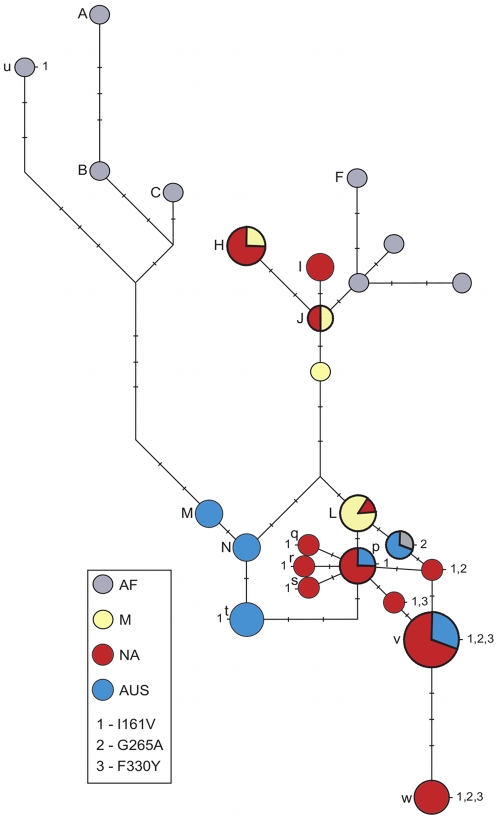
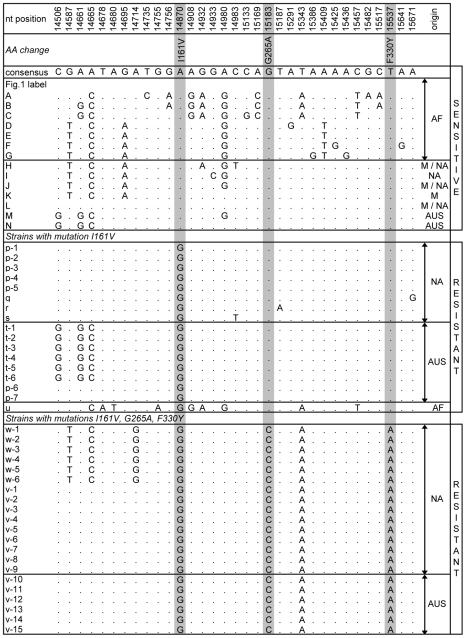
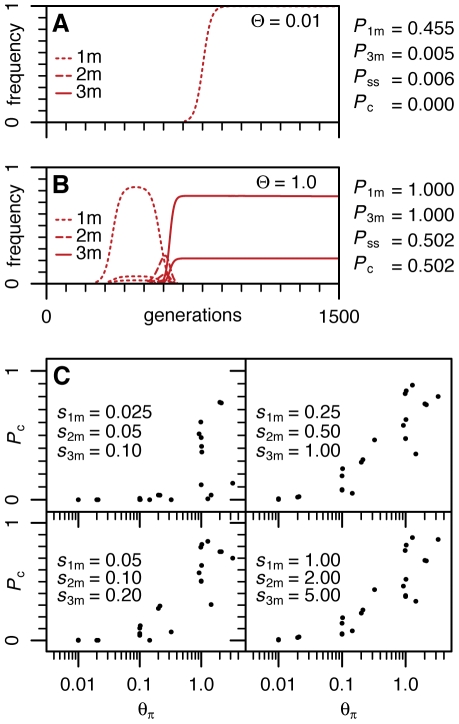
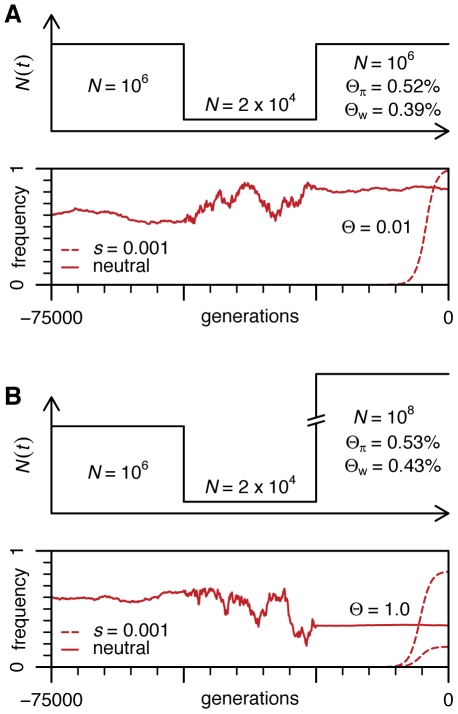
Adaptation in eukaryotes is generally assumed to be mutation-limited because of small effective population sizes. This view is difficult to reconcile, however, with the observation that adaptation to anthropogenic changes, such as the introduction of pesticides, can occur very rapidly. Here we investigate adaptation at a key insecticide resistance locus (Ace) in Drosophila melanogaster and show that multiple simple and complex resistance alleles evolved quickly and repeatedly within individual populations. Our results imply that the current effective population size of modern D. melanogaster populations is likely to be substantially larger (> or = 100-fold) than commonly believed. This discrepancy arises because estimates of the effective population size are generally derived from levels of standing variation and thus reveal long-term population dynamics dominated by sharp--even if infrequent--bottlenecks. The short-term effective population sizes relevant for strong adaptation, on the other hand, might be much closer to census population sizes. Adaptation in Drosophila may therefore not be limited by waiting for mutations at single sites, and complex adaptive alleles can be generated quickly without fixation of intermediate states. Adaptive events should also commonly involve the simultaneous rise in frequency of independently generated adaptive mutations. These so-called soft sweeps have very distinct effects on the linked neutral polymorphisms compared to the standard hard sweeps in mutation-limited scenarios. Methods for the mapping of adaptive mutations or association mapping of evolutionarily relevant mutations may thus need to be reconsidered.
Overview
The claims and statistics of this paper haven’t been checked yet.
Free: it reads the open-access text and checks the first 5 claims that cite a source we can check. Create a free account to check every claim.
Integrity signals
Registry
Cites
Statistics
Figures
Verification
Claims the paper makes
The claims and statistics of this paper haven’t been checked yet.
Free: it reads the open-access text and checks the first 5 claims that cite a source we can check. Create a free account to check every claim.
Claims other papers make about this one
Each is checked against this paper’s own text: does it say what the citing paper says it does?
The cited source says what the claim attributes to it.
In the citing paper
“As previously noted (Hawks et al. 2007;Karasov et al. 2010;Pritchard et al. 2010), effective population size is one of the most important factors limiting the availability of adaptive mutations.”
From The timing of pigmentation lightening in Europeans (2013) · cites this paper as Karasov et al. 2010
Self-check
Percentages, sums and reported differences re-computed from the paper’s own numbers.
The self-check needs the paper’s full text.
Citations
Cites
TCS: a computer program to estimate gene genealogies
Clement, M., Posada, D., & Crandall, K. A. (2000) · Molecular Ecology · doi:10.1046/j.1365-294x.2000.01020.x · Cited by 9,861 · cited 1×
“The most parsimonious haplotype network was constructed using TCS 1.21”
MethodInfluentialTHE GENETIC BASIS OF EVOLUTIONARY CHANGE
Felsenstein, J. (1975) · Evolution · doi:10.1111/j.1558-5646.1975.tb00851.x · Cited by 3,912
Generating samples under a Wright–Fisher neutral model of genetic variation
Hudson, R. R. (2002) · Bioinformatics · doi:10.1093/bioinformatics/18.2.337 · Cited by 2,364 · cited 2×
“In these more complex scenarios we assessed H by using coalescent simulations to estimate the average heterozygosity per site (Hp) at neutral sites and by summing H across all subpopulations (HS) [26].”
MethodRozas, J., & Rozas, R. (1999) · Bioinformatics · doi:10.1093/bioinformatics/15.2.174 · Cited by 1,968 · cited 2×
“Estimation of H p and divergence Measures of H p and divergence with Drosophila simulans at the Ace locus were obtained using DnaSP [ 45 ] .”
MethodEffective population size and patterns of molecular evolution and variation
Charlesworth, B. (2009) · Nature Reviews Genetics · doi:10.1038/nrg2526 · Cited by 1,685 · cited 3×
“or larger - and consequently most single nucleotide mutations exist in the population at every given time – estimated values of H in eukaryotes are typically much smaller than one [1].”
BackgroundInfluentialMathematical Population Genetics
Baake, E., Ewens, W. J., & Wakolbinger, A. (2006) · Oberwolfach Reports · doi:10.4171/owr/2005/40 · Cited by 1,624
Widespread parallel evolution in sticklebacks by repeated fixation of Ectodysplasin alleles.
Colosimo, P. F., Hosemann, K. E., Balabhadra, S., Villarreal, G., Dickson, M., Grimwood, J., Schmutz, J., Myers, R. M., Schluter, D., & Kingsley, D. M. (2005) · Science · doi:10.1126/science.1107239 · Cited by 1,448 · cited 2×
“resistant alleles predate environmental changes [8,9].”
BackgroundDarwinian Evolution Can Follow Only Very Few Mutational Paths to Fitter Proteins
Weinreich, D. M., Delaney, N. F., DePristo, M. A., & Hartl, D. L. (2006) · Science · doi:10.1126/science.1123539 · Cited by 1,415 · cited 1×
“This raises the question of whether the widespread use of the weak mutation, strong selection (‘‘WMSS’’) model for the study of adaptation should be broadened to include cases of strong mutation [34,35].”
BackgroundThe Genetic Basis of Evolutionary Change.
Felsenstein, J., & Lewontin, R. C. (1975) · Evolution · doi:10.2307/2407274 · Cited by 1,384
Mathematical Population Genetics
Ewens, W. J. (2004) · Interdisciplinary Applied Mathematics · doi:10.1007/978-0-387-21822-9 · Cited by 1,229
Research works printed but not linked: 1
- Ashburner M 1989 Drosophila: A Laboratory Handbook and Manual New York Cold Spring Harbor Laboratory Press
Cited by
The evolutionary origins of pesticide resistance
Hawkins, N. J., Bass, C., Dixon, A., & Neve, P. (2019) · Biological Reviews · doi:10.1111/brv.12440 · Cited by 836
“In contrast to the classical hard-sweep scenarios described above, investigation of OP/CM resistance in Drosophila melanogaster has provided an example of adaptation from multiple de novo mutations producing a soft selective sweep (Karasov et al., 2010).”
BackgroundResultDeciphering the evolution of herbicide resistance in weeds
Délye, C., Jasieniuk, M., & Le Corre, V. (2013) · Trends in Genetics · doi:10.1016/j.tig.2013.06.001 · Cited by 646
Single-Cell Genomics Reveals Hundreds of Coexisting Subpopulations in Wild Prochlorococcus
Kashtan, N., Roggensack, S. E., Rodrigue, S., Thompson, J. W., Biller, S. J., Coe, A., Ding, H., Marttinen, P., Malmstrom, R. R., Stocker, R., et al. (2014) · Science · doi:10.1126/science.1248575 · Cited by 537
Genomics of local adaptation with gene flow
Tigano, A., & Friesen, V. L. (2016) · Molecular Ecology · doi:10.1111/mec.13606 · Cited by 493
“…to a century of quantitative genetics studies stressing the role of standing genetic variation in adaptation, genomic studies are increasingly demonstrating standing genetic variation to be the main source of adaptive variation (reviewed in Barrett & Schluter 2008; but see Karasov et al. 2010).”
BackgroundPopulation genomics of rapid adaptation by soft selective sweeps
Messer, P. W., & Petrov, D. A. (2013) · Trends in Ecology & Evolution · doi:10.1016/j.tree.2013.08.003 · Cited by 487
Self-citationGenomic Evidence of Rapid and Stable Adaptive Oscillations over Seasonal Time Scales in Drosophila
Bergland, A. O., Behrman, E. L., O'Brien, K. R., Schmidt, P. S., & Petrov, D. A. (2014) · PLoS Genetics · doi:10.1371/journal.pgen.1004775 · Cited by 514
“melanogaster is likely to be extremely large, greater than 10(8) [70].”
BackgroundSelf-citationGenomic signatures of selection at linked sites: unifying the disparity among species
Cutter, A. D., & Payseur, B. A. (2013) · Nature Reviews Genetics · doi:10.1038/nrg3425 · Cited by 461
Recent Selective Sweeps in North American Drosophila melanogaster Show Signatures of Soft Sweeps
Garud, N. R., Messer, P. W., Buzbas, E. O., & Petrov, D. A. (2015) · PLOS Genetics · doi:10.1371/journal.pgen.1005004 · Cited by 442
“The top three peaks correspond to the well-known cases of soft selective sweeps arising from de novomutations and SGV at the loci Ace, Cyp6g1, and CHKov1 [17,19,21] as described in the Introduction.”
BackgroundInfluentialSelf-citationPopulation size and the rate of evolution
Lanfear, R., Kokko, H., & Eyre-Walker, A. (2014) · Trends in Ecology & Evolution · doi:10.1016/j.tree.2013.09.009 · Cited by 431
Drift-barrier hypothesis and mutation-rate evolution
Sung, W., Ackerman, M. S., Miller, S. F., Doak, T. G., & Lynch, M. (2012) · Proceedings of the National Academy of Sciences · doi:10.1073/pnas.1216223109 · Cited by 396
“Others have argued that boom-and-bust cycles may result in species having phases of short-term of Ne that exceed longer-term values reflected in heterozygosity data (35).”
BackgroundGenotype to phenotype, the molecular and physiological dimensions of resistance in arthropods
Feyereisen, R., Dermauw, W., & Van Leeuwen, T. (2015) · Pesticide Biochemistry and Physiology · doi:10.1016/j.pestbp.2015.01.004 · Cited by 362
Evolutionary dynamics of bacteria in the gut microbiome within and across hosts
Garud, N. R., Good, B. H., Hallatschek, O., & Pollard, K. S. (2019) · PLOS Biology · doi:10.1371/journal.pbio.3000102 · Cited by 366
“Given the large population sizes involved, such sweeps can naturally arise from phenotypically identical mutations at multiple genetic loci [69, 86], or through additional ecotype partitioning between the lineages of a given species [23, 25].”
BackgroundPopulation genetics of malaria resistance in humans
Hedrick, P. W. (2011) · Heredity · doi:10.1038/hdy.2011.16 · Cited by 297
Evolution of Resistance Against CRISPR/Cas9 Gene Drive
Unckless, R. L., Clark, A. G., & Messer, P. W. (2017) · Genetics · doi:10.1534/genetics.116.197285 · Cited by 294
Self-citationHermisson, J., & Pennings, P. S. (2017) · Methods in Ecology and Evolution · doi:10.1111/2041-210x.12808 · Cited by 257
“We thus need an estimate for a “fixation effective size” (Otto and Whitlock, 1997) or “short-term Ne” (Karasov et al., 2010; Barton, 2010), which can differ from the “long-term Ne”: While factors like the offspring variance enter also into a short-term Ne, any event that occurs outside of the…”
BackgroundYu, Q., Jalaludin, A., Han, H., Chen, M., Sammons, R. D., & Powles, S. B. (2015) · Plant Physiology · doi:10.1104/pp.15.00146 · Cited by 237
Adaptive evolution: evaluating empirical support for theoretical predictions
Olson-Manning, C. F., Wagner, M. R., & Mitchell-Olds, T. (2012) · Nature Reviews Genetics · doi:10.1038/nrg3322 · Cited by 213
Applications and Implications of Neutral versus Non-neutral Markers in Molecular Ecology
Kirk, H., & Freeland, J. R. (2011) · International Journal of Molecular Sciences · doi:10.3390/ijms12063966 · Cited by 220
“This was recently illustrated by a study of the evolution of pesticide resistance in populations of the fruitfly Drosophila melanogaster, which concluded that resistance alleles have evolved quickly and repeatedly within multiple populations [49].”
BackgroundJones, C. M., Liyanapathirana, M., Agossa, F. R., Weetman, D., Ranson, H., Donnelly, M. J., & Wilding, C. S. (2012) · Proceedings of the National Academy of Sciences · doi:10.1073/pnas.1201475109 · Cited by 205
“However, insecticide resistance is a rapidly evolving trait (13, 14) and, particularly in large populations, new mutations can arise frequently (15).”
BackgroundThe genetic basis for ecological adaptation of the Atlantic herring revealed by genome sequencing
Martinez Barrio, A., Lamichhaney, S., Fan, G., Rafati, N., Pettersson, M., Zhang, H., Dainat, J., Ekman, D., Höppner, M., Jern, P., et al. (2016) · eLife · doi:10.7554/elife.12081 · Cited by 209
“The model proposed here is in line with the evolution of complex adaptive alleles in species with large current effective population sizes like modern Drosophila melanogaster populations (Karasov et al., 2010).”
BackgroundStephan, W. (2019) · Genetics · doi:10.1534/genetics.118.301319 · Cited by 205
Stukenbrock, E. H., Bataillon, T., Dutheil, J. Y., Hansen, T. T., Li, R., Zala, M., McDonald, B. A., Wang, J., & Schierup, M. H. (2011) · Genome Research · doi:10.1101/gr.118851.110 · Cited by 206
“Yet it has recently been proposed that even these estimates of Ne are smaller than the N relevant for natural selection due to fluctuations in population size (Karasov et al. 2010).”
BackgroundGenetic Draft, Selective Interference, and Population Genetics of Rapid Adaptation
Neher, R. A. (2013) · Annual Review of Ecology, Evolution, and Systematics · doi:10.1146/annurev-ecolsys-110512-135920 · Cited by 190
“Soft sweeps have recently been observed in pesticide resistance of Drosophila (Karasov et al., 2010) and are a common phenomenon in viruses with high mutation rates.”
BackgroundThe population biology of fungal invasions
Gladieux, P., Feurtey, A., Hood, M. E., Snirc, A., Clavel, J., Dutech, C., Roy, M., & Giraud, T. (2015) · Molecular Ecology · doi:10.1111/mec.13028 · Cited by 181
“In such very large populations, the distinction between standing variation and de novo mutations becomes blurred, because almost all the possible mutations of the target gene are presented in the population (Barton 2010; Karasov et al. 2010).”
Casillas, S., & Barbadilla, A. (2017) · Genetics · doi:10.1534/genetics.116.196493 · Cited by 180
Modeling Evolution Using the Probability of Fixation: History and Implications
McCandlish, D. M., & Stoltzfus, A. (2014) · The Quarterly Review of Biology · doi:10.1086/677571 · Cited by 186
“…both theory (Durrett and Schmidt 2007) and empirical observations (e.g., the appearance of independent, single nucleotide insecticide residence mutations in Karasov et al. 2010) indicate that evolution is not under weak mutation even for regions of the genome that are only a few nucleotides long.”
BackgroundSoft Sweeps Are the Dominant Mode of Adaptation in the Human Genome
Schrider, D. R., & Kern, A. D. (2017) · Molecular Biology and Evolution · doi:10.1093/molbev/msx154 · Cited by 176
“not be mutation-limited (Gillespie 1991; Karasov et al. 2010): rather than waiting for a novel 291 mutation to arise, human populations may often be able to respond via selection on previously 292 segregating polymorphisms, thereby more rapidly responding to novel environmental challenges.”
BackgroundHundreds of genes experienced convergent shifts in selective pressure in marine mammals
Chikina, M., Robinson, J. D., & Clark, N. L. (2016) · Molecular Biology and Evolution · doi:10.1093/molbev/msw112 · Cited by 171
“2004), and many distinct beneficial mutations appear in the context of simple and reproducible selective pressures (Gresham et al. 2008; Karasov et al. 2010; Spor et al. 2014; Bailey et al. 2015).”
BackgroundThe rate and potential relevance of new mutations in a colonizing plant lineage
Exposito-Alonso, M., Becker, C., Schuenemann, V. J., Reiter, E., Setzer, C., Slovak, R., Brachi, B., Hagmann, J., Grimm, D. G., Chen, J., et al. (2018) · PLOS Genetics · doi:10.1371/journal.pgen.1007155 · Cited by 162
Stephan, W. (2016) · Molecular Ecology · doi:10.1111/mec.13288 · Cited by 155
“Readers interested in this model and its application to data are referred to the work of Petrov and colleagues who claim to have evidence for sweeps due to multiple beneficial mutations (e.g. Karasov et al. 2010).”
MethodThe timing of pigmentation lightening in Europeans
Beleza, S., Santos, A. M., McEvoy, B., Alves, I., Martinho, C., Cameron, E., Shriver, M. D., Parra, E. J., & Rocha, J. (2013) · Molecular Biology and Evolution · doi:10.1093/molbev/mss207 · Cited by 156
“As previously noted (Hawks et al. 2007; Karasov et al. 2010; Pritchard et al. 2010), effective population size is one of the most important factors limiting the availability of adaptive mutations.”
BackgroundPopulation genomics from pool sequencing
Ferretti, L., Ramos-Onsins, S. E., & Pérez-Enciso, M. (2013) · Molecular Ecology · doi:10.1111/mec.12522 · Cited by 169
“There is now evidence that soft sweeps are a common form of adaptation in natural Drosophila populations (Karasov et al. 2010) and that adaptation in diploid populations often occurs not through classical selective sweeps (Pritchard & Di Rienzo 2010) but the situation in experimental evolution in less clear (Burke 201…”
BackgroundRedman, E., Whitelaw, F., Tait, A., Burgess, C., Bartley, Y., Skuce, P. J., Jackson, F., & Gilleard, J. S. (2015) · PLOS Neglected Tropical Diseases · doi:10.1371/journal.pntd.0003494 · Cited by 153
“For example, resistance to organophosphate insecticides in Drosophila melanogaster and Lucilia cuprina involve multiple independent resistance alleles at the acetylcholinesterase and esterase loci respectively [57,58,56].”
BackgroundDetecting positive selection in the genome
Booker, T. R., Jackson, B., & Keightley, P. D. (2017) · BMC Biology · doi:10.1186/s12915-017-0434-y · Cited by 176
“melanogaster may be limited by current census population size rather than long-term Ne [54].”
BackgroundA golden age for evolutionary genetics? Genomic studies of adaptation in natural populations
Nadeau, N. J., & Jiggins, C. D. (2010) · Trends in Genetics · doi:10.1016/j.tig.2010.08.004 · Cited by 173
Buffalo, V. (2021) · eLife · doi:10.7554/elife.67509 · Cited by 141
“Furthermore, certain observed adaptations occur at a pace that is inexplicable given small effective population sizes implied by diversity, and are only possible if short-term effective population sizes are orders of magnitude larger (Karasov et al., 2010; Barton, 2010).”
BackgroundPolygenic adaptation: From sweeps to subtle frequency shifts
Höllinger, I., Pennings, P. S., & Hermisson, J. (2019) · PLOS Genetics · doi:10.1371/journal.pgen.1008035 · Cited by 145
Bergland, A. O., Tobler, R., González, J., SCHMIDT, P. S., & Petrov, D. A. (2015) · Molecular Ecology · doi:10.1111/mec.13455 · Cited by 155
“order of 1, and population size within either continent is on the order of 10(6) or more (Karasov et al. 2010), it would take at least on the order of 10 000–100 000 generations for these populations to reach half way to equi-”
BackgroundInfluentialSelf-citationLi, J., Li, H., Jakobsson, M., Li, S., Sjödin, P., & Lascoux, M. (2011) · Molecular Ecology · doi:10.1111/j.1365-294x.2011.05308.x · Cited by 162
“This point is well illustrated by a recent 2011 Blackwell Publishing Ltd Box 3 Continued empirical study by Karasov et al. (2010) where they study a gene in which they find several mutations that entail insecticide resistance in Drosophila melanogaster on the same genetic background.”
BackgroundOn the unfounded enthusiasm for soft selective sweeps
Jensen, J. D. (2014) · Nature Communications · doi:10.1038/ncomms6281 · Cited by 143
Gagnaire, P., Normandeau, É., Côté, C. L., Hansen, M. M., & Bernatchez, L. (2012) · Genetics · doi:10.1534/genetics.111.134825 · Cited by 154
“In populations with a large census size, however, new adaptive mutations can frequently occur (Karasov et al. 2010) and may result in selective sweeps if the overall effects of spatially varying selection are unbalanced.”
BackgroundMachado, H. E., Bergland, A. O., Taylor, R. W., Tilk, S., Behrman, E. L., Dyer, K. A., Fabian, D. K., Flatt, T., González, J., Karasov, T. L., et al. (2021) · eLife · doi:10.7554/elife.67577 · Cited by 149
“This seasonal selection force could rival in strength genetic draft due to selective sweeps and should be much stronger over seasonal timescales than random genetic drift in populations as large as D. melanogaster (Karasov et al., 2010).”
BackgroundSelf-citationLoss and Recovery of Genetic Diversity in Adapting Populations of HIV
Pennings, P. S., Kryazhimskiy, S., & Wakeley, J. (2014) · PLoS Genetics · doi:10.1371/journal.pgen.1004000 · Cited by 147
“Our approach to estimating Ne is most closely related to the recent estimates done in Drosophila [13], Plasmodium [14], and a chimeric simian-human immunodeficiency virus [15], but differs from these studies in that we use data from several patients for increased statistical power.”
BackgroundResultNatural selection shaped the rise and fall of passenger pigeon genomic diversity
Murray, G. G. R., Soares, A. E. R., Novak, B. J., Schaefer, N. K., Cahill, J. A., Baker, A. J., Demboski, J. R., Doll, A., Da Fonseca, R. R., Fulton, T. L., et al. (2017) · Science · doi:10.1126/science.aao0960 · Cited by 132
High evolutionary potential of marine zooplankton
Peijnenburg, K. T. C. A., & Goetze, E. (2013) · Ecology and Evolution · doi:10.1002/ece3.644 · Cited by 142
“Barton (2010) and Karasov et al. (2010) have also argued that adaptation is not mutation limited in very large pop-Ta b le 1 .”
BackgroundGenetic draft, selective interference, and population genetics of rapid adaptationPreprint
Neher, R. A. (2013) · Cited by 129
The population genomics of plant adaptation
Siol, M., Wright, S., & Barrett, S. C. H. (2010) · New Phytologist · doi:10.1111/j.1469-8137.2010.03401.x · Cited by 134
“Finally, as noted by Karasov et al. (2010), Ne estimates from neutral polymorphisms represent the harmonic average over a very long period of time and are thus sensitive to periods of low population size.”
BackgroundDirect and indirect consequences of meiotic recombination: implications for genome evolution
Webster, M. T., & Hurst, L. D. (2011) · Trends in Genetics · doi:10.1016/j.tig.2011.11.002 · Cited by 131
Hietpas, R. T., Bank, C., Jensen, J. D., & Bolon, D. N. A. (2013) · Evolution · doi:10.1111/evo.12207 · Cited by 114
“…mutations in one environment tend to be mildly to strongly deleterious in all other environments, ought to serve as a note of caution against recent arguments (Hermisson and Pennings 2005; Karasov et al. 2010; Hernandez et al. 2011) for the pervasive role of standing variation in adaptation.”
BackgroundEvolutionary Rescue in Structured Populations
Uecker, H., Otto, S. P., & Hermisson, J. (2013) · The American Naturalist · doi:10.1086/673914 · Cited by 128
“vol. 183, no. 1 the american naturalist january 2014”
BackgroundHow does adaptation sweep through the genome? Insights from long-term selection experiments
Burke, M. K. (2012) · Proceedings of the Royal Society B Biological Sciences · doi:10.1098/rspb.2012.0799 · Cited by 125
Population Parameters Underlying an Ongoing Soft Sweep in Southeast Asian Malaria Parasites
Anderson, T. J. C., Nair, S., McDew‐White, M., Cheeseman, I. H., Nkhoma, S. C., Bilgic, F., McGready, R. M., Ashley, E. A., Phyo, A. P., White, N. J., et al. (2016) · Molecular Biology and Evolution · doi:10.1093/molbev/msw228 · Cited by 114
“H can be determined directly from the number of independent origins of ART-R mutations in kelch13 in our population sample using Equation (12) in Pennings and Hermisson (Pennings and Hermisson 2006): Anatomy of a Soft Sweep in Malaria Parasites . doi:10.1093/molbev/msw228 MBE Pr kn; hð Þ ¼ h kS ðkÞ n h hþ 1ð Þ ðhþ n 1…”
BackgroundMethodInfluentialPopulation Genomics of Herbicide Resistance: Adaptation via Evolutionary Rescue
Kreiner, J. M., Stinchcombe, J. R., & Wright, S. (2017) · Annual Review of Plant Biology · doi:10.1146/annurev-arplant-042817-040038 · Cited by 123
Pool, J. E. (2015) · Molecular Biology and Evolution · doi:10.1093/molbev/msv194 · Cited by 121
“The two intervals of maximal African ancestry are near Cyp6g1 and overlapping Ace, loci with strong selective sweeps related to 20th century insecticide usage (Catania et al. 2004; Karasov et al. 2010).”
BackgroundEvolution of the Insertion-Deletion Mutation Rate Across the Tree of Life
Sung, W., Ackerman, M. S., Dillon, M. M., Platt, T. G., Fuqua, C., Cooper, V. S., & Lynch, M. (2016) · G3 Genes|Genomes|Genetics · doi:10.1534/g3.116.030890 · Cited by 98
“For most organisms analyzed in this study, enough WGS data were available to allow calculation of species-speci fi c u s values (see File S1 and Table 1).”
Limits to the Rate of Adaptive Substitution in Sexual Populations
Weissman, D. B., & Barton, N. (2012) · PLoS Genetics · doi:10.1371/journal.pgen.1002740 · Cited by 109
“(9) tells us that this corresponds to an actual population size of about N*6|10(9), consistent with the estimate of [75].”
Coexistence of Multiple Endemic and Pandemic Lineages of the Rice Blast Pathogen
Gladieux, P., Ravel, S., Rieux, A., Cros‐Arteil, S., Adreit, H., Milazzo, J., Thierry, M., Fournier, E., Terauchi, R., & Tharreau, D. (2018) · mBio · doi:10.1128/mbio.01806-17 · Cited by 99
“oryzae by boom-and-bust cycles, allowing adaptation to occur during the 71 boom phases when short-term effective population size is large [2, 30].”
BackgroundKey questions in the genetics and genomics of eco-evolutionary dynamics
Hendry, A. P. (2013) · Heredity · doi:10.1038/hdy.2013.75 · Cited by 101
“The resulting broad-sense heritabilities were 56–68% for arthropod community composition, 30–34% for arthropod species richness and 31–43% for arthropod abundance (Shuster et al., 2006; Keith et al., 2010).”
BackgroundRapid evolution in insect pests: the importance of space and time in population genomics studies
Pélissié, B., Crossley, M. S., Cohen, Z., & Schoville, S. D. (2018) · Current Opinion in Insect Science · doi:10.1016/j.cois.2017.12.008 · Cited by 99
Achary, V. M. M., Sheri, V., Manna, M., Panditi, V., Borphukan, B., Ram, B., Agarwal, A., Fartyal, D., Teotia, D., Masakapalli, S. K., et al. (2020) · Plant Biotechnology Journal · doi:10.1111/pbi.13428 · Cited by 86
“Multiple mutations in a single gene against a particular herbicide confer greater advantage to a plant in adapting to the particular herbicide and hence are the main cause of evolution of super weeds (Brunner et al., 2008; Karasov et al., 2010).”
BackgroundGenome Resequencing Reveals Rapid, Repeated Evolution in the Colorado Potato Beetle
Pélissié, B., Chen, Y. H., Cohen, Z., Crossley, M. S., Hawthorne, D. J., Izzo, V. M., & Schoville, S. D. (2022) · Molecular Biology and Evolution · doi:10.1093/molbev/msac016 · Cited by 94
Sprengelmeyer, Q. D., Mansourian, S., Lange, J. D., Matute, D. R., Cooper, B. S., Jirle, E. V., Stensmyr, M. C., & Pool, J. E. (2019) · Molecular Biology and Evolution · doi:10.1093/molbev/msz271 · Cited by 95
“Known resistance mutations at Ace have been primarily reported among nonAfrican populations (Karasov et al. 2010).”
BackgroundGenetic linkage and natural selection
Barton, N. (2010) · Philosophical Transactions of the Royal Society B Biological Sciences · doi:10.1098/rstb.2010.0106 · Cited by 94
Franssen, S. U., Nolte, V., Tobler, R., & Schlötterer, C. (2014) · Molecular Biology and Evolution · doi:10.1093/molbev/msu320 · Cited by 92
Weetman, D., Wilding, C. S., Neafsey, D. E., Müller, P., Ochomo, E., Isaacs, A. T., Steen, K., Rippon, E. J., Morgan, J. C., Mawejje, H. D., et al. (2018) · Scientific Reports · doi:10.1038/s41598-018-21265-5 · Cited by 88
Does hybridization influence speciation?
Barton, N. (2013) · Journal of Evolutionary Biology · doi:10.1111/jeb.12015 · Cited by 77
Genetic Draft and Quasi-Neutrality in Large Facultatively Sexual Populations
Neher, R. A., & Shraiman, B. I. (2011) · Genetics · doi:10.1534/genetics.111.128876 · Cited by 80
“…(Charlesworth et al. 1993; Braverman et al. 1995; Fay and Wu 2000; McVean and Charlesworth 2000; Barton and Etheridge 2004; Seger et al. 2010) and that different effective population sizes need to be defined depending on the question and timescale of interest (Ewens 2004; Karasov et al. 2010).”
BackgroundMolecular hyperdiversity and evolution in very large populations
Cutter, A. D., Jovelin, R., & Dey, A. (2013) · Molecular Ecology · doi:10.1111/mec.12281 · Cited by 83
“When census sizes (N) of a species can be very large and the species is subject to repeated, drastic bottlenecks or selective sweeps, then hneu implying a relatively small long-term Ne may fail to reflect the limited relevance of genetic drift to ongoing adaptation (Barton 2010; Karasov et al. 2010; Weissman & Barton…”
BackgroundWeetman, D., Mitchell, S. N., Wilding, C. S., Birks, D. P., Yawson, A. E., Essandoh, J., Mawejje, H. D., Djogbénou, L., Steen, K., Rippon, E. J., et al. (2015) · Molecular Ecology · doi:10.1111/mec.13197 · Cited by 80
“Yet this objective may be challenging in large populations because of their inherent capacity to generate and harbour mutations (Barton 2010; Karasov et al. 2010).”
BackgroundMore effective drugs lead to harder selective sweeps in the evolution of drug resistance in HIV-1
Feder, A. F., Rhee, S., Holmes, S., Shafer, R. W., Petrov, D. A., & Pennings, P. S. (2016) · eLife · doi:10.7554/elife.10670 · Cited by 86
“Although traditionally evolution was thought to be slow (Darwin, 1859), there are a growing number of examples of fast evolution to selective pressures such as pesticides (Lopes et al., 2008; Daborn et al., 2001; Karasov et al., 2010; Palumbi, 2001), industrialization (Cook et al.”
BackgroundSelf-citationRousselle, M. M. C., Simion, P., Tilak, M., Figuet, E., Nabholz, B., & Galtier, N. (2020) · PLoS Genetics · doi:10.1371/journal.pgen.1008668 · Cited by 82
Evaluating the performance of selection scans to detect selective sweeps in domestic dogs
Schlamp, F., van der Made, J., Stambler, R., Chesebrough, L., Boyko, A. R., & Messer, P. W. (2016) · Molecular Ecology · doi:10.1111/mec.13485 · Cited by 72
“Very similar patterns are produced when adaptation involves several de novo mutations that independently emerged on distinct haplotypes, which is expected in very large populations or when mutational target sizes are large (Pennings & Hermisson 2006a; Karasov et al. 2010; Messer & Petrov 2013).”
BackgroundSelf-citationJha, A. R., Miles, C. M., Lippert, N. R., Brown, C. D., White, K. P., & Kreitman, M. (2015) · Molecular Biology and Evolution · doi:10.1093/molbev/msv136 · Cited by 75
“2010), Drosophila melanogaster (Karasov et al. 2010; Cassidy et al. 2013; Garud et al. 2013), and Arabidopsis (Hancock et al.”
BackgroundSignals of selection in outlier loci in a widely dispersing species across an environmental mosaic
Pespeni, M. H., & Palumbi, S. R. (2013) · Molecular Ecology · doi:10.1111/mec.12337 · Cited by 78
“Based on the neutral theory and studies in humans and Drosophila and because most amino acid changes are expected to be deleterious, it is expected that the amino acid-to-synonymous ratio should be greater among rare polymorphisms than among common polymorphisms (Kimura 1983; Fay et al. 2001, 2002).”
BackgroundInfluentialReexamining the P-Element Invasion of Drosophila melanogaster Through the Lens of piRNA Silencing
Kelleher, E. S. (2016) · Genetics · doi:10.1534/genetics.115.184119 · Cited by 72
“Karess, R. E., and G. M. Rubin, 1984 Analysis of P transposable element functions in Drosophila.”
BackgroundSources and sinks: A stochastic model of evolution in heterogeneous environments.
Hermsen, R., & Hwa, T. (2010) · Physical Review Letters · doi:10.1103/physrevlett.105.248104 · Cited by 66
Kain, J. S., Zhang, S., Akhund‐Zade, J., Samuel, A. D. T., Klein, M., & de Bivort, B. L. (2015) · Evolution · doi:10.1111/evo.12813 · Cited by 73
“…it was arbitrary to simulate 100 animals, and effective population sizes in the wild are unknown (and perhaps far too large to simulate efficiently, Karasov et al. 2010), we developed a difference equation version of the model, in which the population size was effectively infinite and immune to…”
MethodSoft Selective Sweeps in Complex Demographic Scenarios
Wilson, B. A., Petrov, D. A., & Messer, P. W. (2014) · Genetics · doi:10.1534/genetics.114.165571 · Cited by 69
Self-citationBrevik, K. A., Bueno, E. M., McKay, S., Schoville, S. D., & Chen, Y. H. (2020) · Evolutionary Applications · doi:10.1111/eva.13153 · Cited by 65
“Second, new mutations may occur too infrequently to drive the pace of insecticide resistance (Karasov et al., 2010; Keightley et al., 2015), and the same insect species are repeatedly the first ones to develop resistance to new insecticides when they are introduced (Brevik, et al., 2018).”
BackgroundThe Role of Standing Variation in Geographic Convergent Adaptation
Ralph, P. L., & Coop, G. (2015) · The American Naturalist · doi:10.1086/682948 · Cited by 62
“These include the extent to which adaptation is shaped by pleiotropic constraints (Haldane, 1932; Orr, 2005), whether adaptation is mutation-limited (Bradshaw, 1991; Karasov et al., 2010), and to what degree species should be regarded as cohesive units.”
The environmentally tuned transcriptomes of Mytilus mussels
Lockwood, B. L., Connor, K. M., & Gracey, A. Y. (2015) · Journal of Experimental Biology · doi:10.1242/jeb.118190 · Cited by 61
“In addition, Mytilus populations on the whole should have access to awide range of mutational events across all genomes in the population, so beneficial mutations may be encountered often and spread quickly through the population (Karasov et al., 2010).”
BackgroundWilding, C. S., Smith, I., Lynd, A., Yawson, A. E., Weetman, D., Paine, M. J. I., & Donnelly, M. J. (2012) · Insect Biochemistry and Molecular Biology · doi:10.1016/j.ibmb.2012.06.003 · Cited by 66
“(Catania et al., 2004; Karasov et al., 2010; Lynd et al., 2010; Saminadin-Peter et al., 2012).”
BackgroundUnderstanding Adaptation in Large Populations
Barton, N. (2010) · PLoS Genetics · doi:10.1371/journal.pgen.1000987 · Cited by 59
“[5] use insecticide resistance in Drosophila melanogaster to give a detailed and elegant example of how the pattern of adaptation depends on population size in the short term, and is independent of whatever long-term factors determine neutral diversity.”
BackgroundAlbre, J., Liénard, M. A., Sirey, T., Schmidt, S., Tooman, L. K., Carraher, C., Greenwood, D. R., Löfstedt, C., & Newcomb, R. D. (2012) · PLoS Genetics · doi:10.1371/journal.pgen.1002489 · Cited by 60
“Finally, whether these mutations are present as standing variation in the ancestral species or if the process of speciation is limited by the rate of acquisition of newly arising mutations has only recently attracted attention, with most discussion restricted to the acquisition of beneficial traits within species [9,1…”
BackgroundPopulation Genomics of Daphnia pulex
Lynch, M., Gutenkunst, R. N., Ackerman, M. S., Spitze, K., Ye, Z., Maruki, T., & Jia, Z. (2017) · Genetics · doi:10.1534/genetics.116.190611 · Cited by 59
“Although it has been suggested that this species has experienced a recent threeto fivefold (Campos et al. 2013; Sheehan and Song 2016) or perhaps much larger (Karasov et al. 2010) increase in Ne; the quantitative effects of such change on analyses of selection at the molecular level remain unclear.”
BackgroundFunctional evidence that a recently evolved Drosophila sperm-specific gene boosts sperm competition
Yeh, S.-D., Do, T., Chan, C., Cordova, A., Carranza, F., Yamamoto, E. A., Abbassi, M., Gandasetiawan, K. A., Librado, P., Damia, E., et al. (2012) · Proceedings of the National Academy of Sciences · doi:10.1073/pnas.1121327109 · Cited by 55
“melanogaster, a species of a large population size (42).”
BackgroundGenetic hitchhiking in spatially extended populations
Barton, N., Etheridge, A. M., Kelleher, J., & Véber, A. (2013) · Theoretical Population Biology · doi:10.1016/j.tpb.2012.12.001 · Cited by 58
Grath, S., & Parsch, J. (2012) · Genome Biology and Evolution · doi:10.1093/gbe/evs012 · Cited by 55
“However, a fast-X effect is not expected when adaptation occurs from standing genetic variation (Orr and Betancourt 2001), as may be the case when there is rapid environmental change (Karasov et al. 2010).”
BackgroundDetection of hard and soft selective sweeps from Drosophila melanogaster population genomic data
Garud, N. R., Messer, P. W., & Petrov, D. A. (2021) · PLoS Genetics · doi:10.1371/journal.pgen.1009373 · Cited by 59
Self-citationHow Can We Resolve Lewontin’s Paradox?
Charlesworth, B., & Jensen, J. D. (2022) · Genome Biology and Evolution · doi:10.1093/gbe/evac096 · Cited by 59
A Large Panel of Drosophila simulans Reveals an Abundance of Common Variants
Signor, S. A., New, F. N., & Nuzhdin, S. (2018) · Genome Biology and Evolution · doi:10.1093/gbe/evx262 · Cited by 51
“…for their genomic signature is contentious (Hermisson and Pennings 2005; Przeworski et al. 2005; Barrett and Schluter 2008; Macpherson et al. 2008; Karasov et al. 2010; Kelly et al. 2013; Messer and Petrov 2013; Ferrer-Admetlla et al. 2014; Jensen 2014; Garud et al. 2015; Schrider et al. 2015).”
BackgroundEstimating the Strength of Selective Sweeps from Deep Population Diversity Data
Messer, P. W., & Neher, R. A. (2012) · Genetics · doi:10.1534/genetics.112.138461 · Cited by 55
“…has not actually become fixed in the population (incomplete sweep) or that several different haplotypes, all carrying the adaptive allele, have swept simultaneously through the population (soft sweep) (Hermisson and Pennings 2005; Burke et al. 2010; Karasov et al. 2010; Pritchard et al. 2010).”
BackgroundSelf-citationExtreme Lewontin’s Paradox in Ubiquitous Marine Phytoplankton Species
Filatov, D. A. (2018) · Molecular Biology and Evolution · doi:10.1093/molbev/msy195 · Cited by 56
Emergence of new virulent populations of apple scab from nonagricultural disease reservoirs
Lemaire, C., de Gracia, M., Leroy, T., Michalecka, M., Lindhard‐Pedersen, H., Guérin, F., Gladieux, P., & Cam, B. L. (2015) · New Phytologist · doi:10.1111/nph.13658 · Cited by 53
Battlay, P., Schmidt, J. M., Fournier‐Level, A., & Robin, C. (2016) · G3 Genes Genomes Genetics · doi:10.1534/g3.116.031054 · Cited by 50
“In their genotyping of the four insensitivity substitutions in Ace alleles worldwide, Karasov et al. (2010) identi fi ed three substitutions at moderate frequencies, but found the fourth, G368A, absent.”
A Likelihood Approach for Uncovering Selective Sweep Signatures from Haplotype Data
Harris, A. M., & DeGiorgio, M. (2020) · Molecular Biology and Evolution · doi:10.1093/molbev/msaa115 · Cited by 52
“…among functionally characterized candidates was Ace , which encodes the acetylcholinesterase enzyme and has long been implicated in the development of resistance to organophosphate and carbamate insecticides within D. melanogaster (Menozzi et al. 2004; Karasov et al. 2010; Garud et al. 2015).”
InfluentialA Coalescent Model for a Sweep of a Unique Standing Variant
Berg, J. J., & Coop, G. (2015) · Genetics · doi:10.1534/genetics.115.178962 · Cited by 51
“Adaptations involving simultaneous selection on multiple alleles of independent origin at the same locus have also been documented across a wide array of species (Menozzi et al. 2004; Nair et al. 2006; Karasov et al. 2010; Salgueiro et al. 2010; Schmidt et al. 2010; Jones et al. 2013).”
BackgroundMethodEvidence that the rate of strong selective sweeps increases with population size in the great apes
Nam, K., Munch, K., Mailund, T., Nater, A., Greminger, M. P., Krützen, M., Marquès‐Bonet, T., & Schierup, M. H. (2017) · Proceedings of the National Academy of Sciences · doi:10.1073/pnas.1605660114 · Cited by 53
“In species with much larger Ne than the great apes, such as Drosophila, the rate of adaptive evolution is likely not limited by the waiting time for new mutations (31, 32) due to a higher number of segregating polymorphisms that may have advantageous effects, depending upon changes in the environment.”
BackgroundBattlay, P., Leblanc, P., Green, L., Garud, N. R., Schmidt, J. M., Fournier‐Level, A., & Robin, C. (2018) · G3 Genes Genomes Genetics · doi:10.1534/g3.118.200619 · Cited by 48
Soft Selective Sweeps in Evolutionary Rescue
Wilson, B. J., Pennings, P. S., & Petrov, D. A. (2017) · Genetics · doi:10.1534/genetics.116.191478 · Cited by 55
Self-citation
Metadata
- Authors
- Karasov, T., Messer, P. W., & Petrov, D. A.
- Affiliations
- Stanford University (US)
- Fred Hutch Cancer Center (US)
- Corresponding author
- Petrov, Dmitri A.
- Venue
- PLoS Genetics
- Publisher
- Public Library of Science (PLoS)
- Published
- 2010-06-17
- Volume
- 6
- Issue
- 6
- Pages
- e1000924
- ISSN
- 1553-7390 (ISSN-L)
- 1553-7404
- PMC
- PMC2887467
- OpenAlex
- W2014335315
- Cited by
- 257
- References
- 51
- Citations by year
- 2026: 4 · 2025: 6 · 2024: 10 · 2023: 9 · 2022: 15 · 2021: 16 · 2020: 14 · 2019: 14 · 2018: 17 · 2017: 22 · 2016: 21 · 2015: 25 · 2014: 13 · 2013: 31 · 2012: 17
- FWCI
- 12.76
- Type
- journal article
- Language
- en
- Open access
- gold
- doi.org
- Locations
- PLoS Genetics (publishedVersion, cc-by)
- PubMed Central (publishedVersion, cc-by)
- PubMed (publishedVersion)
- DOAJ (DOAJ: Directory of Open Access Journals) (submittedVersion, cc-by-sa)
- Figshare (submittedVersion, cc-by)
- Funders
- National Science Foundation
- National Institutes of Health
- National Institute of General Medical Sciences (R01GM089926)
- Topics
- Life Sciences › Biochemistry, Genetics and Molecular Biology › Genetics › Evolution and Genetic Dynamics
- Life Sciences › Biochemistry, Genetics and Molecular Biology › Genetics › Genetic diversity and population structure
- Life Sciences › Biochemistry, Genetics and Molecular Biology › Genetics › Genetic and phenotypic traits in livestock
- Keywords
- Drosophila melanogaster, insecticide resistance, ACE gene, effective population size, soft sweeps, hard sweeps, standing genetic variation, population bottleneck, association mapping, adaptive mutation
- MeSH terms
- Adaptation, Biological, Alleles, Animals, Drosophila melanogaster, Mutation, Evolution, Molecular
About these checks
Registry, retraction, Cites and statistics results are computed, not judged, with one exception: a printed reference that no index lists is read once by a model before it counts as a citation error. Claims are extracted by a model and kept only when their quote appears verbatim in the text; each cited source is then checked, with a model’s help, for whether it says what the claim relies on. Those verdicts can be wrong — read the claim’s quote and the cited source before relying on one.
Statistics and arithmetic are recomputed, not judged.
Confidence bands are shown only for fields calibrated on our annotated test set. None is calibrated yet, so no band is shown.
What counts as a claim ›How we measure confidence ›How we check this ›
Are you an author, or do you see a problem with this page? Request a review
Data sources
Bibliographic data: Semantic Scholar, OpenAlex, Crossref.
Contains information from the Semantic Scholar Academic Graph Datasets, made available under the ODC Attribution License (ODC-BY 1.0).
Semantic Scholar’s data is described in: Kinney, R., et al. (2023). The Semantic Scholar Open Data Platform. arXiv:2301.10140.
