

Seventy-Five Trials and Eleven Systematic Reviews a Day: How Will We Ever Keep Up?
Open accessThe DOI matches its Crossref record; 32 of the 32 references it cites were found in a registry or an index.
Abstract
When Archie Cochrane reproached the medical profession for not having critical summaries of all randomised controlled trials, about 14 reports of trials were being published per day. There are now 75 trials, and 11 systematic reviews of trials, per day and a plateau in growth has not yet been reached. Although trials, reviews, and health technology assessments have undoubtedly had major impacts, the staple of medical literature synthesis remains the non-systematic narrative review. Only a small minority of trial reports are being analysed in up-to-date systematic reviews. Given the constraints, Archie Cochrane's vision will not be achieved without some serious changes in course. To meet the needs of patients, clinicians, and policymakers, unnecessary trials need to be reduced, and systematic reviews need to be prioritised. Streamlining and innovation in methods of systematic reviewing are necessary to enable valid answers to be found for most patient questions. Finally, clinicians and patients require open access to these important resources.
Overview
The claims and statistics of this paper haven’t been checked yet.
Free: it reads the open-access text and checks the first 5 claims that cite a source we can check. Create a free account to check every claim.
Integrity signals
Registry
Cites
Statistics
Figures
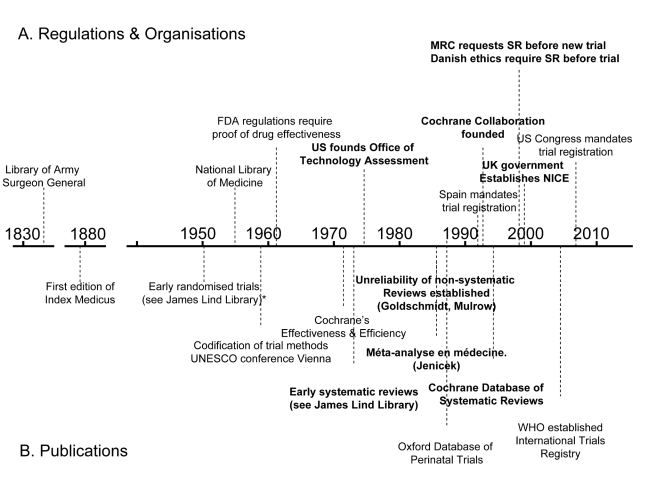
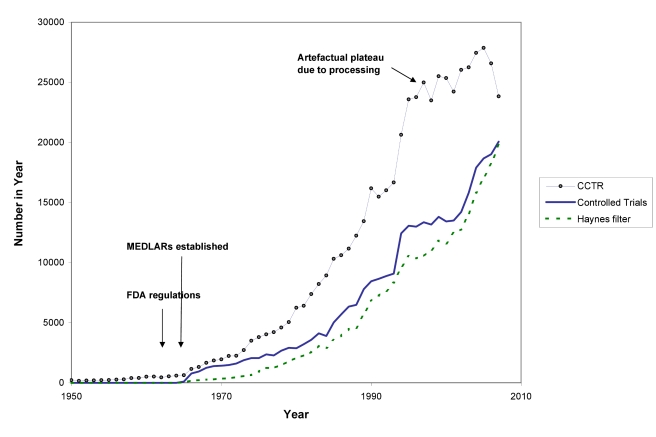
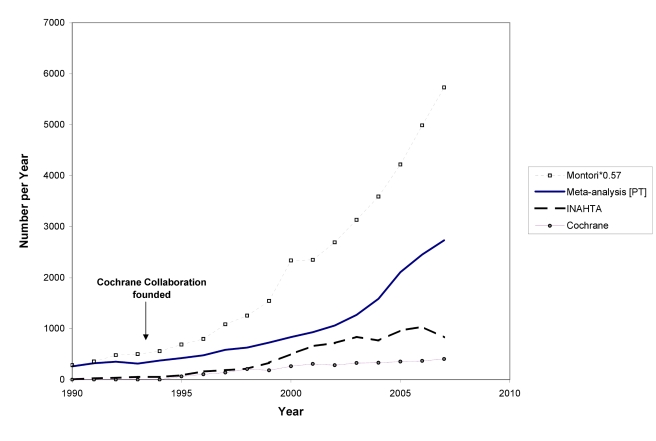
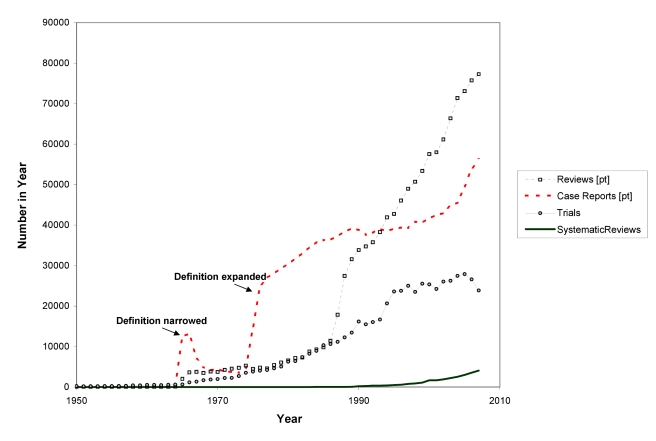
Verification
Claims the paper makes
The claims and statistics of this paper haven’t been checked yet.
Free: it reads the open-access text and checks the first 5 claims that cite a source we can check. Create a free account to check every claim.
Claims other papers make about this one
Each is checked against this paper’s own text: does it say what the citing paper says it does?
The source backs part of the claim, not all of it — or backs it for a different population, condition or comparison.
In the citing paper
“However, such reviews have become ever more complicated, due to the complexity of interventions being studied and the amount of evidence being published which needs to be incorporated [1].”
From Making progress with the automation of systematic reviews: principles of the International Collaboration for the Automation of Systematic Reviews (ICASR) (2018) · cites this paper as [1]
Experimental — accuracy not yet measuredThe source backs part of the claim, not all of it — or backs it for a different population, condition or comparison.
In the citing paper
“When the number of studies is an order of magnitude greater than that, the inability of narrative processes to adequately summarize the outcomes increases exponentially 2,3 .”
From Meta-analysis and the science of research synthesis (2018) · cites this paper as [3]
Experimental — accuracy not yet measuredThe source backs part of the claim, not all of it — or backs it for a different population, condition or comparison.
In the citing paper
“The number of RCTs published accelerates every year,3”
From Trialstreamer: A living, automatically updated database of clinical trial reports (2020) · cites this paper as [3]
Experimental — accuracy not yet measuredThe source backs part of the claim, not all of it — or backs it for a different population, condition or comparison.
In the citing paper
“Screening references is a time‐consuming step necessary for systematic reviews and guideline development.”
From Prioritising references for systematic reviews with RobotAnalyst: A user study (2018) · cites this paper as [4]
Experimental — accuracy not yet measuredThe source backs part of the claim, not all of it — or backs it for a different population, condition or comparison.
In the citing paper
“However, systematic review methodology and the language used to express that methodology, has progressed significantly since their appearance in healthcare in the 1970’s and 80’s [7, 8].”
From What kind of systematic review should I conduct? A proposed typology and guidance for systematic reviewers in the medical and health sciences (2018) · cites this paper as [7]
Experimental — accuracy not yet measured
5 more claims about this paper
Create a free account to see every claim other papers make about this one.
Self-check
Percentages, sums and reported differences re-computed from the paper’s own numbers.
The self-check needs the paper’s full text.
Citations
Cites
Avoidable waste in the production and reporting of research evidence
Chalmers, I., & Glasziou, P. (2009) · The Lancet · doi:10.1016/s0140-6736(09)60329-9 · Cited by 2,208
Self-citationMeta-Analysis in Clinical Research
L'ABBÉ, K. A., DETSKY, A. S., & O'ROURKE, K. (1987) · Annals of Internal Medicine · doi:10.7326/0003-4819-107-2-224 · Cited by 1,267 · cited 1×
“By the mid-1980s, the need to minimise the likelihood of being misled by the effects of biases and the play of chance in reviews of research evidence was being made evident in articles [10–14] and textbooks [15].”
BackgroundMeta-Analyses of Randomized Controlled Trials
Sacks, H. S., Berrier, J., Reitman, D., Ancona-Berk, V. A., & Chalmers, T. C. (1987) · New England Journal of Medicine · doi:10.1056/nejm198702193160806 · Cited by 1,250
Clinical Trial Registration: A Statement from the International Committee of Medical Journal Editors
De Angelis, C., Drazen, J. M., Frizelle, F. A., Haug, C., Hoey, J., Horton, R., Kotzin, S., Laine, C., Marusic, A., Overbeke, A. J. P. M., et al. (2004) · New England Journal of Medicine · doi:10.1056/nejme048225 · Cited by 1,241
Publication bias in clinical trials due to statistical significance or direction of trial results
Hopewell, S., Loudon, K., Clarke, M. J., Oxman, A. D., & Dickersin, K. (2009) · Cochrane Database of Systematic Reviews · doi:10.1002/14651858.mr000006.pub3 · Cited by 898
Epidemiology and reporting characteristics of systematic reviews.
Moher, D., Tetzlaff, J., Tricco, A. C., Sampson, M., & Altman, D. G. (2007) · PLoS Medicine · doi:10.1371/journal.pmed.0040078 · Cited by 891 · cited 2×
“variously estimated at between six and 16 (Cochrane reviews now include an average of over 12 trials per review [27,28]; M Clarke, personal communication), but many reviews have covered much the same territory.”
BackgroundThe Medical Review Article: State of the Science
MULROW, C. D. (1987) · Annals of Internal Medicine · doi:10.7326/0003-4819-106-3-485 · Cited by 856 · cited 1×
“By the mid-1980s, the need to minimise the likelihood of being misled by the effects of biases and the play of chance in reviews of research evidence was being made evident in articles [10–14] and textbooks [15].”
BackgroundHow Quickly Do Systematic Reviews Go Out of Date? A Survival Analysis
Shojania, K. G., Sampson, M., Ansari, M. T., Ji, J., Doucette, S., & Moher, D. (2007) · Annals of Internal Medicine · doi:10.7326/0003-4819-147-4-200708210-00179 · Cited by 838 · cited 1×
“now many years out of date [26].”
Avoidable Waste in the Production and Reporting of Research Evidence
Chalmers, I., & Glasziou, P. (2009) · Obstetrics & Gynecology · doi:10.1097/aog.0b013e3181c3020d · Cited by 600 · cited 1×
“duction and reporting of research evidence [29].”
Self-citationGuidelines for reading literature reviews.
Oxman, A. D., & Guyatt, G. H. (1988) · Europe PMC (PubMed Central) · Cited by 549
Research works printed but not linked: 3
- Duncan A 1773 Introduction. Medical and Philosophical Commentaries. Volume First, Part I. London: J Murray 6 7
- Chalmers I 1979 Randomized controlled trials of fetal monitoring 1973–1977. Thalhammer O Baumgarten K Pollak A Perinatal Medicine Stuttgart Georg Thieme 260 265
- Koch GG 2006 No improvement – still less than half of the Cochrane reviews are up to date. XIV Cochrane Colloquium, Dublin, Ireland
Cited by
PRISMA-P Group, Moher, D., Shamseer, L., Clarke, M., Ghersi, D., Liberati, A., Petticrew, M., Shekelle, P., & Stewart, L. A. (2015) · Systematic Reviews · doi:10.1186/2046-4053-4-1 · Cited by 26,223
“They are becoming increasingly common; in 2010, 11 new reviews were estimated to be published daily [1].”
BackgroundMunn, Z., Peters, M. D. J., Stern, C., Tufanaru, C., McArthur, A., & Aromataris, E. (2018) · BMC Medical Research Methodology · doi:10.1186/s12874-018-0611-x · Cited by 11,385
Shea, B. J., Reeves, B. C., Wells, G., Thuku, M., Hamel, C., Moran, J., Moher, D., Tugwell, P., Welch, V., Kristjansson, E., et al. (2017) · BMJ · doi:10.1136/bmj.j4008 · Cited by 10,636
Updated methodological guidance for the conduct of scoping reviews
Peters, M. D. J., Marnie, C., Tricco, A. C., Pollock, D., Munn, Z., Alexander, L., McInerney, P., Godfrey, C. M., & Khalil, H. (2020) · JBI Evidence Synthesis · doi:10.11124/jbies-20-00167 · Cited by 9,046
SANRA—a scale for the quality assessment of narrative review articles
Baethge, C., Goldbeck-Wood, S., & Mertens, S. (2019) · Research Integrity and Peer Review · doi:10.1186/s41073-019-0064-8 · Cited by 3,469
“found that they constitute the largest share of all text types in medicine and they concluded that they “remain the staple of medical literature” [1].”
BackgroundMcInnes, M. D. F., Moher, D., Thombs, B. D., McGrath, T. A., Bossuyt, P. M., and the PRISMA-DTA Group, Clifford, T., Cohen, J. F., Deeks, J. J., Gatsonis, C., et al. (2018) · JAMA · doi:10.1001/jama.2017.19163 · Cited by 3,210
Scoping reviews: Time for clarity in definition, methods, and reporting
Colquhoun, H. L., Levac, D., O'Brien, K. K., Straus, S., Tricco, A. C., Perrier, L., Kastner, M., & Moher, D. (2014) · Journal of Clinical Epidemiology · doi:10.1016/j.jclinepi.2014.03.013 · Cited by 2,783
“Estimates for the generation of research evidence sug- have been used to answer a range of research questions gest that 75 trials and 11 new systematic reviews are published daily [1].”
BackgroundAromataris, E., Fernandez, R., Godfrey, C. M., Holly, C., Khalil, H., & Tungpunkom, P. (2015) · International Journal of Evidence-Based Healthcare · doi:10.1097/xeb.0000000000000055 · Cited by 2,587
“One recent estimate suggests that 11 systematic reviews are published every day.(1) With the increased number of systematic reviews available, a logical and appropriate next step has been the conduct of reviews of existing systematic reviews, allowing the findings of separate reviews to be compared and contrasted, the…”
The COMET Handbook: version 1.0
Williamson, P. R., Altman, D. G., Bagley, H., Barnes, K. L., Blazeby, J. M., Brookes, S. T., Clarke, M., Gargon, E., Gorst, S., Harman, N., et al. (2017) · Trials · doi:10.1186/s13063-017-1978-4 · Cited by 2,011
“For comparison, researchers into the impact of randomised trials would be able to draw on several hundred thousand trials and those investigating the impact of systematic reviews have many tens of thousands of examples of this type of research as their starting point [168].”
BackgroundSynthesizing information systems knowledge: A typology of literature reviews
Paré, G., Trudel, M.-C., Jaana, M., & Kitsiou, S. (2015) · Information & Management · doi:10.1016/j.im.2014.08.008 · Cited by 1,987
“[75] estimated that every day, 11 new systematic reviews and 75 trials are published and indexed in MEDLINE.”
BackgroundWriting narrative style literature reviews
Ferrari, R. (2015) · Medical Writing · doi:10.1179/2047480615z.000000000329 · Cited by 1,907
Meta-analysis and the science of research synthesis
Gurevitch, J., Koricheva, J., Nakagawa, S., & Stewart, G. (2018) · Nature · doi:10.1038/nature25753 · Cited by 1,709
Elhai, J. D., Dvorak, R. D., Levine, J. C., & Hall, B. J. (2017) · Journal of Affective Disorders · doi:10.1016/j.jad.2016.08.030 · Cited by 1,689
“Systematic reviews are generally accepted as a common standard in healthcare research (Moher et al., 2015), and are increasingly common in contemporary times (Bastian et al., 2010).”
BackgroundThe Mass Production of Redundant, Misleading, and Conflicted Systematic Reviews and Meta‐analyses
IOANNIDIS, J. P. A. (2016) · The Milbank Quarterly · doi:10.1111/1468-0009.12210 · Cited by 1,483
Updated methodological guidance for the conduct of scoping reviews
Peters, M. D. J., Marnie, C., Tricco, A. C., Pollock, D., Munn, Z., Alexander, L., McInerney, P., Godfrey, C. M., & Khalil, H. (2021) · JBI Evidence Implementation · doi:10.1097/xeb.0000000000000277 · Cited by 1,461
Best care at lower cost: the path to continuously learning health care in America
(2014) · Choice Reviews Online · doi:10.5860/choice.51-3277 · Cited by 1,363
“11 systematic reviews of trials per day (Bastian et al., 2010).”
BackgroundMethodology in conducting a systematic review of systematic reviews of healthcare interventions
Smith, V., Devane, D., Begley, C. M., & Clarke, M. (2011) · BMC Medical Research Methodology · doi:10.1186/1471-2288-11-15 · Cited by 1,227
“In recent years however, decision makers who were once overwhelmed by the number of individual studies have become faced by a plethora of reviews [4,5].”
Eriksen, M. B., & Frandsen, T. F. (2018) · Journal of the Medical Library Association · doi:10.5195/jmla.2018.345 · Cited by 1,216
“The development of systematic reviews is considered a means of enabling clinicians to use evidence-based medicine (EBM) [1], and the number of systematic reviews is growing quickly [2].”
BackgroundMunn, Z., Stern, C., Aromataris, E., Lockwood, C., & Jordan, Z. (2018) · BMC Medical Research Methodology · doi:10.1186/s12874-017-0468-4 · Cited by 1,164
“However, systematic review methodology and the language used to express that methodology, has progressed significantly since their appearance in healthcare in the 1970’s and 80’s [7, 8].”
BackgroundProgress in evidence-based medicine: a quarter century on
Djulbegovic, B., & Guyatt, G. H. (2017) · The Lancet · doi:10.1016/s0140-6736(16)31592-6 · Cited by 1,022
Interventions for improving upper limb function after stroke
Pollock, A., Farmer, S. E., Brady, M. C., Langhorne, P., Mead, G. E., Mehrholz, J., & van Wijck, F. (2014) · Cochrane Database of Systematic Reviews · doi:10.1002/14651858.cd010820.pub2 · Cited by 909
Page, M. J., Shamseer, L., Altman, D. G., Tetzlaff, J., Sampson, M., Tricco, A. C., Catalá-López, F., Li, L., Reid, E. K., Sarkis-Onofre, R., et al. (2016) · PLOS Medicine · doi:10.1371/journal.pmed.1002028 · Cited by 768
“, [13]) or reporting characteristics of SRs in specific fields (e.”
BackgroundBorah, R., Brown, A. W., Capers, P. L., & Kaiser, K. A. (2017) · BMJ Open · doi:10.1136/bmjopen-2016-012545 · Cited by 737
“1 Since the body of primary literature has increased, conducting systematic reviews and meta-analyses has become a necessity to more accurately and comprehensively present accumulated knowledge to scienti fi c, clinical and general audiences.”
BackgroundHoffmann, T. C., & Del Mar, C. (2015) · JAMA Internal Medicine · doi:10.1001/jamainternmed.2014.6016 · Cited by 707
PRISMA for Abstracts: Reporting Systematic Reviews in Journal and Conference Abstracts
Beller, E. M., Glasziou, P. P., Altman, D. G., Hopewell, S., Bastian, H., Chalmers, I., Gøtzsche, P. C., Lasserson, T., Tovey, D., & for the PRISMA for Abstracts Group (2013) · PLoS Medicine · doi:10.1371/journal.pmed.1001419 · Cited by 706
“Conversely, a large proportion of systematic reviews are published by health technology agencies in non-English speaking countries [1], many of which provide only the abstract in English.”
BackgroundSelf-citationO’Mara-Eves, A., Thomas, J., McNaught, J., Miwa, M., & Ananiadou, S. (2015) · Systematic Reviews · doi:10.1186/2046-4053-4-5 · Cited by 681
Miake-Lye, I. M., Hempel, S., Shanman, R., & Shekelle, P. G. (2016) · Systematic Reviews · doi:10.1186/s13643-016-0204-x · Cited by 660
“source intense and the work burden limits the scope of what can be covered [1].”
BackgroundLiving systematic review: 1. Introduction-the why, what, when, and how
Elliott, J. H., Synnot, A., Turner, T., Simmonds, M., Akl, E. A., McDonald, S., Salanti, G., Meerpohl, J., MacLehose, H., Hilton, J., et al. (2017) · Journal of Clinical Epidemiology · doi:10.1016/j.jclinepi.2017.08.010 · Cited by 655
“These methods are well developed [2e4], but resource intensive [5], making it difficult to keep up to date as new research becomes available [6].”
BackgroundMethodSelf-citationMarshall, I. J., & Wallace, B. C. (2019) · Systematic Reviews · doi:10.1186/s13643-019-1074-9 · Cited by 638
Living Systematic Reviews: An Emerging Opportunity to Narrow the Evidence-Practice Gap
Elliott, J. H., Turner, T., Clavisi, O., Thomas, J., Higgins, J. P. T., Mavergames, C., & Gruen, R. L. (2014) · PLoS Medicine · doi:10.1371/journal.pmed.1001603 · Cited by 596
Ali, O., Abdelbaki, W., Shrestha, A., Elbasi, E., Alryalat, M. A. A., & Dwivedi, Y. K. (2023) · Journal of Innovation & Knowledge · doi:10.1016/j.jik.2023.100333 · Cited by 568
A New Taxonomy for Stakeholder Engagement in Patient-Centered Outcomes Research
Concannon, T. W., Meissner, P., Grunbaum, J. A., McElwee, N., Guise, J.-M., Santa, J., Conway, P. H., Daudelin, D., Morrato, E. H., & Leslie, L. K. (2012) · Journal of General Internal Medicine · doi:10.1007/s11606-012-2037-1 · Cited by 531
Hossain, M. M., Khan, N., Sultana, A., Ma, P., McKyer, E. L. J., Ahmed, H. U., & Purohit, N. (2020) · Psychiatry Research · doi:10.1016/j.psychres.2020.112922 · Cited by 504
Systematic review automation technologies
Tsafnat, G., Glasziou, P., Choong, M. K., Dunn, A., Galgani, F., & Coiera, E. (2014) · Systematic Reviews · doi:10.1186/2046-4053-3-74 · Cited by 472
“This process is prolonged and subject to review, editing, and publication delays [4,7].”
BackgroundSelf-citationTesting the Newcastle Ottawa Scale showed low reliability between individual reviewers
Hartling, L., Milne, A., Hamm, M. P., Vandermeer, B., Ansari, M., Tsertsvadze, A., & Dryden, D. M. (2013) · Journal of Clinical Epidemiology · doi:10.1016/j.jclinepi.2013.03.003 · Cited by 436
Systematic Literature Reviews: An Introduction
Lame, G. (2019) · Proceedings of the Design Society: International Conference on Engineering Design · doi:10.1017/dsi.2019.169 · Cited by 414
“As a result, the number of systematic reviews is increasing exponentially (Figure 1, see also (Bastian et al., 2010)).”
BackgroundBest practice guidelines for abstract screening large‐evidence systematic reviews and meta‐analyses
Polanin, J. R., Pigott, T. D., Espelage, D. L., & Grotpeter, J. K. (2019) · Research Synthesis Methods · doi:10.1002/jrsm.1354 · Cited by 401
“And perhaps most importantly, we expect that the size of reviews will continue to grow as the number of high‐quality primary studies increases.(17) We also believe that these guidelines fit within long‐standing systematic review and meta‐analysis procedures.”
BackgroundJoseph, P. D., Craig, J. C., & Caldwell, P. H. Y. (2015) · British Journal of Clinical Pharmacology · doi:10.1111/bcp.12305 · Cited by 393
Effects of air pollution on health: A mapping review of systematic reviews and meta-analyses
Dominski, F. H., Lorenzetti Branco, J. H., Buonanno, G., Stabile, L., Gameiro da Silva, M., & Andrade, A. (2021) · Environmental Research · doi:10.1016/j.envres.2021.111487 · Cited by 382
Halter, M., Boiko, O., Pelone, F., Beighton, C., Harris, R., Gale, J., Gourlay, S., & Drennan, V. (2017) · BMC Health Services Research · doi:10.1186/s12913-017-2707-0 · Cited by 366
“Using Medline alone at this stage we identified a large body of reviews relevant to the study’s objectives that indicated that nurse and human resource managers would be faced by a plethora of reviews [29, 30], many of which were not conducted according to reviews guidance [26].”
BackgroundLarge language models are few-shot clinical information extractors
Agrawal, M., Hegselmann, S., Lang, H., Kim, Y., & Sontag, D. (2022) · Proceedings of the 2022 Conference on Empirical Methods in Natural Language Processing · doi:10.18653/v1/2022.emnlp-main.130 · Cited by 358
“Evidence-based medicine (EBM) involves synthesizing findings from across clinical research studies, but the current rapid clip of research makes it nearly impossible to keep up with all studies (Sackett, 1997; Bastian et al., 2010).”
BackgroundLiving systematic reviews: 2. Combining human and machine effort
Thomas, J., Noel-Storr, A., Marshall, I., Wallace, B., McDonald, S., Mavergames, C., Glasziou, P., Shemilt, I., Synnot, A., Turner, T., et al. (2017) · Journal of Clinical Epidemiology · doi:10.1016/j.jclinepi.2017.08.011 · Cited by 355
“Identifying studies for inclusion is one of the most laborintensive and time-consuming tasks of the systematic review process [11,12].”
BackgroundSelf-citationO’Mara-Eves, A., Thomas, J., McNaught, J., Miwa, M., & Ananiadou, S. (2015) · Systematic Reviews · doi:10.1186/s13643-015-0031-5 · Cited by 353
Rethlefsen, M. L., Farrell, A. M., Osterhaus Trzasko, L. C., & Brigham, T. J. (2015) · Journal of Clinical Epidemiology · doi:10.1016/j.jclinepi.2014.11.025 · Cited by 331
Graphical Representation of Overlap for OVErviews: GROOVE tool
Bracchiglione, J., Meza, N., Bangdiwala, S. I., Niño de Guzmán, E., Urrútia, G., Bonfill, X., & Madrid, E. (2022) · Research Synthesis Methods · doi:10.1002/jrsm.1557 · Cited by 299
A Comparative Study: Blockchain Technology Utilization Benefits, Challenges and Functionalities
Ali, O., Jaradat, A., Kulakli, A., & Abuhalimeh, A. (2021) · IEEE Access · doi:10.1109/access.2021.3050241 · Cited by 294
“Moreover, the large numbers of articles in information systems (ISs) are consistently updated, which makes it difficult for IS specialists and those involved in the process of decision-making to constantly keep track of published material to integrate effective evidence-based practices [39].”
BackgroundAutomating data extraction in systematic reviews: a systematic review
Jonnalagadda, S. R., Goyal, P., & Huffman, M. D. (2015) · Systematic Reviews · doi:10.1186/s13643-015-0066-7 · Cited by 287
“Medical science is currently witnessing a rapid pace at which medical knowledge is being created — 75 clinical trials a day [66].”
BackgroundHoffmann, F., Allers, K., Rombey, T., Helbach, J., Hoffmann, A., Mathes, T., & Pieper, D. (2021) · Journal of Clinical Epidemiology · doi:10.1016/j.jclinepi.2021.05.022 · Cited by 278
Publication bias: what is it? How do we measure it? How do we avoid it?
Song, F., Hooper, & Loke, Y. (2013) · Open Access Journal of Clinical Trials · doi:10.2147/oajct.s34419 · Cited by 275
“The number of published studies has increased dramatically over time.(1) It was estimated that over US$100 billion investment in biomedical research worldwide generated 1 million research publications per year.”
Ten Simple Rules for Writing a Literature Review
Pautasso, M. (2013) · PLoS Computational Biology · doi:10.1371/journal.pcbi.1003149 · Cited by 272
Cannabis use and psychosis: a review of reviews
Hasan, A., von Keller, R., Friemel, C. M., Hall, W., Schneider, M., Koethe, D., Leweke, F. M., Strube, W., & Hoch, E. (2020) · European Archives of Psychiatry and Clinical Neuroscience · doi:10.1007/s00406-019-01068-z · Cited by 257
“In recent years, however, decision makers who were once overwhelmed by the number of individual studies have become faced by a flood of reviews [18].”
Cloud computing-enabled healthcare opportunities, issues, and applications: A systematic review
Ali, O., Shrestha, A., Soar, J., & Wamba, S. F. (2018) · International Journal of Information Management · doi:10.1016/j.ijinfomgt.2018.07.009 · Cited by 232
Artificial intelligence in systematic reviews: promising when appropriately used
van Dijk, S. H. B., Brusse-Keizer, M. G. J., Bucsán, C. C., van der Palen, J., Doggen, C. J. M., & Lenferink, A. (2023) · BMJ Open · doi:10.1136/bmjopen-2023-072254 · Cited by 256
Overlapping meta-analyses on the same topic: survey of published studies
Siontis, K. C., Hernandez-Boussard, T., & Ioannidis, J. P. A. (2013) · BMJ · doi:10.1136/bmj.f4501 · Cited by 248
Thomas, J., McDonald, S., Noel-Storr, A., Shemilt, I., Elliott, J., Mavergames, C., & Marshall, I. J. (2021) · Journal of Clinical Epidemiology · doi:10.1016/j.jclinepi.2020.11.003 · Cited by 253
“With the rapidly increasing volume of research being conducted and published [3], systematic reviews tend to be resource-intensive projects, which can take years to complete.”
BackgroundMeta‐analysis of meta‐analyses of anterior cruciate ligament injury reduction training programs
Webster, K. E., & Hewett, T. E. (2018) · Journal of Orthopaedic Research · doi:10.1002/jor.24043 · Cited by 253
Lunny, C., Pieper, D., Thabet, P., & Kanji, S. (2021) · BMC Medical Research Methodology · doi:10.1186/s12874-021-01269-y · Cited by 252
The methodological and reporting quality of systematic reviews from China and the USA are similar
Tian, J., Zhang, J., Ge, L., Yang, K., & Song, F. (2017) · Journal of Clinical Epidemiology · doi:10.1016/j.jclinepi.2016.12.004 · Cited by 248
Coster, S., & Norman, I. (2009) · International Journal of Nursing Studies · doi:10.1016/j.ijnurstu.2008.09.009 · Cited by 230
Interventions for improving upper limb function after stroke
Pollock, A., Farmer, S. E., Brady, M. C., Langhorne, P., Mead, G. E., Mehrholz, J., & van Wijck, F. (2013) · Cochrane Database of Systematic Reviews · doi:10.1002/14651858.cd010820 · Cited by 239
Establishing a new journal for systematic review products
Moher, D., Stewart, L., & Shekelle, P. (2012) · Systematic Reviews · doi:10.1186/2046-4053-1-1 · Cited by 245
“More than 5000 systematic reviews are indexed annually in Medline [7]; one recent estimate is that 11 new systematic reviews in healthcare are published daily [8].”
BackgroundResearch for Universal Health Coverage
Dye, C., Reeder, J. C., & Terry, R. F. (2013) · Science Translational Medicine · doi:10.1126/scitranslmed.3006971 · Cited by 220
Abraha, I., Trotta, F., Rimland, J. M., Cruz-Jentoft, A., Lozano-Montoya, I., Soiza, R. L., Pierini, V., Dessì Fulgheri, P., Lattanzio, F., O’Mahony, D., et al. (2015) · PLOS ONE · doi:10.1371/journal.pone.0123090 · Cited by 233
Patient and public involvement in the design of clinical trials: An overview of systematic reviews
Price, A., Albarqouni, L., Kirkpatrick, J., Clarke, M., Liew, S. M., Roberts, N., & Burls, A. (2018) · Journal of Evaluation in Clinical Practice · doi:10.1111/jep.12805 · Cited by 234
“Research in this field varies in quality, scope, size, and focus, making a systematic overview a practical option.(8,9) This enables comparison and critical appraisal of choices made in review selection and can collate, analyse, and interpret study results across the separate reviews.”
Yavchitz, A., Ravaud, P., Altman, D. G., Moher, D., Hrobjartsson, A., Lasserson, T., & Boutron, I. (2016) · Journal of Clinical Epidemiology · doi:10.1016/j.jclinepi.2016.01.020 · Cited by 224
“Clinicians, decis ion makers and researchers often use systematic reviews and meta-analyses (henceforth re ferred to as systematic reviews) to keep up to date with the medical literature, develop cli ni al practice guidelines and sometimes plan future research[1,2].”
BackgroundNye, B., Li, J. J., Patel, R., Yang, Y., Marshall, I., Nenkova, A., & Wallace, B. (2018) · Proceedings of the 56th Annual Meeting of the Association for Computational Linguistics (Volume 1: Long Papers) · doi:10.18653/v1/p18-1019 · Cited by 224
“It is thus practically impossible for physicians to know which is the best medical intervention for a given patient group and condition (Borah et al., 2017; Fraser and Dunstan, 2010; Bastian et al., 2010).”
BackgroundStandardized mean differences cause funnel plot distortion in publication bias assessments
Zwetsloot, P.-P., Van Der Naald, M., Sena, E. S., Howells, D. W., IntHout, J., De Groot, J. A., Chamuleau, S. A., MacLeod, M. R., & Wever, K. E. (2017) · eLife · doi:10.7554/elife.24260 · Cited by 212
“The use of meta-analysis continues to 64 increase(3) and it has become more common to apply these approaches to the synthesis of 65 preclinical evidence(4).”
BackgroundInfluentialLambin, P., Roelofs, E., Reymen, B., Velazquez, E. R., Buijsen, J., Zegers, C. M. L., Carvalho, S., Leijenaar, R. T. H., Nalbantov, G., Oberije, C., et al. (2013) · Radiotherapy and Oncology · doi:10.1016/j.radonc.2013.07.007 · Cited by 215
Meta‐analysis of the difference of medians
McGrath, S., Sohn, H., Steele, R., & Benedetti, A. (2020) · Biometrical Journal · doi:10.1002/bimj.201900036 · Cited by 205
Overviews of reviews often have limited rigor: a systematic review
Pieper, D., Buechter, R., Jerinic, P., & Eikermann, M. (2012) · Journal of Clinical Epidemiology · doi:10.1016/j.jclinepi.2012.06.015 · Cited by 213
A psychometric study found AMSTAR 2 to be a valid and moderately reliable appraisal tool
Lorenz, R. C., Matthias, K., Pieper, D., Wegewitz, U., Morche, J., Nocon, M., Rissling, O., Schirm, J., & Jacobs, A. (2019) · Journal of Clinical Epidemiology · doi:10.1016/j.jclinepi.2019.05.028 · Cited by 207
Kennedy, C. E., Fonner, V. A., Armstrong, K. A., Denison, J. A., Yeh, P. T., O’Reilly, K. R., & Sweat, M. D. (2019) · Systematic Reviews · doi:10.1186/s13643-018-0925-0 · Cited by 212
Efficacy and safety of clozapine in psychotic disorders—a systematic quantitative meta-review
Wagner, E., Siafis, S., Fernando, P., Falkai, P., Honer, W. G., Röh, A., Siskind, D., Leucht, S., & Hasan, A. (2021) · Translational Psychiatry · doi:10.1038/s41398-021-01613-2 · Cited by 185
“The scientific literature regarding clozapine is vastly increasing and evidence-based psychiatry might help clinicians to judge the best evidence and decision-makers and clinicians are overstrained by the number of individual studies, reviews and meta-analyses [14].”
BackgroundThe benefits of systematic mapping to evidence-based environmental management
Haddaway, N. R., Bernes, C., Jonsson, B.-G., & Hedlund, K. (2016) · Ambio · doi:10.1007/s13280-016-0773-x · Cited by 191
“Since the establishment of the Cochrane Collaboration in 1992 (Allen and Richmond 2011), SR methods have become a ‘gold standard’ in evidence synthesis and SRs are now published at high rates (7 per day in the field of medicine; Bastian et al. 2010).”
MethodCillekens, B., Lang, M., van Mechelen, W., Verhagen, E., Huysmans, M. A., Holtermann, A., van der Beek, A. J., & Coenen, P. (2020) · British Journal of Sports Medicine · doi:10.1136/bjsports-2020-102587 · Cited by 182
Mickan, S., Tilson, J. K., Atherton, H., Roberts, N. W., & Heneghan, C. (2013) · Journal of Medical Internet Research · doi:10.2196/jmir.2530 · Cited by 191
“Reviews of systematic reviews provide a succinct overview of the field, with a focus on studies representing the highest quality of evidence synthesis [12].”
BackgroundHoughton, C., Dowling, M., Meskell, P., Hunter, A., Gardner, H., Conway, A., Treweek, S., Sutcliffe, K., Noyes, J., Devane, D., et al. (2020) · Cochrane Database of Systematic Reviews · doi:10.1002/14651858.mr000045.pub2 · Cited by 169
Network meta-analyses should be the highest level of evidence in treatment guidelines
Leucht, S., Chaimani, A., Cipriani, A. S., Davis, J. M., Furukawa, T. A., & Salanti, G. (2016) · European Archives of Psychiatry and Clinical Neuroscience · doi:10.1007/s00406-016-0715-4 · Cited by 202
“In 2010, 11 meta-analyses were published per day, the same amount of randomised-controlled trials published three decades ago [1].”
SWIFT-Review: a text-mining workbench for systematic review
Howard, B. E., Phillips, J., Miller, K., Tandon, A., Mav, D., Shah, M. R., Holmgren, S., Pelch, K. E., Walker, V., Rooney, A. A., et al. (2016) · Systematic Reviews · doi:10.1186/s13643-016-0263-z · Cited by 196
“It has been estimated that every year, more than 4000 systematic reviews are conducted and published, each with the goal of summarizing the current state of knowledge relevant to a specific research question [1].”
BackgroundPollock, M., Fernandes, R. M., Becker, L. A., Featherstone, R., & Hartling, L. (2016) · Systematic Reviews · doi:10.1186/s13643-016-0367-5 · Cited by 195
“With the exponential increase in the number of published SRs [2], overviews of reviews (overviews) have emerged as a logical solution to help manage this informa-”
BackgroundFrench, D. P., Cameron, E., Benton, J. S., Deaton, C., & Harvie, M. (2017) · Annals of Behavioral Medicine · doi:10.1007/s12160-017-9895-z · Cited by 180
“This is increasingly a typical state of affairs in science, which has resulted in an increase in the conduct of systematic reviews [14].”
BackgroundOn behalf of the founding members of the ICASR group, Beller, E., Clark, J., Tsafnat, G., Adams, C., Diehl, H., Lund, H., Ouzzani, M., Thayer, K., Thomas, J., et al. (2018) · Systematic Reviews · doi:10.1186/s13643-018-0740-7 · Cited by 191
“However, such reviews have become ever more complicated, due to the complexity of interventions being studied and the amount of evidence being published which needs to be incorporated [1].”
BackgroundSelf-citationChai, K. E. K., Lines, R. L. J., Gucciardi, D. F., & Ng, L. (2021) · Systematic Reviews · doi:10.1186/s13643-021-01635-3 · Cited by 190
“As a research methodology, systematic reviews first appeared around the 1970s, and since that time their appeal has grown exponentially (e.g. by 2007 there were 11 systematic reviews published every day [4]).”
BackgroundMethodWallace, B. C., Noel-Storr, A., Marshall, I. J., Cohen, A. M., Smalheiser, N. R., & Thomas, J. (2017) · Journal of the American Medical Informatics Association · doi:10.1093/jamia/ocx053 · Cited by 186
“This is partly why systematic reviews are timeconsuming and expensive to conduct, a problem exacerbated by the rapid growth of the published evidence base.(5) To increase the efficiency of reviewing, Cochrane (a global network of health science researchers) has invested effort into systematically identify RCTs and is…”
BackgroundBraithwaite, J., Marks, D., & Taylor, N. (2014) · International Journal for Quality in Health Care · doi:10.1093/intqhc/mzu047 · Cited by 180
Simple rules for evidence translation in complex systems: A qualitative study
Reed, J. E., Howe, C., Doyle, C., & Bell, D. (2018) · BMC Medicine · doi:10.1186/s12916-018-1076-9 · Cited by 165
“The finite amount of time, resource and attention within a system is already heavily committed with other wider organisational priorities, including managing service capacity to meet demand, achieving performance targets and responding to policy changes [62, 63], and implementation of multiple sources of evidence and…”
BackgroundEstarli, M., Barrera, E. S. A., Martínez-Rodríguez, R., Baladía, E., Durán‐Agüero, S., Camacho‐López, S., Kristian Buhring, B., Herrero-López, A., & Gil‐González, D. (2016) · Revista Española de Nutrición Humana y Dietética · doi:10.14306/renhyd.20.2.223 · Cited by 208
Information overload in healthcare: too much of a good thing?
Klerings, I., Weinhandl, A. S., & Thaler, K. J. (2015) · Zeitschrift für Evidenz, Fortbildung und Qualität im Gesundheitswesen · doi:10.1016/j.zefq.2015.06.005 · Cited by 163
Hartling, L., Hamm, M. P., Milne, A., Vandermeer, B., Santaguida, P. L., Ansari, M., Tsertsvadze, A., Hempel, S., Shekelle, P., & Dryden, D. M. (2013) · Journal of Clinical Epidemiology · doi:10.1016/j.jclinepi.2012.07.005 · Cited by 173
Best Care at Lower Cost: The Path to Continuously Learning Health Care in America
Institute of Medicine (2013) · National Academies Press eBooks · doi:10.17226/13444 · Cited by 1,341
One‐sample aggregate data meta‐analysis of medians
McGrath, S., Zhao, X., Qin, Z. Z., Steele, R., & Benedetti, A. (2019) · Statistics in Medicine · doi:10.1002/sim.8013 · Cited by 167
“The formulas for estimating the sample mean and standard deviation are as follows: x ≈ Q1 + Q2 + Q3 3 (1)”
BackgroundMethodInfluentialThe role of extended reality technology in healthcare education: Towards a learner-centred approach
Logeswaran, A., Munsch, C., Chong, Y. J., Ralph, N., & McCrossnan, J. (2020) · Future Healthcare Journal · doi:10.7861/fhj.2020-0112 · Cited by 183
“26,27 While systematic reviews remain the gold standard in answering a specific question, narrative reviews have proven to be effective in answering broader research topics.”
BackgroundMurthy, L., Shepperd, S., Clarke, M. J., Garner, S. E., Lavis, J. N., Perrier, L., Roberts, N. W., & Straus, S. E. (2012) · Cochrane Database of Systematic Reviews · doi:10.1002/14651858.cd009401.pub2 · Cited by 155
Matwiejczyk, L., Mehta, K., Scott, J., Tonkin, E., & Coveney, J. (2018) · Nutrients · doi:10.3390/nu10030293 · Cited by 178
“Umbrella reviews are becoming relatively common [31,32] as a means of providing an overall examination of a broad range of topics within a similar area of interest [33,34].”
BackgroundTodhunter‐Brown, A., Hazelton, C., Campbell, P., Elders, A., Hagen, S., & McClurg, D. (2022) · Cochrane Database of Systematic Reviews · doi:10.1002/14651858.cd012337.pub2 · Cited by 201
Evaluating the effectiveness of large language models in abstract screening: a comparative analysis
Li, M., Sun, J., & Tan, X. (2024) · Systematic Reviews · doi:10.1186/s13643-024-02609-x · Cited by 125
Evolving concepts of assessment in a competency-based world
Harris, P., Bhanji, F., Topps, M., Ross, S., Lieberman, S., Frank, J. R., Snell, L., Sherbino, J., & Collaborators, O. B. O. T. I. (2017) · Medical Teacher · doi:10.1080/0142159x.2017.1315071 · Cited by 151
“Medical knowledge is expanding faster than ever with the publication of over 75 new randomized controlled trials and 11 systematic reviews every day (Bastian et al. 2010).”
BackgroundHoward, B. E., Phillips, J., Tandon, A., Maharana, A., Elmore, R., Mav, D., Sedykh, A., Thayer, K., Merrick, B. A., Walker, V., et al. (2020) · Environment International · doi:10.1016/j.envint.2020.105623 · Cited by 157
“It has been estimated that more than 4,000 systematic reviews are conducted and published annually (Bastian et al., 2010), and while the precise time commitment can vary depending on the subject matter and protocol, reviews often require a year or more to complete (Ganann et al.”
BackgroundOverviews in Education Research: A Systematic Review and Analysis
Polanin, J. R., Maynard, B. R., & Dell, N. A. (2017) · Review of Educational Research · doi:10.3102/0034654316631117 · Cited by 131
“Bastian, Glasziou, and Chalmers (2010) estimated that 11 systematic reviews are published daily in the online database MEDLINE alone.”
BackgroundIntroduction to Umbrella Reviews as a Useful Evidence-Based Practice
Choi, G. J., & Kang, H. (2023) · Journal of Lipid and Atherosclerosis · doi:10.12997/jla.2023.12.1.3 · Cited by 164
Metadata
- Authors
- Bastian, H., Glasziou, P., & Chalmers, I.
- Affiliations
- Institute for Quality and Efficiency in Health Care (DE)
- Bond University (AU)
- Corresponding author
- Bastian, Hilda
- Venue
- PLoS Medicine
- Publisher
- Public Library of Science (PLoS)
- Published
- 2010-09-21
- Volume
- 7
- Issue
- 9
- Pages
- e1000326
- ISSN
- 1549-1277 (ISSN-L)
- 1549-1676
- PMC
- PMC2943439
- OpenAlex
- W2146668368
- Cited by
- 1,188
- References
- 32
- Citations by year
- 2026: 48 · 2025: 57 · 2024: 70 · 2023: 77 · 2022: 79 · 2021: 126 · 2020: 100 · 2019: 102 · 2018: 83 · 2017: 76 · 2016: 76 · 2015: 71 · 2014: 62 · 2013: 86 · 2012: 44
- FWCI
- 14.05
- Type
- journal article
- Language
- en
- Open access
- gold
- doi.org
- Locations
- PLoS Medicine (publishedVersion, cc-by)
- PubMed Central (publishedVersion, cc-by)
- PubMed (publishedVersion)
- e-publications@bond (Bond University) (submittedVersion)
- Bond University Research Portal (Bond University) (submittedVersion, cc-by)
- RePEc: Research Papers in Economics (submittedVersion)
- DOAJ (DOAJ: Directory of Open Access Journals) (submittedVersion, cc-by-sa)
- Funders
- Center for Clinical and Translational Research
- U.S. National Library of Medicine
- Topics
- Social Sciences › Decision Sciences › Statistics, Probability and Uncertainty › Meta-analysis and systematic reviews
- Social Sciences › Library and Information Sciences › Academic Publishing and Open Access
- Health Sciences › Medicine › Public Health, Environmental and Occupational Health › Clinical practice guidelines implementation
- Keywords
- systematic reviews, randomized controlled trials, health technology assessment, open access, evidence synthesis, Cochrane Collaboration
- MeSH terms
- Humans, Policy Making, Publishing, Review Literature as Topic, Randomized Controlled Trials as Topic, Evidence-Based Medicine, Biomedical Technology
About these checks
Registry, retraction, Cites and statistics results are computed, not judged, with one exception: a printed reference that no index lists is read once by a model before it counts as a citation error. Claims are extracted by a model and kept only when their quote appears verbatim in the text; each cited source is then checked, with a model’s help, for whether it says what the claim relies on. Those verdicts can be wrong — read the claim’s quote and the cited source before relying on one.
Statistics and arithmetic are recomputed, not judged.
Confidence bands are shown only for fields calibrated on our annotated test set. None is calibrated yet, so no band is shown.
What counts as a claim ›How we measure confidence ›How we check this ›
Are you an author, or do you see a problem with this page? Request a review
Data sources
Bibliographic data: Semantic Scholar, OpenAlex, Crossref.
Contains information from the Semantic Scholar Academic Graph Datasets, made available under the ODC Attribution License (ODC-BY 1.0).
Semantic Scholar’s data is described in: Kinney, R., et al. (2023). The Semantic Scholar Open Data Platform. arXiv:2301.10140.
