

The Impact of eHealth on the Quality and Safety of Health Care: A Systematic Overview
Open accessThe DOI matches its Crossref record; 165 of the 168 references it cites were found in a registry or an index; 4 of the 32 sources its claims cite were checked for support.
Abstract
BACKGROUND: There is considerable international interest in exploiting the potential of digital solutions to enhance the quality and safety of health care. Implementations of transformative eHealth technologies are underway globally, often at very considerable cost. In order to assess the impact of eHealth solutions on the quality and safety of health care, and to inform policy decisions on eHealth deployments, we undertook a systematic review of systematic reviews assessing the effectiveness and consequences of various eHealth technologies on the quality and safety of care. METHODS AND FINDINGS: We developed novel search strategies, conceptual maps of health care quality, safety, and eHealth interventions, and then systematically identified, scrutinised, and synthesised the systematic review literature. Major biomedical databases were searched to identify systematic reviews published between 1997 and 2010. Related theoretical, methodological, and technical material was also reviewed. We identified 53 systematic reviews that focused on assessing the impact of eHealth interventions on the quality and/or safety of health care and 55 supplementary systematic reviews providing relevant supportive information. This systematic review literature was found to be generally of substandard quality with regards to methodology, reporting, and utility. We thematically categorised eHealth technologies into three main areas: (1) storing, managing, and transmission of data; (2) clinical decision support; and (3) facilitating care from a distance. We found that despite support from policymakers, there was relatively little empirical evidence to substantiate many of the claims made in relation to these technologies. Whether the success of those relatively few solutions identified to improve quality and safety would continue if these were deployed beyond the contexts in which they were originally developed, has yet to be established. Importantly, best practice guidelines in effective development and deployment strategies are lacking. CONCLUSIONS: There is a large gap between the postulated and empirically demonstrated benefits of eHealth technologies. In addition, there is a lack of robust research on the risks of implementing these technologies and their cost-effectiveness has yet to be demonstrated, despite being frequently promoted by policymakers and "techno-enthusiasts" as if this was a given. In the light of the paucity of evidence in relation to improvements in patient outcomes, as well as the lack of evidence on their cost-effectiveness, it is vital that future eHealth technologies are evaluated against a comprehensive set of measures, ideally throughout all stages of the technology's life cycle. Such evaluation should be characterised by careful attention to socio-technical factors to maximise the likelihood of successful implementation and adoption.
Overview
CoChat Summary
TL;DR
This systematic overview of 108 reviews found that the empirical evidence for most common eHealth technologies’ benefits on quality and safety is weak, inconsistent, or absent. The paper argues that large-scale eHealth investments should not be justified by assumed gains alone, because patient-level and cost-effectiveness benefits were rarely demonstrated.
Key findings
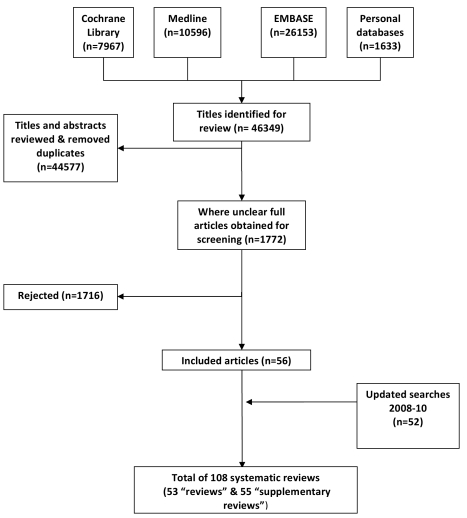
- The searches retrieved 46,349 references, and the authors included 108 reviews: 53 as the main empirical evidence base and 55 supplementary reviews for context.
- For EHRs, the paper found only weak evidence for benefits in time efficiency and data quality (legibility, completeness, comprehensiveness), while risks such as time costs, increased costs, and reduced patient-centeredness were mostly anecdotal.
- For PACS, there were only 3 reviews; evidence for improved organizational efficiency was weak, and overall cost-effectiveness could not be determined because economic findings were often contradictory and of poor quality.
- For CPOE and ePrescribing, the review reports moderate evidence for some organizational/practitioner benefits, but weak or inconsistent evidence for patient-level outcomes; for ePrescribing, there was no clear evidence of patient outcome benefit outside prescribing, and medication-error reductions were not clearly linked to patient harm reduction.
Methods
- Systematic overview of systematic reviews focused on clinician-oriented eHealth technologies related to storage/retrieval of data and support for clinical decision making; patient-focused interventions were excluded.
- Searched PubMed/MEDLINE, EMBASE, and the Cochrane Library for secondary research reports published from 1997 to 2007, with no language restrictions; searches were updated through end of April 2010.
- Performed dual-reviewer screening and critical appraisal (with arbitration by a third reviewer), then used narrative synthesis because the literature was too diverse for quantitative pooling; evidence was classified using a modified WHO Health Evidence Network approach as strong, moderate, or weak.
Limitations
- The paper states that poor indexing, reliance on English-language databases, and a novel multimethod approach meant some reviews may have been missed and the synthesis was “less rigorous” than a conventional systematic review because individual primary studies were not appraised.
- The authors note that they had to adapt the critical appraisal instrument, and that overlap in reviews plus inconsistent terminology required judgment calls about which reviews and primary studies mapped to which interventions.
- Evident from the text: the overview covers mostly economically developed country settings and clinician-orientated information systems, so the findings may not generalize well to patient-oriented technologies or other contexts.
Model-written summary. Check it against the paper before relying on it.
Integrity signals
Registry
Cites
Statistics
Figures
Verification
Claims the paper makes
4 Valid · 0 Not valid · 24 Not checked · 67 Own results and interpretations
Every source the paper cites for this claim was checked and supports it.
In the paper
“NHS Connecting for Health's difficulties with the implementation of EHRs into hospitals in England is a prime example of the challenges that can ensue if such socio-technical factors are given insufficient attention [148].”
§ The Impact of eHealth on the Quality and Safety of Health Care: A Systematic Overview > Discussion
What the sources say
- Supportedcites [148] Robertson AR Cresswell K Takian A Petrakaki D 2010 Prospective evaluation of the implementation and adoption of NHS Connecting for Health's electronic health record in secondary care in England: interim results from a national evaluation. BMJ 341 c4564 20813822 PMC2933355 source
The Methods (Data analysis; page not specified) explicitly frame implementation as a socio-technical process in which organisational, human, and technical factors shape one another. The Results (Trusts want systems that are tailored; page not specified) describe implementation difficulties caused by a centrally conceived standardised system that did not meet end users’ needs. This supports the citing sentence’s use of the programme as an example of challenges arising when those factors receive insufficient attention. (LLM, conf=0.90)
plainstates a cause- Asserted: passes — The authors put it forward as true.
- Checkable: passes — It can be checked against evidence.
- Load-bearing: unclear — It is unclear whether the paper’s conclusions depend on it.
- Based: passes — The paper gives a reason why it holds.
- Supported
The cited sources support only part of this claim — read each source’s verdict below.
In the paper
“Additionally, it is not unusual for insufficient time and effort to be devoted to the all-important customisation process [147].”
§ The Impact of eHealth on the Quality and Safety of Health Care: A Systematic Overview > Discussion
What the sources say
- Partly supportedcites [147] Pollock N Williams R Procter R 2003 Fitting standard software packages to non-standard organizations: the “biography' of an enterprise-wide system. Tech Anal Strat Manag 15 317 sourceExperimental — accuracy not yet measured
In “Building a Global Product” (pp. 16–17), the paper reports that the supplier had more requests for changes than resources and was pruning what it would deliver for a pilot site. This supports a resource constraint on adaptation in that case, but the paper does not establish that insufficient time and effort are often devoted to customisation across commercial systems. (LLM, conf=0.82)
plain- Asserted: passes — The authors put it forward as true.
- Checkable: passes — It can be checked against evidence.
- Load-bearing: unclear — It is unclear whether the paper’s conclusions depend on it.
- Based: passes — The paper gives a reason why it holds.
- Partly supported
The cited sources support only part of this claim — read each source’s verdict below.
In the paper
“Also of note is that we found virtually no evidence in support of the cost-effectiveness claims (Tables 2– 11) that are frequently being made by policy makers when constructing business cases to raise funding for the large-scale eHealth deployments that are now taking place in many parts of the world [1].”
§ The Impact of eHealth on the Quality and Safety of Health Care: A Systematic Overview > Discussion
What the sources say
- Partly supportedcites [1] Catwell L Sheikh A 2009 Evaluating eHealth interventions. PLoS Med 6 e1000126 doi: 10.1371/journal.pmed.1000126 19688038 PMC2719100 sourceExperimental — accuracy not yet measured
The ‘Recognising the Risk of Harm’ section says governments around the world are undertaking large eHealth rollouts, and the Conclusions call for scientific evidence to inform policy decisions. The paper does not specifically document frequent cost-effectiveness claims in policymakers’ funding business cases. The citing authors’ statement that ‘we found virtually no evidence’ refers to their own findings, not a finding attributed to this source. (LLM, conf=0.79)
plain- Asserted: passes — The authors put it forward as true.
- Checkable: passes — It can be checked against evidence.
- Load-bearing: passes — The paper’s conclusions depend on it.
- Based: passes — The paper gives a reason why it holds.
- Partly supported
A result the paper reports from its own data — it cites no other source for it, so there is none to check. The quote shows it is in the paper.
In the paper
“We found only anecdotal evidence of the fundamental expected benefits and risks relating to the organisational efficiency resulting from the storage and management facilities within the EHR and thus the potential for secondary uses (Table 2).”
§ The Impact of eHealth on the Quality and Safety of Health Care: A Systematic Overview > Results > Data Storage, Management, and Retrieval Systems
plain- Asserted: passes — The authors put it forward as true.
- Checkable: passes — It can be checked against evidence.
- Load-bearing: unclear — It is unclear whether the paper’s conclusions depend on it.
- Based: passes — The paper gives a reason why it holds.
In the paper
“Our final selection of 53 reviews provided the main empirical evidence base in relation to assessing the impact of the selected eHealth technologies (see Table 1 for our critical appraisal of these studies) [15]–[67], full details of which can be found in Table S2.”
§ The Impact of eHealth on the Quality and Safety of Health Care: A Systematic Overview > Results
What the sources say
- Not checked yetcites [15]–[67]
plain- Asserted: passes — The authors put it forward as true.
- Checkable: passes — It can be checked against evidence.
- Load-bearing: passes — The paper’s conclusions depend on it.
- Based: passes — The paper gives a reason why it holds.
41 more claims
Create a free account to see all 95 claims and to verify the 28 references still open.
- Probably not a substantial claim. 27
- It may state two separate claims as one. 28
Claims other papers make about this one
Each is checked against this paper’s own text: does it say what the citing paper says it does?
The source backs part of the claim, not all of it — or backs it for a different population, condition or comparison.
In the citing paper
“While such technologies can be effective [1,2], one of the main problems is that users’ adoption and long-term use remains lower than expected [3-5].”
From Opening the Black Box of Electronic Health: Collecting, Analyzing, and Interpreting Log Data (2017) · cites this paper as [5]
Experimental — accuracy not yet measuredThe cited source says what the claim attributes to it.
In the citing paper
“overall effectiveness in clinical practice is unclear.14”
From ‘Too much, too late’: mixed methods multi-channel video recording study of computerized decision support systems and GP prescribing (2013) · cites this paper as [14]
The cited source says what the claim attributes to it.
In the citing paper
“Several authors [1,2,4,6,62,76-87] note that a broader view is needed to assess the overall impact on health care.”
From A Holistic Framework to Improve the Uptake and Impact of eHealth Technologies (2011) · cites this paper as [2]
The cited source says what the claim attributes to it.
In the citing paper
“The foundation of the framework is based on the aforementioned principles, reviews in the field of eHealth [2,3,22,96-99], progressive insights from eHealth research (see Multimedia Appendix 4), and multidisciplinary theories from psychology, communication, and human–computer interaction design.”
From A Holistic Framework to Improve the Uptake and Impact of eHealth Technologies (2011) · cites this paper as [2]
The check wasn’t confident either way, so it gives no verdict — never disputed.
In the citing paper
“The scale, volume of data obtained, and real time nature of this evaluation of the implementation of electronic health records in English secondary healthcare settings are strengths of our work.1”
From Implementation and adoption of nationwide electronic health records in secondary care in England: final qualitative results from prospective national evaluation in early adopter hospitals (2011) · cites this paper as [1]
Experimental — accuracy not yet measured
5 more claims about this paper
Create a free account to see every claim other papers make about this one.
Citations
Cites
Older Adults' Reasons for Using Technology while Aging in Place
Peek, S. T. M., Luijkx, K. G., Rijnaard, M. D., Nieboer, M. E., van der Voort, C. S., Aarts, S., van Hoof, J., Vrijhoef, H. J. M., & Wouters, E. J. M. (2016) · Gerontology · doi:10.1159/000430949 · Cited by 19,690
To Err Is Human: Building a Safer Health System
(2000) · National Academies Press eBooks · doi:10.17226/9728 · Cited by 14,044
Crossing the Quality Chasm: A New Health System for the 21st Century
Baker, A. (2001) · BMJ · doi:10.1136/bmj.323.7322.1192 · Cited by 10,736
Wall, A. (2000) · British Journal of Healthcare Management · doi:10.12968/bjhc.2000.6.9.19311 · Cited by 5,903
Crossing the Quality Chasm: A New Health System for the 21st Century
Bloom, B. S. (2002) · JAMA: The Journal of the American Medical Association · doi:10.1001/jama.287.5.646-a · Cited by 3,726
Chaudhry, B., Wang, J., Wu, S., Maglione, M., Mojica, W., Roth, E., Morton, S. C., & Shekelle, P. G. (2006) · Annals of Internal Medicine · doi:10.7326/0003-4819-144-10-200605160-00125 · Cited by 3,159 · cited 2×
“Three related reviews – an update, a fuller report, and its more concise counterpart – were an exception due to the complementary nature of the reports rather than these being duplicative [22,55,56].”
BackgroundGarg, A. X., Adhikari, N. K. J., McDonald, H., Rosas-Arellano, M. P., Devereaux, P. J., Beyene, J., Sam, J., & Haynes, R. B. (2005) · JAMA · doi:10.1001/jama.293.10.1223 · Cited by 2,936 · cited 1×
“Evidence of the beneficial impact of such systems is limited, however, to a few academic clinical centres of excellence where the systems were developed in house, undergoing extensive evaluation with continual improvement, supported by a strong sense of local ownership by their clinical users [31,56].”
BackgroundKawamoto, K., Houlihan, C. A., Balas, E. A., & Lobach, D. F. (2005) · BMJ · doi:10.1136/bmj.38398.500764.8f · Cited by 2,703
The Technology Acceptance Model: Its past and its future in health care
Holden, R. J., & Karsh, B.-T. (2010) · Journal of Biomedical Informatics · doi:10.1016/j.jbi.2009.07.002 · Cited by 2,669
Critical appraisal skills programme
Singh, J. (2013) · Journal of Pharmacology and Pharmacotherapeutics · doi:10.4103/0976-500x.107697 · Cited by 2,556
Research works printed but not linked: 4
- Institute of Medicine 2007 Preventing medication errors. Washington (D.C.) National Academy Press
- Pagliari C Sloan D Gregor P Sullivan F Kahan JP 2004 EH1 E-Health scoping exercise. Review of wider Web-based information sources. Dundee University of Dundee
- Pagliari C Sloan D Gregor P Sullivan F Kahan JP 2004 EH1 E-Health scoping exercise. Review of the traditional research literature. Dundee University of Dundee
- Shekelle PG Goldzweig CL 2009 Costs and benefits of health technology information: an updated systematic review. Available: http://www.health.org.uk/public/cms/75/76/313/564/Costs%20and%20benefits%20of%20health%20information%20technology.pdf?realName=urByVX.pdf. Accessed 3 December 2010 19174390
Cited by
Items 101–200 of 1,002
Clyne, B., Bradley, M. C., Hughes, C. M., Fahey, T. P., & Lapane, K. L. (2012) · Clinics in Geriatric Medicine · doi:10.1016/j.cger.2012.01.009 · Cited by 133
“or be an element of a broader computerized provider/physician order entry (CPOE) system.(30) CPOE systems are computer applications that allow direct, electronic entry f orders for medications, laboratory, radiology, referral, and procedures.”
BackgroundMethodInfluentialDoes health informatics have a replication crisis?
Coiera, E., Ammenwerth, E., Georgiou, A., & Magrabi, F. (2018) · Journal of the American Medical Informatics Association · doi:10.1093/jamia/ocy028 · Cited by 106
“When systematic reviews are undertaken in informatics, they often report that the studies included in the analysis exhibit wide heterogeneity in methods, settings, and in intervention, all making comparison between any two studies a challenge.(18,19) Direct experimental replication studies thus appear to be rare in he…”
BackgroundSoumerai, S. B., Starr, D., & Majumdar, S. R. (2015) · Preventing Chronic Disease · doi:10.5888/pcd12.150187 · Cited by 119
“Such policies, which may affect tens of millions of people, include insurance plans with very high patient deductible costs or Medicare’s new economic penalties levied against hospitals for “preventable” adverse events (6).”
Harris, D. A., Haskell, J., Cooper, E., Crouse, N., & Gardner, R. (2018) · Applied Nursing Research · doi:10.1016/j.apnr.2018.06.014 · Cited by 103
Kemp, C. G., Weiner, B. J., Sherr, K. H., Kupfer, L. E., Cherutich, P. K., Wilson, D., Geng, E. H., & Wasserheit, J. N. (2018) · AIDS · doi:10.1097/qad.0000000000001897 · Cited by 103
Coleman, N., Halas, G., Peeler, W., Casaclang, N., Williamson, T. S., & Katz, A. (2015) · BMC Family Practice · doi:10.1186/s12875-015-0223-z · Cited by 127
“Background Electronic Medical Records (EMRs) are increasingly used in the provision of primary care, recording pertinent clinical data with the promise of improved efficiency, quality of care and patient safety [1].”
BackgroundGuise, V., Anderson, J., & Wiig, S. (2014) · BMC Health Services Research · doi:10.1186/s12913-014-0588-z · Cited by 102
“Information on the safety and quality of telecare systems is inconclusive [2,6,14].”
BackgroundTelemedicine/Virtual ICU: Where Are We and Where Are We Going?
Udeh, C., Udeh, B. L., Rahman, N., Canfield, C. M., Campbell, J. A., & Hata, J. S. (2018) · Methodist DeBakey Cardiovascular Journal · doi:10.14797/mdcj-14-2-126 · Cited by 108
Integration of a nationally procured electronic health record system into user work practices
Cresswell, K. M., Worth, A., & Sheikh, A. (2012) · BMC Medical Informatics and Decision Making · doi:10.1186/1472-6947-12-15 · Cited by 102
“The literature is littered with examples of “failed” electronic health record (EHR) implementations in healthcare settings, and particularly large-scale ones although these are, in the light of the significant anticipated benefits, increasingly pursued internationally [1-6].”
Self-citationComputerised decision support systems for healthcare professionals: an interpretative review
Cresswell, K., Majeed, A., Bates, D. W., & Sheikh, A. (2013) · Journal of Innovation in Health Informatics · doi:10.14236/jhi.v20i2.32 · Cited by 100
Self-citationCurtis, C. E., Al Bahar, F., & Marriott, J. F. (2017) · PLOS ONE · doi:10.1371/journal.pone.0183062 · Cited by 101
Conditions potentially sensitive to a Personal Health Record (PHR) intervention, a systematic review
Price, M., Bellwood, P., Kitson, N., Davies, I., Weber, J. H., & Lau, F. (2015) · BMC Medical Informatics and Decision Making · doi:10.1186/s12911-015-0159-1 · Cited by 117
“This is consistent with Health Information Systems research in general [22,23] and speaks to a greater need in health informatics research.”
BackgroundPortable System for Real-Time Detection of Stress Level
Minguillon, J., Perez, E., Lopez-Gordo, M. A., Pelayo, F., & Sanchez-Carrion, M. J. (2018) · Sensors · doi:10.3390/s18082504 · Cited by 97
“e-Health has shown a relevant impact on the quality and safety of healthcare [3].”
BackgroundWorkarounds to hospital electronic prescribing systems: a qualitative study in English hospitals
Cresswell, K. M., Mozaffar, H., Lee, L., Williams, R., & Sheikh, A. (2017) · BMJ Quality & Safety · doi:10.1136/bmjqs-2015-005149 · Cited by 96
Self-citationUsing Active Choice Within the Electronic Health Record to Increase Influenza Vaccination Rates
Patel, M. S., Volpp, K. G. M., Small, D. S., Wynne, C., Zhu, J., Yang, L., Honeywell, S., & Day, S. C. (2017) · Journal of General Internal Medicine · doi:10.1007/s11606-017-4046-6 · Cited by 103
Pietro, C. D., & Francetic, I. N. ;. (2017) · Health Policy · doi:10.1016/j.healthpol.2017.11.005 · Cited by 104
Tates, K., Antheunis, M. L., Kanters, S., Nieboer, T. E., & Gerritse, M. B. E. (2017) · Journal of Medical Internet Research · doi:10.2196/jmir.8033 · Cited by 113
“Nowadays, new information and communication technologies have an increasingly prominent role within medical practice [1], and the large majority of studies in this field reveal predominantly positive results of these new technologies, including improved quality and efficiency of health care, enhanced patient participa…”
BackgroundYang, F., Wang, Y., Yang, C., Hu, H., & Xiong, Z. (2018) · BMC Pulmonary Medicine · doi:10.1186/s12890-018-0671-z · Cited by 106
Delivery arrangements for health systems in low-income countries: an overview of systematic reviews
Ciapponi, A., Lewin, S., Herrera, C. A., Opiyo, N., Pantoja, T., Paulsen, E., Rada, G., Wiysonge, C. S., Bastías, G., Dudley, L., et al. (2017) · Cochrane Database of Systematic Reviews · doi:10.1002/14651858.cd011083.pub2 · Cited by 93
du Toit, R., Faal, H. B., Etya’ale, D., Wiafe, B., Mason, I., Graham, R., Bush, S., Mathenge, W. C., & Courtright, P. (2013) · BMC Health Services Research · doi:10.1186/1472-6963-13-102 · Cited by 108
Validación de la escala eHealth Literacy (eHEALS) en población universitaria española
Pérez, G. P., Almagro, B. J., Gómez, Á. H., & Aguaded, I. (2015) · Revista Española de Salud Pública · doi:10.4321/s1135-57272015000300010 · Cited by 121
Shen, H., van der Kleij, R., van der Boog, P. J. M., Chang, X., & Chavannes, N. H. (2019) · Journal of Medical Internet Research · doi:10.2196/12384 · Cited by 105
“Moreover, eHealth facilitates remote patient communication and exchange of health data, helping to increase health care efficiency while maintaining a wide-scale, cost-effective health care approach [24].”
BackgroundHealth information technology and patient outcomes: the role of information and labor coordination
McCullough, J. S., Parente, S. T., & Town, R. (2016) · The RAND Journal of Economics · doi:10.1111/1756-2171.12124 · Cited by 112
“” Black et al. (2011), for example, review the literature and suggest that the IT and quality relationship is unclear.”
BackgroundAlobayli, F. Y., O’Connor, S., Holloway, A. S., & Cresswell, K. M. (2023) · Digital Health · doi:10.1177/20552076231220241 · Cited by 138
“11,12 13 – 19 This has weakened the effective use of EHRs and introduced risks to clinicians ’ wellbeing, which threatened the success of IHI goals.”
BackgroundSelf-citationLength and redundancy of outpatient progress notes across a decade at an academic medical center
Rule, A., Bedrick, S., Chiang, M. F., & Hribar, M. R. (2021) · JAMA Network Open · doi:10.1001/jamanetworkopen.2021.15334 · Cited by 90
Effectiveness of ICT-based intimate partner violence interventions: a systematic review
El Morr, C., & Layal, M. (2020) · BMC Public Health · doi:10.1186/s12889-020-09408-8 · Cited by 90
“Ethical challenges related to the safety of women increase when women are sharing cell/smart phones with perpetrators; in such contexts special considerations should be taken care of, including “ safety by design ” [109].”
BackgroundeHealth in Treatment of Offenders in Forensic Mental Health: A Review of the Current State
Kip, H., Bouman, Y. H. A., Kelders, S. M., & van Gemert-Pijnen, L. J. E. W. C. (2018) · Frontiers in Psychiatry · doi:10.3389/fpsyt.2018.00042 · Cited by 89
Database combinations to retrieve systematic reviews in overviews of reviews: a methodological study
Goossen, K., Hess, S., Lunny, C., & Pieper, D. (2020) · BMC Medical Research Methodology · doi:10.1186/s12874-020-00983-3 · Cited by 85
Bonten, T. N., Rauwerdink, A., Wyatt, J. C., Kasteleyn, M. J., Witkamp, L., Riper, H. M., van Gemert‐Pijnen, J. E. W. C., Cresswell, K. M., Sheikh, A., Schijven, M. P., et al. (2020) · Journal of Medical Internet Research · doi:10.2196/17774 · Cited by 105
“Additionally, validating the quality and evaluating behavioral aspects of an eHealth solution may be lacking [18,19].”
BackgroundSelf-citationFinding the Meaning in Meaningful Use
Classen, D. C., & Bates, D. W. (2011) · New England Journal of Medicine · doi:10.1056/nejmsb1103659 · Cited by 89
Opening the Black Box of Electronic Health: Collecting, Analyzing, and Interpreting Log Data
Sieverink, F., Kelders, S., Poel, M., & van Gemert-Pijnen, L. (2017) · JMIR Research Protocols · doi:10.2196/resprot.6452 · Cited by 88
“While such technologies can be effective [1,2], one of the main problems is that users’ adoption and long-term use remains lower than expected [3-5].”
BackgroundKelders, S. M., Bohlmeijer, E. T., & Van Gemert-Pijnen, J. E. (2013) · Journal of Medical Internet Research · doi:10.2196/jmir.2258 · Cited by 88
Cresswell, K., Callaghan, M., Khan, S., Sheikh, Z., Mozaffar, H., & Sheikh, A. (2020) · Health Informatics Journal · doi:10.1177/1460458219900452 · Cited by 87
“There is a lack of guidance surrounding the narrative synthesis of quantitative data, but we have followed steps outlined by Popay et al:12 (1) developing a preliminary synthesis describing the various functions of technological systems and the study contexts, (2) summarising evidence of effectiveness and study qualit…”
MethodSelf-citationKim, R. H., Day, S. C., Small, D. S., Snider, C. K., Rareshide, C. A. L., & Patel, M. S. (2018) · JAMA Network Open · doi:10.1001/jamanetworkopen.2018.1770 · Cited by 92
Trends and Predictors of Use of Digital Health Technology in the United States
Mahajan, S., Lu, Y., Spatz, E. S., Nasir, K., & Krumholz, H. M. (2021) · The American Journal of Medicine · doi:10.1016/j.amjmed.2020.06.033 · Cited by 85
Oliver-Williams, C., Brown, E., Devereux, S., Fairhead, C., & Holeman, I. (2017) · JMIR mHealth and uHealth · doi:10.2196/mhealth.7792 · Cited by 86
“For this reason, policy makers and implementers of mHealth interventions to improve vaccination programs should be aware that eHealth interventions in general [42], and mHealth interventions in particular [6,43] are deeply complex and context-dependent.”
BackgroundCucciniello, M., Lapsley, I., Nasi, G., & Pagliari, C. (2015) · BMC Health Services Research · doi:10.1186/s12913-015-0928-7 · Cited by 115
“The use of effective Information and Communication Technologies and systems (ICT) underpins this vision [3] although the health care sector has been less successful in exploiting the potential of ICT than other sectors [4].”
BackgroundSelf-citationBoerma, R. S., Sigaloff, K., Akanmu, S. A., Inzaule, S. C., van Hensbroek, M. B., de Wit, T. F. R., & Calis, J. C. J. (2016) · Journal of Antimicrobial Chemotherapy · doi:10.1093/jac/dkw463 · Cited by 85
Kharrazi, H., Gonzalez, C. P., Lowe, K. B., Huerta, T. R., & Ford, E. W. (2018) · Journal of Medical Internet Research · doi:10.2196/10458 · Cited by 84
“Research in the health care field has closely linked EHR technology adoption to business and clinical outcomes [8-10].”
BackgroundThe adoption of care robots in home care—A survey on the attitudes of Finnish home care personnel
Rantanen, T., Lehto, P., Vuorinen, P., & Coco, K. (2018) · Journal of Clinical Nursing · doi:10.1111/jocn.14355 · Cited by 119
“The introduction of technology has been shown to improve patient safety, as well as the quality, accessibility and efficiency of care (e.g. Fetter 2009), although it has also attracted critical commentary (Black et al. 2011).”
BackgroundScaling up mental health care and psychosocial support in low-resource settings: a roadmap to impact
Jordans, M. J. D., & Kohrt, B. A. (2020) · Epidemiology and Psychiatric Sciences · doi:10.1017/s2045796020001018 · Cited by 94
Ser, G., Robertson, A., & Sheikh, A. (2014) · PLoS ONE · doi:10.1371/journal.pone.0077669 · Cited by 85
“Also noteworthy is the growing appreciation that introducing an EHR system may result in new risks and other unintended consequences.[5,6] For example, studies have reported patientdoctor communication during the clinical encounter can be negatively affected by the introduction of EHR systems.”
BackgroundSelf-citationPeeters, J. M., Krijgsman, J. W., Brabers, A. E., Jong, J. D. D., & Friele, R. D. (2016) · JMIR Medical Informatics · doi:10.2196/medinform.4515 · Cited by 83
“Active promotion of eHealth arises from the belief that eHealth widens access to health care services and has considerable potential to increase service efficiency [1-3].”
Laker, L. F., Froehle, C. M., Windeler, J. B., & Lindsell, C. J. (2018) · Production and Operations Management · doi:10.1111/poms.12777 · Cited by 98
“Improvements in the health system, however, have thus far fallen short of expectations (Black et al. 2011, Jones et al. 2012, Kellerman and Jones 2013).”
BackgroundMalaria and the ‘last’ parasite: how can technology help?
Pham, N. M., Karlen, W., Beck, H., & Delamarche, E. (2018) · Malaria Journal · doi:10.1186/s12936-018-2408-0 · Cited by 90
Recent Advances in Preventive Cardiology and Lifestyle Medicine: A Themed Series
Franklin, B. A., & Cushman, M. (2011) · Circulation · doi:10.1161/circulationaha.110.981613 · Cited by 103
Development of a web-based intervention for the indicated prevention of depression
Kelders, S. M., Pots, W. T., Oskam, M. J., Bohlmeijer, E. T., & van Gemert-Pijnen, J. E. (2013) · BMC Medical Informatics and Decision Making · doi:10.1186/1472-6947-13-26 · Cited by 80
“In many cases the effects are less than expected and the implementation of these interventions in regular care is lacking [5,12-14].”
BackgroundCharani, E., Kyratsis, Y., Lawson, W., Wickens, H., Brannigan, E. T., Moore, L. S. P., & Holmes, A. H. (2013) · Journal of Antimicrobial Chemotherapy · doi:10.1093/jac/dks492 · Cited by 79
Cresswell, K., Coleman, J., Slee, A., Williams, R., Sheikh, A., & ePrescribing Programme Team (2013) · PLoS ONE · doi:10.1371/annotation/1cec200a-6652-449f-91e9-8effb769de1e · Cited by 80
Self-citationComputer templates in chronic disease management: ethnographic case study in general practice
Swinglehurst, D., Greenhalgh, T., & Roberts, C. (2012) · BMJ Open · doi:10.1136/bmjopen-2012-001754 · Cited by 79
Learning from intersectoral action beyond health: a meta-narrative review
Mondal, S., Van Belle, S., & Maioni, A. (2021) · Health Policy and Planning · doi:10.1093/heapol/czaa163 · Cited by 77
Information Quality Frameworks for Digital Health Technologies: Systematic Review
Fadahunsi, K. P., O’Connor, S., Akinlua, J. T., Wark, P. A., Gallagher, J., Carroll, C., Car, J., Majeed, A., & O’Donoghue, J. (2021) · Journal of Medical Internet Research · doi:10.2196/23479 · Cited by 97
“Digital health technologies (DHTs), such as telemedicine, electronic health records (EHRs), clinical decision support systems (CDSS), mobile health, computerized physician order entry, electronic prescribing systems, and web-based health services, can improve access and quality of health care services [2,3].”
BackgroundSelf-citationGeorgiou, A., Prgomet, M., Paoloni, R., Creswick, N. J., Hordern, A., Walter, S. R., & Westbrook, J. I. (2013) · Annals of Emergency Medicine · doi:10.1016/j.annemergmed.2013.01.028 · Cited by 85
Patel, M. S., Day, S. C., Small, D. S., Howell, J. T., Lautenbach, G. L., Nierman, E. H., & Volpp, K. G. M. (2014) · Annals of Internal Medicine · doi:10.7326/m13-3001 · Cited by 88
Pereira, B. C., Isreb, A., Isreb, M., Forbes, R. T., Oga, E. F., & Alhnan, M. A. (2020) · Advanced Healthcare Materials · doi:10.1002/adhm.202000236 · Cited by 86
Addressing the Challenges of Electronic Health Records Using Blockchain and IPFS
Pilares, I. C. A., Azam, S., Akbulut, S., Jonkman, M., & Shanmugam, B. (2022) · Sensors · doi:10.3390/s22114032 · Cited by 96
Salisbury, C., Thomas, C., O'Cathain, A., Rogers, A., Pope, C., Yardley, L., Hollinghurst, S., Fahey, T., Lewis, G., Large, S., et al. (2015) · BMJ Open · doi:10.1136/bmjopen-2014-006448 · Cited by 80
“mechanisms of action and about wider impacts of telehealth on utilisation of other healthcare services.(9) There is inconsistent reporting of outcomes, suggesting a lack”
Rosis, S. D., & Barsanti, S. (2016) · Health Policy · doi:10.1016/j.healthpol.2016.09.012 · Cited by 101
“Despite the wide interest in this topic, the scientific basis of e-health behaviours determinants still needs to be established and the evidence seems limited [2,13,14].”
BackgroundAldosari, B. (2012) · BMC Medical Informatics and Decision Making · doi:10.1186/1472-6947-12-44 · Cited by 90
Kutney-Lee, A. M., Sloane, D. M., Bowles, K. H., Burns, L. R., & Aiken, L. H. (2019) · Applied Clinical Informatics · doi:10.1055/s-0039-1678551 · Cited by 96
Discovery and Clinical Decision Support for Personalized Healthcare
Yoon, J., Davtyan, C., & van der Schaar, M. (2016) · IEEE Journal of Biomedical and Health Informatics · doi:10.1109/jbhi.2016.2574857 · Cited by 103
Towards continuous monitoring in personalized healthcare through digital twins
Rivera, L. F. Z., Jiménez, M., Angara, P. P., Villegas, N. M., Tamura, G., & Müller, H. A. (2019) · Conference of the Centre for Advanced Studies on Collaborative Research · Cited by 128
Cresswell, K. M., Bates, D. W., Williams, R., Morrison, Z., Slee, A., Coleman, J., Robertson, A., Sheikh, A., Avery, T., Blake, L., et al. (2014) · Journal of the American Medical Informatics Association · doi:10.1136/amiajnl-2013-002252 · Cited by 76
“4 Background and significance Computerized Physician Order Entry (CPOE) and Clinical Decision Support (CDS) systems are increasingly being implemented in high- and middle-income countries with the aim of improving the quality, safety and efficiency of healthcare.(1) These systems can reduce the substantial disease bur…”
InfluentialSelf-citationDowding, D., Turley, M., & Garrido, T. (2011) · Journal of the American Medical Informatics Association · doi:10.1136/amiajnl-2011-000504 · Cited by 88
“The system-wide implementation of an integrated EHR has potential benefits, such as increased organizational efficiency, improved communication, improved practitioner performance (eg, improved prescribing), better quality of care and improved outcomes.(5) Evaluations of health information technologies have largely foc…”
BackgroundPatient-Centered Care and Patient-Reported Measures: Let’s Look Before We Leap
Miller, D., Gray, C. S., Kuluski, K., & Cott, C. A. (2014) · Patient · doi:10.1007/s40271-014-0095-7 · Cited by 87
“Patient-reported measures are an increasingly common form of information within a vast sea of data [10, 40].”
BackgroundAllergen immunotherapy for allergic rhinoconjunctivitis: a systematic overview of systematic reviews
Nurmatov, U. B., Dhami, S., Arasi, S., Roberts, G. C., Pfaar, O., Muraro, A. M., Ansotegui, I. J., Calderón, M. A., Cingi, C., Durham, S. R., et al. (2017) · Clinical and Translational Allergy · doi:10.1186/s13601-017-0159-6 · Cited by 80
“[39], for appraising evidence, which classifies evidence into strong, moderate or weak; this assessment being based on a combination of the overall consistency, quality, and volume of evidence uncovered (see Table 3).”
BackgroundSelf-citationKpobi, L. N. A., Swartz, L. M., & Ofori-Atta, A. L. (2018) · BMC Health Services Research · doi:10.1186/s12913-018-2887-2 · Cited by 82
“None of our participants was aware that the new system could have benefits for clinical work such as fewer prescription errors, increased adherence to treatment guidelines and improved clinician communication, as some literature has reported [21, 22].”
BackgroundCatalani, C., Green, E. P., Owiti, P., Keny, A., Diero, L. O., Yeung, A., Israelski, D. M., & Biondich, P. (2014) · PLoS ONE · doi:10.1371/journal.pone.0103205 · Cited by 92
dos Santos, A. D. F., Sobrinho, D. F., Araújo, L. L., Procópio, C. D. S. D., Lopes, É. A. S., Lima, A., dos Reis, C. M. R., de Abreu, D. M. X., Jorge, A. D. O., & Machado, A. T. G. D. M. (2017) · Cadernos de Saúde Pública · doi:10.1590/0102-311x00172815 · Cited by 82
Rotating Online Behavior Change Interventions Increases Effectiveness But Also Increases Attrition
Kovacs, G., Wu, Z., & Bernstein, M. S. (2018) · Proceedings of the ACM on Human-Computer Interaction · doi:10.1145/3274364 · Cited by 75
“While behavior change systems can be effective [12, 27, 101], many review papers are more restrained in whether behavior change systems remain effective over long periods of time [16, 42, 70, 73].”
BackgroundWalker, T. M., Monk, P., Smith, E. G., & Peto, T. (2013) · Clinical Microbiology and Infection · doi:10.1111/1469-0691.12183 · Cited by 75
Aldosari, B. (2014) · International Journal of Medical Informatics · doi:10.1016/j.ijmedinf.2014.01.006 · Cited by 81
The impact of eHealth on the quality and safety of health care: a systematic overview1)
Vermeulen, H., & Ubbink, D. T. (2011) · Nederlands Tijdschrift voor Evidence Based Practice · doi:10.1007/s12468-011-0024-x · Cited by 74
Human resource information systems in health care: a systematic evidence review
Tursunbayeva, A., Bunduchi, R., Franco, M., & Pagliari, C. (2017) · Journal of the American Medical Informatics Association · doi:10.1093/jamia/ocw141 · Cited by 74
Self-citationGlobal challenges of implementing human papillomavirus vaccines
Graham, J., & Mishra, A. (2011) · International Journal for Equity in Health · doi:10.1186/1475-9276-10-27 · Cited by 75
“Even in well-resourced settings, however, privacy laws and issues related with transferring records from paper to electronic formats may hamper surveillance [85].”
BackgroundIndicators and Measurement Tools for Health Systems Integration: A Knowledge Synthesis
Suter, E., Oelke, N. D., Lima, M. A. D. D. S., Stiphout, M., Janke, R., Witt, R. R., Vliet-Brown, C. V., Schill, K., Rostami, M., Hepp, S. L., et al. (2017) · International Journal of Integrated Care · doi:10.5334/ijic.3931 · Cited by 88
Dixon‐Woods, M., Redwood, S., Leslie, M., Minion, J. T., Martin, G. P., & Coleman, J. J. (2013) · Milbank Quarterly · doi:10.1111/1468-0009.12021 · Cited by 81
“The evidence remains equivocal (Black et al. 2011) on these issues, and they are not the focus of this article.”
BackgroundElectronic health records improve clinical note quality
Burke, H. B., Sessums, L. L., Hoang, A., Becher, D. A., Fontelo, P., Liu, F., Stephens, M., Pangaro, L. N., O'Malley, P. G., Baxi, N. S., et al. (2015) · Journal of the American Medical Informatics Association · doi:10.1136/amiajnl-2014-002726 · Cited by 71
“The benefits of EHRs include the instantaneous availability of medical records(6,9,16) and the elimination of illegible notes.(6,16,19,20) It is not known whether EHRs improve the quality of clinical notes.”
BackgroundWikis and Collaborative Writing Applications in Health Care: A Scoping Review
Archambault, P. M., van de Belt, T. H., Grajales, F. J., III, Faber, M. J., Kuziemsky, C. E., Gagnon, S., Bilodeau, A., Rioux, S., Nelen, W. L. D. M., Gagnon, M., et al. (2013) · Journal of Medical Internet Research · doi:10.2196/jmir.2787 · Cited by 92
“While researchers have conducted systematic reviews on Internet and communication technologies (ICTs) [77,78] social media in health care [79-84] and research on Wikipedia in general [85], none have specifically focused on wikis and CWAs in health care.”
Impact of access to water and sanitation services on educational attainment
Ortiz-Correa, J. S., Filho, M. D. A. R., & Dinar, A. (2015) · Water Resources and Economics · doi:10.1016/j.wre.2015.11.002 · Cited by 75
Developing online health communities through digital media
Hajli, M. N. (2014) · International Journal of Information Management · doi:10.1016/j.ijinfomgt.2014.01.006 · Cited by 81
Nabelsi, V., & Gagnon, S. (2017) · International Journal of Production Research · doi:10.1080/00207543.2016.1218082 · Cited by 69
“In other words, the major impediments appear to be linked more to environmental and organisational issues than to technological problems (Black et al. 2011).”
BackgroundFadahunsi, K. P., Akinlua, J. T., O’Connor, S., Wark, P. A., Gallagher, J., Carroll, C., Majeed, A., & O’Donoghue, J. (2019) · BMJ Open · doi:10.1136/bmjopen-2018-024722 · Cited by 88
“A range of eHealth applications including telemedicine, electronic health records (EHRs), clinical decision support systems (CDSS), mobile health (mHealth) applications, computerised physician order entry (CPOE), electronic prescribing systems (EPS) and web-based health services (WHS), have all recorded varying levels…”
BackgroundSelf-citationHolding AI to Account: Challenges for the Delivery of Trustworthy AI in Healthcare
Procter, R., Tolmie, P., & Rouncefield, M. (2023) · ACM Transactions on Computer-Human Interaction · doi:10.1145/3577009 · Cited by 94
“However, problems may still be encountered if it is assumed that a CDSS that has been designed to meet the needs of a specific group of clinicians will work as well in new clinical settings (Black et al. 2011, Nix et al. 2022, Oakden-Rayner et al. 2022).”
Self-citationShahmoradi, L., Safdari, R., Ahmadi, H., & Zahmatkeshan, M. (2021) · Medical Journal of the Islamic Republic of Iran · doi:10.47176/mjiri.35.27 · Cited by 112
Durbin, J., Barnsley, J. M., Finlayson, B., Jaakkimainen, L., Lin, E. H. B., Berta, W. B., & McMurray, J. (2012) · The Journal of Behavioral Health Services & Research · doi:10.1007/s11414-012-9288-9 · Cited by 78
“Among these are interoperability of systems; privacy and security issues; increased staff time to document and retrieve information; preservation of clinical meaning; data accuracy; and slow and variable practitioner adoption rates.(6,53,57) Regarding interoperability, standards development organizations (SDO) have fo…”
BackgroundGeorgiou, A., Prgomet, M., Markewycz, A., Adams, E. J., & Westbrook, J. I. (2011) · Journal of the American Medical Informatics Association · doi:10.1136/amiajnl-2010-000043 · Cited by 83
Overthrowing barriers to empathy in healthcare: empathy in the age of the Internet
Howick, J., & Rees, S. (2017) · Journal of the Royal Society of Medicine · doi:10.1177/0141076817714443 · Cited by 69
“To achieve this, implementing existing technology must be used to enhance empathic care rather than present a barrier to it.(29) For example, we already have technology that could reduce the burden of practitioner paperwork by gathering basic information prior to the consultation.”
BackgroundMethodConsumer E-Health: An Overview of Research Evidence and Implications for Future Policy
Hordern, A., Georgiou, A., Whetton, S., & Prgomet, M. (2011) · Health Information Management Journal · doi:10.1177/183335831104000202 · Cited by 82
“Yet despite the interest and significant investments in promoting the uptake of consumer ehealth solutions, there remains a major gap between the promise and reality of e-health delivery (Black et al. 2011).”
BackgroundMakam, A. N., Lanham, H. J., Batchelor, K., Samal, L., Moran, B., Howell-Stampley, T., Kirk, L., Cherukuri, M., Santini, N., Leykum, L. K., et al. (2013) · BMC Medical Informatics and Decision Making · doi:10.1186/1472-6947-13-86 · Cited by 68
Methods for Human-Centered eHealth Development: Narrative Scoping Review
Kip, H., Keizer, J., da Silva, M. C., Beerlage-de Jong, N., Köhle, N., & Kelders, S. M. (2022) · Journal of Medical Internet Research · doi:10.2196/31858 · Cited by 67
“A reason for this is low uptake; many eHealth technologies are not used as often as would be expected [4].”
Methods for Human-Centered eHealth Development: Narrative Scoping Review (Preprint)
Kip, H., Keizer, J., da Silva, M. C., Beerlage-de Jong, N., Köhle, N., & Kelders, S. M. (2021) · doi:10.2196/preprints.31858 · Cited by 67
A Clinical Decision Support Framework for Heterogeneous Data Sources
Huang, M., Han, H., Wang, H. H., Li, L., Zhang, Y., & Bhatti, U. A. (2018) · IEEE Journal of Biomedical and Health Informatics · doi:10.1109/jbhi.2018.2846626 · Cited by 74
“cific knowledge, patients’ information and intelligent applications, which can improve the efficiency of their decision-making processes [5].”
BackgroundAyanore, M. A., Amuna, N. N., Aviisah, M. A., Adam, A., Sunyehzi, D. D. K., Mogre, V., Ofori‐Asenso, R., Gmanyami, J. M., Kugbey, N., & Gyapong, M. (2019) · Annals of Global Health · doi:10.5334/aogh.2514 · Cited by 88
Nzinga, J., Boga, M., Kagwanja, N., Waithaka, D., Barasa, E., Tsofa, B., Gilson, L., & Molyneux, S. C. (2021) · Health Policy and Planning · doi:10.1093/heapol/czab056 · Cited by 90
Korda, H., & Eldridge, G. N. (2011) · INQUIRY The Journal of Health Care Organization Provision and Financing · doi:10.5034/inquiryjrnl_48.04.01 · Cited by 80
The case for randomized controlled trials to assess the impact of clinical information systems
Liu, J. L. Y., & Wyatt, J. C. (2011) · Journal of the American Medical Informatics Association · doi:10.1136/jamia.2010.010306 · Cited by 66
Asan, O., & Yang, Y. (2015) · JMIR Human Factors · doi:10.2196/humanfactors.4062 · Cited by 66
“Health information technology (HIT) systems are promising tools for improving quality, patient safety, and efficiency in health care systems [1-4].”
BackgroundBerge, G. T., Granmo, O., Tveit, T. O., Munkvold, B. E., Ruthjersen, A. L., & Sharma, J. (2023) · BMC Medical Informatics and Decision Making · doi:10.1186/s12911-023-02101-x · Cited by 86
“Black et al. [41] showed that there is a gap between the postulated and empirically demonstrated benefits of eHealth technologies.”
BackgroundHadwich, K., Georgi, D., Tuzovic, S., Büttner, J., & Bruhn, M. (2010) · International Journal of Pharmaceutical and Healthcare Marketing · doi:10.1108/17506121011059740 · Cited by 87
Metadata
- Authors
- Black, A. D., Car, J., Pagliari, C., Anandan, C., Cresswell, K., Bokun, T., McKinstry, B., Procter, R., Majeed, A., & Sheikh, A.
- Affiliations
- Imperial College London (GB)
- University of Edinburgh (GB)
- University of Manchester (GB)
- Corresponding author
- Sheikh, Aziz
- ORCID
- Venue
- PLoS Medicine
- Publisher
- Public Library of Science (PLoS)
- Published
- 2011-01-18
- Volume
- 8
- Issue
- 1
- Pages
- e1000387
- ISSN
- 1549-1277 (ISSN-L)
- 1549-1676
- PMC
- PMC3022523
- OpenAlex
- W2002144979
- Semantic Scholar
- 8989e6727eab5d5fc760d0c7a63fb3864fe49a4f
- Cited by
- 1,442
- References
- 168
- Citations by year
- 2026: 23 · 2025: 26 · 2024: 44 · 2023: 46 · 2022: 55 · 2021: 81 · 2020: 94 · 2019: 102 · 2018: 109 · 2017: 110 · 2016: 129 · 2015: 109 · 2014: 126 · 2013: 207 · 2012: 111
- FWCI
- 24.19
- Type
- journal article
- Language
- en
- Open access
- gold
- doi.org
- Locations
- PLoS Medicine (publishedVersion, cc-by)
- PubMed Central (publishedVersion, cc-by)
- PubMed (publishedVersion)
- RePEc: Research Papers in Economics (publishedVersion)
- Warwick Research Archive Portal (University of Warwick) (acceptedVersion)
- Research Publications (Maastricht University) (submittedVersion, cc-by)
- DOAJ (DOAJ: Directory of Open Access Journals) (submittedVersion, cc-by-sa)
- Figshare (submittedVersion, cc-by)
- Research Explorer (The University of Manchester) (submittedVersion)
- Edinburgh Research Explorer (University of Edinburgh) (submittedVersion, cc-by)
- Spiral (Imperial College London) (submittedVersion, other-oa)
- Research Publications (Maastricht University) (submittedVersion, other-oa)
- Funders
- Economic and Social Research Council
- Topics
- Health Sciences › Health Professions › Health Information Management › Electronic Health Records Systems
- Health Sciences › Medicine › Public Health, Environmental and Occupational Health › Telemedicine and Telehealth Implementation
- Health Sciences › Medicine › Public Health, Environmental and Occupational Health › Technology and Human Factors in Education and Health
- Keywords
- e-health, quality of care, patient safety, clinical decision support, telemedicine, health data management, digital health technologies, cost-effectiveness, evidence gaps, health policy
- MeSH terms
- Cost-Benefit Analysis, Delivery of Health Care, Health Policy, Medical Informatics, Quality of Health Care, Radiology Information Systems, Review Literature as Topic, Efficiency, Organizational, Electronic Prescribing, Electronic Health Records
About these checks
Registry, retraction, Cites and statistics results are computed, not judged, with one exception: a printed reference that no index lists is read once by a model before it counts as a citation error. Claims are extracted by a model and kept only when their quote appears verbatim in the text; each cited source is then checked, with a model’s help, for whether it says what the claim relies on. Those verdicts can be wrong — read the claim’s quote and the cited source before relying on one.
The claim verdicts this report counts are experimental: their accuracy is not yet measured.
A language model drew the claims from the paper on 2026-10-11, under version 3 of the claim definition (model deepseek-v4.1-flash, prompt extract-v3).
A second model labelled each claim on 2026-10-11 (model jev-1.13-20260917, definition revision gold-guideline-v0.2).
Cited sources are checked with a language model’s help (gpt-6-sol).
Statistics and arithmetic are recomputed, not judged.
Confidence bands are shown only for fields calibrated on our annotated test set. None is calibrated yet, so no band is shown.
What counts as a claim ›How we measure confidence ›How we check this ›
Are you an author, or do you see a problem with this page? Request a review
Data sources
Bibliographic data: Semantic Scholar, OpenAlex, Crossref.
Contains information from the Semantic Scholar Academic Graph Datasets, made available under the ODC Attribution License (ODC-BY 1.0).
Semantic Scholar’s data is described in: Kinney, R., et al. (2023). The Semantic Scholar Open Data Platform. arXiv:2301.10140.
