

The Impact of eHealth on the Quality and Safety of Health Care: A Systematic Overview
Open accessThe DOI matches its Crossref record; 165 of the 168 references it cites were found in a registry or an index; 4 of the 32 sources its claims cite were checked for support.
Abstract
BACKGROUND: There is considerable international interest in exploiting the potential of digital solutions to enhance the quality and safety of health care. Implementations of transformative eHealth technologies are underway globally, often at very considerable cost. In order to assess the impact of eHealth solutions on the quality and safety of health care, and to inform policy decisions on eHealth deployments, we undertook a systematic review of systematic reviews assessing the effectiveness and consequences of various eHealth technologies on the quality and safety of care. METHODS AND FINDINGS: We developed novel search strategies, conceptual maps of health care quality, safety, and eHealth interventions, and then systematically identified, scrutinised, and synthesised the systematic review literature. Major biomedical databases were searched to identify systematic reviews published between 1997 and 2010. Related theoretical, methodological, and technical material was also reviewed. We identified 53 systematic reviews that focused on assessing the impact of eHealth interventions on the quality and/or safety of health care and 55 supplementary systematic reviews providing relevant supportive information. This systematic review literature was found to be generally of substandard quality with regards to methodology, reporting, and utility. We thematically categorised eHealth technologies into three main areas: (1) storing, managing, and transmission of data; (2) clinical decision support; and (3) facilitating care from a distance. We found that despite support from policymakers, there was relatively little empirical evidence to substantiate many of the claims made in relation to these technologies. Whether the success of those relatively few solutions identified to improve quality and safety would continue if these were deployed beyond the contexts in which they were originally developed, has yet to be established. Importantly, best practice guidelines in effective development and deployment strategies are lacking. CONCLUSIONS: There is a large gap between the postulated and empirically demonstrated benefits of eHealth technologies. In addition, there is a lack of robust research on the risks of implementing these technologies and their cost-effectiveness has yet to be demonstrated, despite being frequently promoted by policymakers and "techno-enthusiasts" as if this was a given. In the light of the paucity of evidence in relation to improvements in patient outcomes, as well as the lack of evidence on their cost-effectiveness, it is vital that future eHealth technologies are evaluated against a comprehensive set of measures, ideally throughout all stages of the technology's life cycle. Such evaluation should be characterised by careful attention to socio-technical factors to maximise the likelihood of successful implementation and adoption.
Overview
CoChat Summary
TL;DR
This systematic overview of 108 reviews found that the empirical evidence for most common eHealth technologies’ benefits on quality and safety is weak, inconsistent, or absent. The paper argues that large-scale eHealth investments should not be justified by assumed gains alone, because patient-level and cost-effectiveness benefits were rarely demonstrated.
Key findings
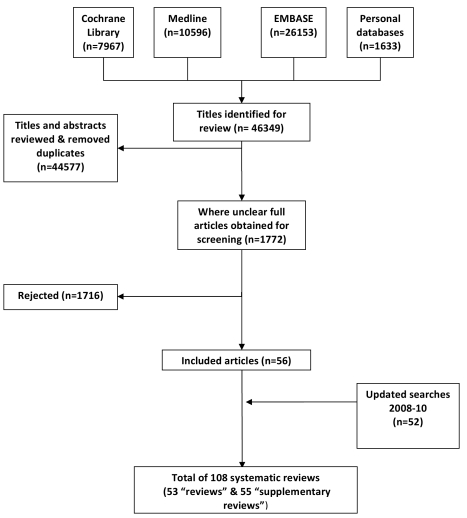
- The searches retrieved 46,349 references, and the authors included 108 reviews: 53 as the main empirical evidence base and 55 supplementary reviews for context.
- For EHRs, the paper found only weak evidence for benefits in time efficiency and data quality (legibility, completeness, comprehensiveness), while risks such as time costs, increased costs, and reduced patient-centeredness were mostly anecdotal.
- For PACS, there were only 3 reviews; evidence for improved organizational efficiency was weak, and overall cost-effectiveness could not be determined because economic findings were often contradictory and of poor quality.
- For CPOE and ePrescribing, the review reports moderate evidence for some organizational/practitioner benefits, but weak or inconsistent evidence for patient-level outcomes; for ePrescribing, there was no clear evidence of patient outcome benefit outside prescribing, and medication-error reductions were not clearly linked to patient harm reduction.
Methods
- Systematic overview of systematic reviews focused on clinician-oriented eHealth technologies related to storage/retrieval of data and support for clinical decision making; patient-focused interventions were excluded.
- Searched PubMed/MEDLINE, EMBASE, and the Cochrane Library for secondary research reports published from 1997 to 2007, with no language restrictions; searches were updated through end of April 2010.
- Performed dual-reviewer screening and critical appraisal (with arbitration by a third reviewer), then used narrative synthesis because the literature was too diverse for quantitative pooling; evidence was classified using a modified WHO Health Evidence Network approach as strong, moderate, or weak.
Limitations
- The paper states that poor indexing, reliance on English-language databases, and a novel multimethod approach meant some reviews may have been missed and the synthesis was “less rigorous” than a conventional systematic review because individual primary studies were not appraised.
- The authors note that they had to adapt the critical appraisal instrument, and that overlap in reviews plus inconsistent terminology required judgment calls about which reviews and primary studies mapped to which interventions.
- Evident from the text: the overview covers mostly economically developed country settings and clinician-orientated information systems, so the findings may not generalize well to patient-oriented technologies or other contexts.
Model-written summary. Check it against the paper before relying on it.
Integrity signals
Registry
Cites
Statistics
Figures
Verification
Claims the paper makes
4 Valid · 0 Not valid · 24 Not checked · 67 Own results and interpretations
Every source the paper cites for this claim was checked and supports it.
In the paper
“NHS Connecting for Health's difficulties with the implementation of EHRs into hospitals in England is a prime example of the challenges that can ensue if such socio-technical factors are given insufficient attention [148].”
§ The Impact of eHealth on the Quality and Safety of Health Care: A Systematic Overview > Discussion
What the sources say
- Supportedcites [148] Robertson AR Cresswell K Takian A Petrakaki D 2010 Prospective evaluation of the implementation and adoption of NHS Connecting for Health's electronic health record in secondary care in England: interim results from a national evaluation. BMJ 341 c4564 20813822 PMC2933355 source
The Methods (Data analysis; page not specified) explicitly frame implementation as a socio-technical process in which organisational, human, and technical factors shape one another. The Results (Trusts want systems that are tailored; page not specified) describe implementation difficulties caused by a centrally conceived standardised system that did not meet end users’ needs. This supports the citing sentence’s use of the programme as an example of challenges arising when those factors receive insufficient attention. (LLM, conf=0.90)
plainstates a cause- Asserted: passes — The authors put it forward as true.
- Checkable: passes — It can be checked against evidence.
- Load-bearing: unclear — It is unclear whether the paper’s conclusions depend on it.
- Based: passes — The paper gives a reason why it holds.
- Supported
The cited sources support only part of this claim — read each source’s verdict below.
In the paper
“Additionally, it is not unusual for insufficient time and effort to be devoted to the all-important customisation process [147].”
§ The Impact of eHealth on the Quality and Safety of Health Care: A Systematic Overview > Discussion
What the sources say
- Partly supportedcites [147] Pollock N Williams R Procter R 2003 Fitting standard software packages to non-standard organizations: the “biography' of an enterprise-wide system. Tech Anal Strat Manag 15 317 sourceExperimental — accuracy not yet measured
In “Building a Global Product” (pp. 16–17), the paper reports that the supplier had more requests for changes than resources and was pruning what it would deliver for a pilot site. This supports a resource constraint on adaptation in that case, but the paper does not establish that insufficient time and effort are often devoted to customisation across commercial systems. (LLM, conf=0.82)
plain- Asserted: passes — The authors put it forward as true.
- Checkable: passes — It can be checked against evidence.
- Load-bearing: unclear — It is unclear whether the paper’s conclusions depend on it.
- Based: passes — The paper gives a reason why it holds.
- Partly supported
The cited sources support only part of this claim — read each source’s verdict below.
In the paper
“Also of note is that we found virtually no evidence in support of the cost-effectiveness claims (Tables 2– 11) that are frequently being made by policy makers when constructing business cases to raise funding for the large-scale eHealth deployments that are now taking place in many parts of the world [1].”
§ The Impact of eHealth on the Quality and Safety of Health Care: A Systematic Overview > Discussion
What the sources say
- Partly supportedcites [1] Catwell L Sheikh A 2009 Evaluating eHealth interventions. PLoS Med 6 e1000126 doi: 10.1371/journal.pmed.1000126 19688038 PMC2719100 sourceExperimental — accuracy not yet measured
The ‘Recognising the Risk of Harm’ section says governments around the world are undertaking large eHealth rollouts, and the Conclusions call for scientific evidence to inform policy decisions. The paper does not specifically document frequent cost-effectiveness claims in policymakers’ funding business cases. The citing authors’ statement that ‘we found virtually no evidence’ refers to their own findings, not a finding attributed to this source. (LLM, conf=0.79)
plain- Asserted: passes — The authors put it forward as true.
- Checkable: passes — It can be checked against evidence.
- Load-bearing: passes — The paper’s conclusions depend on it.
- Based: passes — The paper gives a reason why it holds.
- Partly supported
A result the paper reports from its own data — it cites no other source for it, so there is none to check. The quote shows it is in the paper.
In the paper
“We found only anecdotal evidence of the fundamental expected benefits and risks relating to the organisational efficiency resulting from the storage and management facilities within the EHR and thus the potential for secondary uses (Table 2).”
§ The Impact of eHealth on the Quality and Safety of Health Care: A Systematic Overview > Results > Data Storage, Management, and Retrieval Systems
plain- Asserted: passes — The authors put it forward as true.
- Checkable: passes — It can be checked against evidence.
- Load-bearing: unclear — It is unclear whether the paper’s conclusions depend on it.
- Based: passes — The paper gives a reason why it holds.
In the paper
“Our final selection of 53 reviews provided the main empirical evidence base in relation to assessing the impact of the selected eHealth technologies (see Table 1 for our critical appraisal of these studies) [15]–[67], full details of which can be found in Table S2.”
§ The Impact of eHealth on the Quality and Safety of Health Care: A Systematic Overview > Results
What the sources say
- Not checked yetcites [15]–[67]
plain- Asserted: passes — The authors put it forward as true.
- Checkable: passes — It can be checked against evidence.
- Load-bearing: passes — The paper’s conclusions depend on it.
- Based: passes — The paper gives a reason why it holds.
41 more claims
Create a free account to see all 95 claims and to verify the 28 references still open.
- Probably not a substantial claim. 27
- It may state two separate claims as one. 28
Claims other papers make about this one
Each is checked against this paper’s own text: does it say what the citing paper says it does?
The source backs part of the claim, not all of it — or backs it for a different population, condition or comparison.
In the citing paper
“While such technologies can be effective [1,2], one of the main problems is that users’ adoption and long-term use remains lower than expected [3-5].”
From Opening the Black Box of Electronic Health: Collecting, Analyzing, and Interpreting Log Data (2017) · cites this paper as [5]
Experimental — accuracy not yet measuredThe cited source says what the claim attributes to it.
In the citing paper
“overall effectiveness in clinical practice is unclear.14”
From ‘Too much, too late’: mixed methods multi-channel video recording study of computerized decision support systems and GP prescribing (2013) · cites this paper as [14]
The cited source says what the claim attributes to it.
In the citing paper
“Several authors [1,2,4,6,62,76-87] note that a broader view is needed to assess the overall impact on health care.”
From A Holistic Framework to Improve the Uptake and Impact of eHealth Technologies (2011) · cites this paper as [2]
The cited source says what the claim attributes to it.
In the citing paper
“The foundation of the framework is based on the aforementioned principles, reviews in the field of eHealth [2,3,22,96-99], progressive insights from eHealth research (see Multimedia Appendix 4), and multidisciplinary theories from psychology, communication, and human–computer interaction design.”
From A Holistic Framework to Improve the Uptake and Impact of eHealth Technologies (2011) · cites this paper as [2]
The check wasn’t confident either way, so it gives no verdict — never disputed.
In the citing paper
“The scale, volume of data obtained, and real time nature of this evaluation of the implementation of electronic health records in English secondary healthcare settings are strengths of our work.1”
From Implementation and adoption of nationwide electronic health records in secondary care in England: final qualitative results from prospective national evaluation in early adopter hospitals (2011) · cites this paper as [1]
Experimental — accuracy not yet measured
5 more claims about this paper
Create a free account to see every claim other papers make about this one.
Citations
Cites
Older Adults' Reasons for Using Technology while Aging in Place
Peek, S. T. M., Luijkx, K. G., Rijnaard, M. D., Nieboer, M. E., van der Voort, C. S., Aarts, S., van Hoof, J., Vrijhoef, H. J. M., & Wouters, E. J. M. (2016) · Gerontology · doi:10.1159/000430949 · Cited by 19,690
To Err Is Human: Building a Safer Health System
(2000) · National Academies Press eBooks · doi:10.17226/9728 · Cited by 14,044
Crossing the Quality Chasm: A New Health System for the 21st Century
Baker, A. (2001) · BMJ · doi:10.1136/bmj.323.7322.1192 · Cited by 10,736
Wall, A. (2000) · British Journal of Healthcare Management · doi:10.12968/bjhc.2000.6.9.19311 · Cited by 5,903
Crossing the Quality Chasm: A New Health System for the 21st Century
Bloom, B. S. (2002) · JAMA: The Journal of the American Medical Association · doi:10.1001/jama.287.5.646-a · Cited by 3,726
Chaudhry, B., Wang, J., Wu, S., Maglione, M., Mojica, W., Roth, E., Morton, S. C., & Shekelle, P. G. (2006) · Annals of Internal Medicine · doi:10.7326/0003-4819-144-10-200605160-00125 · Cited by 3,159 · cited 2×
“Three related reviews – an update, a fuller report, and its more concise counterpart – were an exception due to the complementary nature of the reports rather than these being duplicative [22,55,56].”
BackgroundGarg, A. X., Adhikari, N. K. J., McDonald, H., Rosas-Arellano, M. P., Devereaux, P. J., Beyene, J., Sam, J., & Haynes, R. B. (2005) · JAMA · doi:10.1001/jama.293.10.1223 · Cited by 2,936 · cited 1×
“Evidence of the beneficial impact of such systems is limited, however, to a few academic clinical centres of excellence where the systems were developed in house, undergoing extensive evaluation with continual improvement, supported by a strong sense of local ownership by their clinical users [31,56].”
BackgroundKawamoto, K., Houlihan, C. A., Balas, E. A., & Lobach, D. F. (2005) · BMJ · doi:10.1136/bmj.38398.500764.8f · Cited by 2,703
The Technology Acceptance Model: Its past and its future in health care
Holden, R. J., & Karsh, B.-T. (2010) · Journal of Biomedical Informatics · doi:10.1016/j.jbi.2009.07.002 · Cited by 2,669
Critical appraisal skills programme
Singh, J. (2013) · Journal of Pharmacology and Pharmacotherapeutics · doi:10.4103/0976-500x.107697 · Cited by 2,556
Research works printed but not linked: 4
- Institute of Medicine 2007 Preventing medication errors. Washington (D.C.) National Academy Press
- Pagliari C Sloan D Gregor P Sullivan F Kahan JP 2004 EH1 E-Health scoping exercise. Review of wider Web-based information sources. Dundee University of Dundee
- Pagliari C Sloan D Gregor P Sullivan F Kahan JP 2004 EH1 E-Health scoping exercise. Review of the traditional research literature. Dundee University of Dundee
- Shekelle PG Goldzweig CL 2009 Costs and benefits of health technology information: an updated systematic review. Available: http://www.health.org.uk/public/cms/75/76/313/564/Costs%20and%20benefits%20of%20health%20information%20technology.pdf?realName=urByVX.pdf. Accessed 3 December 2010 19174390
Cited by
Items 601–700 of 1,002
Electronic Health Record Technology
Cresswell, K. M., & Sheikh, A. (2012) · JAMA · doi:10.1001/jama.2012.3520 · Cited by 15
“While we agree with many of their points, we take issue with the claim that the benefits of EHRs are “well documented” because there is to date very little robust, generalizable evidence that investments in EHRs translate into direct short-term benefits to health professionals or patients.(2) Our prospective evaluatio…”
BackgroundResultSelf-citationvan Heerden, A. C. (2014) · University of the Witwatersrand, Johannesburg Institutional Repository on DSpace (University of the Witwatersrand, Johannesburg) · Cited by 15
(2017) · AMA Journal of Ethics · doi:10.1001/journalofethics.2017.19.11.stas1-1711 · Cited by 14
Time and Clerical Burden Posed by the Current Electronic Health Record for Orthopaedic Surgeons
Kesler, K., Wynn, M., & Pugely, A. J. (2022) · Journal of the American Academy of Orthopaedic Surgeons · doi:10.5435/jaaos-d-21-00094 · Cited by 14
Pearce, C. M., Kumarapeli, P., Stavropoulou, C., Kushniruk, A. W., Sheikh, A., Shachak, A., Mendis, K., & de Lusignan, S. (2011) · Yearbook of Medical Informatics · doi:10.1055/s-0038-1638735 · Cited by 18
“Despite their ubiquity, patients [6] and clinicians [7] have reservations about their use [8], and the scientific evidence on the benefits associated with IT use still needs to be better established [9].”
BackgroundSelf-citationHammar, T., Ohlson, M., Hanson, E. J., & Petersson, G. (2014) · Research in Social and Administrative Pharmacy · doi:10.1016/j.sapharm.2014.08.002 · Cited by 15
Real-time management of chemotherapy toxicity using the Advanced Symptom Management System (ASyMS)
Cowie, J., McCann, L., Maguire, R., Kearney, N., Connaghan, J., Paterson, C. C., Hughes, J., & Domenico, D. D. (2013) · Journal of Decision System · doi:10.1080/12460125.2012.760269 · Cited by 15
“…emergency room visits and unplanned hospitalisations, fewer bed days of care, decreased nursing home admissions in the elderly, decreased overall costs to the health system and promoting positive behavioural change (Bartoli et al., 2009; Black et al., 2011; Cleland et al., 2005; Cueva, 2010).”
BackgroundCresswell, K. M., Robertson, A. R. R., & Sheikh, A. (2012) · International Health Informatics Symposium · doi:10.1145/2110363.2110441 · Cited by 14
Self-citationScott, P. (2015) · Journal of Innovation in Health Informatics · doi:10.14236/jhi.v22i1.139 · Cited by 16
Optimal vaccine schedules to maintain measles elimination with a two-dose routine policy
McKee, A., Shea, K., & Ferrari, M. J. (2016) · Epidemiology and Infection · doi:10.1017/s0950268816002296 · Cited by 14
Inpatient Clinical Information Systems
Cresswell, K. M., & Sheikh, A. (2017) · Elsevier eBooks · doi:10.1016/b978-0-12-809523-2.00002-9 · Cited by 17
Self-citationOptimising electronic prescribing in hospitals: a scoping review protocol
Williams, J. R., Bates, D. W., & Sheikh, A. (2020) · BMJ Health & Care Informatics · doi:10.1136/bmjhci-2019-100117 · Cited by 14
Self-citationCresswell, K. M., Sheikh, A., Franklin, B. D., Krasuska, M., Nguyen, H. T., Hinder, S., Lane, W., Mozaffar, H., Mason, K., Eason, S., et al. (2020) · BMJ Open · doi:10.1136/bmjopen-2020-041275 · Cited by 14
Self-citationRasi, P., Lindberg, J., & Airola, E. (2020) · Educational Gerontology · doi:10.1080/03601277.2020.1851861 · Cited by 28
Mahmoud, A. S., Alkhenizan, A. H., Shafiq, M., & Alsoghayer, S. A. (2020) · Journal of Family Medicine and Primary Care · doi:10.4103/jfmpc.jfmpc_1728_20 · Cited by 16
Otokiti, A. U., Craven, C. K., Shetreat-Klein, A. N., Cohen, S., & Darrow, B. J. (2021) · JMIR Research Protocols · doi:10.2196/25148 · Cited by 16
“The interplay of technology and process efficiency described in sociotechnical constructs is very important for overall success [14-18].”
BackgroundStrengthening human resources for health systems resilience to care for mothers and children
Lehmann, U. (2015) · BMC Health Services Research · doi:10.1186/1472-6963-15-s1-s6 · Cited by 16
Enriquez, J. R., de Lemos, J. A., Parikh, S. V., Simon, D. N., Thomas, L. E., Wang, T. Y., Chan, P. S.-F., Spertus, J. A., & Das, S. R. (2015) · Circulation Cardiovascular Quality and Outcomes · doi:10.1161/circoutcomes.115.001837 · Cited by 17
de Korne, D. F., van Wijngaarden, J. D. H., Sol, K., Betz, R., Thomas, R. C., Schein, O. D., & Klazinga, N. (2012) · Health Care Management Review · doi:10.1097/hmr.0b013e31822aa46d · Cited by 15
“However, recent studies have found little evidence to substantiate claims of quality and safety improvements when using an EMR system or e-health technologies (Black et al., 2011; Romano & Stafford, 2011).”
BackgroundDenig, P., Dun, M. D., Schuling, J., Haaijer‐Ruskamp, F. M., & Voorham, J. (2012) · Trials · doi:10.1186/1745-6215-13-219 · Cited by 16
“Several complex, multifaceted implementation strategies have shown to improve diabetes care in experimental settings but they are seldom replicated or sustained in daily practice [4,20,72].”
Cresswell, K. M., Lee, L., Slee, A., Coleman, J. J., Bates, D. W., & Sheikh, A. (2015) · BMJ Open · doi:10.1136/bmjopen-2015-008313 · Cited by 23
Self-citationCarroll, N., Kennedy, C. M., & Richardson, I. (2016) · Gerontechnology · doi:10.4017/gt.2016.14.2.003.00 · Cited by 18
“Palliative Medicine 2015;29(6):487-495; doi:10.”
InfluentialUpgrading physical activity counselling in primary care in the Netherlands
Verwey, R., van der Weegen, S., Spreeuwenberg, M. D., Tange, H. J., van der Weijden, T., & de Witte, L. (2014) · Health Promotion International · doi:10.1093/heapro/dau107 · Cited by 15
“Although computer-based counselling may be feasible, the circumstances of use with respect to the target group and its integration into the care process have to be clarified during the development of new technology (Becker et al., 2011; Black et al., 2011).”
BackgroundSantucci, W., Day, R. O., & Baysari, M. T. (2016) · Anaesthesia and Intensive Care · doi:10.1177/0310057x1604400403 · Cited by 15
The potential of eHealth in otorhinolaryngology—head and neck surgery: patients’ perspectives
Holderried, M., Ernst, C., Holderried, F., Rieger, M. A., Blumenstock, G., & Tropitzsch, A. S. (2017) · European Archives of Oto-Rhino-Laryngology · doi:10.1007/s00405-017-4567-y · Cited by 14
Néri, E. D. R., Meira, A. S., Vasconcelos, H. B. D. S., Woods, D. J., & Fonteles, M. M. D. F. (2017) · PLoS ONE · doi:10.1371/journal.pone.0189918 · Cited by 17
McKibben, S., Simoni, A. D., Bush, A., Thomas, M. D., & Griffiths, C. (2018) · npj Primary Care Respiratory Medicine · doi:10.1038/s41533-018-0080-z · Cited by 18
“26 However, evaluations suggest CDSSs do not consistently improve prescribing behaviour and clinical outcomes 27 and the role of electronic alerts to identify and reduce excessive SABA prescribing remains unclear.”
BackgroundYaya, S., & Bishwajit, G. (2018) · PLoS ONE · doi:10.1371/journal.pone.0199236 · Cited by 17
Randhawa, G. K., Shachak, A., Courtney, K. L., & Kushniruk, A. W. (2019) · BMJ Health & Care Informatics · doi:10.1136/bmjhci-2019-100086 · Cited by 17
Agbodah, K., & Darko, A. P. (2019) · Symmetry · doi:10.3390/sym11010039 · Cited by 14
Diffuse retro-reflective imaging for improved video tracking of mosquitoes at human baited bednets
Voloshin, V., Kröner, C., Seniya, C., Murray, G. P. D., Guy, A., Towers, C. E., McCall, P. J., & Towers, D. P. (2020) · Royal Society Open Science · doi:10.1098/rsos.191951 · Cited by 14
A model driven engineering approach for business continuity management in e-Health systems
Rejeb, O., Bastide, R., Lamine, E., Marmier, F., & Pingaud, H. (2012) · IEEE International Conference on Digital Ecosystems and Technologies · doi:10.1109/dest.2012.6227931 · Cited by 17
“With increasing dependence on ICT [2], there has been considerable international interest about e-Health and its potential to make major impacts in improving the healthcare services delivery [3], [4].”
BackgroundComorbid diabetes and depression: do E-health treatments achieve better diabetes control?
Feltz-Cornelis, C. M. V. D. (2013) · Diabetes Management · doi:10.2217/dmt.13.37 · Cited by 16
Nuevas tecnologías en atención primaria: personas, máquinas, historias y redes. Informe SESPAS 2012
Alfaro, M., Bonis, J., Bravo, R., Fluiters, E., & Minué, S. (2012) · Gaceta Sanitaria · doi:10.1016/j.gaceta.2011.12.005 · Cited by 51
Mastellos, N., Car, J., Majeed, A., & Aylin, P. P. (2014) · Journal of Innovation in Health Informatics · doi:10.14236/jhi.v22i1.77 · Cited by 14
Self-citationChallenges of non‐commercial multicentre N orth‐ S outh collaborative clinical trials
Ravinetto, R., Talisuna, A. O., Crop, M. D., van Loen, H., Menten, J., Overmeir, C. V., Tinto, H., González, R., Meremikwu, M. M., Nabasuma, C., et al. (2012) · Tropical Medicine & International Health · doi:10.1111/tmi.12036 · Cited by 14
RETRACTED CHAPTER: Intelligent Development of Smart Cities: Deepint.net Case Studies
Corchado, J. M., Pinto-Santos, F., Aghmou, O., & Trabelsi, S. (2021) · Lecture notes in networks and systems · doi:10.1007/978-3-030-78901-5_19 · Cited by 13
RetractedBonakdeh, E. S., Sohal, A. S., Rajabkhah, K., Prajogo, D. I., Melder, A., Nguyen, D. Q., Bingham, G., & Tong, E. (2024) · Industrial Management & Data Systems · doi:10.1108/imds-08-2022-0484 · Cited by 18
Carrillo, M. A., Gessler, A. M., Ramírez, T. R., Cárdenas, R., Lindenmeier, J., Kern, W. V., & Kroeger, A. (2024) · Pathogens and Global Health · doi:10.1080/20477724.2024.2358263 · Cited by 16
“During the last decade, mobile-based interventions have received considerable attention to improve population access to health information and care [10,11].”
BackgroundHow Global Is ‘e-Health’ and ‘Knowledge Translation’?
Scott, R. E., Mars, M., & Hebert, M. (2012) · Springer eBooks · doi:10.1007/978-1-4614-3495-5_20 · Cited by 18
Are community mental health services relevant in low- and middle-income countries?
Thornicroft, G., & Tansella, M. (2014) · Epidemiology and Psychiatric Sciences · doi:10.1017/s2045796014000067 · Cited by 15
Electronic patient record development in Norway: The case for an evolutionary strategy
Ellingsen, G., & Monteiro, E. (2012) · Health Policy and Technology · doi:10.1016/j.hlpt.2012.01.007 · Cited by 19
“While it has been relatively easy for general practitioners in the community health service to implement working EPRs, the path to success has been much thornier in hospitals, particularly larger ones.”
BackgroundBritt, R. K., & Hatten, K. N. (2016) · Technical Communication Quarterly · doi:10.1080/10572252.2016.1149621 · Cited by 21
“…four dimensions of ECS, Self-Efficacy and Usage were especially important factors, which is consistent with past research on e-health behaviors that suggest an individual ’ s confidence is associated with the extent to which the individual performs well (Atkinson et al., 2009; Black et al., 2011).”
ResultHealth care in a technological world
Meetoo, D. D., Rylance, R., & Abuhaimid, H. A. (2018) · British Journal of Nursing · doi:10.12968/bjon.2018.27.20.1172 · Cited by 22
Li, E. H., Manz, C. R., Liu, M., Chen, J., Chivers, C., Braun, J., Schuchter, L. M., Kumar, P. P., Patel, M. S., Shulman, L. N., et al. (2022) · PLoS ONE · doi:10.1371/journal.pone.0267012 · Cited by 13
“While MLbased interventions or EHR-based clinical decision support usually pose little risk to patient safety and outcomes, some studies have found evidence of “alert fatigue” [32] among clinicians.”
BackgroundSchofield, B., Cresswell, K. M., Westbrook, J. I., Slee, A., Girling, A. J., Shah, S., Coleman, J. J., & Sheikh, A. (2015) · BMJ Open · doi:10.1136/bmjopen-2015-008785 · Cited by 16
Self-citationSafer@home—Simulation and training: the study protocol of a qualitative action research design
Wiig, S., Guise, V., Anderson, J. E., Storm, M., Husebø, A. M. L., Testad, I., Søyland, E., & Moltu, K. L. (2014) · BMJ Open · doi:10.1136/bmjopen-2014-004995 · Cited by 16
Lilford, R. J., Girling, A. J., Sheikh, A., Coleman, J. J., Chilton, P. J., Burn, S. L., Jenkinson, D., Blake, L., & Hemming, K. (2014) · BMC Health Services Research · doi:10.1186/1472-6963-14-314 · Cited by 13
“cost-effectiveness take account of evidence from the large literature on HIT systems [8,9].”
Self-citationCo-creation with Stakeholders: A Web 2.0 Antibiotic Stewardship Program
Wentzel, M. J., van Limburg, A. H. M., Karreman, J., Hendrix, R., & van Gemert‐Pijnen, J. E. W. C. (2012) · University of Twente Research Information · Cited by 13
de Witt, A., Cunningham, F. C., Bailie, R. S., Bernardes, C. M., Matthews, V., Arley, B., Meiklejohn, J. A., Garvey, G., Adams, J., Martin, J. H., et al. (2017) · Frontiers in Public Health · doi:10.3389/fpubh.2017.00199 · Cited by 14
How do paper and electronic records compare for completeness? A three centre study
Wu, C. H. K., Luk, S. M. H., Holder, R. L., Rodrigues, Z., Ahmed, F., & Murdoch, I. (2018) · Eye · doi:10.1038/s41433-018-0065-8 · Cited by 21
Baffoe-Bonnie, T., Ntow, S. K., Awuah-Werekoh, K., & Adomah-Afari, A. (2019) · International Journal of Prisoner Health · doi:10.1108/ijph-02-2019-0014 · Cited by 16
Takbiri, A., Takian, A., Foroushani, A. R., & Jaafaripooyan, E. (2020) · International Journal of Human Rights in Healthcare · doi:10.1108/ijhrh-06-2019-0042 · Cited by 17
eHealth-as-a-Service (eHaaS): The industrialisation of health informatics, a practical approach
Black, A. S., & Sahama, T. R. (2014) · IEEE International Conference on e-Health Networking, Applications and Services (Healthcom) · doi:10.1109/healthcom.2014.7001902 · Cited by 16
“In some respects eHealth has fallen short of its potential to transform healthcare [3-5].”
BackgroundSelf-citationEfficiency Evaluation of Hospitals in the Environment of the Czech and Slovak Republic
Sendek, S., Svitálková, Z., & Angelovičová, K. (2015) · Acta Universitatis Agriculturae et Silviculturae Mendelianae Brunensis · doi:10.11118/actaun201563062109 · Cited by 13
Bates, D. W., Baysari, M. T., Dugas, M., Haefeli, W. E., Kushniruk, A. W., Lehmann, C. U., Liu, J., Mantas, J., Margolis, Á., Miyo, K., et al. (2013) · Methods of Information in Medicine · doi:10.1055/s-0038-1627055 · Cited by 14
“A recent review [14] about this topic states “There is a large gap be-tween the postulated and empirically demonstrated benefits of eHealth technologies” and summarizes with respect to electronic prescribing “weak-to-moderate evidence was indicated for improved practitioner performance due ...…”
BackgroundNayak, S. S., Amini‐Salehi, E., Ulrich, M. T., Sahli, Y., Fleischman, M., Patel, M., Naeiji, M., Maghsoodifar, H., Douki, S. A. H. S., Alotaibi, A., et al. (2025) · Annals of Medicine and Surgery · doi:10.1097/ms9.0000000000003034 · Cited by 14
“The second highly cited paper was a study by Black et al , published in the PLOS Medicine journal in 2011 [ 37 ] .”
Is there and do we need evidence on eHealth interventions?
Al-Shorbaji, N. (2013) · IRBM · doi:10.1016/j.irbm.2012.11.001 · Cited by 17
van Velthoven, M. H., Li, Y., Wang, W., Du, X., Wu, Q., Chen, L., Majeed, A., Rudan, I., Zhang, Y., & Car, J. (2013) · Journal of Global Health · doi:10.7189/jogh.03.020401 · Cited by 13
Self-citationTelepsychiatry in the developing world: Whither promised joy?
Chakrabarti, S., & Shah, R. (2016) · Indian Journal of Social Psychiatry · doi:10.4103/0971-9962.193200 · Cited by 13
Ng, N., Eriksson, M., Guerrero, E., Gustafsson, C., Kinsman, J., Lindberg, J., Lindgren, H., Lindvall, K., Lundgren, A. S., Lönnberg, G., et al. (2021) · Frontiers in Public Health · doi:10.3389/fpubh.2021.593453 · Cited by 14
Hogan-Murphy, D., Tonna, A. P., Strath, A., & Cunningham, S. (2015) · European Journal of Hospital Pharmacy · doi:10.1136/ejhpharm-2015-000722 · Cited by 20
“17 The problem of resistance or refractory behaviours of healthcare professionals and the assumption that their attitudes to eHealth are the root problem have been highlighted as barriers to eHealth implementation.”
BackgroundWensing, M., & Kersnik, J. (2012) · European Journal of General Practice · doi:10.3109/13814788.2012.742059 · Cited by 12
Electronic Health Records: A Valuable Tool for Dental School Strategic Planning
Filker, P. J., Cook, N., & Kodish‐Stav, J. (2013) · Journal of Dental Education · doi:10.1002/j.0022-0337.2013.77.5.tb05507.x · Cited by 12
Electronic Medical Record Use and Maternal and Child Care and Health
Meghea, C. I., Corser, W. D., & You, Z. (2015) · Maternal and Child Health Journal · doi:10.1007/s10995-015-1912-x · Cited by 12
A simple approach to share users' own healthcare data with a mobile phone
Kim, H., Song, H., Lee, S., Kim, H., & Song, I. (2016) · International Conference on Ubiquitous and Future Networks · doi:10.1109/icufn.2016.7537069 · Cited by 12
“[1,2] Many smartphone and mobile-device based healthcare products have been starting to be released.”
BackgroundData collection and research with MargheritaTre
Finazzi, S., Mandelli, G., Garbero, E., Mondini, M., Trussardi, G., Giardino, M., Tavola, M., & Bertolini, G. (2018) · Physiological Measurement · doi:10.1088/1361-6579/aad10f · Cited by 13
Factors influencing the adoption of computerized medical diagnosing system for tuberculosis
Panicker, R. O., & Sabu, M. K. (2019) · International Journal of Information Technology · doi:10.1007/s41870-019-00396-6 · Cited by 15
Identifying Motives for Implementing eHealth by using Activity Theory
Svensson, A. (2020) · Sustainability · doi:10.3390/su12041298 · Cited by 14
Hammar, T., Hellström, L., & Ericson, L. (2020) · Pharmacy · doi:10.3390/pharmacy8030118 · Cited by 14
Winter, A., Alt, R., Ehmke, J. F., Haux, R., Ludwig, W., Mattfeld, D. C., Oberweis, A., & Paech, B. (2012) · Informatik-Spektrum · doi:10.1007/s00287-012-0635-2 · Cited by 15
“In der Vergangenheit standen einrichtungszentrierte Informationssysteme (z. B. Krankenhausinformationssysteme) im Vordergrund.”
InfluentialAssessing clinical urgency via telephone in rural A ustralia
Knight, K., Kenny, A. J., & Endacott, R. (2014) · Nursing and Health Sciences · doi:10.1111/nhs.12161 · Cited by 12
Shachak, A., Dow, R., Barnsley, J. M., Tu, K., Domb, S., Jadad, A. R., & Lemieux‐Charles, L. (2013) · IEEE Transactions on Professional Communication · doi:10.1109/tpc.2013.2263649 · Cited by 14
“While there is some research evidence to support these claims [7], there is also a consensus among researchers and practitioners in health informatics that often these systems are not used to their full potential [8], [9].”
BackgroundCrawford, F., Bekker, H., Young, M. E., & Sheikh, A. (2010) · Journal of Innovation in Health Informatics · doi:10.14236/jhi.v18i4.781 · Cited by 16
Self-citationSmart Technology in Lung Disease Clinical Trials
Geller, N. L., Kim, D., & Tian, X. (2015) · CHEST Journal · doi:10.1378/chest.15-1314 · Cited by 14
“35,36 A randomized controlled trial showed no improvement in asthma control or ef fi cacy using mobile phone-based self-monitoring compared with paper-based monitoring.”
BackgroundMacLure, K., Stewart, D. C., & Strath, A. (2013) · European Journal of Hospital Pharmacy · doi:10.1136/ejhpharm-2013-000337 · Cited by 13
Cresswell, K. M., Coleman, J. J., Smith, P. A., Swainson, C. P., Slee, A., & Sheikh, A. (2016) · Journal of Innovation in Health Informatics · doi:10.14236/jhi.v23i2.178 · Cited by 13
Self-citationFood expenditure patterns, preferences, policy, and access of Rwandan households
Weatherspoon, D. D., Steele‐Adjognon, M., Niyitanga, F., Dushimumuremyi, J. P., Naseem, A., & Oehmke, J. F. (2017) · British Food Journal · doi:10.1108/bfj-09-2016-0408 · Cited by 12
Burns, K., Nicholas, R., Beatson, A., Chamorro‐Koc, M., Blackler, A. L., & Gottlieb, U. R. (2020) · Journal of Medical Internet Research · doi:10.2196/15307 · Cited by 14
“For example, a 2011 review of the billions of dollars spent on eHealth systems globally has shown no evidence that implementing these technologies reduces health service costs [4].”
BackgroundTowards Interoperability of EHR Systems: The Case of Italy
Ciampi, M., Esposito, A., Guarasci, R., & De Pietro, G. (2016) · Proceedings of the International Conference on Information and Communication Technologies for Ageing Well and e-Health · doi:10.5220/0005916401330138 · Cited by 11
“The main reasons are: i) improving the quality of care services, and simultaneously ii) reducing health care costs (Black et al., 2011; Shekelle et al., 2006).”
BackgroundSheikh, A., Coleman, J. J., Chuter, A., Williams, R., Lilford, R. J., Slee, A., Morrison, Z., Cresswell, K. M., Robertson, A. R. R., Slight, S. P., et al. (2022) · Programme Grants for Applied Research · doi:10.3310/ksrs2009 · Cited by 16
Self-citationDolan, S., Wittenauer, R., Shearer, J., Njoroge, A., Onyango, P., Owiso, G., Lober, W. B., Liu, S., Puttkammer, N. H., & Rabinowitz, P. M. (2023) · JMIR Formative Research · doi:10.2196/39775 · Cited by 13
“the voices of others, calling for implementers to place greater importance on continuous system adaptation and improvement of sociotechnical systems [42-44].”
BackgroundClinical Practice Settings Associated with GPs Who Take on Patients with Mental Disorders
Fleury, M., Bamvita, J., Aubé, D., & Tremblay, J. (2010) · Healthcare policy · doi:10.12927/hcpol.2010.21785 · Cited by 12
Conte, K. P., & Hawe, P. (2018) · Frontiers in Public Health · doi:10.3389/fpubh.2018.00243 · Cited by 14
Schwarz, M., Coccetti, A., Draheim, M., & Gordon, G. (2020) · Australian Health Review · doi:10.1071/ah19024 · Cited by 12
E-learning in nursing education in Rwanda: A middle-range theory
Harerimana, A., & Mtshali, G. N. (2021) · Journal of Nursing Education and Practice · doi:10.5430/jnep.v11n7p78 · Cited by 13
Organisational drivers of performance in mental health providers
Mannion, R., Konteh, F. H., & Jacobs, R. (2023) · Journal of Health Organization and Management · doi:10.1108/jhom-01-2022-0017 · Cited by 15
Offenbeek, V. M., Vos, J. F. J., & Boonstra, A. (2023) · European Journal of Information Systems · doi:10.1080/0960085x.2023.2225786 · Cited by 14
“…setbacks observed in hospitals trying to realise EHR systems’ proclaimed organisa-tion-wide benefits (Avison & Young, 2007; Boonstra et al., 2014) have led to calls for sociotechnical research that addresses adoption issues related to the work system (Black et al., 2011; Carayon & Salwei, 2021).”
BackgroundKadiwaru, W., Peradantha, I. B. G. S., & Karolina, W. F. (2016) · Lekesan Interdisciplinary Journal of Asia Pacific Arts · doi:10.31091/lksn.v9i1.3606 · Cited by 11
Incentivizing ICT in healthcare: A comparative analysis of incentive schemes in Italian Regions
Rosis, S. D., & Vainieri, M. (2016) · International Journal of Healthcare Management · doi:10.1080/20479700.2016.1219808 · Cited by 12
“organization, regarding both the financial aspects and the healthcare outcomes.(9) ICT in healthcare generally refers to a broad range of healthcare interventions(9) based on tools and services using information and communication technology, for providing prevention, diagnosis, treatment, monitoring, management of dis…”
BackgroundMethodClimate-related migration and population health: social science-oriented dynamic simulation model
Reuveny, R. (2021) · BMC Public Health · doi:10.1186/s12889-020-10120-w · Cited by 17
Cognitive Science in Telemedicine: From Psychology to Artificial Intelligence
Pravettoni, G., Folgieri, R., & Lucchiari, C. (2015) · TELe-Health · doi:10.1007/978-3-319-16378-9_2 · Cited by 11
Shachak, A., Barnsley, J. M., Montgomery, C., Tu, K., Jadad, A. R., & Lemieux‐Charles, L. (2013) · Journal of Innovation in Health Informatics · doi:10.14236/jhi.v20i3.24 · Cited by 12
Castellanos, I., Schüttler, J., Prokosch, H., & Bürkle, T. (2013) · BMC Medical Informatics and Decision Making · doi:10.1186/1472-6947-13-107 · Cited by 12
“cost and revenue calculations for RIS/PACS in radiology [4] but none for PDMS in ICU.”
BackgroundSmeddinck, J. D. (2016) · Lecture notes in computer science · doi:10.1007/978-3-319-46152-6_10 · Cited by 17
Yoo, J., Soh, J. Y., Lee, W. H., Chang, D. K., Lee, S. U., & Cha, W. C. (2018) · JMIR mhealth and uhealth · doi:10.2196/mhealth.9676 · Cited by 11
“At present, however, the potential of HIT has not been fully reached owing to deficiencies in design and implementation issues [16,17].”
BackgroundNeher, M., Nygårdh, A., Nilsén, P., Broström, A., & Johansson, P. (2019) · European Journal of Cardiovascular Nursing · doi:10.1177/1474515119833251 · Cited by 13
Realising the potential of health information technology to enhance medication safety
Sheikh, A. (2019) · BMJ Quality & Safety · doi:10.1136/bmjqs-2019-010018 · Cited by 14
“Rather, what is needed is for HIT interventions to be framed within a broader set of approaches that pay due consideration to the sociotechnical factors that are important to determining how HIT is deployed and implemented in practice.(8) Looking ahead, I believe there are six key issues that need to be addressed to o…”
BackgroundSelf-citationEditorial: Digital health adoption: Looking beyond the role of technology
Kyratsis, Y., Scarbrough, H., Begley, A., & Denis, J. (2022) · Frontiers in Digital Health · doi:10.3389/fdgth.2022.989003 · Cited by 12
Chang, H., Zhou, J., Chen, Y., Wang, X., & Wang, Z. (2024) · Journal of Clinical Nursing · doi:10.1111/jocn.17225 · Cited by 11
Metadata
- Authors
- Black, A. D., Car, J., Pagliari, C., Anandan, C., Cresswell, K., Bokun, T., McKinstry, B., Procter, R., Majeed, A., & Sheikh, A.
- Affiliations
- Imperial College London (GB)
- University of Edinburgh (GB)
- University of Manchester (GB)
- Corresponding author
- Sheikh, Aziz
- ORCID
- Venue
- PLoS Medicine
- Publisher
- Public Library of Science (PLoS)
- Published
- 2011-01-18
- Volume
- 8
- Issue
- 1
- Pages
- e1000387
- ISSN
- 1549-1277 (ISSN-L)
- 1549-1676
- PMC
- PMC3022523
- OpenAlex
- W2002144979
- Semantic Scholar
- 8989e6727eab5d5fc760d0c7a63fb3864fe49a4f
- Cited by
- 1,442
- References
- 168
- Citations by year
- 2026: 23 · 2025: 26 · 2024: 44 · 2023: 46 · 2022: 55 · 2021: 81 · 2020: 94 · 2019: 102 · 2018: 109 · 2017: 110 · 2016: 129 · 2015: 109 · 2014: 126 · 2013: 207 · 2012: 111
- FWCI
- 24.19
- Type
- journal article
- Language
- en
- Open access
- gold
- doi.org
- Locations
- PLoS Medicine (publishedVersion, cc-by)
- PubMed Central (publishedVersion, cc-by)
- PubMed (publishedVersion)
- RePEc: Research Papers in Economics (publishedVersion)
- Warwick Research Archive Portal (University of Warwick) (acceptedVersion)
- Research Publications (Maastricht University) (submittedVersion, cc-by)
- DOAJ (DOAJ: Directory of Open Access Journals) (submittedVersion, cc-by-sa)
- Figshare (submittedVersion, cc-by)
- Research Explorer (The University of Manchester) (submittedVersion)
- Edinburgh Research Explorer (University of Edinburgh) (submittedVersion, cc-by)
- Spiral (Imperial College London) (submittedVersion, other-oa)
- Research Publications (Maastricht University) (submittedVersion, other-oa)
- Funders
- Economic and Social Research Council
- Topics
- Health Sciences › Health Professions › Health Information Management › Electronic Health Records Systems
- Health Sciences › Medicine › Public Health, Environmental and Occupational Health › Telemedicine and Telehealth Implementation
- Health Sciences › Medicine › Public Health, Environmental and Occupational Health › Technology and Human Factors in Education and Health
- Keywords
- e-health, quality of care, patient safety, clinical decision support, telemedicine, health data management, digital health technologies, cost-effectiveness, evidence gaps, health policy
- MeSH terms
- Cost-Benefit Analysis, Delivery of Health Care, Health Policy, Medical Informatics, Quality of Health Care, Radiology Information Systems, Review Literature as Topic, Efficiency, Organizational, Electronic Prescribing, Electronic Health Records
About these checks
Registry, retraction, Cites and statistics results are computed, not judged, with one exception: a printed reference that no index lists is read once by a model before it counts as a citation error. Claims are extracted by a model and kept only when their quote appears verbatim in the text; each cited source is then checked, with a model’s help, for whether it says what the claim relies on. Those verdicts can be wrong — read the claim’s quote and the cited source before relying on one.
The claim verdicts this report counts are experimental: their accuracy is not yet measured.
A language model drew the claims from the paper on 2026-10-11, under version 3 of the claim definition (model deepseek-v4.1-flash, prompt extract-v3).
A second model labelled each claim on 2026-10-11 (model jev-1.13-20260917, definition revision gold-guideline-v0.2).
Cited sources are checked with a language model’s help (gpt-6-sol).
Statistics and arithmetic are recomputed, not judged.
Confidence bands are shown only for fields calibrated on our annotated test set. None is calibrated yet, so no band is shown.
What counts as a claim ›How we measure confidence ›How we check this ›
Are you an author, or do you see a problem with this page? Request a review
Data sources
Bibliographic data: Semantic Scholar, OpenAlex, Crossref.
Contains information from the Semantic Scholar Academic Graph Datasets, made available under the ODC Attribution License (ODC-BY 1.0).
Semantic Scholar’s data is described in: Kinney, R., et al. (2023). The Semantic Scholar Open Data Platform. arXiv:2301.10140.
