

World Health Organization Global Estimates and Regional Comparisons of the Burden of Foodborne Disease in 2010
Open accessThe DOI matches its Crossref record; 38 of the 40 references it cites were found in a registry or an index; 6 of the 25 sources its claims cite were checked for support.
Abstract
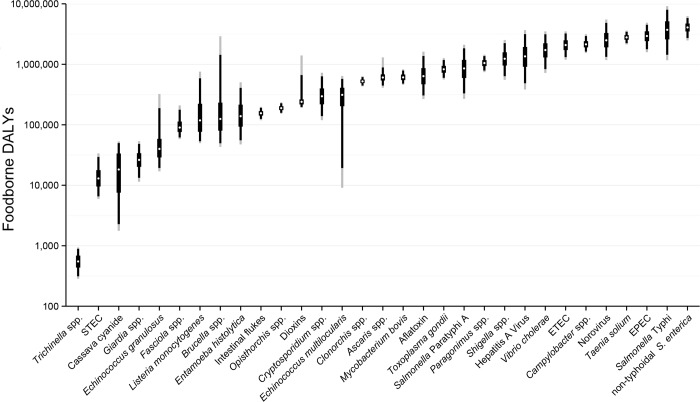
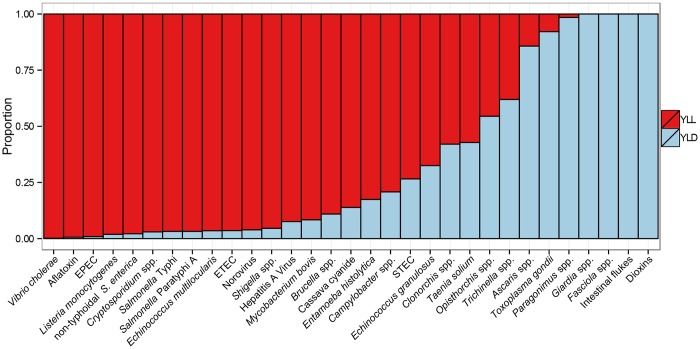
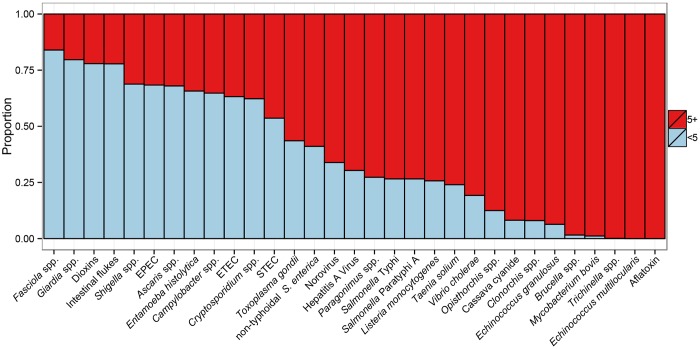
The global burden of foodborne disease caused by 31 hazards in 2010 was 33 million DALYs; children under five years old bore 40% of this burden.
Overview
CoChat Summary
## TL;DR
The WHO Foodborne Disease Burden Epidemiology Reference Group estimated that 31 foodborne hazards caused 600 million illnesses, 420,000 deaths, and 33 million DALYs worldwide in 2010. The burden was concentrated in low-income regions and in children under 5, with diarrheal disease agents—especially norovirus, Campylobacter spp., and non-typhoidal Salmonella enterica—accounting for most illness and death.
## Key findings
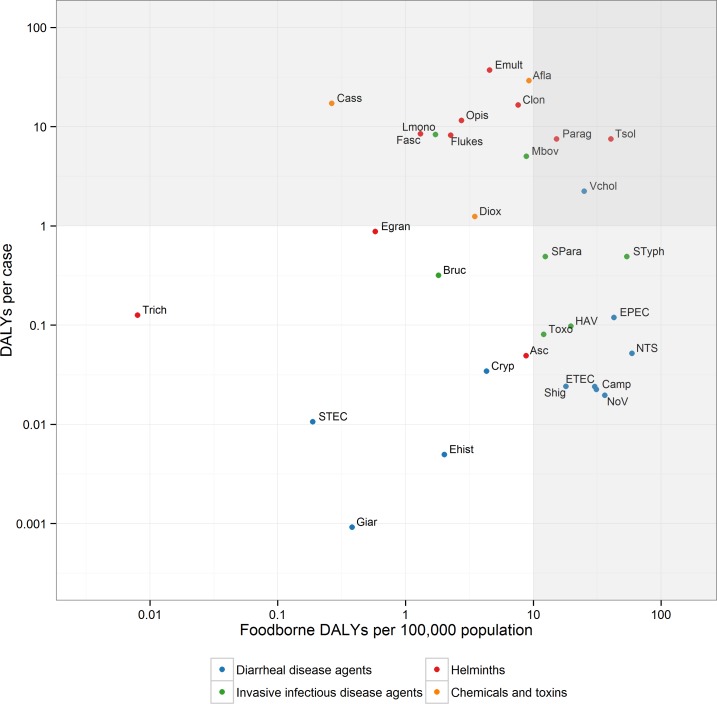
- Thirty-one hazards caused an estimated 600 million (95% UI 420–960 million) illnesses, 420,000 (95% UI 310,000–600,000) deaths, and 33 million (95% UI 25–46 million) DALYs in 2010.
- Diarrheal disease agents accounted for 550 million illnesses and 230,000 deaths; the most frequent illness agents were norovirus (120 million cases) and Campylobacter spp. (96 million cases).
- Non-typhoidal Salmonella enterica caused 59,000 deaths and 4.0 million DALYs; other major death causes included Salmonella Typhi (52,000 deaths), Taenia solium (28,000), hepatitis A virus (28,000), and aflatoxin (20,000; 95% UI 8,000–51,000).
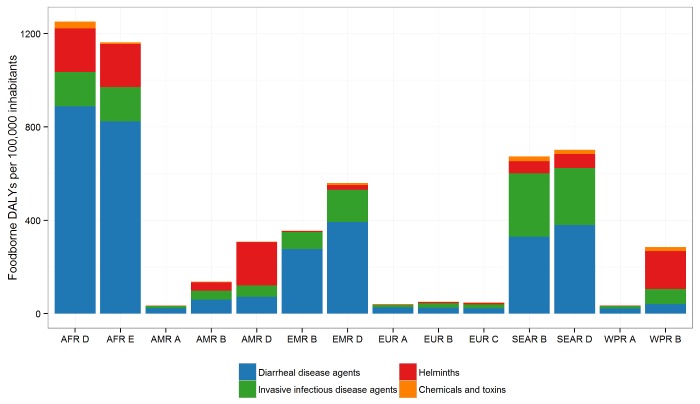
- 40% of the foodborne disease burden was borne by children under 5; the highest burden per 100,000 population was in AFR D (1,300 DALYs) and AFR E (1,200 DALYs), with SEAR B (690), SEAR D (710), and EMR D (570) also high.
## Methods
- The study was a WHO FERG global burden estimation using 31 selected foodborne hazards identified on the basis of high incidence/mortality and data availability.
- It estimated incidence, duration, mortality, YLLs, YLDs, and DALYs for 2010 using systematic reviews, other literature, surveillance data, and expert inputs; estimates were made at country level (194 countries) and then presented at subregional level because of uncertainty.
- For attribution, 12 hazards were judged 100% foodborne; for the other 19 hazards, the authors used structured expert elicitation (Cooke’s Classical Method) to estimate the foodborne fraction, and propagated uncertainty with Monte Carlo simulation in R.
## Limitations
- The paper states its estimates are limited by data gaps and attribution uncertainty; for most hazards, the 95% DALY uncertainty interval ranged from one-fourth to four times the median.
- The authors say the estimates are conservative (underestimates rather than overestimates) because they focused on a subset of more than 100 potential hazards, excluded some hazards or outcomes, and could not always include all relevant disease outcomes.
- They note that country-level estimates were not reliable enough to present, so results are shown at subregion level; this follows from the text and is not presented as a separate explicit limitation.
Model-written summary. Check it against the paper before relying on it.
Integrity signals
Registry
Cites
Statistics
Figures
Verification
Claims the paper makes
5 Valid · 5 Not valid · 16 Not checked · 102 Own results and interpretations
The cited sources that could be checked couldn’t confirm or dispute this claim.
In the paper
“Contaminants in food were not even included as risk factors in previous studies of the global burden of all diseases [3].”
§ World Health Organization Global Estimates and Regional Comparisons of the Burden of Foodborne Disease in 2010 > Introduction
What the sources say
- Could not verifycites [3] Lim SS, Vos T, Flaxman AD, Danaei G, Shibuya K, Adair-Rohani H, et al A comparative risk assessment of burden of disease and injury attributable to 67 risk factors and risk factor clusters in 21 regions, 1990–2010: a systematic analysis for the Global Burden of Disease Study 2010. Lancet. 2012; 380(9859): 2224– 60. 10.1016/S0140-6736(12)61766-8 23245609 PMC4156511 sourceExperimental — accuracy not yet measured
The Discussion describes dietary risk factors such as sodium intake and diets low in fruits or vegetables, but does not address contaminants in food. Searches for food contaminants, foodborne disease, and specific contaminants found no passage establishing whether previous global burden studies included them as risk factors. Page numbers were not available in our copy. (LLM, conf=0.73)
plain- Asserted: passes — The authors put it forward as true.
- Checkable: passes — It can be checked against evidence.
- Load-bearing: passes — The paper’s conclusions depend on it.
- Based: passes — The paper gives a reason why it holds.
- Could not verify
Every source the paper cites for this claim was checked and supports it.
In the paper
“Inclusion of these outcomes would likely considerably increase the burden of enteric infections [43].”
§ World Health Organization Global Estimates and Regional Comparisons of the Burden of Foodborne Disease in 2010 > Introduction > Limitations
What the sources say
- Supportedcites [43] Haagsma JA, Siersema PD, De Wit NJ, Havelaar AH. Disease burden of post-infectious irritable bowel syndrome in The Netherlands. Epidemiol Infect. 2010; 138: 1650– 6. 10.1017/S0950268810000531 20223049 source
The DISCUSSION of our copy states that the annual non-fatal burden of PI-IBS (over 2300 YLD) 'almost doubl[es] the total non-fatal burden of disease for the selected pathogens' and that ignoring PI-IBS in burden-of-disease studies results in an underestimation; it further concludes that including PI-IBS in estimates for the selected bacterial pathogens 'might still underestimate the burden of disease of foodborne disease'. The RESULTS quantify this (Salmonella +86%, Campylobacter +92%, Shigella +151% when PI-IBS is included), and the Abstract repeats the underestimation point, so the hedged claim that including functional bowel disorders would considerably increase the burden of enteric infections is stated by the source. The source's own scope is three bacterial pathogens in The Netherlands (with norovirus PI-IBS discussed as comparable to Campylobacter), which the citing sentence generalises to enteric infections, but the paper itself makes that extrapolation. (LLM, conf=0.85)
hedgedstates a possible cause- Asserted: passes — The authors put it forward as true.
- Checkable: passes — It can be checked against evidence.
- Load-bearing: unclear — It is unclear whether the paper’s conclusions depend on it.
- Based: passes — The paper gives a reason why it holds.
- Supported
A result the paper states — it cites no source for it, so there is none to check. The quote shows it is in the paper.
In the paper
“Foodborne diarrheal disease agents, particularly non-typhoidal Salmonella enterica, caused 230,000 (95% UI 160,000–320,000) deaths”
§ World Health Organization Global Estimates and Regional Comparisons of the Burden of Foodborne Disease in 2010 > Summary Points
plainstates a cause- Asserted: passes — The authors put it forward as true.
- Checkable: passes — It can be checked against evidence.
- Load-bearing: unclear — It is unclear whether the paper’s conclusions depend on it.
- Based: passes — The paper gives a reason why it holds.
A result the paper states — it cites no source for it, so there is none to check. The quote shows it is in the paper.
In the paper
“the burden of Opisthorchis spp. was concentrated in the SEAR B region”
§ World Health Organization Global Estimates and Regional Comparisons of the Burden of Foodborne Disease in 2010 > Summary Points
plainstates an association- Asserted: passes — The authors put it forward as true.
- Checkable: passes — It can be checked against evidence.
- Load-bearing: unclear — It is unclear whether the paper’s conclusions depend on it.
- Based: passes — The paper gives a reason why it holds.
A result the paper states — it cites no source for it, so there is none to check. The quote shows it is in the paper.
In the paper
“The burden of aflatoxin was high in the AFR D, Western Pacific (WPR) B and SEAR B subregions”
§ World Health Organization Global Estimates and Regional Comparisons of the Burden of Foodborne Disease in 2010 > Summary Points
plain- Asserted: passes — The authors put it forward as true.
- Checkable: passes — It can be checked against evidence.
- Load-bearing: unclear — It is unclear whether the paper’s conclusions depend on it.
- Based: passes — The paper gives a reason why it holds.
48 more claims
Create a free account to see all 128 claims and to verify the 5 references still open.
- Probably not a substantial claim. 63
- It may state two separate claims as one. 28
Claims other papers make about this one
Each is checked against this paper’s own text: does it say what the citing paper says it does?
The source backs part of the claim, not all of it — or backs it for a different population, condition or comparison.
In the citing paper
“The FERG found that hazards accounted for around 420,000 deaths in LMIC, imposing a burden of around 33 million DALY lost each year (Havelaar et al., 2015).”
From Burden of foodborne disease in low-income and middle-income countries and opportunities for scaling food safety interventions (2023) · cites this paper as Havelaar et al., 2015
Experimental — accuracy not yet measuredThe source backs part of the claim, not all of it — or backs it for a different population, condition or comparison.
In the citing paper
“Children aged under 5 years were disproportionately affected.This group makes up 9% of the world's population, yet they experience 38% of all FBD, represent 30% of deaths related to FBD, and bear 40% of global DALY lost from FBD (Havelaar et al., 2015).”
From Burden of foodborne disease in low-income and middle-income countries and opportunities for scaling food safety interventions (2023) · cites this paper as Havelaar et al., 2015
Experimental — accuracy not yet measuredThe cited source says what the claim attributes to it.
In the citing paper
“This paper, which represents the work of more than 60 experts over a period of 10 years, can be considered the most definitive and comprehensive guide to the health burden of FBD (Havelaar et al., 2015).”
From Burden of foodborne disease in low-income and middle-income countries and opportunities for scaling food safety interventions (2023) · cites this paper as Havelaar et al., 2015
The cited source says what the claim attributes to it.
In the citing paper
“Although LLMICs bear a high burden of foodborne disease [2]”
From Food Safety Knowledge, Attitude, and Practices (KAP) of Urban Consumers in Low-Income and Lower-Middle-Income Countries (LLMICs): A Scoping Review (2026) · cites this paper as [2]
Citations
Cites
R: A Language and Environment for Statistical Computing
R Core Team (2025) · doi:10.32614/r.manuals · Cited by 352,181
Lim, S. S., Vos, T., Flaxman, A. D., Danaei, G., Shibuya, K., Adair-Rohani, H., AlMazroa, M. A., Amann, M., Anderson, H. R., Andrews, K. G., et al. (2012) · The Lancet · doi:10.1016/s0140-6736(12)61766-8 · Cited by 11,805 · cited 1×
“Contaminants in food were not even included as risk factors in previous studies of the global burden of all diseases [3].”
BackgroundMurray, C. J. L., Vos, T., Lozano, R., Naghavi, M., Flaxman, A. D., Michaud, C., Ezzati, M., Shibuya, K., Salomon, J. A., Abdalla, S., et al. (2012) · The Lancet · doi:10.1016/s0140-6736(12)61689-4 · Cited by 8,888
Foodborne illness acquired in the United States—Major pathogens
Scallan, E., Hoekstra, R. M., Angulo, F. J., Tauxe, R. V., Widdowson, M.-A., Roy, S. L., Jones, J. L., & Griffin, P. M. (2011) · Emerging Infectious Diseases · doi:10.3201/eid1701.p11101 · Cited by 7,657 · cited 1×
“Several high-income countries have published national estimates of FBD. Estimates of food-related illnesses and deaths in the USA were reported in the late 1990s [28] and updated to cover the period 2000 – 2008 [29,30].”
BackgroundSelf-citationFood-Related Illness and Death in the United States
Mead, P. S., Slutsker, L., Dietz, V., McCaig, L. F., Bresee, J. S., Shapiro, C., Griffin, P. M., & Tauxe, R. V. (1999) · Emerging Infectious Diseases · doi:10.3201/eid0505.990502 · Cited by 7,235
Global mortality, disability, and the contribution of risk factors: Global Burden of Disease Study
Murray, C. J., & Lopez, A. D. (1997) · The Lancet · doi:10.1016/s0140-6736(96)07495-8 · Cited by 4,492 · cited 1×
“The DALY measure combines the years of life lost (YLL) due to premature death and the years lived with disability (YLD) from a disease or condition, for varying degrees of severity, making time the common metric for death and disability [20].”
BackgroundSelected major risk factors and global and regional burden of disease
Ezzati, M., Lopez, A. D., Rodgers, A., Vander Hoorn, S., & Murray, C. J. (2002) · The Lancet · doi:10.1016/s0140-6736(02)11403-6 · Cited by 3,594
Kirk, M. D., Pires, S. M., Black, R. E., Caipo, M., Crump, J. A., Devleesschauwer, B., Döpfer, D., Fazil, A., Fischer-Walker, C. L., Hald, T., et al. (2015) · PLoS Medicine · doi:10.1371/journal.pmed.1001921 · Cited by 1,625 · cited 2×
“Detailed descriptions of methods to estimate incidence and mortality of all 31 hazards can be found in papers in the collection on enteric diseases [11], parasitic diseases [18], and chemicals and toxins [19].”
BackgroundMethodSelf-citationSalomon, J. A., Vos, T., Hogan, D. R., Gagnon, M., Naghavi, M., Mokdad, A., Begum, N., Shah, R., Karyana, M., Kosen, S., et al. (2012) · The Lancet · doi:10.1016/s0140-6736(12)61680-8 · Cited by 1,322
Global burden of aflatoxin-induced hepatocellular carcinoma: A risk assessment
Liu, Y., & Wu, F. (2010) · Environmental Health Perspectives · doi:10.1289/ehp.0901388 · Cited by 1,224
Research works printed but not linked: 2
- Gibb H, Devleesschauwer B, Bolger PM, Bellinger D, Wu F, Ezendam J, et al WHO estimates of the global and regional burden from chemicals and toxins in food, 2010. F1000Research. In Press. PMC4755404 26918123
- Devleesschauwer B, Haagsma JA, Angulo FJ, Bellinger D, Cole D, Döpfer D, et al Methodological Framework for World Health Organization Estimates of the Global Burden of Foodborne Disease. PLoS ONE 10: e0142498 10.1371/journal.pone.0142498 PMC4668830 26633883 · DOI · Paper page
Cited by
Items 1,201–1,300 of 2,051
Simultaneous detection of seven foodborne Enterobacteriaceae pathogens using multiplex PCR
Dobara, M. A., & El-Shihy, E.-S. (2019) · Journal Egyptian Acadmic Society Environmental Development ( D-Environmental Studies ) · doi:10.21608/jades.2019.67695 · Cited by 5
“When the toxin ingested along with the food, it gives rise to the Food Poisoning Syndrome (Havelaar et al., 2015).”
BackgroundYüksek, S. K., Tezer, H., Parlakay, A. Ö., et al. (2019) · The Turkish Journal of Pediatrics · doi:10.24953/turkjped.2019.05.006 · Cited by 5
Antimicrobial Resistance in Nontyphoidal Salmonella
McDermott, P. F., Zhao, S., & Tate, H. P. (2018) · ASM Press eBooks · doi:10.1128/9781555819804.ch12 · Cited by 5
Silva, M. R., Ferreira, F. C., Maranhão, A. G., et al. (2021) · Food and Environmental Virology · doi:10.1007/s12560-021-09491-z · Cited by 5
Neja, S. A., Haile, T., & Abera, M. (2021) · Veterinary and Animal Science · doi:10.1016/j.vas.2021.100206 · Cited by 8
Zadoks, R. N., Barker, G. C., Benschop, J., Allan, K. J., Chaters, G. L., Cleaveland, S., Crump, J. A., Davis, M. A., Mmbaga, B. T., Prinsen, G., et al. (2021) · Risk Analysis · doi:10.1111/risa.13826 · Cited by 5
“By contrast, postharvest prevalence of NTS is relatively high, certainly in comparison with retail beef products outside Africa (Khen et al., 2014; Thung et al., 2017), so a precautionary approach suggests that strategies for maintaining consumer awareness of the importance of cooking and the risk of cross contaminati…”
BackgroundInfluentialTorres-Ventura, H. H., Chanona‐Pérez, J. J., Dorantes‐Álvarez, L., Cauich-Sánchez, P. I., Méndez‐Méndez, J. V., Aparicio‐Ozores, G., & López-Ordaz, P. (2021) · Micron · doi:10.1016/j.micron.2021.103183 · Cited by 5
Berrios‐Rodriguez, A., Olanya, O. M., Niemira, B. A., et al. (2021) · Journal of Food Safety · doi:10.1111/jfs.12951 · Cited by 5
Trübswasser, U., Candel, J., Genye, T., Bossuyt, A., Holdsworth, M., Baye, K., & Talsma, E. F. (2022) · BMJ Open · doi:10.1136/bmjopen-2021-058480 · Cited by 10
Gohari, M. R., Taylor, M., MacKinnon, M. C., Panagiotoglou, D., Galanis, E., Kaplan, G. G., Cook, R. J., Patrick, D. M., Ethelberg, S., & Majowicz, S. E. (2022) · Epidemiology and Infection · doi:10.1017/s0950268822001911 · Cited by 4
“Enteric infections commonly transmitted by food are an important public health issue globally and in Canada [1, 2].”
Ariffin, U. K. M., Shohaimi, S., Mohamed, N. A., Seow, W.-L., Gobil, A. R. M., Norowi, N. M., Saudi, M. M., Zulkefli, N. A. M., Jamaluddin, T. Z. M. T., Haris, R., et al. (2022) · Food Control · doi:10.1016/j.foodcont.2022.109598 · Cited by 5
Holland, D., Clifford, R., Mahmoudzadeh, N., O’Brien, S. J., Poppy, G. M., Meredith, Z., & Grantham-Hill, H. (2023) · BMJ Open Gastroenterology · doi:10.1136/bmjgast-2022-001009 · Cited by 5
Describing food safety perceptions among growers and vendors in Cambodian informal vegetable markets
Mosimann, S., Ouk, K., Bello, N. M., Chhoeun, M., Thompson, L. E., Vipham, J., Hok, L., & Ebner, P. (2023) · Frontiers in Sustainable Food Systems · doi:10.3389/fsufs.2023.1111580 · Cited by 7
Bacteriophage applications in food production and processing
Sulakvelidze, A. (2016) · Journal of Food Processing & Technology · doi:10.4172/2157-7110.c1.041 · Cited by 5
Pielaat, A., Chardon, J. E., Wijnands, L. M., & Evers, E. G. (2017) · Food Control · doi:10.1016/j.foodcont.2017.07.014 · Cited by 5
Li, Y., Sun, Y., Zhong, Q., Duan, D. S., Liu, S. Q., & Zhang, Y. (2019) · PubMed · doi:10.3967/bes2019.042 · Cited by 5
Majoie, G. T., Moussé, W., Sina, H., Badé, F. T., Chédrac, A. B., Oswald, R. A., Adolphe, A., & Lamine, B.-M. (2020) · African Journal of Food Science · doi:10.5897/ajfs2020.1946 · Cited by 5
Liu, M., & Lyte, M. (2020) · PeerJ · doi:10.7717/peerj.10011 · Cited by 4
iPSCs for modeling hepatotropic pathogen infections
Bove, G., Mehnert, A.-K., & Thi, V. L. D. (2021) · Elsevier eBooks · doi:10.1016/b978-0-12-823808-0.00013-4 · Cited by 5
Prioritization of food – pathogen pairs in export refusals of fishery commodities from Indonesia
Indrotristanto, N., Andarwulan, N., Fardiaz, D., & Hariyadi, R. D. (2021) · Food Control · doi:10.1016/j.foodcont.2021.108476 · Cited by 5
Svensson, S. L., & Sharma, C. M. (2022) · Molecular Microbiology · doi:10.1111/mmi.14850 · Cited by 8
Awareness of Food Safety among 1874 Secondary Students in Tripoli city, Libya
Abuhlega, T. A. (2020) · Jordan Journal of Agricultural Sciences · doi:10.35516/jjas.v16i2.58 · Cited by 5
Mukherjee, P., Dutta, S., & Mukhopadhyay, A. K. (2017) · Gut Pathogens · doi:10.1186/s13099-017-0186-9 · Cited by 5
Emerging Foodborne Diseases: What we know so far
Mensah, D.-J. F., & Ofosu, F. K. (2020) · Journal of Food Hygiene and Safety · doi:10.13103/jfhs.2020.35.1.1 · Cited by 5
Global scoping study on fruits and vegetables : results from literature and data analysis
Piters, B. D. S., Dijkxhoorn, Y., Hengsdijk, H., Guo, X., Brouwer, I. D., Likoko, E., Tichař, T., Carrico, C., Conijn, J. G., Oostewechel, R., et al. (2021) · doi:10.18174/552129 · Cited by 15
The food systems countdown report 2023: The state of food systems worldwide
Initiative, F. S. C. (2023) · doi:10.36072/fsci2023 · Cited by 6
Editorial: Food safety in low- and middle-income countries
Grace, D., Bonfoh, B., Häsler, B., & Nguyen‐Viet, H. (2024) · Frontiers in Sustainable Food Systems · doi:10.3389/fsufs.2024.1358897 · Cited by 7
Knowledge, Attitude, and Practices of Food Hygiene among Mothers from Rural Communities in Malawi
Batch, V., Kress, M., Luhanga, E., Monjerezi, M., Pfaff, D., Phiri, H., Gama, A. P., Chomanika, K., Schmidt, A., Duelken, B., et al. (2024) · Hygiene · doi:10.3390/hygiene4030028 · Cited by 4
Plo, L. F., Nitsopoulos, A., Friedle, A., et al. (2024) · Journal of Agricultural and Food Chemistry · doi:10.1021/acs.jafc.4c08102 · Cited by 4
Genomic characterization of noroviruses from an outbreak associated with oysters
Flint, A., Harlow, J., McLeod, M., et al. (2025) · Microbiology Spectrum · doi:10.1128/spectrum.02580-24 · Cited by 4
Insights into the Association Between Blastocystis Infection and Colorectal Cancer
Shehab, A. Y., El-Sayad, M. H., Allam, A. F., et al. (2025) · Acta Parasitologica · doi:10.1007/s11686-025-01079-y · Cited by 4
“Infection rates range from 10% in developed countries to 60% in developing regions [ 2 ].”
Design, characterization, and application of novel antimicrobial peptides against Bacillus cereus
Chen, X., Cai, Y., Huang, S., Pu, D., Xu, Z., Soteyome, T., Zhu, J., Ye, Y., & Lin, X. (2025) · International Journal of Food Microbiology · doi:10.1016/j.ijfoodmicro.2025.111398 · Cited by 6
First quantitative assessment of the effects of parasite control in dogs and cats in the UK
Giannelli, A., Antonopoulos, A., Elsheikha, H. M., Wright, I., & Charlier, J. (2025) · Parasites & Vectors · doi:10.1186/s13071-025-07137-8 · Cited by 4
“Toxocariasis remains a neglected zoonosis [62] with an estimated global eco - nomic burden of $2.5 billion and approximately 91,700 DALYs lost annually [20, 63].”
InfluentialKuboka, M., Mutie, I., Artursson, K., Lindahl, J. F., Carlsson, G. E., Mutua, F. K., & Grace, D. (2025) · Food Microbiology · doi:10.1016/j.fm.2025.105004 · Cited by 6
Sahu, P. K., Bhunia, S., Ramesh, A., Rao, K. T., Gangwar, R., Beniwal, N., Rengan, A. K., Vanjari, S. R. K., & Challapalli, S. (2026) · Journal of Materials Chemistry B · doi:10.1039/d5tb02535d · Cited by 4
Zhang, S., He, W., Bai, L., Qi, Y., Xu, J., Wang, Y., Liu, Z., Wu, J., & Wang, Y. (2026) · International Journal of Food Microbiology · doi:10.1016/j.ijfoodmicro.2026.111672 · Cited by 5
Pan, X., & Ding, X. (2026) · Foods · doi:10.3390/foods15111983 · Cited by 7
“The same series also reported that hepatitis A virus caused approximately 14 million foodborne illnesses and 28,000 deaths [5], and that non-typhoidal Salmonella enterica contributed one of the highest disease burdens, with about 4.07 million disability-adjusted life years [4].”
InfluentialSanni, A. O., Jonker, A., Were, V. O., Fasanmi, O. G., Adebowale, O. O., Shittu, A., Jibril, A. H., & Fasina, F. O. (2024) · One Health · doi:10.1016/j.onehlt.2024.100703 · Cited by 7
“…notification rate in children - due to a testing bias including more regular tests, relative reduced immunity in the young and higher chances of exposure to infectious agents, and pattern of hospital-seeking behaviour [16,35,36], however, we did not conduct an age-segregated analysis in this study.”
ResultZhang, K., Schang, C., Henry, R., & McCarthy, D. (2024) · PLoS ONE · doi:10.1371/journal.pone.0307572 · Cited by 8
Madjdian, D. S., van Asseldonk, M., Talsma, E. F., Dione, M. M., Ilboudo, G., Roesel, K., Grace, D., Knight-Jones, T., & de Vet, E. (2024) · Scientific Reports · doi:10.1038/s41598-024-76123-4 · Cited by 6
Ssemanda, J. N., den Besten, H. M. W., Dione, M. M., Amenu, K., Knight-Jones, T., Zwietering, M. H., & van Wagenberg, C. P. A. (2025) · International Journal of Food Microbiology · doi:10.1016/j.ijfoodmicro.2025.111086 · Cited by 4
Taddese, D., Abdurahaman, M., Debelo, M., Shumi, E., Ayana, G. U., Kefyalew, D., Melaku, M., Kebeta, T., & Abafaji, G. (2025) · Discover Food · doi:10.1007/s44187-025-00300-1 · Cited by 8
“Additionally, the natural microbiological composition of each food source and its inherent characteristics might also contribute to the variation in S. aureus prevalence rates [28–31].”
Robertson, L. J. (2025) · Food and Waterborne Parasitology · doi:10.1016/j.fawpar.2025.e00258 · Cited by 4
“In addition, the combination of the foodborne trematode infections contributed an approximate median of 2.0 million DALYs, and foodborne toxoplasmosis an estimated median of 825,000 DALYs annually (Torgerson et al., 2015).”
InfluentialSultana, T., Paul, M., Murshed, H., Akter, S., Adan, I., Yeon, S., Rahman, S., Wang, J., & Oh, D. (2025) · Food and Humanity · doi:10.1016/j.foohum.2025.100671 · Cited by 6
Paper-based analytical devices for smart foodborne pathogen detection
Bedair, H. M., Emara, M. M., Samir, T. M., et al. (2025) · Talanta Open · doi:10.1016/j.talo.2025.100511 · Cited by 4
Mwangi, A. W., Kunyanga, C. N., Sogin, J. H., Ngala, S., Aliwa, B. O., Onsaŕe, R., & Ndiritu, A. K. (2025) · Critical Reviews in Food Science and Nutrition · doi:10.1080/10408398.2025.2539402 · Cited by 4
Heavy metal contamination and health risk assessment of potatoes in Romania
Voica, C., Roba, C. A., & Molnar, C. M. (2025) · Journal of Food Composition and Analysis · doi:10.1016/j.jfca.2025.108242 · Cited by 5
Sahamastuti, A. A. T., Andre, A., Foustine, S., et al. (2019) · Indonesian Journal of Life Sciences · doi:10.54250/ijls.v1i2.25 · Cited by 4
“According to the data released by WHO regarding the burden of FBD in 2010, about 600,000,000 cases of foodborne illnesses occurred world widely, in which about 420,000 foodborne deaths were estimated just in 2010 (Havelaar et al., 2015).”
MethodGebrehiwot, M. (2020) · International Journal of Environmental Health Research · doi:10.1080/09603123.2020.1781065 · Cited by 4
“Petri dishes containing a nutrient agar culture medium and an antifungal agent (Griseofulvin) were placed on the tables (1 m above the floor and 1 m away from any obstacle) and exposed to the air (Hayleeyesus et al. 2015).”
BackgroundSahu, R., Ray, A. R., Yadav, A., Kunte, R., Faujdar, D. S., & Working Group (2021) · Indian Journal of Public Health · doi:10.4103/ijph.ijph_1045_20 · Cited by 4
Use of Bacteriophages to Improve Food Safety
Dülger, M. M., & Özpınar, H. (2021) · İstanbul Gelişim Üniversitesi Sağlık Bilimleri Dergisi · doi:10.38079/igusabder.1004988 · Cited by 4
Gopinath, G., Jang, H., Beaubrun, J. J.-G., Gangiredla, J., Mammel, M. K., Müller, A. V., Tamber, S., Patel, I. R., Ewing, L., Weinstein, L. M., et al. (2022) · Microorganisms · doi:10.3390/microorganisms10061199 · Cited by 4
Bellil, Z., Mairi, A., Kendi, S., & Touati, A. (2023) · Future Microbiology · doi:10.2217/fmb-2022-0239 · Cited by 5
Bello, A. L., Adekanye, U. O., Orakpoghenor, O., & Markus, T. P. (2023) · Journal of Health Science Research · doi:10.25259/jhsr_4_2023 · Cited by 6
Felix, L. R. D. M. P., Filho, A. L. D. B. M., dos Santos, M. R. B., Saraiva, M. D. M. S., Neto, O. C. D. F., Givisiez, P. E. N., & de Oliveira, C. J. B. (2023) · Journal of Animal Science and Technology · doi:10.5187/jast.2023.e113 · Cited by 5
“…( S. enterica ) is a leading foodborne agent worldwide [15] and serovar Enteritidis remains as a major problem for public health, and particularly for the poultry industry [16] because of the frequent human salmonellosis outbreaks attributed to the consumption of poultry meat and eggs [15,17].”
Cargnel, M., Kelly, M., Imberechts, H., et al. (2024) · Antibiotics · doi:10.3390/antibiotics13010084 · Cited by 4
“In 2015, the WHO developed the Global Action Plan on AMR [6].”
MethodMing, B.-W., Li, L., Huang, H., Ma, J.-J., Shi, C., Xu, X., Zhou, Y., & Ou, C. (2024) · JMIR Public Health and Surveillance · doi:10.2196/53982 · Cited by 4
“Globally, the burden of hepatitis A has been increasing in recent years [6], accounting for about 1.4 disability-adjusted life years (DALYs) and 2.3 DALYs in 2010 and 2019, respectively [7,8].”
BackgroundInfluentialShang, Y., Wang, J., Xia, H., Jiao, C., Javaid, N., Liu, X., Li, J., & Zeng, J. (2024) · Microchimica Acta · doi:10.1007/s00604-024-06361-w · Cited by 4
Wang, W. Q., Huang, X., & Wang, H. (2024) · Mathematical Biosciences · doi:10.1016/j.mbs.2024.109209 · Cited by 4
Watson, J., Okumu, N. O., Wasonga, J. O., Majiwa, H., Kiarie, A., Masudi, S. P., Ochieng, L., Alumasa, L., Mutisya, C., Cook, E. A. J., et al. (2024) · PLOS Water · doi:10.1371/journal.pwat.0000223 · Cited by 5
Prevalence and Characterization of Salmonella during Pork Sausage Manufacturing
Wottlin, L. R., Harvey, R. B., Norman, K. N., et al. (2024) · Microorganisms · doi:10.3390/microorganisms12081599 · Cited by 4
Dagah., H., Ameh, J. A., Mailafia, S., Dantong, D., Onigbanjo, O. H., Ifeanye, C. I. C., & Adeyemo, B. J. (2024) · The Microbe · doi:10.1016/j.microb.2024.100179 · Cited by 8
Cavallaro, N. D., Moreira, G. A. M., Vanegas, D. C., Xiang, D., Datta, S., Gomes, C. L., & McLamore, E. S. (2024) · Discover Food · doi:10.1007/s44187-024-00251-z · Cited by 5
“FBD have been attributed to cause approximately 600 million illnesses and 420,000 deaths in one year which is likely an under-estimate [12].”
Manzanares-Pedrosa, A., Ayats, T., Antilles, N., Sabaté, S., Planell, R., González, R., Montalvo, T., & Cerdà‐Cuéllar, M. (2025) · The Science of The Total Environment · doi:10.1016/j.scitotenv.2024.178227 · Cited by 4
Gouda, M., Khalaf, M. M., Taleb, M. F. A., Alali, I., & El‐Lateef, H. M. A. (2025) · International Journal of Biological Macromolecules · doi:10.1016/j.ijbiomac.2025.139658 · Cited by 5
Alegbeleye, O. O., & Savvaidis, I. N. (2025) · Applied Food Research · doi:10.1016/j.afres.2025.101008 · Cited by 4
Tolmie, C., Smit, M. S., & Opperman, D. J. (2018) · Toxins · doi:10.3390/toxins10120521 · Cited by 4
Taenia solium Cysticercosis in Sub-Saharan Africa: Perspectives for a Better Control
Mwang’onde, B. J. (2019) · Advances in Infectious Diseases · doi:10.4236/aid.2019.92008 · Cited by 4
“8 million disability-adjusted life-years (DALYs) [6] [7].”
Hamzah, F. H., Hairon, S. M., Yaacob, N. M., & Musa, K. I. (2019) · International Journal of Environmental Research and Public Health · doi:10.3390/ijerph16142453 · Cited by 5
Payen, M., de la Gándara, M. P., Cointe, A., et al. (2020) · Diagnostic Microbiology and Infectious Disease · doi:10.1016/j.diagmicrobio.2020.115105 · Cited by 4
Shellfish poisoning outbreaks in Cuddalore District, Tamil Nadu, India
Velayudhan, A., Nayak, J., Murhekar, M. V., Dikid, T., Sodha, S., & Working Group (2021) · Indian Journal of Public Health · doi:10.4103/ijph.ijph_1070_20 · Cited by 4
Bhargava, K., Gururaj, K., Aseri, G. K., Nath, G., Singh, N. P., Pawaiya, R. V. S., Kumar, A., Mishra, A. K., Yadav, V. B., & Jain, N. (2022) · Letters in Applied Microbiology · doi:10.1111/lam.13656 · Cited by 5
“Ruminant animals are conceptualized to pose as primary reservoirs of shiga toxin (Stx) producing E. coli (STEC), where STEC infection resulted in 1 million diseases and 100 fatalities in 2010, as reported by the World Health Organization (Havelaar et al. 2015; Kim et al. 2020).”
BackgroundHameed, A., Ketley, J. M., Woodacre, A., et al. (2022) · PLoS ONE · doi:10.1371/journal.pone.0265585 · Cited by 4
Milton, A. A. P., Momin, K. M., Priya, G. B., Das, S., Angappan, M., Sen, A., Sinha, D. K., Kumar, A., & Ghatak, S. (2022) · Food Microbiology · doi:10.1016/j.fm.2022.104066 · Cited by 4
Tanyitiku, M. N., Nicholas, G., Sullivan, J. J., Petcheu, I. C. N., & On, S. L. W. (2022) · Archives of Public Health · doi:10.1186/s13690-022-01009-8 · Cited by 4
Pławińska-Czarnak, J., Wódz, K., Guzowska, M., Rosiak, E., Nowak, T. Ł., Strzałkowska, Z., Kwieciński, A., Kwieciński, P., & Anusz, K. (2023) · International Journal of Molecular Sciences · doi:10.3390/ijms24065135 · Cited by 4
Andria-Mananjara, D. E., Rakotoarinoro, M., Rakotoarison, V. C., Raliniaina, M., Razafindraibe, N. P., Ravonirina, C., Randriamparany, T., Rasamoelina-Andriamanivo, H., Rakotozandrindrainy, R., Cardinale, É., et al. (2023) · Parasitology · doi:10.1017/s0031182023000653 · Cited by 4
Simon, S., Lamparter, M. C., Pietsch, M., Borowiak, M., Fruth, A., Rabsch, W., & Fischer, J. (2023) · Springer eBooks · doi:10.1007/978-3-031-27164-9_7 · Cited by 5
Mutaqin, M. Z., Dewanti‐Hariyadi, R., & Nurtama, B. (2023) · Food Research · doi:10.26656/fr.2017.7(5).059 · Cited by 3
Wells, J., Abugo, D. G., Angong, J., Lamwaka, N. G., Gallandat, K., Hassan, J. L., Deng, L., Save, D., Braun, L., Gose, M., et al. (2023) · Maternal and Child Nutrition · doi:10.1111/mcn.13612 · Cited by 8
“Globally, there are an estimated 600 million cases of foodborne illnesses each year, with children under ‐ five bearing 40% of this burden (Havelaar et al., 2015).”
BackgroundImmunogenicity of a Rotavirus VP8* Multivalent Subunit Vaccine in Mice
Cárcamo‐Calvo, R., Boscá‐Sánchez, I., López-Navarro, S., et al. (2024) · Viruses · doi:10.3390/v16071135 · Cited by 4
“Rotavirus (RV) remains a significant public health threat, especially in low-income countries, where it is the leading cause of severe acute childhood gastroenteritis, contributing to over 128,500 deaths annually [1].”
BackgroundMartínez-Ocampo, F. (2018) · InTech eBooks · doi:10.5772/intechopen.72633 · Cited by 7
A Review of Campylobacter Infections in Dogs
(2021) · International Journal of Veterinary Science · doi:10.47278/journal.ijvs/2021.057 · Cited by 5
Bolinger, H., Miller, W. G., Osborne, J. A., Niedermeyer, J. A., & Kathariou, S. (2023) · Pathogens · doi:10.3390/pathogens12020230 · Cited by 4
Hasenauer, F. C., Garbaccio, S., Caffaro, M. E., Garro, C. J., Huertas, P., Poli, M. A., & Rossetti, C. (2018) · Livestock Science · doi:10.1016/j.livsci.2018.01.012 · Cited by 4
Irshaid, F. I., Jacob, J. H., & Alhawamdeh, S. I. (2018) · Journal of Basic & Applied Sciences · doi:10.6000/1927-5129.2018.14.25 · Cited by 4
AquaSparkTM – Rapid Environmental Monitoring of Listeria monocytogenes
Ganz, G., Reinau, L., Imhaus, A., Hupfeld, M., & Fieseler, L. (2020) · CHIMIA International Journal for Chemistry · doi:10.2533/chimia.2020.791 · Cited by 4
Miagostovich, M. P., & Vieira, C. B. (2017) · Springer eBooks · doi:10.1007/978-3-319-54567-7_6 · Cited by 4
van Seventer, J. M., & Hamer, D. H. (2016) · Elsevier eBooks · doi:10.1016/b978-0-12-803678-5.00162-4 · Cited by 5
Froschauer, K., Svensson, S. L., Gelhausen, R., Fiore, E., Kible, P., Klaude, A., Kucklick, M., Fuchs, S., Eggenhofer, F., Engelmann, S., et al. (2022) · bioRxiv (Cold Spring Harbor Laboratory) · doi:10.1101/2022.11.09.515450 · Cited by 4
Chan, A. W., Broncel, M., Yifrach, E., Haseley, N. R., Chakladar, S., Andree, E., Herneisen, A. L., Shortt, E., Treeck, M., & Lourido, S. (2023) · bioRxiv (Cold Spring Harbor Laboratory) · doi:10.1101/2023.01.11.523553 · Cited by 4
Estimating the Burden of Foodborne Disease
Lake, R., Minato, Y., & Havelaar, A. H. (2023) · Elsevier eBooks · doi:10.1016/b978-0-12-822521-9.00121-0 · Cited by 4
Self-citationChoudhury, S., Medina-Lara, A., Bi, A. Z., Ricarte, P., Morrish, N., & Veettil, P. C. (2026) · Foods · doi:10.3390/foods15081381 · Cited by 3
“According to the World Health Organization (WHO) [1] estimates, there are 600 million cases of foodborne diseases and 42 million related deaths every year, a health burden comparable to that of malaria, HIV/AIDs, or tuberculosis [2,3].”
Wang, Z., Lu, W., Li, X.-T., Xu, N., Lin, L., Song, Q., Liu, Y., Hu, Z., Guo, S. J., Gao, Y., et al. (2024) · Journal of Food Safety · doi:10.1111/jfs.13157 · Cited by 3
Liu, J., Hong, W., Zhao, J., Xue, H., Soteyome, T., Yuan, L., Seneviratne, G., & Xu, Z. (2025) · LWT · doi:10.1016/j.lwt.2025.117692 · Cited by 4
A One Health Approach to Address Foodborne Diseases in Low‑ and Middle‑Income Countries
Kumar, P., & Zhang, W. (2025) · Annals of Global Health · doi:10.5334/aogh.4708 · Cited by 3
BactiVac, the Bacterial Vaccines Network
MacLennan, C. A., Cunningham, A. F., Dean, J. E., Pope, S., Balandyte-Shergill, E., Pillaye, J., Greenwood, B., Adegbola, R. A., & BactiVac Network Group of Authors (2025) · Vaccine · doi:10.1016/j.vaccine.2025.127210 · Cited by 3
Hasheminya, S., & Dehghannya, J. (2025) · Applied Food Research · doi:10.1016/j.afres.2025.101061 · Cited by 3
Zhao, Y., Li, G., Li, Q., & Shi, H. (2025) · Vaccine · doi:10.1016/j.vaccine.2025.127622 · Cited by 3
Juárez, A., Krüger, A., & Lucchesi, P. M. A. (2025) · Microbiology and Molecular Biology Reviews · doi:10.1128/mmbr.00244-25 · Cited by 4
Metadata
- Authors
- Havelaar, A. H., Kirk, M. D., Torgerson, P. R., Gibb, H. J., Hald, T., Lake, R. J., Praet, N., Bellinger, D. C., de Silva, N. R., Gargouri, N., Speybroeck, N., Cawthorne, A., Mathers, C., Stein, C., Angulo, F. J., Devleesschauwer, B., & on behalf of World Health Organization Foodborne Disease Burden Epidemiology Reference Group
- Affiliations
- Utrecht University (NL)
- Australian National University (AU)
- University of Zurich (CH)
- Technical University of Denmark (DK)
- New Zealand Institute for Public Health and Forensic Science (NZ)
- Instituut voor Tropische Geneeskunde (BE)
- Boston Children's Hospital (US)
- UCLouvain (BE)
- World Health Organization (CH)
- Centers for Disease Control and Prevention (US)
- Ghent University (BE)
- Corresponding author
- Havelaar, Arie H.
- ORCID
- Venue
- PLoS Medicine
- Publisher
- Public Library of Science (PLoS)
- Published
- 2015-12-03
- Volume
- 12
- Issue
- 12
- Pages
- e1001923
- ISSN
- 1549-1277 (ISSN-L)
- 1549-1676
- PMC
- PMC4668832
- OpenAlex
- W2186140012
- Cited by
- 2,067
- References
- 40
- Citations by year
- 2026: 220 · 2025: 251 · 2024: 235 · 2023: 267 · 2022: 217 · 2021: 219 · 2020: 206 · 2019: 153 · 2018: 149 · 2017: 90 · 2016: 51 · 2015: 3
- FWCI
- 130.65
- Type
- journal article
- Language
- en
- Open access
- gold
- doi.org
- Licence
- Locations
- PLoS Medicine (publishedVersion, cc-by)
- Europe PMC (PubMed Central) (publishedVersion, cc-by)
- PubMed Central (publishedVersion, cc-by)
- PubMed (publishedVersion)
- EUR Research Repository (Erasmus University Rotterdam) (publishedVersion, cc-by)
- Zurich Open Repository and Archive (University of Zurich) (acceptedVersion, cc-by)
- ResearchOnline (Glasgow Caledonian University) (acceptedVersion, cc-by)
- Ghent University Academic Bibliography (Ghent University) (submittedVersion, other-oa)
- EUR Research Repository (Erasmus University Rotterdam) (submittedVersion, other-oa)
- CGSPace A Repository of Agricultural Research Outputs (Consultative Group for International Agricultural Research) (submittedVersion, other-oa)
- Digital Access to Libraries (submittedVersion, other-oa)
- DOAJ (DOAJ: Directory of Open Access Journals) (submittedVersion, cc-by-sa)
- Utrecht University Repository (Utrecht University) (submittedVersion, other-oa)
- ANU Open Research (Australian National University) (submittedVersion)
- Technical University of Denmark, DTU Orbit (Technical University of Denmark, DTU) (submittedVersion, cc-by)
- Bristol Research (University of Bristol) (submittedVersion, cc-by)
- Rivm (National Institute for Public Health and the Environment) (submittedVersion)
- Zurich Open Repository and Archive (University of Zurich) (submittedVersion, cc-by)
- Zurich Open Repository and Archive (University of Zurich)
- Funders
- World Health Organization
- University of Pittsburgh
- Institute for Health Metrics and Evaluation
- Topics
- Life Sciences › Agricultural and Biological Sciences › Food Science › Salmonella and Campylobacter epidemiology
- Life Sciences › Agricultural and Biological Sciences › Food Science › Food Safety and Hygiene
- Health Sciences › Medicine › Infectious Diseases › Viral gastroenteritis research and epidemiology
- Keywords
- food poisoning, disease burden, disability-adjusted life years, food safety hazards, diarrheal disease, norovirus, Campylobacter, non-typhoidal Salmonella, Salmonella typhi, Taenia solium, hepatitis A virus, parasitic helminths, child mortality, regional comparison, food safety policy
- MeSH terms
- Foodborne Diseases, Humans, Global Health, World Health Organization, Incidence, Prevalence, Cost of Illness, Quality-Adjusted Life Years
About these checks
Registry, retraction, Cites and statistics results are computed, not judged, with one exception: a printed reference that no index lists is read once by a model before it counts as a citation error. Claims are extracted by a model and kept only when their quote appears verbatim in the text; each cited source is then checked, with a model’s help, for whether it says what the claim relies on. Those verdicts can be wrong — read the claim’s quote and the cited source before relying on one.
The claim verdicts this report counts are experimental: their accuracy is not yet measured.
A language model drew the claims from the paper on 2026-10-10, under version 3 of the claim definition (model deepseek-v4.1-flash, prompt extract-v3).
A second model labelled each claim on 2026-10-10 (model jev-1.13-20260917, definition revision gold-guideline-v0.2).
Cited sources are checked with a language model’s help (gpt-6-sol and qwen3.8-omni-flash).
Statistics and arithmetic are recomputed, not judged.
Confidence bands are shown only for fields calibrated on our annotated test set. None is calibrated yet, so no band is shown.
What counts as a claim ›How we measure confidence ›How we check this ›
Are you an author, or do you see a problem with this page? Request a review
Data sources
Bibliographic data: Semantic Scholar, OpenAlex, Crossref.
Contains information from the Semantic Scholar Academic Graph Datasets, made available under the ODC Attribution License (ODC-BY 1.0).
Semantic Scholar’s data is described in: Kinney, R., et al. (2023). The Semantic Scholar Open Data Platform. arXiv:2301.10140.
