

Global Brain Gene Expression Analysis Links Glutamatergic and GABAergic Alterations to Suicide and Major Depression
Open accessThe DOI matches its Crossref record; 108 of the 108 references it cites were found in a registry or an index.
Abstract
BACKGROUND: Most studies investigating the neurobiology of depression and suicide have focused on the serotonergic system. While it seems clear that serotonergic alterations play a role in the pathogenesis of these major public health problems, dysfunction in additional neurotransmitter systems and other molecular alterations may also be implicated. Microarray expression studies are excellent screening tools to generate hypotheses about additional molecular processes that may be at play. In this study we investigated brain regions that are known to be implicated in the neurobiology of suicide and major depression are likely to represent valid global molecular alterations. METHODOLOGY/PRINCIPAL FINDINGS: We performed gene expression analysis using the HG-U133AB chipset in 17 cortical and subcortical brain regions from suicides with and without major depression and controls. Total mRNA for microarray analysis was obtained from 663 brain samples isolated from 39 male subjects, including 26 suicide cases and 13 controls diagnosed by means of psychological autopsies. Independent brain samples from 34 subjects and animal studies were used to control for the potential confounding effects of comorbidity with alcohol. Using a Gene Ontology analysis as our starting point, we identified molecular pathways that may be involved in depression and suicide, and performed follow-up analyses on these possible targets. Methodology included gene expression measures from microarrays, Gene Score Resampling for global ontological profiling, and semi-quantitative RT-PCR. We observed the highest number of suicide specific alterations in prefrontal cortical areas and hippocampus. Our results revealed alterations of synaptic neurotransmission and intracellular signaling. Among these, Glutamatergic (GLU) and GABAergic related genes were globally altered. Semi-quantitative RT-PCR results investigating expression of GLU and GABA receptor subunit genes were consistent with microarray data. CONCLUSIONS/SIGNIFICANCE: The observed results represent the first overview of global expression changes in brains of suicide victims with and without major depression and suggest a global brain alteration of GLU and GABA receptor subunit genes in these conditions.
Overview
The claims and statistics of this paper haven’t been checked yet.
Free: it reads the open-access text and checks the first 5 claims that cite a source we can check. Create a free account to check every claim.
Integrity signals
Registry
Cites
Statistics
Figures
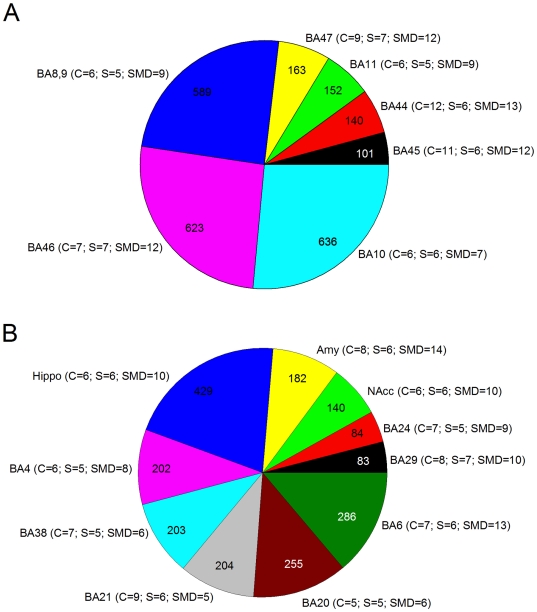
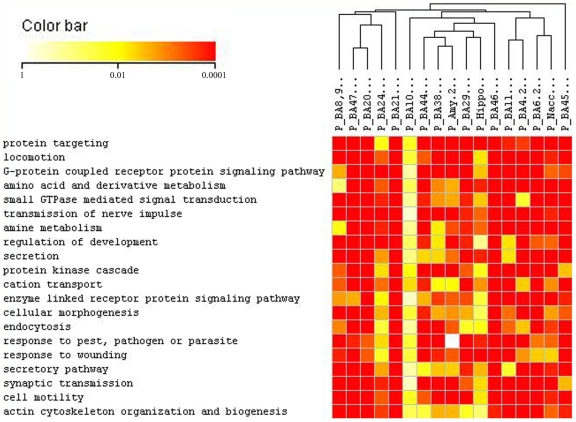
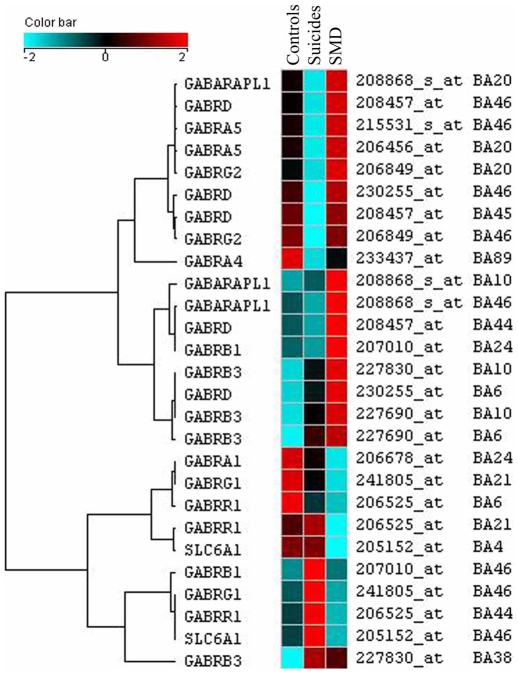
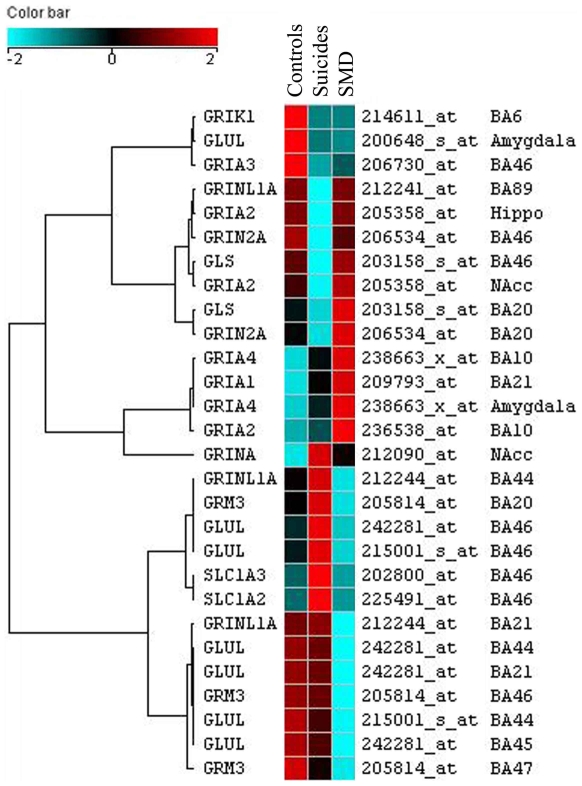
Verification
Claims the paper makes
The claims and statistics of this paper haven’t been checked yet.
Free: it reads the open-access text and checks the first 5 claims that cite a source we can check. Create a free account to check every claim.
Claims other papers make about this one
Each is checked against this paper’s own text: does it say what the citing paper says it does?
The source backs part of the claim, not all of it — or backs it for a different population, condition or comparison.
In the citing paper
“and the levels of connexins, 21 glutamine synthase (GS), glutamate transporter-1 (GLT-1), 21 , 22 and aquaporin-4 (AQP4) 23 are reduced in patients with MDD.”
From Major depressive disorder: hypothesis, mechanism, prevention and treatment (2024) · cites this paper as [22]
Experimental — accuracy not yet measuredThe source backs part of the claim, not all of it — or backs it for a different population, condition or comparison.
In the citing paper
“Global topological E/I imbalance in MDD is discovered through gene and protein expression of molecules related to inhibitory GABAergic and excitatory glutamatergic signaling in the postmortem MDD brains. 22 , 208 , 209”
From Major depressive disorder: hypothesis, mechanism, prevention and treatment (2024) · cites this paper as [22]
Experimental — accuracy not yet measuredThe cited source says what the claim attributes to it.
In the citing paper
“How this compares to human GluA1 gene SNPs was not described, but this evidence converges with human data implicating AMPARs [115].Gene clusters associated with excitatory synaptic function are also commonly identified in genetic screens in suicide and depression [116][117][118] and in preclinical studies [119].”
From Plasticity of synapses and reward circuit function in the genesis and treatment of depression (2023) · cites this paper as [116]
Self-check
Percentages, sums and reported differences re-computed from the paper’s own numbers.
The self-check needs the paper’s full text.
Citations
Cites
Controlling the False Discovery Rate: A Practical and Powerful Approach to Multiple Testing
Benjamini, Y., & Hochberg, Y. (1995) · Journal of the Royal Statistical Society Series B: Statistical Methodology · doi:10.1111/j.2517-6161.1995.tb02031.x · Cited by 109,482 · cited 1×
“While different statistical approaches exist to correct for type I errors [40–42], independent replication, both internal and external, is the method of choice to determine the accuracy of results [43].”
Gene Ontology: tool for the unification of biology
Ashburner, M., Ball, C. A., Blake, J. A., Botstein, D., Butler, H., Cherry, J. M., Davis, A. P., Dolinski, K., Dwight, S. S., Eppig, J. T., et al. (2000) · Nature Genetics · doi:10.1038/75556 · Cited by 43,206
Quantitative Monitoring of Gene Expression Patterns with a Complementary DNA Microarray
Schena, M., Shalon, D., Davis, R. W., & Brown, P. O. (1995) · Science · doi:10.1126/science.270.5235.467 · Cited by 9,609 · cited 1×
“Microarray technology offers the possibility of parallel monitoring expression levels of several thousands to virtually all genes based on the hybridization of nucleotide probes mounted on high density arrays to a target nucleotide sequence [35,36].”
DAVID: Database for Annotation, Visualization, and Integrated Discovery
Dennis, G., Sherman, B. T., Hosack, D. A., Yang, J., Gao, W., Lane, H. C., & Lempicki, R. A. (2003) · Genome Biology · doi:10.1186/gb-2003-4-5-p3 · Cited by 9,327 · cited 5×
“In order to specifically explore GABAergic and glutamatergic genes that were differentially expressed across the different brain regions, we interrogated the list of 5,868 differentially expressed genes using the probe sets identified and annotated using DAVID.”
InfluentialA randomized trial of an N-methyl-D-aspartate antagonist in treatment-resistant major depression.
Zarate, C. A., Singh, J. B., Carlson, P. J., Brutsche, N. E., Ameli, R., Luckenbaugh, D. A., Charney, D. S., & Manji, H. K. (2006) · Archives of General Psychiatry · doi:10.1001/archpsyc.63.8.856 · Cited by 3,766 · cited 1×
“This hypothesis, if true, is in agreement with the observation that a single dose of Ketamine, an NMDA antagonist, is sufficient to produce a rapid and long lasting antidepressant effect [88].”
The world health report 2000 - Health systems: improving performance
Reinhardt, U. E., & Cheng, T.-M. (2000) · Europe PMC (PubMed Central) · doi:10.1590/s0042-96862000000800020 · Cited by 3,467
Expression monitoring by hybridization to high-density oligonucleotide arrays
Lockhart, D. J., Dong, H., Byrne, M. C., Follettie, M. T., Gallo, M. V., Chee, M. S., Mittmann, M., Wang, C., Kobayashi, M., Norton, H., et al. (1996) · Nature Biotechnology · doi:10.1038/nbt1296-1675 · Cited by 2,840 · cited 1×
“Microarray technology offers the possibility of parallel monitoring expression levels of several thousands to virtually all genes based on the hybridization of nucleotide probes mounted on high density arrays to a target nucleotide sequence [35,36].”
A molecular and cellular theory of depression
Duman, R. S. (1997) · Archives of General Psychiatry · doi:10.1001/archpsyc.1997.01830190015002 · Cited by 2,129 · cited 1×
“This is consistent with what one would expect according to neuroanatomical studies of depression and suicide and is also consistent with previous studies looking at discrete brain regions [4,57–63].”
Glucocorticoids and Hippocampal Atrophy in Neuropsychiatric Disorders
Sapolsky, R. M. (2000) · Archives of General Psychiatry · doi:10.1001/archpsyc.57.10.925 · Cited by 2,016 · cited 1×
“Glutamate seems to mediate stress-induced neuronal atrophy in the hippocampus [89].”
Hippocampal Volume Reduction in Major Depression
Bremner, J. D., Narayan, M., Anderson, E. R., Staib, L. H., Miller, H. L., & Charney, D. S. (2000) · American Journal of Psychiatry · doi:10.1176/ajp.157.1.115 · Cited by 1,670 · cited 1×
“This is consistent with what one would expect according to neuroanatomical studies of depression and suicide and is also consistent with previous studies looking at discrete brain regions [4,57–63].”
Research works printed but not linked: 1
- Bremner JD Narayan M Anderson ER Staib LH Miller HL 2000 Hippocampal volume reduction in major depression. Am J Psychiatry 157 115 118 10618023 · DOI · Paper page
Cited by
Items 101–200 of 409
Banasr, M., Sanacora, G., & Esterlis, I. (2021) · Biological Psychiatry · doi:10.1016/j.biopsych.2021.04.004 · Cited by 75
Zhao, J., Bao, A.-M., Qi, X.-R., Kamphuis, W., Luchetti, S., Lou, J.-S., & Swaab, D. F. (2012) · Journal of Affective Disorders · doi:10.1016/j.jad.2012.01.013 · Cited by 70
“In younger depressed suicide victims, more extensive changes have been reported for GABA and glutamate receptor subunit genes in the PFC (Sequeira et al., 2009), in particular of calbindin GABAergic neurons (Chana et al., 2003; Cotter et al., 2002; Rajkowska et al., 2007).”
BackgroundResultUnderstanding epigenetic architecture of suicide neurobiology: A critical perspective
Roy, B., & Dwivedi, Y. (2017) · Neuroscience & Biobehavioral Reviews · doi:10.1016/j.neubiorev.2016.10.031 · Cited by 69
“A uthor M anuscript A uthor M anuscript A uthor M anuscript A uthor M anuscript with depression and warrants further insight into their link with suicidal behavior (Fields, 2008; Klempan et al., 2009a; Sequeira et al., 2009).”
BackgroundResultInfluentialHan, X., Shao, W., Liu, Z., Fan, S., Yu, J. H., Chen, J., Qiao, R., Zhou, J., & Xie, P. (2015) · Neuroscience · doi:10.1016/j.neuroscience.2015.04.006 · Cited by 78
Are there meaningful biomarkers of treatment response for depression?
Breitenstein, B., Scheuer, S., & Holsboer, F. (2014) · Drug Discovery Today · doi:10.1016/j.drudis.2014.02.002 · Cited by 74
A marmoset brain cell census reveals regional specialization of cellular identities
Krienen, F. M., Levandowski, K. M., Zaniewski, H., del Rosario, R. C. H., Schroeder, M. E., Goldman, M., Wienisch, M., Lutservitz, A., Beja-Glasser, V. F., Chen, C., et al. (2023) · Science Advances · doi:10.1126/sciadv.adk3986 · Cited by 69
Muguruza, C., Miranda-Azpiazu, P., Díez-Alarcia, R., Morentin, B., González-Maeso, J., Callado, L. F., & Meana, J. J. (2014) · Neuropharmacology · doi:10.1016/j.neuropharm.2014.08.009 · Cited by 69
The influence of inflammatory cytokines in physiopathology of suicidal behavior
Miná, V. A. L., Lacerda-Pinheiro, S. D. F., Maia, L. C., Pinheiro, R. F. F., Meireles, C. B., de Souza, S. I. R., Reis, A. O. A., Bianco, B. A. V., & Rolim, M. L. N. (2014) · Journal of Affective Disorders · doi:10.1016/j.jad.2014.09.057 · Cited by 71
“…instance, glutamine synthetase activity was found to be reduced in depression, (Choudary et al., 2005) in depressed suicide cases (Choudary et al., 2005; Sequeira et al., 2009) and, interestingly, also in non-depressed suicide cases (Sequeira et al., 2009; Kalkman, 2011; Bay-Richter et al., 2014).”
BackgroundKim, S., Hwang, Y., Webster, M. J., & Lee, D. (2015) · Molecular Psychiatry · doi:10.1038/mp.2015.79 · Cited by 68
Brain γ‐aminobutyric acid: a neglected role in impulsivity
Hayes, D. J., Jupp, B., Sawiak, S. J., Merlo, E., Caprioli, D., & Dalley, J. W. (2014) · European Journal of Neuroscience · doi:10.1111/ejn.12485 · Cited by 62
“related to GABAergic neurotransmission in the PFC (Poulter et al., 2008; Klempan et al., 2009; Sequeira et al., 2009).”
BackgroundGeneral Pathophysiology of Astroglia
Verkhratsky, A., Ho, M. S., Vardjan, N., Zorec, R., & Parpura, V. (2019) · Advances in Experimental Medicine and Biology · doi:10.1007/978-981-13-9913-8_7 · Cited by 66
Roles of Glutamine Synthetase Inhibition in Epilepsy
Eid, T., Behar, K. L., Dhaher, R., Bumanglag, A. V., & Lee, T.-S. W. (2012) · Neurochemical Research · doi:10.1007/s11064-012-0766-5 · Cited by 71
“Alzheimer’s disease [11, 12], hepatic encephalopathy [13], suicide/depression [14, 15], schizophrenia [16], and epilepsy [17–19].”
Morag, A., Pasmanik-Chor, M., Oron-Karni, V., Rehavi, M., Stingl, J. C., & Gurwitz, D. (2011) · Pharmacogenomics · doi:10.2217/pgs.10.185 · Cited by 59
Neuroglia in ageing and disease
Verkhratsky, A., Rodriguez, J. J., & Parpura, V. (2014) · Cell and Tissue Research · doi:10.1007/s00441-014-1814-z · Cited by 69
“These changes are paralleled with decreased glutamate uptake and reduced activity of GS (Bernard et al. 2011; Sequeira et al. 2009), which may contribute to an overall disbalance of neurotransmission contributing to the pathological progression.”
Limon, A., Mamdani, F., Hjelm, B. E., Vawter, M. P., & Sequeira, A. (2016) · Neuroscience & Biobehavioral Reviews · doi:10.1016/j.neubiorev.2016.04.010 · Cited by 63
Self-citationPleiotropic actions of allopregnanolone underlie therapeutic benefits in stress-related disease
Boero, G., Porcu, P., & Morrow, A. L. (2019) · Neurobiology of Stress · doi:10.1016/j.ynstr.2019.100203 · Cited by 65
Sex chromosome complement regulates expression of mood-related genes
Seney, M. L., Ekong, K. I., Ding, Y., Tseng, G. C., & Sibille, E. (2013) · Biology of Sex Differences · doi:10.1186/2042-6410-4-20 · Cited by 61
“Magnetic resonance spectroscopy [4-6] and molecular [7,8] studies have directly reported decreased GABA content in MDD or suggested reduced GABA-mediated inhibition (reviewed in [9]).”
BackgroundLewis, C. P., Port, J. D., Blacker, C. J., Sonmez, A. I., Seewoo, B. J., Leffler, J. M., Frye, M. A., & Croarkin, P. E. (2020) · Translational Psychiatry · doi:10.1038/s41398-020-0792-z · Cited by 56
Ding, Y., Chang, L.-C., Wang, X., Guilloux, J.-P., Parrish, J., Oh, H., French, B. J., Lewis, D. A., Tseng, G. C., & Sibille, E. (2015) · Complex Psychiatry · doi:10.1159/000369974 · Cited by 61
McGirr, A., LeDue, J., Chan, A. W., Xie, Y., & Murphy, T. H. (2017) · Brain · doi:10.1093/brain/awx142 · Cited by 59
“, 2011), as identified in post-mortem samples from hippocampus and cortex of depressed humans (Sequeira et al., 2009; Medina et al., 2013) and murine models of depression (Zink et al.”
BackgroundAltered expression of neuroplasticity-related genes in the brain of depressed suicides
Fuchsová, B., Juliá, A. A., Rizavi, H. S., Frasch, A. C. C., & Pandey, G. N. (2015) · Neuroscience · doi:10.1016/j.neuroscience.2015.04.057 · Cited by 63
The role of proteomics in depression research
Martins‐de‐Souza, D., Harris, L. W., Guest, P. C., Turck, C. W., & Bahn, S. (2009) · European Archives of Psychiatry and Clinical Neuroscience · doi:10.1007/s00406-009-0093-2 · Cited by 66
“Several groups have used microarray approaches to demonstrate abnormalities in the expression of transcripts related to synaptic transmission, particularly glutamate and GABAergic signalling, in the brains of depressed patients with or without suicide, especially in frontal and limbic regions [8, 34, 64, 65], with one…”
BackgroundSokolowski, M., Ben-Efraim, Y. J., Wasserman, J., & Wasserman, D. (2012) · Molecular Psychiatry · doi:10.1038/mp.2012.112 · Cited by 64
Sequeira, A., Shen, K., Gottlieb, A., & Limón, A. (2019) · Communications Biology · doi:10.1038/s42003-019-0413-7 · Cited by 62
Self-citationFullana, N., Gasull-Camós, J., Tarrés-Gatius, M., Castañé, A., Bortolozzi, A., & Artigas, F. (2020) · Neuropharmacology · doi:10.1016/j.neuropharm.2019.107914 · Cited by 57
GABA System in Depression: Impact on Pathophysiology and Psychopharmacology
Vecchia, A. D., Arone, A., Piccinni, A., Mucci, F., & Marazziti, D. (2021) · Current Medicinal Chemistry · doi:10.2174/0929867328666211115124149 · Cited by 60
Altered choroid plexus gene expression in major depressive disorder
Turner, C. A., Thompson, R. C., Bunney, W. E., Schatzberg, A. F., Barchas, J. D., Myers, R. M., Akil, H., & Watson, S. J. (2014) · Frontiers in Human Neuroscience · doi:10.3389/fnhum.2014.00238 · Cited by 56
“For example, there is evidence for altered gene expression in the human post-mortem hippocampus in individuals with MDD (Sequeira et al., 2007, 2009).”
BackgroundSelf-citationTaurine and GABA neurotransmitter receptors, a relationship with therapeutic potential?
la Paz, L. D. O.-D., Zenteno, E., Gulías-Cañizo, R., & Quiroz–Mercado, H. (2019) · Expert Review of Neurotherapeutics · doi:10.1080/14737175.2019.1593827 · Cited by 57
“subunits of the lateral dorsal zone of the prefrontal cortex and in the lateral inferior cortex [13].”
BackgroundIdentification of potential blood biomarkers associated with suicide in major depressive disorder
Mamdani, F., Weber, M. D., Bunney, B. G., Burke, K. A., Cartagena, P. M., Walsh, D. M. A., Lee, F. S., Barchas, J. D., Schatzberg, A. F., Myers, R., et al. (2022) · Translational Psychiatry · doi:10.1038/s41398-022-01918-w · Cited by 56
“members of the polyamine and metallothionein families, were previously reported to be differentially expressed in MDD-S by our group [15, 24].”
BackgroundInfluentialSelf-citationHiguera-Matas, A., Miguéns, M., Coria, S. M., Assis, M. A., Borcel, É., del Olmo, N., & Ambrosio, E. (2012) · Neuropharmacology · doi:10.1016/j.neuropharm.2011.12.028 · Cited by 52
“Dysregulated glutamatergic and GABAergic transmission has also been involved in depression and suicidal behaviour in humans (Sequeira et al., 2009) Interestingly, adult female but not male rats exposed to THC during adolescence display stronger behavioural despair and anhedonia (Rubino et al.”
Influence of inter-train interval on the plastic effects of rTMS
Cash, R. F. H., Dar, A., Hui, J., Ruiter, L. D., Baarbé, J. K., Fettes, P., Peters, S., Fitzgerald, P. B., Downar, J. H., & Chen, R. E. (2017) · Brain stimulation · doi:10.1016/j.brs.2017.02.012 · Cited by 57
“This finding may be relevant in the selection of parameters where rTMS is used for major depressive disorder (MDD) which is associated with modulated expression of GABAA (but not GABAB, [45,46]) receptor-subunit genes in the dorsolateral prefrontal cortex (DLPFC; [47]) and other cortical regions [48].”
BackgroundRapid-Acting Antidepressants: Mechanistic Insights and Future Directions
Gerhard, D. M., & Duman, R. S. (2018) · Current Behavioral Neuroscience Reports · doi:10.1007/s40473-018-0139-8 · Cited by 52
Locci, A., Geoffroy, P., Miesch, M., Mensah-Nyagan, A.-G., & Pinna, G. (2017) · Frontiers in Cellular Neuroscience · doi:10.3389/fncel.2017.00208 · Cited by 52
“Moreover, the expression of several GABAA receptor subunits is altered in brain areas of MDD patients (Merali et al., 2004; Choudary et al., 2005; Klempan et al., 2009; Sequeira et al., 2009; Fatemi et al., 2013).”
BackgroundJiménez, E., Arias, B., Mitjans, M., Goikolea, J. M., Roda, E., Sáiz, P. A., García-Portilla, M. P., Burón, P., Bobes, J., Oquendo, M. A., et al. (2013) · European Neuropsychopharmacology · doi:10.1016/j.euroneuro.2013.01.007 · Cited by 51
“The notion of a potential role of genetic variability in GSK3 comports with studies reporting that glutamine synthetase activity was significantly reduced, not only in depressed suicides, but also in suicides free of depressive symptomatology (Sequeira et al., 2009; Klempan et al., 2009).”
Astrocytes in rapid ketamine antidepressant action
Stenovec, M., Li, B., Verkhratsky, A., & Zorec, R. (2020) · Neuropharmacology · doi:10.1016/j.neuropharm.2020.108158 · Cited by 54
“Animal models of attention deficit disorder and MDD also demonstrated down-regulation of other classical astroglial markers such as aquaporin 4, astroglia-specific connexins, astroglial plasmalemmal glutamate transporters and glutamine synthetase (Barley et al., 2009; Bernard et al., 2011; Sequeira et al., 2009).”
BackgroundAn overview of the neurobiology of suicidal behaviors as one meta-system
Sokolowski, M., Wasserman, J., & Wasserman, D. (2015) · Molecular Psychiatry · doi:10.1038/mp.2014.101 · Cited by 50
Involvement of the GABAergic system in PTSD and its therapeutic significance
Huang, J., Xu, F., Yang, L., Tuolihong, L., Wang, X., Du, Z., Zhang, Y., Yin, X., Li, Y., Lu, K., et al. (2023) · Frontiers in Molecular Neuroscience · doi:10.3389/fnmol.2023.1052288 · Cited by 59
Transcriptional dissection of symptomatic profiles across the brain of men and women with depression
Mansouri, S., Pessoni, A. M., Marroquín-Rivera, A., Parise, E. M., Tamminga, C. A., Turecki, G., Nestler, E. J., Chen, T., & Labonté, B. (2023) · Nature Communications · doi:10.1038/s41467-023-42686-5 · Cited by 51
“…biology combined with improvement in the collection of clinical information allowed us to transition from global transcriptional screenings 23 – 26 to state versus trait transcriptional assessment 32 and sex-speci fi c transcriptional structures 29 – 31 and ultimately toward the dissection…”
BackgroundSelf-citationSuicidality and epilepsy: A neuropsychobiological perspective
Hečimović, H., Salpekar, J. A., Kanner, A. M., & Barry, J. J. (2011) · Epilepsy & Behavior · doi:10.1016/j.yebeh.2011.04.059 · Cited by 55
“performed gene expression analysis on 17 cortical and subcortical brain regions from 26 male subjects who committed suicide and 13 controls with and without major depression [56].”
MethodSOUSA, R. T. D., Loch, A. A., Carvalho, A. F., Brunoni, A. R., Haddad, M. R., Henter, I. D., Zarate, C. A., & Machado‐Vieira, R. (2016) · Neuropsychopharmacology · doi:10.1038/npp.2016.149 · Cited by 52
Bernstein, H.-G., Meyer-Lotz, G., Dobrowolny, H., Bannier, J., Steiner, J., Walter, M., & Bogerts, B. (2015) · Frontiers in Cellular Neuroscience · doi:10.3389/fncel.2015.00273 · Cited by 47
“…cortex, the premotor cortex, and the amygdala of depressed suicide victims but not in suicide completers without depression (Choudary et al., 2005; Sequeira et al., 2009), whereas GS protein was found to be reduced in the anterior cingulate cortex and the orbitofrontal cortex (Choudary et al.,…”
BackgroundLukkes, J. L., Meda, S., Thompson, B. S., Freund, N., & Andersen, S. L. (2017) · Behavioural Brain Research · doi:10.1016/j.bbr.2017.04.053 · Cited by 47
Le-Niculescu, H., Case, N. J., Hulvershorn, L., Patel, S. D., Bowker, D., Gupta, J., Bell, R., Edenberg, H. J., Tsuang, M. T., Kuczenski, R., et al. (2011) · Translational Psychiatry · doi:10.1038/tp.2011.1 · Cited by 48
Pharmacogenomics of Suicidal Events
Brent, D., Melhem, N., & Turecki, G. (2010) · Pharmacogenomics · doi:10.2217/pgs.10.64 · Cited by 46
Self-citationAstroglial Glutamine Synthetase and the Pathogenesis of Mesial Temporal Lobe Epilepsy
Sandhu, M. R. S., Gruenbaum, B. F., Gruenbaum, S. E., Dhaher, R., Deshpande, K., Funaro, M. C., Lee, T.-S. W., Zaveri, H. P., & Eid, T. (2021) · Frontiers in Neurology · doi:10.3389/fneur.2021.665334 · Cited by 47
Sanacora, G. (2010) · Biological Psychiatry · doi:10.1016/j.biopsych.2010.01.003 · Cited by 47
Edgar, N. M., Touma, C., Palme, R., & Sibille, E. (2011) · Translational Psychiatry · doi:10.1038/tp.2011.40 · Cited by 40
Ketamine and suicidal ideation in depression: Jumping the gun?
Rajkumar, R., Fam, J., Yeo, E. Y. M., & Dawe, G. S. (2015) · Pharmacological Research · doi:10.1016/j.phrs.2015.05.003 · Cited by 46
Cruceanu, C., Tan, P. P. C., Rogic, S., Lopez, J. P., Torres-Platas, S. G., Gigek, C. O., Alda, M., Rouleau, G. A., Pavlidis, P., & Turecki, G. (2015) · American Journal of Psychiatry · doi:10.1176/appi.ajp.2015.14101279 · Cited by 41
Self-citationInflammatory markers and suicidal attempts in depressed patients: A review
Marini, S., Vellante, F., Matarazzo, I., De Berardis, D., Serroni, N., Gianfelice, D., Olivieri, L., Di Renzo, F., Di Marco, A., Fornaro, M., et al. (2016) · International Journal of Immunopathology and Pharmacology · doi:10.1177/0394632015623793 · Cited by 42
Association of T. gondii infection with suicide: a systematic review and meta-analysis
Soleymani, E., Faizi, F., Heidarimoghadam, R., Davoodi, L., & Mohammadi, Y. (2020) · BMC Public Health · doi:10.1186/s12889-020-08898-w · Cited by 44
Molecular characterization of depression trait and state
Shukla, R., Newton, D. F., Sumitomo, A., Zare, H., McCullumsmith, R. E., Lewis, D. A., Tomoda, T., & Sibille, E. L. (2021) · Molecular Psychiatry · doi:10.1038/s41380-021-01347-z · Cited by 45
“Large-scale transcriptomic studies in MDD postmortem sgACC samples demonstrate dysregulation in the cytoskeleton, rearrangement of neuronal processes, synaptic function, and presynaptic neurotransmission [14, 15] associated with GABA and glutamate receptor signaling.”
BackgroundZhurov, V., Stead, J. D. H., Merali, Z., Palkovits, M., Faludi, G., Schild-Poulter, C., Anisman, H., & Poulter, M. O. (2012) · PLoS ONE · doi:10.1371/journal.pone.0047581 · Cited by 41
“Recent studies by Turecki and others have shown that there may be gene expression patterns that are associated with suicidality [6,46] albeit with some overlap in those associated MDD.”
BackgroundSustained Molecular Pathology Across Episodes and Remission in Major Depressive Disorder
Scifo, E., Pabba, M., Kapadia, F., Ma, T., Lewis, D. A., Tseng, G. C., & Sibille, E. (2018) · Biological Psychiatry · doi:10.1016/j.biopsych.2017.08.008 · Cited by 41
“These findings suggest an altered excitation/inhibition balance in MDD that is mediated by both GABA and glutamate dysregulations (15,29).”
BackgroundGenetic Factors and Suicidal Behavior
(2012) · The Neurobiological Basis of Suicide · doi:10.1201/b12215-17 · Cited by 40
A New Player in Depression: MiRNAs as Modulators of Altered Synaptic Plasticity
Gao, Y., Yong-qian, Z., Wang, H., Deng, Y., & Li, N. (2022) · International Journal of Molecular Sciences · doi:10.3390/ijms23094555 · Cited by 41
“NR2A (Grin2a) is a subunit of the ionotropic glutamate receptor NMDA receptor, which is significantly upregulated in the brain of patients with depression and suicide [34].”
BackgroundPlasticity of synapses and reward circuit function in the genesis and treatment of depression
Thompson, S. M. (2023) · Neuropsychopharmacology · doi:10.1038/s41386-022-01422-1 · Cited by 40
Chawla, A., Cakmakci, D., Fiori, L. M., Zang, W., Maitra, M., Yang, J., Żurawek, D., Frosi, G., Rahimian, R., Mitsuhashi, H., et al. (2025) · Nature Genetics · doi:10.1038/s41588-025-02249-4 · Cited by 45
Self-citationStrasser, A., Lukšys, G., Xin, L., Pessiglione, M., Gruetter, R., & Sandi, C. (2020) · Neuropsychopharmacology · doi:10.1038/s41386-020-0760-6 · Cited by 42
“For example, reduced cortical density of glutamine synthetase-expressing astrocytes has been found in post mortem brains of major depression patients [50] and genetic variation in the gene coding for this enzyme associated with depression [70].”
BackgroundCiobanu, L. G., Sachdev, P. S., Trollor, J. N., Reppermund, S., Thalamuthu, A., Mather, K. A., Cohen‐Woods, S., & Baune, B. T. (2016) · Neuroscience & Biobehavioral Reviews · doi:10.1016/j.neubiorev.2016.08.018 · Cited by 44
Neurobiological aspects of suicide and suicide attempts in bipolar disorder
Mathews, D., Richards, E., Niciu, M., Ionescu, D., Rasimas, J., & Zarate, C. (2013) · Translational Neuroscience · doi:10.2478/s13380-013-0120-7 · Cited by 39
“GABA Increased density of GABA neurons in hippocampus/neocortical areas; upregulation of GABAAα5 in frontal cortex; increase in relative density of GAD-ir neuropil in hippocampal formation; differential gene expression [139,141,142,144,145]”
BackgroundMolecular impacts of childhood abuse on the human brain
Ibrahim, P., Almeida, D. M., Nagy, C., & Turecki, G. (2021) · Neurobiology of Stress · doi:10.1016/j.ynstr.2021.100343 · Cited by 40
“recently, targeted for rapid-acting treatment (Mathews et al., 2012; Sequeira et al., 2009), but only a few studies have examined the effect of CA on glutamatergic signaling.”
BackgroundSelf-citationReduced Kv3.1 Activity in Dentate Gyrus Parvalbumin Cells Induces Vulnerability to Depression
Medrihan, L., Umschweif, G., Sinha, A., Reed, S., Lee, J., Gindinova, K., Sinha, S. C., Greengard, P., & Sagi, Y. (2020) · Biological Psychiatry · doi:10.1016/j.biopsych.2020.02.1179 · Cited by 39
Psychiatric phenotypes in chronic traumatic encephalopathy
Mahar, I., Alosco, M. L., & McKee, A. C. (2017) · Neuroscience & Biobehavioral Reviews · doi:10.1016/j.neubiorev.2017.08.023 · Cited by 36
“The hippocampus, especially the anterior hippocampus, has been associated with depression and suicide (Mahar et al., 2014; Mahar et al., 2017; Sequeira et al., 2009).”
InfluentialSex-Specific Effects of Stress on Mood-Related Gene Expression
Barko, K., Paden, W., Cahill, K. M., Seney, M. L., & Logan, R. W. (2019) · Complex Psychiatry · doi:10.1159/000499105 · Cited by 39
Neuro-transcriptomic signatures for mood disorder morbidity and suicide mortality
Jabbi, M., Arasappan, D., Eickhoff, S. B., Strakowski, S. M., Nemeroff, C. B., & Hofmann, H. A. (2020) · Journal of Psychiatric Research · doi:10.1016/j.jpsychires.2020.05.013 · Cited by 36
Zhang, X., Xu, Y., Zhou, L., Zhang, C., Meng, Q., Wu, S., Wang, S., Ding, Z., Chen, X., Li, X., et al. (2015) · International Journal of Environmental Research and Public Health · doi:10.3390/ijerph121215011 · Cited by 37
“Increased expression of NMDA receptor was observed in major depression patients [29,30].”
BackgroundYu, H., Villanueva, N., Bittar, T. P., Arsenault, E., Labonté, B., & Huan, T. (2020) · Analytica Chimica Acta · doi:10.1016/j.aca.2020.09.051 · Cited by 35
Purinergic neurone-glia signalling in cognitive-related pathologies
Illés, P., & Verkhratsky, A. (2015) · Neuropharmacology · doi:10.1016/j.neuropharm.2015.08.005 · Cited by 38
Malki, K., Lourdusamy, A., Binder, E., Paya-Cano, J. L., Sluyter, F., Craig, I., Keers, R., McGuffin, P., Uher, R., & Schalkwyk, L. C. (2012) · Pharmacogenetics and Genomics · doi:10.1097/fpc.0b013e328356fa90 · Cited by 35
Expression of p21-activated kinases 1 and 3 is altered in the brain of subjects with depression
Fuchsová, B., Juliá, A. A., Rizavi, H. S., Frasch, A. C. C., & Pandey, G. N. (2016) · Neuroscience · doi:10.1016/j.neuroscience.2016.07.037 · Cited by 35
“Gene expression patterns associated with suicidality have been reported (Sequeira et al., 2007, 2009), although some overlap exists with those associated with major depression.”
BackgroundZhou, H., Cheng, Z., Bass, N. J., Krystal, J. H., Farrer, L. A., Kranzler, H. R., & Gelernter, J. E. (2018) · Translational Psychiatry · doi:10.1038/s41398-018-0258-8 · Cited by 33
Hao, T., Du, X., Yang, S., Zhang, Y., & Liang, F. (2020) · Life Sciences · doi:10.1016/j.lfs.2020.118099 · Cited by 28
Reduced GABA neuron density in auditory cerebral cortex of subjects with major depressive disorder
Smiley, J. F., Hackett, T. A., Bleiwas, C., Petkova, E., Stankov, A., Mann, J. J., Rosoklija, G. B., & Dwork, A. J. (2015) · Journal of Chemical Neuroanatomy · doi:10.1016/j.jchemneu.2015.10.008 · Cited by 35
“These findings in MDD are consistent with reports of altered expression of different GABA receptor mRNAs (Sequeira et al., 2009), and low GABA concentrations found by proton magnetic resonance spectroscopy of cerebral cortex or in CSF or serum [reviewed in(Mann et al., 2014; Sanacora and Saricicek,…”
BackgroundResultInfluentialLe Grand, J. N., Bon, K., Fraichard, A., Zhang, J., Jouvenot, M., Risold, P.-Y., Boyer-Guittaut, M., & Delage-Mourroux, R. (2013) · PLoS ONE · doi:10.1371/journal.pone.0063133 · Cited by 29
“Indeed, gabarapl1 and GABAAR were found to be upregulated in the hippocampus and certain regions of the cortex of human brains affected by major depression regulated [36].”
BackgroundCircumstantial evidence for a role of glutamine-synthetase in suicide
Kalkman, H. O. (2011) · Medical Hypotheses · doi:10.1016/j.mehy.2011.03.005 · Cited by 32
“activity was found to be reduced in depression [43], in depressed suicide cases [44,45] and, interestingly, also in non-depressed sui-”
Gonda, X., Sarginson, J. E., Eszlári, N., Petschner, P., Toth, Z. G., Baksa, D., Hullám, G., Anderson, I. M., Deakin, J. F. W., Juhász, G., et al. (2017) · Scientific Reports · doi:10.1038/s41598-017-12776-8 · Cited by 31
Ye, Z., McGee, T. P., Houston, C. M., & Brickley, S. G. (2013) · Frontiers in Neural Circuits · doi:10.3389/fncir.2013.00203 · Cited by 33
“NEURAL CIRCUITS ORIGINAL RESEARCH ARTICLE published: 23 December 2013 doi: 10.3389/fncir.2013.00203 to The thalamus phasic contribution and and neocor tonic of conductance δ tex subunit-containing changes GABA in cerebellum, A receptors”
InfluentialPharmacogenomic predictors of citalopram treatment outcome in major depressive disorder
Mamdani, F., Berlim, M. T., Beaulieu, M.-M., & Turecki, G. (2013) · The World Journal of Biological Psychiatry · doi:10.3109/15622975.2013.766762 · Cited by 28
“Integrity and possible helps reduce false-positive fi ndings resulting from spurious or non-treatment related variation in geneexpression (Sequeira et al. 2006, 2009; Mamdani et al. 2011).”
BackgroundSelf-citationKeeping up with the clinical advances: depression
Ragguett, R.-M., Tamura, J. K., & McIntyre, R. S. (2019) · CNS Spectrums · doi:10.1017/s1092852919001159 · Cited by 27
Öngür, D., Haddad, S. A., Prescot, A. P., Jensen, J. E., Siburian, R., Cohen, B. M., Renshaw, P. F., & Smoller, J. W. (2011) · Biological Psychiatry · doi:10.1016/j.biopsych.2011.01.033 · Cited by 29
Puralewski, R., Vasilakis, G. M., & Seney, M. L. (2016) · Biology of Sex Differences · doi:10.1186/s13293-016-0106-6 · Cited by 28
“Studies suggest that decreased GABA inhibition in the circuit contributes to impaired excitation/ inhibition balance in mood disorders [19, 20].”
BackgroundHung, Y.-Y. (2018) · NeuroImmunoModulation · doi:10.1159/000489562 · Cited by 26
Wysocki, M., Preuß, S., Stratz, P., & Bennewitz, J. (2013) · Animal Genetics · doi:10.1111/age.12050 · Cited by 28
Scarr, E., Udawela, M., & Dean, B. (2019) · Australian & New Zealand Journal of Psychiatry · doi:10.1177/0004867419857808 · Cited by 26
“…like others, we show that differential changes in gene expression are present in different cortical regions from individuals with MD (Choudary et al., 2005; Evans et al., 2004; Klempan et al., 2009; Sequeira et al., 2007; Sequeira et al., 2009) and BD (Choudary et al., 2005; Evans et al., 2004).”
BackgroundResultInfluentialTranscriptome Profiling of the Dorsomedial Prefrontal Cortex in Suicide Victims
Dóra, F., Renner, É., Keller, D. W., Palkovits, M., & Dobolyi, Á. (2022) · International Journal of Molecular Sciences · doi:10.3390/ijms23137067 · Cited by 28
Xie, H., Huang, H., Tang, M., Wu, Y., Huang, R., Liu, Z., Zhou, M., Liao, W., & Zhou, J. (2018) · Neurochemical Research · doi:10.1007/s11064-018-2664-y · Cited by 25
Epigenomics of being bullied: changes in DNA methylation following bullying exposure
Mulder, R. H., Walton, E., Neumann, A., Houtepen, L. C., Felix, J. F., Bakermans‐Kranenburg, M. J., Suderman, M. J., Tiemeier, H. W., van IJzendoorn, M. H., Relton, C. L., et al. (2020) · Epigenetics · doi:10.1080/15592294.2020.1719303 · Cited by 26
“Also, RAB14 expression in human brain tissue has been linked to depression and suicide [38], as was Syntaphilin, a protein that regulates synaptic vesicle processing [39] and encoded by SYNPH, a gene associated to one of the top 10 CpG sites from the meta-analysis.”
BackgroundFiori, L. M., & Turecki, G. (2012) · Neurobiology of Disease · doi:10.1016/j.nbd.2010.11.004 · Cited by 24
“Similarly, the effects of pharmacological treatments in animals have been assessed to determine the influence of drugs on human gene expression (Kang et al., 2007; Sequeira et al., 2009a; Ernst et al., 2009a).”
BackgroundResultInfluentialSelf-citationBai, Q., Song, D., Gu, L., Verkhratsky, A., & Peng, L. (2017) · Psychopharmacology · doi:10.1007/s00213-017-4547-3 · Cited by 24
Xu, C., Hermes, D. J., Mackie, K., Lichtman, A. H., Ignatowska-Jankowska, B. M., & Fitting, S. (2016) · Journal of Neuroimmune Pharmacology · doi:10.1007/s11481-016-9664-y · Cited by 26
“2008), depression and anxiety (Benes and Berretta 2001; Sequeira et al. 2009; Sibille et al. 2011) and substance abuse disorders (Ke et al.”
Brain Gene Expression Pattern of Subjects with Completed Suicide and Comorbid Substance Use Disorder
Cabrera‐Mendoza, B., Monroy‐Jaramillo, N., Fries, G. R., Mendoza-Morales, R., García‐Dolores, F., Mendoza-Larios, A., Díaz‐Otañez, C. E., Walss‐Bass, C., Glahn, D. C., Ostrosky‐Wegman, P., et al. (2018) · Complex Psychiatry · doi:10.1159/000493940 · Cited by 25
Hippocampal neuropathology in suicide: Gaps in our knowledge and opportunities for a breakthrough
Zhang, L., Lucassen, P. J., Salta, E., Verhaert, P. D. E. M., & Swaab, D. F. (2021) · Neuroscience & Biobehavioral Reviews · doi:10.1016/j.neubiorev.2021.12.023 · Cited by 25
The Neuroscience of Suicidal Behavior
van Heeringen, K. (2018) · Cambridge University Press eBooks · doi:10.1017/9781316563205 · Cited by 45
Parvalbumin Promoter Methylation Altered in Major Depressive Disorder
Thaweethee-Sukjai, B., Suttajit, S., Thanoi, S., Dalton, C., Reynolds, G. P., & Nudmamud‐Thanoi, S. (2019) · International Journal of Medical Sciences · doi:10.7150/ijms.36131 · Cited by 22
“Moreover, an association of depression with GABA-related genes indicated by differences in gene expression between suicides with and without depression has been reported [20-22].”
BackgroundHu, Y., Dong, X., Wang, D., Zhang, T., Liu, X., & Liu, P. (2019) · Neural Regeneration Research · doi:10.4103/1673-5374.265555 · Cited by 22
“In brain tissue from depressed patients, differentially expressed proteins that are involved in synaptic transmission, such as glutamate transport, have been identified in microarray studies (Choudary et al., 2005; Sequeira et al., 2009).”
BackgroundChoi, H.-Y., Kim, G. E., Kong, K. A., Lee, Y. J., Lim, W., Park, S.-H., Ha, S. H., & Kim, S. I. (2018) · Journal of Affective Disorders · doi:10.1016/j.jad.2018.04.059 · Cited by 24
Inoue, K., Okamoto, M., Shibato, J., Lee, M. C., Matsui, T., Rakwal, R., & Soya, H. (2015) · PLoS ONE · doi:10.1371/journal.pone.0133089 · Cited by 22
Menke, A., Sämann, P. G., Kloiber, S. M., Czamara, D., Lucae, S., Hennings, J. M., Heck, A., Kohli, M. A., Czisch, M., Müller‐Myhsok, B., et al. (2011) · Psychoneuroendocrinology · doi:10.1016/j.psyneuen.2011.09.003 · Cited by 23
“…or gene expression in a number of genes critical for glutamatergic neurotransmission have been associated with major depression and suicide (Sequeira et al., 2009), as well as antidepressive treatment response (Paddock et al., 2007) or side effects including treatment-emergent suicidal…”
BackgroundChen, B., Zhang, M., Ji, M., Gong, W., Chen, B., Zorec, R., Stenovec, M., Verkhratsky, A., & Li, B. (2021) · Neurochemical Research · doi:10.1007/s11064-020-03225-6 · Cited by 23
Metadata
- Authors
- Sequeira, A., Mamdani, F., Ernst, C., Vawter, M. P., Bunney, W. E., Lebel, V., Rehal, S., Klempan, T., Gratton, A., Benkelfat, C., Rouleau, G. A., Mechawar, N., & Turecki, G.
- Affiliations
- Douglas Mental Health University Institute (CA)
- University of California, Irvine (US)
- Royal Victoria Hospital (CA)
- Université de Montréal (CA)
- Corresponding author
- Turecki, Gustavo
- ORCID
- Venue
- PLoS ONE
- Publisher
- Public Library of Science (PLoS)
- Published
- 2009-08-11
- Volume
- 4
- Issue
- 8
- Pages
- e6585
- ISSN
- 1932-6203 (ISSN-L)
- PMC
- PMC2719799
- OpenAlex
- W2000551557
- Cited by
- 388
- References
- 108
- Citations by year
- 2026: 11 · 2025: 16 · 2024: 17 · 2023: 17 · 2022: 11 · 2021: 28 · 2020: 25 · 2019: 32 · 2018: 36 · 2017: 20 · 2016: 31 · 2015: 31 · 2014: 25 · 2013: 20 · 2012: 26
- FWCI
- 16.11
- Type
- journal article
- Language
- en
- Open access
- gold
- doi.org
- Locations
- PLoS ONE (publishedVersion, cc-by)
- PubMed Central (publishedVersion, cc-by)
- PubMed (publishedVersion)
- DOAJ (DOAJ: Directory of Open Access Journals) (submittedVersion)
- eScholarship (California Digital Library) (submittedVersion, cc-by)
- Figshare (submittedVersion, cc-by)
- Funders
- Canadian Institutes of Health Research (53321)
- Topics
- Health Sciences › Medicine › Pharmacology (medical) › Treatment of Major Depression
- Social Sciences › Psychology › Clinical Psychology › Suicide and Self-Harm Studies
- Life Sciences › Neuroscience › Biological Psychiatry › Tryptophan and brain disorders
- Keywords
- suicide, major depressive disorder, glutamatergic system, GABAergic system, gene expression, brain transcriptome, glutamate receptor subunits, GABA receptor subunits, prefrontal cortex, hippocampus, synaptic transmission, intracellular signaling
- MeSH terms
- Adult, Animals, Brain, Depressive Disorder, Major, Major Depressive Disorder, gamma-Aminobutyric Acid, Humans, Male, Middle Aged, RNA, Messenger, Suicide, Rats, Sprague-Dawley, Glutamic Acid, Reverse Transcriptase Polymerase Chain Reaction, Oligonucleotide Array Sequence Analysis, Gene Expression Profiling, Rats
About these checks
Registry, retraction, Cites and statistics results are computed, not judged, with one exception: a printed reference that no index lists is read once by a model before it counts as a citation error. Claims are extracted by a model and kept only when their quote appears verbatim in the text; each cited source is then checked, with a model’s help, for whether it says what the claim relies on. Those verdicts can be wrong — read the claim’s quote and the cited source before relying on one.
Statistics and arithmetic are recomputed, not judged.
Confidence bands are shown only for fields calibrated on our annotated test set. None is calibrated yet, so no band is shown.
What counts as a claim ›How we measure confidence ›How we check this ›
Are you an author, or do you see a problem with this page? Request a review
Data sources
Bibliographic data: Semantic Scholar, OpenAlex, Crossref.
Contains information from the Semantic Scholar Academic Graph Datasets, made available under the ODC Attribution License (ODC-BY 1.0).
Semantic Scholar’s data is described in: Kinney, R., et al. (2023). The Semantic Scholar Open Data Platform. arXiv:2301.10140.
