

Global Brain Gene Expression Analysis Links Glutamatergic and GABAergic Alterations to Suicide and Major Depression
Open accessThe DOI matches its Crossref record; 108 of the 108 references it cites were found in a registry or an index.
Abstract
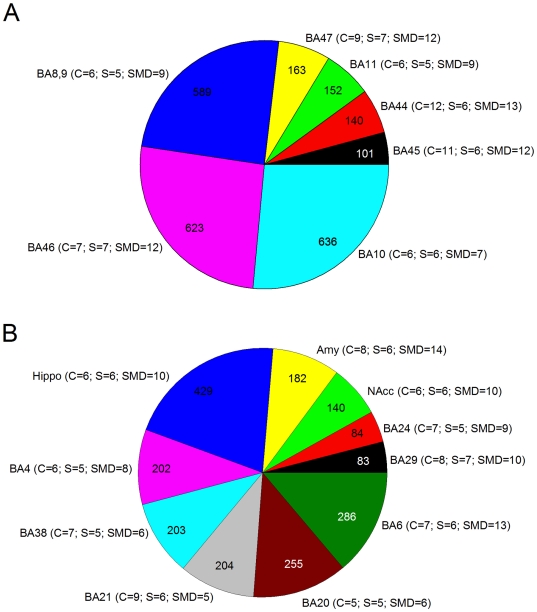
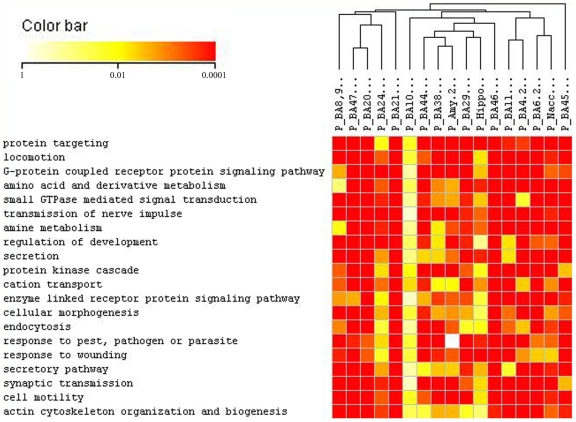
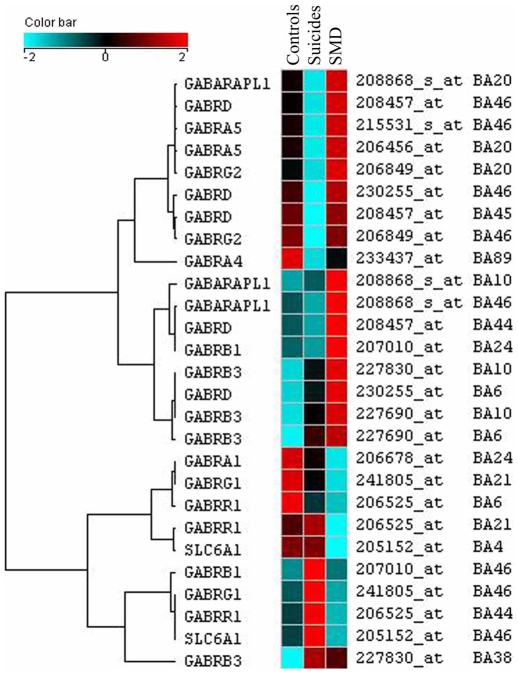
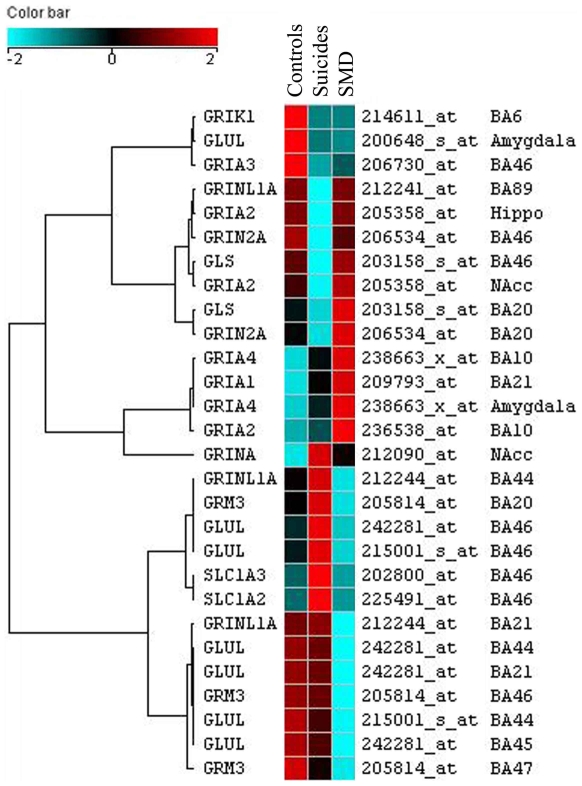
BACKGROUND: Most studies investigating the neurobiology of depression and suicide have focused on the serotonergic system. While it seems clear that serotonergic alterations play a role in the pathogenesis of these major public health problems, dysfunction in additional neurotransmitter systems and other molecular alterations may also be implicated. Microarray expression studies are excellent screening tools to generate hypotheses about additional molecular processes that may be at play. In this study we investigated brain regions that are known to be implicated in the neurobiology of suicide and major depression are likely to represent valid global molecular alterations. METHODOLOGY/PRINCIPAL FINDINGS: We performed gene expression analysis using the HG-U133AB chipset in 17 cortical and subcortical brain regions from suicides with and without major depression and controls. Total mRNA for microarray analysis was obtained from 663 brain samples isolated from 39 male subjects, including 26 suicide cases and 13 controls diagnosed by means of psychological autopsies. Independent brain samples from 34 subjects and animal studies were used to control for the potential confounding effects of comorbidity with alcohol. Using a Gene Ontology analysis as our starting point, we identified molecular pathways that may be involved in depression and suicide, and performed follow-up analyses on these possible targets. Methodology included gene expression measures from microarrays, Gene Score Resampling for global ontological profiling, and semi-quantitative RT-PCR. We observed the highest number of suicide specific alterations in prefrontal cortical areas and hippocampus. Our results revealed alterations of synaptic neurotransmission and intracellular signaling. Among these, Glutamatergic (GLU) and GABAergic related genes were globally altered. Semi-quantitative RT-PCR results investigating expression of GLU and GABA receptor subunit genes were consistent with microarray data. CONCLUSIONS/SIGNIFICANCE: The observed results represent the first overview of global expression changes in brains of suicide victims with and without major depression and suggest a global brain alteration of GLU and GABA receptor subunit genes in these conditions.
Overview
The claims and statistics of this paper haven’t been checked yet.
Free: it reads the open-access text and checks the first 5 claims that cite a source we can check. Create a free account to check every claim.
Integrity signals
Registry
Cites
Statistics
Figures
Verification
Claims the paper makes
The claims and statistics of this paper haven’t been checked yet.
Free: it reads the open-access text and checks the first 5 claims that cite a source we can check. Create a free account to check every claim.
Claims other papers make about this one
Each is checked against this paper’s own text: does it say what the citing paper says it does?
The source backs part of the claim, not all of it — or backs it for a different population, condition or comparison.
In the citing paper
“and the levels of connexins, 21 glutamine synthase (GS), glutamate transporter-1 (GLT-1), 21 , 22 and aquaporin-4 (AQP4) 23 are reduced in patients with MDD.”
From Major depressive disorder: hypothesis, mechanism, prevention and treatment (2024) · cites this paper as [22]
Experimental — accuracy not yet measuredThe source backs part of the claim, not all of it — or backs it for a different population, condition or comparison.
In the citing paper
“Global topological E/I imbalance in MDD is discovered through gene and protein expression of molecules related to inhibitory GABAergic and excitatory glutamatergic signaling in the postmortem MDD brains. 22 , 208 , 209”
From Major depressive disorder: hypothesis, mechanism, prevention and treatment (2024) · cites this paper as [22]
Experimental — accuracy not yet measuredThe cited source says what the claim attributes to it.
In the citing paper
“How this compares to human GluA1 gene SNPs was not described, but this evidence converges with human data implicating AMPARs [115].Gene clusters associated with excitatory synaptic function are also commonly identified in genetic screens in suicide and depression [116][117][118] and in preclinical studies [119].”
From Plasticity of synapses and reward circuit function in the genesis and treatment of depression (2023) · cites this paper as [116]
Self-check
Percentages, sums and reported differences re-computed from the paper’s own numbers.
The self-check needs the paper’s full text.
Citations
Cites
Controlling the False Discovery Rate: A Practical and Powerful Approach to Multiple Testing
Benjamini, Y., & Hochberg, Y. (1995) · Journal of the Royal Statistical Society Series B: Statistical Methodology · doi:10.1111/j.2517-6161.1995.tb02031.x · Cited by 109,482 · cited 1×
“While different statistical approaches exist to correct for type I errors [40–42], independent replication, both internal and external, is the method of choice to determine the accuracy of results [43].”
Gene Ontology: tool for the unification of biology
Ashburner, M., Ball, C. A., Blake, J. A., Botstein, D., Butler, H., Cherry, J. M., Davis, A. P., Dolinski, K., Dwight, S. S., Eppig, J. T., et al. (2000) · Nature Genetics · doi:10.1038/75556 · Cited by 43,206
Quantitative Monitoring of Gene Expression Patterns with a Complementary DNA Microarray
Schena, M., Shalon, D., Davis, R. W., & Brown, P. O. (1995) · Science · doi:10.1126/science.270.5235.467 · Cited by 9,609 · cited 1×
“Microarray technology offers the possibility of parallel monitoring expression levels of several thousands to virtually all genes based on the hybridization of nucleotide probes mounted on high density arrays to a target nucleotide sequence [35,36].”
DAVID: Database for Annotation, Visualization, and Integrated Discovery
Dennis, G., Sherman, B. T., Hosack, D. A., Yang, J., Gao, W., Lane, H. C., & Lempicki, R. A. (2003) · Genome Biology · doi:10.1186/gb-2003-4-5-p3 · Cited by 9,327 · cited 5×
“In order to specifically explore GABAergic and glutamatergic genes that were differentially expressed across the different brain regions, we interrogated the list of 5,868 differentially expressed genes using the probe sets identified and annotated using DAVID.”
InfluentialA randomized trial of an N-methyl-D-aspartate antagonist in treatment-resistant major depression.
Zarate, C. A., Singh, J. B., Carlson, P. J., Brutsche, N. E., Ameli, R., Luckenbaugh, D. A., Charney, D. S., & Manji, H. K. (2006) · Archives of General Psychiatry · doi:10.1001/archpsyc.63.8.856 · Cited by 3,766 · cited 1×
“This hypothesis, if true, is in agreement with the observation that a single dose of Ketamine, an NMDA antagonist, is sufficient to produce a rapid and long lasting antidepressant effect [88].”
The world health report 2000 - Health systems: improving performance
Reinhardt, U. E., & Cheng, T.-M. (2000) · Europe PMC (PubMed Central) · doi:10.1590/s0042-96862000000800020 · Cited by 3,467
Expression monitoring by hybridization to high-density oligonucleotide arrays
Lockhart, D. J., Dong, H., Byrne, M. C., Follettie, M. T., Gallo, M. V., Chee, M. S., Mittmann, M., Wang, C., Kobayashi, M., Norton, H., et al. (1996) · Nature Biotechnology · doi:10.1038/nbt1296-1675 · Cited by 2,840 · cited 1×
“Microarray technology offers the possibility of parallel monitoring expression levels of several thousands to virtually all genes based on the hybridization of nucleotide probes mounted on high density arrays to a target nucleotide sequence [35,36].”
A molecular and cellular theory of depression
Duman, R. S. (1997) · Archives of General Psychiatry · doi:10.1001/archpsyc.1997.01830190015002 · Cited by 2,129 · cited 1×
“This is consistent with what one would expect according to neuroanatomical studies of depression and suicide and is also consistent with previous studies looking at discrete brain regions [4,57–63].”
Glucocorticoids and Hippocampal Atrophy in Neuropsychiatric Disorders
Sapolsky, R. M. (2000) · Archives of General Psychiatry · doi:10.1001/archpsyc.57.10.925 · Cited by 2,016 · cited 1×
“Glutamate seems to mediate stress-induced neuronal atrophy in the hippocampus [89].”
Hippocampal Volume Reduction in Major Depression
Bremner, J. D., Narayan, M., Anderson, E. R., Staib, L. H., Miller, H. L., & Charney, D. S. (2000) · American Journal of Psychiatry · doi:10.1176/ajp.157.1.115 · Cited by 1,670 · cited 1×
“This is consistent with what one would expect according to neuroanatomical studies of depression and suicide and is also consistent with previous studies looking at discrete brain regions [4,57–63].”
Research works printed but not linked: 1
- Bremner JD Narayan M Anderson ER Staib LH Miller HL 2000 Hippocampal volume reduction in major depression. Am J Psychiatry 157 115 118 10618023 · DOI · Paper page
Cited by
Suicide and suicidal behaviour
Turecki, G., & Brent, D. A. (2016) · The Lancet · doi:10.1016/s0140-6736(15)00234-2 · Cited by 2,338
Self-citationThe stressed synapse: the impact of stress and glucocorticoids on glutamate transmission
Popoli, M., Yan, Z., McEwen, B. S., & Sanacora, G. (2012) · Nature Reviews Neuroscience · doi:10.1038/nrn3138 · Cited by 1,393
“Post-mortem studies of the PFC of depressed individuals have shown reduced levels of glial expression of glutamate-ammonia ligase ( GLUL ) — the gene that encodes glutamine synthetase (which converts glutamate into glutamine”
BackgroundMajor depressive disorder: hypothesis, mechanism, prevention and treatment
Cui, L., Li, S., Wang, S., Wu, X., Liu, Y., Yu, W., Wang, Y., Tang, Y., Xia, M., & Li, B. (2024) · Signal Transduction and Targeted Therapy · doi:10.1038/s41392-024-01738-y · Cited by 1,244
“22, 208,209 It shows the imbalance in cortical-subcortical limbic regions with decreased GABAergic signaling and increased glutamatergic signaling.”
BackgroundTowards a glutamate hypothesis of depression
Sanacora, G., Treccani, G., & Popoli, M. (2012) · Neuropharmacology · doi:10.1016/j.neuropharm.2011.07.036 · Cited by 1,036
“Studies demonstrating reduced expression of excitatory amino acid transporters (EAAT1, EAAT2) responsible for the majority of glutamate uptake and glutamine synthetase, the enzyme responsible for the conversion of glutamate to glutamine within glia, in several brain regions from depressed individuals, suggest the glia…”
BackgroundThe GABAergic deficit hypothesis of major depressive disorder
Luscher, B., Shen, Q., & Sahir, N. (2011) · Molecular Psychiatry · doi:10.1038/mp.2010.120 · Cited by 934
Decreased expression of synapse-related genes and loss of synapses in major depressive disorder
Kang, H. J., Voleti, B., Hajszan, T., Rajkowska, G., Stockmeier, C. A., Licznerski, P., Lepack, A., Majik, M. S., Jeong, L. S., Banasr, M., et al. (2012) · Nature Medicine · doi:10.1038/nm.2886 · Cited by 808
Sex-specific transcriptional signatures in human depression
Labonté, B., Engmann, O., Purushothaman, I., Menard, C., Wang, J., Tan, C., Scarpa, J. R., Moy, G., Loh, Y.-H. E., Cahill, M., et al. (2017) · Nature Medicine · doi:10.1038/nm.4386 · Cited by 748
Self-citationExtrasynaptic GABAA Receptors: Their Function in the CNS and Implications for Disease
Brickley, S. G., & Mody, I. (2012) · Neuron · doi:10.1016/j.neuron.2011.12.012 · Cited by 676
“Autopsy studies from individuals who have suffered from major depression exhibit marked changes in a number of genes involved in both glutamate and GABA signaling pathways, including alterations in the expression of a5-GABAARs and d-GABAARs (Choudary et al., 2005; Sequeira et al., 2009).”
BackgroundAstrocyte Pathology in Major Depressive Disorder: Insights from Human Postmortem Brain Tissue
Rajkowska, G., & Stockmeier, C. (2013) · Current Drug Targets · doi:10.2174/13894501113149990156 · Cited by 603
Inflammation, glutamate, and glia: a trio of trouble in mood disorders
Haroon, E., Miller, A. H., & Sanacora, G. (2017) · Neuropsychopharmacology · doi:10.1038/npp.2016.199 · Cited by 584
Nagy, C., Maitra, M., Tanti, A., Suderman, M., Théroux, J.-F., Davoli, M. A., Perlman, K., Yerko, V., Wang, Y. C., Tripathy, S. J., et al. (2020) · Nature Neuroscience · doi:10.1038/s41593-020-0621-y · Cited by 532
Self-citationNagy, C., Maitra, M., Tanti, A., Suderman, M., Théroux, J.-F., Mechawar, N., Ragoussis, J., & Turecki, G. (2018) · doi:10.1101/384479 · Cited by 523
Self-citationGABAA Receptor Trafficking-Mediated Plasticity of Inhibitory Synapses
Luscher, B., Fuchs, T., & Kilpatrick, C. L. (2011) · Neuron · doi:10.1016/j.neuron.2011.03.024 · Cited by 434
“Significant changes in subunit gene expression have also been described in postmortem brain of depressed patients and suicide victims (Klempan et al., 2009; Sequeira et al., 2009).”
Guilloux, J.-P., Douillard-Guilloux, G., Kota, R., Wang, X., Gardier, A. M., Martinowich, K., Tseng, G. C., Lewis, D. A., & Sibille, E. (2012) · Molecular Psychiatry · doi:10.1038/mp.2011.113 · Cited by 378
McGirr, A., Berlim, M. T., Bond, D. J., Fleck, M. P., Yatham, L. N., & Lam, R. W. (2015) · Psychological Medicine · doi:10.1017/s0033291714001603 · Cited by 373
“Post-mortem characterizations support the notion of dysfunctional glutamatergic signaling in MDD and BD (Knable et al. 2002; Sequeira et al. 2009; Deschwanden et al. 2011).”
BackgroundImaging suicidal thoughts and behaviors: a comprehensive review of 2 decades of neuroimaging studies
Schmaal, L., van Harmelen, A.-L., Chatzi, V., Lippard, E. T. C., Toenders, Y. J., Averill, L. A., Mazure, C. M., & Blumberg, H. P. (2020) · Molecular Psychiatry · doi:10.1038/s41380-019-0587-x · Cited by 373
Overview of glutamatergic neurotransmission in the nervous system
Niciu, M. J., Kelmendi, B., & Sanacora, G. (2012) · Pharmacology Biochemistry and Behavior · doi:10.1016/j.pbb.2011.08.008 · Cited by 329
“Other studies have identified reduced levels of EAATs in the brains of patients with mood and psychotic spectrum disorders (Bernard et al., 2010; Choudary et al., 2005; McCullumsmith & MeadorWoodruff, 2002; Sequeira et al., 2009).”
Als, T. D., Kurki, M. I., Grove, J., Voloudakis, G., Therrien, K., Tasanko, E., Nielsen, T. T., Naamanka, J., Veerapen, K., Levey, D. F., et al. (2023) · Nature Medicine · doi:10.1038/s41591-023-02352-1 · Cited by 324
Bagot, R. C., Cates, H. M., Purushothaman, I., Lorsch, Z. S., Walker, D. M., Wang, J., Huang, X., Schlüter, O. M., Maze, I., Peña, C. J., et al. (2016) · Neuron · doi:10.1016/j.neuron.2016.04.015 · Cited by 333
“…regions have been reported in both rodent depression models and depressed humans (Bagot et al., 2015; Chang et al., 2014; Covington et al., 2010; Ding et al., 2015; Guilloux et al., 2012; Jaworska et al., 2014; Kennedy et al., 2001; Mayberg et al., 2000; Sequeira et al., 2009; Vialou et al., 2014).”
Lopez, J. P., Lim, R., Cruceanu, C., Crapper, L., Fasano, C., Labonte, B., Maussion, G., Yang, J. P., Yerko, V., Vigneault, E., et al. (2014) · Nature Medicine · doi:10.1038/nm.3582 · Cited by 308
Self-citationToward a Biosignature for Suicide
Oquendo, M. A., Sullivan, G. M., Sudol, K., Baca-Garcia, E., Stanley, B. H., Sublette, M. E., & Mann, J. J. (2014) · American Journal of Psychiatry · doi:10.1176/appi.ajp.2014.14020194 · Cited by 299
Ketamine for rapid reduction of suicidal ideation: a randomized controlled trial
Murrough, J. W., Soleimani, L., DeWilde, K. E., Collins, K. A., Lapidus, K. A., Iacoviello, B. M., Lener, M., Kautz, M., Kim, J., Stern, J. B., et al. (2015) · Psychological Medicine · doi:10.1017/s0033291715001506 · Cited by 297
“…studies show abnormalities in the NMDA receptor, as well as in other components of the glutamate system, in patients who die by suicide (Choudary et al. 2005; Feyissa et al. 2009; Sequeira et al. 2009; Sowa-Kucma et al. 2013; although see Serafini et al. 2013 for examples of conflicting results).”
BackgroundMR Spectroscopic Studies of the Brain in Psychiatric Disorders
Maddock, R. J., & Buonocore, M. H. (2011) · Current Topics in Behavioral Neurosciences · doi:10.1007/7854_2011_197 · Cited by 262
The molecular bases of the suicidal brain
Turecki, G. (2014) · Nature Reviews Neuroscience · doi:10.1038/nrn3839 · Cited by 281
Self-citationHuman astrocytes in the diseased brain
Dossi, E., Vasile, F., & Rouach, N. (2018) · Brain Research Bulletin · doi:10.1016/j.brainresbull.2017.02.001 · Cited by 250
Prévot, T., & Sibille, E. (2021) · Molecular Psychiatry · doi:10.1038/s41380-020-0727-3 · Cited by 231
Pantazatos, S. P., Huang, Y.-Y., Rosoklija, G. B., Dwork, A. J., Arango, V, & Mann, J. J. (2017) · Molecular Psychiatry · doi:10.1038/mp.2016.130 · Cited by 229
Belzeaux, R., Bergon, A., Jeanjean, V, Loriod, B., Formisano-Tréziny, C., Verrier, L., Loundou, A., Baumstarck-Barrau, K., Boyer, L., Gall, V, et al. (2012) · Translational Psychiatry · doi:10.1038/tp.2012.112 · Cited by 219
Astrocyte glutamine synthetase: pivotal in health and disease
Rose, C. F., Verkhratsky, A., & Parpura, V. (2013) · Biochemical Society Transactions · doi:10.1042/bst20130237 · Cited by 224
Northoff, G., Wiebking, C., Feinberg, T., & Panksepp, J. (2011) · Neuroscience & Biobehavioral Reviews · doi:10.1016/j.neubiorev.2010.12.007 · Cited by 222
GABA-related transcripts in the dorsolateral prefrontal cortex in mood disorders
Sibille, E., Morris, H. M., Kota, R. S., & Lewis, D. A. (2011) · International Journal of Neuropsychopharmacology · doi:10.1017/s1461145710001616 · Cited by 217
“Large-scale gene array studies in post-mortem subjects provide additional support for altered GABAergic and glutamatergic neurotransmission in MDD and in MDD patients who died by suicide or from other causes (Klempan et al. 2009 ; Sequeira et al. 2007, 2009).”
BackgroundUnravelling the neurophysiological basis of aggression in a fish model
Filby, A. L., Paull, G. C., Hickmore, T. F., & Tyler, C. R. (2010) · BMC Genomics · doi:10.1186/1471-2164-11-498 · Cited by 198
“Expression profiling approaches to studying the brain have already enhanced knowledge in other areas of behavioural science, including learning and memory, courtship behaviour and mate choice, reward behaviour, and disorders such as depression, schizophrenia and Parkinson’s disease [8-12].”
BackgroundMartins-de-Souza, D., Guest, P. C., Harris, L. W., Vanattou-Saifoudine, N., Webster, M. J., Rahmoune, H., & Bahn, S. (2012) · Translational Psychiatry · doi:10.1038/tp.2012.13 · Cited by 200
Depression as a Glial-Based Synaptic Dysfunction
Rial, D., Lemos, C., Pinheiro, H., Duarte, J. M., Gonçalves, F. Q., Real, J. I., Prediger, R. D., Gonçalves, N., Gomes, C. A., Canas, P. M., et al. (2016) · Frontiers in Cellular Neuroscience · doi:10.3389/fncel.2015.00521 · Cited by 182
“…(Ernst et al., 2011; Sun et al., 2012; Miguel-Hidalgo et al., 2014), aquaporin-4 (Rajkowska et al., 2013), GLT-1 and glutamine synthase (Choudary et al., 2005; Sequeira et al., 2009; Miguel-Hidalgo et al., 2010) and an increased release of S100β (e.g., Grabe et al., 2001; Schroeter et al., 2008).”
BackgroundGlutamate and GABA Homeostasis and Neurometabolism in Major Depressive Disorder
Sarawagi, A., Soni, N. D., & Patel, A. B. (2021) · Frontiers in Psychiatry · doi:10.3389/fpsyt.2021.637863 · Cited by 165
Mostafavi, S., Battle, A., Zhu, X., Potash, J. B., Weissman, M. M., Shi, J., Beckman, K., Haudenschild, C., McCormick, C., Mei, R., et al. (2014) · Molecular Psychiatry · doi:10.1038/mp.2013.161 · Cited by 187
“Comparison with previous studies MDD transcriptome studies of postmortem brain tissue have suggested alterations in glutamatergic and GABA-ergic pathways 47 and in synaptic genes relevant to the anatomical fi nding of reduced dendritic spines.”
ResultSex differences in mood disorders: Perspectives from humans and rodent models
Seney, M. L., & Sibille, E. (2014) · Biology of Sex Differences · doi:10.1186/s13293-014-0017-3 · Cited by 181
“Recent postmortem molecular studies [84-86] support the hypothesis of a deficit in inhibitory neurotransmission in MDD.”
BackgroundBagot, R. C., Cates, H. M., Purushothaman, I., Vialou, V., Heller, E. A., Yieh, L., LaBonté, B., Peña, C. J., Shen, L., Wittenberg, G. M., et al. (2017) · Biological Psychiatry · doi:10.1016/j.biopsych.2016.06.012 · Cited by 176
Andrus, B. M., Blizinsky, K., Vedell, P. T., Dennis, K., Shukla, P. K., Schaffer, D. J., Radulovic, J., Churchill, G. A., & Redei, E. E. (2012) · Molecular Psychiatry · doi:10.1038/mp.2010.119 · Cited by 178
Maitra, M., Mitsuhashi, H., Rahimian, R., Chawla, A., Yang, J., Fiori, L. M., Davoli, M. A., Perlman, K., Aouabed, Z., Mash, D. C., et al. (2023) · Nature Communications · doi:10.1038/s41467-023-38530-5 · Cited by 159
“Tran-scriptomic studies have to some extent implicated all broad cell types 35 – 37 .”
Self-citationErnst, C., Mechawar, N., & Turecki, G. (2009) · Progress in Neurobiology · doi:10.1016/j.pneurobio.2009.09.001 · Cited by 158
“While many of these studies have, perhaps too quickly, been dismissed as not conclusive and plagued by an excess of false positive results, there has been some encouraging overlap in independent findings of recent studies, such as dysfunction in the GABAergic and glutamatergic sysyems in suicide (Choudary et al., 2005…”
Self-citationNeuropathology of mood disorders: Do we see the stigmata of inflammation?
Mechawar, N., & Savitz, J. (2016) · Translational Psychiatry · doi:10.1038/tp.2016.212 · Cited by 165
Self-citationCutler, A. J., Mattingly, G. W., & Maletic, V. (2023) · Translational Psychiatry · doi:10.1038/s41398-023-02514-2 · Cited by 194
“A large human gene expression analysis of cortical and subcortical regions from the brains of depression-related suicides found that the expression levels of genes involved in GABAergic transmission were among the most consistently changed [104].”
BackgroundEpigenetic Signaling in Psychiatric Disorders
Peña, C. J., Bagot, R. C., Labonté, B., & Nestler, E. J. (2014) · Journal of Molecular Biology · doi:10.1016/j.jmb.2014.03.016 · Cited by 163
“Both depression and addiction are characterized by functional and transcriptional alterations in several limbic brain regions implicated in regulating stress responses and reward [1] [2] [3] [4] [5].”
BackgroundA genome-wide association study of attempted suicide
Willour, V. L., Seifuddin, F., Mahon, P. B., Jancic, D., Pirooznia, M., Steele, J., Schweizer, B., Goes, F. S., Mondimore, F. M., MacKinnon, D. F., et al. (2012) · Molecular Psychiatry · doi:10.1038/mp.2011.4 · Cited by 162
Astrogliopathology in neurological, neurodevelopmental and psychiatric disorders
Verkhratsky, A., & Parpura, V. (2016) · Neurobiology of Disease · doi:10.1016/j.nbd.2015.03.025 · Cited by 158
Neuropathology of suicide: Recent findings and future directions
Lutz, P.-E., Mechawar, N., & Turecki, G. (2017) · Molecular Psychiatry · doi:10.1038/mp.2017.141 · Cited by 158
Self-citationGelman, B. B., Chen, T., Lisinicchia, J. G., Soukup, V. M., Carmical, J. R., Starkey, J. M., Masliah, E., Commins, D., Brandt, D., Grant, I., et al. (2012) · PLoS ONE · doi:10.1371/journal.pone.0046178 · Cited by 167
“Schizophrenia [59,60,61,62], depression and anxiety [60,63,64] and substance abuse disorders [65] can produce a similar change.”
BackgroundInoue, K., Okamoto, M., Shibato, J., Lee, M. C., Matsui, T., Rakwal, R., & Soya, H. (2015) · PLOS ONE · doi:10.1371/journal.pone.0128720 · Cited by 149
Concordant and discordant DNA methylation signatures of aging in human blood and brain
Farré, P., Jones, M. J., Meaney, M. J., Emberly, E., Turecki, G., & Kobor, M. S. (2015) · Epigenetics & Chromatin · doi:10.1186/s13072-015-0011-y · Cited by 152
“Brain tissue dissection was carried out as previously described [39].”
MethodSelf-citationHaroon, E., & Miller, A. H. (2016) · Current Topics in Behavioral Neurosciences · doi:10.1007/7854_2016_40 · Cited by 153
Pehrson, A., & Sanchez, C. (2015) · Drug Design, Development and Therapy · doi:10.2147/dddt.s62912 · Cited by 145
“This notably included increased expression of GABRA5 (coding for the GABA A α 5 receptor subunit) and GABRG2 (GABA A γ 2 receptor subunit) in the DLPFC and the inferior temporal cortex, 55 and reduced expression of GABRG1 in the DLPFC.”
GABAergic Control of Depression-Related Brain States
Luscher, B., & Fuchs, T. (2015) · Advances in Pharmacology · doi:10.1016/bs.apha.2014.11.003 · Cited by 149
“However, when brains of depressed and non-depressed suicide victims were compared directly, several GABAAR subunit mRNA levels were increased rather than reduced (Choudary et al., 2005; Klempan et al., 2009; Sequeira et al., 2007; Sequeira et al., 2009).”
BackgroundGABAA receptor-acting neurosteroids: a role in the development and regulation of the stress response
Gunn, B. G., Cunningham, L., Mitchell, S. G., Swinny, J. D., Lambert, J. J., & Belelli, D. (2015) · Frontiers in Neuroendocrinology · doi:10.1016/j.yfrne.2014.06.001 · Cited by 149
“…in the expression of GABAAR subunits and/or GABAAR-associated binding proteins specifically in suicide victims suffering from major depressive disorders (Sequeira et al., 2009), thus reinforcing the notion of a pathologically relevant association between GABAergic deficits and depression.”
Astrogliopathology: A Central Element of Neuropsychiatric Diseases?
Verkhratsky, A., Rodríguez, J. J., & Steardo, L. (2014) · The Neuroscientist · doi:10.1177/1073858413510208 · Cited by 147
Milak, M. S., Proper, C. J., Mulhern, S. T., Parter, A. L., Kegeles, L. S., Ogden, R. T., Mao, X., Rodriguez, C. I., Oquendo, M. A., Suckow, R. F., et al. (2016) · Molecular Psychiatry · doi:10.1038/mp.2015.83 · Cited by 144
Parkin, G. M., Udawela, M., Gibbons, A., & Dean, B. (2018) · World Journal of Psychiatry · doi:10.5498/wjp.v8.i2.51 · Cited by 155
Veeraiah, P., Noronha, J. M., Maitra, S., Bagga, P., Khandelwal, N., Chakravarty, S., Kumar, A., & Patel, A. B. (2013) · Biological Psychiatry · doi:10.1016/j.biopsych.2013.09.024 · Cited by 152
Neuropeptide and small transmitter coexistence: Fundamental studies and relevance to mental illness
Hökfelt, T., Barde, S., Xu, Z.-Q. D., Kuteeva, E., Rüegg, J., Le Maitre, E., Risling, M., Kehr, J., Ihnatko, R., Theodorsson, E., et al. (2018) · Frontiers in Neural Circuits · doi:10.3389/fncir.2018.00106 · Cited by 139
Self-citationShen, Q., Lal, R., Luellen, B. A., Earnheart, J. C., Andrews, A. M., & Luscher, B. (2010) · Biological Psychiatry · doi:10.1016/j.biopsych.2010.04.024 · Cited by 139
Deficits in GABAB receptor system in schizophrenia and mood disorders: A postmortem study
Fatemi, S. H., Folsom, T. D., & Thuras, P. D. (2011) · Schizophrenia Research · doi:10.1016/j.schres.2010.12.025 · Cited by 138
“Altered expression of mRNA for GABBR1 and GABBR2 has been found in brains of subjects with major depression and victims of suicide (Klempan et al., 2009; Sequeira et al., 2009; Ghose et al., 2011) implicating GABAB receptor dysfunction in these disorders.”
BackgroundBlockade of Astrocytic Glutamate Uptake in the Prefrontal Cortex Induces Anhedonia
John, C. S., Smith, K. L., Van'T Veer, A., Gompf, H. S., Carlezon, W. A., Cohen, B. M., Öngür, D., & Bechtholt-Gompf, A. J. (2012) · Neuropsychopharmacology · doi:10.1038/npp.2012.105 · Cited by 136
“…astrocyte function and decreased EAAT2 transporters, accompanied by increased AMPA receptors in the PFC of depressed patients (Choudary et al, 2005; Sequeira et al, 2009), may contribute to the increased activation of the PFC that is seen in depressed patients (Hashimoto et al, 2007; Kugaya and…”
BackgroundLocci, A., & Pinna, G. (2017) · British Journal of Pharmacology · doi:10.1111/bph.13843 · Cited by 132
“A study of the brains of depressed suicide victims has demonstrated a marked up-regulation of GABRA5 (α5) and GABRG2 (γ2) genes in the prefrontal cortex and inferior temporal cortex while GABRG1 (γ1) was downregulated in the prefrontal cortex (Sequeira et al., 2009).”
BackgroundToxoplasma gondii antibody titers and history of suicide attempts in patients with schizophrenia
Okusaga, O. O., LANGENBERG, P. W., Sleemi, A., Vaswani, D., Giegling, I., Hartmann, A. M., Konte, B., Friedl, M., Groer, M. E., Yolken, R. H., et al. (2011) · Schizophrenia Research · doi:10.1016/j.schres.2011.08.006 · Cited by 136
“Alterations in glutamate and dopamine neurotransmission have been demonstrated to play a role in suicide and suicidal behavior (Sequeira et al., 2009; Suda et al., 2009).”
BackgroundFunctional regulation of GABAA receptors in nervous system pathologies
Hines, R. M., Davies, P. A., Moss, S. J., & Maguire, J. (2012) · Current Opinion in Neurobiology · doi:10.1016/j.conb.2011.10.007 · Cited by 125
“Postmortem studies demonstrate alterations in numerous GABAAR subunit genes in patients with depression [66,67,68,69,70], such as a decrease in the expression of GABAAR a1, a3, a4 [66,67,68], b3 [68,69], and g1 [68,70] subunits; whereas, there is an increase in the synaptically localized GABAAR g2 subunit [68,70].”
Hu, Y.-T., Tan, Z.-L., Hirjak, D., & Northoff, G. (2023) · Molecular Psychiatry · doi:10.1038/s41380-023-02193-x · Cited by 127
“Opposite GABAergic signaling is found between the DMN regions and LPFC: increased in the LPFC, while, on the contrary, diminished in the DMN regions.”
BackgroundNeurobiological Basis of Increased Risk for Suicidal Behaviour
Wisłowska-Stanek, A., Kołosowska, K., & Maciejak, P. (2021) · Cells · doi:10.3390/cells10102519 · Cited by 110
“Suicide victims are characterised by an increased expression of GABA-A receptors in the hippocampus and prefrontal cortex [86,87].”
BackgroundManitt, C., Eng, C., Pokinko, M., Ryan, R. T., Torres-Berrío, A., Lopez, J. P., Yogendran, S. V., Daubaras, M. J. J., Grant, A., Schmidt, E. R. E., et al. (2013) · Translational Psychiatry · doi:10.1038/tp.2013.105 · Cited by 125
Self-citationAstrocyte, a Promising Target for Mood Disorder Interventions
Zhou, X., Xiao, Q., Xie, L., Yang, F., Wang, L., & Tu, J. (2019) · Frontiers in Molecular Neuroscience · doi:10.3389/fnmol.2019.00136 · Cited by 120
Gene function analysis in complex data sets using ErmineJ
Gillis, J., Mistry, M., & Pavlidis, P. (2010) · Nature Protocols · doi:10.1038/nprot.2010.78 · Cited by 127
“Alternatively, using the GSR method in ErmineJ can also be quite usefu”
MethodTranslational potential of astrocytes in brain disorders
Verkhratsky, A., Steardo, L., Parpura, V., & Montana, V. (2016) · Progress in Neurobiology · doi:10.1016/j.pneurobio.2015.09.003 · Cited by 109
“In parallel, several other astroglial markers, such as aquaporin 4, astroglial connexins, astroglial plasmalemmal glutamate transporters and glutamine synthetase were all reduced in the context of attention deficit disorder and chronic stress (Barley et al., 2009; Bernard et al., 2011; Rajkowska and Stockmeier, 2013;…”
Backgroundla Paz, L. D. O.-D., Gulías-Cañizo, R., Ruíz-Leyja, E. D., Sánchez-Castillo, H., & Parodí, J. (2021) · Revista de Fomento Social · doi:10.24875/rmn.20000050 · Cited by 136
Camkurt, M. A., Acar, Ş. T., Coşkun, S., Güneş, M., Güneş, S., Yılmaz, M. F., Görür, A., & Tamer, L. (2015) · Journal of Psychiatric Research · doi:10.1016/j.jpsychires.2015.07.023 · Cited by 121
Shared Transcriptional Signatures in Major Depressive Disorder and Mouse Chronic Stress Models
Scarpa, J. R., Fatma, M., Loh, Y. E., Traore, S. R., Stefan, T., Chen, T. H., Nestler, E. J., & Labonté, B. (2020) · Biological Psychiatry · doi:10.1016/j.biopsych.2019.12.029 · Cited by 116
GABAB Receptors and Depression: Current Status
Cryan, J. F., & Slattery, D. A. (2010) · Advances in pharmacology · doi:10.1016/s1054-3589(10)58016-5 · Cited by 112
Prins, J., Olivier, B., & Korte, S. M. (2011) · Expert Opinion on Investigational Drugs · doi:10.1517/13543784.2011.594039 · Cited by 97
“Recently, it was shown that the cingulate and/or PFC displayed upregulation of several glutamate and GABAA receptor subunits, of which GABAAa1, a3, a4, d and GABAAb3 expressions were changed in individuals who had died by suicide [131,138,139].”
BackgroundStress-Induced Depression and Alzheimer’s Disease: Focus on Astrocytes
Dolotov, O. V., Inozemtseva, L. S., Myasoedov, N. F., & Grivennikov, I. A. (2022) · International Journal of Molecular Sciences · doi:10.3390/ijms23094999 · Cited by 110
Estrogen receptor α drives pro-resilient transcription in mouse models of depression
Lorsch, Z. S., Loh, Y.-H. E., Purushothaman, I., Walker, D. M., Parise, E. M., Salery, M., Cahill, M. E., Hodes, G. E., Pfau, M. L., Kronman, H., et al. (2018) · Nature Communications · doi:10.1038/s41467-018-03567-4 · Cited by 104
Chang, L.-C., Jamain, S., Lin, C.-W., Rujescu, D., Tseng, G. C., & Sibille, E. (2014) · PLoS ONE · doi:10.1371/journal.pone.0090980 · Cited by 103
“For instance, using postmortem brain samples, this approach has implicated dysregulated BDNF, GABA, glutamate and oligodendrocyte functions in MDD [18,19,20,21,22].”
BackgroundLopez, J. P., Fiori, L. M., Gross, J. A., Labonte, B., Yerko, V., Mechawar, N., & Turecki, G. (2014) · The International Journal of Neuropsychopharmacology · doi:10.1017/s1461145713000941 · Cited by 103
“…on the basis that it has been previously implicated in MDD and suicide by postmortem and neuroimaging approaches (Gurevich and Joyce, 1997; Raust et al., 2007; Meyer et al., 2008; Klempan et al., 2009a; Sequeira et al., 2009; van Heeringen et al., 2011; Fiori and Turecki, 2012; Gross et al., 2013).”
BackgroundMethodSelf-citationZhao, J., Verwer, R. W. H., Gao, S.-F., Qi, X.-R., Lucassen, P. J., Kessels, H. W., & Swaab, D. F. (2018) · Journal of Psychiatric Research · doi:10.1016/j.jpsychires.2018.04.020 · Cited by 102
“Earlier studies have shown alterations in molecular components of the GABAergic system in relation to possible mechanisms that may underlie suicide (Choudary et al., 2005; Klempan et al., 2009; Lee et al., 2009; Merali et al., 2004; Sequeira et al., 2009).”
BackgroundResultLarge-Scale Transcriptomics Studies Provide Insight Into Sex Differences in Depression
Seney, M. L., Glausier, J., & Sibille, E. (2022) · Biological Psychiatry · doi:10.1016/j.biopsych.2020.12.025 · Cited by 95
Mamdani, F., Rollins, B., Morgan, L., Myers, R. M., Barchas, J. D., Schatzberg, A. F., Watson, S. J., Akil, H., Potkin, S. G., Bunney, W. E., et al. (2015) · Translational Psychiatry · doi:10.1038/tp.2015.134 · Cited by 90
Self-citationRole of Kynurenine Metabolism Pathway Activation in Major Depressive Disorders
Savitz, J. B. (2016) · Current topics in behavioral neurosciences · doi:10.1007/7854_2016_12 · Cited by 108
Glutamine Synthetase: Role in Neurological Disorders
Jayakumar, A., & Norenberg, M. D. (2016) · Advances in neurobiology · doi:10.1007/978-3-319-45096-4_13 · Cited by 107
Murphy, T. M., Ryan, M., Foster, T., Kelly, C., McClelland, R., O'Grady, J., Corcoran, E., Brady, J., Reilly, M., Jeffers, A., et al. (2011) · Behavioral and Brain Functions · doi:10.1186/1744-9081-7-22 · Cited by 95
“Deregulation of the monoaminergic transmitter systems (norepinephrine, dopamine and serotonin) [12,13], gamma aminobutyric acid (GABA) inhibitory neurotransmitter system [14,15], glutamatergic excitatory neurotransmitter system [14,15], lipid metabolism [16,17], cannabinoid system [18] and neurotrophic signalling fact…”
Yin, H., Pantazatos, S. P., Galfalvy, H., Huang, Y., Rosoklija, G. B., Dwork, A. J., Burke, A., Arango, V., Oquendo, M. A., & Mann, J. J. (2016) · American Journal of Medical Genetics Part B: Neuropsychiatric Genetics · doi:10.1002/ajmg.b.32423 · Cited by 91
“Several studies found lower GLUL expression in the prefrontal cortex [Sequeira et al., 2009], locus coeruleus [Bernard et al., 2011], anterior cingulate cortex, and left dorsolateral prefrontal cortex [Choudary et al., 2005] in MDD, which are consistent with our findings.”
BackgroundResultInfluentialHashimoto, K., Bruno, D., Nierenberg, J., Marmar, C. R., Zetterberg, H., Blennow, K., & Pomara, N. (2016) · Translational Psychiatry · doi:10.1038/tp.2016.8 · Cited by 90
“32,33 Furthermore, GS protein was decreased in the anterior cingulate cortex and orbitofrontal cortex from depressed patients.”
Gene Expression Studies in Major Depression
Mehta, D., Menke, A., & Binder, E. B. (2010) · Current Psychiatry Reports · doi:10.1007/s11920-010-0100-3 · Cited by 87
The GABABreceptor as a target for antidepressant drug action
Ghose, S., Winter, M. K., McCarson, K. E., Tamminga, C. A., & Enna, S. J. (2011) · British Journal of Pharmacology · doi:10.1111/j.1476-5381.2010.01004.x · Cited by 86
“The latter result confirms an earlier finding from a microarray study indicating that GABAB2 subunit expression is elevated in brain tissue from depressed suicide subjects as compared with non-depressed individuals (Sequeira et al., 2009).”
BackgroundResultInfluentialBiomarker Approaches in Major Depressive Disorder Evaluated in the Context of Current Hypotheses
Jentsch, M. C., Van Buel, E. M., Bosker, F. J., Gladkevich, A. V., Klein, H. C., Oude Voshaar, R. C., Ruhé, H. G., Eisel, U. L., & Schoevers, R. A. (2015) · Biomarkers in Medicine · doi:10.2217/bmm.14.114 · Cited by 80
The neurobiology of suicide - A Review of post-mortem studies
Furczyk, K., Schutová, B., Michel, T. M., Thome, J., & Büttner, A. (2013) · Journal of Molecular Psychiatry · doi:10.1186/2049-9256-1-2 · Cited by 75
“The same research group performed gene expression analyses in 17 cortical and subcortical brain regions from suicide victims with and without major depression and controls [33].”
Meditation-Related Increases in GABAB Modulated Cortical Inhibition
Guglietti, C. L., Daskalakis, Z. J., Radhu, N., Fitzgerald, P. B., & Ritvo, P. (2013) · Brain Stimulation · doi:10.1016/j.brs.2012.08.005 · Cited by 83
Hlavacova, N., Wes, P. D., Ondrejcakova, M., Flynn, M. E., Poundstone, P. K., Babic, S., Murck, H., & Jezova, D. (2012) · The International Journal of Neuropsychopharmacology · doi:10.1017/s1461145711000368 · Cited by 74
“The AMPA receptor GluR1, encoded by the gene Gria1, has been shown to be down-regulated in Brodmann’s area 21 of depression patients (Sequeira et al. 2009) and was also down-regulated by the aldosterone treatment in this study.”
BackgroundThe Role of Genetic Sex in Affect Regulation and Expression of GABA-Related Genes Across Species
Seney, M. L., Chang, L.-C., Oh, H., Wang, X., Tseng, G. C., Lewis, D. A., & Sibille, E. (2013) · Frontiers in Psychiatry · doi:10.3389/fpsyt.2013.00104 · Cited by 78
Mamdani, F., Rollins, B., Morgan, L., Myers, R. M., Barchas, J. D., Schatzberg, A. F., Watson, S. J., Akil, H., Potkin, S. G., Bunney, W. E., et al. (2016) · Translational Psychiatry · doi:10.1038/tp.2015.164 · Cited by 76
Self-citationAltered Functional Protein Networks in the Prefrontal Cortex and Amygdala of Victims of Suicide
Kékesi, K. A., Juhász, G., Simor, A., Gulyássy, P., Szegő, É. M., Hunyadi-Gulyás, É., Darula, Z., Medzihradszky, K. F., Palkovits, M., Penke, B., et al. (2012) · PLoS ONE · doi:10.1371/journal.pone.0050532 · Cited by 72
“The proteomic changes detected in our study and the results of gene chip studies [9,11,40] show little overlap, which is in agreement with the fact that only a fraction of transcribed genes result in protein expression.”
BackgroundResultInfluentialda Rosa, P. B., Neis, V. B., Ribeiro, C. M., Moretti, M., & Rodrigues, A. L. S. (2016) · Pharmacological Reports · doi:10.1016/j.pharep.2016.05.010 · Cited by 81
“Some studies show that patients with depression or suicide victims had upregulation in GABAA receptor-gene expression in the frontal cortex [34] as well as some subunits that comprise GABA receptors in the dorsolateral prefrontal cortex and the inferior temporal cortex [35].”
Lee, S., Tsao, T. T.-H., Yang, K.-C., Lin, H., Kuo, Y.-L., Hsu, C.-H., Lee, W., Huang, K.-C., & Kao, C. (2011) · BMC Bioinformatics · doi:10.1186/1471-2105-12-s13-s20 · Cited by 75
“Microarrays of frontal, prefrontal, cingulate, and cerebellar cortex samples show disruption of mRNA or protein expression in intracellular signalling, synaptic neurotransmission, oligodendrocyte, stress responses, cytoskeleton, ATP biosynthesis, and translation [18-35].”
BackgroundFullana, M. N., Ruiz‐Bronchal, E., Ferrés‐Coy, A., Juárez‐Escoto, E., Artigas, F., & Bortolozzi, A. A. (2019) · Glia · doi:10.1002/glia.23593 · Cited by 76
“Preclinical and clinical studies reported decreases in mRNA and protein expression for astrocytic markers such as GFAP, GS, gap junction proteins (connexin 40 and 43), water channel aquaporin-4 (AQP4), EAAT1/GLAST, and EAAT2/GLT-1 (Bernstein et al., 2015; Choudary et al., 2005; Gittins & Harrison, 2011; Miguel-Hidalgo…”
Background
Metadata
- Authors
- Sequeira, A., Mamdani, F., Ernst, C., Vawter, M. P., Bunney, W. E., Lebel, V., Rehal, S., Klempan, T., Gratton, A., Benkelfat, C., Rouleau, G. A., Mechawar, N., & Turecki, G.
- Affiliations
- Douglas Mental Health University Institute (CA)
- University of California, Irvine (US)
- Royal Victoria Hospital (CA)
- Université de Montréal (CA)
- Corresponding author
- Turecki, Gustavo
- ORCID
- Venue
- PLoS ONE
- Publisher
- Public Library of Science (PLoS)
- Published
- 2009-08-11
- Volume
- 4
- Issue
- 8
- Pages
- e6585
- ISSN
- 1932-6203 (ISSN-L)
- PMC
- PMC2719799
- OpenAlex
- W2000551557
- Cited by
- 388
- References
- 108
- Citations by year
- 2026: 11 · 2025: 16 · 2024: 17 · 2023: 17 · 2022: 11 · 2021: 28 · 2020: 25 · 2019: 32 · 2018: 36 · 2017: 20 · 2016: 31 · 2015: 31 · 2014: 25 · 2013: 20 · 2012: 26
- FWCI
- 16.11
- Type
- journal article
- Language
- en
- Open access
- gold
- doi.org
- Locations
- PLoS ONE (publishedVersion, cc-by)
- PubMed Central (publishedVersion, cc-by)
- PubMed (publishedVersion)
- DOAJ (DOAJ: Directory of Open Access Journals) (submittedVersion)
- eScholarship (California Digital Library) (submittedVersion, cc-by)
- Figshare (submittedVersion, cc-by)
- Funders
- Canadian Institutes of Health Research (53321)
- Topics
- Health Sciences › Medicine › Pharmacology (medical) › Treatment of Major Depression
- Social Sciences › Psychology › Clinical Psychology › Suicide and Self-Harm Studies
- Life Sciences › Neuroscience › Biological Psychiatry › Tryptophan and brain disorders
- Keywords
- suicide, major depressive disorder, glutamatergic system, GABAergic system, gene expression, brain transcriptome, glutamate receptor subunits, GABA receptor subunits, prefrontal cortex, hippocampus, synaptic transmission, intracellular signaling
- MeSH terms
- Adult, Animals, Brain, Depressive Disorder, Major, Major Depressive Disorder, gamma-Aminobutyric Acid, Humans, Male, Middle Aged, RNA, Messenger, Suicide, Rats, Sprague-Dawley, Glutamic Acid, Reverse Transcriptase Polymerase Chain Reaction, Oligonucleotide Array Sequence Analysis, Gene Expression Profiling, Rats
About these checks
Registry, retraction, Cites and statistics results are computed, not judged, with one exception: a printed reference that no index lists is read once by a model before it counts as a citation error. Claims are extracted by a model and kept only when their quote appears verbatim in the text; each cited source is then checked, with a model’s help, for whether it says what the claim relies on. Those verdicts can be wrong — read the claim’s quote and the cited source before relying on one.
Statistics and arithmetic are recomputed, not judged.
Confidence bands are shown only for fields calibrated on our annotated test set. None is calibrated yet, so no band is shown.
What counts as a claim ›How we measure confidence ›How we check this ›
Are you an author, or do you see a problem with this page? Request a review
Data sources
Bibliographic data: Semantic Scholar, OpenAlex, Crossref.
Contains information from the Semantic Scholar Academic Graph Datasets, made available under the ODC Attribution License (ODC-BY 1.0).
Semantic Scholar’s data is described in: Kinney, R., et al. (2023). The Semantic Scholar Open Data Platform. arXiv:2301.10140.
