

Site and Strain-Specific Variation in Gut Microbiota Profiles and Metabolism in Experimental Mice
Open accessThe DOI matches its Crossref record; 47 of the 48 references it cites were found in a registry or an index.
Abstract
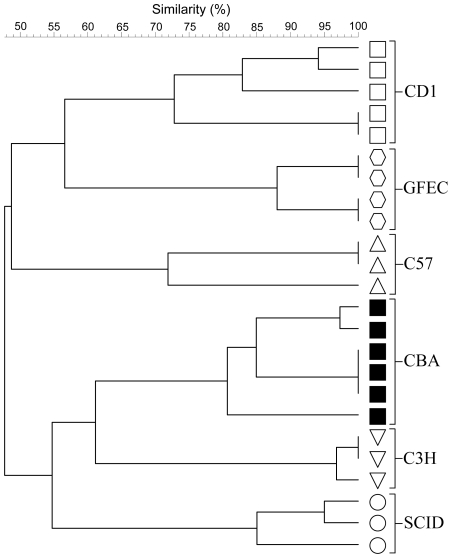
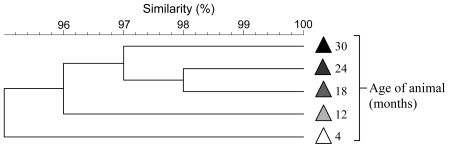
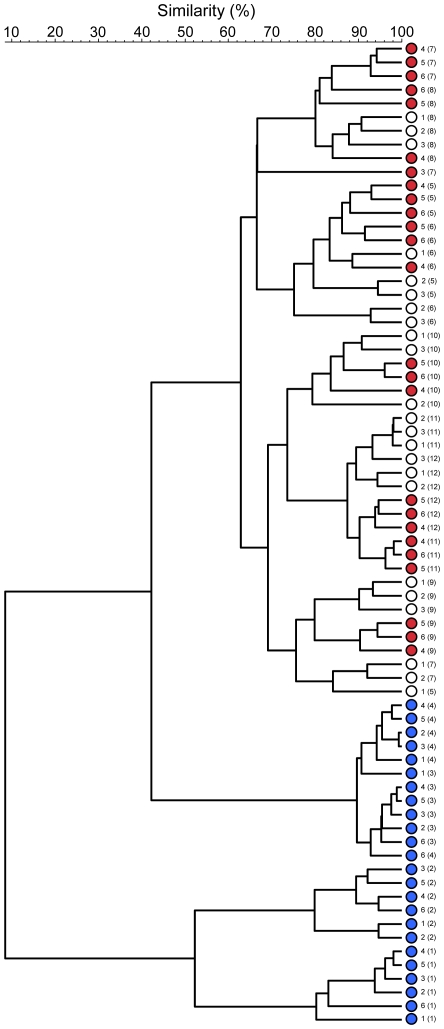
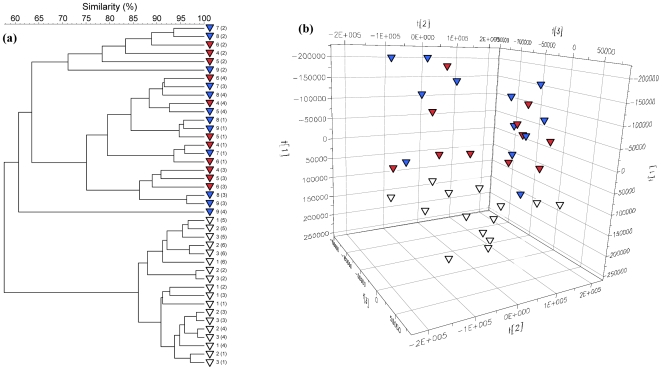
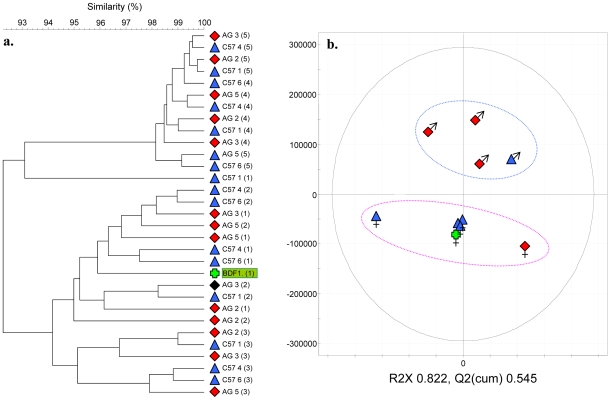
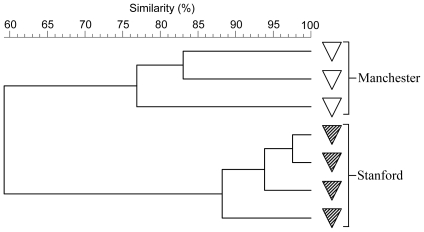
BACKGROUND: The gastrointestinal tract microbiota (GTM) of mammals is a complex microbial consortium, the composition and activities of which influences mucosal development, immunity, nutrition and drug metabolism. It remains unclear whether the composition of the dominant GTM is conserved within animals of the same strain and whether stable GTMs are selected for by host-specific factors or dictated by environmental variables. METHODOLOGY/PRINCIPAL FINDINGS: The GTM composition of six highly inbred, genetically distinct strains of mouse (C3H, C57, GFEC, CD1, CBA nu/nu and SCID) was profiled using eubacterial -specific PCR-DGGE and quantitative PCR of feces. Animals exhibited strain-specific fecal eubacterial profiles that were highly stable (c. >95% concordance over 26 months for C57). Analyses of mice that had been relocated before and after maturity indicated marked, reproducible changes in fecal consortia and that occurred only in young animals. Implantation of a female BDF1 mouse with genetically distinct (C57 and Agoutie) embryos produced highly similar GTM profiles (c. 95% concordance) between mother and offspring, regardless of offspring strain, which was also reflected in urinary metabolite profiles. Marked institution-specific GTM profiles were apparent in C3H mice raised in two different research institutions. CONCLUSION/SIGNIFICANCE: Strain-specific data were suggestive of genetic determination of the composition and activities of intestinal symbiotic consortia. However, relocation studies and uterine implantation demonstrated the dominance of environmental influences on the GTM. This was manifested in large variations between isogenic adult mice reared in different research institutions.
Overview
The claims and statistics of this paper haven’t been checked yet.
Free: it reads the open-access text and checks the first 5 claims that cite a source we can check. Create a free account to check every claim.
Integrity signals
Registry
Cites
Statistics
Figures
Verification
Claims the paper makes
The claims and statistics of this paper haven’t been checked yet.
Free: it reads the open-access text and checks the first 5 claims that cite a source we can check. Create a free account to check every claim.
Claims other papers make about this one
Each is checked against this paper’s own text: does it say what the citing paper says it does?
The cited source says what the claim attributes to it.
In the citing paper
“In rodents the microbiota can be easily altered in early life, but becomes more resistant to change in adulthood.12”
From Probiotics and the gut microbiota in intestinal health and disease (2010) · cites this paper as [12]
Self-check
Percentages, sums and reported differences re-computed from the paper’s own numbers.
The self-check needs the paper’s full text.
Citations
Cites
An obesity-associated gut microbiome with increased capacity for energy harvest
Turnbaugh, P. J., Ley, R. E., Mahowald, M. A., Magrini, V., Mardis, E. R., & Gordon, J. I. (2006) · Nature · doi:10.1038/nature05414 · Cited by 12,444 · cited 3×
“The composition and activities of the mammalian GTM significantly influences host physiology including immune function [36], adiposity [9,37] and drug metabolism [7].”
BackgroundHuman gut microbes associated with obesity
Ley, R. E., Turnbaugh, P. J., Klein, S., & Gordon, J. I. (2006) · Nature · doi:10.1038/4441022a · Cited by 8,785 · cited 2×
“The GTM can therefore be viewed as a versatile prokaryotic metabolic organ [10,11,15].”
BackgroundMetagenomic Analysis of the Human Distal Gut Microbiome
Gill, S. R., Pop, M., DeBoy, R. T., Eckburg, P. B., Turnbaugh, P. J., Samuel, B. S., Gordon, J. I., Relman, D. A., Fraser-Liggett, C. M., & Nelson, K. E. (2006) · Science · doi:10.1126/science.1124234 · Cited by 4,699
Recognition of Commensal Microflora by Toll-Like Receptors Is Required for Intestinal Homeostasis
Rakoff-Nahoum, S., Paglino, J., Eslami-Varzaneh, F., Edberg, S., & Medzhitov, R. (2004) · Cell · doi:10.1016/j.cell.2004.07.002 · Cited by 4,251
Evolution of mammals and their gut microbes
Ley, R. E., Hamady, M., Lozupone, C., Turnbaugh, P. J., Ramey, R. R., Bircher, J. S., Schlegel, M. L., Tucker, T. A., Schrenzel, M. D., Knight, R., et al. (2008) · Science · doi:10.1126/science.1155725 · Cited by 3,747 · cited 1×
“to gain insight into the likely evolution of such associations [43].”
BackgroundDevelopment of the Human Infant Intestinal Microbiota
Palmer, C., Bik, E. M., DiGiulio, D. B., Relman, D. A., & Brown, P. O. (2007) · PLoS Biology · doi:10.1371/journal.pbio.0050177 · Cited by 2,877 · cited 1×
“12 months [34].”
Dethlefsen, L., Huse, S., Sogin, M. L., & Relman, D. A. (2008) · PLoS Biology · doi:10.1371/journal.pbio.0060280 · Cited by 2,361 · cited 1×
“Other environmental variables may significantly influence the composition of the GTM, including antibiotic use where it has for example been shown that oral ciprofloxacin dosing alters the abundance of approximately one third of GTM taxa, decreasing the richness and diversity with profiles returning to re-treatment st…”
BackgroundA Genomic View of the Human- Bacteroides thetaiotaomicron Symbiosis
Xu, J., Bjursell, M. K., Himrod, J., Deng, S., Carmichael, L. K., Chiang, H. C., Hooper, L. V., & Gordon, J. I. (2003) · Science · doi:10.1126/science.1080029 · Cited by 1,353 · cited 1×
“Several recent investigations have demonstrated considerable integration of prokaryotic and mammalian metabolism with respect to polysaccharide metabolism [10,11,12] and other host processes [13,14] which is strong evidence for co-evolution of host and microbiota.”
BackgroundRinttila, T., Kassinen, A., Malinen, E., Krogius, L., & Palva, A. (2004) · Journal of Applied Microbiology · doi:10.1111/j.1365-2672.2004.02409.x · Cited by 1,017 · cited 1×
“243 F: TCGCGTC(C/T)GGTGTGAAAG R: CCACATCCAGC(A/G)TCCAC 58 Rinttila et al [44]”
Kelly, D., Campbell, J. I., King, T. P., Grant, G., Jansson, E. A., Coutts, A. G. P., Pettersson, S., & Conway, S. (2004) · Nature Immunology · doi:10.1038/ni1018 · Cited by 1,003 · cited 1×
“It is also clear that the GTM plays an important role in the development of the immune system from birth onwards [2] and in gastrointestinal mucosal development [3,4,5,6].”
Background
Cited by
Best practices for analysing microbiomes
Knight, R., Vrbanac, A., Taylor, B. C., Aksenov, A., Callewaert, C., Debelius, J., Gonzalez, A., Kosciolek, T., McCall, L.-I., McDonald, D., et al. (2018) · Nature Reviews Microbiology · doi:10.1038/s41579-018-0029-9 · Cited by 2,030
Unravelling the effects of the environment and host genotype on the gut microbiome
Spor, A., Koren, O., & Ley, R. (2011) · Nature Reviews Microbiology · doi:10.1038/nrmicro2540 · Cited by 1,509
“One study that eliminated the maternal effect by performing uterine transplantations to disassociate mouse pups from the microbiota of their family indicated that mice of different lines that were born together had similar microbiota”
BackgroundHow informative is the mouse for human gut microbiota research?
Nguyen, T. L. A., Vieira-Silva, S., Liston, A., & Raes, J. (2015) · Disease Models & Mechanisms · doi:10.1242/dmm.017400 · Cited by 1,334
“Another factor to be taken into account in gut microbiota research is the maternal transmission of the microbiota in mammals at birth, which is reported to be an important confounding factor in mouse studies (Benson et al., 2010; Friswell et al., 2010; Ley et al., 2005).”
BackgroundEvidence for a core gut microbiota in the zebrafish
Roeselers, G., Mittge, E. K., Stephens, W. Z., Parichy, D. M., Cavanaugh, C. M., Guillemin, K., & Rawls, J. F. (2011) · The ISME Journal · doi:10.1038/ismej.2011.38 · Cited by 1,138
“Interlocation variation of gut microbiota composition is not unique to zebrafish, as marked interlocation variation has also been observed between lab-reared mice (Alexander et al., 2006; Ivanov et al., 2009; Friswell et al., 2010).”
BackgroundBacterial infection causes stress-induced memory dysfunction in mice
Gareau, M. G., Wine, E., Rodrigues, D. M., Cho, J. H., Whary, M. T., Philpott, D. J., MacQueen, G., & Sherman, P. M. (2011) · Gut · doi:10.1136/gut.2009.202515 · Cited by 909
Probiotics and the gut microbiota in intestinal health and disease
Gareau, M. G., Sherman, P. M., & Walker, W. A. (2010) · Nature Reviews Gastroenterology & Hepatology · doi:10.1038/nrgastro.2010.117 · Cited by 907
“In rodents the microbiota can be easily altered in early life, but becomes more resistant to change in adulthood”
BackgroundMurri, M., Leiva, I., Gomez-Zumaquero, J. M., Tinahones, F. J., Cardona, F., Soriguer, F., & Queipo-Ortuño, M. I. (2013) · BMC Medicine · doi:10.1186/1741-7015-11-46 · Cited by 765
“Specific primers targeting different bacterial genera were used to characterize the fecal microbiota by quantitative real-time qPCR (Table 1) [30-36].”
MethodGoodrich, J. K., Di Rienzi, S. C., Poole, A. C., Koren, O., Walters, W. A., Caporaso, J. G., Knight, R., & Ley, R. E. (2014) · Cell · doi:10.1016/j.cell.2014.06.037 · Cited by 714
“Environment Matters: Microbiotas Vary Greatly among Facilities Mouse microbiotas can differ significantly between facilities even if they have identical genotypes (Friswell et al., 2010).”
BackgroundQueipo-Ortuño, M. I., Boto-Ordóñez, M., Murri, M., Gomez-Zumaquero, J. M., Clemente-Postigo, M., Estruch, R., Cardona Diaz, F., Andrés-Lacueva, C., & Tinahones, F. J. (2012) · The American Journal of Clinical Nutrition · doi:10.3945/ajcn.111.027847 · Cited by 671
“Reference Amplicon size bp Bacteroidetes CATGTGGTTTAATTCGATGAT AGCTGACGACAACCATGCAG Guo et al, 2008 (21) 126 Bacteroides GAGAGGAAGGTCCCCCAC CGCTACTTGGCTGGTTCAG Guo et al, 2008 (21) 106 Lactobacillus GAGGCAGCAGTAGGGAATCTTC GGCCAGTTACTACCTCTATCCTTCTTC Delroisse et al, 2008 (22) 126 Fusobacterium CCCTTCAGTGCCGCAGT GTCGCA…”
InfluentialThe composition of the zebrafish intestinal microbial community varies across development
Stephens, W. Z., Burns, A. R., Stagaman, K., Wong, S., Rawls, J. F., Guillemin, K., & Bohannan, B. J. M. (2016) · The ISME Journal · doi:10.1038/ismej.2015.140 · Cited by 650
“The large degree of biological replication that is possible with zebrafish is an important advantage in understanding the extensive interindividual variation observed in vertebrate-associated microbiota (Friswell et al., 2010; The Human Microbiome Project Consortium, 2012; Rogers et al., 2014).”
BackgroundMouse models for human intestinal microbiota research: a critical evaluation
Hugenholtz, F., & de Vos, W. M. (2018) · Cellular and Molecular Life Sciences · doi:10.1007/s00018-017-2693-8 · Cited by 577
“The housing effect seems even to be larger than the effect of the genetic background [76, 90, 91].”
BackgroundLiu, H., Guo, X., Gooneratne, R., Lai, R., Zeng, C., Zhan, F., & Wang, W. (2016) · Scientific Reports · doi:10.1038/srep24340 · Cited by 524
A catalog of the mouse gut metagenome
Xiao, L., Feng, Q., Liang, S., Sonne, S. B., Xia, Z., Qiu, X., Li, X., Long, H., Zhang, J., Zhang, D., et al. (2015) · Nature Biotechnology · doi:10.1038/nbt.3353 · Cited by 520
A Gut Commensal-Produced Metabolite Mediates Colonization Resistance to Salmonella Infection
Jacobson, A., Lam, L., Rajendram, M., Tamburini, F., Honeycutt, J., Pham, T., Van Treuren, W., Pruss, K., Stabler, S. R., Lugo, K., et al. (2018) · Cell Host & Microbe · doi:10.1016/j.chom.2018.07.002 · Cited by 507
“The composition of these microbial communities is diverse among inbred mouse strains, similar to the diversity that has been observed in human populations (Carmody et al., 2015; Friswell et al., 2010).”
BackgroundQueipo-Ortuño, M. I., Seoane, L. M., Murri, M., Pardo, M., Gomez-Zumaquero, J. M., Cardona, F., Casanueva, F., & Tinahones, F. J. (2013) · PLoS ONE · doi:10.1371/journal.pone.0065465 · Cited by 497
“Specific primers targeting different bacterial genera were used to characterize the fecal microbiota by real-time qPCR (Table 1) [21–28].”
Hildebrand, F., Nguyen, T. L. A., Brinkman, B., Yunta, R. G., Cauwe, B., Vandenabeele, P., Liston, A., & Raes, J. (2013) · Genome Biology · doi:10.1186/gb-2013-14-1-r4 · Cited by 465
“Although microbiota differences between strains have been observed before [50,51], this is the first study that takes into account the interaction between genetic background and microenvironment as well as other stochastic effects that shape gut microbiome composition.”
Galley, J. D., Nelson, M. C., Yu, Z., Dowd, S. E., Walter, J., Kumar, P. S., Lyte, M., & Bailey, M. T. (2014) · BMC Microbiology · doi:10.1186/1471-2180-14-189 · Cited by 400
“, CD-1) mouse strain, because studies consistently show that microbiota composition is associated with mouse strain [37,38].”
BackgroundHeterogeneity of the gut microbiome in mice: guidelines for optimizing experimental design
Laukens, D., Brinkman, B. M., Raes, J., De Vos, M., & Vandenabeele, P. (2016) · FEMS Microbiology Reviews · doi:10.1093/femsre/fuv036 · Cited by 379
“In addition, embryos from different strains that were transplanted in a surrogate mother shared the surrogate mother’s gut bacteria (Friswell et al. 2010).”
BackgroundInfluentialMoreno-Indias, I., Sánchez-Alcoholado, L., Pérez-Martínez, P., Andrés-Lacueva, C., Cardona, F., Tinahones, F., & Queipo-Ortuño, M. I. (2016) · Food & Function · doi:10.1039/c5fo00886g · Cited by 373
“…2008 25 CGCTACTTGGCTGGTTCAG Lactobacillus GAGGCAGCAGTAGGGAATCTTC Delroisse et al., 2008 26 GGCCAGTTACTACCTCTATCCTTCTTC Fusobacterium CCCTTCAGTGCCGCAGT Friswell et al., 2010 27 GTCGCAGGATGTCAAGAC Firmicutes ATGTGGTTTAATTCGAAGCA Guo et al., 2008 25 AGCTGACGACAACCATGCAC Actinobacteria…”
BackgroundTick microbiome: the force within
Narasimhan, S., & Fikrig, E. (2015) · Trends in Parasitology · doi:10.1016/j.pt.2015.03.010 · Cited by 359
“In humans and mice, it has been shown that the maternal microbiota (in the birth canal) is inoculated into the offspring and lays the critical foundation for a healthy microbiome [91].”
BackgroundKuehnbaum, N. L., & Britz-McKibbin, P. (2013) · Chemical Reviews · doi:10.1021/cr300484s · Cited by 354
Gut microbiome and its role in obesity and insulin resistance
Lee, C. J., Sears, C. L., & Maruthur, N. (2020) · Annals of the New York Academy of Sciences · doi:10.1111/nyas.14107 · Cited by 350
Amato, K. R., Leigh, S. R., Kent, A., Mackie, R. I., Yeoman, C. J., Stumpf, R. M., Wilson, B. A., Nelson, K. E., White, B. A., & Garber, P. A. (2015) · Microbial Ecology · doi:10.1007/s00248-014-0554-7 · Cited by 335
“Individuals generally acquire microbes from their mother, conspecifics, and food sources [2, 3], but even after the gut microbiota is established, its composition shifts over time in response to selective pressures imposed by diet, health, and physiology [4–8].”
BackgroundNod2 is essential for temporal development of intestinal microbial communities
Rehman, A., Sina, C., Gavrilova, O., Häsler, R., Ott, S., Baines, J. F., Schreiber, S., & Rosenstiel, P. (2011) · Gut · doi:10.1136/gut.2010.216259 · Cited by 316
Effects of Vendor and Genetic Background on the Composition of the Fecal Microbiota of Inbred Mice
Ericsson, A. C., Davis, J. W., Spollen, W., Bivens, N., Givan, S., Hagan, C. E., McIntosh, M., & Franklin, C. L. (2015) · PLOS ONE · doi:10.1371/journal.pone.0116704 · Cited by 311
“That said, the microbiota of mice obtained from a common source but housed in different facilities from an early age will drift to a facility-specific composition [14], reflecting the influence of external factors such as diet and barrier status.”
Patterns of Early Gut Colonization Shape Future Immune Responses of the Host
Hansen, C. H. F., Nielsen, D. S., Kverka, M., Zakostelska, Z., Klimesova, K., Hudcovic, T., Tlaskalova-Hogenova, H., & Hansen, A. K. (2012) · PLoS ONE · doi:10.1371/journal.pone.0034043 · Cited by 310
“Protected housing in isolators was no longer needed after inoculation to keep the gut microbiota stable, which is in agreement with previous findings showing that the established microbiota in the adult gut is less susceptible to change by environmental stimuli [17,18].”
ResultKrych, L., Hansen, C. H. F., Hansen, A. K., van den Berg, F. W. J., & Nielsen, D. S. (2013) · PLoS ONE · doi:10.1371/journal.pone.0062578 · Cited by 249
“This supports the high level of GM composition stability in adult individuals which was previously documented among humans and mice [27,39–41].”
Wong, S., Waldrop, T., Summerfelt, S., Davidson, J., Barrows, F., Kenney, P. B., Welch, T., Wiens, G. D., Snekvik, K., Rawls, J. F., et al. (2013) · Applied and Environmental Microbiology · doi:10.1128/aem.00924-13 · Cited by 249
Microbiota and reproducibility of rodent models
Franklin, C. L., & Ericsson, A. C. (2017) · Lab Animal · doi:10.1038/laban.1222 · Cited by 232
Lymphocyte-derived ACh regulates local innate but not adaptive immunity
Reardon, C., Duncan, G. S., Brüstle, A., Brenner, D., Tusche, M. W., Olofsson, P. S., Rosas-Ballina, M., Tracey, K. J., & Mak, T. W. (2013) · Proceedings of the National Academy of Sciences · doi:10.1073/pnas.1221655110 · Cited by 209
“5) but develops by postnatal day 7, a time when the microbiota is being established (17).”
BackgroundHost genetic and environmental effects on mouse intestinal microbiota
Campbell, J. H., Foster, C. M., Vishnivetskaya, T., Campbell, A. G., Yang, Z. K., Wymore, A., Palumbo, A. V., Chesler, E. J., & Podar, M. (2012) · The ISME Journal · doi:10.1038/ismej.2012.54 · Cited by 216
“At the same time, however, studies using embryo transplantation, litter cross-fostering and other variation in mouse rearing and housing have shown that experimental manipulations, environmental and stochastic factors (for example, founder effects) can exert dominating contributions in microbiota taxonomic composition…”
BackgroundMethodResultInfluentialMaternal influences on fetal microbial colonization and immune development
Romano-Keeler, J., & Weitkamp, J.-H. (2015) · Pediatric Research · doi:10.1038/pr.2014.163 · Cited by 212
“In such studies, mice from different genetic lines that were born together after transplantation to a new dam had similar microbiota (36).”
BackgroundPark, J. C., & Im, S.-H. (2020) · Experimental & Molecular Medicine · doi:10.1038/s12276-020-0473-2 · Cited by 210
Hufeldt, M. R., Nielsen, D. S., Vogensen, F. K., Midtvedt, T., & Hansen, A. K. (2010) · PubMed Central · Cited by 259
Bifidobacterium in the gut microbiota confer resilience to chronic social defeat stress in mice
Yang, C., Fujita, Y., Ren, Q., Ma, M., Dong, C., & Hashimoto, K. (2017) · Scientific Reports · doi:10.1038/srep45942 · Cited by 202
George, F., Daniel, C., Thomas, M., Singer, E., Guilbaud, A., Tessier, F. J., Revol-Junelles, A.-M., Borges, F., & Foligné, B. (2018) · Frontiers in Microbiology · doi:10.3389/fmicb.2018.02899 · Cited by 198
Paz, H. A., Anderson, C. L., Muller, M. J., Kononoff, P. J., & Fernando, S. C. (2016) · Frontiers in Microbiology · doi:10.3389/fmicb.2016.01206 · Cited by 198
“…microbial community rapidly changes from birth to the time the cow reaches maturity, and is influenced by diet (McCann et al., 2014), feeding strategy (Golder et al., 2014), environment, age (Jami et al., 2013), feeding behavior (Prendiville et al., 2010), and host factors (Weimer et al., 2010).”
BackgroundNavarrete, P., Magne, F., Araneda, C., Fuentes, P., Barros, L., Opazo, R., Espejo, R., & Romero, J. (2012) · PLoS ONE · doi:10.1371/journal.pone.0031335 · Cited by 188
“Studies in humans [12] and animals [13,14] support the hypothesis that host-related factors are involved in the determination of the gut microbiota.”
BackgroundAltering Host Resistance to Infections through Microbial Transplantation
Willing, B. P., Vacharaksa, A., Croxen, M., Thanachayanont, T., & Finlay, B. B. (2011) · PLoS ONE · doi:10.1371/journal.pone.0026988 · Cited by 186
“Because genetic background of the host guides gut microbial composition [21,22] and no clear genetic divergence had been shown to explain the difference in disease severity between different mouse strains infected with C.”
BackgroundSartor, R. B. (2010) · Gastroenterology · doi:10.1053/j.gastro.2010.10.036 · Cited by 164
The role of mucosal immunity and host genetics in defining intestinal commensal bacteria
Hansen, J., Gulati, A., & Sartor, R. B. (2010) · Current Opinion in Gastroenterology · doi:10.1097/mog.0b013e32833f1195 · Cited by 177
Co-evolution in context: The importance of studying gut microbiomes in wild animals
Amato, K. R. (2013) · Microbiome Science and Medicine · doi:10.2478/micsm-2013-0002 · Cited by 166
Sullam, K. E., Rubin, B. E. R., Dalton, C. M., Kilham, S. S., Flecker, A. S., & Russell, J. A. (2015) · The ISME Journal · doi:10.1038/ismej.2014.231 · Cited by 161
“…trophic diversity across animals Variation in gut bacteria has been found within and among animal populations (Cahill, 1990; Benson et al., 2010; Friswell et al., 2010; Linnenbrink et al., 2013), yet some of the best-cited work in the field of microbiome research has focused on…”
BackgroundMicrobes and the mind: emerging hallmarks of the gut microbiota-brain axis
Bauer, K. C., Huus, K. E., & Finlay, B. B. (2016) · Cellular Microbiology · doi:10.1111/cmi.12585 · Cited by 151
“Model robustnessmust also be addressedwithin conventionally raised models, as vendor, in-breeding, and strain contribute to variations in the rodent gut microbiota (Ericsson et al., 2015; Friswell et al., 2010;Hildebrand et al., 2013; Hufeldt et al., 2010).”
BackgroundKellermayer, R., Dowd, S. E., Harris, R. A., Balasa, A., Schaible, T. D., Wolcott, R. D., Tatevian, N., Szigeti, R., Li, Z., Versalovic, J., et al. (2011) · The FASEB Journal · doi:10.1096/fj.10-172205 · Cited by 146
“However, they were reared within the same housing room from birth, and animal relocation experiments provide evidence for major similarities in gastrointestinal tract microbiota of nonlittermate mice exposed to the environment of the same room at early ages (46).”
BackgroundSoy and Gut Microbiota: Interaction and Implication for Human Health
Huang, H., Krishnan, H. B., Pham, Q., Yu, L. L., & Wang, T. T. Y. (2016) · Journal of Agricultural and Food Chemistry · doi:10.1021/acs.jafc.6b03725 · Cited by 138
Schmidt, E., Mykytczuk, N., & Schulte‐Hostedde, A. I. (2019) · The ISME Journal · doi:10.1038/s41396-019-0345-8 · Cited by 155
Manipulating the Gut Microbiota: Methods and Challenges: Figure 1
Ericsson, A. C., & Franklin, C. L. (2015) · ILAR Journal · doi:10.1093/ilar/ilv021 · Cited by 153
“…hierarchical clustering analysis of denaturing gradient gel electrophoresis profiles, Friswell and colleagues demonstrated that offspring resulting from allogeneic embryos cotransplanted into a surrogate dam showed a 93% concordance between each other and the birth dam (Friswell et al. 2010).”
BackgroundInfluentialIt's the fiber, not the fat: significant effects of dietary challenge on the gut microbiome
Morrison, K. E., Jašarević, E., Howard, C. D., & Bale, T. L. (2020) · Microbiome · doi:10.1186/s40168-020-0791-6 · Cited by 133
“Moreover, given the well-established influence of host genetics on microbiota and metabolism, additional studies are needed to determine the sex- and strain-specific impact of rHFD and rLFD on gut microbiota composition and phenotypic outcomes [41].”
BackgroundMurine Models of Candida Gastrointestinal Colonization and Dissemination
Koh, A. Y. (2013) · Eukaryotic Cell · doi:10.1128/ec.00196-13 · Cited by 125
“crobiome literature that the same inbred strain of mice from different locations, separate housing (86), and different vendors (87, 88) can result in specific but notable differences in gut microbiota populations.”
BackgroundFerguson, J. F., Allayee, H., Gerszten, R. E., Ideraabdullah, F., Kris-Etherton, P. M., Ordovás, J. M., Rimm, E. B., Wang, T. J., & Bennett, B. J. (2016) · Circulation: Cardiovascular Genetics · doi:10.1161/hcg.0000000000000030 · Cited by 123
“Several studies have shown how the maternal environment, litter effects, cage mates, the location that the mice are housed, and the commercial vendor can influence microbial populations.(226,230,241,243,244) Uterine implantation studies have also shown that mice of different genetic backgrounds have similar microbial…”
The Gut Microbiota of Wild Mice
Weldon, L., Abolins, S., Lenzi, L., Bourne, C., Riley, E. M., & Viney, M. (2015) · PLoS ONE · doi:10.1371/journal.pone.0134643 · Cited by 134
“…has also shown that laboratory mice obtained from different suppliers or from different research institutions can often have distinct gut microbiotas [17,29], as can genetically identical mice in different rooms within one facility [30], all of which may significantly confound experimental results.”
BackgroundMouse Paneth cell antimicrobial function is independent of Nod2
Shanahan, M. T., Carroll, I. M., Grossniklaus, E., White, A., von Furstenberg, R. J., Barner, R., Fodor, A. A., Henning, S. J., Sartor, R. B., & Gulati, A. S. (2014) · Gut · doi:10.1136/gutjnl-2012-304190 · Cited by 106
Reardon, C., Lechmann, M., Brüstle, A., Gareau, M. G., Shuman, N., Philpott, D., Ziegler, S. F., & Mak, T. W. (2011) · Immunity · doi:10.1016/j.immuni.2011.05.015 · Cited by 104
“Therefore, it is unlikely that Tslp / mice have a defect in host defense, and instead the contribution of microbiota in different animal facilities (Friswell et al., 2010) may play a pivotal role in the differences between previous studies (Taylor et al.”
Yang, I., Eibach, D., Kops, F., Brenneke, B., Woltemate, S., Schulze, J., Bleich, A., Gruber, A. D., Muthupalani, S., Fox, J. G., et al. (2013) · PLoS ONE · doi:10.1371/journal.pone.0070783 · Cited by 104
“The effect of the resulting inflammation on the intestinal microbiota depends both on the host immune response and on characteristics of the microbiota, both of which might vary between different mouse strains [7,24].”
BackgroundTemporal stability of the mouse gut microbiota in relation to innate and adaptive immunity
Dimitriu, P. A., Boyce, G., Samarakoon, A., Hartmann, M., Johnson, P., & Mohn, W. W. (2013) · Environmental Microbiology Reports · doi:10.1111/j.1758-2229.2012.00393.x · Cited by 95
Sexually dimorphic characteristics of the small intestine and colon of prepubescent C57BL/6 mice
Steegenga, W. T., Mischke, M., Lute, C., Boekschoten, M. V., Pruis, M. G., Lendvai, A., Verkade, H. J., Boekhorst, J., Timmerman, H. M., Plösch, T., et al. (2014) · Biology of Sex Differences · doi:10.1186/s13293-014-0011-9 · Cited by 88
“Furthermore, various other influencing factors including cage and maternal effects have been reported previously [82,83].”
BackgroundRaulo, A., Ruokolainen, L., Lane, A. A., Amato, K. R., Knight, R. D., Leigh, S. R., Stumpf, R. M., White, B. A., Nelson, K. E., Baden, A. L., et al. (2017) · Journal of Animal Ecology · doi:10.1111/1365-2656.12781 · Cited by 113
“…host stress physiology (Bailey et al., 2011; Stothart et al., 2016), diet (Doré & Blottiere, 2015; Turnbaugh et al., 2009) and other environmental aspects (Benson et al., 2010; Friswell et al., 2010) are known to affect gut microbial composition, the role of social transmission cannot be ignored.”
BackgroundKreisinger, J., Čížková, D., Schmiedová, L., & Albrecht, T. (2015) · PLoS ONE · doi:10.1371/journal.pone.0137401 · Cited by 96
Time to include the gut microbiota in the hygienic standardisation of laboratory rodents
Bleich, A., & Hansen, A. K. (2012) · Comparative Immunology, Microbiology and Infectious Diseases · doi:10.1016/j.cimid.2011.12.006 · Cited by 82
Gulati, A. S., Shanahan, M. T., Arthur, J. C., Grossniklaus, E., von Furstenberg, R. J., Kreuk, L., Henning, S. J., Jobin, C., & Sartor, R. B. (2012) · PLoS ONE · doi:10.1371/journal.pone.0032403 · Cited by 78
“Indeed, elegant work using implantation of genetically distinct mouse embryos into a single pseudo-pregnant mother revealed that the genetically distinct progeny had a similar gut microbial composition to the mother [36].”
BackgroundHoy-Schulz, Y. E., Bik, E. M., Lawley, T. D., Holmes, S., Monack, D. M., Theriot, J. A., & Relman, D. A. (2015) · PLoS ONE · doi:10.1371/journal.pone.0142825 · Cited by 85
Guidelines for Transparency on Gut Microbiome Studies in Essential and Experimental Hypertension
Marques, F. Z., Jama, H. A., Tsyganov, K., Gill, P. A., Rhys-Jones, D. R., Muralitharan, R. R., Muir, J. G., Holmes, A. J., & Mackay, C. R. (2019) · Hypertension · doi:10.1161/hypertensionaha.119.13079 · Cited by 84
“Different facilities are likely to host animals with a diverse gut microbiota, even if they possess the same genotype.(25) Cohousing animals in the same experimental intervention group post-weaning is an option.”
BackgroundIntestinal dysbiosis and bacterial enteroinvasion in a murine model of Hirschsprung’s disease
Pierre, J. F., Barlow-Anacker, A. J., Erickson, C. S., Heneghan, A. F., Leverson, G. E., Dowd, S. E., Epstein, M. L., Kudsk, K. A., & Gosain, A. (2014) · Journal of Pediatric Surgery · doi:10.1016/j.jpedsurg.2014.01.060 · Cited by 77
“While several studies support the significance of host genotype in determining the composition of the microbiota [56,57], it is important to note that the change in microbiome composition we observed between the EdnrB-het and EdnrB-null animals at the late time point could be a secondary consequence of the colonic obs…”
BackgroundKozik, A. J., Nakatsu, C. H., Chun, H., & Jones‐Hall, Y. (2017) · Experimental and Molecular Pathology · doi:10.1016/j.yexmp.2017.11.014 · Cited by 82
Drunk bugs: Chronic vapour alcohol exposure induces marked changes in the gut microbiome in mice
Peterson, V. L., Jury, N. J., Cabrera-Rubio, R., Draper, L. A., Crispie, F., Cotter, P. D., Dinan, T. G., Holmes, A., & Cryan, J. F. (2017) · Behavioural Brain Research · doi:10.1016/j.bbr.2017.01.049 · Cited by 76
Sartor, R. B. (2011) · Mucosal Immunology · doi:10.1038/mi.2010.87 · Cited by 80
Shailubhai, K. (2015) · World Journal of Gastrointestinal Pharmacology and Therapeutics · doi:10.4292/wjgpt.v6.i4.213 · Cited by 72
Gut Microbiota Affects Sensitivity to Acute DSS-induced Colitis Independently of Host Genotype
Brinkman, B. M., Becker, A., Ayiseh, R. B., Hildebrand, F., Raes, J., Huys, G., & Vandenabeele, P. (2013) · Inflammatory Bowel Diseases · doi:10.1097/mib.0b013e3182a8759a · Cited by 72
“It is known that mice that are bred and/or raised in different animal facilities have different microbiotas and animals of the same strain obtained from different commercial breeders.(42,43) In some laboratories, it is common to compare the phenotypic changes in house-bred genetically modified mice with commercially o…”
BackgroundKreisinger, J., Čížková, D., Vohánka, J., & Piálek, J. (2014) · Molecular Ecology · doi:10.1111/mec.12909 · Cited by 71
“While knowledge of GTM composition in classical laboratory mouse strains is growing rapidly (Benson et al. 2010; Friswell et al. 2010; Krych et al. 2013), it is still lacking for wild-derived mouse strains with well-”
BackgroundInfluentialThe effects of the microbiota on the host immune system
Karczewski, J., Poniedziałek, B., Adamski, Z., & Rzymski, P. (2014) · Autoimmunity · doi:10.3109/08916934.2014.938322 · Cited by 71
Oral Bacterial Communities in Individuals with Type 2 Diabetes Who Live in Southern Thailand
Kampoo, K., Teanpaisan, R., Ledder, R. G., & McBain, A. J. (2013) · Applied and Environmental Microbiology · doi:10.1128/aem.02821-13 · Cited by 70
Self-citationResponsiveness of cardiometabolic-related microbiota to diet is influenced by host genetics
O’Connor, A., Quizon, P. M., Albright, J. E., Lin, F. T., & Bennett, B. J. (2014) · Mammalian Genome · doi:10.1007/s00335-014-9540-0 · Cited by 67
“Factors such as the maternal environment, litter effects, cage mates, the location that the mice are housed, and the commercial vendor, can influence microbial populations (Benson et al. 2010; Campbell et al. 2012; Friswell et al. 2010; Hildebrand et al. 2013).”
BackgroundDiesner, S. C., Bergmayr, C., Pfitzner, B., Assmann, V. E., Krishnamurthy, D., Starkl, P. M., Endesfelder, D., Rothballer, M., Welzl, G., Rattei, T., et al. (2016) · Clinical Immunology · doi:10.1016/j.clim.2016.10.009 · Cited by 77
“Changes in microbial composition were further induced by variations of diet, by moving young mice from one room to another or by stress [40,46].”
BackgroundMoshkelgosha, S., Masetti, G., Berchner‐Pfannschmidt, U., Verhasselt, H. L., Horstmann, M., Díaz‐Cano, S. J., Noble, A., Edelman, B., Covelli, D., Plummer, S. F., et al. (2018) · Hormone and Metabolic Research · doi:10.1055/a-0653-3766 · Cited by 64
“The variability of the gut microbiota could also depend on the genetic background of mouse strains [19, 20, 29, 30], which in turn might contribute to differences in the disease model.”
BackgroundOlfactory Communication via Microbiota: What Is Known in Birds?
Maracı, Ö., Engel, K., & Caspers, B. A. (2018) · Genes · doi:10.3390/genes9080387 · Cited by 71
Vasaï, F., Ricaud, K., Bernadet, M. D., Cauquil, L., Bouchez, O., Combes, S., & Davail, S. (2013) · FEMS Microbiology Ecology · doi:10.1111/1574-6941.12217 · Cited by 67
“The genetic effect on microbiota composition was also well described in mice (Friswell et al., 2010; Kovacs et al., 2010).”
BackgroundTime of sample collection is critical for the replicability of microbiome analyses
Allaband, C., Lingaraju, A., Ramos, S. F., Kumar, T., Javaheri, H., Tiu, M. D., Machado, A. C. D., Richter, R. A., Elijah, E. O., Haddad, G. G., et al. (2024) · Nature Metabolism · doi:10.1038/s42255-024-01064-1 · Cited by 66
“In conclusion, since 2014 there has been unequivocal and reproducible research from multiple laboratories demonstrating diurnal fluctuations in the composition of the gut microbiome 5,6,11–15, 45 , 46 .”
Microbiota regulation of inflammatory bowel disease and colorectal cancer
Liu, Z., Cao, A., & Cong, Y. (2013) · Seminars in Cancer Biology · doi:10.1016/j.semcancer.2013.09.002 · Cited by 61
“The microbiota of two different mouse strains were implatnted into a foster mother, with a resounding lack of differences demonstrated the lasting effects of maternal microbiota transmission [72, 73].”
Gut Microbiota Influences Experimental Outcomes in Mouse Models of Colorectal Cancer
Leystra, A. A., & Clapper, M. L. (2019) · Genes · doi:10.3390/genes10110900 · Cited by 64
“The composition of the colonic microbiota of a young mouse is initially dictated at or before birth by the mother [66,67].”
Backgroundde Sousa, A. R., Moreira, M. E. D. C., Grancieri, M., Toledo, R. C. L., Araújo, F. D. O., Mantovani, H. C., Queiróz, V. A. V., & Martino, H. S. D. (2019) · Journal of Functional Foods · doi:10.1016/j.jff.2019.05.009 · Cited by 64
Compositional Changes in the Gut Mucus Microbiota Precede the Onset of Colitis-Induced Inflammation
Glymenaki, M., Singh, G., Brass, A., Warhurst, G., McBain, A. J., Else, K. J., & Cruickshank, S. M. (2017) · Inflammatory Bowel Diseases · doi:10.1097/mib.0000000000001118 · Cited by 57
Self-citationEcological Balance of Oral Microbiota Is Required to Maintain Oral Mesenchymal Stem Cell Homeostasis
Su, Y., Chen, C., Guo, L., Du, J., Li, X., & Liu, Y. F. (2018) · Stem Cells · doi:10.1002/stem.2762 · Cited by 54
Can we modulate the breastfed infant gut microbiota through maternal diet?
Sindi, A. S., Geddes, D. T., Wlodek, M. E., Mühlhäusler, B. S., Payne, M. S., & Stinson, L. F. (2021) · FEMS Microbiology Reviews · doi:10.1093/femsre/fuab011 · Cited by 58
Lough, G., Kyriazakis, I., Bergmann, S., Lengeling, A., & Doeschl‐Wilson, A. (2015) · Proceedings of the Royal Society B Biological Sciences · doi:10.1098/rspb.2015.2151 · Cited by 60
Korach-Rechtman, H., Freilich, S., Gerassy-Vainberg, S., Buhnik‐Rosenblau, K., Danin‐Poleg, Y., Bar, H., & Kashi, Y. (2019) · Applied and Environmental Microbiology · doi:10.1128/aem.00826-19 · Cited by 59
Lundberg, R., Bahl, M. I., Licht, T. R., Toft, M., & Hansen, A. K. (2017) · Scientific Reports · doi:10.1038/srep42245 · Cited by 53
“Also, the difference between the inbred donor strain and outbred recipient stock could in theory select for differences in the gut microbiota, though environment more than genetics is demonstrated to drive the composition of the microbiota 25,26 .”
BackgroundTingler, A. M., & Engevik, M. A. (2025) · Infection and Immunity · doi:10.1128/iai.00503-24 · Cited by 68
A Comparative Study of Lung Host Defense in Murine Obesity Models. Insights into Neutrophil Function
Ubags, N. D. J., Burg, E., Antkowiak, M., Wallace, A. M., Dilli, E., Bement, J. L., Wargo, M. J., Poynter, M. E., Wouters, E. F. �., & Suratt, B. T. (2016) · American Journal of Respiratory Cell and Molecular Biology · doi:10.1165/rcmb.2016-0042oc · Cited by 45
The gut microbiota: challenging immunology
Gill, N., & Finlay, B. B. (2011) · Nature reviews. Immunology · doi:10.1038/nri3061 · Cited by 53
“Beyond diet and environment, a recent study has found that, even within the same facility, moving young mice from one room to another can shift the microbial populations that dominate the gu”
BackgroundSong, B., Li, P., Xu, H., Wang, Z., Yuan, J., Zhang, B., Lv, Z., Song, Z., & Guo, Y. (2022) · Journal of Animal Science and Biotechnology/Journal of animal science and biotechnology · doi:10.1186/s40104-022-00788-y · Cited by 50
“This may be because their living environments and diet regimens are different, indicating that the environment and diet processing may be the main factors determining the gut microbiota [24].”
BackgroundWoting, A., Pfeiffer, N., Hanske, L., Loh, G., Klaus, S., & Blaut, M. (2015) · Molecular Nutrition & Food Research · doi:10.1002/mnfr.201500249 · Cited by 44
“However, various environmental factors are major determinants [42, 43].”
BackgroundAge and Microenvironment Outweigh Genetic Influence on the Zucker Rat Microbiome
Lees, H., Swann, J. R., Poucher, S. M., Nicholson, J. K., Holmes, E. C., Wilson, I. D., & Marchesi, J. R. (2014) · PLoS ONE · doi:10.1371/journal.pone.0100916 · Cited by 49
“In addition to the influence of the maternal microbiota on the intestinal bacteria of offspring, the immediate cage environment has been shown to be a highly influential factor in microbiota development [52,54] and cohousing of litters will likely have reinforced inter-cage differences in the bacterial profiles of the…”
BackgroundSelf-citationCutaneous Nod2 Expression Regulates the Skin Microbiome and Wound Healing in a Murine Model
Williams, H., Crompton, R. A., Thomason, H. A., Campbell, L., Singh, G., McBain, A. J., Cruickshank, S. M., & Hardman, M. J. (2017) · Journal of Investigative Dermatology · doi:10.1016/j.jid.2017.05.029 · Cited by 45
Self-citationEffects of water decontamination methods and bedding material on the gut microbiota
Bidot, W. A., Ericsson, A. C., & Franklin, C. L. (2018) · PLoS ONE · doi:10.1371/journal.pone.0198305 · Cited by 47
Long, L. L., Svenson, K. L., Mourino, A. J., Michaud, M., Fahey, J. R., Waterman, L., Vandegrift, K. L., & Adams, M. D. (2021) · Lab Animal · doi:10.1038/s41684-021-00777-0 · Cited by 51
Miranda, V. P. N., Amorim, P. R. D. S., Bastos, R. R., de Faria, E. R., Moreira, M. E. D. C., Franceschini, S. D. C. C., Pelúzio, M. D. C. G., Ferreira, C. L. D. L. F., & Priore, S. E. (2019) · Mediators of Inflammation · doi:10.1155/2019/7346863 · Cited by 50
The intestinal microbiota in the rat model: major breakthroughs from new technologies
Tomas, J., Langella, P., & Cherbuy, C. (2012) · Animal Health Research Reviews · doi:10.1017/s1466252312000072 · Cited by 49
“In mice, implantation of a female with genetically distinct embryos results in microbial profiles that are similar between mother and offspring (Friswell et al., 2010).”
BackgroundZakrzewski, M., Simms, L. A., Brown, A., Appleyard, M. N., Irwin, J. R., Waddell, N., & Radford‐Smith, G. L. (2018) · Journal of Crohn s and Colitis · doi:10.1093/ecco-jcc/jjy188 · Cited by 35
Xiao, X., Li, Y., Gang, Z., Gao, Y., Kong, Y., Liu, M., & Tan, Y. (2011) · Archives of Oral Biology · doi:10.1016/j.archoralbio.2011.07.005 · Cited by 37
Metadata
- Authors
- Friswell, M. K., Gika, H., Stratford, I. J., Theodoridis, G., Telfer, B., Wilson, I. D., & McBain, A. J.
- Affiliations
- University of Manchester (GB)
- AstraZeneca (United Kingdom) (GB)
- Corresponding author
- McBain, Andrew J.
- Venue
- PLoS ONE
- Publisher
- Public Library of Science (PLoS)
- Published
- 2010-01-05
- Volume
- 5
- Issue
- 1
- Pages
- e8584
- ISSN
- 1932-6203 (ISSN-L)
- PMC
- PMC2798964
- OpenAlex
- W2109798971
- Cited by
- 207
- References
- 48
- Citations by year
- 2026: 2 · 2025: 4 · 2024: 6 · 2023: 13 · 2022: 7 · 2021: 16 · 2020: 10 · 2019: 15 · 2018: 15 · 2017: 17 · 2016: 12 · 2015: 18 · 2014: 15 · 2013: 24 · 2012: 11
- FWCI
- 7.37
- Type
- journal article
- Language
- en
- Open access
- gold
- doi.org
- Locations
- PLoS ONE (publishedVersion, cc-by)
- Europe PMC (PubMed Central) (publishedVersion, cc-by)
- PubMed Central (publishedVersion, cc-by)
- PubMed (publishedVersion)
- RePEc: Research Papers in Economics (submittedVersion)
- DOAJ (DOAJ: Directory of Open Access Journals) (submittedVersion)
- Research Explorer (The University of Manchester) (submittedVersion, cc-by)
- Spiral (Imperial College London) (submittedVersion, cc-by)
- Funders
- AstraZeneca
- Medical Research Council (G0500366)
- Topics
- Life Sciences › Biochemistry, Genetics and Molecular Biology › Molecular Biology › Gut microbiota and health
- Life Sciences › Agricultural and Biological Sciences › Animal Science and Zoology › Animal Nutrition and Physiology
- Health Sciences › Medicine › Gastroenterology › Gastrointestinal motility and disorders
- Keywords
- gut microbiota, inbred mouse strains, microbial community stability, urinary metabolites, host-microbe interactions
- MeSH terms
- Animals, Electrophoresis, Polyacrylamide Gel, Feces, Intestines, Species Specificity, Polymerase Chain Reaction, Mice
About these checks
Registry, retraction, Cites and statistics results are computed, not judged, with one exception: a printed reference that no index lists is read once by a model before it counts as a citation error. Claims are extracted by a model and kept only when their quote appears verbatim in the text; each cited source is then checked, with a model’s help, for whether it says what the claim relies on. Those verdicts can be wrong — read the claim’s quote and the cited source before relying on one.
Statistics and arithmetic are recomputed, not judged.
Confidence bands are shown only for fields calibrated on our annotated test set. None is calibrated yet, so no band is shown.
What counts as a claim ›How we measure confidence ›How we check this ›
Are you an author, or do you see a problem with this page? Request a review
Data sources
Bibliographic data: Semantic Scholar, OpenAlex, Crossref.
Contains information from the Semantic Scholar Academic Graph Datasets, made available under the ODC Attribution License (ODC-BY 1.0).
Semantic Scholar’s data is described in: Kinney, R., et al. (2023). The Semantic Scholar Open Data Platform. arXiv:2301.10140.
