

The DOI matches its Crossref record; 126 of the 126 references it cites were found in a registry or an index.
Communication Impairments in Mice Lacking Shank1: Reduced Levels of Ultrasonic Vocalizations and Scent Marking Behavior
Open accessAbstract
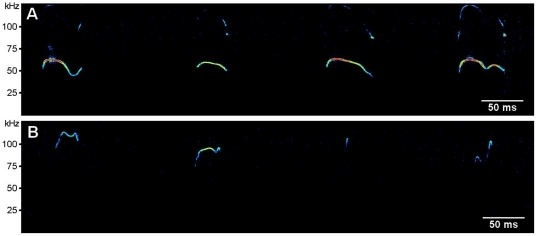
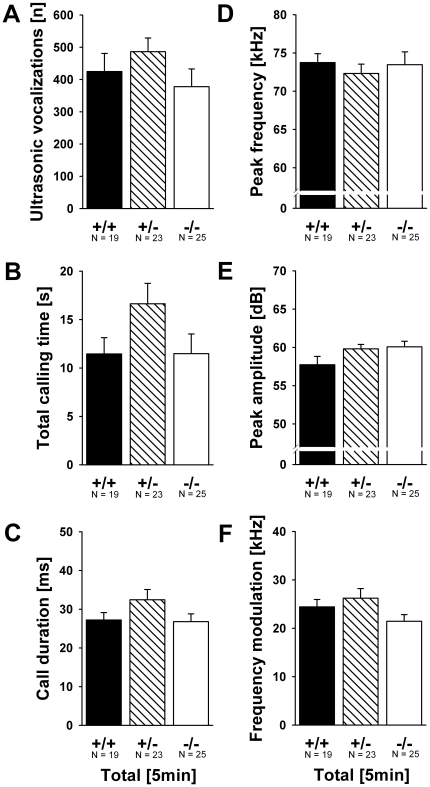
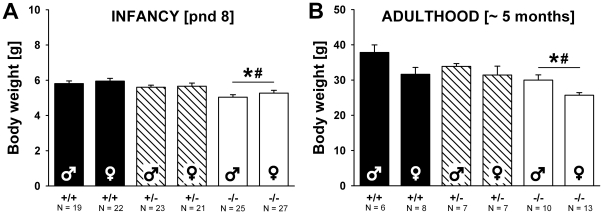
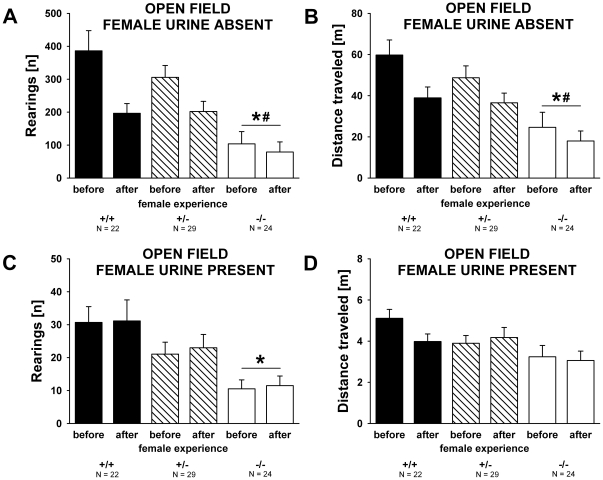
Autism is a neurodevelopmental disorder with a strong genetic component. Core symptoms are abnormal reciprocal social interactions, qualitative impairments in communication, and repetitive and stereotyped patterns of behavior with restricted interests. Candidate genes for autism include the SHANK gene family, as mutations in SHANK2 and SHANK3 have been detected in several autistic individuals. SHANK genes code for a family of scaffolding proteins located in the postsynaptic density of excitatory synapses. To test the hypothesis that a mutation in SHANK1 contributes to the symptoms of autism, we evaluated Shank1(-/-) null mutant mice for behavioral phenotypes with relevance to autism, focusing on social communication. Ultrasonic vocalizations and the deposition of scent marks appear to be two major modes of mouse communication. Our findings revealed evidence for low levels of ultrasonic vocalizations and scent marks in Shank1(-/-) mice as compared to wildtype Shank1(+/+) littermate controls. Shank1(-/-) pups emitted fewer vocalizations than Shank1(+/+) pups when isolated from mother and littermates. In adulthood, genotype affected scent marking behavior in the presence of female urinary pheromones. Adult Shank1(-/-) males deposited fewer scent marks in proximity to female urine than Shank1(+/+) males. Call emission in response to female urinary pheromones also differed between genotypes. Shank1(+/+) mice changed their calling pattern dependent on previous female interactions, while Shank1(-/-) mice were unaffected, indicating a failure of Shank1(-/-) males to learn from a social experience. The reduced levels of ultrasonic vocalizations and scent marking behavior in Shank1(-/-) mice are consistent with a phenotype relevant to social communication deficits in autism.
Overview
The claims and statistics of this paper haven’t been checked yet.
Run the check — free, no account needed. It reads the open-access text and checks the sources it cites.
Integrity signals
Registry
Cites
Statistics
Figures
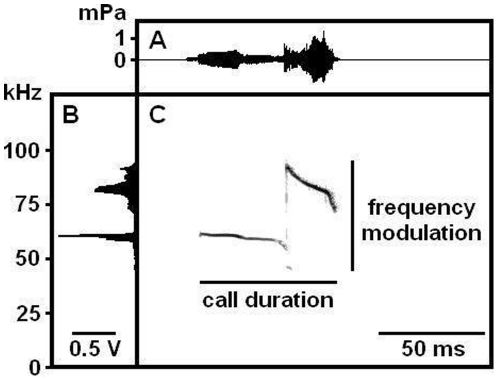
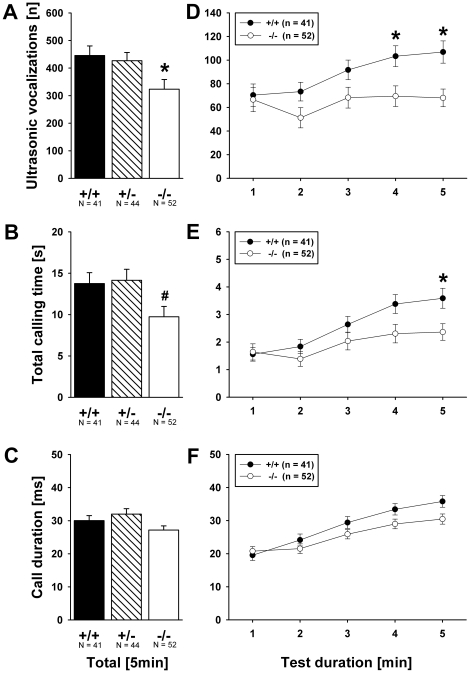
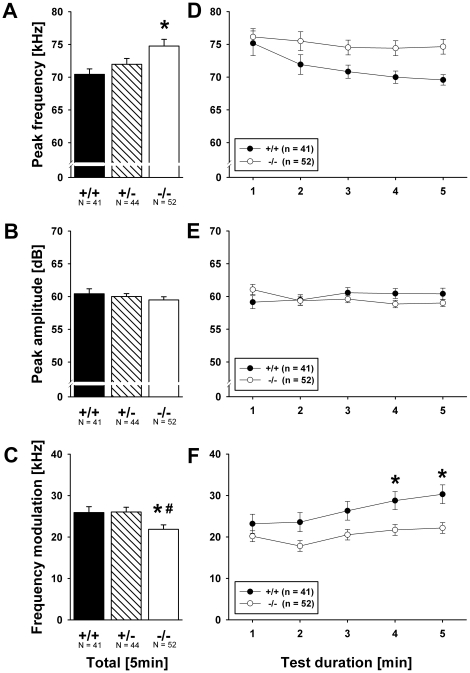
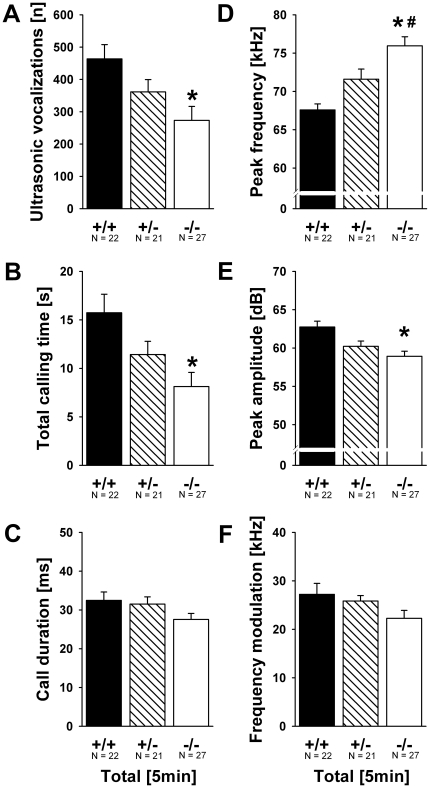
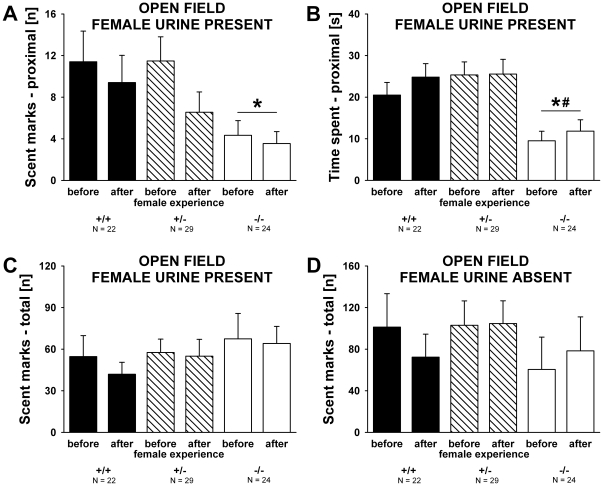
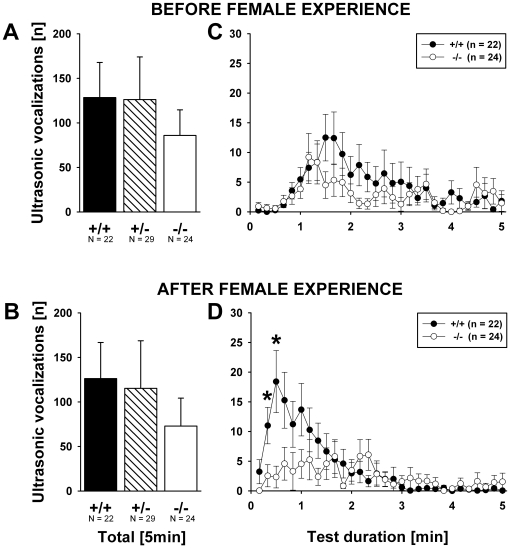
Verification
Claims the paper makes
The claims and statistics of this paper haven’t been checked yet.
Run the check — free, no account needed. It reads the open-access text and checks the sources it cites.
Claims other papers make about this one
Each is checked against this paper’s own text: does it say what the citing paper says it does?
In the citing paper
“Behavioral analyses revealed subtle impairments in social interaction and communication as well as increased repetitive behaviors (Silverman et al., 2011; Wohr et al., 2011).”
From Modeling Autism by SHANK Gene Mutations in Mice (2013) · cites this paper as Wohr et al., 2011
In the citing paper
“Shank1 mutant mice with a deletion of exons 14-15 encoding the PDZ domain were first reported in 2007 (Hung et al., 2008) (Figure 3C) and more extensive behavioral analyses were conducted subsequently (Silverman et al., 2011; Wohr et al., 2011).”
From Modeling Autism by SHANK Gene Mutations in Mice (2013) · cites this paper as Wohr et al., 2011
Self-check
Percentages, sums and reported differences re-computed from the paper’s own numbers.
The self-check needs the paper’s full text.
Citations
Cites
Diagnostic and Statistical Manual of Mental Disorders
Williams, J. B. W., & First, M. B. (2013) · Oxford University Press eBooks · doi:10.1093/acrefore/9780199975839.013.104 · Cited by 109,845
Functional impact of global rare copy number variation in autism spectrum disorders
Pinto, D., Pagnamenta, A. T., Klei, L., Anney, R., Merico, D., Regan, R., Conroy, J., Magalhaes, T. R., Correia, C., Abrahams, B. S., et al. (2010) · Nature · doi:10.1038/nature09146 · Cited by 2,013 · cited 1×
“Mutations in SHANK2 were recently reported in several individuals with autism [10,11].”
BackgroundAdvances in autism genetics: on the threshold of a new neurobiology
Abrahams, B. S., & Geschwind, D. H. (2008) · Nature Reviews Genetics · doi:10.1038/nrg2346 · Cited by 1,866
PDZ domain proteins of synapses
Kim, E., & Sheng, M. (2004) · Nature reviews. Neuroscience · doi:10.1038/nrn1517 · Cited by 1,630
Self-citationDurand, C. M., Betancur, C., Boeckers, T. M., Bockmann, J., Chaste, P., Fauchereau, F., Nygren, G., Rastam, M., Gillberg, I. C., Anckarsäter, H., et al. (2007) · Nature Genetics · doi:10.1038/ng1933 · Cited by 1,602
Shank3 mutant mice display autistic-like behaviours and striatal dysfunction
Peça, J., Feliciano, C., Ting, J. T., Wang, W., Wells, M. F., Venkatraman, T. N., Lascola, C. D., Fu, Z., & Feng, G. (2011) · Nature · doi:10.1038/nature09965 · Cited by 1,570
Behavioural phenotyping assays for mouse models of autism
Silverman, J. L., Yang, M., Lord, C., & Crawley, J. N. (2010) · Nature Reviews Neuroscience · doi:10.1038/nrn2851 · Cited by 1,462
Self-citationCoupling of mGluR/Homer and PSD-95 Complexes by the Shank Family of Postsynaptic Density Proteins
Tu, J. C., Xiao, B., Naisbitt, S. R., Yuan, J. P., Petralia, R. S., Brakeman, P., Doan, A., Aakalu, V. K., Lanahan, A. A., Sheng, M., et al. (1999) · Neuron · doi:10.1016/s0896-6273(00)80810-7 · Cited by 1,079
Self-citationStructural plasticity and memory
Lamprecht, R., & LeDoux, J. (2004) · Nature Reviews Neuroscience · doi:10.1038/nrn1301 · Cited by 1,010
Naisbitt, S., Kim, E., Tu, J. C., Xiao, B., Sala, C., Valtschanoff, J., Weinberg, R. J., Worley, P. F., & Sheng, M. (1999) · Neuron · doi:10.1016/s0896-6273(00)80809-0 · Cited by 1,009
Self-citation
Research works printed but not linked: 1
- J Nyby, 1979, Elicitation of male mouse (Mus musculus) ultrasonic vocalizations: I. Urinary cues., J Comp Physiol Psychol, 93, 957, 10.1037/h0077623 · DOI
Cited by
Sorted by citations
From the genetic architecture to synaptic plasticity in autism spectrum disorder
Bourgeron, T. (2015) · Nature Reviews Neuroscience · doi:10.1038/nrn3992 · Cited by 975
Malkova, N. V., Yu, C. Z., Hsiao, E. Y., Moore, M. J., & Patterson, P. H. (2012) · Brain, Behavior, and Immunity · doi:10.1016/j.bbi.2012.01.011 · Cited by 662
SHANK proteins: roles at the synapse and in autism spectrum disorder
Monteiro, P., & Feng, G. (2017) · Nature Reviews Neuroscience · doi:10.1038/nrn.2016.183 · Cited by 681
Leblond, C. S., Nava, C., Polge, A., Gauthier, J., Huguet, G., Lumbroso, S., Giuliano, F., Stordeur, C., Depienne, C., Mouzat, K., et al. (2014) · PLoS Genetics · doi:10.1371/journal.pgen.1004580 · Cited by 630
“Shank1 knock-out mice show increased anxiety, decreased vocal communication, decreased locomotion and remarkably, enhanced working memory, but decreased longterm memory [24,25].”
BackgroundAutistic-like behaviours and hyperactivity in mice lacking ProSAP1/Shank2
Schmeisser, M. J., Ey, E., Wegener, S., Bockmann, J., Stempel, A. V., Kuebler, A., Janssen, A.-L., Udvardi, P. T., Shiban, E., Spilker, C., et al. (2012) · Nature · doi:10.1038/nature11015 · Cited by 638
Gao, R., & Penzes, P. (2015) · Current Molecular Medicine · doi:10.2174/1566524015666150303003028 · Cited by 516
“SHANK1-knockout mice have small dendritic spines, weakened synaptic transmission [203], and defects in social communication [204].”
BackgroundModeling Autism by SHANK Gene Mutations in Mice
Jiang, Y.-H., & Ehlers, M. D. (2013) · Neuron · doi:10.1016/j.neuron.2013.03.016 · Cited by 488
Wöhr, M., & Schwarting, R. K. W. (2013) · Cell and Tissue Research · doi:10.1007/s00441-013-1607-9 · Cited by 371
Self-citationSHANK1 Deletions in Males with Autism Spectrum Disorder
Sato, D., Lionel, A. C., Leblond, C. S., Prasad, A., Pinto, D., Walker, S., O'Connor, I., Russell, C., Drmic, I. E., Hamdan, F. F., et al. (2012) · The American Journal of Human Genetics · doi:10.1016/j.ajhg.2012.03.017 · Cited by 318
Synaptopathology Involved in Autism Spectrum Disorder
Guang, S., Pang, N., Deng, X., Yang, L., He, F. P., Wu, L., Chen, C., Yin, F., & Peng, J. (2018) · Frontiers in Cellular Neuroscience · doi:10.3389/fncel.2018.00470 · Cited by 298
Filice, F., Vörckel, K. J., Sungur, A. Ö., Wöhr, M., & Schwaller, B. (2016) · Molecular Brain · doi:10.1186/s13041-016-0192-8 · Cited by 240
Self-citationWöhr, M., Orduz, D., Gregory, P., Moreno, H., Khan, U., Vörckel, K. J., Wolfer, D. P., Welzl, H., Gall, D., Schiffmann, S. N., et al. (2015) · Translational Psychiatry · doi:10.1038/tp.2015.19 · Cited by 258
Self-citationSilverman, J. L., Smith, D. G., Rizzo, S. J. S., Karras, M. N., Turner, S. M., Tolu, S. S., Bryce, D. K., Smith, D. L., Fonseca, K., Ring, R. H., et al. (2012) · Science Translational Medicine · doi:10.1126/scitranslmed.3003501 · Cited by 251
Self-citationThe emerging role of SHANK genes in neuropsychiatric disorders
Guilmatre, A., Huguet, G., Delorme, R., & Bourgeron, T. (2014) · Developmental Neurobiology · doi:10.1002/dneu.22128 · Cited by 237
Postsynaptic ProSAP/Shank scaffolds in the cross-hair of synaptopathies
Grabrucker, A. M., Schmeisser, M. J., Schoen, M., & Boeckers, T. M. (2011) · Trends in Cell Biology · doi:10.1016/j.tcb.2011.07.003 · Cited by 233
Wöhr, M., & Scattoni, M. L. (2013) · Behavioural Brain Research · doi:10.1016/j.bbr.2013.05.047 · Cited by 189
Self-citationBehavioral phenotypes of genetic mouse models of autism
Kazdoba, T. M., Leach, P. T., & Crawley, J. N. (2015) · Genes Brain & Behavior · doi:10.1111/gbb.12256 · Cited by 187
Self-citationSala, C., Vicidomini, C., Bigi, I., Mossa, A., & Verpelli, C. (2015) · Journal of Neurochemistry · doi:10.1111/jnc.13232 · Cited by 182
Translational Mouse Models of Autism: Advancing Toward Pharmacological Therapeutics
Kazdoba, T. M., Leach, P. T., Yang, M., Silverman, J. L., Solomon, M., & Crawley, J. N. (2015) · Current topics in behavioral neurosciences · doi:10.1007/7854_2015_5003 · Cited by 185
Self-citationBehavioral profiles of mouse models for autism spectrum disorders
Ey, E., Leblond, C. S., & Bourgeron, T. (2011) · Autism Research · doi:10.1002/aur.175 · Cited by 166
Autism-Relevant Social Abnormalities and Cognitive Deficits in Engrailed-2 Knockout Mice
Brielmaier, J. M., Matteson, P. G., Silverman, J. L., Senerth, J. M., Kelly, S., Genestine, M., Millonig, J. H., DiCicco-Bloom, E. M., & Crawley, J. N. (2012) · PLoS ONE · doi:10.1371/journal.pone.0040914 · Cited by 162
Self-citationJaramillo, T. C., Speed, H. E., Xuan, Z., Reimers, J. M., Liu, S., & Powell, C. M. (2015) · Autism Research · doi:10.1002/aur.1529 · Cited by 160
Ey, E., Torquet, N., Sourd, A. L., Leblond, C. S., Boeckers, T. M., Fauré, P., & Bourgeron, T. (2013) · Behavioural Brain Research · doi:10.1016/j.bbr.2013.08.031 · Cited by 143
Autism-related behavioral abnormalities in synapsin knockout mice
Greco, B., Managò, F., Tucci, V., Kao, H., Valtorta, F., & Benfenati, F. (2012) · Behavioural Brain Research · doi:10.1016/j.bbr.2012.12.015 · Cited by 140
Engineered Deafness Reveals That Mouse Courtship Vocalizations Do Not Require Auditory Experience
Mahrt, E. J., Perkel, D. J., Tong, L., Rubel, E. W., & Portfors, C. V. (2013) · Journal of Neuroscience · doi:10.1523/jneurosci.5054-12.2013 · Cited by 139
de Bartolomeis, A., Latte, G., Tomasetti, C., & Iasevoli, F. (2013) · Molecular Neurobiology · doi:10.1007/s12035-013-8534-3 · Cited by 127
Wöhr, M., Silverman, J. L., Scattoni, M. L., Turner, S. M., Harris, M., Saxena, R., & Crawley, J. N. (2012) · Behavioural Brain Research · doi:10.1016/j.bbr.2012.07.024 · Cited by 127
Self-citationDevelopmental vulnerability of synapses and circuits associated with neuropsychiatric disorders
Penzes, P., Buonanno, A., Passafaro, M., Sala, C., & Sweet, R. A. (2013) · Journal of Neurochemistry · doi:10.1111/jnc.12261 · Cited by 125
Stamou, M., Streifel, K. M., Goines, P. E., & Lein, P. J. (2013) · Neurotoxicology and Teratology · doi:10.1016/j.ntt.2012.12.001 · Cited by 128
Santini, E., & Klann, E. (2014) · Science Signaling · doi:10.1126/scisignal.2005832 · Cited by 118
Foley, K. A., MacFabe, D. F., Vaz, A., Ossenkopp, K., & Kavaliers, M. (2014) · International Journal of Developmental Neuroscience · doi:10.1016/j.ijdevneu.2014.04.001 · Cited by 116
Wöhr, M. (2014) · Neuroscience & Biobehavioral Reviews · doi:10.1016/j.neubiorev.2014.03.021 · Cited by 107
Self-citationANK2 autism mutation targeting giant ankyrin-B promotes axon branching and ectopic connectivity
Yang, R., Walder-Christensen, K. K., Kim, N., Wu, D., Lorenzo, D. N., Badea, A., Jiang, Y.-H., Yin, H. H., Wetsel, W. C., & Bennett, V. (2019) · Proceedings of the National Academy of Sciences · doi:10.1073/pnas.1904348116 · Cited by 99
Ting, J. T., Peça, J., & Feng, G. (2012) · Annual Review of Neuroscience · doi:10.1146/annurev-neuro-062111-150442 · Cited by 110
The Cerebellar Involvement in Autism Spectrum Disorders: From the Social Brain to Mouse Models
Mapelli, L., Soda, T., D'Angelo, E. U., & Prestori, F. (2022) · International Journal of Molecular Sciences · doi:10.3390/ijms23073894 · Cited by 114
Social dysfunction after pediatric traumatic brain injury: A translational perspective
Ryan, N. P., Catroppa, C., Godfrey, C., Noble‐Haeusslein, L. J., Shultz, S. R., O'Brien, T. J., Anderson, V. A., & Semple, B. D. (2016) · Neuroscience & Biobehavioral Reviews · doi:10.1016/j.neubiorev.2016.02.020 · Cited by 102
Found in translation: Understanding the biology and behavior of experimental traumatic brain injury
Bondi, C. O., Semple, B. D., Noble‐Haeusslein, L. J., Osier, N. D., Carlson, S. W., Dixon, C. E., Giza, C. C., & Kline, A. E. (2014) · Neuroscience & Biobehavioral Reviews · doi:10.1016/j.neubiorev.2014.12.004 · Cited by 94
Autism Spectrum Disorders: Translating human deficits into mouse behavior
Pasciuto, E., Borrie, S. C., Kanellopoulos, A. K., Santos, A. R. S., Cappuyns, E., D’Andrea, L., Pacini, L., & Bagni, C. (2015) · Neurobiology of Learning and Memory · doi:10.1016/j.nlm.2015.07.013 · Cited by 103
The Genetics of Autism Spectrum Disorders
Huguet, G., Benabou, M., & Bourgeron, T. (2016) · Research and perspectives in endocrine interactions · doi:10.1007/978-3-319-27069-2_11 · Cited by 105
Delling, J. P., & Boeckers, T. M. (2021) · Journal of Neurodevelopmental Disorders · doi:10.1186/s11689-021-09397-8 · Cited by 104
Cytosolic Ca 2+ Buffers Are Inherently Ca 2+ Signal ModulatorsPreprint
Schwaller, B. (2019) · Cold Spring Harbor Perspectives in Biology · doi:10.1101/cshperspect.a035543 · Cited by 94
Caruso, A., Ricceri, L., & Scattoni, M. L. (2020) · Neuroscience & Biobehavioral Reviews · doi:10.1016/j.neubiorev.2020.06.011 · Cited by 87
Basal ganglia and autism – a translational perspective
Subramanian, K., Brandenburg, C., Orsati, F. T., Soghomonian, J., Hussman, J. P., & Blatt, G. J. (2017) · Autism Research · doi:10.1002/aur.1837 · Cited by 98
Roy, S., Watkins, N. W., & Heck, D. H. (2012) · PLoS ONE · doi:10.1371/journal.pone.0044816 · Cited by 92
Lai, J., Sobala-Drozdowski, M., Zhou, L., Doering, L. C., Faure, P. A., & Foster, J. A. (2013) · Behavioural Brain Research · doi:10.1016/j.bbr.2013.10.049 · Cited by 82
Ultrasonic vocalizations in mice: relevance for ethologic and neurodevelopmental disorders studies
Premoli, M., Memo, M., & Bonini, S. A. (2020) · Neural Regeneration Research · doi:10.4103/1673-5374.300340 · Cited by 89
Amphetamine-induced appetitive 50-kHz calls in rats: a marker of affect in mania?
Pereira, M., Andreatini, R., Schwarting, R. K. W., & Brenes, J. C. (2014) · Psychopharmacology · doi:10.1007/s00213-013-3413-1 · Cited by 81
Harony‐Nicolas, H., Rubeis, S. D., Kolevzon, A. L., & Buxbaum, J. D. (2015) · Journal of Child Neurology · doi:10.1177/0883073815600872 · Cited by 83
Wolfe, J. H., Mende, C., & Brecht, M. (2011) · Behavioral Neuroscience · doi:10.1037/a0026165 · Cited by 80
Reduced isolation-induced pup ultrasonic communication in mouse pups lacking brain serotonin
Mosienko, V., Beis, D. M., Alenina, N. V., & Wöhr, M. (2015) · Molecular Autism · doi:10.1186/s13229-015-0003-6 · Cited by 76
Self-citationPremoli, M., Pietropaolo, S., Wöhr, M., Simola, N., & Bonini, S. A. (2023) · European Journal of Neuroscience · doi:10.1111/ejn.15957 · Cited by 83
Self-citationOverview of Mouse Models of Autism Spectrum Disorders
Bey, A. L., & Jiang, Y. (2014) · Current Protocols in Pharmacology · doi:10.1002/0471141755.ph0566s66 · Cited by 85
Modeling autism-relevant behavioral phenotypes in rats and mice: Do ‘autistic’ rodents exist?
Servadio, M., Vanderschuren, L. J. M. J., & Trezza, V. (2015) · Behavioural Pharmacology · doi:10.1097/fbp.0000000000000163 · Cited by 76
Male mice emit distinct ultrasonic vocalizations when the female leaves the social interaction arena
Yang, M., Loureiro, D., Kalikhman, D., & Crawley, J. N. (2013) · Frontiers in Behavioral Neuroscience · doi:10.3389/fnbeh.2013.00159 · Cited by 73
Self-citationMonogenic mouse models of autism spectrum disorders: Common mechanisms and missing links
Hulbert, S. W., & Jiang, Y. (2015) · Neuroscience · doi:10.1016/j.neuroscience.2015.12.040 · Cited by 76
Neurobiology of autism gene products: towards pathogenesis and drug targets
Kleijer, K. T. E., Schmeißer, M. J., Krueger‐Burg, D., Boeckers, T. M., Scheiffele, P., Bourgeron, T., Brose, N., & Burbach, J. P. H. (2014) · Psychopharmacology · doi:10.1007/s00213-013-3403-3 · Cited by 80
Sungur, A. Ö., Schwarting, R. K. W., & Wöhr, M. (2015) · Autism Research · doi:10.1002/aur.1564 · Cited by 78
Self-citationShank mutant mice as an animal model of autism
Yoo, J., Bakes, J., Bradley, C. A., Collingridge, G. L., & Kaang, B. (2013) · Philosophical Transactions of the Royal Society B Biological Sciences · doi:10.1098/rstb.2013.0143 · Cited by 76
Emerging Synaptic Molecules as Candidates in the Etiology of Neurological Disorders
Torres, V. I., Vallejo, D., & Inestrosa, N. C. (2017) · Neural Plasticity · doi:10.1155/2017/8081758 · Cited by 71
Sungur, A. Ö., Vörckel, K. J., Schwarting, R. K. W., & Wöhr, M. (2014) · Journal of Neuroscience Methods · doi:10.1016/j.jneumeth.2014.05.003 · Cited by 76
Self-citationMao, W., Watanabe, T., Cho, S., Frost, J. L., Truong, T., Zhao, X., & Futai, K. (2015) · European Journal of Neuroscience · doi:10.1111/ejn.12877 · Cited by 59
Thabault, M., Turpin, V., Maïsterrena, A., Jaber, M., Egloff, M., & Galvan, L. (2022) · International Journal of Molecular Sciences · doi:10.3390/ijms23042294 · Cited by 74
Synapse Assembly and Neurodevelopmental Disorders
Washbourne, P. (2014) · Neuropsychopharmacology · doi:10.1038/npp.2014.163 · Cited by 72
Dendritic spine actin cytoskeleton in autism spectrum disorder
Joensuu, M., Lanoue, V., & Hotulainen, P. (2018) · Progress in Neuro-Psychopharmacology and Biological Psychiatry · doi:10.1016/j.pnpbp.2017.08.023 · Cited by 65
Soler, J., Fañanás, L., Parellada, M., Krebs, M., Rouleau, G. A., & Fatjó‐Vilas, M. (2018) · Journal of Psychiatry and Neuroscience · doi:10.1503/jpn.170066 · Cited by 61
Usui, N., Co, M., Harper, M. J., Rieger, M. A., Dougherty, J. D., & Konopka, G. (2016) · Biological Psychiatry · doi:10.1016/j.biopsych.2016.02.008 · Cited by 59
de Bartolomeis, A., & Tomasetti, C. (2012) · Molecular Neurobiology · doi:10.1007/s12035-012-8293-6 · Cited by 58
DYRK1A-haploinsufficiency in mice causes autistic-like features and febrile seizures
Raveau, M., Shimohata, A., Amano, K., Miyamoto, H., & Yamakawa, K. (2017) · Neurobiology of Disease · doi:10.1016/j.nbd.2017.12.003 · Cited by 53
Hodges, S. L., Nolan, S. O., Reynolds, C. D., & Lugo, J. N. (2017) · Behavioural Brain Research · doi:10.1016/j.bbr.2017.05.052 · Cited by 57
Simmons, D. H., Titley, H. K., Hansel, C., & Mason, P. (2020) · Neuroscience · doi:10.1016/j.neuroscience.2020.05.010 · Cited by 57
T‐Brain‐1 – A Potential Master Regulator in Autism Spectrum Disorders
Chuang, H., Huang, T., & Hsueh, Y. (2015) · Autism Research · doi:10.1002/aur.1456 · Cited by 56
Iasevoli, F., Tomasetti, C., Buonaguro, E. F., & de Bartolomeis, A. (2014) · Current Neuropharmacology · doi:10.2174/1570159x12666140324183406 · Cited by 53
Zilkha, N., Sofer, Y., Beny, Y., & Kimchi, T. (2016) · Current Opinion in Neurobiology · doi:10.1016/j.conb.2016.04.014 · Cited by 52
Michetti, C., Falace, A., Benfenati, F., & Fassio, A. (2022) · Neurobiology of Disease · doi:10.1016/j.nbd.2022.105856 · Cited by 56
Sex-specific and genotype-specific differences in vocalization development in FMR1 knockout mice
Reynolds, C. D., Nolan, S. O., Jefferson, T. S., & Lugo, J. N. (2016) · Neuroreport · doi:10.1097/wnr.0000000000000701 · Cited by 49
α 5GABA A receptor deficiency causes autism‐like behaviors
Zurek, A. A., Kemp, S. W. P., Aga, Z., Walker, S., Milenkovic, M., Ramsey, A. J., Sibille, E. L., Scherer, S. W., & Orser, B. A. (2016) · Annals of Clinical and Translational Neurology · doi:10.1002/acn3.303 · Cited by 51
In utero exposure to cannabidiol disrupts select early-life behaviors in a sex-specific manner
Iezzi, D., Cáceres-Rodríguez, A., Chavis, P., & Manzoni, O. J. (2022) · Translational Psychiatry · doi:10.1038/s41398-022-02271-8 · Cited by 50
Carlton, C. N., Sullivan‐Toole, H., Ghane, M., & Richey, J. A. (2020) · Frontiers in Neuroscience · doi:10.3389/fnins.2020.00154 · Cited by 49
Molecular and synaptic defects in intellectual disability syndromes
Verpelli, C., & Sala, C. (2011) · Current Opinion in Neurobiology · doi:10.1016/j.conb.2011.09.007 · Cited by 55
Brain serotonin deficiency leads to social communication deficits in mice
Beis, D. M., Holzwarth, K., Flinders, M., Bäder, M., Wöhr, M., & Alenina, N. V. (2015) · Biology Letters · doi:10.1098/rsbl.2015.0057 · Cited by 46
Self-citationActin-Dependent Alterations of Dendritic Spine Morphology in Shankopathies
Sarowar, T., & Grabrucker, A. M. (2016) · Neural Plasticity · doi:10.1155/2016/8051861 · Cited by 46
Liu, Y., Shan, L., Liu, T., Li, J., Chen, Y., Sun, C., Yang, C., Bian, X., Niu, Y., Zhang, C., et al. (2023) · Neuron · doi:10.1016/j.neuron.2023.02.010 · Cited by 45
Sexual dimorphism of AMBRA1-related autistic features in human and mouse
Mitjans, M., Begemann, M., Ju, A., Dere, E., Wüstefeld, L., Hofer, S., Hassouna, I. A., Balkenhol, J., Oliveira, B., der Auwera, S. V., et al. (2017) · Translational Psychiatry · doi:10.1038/tp.2017.213 · Cited by 47
Miranda, R., Nagapin, F., Bozon, B., Laroche, S., Aubin, T., & Vaillend, C. (2015) · Molecular Autism · doi:10.1186/s13229-015-0053-9 · Cited by 45
Specific Roles of NMDA Receptor Subunits in Mental Disorders
Yamamoto, H., Hagino, Y., Kasai, S., & Ikeda, K. (2015) · Current Molecular Medicine · doi:10.2174/1566524015666150330142807 · Cited by 48
Monogenic heritable autism gene neuroligin impacts Drosophila social behaviour
Hahn, N., Geurten, B. R. H., Gurvich, A., Piepenbrock, D., Kästner, A., Zanini, D., Xing, G., Xie, W., Göpfert, M. C., Ehrenreich, H., et al. (2013) · Behavioural Brain Research · doi:10.1016/j.bbr.2013.06.020 · Cited by 44
Fyke, W., Premoli, M., Echeverry‐Alzate, V., López‐Moreno, J. A., Lemaire, V., Crusio, W. E., Marsicano, G., Wöhr, M., & Pietropaolo, S. (2021) · Autism Research · doi:10.1002/aur.2562 · Cited by 43
Self-citationJung, S., & Park, M. (2022) · Pharmacological Research · doi:10.1016/j.phrs.2022.106340 · Cited by 42
Characterization of Neonatal Vocal and Motor Repertoire of Reelin Mutant Mice
Romano, E., Michetti, C., Caruso, A., Laviola, G., & Scattoni, M. L. (2013) · PLoS ONE · doi:10.1371/journal.pone.0064407 · Cited by 44
Baig, D. N., Yanagawa, T., & Tabuchi, K. (2016) · Brain Research Bulletin · doi:10.1016/j.brainresbull.2016.10.006 · Cited by 41
Sociosexual and Communication Deficits after Traumatic Injury to the Developing Murine Brain
Semple, B. D., Noble‐Haeusslein, L. J., Kwon, Y. J., Sam, P. N., Gibson, A. M., Grissom, S., Brown, S., Adahman, Z., Hollingsworth, C. A., Kwakye, A., et al. (2014) · PLoS ONE · doi:10.1371/journal.pone.0103386 · Cited by 40
Clinical and Neurobiological Relevance of Current Animal Models of Autism Spectrum Disorders
Kim, K. C., Gonzales, E. L., Lázaro, M. T., Choi, C. S., Bahn, G. H., Yoo, H. J., & Shin, C. Y. (2016) · Biomolecules & Therapeutics · doi:10.4062/biomolther.2016.061 · Cited by 44
SHANK genes in autism: Defining therapeutic targets
Mossa, A., Giona, F., Pagano, J., Sala, C., & Verpelli, C. (2017) · Progress in Neuro-Psychopharmacology and Biological Psychiatry · doi:10.1016/j.pnpbp.2017.11.019 · Cited by 40
The Role of Zinc and NMDA Receptors in Autism Spectrum Disorders
Lee, K. C., Mills, Z., Cheung, P. Y., Cheyne, J. E., & Montgomery, J. M. (2022) · Pharmaceuticals · doi:10.3390/ph16010001 · Cited by 42
O’Connor, E. C., Bariselli, S., & Bellone, C. (2014) · European Journal of Neuroscience · doi:10.1111/ejn.12510 · Cited by 40
Phase separation-mediated actin bundling by the postsynaptic density condensates
Chen, X., Jia, B., Zhu, S., & Zhang, M. (2023) · eLife · doi:10.7554/elife.84446 · Cited by 39
Developmental impaired Akt signaling in the Shank1 and Shank3 double knock-out mice
Mossa, A., Pagano, J., Ponzoni, L., Tozzi, A., Vezzoli, E., Sciaccaluga, M., Costa, C., Beretta, S., Francolini, M., Sala, M., et al. (2021) · Molecular Psychiatry · doi:10.1038/s41380-020-00979-x · Cited by 38
Wang, S., Tan, N., Zhu, X., Yao, M., Wang, Y., Zhang, X., & Xu, Z. (2018) · Cell Reports · doi:10.1016/j.celrep.2018.11.044 · Cited by 36
Specific profile of ultrasonic communication in a mouse model of neurodevelopmental disorders
Premoli, M., Bonini, S. A., Mastinu, A., Maccarinelli, G., Aria, F., Paiardi, G., & Memo, M. (2019) · Scientific Reports · doi:10.1038/s41598-019-52378-0 · Cited by 35
Qin, Y., Du, Y., Chen, L., Liu, Y., Xu, W., Liu, Y., Li, Y., Leng, J., Wang, Y., Zhang, X., et al. (2022) · Molecular Psychiatry · doi:10.1038/s41380-022-01539-1 · Cited by 35
Metadata
- Authors
- Wöhr, M., Roullet, F. I., Hung, A. Y., Sheng, M., & Crawley, J. N.
- Affiliations
- National Institutes of Health (US)
- Massachusetts Institute of Technology (US)
- Corresponding author
- Wöhr, Markus
- Crawley, Jacqueline N.
- Venue
- PLoS ONE
- Publisher
- Public Library of Science (PLoS)
- Published
- 2011-06-09
- Volume
- 6
- Issue
- 6
- Pages
- e20631
- ISSN
- 1932-6203 (ISSN-L)
- PMC
- PMC3111434
- OpenAlex
- W2115330604
- Cited by
- 220
- References
- 126
- Citations by year
- 2026: 7 · 2025: 8 · 2024: 10 · 2023: 11 · 2022: 14 · 2021: 14 · 2020: 10 · 2019: 11 · 2018: 9 · 2017: 16 · 2016: 21 · 2015: 23 · 2014: 21 · 2013: 19 · 2012: 22
- FWCI
- 13.17
- Type
- journal article
- Language
- en
- Open access
- gold
- doi.org
- Licence
- Locations
- PLoS ONE (publishedVersion, public-domain)
- PubMed Central (publishedVersion, public-domain)
- PubMed (publishedVersion)
- Lirias (submittedVersion, other-oa)
- DOAJ (DOAJ: Directory of Open Access Journals) (submittedVersion, cc-by-sa)
- DSpace@MIT (Massachusetts Institute of Technology) (submittedVersion, cc-by-nc)
- Funders
- National Institutes of Health
- National Institute of Mental Health
- Topics
- Life Sciences › Biochemistry, Genetics and Molecular Biology › Genetics › Genetics and Neurodevelopmental Disorders
- Life Sciences › Neuroscience › Cognitive Neuroscience › Autism Spectrum Disorder Research
- Life Sciences › Neuroscience › Endocrine and Autonomic Systems › Neuroendocrine regulation and behavior
- Keywords
- Shank1, autism spectrum disorder, social communication, ultrasonic vocalizations, scent marking, urinary pheromones, postsynaptic scaffolding proteins, social learning, social behavior deficits
- MeSH terms
- Aging, Animals, Body Temperature, Body Weight, Female, Male, Membrane Proteins, Nerve Tissue Proteins, Odorants, Reflex, Ultrasonics, Vocalization, Animal, Mice
About these checks
Registry, retraction, Cites and statistics results are computed, not judged, with one exception: a printed reference that no index lists is read once by a model before it counts as a citation error. Claims are extracted by a model and kept only when their quote appears verbatim in the text; each cited source is then checked, with a model’s help, for whether it says what the claim relies on. Those verdicts can be wrong — read the claim’s quote and the cited source before relying on one.
Statistics and arithmetic are recomputed, not judged.
Confidence bands are shown only for fields calibrated on our annotated test set. None is calibrated yet, so no band is shown.
What counts as a claim ›How we measure confidence ›How we check this ›
Are you an author, or do you see a problem with this page? Request a review
