

Deep Sequencing of the Oral Microbiome Reveals Signatures of Periodontal Disease
Open accessThe DOI matches its Crossref record; 90 of the 90 references it cites were found in a registry or an index.
Abstract
The oral microbiome, the complex ecosystem of microbes inhabiting the human mouth, harbors several thousands of bacterial types. The proliferation of pathogenic bacteria within the mouth gives rise to periodontitis, an inflammatory disease known to also constitute a risk factor for cardiovascular disease. While much is known about individual species associated with pathogenesis, the system-level mechanisms underlying the transition from health to disease are still poorly understood. Through the sequencing of the 16S rRNA gene and of whole community DNA we provide a glimpse at the global genetic, metabolic, and ecological changes associated with periodontitis in 15 subgingival plaque samples, four from each of two periodontitis patients, and the remaining samples from three healthy individuals. We also demonstrate the power of whole-metagenome sequencing approaches in characterizing the genomes of key players in the oral microbiome, including an unculturable TM7 organism. We reveal the disease microbiome to be enriched in virulence factors, and adapted to a parasitic lifestyle that takes advantage of the disrupted host homeostasis. Furthermore, diseased samples share a common structure that was not found in completely healthy samples, suggesting that the disease state may occupy a narrow region within the space of possible configurations of the oral microbiome. Our pilot study demonstrates the power of high-throughput sequencing as a tool for understanding the role of the oral microbiome in periodontal disease. Despite a modest level of sequencing (~2 lanes Illumina 76 bp PE) and high human DNA contamination (up to ~90%) we were able to partially reconstruct several oral microbes and to preliminarily characterize some systems-level differences between the healthy and diseased oral microbiomes.
Overview
The claims and statistics of this paper haven’t been checked yet.
Free: it reads the open-access text and checks the first 5 claims that cite a source we can check. Create a free account to check every claim.
Integrity signals
Registry
Cites
Statistics
Figures
Verification
Claims the paper makes
The claims and statistics of this paper haven’t been checked yet.
Free: it reads the open-access text and checks the first 5 claims that cite a source we can check. Create a free account to check every claim.
Claims other papers make about this one
Each is checked against this paper’s own text: does it say what the citing paper says it does?
The source backs part of the claim, not all of it — or backs it for a different population, condition or comparison.
In the citing paper
“It is widely accepted that nonmineralized biofilms consist of over 800 different taxa (20).”
From Dental calculus: the calcified biofilm and its role in disease development (2018) · cites this paper as [20]
Experimental — accuracy not yet measuredIn the citing paper
“This phylum has been linked to inflammatory conditions of the mouth such as periodontitis 46.”
From The composition of the gut microbiota shapes the colon mucus barrier (2015) · cites this paper as [46]
Self-check
Percentages, sums and reported differences re-computed from the paper’s own numbers.
The self-check needs the paper’s full text.
Citations
Cites
Subramanian, A., Tamayo, P., Mootha, V. K., Mukherjee, S., Ebert, B. L., Gillette, M. A., Paulovich, A., Pomeroy, S. L., Golub, T. R., Lander, E. S., et al. (2005) · Proceedings of the National Academy of Sciences · doi:10.1073/pnas.0506580102 · Cited by 53,625 · cited 4×
“GSEA was used to identify functional categories that were enriched in disease or control patients.”
MethodInfluentialKEGG: Kyoto Encyclopedia of Genes and Genomes
Kanehisa, M. (2000) · Nucleic Acids Research · doi:10.1093/nar/28.1.27 · Cited by 37,077 · cited 1×
“Enzyme Based PCA After pre-processing, metagenomic sequences were annotated with specific Kyoto Encyclopedia of Genes and Genomes (KEGG) orthology (KO) codes using BLAST searches against the KEGG sequence repository [83].”
MethodKEGG: Kyoto Encyclopedia of Genes and Genomes
Ogata, H., Goto, S., Sato, K., Fujibuchi, W., Bono, H., & Kanehisa, M. (1999) · Nucleic Acids Research · doi:10.1093/nar/27.1.29 · Cited by 31,232
Ultrafast and memory-efficient alignment of short DNA sequences to the human genome.
Langmead, B., Trapnell, C., Pop, M., & Salzberg, S. L. (2009) · Genome Biology · doi:10.1186/gb-2009-10-3-r25 · Cited by 21,849
Self-citationA human gut microbial gene catalogue established by metagenomic sequencing
MetaHIT Consortium, Qin, J., Li, R., Raes, J., Arumugam, M., Burgdorf, K. S., Manichanh, C., Nielsen, T., Pons, N., Levenez, F., et al. (2010) · Nature · doi:10.1038/nature08821 · Cited by 11,624 · cited 2×
“04 [66] with parameters 2K 23 and 2M 3, as previously used by the MetaHit project [52] to assemble gut microbiome data.”
MethodSelf-citationCircos: An information aesthetic for comparative genomics
Krzywinski, M., Schein, J., Birol, İ., Connors, J., Gascoyne, R., Horsman, D., Jones, S. J., & Marra, M. A. (2009) · Genome Research · doi:10.1101/gr.092759.109 · Cited by 10,964 · cited 1×
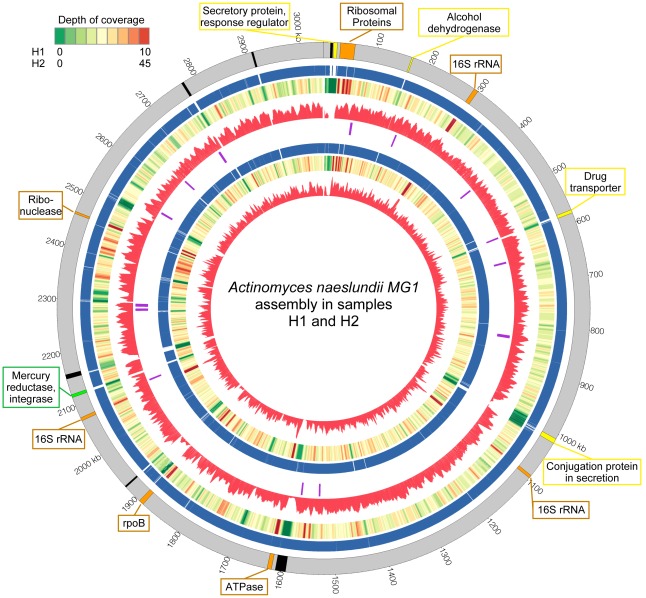
“Image generated with Circos [86].”
Global trends in emerging infectious diseases
Jones, K. E., Patel, N. G., Levy, M. A., Storeygard, A., Balk, D., Gittleman, J. L., & Daszak, P. (2008) · Nature · doi:10.1038/nature06536 · Cited by 8,338 · cited 1×
“This is especially true in light of the slow rate at which new antibiotics are discovered [7], and the increase in the number of microbes that can resist treatment [8,9].”
BackgroundTurnbaugh, P. J., Ley, R. E., Hamady, M., Fraser-Liggett, C. M., Knight, R., & Gordon, J. I. (2007) · Nature · doi:10.1038/nature06244 · Cited by 6,091 · cited 2×
“Understanding the role of microbial communities in human health is emerging as one of the most important and fascinating biomedical challenges of our times [1,2,3,4].”
BackgroundVersatile and open software for comparing large genomes
Kurtz, S., Phillippy, A., Delcher, A. L., Smoot, M., Shumway, M., Antonescu, C., & Salzberg, S. L. (2004) · Genome Biology · doi:10.1186/gb-2004-5-2-r12 · Cited by 5,254 · cited 2×
“We used MUMmer [65] (-maxmatch -l 20 -b) to map the individual reads against the HOMD reference database.”
MethodMicrobial complexes in subgingival plaque
Socransky, S. S., Haffajee, A. D., Cugini, M. A., Smith, C., & Kent, R. L. (1998) · Journal of Clinical Periodontology · doi:10.1111/j.1600-051x.1998.tb02419.x · Cited by 5,050 · cited 1×
“Surprisingly, however, neither Fusobacterium, nor Porphyromonas were found to be significantly more abundant in the periodontal disease samples, despite being previously implicated in this disease [12,39].”
Background
Cited by
Items 101–200 of 410
Application of metagenomics in understanding oral health and disease
Xu, P., & Gunsolley, J. C. (2014) · Virulence · doi:10.4161/viru.28532 · Cited by 93
“Metagenomics identifies specific metabolic pathways and genes associated with oral disease To compare metabolism in bacterial communities between healthy and periodontal disease samples, Liu and colleagues examined metabolic pathways by metagenomics.(10) Sequence reads were assembled into contigs, which were then anno…”
BackgroundMethodResultInfluentialSchulz, S., Porsch, M., Große, I., Hoffmann, K., Schaller, H., & Reichert, S. (2019) · Archives of Oral Biology · doi:10.1016/j.archoralbio.2019.01.015 · Cited by 90
Patient self‐care of periodontal pocket infections
Arweiler, N. B., Auschill, T. M., & Sculean, A. (2017) · Periodontology 2000 · doi:10.1111/prd.12152 · Cited by 106
“Owing to the complexity of bacterial biofilms and the mechanisms involved, treating biofilm-associated infections are a great challenge (36, 75).”
BackgroundRole of oral and gut microbiome in nitric oxide-mediated colon motility
Walker, M. Y., Pratap, S., Southerland, J. H., Farmer-Dixon, C. M., Lakshmyya, K., & Gangula, P. R. (2018) · Nitric Oxide · doi:10.1016/j.niox.2017.06.003 · Cited by 81
Gheisary, Z., Mahmood, R., shivanantham, A. H., Liu, J., Lieffers, J. R. L., Papagerakis, P., & Papagerakis, S. M. (2022) · Nutrients · doi:10.3390/nu14051036 · Cited by 105
Bizzarro, S., Laine, M. L., Buijs, M. J., Brandt, B. W., Crielaard, W., Loos, B. G., & Zaura, E. (2016) · Scientific Reports · doi:10.1038/srep20205 · Cited by 84
The salivary microbiome of diabetic and non‐diabetic adults with periodontal disease
Sabharwal, A., Ganley, K., Miecznikowski, J. C., Haase, E. M., Barnes, V. M., & Scannapieco, F. A. (2018) · Journal of Periodontology · doi:10.1002/jper.18-0167 · Cited by 86
“However, while the diversity was higher in periodontitis, there was less interindividual variation in periodontal disease than in healthy samples.(34) Our previous study found increased glucose concentration in the saliva of diabetic participants,(17) an environmental exposure that may alter the composition of the mic…”
Oral microbiota and host innate immune response in bisphosphonate-related osteonecrosis of the jaw
Pushalkar, S., Li, X., Kurago, Z., Ramanathapuram, L. V., Matsumura, S., Fleisher, K. E., Glickman, R. S., Yan, W., Li, Y., & Saxena, D. B. (2014) · International Journal of Oral Science · doi:10.1038/ijos.2014.46 · Cited by 83
Intercellular communications in multispecies oral microbial communities
Guo, L., He, X., & Shi, W. (2014) · Frontiers in Microbiology · doi:10.3389/fmicb.2014.00328 · Cited by 94
“…among oral microbes may occur through the excretion of a metabolite by one bacterium that can be utilized as a nutrient by another species (Takahashi et al., 2010; Liu et al., 2012), or through syntrophic biochemical enzymes to cooperatively metabolize a substrate (Kolenbrander et al., 2002).”
BackgroundVogtmann, E., Han, Y., Caporaso, J. G., Bokulich, N., Mohamadkhani, A., Moayyedkazemi, A., Hua, X., Kamangar, F., Wan, Y., Suman, S., et al. (2020) · Cancer Medicine · doi:10.1002/cam4.2660 · Cited by 73
Over 50,000 Metagenomically Assembled Draft Genomes for the Human Oral Microbiome Reveal New Taxa
Zhu, J., Tian, L., Chen, P., Han, M., Song, L., Tong, X., Sun, X., Yang, F., Lin, Z., Liu, X., et al. (2021) · Genomics Proteomics & Bioinformatics · doi:10.1016/j.gpb.2021.05.001 · Cited by 81
Castro‐Nallar, E., Shen, Y., Freishtat, R. J., Pérez‐Losada, M., Manimaran, S., Liu, G., Johnson, W. E., & Crandall, K. A. (2015) · BMC Medical Genomics · doi:10.1186/s12920-015-0121-1 · Cited by 77
“Decreased microbial diversity have also been observed in other human diseases [39–41], although increased diversity in diseased patients has also been noted [42].”
BackgroundPozhitkov, A. E., Leroux, B. G., Randolph, T. W., Beikler, T., Flemmig, T. F., & Noble, P. A. (2015) · BMC Oral Health · doi:10.1186/s12903-015-0109-4 · Cited by 71
“It could be initiated by the acquisition of virulence factors by microbes and/or changes in the regulation/expression of genes within the community [17, 61].”
BackgroundOral Biofluid Biomarker Research: Current Status and Emerging Frontiers
Wang, A., Wang, C., Tu, M. K., & Wong, D. (2016) · Diagnostics · doi:10.3390/diagnostics6040045 · Cited by 80
Placental colonization with periodontal pathogens: the potential missing link
Fischer, L. A., Demerath, E. W., Bittner‐Eddy, P. D., & Costalonga, M. (2019) · American Journal of Obstetrics and Gynecology · doi:10.1016/j.ajog.2019.04.029 · Cited by 81
Analysis of oral microbiota in Japanese oral cancer patients using 16S rRNA sequencing
Takahashi, Y., Park, J., Hosomi, K., Yamada, T., Kobayashi, A., Yamaguchi, Y., Iketani, S., Kunisawa, J., Mizuguchi, K., Maeda, N., et al. (2019) · Journal of Oral Biosciences · doi:10.1016/j.job.2019.03.003 · Cited by 79
Did Omics change periodontal therapy?
Feres, M., Retamal‐Valdes, B., Gonçalves, C., Cristina Figueiredo, L., & Teles, F. (2021) · Periodontology 2000 · doi:10.1111/prd.12358 · Cited by 68
Do different probing depths exhibit striking differences in microbial profiles?
Pérez‐Chaparro, P. J., McCulloch, J. A., Mamizuka, E. M., Moraes, A. D. C. L., Faveri, M., Figueiredo, L. C., Duarte, P. M., & Feres, M. (2017) · Journal Of Clinical Periodontology · doi:10.1111/jcpe.12811 · Cited by 72
“Nowadays, some studies have used this approach to identify the subgingival microbiota in periodontal health and disease (Abusleme et al., 2013; Camelo- Castillo et al., 2015; Galimanas et al., 2014; Griffen et al., 2012; Liu et al., 2012; Park et al., 2015).”
Child Weight Gain Trajectories Linked To Oral Microbiota Composition
Craig, S. J. C., Blankenberg, D., Parodi, A. C. L., Paul, I. M., Birch, L. L., Savage, J. S., Marini, M. E., Stokes, J. L., Nekrutenko, A., Reimherr, M., et al. (2018) · Scientific Reports · doi:10.1038/s41598-018-31866-9 · Cited by 68
Multi-omics Analysis of Periodontal Pocket Microbial Communities Pre- and Posttreatment
Califf, K. J., Schwarzberg-Lipson, K., Garg, N., Gibbons, S. M., Caporaso, J. G., Slots, J., Cohen, C., Dorrestein, P. C., & Kelley, S. T. (2017) · mSystems · doi:10.1128/msystems.00016-17 · Cited by 66
“For instance, metagenomic studies have suggested that the more diseased (deeper) pockets tend to be richer in metabolic pathways, have a greater abundance of virulence factors, and are poorer in biosynthesis pathways than healthy (shallower) pockets (23, 24).”
Characterization of bacteriophage communities and CRISPR profiles from dental plaque
Naidu, M., Robles‐Sikisaka, R., Abeles, S. R., Boehm, T. K., & Pride, D. T. (2014) · BMC Microbiology · doi:10.1186/1471-2180-14-175 · Cited by 71
“[22] and oral health status [23-26].”
Comparative pan genome analysis of oral Prevotella species implicated in periodontitis
Ibrahim, M., Subramanian, A., & Anishetty, S. (2017) · Functional & Integrative Genomics · doi:10.1007/s10142-017-0550-3 · Cited by 72
“The abundant genera of the oral microbiome include Prevotella, Actinomyces, Streptococcus, Fusobacterium, Leptotrichia, Corynebacterium, Veillonella, Rothia, Capnocytophaga, Selenomonas, Treponema, and TM7 genera 1 and 5 (Liu et al. 2012).”
BackgroundIdentification of Potential Oral Microbial Biomarkers for the Diagnosis of Periodontitis
Na, H. S., Kim, S. Y., Han, H., Kim, H., Lee, J. Y., Lee, J., & Chung, J. (2020) · Journal of Clinical Medicine · doi:10.3390/jcm9051549 · Cited by 77
“Many studies using NGS have used subgingival plaque to assess the composition of the microbial periodontal community [24,25,36].”
BackgroundIkeda, E., Shiba, T., Ikeda, Y., Suda, W., Nakasato, A., Takeuchi, Y., Azuma, M., Hattori, M., & Izumi, Y. (2019) · Odontology · doi:10.1007/s10266-019-00452-4 · Cited by 76
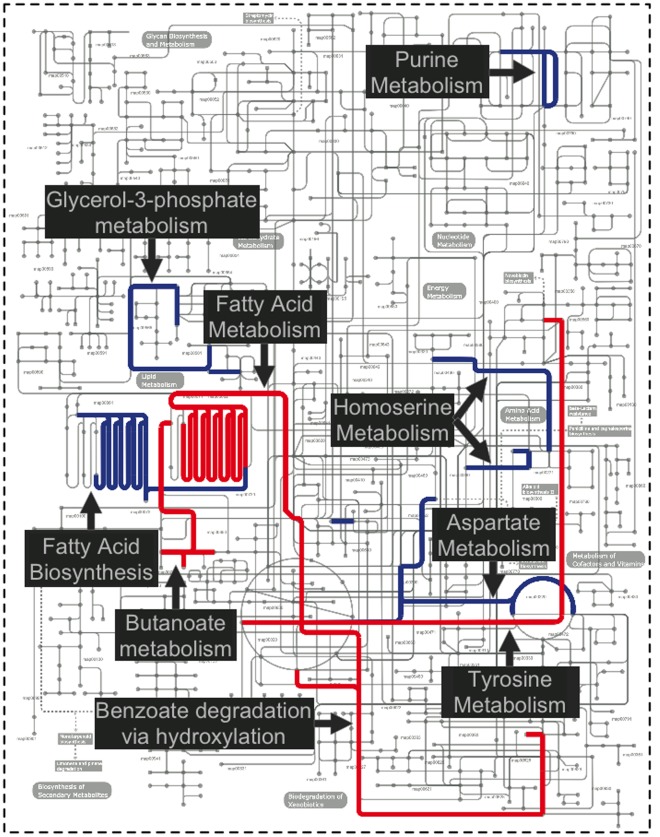
“[49] have reported that a disease-associated microbiome was enriched in metabolic functions such as fatty acid metabolism and butanoate metabolism pathways.”
BackgroundSato, Y., Yamagishi, J., Yamashita, R., Shinozaki, N., Ye, B., Yamada, T., Yamamoto, M., Nagasaki, M., & Tsuboi, A. (2015) · PLOS ONE · doi:10.1371/journal.pone.0131607 · Cited by 63
Diversity of macaque microbiota compared to the human counterparts
Chen, Z., Yeoh, Y. K., Hui, M., Wong, P. Y., Chan, M. C. W., Ip, M., Yu, J., Burk, R. D., Chan, F. K. L., & Chan, P. K. S. (2018) · Scientific Reports · doi:10.1038/s41598-018-33950-6 · Cited by 75
Metatranscriptomic analyses of the oral microbiome
Duran-Pinedo, A. E. (2020) · Periodontology 2000 · doi:10.1111/prd.12350 · Cited by 68
Liu, G., Luan, Q., Chen, F., Chen, Z., Zhang, Q., & Yu, X. (2018) · Journal Of Clinical Periodontology · doi:10.1111/jcpe.12862 · Cited by 67
“In recent years, the advent of open- ended 16S ribosomal RNA (16S rRNA) sequence analysis has supplemented our knowledge, suggesting that the transition from health to periodontitis is attributable to a shift in the global balance of the microbial flora rather than the appearance of specific periodontal pathogens (Abu…”
BackgroundCompositional Differences in the Oral Microbiome of E-cigarette Users
Chopyk, J., Bojanowski, C. M., Shin, J. H., Moshensky, A., Fuentes, A. L., Bonde, S. S., Chuki, D., Pride, D. T., & Alexander, L. E. C. (2021) · Frontiers in Microbiology · doi:10.3389/fmicb.2021.599664 · Cited by 74
Neisseria models of infection and persistence in the upper respiratory tract
Weyand, N. J. (2017) · Pathogens and Disease · doi:10.1093/femspd/ftx031 · Cited by 72
“Metagenomic studies frequently identify sites with >1% abundance for Neisseria (Liu et al. 2012; Ramakrishnan et al. 2017).”
BackgroundOral microbiome in HIV-associated periodontitis
Noguera-Julián, M., Guillén, Y., Peterson, J., Reznik, D. A., Harris, E. V., Joseph, S. J., Rivera, J., Kannanganat, S., Amara, R. R., Nguyen, M. L., et al. (2017) · Medicine · doi:10.1097/md.0000000000005821 · Cited by 68
“In participants with PD, samples were taken from the deepest periodontal pocket of teeth that was representative of the participant PD severity.”
InfluentialMicrobiota in the stomach: New insights
Wu, W. M., Yang, Y., & Peng, L. H. (2013) · Journal of Digestive Diseases · doi:10.1111/1751-2980.12116 · Cited by 74
Naud, S., Ibrahim, A., Valles, C., Maatouk, M., Bittar, F., Alou, M. T., & Raoult, D. (2022) · Clinical Microbiology Reviews · doi:10.1128/cmr.00140-21 · Cited by 64
“This increase in “Candidatus Saccharibacteria” in the dental plaque of periodontitis patients could be explained by the decrease in oxygen availability within this ecosystem, thus supporting the growth of CPR and possibly that of their host (168).”
BackgroundBedree, J. K., Bor, B., Cen, L., Edlund, A., Lux, R., McLean, J. S., Shi, W., & He, X. (2018) · Frontiers in Microbiology · doi:10.3389/fmicb.2018.02049 · Cited by 56
“Saccharibacteria phylum members are particularly prevalent in the oral community in a low abundance of ∼1% in the health-associated oral microbial community, with an increase up to 21% in patients with various types of periodontitis (Paster et al., 2002; Brinig et al., 2003; Kumar et al., 2003; Rylev et al., 2011; Liu…”
BackgroundKelsen, J. R., Bittinger, K. L., Pauly‐Hubbard, H., Posivak, L., Grunberg, S., Baldassano, R. N., Lewis, J. D., Wu, G. D., & Bushman, F. D. (2015) · Inflammatory Bowel Diseases · doi:10.1097/mib.0000000000000557 · Cited by 62
Interkingdom networking within the oral microbiome
Nobbs, A. H., & Jenkinson, H. F. (2015) · Microbes and Infection · doi:10.1016/j.micinf.2015.03.008 · Cited by 57
“) are enriched in periodontal disease samples [3].”
BackgroundGlycaemic status affects the subgingival microbiome of diabetic patients
Longo, P. L., Dabdoub, S. M., Kumar, P., Artese, H. P. C., Dib, S. A., Romito, G. A., & Mayer, M. P. A. (2018) · Journal Of Clinical Periodontology · doi:10.1111/jcpe.12908 · Cited by 63
“…diversity in periodontitis may be due to enrichment in metabolic pathways compatible with oxygen- poor environment and nutrients availability (Liu et al., 2012), immune dysfunction and the presence of multiple niches in periodontitis sites when compared to health (Mira, Simon- Soro, &…”
BackgroundWei, Y., Shi, M. Q., Zhen, M., Wang, C., Hu, W., Nie, Y., & Wu, X. (2019) · Frontiers in Cellular and Infection Microbiology · doi:10.3389/fcimb.2019.00053 · Cited by 58
“Several studies using NGS were to assess the composition of the polymicrobial periodontal community (Liu et al., 2012; Abusleme et al., 2013; Szafranski et al., 2015; Schulz et al., 2019).”
Evaluation of Oral Cavity DNA Extraction Methods on Bacterial and Fungal Microbiota
Rosenbaum, J., Usyk, M., Chen, Z., Zolnik, C. P., Jones, H. E., Waldron, L., Dowd, J. B., Thorpe, L. E., & Burk, R. D. (2019) · Scientific Reports · doi:10.1038/s41598-018-38049-6 · Cited by 66
Lindheim, L., Bashir, M., Münzker, J., Trummer, C., Zachhuber, V., Pieber, T. R., Gorkiewicz, G., & Obermayer-Pietsch, B. M. (2016) · Frontiers in Microbiology · doi:10.3389/fmicb.2016.01270 · Cited by 58
Rabe, A., Salazar, M. G., Michalik, S., Fuchs, S., Welk, A., Kocher, T., & Völker, U. (2019) · Journal of Oral Microbiology · doi:10.1080/20002297.2019.1654786 · Cited by 58
“This includes diseases such as halitosis [14,15], dental caries [16] and periodontitis [17,18] as well as systemic diseases like diabetes [19], respira-”
BackgroundKang, Y., Sun, B., Chen, Y.-J., Lou, Y., Zheng, M., & Li, Z. (2021) · mSphere · doi:10.1128/msphere.00162-21 · Cited by 57
Association of oral bacteria with oral hygiene habits and self‐reported gingival bleeding
Bertelsen, R. J., Barrionuevo, A. M. P., Shigdel, R., Lie, S. A., Huang, L., Real, F. G., Ringel‐Kulka, T., Åstrøm, A. N., & Svanes, C. (2022) · Journal Of Clinical Periodontology · doi:10.1111/jcpe.13644 · Cited by 56
“Perturbation of microbial communities may occur before the full clinical symptoms of the disease become apparent (Liu et al., 2012).”
BackgroundInfluentialMicrobial profiling of dental plaque from mechanically ventilated patients
Sands, K. M., Twigg, J. A., Lewis, M. A. O., Wise, M. P., Marchesi, J. R., Smith, A., Wilson, M. J., & Williams, D. W. (2015) · Journal of Medical Microbiology · doi:10.1099/jmm.0.000212 · Cited by 82
“…cavity is colonized with an array of micro-organisms including bacteria, fungi and viruses, and currently over 800 bacterial species have been identified via cultureindependent approaches (Avila et al., 2009; Dewhirst et al., 2010; Liu et al., 2012; Wade, 2013b; Wang et al., 2013; Zaura, 2012).”
BackgroundProteomic shifts in multi-species oral biofilms caused by Anaeroglobus geminatus
Bao, K., Bostancı, N., Thurnheer, T., & Belibasakis, G. N. (2017) · Scientific Reports · doi:10.1038/s41598-017-04594-9 · Cited by 56
Yuan, S., Fang, C., Leng, W., Wu, L., Li, B., Wang, X., Hu, H., & Zeng, X. (2021) · Military Medical Research · doi:10.1186/s40779-021-00344-1 · Cited by 62
Cherian, T., Maity, D., Kumar, R. T. R., Balasubramani, G., Ragavendran, C., Yalla, S. K., Mohanraju, R., & Peijnenburg, W. J. G. M. (2022) · Nanomaterials · doi:10.3390/nano12172940 · Cited by 56
“Indeed, studies on the antimicrobial activity of nanoparticles (NPs) suggest variable responses to the types and nature of NPs [141].”
BackgroundMultispecies biofilms and host responses: “Discriminating the Trees from the Forest”
Peyyala, R., & Ebersole, J. L. (2012) · Cytokine · doi:10.1016/j.cyto.2012.10.006 · Cited by 59
Metabolomic Status of The Oral Cavity in Chronic Periodontitis
Gawron, K., Wojtowicz, W., Łazarz‐Bartyzel, K., ŁAMASZ, A., Qasem, B., Mydel, P. M., Chomyszyn‐Gajewska, M., Potempa, J., & Młynarz, P. (2019) · In Vivo · doi:10.21873/invivo.11587 · Cited by 57
Ye, C., Xia, Z., Tang, J., Khemwong, T., Kapila, Y. L., Kuraji, R., Huang, P. H., Wu, Y., & Kobayashi, H. (2020) · Scientific Reports · doi:10.1038/s41598-020-72807-9 · Cited by 56
Gajdács, M., & Urbán, E. Z. (2020) · Antibiotics · doi:10.3390/antibiotics9080524 · Cited by 63
“, some of them have been described as a part of the Human Oral Microbiome Database (HOMD), listing 18 species-level Actinomyces taxa, which are validly not yet published or currently unnamed [21,22].”
BackgroundAruni, W., Zhang, K., Dou, Y., & Fletcher, H. M. (2014) · Infection and Immunity · doi:10.1128/iai.01727-14 · Cited by 50
“A comparative oral microbiome analysis of the healthy and diseased states has indicated diversity in the microbial communities (9, 10).”
BackgroundQuivey, R. G., Grayhack, E. J., Faustoferri, R. C., Hubbard, C. J., Baldeck, J. D., Wolf, A. S., MacGilvray, M. E., Rosalen, P. L., Scott‐Anne, K., Santiago, B., et al. (2015) · Molecular Oral Microbiology · doi:10.1111/omi.12107 · Cited by 45
Cross, K. L., Chirania, P., Xiong, W., Beall, C. J., Elkins, J. G., Giannone, R. J., Griffen, A. L., Guss, A. M., Hettich, R. L., Joshi, S. S., et al. (2018) · mBio · doi:10.1128/mbio.02061-17 · Cited by 46
Ng, E., Tay, J. R. H., Balan, P., Ong, M. M. A., Bostancı, N., Belibasakis, G. N., & Seneviratne, C. J. (2021) · Journal of Periodontal Research · doi:10.1111/jre.12811 · Cited by 49
Takahashi, M., Ishikawa, D., Sasaki, T., Lu, Y., Kuwahara‐Arai, K., Kamei, M., Shibuya, T., Osada, T., Hiramatsu, K., & Nagahara, A. (2019) · Journal of Applied Microbiology · doi:10.1111/jam.14167 · Cited by 56
“In turns, these events may induce a number of complex disorders, such as type II diabetes, rheumatoid arthritis, allergy, inflammatory bowel disease, periodontitis and even extreme obesity (Turnbaugh et al. 2006; Scher and Abramson 2011; Liu et al. 2012; Morgan et al. 2012; Qin et al. 2012; Smits et al. 2013).”
BackgroundRole of archaea in human disease
Aminov, R. I. (2013) · Frontiers in Cellular and Infection Microbiology · doi:10.3389/fcimb.2013.00042 · Cited by 44
“Signatures of periodontal disease point to the enrichment by genes encoding metabolic functions that are consistent with a parasitic lifestyle and anaerobic metabolism, as well as by genes encoding virulence factors and the biosynthesis of toxic factors (Liu et al., 2012; Wang et al., 2013).”
Wang, R., Xu, Y., Ji, M.-M., Zhang, L., Dong, L., Lang, Q., Zhang, L., Ji, G., & Liu, B. (2019) · Journal of Oral Microbiology · doi:10.1080/20002297.2019.1605789 · Cited by 45
“Leptotrichia has been previously linked with periodontal diseases [18].”
BackgroundSelf-citationCharacterisation of the human oral microbiome
Wade, W. G. (2013) · Journal of Oral Biosciences · doi:10.1016/j.job.2013.06.001 · Cited by 55
“The use of 16S rRNA community profiling together with other metagenomic [40–42] and metatranscriptomic methods [43] is undoubtedly providing extremely useful data regarding the composition of the oral microbiota in health and disease and its functional aspects.”
MethodCrusell, M. K. W., Brink, L. R., Nielsen, T., Allin, K. H., Hansen, T. F., Damm, P., Lauenborg, J., Hansen, T. H., & Pedersen, O. B. (2020) · BMC Pregnancy and Childbirth · doi:10.1186/s12884-020-2764-y · Cited by 49
Implications of the Human Microbiome Project for Epidemiology
Foxman, B., & Rosenthal, M. (2013) · American Journal of Epidemiology · doi:10.1093/aje/kws449 · Cited by 44
Comparison of Oral Collection Methods for Studies of Microbiota
Vogtmann, E., Chen, J., Kibriya, M. G., Amir, A., Shi, J., Chen, Y., Islam, T., Eunes, M., Ahmed, A., Naher, J., et al. (2018) · Cancer Epidemiology Biomarkers & Prevention · doi:10.1158/1055-9965.epi-18-0312 · Cited by 46
“Oral health has also been found to be associated with oral microbiota (5), particularly plaque samples (6, 7), which lends to the hypothesis that oral microbiota directly affects diseases such as cancer (8).”
BackgroundOropharyngeal Microbiome in Obstructive Sleep Apnea: Decreased Diversity and Abundance
Yang, W., Shao, L., Heizhati, M., Wu, T., Yao, X., Wang, Y., Wang, L., & Li, N. (2019) · Journal of Clinical Sleep Medicine · doi:10.5664/jcsm.8084 · Cited by 47
Computational Modeling of the Human Microbiome
Chowdhury, S., & Fong, S. S. (2020) · Microorganisms · doi:10.3390/microorganisms8020197 · Cited by 45
“Through the use of deep sequencing, microbes association with periodontitis can be suggested as well as a trend where health oral microbiomes are mainly composed of gram positive bacteria [43].”
BackgroundThe evolutionary history of the human oral microbiota and its implications for modern health
Weyrich, L. S. (2020) · Periodontology 2000 · doi:10.1111/prd.12353 · Cited by 54
Goldberg, B., Mongodin, E. F., Jones, C., Chung, M. T. M., Fraser, C. M., Tate, A. R., & Zeichner, S. L. (2015) · PLoS ONE · doi:10.1371/journal.pone.0131615 · Cited by 44
“Like other studies, our tooth samples were dominated by the genera Actinomyces, Prevotella, Streptococcus, Fusobacterium, Leptotrichia, Corynebacterium, Veillonella, and Rothia, which are all well-known oral flora and have been identified as core genera in other studies of dental plaque [5, 38].”
ResultMolecular Methodologies for Improved Polymicrobial Sepsis Diagnosis
Doualeh, M., Payne, M. S., Litton, E., Raby, E., & Currie, A. J. (2022) · International Journal of Molecular Sciences · doi:10.3390/ijms23094484 · Cited by 47
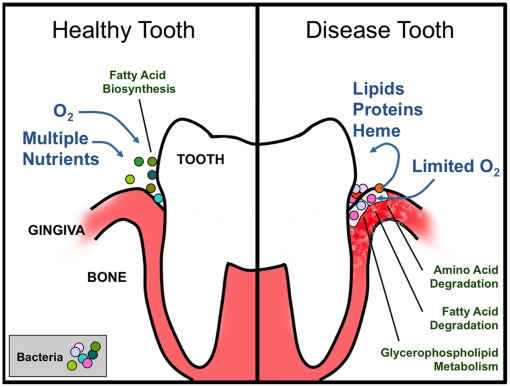
“In contrast, healthy samples contained genes associated with more protective traits, such as fatty acid biosynthesis [152].”
BackgroundDassi, E., Ballarini, A., Covello, G., Quattrone, A., Jousson, O., Sanctis, V. D., Bertorelli, R., Denti, M. A., & Segata, N. (2014) · Journal of Biotechnology · doi:10.1016/j.jbiotec.2014.03.024 · Cited by 41
Impact of polyols on Oral microbiome of Estonian schoolchildren
Štšepetova, J., Truu, J., Runnel, R., Nõmmela, R., Saag, M., Olak, J., Nõlvak, H., Preem, J., Oopkaup, K., Krjutškov, K., et al. (2019) · BMC Oral Health · doi:10.1186/s12903-019-0747-z · Cited by 49
Interaction of Oral and Toothbrush Microbiota Affects Oral Cavity Health
Shang, Q., Gao, Y., Qin, T., Wang, S., Shi, Y., & Chen, T. (2020) · Frontiers in Cellular and Infection Microbiology · doi:10.3389/fcimb.2020.00017 · Cited by 39
Tao, K., Yuan, Y., Xie, Q., & Dong, Z. (2024) · Behavioural Brain Research · doi:10.1016/j.bbr.2024.115111 · Cited by 44
Chen, T., Shi, Y., Wang, X., Wang, X., Meng, F., Yang, S., Yang, J., & Xin, H. (2017) · Molecular Medicine Reports · doi:10.3892/mmr.2017.6593 · Cited by 48
“In addition, none of the subjects had received systemic antibiotics or periodontal therapy in the previous 6 months (19).”
Industrial Applications and Production Sources of Serine Alkaline Proteases: A Review
Mukhtar, H. (2016) · Journal of Bacteriology & Mycology Open Access · doi:10.15406/jbmoa.2016.03.00051 · Cited by 44
Zhou, X., Nanayakkara, S., Gao, J., Nguyen, K.-A. T., & Adler, C. J. (2019) · Scientific Reports · doi:10.1038/s41598-019-51448-7 · Cited by 40
Stephen, A. S., Dhadwal, N., Nagala, V., Gonzales‐Marin, C., Gillam, D. G., Bradshaw, D. J., Burnett, G. R., & Allaker, R. P. (2021) · Journal of Periodontal Research · doi:10.1111/jre.12931 · Cited by 42
Балмасова, И. П., Olekhnovich, E. I., Klimina, K. M., Korenkova, A. A., Vakhitova, M. T., Babaev, E. A., Ovchinnikova, L. A., Lomakin, Y. A., Smirnov, I. V., Tsarev, V. N., et al. (2021) · Pathogens · doi:10.3390/pathogens10050504 · Cited by 40
Preservation of the metaproteome: variability of protein preservation in ancient dental calculus
Mackie, M., Hendy, J., Lowe, A. D., Sperduti, A., Holst, M., Collins, M. J., & Speller, C. F. (2017) · STAR: Science & Technology of Archaeological Research · doi:10.1080/20548923.2017.1361629 · Cited by 35
Tawfik, S. A., Azab, M., Ahmed, A. A. A., & Fayyad, D. M. (2018) · International Journal of Microbiology · doi:10.1155/2018/2837328 · Cited by 36
“The oral microbiome is associated with the development of oral diseases such as dental caries, periodontal disease, and endodontic infection [3, 4].”
BackgroundMontenegro, S. C. L., Retamal‐Valdes, B., Bueno‐Silva, B., Duarte, P. M., Faveri, M., Figueiredo, L. C., & Feres, M. (2020) · Journal of Periodontology · doi:10.1002/jper.19-0586 · Cited by 41
Probing periodontal microbial dark matter using metataxonomics and metagenomics
Kumar, P., Dabdoub, S. M., & Ganesan, S. M. (2020) · Periodontology 2000 · doi:10.1111/prd.12349 · Cited by 36
Dysbiosis of the Saliva Microbiome in Patients With Polycystic Ovary Syndrome
Li, N., Li, Y., Qian, C., Liu, Q., Cao, W., Ma, M., He, R., Chen, R., Geng, R., & Liu, Y. (2021) · Frontiers in Cellular and Infection Microbiology · doi:10.3389/fcimb.2020.624504 · Cited by 42
The link between periodontitis and Alzheimer's disease – emerging clinical evidence
Wu, D. T. S., Cho, Y. W., Spalti, M. D., Bishara, M., & Nguyen, T. T. H. (2022) · Dentistry Review · doi:10.1016/j.dentre.2022.100062 · Cited by 42
The Maternal Microbiome and Gestational Diabetes Mellitus: Cause and Effect
Dias, S. C., Pheiffer, C., & Adam, S. (2023) · Microorganisms · doi:10.3390/microorganisms11092217 · Cited by 39
“An imbalance in the oral microbiome, which can be affected by factors such as pH, anaerobic conditions, diet, hygiene, and hormone levels [43–45], can lead to periodontitis, gingivitis, or systemic diseases [46–48].”
Oral microbiome dysbiosis among cigarette smokers and smokeless tobacco users compared to non-users
Chattopadhyay, S., Malayil, L., Chopyk, J., Smyth, E. M., Kulkarni, P., Raspanti, G., Thomas, S. B., Sapkota, A., Mongodin, E. F., & Sapkota, A. R. (2024) · Scientific Reports · doi:10.1038/s41598-024-60730-2 · Cited by 49
Kashyap, B., & Kullaa, A. M. (2024) · Metabolites · doi:10.3390/metabo14050277 · Cited by 37
“Glycerol-3-phosphate, which is the product of glycerol phosphorylation by glycerol kinase, is elevated both in periodontitis [160] and OSCC [141].”
BackgroundMunasur, S. L., Turawa, E. B., Chikte, U. M. E., & Musekiwa, A. (2020) · International Journal of Environmental Research and Public Health · doi:10.3390/ijerph17155601 · Cited by 30
Ma, Y., & Liu, Q. (2022) · Computers in Biology and Medicine · doi:10.1016/j.compbiomed.2022.105503 · Cited by 36
High-throughput DNA sequencing of microbiota at interproximal sites
Carda‐Diéguez, M., Bravo, L. A., Morata, I. M., Vicente, A., & Mira, Á. (2019) · Journal of Oral Microbiology · doi:10.1080/20002297.2019.1687397 · Cited by 35
“found associated with healthy communities when compared with periodontitis [24,30].”
ResultAchtman, M., & Zhou, Z. (2020) · Philosophical Transactions of the Royal Society B Biological Sciences · doi:10.1098/rstb.2019.0573 · Cited by 35
“Seven metagenomes (electronic supplementary material, table S2; Archive 11:2; Archive 17:5) were excluded from further analyses because they contained too few reads from common microbial taxa in the oral microbiome. archive accession sets of short reads no. samples source institute citation 1 PRJNA445215 62 48 ancient…”
InfluentialExploring the signature gut and oral microbiome in individuals of specific Ayurveda prakriti
Shalini, T., Jnana, A., Sriranjini, J. S., Tanwar, A. S., Brand, A. M., Murali, T. S., Satyamoorthy, K., & Gangadharan, G. G. (2021) · Journal of Biosciences · doi:10.1007/s12038-021-00182-2 · Cited by 34
Al‐Ahmad, A., Bucher, M., Anderson, A. C., Tennert, C., Hellwig, E., Wittmer, A., Vach, K., & Karygianni, L. (2015) · PLoS ONE · doi:10.1371/journal.pone.0132107 · Cited by 34
“In addition, with regard to the development of periodontitis it has been shown that the bacterial composition of biofilm as well as shifts in its composition are associated with periodontal health status [49,50].”
BackgroundBaharudin, N., Al-Bayaty, F. H., & Hassan, M. I. A. (2021) · Dental and Medical Problems · doi:10.17219/dmp/132979 · Cited by 33
Periodontitis: Microbial Dysbiosis, Non‐Resolving Inflammation, or Both?
Dyke, T. E. V., Baima, G., & Romandini, M. (2025) · Journal of Periodontal Research · doi:10.1111/jre.13424 · Cited by 37
Reilly, C., Goettl, M., Steinmetz, M., Nikrad, J., & Jones, R. (2015) · Oral Diseases · doi:10.1111/odi.12407 · Cited by 31
Duan, X., Wu, T., Xu, X., Chen, D., Mo, A., Lei, Y., Cheng, L., Man, Y., Zhou, X., Wang, Y., et al. (2017) · Journal of Periodontology · doi:10.1902/jop.2017.160808 · Cited by 31
de Andrade, P. A. M., Giovani, P. A., Araujo, D. S., de Souza, A. J., Pedroni-Pereira, A., Kantovitz, K. R., Andreote, F. D., Castelo, P. M., & Nociti, F. H. (2020) · Archives of Microbiology · doi:10.1007/s00203-020-01817-y · Cited by 38
Exploring the effect of dentition, dental decay and familiality on oral health using metabolomics
Foxman, B., Srinivasan, U., Wen, A., Zhang, L., Marrs, C. F., Goldberg, D. E., Weyant, R. J., McNeil, D. W., Crout, R. J., & Marazita, M. L. (2013) · Infection Genetics and Evolution · doi:10.1016/j.meegid.2013.09.020 · Cited by 32
The human oral cavity microbiota composition during acute tonsillitis: a cross-sectional survey
Yeoh, Y. K., Chan, M. H., Chen, Z., Lam, E. W. H., Wong, P. Y., Ngai, C. M., Chan, P. K. S., & Hui, M. (2019) · BMC Oral Health · doi:10.1186/s12903-019-0956-5 · Cited by 34
A Statistical Framework for Accurate Taxonomic Assignment of Metagenomic Sequencing Reads
Jiang, H., An, L., Lin, S. M., Feng, G., & Qiu, Y. (2012) · PLoS ONE · doi:10.1371/journal.pone.0046450 · Cited by 29
“Our findings about these genera are also reported in a recent study [27] which hence further verified our results.”
ResultLiu, L. S., Gkranias, N., Farias, B. C., Spratt, D., & Donos, N. (2018) · Clinical Oral Investigations · doi:10.1007/s00784-018-2660-2 · Cited by 34
Metadata
- Authors
- Liu, B., Faller, L. L., Klitgord, N., Mazumdar, V., Ghodsi, M., Sommer, D. D., Gibbons, T. R., Treangen, T. J., Chang, Y.-C., Li, S., Stine, O. C., Hasturk, H., Kasif, S., Segrè, D., Pop, M., & Amar, S.
- Affiliations
- University of Maryland, College Park (US)
- Boston University (US)
- Johns Hopkins University (US)
- University of Maryland, Baltimore (US)
- Corresponding author
- Segrè, Daniel
- Pop, Mihai
- Amar, Salomon
- ORCID
- Venue
- PLoS ONE
- Publisher
- Public Library of Science (PLoS)
- Published
- 2012-06-04
- Volume
- 7
- Issue
- 6
- Pages
- e37919
- ISSN
- 1932-6203 (ISSN-L)
- PMC
- PMC3366996
- OpenAlex
- W2040670736
- Cited by
- 411
- References
- 90
- Citations by year
- 2026: 7 · 2025: 28 · 2024: 20 · 2023: 14 · 2022: 25 · 2021: 39 · 2020: 46 · 2019: 39 · 2018: 26 · 2017: 37 · 2016: 26 · 2015: 34 · 2014: 37 · 2013: 27 · 2012: 6
- FWCI
- 40.10
- Type
- journal article
- Language
- en
- Open access
- gold
- doi.org
- Locations
- PLoS ONE (publishedVersion, cc-by)
- Europe PMC (PubMed Central) (publishedVersion, cc-by)
- PubMed Central (publishedVersion, cc-by)
- PubMed (publishedVersion)
- Touro Scholar (Touro College) (submittedVersion)
- DOAJ (DOAJ: Directory of Open Access Journals) (submittedVersion, cc-by-sa)
- Figshare (submittedVersion, cc-by)
- Funders
- National Science Foundation (0812111)
- Bill and Melinda Gates Foundation
- National Institutes of Health (1rc2gm092602-01)
- National Human Genome Research Institute (R01HG004885, R01-HG04885)
- National Institute of General Medical Sciences (RC2-GM-092602, 1RC2GM092602-01, RC2-GM-092602-01, 1RC2GM092602)
- National Institute of Dental and Craniofacial Research (R01DE015345, R01DE014079)
- Topics
- Health Sciences › Dentistry › Periodontics › Oral microbiology and periodontitis research
- Life Sciences › Biochemistry, Genetics and Molecular Biology › Molecular Biology › Gut microbiota and health
- Life Sciences › Biochemistry, Genetics and Molecular Biology › Molecular Biology › Genomics and Phylogenetic Studies
- Keywords
- oral microbiota, periodontitis, subgingival plaque, 16S rRNA gene sequencing, metagenomics, virulence factors, microbial community structure, host homeostasis, cardiovascular risk, microbial genome reconstruction
- MeSH terms
- Actinomyces, Adult, Genes, Bacterial, Health, Humans, Metals, Middle Aged, Mouth, Periodontal Diseases, Periodontitis, Reference Standards, RNA, Ribosomal, 16S, Genetic Variation, Gene Expression Profiling, Drug Resistance, Bacterial, Virulence Factors, Metabolic Networks and Pathways, Metagenome, Metagenomics, High-Throughput Nucleotide Sequencing
About these checks
Registry, retraction, Cites and statistics results are computed, not judged, with one exception: a printed reference that no index lists is read once by a model before it counts as a citation error. Claims are extracted by a model and kept only when their quote appears verbatim in the text; each cited source is then checked, with a model’s help, for whether it says what the claim relies on. Those verdicts can be wrong — read the claim’s quote and the cited source before relying on one.
Statistics and arithmetic are recomputed, not judged.
Confidence bands are shown only for fields calibrated on our annotated test set. None is calibrated yet, so no band is shown.
What counts as a claim ›How we measure confidence ›How we check this ›
Are you an author, or do you see a problem with this page? Request a review
Data sources
Bibliographic data: Semantic Scholar, OpenAlex, Crossref.
Contains information from the Semantic Scholar Academic Graph Datasets, made available under the ODC Attribution License (ODC-BY 1.0).
Semantic Scholar’s data is described in: Kinney, R., et al. (2023). The Semantic Scholar Open Data Platform. arXiv:2301.10140.
