

Deep Sequencing of the Oral Microbiome Reveals Signatures of Periodontal Disease
Open accessThe DOI matches its Crossref record; 90 of the 90 references it cites were found in a registry or an index.
Abstract
The oral microbiome, the complex ecosystem of microbes inhabiting the human mouth, harbors several thousands of bacterial types. The proliferation of pathogenic bacteria within the mouth gives rise to periodontitis, an inflammatory disease known to also constitute a risk factor for cardiovascular disease. While much is known about individual species associated with pathogenesis, the system-level mechanisms underlying the transition from health to disease are still poorly understood. Through the sequencing of the 16S rRNA gene and of whole community DNA we provide a glimpse at the global genetic, metabolic, and ecological changes associated with periodontitis in 15 subgingival plaque samples, four from each of two periodontitis patients, and the remaining samples from three healthy individuals. We also demonstrate the power of whole-metagenome sequencing approaches in characterizing the genomes of key players in the oral microbiome, including an unculturable TM7 organism. We reveal the disease microbiome to be enriched in virulence factors, and adapted to a parasitic lifestyle that takes advantage of the disrupted host homeostasis. Furthermore, diseased samples share a common structure that was not found in completely healthy samples, suggesting that the disease state may occupy a narrow region within the space of possible configurations of the oral microbiome. Our pilot study demonstrates the power of high-throughput sequencing as a tool for understanding the role of the oral microbiome in periodontal disease. Despite a modest level of sequencing (~2 lanes Illumina 76 bp PE) and high human DNA contamination (up to ~90%) we were able to partially reconstruct several oral microbes and to preliminarily characterize some systems-level differences between the healthy and diseased oral microbiomes.
Overview
The claims and statistics of this paper haven’t been checked yet.
Free: it reads the open-access text and checks the first 5 claims that cite a source we can check. Create a free account to check every claim.
Integrity signals
Registry
Cites
Statistics
Figures
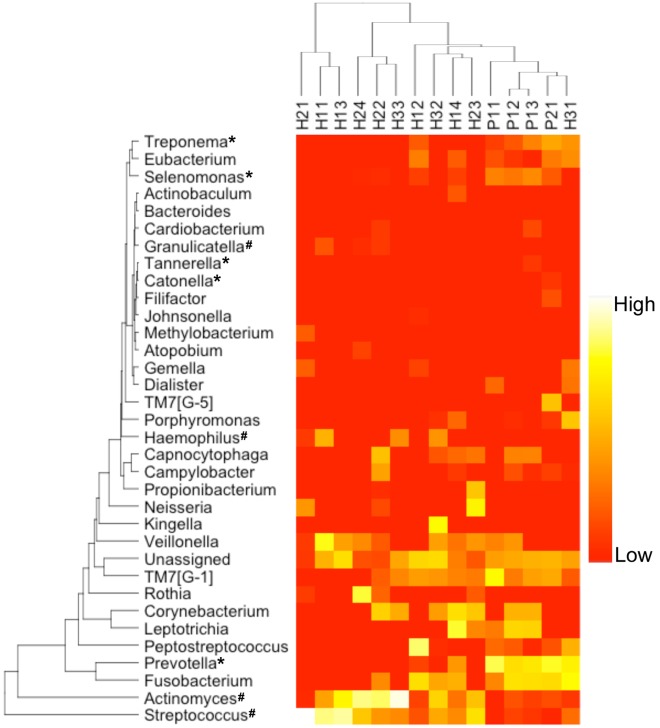
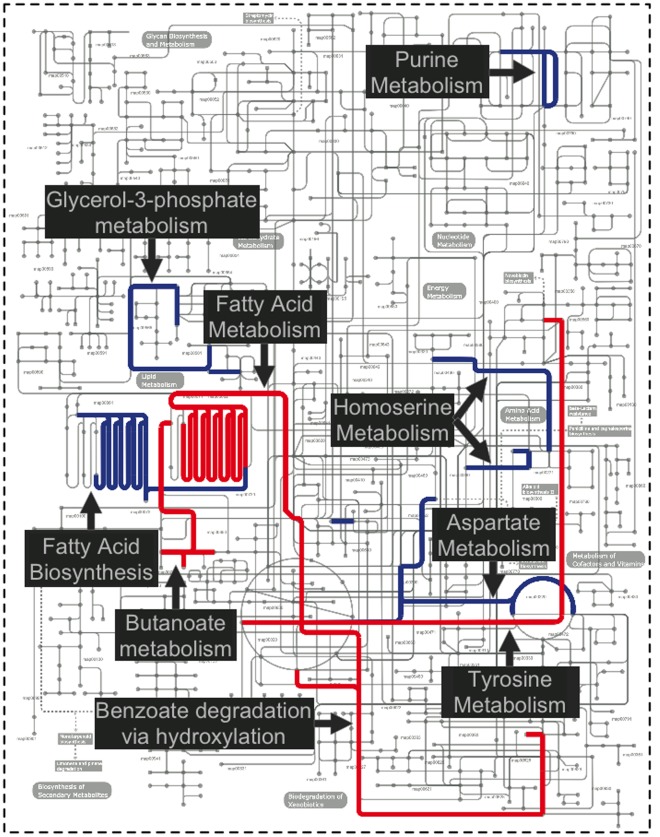
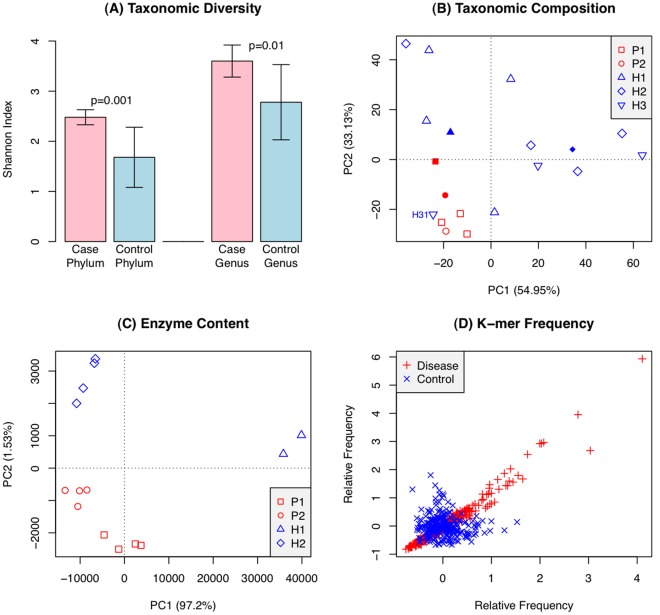
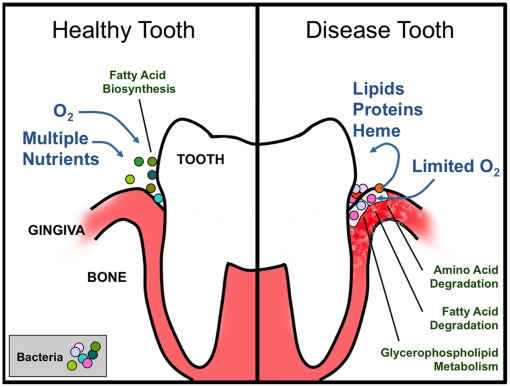
Verification
Claims the paper makes
The claims and statistics of this paper haven’t been checked yet.
Free: it reads the open-access text and checks the first 5 claims that cite a source we can check. Create a free account to check every claim.
Claims other papers make about this one
Each is checked against this paper’s own text: does it say what the citing paper says it does?
The source backs part of the claim, not all of it — or backs it for a different population, condition or comparison.
In the citing paper
“It is widely accepted that nonmineralized biofilms consist of over 800 different taxa (20).”
From Dental calculus: the calcified biofilm and its role in disease development (2018) · cites this paper as [20]
Experimental — accuracy not yet measuredIn the citing paper
“This phylum has been linked to inflammatory conditions of the mouth such as periodontitis 46.”
From The composition of the gut microbiota shapes the colon mucus barrier (2015) · cites this paper as [46]
Self-check
Percentages, sums and reported differences re-computed from the paper’s own numbers.
The self-check needs the paper’s full text.
Citations
Cites
Subramanian, A., Tamayo, P., Mootha, V. K., Mukherjee, S., Ebert, B. L., Gillette, M. A., Paulovich, A., Pomeroy, S. L., Golub, T. R., Lander, E. S., et al. (2005) · Proceedings of the National Academy of Sciences · doi:10.1073/pnas.0506580102 · Cited by 53,625 · cited 4×
“GSEA was used to identify functional categories that were enriched in disease or control patients.”
MethodInfluentialKEGG: Kyoto Encyclopedia of Genes and Genomes
Kanehisa, M. (2000) · Nucleic Acids Research · doi:10.1093/nar/28.1.27 · Cited by 37,077 · cited 1×
“Enzyme Based PCA After pre-processing, metagenomic sequences were annotated with specific Kyoto Encyclopedia of Genes and Genomes (KEGG) orthology (KO) codes using BLAST searches against the KEGG sequence repository [83].”
MethodKEGG: Kyoto Encyclopedia of Genes and Genomes
Ogata, H., Goto, S., Sato, K., Fujibuchi, W., Bono, H., & Kanehisa, M. (1999) · Nucleic Acids Research · doi:10.1093/nar/27.1.29 · Cited by 31,232
Ultrafast and memory-efficient alignment of short DNA sequences to the human genome.
Langmead, B., Trapnell, C., Pop, M., & Salzberg, S. L. (2009) · Genome Biology · doi:10.1186/gb-2009-10-3-r25 · Cited by 21,849
Self-citationA human gut microbial gene catalogue established by metagenomic sequencing
MetaHIT Consortium, Qin, J., Li, R., Raes, J., Arumugam, M., Burgdorf, K. S., Manichanh, C., Nielsen, T., Pons, N., Levenez, F., et al. (2010) · Nature · doi:10.1038/nature08821 · Cited by 11,624 · cited 2×
“04 [66] with parameters 2K 23 and 2M 3, as previously used by the MetaHit project [52] to assemble gut microbiome data.”
MethodSelf-citationCircos: An information aesthetic for comparative genomics
Krzywinski, M., Schein, J., Birol, İ., Connors, J., Gascoyne, R., Horsman, D., Jones, S. J., & Marra, M. A. (2009) · Genome Research · doi:10.1101/gr.092759.109 · Cited by 10,964 · cited 1×
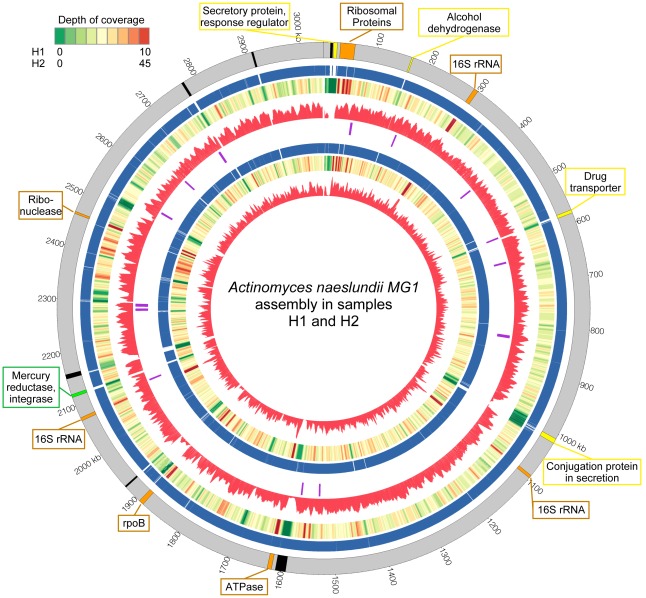
“Image generated with Circos [86].”
Global trends in emerging infectious diseases
Jones, K. E., Patel, N. G., Levy, M. A., Storeygard, A., Balk, D., Gittleman, J. L., & Daszak, P. (2008) · Nature · doi:10.1038/nature06536 · Cited by 8,338 · cited 1×
“This is especially true in light of the slow rate at which new antibiotics are discovered [7], and the increase in the number of microbes that can resist treatment [8,9].”
BackgroundTurnbaugh, P. J., Ley, R. E., Hamady, M., Fraser-Liggett, C. M., Knight, R., & Gordon, J. I. (2007) · Nature · doi:10.1038/nature06244 · Cited by 6,091 · cited 2×
“Understanding the role of microbial communities in human health is emerging as one of the most important and fascinating biomedical challenges of our times [1,2,3,4].”
BackgroundVersatile and open software for comparing large genomes
Kurtz, S., Phillippy, A., Delcher, A. L., Smoot, M., Shumway, M., Antonescu, C., & Salzberg, S. L. (2004) · Genome Biology · doi:10.1186/gb-2004-5-2-r12 · Cited by 5,254 · cited 2×
“We used MUMmer [65] (-maxmatch -l 20 -b) to map the individual reads against the HOMD reference database.”
MethodMicrobial complexes in subgingival plaque
Socransky, S. S., Haffajee, A. D., Cugini, M. A., Smith, C., & Kent, R. L. (1998) · Journal of Clinical Periodontology · doi:10.1111/j.1600-051x.1998.tb02419.x · Cited by 5,050 · cited 1×
“Surprisingly, however, neither Fusobacterium, nor Porphyromonas were found to be significantly more abundant in the periodontal disease samples, despite being previously implicated in this disease [12,39].”
Background
Cited by
Items 201–300 of 410
Omics and interspecies interaction
Shokeen, B., Dinis, M., Haghighi, F., Tran, N. C., & Lux, R. (2020) · Periodontology 2000 · doi:10.1111/prd.12354 · Cited by 30
Adler, C. J., Cao, K. L., Hughes, T. E., Kumar, P., & Austin, C. E. (2021) · BioEssays · doi:10.1002/bies.202000314 · Cited by 33
“[1] Dysbiosis between the oral microbiome and host underpins the development of oral diseases such as dental caries[2] and periodontal disease.[3,4] The Global Burden”
BackgroundAssessing saliva microbiome collection and processing methods
Armstrong, A. J. S., Parmar, V., & Blaser, M. J. (2021) · npj Biofilms and Microbiomes · doi:10.1038/s41522-021-00254-z · Cited by 31
Stability of healthy subgingival microbiome across space and time
Tamashiro, R. A., Strange, L., Schnackenberg, K., Santos, J., Gadalla, H., Zhao, L., Li, E. C., Hill, E. V., Hill, B., Sidhu, G. S., et al. (2021) · Scientific Reports · doi:10.1038/s41598-021-03479-2 · Cited by 31
The Oral–Gut–Brain Axis: The Influence of Microbes as a Link of Periodontitis With Ischemic Stroke
Zhong, Y., Kang, X., Bai, X., Pu, B., Smerin, D., Zhao, L., & Xiong, X. (2024) · CNS Neuroscience & Therapeutics · doi:10.1111/cns.70152 · Cited by 33
“Actinomyces , Prevotella , Streptococcus , Fusobacterium , and Veillonella represent the predominant strains inhabiting the oral cavity [13, 15, 16].”
Periodontal Diseases: Major Exacerbators of Pulmonary Diseases?
Kouanda, B., Sattar, Z., & Geraghty, P. M. (2021) · Pulmonary Medicine · doi:10.1155/2021/4712406 · Cited by 39
“This study [11] and others suggest [21, 22] that there are distinctions between taxa and assembly processes of the oral microbiota between periodontal health and disease.”
BackgroundPatterns of subgingival microbiota in different periodontal phenotypes
Nibali, L., Sousa, V., Davrandi, M., Liu, L., Spratt, D. A., & Donos, N. (2021) · Journal of Dentistry · doi:10.1016/j.jdent.2021.103912 · Cited by 31
“While increased microbial diversity represents a healthy, stable ecosystem in the gut microbiota [25] and is considered consistent with oral health [26,27], several studies identified increased microbial diversity in periodontitis vs. periodontally-healthy cases [28,29].”
BackgroundSubgingival Microbiome in Pregnancy and a Potential Relationship to Early Term Birth
Yang, I. H., Claussen, H., Arthur, R. A., Hertzberg, V., Geurs, N. C., Corwin, E. J., & Dunlop, A. L. (2022) · Frontiers in Cellular and Infection Microbiology · doi:10.3389/fcimb.2022.873683 · Cited by 35
Probiotics in personal care products
Huang, M. J., & Tang, J. (2015) · Microbiology Discovery · doi:10.7243/2052-6180-3-5 · Cited by 35
“Diseases resulting from oral ecosystem change include dental caries (tooth decay), periodontitis (gum inflammation), endodontic (root canal) infections, alveolar osteitis (dry socket) and tonsillitis [37,39,41].”
BackgroundThe personal touch: strategies toward personalized vaccines and predicting immune responses to them
Kennedy, R. B., Ovsyannikova, I. G., Lambert, N. D., Haralambieva, I. H., & Poland, G. A. (2014) · Expert Review of Vaccines · doi:10.1586/14760584.2014.905744 · Cited by 31
Bernard, C., Lannes, R., Li, Y., Bapteste, E. P., & Lopez, P. (2020) · mSystems · doi:10.1128/msystems.00414-20 · Cited by 29
“Again, it has been reported that the relative abundance of “ Candidatus Saccharibacteria” is about (cid:5) 1% in healthy human oral cavities but can increase to up to 21% of the whole microbial community in cases of periodontal diseases (58, 59).”
Post-translational Modifications in Oral Bacteria and Their Functional Impact
Ma, Q., Zhang, Q., Chen, Y., Yu, S., Huang, J., Liu, Y., Gong, T., Li, Y., & Zou, J. (2021) · Frontiers in Microbiology · doi:10.3389/fmicb.2021.784923 · Cited by 31
Performance of MALDI-TOF MS for identification of oral Prevotella species
Gürsoy, M., Harju, I., Matomäki, J., Bryk, A., & Könönen, E. (2017) · Anaerobe · doi:10.1016/j.anaerobe.2017.04.008 · Cited by 30
A cytometric approach to follow variation and dynamics of the salivary microbiota
van Gelder, S., Röhrig, N., Schattenberg, F., Cichocki, N., Schumann, J., Schmalz, G., Haak, R., Ziebolz, D., & Müller, S. (2017) · Methods · doi:10.1016/j.ymeth.2017.08.009 · Cited by 26
Vollmer, A., Al‐Ahmad, A., Argyropoulou, A., Thurnheer, T., Hellwig, E., Attin, T., Vach, K., Wittmer, A., Ferguson, K., Skaltsounis, A., et al. (2019) · Scientific Reports · doi:10.1038/s41598-019-56925-7 · Cited by 28
Electrospun PLA Fibers Containing Metronidazole for Periodontal Disease
Budai-Szűcs, M., Léber, A., Cui, L., Józó, M., Vályi, P., Burián, K., Kirschweng, B., Csányi, E., & Pukánszky, B. (2020) · Drug Design Development and Therapy · doi:10.2147/dddt.s231748 · Cited by 27
Advancing and refining archaeological dental calculus research using multiomic frameworks
Wright, S., Dobney, K. M., & Weyrich, L. S. (2021) · STAR Science & Technology of Archaeological Research · doi:10.1080/20548923.2021.1882122 · Cited by 29
The Subgingival Microbiome in Patients with Down Syndrome and Periodontitis
Nóvoa, L., Sánchez, M. D. C., Blanco, J., Posse, J. L., Cuenca, M., Marín, M. J., Sanz, M., Herrera, D., & Dios, P. D. (2020) · Journal of Clinical Medicine · doi:10.3390/jcm9082482 · Cited by 28
Choi, Y., Park, E., Kim, S., Ha, J., Oh, H., Kim, Y., Lee, Y., Seo, Y., Kang, J., Lee, S., et al. (2021) · Journal of Dairy Science · doi:10.3168/jds.2020-19625 · Cited by 26
Wang, L., Gao, Z., Zhao, Z., Shen, X., Feng, J., & Xiong, J. (2023) · Heliyon · doi:10.1016/j.heliyon.2023.e22110 · Cited by 23
“The transition from periodontitis to healthy conditions might be attributed to a shift in the global balance of the microbiome rather than the disappearance of specific periodontal pathogenic bacteria [33].”
BackgroundAccurate genome relative abundance estimation for closely related species in a metagenomic sample
Sohn, M. B., An, L., Pookhao, N., & Li, Q. (2014) · BMC Bioinformatics · doi:10.1186/1471-2105-15-242 · Cited by 25
“At the same time, some of them are directly involved in the development of oral diseases, such as cavities and periodontal disease [15,21].”
Badros, A. Z., Meddeb, M., Weikel, D. S., Philip, S., Milliron, T., Lapidus, R. S., Hester, L., Goloubeva, O. G., Meiller, T. F., & Mongodin, E. F. (2021) · Frontiers in Oncology · doi:10.3389/fonc.2021.704722 · Cited by 27
“Other studies have shown lower microbiome diversity and higher abundance of Streptococci in the exposed bone of patients with BRONJ (22, 25).”
BackgroundHealthy microbiome – a mere idea or a sound concept?
Najmanová, L., Vídeňská, P., & Cahová, M. (2022) · Physiological Research · doi:10.33549/physiolres.934967 · Cited by 23
Arredondo, A., Àlvarez, G., Isabal, S., Teughels, W., Laleman, I., Contreras, M. J., Isbej, L., Huapaya, E., Mendoza‐Azpur, G., Mor, C., et al. (2023) · Journal Of Clinical Periodontology · doi:10.1111/jcpe.13827 · Cited by 24
Host Genome, Epigenome, and Oral Microbiome Interactions: Toward Personalized Periodontal Therapy
Razzouk, S., & Termechi, O. (2013) · Journal of Periodontology · doi:10.1902/jop.2012.120531 · Cited by 30
Angelino, K., Shah, P. P., Edlund, D. A., Mohit, M., & Yauney, G. (2017) · BMC Oral Health · doi:10.1186/s12903-017-0472-4 · Cited by 27
Microbiota in Human Periodontal Abscess Revealed by 16S rDNA Sequencing
Chen, J., Wu, X., Zhu, D., Xu, M., Yu, Y., Yu, L., & Zhang, W. (2019) · Frontiers in Microbiology · doi:10.3389/fmicb.2019.01723 · Cited by 22
Amato, M., Polizzi, A., Viglianisi, G., Leonforte, F., Mascitti, M., & Isola, G. (2025) · Metabolites · doi:10.3390/metabo15010035 · Cited by 27
Song, B., Su, X., Xu, J., & Ning, K. (2012) · PLoS ONE · doi:10.1371/journal.pone.0048998 · Cited by 21
“More and more dentists or those who work related to oral healthy are focusing on microbiome etiological factors involved in disease [34].”
BackgroundBiofilm community diversity after exposure to 0·4% stannous fluoride gels
Reilly, C., Rasmussen, K., Selberg, T., Stevens, J., & Jones, R. S. (2014) · Journal of Applied Microbiology · doi:10.1111/jam.12655 · Cited by 21
“…RNA probes in microarrays such as Human Oral Microbial Identification Microarray (HOMIM, Forsyth Institute, Boston, MA) or sequence-based analysis of the 16s rRNA gene allow for assessing cultivatable and uncultivable bacteria (Tanner et al. 2011; Gross et al. 2012; Liu et al. 2012).”
BackgroundMethodOral Care Assessment Tools and Interventions After Stroke
Prendergast, V., & Hinkle, J. L. (2018) · Stroke · doi:10.1161/strokeaha.117.017045 · Cited by 26
Comparison of Oral Microbe Quantities from Tongue Samples and Subgingival Pockets
Göhler, A., Samietz, S., Schmidt, C. O., Kocher, T., Steinmetz, I., & Holtfreter, B. (2018) · International Journal of Dentistry · doi:10.1155/2018/2048390 · Cited by 24
“Each habitat appears to be preferentially populated by different and somewhat unique sets of microbes, whereas in periodontal disease the microbial profile in the subgingival pocket seems to narrow [5].”
BackgroundComparing the Use of Magnetic Beads with Ultrafiltration for Ancient Dental Calculus Proteomics
Palmer, K. S., Makarewicz, C. A., Tishkin, A. A., Tur, S. S., Chunag, A., Diimajav, E., Jamsranjav, B., & Buckley, M. (2021) · Journal of Proteome Research · doi:10.1021/acs.jproteome.0c00862 · Cited by 27
Nakano, M., Wakabayashi, H., Sugahara, H., Odamaki, T., Yamauchi, K., Abe, F., Xiao, J., Murakami, K., Ishikawa, K., & Hironaka, S. (2017) · Microbiology and Immunology · doi:10.1111/1348-0421.12537 · Cited by 22
“Targeted DNA sequencing of bacterial 16S rRNA gene regions recently revealed relationships between oral health-related conditions and the oral microbiota (15, 16).”
BackgroundDiTaxa: nucleotide-pair encoding of 16S rRNA for host phenotype and biomarker detection
Asgari, E., Münch, P. C., Lesker, T. R., McHardy, A. C., & Mofrad, M. R. K. (2018) · Bioinformatics · doi:10.1093/bioinformatics/bty954 · Cited by 20
Duran-Pinedo, A. E., Solbiati, J., Teles, F., Yanping, Z., & Frias‐Lopez, J. (2025) · Microbiome · doi:10.1186/s40168-025-02108-8 · Cited by 25
Proteomics and Proteogenomics Approaches for Oral Diseases
Bragazzi, N. L., Pechkova, E., & Nicolini, C. A. (2014) · Advances in protein chemistry and structural biology · doi:10.1016/b978-0-12-800453-1.00004-x · Cited by 19
“isms have contributed to detail the molecular basis and mechanisms of pathogen–host interactions and shown that the microbial flora may act as a link between periodontitis and systemic risks (Liu et al., 2012; Pham et al., 2010; Zainal-Abidin et al., 2012; Zijnge, Kieselbach, & Oscarsson, 2012).”
BackgroundYun, K. H., Lee, H., Nam, O. H., Moon, C.-Y., Lee, J., & Choi, S. C. (2016) · International Journal of Paediatric Dentistry · doi:10.1111/ipd.12226 · Cited by 19
Parolin, C., Giordani, B., Palomino, R. A. Ñ., Biagi, E., Severgnini, M., Consolandi, C., Caredda, G., Storelli, S., Strohmenger, L., & Vitali, B. (2017) · Scientific Reports · doi:10.1038/s41598-017-06743-6 · Cited by 20
Kazarina, A., Pētersone-Gordina, E., Ķimsis, J., Kuzmicka, J., Zayakin, P., Griškjans, Ž., Gerhards, G., & Ranka, R. (2021) · Genes · doi:10.3390/genes12020309 · Cited by 21
“Dental calculus represents over 600 different bacterial taxa that are common to saliva and dental plaque [1,6,7].”
BackgroundKong, J., Zhang, G., Xia, K., Diao, C., Yang, X., Zuo, X., Li, Y., & Liang, X. (2021) · 3 Biotech · doi:10.1007/s13205-021-02699-7 · Cited by 22
“Notably, the bacterial genera Fusobacterium, Corynebacterium, Actinomyces, and Streptococcus have previously been shown as the dominant genera in the tooth and gum tissue with a healthy state (Liu et al. 2012).”
BackgroundXu, Z., Wang, Y., Li, S., Li, Y., Chang, L., Yao, Y., & Peng, Q. (2025) · Biomaterials Advances · doi:10.1016/j.bioadv.2025.214326 · Cited by 21
Self-citationDental implant surfaces and their interaction with the oral microbiome
Vernon, J. J., Raïf, E. M., Aw, J., Attenborough, E., Jha, A., & Do, T. (2022) · Dentistry Review · doi:10.1016/j.dentre.2022.100060 · Cited by 27
Léber, A., Budai-Szűcs, M., Urbán, E. Z., Vályi, P., Gácsi, A., Berkó, S., Kovács, A., & Csányi, E. (2019) · Pharmaceutics · doi:10.3390/pharmaceutics11030142 · Cited by 20
Khocht, A., Orlich, M. J., Paster, B. J., Bellinger, D. L., Lenoir, L., Irani, C., & Fraser, G. E. (2021) · Journal of Periodontal Research · doi:10.1111/jre.12922 · Cited by 22
Lucisano, M. P., da Silva, R. A. B., Pereira, A. P. D. S., Romualdo, P. C., Feres, M., de Queiroz, A. M., Nelson‐Filho, P., & da Silva, L. A. B. (2020) · Clinical Oral Investigations · doi:10.1007/s00784-020-03688-5 · Cited by 21
Shiba, T., Komatsu, K., Sudo, T., Sawafuji, R., Saso, A., Ueda, S., Watanabe, T., Nemoto, T., Kano, C., Nagai, T., et al. (2021) · Frontiers in Cellular and Infection Microbiology · doi:10.3389/fcimb.2021.723821 · Cited by 20
“Several studies have reported that TM7 species were significantly enriched in periodontitis in modern times (Liu et al., 2012; Chen et al., 2018).”
BackgroundCho, T., Nagao, J.-I., Imayoshi, R., & Tanaka, Y. (2014) · International Journal of Dentistry · doi:10.1155/2014/454391 · Cited by 18
“[32] analyzed the oral microbiome in supraand subgingival plaques of 3 healthy individuals and 2 periodontitis patients whowere in good general health.”
BackgroundAmplicon Sequence Variant-Based Oral Microbiome Analysis Using QIIME 2Preprint
Maruyama, H., Masago, A., Nambu, T., Mashimo, C., & Okinaga, T. (2020) · Preprints.org · doi:10.20944/preprints202008.0206.v1 · Cited by 27
“identification of individual oral microbiomes could facilitate the prediction, prevention, and treatment of oral diseases, and the maintenance of oral health [6].”
BackgroundRademacher, S. W. H., Zaura, E., Kleverlaan, C. J., Buijs, M. J., Crielaard, W., Loos, B. G., & Laine, M. L. (2019) · Journal of Periodontal Research · doi:10.1111/jre.12642 · Cited by 16
Asangba, A. E., Mugisha, L., Rukundo, J., Lewis, R. J., Halajian, A., Cortés‐Ortiz, L., Junge, R. E., Irwin, M. T., Karlson, J., Perkin, A. W., et al. (2022) · Microbiology Spectrum · doi:10.1128/spectrum.01643-21 · Cited by 19
A Potential Link Between Oral Microbiota and Female Reproductive Health
Marcickiewicz, J., Jamka, M., & Walkowiak, J. (2025) · Microorganisms · doi:10.3390/microorganisms13030619 · Cited by 21
“The reduced abundance of Actinobacteria has been associated with periodontitis [108,109], confirming that PCOS patients have a more pathogen-favorable microenvironment, which may involve a higher susceptibility to the development of periodontal diseases affecting future gestation.”
Recent Advances in Functionalized Electrospun Membranes for Periodontal Regeneration
Epicoco, L., Pellegrino, R., Madaghiele, M., Friuli, M., Giannotti, L., Stanca, B. D. C., Palermo, A., Siculella, L., Savković, V., Demitri, C., et al. (2023) · Pharmaceutics · doi:10.3390/pharmaceutics15122725 · Cited by 16
Hunter, M. C., Pozhitkov, A. E., & Noble, P. A. (2016) · Journal of Microbiological Methods · doi:10.1016/j.mimet.2016.09.019 · Cited by 17
“However, members of the red complex 59 have been discovered in people who do not have periodontal disease (8,7,9).”
BackgroundMethodIdentification of microbiota dynamics using robust parameter estimation methods
Chung, M., Krueger, J., & Pop, M. (2017) · Mathematical Biosciences · doi:10.1016/j.mbs.2017.09.009 · Cited by 17
“For each study, we separately sample 1,000 (λ, α)-pairs from the square [1, 100] × [0.”
BackgroundMethodSelf-citationRoy, A., Dash, S. K., & Sathyakumar, S. (2022) · Human Ecology · doi:10.1007/s10745-022-00306-8 · Cited by 16
Metabolic phenotyping of the human microbiome
Barton, W., O’Sullivan, Ó., & Cotter, P. D. (2019) · F1000Research · doi:10.12688/f1000research.19481.1 · Cited by 16
Krishnan, G., Naik, D. G., Uppoor, A. S., Nayak, S. U., Baliga, S., & Maddi, A. (2020) · PeerJ · doi:10.7717/peerj.8441 · Cited by 15
“However, recent studies that performed microbiome sequencing indicate thatmore than 700 species of bacteria are part of the oralmilieu (Griffen et al., 2012;Abusleme et al., 2013;Oliveira et al., 2016; Liu et al., 2012).”
BackgroundGrossman, A. S., Lei, L., Botting, J. M., Liu, J., Nahar, N., Liu, J., McLean, J. S., He, X., & Bor, B. (2025) · The ISME Journal · doi:10.1093/ismejo/wraf119 · Cited by 14
Grossman, A. S., Lei, L., Botting, J. M., Liu, J., Nahar, N., Souza, J. G. S., Liu, J., McLean, J. S., He, X., & Bor, B. (2024) · doi:10.1101/2024.11.25.624915 · Cited by 14
Salivary Microbiome Diversity in Kuwaiti Adolescents with Varied Body Mass Index—A Pilot Study
Alqaderi, H. E., Ramakodi, M. P., Nizam, R., Jacob, S. P., Devarajan, S., Eaaswarkhanth, M., & Al‐Mulla, F. (2021) · Microorganisms · doi:10.3390/microorganisms9061222 · Cited by 16
“Similarly, Liu et al. (2012) recorded the following taxa, Actinomyces, Prevotella, Streptococcus, Fusobacterium, Leptotrichia, Corynebacterium, Veillonella, Rothia, Capnocytophaga, Selenomonas, Treponema, and TM7 as core microbiome [49].”
Karaca, B., Gürsoy, M., Kıran, F., Loimaranta, V., Söderling, E. M., & Gürsoy, U. K. (2023) · Microbiology Research · doi:10.3390/microbiolres14030098 · Cited by 16
“Prevotella is one of the most commonly identified genera in the oral microbiome [9].”
BackgroundEpisymbiotic Saccharibacteria induce intracellular lipid droplet production in their host bacteria
Dong, P., Tian, J., Kobayashi-Kirschvink, K. J., Cen, L., McLean, J. S., Bor, B., Shi, W., & He, X. (2024) · The ISME Journal · doi:10.1093/ismejo/wrad034 · Cited by 17
“However, its relative abundance increases (as high as over 20% of the total oral bacterial community as reported in somestudies)inpatientswithvarioustypesofperiodontitis[8,11].”
BackgroundAn overview of major metagenomic studies on human microbiomes in health and disease
Cui, H., Li, Y., & Zhang, X. (2016) · Quantitative Biology · doi:10.1007/s40484-016-0078-x · Cited by 17
Advancing periodontitis microbiome research: integrating design, analysis, and technology
Han, Y., & Ding, P. (2025) · Frontiers in Cellular and Infection Microbiology · doi:10.3389/fcimb.2025.1616250 · Cited by 12
“…et al., 2013; Altabtbaei et al., 2021; Belstrøm et al., 2021; Griffen et al., 2012; Kirst et al., 2015; Koohi-Moghadam et al., 2024; Kumar et al., 2005; Li et al., 2014; Liu et al., 2012; Pei et al., 2020; Pe ́ rez-Chaparro et al., 2018; Shi et al., 2018; Tsai et al., 2018) (Supplementary Table 1).”
Schmeisser, C., Krohn-Molt, I., & Streit, W. R. (2017) · Springer eBooks · doi:10.1007/978-3-319-61510-3_12 · Cited by 12
The Function of the Oral Microbiome in Health and Disease
Frias‐Lopez, J., & Duran-Pinedo, A. E. (2020) · Springer eBooks · doi:10.1007/978-3-030-42990-4_10 · Cited by 16
Saliva microbiome in relation to SARS-CoV-2 infection in a prospective cohort of healthy US adults
Armstrong, A. J. S., Horton, D. B., Andrews, T., Greenberg, P. J., Roy, J., Gennaro, M. L., Carson, J. L., Panettieri, R. A., Barrett, E. S., & Blaser, M. J. (2023) · EBioMedicine · doi:10.1016/j.ebiom.2023.104731 · Cited by 12
Role of Oral Microbiota Dysbiosis in the Development and Progression of Oral Lichen Planus
Lavoro, A., Cultrera, G., Gattuso, G., Lombardo, C., Falzone, L., Candido, S., Libra, M., & Salmeri, M. (2024) · Journal of Personalized Medicine · doi:10.3390/jpm14040386 · Cited by 13
Hanna, E. M., Hamp, T. J., McKillop, I. H., Bahrani‐Mougeot, F. K., Martinie, J. B., Horton, J. M., Sindram, D., Gharaibeh, R. Z., Fodor, A. A., & Iannitti, D. A. (2014) · Journal of Surgical Research · doi:10.1016/j.jss.2014.05.003 · Cited by 13
“Deep sequencing has previously found other applications in the clinical realm for diagnostic virology; characterizing HIV and hepatitis C viruses (21), to study DNA methylation patterns in prostate cancer (22) and to study novel bacterial species of the oral microbiome as signatures of periodontal disease (23).”
BackgroundA Brief Review on the Ecological Network Analysis with Applications in the Emerging Medical Ecology
Ma, Z. S., Zhang, C., Zhang, Q., Li, J., Li, L., Qi, L., & Yang, X. (2016) · Springer protocols handbooks/Springer protocols · doi:10.1007/8623_2016_204 · Cited by 12
Liu, X., Tian, K., Ma, X., Wang, S., Luo, C., & Du, Q. (2020) · Saudi Journal of Biological Sciences · doi:10.1016/j.sjbs.2020.04.040 · Cited by 13
“But in Bo Liu’s study, treponemes in PD patients was significantly enriched (Liu et al., 2012).”
BackgroundResultThe Human Microbiome of Local Body Sites and Their Unique Biology
Aagaard, K. M., Luna, R. A., & Versalovic, J. A. (2015) · Elsevier eBooks · doi:10.1016/b978-1-4557-4801-3.00002-3 · Cited by 16
Santiago-Rodriguez, T. M., Fornaciari, A., Fornaciari, G., Luciani, S., Marota, I., Vercellotti, G., Toranzos, G. A., Giuffra, V., & Cano, R. J. (2019) · Genes · doi:10.3390/genes10040299 · Cited by 10
Keystone pathobionts associated with colorectal cancer promote oncogenic reprograming
Jones, J. P., Shi, Q., Nath, R. R., & Brito, I. (2024) · PLoS ONE · doi:10.1371/journal.pone.0297897 · Cited by 14
Medical microbiological approach to Archaea in oral infectious diseases
Maeda, H. A., Hirai, K., Mineshiba, J., Yamamoto, T., Kokeguchi, S., & Takashiba, S. (2013) · Japanese Dental Science Review · doi:10.1016/j.jdsr.2013.01.002 · Cited by 10
“Metagenomic analysis using highthroughput sequencing methods has begun to be used to determine the structures of bacterial communities and the pangenome of plaque [39].”
MethodFatores de risco relacionados à condição de saúde periodontal em universitários
Souza, C. H. D. C. E., Neta, N. B. D., Laurentino, J. B., Nunes-dos-Santos, D. L., Júnior, R. R. P., & Mendes, R. F. (2013) · Revista de Odontologia da UNESP · doi:10.1590/s1807-25772013000300002 · Cited by 10
Metagenomics: Implications in Oral Health and Disease
Nagarajan, M., Prabhu, V. R., & Kamalakkannan, R. (2017) · Elsevier eBooks · doi:10.1016/b978-0-08-102268-9.00009-4 · Cited by 13
Application of nanoparticles in oral hygiene
(2016) · Biomaterials and Tissue Engineering Bulletin · doi:10.33263/bteb314.035049 · Cited by 11
Mermans, F., Chatzigiannidou, I., Teughels, W., & Boon, N. (2024) · mSystems · doi:10.1128/msystems.01009-24 · Cited by 12
Measuring the Invisible: Microbial Diagnostics for Periodontitis—A Narrative Review
Usui, M., Miyagi, S., Yamanaka, R., Oka, Y., Kobayashi, K., Sato, T., Sano, K., Onizuka, S., Inoue, M., Fujii, W., et al. (2025) · International Journal of Molecular Sciences · doi:10.3390/ijms262010172 · Cited by 10
“…amplicon and shotgun metagenomic profiling of the full oral microbiome, including uncultivable taxa, robustly discriminates periodontitis from healthy individuals by community-level signatures (e.g., enrichment of spirochetes, Filifactor alocis , red-complex species) and altered diversity [94,95].”
Burczyńska, A., Dziewit, Ł., Decewicz, P., Strużycka, I., & Wróblewska, M. (2017) · Polish Journal of Microbiology · doi:10.5604/17331331.1234988 · Cited by 11
Interpreting tree ensemble machine learning models with endoR
Ruaud, A., Pfister, N., Ley, R. E., & Youngblut, N. D. (2022) · PLoS Computational Biology · doi:10.1371/journal.pcbi.1010714 · Cited by 11
Sharma, H., Kinoshita, Y., Fujiu, S., Nomura, S., Sawada, M., Ahmed, S., Shibuya, M., Shirai, K., Takamatsu, S., Watanabe, T., et al. (2014) · BMC Biotechnology · doi:10.1186/1472-6750-14-78 · Cited by 10
“Accordingly, next-generation sequencing (NGS), which is a powerful, but expensive technique has been used for microbiome analysis [22-24].”
MethodEffects of Sodium Tripolyphosphate on Oral Commensal and Pathogenic Bacteria
Moon, J.-H., Noh, M. H., Jang, E.-Y., Yang, S. B., Kang, S. W., Kwack, K. H., Ryu, J., & Lee, J. Y. (2019) · Polish Journal of Microbiology · doi:10.33073/pjm-2019-029 · Cited by 10
Pérez‐Chaparro, P. J., Duarte, P. M., Pannuti, C. M., Figueiredo, L. C., Mestnik, M. J., Gonçalves, C., Faveri, M., & Feres, M. (2015) · Journal of Microbiological Methods · doi:10.1016/j.mimet.2015.01.023 · Cited by 9
Kim, H. J., Park, D. H., Han, S. H., & Kim, S. (2024) · Japanese Dental Science Review · doi:10.1016/j.jdsr.2024.05.001 · Cited by 11
Microbiome in the nasopharynx: Insights into the impact of COVID-19 severity
Galeana-Cadena, D., Ramírez-Martínez, G., Choreño-Parra, J. A., Silva‐Herzog, E., Hernández‐Cardenas, C. M., Soberón, X., & Zúñiga, J. (2024) · Heliyon · doi:10.1016/j.heliyon.2024.e31562 · Cited by 9
“Granulicatella is part of the periodontal microbiota in healthy patients, and its decrease has been described in patients with periodontitis [45].”
Ogba, O. M., & Abia-Bassey, L. N. (2015) · Microbiology Discovery · doi:10.7243/2052-6180-3-7 · Cited by 11
Microbiomes of colored dental biofilms in children with or without severe caries experience
Nagai, N., Homma, H., Sakurai, A., Takahashi, N., & Shintani, S. (2020) · Clinical and Experimental Dental Research · doi:10.1002/cre2.317 · Cited by 10
“values as compared with healthy control subjects (Abusleme et al., 2013; Griffen et al., 2011; Liu et al., 2012).”
BackgroundMethodResultInfluentialScholz, C. F. P., & Jensen, A. (2016) · Methods in molecular biology · doi:10.1007/978-1-4939-6673-8_7 · Cited by 11
Detection of mixed bacterial populations by surface enhanced Raman scattering (SERS) spectroscopy
Martinez, L. A., Spano, J. L., Bird, T. E., Simecek, J. W., Mallory, A., & Stahl, J. (2019) · Sensing and Bio-Sensing Research · doi:10.1016/j.sbsr.2019.100282 · Cited by 8
Meng, P., Lu, C., Lou, X., Zhang, Q., Jia, P., Yan, Z., Lin, J., & Chen, F. (2018) · bioRxiv (Cold Spring Harbor Laboratory) · doi:10.1101/358812 · Cited by 8
Subgingival microbiome in periodontal disease and comorbid pathology (meta-analysis)
Tsareva, T. V., Балмасова, И. П., & Tsarev, V. N. (2024) · Journal of microbiology epidemiology immunobiology · doi:10.36233/0372-9311-500 · Cited by 8
Santos, H. S. D. B., Pagnussatti, M. E. L., & Arthur, R. A. (2025) · Advances in experimental medicine and biology · doi:10.1007/978-3-031-79146-8_3 · Cited by 7
Ribeiro, M. C., Colombo, A. P. V., de Oliveira, A. M., Lourenço, T. G. B., Honório, H. M., de Freitas, E. C., Messora, M. R., & Furlaneto, F. A. C. (2025) · Journal Of Clinical Periodontology · doi:10.1111/jcpe.70029 · Cited by 7
Iron-dependent gene expression in Actinomyces oris
Mulè, M. P., Giacalone, D., Lawlor, K. E., Golden, A., Cook, C., Lott, T., Aksten, E., O’Toole, G. A., & Bergeron, L. J. (2015) · Journal of Oral Microbiology · doi:10.3402/jom.v7.29800 · Cited by 7
“In addition, this organism is a prominent part of the periodontal flora (32).”
BackgroundXu, H., Qian, Y., Jia, S., Shi, Z., & Zhong, Q. (2022) · Oral Diseases · doi:10.1111/odi.14373 · Cited by 8
Ishihara, C., Sako, M., Tsutsumi, K., Fujii, N., Hashimoto, D., Sato, A., Ichiba, Y., Chikazawa, T., Kakizawa, Y., Nishinaga, E., et al. (2025) · Scientific Reports · doi:10.1038/s41598-025-91105-w · Cited by 8
“Homoserine is known to be mainly produced by Escherichia coli , and Liu et al. demonstrated the activation of the homoserine degradation pathway of bacteria in the saliva of healthy individuals 32,33 .”
Grünig, G., Baghdassarian, A., Park, S., Pylawka, S., Bleck, B., Reibman, J., Rosenzweig, E. B., & Durmuş, N. (2015) · Biomarker Insights · doi:10.4137/bmi.s29514 · Cited by 7
Metadata
- Authors
- Liu, B., Faller, L. L., Klitgord, N., Mazumdar, V., Ghodsi, M., Sommer, D. D., Gibbons, T. R., Treangen, T. J., Chang, Y.-C., Li, S., Stine, O. C., Hasturk, H., Kasif, S., Segrè, D., Pop, M., & Amar, S.
- Affiliations
- University of Maryland, College Park (US)
- Boston University (US)
- Johns Hopkins University (US)
- University of Maryland, Baltimore (US)
- Corresponding author
- Segrè, Daniel
- Pop, Mihai
- Amar, Salomon
- ORCID
- Venue
- PLoS ONE
- Publisher
- Public Library of Science (PLoS)
- Published
- 2012-06-04
- Volume
- 7
- Issue
- 6
- Pages
- e37919
- ISSN
- 1932-6203 (ISSN-L)
- PMC
- PMC3366996
- OpenAlex
- W2040670736
- Cited by
- 411
- References
- 90
- Citations by year
- 2026: 7 · 2025: 28 · 2024: 20 · 2023: 14 · 2022: 25 · 2021: 39 · 2020: 46 · 2019: 39 · 2018: 26 · 2017: 37 · 2016: 26 · 2015: 34 · 2014: 37 · 2013: 27 · 2012: 6
- FWCI
- 40.10
- Type
- journal article
- Language
- en
- Open access
- gold
- doi.org
- Locations
- PLoS ONE (publishedVersion, cc-by)
- Europe PMC (PubMed Central) (publishedVersion, cc-by)
- PubMed Central (publishedVersion, cc-by)
- PubMed (publishedVersion)
- Touro Scholar (Touro College) (submittedVersion)
- DOAJ (DOAJ: Directory of Open Access Journals) (submittedVersion, cc-by-sa)
- Figshare (submittedVersion, cc-by)
- Funders
- National Science Foundation (0812111)
- Bill and Melinda Gates Foundation
- National Institutes of Health (1rc2gm092602-01)
- National Human Genome Research Institute (R01HG004885, R01-HG04885)
- National Institute of General Medical Sciences (RC2-GM-092602, 1RC2GM092602-01, RC2-GM-092602-01, 1RC2GM092602)
- National Institute of Dental and Craniofacial Research (R01DE015345, R01DE014079)
- Topics
- Health Sciences › Dentistry › Periodontics › Oral microbiology and periodontitis research
- Life Sciences › Biochemistry, Genetics and Molecular Biology › Molecular Biology › Gut microbiota and health
- Life Sciences › Biochemistry, Genetics and Molecular Biology › Molecular Biology › Genomics and Phylogenetic Studies
- Keywords
- oral microbiota, periodontitis, subgingival plaque, 16S rRNA gene sequencing, metagenomics, virulence factors, microbial community structure, host homeostasis, cardiovascular risk, microbial genome reconstruction
- MeSH terms
- Actinomyces, Adult, Genes, Bacterial, Health, Humans, Metals, Middle Aged, Mouth, Periodontal Diseases, Periodontitis, Reference Standards, RNA, Ribosomal, 16S, Genetic Variation, Gene Expression Profiling, Drug Resistance, Bacterial, Virulence Factors, Metabolic Networks and Pathways, Metagenome, Metagenomics, High-Throughput Nucleotide Sequencing
About these checks
Registry, retraction, Cites and statistics results are computed, not judged, with one exception: a printed reference that no index lists is read once by a model before it counts as a citation error. Claims are extracted by a model and kept only when their quote appears verbatim in the text; each cited source is then checked, with a model’s help, for whether it says what the claim relies on. Those verdicts can be wrong — read the claim’s quote and the cited source before relying on one.
Statistics and arithmetic are recomputed, not judged.
Confidence bands are shown only for fields calibrated on our annotated test set. None is calibrated yet, so no band is shown.
What counts as a claim ›How we measure confidence ›How we check this ›
Are you an author, or do you see a problem with this page? Request a review
Data sources
Bibliographic data: Semantic Scholar, OpenAlex, Crossref.
Contains information from the Semantic Scholar Academic Graph Datasets, made available under the ODC Attribution License (ODC-BY 1.0).
Semantic Scholar’s data is described in: Kinney, R., et al. (2023). The Semantic Scholar Open Data Platform. arXiv:2301.10140.
