

Deep Sequencing of the Oral Microbiome Reveals Signatures of Periodontal Disease
Open accessThe DOI matches its Crossref record; 90 of the 90 references it cites were found in a registry or an index.
Abstract
The oral microbiome, the complex ecosystem of microbes inhabiting the human mouth, harbors several thousands of bacterial types. The proliferation of pathogenic bacteria within the mouth gives rise to periodontitis, an inflammatory disease known to also constitute a risk factor for cardiovascular disease. While much is known about individual species associated with pathogenesis, the system-level mechanisms underlying the transition from health to disease are still poorly understood. Through the sequencing of the 16S rRNA gene and of whole community DNA we provide a glimpse at the global genetic, metabolic, and ecological changes associated with periodontitis in 15 subgingival plaque samples, four from each of two periodontitis patients, and the remaining samples from three healthy individuals. We also demonstrate the power of whole-metagenome sequencing approaches in characterizing the genomes of key players in the oral microbiome, including an unculturable TM7 organism. We reveal the disease microbiome to be enriched in virulence factors, and adapted to a parasitic lifestyle that takes advantage of the disrupted host homeostasis. Furthermore, diseased samples share a common structure that was not found in completely healthy samples, suggesting that the disease state may occupy a narrow region within the space of possible configurations of the oral microbiome. Our pilot study demonstrates the power of high-throughput sequencing as a tool for understanding the role of the oral microbiome in periodontal disease. Despite a modest level of sequencing (~2 lanes Illumina 76 bp PE) and high human DNA contamination (up to ~90%) we were able to partially reconstruct several oral microbes and to preliminarily characterize some systems-level differences between the healthy and diseased oral microbiomes.
Overview
The claims and statistics of this paper haven’t been checked yet.
Free: it reads the open-access text and checks the first 5 claims that cite a source we can check. Create a free account to check every claim.
Integrity signals
Registry
Cites
Statistics
Figures
Verification
Claims the paper makes
The claims and statistics of this paper haven’t been checked yet.
Free: it reads the open-access text and checks the first 5 claims that cite a source we can check. Create a free account to check every claim.
Claims other papers make about this one
Each is checked against this paper’s own text: does it say what the citing paper says it does?
The source backs part of the claim, not all of it — or backs it for a different population, condition or comparison.
In the citing paper
“It is widely accepted that nonmineralized biofilms consist of over 800 different taxa (20).”
From Dental calculus: the calcified biofilm and its role in disease development (2018) · cites this paper as [20]
Experimental — accuracy not yet measuredIn the citing paper
“This phylum has been linked to inflammatory conditions of the mouth such as periodontitis 46.”
From The composition of the gut microbiota shapes the colon mucus barrier (2015) · cites this paper as [46]
Self-check
Percentages, sums and reported differences re-computed from the paper’s own numbers.
The self-check needs the paper’s full text.
Citations
Cites
Subramanian, A., Tamayo, P., Mootha, V. K., Mukherjee, S., Ebert, B. L., Gillette, M. A., Paulovich, A., Pomeroy, S. L., Golub, T. R., Lander, E. S., et al. (2005) · Proceedings of the National Academy of Sciences · doi:10.1073/pnas.0506580102 · Cited by 53,625 · cited 4×
“GSEA was used to identify functional categories that were enriched in disease or control patients.”
MethodInfluentialKEGG: Kyoto Encyclopedia of Genes and Genomes
Kanehisa, M. (2000) · Nucleic Acids Research · doi:10.1093/nar/28.1.27 · Cited by 37,077 · cited 1×
“Enzyme Based PCA After pre-processing, metagenomic sequences were annotated with specific Kyoto Encyclopedia of Genes and Genomes (KEGG) orthology (KO) codes using BLAST searches against the KEGG sequence repository [83].”
MethodKEGG: Kyoto Encyclopedia of Genes and Genomes
Ogata, H., Goto, S., Sato, K., Fujibuchi, W., Bono, H., & Kanehisa, M. (1999) · Nucleic Acids Research · doi:10.1093/nar/27.1.29 · Cited by 31,232
Ultrafast and memory-efficient alignment of short DNA sequences to the human genome.
Langmead, B., Trapnell, C., Pop, M., & Salzberg, S. L. (2009) · Genome Biology · doi:10.1186/gb-2009-10-3-r25 · Cited by 21,849
Self-citationA human gut microbial gene catalogue established by metagenomic sequencing
MetaHIT Consortium, Qin, J., Li, R., Raes, J., Arumugam, M., Burgdorf, K. S., Manichanh, C., Nielsen, T., Pons, N., Levenez, F., et al. (2010) · Nature · doi:10.1038/nature08821 · Cited by 11,624 · cited 2×
“04 [66] with parameters 2K 23 and 2M 3, as previously used by the MetaHit project [52] to assemble gut microbiome data.”
MethodSelf-citationCircos: An information aesthetic for comparative genomics
Krzywinski, M., Schein, J., Birol, İ., Connors, J., Gascoyne, R., Horsman, D., Jones, S. J., & Marra, M. A. (2009) · Genome Research · doi:10.1101/gr.092759.109 · Cited by 10,964 · cited 1×
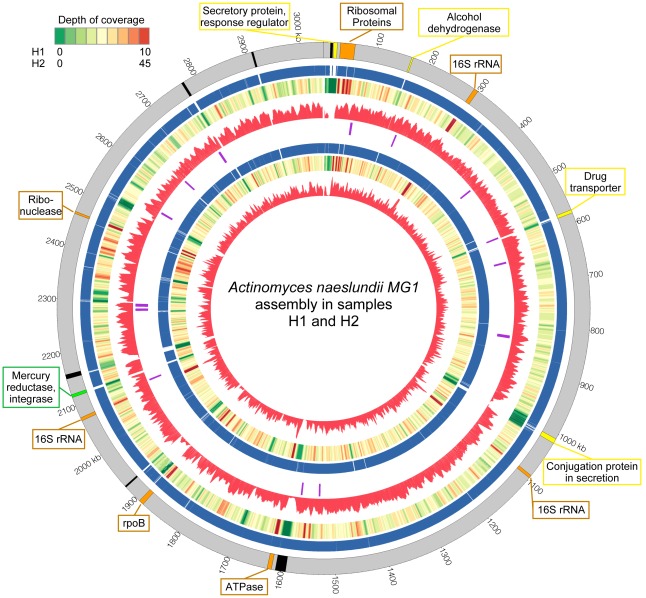
“Image generated with Circos [86].”
Global trends in emerging infectious diseases
Jones, K. E., Patel, N. G., Levy, M. A., Storeygard, A., Balk, D., Gittleman, J. L., & Daszak, P. (2008) · Nature · doi:10.1038/nature06536 · Cited by 8,338 · cited 1×
“This is especially true in light of the slow rate at which new antibiotics are discovered [7], and the increase in the number of microbes that can resist treatment [8,9].”
BackgroundTurnbaugh, P. J., Ley, R. E., Hamady, M., Fraser-Liggett, C. M., Knight, R., & Gordon, J. I. (2007) · Nature · doi:10.1038/nature06244 · Cited by 6,091 · cited 2×
“Understanding the role of microbial communities in human health is emerging as one of the most important and fascinating biomedical challenges of our times [1,2,3,4].”
BackgroundVersatile and open software for comparing large genomes
Kurtz, S., Phillippy, A., Delcher, A. L., Smoot, M., Shumway, M., Antonescu, C., & Salzberg, S. L. (2004) · Genome Biology · doi:10.1186/gb-2004-5-2-r12 · Cited by 5,254 · cited 2×
“We used MUMmer [65] (-maxmatch -l 20 -b) to map the individual reads against the HOMD reference database.”
MethodMicrobial complexes in subgingival plaque
Socransky, S. S., Haffajee, A. D., Cugini, M. A., Smith, C., & Kent, R. L. (1998) · Journal of Clinical Periodontology · doi:10.1111/j.1600-051x.1998.tb02419.x · Cited by 5,050 · cited 1×
“Surprisingly, however, neither Fusobacterium, nor Porphyromonas were found to be significantly more abundant in the periodontal disease samples, despite being previously implicated in this disease [12,39].”
Background
Cited by
The oral microbiome in health and disease
Wade, W. G. (2013) · Pharmacological Research · doi:10.1016/j.phrs.2012.11.006 · Cited by 1,347
Metagenome-wide analysis of antibiotic resistance genes in a large cohort of human gut microbiota
Hu, Y., Yang, X., Qin, J., Lu, N., Cheng, G., Wu, N., Pan, Y., Li, J., Zhu, L., Wang, X., et al. (2013) · Nature Communications · doi:10.1038/ncomms3151 · Cited by 781
Oral microbiomes: more and more importance in oral cavity and whole body
Gao, L., Xu, T., Huang, G., Jiang, S., Gu, Y., & Chen, F. (2018) · Protein & Cell · doi:10.1007/s13238-018-0548-1 · Cited by 770
“However, imbalance of microbial flora contributes to oral diseases such as dental caries, periodontitis (Holt et al., 1988; Jorth et al., 2014; Liu et al., 2012; Philip et al., 2018; Wasfi et al., 2018; Costalonga and Herzberg, 2014), oral mucosal diseases (Saikaly, 2018) and systemic diseases,…”
BackgroundThe composition of the gut microbiota shapes the colon mucus barrier
Jakobsson, H. E., Rodríguez‐Piñeiro, A. M., Schütte, A., Ermund, A., Boysen, P., Bemark, M., Sommer, F., Bäckhed, F., Hansson, G. C., & Johansson, M. E. (2015) · The EMBO Reports · doi:10.15252/embr.201439263 · Cited by 700
“This phylum has been linked to inflammatory conditions of the mouth such as periodontitis [46].”
The role of the microbiota in periodontal disease
Curtis, M. A., Diaz, P. I., & Van Dyke, T. E. (2020) · Periodontology 2000 · doi:10.1111/prd.12296 · Cited by 698
Salivary Biomarkers: Toward Future Clinical and Diagnostic Utilities
Yoshizawa, J. M., Schafer, C. A., Schafer, J. J., Farrell, J. J., Paster, B. J., & Wong, D. T. W. (2013) · Clinical Microbiology Reviews · doi:10.1128/cmr.00021-13 · Cited by 656
“org) reside in the mouth, investigators using next-generation sequencing (NGS) suggest that this number could be as high as 10,000 (43, 44, 45, 46).”
BackgroundInsights into the human oral microbiome
Verma, D., Garg, P. K., & Dubey, A. K. (2018) · Archives of Microbiology · doi:10.1007/s00203-018-1505-3 · Cited by 541
“Therefore, NGS has been widely adopted to sequence a large number of samples for generating massive data rapidly in a cost-effective manner (Zaura et al. 2009; Ling et al. 2010; Alcaraz et al. 2012; Liu et al. 2012; Hasan et al. 2014; Jorth et al. 2014; Xu et al. 2014; Ambardar et al. 2016; Galloway et al. 2017; Menon…”
BackgroundHe, X., McLean, J. S., Edlund, A., Yooseph, S., Hall, A. P., Liu, S.-Y., Dorrestein, P. C., Esquenazi, E., Hunter, R. C., Cheng, G., et al. (2015) · Proceedings of the National Academy of Sciences · doi:10.1073/pnas.1419038112 · Cited by 548
“However, an increase in the abundance (as high as 21% of the whole oral bacterial community in some studies) of TM7 members was detected in patients with various types of periodontitis (13, 15).”
BackgroundThe oralome and its dysbiosis: New insights into oral microbiome-host interactions
Radaic, A., & Kapila, Y. L. (2021) · Computational and Structural Biotechnology Journal · doi:10.1016/j.csbj.2021.02.010 · Cited by 467
The Human Oral Microbiome in Health and Disease: From Sequences to Ecosystems
Willis, J. R., & Gabaldón, T. (2020) · Microorganisms · doi:10.3390/microorganisms8020308 · Cited by 468
“Conversely, some organisms are associated with periodontal health, including the phylum Proteobacteria and the Firmicutes class Bacilli [16], and the genera Streptococcus, Actinomyces, and Granulicatella [19].”
BackgroundRegional Diversity of the Gastrointestinal Microbiome
Martinez-Guryn, K., Leone, V., & Chang, E. B. (2019) · Cell Host & Microbe · doi:10.1016/j.chom.2019.08.011 · Cited by 465
“Saccharibacteria which is plentiful in dental and supragingival plaque formation may also contribute to periodontal disease (Liu et al., 2012).”
BackgroundCaselli, E., Fabbri, C., D’Accolti, M., Soffritti, I., Bassi, C., Mazzacane, S., & Franchi, M. (2020) · BMC Microbiology · doi:10.1186/s12866-020-01801-y · Cited by 391
“However, previous reports obtained in different populations provided similar results, as at the genus level over 200 genera were found in the oral microbiota, with hard palate showing the lowest total richness, while the gingival plaque the highest total richness [53].”
ResultLessons learned and unlearned in periodontal microbiology
Teles, R., Teles, F., Frias‐Lopez, J., Paster, B., & Haffajee, A. (2013) · Periodontology 2000 · doi:10.1111/prd.12010 · Cited by 357
“Next-generation sequencing has become more accessible in recent years, leading to an increase in the number of publications reporting the use of this technology to study the oral ecosystem in health and disease (6, 78, 191, 307), including periodontal diseases (124, 209).”
BackgroundEcology of the Oral Microbiome: Beyond Bacteria
Baker, J. L., Bor, B., Agnello, M., Shi, W., & He, X. (2017) · Trends in Microbiology · doi:10.1016/j.tim.2016.12.012 · Cited by 362
“Although commonly at an abundance of ~1% [48], an increase in abundance of TM7 to as high as 21% was detected in patients with various types of periodontitis [49, 50].”
BackgroundNewly Identified Pathogens Associated with Periodontitis: A Systematic Review
Pérez-Chaparro, P. J., Gonçalves, C., Figueiredo, L. C., Faveri, M., Lobão, E., Tamashiro, N., Duarte, P., & Feres, M. (2014) · Journal of Dental Research · doi:10.1177/0022034514542468 · Cited by 359
“10 bacterial species Liu et al., 2012 3 2 12 (I) 12 (I) 16S rDNA PCR 454 pyrosequencing and Illumina Metagenome high-throughput sequencing.”
BackgroundMethodInfluentiald'Enfert, C., Kaune, A.-K., Alaban, L.-R., Chakraborty, S., Cole, N., Delavy, M., Kosmala, D., Marsaux, B., Fróis-Martins, R., Morelli, M., et al. (2021) · FEMS Microbiology Reviews · doi:10.1093/femsre/fuaa060 · Cited by 347
Community-wide transcriptome of the oral microbiome in subjects with and without periodontitis
Duran-Pinedo, A. E., Chen, T., Teles, R., Starr, J. R., Wang, X., Krishnan, K., & Frias-Lopez, J. (2014) · The ISME Journal · doi:10.1038/ismej.2014.23 · Cited by 327
“, 2012), in general, they (and other Gram-positive organisms) have been considered associated with health of the periodontium (Kolenbrander, 2000; Gross et al., 2010; Liu et al., 2012).”
BackgroundResultInfluentialChen, H., & Jiang, W. (2014) · Frontiers in Microbiology · doi:10.3389/fmicb.2014.00508 · Cited by 317
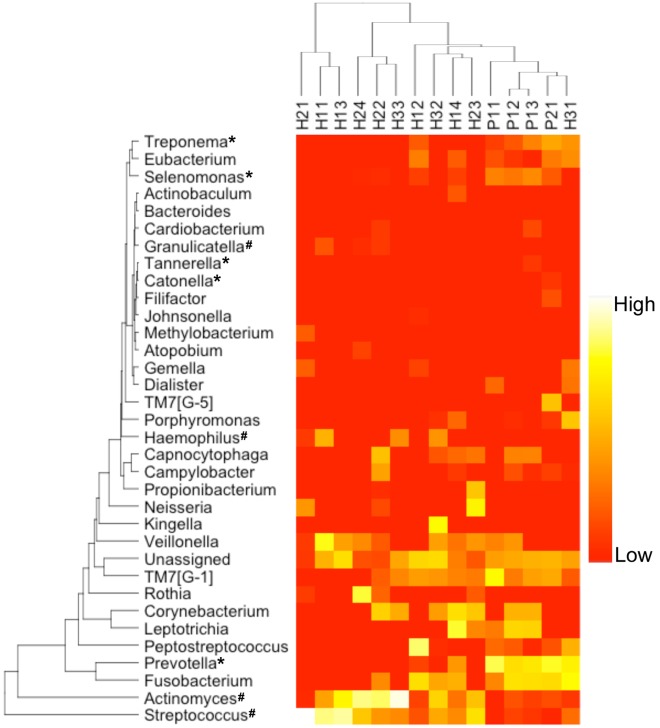
“By utilizing pyrosequencing technique, the gram-negative genera Selenomonas, Prevotella, Treponema, Tannerella, Haemophilus, and Catonella are significantly enriched in periodontal disease, whereas a set of gram-positive genera are significantly enriched in healthy samples (Streptococcus, Actinomyces, and Granulicatel…”
BackgroundJäger, A. C., Alvarez, M. L., Davis, C. P., Guzmán, E., Han, Y., Way, L., Walichiewicz, P., Silva, D., Pham, N., Caves, G., et al. (2017) · Forensic Science International: Genetics · doi:10.1016/j.fsigen.2017.01.011 · Cited by 314
Arweiler, N. B., & Netuschil, L. (2016) · Advances in Experimental Medicine and Biology · doi:10.1007/978-3-319-31248-4_4 · Cited by 296
Colombo, A. P. V., & Tanner, A. C. R. (2019) · Journal of Dental Research · doi:10.1177/0022034519830686 · Cited by 277
Sharma, N., 1 Department of Microbiology, G. C., Bhatia, S., Singh Sodhi, A., Batra, N., & 2 Department of Biotechnology, G. C. (2018) · AIMS Microbiology · doi:10.3934/microbiol.2018.1.42 · Cited by 253
Biodiversity and functional genomics in the human microbiome
Morgan, X. C., Segata, N., & Huttenhower, C. (2013) · Trends in Genetics · doi:10.1016/j.tig.2012.09.005 · Cited by 263
Warinner, C., Speller, C., & Collins, M. J. (2015) · Philosophical Transactions of the Royal Society B: Biological Sciences · doi:10.1098/rstb.2013.0376 · Cited by 253
“[134] recently reconstructed a partial genome for an uncultured TM7 bacterium without the aid of a reference genome.”
BackgroundChen, X., Huang, Y.-A., You, Z.-H., Yan, G.-Y., & Wang, X.-S. (2017) · Bioinformatics · doi:10.1093/bioinformatics/btw715 · Cited by 252
IL-22 Deficiency Alters Colonic Microbiota To Be Transmissible and Colitogenic
Zenewicz, L. A., Yin, X., Wang, G., Elinav, E., Hao, L., Zhao, L., & Flavell, R. A. (2013) · The Journal of Immunology · doi:10.4049/jimmunol.1300016 · Cited by 250
“has been since found in the feces of mice (17) and the human oral cavity (32).”
BackgroundA microbial perspective of human developmental biology
Charbonneau, M. R., Blanton, L. V., DiGiulio, D. B., Relman, D. A., Lebrilla, C. B., Mills, D. A., & Gordon, J. I. (2016) · Nature · doi:10.1038/nature18845 · Cited by 250
Subgingival microbiota in health compared to periodontitis and the influence of smoking
Camelo-Castillo, A. J., Mira, A., Pico, A., Nibali, L., Henderson, B., Donos, N., & Tomás, I. (2015) · Frontiers in Microbiology · doi:10.3389/fmicb.2015.00119 · Cited by 242
“ORIGINAL RESEARCH ARTICLE published: 24 February 2015 doi: 10.3389/fmicb.2015.00119 Subgingival microbiota in health compared to periodontitis and the influence of smoking”
BackgroundInfluentialHe, C., Keren, R., Whittaker, M. L., Farag, I. F., Doudna, J. A., Cate, J. H. D., & Banfield, J. F. (2021) · Nature Microbiology · doi:10.1038/s41564-020-00840-5 · Cited by 235
Kirst, M. E., Li, E. C., Alfant, B., Chi, Y.-Y., Walker, C., Magnusson, I., & Wang, G. P. (2015) · Applied and Environmental Microbiology · doi:10.1128/aem.02712-14 · Cited by 234
“These “community” data sets have demonstrated a difference between periodontitis-associated and health-associated microbiota in both the overall microbial community structure (30, 31) and the predicted functional capabilities (34, 35).”
BackgroundDysbiosis in chronic periodontitis: Key microbial players and interactions with the human host
Deng, Z.-L., Szafrański, S. P., Jarek, M., Bhuju, S., & Wagner-Döbler, I. (2017) · Scientific Reports · doi:10.1038/s41598-017-03804-8 · Cited by 229
Saccharibacteria (TM7) in the Human Oral Microbiome
Bor, B., Bedree, J. K., Shi, W., McLean, J. S., & He, X. (2019) · Journal of Dental Research · doi:10.1177/0022034519831671 · Cited by 233
A Method for Selectively Enriching Microbial DNA from Contaminating Vertebrate Host DNA
Feehery, G. R., Yigit, E., Oyola, S. O., Langhorst, B. W., Schmidt, V. T., Stewart, F. J., Dimalanta, E. T., Amaral-Zettler, L. A., Davis, T., Quail, M. A., et al. (2013) · PLoS ONE · doi:10.1371/journal.pone.0076096 · Cited by 212
“decay) and periodontal (gum) disease [4].”
The periodontal war: microbes and immunity
Ebersole, J. L., Dawson, D., Emecen‐Huja, P., Nagarajan, R., Howard, K., Grady, M. E., Thompson, K., Peyyala, R., Al‐Attar, A., Lethbridge, K., et al. (2017) · Periodontology 2000 · doi:10.1111/prd.12222 · Cited by 208
del Castillo, E., Meier, R., Chung, M., Koestler, D. C., Chen, T., Paster, B. J., Charpentier, K. P., Kelsey, K. T., Izard, J., & Michaud, D. S. (2019) · Cancer Epidemiology, Biomarkers & Prevention · doi:10.1158/1055-9965.epi-18-0542 · Cited by 199
A comprehensive review of the application of probiotics and postbiotics in oral health
Homayouni Rad, A., Pourjafar, H., & Mirzakhani, E. (2023) · Frontiers in Cellular and Infection Microbiology · doi:10.3389/fcimb.2023.1120995 · Cited by 186
“The most prevalent species identified in the oral cavity using different methods including Actinomyces, Prevotella, Streptococcus, Fusobacterium, Leptotrichia, Veillonella, Rothia, Corynebacterium, Capnocytophaga , Selenomonas, Treponema, Haemophilus, and TM7 Genes 1 and 5 (Liu et al., 2012).”
BackgroundDuran-Pinedo, A. E., & Frias-Lopez, J. (2015) · Microbes and Infection · doi:10.1016/j.micinf.2015.03.014 · Cited by 187
“In contrast, Capnocytophaga sputigena, C. hominis, Gemella haemolysans, Haemophilus parainfluenzae, Kingella oralis, Lautropia mirabilis, Neisseria elongata, Rothia dentocariosa, Streptococcus australis, and Veillonella spp. were more associated with therapeutic success [29].”
InfluentialMicrobial signature profiles of periodontally healthy and diseased patients
Lourenço, T. G. B., Heller, D., Silva‐Boghossian, C. M., Cotton, S. L., Paster, B. J., & Colombo, A. P. V. (2014) · Journal of Clinical Periodontology · doi:10.1111/jcpe.12302 · Cited by 185
Li, J., Quinque, D., Horz, H.-P., Li, M., Rzhetskaya, M., Raff, J. A., Hayes, M. G., & Stoneking, M. (2014) · BMC Microbiology · doi:10.1186/s12866-014-0316-1 · Cited by 184
“This assumption is further warranted by the recognized central position of early colonizing Veillonella that emerges in saliva as a critical genus guiding the development of multispecies communities [34], and by the emerging key role of members of the phylum TM 7 in the salivary microbiome [35].”
BackgroundResultThe oral microbiome in the pathophysiology of cardiovascular disease
Tonelli, A., Lumngwena, E. N., & Ntusi, N. A. B. (2023) · Nature Reviews Cardiology · doi:10.1038/s41569-022-00825-3 · Cited by 167
Phylogenetic and functional gene structure shifts of the oral microbiomes in periodontitis patients
Li, Y., He, J., He, Z., Zhou, Y., Yuan, M., Xu, X., Sun, F., Liu, C., Li, J., Xie, W., et al. (2014) · The ISME Journal · doi:10.1038/ismej.2014.28 · Cited by 181
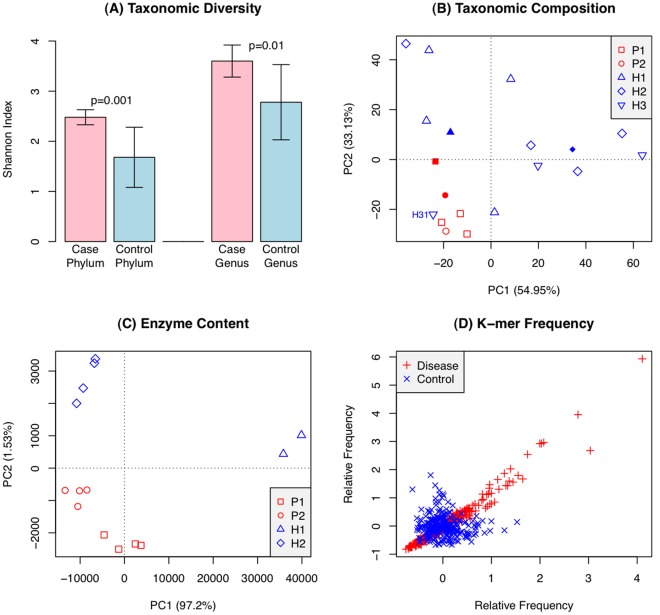
“Significantly higher a-diversity and evenness were observed in the periodontal group, consistent with previous observations (Griffen et al., 2012; Liu et al., 2012; Abusleme et al., 2013).”
BackgroundResultOral Microbiome Signatures in Diabetes Mellitus and Periodontal Disease
Matsha, T. E., Prince, Y., Davids, S., Chikte, U., Erasmus, R. T., Kengne, A. P., & Davison, G. M. (2020) · Journal of Dental Research · doi:10.1177/0022034520913818 · Cited by 171
“Some may, however, become destructive and lead to the development of oral diseases such as periodontitis (Griffen et al. 2012; Liu et al. 2012; Abusleme et al. 2013; Li et al. 2015; Park et al. 2015).”
BackgroundResolvin E1 Reverses Experimental Periodontitis and Dysbiosis
Lee, C.-T., Teles, R., Kantarci, A., Chen, T., McCafferty, J., Starr, J. R., Brito, L. C. N., Paster, B. J., & Van Dyke, T. E. (2016) · The Journal of Immunology · doi:10.4049/jimmunol.1600859 · Cited by 173
Shi, B., Chang, M., Martin, J., Mitreva, M., Lux, R., Klokkevold, P., Sodergren, E., Weinstock, G. M., Haake, S. K., & Li, H. (2015) · mBio · doi:10.1128/mbio.01926-14 · Cited by 170
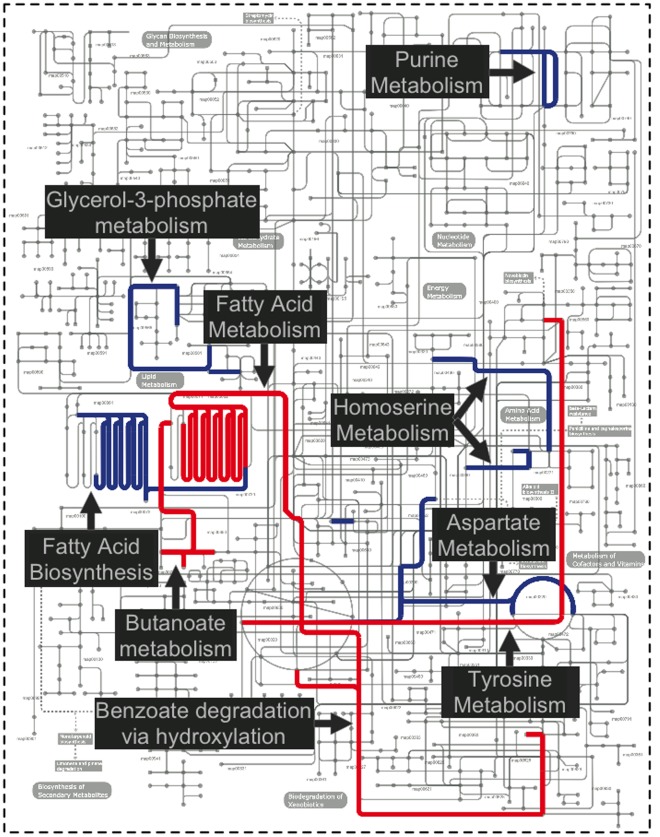
“(15) revealed associations between disease and several metabolic pathways and virulence factors.”
BackgroundPro-resolving mediators in the regulation of periodontal disease
Van Dyke, T. E. (2017) · Molecular Aspects of Medicine · doi:10.1016/j.mam.2017.04.006 · Cited by 168
Warinner, C., Speller, C., Collins, M. J., & Lewis, C. M. (2015) · Journal of Human Evolution · doi:10.1016/j.jhevol.2014.10.016 · Cited by 168
“…single cell genome amplification and bioinformatics improvements in sequence assembly from metagenomic datasets are allowing full genome reconstructions of unculturable taxa, providing our first glimpse at the potential function of these enigmatic species (Marcy et al., 2007; Liu et al., 2012).”
Dental calculus: the calcified biofilm and its role in disease development
Akcalı, A., & Lang, N. P. (2018) · Periodontology 2000 · doi:10.1111/prd.12151 · Cited by 155
“It is widely accepted that nonmineralized biofilms consist of over 800 different taxa (20).”
Yang, I., Woltemate, S., Piazuelo, M. B., Bravo, L. E., Yepez, M. C., Romero-Gallo, J., Delgado, A. G., Wilson, K. T., Peek, R. M., Correa, P., et al. (2016) · Scientific Reports · doi:10.1038/srep18594 · Cited by 154
The emerging landscape of salivary diagnostics
Zhang, Y., Sun, J. L., Lin, C., Abemayor, E., Wang, M. B., & Wong, D. T. (2015) · Periodontology 2000 · doi:10.1111/prd.12099 · Cited by 166
“Now, using Next-generation Sequencing (NGS) technology, the number of species could reach more than 10,000 [65].”
MethodAncient DNA analysis of dental calculus
Weyrich, L. S., Dobney, K., & Cooper, A. (2015) · Journal of Human Evolution · doi:10.1016/j.jhevol.2014.06.018 · Cited by 147
“The microorganisms within calculus represent species identified in saliva and dental plaque, and comprise over 600 different taxa (Dewhirst et al., 2010; Liu et al., 2012).”
BackgroundOral Microbiota and Alzheimer’s Disease: Do All Roads Lead to Rome?
Sureda, A., Daglia, M., Argüelles Castilla, S., Sanadgol, N., Fazel Nabavi, S., Khan, H., Belwal, T., Jeandet, P., Marchese, A., Pistollato, F., et al. (2020) · Pharmacological Research · doi:10.1016/j.phrs.2019.104582 · Cited by 143
Xu, H., Hao, W., Zhou, Q., Wang, W., Xia, Z., Liu, C., Chen, X., Qin, M., & Chen, F. (2014) · PLoS ONE · doi:10.1371/journal.pone.0089269 · Cited by 142
Offenbacher, S., Divaris, K., Barros, S. P., MOSS, K. L., Marchesan, J. T., Morelli, T., Zhang, S., Kim, S., Sun, L., Beck, J. D., et al. (2016) · Human Molecular Genetics · doi:10.1093/hmg/ddw069 · Cited by 164
“First, the six distinct microbial community structures that are associated with disease have microbial patterns that are consistent with previous studies that have performed 16s sequencing methods; including studies that employ multiple intraoral microbial sampling sites in each subject and among subjects with health,…”
ResultHuman and rat gut microbiome composition is maintained following sleep restriction
Zhang, S. L., Bai, L., Goel, N., Bailey, A., Jang, C. J., Bushman, F. D., Meerlo, P., Dinges, D. F., & Sehgal, A. (2017) · Proceedings of the National Academy of Sciences · doi:10.1073/pnas.1620673114 · Cited by 139
“An increase in TM7 abundance from 1 to 21% in the oral cavity is associated with periodontal disease (37).”
BackgroundMicrobiome of peri-implant infections: Lessons from conventional, molecular and metagenomic analyses
Charalampakis, G., & Belibasakis, G. N. (2015) · Virulence · doi:10.4161/21505594.2014.980661 · Cited by 132
“Beyond the taxonomic details, metagenomics offer functional characterization of bacterial genes at different levels of resolution, identifying a major systemic change between healthy and diseased microbiomes.(46) Disease samples harbor a more diverse microbial community, but they are more similar to each other compare…”
BackgroundYang, Y., Cai, Q., Shu, X., Steinwandel, M. D., Blot, W. J., Zheng, W., & Long, J. (2019) · International Journal of Cancer · doi:10.1002/ijc.31941 · Cited by 135
Acquisition and Adaptation of Ultra-small Parasitic Reduced Genome Bacteria to Mammalian Hosts
McLean, J. S., Bor, B., Kerns, K. A., Liu, Q., To, T. T., Solden, L., Hendrickson, E. L., Wrighton, K., Shi, W., & He, X. (2020) · Cell Reports · doi:10.1016/j.celrep.2020.107939 · Cited by 144
The Perinatal Microbiome and Pregnancy: Moving Beyond the Vaginal Microbiome
Prince, A., Chu, D. M., Seferovic, M., Antony, K. M., Ma, J., & Aagaard, K. M. (2015) · Cold Spring Harbor Perspectives in Medicine · doi:10.1101/cshperspect.a023051 · Cited by 155
“capacity to capture total gene content and metabolic capacity (Butler et al. 2008; Liu et al. 2012; Morgan et al. 2012; Qin et al. 2012; Aagaard et al. 2014).”
InfluentialThe autoimmunity–oral microbiome connection
Nikitakis, N. G., Papaioannou, W., Sakkas, L. I., & Kousvelari, E. E. (2016) · Oral Diseases · doi:10.1111/odi.12589 · Cited by 141
Dabdoub, S. M., Ganesan, S. M., & Kumar, P. S. (2016) · Scientific Reports · doi:10.1038/srep38993 · Cited by 131
Influence of Oral and Gut Microbiota in the Health of Menopausal Women
Vieira, A. T., Castelo, P. M., Ribeiro, D. A., & Ferreira, C. M. (2017) · Frontiers in Microbiology · doi:10.3389/fmicb.2017.01884 · Cited by 129
“…Streptococcus, Actinomyces, Veillonella, Fusobacterium, Porphyromonas, Prevotella, Treponema, Neisseria, Haemophilus, Eubacteria, Lactobacterium, Capnocytophaga, Eikenella, Leptotrichia, Peptostreptococcus, Staphylococcus, and Propionibacterium (Jenkinson and Lamont, 2005; Liu et al., 2012).”
BackgroundDeep sequencing reveals microbiota dysbiosis of tongue coat in patients with liver carcinoma
Lu, H., Ren, Z., Li, A., Zhang, H., Jiang, J., Xu, S., Luo, Q., Zhou, K., Sun, X., Zheng, S., et al. (2016) · Scientific Reports · doi:10.1038/srep33142 · Cited by 139
Lundmark, A., Hu, Y. O. O., Huss, M., Johannsen, G., Andersson, A. F., & Yucel‐Lindberg, T. (2019) · Frontiers in Cellular and Infection Microbiology · doi:10.3389/fcimb.2019.00216 · Cited by 152
“Candidate division TM7) was more abundant in health and that Actinobacteria was more abundant in periodontitis are in contrast to previous findings obtained in plaque samples (Liu et al., 2012; Li et al., 2014).”
ResultClavel, T., Lepage, P., & Charrier, C. (2014) · Springer eBooks · doi:10.1007/978-3-642-30138-4_343 · Cited by 151
Zhou, M., Rong, R., Munro, D., Zhu, C., Gao, X., Zhang, Q., & Dong, Q. (2013) · PLoS ONE · doi:10.1371/journal.pone.0061516 · Cited by 124
“Similar to our results, several other high-throughput 16S rDNA surveys also showed different subgingival bacterial compositions in non-diabetic subjects with periodontitis and healthy controls ([4], [5], [47], [63], [64]).”
BackgroundResultLRLSHMDA: Laplacian Regularized Least Squares for Human Microbe–Disease Association prediction
Wang, F., Huang, Z.-A., Chen, X., Zhu, Z., Wen, Z., Zhao, J., & Yan, G. (2017) · Scientific Reports · doi:10.1038/s41598-017-08127-2 · Cited by 140
Shi, M., Wei, Y., Hu, W., Nie, Y., Wu, X., & Lu, R. (2018) · Frontiers in Cellular and Infection Microbiology · doi:10.3389/fcimb.2018.00124 · Cited by 125
“ChP and AgP, were associated with higher alpha diversity of subgingival bacterial communities, which is in accordance with previous research (Griffen et al., 2012; Liu et al., 2012).”
BackgroundResultThe human salivary microbiome exhibits temporal stability in bacterial diversity
Cameron, S. J. S., Huws, S. A., Hegarty, M. J., Smith, D. P. M., & Mur, L. A. J. (2015) · FEMS Microbiology Ecology · doi:10.1093/femsec/fiv091 · Cited by 125
The subgingival microbiome associated with periodontitis in type 2 diabetes mellitus
Shi, B., Lux, R., Klokkevold, P. R., Chang, M., Barnard, E., Haake, S. K., & Li, H. (2019) · The ISME Journal · doi:10.1038/s41396-019-0544-3 · Cited by 138
Olm, M. R., Brown, C. T., Brooks, B., Firek, B., Baker, R., Burstein, D., Soenjoyo, K., Thomas, B. C., Morowitz, M., & Banfield, J. F. (2017) · Genome Research · doi:10.1101/gr.213256.116 · Cited by 121
“Historically, assembly-based metagenomics of the skin and mouth has been hampered by human DNA contamination (Liu et al. 2012; Tsai et al. 2016).”
BackgroundSimpson, C. A., Adler, C. J., du Plessis, M. R., Landau, E. R., Dashper, S. G., Reynolds, E. C., Schwartz, O., & Simmons, J. G. (2020) · Physiology & Behavior · doi:10.1016/j.physbeh.2020.113126 · Cited by 135
Oral Microbiome of Deep and Shallow Dental Pockets In Chronic Periodontitis
Ge, X., Rodriguez, R., Trinh, M., Gunsolley, J., & Xu, P. (2013) · PLoS ONE · doi:10.1371/journal.pone.0065520 · Cited by 114
“Liu et al. (2012) did not detect Fusobacterium and Porphyromonas, implicated previously in periodontitis, as being significantly more abundant in their periodontal disease samples compared to healthy individuals.”
MethodInfluentialOral biofilms: molecular analysis, challenges, and future prospects in dental diagnostics
Marsh, P., Do, & Devine (2013) · Clinical, Cosmetic and Investigational Dentistry · doi:10.2147/ccide.s31005 · Cited by 114
“66 An increase in virulence factors in the disease microbiome was also observed, perhaps resulting from or contributing to the disruption of microbial homeostasis.”
Chipashvili, O., Utter, D. R., Bedree, J. K., Ma, Y., Schulte, F., Mascarin, G., Alayyoubi, Y., Chouhan, D., Hardt, M., Bidlack, F., et al. (2021) · Cell Host & Microbe · doi:10.1016/j.chom.2021.09.009 · Cited by 120
Subgingival microbiota in individuals with severe chronic periodontitis
Tsai, C.-Y., Tang, C. Y., Tan, T.-S., Chen, K.-H., Liao, K.-H., & Liou, M. (2016) · Journal of Microbiology Immunology and Infection · doi:10.1016/j.jmii.2016.04.007 · Cited by 124
Ai, D., Huang, R., Wen, J., Li, C., Jiangping, Z., & Xia, L. C. (2017) · BMC Genomics · doi:10.1186/s12864-016-3254-5 · Cited by 128
The Oral Host–Microbial Interactome: An Ecological Chronometer of Health?
Freire, M., Nelson, K. E., & Edlund, A. (2021) · Trends in Microbiology · doi:10.1016/j.tim.2020.11.004 · Cited by 106
The Role of the Oral Microbiome in the Development of Diseases
Kozak, M., & Pawlik, A. (2023) · International Journal of Molecular Sciences · doi:10.3390/ijms24065231 · Cited by 109
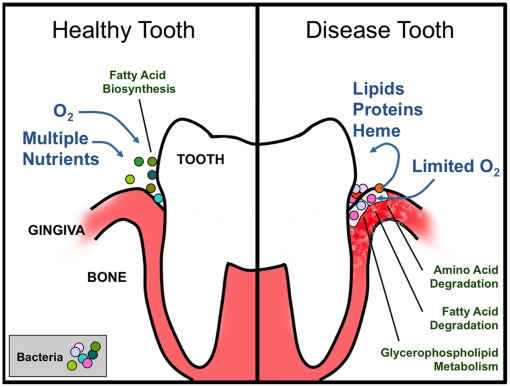
“Factors such as the availability of oxygen, nutrients and changes in pH may contribute to disorders in homeostasis in the oral cavity as well as systemic diseases [47,49].”
BackgroundPeriodontal Diseases: Bug Induced, Host Promoted
Khan, S. A., Kong, E. F., Meiller, T. F., & Jabra-Rizk, M. A. (2015) · PLOS Pathogens · doi:10.1371/journal.ppat.1004952 · Cited by 103
“but in the oral cavity, the continuous microbial signals emanating from biofilm plaque prevent the immune response from resolving the infection, and inflammation persists, causing damage to the gingiva [8,11].”
BackgroundThe Oral Microbiome in Periodontal Health
Lenartova, M., Tesinska, B., Janatova, T., Hrebicek, O., Myšák, J., Janata, J., & Najmanová, L. (2021) · Frontiers in Cellular and Infection Microbiology · doi:10.3389/fcimb.2021.629723 · Cited by 121
“The microbial composition shift precedes the clinical signs of the disease (Liu et al., 2012).”
BackgroundAlcohol and tobacco consumption affects bacterial richness in oral cavity mucosa biofilms
Thomas, A. M., Gleber‐Netto, F. O., Fernandes, G. R., de Amorim, M. G., Barbosa, L., Francisco, A. L. N., de Andrade, A. G., Setúbal, J. C., Kowalski, L. P., Nunes, D. N., et al. (2014) · BMC Microbiology · doi:10.1186/s12866-014-0250-2 · Cited by 120
“TM7 is a novel candidate bacterial division and previous studies have shown that microbes from this division are commonly found in the human oral flora at relatively low abundance, generally around 1% [53,54] and up to 8% [55] of the oral bacterial population, and a possible role of this phylum in periodontal disease…”
BackgroundBacterial diversity and prevalence of antibiotic resistance genes in the oral microbiome
Almeida, V. D. S. M., Azevedo, J., Leal, H. F., Queiroz, A. T. L., Filho, H. P. D. S., & Pedreira, J. N. R. (2020) · PLoS ONE · doi:10.1371/journal.pone.0239664 · Cited by 121
“16S rRNA gene sequencing analyses revealed that the oral microbial communities were mainly composed by the phylum Firmicutes, Bacteroidetes, Actinobacteria, Fusobacteria, and Proteobacteria, consistent with previous studies [19, 49].”
ResultArmed to the Teeth—The Oral Mucosa Immunity System and Microbiota
Ptasiewicz, M., Grywalska, E., Mertowska, P., Korona‐Głowniak, I., Poniewierska-Baran, A., Niedźwiedzka‐Rystwej, P., & Chałas, R. (2022) · International Journal of Molecular Sciences · doi:10.3390/ijms23020882 · Cited by 118
The Personal Human Oral Microbiome Obscures the Effects of Treatment on Periodontal Disease
Schwarzberg, K., Le, R., Bharti, B., Lindsay, S., Casaburi, G., Salvatore, F., Saber, M. H., Alonaizan, F., Slots, J., Gottlieb, R. A., et al. (2014) · PLoS ONE · doi:10.1371/journal.pone.0086708 · Cited by 102
“However, it is clear from recent studies that culturing and emphasis on specific bacteria will not capture all the variability in the diseased periodontium [6,9,10].”
BackgroundInfluentialZnO and TiO2 nanoparticles as novel antimicrobial agents for oral hygiene: a review
Khan, S. T., Al-Khedhairy, A. A., & Musarrat, J. (2015) · Journal of Nanoparticle Research · doi:10.1007/s11051-015-3074-6 · Cited by 100
“revealed by deep sequencing of human oral microbiome, traditional cultivation, and cloning approaches (Jenkinson et al. 2011; Keijser et al. 2008; Liu et al. 2012; Paster et al. 2006).”
BackgroundChen, W.-P., Chang, S., Tang, C. Y., Liou, M., Tsai, S. J., & Lin, Y.-L. (2018) · BioMed Research International · doi:10.1155/2018/3130607 · Cited by 110
“[61] characterized the genomes of key players in the subgingival microbiota in patients with periodontitis, including an unculturable TM7 organism.”
BackgroundBor, B., Poweleit, N., Bois, J. S., Cen, L., Bedree, J. K., Zhou, Z. H., Gunsalus, R. P., Lux, R., McLean, J. S., He, X., et al. (2015) · Microbial Ecology · doi:10.1007/s00248-015-0711-7 · Cited by 106
Galimanas, V. B., Hall, M. W., Singh, N., Lynch, M. D. J., Goldberg, M. B., Tenenbaum, H. C., Cvitkovitch, D. G., Neufeld, J. D., & Senadheera, D. B. (2014) · Microbiome · doi:10.1186/2049-2618-2-32 · Cited by 104
“High-throughput sequencing studies conducted to date have examined plaque derived from SubG and SupG sites to differentiate between healthy and periodontal disease consortia [25,27,30].”
Oral Microbiome in Relation to Periodontitis Severity and Systemic Inflammation
Plachokova, A. S., Andreu‐Sánchez, S., Noz, M. P., Fu, J., & Riksen, N. P. (2021) · International Journal of Molecular Sciences · doi:10.3390/ijms22115876 · Cited by 111
“To our knowledge, there are limited studies on the oral microbiome in PD using MGS [9,10], and none have investigated the possible association between the oral microbiome and systemic inflammation.”
BackgroundResultInfluentialThe Denture-Associated Oral Microbiome in Health and Stomatitis
Shi, B., Wu, T., McLean, J. S., Edlund, A., Young, Y., He, X., Lv, H., Zhou, X., Shi, W., Li, H., et al. (2016) · mSphere · doi:10.1128/msphere.00215-16 · Cited by 108
Belstrøm, D., Paster, B. J., Fiehn, N.-E., Bardow, A., & Holmstrup, P. (2016) · Journal of Oral Microbiology · doi:10.3402/jom.v8.30170 · Cited by 93
Haririan, H., Andrukhov, O., Bertl, K., Lettner, S., Kierstein, S., Moritz, A., & Rausch‐Fan, X. (2013) · Journal of Periodontology · doi:10.1902/jop.2013.130306 · Cited by 114
Lan, Y., ROSEN, G. L., & Hershberg, R. (2016) · Microbiome · doi:10.1186/s40168-016-0162-5 · Cited by 103
“The 16s rRNA gene was used in many microbiome studies in which it was demonstrated that fluctuations in microbiome structure correlate with ailments such as obesity [52, 53], caries and periodontal disease [54, 55], gastrointestinal disease [56, 57], and urinary tract infections [58].”
MethodThe oral microbiota and cardiometabolic health: A comprehensive review and emerging insights
Li, Y. H., Zhu, M., Liu, Y., Luo, B., Cui, J., Huang, L., Chen, K., & Liu, Y. (2022) · Frontiers in Immunology · doi:10.3389/fimmu.2022.1010368 · Cited by 99
Soro, V., Dutton, L. C., Sprague, S. V., Nobbs, A. H., Ireland, A. J., Sandy, J. R., Jepson, M. A., Micaroni, M., Splatt, P. R., Dymock, D., et al. (2014) · Applied and Environmental Microbiology · doi:10.1128/aem.01827-14 · Cited by 88
“Metagenomic sequencing data have allowed a hybrid assembly approach to reconstruct a more complete version of a TM7 group genome (3).”
BackgroundMethodInfluentialStreptococcus salivarius inhibits immune activation by periodontal disease pathogens
MacDonald, K. W., Chanyi, R. M., Macklaim, J. M., Cadieux, P. A., Reid, G., & Burton, J. P. (2021) · BMC Oral Health · doi:10.1186/s12903-021-01606-z · Cited by 87
“During disease, the oral microbiota shifts from a Grampositive-dominated community to one comprised mainly of Gram-negative bacteria [2].”
BackgroundThe role of oral microbiome in periodontitis under diabetes mellitus
Qin, H., Li, G., Xu, X., Zhang, C., Zhong, W., Xu, S., Yin, Y., & Song, J. (2022) · Journal of Oral Microbiology · doi:10.1080/20002297.2022.2078031 · Cited by 101
Mucosal Microbiome in Patients with Recurrent Aphthous Stomatitis
Hijazi, K., Lowe, T., Meharg, C., Berry, S. H., Foley, J., & Hold, G. L. (2014) · Journal of Dental Research · doi:10.1177/0022034514565458 · Cited by 86
“Equally, Streptococcaceae comprising commensal species associated with oral health (Liu et al. 2012) were HC, healthy control; HS, healthy site; RAS, recurrent aphthous stomatitis; US, ulcerated site. aStatistical comparison by analysis of variance.”
MethodAssessment of Fungal Diversity in the Environment using Metagenomics:a Decade in Review
Cuadros-Orellana, S. (2013) · Fungal Genomics & Biology · doi:10.4172/2165-8056.1000110 · Cited by 107
“The use of the ribosomal RNA gene and its variable regions as taxonomic markers for the classification of prokaryotes is well established [137-141] and the advantages and disadvantages of using them in the taxonomic profiling of metagenomes have been discussed [142,143].”
BackgroundScher, J. U., Bretz, W. A., & Abramson, S. B. (2014) · Current Opinion in Rheumatology · doi:10.1097/bor.0000000000000076 · Cited by 99
“Finally, a study [22] employing a small number of periodontally healthy individuals confirmed previous studies showing that gram-positive genera such as Streptococcus, Actinomyces, and Granulicatella were significantly enriched in healthy periodontal samples.”
Result
Metadata
- Authors
- Liu, B., Faller, L. L., Klitgord, N., Mazumdar, V., Ghodsi, M., Sommer, D. D., Gibbons, T. R., Treangen, T. J., Chang, Y.-C., Li, S., Stine, O. C., Hasturk, H., Kasif, S., Segrè, D., Pop, M., & Amar, S.
- Affiliations
- University of Maryland, College Park (US)
- Boston University (US)
- Johns Hopkins University (US)
- University of Maryland, Baltimore (US)
- Corresponding author
- Segrè, Daniel
- Pop, Mihai
- Amar, Salomon
- ORCID
- Venue
- PLoS ONE
- Publisher
- Public Library of Science (PLoS)
- Published
- 2012-06-04
- Volume
- 7
- Issue
- 6
- Pages
- e37919
- ISSN
- 1932-6203 (ISSN-L)
- PMC
- PMC3366996
- OpenAlex
- W2040670736
- Cited by
- 411
- References
- 90
- Citations by year
- 2026: 7 · 2025: 28 · 2024: 20 · 2023: 14 · 2022: 25 · 2021: 39 · 2020: 46 · 2019: 39 · 2018: 26 · 2017: 37 · 2016: 26 · 2015: 34 · 2014: 37 · 2013: 27 · 2012: 6
- FWCI
- 40.10
- Type
- journal article
- Language
- en
- Open access
- gold
- doi.org
- Locations
- PLoS ONE (publishedVersion, cc-by)
- Europe PMC (PubMed Central) (publishedVersion, cc-by)
- PubMed Central (publishedVersion, cc-by)
- PubMed (publishedVersion)
- Touro Scholar (Touro College) (submittedVersion)
- DOAJ (DOAJ: Directory of Open Access Journals) (submittedVersion, cc-by-sa)
- Figshare (submittedVersion, cc-by)
- Funders
- National Science Foundation (0812111)
- Bill and Melinda Gates Foundation
- National Institutes of Health (1rc2gm092602-01)
- National Human Genome Research Institute (R01HG004885, R01-HG04885)
- National Institute of General Medical Sciences (RC2-GM-092602, 1RC2GM092602-01, RC2-GM-092602-01, 1RC2GM092602)
- National Institute of Dental and Craniofacial Research (R01DE015345, R01DE014079)
- Topics
- Health Sciences › Dentistry › Periodontics › Oral microbiology and periodontitis research
- Life Sciences › Biochemistry, Genetics and Molecular Biology › Molecular Biology › Gut microbiota and health
- Life Sciences › Biochemistry, Genetics and Molecular Biology › Molecular Biology › Genomics and Phylogenetic Studies
- Keywords
- oral microbiota, periodontitis, subgingival plaque, 16S rRNA gene sequencing, metagenomics, virulence factors, microbial community structure, host homeostasis, cardiovascular risk, microbial genome reconstruction
- MeSH terms
- Actinomyces, Adult, Genes, Bacterial, Health, Humans, Metals, Middle Aged, Mouth, Periodontal Diseases, Periodontitis, Reference Standards, RNA, Ribosomal, 16S, Genetic Variation, Gene Expression Profiling, Drug Resistance, Bacterial, Virulence Factors, Metabolic Networks and Pathways, Metagenome, Metagenomics, High-Throughput Nucleotide Sequencing
About these checks
Registry, retraction, Cites and statistics results are computed, not judged, with one exception: a printed reference that no index lists is read once by a model before it counts as a citation error. Claims are extracted by a model and kept only when their quote appears verbatim in the text; each cited source is then checked, with a model’s help, for whether it says what the claim relies on. Those verdicts can be wrong — read the claim’s quote and the cited source before relying on one.
Statistics and arithmetic are recomputed, not judged.
Confidence bands are shown only for fields calibrated on our annotated test set. None is calibrated yet, so no band is shown.
What counts as a claim ›How we measure confidence ›How we check this ›
Are you an author, or do you see a problem with this page? Request a review
Data sources
Bibliographic data: Semantic Scholar, OpenAlex, Crossref.
Contains information from the Semantic Scholar Academic Graph Datasets, made available under the ODC Attribution License (ODC-BY 1.0).
Semantic Scholar’s data is described in: Kinney, R., et al. (2023). The Semantic Scholar Open Data Platform. arXiv:2301.10140.
