

The DOI matches its Crossref record; 106 of the 106 references it cites were found in a registry or an index.
The Effects of Mind-Body Therapies on the Immune System: Meta-Analysis
Open accessAbstract
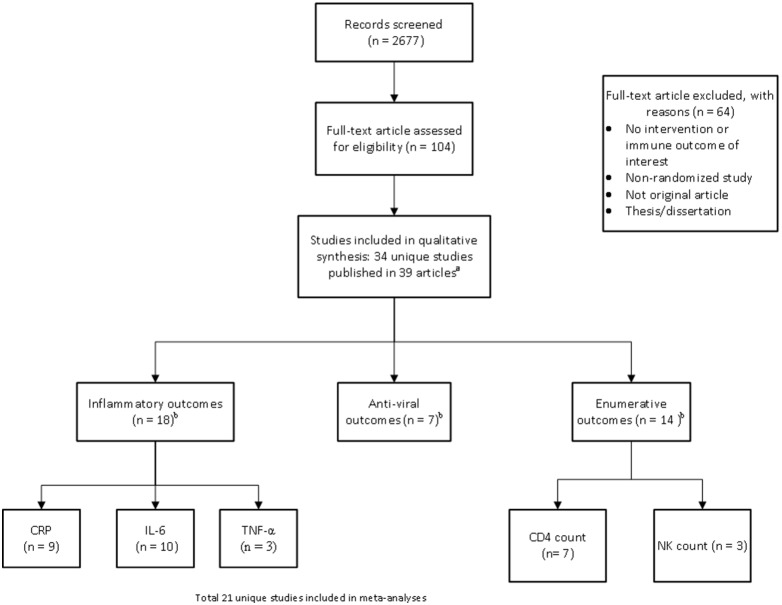
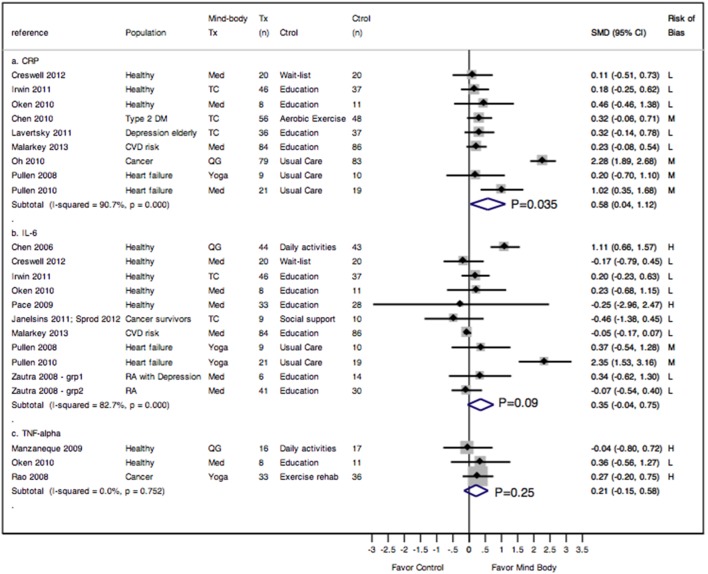
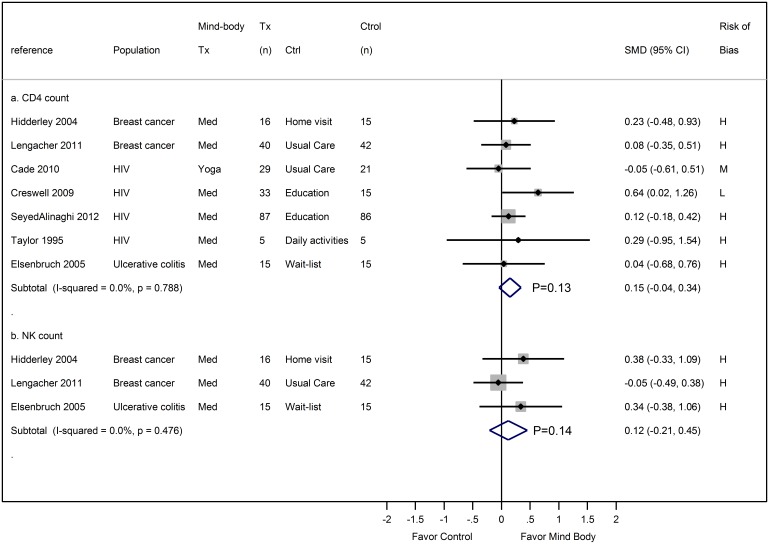
IMPORTANCE: Psychological and health-restorative benefits of mind-body therapies have been investigated, but their impact on the immune system remain less defined. OBJECTIVE: To conduct the first comprehensive review of available controlled trial evidence to evaluate the effects of mind-body therapies on the immune system, focusing on markers of inflammation and anti-viral related immune responses. METHODS: Data sources included MEDLINE, CINAHL, SPORTDiscus, and PsycINFO through September 1, 2013. Randomized controlled trials published in English evaluating at least four weeks of Tai Chi, Qi Gong, meditation, or Yoga that reported immune outcome measures were selected. Studies were synthesized separately by inflammatory (n = 18), anti-viral related immunity (n = 7), and enumerative (n = 14) outcomes measures. We performed random-effects meta-analyses using standardized mean difference when appropriate. RESULTS: Thirty-four studies published in 39 articles (total 2, 219 participants) met inclusion criteria. For inflammatory measures, after 7 to 16 weeks of mind-body intervention, there was a moderate effect on reduction of C-reactive protein (effect size [ES], 0.58; 95% confidence interval [CI], 0.04 to 1.12), a small but not statistically significant reduction of interleukin-6 (ES, 0.35; 95% CI, -0.04 to 0.75), and negligible effect on tumor necrosis factor-α (ES, 0.21; 95% CI, -0.15 to 0.58). For anti-viral related immune and enumerative measures, there were negligible effects on CD4 counts (ES, 0.15; 95% CI, -0.04 to 0.34) and natural killer cell counts (ES, 0.12, 95% CI -0.21 to 0.45). Some evidence indicated mind-body therapies increase immune responses to vaccination. CONCLUSIONS: Mind-body therapies reduce markers of inflammation and influence virus-specific immune responses to vaccination despite minimal evidence suggesting effects on resting anti-viral or enumerative measures. These immunomodulatory effects, albeit incomplete, warrant further methodologically rigorous studies to determine the clinical implications of these findings for inflammatory and infectious disease outcomes.
Overview
The claims and statistics of this paper haven’t been checked yet.
Run the check — free, no account needed. It reads the open-access text and checks the sources it cites.
Integrity signals
Registry
Cites
Statistics
Figures
Verification
Claims the paper makes
The claims and statistics of this paper haven’t been checked yet.
Run the check — free, no account needed. It reads the open-access text and checks the sources it cites.
Claims other papers make about this one
Each is checked against this paper’s own text: does it say what the citing paper says it does?
In the citing paper
“Indeed, mind-body interventions that target stress-response pathways also influence inflammatory dynamics.”
From Sleep health: Reciprocal regulation of sleep and innate immunity (2017) · cites this paper as Morgan et al, 2014
In the citing paper
“Our meta-analyses found that a variety of different approaches including Tai chi, Yoga, and meditation, reduce circulating levels of CRP, for example (Morgan et al, 2014).”
From Sleep health: Reciprocal regulation of sleep and innate immunity (2017) · cites this paper as Morgan et al, 2014
Self-check
Percentages, sums and reported differences re-computed from the paper’s own numbers.
The self-check needs the paper’s full text.
Citations
Cites
Measuring inconsistency in meta-analyses
Higgins, J. P. T., Thompson, S. G., Deeks, J. J., & Altman, D. G. (2003) · BMJ · doi:10.1136/bmj.327.7414.557 · Cited by 63,139 · cited 1×
“10) and quantified the extent of heterogeneity with the I(2) index [35].”
BackgroundMeta-analysis in clinical trials
DerSimonian, R., & Laird, N. (1986) · Controlled Clinical Trials · doi:10.1016/0197-2456(86)90046-2 · Cited by 39,552 · cited 1×
“used for pooling [34].”
Statistical Power Analysis for the Behavioral Sciences (2nd ed.).
Lachenbruch, P. A., & Cohen, J. (1989) · Journal of the American Statistical Association · doi:10.2307/2290095 · Cited by 37,421
The Cochrane Collaboration's tool for assessing risk of bias in randomised trials
Higgins, J. P. T., Altman, D. G., Gotzsche, P. C., Juni, P., Moher, D., Oxman, A. D., Savovic, J., Schulz, K. F., Weeks, L., Sterne, J. A. C., et al. (2011) · BMJ · doi:10.1136/bmj.d5928 · Cited by 33,817
Cohen, J. (1992) · Psychological Bulletin · doi:10.1037//0033-2909.112.1.155 · Cited by 8,771
Mindfulness-based stress reduction and health benefits
Grossman, P., Niemann, L., Schmidt, S., & Walach, H. (2004) · Journal of Psychosomatic Research · doi:10.1016/s0022-3999(03)00573-7 · Cited by 3,958
Complementary and Alternative Medicine Use Among Adults and Children: United States, 2007
Barnes, P. M., Bloom, B. E., & Nahin, R. L. (2008) · PsycEXTRA Dataset · doi:10.1037/e623942009-001 · Cited by 3,144
Alterations in brain and immune function produced by mindfulness meditation
Davidson, R. J., Kabat-Zinn, J., Schumacher, J., Rosenkranz, M., Muller, D., Santorelli, S. F., Urbanowski, F., Harrington, A., Bonus, K., & Sheridan, J. F. (2003) · Psychosomatic Medicine · doi:10.1097/01.psy.0000077505.67574.e3 · Cited by 2,925 · cited 1×
“(DOC)”
Effects of mindfulness on psychological health: A review of empirical studies
Keng, S.-L., Smoski, M. J., & Robins, C. J. (2011) · Clinical Psychology Review · doi:10.1016/j.cpr.2011.04.006 · Cited by 2,687 · cited 1×
“Previous work has shown that MBTs offer many psychological and health functioning benefits including reductions in disease symptoms, improvements in coping, behavior regulation, quality of life, and well-being [3–22].”
BackgroundStress-induced immune dysfunction: implications for health
Glaser, R., & Kiecolt-Glaser, J. K. (2005) · Nature Reviews Immunology · doi:10.1038/nri1571 · Cited by 2,190 · cited 1×
“It has been well-established that psychological stress and depression impair anti-viral immune responses and activate innate immunity or markers of inflammation via effector pathways, such as the sympathetic nervous system and the hypothalamus-pituitaryadrenal (HPA) axis [23–28].”
Esposito, K., Pontillo, A., Di Palo, C., Giugliano, G., Masella, M., Marfella, R., & Giugliano, D. (2003) · JAMA · doi:10.1001/jama.289.14.1799 · Cited by 1,511 · cited 2×
“009) [76].”
Mindfulness-based stress reduction and health benefits: A meta-analysis
Grossman, P., Niemann, L., Schmidt, S., & Walach, H. (2003) · Focus on Alternative and Complementary Therapies · doi:10.1111/j.2042-7166.2003.tb04008.x · Cited by 1,394
Steptoe, A., Hamer, M., & Chida, Y. (2007) · Brain, Behavior, and Immunity · doi:10.1016/j.bbi.2007.03.011 · Cited by 1,278 · cited 1×
“Nevertheless, adrenergic activation increases NF-kB in peripheral blood mononuclear cells (PBMCs) [84,90,91], and primes increases in the ex vivo production of pro-inflammatory cytokines in response to stimulation to lipopolysaccharide (LPS) and other Toll-like receptor ligands [90,92–95].”
BackgroundIL-6 enhances plasma IL-1ra, IL-10, and cortisol in humans
Steensberg, A., Fischer, C. P., Keller, C., Møller, K., & Pedersen, B. K. (2003) · American Journal of Physiology-Endocrinology and Metabolism · doi:10.1152/ajpendo.00074.2003 · Cited by 1,135
Stress and immunity in humans: a meta-analytic review.
Herbert, T. B., & Cohen, S. (1993) · Psychosomatic Medicine · doi:10.1097/00006842-199307000-00004 · Cited by 1,100 · cited 1×
“It has been well-established that psychological stress and depression impair anti-viral immune responses and activate innate immunity or markers of inflammation via effector pathways, such as the sympathetic nervous system and the hypothalamus-pituitaryadrenal (HPA) axis [23–28].”
BackgroundThe Relationship of Depression and Stressors to Immunological Assays: A Meta-Analytic Review
Zorrilla, E. P., Luborsky, L., McKay, J. R., Rosenthal, R., Houldin, A., Tax, A., McCorkle, R., Seligman, D. A., & Schmidt, K. (2001) · Brain, Behavior, and Immunity · doi:10.1006/brbi.2000.0597 · Cited by 995
A mechanism converting psychosocial stress into mononuclear cell activation
Bierhaus, A., Wolf, J., Andrassy, M., Rohleder, N., Humpert, P. M., Petrov, D., Ferstl, R., von Eynatten, M., Wendt, T., Rudofsky, G., et al. (2003) · Proceedings of the National Academy of Sciences · doi:10.1073/pnas.0438019100 · Cited by 927 · cited 1×
“Nevertheless, adrenergic activation increases NF-kB in peripheral blood mononuclear cells (PBMCs) [84,90,91], and primes increases in the ex vivo production of pro-inflammatory cytokines in response to stimulation to lipopolysaccharide (LPS) and other Toll-like receptor ligands [90,92–95].”
BackgroundReciprocal regulation of the neural and innate immune systems
Irwin, M. R., & Cole, S. W. (2011) · Nature Reviews Immunology · doi:10.1038/nri3042 · Cited by 910 · cited 6×
“Classification of the immune outcomes for this meta-analysis was guided by functional genomics studies that have identified two broad gene expression programs that can be induced in myeloid lineage cells by different types of microbial stimulus, and that can also be regulated by stress response mechanisms [28].”
BackgroundInfluentialSelf-citationAutonomic innervation and regulation of the immune system (1987–2007)
Nance, D. M., & Sanders, V. M. (2007) · Brain, Behavior, and Immunity · doi:10.1016/j.bbi.2007.03.008 · Cited by 855 · cited 1×
“However, other studies have found that adrenergic signaling can increase, as well as inhibit the production of IL-6 and TNF [85–89].”
Depression and immunity: A meta-analytic review.
Herbert, T. B., & Cohen, S. (1993) · Psychological Bulletin · doi:10.1037/0033-2909.113.3.472 · Cited by 812 · cited 1×
“It has been well-established that psychological stress and depression impair anti-viral immune responses and activate innate immunity or markers of inflammation via effector pathways, such as the sympathetic nervous system and the hypothalamus-pituitaryadrenal (HPA) axis [23–28].”
BackgroundPace, T. W. W., Mletzko, T. C., Alagbe, O., Musselman, D. L., Nemeroff, C. B., Miller, A. H., & Heim, C. M. (2006) · American Journal of Psychiatry · doi:10.1176/ajp.2006.163.9.1630 · Cited by 810 · cited 3×
“Nevertheless, adrenergic activation increases NF-kB in peripheral blood mononuclear cells (PBMCs) [84,90,91], and primes increases in the ex vivo production of pro-inflammatory cytokines in response to stimulation to lipopolysaccharide (LPS) and other Toll-like receptor ligands [90,92–95].”
BackgroundPace, T. W. W., Negi, L. T., Adame, D. D., Cole, S. P., Sivilli, T. I., Brown, T. D., Issa, M. J., & Raison, C. L. (2009) · Psychoneuroendocrinology · doi:10.1016/j.psyneuen.2008.08.011 · Cited by 748 · cited 2×
“IL-6 Chen 2006 (QG) [69], Creswell 2012 (Med) [37], Irwin 2012; Irwin 2007 (TC) [60,61], Janelsins 2011[63], Sprod 2012 (TC) [65], Malarkey 2013 (Med) [51], McCain 2008 (TC) [64], Oken 2010 (Med) [43], Pace 2009 (Med) [44], Pullen 2008 (Yoga) [54], Pullen 2010 (Yoga) [55], Zautra 2008 (Med) [49] 6 to16 594 2 High; 2 M…”
BackgroundSocial regulation of gene expression in human leukocytes
Cole, S. W., Hawkley, L. C., Arevalo, J. M., Sung, C. Y., Rose, R. M., & Cacioppo, J. T. (2007) · Genome Biology · doi:10.1186/gb-2007-8-9-r189 · Cited by 745 · cited 1×
“Finally, social stressors that act in the long-term also lead to increased expression of pro-inflammatory immune response genes despite the presence of stable or elevated glucocorticoid levels [32,75,96– 98].”
BackgroundPsychoneuroimmunology: psychological influences on immune function and health
Kiecolt-Glaser, J. K., McGuire, L., Robles, T. F., & Glaser, R. (2002) · Journal of Consulting and Clinical Psychology · doi:10.1037/0022-006x.70.3.537 · Cited by 686 · cited 1×
“It has been well-established that psychological stress and depression impair anti-viral immune responses and activate innate immunity or markers of inflammation via effector pathways, such as the sympathetic nervous system and the hypothalamus-pituitaryadrenal (HPA) axis [23–28].”
BackgroundCreswell, J. D., Irwin, M. R., Burklund, L. J., Lieberman, M. D., Arevalo, J. M. G., Ma, J., Breen, E. C., & Cole, S. W. (2012) · Brain, Behavior, and Immunity · doi:10.1016/j.bbi.2012.07.006 · Cited by 607
Self-citationA comprehensive review of health benefits of qigong and tai chi
Jahnke, R., Larkey, L., Rogers, C., Etnier, J., & Lin, F. (2010) · American Journal of Health Promotion · doi:10.4278/ajhp.081013-lit-248 · Cited by 592 · cited 2×
“Inflammatory Outcomes Eighteen studies published in 22 articles [11,36,37,40,43,45,49,51,54–56,59–61,64,65,67–69,71–74] with a total of 1,667 participants reported data on the effects of MBTs on inflammatory outcomes (i.”
BackgroundMiller, G., Chen, E., & Cole, S. W. (2009) · Annual Review of Psychology · doi:10.1146/annurev.psych.60.110707.163551 · Cited by 591 · cited 1×
“Major life adversities and psychological stress such as depression have divergent effects on the immune system; antiviral immunity and resistance to infectious disease are reduced, whereas markers of inflammation and risk of inflammation associated disease are increased [28,32,75,77,78].”
BackgroundPowell, N. D., Sloan, E. K., Bailey, M. T., Arevalo, J. M. G., Miller, G. E., Chen, E., Kobor, M. S., Reader, B. F., Sheridan, J. F., & Cole, S. W. (2013) · Proceedings of the National Academy of Sciences · doi:10.1073/pnas.1310655110 · Cited by 588 · cited 1×
“Major life adversities and psychological stress such as depression have divergent effects on the immune system; antiviral immunity and resistance to infectious disease are reduced, whereas markers of inflammation and risk of inflammation associated disease are increased [28,32,75,77,78].”
BackgroundMiller, G. E., Chen, E., Sze, J., Marin, T., Arevalo, J. M. G., Doll, R., Ma, R., & Cole, S. W. (2008) · Biological Psychiatry · doi:10.1016/j.biopsych.2008.03.017 · Cited by 552 · cited 3×
“Finally, social stressors that act in the long-term also lead to increased expression of pro-inflammatory immune response genes despite the presence of stable or elevated glucocorticoid levels [32,75,96– 98].”
Backgroundvan der Poll, T., Coyle, S. M., Barbosa, K., Braxton, C. C., & Lowry, S. F. (1996) · Journal of Clinical Investigation · doi:10.1172/jci118469 · Cited by 514 · cited 1×
“However, other studies have found that adrenergic signaling can increase, as well as inhibit the production of IL-6 and TNF [85–89].”
BackgroundThe effect of Tai Chi on health outcomes in patients with chronic conditions: a systematic review.
Wang, C., Collet, J., & Lau, J. (2004) · Archives of Internal Medicine · doi:10.1001/archinte.164.5.493 · Cited by 500 · cited 10×
“O ke n 2 0 1 0 , U SA [4 3 ] H e al th y ad u lt s ca ri n g fo r a fa m ily”
BackgroundInfluentialSelf-citationA Randomized Trial of Tai Chi for Fibromyalgia
Wang, C., Schmid, C. H., Rones, R., Kalish, R. A., Yinh, J., Goldenberg, D. L., Lee, Y., & McAlindon, T. E. (2010) · New England Journal of Medicine · doi:10.1056/nejmoa0912611 · Cited by 498 · cited 9×
“A u st ra lia [5 8 ] P h ys ic al ly in ac ti ve e ld e rl y ad u lt s 3 8 (n o t re p o rt e d ) 7 3 (5 6 – 9 4 ) 8 w e e ks ; Y o g a 9 0 m in , 2 ti m e (s )/ w e e k in cl u d in g”
BackgroundInfluentialSelf-citationTai chi on psychological well-being: systematic review and meta-analysis
Wang, C., Bannuru, R., Ramel, J., Kupelnick, B., Scott, T., & Schmid, C. H. (2010) · BMC Complementary and Alternative Medicine · doi:10.1186/1472-6882-10-23 · Cited by 478 · cited 8×
“O ke n 2 0 1 0 , U SA [4 3 ] H e al th y ad u lt s ca ri n g fo r a fa m ily”
BackgroundResultInfluentialSelf-citationBeta2-agonists prevent Th1 development by selective inhibition of interleukin 12.
Panina‐Bordignon, P., Mazzeo, D., Lucia, P. D., D’Ambrosio, D., Lang, R., Fabbri, L. M., Self, C., & Sinigaglia, F. (1997) · Journal of Clinical Investigation · doi:10.1172/jci119674 · Cited by 461
Zautra, A. J., Davis, M. C., Reich, J. W., Nicassario, P., Tennen, H., Finan, P., Kratz, A., Parrish, B., & Irwin, M. R. (2008) · Journal of Consulting and Clinical Psychology · doi:10.1037/0022-006x.76.3.408 · Cited by 430 · cited 2×
“IL-6 Chen 2006 (QG) [69], Creswell 2012 (Med) [37], Irwin 2012; Irwin 2007 (TC) [60,61], Janelsins 2011[63], Sprod 2012 (TC) [65], Malarkey 2013 (Med) [51], McCain 2008 (TC) [64], Oken 2010 (Med) [43], Pace 2009 (Med) [44], Pullen 2008 (Yoga) [54], Pullen 2010 (Yoga) [55], Zautra 2008 (Med) [49] 6 to16 594 2 High; 2 M…”
BackgroundSelf-citationLee, H. J., Takemoto, N., Kurata, H., Kamogawa, Y., Miyatake, S., O'Garra, A., & Arai, N. (2000) · The Journal of Experimental Medicine · doi:10.1084/jem.192.1.105 · Cited by 393 · cited 1×
“For example, b-adrenergic signaling reduces anti-viral or adaptive immune responses by suppressing Th1-type gene expression (such as IFNG and IL-12B) and by stimulating transcription of T helper 2 (Th2)-type cytokine genes (such as IL-4 and IL-5) [79–81].”
BackgroundRegulation of tumor necrosis factor production by adrenaline and beta-adrenergic agonists
Severn, A., Rapson, N. T., Hunter, C. A., & Liew, F. Y. (1992) · The Journal of Immunology · doi:10.4049/jimmunol.148.11.3441 · Cited by 382 · cited 1×
“However, other studies have found that adrenergic signaling can increase, as well as inhibit the production of IL-6 and TNF [85–89].”
BackgroundMindfulness-based interventions for chronic pain: a systematic review of the evidence
Chiesa, A., & Serretti, A. (2011) · The Journal of Alternative and Complementary Medicine · doi:10.1089/acm.2009.0546 · Cited by 374 · cited 4×
“T ay lo r 1 9 9 5 , U SA [4 8 ] M e n d ia g n o se d w it h H IV ,”
BackgroundInfluentialTai Chi is effective in treating knee osteoarthritis: A randomized controlled trial
Wang, C., Schmid, C. H., Hibberd, P. L., Kalish, R. A., Roubenoff, R., Rones, R., & McAlindon, T. E. (2009) · Arthritis Care & Research · doi:10.1002/art.24832 · Cited by 348 · cited 2×
“This study extends our previous investigations of the effects of Tai Chi on health outcomes [3,18–22], highlighting the promising role that MBTs may play in regulating the immune system.”
BackgroundResultSelf-citationRosenkranz, M. A., Davidson, R. J., MacCoon, D. G., Sheridan, J. F., Kalin, N. H., & Lutz, A. (2013) · Brain, Behavior, and Immunity · doi:10.1016/j.bbi.2012.10.013 · Cited by 307 · cited 3×
“For IL-8, three studies [36,45,63,65] with a total of 158 participants were identified.”
BackgroundCole, S. W., Hawkley, L. C., Arevalo, J. M. G., & Cacioppo, J. T. (2011) · Proceedings of the National Academy of Sciences · doi:10.1073/pnas.1014218108 · Cited by 306
Effects of yoga interventions on pain and pain-associated disability: a meta-analysis.
Büssing, A., Ostermann, T., Lüdtke, R., & Michalsen, A. (2012) · Journal of Pain · doi:10.1016/j.jpain.2011.10.001 · Cited by 293 · cited 6×
“Sp ai n [7 0 ] H e al th y co lle g e st u d e n ts 2 9 (5 2 % ) 1 8 – 2 1 4 w e e ks ; Q i G o n g 3 0 m in , 7 ti m e (s )/ w e e k g ro u p + va ri ab le”
BackgroundInfluentialPsychological interventions and the immune system: A meta-analytic review and critique.
Miller, G. E., & Cohen, S. (2001) · Health Psychology · doi:10.1037/0278-6133.20.1.47 · Cited by 273 · cited 1×
“These changes foreshadow a synergistic effect on down-regulating the sympathetic nervous system, causing diminished pro-inflammatory gene response [17,29–31,84].”
BackgroundLavretsky, H., Alstein, L. L., Olmstead, R. E., Ercoli, L. M., Riparetti-Brown, M., St. Cyr, N., & Irwin, M. R. (2011) · The American Journal of Geriatric Psychiatry · doi:10.1097/jgp.0b013e31820ee9ef · Cited by 268
Self-citation(2012) · PubMed · Cited by 266
Systematic Review of the Efficacy of Meditation Techniques as Treatments for Medical Illness
Arias, A. J., Steinberg, K. L., Banga, A., & Trestman, R. L. (2006) · The Journal of Alternative and Complementary Medicine · doi:10.1089/acm.2006.12.817 · Cited by 258 · cited 10×
“Ir w in 2 0 0 3 , U SA [6 2 ] H e al th y o ld e r ad u lt s w it h h is to ry”
BackgroundInfluentialComputational identification of gene–social environment interaction at the human IL6 locus
Cole, S. W., Arevalo, J. M. G., Takahashi, R., Sloan, E. K., Lutgendorf, S. K., Sood, A. K., Sheridan, J. F., & Seeman, T. E. (2010) · Proceedings of the National Academy of Sciences · doi:10.1073/pnas.0911515107 · Cited by 256 · cited 19×
“For example, extracellular pathogens, such as bacteria, activate transcription factors (i.e., nuclear factor-kB (NF-kB) and activator protein 1 (AP1), which lead to increased expression of genes such as interleukin-1b (IL-1B), interleukin-6 (IL-6), and tumor necrosis factor (TNF).”
BackgroundInfluentialOh, B., Butow, P., Mullan, B., Clarke, S., Beale, P., Pavlakis, N., Kothe, E., Lam, L., & Rosenthal, D. (2009) · Annals of Oncology · doi:10.1093/annonc/mdp479 · Cited by 252 · cited 4×
“Inflammatory Outcomes Eighteen studies published in 22 articles [11,36,37,40,43,45,49,51,54–56,59–61,64,65,67–69,71–74] with a total of 1,667 participants reported data on the effects of MBTs on inflammatory outcomes (i.”
BackgroundInfluentialCognitive-Behavioral Stress Management Reverses Anxiety-Related Leukocyte Transcriptional Dynamics
Antoni, M. H., Lutgendorf, S. K., Blomberg, B., Carver, C. S., Lechner, S., Diaz, A., Stagl, J., Arevalo, J. M. G., & Cole, S. W. (2012) · Biological Psychiatry · doi:10.1016/j.biopsych.2011.10.007 · Cited by 251 · cited 1×
“To the extent that mind-body interventions are able to reverse the effects of acute and chronic stress and reduce SNS activation [99], a reversal of the anti-viral and inflammatory transcriptional bias of stress on immune response genes has been found [37,100–102].”
BackgroundBlack, D. S., Cole, S. W., Irwin, M. R., Breen, E., St. Cyr, N. M., Nazarian, N., Khalsa, D. S., & Lavretsky, H. (2013) · Psychoneuroendocrinology · doi:10.1016/j.psyneuen.2012.06.011 · Cited by 249
Self-citationCreswell, J. D., Myers, H. F., Cole, S. W., & Irwin, M. R. (2009) · Brain, Behavior, and Immunity · doi:10.1016/j.bbi.2008.07.004 · Cited by 238
Self-citationPilot Controlled Trial of Mindfulness Meditation and Education for Dementia Caregivers
Oken, B. S., Fonareva, I., Haas, M., Wahbeh, H., Lane, J. B., Zajdel, D., & Amen, A. (2010) · The Journal of Alternative and Complementary Medicine · doi:10.1089/acm.2009.0733 · Cited by 232 · cited 7×
“Three studies with 121 participants were included in our meta-analysis [40,43,56,59,64,71], while two studies with 84 participants lacked sufficient quantitative detail and were not included in the analysis [40,43,56,59,64,71].”
BackgroundResultInfluentialCole, S. W., Korin, Y. D., Fahey, J. L., & Zack, J. A. (1998) · The Journal of Immunology · doi:10.4049/jimmunol.161.2.610 · Cited by 228
Effects of yoga on inflammation and exercise capacity in patients with chronic heart failure.
Pullen, P., Nagamia, S. H., Mehta, P., Thompson, W., Benardot, D., Hammoud, R. A., Parrott, J. M., Sola, S., & Khan, B. (2008) · Journal of Cardiac Failure · doi:10.1016/j.cardfail.2007.12.007 · Cited by 228 · cited 4×
“IL-6 Chen 2006 (QG) [69], Creswell 2012 (Med) [37], Irwin 2012; Irwin 2007 (TC) [60,61], Janelsins 2011[63], Sprod 2012 (TC) [65], Malarkey 2013 (Med) [51], McCain 2008 (TC) [64], Oken 2010 (Med) [43], Pace 2009 (Med) [44], Pullen 2008 (Yoga) [54], Pullen 2010 (Yoga) [55], Zautra 2008 (Med) [49] 6 to16 594 2 High; 2 M…”
BackgroundInfluentialOh, B., Butow, P. N., Mullan, B. A., Clarke, S. J., Beale, P. J., Pavlakis, N., Lee, M. S., Rosenthal, D. S., Larkey, L., & Vardy, J. L. (2011) · Supportive Care in Cancer · doi:10.1007/s00520-011-1209-6 · Cited by 207 · cited 4×
“Inflammatory Outcomes Eighteen studies published in 22 articles [11,36,37,40,43,45,49,51,54–56,59–61,64,65,67–69,71–74] with a total of 1,667 participants reported data on the effects of MBTs on inflammatory outcomes (i.”
BackgroundInfluentialMiller, G. E., Rohleder, N., & Cole, S. W. (2009) · Psychosomatic Medicine · doi:10.1097/psy.0b013e318190d7de · Cited by 197 · cited 2×
“For example, exercise, one of the most widely-studied behavioral interventions, has been shown to reduce chronic inflammation, enhance immunological memory in the context of vaccination, and even reduce sick days associated with the common cold and other upper respiratory tract infections [17,29,75].”
BackgroundWorkplace based mindfulness practice and inflammation: A randomized trial
Malarkey, W. B., Jarjoura, D., & Klatt, M. (2013) · Brain, Behavior, and Immunity · doi:10.1016/j.bbi.2012.10.009 · Cited by 194 · cited 4×
“IL-6 Chen 2006 (QG) [69], Creswell 2012 (Med) [37], Irwin 2012; Irwin 2007 (TC) [60,61], Janelsins 2011[63], Sprod 2012 (TC) [65], Malarkey 2013 (Med) [51], McCain 2008 (TC) [64], Oken 2010 (Med) [43], Pace 2009 (Med) [44], Pullen 2008 (Yoga) [54], Pullen 2010 (Yoga) [55], Zautra 2008 (Med) [49] 6 to16 594 2 High; 2 M…”
BackgroundInfluentialGoebel, M. U., Mills, P. J., Irwin, M. R., & Ziegler, M. G. (2000) · Psychosomatic Medicine · doi:10.1097/00006842-200007000-00019 · Cited by 189 · cited 1×
“Nevertheless, adrenergic activation increases NF-kB in peripheral blood mononuclear cells (PBMCs) [84,90,91], and primes increases in the ex vivo production of pro-inflammatory cytokines in response to stimulation to lipopolysaccharide (LPS) and other Toll-like receptor ligands [90,92–95].”
BackgroundSelf-citationElsenbruch, S., Langhorst, J., Popkirowa, K., Müller, T., Lüdtke, R., Franken, U., Paul, A. E., Spahn, G., Michalsen, A., Janssen, O. E., et al. (2005) · Psychotherapy and Psychosomatics · doi:10.1159/000086318 · Cited by 177 · cited 7×
“Three studies with 121 participants were included in our meta-analysis [40,43,56,59,64,71], while two studies with 84 participants lacked sufficient quantitative detail and were not included in the analysis [40,43,56,59,64,71].”
BackgroundResultInfluentialMcCain, N. L., Gray, D. P., Elswick, R. K., Robins, J. W., Tuck, I., Walter, J. M., Rausch, S. M., & Ketchum, J. M. (2008) · Journal of Consulting and Clinical Psychology · doi:10.1037/0022-006x.76.3.431 · Cited by 176 · cited 10×
“Three studies with 121 participants were included in our meta-analysis [40,43,56,59,64,71], while two studies with 84 participants lacked sufficient quantitative detail and were not included in the analysis [40,43,56,59,64,71].”
BackgroundResultInfluentialBower, J. E., Ganz, P. A., Aziz, N., Olmstead, R. E., Irwin, M. R., & Cole, S. W. (2006) · Brain Behavior and Immunity · doi:10.1016/j.bbi.2006.08.001 · Cited by 169 · cited 1×
“Nevertheless, adrenergic activation increases NF-kB in peripheral blood mononuclear cells (PBMCs) [84,90,91], and primes increases in the ex vivo production of pro-inflammatory cytokines in response to stimulation to lipopolysaccharide (LPS) and other Toll-like receptor ligands [90,92–95].”
BackgroundSelf-citationIrwin, M. R., Olmstead, R., Breen, E. C., Witarama, T., Carrillo, C., Sadeghi, N., Arevalo, J. M. G., Ma, J., Nicassio, P. M., Ganz, P. A., et al. (2014) · JNCI Monographs · doi:10.1093/jncimonographs/lgu028 · Cited by 168
Self-citationMeditation or exercise for preventing acute respiratory infection: a randomized controlled trial
Barrett, B., Hayney, M. S., Muller, D., Rakel, D., Ward, A., Obasi, C. N., Brown, R., Zhang, Z., Zgierska, A., Gern, J., et al. (2012) · The Annals of Family Medicine · doi:10.1370/afm.1376 · Cited by 156 · cited 1×
“(DOCX) Table S2 Assessment of overall risk of bias*. (DOCX)”
BackgroundIrwin, M. R., Olmstead, R. E., & Oxman, M. N. (2007) · Journal of the American Geriatrics Society · doi:10.1111/j.1532-5415.2007.01109.x · Cited by 153 · cited 6×
“Nine studies [37,43,51,54,55,60,61,67,68,72–74] evaluated the effects of MBTs [meditation (n = 3), Tai Chi (n = 3), Qi Gong (n = 1), and Yoga (n = 2)] on CRP in 710 participants with a variety of clinical conditions (heart failure [54,55], Type 2 diabetes [68], major depression [67], healthy individuals [37,43,60,61],…”
BackgroundInfluentialSelf-citationSprod, L. K., Janelsins, M. C., Palesh, O. G., Carroll, J. K., Heckler, C. E., Peppone, L. J., Mohile, S. G., Morrow, G. R., & Mustian, K. M. (2011) · Journal of Cancer Survivorship · doi:10.1007/s11764-011-0205-7 · Cited by 148 · cited 6×
“For IL-8, three studies [36,45,63,65] with a total of 158 participants were identified.”
BackgroundInfluentialJanelsins, M., Davis, P., Wideman, L., Katula, J., Sprod, L., Peppone, L., Palesh, O., Heckler, C., Williams, J. P., Morrow, G., et al. (2011) · Clinical Breast Cancer · doi:10.1016/j.clbc.2011.03.013 · Cited by 142 · cited 1×
“(DOCX) Table S2 Assessment of overall risk of bias*. (DOCX)”
BackgroundHamer, M., & Steptoe, A. (2007) · Psychosomatic Medicine · doi:10.1097/psy.0b013e318148c4c0 · Cited by 137 · cited 1×
“Nevertheless, adrenergic activation increases NF-kB in peripheral blood mononuclear cells (PBMCs) [84,90,91], and primes increases in the ex vivo production of pro-inflammatory cytokines in response to stimulation to lipopolysaccharide (LPS) and other Toll-like receptor ligands [90,92–95].”
BackgroundEffect of integrated yoga practices on immune responses in examination stress - A preliminary study
Arora, S., Gopal, A., Mondal, S., Gandhi, A., & Bhattacharjee, J. (2011) · International Journal of Yoga · doi:10.4103/0973-6131.78178 · Cited by 132 · cited 2×
“Three studies (two with healthy individuals and one with breast cancer survivors) found no significant differences in cytokines (including IFN-c) comparing mind-body therapy with controls [53,63,65,71].”
BackgroundGrebe, K. M., Takeda, K., Hickman, H. D., Bailey, A. M., Embry, A. C., Bennink, J. R., & Yewdell, J. W. (2010) · The Journal of Immunology · doi:10.4049/jimmunol.0903395 · Cited by 130 · cited 19×
“For example, extracellular pathogens, such as bacteria, activate transcription factors (i.e., nuclear factor-kB (NF-kB) and activator protein 1 (AP1), which lead to increased expression of genes such as interleukin-1b (IL-1B), interleukin-6 (IL-6), and tumor necrosis factor (TNF).”
BackgroundInfluentialTai Chi Chih acutely decreases sympathetic nervous system activity in older adults.
Motivala, S. J., Sollers, J., Thayer, J., & Irwin, M. R. (2006) · The journals of gerontology. Series A, Biological sciences and medical sciences · doi:10.1093/gerona/61.11.1177 · Cited by 128
Self-citationYoga for low back pain: a systematic review of randomized clinical trials
Posadzki, P., & Ernst, E. (2011) · Clinical Rheumatology · doi:10.1007/s10067-011-1764-8 · Cited by 128 · cited 1×
“Previous work has shown that MBTs offer many psychological and health functioning benefits including reductions in disease symptoms, improvements in coping, behavior regulation, quality of life, and well-being [3–22].”
BackgroundMindfulness meditation practise as a healthcare intervention: A systematic review
Mars, T. S., & Abbey, H. (2010) · International journal of osteopathic medicine · doi:10.1016/j.ijosm.2009.07.005 · Cited by 124 · cited 1×
“Previous work has shown that MBTs offer many psychological and health functioning benefits including reductions in disease symptoms, improvements in coping, behavior regulation, quality of life, and well-being [3–22].”
BackgroundGenome-wide transcriptional profiling linked to social class in asthma
Chen, E., Miller, G. E., Walker, H. A., Arevalo, J. M., Sung, C. Y., & Cole, S. W. (2008) · Thorax · doi:10.1136/thx.2007.095091 · Cited by 118
Benefits of yoga for African American heart failure patients.
Pullen, P., Thompson, W., Benardot, D., Brandon, L., Mehta, P., Rifai, L., Vadnais, D. S., Parrott, J. M., & Khan, B. (2010) · Medicine & Science in Sports & Exercise · doi:10.1249/mss.0b013e3181bf24c4 · Cited by 116 · cited 4×
“IL-6 Chen 2006 (QG) [69], Creswell 2012 (Med) [37], Irwin 2012; Irwin 2007 (TC) [60,61], Janelsins 2011[63], Sprod 2012 (TC) [65], Malarkey 2013 (Med) [51], McCain 2008 (TC) [64], Oken 2010 (Med) [43], Pace 2009 (Med) [44], Pullen 2008 (Yoga) [54], Pullen 2010 (Yoga) [55], Zautra 2008 (Med) [49] 6 to16 594 2 High; 2 M…”
BackgroundInfluentialIrwin, M. R., Pike, J. L., Cole, J. C., & Oxman, M. N. (2003) · Psychosomatic Medicine · doi:10.1097/01.psy.0000088591.86103.8f · Cited by 114 · cited 2×
“Two other studies compared effects of Tai Chi versus health education on VZV-RCF in 148 healthy older adults, and both found a significant effect on VZV-RCF at rest [60,62] and in response to vaccination [61].”
BackgroundSelf-citationTaylor, D. N. (1995) · Psychological Reports · doi:10.2466/pr0.1995.76.2.451 · Cited by 113 · cited 1×
“CD4 Lymphocytes Cade 2010 (Yoga) [52], Creswell 2009 (Med) [38], Elsenbruch 2005 (Med) [40], Hidderley 2004 (Med) [42], Lengacher 2013 (Med) [50], Manzaneque 2004 (QG) [70], McCain 2008 (TC) [64], SeyedAlinaghi 2012 (Med) [46], Solberg 1995 (Med) [47], Taylor 1995 (Med) [48], Wang 2011 (TC) [66] 4 to 20 777 8 High; 1…”
Does Yoga Engender Fitness in Older Adults? A Critical Review
Roland, K. P., Jakobi, J. M., & Jones, G. R. (2011) · Journal of Aging and Physical Activity · doi:10.1123/japa.19.1.62 · Cited by 109 · cited 1×
“Previous work has shown that MBTs offer many psychological and health functioning benefits including reductions in disease symptoms, improvements in coping, behavior regulation, quality of life, and well-being [3–22].”
BackgroundMitigating Cellular Inflammation in Older Adults: A Randomized Controlled Trial of Tai Chi Chih
Irwin, M. R., & Olmstead, R. E. (2011) · American Journal of Geriatric Psychiatry · doi:10.1097/jgp.0b013e3182330fd3 · Cited by 107 · cited 6×
“Nine studies [37,43,51,54,55,60,61,67,68,72–74] evaluated the effects of MBTs [meditation (n = 3), Tai Chi (n = 3), Qi Gong (n = 1), and Yoga (n = 2)] on CRP in 710 participants with a variety of clinical conditions (heart failure [54,55], Type 2 diabetes [68], major depression [67], healthy individuals [37,43,60,61],…”
BackgroundInfluentialSelf-citationChen, S.-C., Ueng, K., Lee, S., Sun, K., & Lee, M. (2010) · The Journal of Alternative and Complementary Medicine · doi:10.1089/acm.2009.0560 · Cited by 101 · cited 2×
“CRP Chen 2010 (TC) [68], Creswell 2012 (Med) [37], Irwin 2012; Irwin 2007 (TC) [60,61], Lavertsky 2011 (TC) [67], Malarkey 2013 (Med) [51], Oh 2012; Oh 2010; Oh 2008 (QG) [72–74], Oken 2010 (Med) [43], Pullen 2010 (Yoga) [55], Pullen 2008 (Yoga) [54] 7 to 16 710 4 Moderate; 5 Low Finding 1.”
BackgroundNagarathna, R., Rao, R. M., Nagendra, H., Vinay, C., Chandrashekara, S., Gopinath, K., & Srinath, B. S. (2008) · International Journal of Yoga · doi:10.4103/0973-6131.36789 · Cited by 100 · cited 3×
“Three studies with 121 participants were included in our meta-analysis [40,43,56,59,64,71], while two studies with 84 participants lacked sufficient quantitative detail and were not included in the analysis [40,43,56,59,64,71].”
BackgroundResultWang, C. (2008) · KARGER eBooks · doi:10.1159/000134302 · Cited by 98 · cited 2×
“Previous work has shown that MBTs offer many psychological and health functioning benefits including reductions in disease symptoms, improvements in coping, behavior regulation, quality of life, and well-being [3–22].”
BackgroundResultSelf-citationCade, W. T., Reeds, D., Mondy, K., Overton, E. T., Grassino, J., Tucker, S., Bopp, C., Laciny, E., Hubert, S., Lassa‐Claxton, S., et al. (2010) · HIV Medicine · doi:10.1111/j.1468-1293.2009.00801.x · Cited by 98 · cited 1×
“CD4 Lymphocytes Cade 2010 (Yoga) [52], Creswell 2009 (Med) [38], Elsenbruch 2005 (Med) [40], Hidderley 2004 (Med) [42], Lengacher 2013 (Med) [50], Manzaneque 2004 (QG) [70], McCain 2008 (TC) [64], SeyedAlinaghi 2012 (Med) [46], Solberg 1995 (Med) [47], Taylor 1995 (Med) [48], Wang 2011 (TC) [66] 4 to 20 777 8 High; 1…”
The effects of Baduanjin qigong in the prevention of bone loss for middle-aged women.
Chen, H.-H., Yeh, M.-L., & Lee, F. (2006) · The American Journal of Chinese Medicine · doi:10.1142/s0192415x06004259 · Cited by 94 · cited 2×
“IL-6 Chen 2006 (QG) [69], Creswell 2012 (Med) [37], Irwin 2012; Irwin 2007 (TC) [60,61], Janelsins 2011[63], Sprod 2012 (TC) [65], Malarkey 2013 (Med) [51], McCain 2008 (TC) [64], Oken 2010 (Med) [43], Pace 2009 (Med) [44], Pullen 2008 (Yoga) [54], Pullen 2010 (Yoga) [55], Zautra 2008 (Med) [49] 6 to16 594 2 High; 2 M…”
BackgroundOh, B., Butow, P., Mullan, B., & Clarke, S. (2008) · The American Journal of Chinese Medicine · doi:10.1142/s0192415x08005904 · Cited by 92 · cited 4×
“Inflammatory Outcomes Eighteen studies published in 22 articles [11,36,37,40,43,45,49,51,54–56,59–61,64,65,67–69,71–74] with a total of 1,667 participants reported data on the effects of MBTs on inflammatory outcomes (i.”
BackgroundInfluentialYoga for Arthritis: A Scoping Review
Haaz, S., & Bartlett, S. J. (2010) · Rheumatic Disease Clinics of North America · doi:10.1016/j.rdc.2010.11.001 · Cited by 78 · cited 1×
“Previous work has shown that MBTs offer many psychological and health functioning benefits including reductions in disease symptoms, improvements in coping, behavior regulation, quality of life, and well-being [3–22].”
BackgroundSeyedAlinaghi, S., Jam, S., Foroughi, M., Imani, A., Mohraz, M., Djavid, G. E., & Black, D. S. (2012) · Psychosomatic Medicine · doi:10.1097/psy.0b013e31825abfaa · Cited by 76 · cited 4×
“Other enumerative Outcomes A total of 14 studies [38,40–42,46–48,50,52,57,58,64,66,70] reported data on the effects of MBTs on enumerative outcomes, such as CD4 cells (n = 11), NK cells (n = 4), salivary IgA (n = 2), and total blood count (n = 1).”
BackgroundInfluentialHidderley, M., & Holt, M. (2003) · European Journal of Oncology Nursing · doi:10.1016/j.ejon.2003.09.003 · Cited by 74 · cited 3×
“Three studies [40,42,50] evaluated the effects of meditation on NK counts in 30 patients with ulcerative colitis and 113 with breast cancer.”
BackgroundIs Regular Exercise a Friend or Foe of the Aging Immune System? A Systematic Review
Haaland, D. A., Sabljic, T. F., Baribeau, D. A., Mukovozov, I., & Hart, L. E. (2008) · Clinical Journal of Sport Medicine · doi:10.1097/jsm.0b013e3181865eec · Cited by 71 · cited 1×
“For example, exercise, one of the most widely-studied behavioral interventions, has been shown to reduce chronic inflammation, enhance immunological memory in the context of vaccination, and even reduce sick days associated with the common cold and other upper respiratory tract infections [17,29,75].”
BackgroundLengacher, C. A., Kip, K. E., Post‐White, J., Fitzgerald, S., Newton, C. A., Barta, M. K., Jacobsen, P. B., Shelton, M. M., Moscoso, M. S., Johnson‐Mallard, V., et al. (2011) · Biological Research For Nursing · doi:10.1177/1099800411419245 · Cited by 65 · cited 3×
“Three studies [40,42,50] evaluated the effects of meditation on NK counts in 30 patients with ulcerative colitis and 113 with breast cancer.”
BackgroundMeditation: a modulator of the immune response to physical stress? A brief report.
Solberg, E. E., Halvorsen, R., Sundgot‐Borgen, J., Ingjer, F., & Holen, A. (1995) · British Journal of Sports Medicine · doi:10.1136/bjsm.29.4.255 · Cited by 64 · cited 2×
“Of these, two reported insignificant changes in CD4 count after four weeks (30 minutes, 7 times/week) of Qi Gong [70] or seven weeks (30 minutes, home practice) of meditation [47], compared with no interventions.”
Nagarathna, R., Rao, R. M., Nagendra, H., Vinay, C., Chandrashekara, S., Gopinath, K., & Srinath, B. S. (2008) · International Journal of Yoga · doi:10.4103/0973-6131.36795 · Cited by 60 · cited 3×
“Three studies with 121 participants were included in our meta-analysis [40,43,56,59,64,71], while two studies with 84 participants lacked sufficient quantitative detail and were not included in the analysis [40,43,56,59,64,71].”
BackgroundResultMucosal Immunity Modulated by Integrative Meditation in a Dose-Dependent Fashion
Fan, Y., Tang, Y., Ma, Y., & Posner, M. I. (2010) · The Journal of Alternative and Complementary Medicine · doi:10.1089/acm.2009.0234 · Cited by 58 · cited 2×
“Salivary IgA Fan 2010 (Med) [41], Vogler 2011 (Yoga) [58] 4 to 8 73 2 High 1 study reported a significant increase in salivary IgA compared to the control (P = 0.”
BackgroundMinichiello, Y. Z. V. J. (2013) · Journal of Sleep Disorders & Therapy · doi:10.4172/2167-0277.1000141 · Cited by 58 · cited 2×
“Previous work has shown that MBTs offer many psychological and health functioning benefits including reductions in disease symptoms, improvements in coping, behavior regulation, quality of life, and well-being [3–22].”
BackgroundResultTai Chi and Rheumatic Diseases
Wang, C. (2010) · Rheumatic Disease Clinics of North America · doi:10.1016/j.rdc.2010.11.002 · Cited by 57 · cited 3×
“Previous work has shown that MBTs offer many psychological and health functioning benefits including reductions in disease symptoms, improvements in coping, behavior regulation, quality of life, and well-being [3–22].”
BackgroundResultSelf-citationAssessment of immunological parameters following a qigong training program.
Manzaneque, J. M., Vera, F. M., Maldonado, E., Carranque, G. A., Cubero, V. M., Morell, M., & Blanca, M. J. (2004) · PubMed · Cited by 54
Serum Cytokines, Mood and Sleep after a Qigong Program
Manzaneque, J. M., Vera, F. M., Rodríguez, F. M., Garcia, G. J., Leyva, L., & Blanca, M. (2009) · Journal of Health Psychology · doi:10.1177/1359105308097946 · Cited by 47 · cited 5×
“Three studies with 121 participants were included in our meta-analysis [40,43,56,59,64,71], while two studies with 84 participants lacked sufficient quantitative detail and were not included in the analysis [40,43,56,59,64,71].”
BackgroundResultInfluentialEffect of Tai Chi in adults with rheumatoid arthritis
Wang, C., Roubenoff, R., Lau, J., Kalish, R. A., Schmid, C. H., Tighiouart, H., Rones, R., & Hibberd, P. L. (2005) · Lara D. Veeken · doi:10.1093/rheumatology/keh572 · Cited by 45 · cited 2×
“This study extends our previous investigations of the effects of Tai Chi on health outcomes [3,18–22], highlighting the promising role that MBTs may play in regulating the immune system.”
BackgroundResultSelf-citationRole of Tai Chi in the Treatment of Rheumatologic Diseases
Wang, C. (2012) · Current Rheumatology Reports · doi:10.1007/s11926-012-0294-y · Cited by 44 · cited 1×
“For example, exercise, one of the most widely-studied behavioral interventions, has been shown to reduce chronic inflammation, enhance immunological memory in the context of vaccination, and even reduce sick days associated with the common cold and other upper respiratory tract infections [17,29,75].”
BackgroundSelf-citationDayalan, H., Subramanian, S., Elango, T., Malligarjunan, H., & Kochupillai, V. (2012) · International Journal of Yoga · doi:10.4103/0973-6131.91702 · Cited by 43 · cited 2×
“Total blood count Subramanian 2012 (Yoga) [57] 6 40 1 High 1 study reported a decrease in neutrophils (P,0.”
BackgroundAcute Stress Elicited by Bungee Jumping Suppresses Human Innate Immunity
van Westerloo, D. J., Choi, G., Löwenberg, E. C., Truijen, J., de Vos, A. F., Endert, E., Meijers, J. C. M., Zhou, L., Pereira, M. P., Queiroz, K. C. S., et al. (2010) · Molecular Medicine · doi:10.2119/molmed.2010.00204 · Cited by 43 · cited 1×
“However, other studies have found that adrenergic signaling can increase, as well as inhibit the production of IL-6 and TNF [85–89].”
BackgroundVogler, J., O’Hara, L., Gregg, J., & Burnell, F. (2011) · International Journal of Yoga Therapy · doi:10.17761/ijyt.21.1.e15852u665l710r1 · Cited by 37 · cited 2×
“Salivary IgA Fan 2010 (Med) [41], Vogler 2011 (Yoga) [58] 4 to 8 73 2 High 1 study reported a significant increase in salivary IgA compared to the control (P = 0.”
BackgroundImmunogenic dendritic cells primed by social defeat enhance adaptive immunity to influenza A virus
Powell, N. D., Mays, J. W., Bailey, M. T., Hanke, M. L., & Sheridan, J. F. (2010) · Brain Behavior and Immunity · doi:10.1016/j.bbi.2010.07.243 · Cited by 36 · cited 1×
“Nevertheless, adrenergic activation increases NF-kB in peripheral blood mononuclear cells (PBMCs) [84,90,91], and primes increases in the ex vivo production of pro-inflammatory cytokines in response to stimulation to lipopolysaccharide (LPS) and other Toll-like receptor ligands [90,92–95].”
BackgroundWang, M.-Y., & An, L.-G. (2011) · Biology of Sport · doi:10.5604/935875 · Cited by 13
Behavioral Interventions: Immunologic Mediators and Disease Outcomes
Antoni, M. H., Schneiderman, N., & Penedo, F. J. (2007) · Elsevier eBooks · doi:10.1016/b978-012088576-3/50038-1 · Cited by 11 · cited 2×
“targeted at alleviating stress, promoting heightened states of relaxation, and encouraging moderate physical activity, have been shown to bolster anti-viral immune responses and decrease markers of inflammation, particularly among older adults or adults experiencing high levels of psychological stress [3,17,18,29– 31].”
BackgroundCole, S. (2007) · doi:10.1186/gb-2007-8-1-r1 · Cited by 4
Motivala, S. J., Sollers, J. J., Thayer, J. F., & Irwin, M. R. (2006) · Cited by 2
Self-citation
Cited by
Sorted by citations
Sleep health: Reciprocal regulation of sleep and innate immunity
Irwin, M. R., & Opp, M. R. (2017) · Neuropsychopharmacology · doi:10.1038/npp.2016.148 · Cited by 624
Self-citationThe role of inflammation and genetics in periodontal disease
Loos, B. G., & Dyke, T. E. V. (2020) · Periodontology 2000 · doi:10.1111/prd.12297 · Cited by 661
Implications of sleep disturbance and inflammation for Alzheimer's disease dementia
Irwin, M. R., & Vitiello, M. V. (2019) · The Lancet Neurology · doi:10.1016/s1474-4422(18)30450-2 · Cited by 611
Self-citationMind–body therapies and control of inflammatory biology: A descriptive review
Bower, J. E., & Irwin, M. R. (2016) · Brain, Behavior, and Immunity · doi:10.1016/j.bbi.2015.06.012 · Cited by 388
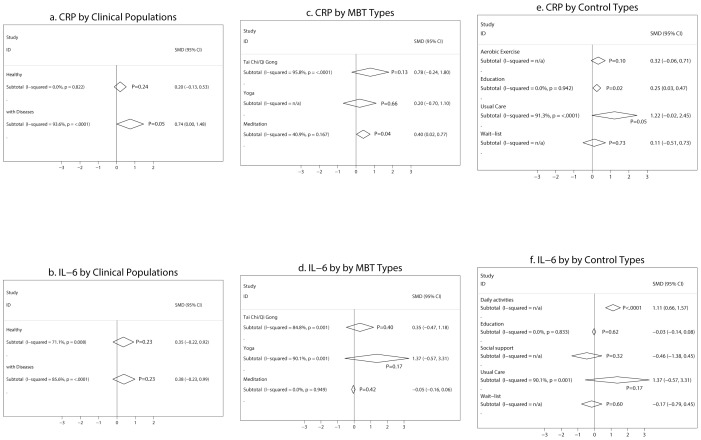
“The latter conclusion is supported by meta-analytic results from Morgan et al. (2014) who found that CRP was likely to be reduced following mind–body therapies in populations with disease conditions, but not in healthy persons.”
MethodResultSelf-citationBreath of Life: The Respiratory Vagal Stimulation Model of Contemplative Activity
Gerritsen, R. J. S., & Band, G. P. H. (2018) · Frontiers in Human Neuroscience · doi:10.3389/fnhum.2018.00397 · Cited by 342
Metadata
- Authors
- Morgan, N., Irwin, M. R., Chung, M., & Wang, C.
- Affiliations
- Tufts University (US)
- University of California, Los Angeles (US)
- Corresponding author
- Wang, Chenchen
- Venue
- PLoS ONE
- Publisher
- Public Library of Science (PLoS)
- Published
- 2014-07-02
- Volume
- 9
- Issue
- 7
- Pages
- e100903
- ISSN
- 1932-6203 (ISSN-L)
- PMC
- PMC4079606
- OpenAlex
- W1971901983
- Cited by
- 294
- References
- 106
- Citations by year
- 2026: 15 · 2025: 21 · 2024: 20 · 2023: 30 · 2022: 33 · 2021: 28 · 2020: 44 · 2019: 29 · 2018: 21 · 2017: 18 · 2016: 17 · 2015: 15 · 2014: 3
- FWCI
- 20.85
- Type
- journal article
- Language
- en
- Open access
- gold
- doi.org
- Licence
- Locations
- PLoS ONE (publishedVersion, public-domain)
- Europe PMC (PubMed Central) (publishedVersion, public-domain)
- PubMed Central (publishedVersion, public-domain)
- PubMed (publishedVersion)
- RePEc: Research Papers in Economics (submittedVersion)
- DOAJ (DOAJ: Directory of Open Access Journals) (submittedVersion, cc-by-sa)
- eScholarship (California Digital Library) (submittedVersion)
- eScholarship (California Digital Library) (submittedVersion, public-domain)
- Figshare (submittedVersion, cc-by)
- Funders
- National Institutes of Health (UL1TR000124, CTSI UL1TR000124, AG028748)
- National Institute on Aging (R01AG026364, R01AG034588, P30AG028748)
- National Heart, Lung, and Blood Institute (R01HL095799)
- National Institute on Drug Abuse (R01DA032922)
- National Cancer Institute (R01CA160245, R01CA119159)
- National Center for Complementary and Alternative Medicine
- National Center for Advancing Translational Sciences
- National Center for Complementary and Integrative Health (R01AT006367, K24AT007323, R01AT005521)
- Jane and Terry Semel Institute for Neuroscience and Human Behavior, University of California, Los Angeles
- Clinical and Translational Science Institute, University of California, Los Angeles (UL1TR000124)
- Topics
- Social Sciences › Psychology › Clinical Psychology › Mindfulness and Compassion Interventions
- Health Sciences › Medicine › Complementary and alternative medicine › Biofield Effects and Biophysics
- Life Sciences › Neuroscience › Behavioral Neuroscience › Stress Responses and Cortisol
- Keywords
- mind-body interventions, immune system, inflammation, C-reactive protein, interleukin-6, TNF-α, antiviral immunity, CD4 count, natural killer cells, Tai Chi, qigong, meditation, yoga, vaccine response, immunomodulation
- MeSH terms
- C-Reactive Protein, Humans, Inflammation, Tumor Necrosis Factor-alpha, Virus Diseases, Interleukin-6, Randomized Controlled Trials as Topic, MEDLINE, CD4 Lymphocyte Count, Tai Ji
About these checks
Registry, retraction, Cites and statistics results are computed, not judged, with one exception: a printed reference that no index lists is read once by a model before it counts as a citation error. Claims are extracted by a model and kept only when their quote appears verbatim in the text; each cited source is then checked, with a model’s help, for whether it says what the claim relies on. Those verdicts can be wrong — read the claim’s quote and the cited source before relying on one.
Statistics and arithmetic are recomputed, not judged.
Confidence bands are shown only for fields calibrated on our annotated test set. None is calibrated yet, so no band is shown.
What counts as a claim ›How we measure confidence ›How we check this ›
Are you an author, or do you see a problem with this page? Request a review
