

Tetrahydrohyperforin Inhibits the Proteolytic Processing of Amyloid Precursor Protein and Enhances Its Degradation by Atg5-Dependent Autophagy
Open accessThe DOI matches its Crossref record; 63 of the 63 references it cites were found in a registry or an index.
Abstract
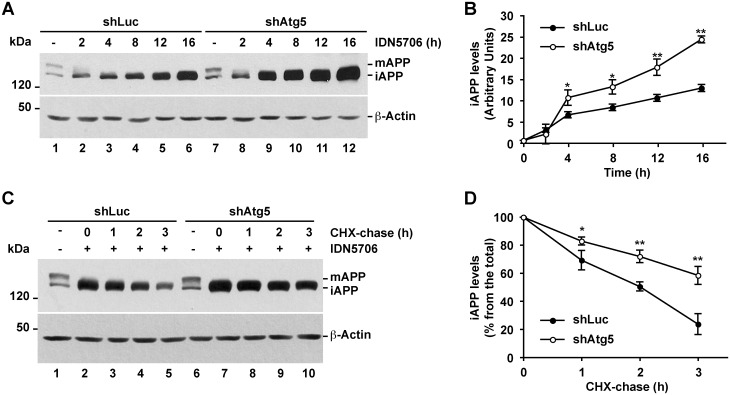
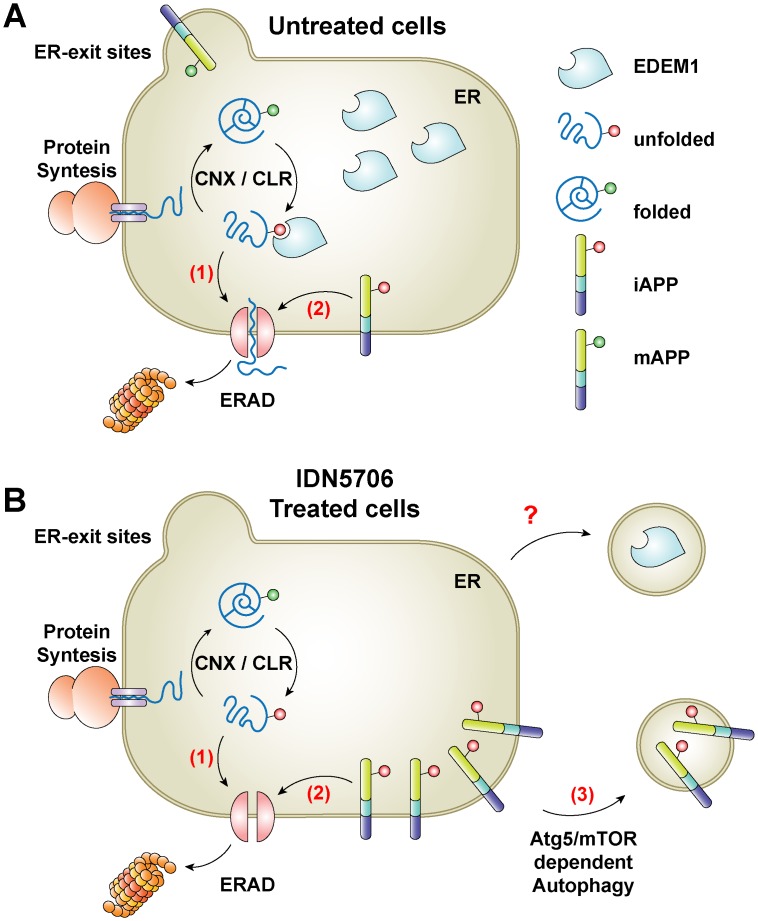
Alzheimer's disease (AD) is a neurodegenerative disorder characterized by the accumulation of amyloid-β (Aβ) peptide. We have previously shown that the compound tetrahydrohyperforin (IDN5706) prevents accumulation of Aβ species in an in vivo model of AD, however the mechanism that explains this reduction is not well understood. We show herein that IDN5706 decreases the levels of ER degradation enhancer, mannosidase alpha-like 1 (EDEM1), a key chaperone related to endoplasmic-reticulum-associated degradation (ERAD). Moreover, we observed that low levels of EDEM1 correlated with a strong activation of autophagy, suggesting a crosstalk between these two pathways. We observed that IDN5706 perturbs the glycosylation and proteolytic processing of the amyloid precursor protein (APP), resulting in the accumulation of immature APP (iAPP) in the endoplasmic reticulum. To investigate the contribution of autophagy, we tested the effect of IDN5706 in Atg5-depleted cells. We found that depletion of Atg5 enhanced the accumulation of iAPP in response to IDN5706 by slowing down its degradation. Our findings reveal that IDN5706 promotes degradation of iAPP via the activation of Atg5-dependent autophagy, shedding light on the mechanism that may contribute to the reduction of Aβ production in vivo.
Overview
The claims and statistics of this paper haven’t been checked yet.
Free: it reads the open-access text and checks the first 5 claims that cite a source we can check. Create a free account to check every claim.
Integrity signals
Registry
Cites
Statistics
Figures
Verification
Claims the paper makes
The claims and statistics of this paper haven’t been checked yet.
Free: it reads the open-access text and checks the first 5 claims that cite a source we can check. Create a free account to check every claim.
Claims other papers make about this one
Each is checked against this paper’s own text: does it say what the citing paper says it does?
The source backs part of the claim, not all of it — or backs it for a different population, condition or comparison.
In the citing paper
“It has been identified that ATG5-dependent autophagy regulates APP degradation.493”
From Amyloid β-based therapy for Alzheimer’s disease: Challenges, successes and future (2023) · cites this paper as [493]
Experimental — accuracy not yet measuredThe source backs part of the claim, not all of it — or backs it for a different population, condition or comparison.
In the citing paper
“Growing evidence shows that dysfunction of autophagy is closely linked with Aβ metabolism and accmulation in AD progression.”
From Amyloid β-based therapy for Alzheimer’s disease: Challenges, successes and future (2023) · cites this paper as [493]
Experimental — accuracy not yet measured
Self-check
Percentages, sums and reported differences re-computed from the paper’s own numbers.
The self-check needs the paper’s full text.
Citations
Cites
The Amyloid Hypothesis of Alzheimer’s Disease: Progress and Problems on the Road to Therapeutics
Hardy, J., & Selkoe, D. J. (2002) · Science · doi:10.1126/science.1072994 · Cited by 13,864
Amyloid oligomers exacerbate tau pathology in a mouse model of tauopathy
Selenica, M.-L. B., Brownlow, M., Jimenez, J. P., Lee, D. C., Pena, G., Dickey, C. A., Gordon, M. N., & Morgan, D. (2013) · Neurodegenerative Diseases · doi:10.1159/000337230 · Cited by 10,359
A guided tour into subcellular colocalization analysis in light microscopy
BOLTE, S., & CORDELIÈRES, F. P. (2006) · Journal of Microscopy · doi:10.1111/j.1365-2818.2006.01706.x · Cited by 5,324 · cited 1×
“All values were obtained with the plug-in JACoP [19], as implemented in Image J.”
MethodMethods in Mammalian Autophagy Research
Mizushima, N., Yoshimori, T., & Levine, B. (2010) · Cell · doi:10.1016/j.cell.2010.01.028 · Cited by 4,497
Walsh, D. M., Klyubin, I., Fadeeva, J. V., Cullen, W. K., Anwyl, R., Wolfe, M. S., Rowan, M. J., & Selkoe, D. J. (2002) · Nature · doi:10.1038/416535a · Cited by 4,291 · cited 2×
“We examined the effect of IDN5706 in CHO cells stably expressing human APP751 carrying the V717F mutation, a cell line currently referred to as 7AP2, which is extensively used in the study of Aβ secretion [8,9].”
BackgroundKimura, S., Noda, T., & Yoshimori, T. (2007) · Autophagy · doi:10.4161/auto.4451 · Cited by 2,278 · cited 2×
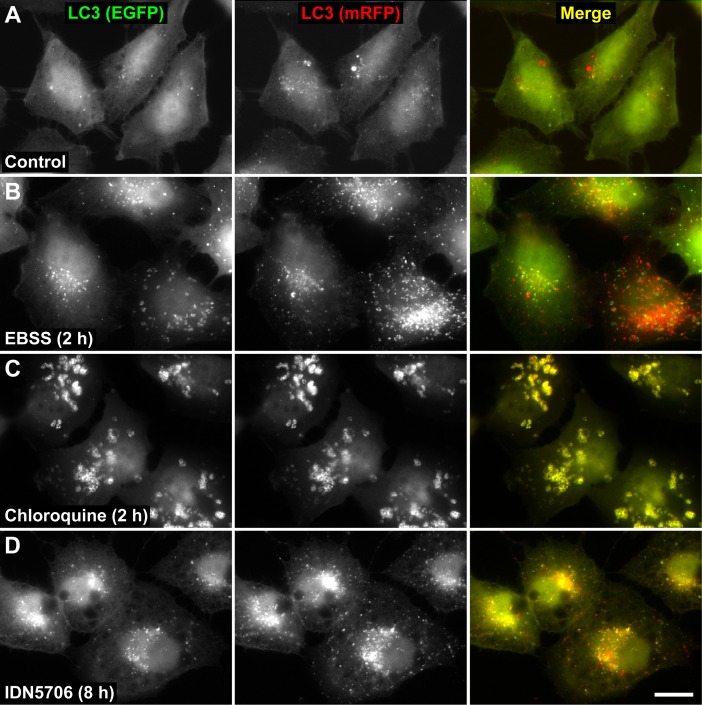
“To evaluate whether CHX treatment could result in an underestimation of the efficiency of LC3-II turnover in the presence of IDN5706 [36], we monitored autophagic flux using mRFP-EGFP-tagged LC3, a convenient assay based on different pH sensitivity of mRFP and EGFP fluorescent proteins [13].”
MethodCepharanthine potently enhances the sensitivity of anticancer agents in K562 cells
Ikeda, R., Che, X., Yamaguchi, T., Ushiyama, M., Zheng, C., Okumura, H., Takeda, Y., Shibayama, Y., Nakamura, K. T., Jeung, H., et al. (2005) · Cancer Science · doi:10.1111/j.1349-7006.2005.00057.x · Cited by 2,274
Jung, C. H., Ro, S.-H., Cao, J., Otto, N. M., & Kim, D.-H. (2010) · FEBS Letters · doi:10.1016/j.febslet.2010.01.017 · Cited by 2,090 · cited 1×
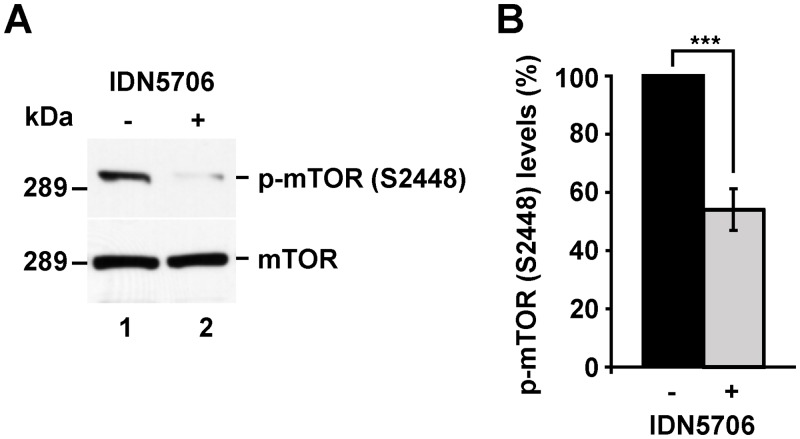
“A key signaling-player in autophagy activation is the phosphorylation state of the protein kinase mammalian target of rapamycin (mTOR) [42].”
BackgroundMitochondria Supply Membranes for Autophagosome Biogenesis during Starvation
Hailey, D. W., Rambold, A. S., Satpute-Krishnan, P., Mitra, K., Sougrat, R., Kim, P. K., & Lippincott-Schwartz, J. (2010) · Cell · doi:10.1016/j.cell.2010.04.009 · Cited by 1,429 · cited 1×
“The pEGFP-LC3 construct was provided by Jennifer LippincottSchwartz, and has been previously described [12].”
MethodBoland, B., Kumar, A., Lee, S., Platt, F. M., Wegiel, J., Yu, W. H., & Nixon, R. A. (2008) · Journal of Neuroscience · doi:10.1523/jneurosci.0800-08.2008 · Cited by 1,119 · cited 1×
“To better characterize this assay in our cell model, H4 cells stably expressing mRFP-EGFP-tagged LC3 were treated with EBSS, a well-known starvation solution used to activate autophagy [37,38].”
MethodAutophagy Counterbalances Endoplasmic Reticulum Expansion during the Unfolded Protein Response
Bernales, S., McDonald, K. L., & Walter, P. (2006) · PLoS Biology · doi:10.1371/journal.pbio.0040423 · Cited by 1,007
Targeting the unfolded protein response in disease
Hetz, C., Chevet, E., & Harding, H. P. (2013) · Nature Reviews Drug Discovery · doi:10.1038/nrd3976 · Cited by 910 · cited 1×
“However, this pathway is easily saturated, leading to the inappropriate accumulation of potentially toxic protein species that can lead to ER stress [53].”
BackgroundPotential therapeutic applications of autophagy
Rubinsztein, D. C., Gestwicki, J. E., Murphy, L. O., & Klionsky, D. J. (2007) · Nature Reviews Drug Discovery · doi:10.1038/nrd2272 · Cited by 862 · cited 1×
“Growing evidence shows that a wide variety of chemical compounds that seem to promote longevity and healthy aging are capable of modulating protein turnover pathways [52].”
BackgroundManders, E. M. M., Stap, J., Brakenhoff, G. J., Driel, R. V., & Aten, J. A. (1992) · Journal of Cell Science · doi:10.1242/jcs.103.3.857 · Cited by 739
Ding, W.-X., Ni, H.-M., Gao, W., Yoshimori, T., Stolz, D. B., Ron, D., & Yin, X.-M. (2007) · The American Journal of Pathology · doi:10.2353/ajpath.2007.070188 · Cited by 708 · cited 1×
“Interestingly, ERAD inhibition has been shown to activate autophagy [56], a pathway that is considered to act as a second ERAD pathway, playing a crucial role as a survival mechanism.”
BackgroundTownsend, M., Shankar, G. M., Mehta, T., Walsh, D. M., & Selkoe, D. J. (2006) · The Journal of Physiology · doi:10.1113/jphysiol.2005.103754 · Cited by 619 · cited 2×
“We examined the effect of IDN5706 in CHO cells stably expressing human APP751 carrying the V717F mutation, a cell line currently referred to as 7AP2, which is extensively used in the study of Aβ secretion [8,9].”
BackgroundER-associated degradation: Protein quality control and beyond
Ruggiano, A., Foresti, O., & Carvalho, P. (2014) · Journal of Cell Biology · doi:10.1083/jcb.201312042 · Cited by 607 · cited 1×
“Moreover, increasing evidence shows that ERAD also controls the degradation of folded ER proteins [54], playing an important role in the regulation of the levels of APP and its C-terminal fragments [10,25], highlighting the function of ERAD in different processes.”
BackgroundVassar, R., Kovacs, D. M., Yan, R., & Wong, P. C. (2009) · The Journal of Neuroscience · doi:10.1523/jneurosci.3657-09.2009 · Cited by 577 · cited 1×
“Amyloid plaques are highly enriched in aggregated amyloid-β (Aβ) peptide species, derived from the sequential proteolysis of the amyloid precursor protein (APP) by the β-site APP cleaving enzyme 1 (β-secretase) [2] and the γ-secretase complex [3].”
BackgroundCalnexin: a membrane-bound chaperone of the endoplasmic reticulum
Bergeron, J. J. M., Brenner, M. B., Thomas, D. Y., & Williams, D. B. (1994) · Trends in Biochemical Sciences · doi:10.1016/0968-0004(94)90205-4 · Cited by 532 · cited 11×
“The following mouse monoclonal antibodies were used: clone AC-74 to β-Actin (catalog number #A2228; Sigma-Aldrich); clone 37 to Calnexin (catalog number #610523; BD Transduction Laboratories, San Jose, CA, USA) and clone 40 to Bip (catalog number #610978; BD Transduction Laboratories); purified anti-GFP antibody conju…”
ResultInfluentialHetz, C., Thielen, P., Matus, S., Nassif, M., Court, F., Kiffin, R., Martinez, G., Cuervo, A. M., Brown, R. H., & Glimcher, L. H. (2009) · Genes & Development · doi:10.1101/gad.1830709 · Cited by 530 · cited 1×
“Contrary to a previous work with NSC34 cells [57], we observed that depletion of EDEM1 in H4 cells caused no changes in LC3 levels (S9 Fig, lane 3 compared to lane 1) or in LC3-decorated structures (data not shown).”
ResultRole of EDEM in the Release of Misfolded Glycoproteins from the Calnexin Cycle
Molinari, M., Calanca, V., Galli, C., Lucca, P., & Paganetti, P. (2003) · Science · doi:10.1126/science.1079474 · Cited by 470 · cited 14×
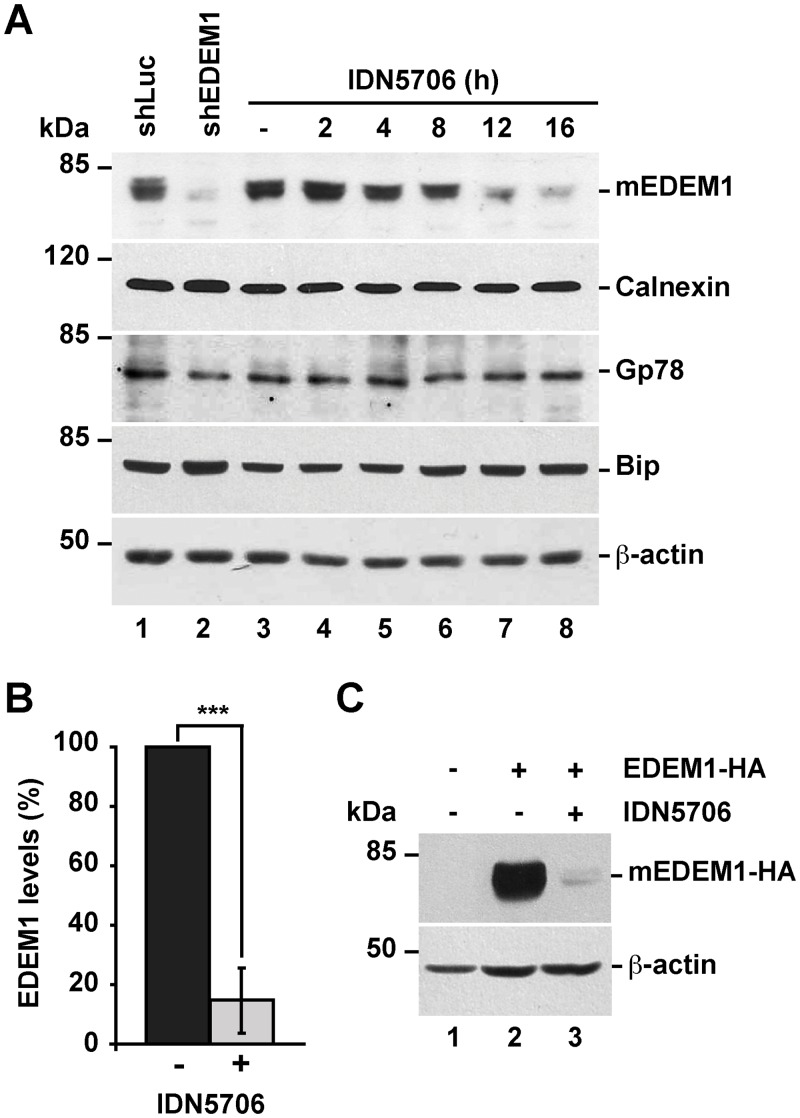
“In this study, we present evidence suggesting that IDN5706, a synthetic derivative of the chemical compound hyperforin of the St John's Wort plant, modulates EDEM1 levels, a key component of the ERAD pathway and, at the same time, enhances early degradation of iAPP via Atg5-dependent autophagy.”
BackgroundInfluentialA novel ER α‐mannosidase‐like protein accelerates ER‐associated degradation
Hosokawa, N., Wada, I., Hasegawa, K., Yorihuzi, T., Tremblay, L. O., Herscovics, A., & Nagata, K. (2001) · EMBO reports · doi:10.1093/embo-reports/kve084 · Cited by 466
EDEM As an Acceptor of Terminally Misfolded Glycoproteins Released from Calnexin
Oda, Y., Hosokawa, N., Wada, I., & Nagata, K. (2003) · Science · doi:10.1126/science.1079181 · Cited by 453 · cited 14×
“In this study, we present evidence suggesting that IDN5706, a synthetic derivative of the chemical compound hyperforin of the St John's Wort plant, modulates EDEM1 levels, a key component of the ERAD pathway and, at the same time, enhances early degradation of iAPP via Atg5-dependent autophagy.”
BackgroundInfluentialSorting through the Cell Biology of Alzheimer's Disease: Intracellular Pathways to Pathogenesis
Small, S. A., & Gandy, S. (2006) · Neuron · doi:10.1016/j.neuron.2006.09.001 · Cited by 324 · cited 8×
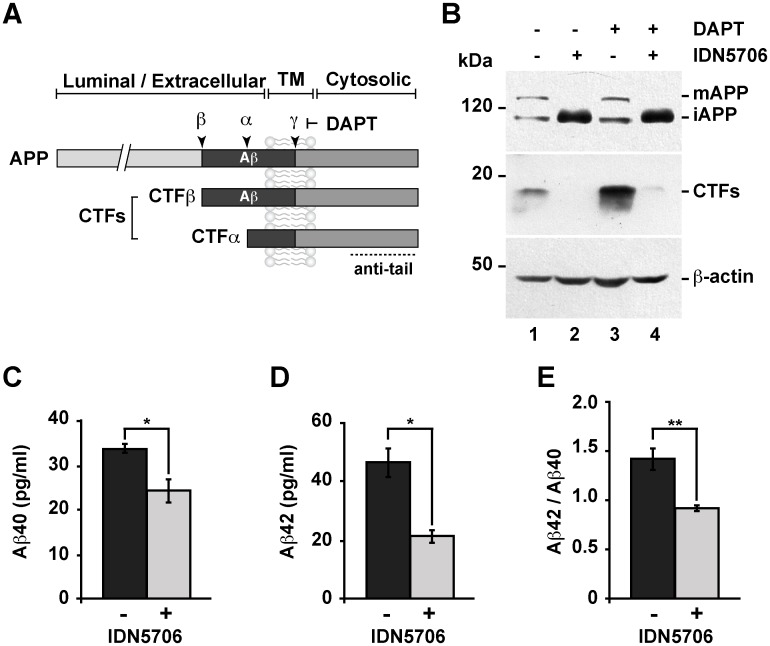
“As expected, incubation with DAPT alone caused a steady state accumulation of CTFs (Fig 6B, lane 3 compared to lane 1), consistent with CTFs subsequently cleaved by γ-secretase.”
BackgroundInfluentialDissecting the dynamic turnover of GFP-LC3 in the autolysosome
Ni, H.-M., Bockus, A., Wozniak, A. L., Jones, K., Weinman, S., Yin, X.-M., & Ding, W.-X. (2011) · Autophagy · doi:10.4161/auto.7.2.14181 · Cited by 318
Dissecting the role of the Atg12–Atg5-Atg16 complex during autophagosome formation
Walczak, M., & Martens, S. (2013) · Autophagy · doi:10.4161/auto.22931 · Cited by 294 · cited 1×
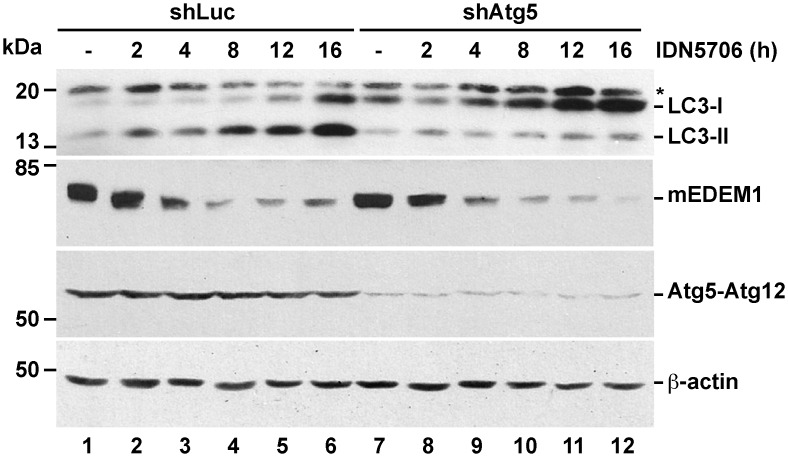
“Next, we analyzed whether the activation of LC3 lipidation induced by IDN5706 was dependent on Atg5, a protein that forms a conjugate with Atg12 controlling a key step in autophagosome formation [43].”
BackgroundTeckman, J. H., & Perlmutter, D. H. (2000) · American Journal of Physiology-Gastrointestinal and Liver Physiology · doi:10.1152/ajpgi.2000.279.5.g961 · Cited by 274
Sorting of the Alzheimer's Disease Amyloid Precursor Protein Mediated by the AP-4 Complex
Burgos, P. V., Mardones, G. A., Rojas, A. L., daSilva, L. L. P., Prabhu, Y., Hurley, J. H., & Bonifacino, J. S. (2010) · Developmental Cell · doi:10.1016/j.devcel.2010.01.015 · Cited by 258 · cited 4×
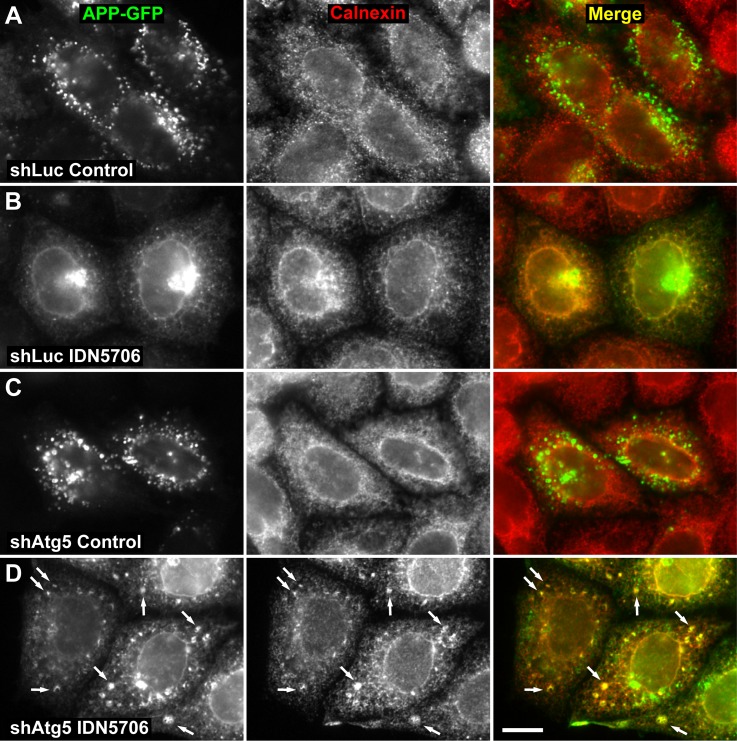
“To investigate the possible effects of IDN5706 on APP levels, we used the neuroglioma cell line H4 that we have previously used to investigate APP proteolytic processing [10,20,44].”
BackgroundMethodInfluentialSelf-citationUmemoto, J., Bhavanandan, V. P., & Davidson, E. A. (1977) · Journal of Biological Chemistry · doi:10.1016/s0021-9258(19)75264-8 · Cited by 248
Novel Research Horizons for Presenilins and γ-Secretases in Cell Biology and Disease
De Strooper, B., & Annaert, W. (2010) · Annual Review of Cell and Developmental Biology · doi:10.1146/annurev-cellbio-100109-104117 · Cited by 234 · cited 1×
“Amyloid plaques are highly enriched in aggregated amyloid-β (Aβ) peptide species, derived from the sequential proteolysis of the amyloid precursor protein (APP) by the β-site APP cleaving enzyme 1 (β-secretase) [2] and the γ-secretase complex [3].”
BackgroundRothman, J. E., & Fine, R. E. (1980) · Proceedings of the National Academy of Sciences · doi:10.1073/pnas.77.2.780 · Cited by 225 · cited 1×
“For this reason, this assay is also used to monitor the extent of glycoproteins localization at the Golgi apparatus after transport from the ER [47].”
MethodIshida, Y., Yamamoto, A., Kitamura, A., Lamandé, S. R., Yoshimori, T., Bateman, J. F., Kubota, H., & Nagata, K. (2009) · Molecular Biology of the Cell · doi:10.1091/mbc.e08-11-1092 · Cited by 221 · cited 1×
“Several studies have shown that the abnormal accumulation of proteins in the ER can be alleviated by autophagy [29,31], a phenotype that can be triggered by the addition of Brefeldin A [58] or tunicamycin [59], compounds that perturb the transport of several proteins out of the ER.”
BackgroundYoon, Y. H., Cho, K. S., Hwang, J. J., Lee, S.-J., Choi, J. A., & Koh, J.-Y. (2010) · Investigative Opthalmology & Visual Science · doi:10.1167/iovs.10-5278 · Cited by 219 · cited 1×
“In contrast, cells treated with Chloroquine (CQ) (Fig 3C), a compound that perturbs fusion between autophagosomes and lysosomes [39,40], showed that only 4.”
Kaneko, M., Koike, H., Saito, R., Kitamura, Y., Okuma, Y., & Nomura, Y. (2010) · The Journal of Neuroscience · doi:10.1523/jneurosci.2422-09.2010 · Cited by 200 · cited 13×
“In this study, we present evidence suggesting that IDN5706, a synthetic derivative of the chemical compound hyperforin of the St John's Wort plant, modulates EDEM1 levels, a key component of the ERAD pathway and, at the same time, enhances early degradation of iAPP via Atg5-dependent autophagy.”
BackgroundInfluentialTomita, S., Kirino, Y., & Suzuki, T. (1998) · Journal of Biological Chemistry · doi:10.1074/jbc.273.11.6277 · Cited by 189 · cited 3×
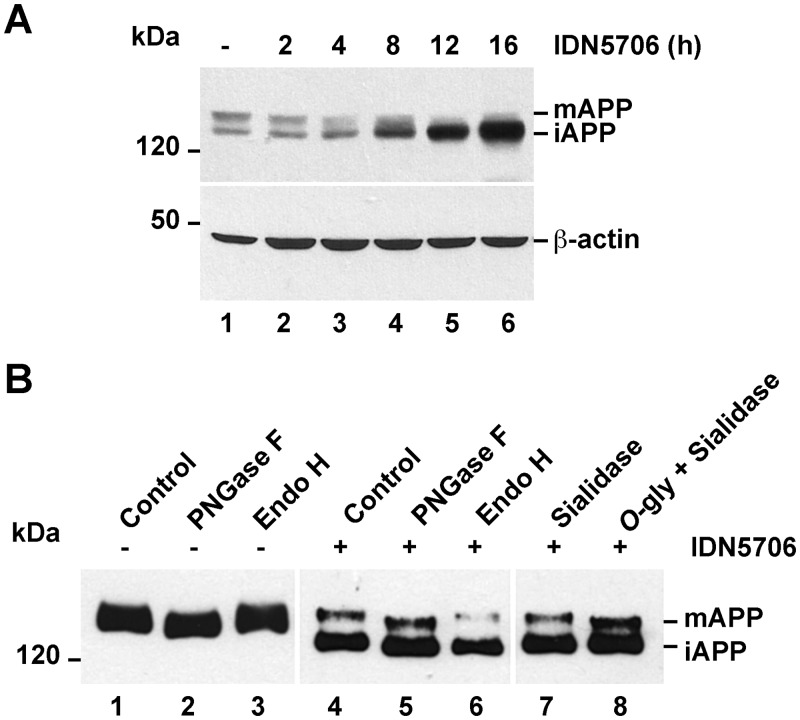
“In contrast, iAPP accumulated upon IDN5706 treatment seemed unaffected after incubation with these glycosidases (Fig 7B, lanes 7 and 8, iAPP), indicating absence of O-glycosylation.”
BackgroundInfluentialUtilizing flow cytometry to monitor autophagy in living mammalian cells
Shvets, E., Fass, E., & Elazar, Z. (2008) · Autophagy · doi:10.4161/auto.5939 · Cited by 162 · cited 1×
“Several studies have shown that the abnormal accumulation of proteins in the ER can be alleviated by autophagy [29,31], a phenotype that can be triggered by the addition of Brefeldin A [58] or tunicamycin [59], compounds that perturb the transport of several proteins out of the ER.”
BackgroundMeasurement of Autophagy in Cells and Tissues
Tanida, I., & Waguri, S. (2010) · Methods in Molecular Biology · doi:10.1007/978-1-60761-756-3_13 · Cited by 158 · cited 3×
“Lack of phosphorylation at serine-2448 (pS2448) of mTOR is known to activate autophagy, a modification that is used to monitor this pathway [34].”
BackgroundCalí, T., Galli, C., Olivari, S., & Molinari, M. (2008) · Biochemical and Biophysical Research Communications · doi:10.1016/j.bbrc.2008.04.098 · Cited by 132 · cited 3×
“Our results show that the reduction in EDEM1 levels by IDN5706 is not affected by depletion of Atg5 (Fig 5), contrary to the turnover of EDEM1 in basal conditions [26,39], suggesting the involvement of a novel turnover pathway for EDEM1 at the ER.”
BackgroundProtein misfolding disorders and macroautophagy
Menzies, F. M., Moreau, K., & Rubinsztein, D. C. (2011) · Current Opinion in Cell Biology · doi:10.1016/j.ceb.2010.10.010 · Cited by 129 · cited 1×
“All proteins in eukaryotic cells undergo turnover, and different levels of synthesis and degradation are tightly regulated to maintain proper proteostasis [51].”
BackgroundHDAC6 at the Intersection of Autophagy, the Ubiquitin-proteasome System, and Neurodegeneration
Pandey, U. B., Batlevi, Y., Baehrecke, E. H., & Taylor, J. P. (2007) · Autophagy · doi:10.4161/auto.5050 · Cited by 125 · cited 1×
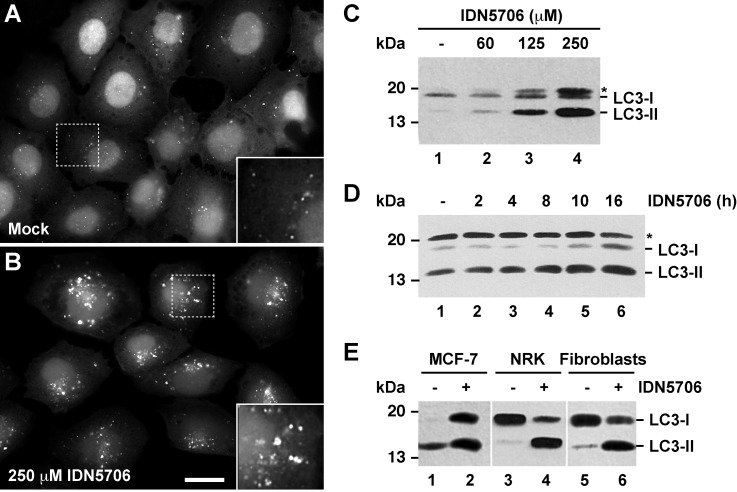
“Because disturbances at the ER promote autophagosome biogenesis, either by the accumulation of misfolded glycosylated proteins [27–31], by the impairment of proteasomal activity [32], or by negative regulation of ERAD functionality [33], we asked whether IDN5706 could modulate autophagy.”
BackgroundDinamarca, M. C., Cerpa, W. F., Garrido, J., Hancke, J. L., & Inestrosa, N. C. (2006) · Molecular Psychiatry · doi:10.1038/sj.mp.4001866 · Cited by 118
Self-citationCycloheximide inhibits starvation-induced autophagy through mTORC1 activation
Watanabe-Asano, T., Kuma, A., & Mizushima, N. (2014) · Biochemical and Biophysical Research Communications · doi:10.1016/j.bbrc.2014.01.180 · Cited by 93 · cited 1×
“To evaluate whether CHX treatment could result in an underestimation of the efficiency of LC3-II turnover in the presence of IDN5706 [36], we monitored autophagic flux using mRFP-EGFP-tagged LC3, a convenient assay based on different pH sensitivity of mRFP and EGFP fluorescent proteins [13].”
MethodMufson, E. J., He, B., Nadeem, M., Perez, S. E., Counts, S. E., Leurgans, S., Fritz, J., Lah, J., Ginsberg, S. D., Wuu, J., et al. (2012) · Journal of Neuropathology & Experimental Neurology · doi:10.1097/nen.0b013e318272caab · Cited by 91 · cited 1×
“A sample of 100 μl of collected medium was tested using a commercial Sandwich Enzyme-linked Immunosorbent Assay (ELISA) specific to Aβ40 (EZBRAIN40) and Aβ42 (EZBRAIN42) [15], according to the manufacturer's instructions (EMDMillipore Corporation, Billerica, MA).”
MethodStarvation and inhibition of lysosomal function increased tau secretion by primary cortical neurons
Mohamed, N.-V., Plouffe, V., Rémillard-Labrosse, G., Planel, E., & Leclerc, N. (2014) · Scientific Reports · doi:10.1038/srep05715 · Cited by 85
N-linked glycosylation of β-amyloid precursor protein
Påhlsson, P., Shakin-Eshleman, S. H., & Spitalnik, S. L. (1992) · Biochemical and Biophysical Research Communications · doi:10.1016/0006-291x(92)90269-q · Cited by 78
Characterization of an endo-α-N-acetyl galactosaminidase from Diplococcus pneumoniae
BHAVANANDAN, V. P., Umemoto, J., & Davidson, E. A. (1976) · Biochemical and Biophysical Research Communications · doi:10.1016/0006-291x(76)90654-9 · Cited by 73
Prabhu, Y., Burgos, P. V., Schindler, C., Farías, G. G., Magadán, J. G., & Bonifacino, J. S. (2012) · Molecular Biology of the Cell · doi:10.1091/mbc.e11-11-0944 · Cited by 68 · cited 1×
“To investigate the possible effects of IDN5706 on APP levels, we used the neuroglioma cell line H4 that we have previously used to investigate APP proteolytic processing [10,20,44].”
MethodSelf-citationA dual role for EDEM1 in the processing of rod opsin
Kosmaoglou, M., Kanuga, N., Aguilà, M., Garriga, P., & Cheetham, M. E. (2009) · Journal of Cell Science · doi:10.1242/jcs.055228 · Cited by 66 · cited 1×
“Consequently, several studies have shown that EDEM1 levels are crucial for ERAD function [11,21,23,24].”
BackgroundHypericum Extract and Hyperforin: Memory-Enhancing Properties in Rodents
Klusa, V., Germane, S., Nöldner, M., & Chatterjee, S. S. (2001) · Pharmacopsychiatry · doi:10.1055/s-2001-15451 · Cited by 66 · cited 1×
“Tetrahydrohyperforin (IDN5706), a semi synthetic derivative of hyperforin, the active molecule in the St John's Wort plant (Hypericum perforatum), as well as the natural compound hyperforin itself [4,5], have been shown to prevent neuropathological changes in a mouse model of AD [6,7].”
BackgroundVillalba, M., Hott, M., Martín, C., Aguila, B., Valdivia, S., Quezada, C., Zambrano, Á., Concha, M. I., & Otth, C. (2012) · Medical Microbiology and Immunology · doi:10.1007/s00430-012-0247-0 · Cited by 64
Inestrosa, N. C., Tapia-Rojas, C., Griffith, T. N., Carvajal, F. J., Benito, M. J., Rivera-Dictter, A., Alvarez, A. R., Serrano, F. G., Hancke, J. L., Burgos, P. V., et al. (2011) · Translational Psychiatry · doi:10.1038/tp.2011.19 · Cited by 64 · cited 15×
“In this study, we show that IDN5706, which we have shown to prevent neuropathological changes in a mouse model of AD [6,7], reduces the protein levels of EDEM1 and activates autophagy (Fig 10).”
BackgroundInfluentialSelf-citationAutophagy-Dependent Rhodopsin Degradation Prevents Retinal Degeneration in Drosophila
Midorikawa, R., Yamamoto-Hino, M., Awano, W., Hinohara, Y., Suzuki, E., Ueda, R., & Goto, S. (2010) · The Journal of Neuroscience · doi:10.1523/jneurosci.2061-10.2010 · Cited by 63
Termine, D. J., Moremen, K. W., & Sifers, R. N. (2009) · Journal of Cell Science · doi:10.1242/jcs.037291 · Cited by 54 · cited 1×
“Importantly, the level of EDEM1 in the ER acts as a checkpoint for ERAD function [55], whereby knockdown or overexpression of EDEM1 results in inhibited or accelerated degradation of certain ERAD Fig 9.”
BackgroundMardones, G. A., Burgos, P. V., Brooks, D. A., Parkinson-Lawrence, E., Mattera, R., & Bonifacino, J. S. (2007) · Molecular Biology of the Cell · doi:10.1091/mbc.e07-02-0190 · Cited by 52
Self-citationTyrosinase Degradation Is Prevented when EDEM1 Lacks the Intrinsically Disordered Region
Chiritoiu‐Butnaru, M., Ghenea, S., Spiridon, L. N., Chirițoiu, G. N., Petrescu, A., & Petrescu, S. M. (2012) · PLoS ONE · doi:10.1371/journal.pone.0042998 · Cited by 48 · cited 1×
“Consequently, several studies have shown that EDEM1 levels are crucial for ERAD function [11,21,23,24].”
BackgroundBasal autophagy is involved in the degradation of the ERAD component EDEM1
Fourn, V. L., Gaplovská-Kyselá, K., Guhl, B., Santimaria, R., Zuber, C., & Roth, J. (2009) · Cellular and Molecular Life Sciences · doi:10.1007/s00018-009-9038-1 · Cited by 47 · cited 3×
“Our results show that the reduction in EDEM1 levels by IDN5706 is not affected by depletion of Atg5 (Fig 5), contrary to the turnover of EDEM1 in basal conditions [26,39], suggesting the involvement of a novel turnover pathway for EDEM1 at the ER.”
BackgroundGeneration of Tau Aggregates and Clearance by Autophagy in an Inducible Cell Model of Tauopathy
Wang, Y., Krüger, U., Mandelkow, E., & Mandelkow, E.-M. (2010) · Neurodegenerative Diseases · doi:10.1159/000285516 · Cited by 44 · cited 1×
“Due to recent findings implicating autophagy in tau clearance [60], it would be interesting to explore whether autophagy activation by IDN5706 could also reduce the levels of tau and its aggregate forms.”
BackgroundSVIP Induces Localization of p97/VCP to the Plasma and Lysosomal Membranes and Regulates Autophagy
Wang, Y., Ballar, P., Zhong, Y., Zhang, X., Liu, C., Zhang, Y.-J., Monteiro, M. J., Li, J., & Fang, S. (2011) · PLoS ONE · doi:10.1371/journal.pone.0024478 · Cited by 44 · cited 1×
“Because disturbances at the ER promote autophagosome biogenesis, either by the accumulation of misfolded glycosylated proteins [27–31], by the impairment of proteasomal activity [32], or by negative regulation of ERAD functionality [33], we asked whether IDN5706 could modulate autophagy.”
BackgroundCerpa, W., Hancke, J., Morazzoni, P., Bombardelli, E., Riva, A., Marin, P., & Inestrosa, N. (2010) · Current Alzheimer Research · doi:10.2174/156720510790691218 · Cited by 42
Self-citationBustamante, H. A., Rivera-Dictter, A., Cavieres, V. A., Muñoz, V. C., González, A., Lin, Y., Mardones, G. A., & Burgos, P. V. (2013) · PLoS ONE · doi:10.1371/journal.pone.0083096 · Cited by 40 · cited 17×
“To investigate the possible effects of IDN5706 on APP levels, we used the neuroglioma cell line H4 that we have previously used to investigate APP proteolytic processing [10,20,44].”
BackgroundMethodInfluentialSelf-citationRoss, B. H., Lin, Y., Corales, E. A., Burgos, P. V., & Mardones, G. A. (2014) · PLoS ONE · doi:10.1371/journal.pone.0088147 · Cited by 33
Self-citationEarly Delivery of Misfolded PrP from ER to Lysosomes by Autophagy
Cortés, C. J., Qin, K., Norstrom, E. M., Green, W. N., Bindokas, V. P., & Mastrianni, J. A. (2013) · International Journal of Cell Biology · doi:10.1155/2013/560421 · Cited by 29 · cited 1×
“Several studies have shown that the abnormal accumulation of proteins in the ER can be alleviated by autophagy [29,31], a phenotype that can be triggered by the addition of Brefeldin A [58] or tunicamycin [59], compounds that perturb the transport of several proteins out of the ER.”
BackgroundEffects of brefeldin A on autophagy in cultured rat fibroblasts.
Purhonen, P., Pursiainen, K., & Reunanen, H. (1997) · PubMed · Cited by 22
Cited by
Amyloid β-based therapy for Alzheimer’s disease: Challenges, successes and future
Zhang, Y., Chen, H., Li, R., Sterling, K., & Song, W. (2023) · Signal Transduction and Targeted Therapy · doi:10.1038/s41392-023-01484-7 · Cited by 988
“It has been identified that ATG5-dependent autophagy regulates APP degradation.(493) In addition, the complex of APP and γ-secretases was found in autophagosomes, suggesting the role of authophgic pathway in the generation of Aβ peptides.”
BackgroundAutophagy and Alzheimer’s Disease: From Molecular Mechanisms to Therapeutic Implications
Uddin, M. S., Stachowiak, A., Mamun, A. A., Tzvetkov, N. T., Takeda, S., Atanasov, A. G., Bergantin, L. B., Abdel-Daim, M. M., & Stankiewicz, A. M. (2018) · Frontiers in Aging Neuroscience · doi:10.3389/fnagi.2018.00004 · Cited by 395
Autophagy in Alzheimer’s disease pathogenesis: Therapeutic potential and future perspectives
Zhang, Z., Yang, X., Song, Y.-Q., & Tu, J. (2021) · Ageing Research Reviews · doi:10.1016/j.arr.2021.101464 · Cited by 369
Autophagy and Alzheimer’s Disease
Li, Q., Liu, Y., & Sun, M. (2017) · Cellular and Molecular Neurobiology · doi:10.1007/s10571-016-0386-8 · Cited by 330
“…transcriptional factor EB (TFEB) (Zhang and Zhao 2015), activate pro-autophagic enzymes, modify the maturation of autophagosome , or inhibit the enzymes antagonizing the formation of membrane structures (Cavieres et al. 2015, Papp et al. 2015) may all have beneficial effects on AD patients.”
BackgroundCalcium signaling in Alzheimer's disease & therapies
Tong, B. C.-K., Wu, A. J., Li, M., & Cheung, K.-H. (2018) · Biochimica et Biophysica Acta (BBA) - Molecular Cell Research · doi:10.1016/j.bbamcr.2018.07.018 · Cited by 231
Metadata
- Authors
- Cavieres, V. A., González, A., Muñoz, V. C., Yefi, C. P., Bustamante, H. A., Barraza, R. R., Tapia-Rojas, C., Otth, C., Barrera, M. J., González, C., Mardones, G. A., Inestrosa, N. C., & Burgos, P. V.
- Affiliations
- Austral University of Chile (CL)
- University of Chile (CL)
- Pontificia Universidad Católica de Chile (CL)
- Corresponding author
- Inestrosa, Nibaldo C.
- Burgos, Patricia V.
- ORCID
- Venue
- PLOS ONE
- Publisher
- Public Library of Science (PLoS)
- Published
- 2015-08-26
- Volume
- 10
- Issue
- 8
- Pages
- e0136313
- ISSN
- 1932-6203 (ISSN-L)
- PMC
- PMC4550396
- OpenAlex
- W1872823421
- Cited by
- 43
- References
- 63
- Citations by year
- 2026: 1 · 2025: 6 · 2024: 1 · 2023: 6 · 2022: 6 · 2021: 3 · 2020: 2 · 2019: 2 · 2018: 6 · 2017: 3 · 2016: 7
- FWCI
- 3.93
- Type
- journal article
- Language
- en
- Open access
- gold
- doi.org
- Licence
- Locations
- PLoS ONE (publishedVersion, cc-by)
- Europe PMC (PubMed Central) (publishedVersion, cc-by)
- PubMed Central (publishedVersion, cc-by)
- PubMed (publishedVersion)
- Americanae (AECID Library) (submittedVersion, other-oa)
- DOAJ (DOAJ: Directory of Open Access Journals) (submittedVersion, cc-by-sa)
- Figshare (submittedVersion, cc-by)
- LA Referencia (Red Federada de Repositorios Institucionales de Publicaciones Científicas) (submittedVersion, other-oa)
- Universidad de Chile (submittedVersion, cc-by-nc-nd)
- Funders
- Comisión Nacional de Investigación Científica y Tecnológica (CONICYT-PFB12/2007, PFB12/2007)
- National Cancer Institute
- Topics
- Life Sciences › Neuroscience › Cellular and Molecular Neuroscience › Alzheimer's disease research and treatments
- Life Sciences › Biochemistry, Genetics and Molecular Biology › Cell Biology › Autophagy in Disease and Therapy
- Life Sciences › Biochemistry, Genetics and Molecular Biology › Cell Biology › Endoplasmic Reticulum Stress and Disease
- Keywords
- amyloid precursor protein, amyloid-beta, Alzheimer's disease, EDEM1, ER-associated degradation, ATG5, autophagy, APP proteolytic processing, endoplasmic reticulum, drug mechanisms
- MeSH terms
- Autophagy-Related Protein 5, Animals, Autophagy, Cells, Cultured, Endoplasmic Reticulum, Fibroblasts, Fluorescent Antibody Technique, Glycosylation, Humans, Immunoenzyme Techniques, Kidney, Membrane Proteins, Microscopy, Fluorescence, Microtubule-Associated Proteins, Neoplasms, Phloroglucinol, Protein Processing, Post-Translational, RNA, Messenger, Terpenes, Blotting, Western, Amyloid beta-Protein Precursor, Reverse Transcriptase Polymerase Chain Reaction, Immunoprecipitation, Rats, TOR Serine-Threonine Kinases, Proteolysis, Real-Time Polymerase Chain Reaction
About these checks
Registry, retraction, Cites and statistics results are computed, not judged, with one exception: a printed reference that no index lists is read once by a model before it counts as a citation error. Claims are extracted by a model and kept only when their quote appears verbatim in the text; each cited source is then checked, with a model’s help, for whether it says what the claim relies on. Those verdicts can be wrong — read the claim’s quote and the cited source before relying on one.
Statistics and arithmetic are recomputed, not judged.
Confidence bands are shown only for fields calibrated on our annotated test set. None is calibrated yet, so no band is shown.
What counts as a claim ›How we measure confidence ›How we check this ›
Are you an author, or do you see a problem with this page? Request a review
Data sources
Bibliographic data: Semantic Scholar, OpenAlex, Crossref.
Contains information from the Semantic Scholar Academic Graph Datasets, made available under the ODC Attribution License (ODC-BY 1.0).
Semantic Scholar’s data is described in: Kinney, R., et al. (2023). The Semantic Scholar Open Data Platform. arXiv:2301.10140.
