

Machine learning algorithm validation with a limited sample size
Open accessThe DOI matches its Crossref record; 31 of the 32 references it cites were found in a registry or an index.
Abstract
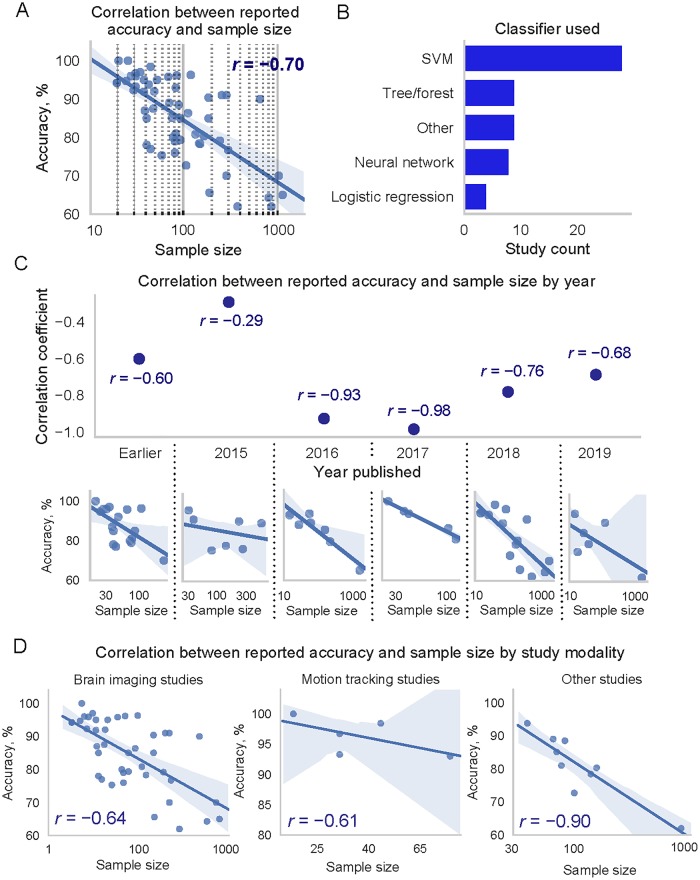
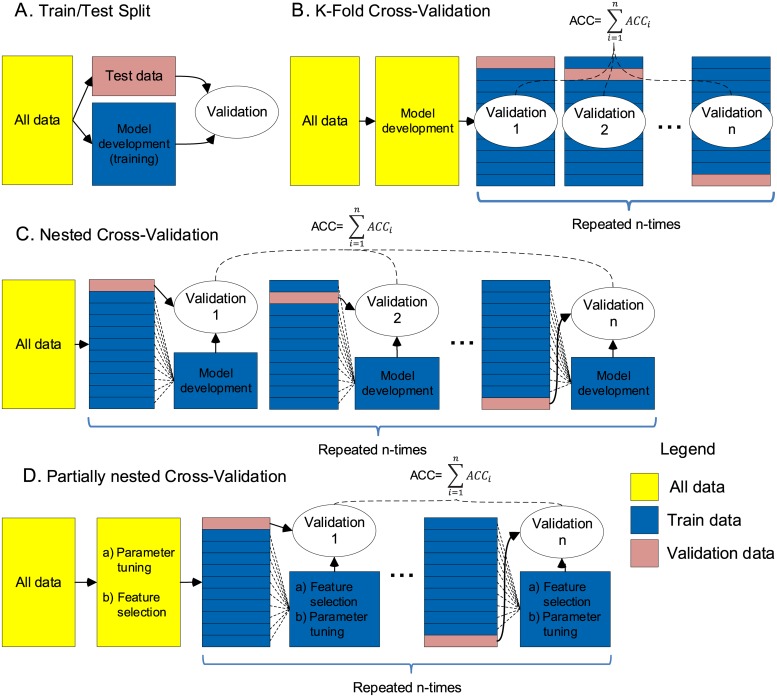
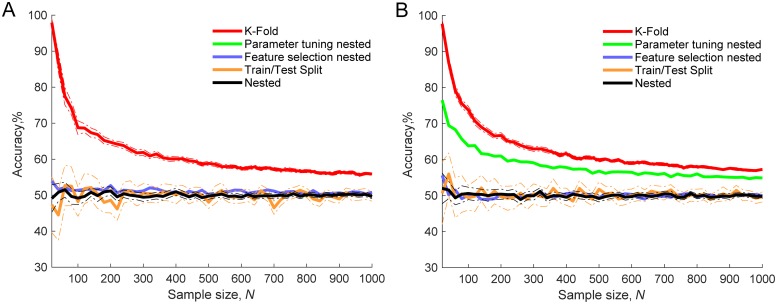
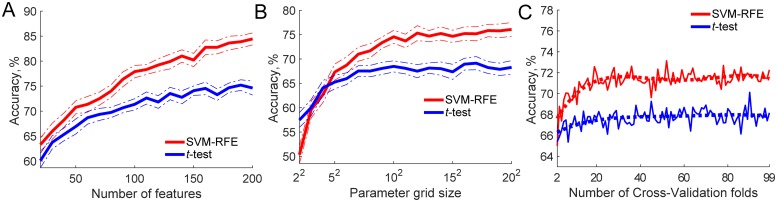
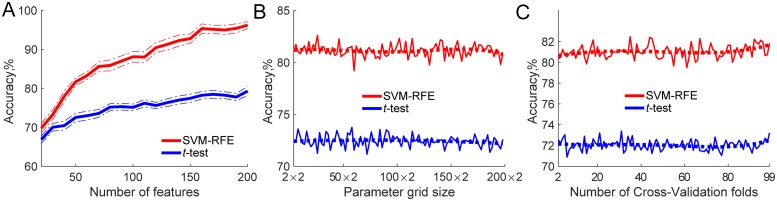
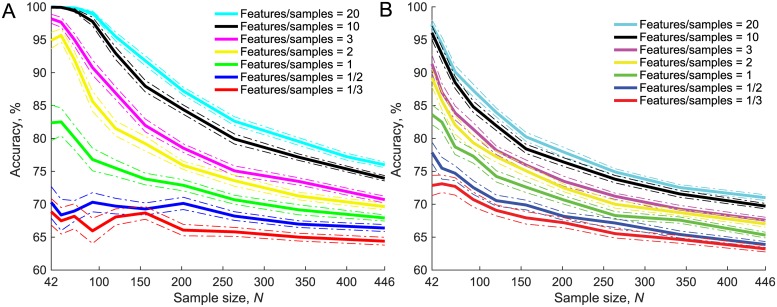
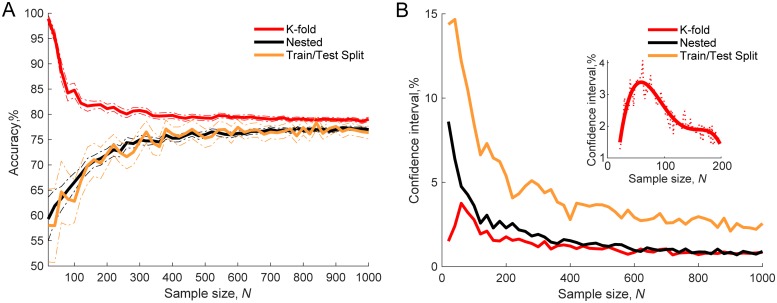
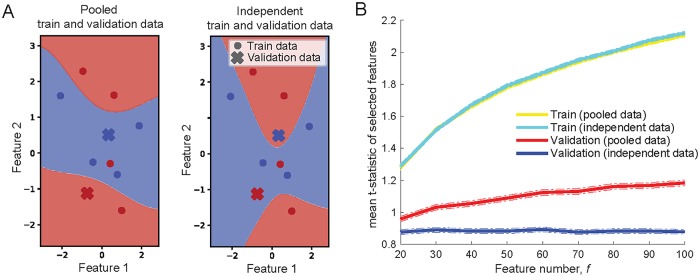
Advances in neuroimaging, genomic, motion tracking, eye-tracking and many other technology-based data collection methods have led to a torrent of high dimensional datasets, which commonly have a small number of samples because of the intrinsic high cost of data collection involving human participants. High dimensional data with a small number of samples is of critical importance for identifying biomarkers and conducting feasibility and pilot work, however it can lead to biased machine learning (ML) performance estimates. Our review of studies which have applied ML to predict autistic from non-autistic individuals showed that small sample size is associated with higher reported classification accuracy. Thus, we have investigated whether this bias could be caused by the use of validation methods which do not sufficiently control overfitting. Our simulations show that K-fold Cross-Validation (CV) produces strongly biased performance estimates with small sample sizes, and the bias is still evident with sample size of 1000. Nested CV and train/test split approaches produce robust and unbiased performance estimates regardless of sample size. We also show that feature selection if performed on pooled training and testing data is contributing to bias considerably more than parameter tuning. In addition, the contribution to bias by data dimensionality, hyper-parameter space and number of CV folds was explored, and validation methods were compared with discriminable data. The results suggest how to design robust testing methodologies when working with small datasets and how to interpret the results of other studies based on what validation method was used.
Overview
The claims and statistics of this paper haven’t been checked yet.
Free: it reads the open-access text and checks the first 5 claims that cite a source we can check. Create a free account to check every claim.
Integrity signals
Registry
Cites
Statistics
Figures
Verification
Claims the paper makes
The claims and statistics of this paper haven’t been checked yet.
Free: it reads the open-access text and checks the first 5 claims that cite a source we can check. Create a free account to check every claim.
Claims other papers make about this one
Each is checked against this paper’s own text: does it say what the citing paper says it does?
The cited source says what the claim attributes to it.
In the citing paper
“According to the simulations in Vabalas et al. 99 , the bias introduced by k-fold CV is still substantial even with a sample size of 1000.”
From Machine learning in concrete science: applications, challenges, and best practices (2022) · cites this paper as [99]
The cited source says what the claim attributes to it.
In the citing paper
“Machine learning in medical imaging often faces a fundamental dilemma, namely, the small sample size problem.”
From Federated learning for medical image analysis: A survey (2024) · cites this paper as [9]
In the citing paper
“An alternative to k-fold CV is n × k nested CV, which can produce robust and unbiased performance estimates regardless of the size of datasets 99 .”
From Machine learning in concrete science: applications, challenges, and best practices (2022) · cites this paper as [99]
Self-check
Percentages, sums and reported differences re-computed from the paper’s own numbers.
The self-check needs the paper’s full text.
Citations
Cites
Scikit-learn: Machine Learning in Python
Pedregosa, F., Varoquaux, G., Gramfort, A., Michel, V., Thirion, B., Grisel, O., Blondel, M., Müller, A., Nothman, J., Louppe, G., et al. (2012) · arXiv · doi:10.48550/arxiv.1201.0490 · Cited by 71,016 · cited 1×
“Logistic regression was implemented using Scikit-learn library [18].”
MethodLIBSVM: A library for support vector machines
Chang, C.-C., & Lin, C.-J. (2011) · ACM Transactions on Intelligent Systems and Technology · doi:10.1145/1961189.1961199 · Cited by 40,918 · cited 1×
“SVM was implemented with Libsvm library [17].”
Sudlow, C., Gallacher, J., Allen, N., Beral, V., Burton, P., Danesh, J., Downey, P., Elliott, P., Green, J., Landray, M., et al. (2015) · PLOS Medicine · doi:10.1371/journal.pmed.1001779 · Cited by 12,728
A training algorithm for optimal margin classifiers
Boser, B. E., Guyon, I. M., & Vapnik, V. N. (1992) · Proceedings of the fifth annual workshop on Computational learning theory · doi:10.1145/130385.130401 · Cited by 11,992 · cited 2×
“One, computationally demanding and complex, where Support Vector Machine (SVM) [12] classifier with Radial Basis Function (RBF) kernel was coupled with Support Vector Machine Recursive Feature Elimination (SVM-RFE) [13] feature selection.”
MethodCross validatory choice and assessment of statistical predictions
Stone, M. (1974) · Journal of the Royal Statistical Society Series B: Statistical Methodology · doi:10.1111/j.2517-6161.1974.tb00994.x · Cited by 10,881 · cited 1×
“Stone [10] pointed out the importance of separating CV used for model development and CV used for model evaluation.”
MethodLibsvm : A library for support vector machines
Ferrari, V. (2008) · Medical Entomology and Zoology · Cited by 10,122
Gene selection for cancer classification using support vector machines
Guyon, I., Weston, J., Barnhill, S., & Vapnik, V. (2002) · Machine Learning · doi:10.1023/a:1012487302797 · Cited by 9,954 · cited 8×
“SVM-RFE algorithm selects features based on how important they are for an SVM classifier to separate classes.”
InfluentialA review of feature selection techniques in bioinformatics
Saeys, Y., Inza, I., & Larrañaga, P. (2007) · Bioinformatics · doi:10.1093/bioinformatics/btm344 · Cited by 5,244
Bias in error estimation when using cross-validation for model selection
Varma, S., & Simon, R. (2006) · BMC Bioinformatics · doi:10.1186/1471-2105-7-91 · Cited by 2,485 · cited 10×
“Varma and Simon [7] suggest that Nested CV provides almost unbiased performance estimates.”
BackgroundMethodResultInfluentialMachine learning applications in genetics and genomics
Libbrecht, M. W., & Noble, W. S. (2015) · Nature Reviews Genetics · doi:10.1038/nrg3920 · Cited by 2,084 · cited 1×
“Then if number of features is large, which is especially true for neuroimaging and gene expression studies [3, 14, 15], feature selection is performed.”
Background
Cited by
Items 101–200 of 1,001
Machine learning-based detection of acute psychosocial stress from body posture and movements
Richer, R., Koch, V., Abel, L., Hauck, F., Kurz, M., Ringgold, V., Müller, V., Küderle, A., Schindler‐Gmelch, L., Eskofier, B. M., et al. (2024) · Scientific Reports · doi:10.1038/s41598-024-59043-1 · Cited by 71
“In contrast to both approaches, we used nested cross-validation for hyperparameter tuning and model evaluation to obtain a less biased estimate of the generalization performance of our classification pipelines 55 .”
MethodBlockchain and Machine Learning: A Critical Review on Security
Taherdoost, H. (2023) · Information · doi:10.3390/info14050295 · Cited by 67
“For instance, it is challenging to generalize ML models to reflect the future because current training methods require large amounts of data, which are often unavailable in practice [3] or limited due to the high cost of collection [4].”
Iyortsuun, N. K., Kim, S.-H., Yang, H.-J., Kim, S., & Jhon, M. (2024) · IEEE Access · doi:10.1109/access.2024.3362233 · Cited by 72
“Firstly, small sample sizes abound in this field mostly as a result of the high expense of data collection which often requires human participants [5] and privacy concerns.”
BackgroundCheng, F., Belden, E. R., Li, W., Shahabuddin, M., Paffenroth, R. C., & Timko, M. T. (2022) · Chemical Engineering Journal · doi:10.1016/j.cej.2022.136013 · Cited by 61
Integrated data-driven modeling and experimental optimization of granular hydrogel matrices
Verheyen, C. A., Uzel, S. G. M., Kurum, A., Roche, E. T., & Lewis, J. A. (2023) · Matter · doi:10.1016/j.matt.2023.01.011 · Cited by 58
Khan, S., Alzaabi, A., Iqbal, Z., Ratnarajah, T., & Arslan, T. (2023) · IEEE Access · doi:10.1109/access.2023.3316508 · Cited by 57
Advancing groundwater quality predictions: Machine learning challenges and solutions
Torres-Martínez, J. A., Mahlknecht, J., Kumar, M., Loge, F. J., & Kaown, D. (2024) · The Science of The Total Environment · doi:10.1016/j.scitotenv.2024.174973 · Cited by 58
Deep learning-based breast cancer diagnosis in breast MRI: systematic review and meta-analysis
Abdullah, K. A., Marziali, S., Nanaa, M., Sánchez, L. E., Payne, N. R., & Gilbert, F. J. (2025) · European Radiology · doi:10.1007/s00330-025-11406-6 · Cited by 65
Paper-based platforms for microbial electrochemical cell-based biosensors: A review
Chung, T. H., & Dhar, B. R. (2021) · Biosensors and Bioelectronics · doi:10.1016/j.bios.2021.113485 · Cited by 54
Camacho, M., Wilms, M., Almgren, H., Amador, K., Camicioli, R. M., Ismail, Z., Monchi, O., Forkert, N. D., & Initiative, A. D. N. (2024) · npj Parkinson s Disease · doi:10.1038/s41531-024-00647-9 · Cited by 61
Fraser, R. A., Walker, R. J., Campbell, J. A., Ekwunife, O. I., & Egede, L. E. (2025) · npj Digital Medicine · doi:10.1038/s41746-025-02036-9 · Cited by 61
Richter, T., Fishbain, B., Richter-Levin, G., & Okon-Singer, H. (2021) · Journal of Personalized Medicine · doi:10.3390/jpm11100957 · Cited by 52
“However, this bias was shown to be mitigated when using nested K-fold cross-validation and train/test split approaches [89].”
MethodPhysics Guided Deep Learning for Data-Driven Aircraft Fuel Consumption Modeling
Uzun, M., Demirezen, M. U., & İnalhan, G. (2021) · Aerospace · doi:10.3390/aerospace8020044 · Cited by 59
“They can only effectively capture relations in the possible training data and hence have a poor out-of-sample generalization capability [13–15].”
BackgroundMachine Learning Model Validation for Early Stage Studies with Small Sample Sizes
Larracy, R., Phinyomark, A., & Scheme, E. (2021) · Annual International Conference of the IEEE Engineering in Medicine and Biology Society (EMBC) · doi:10.1109/embc46164.2021.9629697 · Cited by 69
“While many researchers are careful to avoid information leakage in the classifier training step, information leakage in the other stages of model development, especially feature selection [7], can result in similarly inflated performance estimates.”
ResultBashir, N. Z., Rahman, Z., & Chen, S. L. (2022) · Journal Of Clinical Periodontology · doi:10.1111/jcpe.13692 · Cited by 54
“High-performance algorithms are typically designed with big datasets in mind (i.e., hundreds of thousands or millions of observations) and the predictors often have a highly complex and difficult-to-entangle relationship with the disease at hand (Vabalas et al., 2019; Thomas et al., 2020).”
BackgroundBiomarker discovery for tuberculosis using metabolomics
Yu, Y., Jiang, X., & Li, J. (2023) · Frontiers in Molecular Biosciences · doi:10.3389/fmolb.2023.1099654 · Cited by 54
“The repeated cross validation could not effectively increase the sample size, which may instead produce strongly biased performance (Vabalas et al., 2019).”
BackgroundNeuroimage analysis using artificial intelligence approaches: a systematic review
Bacon, E. J., He, D., Achi, N. A. D., Wang, L., Li, H., Yao-Digba, P. D. Z., Monkam, P., & Qi, S. (2024) · Medical & Biological Engineering & Computing · doi:10.1007/s11517-024-03097-w · Cited by 64
“In the domain of AI-driven neuroimaging research, data preprocessing emerges as a critical phase, comprising various methodologies designed to prepare raw neuroimaging data for subsequent analysis [146].”
McGregor, D. J., Bimrose, M. V., Shao, C., Tawfick, S., & King, W. P. (2022) · Additive manufacturing · doi:10.1016/j.addma.2022.102848 · Cited by 60
Benchmarking AutoML for regression tasks on small tabular data in materials design
Conrad, F., Mälzer, M., Schwarzenberger, M., Wiemer, H., & Ihlenfeldt, S. (2022) · Scientific Reports · doi:10.1038/s41598-022-23327-1 · Cited by 55
“Compared to the simple CV, where the outer loop is omitted and the evaluation is performed on the inner splits, any bias through possible data leakage can be eliminated with the NCV 51,52 .”
BackgroundMethodToward smart diagnostics via artificial intelligence-assisted surface-enhanced Raman spectroscopy
Horta-Velázquez, A., Arce, F., Rodríguez‐Sevilla, E., & Morales‐Narváez, E. (2023) · TrAC Trends in Analytical Chemistry · doi:10.1016/j.trac.2023.117378 · Cited by 50
Active-Learning Approaches for Landslide Mapping Using Support Vector Machines
Wang, Z., & Brenning, A. (2021) · Remote Sensing · doi:10.3390/rs13132588 · Cited by 51
“When this occurs, AL qu ry strat gies m y be close to random sampling, or they ma even oversamp e irrelevant regions in the featured space [73,74].”
BackgroundTwumasi, C., & Twumasi, J. (2021) · International Journal of Forecasting · doi:10.1016/j.ijforecast.2021.10.008 · Cited by 64
“The cause for such under-performance of the ML algorithms is attributed to limited data or small sample size used in training these algorithms; hence, it can lead to biased ML predictions in such instances (Vabalas, Gowen, Poliakoff, & Casson, 2019).”
Sikder, R., Zhang, T., & Ye, T. (2023) · ACS ES&T Water · doi:10.1021/acsestwater.3c00020 · Cited by 53
Contributions and limitations of using machine learning to predict noise-induced hearing loss
Chen, F., Cao, Z., Grais, E. M., & Zhao, F. (2021) · International Archives of Occupational and Environmental Health · doi:10.1007/s00420-020-01648-w · Cited by 54
Towards Trustworthy Machine Learning in Production: An Overview of the Robustness in MLOps Approach
Bayram, F., & Ahmed, B. S. (2025) · ACM Computing Surveys · doi:10.1145/3708497 · Cited by 48
“ML validation is a diagnostic step that precedes the deployment of the designed solution; it aims to verify the performance under conditions different from those used when building the solution [166].”
Prediction of Stress-Dependent Soil Water Retention Using Machine Learning
Mojtahedi, F. F., Akbarpour, A., Darzi, A. G., Sadeghi, H., & van Genuchten, M. T. (2024) · Geotechnical and Geological Engineering · doi:10.1007/s10706-024-02767-8 · Cited by 48
“Due to the limited data for the wetting path, the models were impeded in their learning and validation capabilities, which necessitated the prioritization of the drying path where the dataset size was in alignment with the recognized standards for a ’decent dataset’ (Vabalas et al. 2019).”
Yue, J., Wang, J., Zhang, Z., Li, C., Yang, H. F., Feng, H., & Guo, W. F. (2024) · Computers and Electronics in Agriculture · doi:10.1016/j.compag.2024.109653 · Cited by 48
Pratihar, R., & Sankar, R. T. (2024) · Computers · doi:10.3390/computers13110293 · Cited by 53
Luque, A. V., Savill, R. G., López-Anguita, N., Bolondi, A., Garai, S., Gassaloglu, S. I., Rouatbi, R., Schmeißer, K., Poddar, A., Bauer, L., et al. (2025) · Cell stem cell · doi:10.1016/j.stem.2025.03.012 · Cited by 53
Evaluating predictive models in reproductive medicine
Curchoe, C. L., Farias, A. F.-S., Mendizabal‐Ruiz, G., & Chávez-Badiola, A. (2020) · Fertility and Sterility · doi:10.1016/j.fertnstert.2020.09.159 · Cited by 56
Repeatability of Commonly Used Speech and Language Features for Clinical Applications
Stegmann, G. M., Hahn, S., Liss, J., Shefner, J., Rutkove, S. B., Kawabata, K., Bhandari, S., Shelton, K., Duncan, C. J., & Berisha, V. (2020) · Digital Biomarkers · doi:10.1159/000511671 · Cited by 47
Wang, C., Segal, L. N., Hu, J., Zhou, B., Hayes, R. B., Ahn, J., & Li, H. (2022) · Microbiome · doi:10.1186/s40168-022-01310-2 · Cited by 51
“Another unavoidable drawback of ML methods is the model instability in the relatively small-scale biomedical human studies [43].”
Cross-linguistic patterns of speech prosodic differences in autism: A machine learning study
Lau, J. C. Y., Patel, S. P., Kang, X., Nayar, K., Martin, G. E., Choy, J., Wong, P. C. M., & Losh, M. C. (2022) · PLoS ONE · doi:10.1371/journal.pone.0269637 · Cited by 54
“To objectively evaluate the performance of SVM classification and to minimize optimistic bias and overfitting in the classification [14, 15], a repeated 10-fold nested cross-validation (CV) procedure was performed for 5001 iterations.”
MethodDixon, K., Bonon, R., Ivander, F., Ebrahim, S. A., Namdar, K., Shayegannia, M., Khalvati, F., Kherani, N. P., Zavodni, A. E. H., & Matsuura, N. (2023) · ACS Applied Nano Materials · doi:10.1021/acsanm.3c01442 · Cited by 47
New diagnosis in psychiatry: beyond heuristics
McGorry, P. D., Hickie, I. B., Kotov, R., Schmaal, L., Wood, S. J., Allan, S. M., Altınbaş, K., Boyce, N., Bringmann, L. F., Caspi, A., et al. (2025) · Psychological Medicine · doi:10.1017/s003329172400223x · Cited by 56
“Large sample sizes and independent replication samples are critical for these types of studies to avoid over-fitting (Vabalas et al., 2019; Varoquaux, 2018) and to ensure validity and generalizability of findings.”
Brancato, V., Aiello, M., Basso, L., Monti, S., Palumbo, L., Costanzo, G., Salvatore, M., Ragozzino, A., & Cavaliere, C. (2021) · Scientific Reports · doi:10.1038/s41598-020-80749-5 · Cited by 53
Tang, H., Liu, X., Yang, G., Lin, B., & Ding, Y. (2022) · Energy and Buildings · doi:10.1016/j.enbuild.2022.111870 · Cited by 48
Piffer, S., Ubaldi, L., Tangaro, S., Retico, A., & Talamonti, C. (2024) · Progress in Biomedical Engineering · doi:10.1088/2516-1091/ad525b · Cited by 44
“Very large models, if not properly regularized, tend to memorize the whole dataset causing serious overfitting and a poor generalization ability of the model [5].”
BackgroundMethodSinha, S., Rao, C. S., Kumar, A., Surya, D. V., & Basak, T. (2024) · Renewable Energy · doi:10.1016/j.renene.2024.120968 · Cited by 45
Cepeda, S., Arrese, I., García-García, S., Velasco-Casares, M., Escudero, T., Zamora, T., & Sarabia, R. (2020) · World Neurosurgery · doi:10.1016/j.wneu.2020.11.113 · Cited by 47
Plante, T. B., Blau, A. M., Berg, A. N., Weinberg, A. S., Jun, I. C., Tapson, V. F., Kanigan, T. S., & Adib, A. B. (2020) · Journal of Medical Internet Research · doi:10.2196/24048 · Cited by 46
Priya, S., Liu, Y., Ward, C. E., Le, N. H., Soni, N., Maheshwarappa, R. P., Monga, V., Zhang, H., Milan Sonka, A., & Bathla, G. (2021) · Scientific Reports · doi:10.1038/s41598-021-90032-w · Cited by 45
“A fivefold repeated cross-validation with five repeats was then performed to evaluate For models with tuning parameters, the important parameters were tuned using nested cross-validation, which has been shown to provide unbiased performance estimates regardless of the sample size 46 .”
MethodMachine-Learned Decision Trees for Predicting Gold Nanorod Sizes from Spectra
Shiratori, K., Bishop, L. D. C., Ostovar, B., Baiyasi, R., Cai, Y., Rossky, P. J., Landes, C. F., & Link, S. (2021) · The Journal of Physical Chemistry C · doi:10.1021/acs.jpcc.1c03937 · Cited by 48
Lai, D. K.-H., Zha, L.-W., Leung, T. Y.-N., Tam, A. Y.-C., So, B. P.-H., Lim, H.-J., Cheung, D. S. K., Wong, D. W., & Cheung, J. C. (2022) · Engineered Regeneration · doi:10.1016/j.engreg.2022.11.003 · Cited by 49
Bahameish, M., Stockman, T., & Carrión, J. R. (2024) · Sensors · doi:10.3390/s24103210 · Cited by 53
“According to Vabalas et al. [27], the feature-to-sample ratio in limited datasets should be reasonably low.”
BackgroundMethodInfluentialXiao, Z., Zhang, C., Li, Y., & Chen, Y. (2024) · Applied Geography · doi:10.1016/j.apgeog.2024.103423 · Cited by 48
Identifying food insecurity in food sharing networks via machine learning
Nica‐Avram, G., Harvey, J., Smith, G., Smith, A., & Goulding, J. (2020) · Journal of Business Research · doi:10.1016/j.jbusres.2020.09.028 · Cited by 52
Artificial intelligence in cancer research: learning at different levels of data granularity
Cirillo, D., Núñez‐Carpintero, I., & Valencia, A. (2021) · Molecular Oncology · doi:10.1002/1878-0261.12920 · Cited by 52
“Beside limited label availability and sample size, other limiting factors for AI can be identified, such as number of features, depth of hyperparameter optimization, and number of cross-validation folds [79].”
BackgroundGaastra, B., Barron, P., Newitt, L., Chhugani, S., Turner, C. L., Kirkpatrick, P. J., MacArthur, B. D., Galea, I., & Bulters, D. O. (2021) · Stroke · doi:10.1161/strokeaha.120.030950 · Cited by 45
“27 A sensitivity analysis using a validation set approach with data divided into train and test datasets with proportions 70% and 30% showed error rates consistent with those identified by cross-validation.”
MethodBenschop, L., Vanhollebeke, G., Li, J., Leahy, R. M., Vanderhasselt, M., & Baeken, C. (2022) · Scientific Reports · doi:10.1038/s41598-022-20274-9 · Cited by 46
Machine learning application to spatio-temporal modeling of urban growth
Kim, Y., Safikhani, A., & Tepe, E. (2022) · Computers Environment and Urban Systems · doi:10.1016/j.compenvurbsys.2022.101801 · Cited by 44
Machine Learning Smart System for Parkinson Disease Classification Using the Voice as a Biomarker
Tougui, I., Jilbab, A., & Mhamdi, J. E. (2022) · Healthcare Informatics Research · doi:10.4258/hir.2022.28.3.210 · Cited by 43
“However, it has been demonstrated to produce accurate results and reduces overfitting when dealing with small datasets [23].”
BackgroundA corn canopy organs detection method based on improved DBi-YOLOv8 network
Guan, H., Deng, H., Ma, X., Zhang, T., Zhang, Y., Zhu, T., Zhou, H., Gu, Z., & Lu, Y. (2024) · European Journal of Agronomy · doi:10.1016/j.eja.2023.127076 · Cited by 46
Surface-Enhanced Raman Scattering Nanosensing and Imaging in Neuroscience
Boudries, R., Williams, H., Paquereau--Gaboreau, S., Bashir, S., Jodaylami, M. H., Chisanga, M., Trudeau, L., & Masson, J. (2024) · ACS Nano · doi:10.1021/acsnano.4c05200 · Cited by 46
Machine Learning Enables Reliable Colorimetric Detection of pH and Glucose in Wearable Sweat Sensors
Zhou, L., Menon, S. S., Li, X., Zhang, M., & Malakooti, M. H. (2024) · Advanced Materials Technologies · doi:10.1002/admt.202401121 · Cited by 47
Chen, K., Torbaghan, M. E., Thom, N. H., & Faramarzi, A. (2024) · Engineering Applications of Artificial Intelligence · doi:10.1016/j.engappai.2024.109922 · Cited by 48
Federated Generalized Bayesian Learning via Distributed Stein Variational Gradient Descent
Kassab, R., & Simeone, O. (2022) · IEEE Transactions on Signal Processing · doi:10.1109/tsp.2022.3168490 · Cited by 59
A Mini-Review on Applications of 3D Printing for Microbial Electrochemical Technologies
Chung, T. H., & Dhar, B. R. (2021) · Frontiers in Energy Research · doi:10.3389/fenrg.2021.679061 · Cited by 43
Grecucci, A., Lapomarda, G., Messina, I., Monachesi, B., Sorella, S., & Šiugždaitė, R. (2022) · Frontiers in Psychiatry · doi:10.3389/fpsyt.2022.804440 · Cited by 47
G4Boost: a machine learning-based tool for quadruplex identification and stability prediction
Cagirici, H. B., Budak, H., & Sen, T. Z. (2022) · BMC Bioinformatics · doi:10.1186/s12859-022-04782-z · Cited by 45
“A reliable way to assess a machine-learning model’s performance is to train a model and test on a separate dataset [49].”
BackgroundShahabi, M. S., Shalbaf, A., Nobakhsh, B., Rostami, R., & Kazemi, R. (2023) · International Journal of Neural Systems · doi:10.1142/s0129065723500077 · Cited by 43
Identifying the signature of prospective motor control in children with autism
Cavallo, A., Romeo, L., Ansuini, C., Battaglia, F. M., Nobili, L., Pontil, M., Panzeri, S., & Becchio, C. (2021) · Scientific Reports · doi:10.1038/s41598-021-82374-2 · Cited by 47
Identifying Individual Nutrient Deficiencies of Grapevine Leaves Using Hyperspectral Imaging
Debnath, S., Paul, M., Rahaman, D. M. M., Debnath, T., Zheng, L., Baby, T., Schmidtke, L. M., & Rogiers, S. Y. (2021) · Remote Sensing · doi:10.3390/rs13163317 · Cited by 41
“Cross-validation is a common solution when the available datasets are limited [47].”
BackgroundMachine learning methods for prediction of cancer driver genes: a survey paper
de Andrades, R. S., & Recamonde‐Mendoza, M. (2022) · Briefings in Bioinformatics · doi:10.1093/bib/bbac062 · Cited by 47
“Nested cross-validation is a promising alternative for comparing and selecting ML models with size-limited datasets, reducing the bias in the error estimate when both hyperparameter tuning and evaluation are carried out [121, 122].”
MethodMachine Learning and MRI-based Diagnostic Models for ADHD: Are We There Yet?
Zhang‐James, Y., Razavi, A. S., Hoogman, M., Franke, B., & Faraone, S. V. (2023) · Journal of Attention Disorders · doi:10.1177/10870547221146256 · Cited by 47
“(2019) also reported a negative relationship of sample size and accuracies in ADHD imaging studies and Vabalas observed the negative relationship of sample size on reported accuracies in machine learning classifiers of autism spectrum disorders (Vabalas et al., 2019).”
ResultChen, Y.-C., Li, Y.-T., Kuo, P., Cheng, S., Chung, Y.-H., Kuo, D.-P., & Chen, C. (2023) · European Radiology · doi:10.1007/s00330-023-09421-6 · Cited by 44
“In addition, we employed nested CV, which is considerably less prone to overfitting [41] and can provide unbiased evaluation with a limited sample size [42].”
MethodSun, J., Xu, Y., Nairat, S., Zhou, J., & He, Z. (2023) · Water Environment Research · doi:10.1002/wer.10893 · Cited by 44
“To avoid potential bias from modeling on a small-scale dataset, the data was randomly divided into separate training and testing sets, which ensures unbiased performance estimates are obtained regardless of the size of the data set (Vabalas et al., 2019).”
MethodMachine learning for early detection and severity classification in people with Parkinson’s disease
Hwang, J., Youm, C., Park, H., Kim, B., Choi, H., & Cheon, S. (2025) · Scientific Reports · doi:10.1038/s41598-024-83975-3 · Cited by 47
Guria, R., Mishra, M., Mohanta, S., & Paul, S. (2025) · Environmental Science and Pollution Research · doi:10.1007/s11356-025-35976-6 · Cited by 48
“In Odisha, while Bera et al. (2022) identified fire-prone areas in the SBR region, their study was constrained by the limited resolution of the MODIS dataset, underscoring the need for more precise data (Vabalas et al. 2019).”
Abenna, S., Nahid, M., & Bajit, A. (2021) · Biomedical Signal Processing and Control · doi:10.1016/j.bspc.2021.103102 · Cited by 42
Bracher‐Smith, M., Rees, E., Menzies, G. E., Walters, J., O’Donovan, M. C., Owen, M. J., Kirov, G., & Escott‐Price, V. (2022) · Schizophrenia Research · doi:10.1016/j.schres.2022.06.006 · Cited by 47
“Training was undertaken by 10-fold nested cross-validation (Vabalas et al., 2019; Varma and Simon, 2006), a resampling approach where training data are divided into 10 train-test set pairs, with models refit in each training split, or fold, and evaluated in its corresponding test split (Fig.”
MethodZhao, T. C., Boorom, O., Kuhl, P. K., & Gordon, R. (2021) · Developmental Cognitive Neuroscience · doi:10.1016/j.dcn.2021.100949 · Cited by 39
Weber, S., Heim, S., Richiardi, J., Ville, D. V. D., Serranová, T., Jech, R., Marapin, R. S., Tijssen, M. A. J., & Aybek, S. (2022) · NeuroImage Clinical · doi:10.1016/j.nicl.2022.103090 · Cited by 40
“We avoided overfitting by perfectly matching our groups within-and between centres and by applying a leave-one-out cross-validation approach, which is a powerful tool against overfitting and recommended in small samples (Vabalas et al., 2019).”
BackgroundMethodFyffe, S., Lee, P., & Kaplan, S. A. (2023) · Organizational Research Methods · doi:10.1177/10944281231155771 · Cited by 48
Artificial intelligence in plastic recycling and conversion: A review
Fang, Y., Wen, Y., Dai, L., Wang, C., You, S., & Li, W. (2024) · Resources Conservation and Recycling · doi:10.1016/j.resconrec.2024.108090 · Cited by 39
A multi-perspective review on microbial electrochemical technologies for food waste valorization
Chung, T. H., & Dhar, B. R. (2021) · Bioresource Technology · doi:10.1016/j.biortech.2021.125950 · Cited by 44
Sureshkumar, V., Balasubramaniam, S., Ravi, V., & Arunachalam, A. (2021) · Expert Systems · doi:10.1111/exsy.12811 · Cited by 39
Challenges in translational machine learning
Couckuyt, A., Seurinck, R., Emmaneel, A., Quintelier, K. L. A., Novák, D., Gassen, S. V., & Saeys, Y. (2022) · Human Genetics · doi:10.1007/s00439-022-02439-8 · Cited by 42
“Optimization of hyperparameters and optimal feature subset selection require more complex designs with nested cross-validation, to avoid overestimating the performance of the model (Vabalas et al. 2019).”
BackgroundSchulte‐Rüther, M., Kulvičius, T., Stroth, S., Wolff, N., Roessner, V., Marschik, P. B., Kamp‐Becker, I., & Poustka, L. (2022) · Journal of Child Psychology and Psychiatry · doi:10.1111/jcpp.13650 · Cited by 66
Najafi, T. A., Abramo, A. C., Kyamakya, K., & Affanni, A. (2022) · Sensors · doi:10.3390/s22155585 · Cited by 39
“Generally speaking, to evaluate a model in case of large datasets, the train/test split is a reliable approach to separate the data [44], while for small to medium size datasets, k-fold cross validation [45] is the most common method [31], together with its special case, the…”
Improving pre-bariatric surgery diagnosis of hiatal hernia using machine learning models
Assaf, D., Rayman, S., Segev, L., Neuman, Y., Zippel, D. B., & Goitein, D. (2021) · Minimally Invasive Therapy & Allied Technologies · doi:10.1080/13645706.2021.1901120 · Cited by 38
“Using different validation methods facilitate prediction and validation superiority over the traditional prediction models [19].”
MethodCharoenkwan, P., Chumnanpuen, P., Schaduangrat, N., Lió, P., Moni, M. A., & Shoombuatong, W. (2022) · Journal of Computer-Aided Molecular Design · doi:10.1007/s10822-022-00476-z · Cited by 39
Predicting academic success of autistic students in higher education
Bakker, T., Krabbendam, L., Bhulai, S., Meeter, M., & Begeer, S. (2023) · Autism · doi:10.1177/13623613221146439 · Cited by 53
“The number of studies on the application of predictive algorithms in the field of autism is growing (Hyde et al., 2019; Thabtah, 2018; Vabalas et al., 2019), in particular related to diagnostic or neurological aspects.”
BackgroundMethodDataset Splitting Techniques Comparison For Face Classification on CCTV Images
Nurhopipah, A., & Hasanah, U. (2020) · IJCCS (Indonesian Journal of Computing and Cybernetics Systems) · doi:10.22146/ijccs.58092 · Cited by 44
“This reason also becomes the basic use of the Nested-CV technique to predict autism in research [8] where it obtains large numbers of samples uneasily.”
MethodMari, T., Henderson, J., Maden, M., Nevitt, S. J., Duarte, R. V., & Fallon, N. B. (2021) · Journal of Pain · doi:10.1016/j.jpain.2021.07.011 · Cited by 42
Mehedi, M. A. A., Amur, A., Metcalf, J., McGauley, M. W., Smith, V. B., & Wadzuk, B. (2023) · Journal of Hydrology · doi:10.1016/j.jhydrol.2023.130076 · Cited by 42
Pantelis, A. G. (2022) · Metabolites · doi:10.3390/metabo12050458 · Cited by 38
“On the contrary, nested cross-validation has shown stable performance regardless of the sample size [37].”
BackgroundA tablet-based game for the assessment of visual motor skills in autistic children
Perochon, S., Martino, J. M. D., Carpenter, K. L. H., Compton, S. N., Davis, N. O., Espinosa, S., Franz, L., Rieder, A. D., Sullivan, C., Sapiro, G., et al. (2023) · npj Digital Medicine · doi:10.1038/s41746-023-00762-6 · Cited by 43
M., S. S., Patil, C., Pravalika, A., Katageri, B. G., Bekal, P., Patil, P., Hegde, N., Sahoo, U. K., & Sakare, P. K. (2023) · Environment Development and Sustainability · doi:10.1007/s10668-023-03657-4 · Cited by 37
“The remaining 50% of the sample was utilized for training, and 50% of it was kept for validation (Vabalas et al., 2019).”
Mai, J., Lachinov, D., Riedl, S., Reiter, G. S., Vogl, W., Bogunović, H., & Schmidt-Erfurth, U. M. (2023) · Scientific Reports · doi:10.1038/s41598-023-34139-2 · Cited by 37
“For external testing, the previously unseen FILLY dataset was employed to get an unbiased estimate of what the performance would be on an independent dataset 21 .”
Kirlić, N., Akeman, E., DeVille, D. C., Yeh, H., Cosgrove, K. T., McDermott, T. J., Touthang, J., Clausen, A. N., Paulus, M. P., & Aupperle, R. L. (2021) · Journal of American College Health · doi:10.1080/07448481.2021.1947841 · Cited by 37
Omics Data Preprocessing for Machine Learning: A Case Study in Childhood Obesity
Torres‐Martos, Á., Bustos‐Aibar, M., Ramírez‐Mena, A., Cámara-Sánchez, S., Anguita‐Ruiz, A., Alcalá, R., Aguilera, C. M., & Alcalá‐Fdez, J. (2023) · Genes · doi:10.3390/genes14020248 · Cited by 38
“…in the context of low sample sizes, we continue to recommend the use of repeated k-fold cross-validation for similar studies where the sample size is low, as this methodology has the lowest estimation error, offers a good bias-variance ratio, and is a computationally affordable procedure [27,28].”
Comparative performances of machine learning algorithms in radiomics and impacting factors
Decoux, A., Duron, L., Habert, P., Roblot, V., Arsovic, E., Chassagnon, G., Arnoux, A., & Fournier, L. S. (2023) · Scientific Reports · doi:10.1038/s41598-023-39738-7 · Cited by 37
Goss, D. M., Vasilescu, S. A., Vasilescu, P. A., Cooke, S., Kim, S. H., Sacks, G. P., Gardner, D. K., & Warkiani, M. E. (2024) · Reproductive BioMedicine Online · doi:10.1016/j.rbmo.2024.103910 · Cited by 36
Elguoshy, A., Zedan, H., & Saito, S. (2025) · Metabolites · doi:10.3390/metabo15080514 · Cited by 39
“This is particularly problematic in studies with small sample sizes, such as those with fewer than 30 cancer patients, where models may perform well in internal cross-validation but fail in external validation [90].”
Zhou, Y., Rehman, R. Z. U., Hansen, C., Maetzler, W., Din, S. D., Rochester, L., Hortobágyi, T., & Lamoth, C. J. C. (2020) · Sensors · doi:10.3390/s20154098 · Cited by 39
“In the present study, we used Leave-One-Out cross-validation (LOOCV) to increase the sample size for training and testing PLS-DA model and to minimize the drawbacks of limited sample size and bias of data [56].”
MethodTsuchiya, K. J., Hakoshima, S., Hara, T., Ninomiya, M., Saito, M., Fujioka, T., Kosaka, H., Hirano, Y., Matsuo, M., Kikuchi, M., et al. (2021) · Frontiers in Neurology · doi:10.3389/fneur.2020.603085 · Cited by 41
“Although the overall accuracy of the best-fit diagnostic algorithm was secured, we may set a threshold of 70% as the lowest percentage for securing algorithm-based diagnosis for clinical use, until firm conclusions are drawn. diagnostic performance (42).”
MethodMachine learning for the life-time risk prediction of Alzheimer’s disease: a systematic review
Rowe, T. W., Katzourou, I. K., Stevenson‐Hoare, J. O., Bracher‐Smith, M., Ivanov, D. K., & Escott‐Price, V. (2021) · Brain Communications · doi:10.1093/braincomms/fcab246 · Cited by 44
Classification of amyotrophic lateral sclerosis by brain volume, connectivity, and network dynamics
Thome, J., Steinbach, R., Großkreutz, J., Durstewitz, D., & Koppe, G. (2021) · Human Brain Mapping · doi:10.1002/hbm.25679 · Cited by 39
“…feature selection was performed on data used for testing/PE assessment (e.g., in a non-nested feature selection fashion; Pagani et al., 2016; Sarica et al., 2017; Schuster et al., 2016), also potentially causing a biased PE estimate (Cearns et al., 2019; Koppe et al., 2020; Vabalas et al., 2019).”
MethodHadanny, A., Harland, T., Khazen, O., DiMarzio, M., Marchese, A. M., Telkes, I., Sukul, V., & Pilitsis, J. G. (2022) · Neurosurgery · doi:10.1227/neu.0000000000001855 · Cited by 38
Metadata
- Authors
- Vabalas, A., Gowen, E., Poliakoff, E., & Casson, A. J.
- Affiliations
- University of Manchester (GB)
- Corresponding author
- Vabalas, Andrius
- Venue
- PLOS ONE
- Publisher
- Public Library of Science (PLoS)
- Published
- 2019-11-07
- Volume
- 14
- Issue
- 11
- Pages
- e0224365
- ISSN
- 1932-6203 (ISSN-L)
- PMC
- PMC6837442
- OpenAlex
- W2981679558
- Cited by
- 1,901
- References
- 32
- Citations by year
- 2026: 497 · 2025: 325 · 2024: 316 · 2023: 280 · 2022: 247 · 2021: 167 · 2020: 66 · 2019: 1
- FWCI
- 55.09
- Type
- journal article
- Language
- en
- Open access
- gold
- doi.org
- Licence
- Locations
- PLoS ONE (publishedVersion, cc-by)
- PubMed Central (publishedVersion, cc-by)
- PubMed (publishedVersion)
- RePEc: Research Papers in Economics (submittedVersion)
- DOAJ (DOAJ: Directory of Open Access Journals) (submittedVersion, cc-by-sa)
- Figshare (submittedVersion, cc-by)
- Research Explorer (The University of Manchester) (submittedVersion, cc-by)
- Funders
- UK Engineering and Physical Sciences Research Council and its Doctoral Training Partnership with the University of Manchester (EP/m507969/1)
- Topics
- Physical Sciences › Computer Science › Artificial Intelligence › Machine Learning and Data Classification
- Physical Sciences › Computer Science › Artificial Intelligence › Imbalanced Data Classification Techniques
- Health Sciences › Health Professions › Health Information Management › Artificial Intelligence in Healthcare
- Keywords
- machine learning validation, small sample size, overfitting, nested cross-validation, train-test split, feature selection, hyperparameter optimization, high-dimensional data, autism classification, biomarker discovery
- MeSH terms
- Machine Learning, Algorithms, Data Interpretation, Statistical, Humans, Sample Size, Biomedical Research
About these checks
Registry, retraction, Cites and statistics results are computed, not judged, with one exception: a printed reference that no index lists is read once by a model before it counts as a citation error. Claims are extracted by a model and kept only when their quote appears verbatim in the text; each cited source is then checked, with a model’s help, for whether it says what the claim relies on. Those verdicts can be wrong — read the claim’s quote and the cited source before relying on one.
Statistics and arithmetic are recomputed, not judged.
Confidence bands are shown only for fields calibrated on our annotated test set. None is calibrated yet, so no band is shown.
What counts as a claim ›How we measure confidence ›How we check this ›
Are you an author, or do you see a problem with this page? Request a review
Data sources
Bibliographic data: Semantic Scholar, OpenAlex, Crossref.
Contains information from the Semantic Scholar Academic Graph Datasets, made available under the ODC Attribution License (ODC-BY 1.0).
Semantic Scholar’s data is described in: Kinney, R., et al. (2023). The Semantic Scholar Open Data Platform. arXiv:2301.10140.
