

Machine learning algorithm validation with a limited sample size
Open accessThe DOI matches its Crossref record; 31 of the 32 references it cites were found in a registry or an index.
Abstract
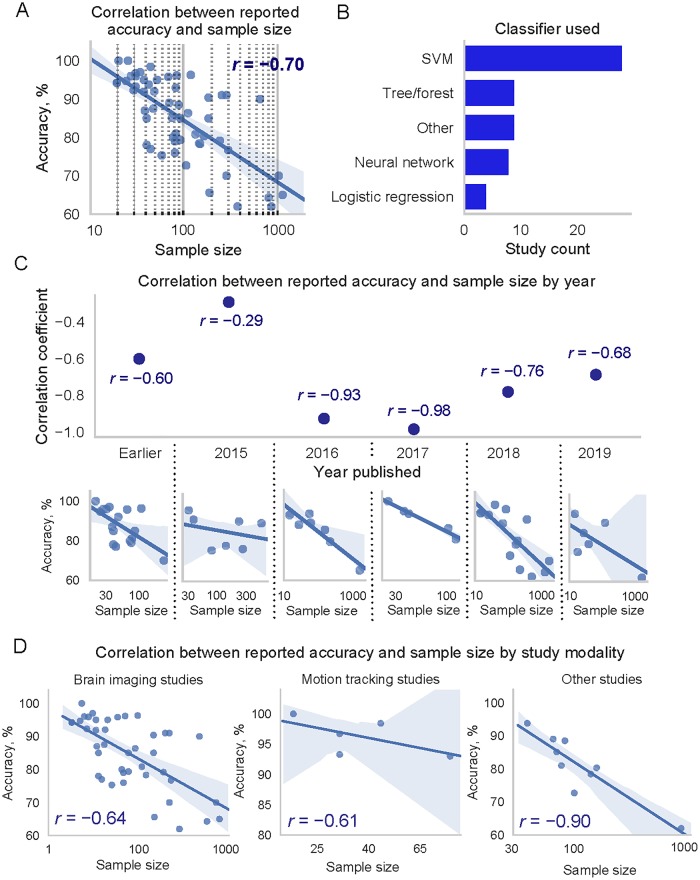
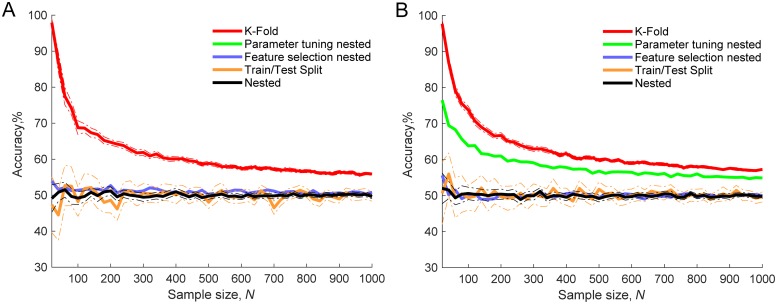
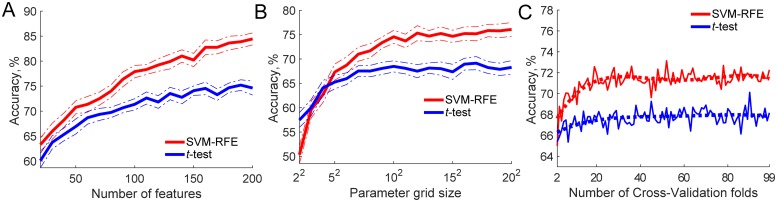
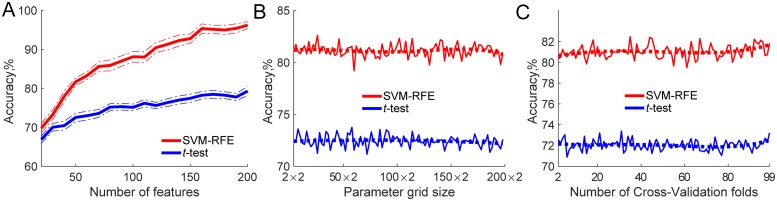
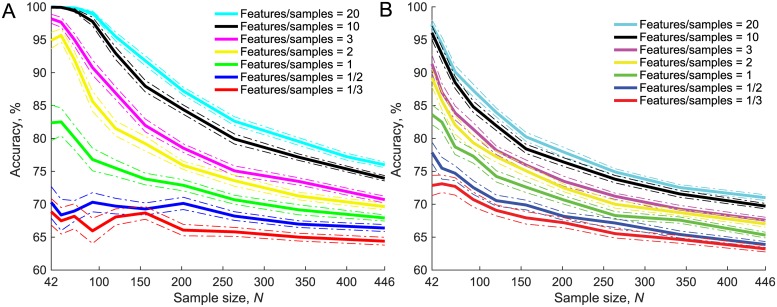
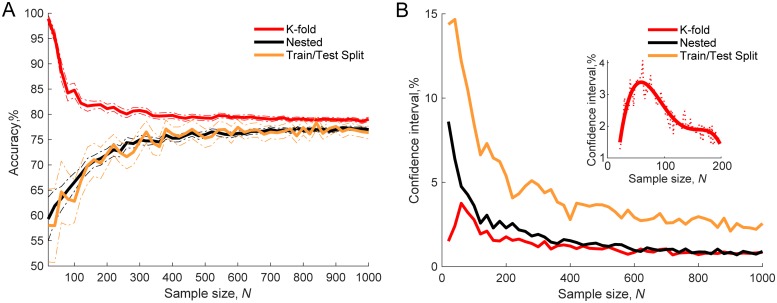
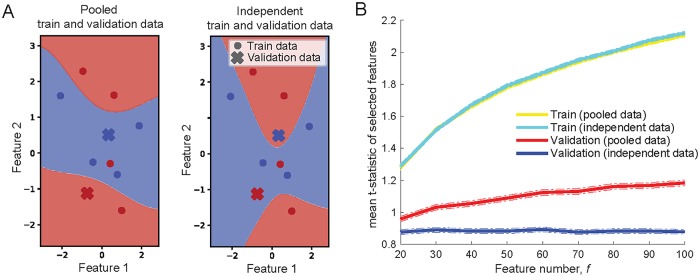
Advances in neuroimaging, genomic, motion tracking, eye-tracking and many other technology-based data collection methods have led to a torrent of high dimensional datasets, which commonly have a small number of samples because of the intrinsic high cost of data collection involving human participants. High dimensional data with a small number of samples is of critical importance for identifying biomarkers and conducting feasibility and pilot work, however it can lead to biased machine learning (ML) performance estimates. Our review of studies which have applied ML to predict autistic from non-autistic individuals showed that small sample size is associated with higher reported classification accuracy. Thus, we have investigated whether this bias could be caused by the use of validation methods which do not sufficiently control overfitting. Our simulations show that K-fold Cross-Validation (CV) produces strongly biased performance estimates with small sample sizes, and the bias is still evident with sample size of 1000. Nested CV and train/test split approaches produce robust and unbiased performance estimates regardless of sample size. We also show that feature selection if performed on pooled training and testing data is contributing to bias considerably more than parameter tuning. In addition, the contribution to bias by data dimensionality, hyper-parameter space and number of CV folds was explored, and validation methods were compared with discriminable data. The results suggest how to design robust testing methodologies when working with small datasets and how to interpret the results of other studies based on what validation method was used.
Overview
The claims and statistics of this paper haven’t been checked yet.
Free: it reads the open-access text and checks the first 5 claims that cite a source we can check. Create a free account to check every claim.
Integrity signals
Registry
Cites
Statistics
Figures
Verification
Claims the paper makes
The claims and statistics of this paper haven’t been checked yet.
Free: it reads the open-access text and checks the first 5 claims that cite a source we can check. Create a free account to check every claim.
Claims other papers make about this one
Each is checked against this paper’s own text: does it say what the citing paper says it does?
The cited source says what the claim attributes to it.
In the citing paper
“According to the simulations in Vabalas et al. 99 , the bias introduced by k-fold CV is still substantial even with a sample size of 1000.”
From Machine learning in concrete science: applications, challenges, and best practices (2022) · cites this paper as [99]
The cited source says what the claim attributes to it.
In the citing paper
“Machine learning in medical imaging often faces a fundamental dilemma, namely, the small sample size problem.”
From Federated learning for medical image analysis: A survey (2024) · cites this paper as [9]
In the citing paper
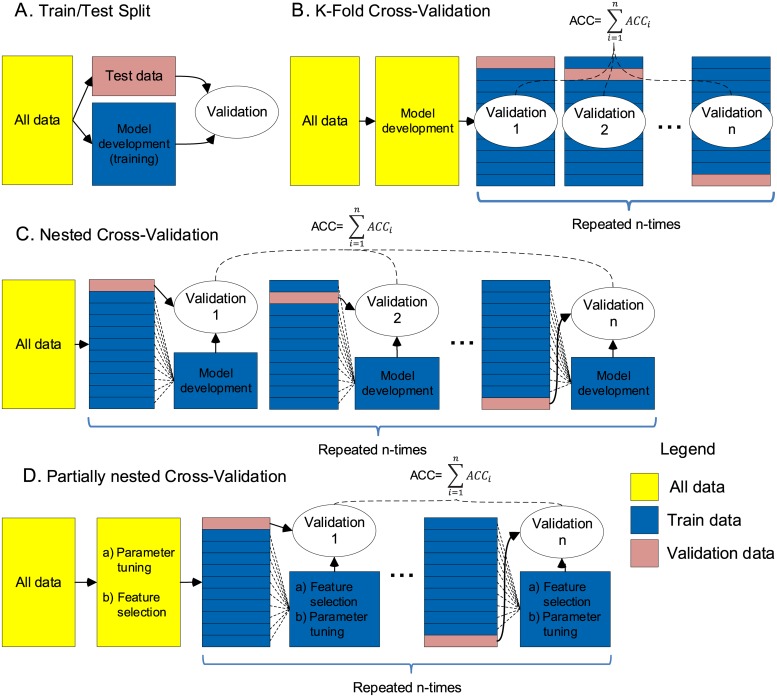
“An alternative to k-fold CV is n × k nested CV, which can produce robust and unbiased performance estimates regardless of the size of datasets 99 .”
From Machine learning in concrete science: applications, challenges, and best practices (2022) · cites this paper as [99]
Self-check
Percentages, sums and reported differences re-computed from the paper’s own numbers.
The self-check needs the paper’s full text.
Citations
Cites
Scikit-learn: Machine Learning in Python
Pedregosa, F., Varoquaux, G., Gramfort, A., Michel, V., Thirion, B., Grisel, O., Blondel, M., Müller, A., Nothman, J., Louppe, G., et al. (2012) · arXiv · doi:10.48550/arxiv.1201.0490 · Cited by 71,016 · cited 1×
“Logistic regression was implemented using Scikit-learn library [18].”
MethodLIBSVM: A library for support vector machines
Chang, C.-C., & Lin, C.-J. (2011) · ACM Transactions on Intelligent Systems and Technology · doi:10.1145/1961189.1961199 · Cited by 40,918 · cited 1×
“SVM was implemented with Libsvm library [17].”
Sudlow, C., Gallacher, J., Allen, N., Beral, V., Burton, P., Danesh, J., Downey, P., Elliott, P., Green, J., Landray, M., et al. (2015) · PLOS Medicine · doi:10.1371/journal.pmed.1001779 · Cited by 12,728
A training algorithm for optimal margin classifiers
Boser, B. E., Guyon, I. M., & Vapnik, V. N. (1992) · Proceedings of the fifth annual workshop on Computational learning theory · doi:10.1145/130385.130401 · Cited by 11,992 · cited 2×
“One, computationally demanding and complex, where Support Vector Machine (SVM) [12] classifier with Radial Basis Function (RBF) kernel was coupled with Support Vector Machine Recursive Feature Elimination (SVM-RFE) [13] feature selection.”
MethodCross validatory choice and assessment of statistical predictions
Stone, M. (1974) · Journal of the Royal Statistical Society Series B: Statistical Methodology · doi:10.1111/j.2517-6161.1974.tb00994.x · Cited by 10,881 · cited 1×
“Stone [10] pointed out the importance of separating CV used for model development and CV used for model evaluation.”
MethodLibsvm : A library for support vector machines
Ferrari, V. (2008) · Medical Entomology and Zoology · Cited by 10,122
Gene selection for cancer classification using support vector machines
Guyon, I., Weston, J., Barnhill, S., & Vapnik, V. (2002) · Machine Learning · doi:10.1023/a:1012487302797 · Cited by 9,954 · cited 8×
“SVM-RFE algorithm selects features based on how important they are for an SVM classifier to separate classes.”
InfluentialA review of feature selection techniques in bioinformatics
Saeys, Y., Inza, I., & Larrañaga, P. (2007) · Bioinformatics · doi:10.1093/bioinformatics/btm344 · Cited by 5,244
Bias in error estimation when using cross-validation for model selection
Varma, S., & Simon, R. (2006) · BMC Bioinformatics · doi:10.1186/1471-2105-7-91 · Cited by 2,485 · cited 10×
“Varma and Simon [7] suggest that Nested CV provides almost unbiased performance estimates.”
BackgroundMethodResultInfluentialMachine learning applications in genetics and genomics
Libbrecht, M. W., & Noble, W. S. (2015) · Nature Reviews Genetics · doi:10.1038/nrg3920 · Cited by 2,084 · cited 1×
“Then if number of features is large, which is especially true for neuroimaging and gene expression studies [3, 14, 15], feature selection is performed.”
Background
Cited by
Items 201–300 of 1,001
A primer on the use of machine learning to distil knowledge from data in biological psychiatry
Quinn, T. P., Hess, J., Marshe, V. S., Barnett, M. M., Hauschild, A.-C., Maciukiewicz, M., Elsheikh, S. S. M., Men, X., Schwarz, E., Trakadis, Y. J., et al. (2024) · Molecular Psychiatry · doi:10.1038/s41380-023-02334-2 · Cited by 43
“(cid:129) M o r e s u i t e d t o d a t a s e t s w h e r e n d a t a p o i n t s » k f e a t u r e s [ 166 ] N e a r e s t n e i gh b o r ( k NN ) (cid:129) M a k e s r e c o mm e n d a t i o n s o n a s e t o f s i m il a r k n e i g h bo r s t o a p a rt i c u l a r s a m p l e f o r c l a ss i…”
A comparative study on machine learning approaches for rock mass classification using drilling data
Hansen, T. F., Erharter, G. H., Liu, Z., & Tørresen, J. (2024) · Applied Computing and Geosciences · doi:10.1016/j.acags.2024.100199 · Cited by 36
Wiebe, A., Selaskowski, B., Paskin, M., Asché, L., Pakos, J., Aslan, B., Lux, S., Philipsen, A., & Braun, N. (2024) · Translational Psychiatry · doi:10.1038/s41398-024-03217-y · Cited by 41
Neuromorphic devices assisted by machine learning algorithms
Huo, Z., Sun, Q., Yu, J., Wei, Y., Wang, Y., Cho, J. H., & Wang, Z. L. (2025) · International Journal of Extreme Manufacturing · doi:10.1088/2631-7990/adba1e · Cited by 43
Role of Machine Learning and Artificial Intelligence in Interventional Oncology
D’Amore, B., Smolinski‐Zhao, S., Daye, D., & Uppot, R. N. (2021) · Current Oncology Reports · doi:10.1007/s11912-021-01054-6 · Cited by 38
“ML learning has also been applied for other tumors but can be limited due to limits in the size of datasets [21].”
BackgroundArtificial Intelligence to Improve Antibiotic Prescribing: A Systematic Review
Amin, D., Garzόn-Orjuela, N., Garcia Pereira, A., Parveen, S., Vornhagen, H., & Vellinga, A. (2023) · Antibiotics · doi:10.3390/antibiotics12081293 · Cited by 34
Chung, T. H., Dhillon, S. K., Shin, C., Pant, D., & Dhar, B. R. (2024) · Biotechnology Advances · doi:10.1016/j.biotechadv.2024.108474 · Cited by 36
Zeroualı, B., Santos, C. A. G., Qaysi, S. I., da Silva, R. M., Al‐Arifi, N., Bailek, N., Mishra, M., Porto, P., & Youssef, Y. M. (2025) · Forest Ecology and Management · doi:10.1016/j.foreco.2025.122931 · Cited by 36
Hashim, I. C., Shariff, A. R. M., Bejo, S. K., Muharam, F. M., & Ahmad, K. (2021) · Agronomy · doi:10.3390/agronomy11030532 · Cited by 37
“The ML approach could also be used to classify a large number of samples and classify a smaller number of samples [60,61].”
MethodSong, D., Topriceanu, C., Ilie-Ablachim, D. C., Kinali, M., & Bisdas, S. (2021) · Neuroradiology · doi:10.1007/s00234-021-02774-z · Cited by 37
“Being a subfield within artificial intelligence (AI), ML analyzes the input data patterns by extracting features and constructing the best fitting algorithm to make sense of the dataset with or without pre-existing knowledge [17].”
BackgroundFeng, H.-C., Wang, H., Xu, L., Ren, Y., Ni, Q., Yang, Z., Ma, S., Deng, Q., Chen, X., Xia, B., et al. (2022) · Frontiers in Oncology · doi:10.3389/fonc.2022.1017435 · Cited by 34
“This internal cross-validation method may be more suitable for small sample dataset and can improve the generalization ability of the model, as reported in previous studies on machine learning applications (28, 29).”
MethodWeirich-Benet, E., Pyrina, M., Jiménez-Esteve, B., Fraenkel, E., Cohen, J., & Domeisen, D. I. V. (2023) · Artificial Intelligence for the Earth Systems · doi:10.1175/aies-d-22-0038.1 · Cited by 33
“This figure is adopted from Vabalas et al. (2019).”
BackgroundAn eXplainability Artificial Intelligence approach to brain connectivity in Alzheimer's disease
Amoroso, N., Quarto, S., Rocca, M. L., Tangaro, S., Monaco, A., & Bellotti, R. (2023) · Frontiers in Aging Neuroscience · doi:10.3389/fnagi.2023.1238065 · Cited by 40
“high dimensional data with small number of samples and improve the models on these same small datasets (Vabalas et al., 2019).”
BackgroundUnraveling overoptimism and publication bias in ML-driven science
Saidi, P., Dasarathy, G., & Berisha, V. (2025) · Patterns · doi:10.1016/j.patter.2025.101185 · Cited by 39
“12 Then, each team randomly selects a training set (70% of the data) and trains a different ML model.”
InfluentialSun, Y., Li, X., Li, L.-K., Feng, T., Zhao, Y., & Yin, S. (2026) · IEEE Internet of Things Journal · doi:10.1109/jiot.2025.3641888 · Cited by 31
“In deep learning-based medical image analysis tasks, the training e ff ectiveness of DNNs depends heavily on large-scale annotated datasets [4].”
Predicting Advanced Balance Ability and Mobility with an Instrumented Timed Up and Go Test
Bergquist, R., Nerz, C., Taraldsen, K., Mellone, S., Ihlen, E. A. F., Vereijken, B., Helbostad, J. L., Becker, C., & Mikolaizak, A. S. (2020) · Sensors · doi:10.3390/s20174987 · Cited by 33
“It is generally recognised that machine learning-based prediction models trained on small sample-sizes are vulnerable to biased performance estimates [28].”
BackgroundA risk prediction model of gene signatures in ovarian cancer through bagging of GA-XGBoost models
Hsiao, Y.-W., Tao, C.-L., Chuang, E. Y.-Y., & Lu, T. (2020) · Journal of Advanced Research · doi:10.1016/j.jare.2020.11.006 · Cited by 35
“%) in the CCLE are ovary cell lines, illustrating that a small number of samples may produce biased performance estimates when performing cross-validation of such high-dimensional data [60].”
BackgroundModelling spatial patterns in host‐associated microbial communities
Ruuskanen, M. O., Sommeria‐Klein, G., Havulinna, A. S., Niiranen, T., & Lahti, L. (2021) · Environmental Microbiology · doi:10.1111/1462-2920.15462 · Cited by 34
“Care should nevertheless be exercised when dealing with small sample sizes (Vabalas et al., 2019), or in the case of spatially autocorrelated data, in which case spatially disjoint training and test (validation) sets should be used to avoid overestimating model performance (Meyer et al.”
BackgroundSIMON: A Digital Protocol to Monitor and Predict Suicidal Ideation
Sels, L., Homan, S., Ries, A., Santhanam, P., Scheerer, H., Colla, M., Vetter, S., Seifritz, E., Galatzer‐Levy, I. R., Kowatsch, T., et al. (2021) · Frontiers in Psychiatry · doi:10.3389/fpsyt.2021.554811 · Cited by 36
“…small set of theory driven features included in the model, we anticipate n = 100 will allow for model estimation ( n = 60) and hold-out cross-validation ( n = 40) will be sufficient to train and test an ML model using the proposed predictors to forecast primary outcomes [see also (39, 40)].”
MethodSimanungkalit, G., Barwick, J., Cowley, F. C., Dawson, B., Dobos, R. C., & Hegarty, R. (2021) · Applied Animal Behaviour Science · doi:10.1016/j.applanim.2021.105491 · Cited by 36
Flood Simulations Using a Sensor Network and Support Vector Machine Model
Langhammer, J. (2023) · Water · doi:10.3390/w15112004 · Cited by 36
Cho, E., Kim, S., Heo, S.-J., Shin, J., Hwang, S., Kwon, E., Lee, S., Kim, S., & Kang, B. (2023) · Scientific Reports · doi:10.1038/s41598-023-35194-5 · Cited by 32
“The overall small sample size of the test dataset might lead to lower power for pattern recognition 59 .”
BackgroundDoniselli, F. M., Pascuzzo, R., Mazzi, F., Padelli, F., Moscatelli, M. E. M., D’Antonoli, T. A., Cuocolo, R., Aquino, D., Cuccarini, V., & Sconfienza, L. M. (2024) · European Radiology · doi:10.1007/s00330-024-10594-x · Cited by 38
“Indeed, machine learning methods are prone to overfitting to the trained dataset, especially when a feature selection step is performed before training the model [62].”
Anh, N. K., Lee, A., Phat, N. K., Yen, N. T. H., Thu, N. Q., Tien, N. T. N., Kim, H.-S., Kim, T. H., Kim, D., Kim, H. Y., et al. (2024) · PLoS ONE · doi:10.1371/journal.pone.0311810 · Cited by 34
Conceptual and methodological flaws undermine claims of a link between the gut microbiome and autism
Mitchell, K. J., Dahly, D. L., & Bishop, D. (2025) · Neuron · doi:10.1016/j.neuron.2025.10.006 · Cited by 35
Ma, Q., Ma, Y., Wang, X., Li, S., Yu, T., Duan, W., Wu, J., Wen, Z., Jiao, Y., Sun, Z., et al. (2020) · European Radiology · doi:10.1007/s00330-020-07176-y · Cited by 34
Alterations in lipid profile upon uterine fibroids and its recurrence
Tonoyan, N. M., Chagovets, V., Starodubtseva, N. L., Tokareva, A., Chingin, K., Kozachenko, I. F., Adamyan, L. V., & Евгеньевич, Ф. В. (2021) · Scientific Reports · doi:10.1038/s41598-021-89859-0 · Cited by 33
Asgher, U., Khan, M. J., Nizami, M. H. A., Khalil, K., Ahmad, R., Ayaz, Y., & Naseer, N. (2021) · Frontiers in Neurorobotics · doi:10.3389/fnbot.2021.605751 · Cited by 34
“The leaveone-out cross-validation and K-fold cross-validation were not used because they were computationally and time expensive (Fushiki, 2011; Xu andGoodacre, 2018; Vabalas et al., 2019; Farias et al., 2020).”
MethodHealth and environmental safety of nanomaterials: O Data, Where Art Thou?
Furxhi, I. (2021) · NanoImpact · doi:10.1016/j.impact.2021.100378 · Cited by 32
Introduction to Machine Learning in Obstetrics and Gynecology
Shazly, S. A., Trabuco, E. C., Ngufor, C. G., & Famuyide, A. O. (2022) · Obstetrics and Gynecology · doi:10.1097/aog.0000000000004706 · Cited by 33
“45,46 In fact, there are many studies using only a few hundred patients that have successfully developed robust machine learning models.”
BackgroundFramework for Testing Robustness of Machine Learning-Based Classifiers
Chuah, J., Krüger, U., Wang, G., Yan, P., & Hahn, J. (2022) · Journal of Personalized Medicine · doi:10.3390/jpm12081314 · Cited by 35
“This observation is along the lines of what was mentioned by Vabalas et al., who commented that training/testing set performance is less biased than K-Fold Cross Validation performance [10].”
MethodLi, X., Dessi, M., Marcus, D. M., Russell, J., Aboagye, E. O., Ellis, L. B., Sheeka, A., Park, W.-H. E., Bharwani, N., Ghaem‐Maghami, S., et al. (2023) · Cancers · doi:10.3390/cancers15082209 · Cited by 32
“Finally, most of the recent endometrial cancer classification studies utilized small(n < 100) [10,17] or medium-sized (100 ≤ n < 200) [8,20] patient cohorts, which may introduce bias because the small dataset is likely to produce a significantly overoptimistic performance for machine-learning-based estimates (>50%) [2…”
ResultData-Driven Classification of Dyslexia Using Eye-Movement Correlates of Natural Reading
Szalma, J., & Weiss, B. (2020) · ACM Symposium on Eye Tracking Research and Applications (ETRA) · doi:10.1145/3379156.3391379 · Cited by 31
“Using k-fold cross-validation for model parameter estimation was shown to overfit for small sample sizes [Vabalas et al. 2019].”
MethodRokoss, A., Syberg, M., Tomidei, L., Hülsing, C., Deuse, J., & Schmidt, M. (2024) · Journal of Intelligent Manufacturing · doi:10.1007/s10845-023-02290-2 · Cited by 31
“The increased risk of over-fitting that could be caused by the smaller test data set is reduced by cross validating the prediction results (Hawkins et al., 2003; Vabalas et al., 2019).”
The role of artificial intelligence and data science in nanoparticles development: a review
Fonseca, R., Lima, A. L., Gross, I. P., Gelfuso, G. M., Gratieri, T., & Filho, M. C. (2024) · Nanomedicine · doi:10.1080/17435889.2024.2359355 · Cited by 41
Torres‐Martos, Á., Anguita‐Ruiz, A., Bustos‐Aibar, M., Ramírez‐Mena, A., Arteaga, M., Bueno, G., Leis, R., Aguilera, C. M., Alcalá, R., & Alcalá‐Fdez, J. (2024) · Artificial Intelligence in Medicine · doi:10.1016/j.artmed.2024.102962 · Cited by 32
GPT-Driven Radiology Report Generation with Fine-Tuned Llama 3
Voinea, Ș.-V., Mămuleanu, M., Teică, R. V., Florescu, L. M., Selișteanu, D., & Gheonea, I. A. (2024) · Bioengineering · doi:10.3390/bioengineering11101043 · Cited by 38
“%) subsets to ensure robust model development [20].”
BackgroundMethodSpeech-Based Depression Assessment: A Comprehensive Survey
Leal, S. S., Ntalampiras, S., & Sassi, R. (2024) · IEEE Transactions on Affective Computing · doi:10.1109/taffc.2024.3521327 · Cited by 41
“However, the availability of a reliable dataset comprises a significant challenge in the field (KI1, KI2, KI4, KI6, and KI8) mainly due to their limited size and unbalancedness [76].”
Robust Classification of Intramuscular EMG Signals to Aid the Diagnosis of Neuromuscular Disorders
Jose, S., George, S. T., Subathra, M. S. P., Handiru, V. S., Jeevanandam, P. K., Amato, U., & Suviseshamuthu, E. S. (2020) · IEEE Open Journal of Engineering in Medicine and Biology · doi:10.1109/ojemb.2020.3017130 · Cited by 33
“Strictly speaking, this challenge is difficult to overcome in most instances: small sample size is prevalent in medical/biological datasets, as it is hard to acquire a huge number of samples; besides, the bias is evident even with a sample size of 1000 in the performance estimates obtained from k-fold CV [58].”
BackgroundPelzer, R., Dinakaran, M., Brinkmann, F., Lepa, S., Grosche, P., & Weinzierl, S. (2020) · The Journal of the Acoustical Society of America · doi:10.1121/10.0002884 · Cited by 36
“To acquire realistic learning performance benchmarks in spite of a limited sample size, we decided to employ a nested k-fold procedure for machine learning, following Vabalas et al. (2019).”
MethodShazly, S. A., Hortu, İ., Shih, J., Melekoğlu, R., Fan, S., Ahmed, F. U. A., Karaman, E., Fatkullin, I. F., Pinto, P. V., Irianti, S., et al. (2021) · The Journal of Maternal-Fetal & Neonatal Medicine · doi:10.1080/14767058.2021.1918670 · Cited by 35
“formance with a limited sample size [8].”
Baranger, D. A. A., Halchenko, Y. O., Satz, S., Ragozzino, R., Iyengar, S., Swartz, H. A., & Manelis, A. (2021) · NeuroImage Clinical · doi:10.1016/j.nicl.2021.102790 · Cited by 34
“To contribute to the ongoing discussion regarding best-practices for nested cross-validation with neuroimaging data sets (Vabalas et al., 2019; Varoquaux, 2018), post-hoc analyses systematically varied cross-validation parameters (i.”
MethodPrediction of lateral spreading displacement using conditional Generative Adversarial Network (cGAN)
Woldesellasse, H., & Tesfamariam, S. (2022) · Soil Dynamics and Earthquake Engineering · doi:10.1016/j.soildyn.2022.107214 · Cited by 31
Rezaee, R., & Ekundayo, J. M. (2022) · Energies · doi:10.3390/en15062053 · Cited by 34
“K-Fold cross-validation is particularly useful when developing ML models for small datasets [29,30].”
MethodData mining analyses for precision medicine in acromegaly: a proof of concept
Gil, J., Marqués-Pamies, M., Sampedro, M., Webb, S. M., Serra, G., Salinas, I., Blanco, A., Valassi, E., Carrato, C., Pico, A. M., et al. (2022) · Scientific Reports · doi:10.1038/s41598-022-12955-2 · Cited by 33
Interpreting acoustic emissions to determine the weld depth during laser beam welding
Tomcic, L., Ederer, A., Grabmann, S., Kick, M. K., Kriegler, J., & Zaeh, M. F. (2022) · Journal of Laser Applications · doi:10.2351/7.0000796 · Cited by 31
Das, A., Kumar, M., Kushwaha, A., Dave, R. H., Dakhore, K. K., Chaudhari, K. N., & Bhattacharya, B. K. (2023) · Remote Sensing Applications Society and Environment · doi:10.1016/j.rsase.2023.100962 · Cited by 33
Decoding individual differences in self-prioritization from the resting-state functional connectome
Zhang, Y., Wang, F., & Sui, J. (2023) · NeuroImage · doi:10.1016/j.neuroimage.2023.120205 · Cited by 34
“The outer loop adopted LOOCV to exploit every sample and evaluate the prediction performance more robustly (Vabalas et al., 2019).”
Circulating proteome for pulmonary nodule malignancy
Moez, E. K., Warkentin, M. T., Brhane, Y., Lam, S. C., Field, J. K., Liu, G., Zulueta, J. J., Valencia, K., Mesa, M., Pasquier, A., et al. (2023) · JNCI Journal of the National Cancer Institute · doi:10.1093/jnci/djad122 · Cited by 35
Functional Outcome Prediction After Spinal Cord Injury Using Ensemble Machine Learning
Kato, C., Uemura, O., Sato, Y., & Tsuji, T. (2023) · Archives of Physical Medicine and Rehabilitation · doi:10.1016/j.apmr.2023.08.011 · Cited by 31
Esener, N., Maciel-Guerra, A., Giebel, K., Lea, D., Green, M. J., Bradley, A. J., & Dottorini, T. (2021) · PLoS Computational Biology · doi:10.1371/journal.pcbi.1009108 · Cited by 37
“approach which is known to produce robust and unbiased performance estimates regardless of sample 447 size [69].”
Ge, X., Zhang, A., Li, L., Sun, Q., He, J., Wu, Y. H., Tan, R., Pan, Y., Zhao, J., Xu, Y., et al. (2022) · Experimental and Therapeutic Medicine · doi:10.3892/etm.2022.11234 · Cited by 36
“K‐fold is a common cross validation approach, particularly when the datasets are limited (22).”
BackgroundSchucknecht, A., Seo, B., Krämer, A., Asam, S., Atzberger, C., & Kiese, R. (2022) · Biogeosciences · doi:10.5194/bg-19-2699-2022 · Cited by 31
Probabilistic residual strength assessment of smart composite aircraft panels using guided waves
Giannakeas, I. N., Mazaheri, F., Bacarreza, O., Khodaei, Z. S., & Aliabadi, M. H. (2023) · Reliability Engineering & System Safety · doi:10.1016/j.ress.2023.109338 · Cited by 32
Mengelkoch, S., Rose, S. M. S., Lautman, Z., Alley, J. C., Roos, L. G., Ehlert, B., Moriarity, D. P., Lancaster, S. M., Snyder, M. P., & Slavich, G. M. (2023) · Brain Behavior and Immunity · doi:10.1016/j.bbi.2023.07.022 · Cited by 32
“…and test set method or simple k-fold cross-validation, methods such as nested cross validation and bootstrap bias corrected validation are more appropriate, as these more reliably estimate performance in small samples and make much better use of the data (Tsamardinos, 2022; Vabalas et al., 2019).”
MethodMądziel, M. (2023) · Environmental Science and Pollution Research · doi:10.1007/s11356-023-31022-5 · Cited by 34
Açışlı, S., & Yeşilkanat, C. M. (2023) · Neural Computing and Applications · doi:10.1007/s00521-023-08901-6 · Cited by 30
Mpakairi, K. S., Muthivhi, F. F., Dondofema, F., Munyai, L. F., & Dalu, T. (2024) · Environmental Monitoring and Assessment · doi:10.1007/s10661-024-12554-w · Cited by 31
“Internal cross-validation technique helps mitigate the risk of overfitting and provides greater confidence in the model’s ability to generalize to new, unseen data despite the small dataset (Vabalas et al., 2019).”
BackgroundMachine Learning-Based Design of Superhard High-Entropy Nitride Coatings
Zhang, X., Jia, B., Zeng, Z., Zeng, X., Wan, Q., Pogrebnjak, A. D., Zhang, J., Pelenovich, V., & Yang, B. (2024) · ACS Applied Materials & Interfaces · doi:10.1021/acsami.4c05427 · Cited by 32
Guria, R., Mishra, M., da Silva, R. M., Mishra, M., & Santos, C. A. G. (2024) · Remote Sensing Applications Society and Environment · doi:10.1016/j.rsase.2024.101311 · Cited by 45
A Comparative Evaluation of Transformer-Based Language Models for Topic-Based Sentiment Analysis
Tzimiris, S., Nikiforos, S., Nikiforos, M. N., Mouratidis, D., & Kermanidis, K. L. (2025) · Electronics · doi:10.3390/electronics14152957 · Cited by 35
Wong, C. W., Yost, S. E., Lee, J. S., Gillece, J. D., Folkerts, M., Reining, L., Highlander, S. K., Eftekhari, Z., Mortimer, J. E., & Yuan, Y. (2021) · Frontiers in Oncology · doi:10.3389/fonc.2021.604584 · Cited by 33
“org 5 model with limited sample size, we have adopted a robust traintest split approach where the test dataset in each leave-onepatient-out loop was kept entirely independent of the train dataset (40).”
MethodOstaševičius, V., Paleviciute, I., Paulauskaitė-Tarasevičienė, A., Jūrėnas, V., Eidukynas, D., & Kižauskienė, L. (2021) · Sensors · doi:10.3390/s22010018 · Cited by 30
“), feature selection, k-fold for cross-validation [25], ensemble learning, regularization, or possibly, generation of synthetic data [26,27] can be used for this purpose.”
Kim, Y., Kim, J., Son, M., Lee, J., Yeo, I., Choi, K. Y., Kim, H., Kim, B. C., Lee, K. H., & Kim, Y. (2022) · Scientific Reports · doi:10.1038/s41598-022-05384-8 · Cited by 33
Hilliard, A., Kazim, E., Bitsakis, T., & Leutner, F. (2022) · Journal of Intelligence · doi:10.3390/jintelligence10010012 · Cited by 34
Tao, G., Zhu, L., Chen, Q., Yin, L., Li, Y., Yang, J., Ni, B., Zhang, Z., Koo, C. W., Patil, P. D., et al. (2022) · Translational Lung Cancer Research · doi:10.21037/tlcr-22-59 · Cited by 33
“The cross validation in our study was nested as the training of our model does not involve feature selection or parameter tuning and the validation data was invisible to our model during training (26).”
MethodZhang, Y., Xiao, B., Al‐Hussein, M., & Li, X. (2022) · Automation in Construction · doi:10.1016/j.autcon.2022.104189 · Cited by 31
Complexity analysis of head movements in autistic toddlers
Babu, P. R. K., Martino, J. M. D., Chang, Z., Perochon, S., Aiello, R. E., Carpenter, K. L. H., Compton, S. N., Davis, N. O., Franz, L., Espinosa, S., et al. (2022) · Journal of Child Psychology and Psychiatry · doi:10.1111/jcpp.13681 · Cited by 31
Chintalapudi, N., Dhulipalla, V. R., Battineni, G., Ruocco, C., & Amenta, F. (2023) · Journal of Data Science and Intelligent Systems · doi:10.47852/bonviewjdsis3202831 · Cited by 32
Automated diagnosis of autism with artificial intelligence: State of the art
Valizadeh, A., Moassefi, M., Nakhostin-Ansari, A., Some’eh, S. H., Hosseini-Asl, S. H., Torbati, M. S., Aghajani, R., Ghorbani, Z. M., Oskouie, I. M., Aghajani, F., et al. (2023) · Reviews in the Neurosciences · doi:10.1515/revneuro-2023-0050 · Cited by 39
Machine learning and molecular docking prediction of potential inhibitors against dengue virus
Hanson, G., Adams, J., Kepgang, D. I. B., Zondagh, L. S., Bueh, L. T., Asante, A., Shirolkar, S., Kisaakye, M., Bondarwad, H., & Awe, O. I. (2024) · Frontiers in Chemistry · doi:10.3389/fchem.2024.1510029 · Cited by 31
Esteghamati, M. Z., Bean, B., Burton, H. V., & Naser, M. Z. (2025) · Journal of Structural Engineering · doi:10.1061/jsendh.steng-13301 · Cited by 38
Zhang, L., Ni, H., Yu, Z., Wang, J., Qin, J., Hou, F., Yang, A. C., & Initiative, A. D. N. (2020) · Frontiers in Neuroscience · doi:10.3389/fnins.2020.558434 · Cited by 30
Confronting Machine Learning with Financial Research
Lommers, K., Harzli, O. E., & Kim, J. (2021) · The Journal of Financial Data Science · doi:10.2139/ssrn.3788349 · Cited by 30
O’Driscoll, R., Turicchi, J., Hopkins, M., Duarte, C., Horgan, G. W., Finlayson, G., & Stubbs, R. J. (2021) · JMIR mhealth and uhealth · doi:10.2196/23938 · Cited by 33
Nguyen, K. P., Fatt, C. C., Treacher, A., Mellema, C., Cooper, C. M., Jha, M. K., Kurian, B. T., Fava, M., McGrath, P. J., Weissman, M. M., et al. (2020) · Biological Psychiatry · doi:10.1016/j.biopsych.2021.09.011 · Cited by 32
“The predictive performance of each candidate model was validated using 20x20 nested cross-validation (21; 22).”
MethodRenzulli, M., Mottola, M., Coppola, F., Cocozza, M. A., Malavasi, S., Cattabriga, A., Vara, G., Ravaioli, M., Cescon, M., Vasuri, F., et al. (2022) · Cancers · doi:10.3390/cancers14071816 · Cited by 28
“To allow for class imbalance, the misclassification cost (C) of the SVM classifier was scaled using the prior probability of each class [33].”
MethodBrancato, V., Garbino, N., Salvatore, M., & Cavaliere, C. (2022) · Diagnostics · doi:10.3390/diagnostics12051085 · Cited by 28
“A larger and more balanced study group is thus needed to better conduct a radiomic analysis and build more robust prediction models using part of the dataset for the training, and part for testing and validating the performance of the classifiers with external datasets [60,74,75].”
BackgroundLuo, Y., Chen, W.-Y., Qiu, J., & Jia, T. (2022) · Translational Psychiatry · doi:10.1038/s41398-022-02162-y · Cited by 32
Dematheis, F., Walter, M. C., Lang, D., Antwerpen, M. H., Scholz, H. C., Pfalzgraf, M.-T., Mantel, E., Hinz, C., Wölfel, R., & Zange, S. (2022) · Microorganisms · doi:10.3390/microorganisms10081658 · Cited by 32
“To avoid over-optimistic estimation of the model performance due to the small sample size and to avoid overfitting, all ML classifiers were optimized in terms of number of features and hyperparameters by means of a nested cross validation (nCV) method [16], with a feature reduction step between the two CV loops.”
BackgroundMethodJankowsky, K., Steger, D., & Schroeders, U. (2023) · Assessment · doi:10.1177/10731911231167490 · Cited by 29
“In these cases, ML models tend to fit to the noise in the training data, especially when the features-sample size ratio is high (e.g., Vabalas et al., 2019).”
MethodA Transfer Learning and Explainable Solution to Detect mpox from Smartphones images
Campana, M. G., Colussi, M., Delmastro, F., Mascetti, S., & Pagani, E. (2024) · Pervasive and Mobile Computing · doi:10.1016/j.pmcj.2023.101874 · Cited by 30
Hassan, J., Saeed, S. M., Deka, L., Uddin, M. J., & Das, D. B. (2024) · Pharmaceutics · doi:10.3390/pharmaceutics16020260 · Cited by 35
Towards a harmonized approach for food authenticity marker validation and accreditation
Bayen, S., Elliott, C. T., Arlorio, M., Ballin, N. Z., Birse, N., Brockmeyer, J., Chahal, S., Corradini, M. G., Hanner, R., Hann, S., et al. (2024) · Trends in Food Science & Technology · doi:10.1016/j.tifs.2024.104550 · Cited by 28
“Authentication models should be developed with a sufficiently large and diverse sample size that scales up with the number of features and classes used to develop the model to minimize the risk of overfitting (Vabalas et al., 2019).”
BackgroundBlood Uric Acid Prediction With Machine Learning: Model Development and Performance Comparison
Sampa, M. B., Hossain, N., Hoque, M. R., Islam, R., Yokota, F., Nishikitani, M., & Ahmed, A. (2020) · JMIR Medical Informatics · doi:10.2196/18331 · Cited by 29
The applications of machine learning in computational thinking assessments: a scoping review
Tan, B., Jin, H.-Y., & Cutumisu, M. (2023) · Computer Science Education · doi:10.1080/08993408.2023.2245687 · Cited by 29
“These sample sizes are usually considered small for training ML algorithms (Vabalas et al., 2019).”
BackgroundBeyond Detection: Towards Actionable Sensing Research in Clinical Mental Healthcare
Adler, D. A., Yang, Y., Viranda, T., Xu, X., Mohr, D. C., Meter, A. V., Tartaglia, J., Jacobson, N. C., Wang, F., Estrin, D. L., et al. (2024) · Proceedings of the ACM on Interactive Mobile Wearable and Ubiquitous Technologies · doi:10.1145/3699755 · Cited by 38
“However, developing models for smaller populations can lead to bias, where models are underparameterized, do not capture the true data distribution [131], and overestimate performance [165].”
Bao, Z., Zhao, X., Li, J., Zhang, G., Wu, H., Ning, Y., Li, M. D., & Yang, Z. (2021) · Journal of Psychiatric Research · doi:10.1016/j.jpsychires.2021.04.014 · Cited by 28
Xu, Y., Qian, X., Zhang, X., Lai, X., Liu, Y., & Wang, J. (2022) · Frontiers in Genetics · doi:10.3389/fgene.2022.860510 · Cited by 32
“…small sample sizes, whereas nested cross-validation produces robust and unbiased performance estimates regardless of sample size (Wang et al., 2018; Vabalas et al., 2019), we also applied the nested fi ve-fold cross-validation to both THCA and lung cancer samples and repeated it 10 times to ensure…”
MethodVulnerability of the Neonatal Connectome following Postnatal Stress
Lammertink, F., Benders, M. J. N. L., Hermans, E. J., Tataranno, M. L., Dudink, J., Vinkers, C. H., & van den Heuvel, M. P. (2022) · Journal of Neuroscience · doi:10.1523/jneurosci.0176-22.2022 · Cited by 31
Development of a Deep Learning-Based Algorithm to Detect the Distal End of a Surgical Instrument
Sugimori, H., Sugiyama, T., Nakayama, N., Yamashita, A., & Ogasawara, K. (2020) · Applied Sciences · doi:10.3390/app10124245 · Cited by 29
“We divided the supervised data into nine subsets for nested cross-validation [27].”
MethodMachine Learning Approaches to Predict Symptoms in People With Cancer: Systematic Review
Zeinali, N., Youn, N., Albashayreh, A., Fan, W., & Gilbertson White, S. (2024) · JMIR Cancer · doi:10.2196/52322 · Cited by 26
“Alarmingly, certain studies in our review used ML with comparably smaller data sets, introducing the risk of model overfitting and potential biases in the subsequent performance metrics [69].”
ResultLomboy Kristoffersen Edward Mayce, R., & Hernandez, R. (2021) · International Journal of Advanced Technology and Engineering Exploration · doi:10.19101/ijatee.2021.874380 · Cited by 26
Lee, L., Chen, C.-H., Chang, W., Lee, P., Shyu, K., Chen, M., Hsu, J.-W., Bai, Y., Su, T., & Tu, P. (2021) · European Psychiatry · doi:10.1192/j.eurpsy.2021.2248 · Cited by 28
“[22] Vabalas A, Gowen E, Poliakoff E, Casson AJ.”
BackgroundMethodTakeda, M., Oami, T., Hayashi, Y., Shimada, T., Hattori, N., Tateishi, K., Miura, R. E., Yamao, Y., Abe, R., Kobayashi, Y., et al. (2022) · Scientific Reports · doi:10.1038/s41598-022-18650-6 · Cited by 28
“…we used nested cross-validation to evaluate the predictive performance of the model, because the nested cross-validation procedure produces robust and unbiased performance estimates regardless of sample size 25–27 (see Supplementary Note S2 for detailed descriptions of our nested cross-validation).”
MethodArtificial intelligence for early stroke diagnosis in acute vestibular syndrome
Korda, A., Wimmer, W., Wyss, T., Michailidou, E., Zamaro, E., Wagner, F., Caversaccio, M. D., & Mantokoudis, G. (2022) · Frontiers in Neurology · doi:10.3389/fneur.2022.919777 · Cited by 28
Salvatori, B., Linder, T., Eppel, D., Morettini, M., Burattini, L., Göbl, C. S., & Tura, A. (2022) · Cardiovascular Diabetology · doi:10.1186/s12933-022-01649-8 · Cited by 27
“The next step for final model selection was applying on the training set a nested CV procedure, this yielding unbiased performance estimates even in case of limited dataset size [70].”
MethodInfanti, A., Starčević, V., Schimmenti, A., Khazaal, Y., Karila, L., Giardina, A., Flayelle, M., Razavi, S. B. H., Baggio, S., Vögele, C., et al. (2023) · JMIR Formative Research · doi:10.2196/42206 · Cited by 26
Methodology for biomarker discovery with reproducibility in microbiome data using machine learning
Rojas-Velázquez, D., Kidwai, S., Kraneveld, A. D., Tonda, A. P., Oberski, D. L., Garssen, J., & Lopez‐Rincon, A. (2024) · BMC Bioinformatics · doi:10.1186/s12859-024-05639-3 · Cited by 30
“To minimize overfitting and biased performance, REFS employs a nested approach within a 10-fold cross-validation scheme, which is a proven solution to yield more accurate and unbiased results, even with a small sample size [42].”
BackgroundMethodInfluentialZhang, J., Guo, J., Lu, D., & Cao, Y. (2024) · Scientific Reports · doi:10.1038/s41598-024-64299-8 · Cited by 31
Metadata
- Authors
- Vabalas, A., Gowen, E., Poliakoff, E., & Casson, A. J.
- Affiliations
- University of Manchester (GB)
- Corresponding author
- Vabalas, Andrius
- Venue
- PLOS ONE
- Publisher
- Public Library of Science (PLoS)
- Published
- 2019-11-07
- Volume
- 14
- Issue
- 11
- Pages
- e0224365
- ISSN
- 1932-6203 (ISSN-L)
- PMC
- PMC6837442
- OpenAlex
- W2981679558
- Cited by
- 1,901
- References
- 32
- Citations by year
- 2026: 497 · 2025: 325 · 2024: 316 · 2023: 280 · 2022: 247 · 2021: 167 · 2020: 66 · 2019: 1
- FWCI
- 55.09
- Type
- journal article
- Language
- en
- Open access
- gold
- doi.org
- Licence
- Locations
- PLoS ONE (publishedVersion, cc-by)
- PubMed Central (publishedVersion, cc-by)
- PubMed (publishedVersion)
- RePEc: Research Papers in Economics (submittedVersion)
- DOAJ (DOAJ: Directory of Open Access Journals) (submittedVersion, cc-by-sa)
- Figshare (submittedVersion, cc-by)
- Research Explorer (The University of Manchester) (submittedVersion, cc-by)
- Funders
- UK Engineering and Physical Sciences Research Council and its Doctoral Training Partnership with the University of Manchester (EP/m507969/1)
- Topics
- Physical Sciences › Computer Science › Artificial Intelligence › Machine Learning and Data Classification
- Physical Sciences › Computer Science › Artificial Intelligence › Imbalanced Data Classification Techniques
- Health Sciences › Health Professions › Health Information Management › Artificial Intelligence in Healthcare
- Keywords
- machine learning validation, small sample size, overfitting, nested cross-validation, train-test split, feature selection, hyperparameter optimization, high-dimensional data, autism classification, biomarker discovery
- MeSH terms
- Machine Learning, Algorithms, Data Interpretation, Statistical, Humans, Sample Size, Biomedical Research
About these checks
Registry, retraction, Cites and statistics results are computed, not judged, with one exception: a printed reference that no index lists is read once by a model before it counts as a citation error. Claims are extracted by a model and kept only when their quote appears verbatim in the text; each cited source is then checked, with a model’s help, for whether it says what the claim relies on. Those verdicts can be wrong — read the claim’s quote and the cited source before relying on one.
Statistics and arithmetic are recomputed, not judged.
Confidence bands are shown only for fields calibrated on our annotated test set. None is calibrated yet, so no band is shown.
What counts as a claim ›How we measure confidence ›How we check this ›
Are you an author, or do you see a problem with this page? Request a review
Data sources
Bibliographic data: Semantic Scholar, OpenAlex, Crossref.
Contains information from the Semantic Scholar Academic Graph Datasets, made available under the ODC Attribution License (ODC-BY 1.0).
Semantic Scholar’s data is described in: Kinney, R., et al. (2023). The Semantic Scholar Open Data Platform. arXiv:2301.10140.
