

Machine learning algorithm validation with a limited sample size
Open accessThe DOI matches its Crossref record; 31 of the 32 references it cites were found in a registry or an index.
Abstract
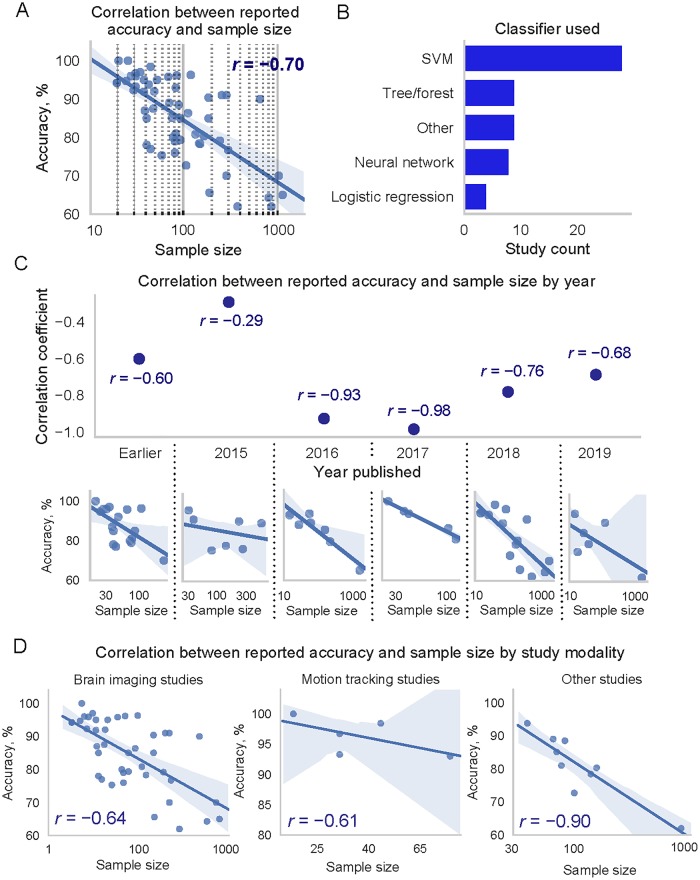
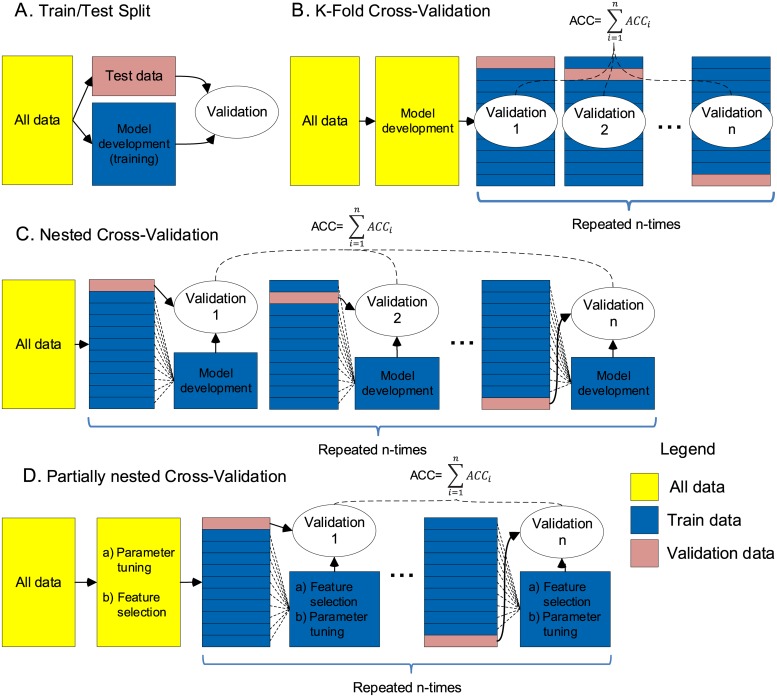
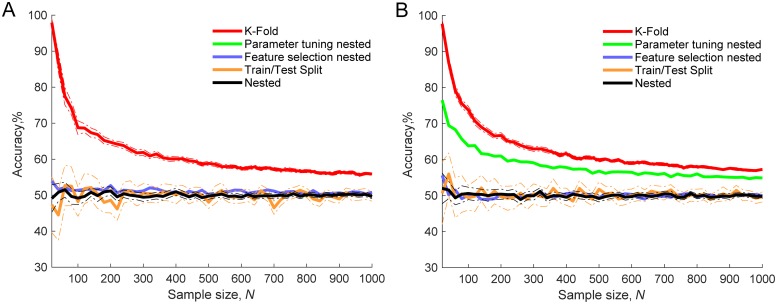
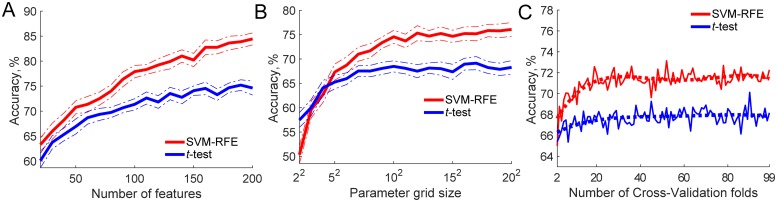
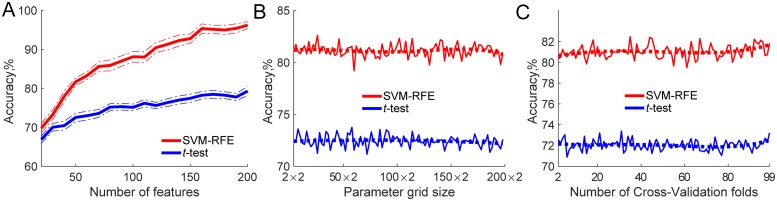
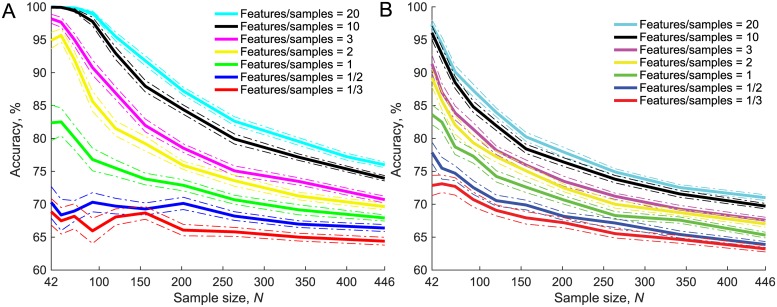
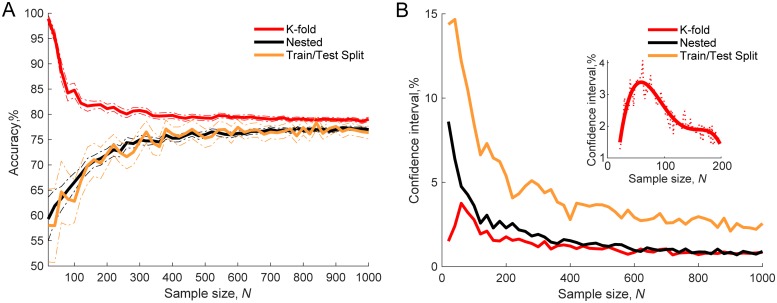
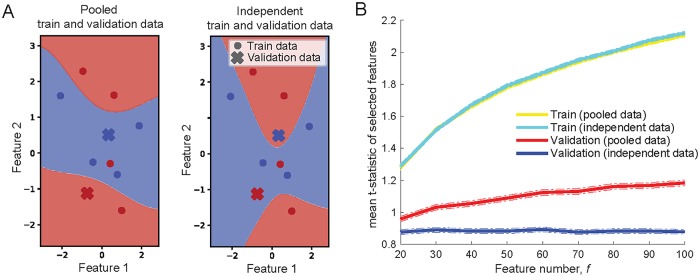
Advances in neuroimaging, genomic, motion tracking, eye-tracking and many other technology-based data collection methods have led to a torrent of high dimensional datasets, which commonly have a small number of samples because of the intrinsic high cost of data collection involving human participants. High dimensional data with a small number of samples is of critical importance for identifying biomarkers and conducting feasibility and pilot work, however it can lead to biased machine learning (ML) performance estimates. Our review of studies which have applied ML to predict autistic from non-autistic individuals showed that small sample size is associated with higher reported classification accuracy. Thus, we have investigated whether this bias could be caused by the use of validation methods which do not sufficiently control overfitting. Our simulations show that K-fold Cross-Validation (CV) produces strongly biased performance estimates with small sample sizes, and the bias is still evident with sample size of 1000. Nested CV and train/test split approaches produce robust and unbiased performance estimates regardless of sample size. We also show that feature selection if performed on pooled training and testing data is contributing to bias considerably more than parameter tuning. In addition, the contribution to bias by data dimensionality, hyper-parameter space and number of CV folds was explored, and validation methods were compared with discriminable data. The results suggest how to design robust testing methodologies when working with small datasets and how to interpret the results of other studies based on what validation method was used.
Overview
The claims and statistics of this paper haven’t been checked yet.
Free: it reads the open-access text and checks the first 5 claims that cite a source we can check. Create a free account to check every claim.
Integrity signals
Registry
Cites
Statistics
Figures
Verification
Claims the paper makes
The claims and statistics of this paper haven’t been checked yet.
Free: it reads the open-access text and checks the first 5 claims that cite a source we can check. Create a free account to check every claim.
Claims other papers make about this one
Each is checked against this paper’s own text: does it say what the citing paper says it does?
The cited source says what the claim attributes to it.
In the citing paper
“According to the simulations in Vabalas et al. 99 , the bias introduced by k-fold CV is still substantial even with a sample size of 1000.”
From Machine learning in concrete science: applications, challenges, and best practices (2022) · cites this paper as [99]
The cited source says what the claim attributes to it.
In the citing paper
“Machine learning in medical imaging often faces a fundamental dilemma, namely, the small sample size problem.”
From Federated learning for medical image analysis: A survey (2024) · cites this paper as [9]
In the citing paper
“An alternative to k-fold CV is n × k nested CV, which can produce robust and unbiased performance estimates regardless of the size of datasets 99 .”
From Machine learning in concrete science: applications, challenges, and best practices (2022) · cites this paper as [99]
Self-check
Percentages, sums and reported differences re-computed from the paper’s own numbers.
The self-check needs the paper’s full text.
Citations
Cites
Scikit-learn: Machine Learning in Python
Pedregosa, F., Varoquaux, G., Gramfort, A., Michel, V., Thirion, B., Grisel, O., Blondel, M., Müller, A., Nothman, J., Louppe, G., et al. (2012) · arXiv · doi:10.48550/arxiv.1201.0490 · Cited by 71,016 · cited 1×
“Logistic regression was implemented using Scikit-learn library [18].”
MethodLIBSVM: A library for support vector machines
Chang, C.-C., & Lin, C.-J. (2011) · ACM Transactions on Intelligent Systems and Technology · doi:10.1145/1961189.1961199 · Cited by 40,918 · cited 1×
“SVM was implemented with Libsvm library [17].”
Sudlow, C., Gallacher, J., Allen, N., Beral, V., Burton, P., Danesh, J., Downey, P., Elliott, P., Green, J., Landray, M., et al. (2015) · PLOS Medicine · doi:10.1371/journal.pmed.1001779 · Cited by 12,728
A training algorithm for optimal margin classifiers
Boser, B. E., Guyon, I. M., & Vapnik, V. N. (1992) · Proceedings of the fifth annual workshop on Computational learning theory · doi:10.1145/130385.130401 · Cited by 11,992 · cited 2×
“One, computationally demanding and complex, where Support Vector Machine (SVM) [12] classifier with Radial Basis Function (RBF) kernel was coupled with Support Vector Machine Recursive Feature Elimination (SVM-RFE) [13] feature selection.”
MethodCross validatory choice and assessment of statistical predictions
Stone, M. (1974) · Journal of the Royal Statistical Society Series B: Statistical Methodology · doi:10.1111/j.2517-6161.1974.tb00994.x · Cited by 10,881 · cited 1×
“Stone [10] pointed out the importance of separating CV used for model development and CV used for model evaluation.”
MethodLibsvm : A library for support vector machines
Ferrari, V. (2008) · Medical Entomology and Zoology · Cited by 10,122
Gene selection for cancer classification using support vector machines
Guyon, I., Weston, J., Barnhill, S., & Vapnik, V. (2002) · Machine Learning · doi:10.1023/a:1012487302797 · Cited by 9,954 · cited 8×
“SVM-RFE algorithm selects features based on how important they are for an SVM classifier to separate classes.”
InfluentialA review of feature selection techniques in bioinformatics
Saeys, Y., Inza, I., & Larrañaga, P. (2007) · Bioinformatics · doi:10.1093/bioinformatics/btm344 · Cited by 5,244
Bias in error estimation when using cross-validation for model selection
Varma, S., & Simon, R. (2006) · BMC Bioinformatics · doi:10.1186/1471-2105-7-91 · Cited by 2,485 · cited 10×
“Varma and Simon [7] suggest that Nested CV provides almost unbiased performance estimates.”
BackgroundMethodResultInfluentialMachine learning applications in genetics and genomics
Libbrecht, M. W., & Noble, W. S. (2015) · Nature Reviews Genetics · doi:10.1038/nrg3920 · Cited by 2,084 · cited 1×
“Then if number of features is large, which is especially true for neuroimaging and gene expression studies [3, 14, 15], feature selection is performed.”
Background
Cited by
Items 601–700 of 1,001
Ke, S. Y., Wu, H., Sun, H., Zhou, A., Liu, J., Zheng, X., Liu, K., Westover, M. B., Xu, H., & Kong, X. (2024) · Frontiers in Neuroscience · doi:10.3389/fnins.2024.1330556 · Cited by 14
Xiong, D., Marcus, M., Maida, C. A., Lyu, Y., Hays, R. D., Wang, Y., Shen, J., Spolsky, V. W., Lee, S. Y., Crall, J. J., et al. (2024) · PLoS ONE · doi:10.1371/journal.pone.0299947 · Cited by 12
Jang, B. K., & Park, Y. R. (2024) · Healthcare Informatics Research · doi:10.4258/hir.2024.30.2.140 · Cited by 11
“This approach makes them particularly vulnerable to issues like small sample sizes and non-independent identically distributed labels [16,17].”
BackgroundOkole, N., Yamati, F. R. I., Hossain, R., Varrelmann, M., Mahlein, A., & Heim, R. H. J. (2024) · Plant Pathology · doi:10.1111/ppa.13973 · Cited by 11
Chapla, D., Chorya, H. P., Ishfaq, L., Khan, A., Subrahmanyan, V. R., & Garg, S. (2024) · Cureus · doi:10.7759/cureus.66688 · Cited by 17
“There are currently no large data sets or datasets available for training, validating, and testing models [26].”
BackgroundRoldán-Vasco, S., Orozco‐Duque, A., & Orozco‐Arroyave, J. R. (2024) · Biomedical Signal Processing and Control · doi:10.1016/j.bspc.2024.107030 · Cited by 12
Masuda, H., Okada, S., Shiozawa, N., Sakaue, Y., Manno, M., Makikawa, M., & Isaka, T. (2025) · Computers in Biology and Medicine · doi:10.1016/j.compbiomed.2025.109705 · Cited by 16
Lavelle-Hill, R. E., Smith, G., & Murayama, K. (2025) · Advances in Methods and Practices in Psychological Science · doi:10.1177/25152459251345696 · Cited by 17
“However, recent research has demonstrated that many human data sets used to build and evaluate prediction models have been undersized, increasing the risk of (upward) bias (Vabalas et al., 2019; Wynants et al., 2020) and potentially giving rise to inaccurate conclusions (Dhiman et al., 2023).”
Mattia, G. M., Chougar, L., Foubert‐Samier, A., Meissner, W. G., Fabbri, M., Traon, A. P., Rascol, O., Grabli, D., Degos, B., Pyatigorskaya, N., et al. (2025) · Movement Disorders · doi:10.1002/mds.30300 · Cited by 11
“33,34 We considered three different random sam-plings of data, that is, different subsets of samples from each class for training and testing sets without repetition, kept constant for the mono and bimodal CNNs.”
Barış, V. K., Fu, Y., Gilbreath, B., Rainbow, J. G., Fiorini, L. A., & Love, P. J. (2025) · Journal of Advanced Nursing · doi:10.1111/jan.70260 · Cited by 5
Hybrid modelling approaches in process intensification: A thorough review
Esposito, F., Caprio, U. D., Buzzi, S., Vermeire, F. H., & Leblebici, M. E. (2025) · Chemical Engineering and Processing - Process Intensification · doi:10.1016/j.cep.2025.110496 · Cited by 12
Genomics- and Machine Learning-Accelerated Discovery of Biocontrol Bacteria
Biggs, M. B., Craig, K., Gachango, E., Ingham, D. J., & Twizeyimana, M. (2021) · Phytobiomes Journal · doi:10.1094/pbiomes-01-21-0003-r · Cited by 12
Lorenzo, G., Cerdá, A. G., Lorenzo-Lledó, ., & Carreres, A. L. (2022) · Journal of Enabling Technologies · doi:10.1108/jet-12-2021-0068 · Cited by 12
Cavalcanti, J. H., Kovács, T., & Kő, A. (2022) · Procedia CIRP · doi:10.1016/j.procir.2022.05.020 · Cited by 12
James–Stein for the leading eigenvector
Goldberg, L. R., & Kercheval, A. N. (2023) · Proceedings of the National Academy of Sciences · doi:10.1073/pnas.2207046120 · Cited by 12
“…individuals might be explained by millions of single nucleotide polymorphisms (SNPs); machine learning in domains with a limited number of high dimensional observations, such as in [3]; and finance, in which the number of assets in a portfolio can greatly exceed the number of useful observations.”
BackgroundLee, D.-J., Tsai, P., Chen, C., & Dai, Y.-H. (2023) · Journal of Translational Medicine · doi:10.1186/s12967-023-03931-z · Cited by 12
“By accounting for irrelevant and noisy genes, the risk of overfitting increases, which may reduce the generalization of the prediction model [44, 45].”
BackgroundA predictive model based on random forest for shoulder-hand syndrome
Yu, S., Yuan, J., Lin, H., Xu, B., Liu, C., & Shen, Y. (2023) · Frontiers in Neuroscience · doi:10.3389/fnins.2023.1124329 · Cited by 11
“The bootstrap method is also applied for randomly selected parts of the features to find the one that makes the smallest Gini index, and the optimal solution is found among the selected features and applied to the nodes for splitting (Breiman, 2001; Kuhn and Johnson, 2013; Bzdok et al., 2018; Vabalas et al., 2019).”
BackgroundMethodLaurence, P. G., Jana, T. A., Bunge, S. A., & de Macedo, E. C. (2023) · Journal of Intelligence · doi:10.3390/jintelligence11040075 · Cited by 11
Finley, M. G., Bowen, T. A., Pulupa, M., Koval, A., & Miles, D. M. (2023) · Geophysical Research Letters · doi:10.1029/2023gl103626 · Cited by 11
Collins, A. C., Price, G. D., Woodworth, R. J., & Jacobson, N. C. (2023) · The Journal of Positive Psychology · doi:10.1080/17439760.2023.2254743 · Cited by 11
“Specifically, we used LOOCV and completely separated our training data and test data, which is considered sufficient at any sample size to provide unbiased estimates (Vabalas et al., 2019; Varma & Simon, 2006).”
MethodKim, P., Lee, J., Jeong, J., & Shin, C. S. (2023) · IEEE Transactions on Neural Systems and Rehabilitation Engineering · doi:10.1109/tnsre.2023.3336360 · Cited by 12
“Previous studies have investigated the effect of sample size on model accuracy and reported that a small training sample size could exaggerate model accuracy due to overfitting [39], [40], [41].”
BackgroundSampa, M. B., Biswas, T., Rahman, M. S., Aziz, N. H. A., Hossain, N., & Aziz, N. A. A. (2023) · JMIR Diabetes · doi:10.2196/49113 · Cited by 13
“It must be mentioned that a small sample size is sometimes associated with higher classif ication accuracy [23].”
BackgroundMethodDemırkol, D., Erol, Ç., Tannier, X., Özcan, T., & Aktaş, Ş. (2024) · International Wound Journal · doi:10.1111/iwj.14556 · Cited by 14
Liu, H., Hunt, S., Yencho, G. C., Pecota, K. V., Mierop, R., Williams, C., & Jones, D. (2024) · Computers and Electronics in Agriculture · doi:10.1016/j.compag.2024.109215 · Cited by 11
Dell’Anna, F. (2024) · Energy Policy · doi:10.1016/j.enpol.2024.114407 · Cited by 14
A novel method for fatigue design of FRP-strengthened RC beams based on machine learning
Huang, C., Zhang, R., Zhang, J., Guo, X., Wei, P., Wang, L., Huang, P., Li, W., & Wang, Y. (2025) · Composite Structures · doi:10.1016/j.compstruct.2025.118867 · Cited by 11
A scoping review of asthma and machine learning
Khanam, U., Gao, Z., Adamko, D. J., KUSALIK, A. J., Rennie, D., Goodridge, D. M., Chu, L. M., & Lawson, J. A. (2022) · Journal of Asthma · doi:10.1080/02770903.2022.2043364 · Cited by 11
“Use of machine learning allows for higher order interaction analysis (12).”
BackgroundTodorovic, K., O’Leary, E. N., Ward, K. P., Devarasetty, P. P., Lee, S. J., Knox, M. S., & Andari, E. (2022) · Frontiers in Psychiatry · doi:10.3389/fpsyt.2022.883294 · Cited by 12
“Nested cross-validation has been shown to be a robust technique to assess model performance and generalization (20).”
MethodManigault, A. W., Sheinkopf, S. J., Silverman, H. F., & Lester, B. M. (2022) · JAMA Network Open · doi:10.1001/jamanetworkopen.2022.38783 · Cited by 14
Ai, M., Morris, T. P., Zhang, J., de la Colina, A. N., Tremblay‐Mercier, J., Villeneuve, S., Whitfield, S., Kramer, A. F., Geddes, M. R., Aisen, P. S. S., et al. (2023) · Scientific Reports · doi:10.1038/s41598-023-32714-1 · Cited by 11
Wang, Z., Tang, M., Larrazabal, M. A., Toner, E. R., Rucker, M., Wu, C., Teachman, B. A., Boukhechba, M., & Barnes, L. E. (2023) · Annual International Conference of the IEEE Engineering in Medicine and Biology Society (EMBC) · doi:10.1109/embc40787.2023.10341015 · Cited by 13
“There are thus many challenges for ML models to efficiently and effectively detect state anxiety (e.g., model overfitting, inaccuracy, and bias) [11].”
BackgroundClassification of Tokaj Wines by Ultraviolet–Visible Spectroscopy
Sádecká, J., & Jakubíková, M. (2021) · Food Analytical Methods · doi:10.1007/s12161-021-02097-y · Cited by 11
“In the case of classification by style and grade, a stratified four-fold cross-validation was used (Vabalas et al. 2019).”
MethodMendez, C., Kaykayoglu, C. A., Bähler, T., Künzler, J., Lizoain, A., Rothenbühler, M., Schmidt, M. H., Laimer, M., & Witthauer, L. (2026) · Journal of Diabetes Science and Technology · doi:10.1177/19322968251319800 · Cited by 10
“This approach provided an unbiased performance estimate regardless of the sample size, 43 effectively simulating the model’s performance on previously unseen data.”
Bello-García, A., Passegger, V. M., Ordieres-Meré, J. B., Schweitzer, A., Caballero, J. A., González‐Marcos, A., Ribas, I., Reiners, A., Quirrenbach, A., Amado, P. J., et al. (2023) · Astronomy and Astrophysics · doi:10.1051/0004-6361/202243934 · Cited by 12
Wójcik, Z., Dimitrova, V. G., Warrington, L., Velikova, G., & Absolom, K. L. (2024) · JCO Clinical Cancer Informatics · doi:10.1200/cci.23.00264 · Cited by 14
Chan, Y. L., Ho, C. S. H., Tay, G. W. N., Tan, T. W., & Tang, T. B. (2024) · Journal of Affective Disorders · doi:10.1016/j.jad.2024.05.066 · Cited by 11
Vabalas, A., Hartonen, T., Vartiainen, P., Jukarainen, S., Viippola, E., Rodosthenous, R. S., Liu, A., Hägg, S., Perola, M., & Ganna, A. (2024) · Nature Aging · doi:10.1038/s43587-024-00657-5 · Cited by 12
Self-citationEstimating the Workability of Concrete with a Stereovision Camera during Mixing
Ojala, T., & Punkki, J. (2024) · Sensors · doi:10.3390/s24144472 · Cited by 11
Advanced hybrid neural network techniques for minimizing gas turbine emissions
Roy, A., Pramanik, S., Mitra, K., & Chakraborty, M. (2024) · World Journal of Engineering · doi:10.1108/wje-11-2023-0473 · Cited by 10
Islam, M. T., Turja, S. A., & Habib, A. (2025) · Journal of Data Information and Management · doi:10.1007/s42488-025-00140-9 · Cited by 13
“We employed the train-test split process for validation (Vabalas et al. 2019).”
Impact of test set composition on AI performance in pediatric wrist fracture detection in X-rays
Till, T., Scherkl, M., Stranger, N., Singer, G., Hankel, S., Flucher, C., Hržić, F., Štajduhar, I., & Tschauner, S. (2025) · European Radiology · doi:10.1007/s00330-025-11669-z · Cited by 12
Wang, H.-F., Chen, K., Chen, Z., Li, S., Wang, P., Wang, P., & Yang, L. (2025) · Computers & Chemical Engineering · doi:10.1016/j.compchemeng.2025.109473 · Cited by 11
Simmachan, T., Lerdpraserdpakorn, N., Deesrisuk, J., Sriwipat, C., Shakya, S., & Boonkrong, P. (2025) · Healthcare Analytics · doi:10.1016/j.health.2025.100417 · Cited by 10
Writing Quality Predictive Modeling: Integrating Register-Related Factors
Wang, H., & Troia, G. A. (2023) · Written Communication · doi:10.1177/07410883231185287 · Cited by 11
Boelders, S. M., Gehring, K., Postma, E. O., Rutten, G.-J. M., & Ong, L. S. (2023) · Neuro-Oncology · doi:10.1093/neuonc/noad221 · Cited by 11
Ilardi, D., Kalikatzarakis, M., Oneto, L., Collu, M., & Coraddu, A. (2023) · IEEE Access · doi:10.1109/access.2023.3343874 · Cited by 11
“Some theoretical approaches have tried to address the problem of using the same data to build and estimate the error of the model which is a fundamental problem when the data is very limited, i.e., the small sample regime [123].”
BackgroundSong, M., Lee, J., Yun, H.-S., & Yum, S. (2023) · Climate Services · doi:10.1016/j.cliser.2023.100440 · Cited by 11
Lehmann, V. F., Züger, T., Maritsch, M., Notter, M., Schallmoser, S., Bérubé, C., Albrecht, C., Kraus, M., Feuerriegel, S., Fleisch, E., et al. (2024) · NEJM AI · doi:10.1056/aioa2300013 · Cited by 13
Gamma power and beta envelope correlation are potential neural predictors of deep hypnosis
Farahzadi, Y., Alldredge, C. T., & Kekecs, Z. (2024) · Scientific Reports · doi:10.1038/s41598-024-56633-x · Cited by 13
“The outer loop of train-test split was randomized and repeated 100 times to get an average and a standard deviation of the prediction accuracies, an approach recommended for limited sample sizes 64 .”
MethodSkubleny, D., Ghosh, S., Spratlin, J. L., Schiller, D., & Rayat, G. R. (2024) · BMC Bioinformatics · doi:10.1186/s12859-024-05759-w · Cited by 10
“Models were trained and tested using nested stratified tenfold cross-validation (CV) [26].”
MethodA deep learning model for prediction of autism status using whole-exome sequencing data
Wu, Q., Morrow, E. M., & Uzun, E. D. G. (2024) · PLoS Computational Biology · doi:10.1371/journal.pcbi.1012468 · Cited by 13
“Successful biomedical ML models trained and tested on small datasets often failed on large heterogeneous datasets [29,30].”
Impact of Dataset Size on 3D CNN Performance in Intracranial Hemorrhage Classification
Huang, C., Chiang, H.-F., Hsieh, C.-C., Zhu, B.-R., Wu, W.-J., & Shaw, J. (2025) · Diagnostics · doi:10.3390/diagnostics15020216 · Cited by 13
Donié, C., Das, N., Endo, S., & Hirche, S. (2025) · Scientific Reports · doi:10.1038/s41598-025-04263-2 · Cited by 10
“29,30 .”
Moment-to-Moment Continuous Attention Fluctuation Monitoring through Consumer-Grade EEG Device
Zhang, S., Yan, Z., Sapkota, S., Zhao, S., & Ooi, W. T. (2021) · Sensors · doi:10.3390/s21103419 · Cited by 12
“The Nested CV implementation was based on recent research by Vabalas et al. [71], who showed that biased performance estimates arise from regular CV, but can be avoided with Nested CV, regardless of the sample size.”
MethodHsu, Y.-C., Tsai, I.-J., Hsu, H., Hsu, P.-W., Cheng, M., Huang, Y.-L., Chen, J., Lei, M., & Lin, C. (2021) · Diagnostics · doi:10.3390/diagnostics11060961 · Cited by 10
“indicated that training machine learning algorithms with proper ratio of features to sample size (feature/samples < 1/3, sample size >80) can reduce the bias resulted from sample number [49].”
BackgroundResearch on tune feedback of the Hefei Light Source II based on machine learning
Yu, Y., Liu, G., Xu, W., Li, C., Li, W., & Xuan, K. (2022) · Nuclear Science and Techniques · doi:10.1007/s41365-022-01018-w · Cited by 10
“1 subsamples were used to develop a prediction, the remaining subsample was used to validate this model [17].”
MethodSarkar, S., Bhattacherjee, S., Bhattacharyya, P., Mitra, M., & Pal, S. (2022) · Biomedical Signal Processing and Control · doi:10.1016/j.bspc.2022.103716 · Cited by 11
Dolan, E. H., Goulding, J., Tata, L. J., & Lang, A. R. (2022) · JMIR Cancer · doi:10.2196/37141 · Cited by 10
Artificial neural network to classify cognitive impairment using gait and clinical variables
Zhou, Y., van Campen, J., Hortobágyi, T., & Lamoth, C. J. C. (2022) · Intelligence-Based Medicine · doi:10.1016/j.ibmed.2022.100076 · Cited by 10
Machine learning for morbid glomerular hypertrophy
Ushio, Y., Kataoka, H., Iwadoh, K., Ohara, M., Suzuki, T., Hirata, M., Manabe, S., Kawachi, K., Akihisa, T., Makabe, S., et al. (2022) · Scientific Reports · doi:10.1038/s41598-022-23882-7 · Cited by 11
Mendi, B. A. R., & Gülbay, M. (2022) · Current Medical Imaging Formerly Current Medical Imaging Reviews · doi:10.2174/1573405619666221115124352 · Cited by 12
Multi-Layer Hybrid (MLH) balancing technique: A combined approach to remove data imbalance
Islam, M. T., & Mustafa, H. A. (2022) · Data & Knowledge Engineering · doi:10.1016/j.datak.2022.102105 · Cited by 11
Beyond Combinatorial Materials Science: The 100 Prisoners Problem
Fowler, J. E., Kottwitz, M. A., Trask, N., & Dingreville, R. (2024) · Integrating materials and manufacturing innovation · doi:10.1007/s40192-023-00330-6 · Cited by 11
“The primary idea is that these algorithms can learn from existing (limited) data, identify patterns within the datasets, and make predictions in order to guide the search process toward promising solutions [19–21].”
Comparing code-free and bespoke deep learning approaches in ophthalmology
Wong, C. Y. T., O’Byrne, C., Taribagil, P., Liu, T., Antaki, F., & Keane, P. A. (2024) · Graefe s Archive for Clinical and Experimental Ophthalmology · doi:10.1007/s00417-024-06432-x · Cited by 10
“It is a vital step in the development of viable AI-powered medical decision-support systems [27].”
BackgroundPattalung, T. N., & Chaichulee, S. (2021) · IOP Conference Series Materials Science and Engineering · doi:10.1088/1757-899x/1163/1/012027 · Cited by 11
“Nested cross validation technique was shown to produce almost unbiased estimation of performance with low variance [24]; hence, it is a recommended technique for algorithm comparisons for small and moderately-sized datasets.”
MethodEP-Pred: A Machine Learning Tool for Bioprospecting Promiscuous Ester Hydrolases
Xiang, R., Fernandez-Lopez, L., Robles-Martín, A., Ferrer, M., & Guallar, V. (2022) · Biomolecules · doi:10.3390/biom12101529 · Cited by 9
“As recommended for this step [20], data was split into two sets, a test set and a training set and the selection was performed on the training set only.”
MethodImage-Based Face Recognition Techniques Used in Disease Detection Approaches: A Survey
Salman, G. A., Kadhim, I. J., & Al-Badri, A. H. (2024) · Journal of Techniques · doi:10.51173/jt.v6i1.1966 · Cited by 10
Kelly, C. M., & McLaughlin, R. L. (2024) · PLoS ONE · doi:10.1371/journal.pone.0308962 · Cited by 9
Emotion-related impulsivity is related to orbitofrontal cortical sulcation
Hastings, W. L., Willbrand, E. H., Kelly, J. P., Washington, S. T., Tameilau, P., Sathishkumar, R. N., Maboudian, S. A., Parker, B. J., Elliott, M., Johnson, S. L., et al. (2024) · Cortex · doi:10.1016/j.cortex.2024.08.009 · Cited by 12
“…Our LASSO regression models were tuned and evaluated using cross-validation, a within-sample method for improving the generalizability of a model that is standard practice in machine learning (Ghojogh & Crowley, 2019; Poldrack, Huckins, & Varoquaux, 2020; Vabalas, Gowen, Poliakoff, & Casson, 2019).”
Zainal, N. H., Tan, H. H., Hong, R. Y. S., & Newman, M. G. (2025) · JMIR Mental Health · doi:10.2196/67210 · Cited by 11
“Nested 10F-CV provides more robust performance estimates for small sample sizes, maximizes data utilization, minimizes bias, and controls for overfitting more than the split train-test approach [128,129].”
Charting γ-secretase substrates by explainable AI
Breimann, S., Kamp, F., Basset, G., Abou‐Ajram, C., Güner, G., Yanagida, K., Okochi, M., Müller, S. A., Lichtenthaler, S. F., Langosch, D., et al. (2025) · Nature Communications · doi:10.1038/s41467-025-60638-z · Cited by 11
“After removing completely redundant scales and those containing missing values, we obtained a dataset of 586 amino acid scales, including 553, 21, and 12 scales from AAindex, Lins et al. 24 Energy (36, 9), Others (17, 6), Polarity (111, 6), Shape (45, 6), and Structure-Activity (31, 6).”
InfluentialSaraniya, M., & Ruth, J. A. (2025) · Intelligence-Based Medicine · doi:10.1016/j.ibmed.2025.100273 · Cited by 9
FogFire: fog assisted IoT enabled forest fire management
Vikram, R., & Sinha, D. (2021) · Evolutionary Intelligence · doi:10.1007/s12065-021-00666-y · Cited by 9
Xia, M., Jin, C., Cao, S., Pei, B., Wang, J., Xu, T., & Jiang, H. (2022) · Annals of Translational Medicine · doi:10.21037/atm-22-2118 · Cited by 10
“In the cases of few training samples (7,8), machine learning models generally cannot achieve good out-of-sample performance, and models trained with small samples are prone to overfitting to small samples and underfitting to the target task.”
Validating Discriminative Signatures for Obstructive Sleep Apnea in Exhaled Breath
Streckenbach, B., Osswald, M., Malesevic, S., Zenobi, R., & Kohler, M. (2022) · Cells · doi:10.3390/cells11192982 · Cited by 10
“Machine learning tools for prediction models may allow us to build robust training models despite small sample sizes, but they bear the risk of overfitting [38].”
BackgroundSuresh, K. P., Bylaiah, S., Patil, S. S., Mohan Kumar, M., Indrabalan, U. B., Bhavya, A. P., Srinivas, P. T., Shivamallu, C., Kollur, S. P., Cull, C. A., et al. (2022) · Zoonotic Diseases · doi:10.3390/zoonoticdis2040022 · Cited by 14
“Overfitting is presumed to have occurred when the model accuracy is high for the training data but subsequently drastically decreases with new data [38,39].”
BackgroundHuang, X. L. D., Chyczewski, T. S., Xia, Z., Kunz, R. F., & Yang, X. I. A. (2023) · Scientific Reports · doi:10.1038/s41598-023-27426-5 · Cited by 10
“21,22 , the ratio between the number of parameters and the number of the training data is a good indicator of whether the system will overfit.”
BackgroundKawasaki, K. (2023) · Journal of the Association of Environmental and Resource Economists · doi:10.1086/725323 · Cited by 14
“[1]) where the starting period is p 13 (May 1 – 10) and the ending period is p 17 estimates regardless of the sample size (Vabalas et al. 2019).”
BackgroundSuyarto, R., Diara, I. W., Susila, K. D., Saifulloh, M., Wiyanti, W., Kusmiyarti, T. B., & Sunarta, I. N. (2023) · IOP Conference Series Earth and Environmental Science · doi:10.1088/1755-1315/1190/1/012012 · Cited by 9
“Both datasets must have the same label value [24], [25].”
Backgroundvan Schaik, M. O., Mendonça, I. S., Cappon, H. J., Chen, W., & Rijnaarts, H. H. M. (2023) · Journal of Water Process Engineering · doi:10.1016/j.jwpe.2023.104014 · Cited by 9
A supervised machine learning workflow for the reduction of highly dimensional biological data
Andersen, L. K., & Reading, B. J. (2023) · Artificial Intelligence in the Life Sciences · doi:10.1016/j.ailsci.2023.100090 · Cited by 12
Webpage Accessibility Evaluation Using Machine Learning Technique
Ara, J., & Sik‐Lányi, C. (2023) · IEEE International Conference on Cognitive Infocommunications · doi:10.1109/coginfocom59411.2023.10397496 · Cited by 10
Darshan, B. S. D., Sampathila, N., Bairy, G. M., Belurkar, S., Prabhu, S., & Chadaga, K. (2024) · Technology and Health Care · doi:10.3233/thc-231207 · Cited by 9
“In youngsters, anaemia can have a major deleterious impact on cognitive performance [4].”
Osapoetra, L. O., Dasgupta, A., DiCenzo, D., Fatima, K., Quiaoit, K., Saifuddin, M., Karam, I., Poon, I., Husain, Z. A., Tran, W. T., et al. (2024) · Radiology Imaging Cancer · doi:10.1148/rycan.230029 · Cited by 12
Wani, F. M., Vemuri, J., Reddy, K. S. K. K., & Rajaram, C. (2024) · Stochastic Environmental Research and Risk Assessment · doi:10.1007/s00477-024-02729-9 · Cited by 11
“One reliable way to achieve the unbiased performance of ML models is to separate the training and test sets and asses the performance on the test set or a different dataset in conjunction with different validation techniques such as train/split, and K-fold cross-validation (Vabalas et al. 2019).”
Residual networks without pooling layers improve the accuracy of genomic predictions
Xie, Z., Xu, X., Li, L., Wu, C., Ma, Y., He, J., Wei, S., Wang, J., & Feng, X. (2024) · Theoretical and Applied Genetics · doi:10.1007/s00122-024-04649-2 · Cited by 11
“The sample size is critical for model selection (Vabalas et al. 2019; van Smeden et al. 2019; Portet et al. 2020).”
Asiimwe, I. G., Ndzamba, B. S., Mouksassi, S., Pillai, G. C., Lombard, A., & Lang, J. M. (2024) · The AAPS Journal · doi:10.1208/s12248-024-00934-6 · Cited by 9
“A relatively small sample size also means that cross-validation may produce biased estimates and hyperparameter tuning may be more sensitive to the randomization seed used (affecting the test-train split), which would in turn impact the performance of sensitive methods (26, 27).”
Li, G., Li, R., Hou, H., Zhang, G., & Li, Z. (2024) · Electronics · doi:10.3390/electronics13122231 · Cited by 11
White, M., Lazzari, B. D., Bezodis, N. E., & Camomilla, V. (2024) · Mathematics · doi:10.3390/math12121853 · Cited by 10
Mobbs, A., Kahn, M. B., Williams, G. P., Mentiplay, B. F., Pua, Y., & Clark, R. A. (2024) · Journal of NeuroEngineering and Rehabilitation · doi:10.1186/s12984-024-01406-w · Cited by 10
Similarity-Based Machine Learning for Small Data Sets: Predicting Biolubricant Base Oil Viscosities
Kim, J. Y., Khan, S. A., & Vlachos, D. G. (2024) · The Journal of Physical Chemistry B · doi:10.1021/acs.jpcb.4c06687 · Cited by 9
Aviad, N., Moskovich, O., Orenstein, O., Benger, E., Delorme, A., & Bernstein, A. (2024) · Biological Psychiatry Global Open Science · doi:10.1016/j.bpsgos.2024.100423 · Cited by 11
Kuo, C.-Y., Su, E. C., Yeh, H., Yeh, J., Chiu, H., & Chung, C. (2024) · Heliyon · doi:10.1016/j.heliyon.2024.e41084 · Cited by 11
Lin, Y., Mo, J., Jin, H., Cao, X., Yang, Z., Wu, C., Zhang, K., Hu, W., & Lin, Z. (2021) · European Journal of Neuroscience · doi:10.1111/ejn.15185 · Cited by 9
“This method has been shown to reduce the impact caused by the imbalance of the ratio between positive and negative samples (Jung & Hu, 2015; Vabalas et al., 2019).”
MethodObst, M. A., Al-Zubaidi, A., Heldmann, M., Nolde, J. M., Blümel, N., Kannenberg, S., & Münte, T. F. (2021) · Brain Imaging and Behavior · doi:10.1007/s11682-021-00572-y · Cited by 9
Computational prediction for the metabolism of human UDP-glucuronosyltransferase 1A1 substrates
Luo, Y.-B., Hou, Y.-Y., Wang, Z., Hu, X.-M., Li, W., Li, Y., Liu, Y., Li, T., & Ai, C. (2022) · Computers in Biology and Medicine · doi:10.1016/j.compbiomed.2022.105959 · Cited by 9
Sakamaki, I., Tavakoli, M., Wiebe, S. A., & Adams, K. D. (2022) · Brain-Computer Interfaces · doi:10.1080/2326263x.2022.2114225 · Cited by 10
Koo, C. W., Kline, T. L., Yoon, J. H., Vercnocke, A. J., Johnson, M. P., Suman, G., Lu, A., & Larson, N. B. (2022) · British Journal of Radiology · doi:10.1259/bjr.20220230 · Cited by 9
Salmanpour, M. R., Bakhtiyari, M., Hosseinzadeh, M., Maghsudi, M., Yousefirizi, F., Ghaemi, M. M., & Rahmim, A. (2023) · Physics in Medicine and Biology · doi:10.1088/1361-6560/acaba6 · Cited by 11
Avula, N. V. S., Veesam, S. K., Behera, S., & Balasubramanian, S. (2022) · Machine Learning Science and Technology · doi:10.1088/2632-2153/acac01 · Cited by 11
“Also, Vabalas et al , on surveying over 50 articles on ML for autism, have shown that ML models tended to produce overoptimistic results when the sample sizes are small [89].”
BackgroundMethod
Metadata
- Authors
- Vabalas, A., Gowen, E., Poliakoff, E., & Casson, A. J.
- Affiliations
- University of Manchester (GB)
- Corresponding author
- Vabalas, Andrius
- Venue
- PLOS ONE
- Publisher
- Public Library of Science (PLoS)
- Published
- 2019-11-07
- Volume
- 14
- Issue
- 11
- Pages
- e0224365
- ISSN
- 1932-6203 (ISSN-L)
- PMC
- PMC6837442
- OpenAlex
- W2981679558
- Cited by
- 1,901
- References
- 32
- Citations by year
- 2026: 497 · 2025: 325 · 2024: 316 · 2023: 280 · 2022: 247 · 2021: 167 · 2020: 66 · 2019: 1
- FWCI
- 55.09
- Type
- journal article
- Language
- en
- Open access
- gold
- doi.org
- Licence
- Locations
- PLoS ONE (publishedVersion, cc-by)
- PubMed Central (publishedVersion, cc-by)
- PubMed (publishedVersion)
- RePEc: Research Papers in Economics (submittedVersion)
- DOAJ (DOAJ: Directory of Open Access Journals) (submittedVersion, cc-by-sa)
- Figshare (submittedVersion, cc-by)
- Research Explorer (The University of Manchester) (submittedVersion, cc-by)
- Funders
- UK Engineering and Physical Sciences Research Council and its Doctoral Training Partnership with the University of Manchester (EP/m507969/1)
- Topics
- Physical Sciences › Computer Science › Artificial Intelligence › Machine Learning and Data Classification
- Physical Sciences › Computer Science › Artificial Intelligence › Imbalanced Data Classification Techniques
- Health Sciences › Health Professions › Health Information Management › Artificial Intelligence in Healthcare
- Keywords
- machine learning validation, small sample size, overfitting, nested cross-validation, train-test split, feature selection, hyperparameter optimization, high-dimensional data, autism classification, biomarker discovery
- MeSH terms
- Machine Learning, Algorithms, Data Interpretation, Statistical, Humans, Sample Size, Biomedical Research
About these checks
Registry, retraction, Cites and statistics results are computed, not judged, with one exception: a printed reference that no index lists is read once by a model before it counts as a citation error. Claims are extracted by a model and kept only when their quote appears verbatim in the text; each cited source is then checked, with a model’s help, for whether it says what the claim relies on. Those verdicts can be wrong — read the claim’s quote and the cited source before relying on one.
Statistics and arithmetic are recomputed, not judged.
Confidence bands are shown only for fields calibrated on our annotated test set. None is calibrated yet, so no band is shown.
What counts as a claim ›How we measure confidence ›How we check this ›
Are you an author, or do you see a problem with this page? Request a review
Data sources
Bibliographic data: Semantic Scholar, OpenAlex, Crossref.
Contains information from the Semantic Scholar Academic Graph Datasets, made available under the ODC Attribution License (ODC-BY 1.0).
Semantic Scholar’s data is described in: Kinney, R., et al. (2023). The Semantic Scholar Open Data Platform. arXiv:2301.10140.
