

Machine learning algorithm validation with a limited sample size
Open accessThe DOI matches its Crossref record; 31 of the 32 references it cites were found in a registry or an index.
Abstract
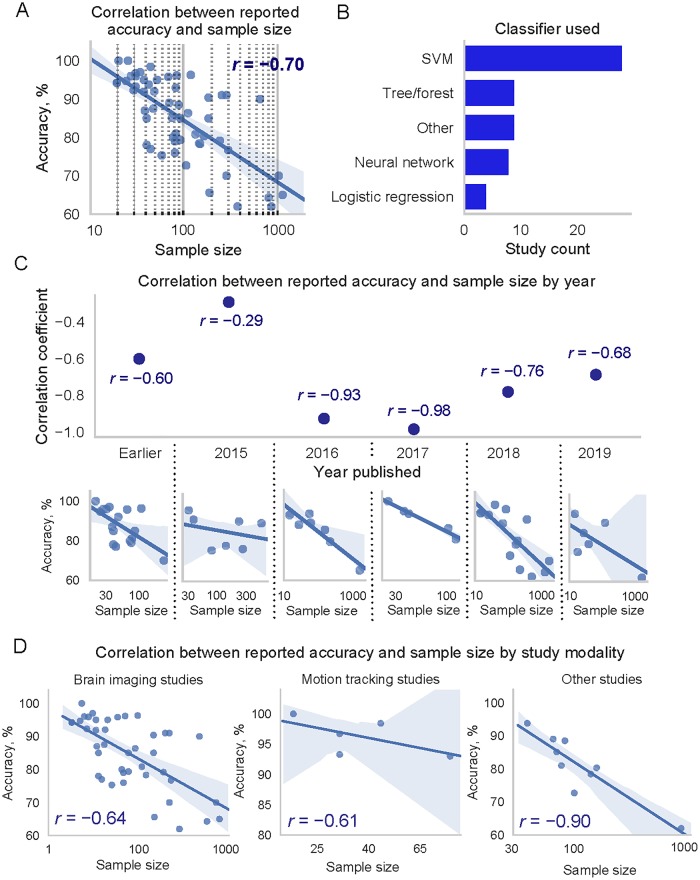
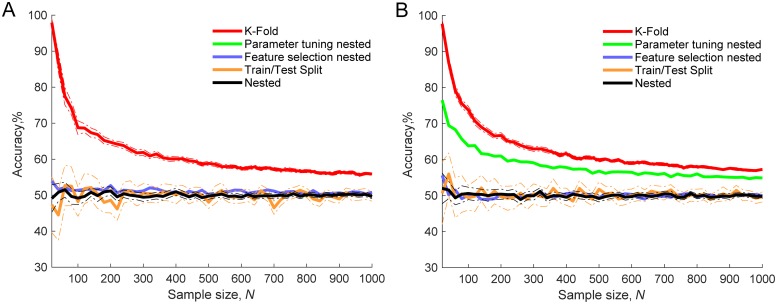
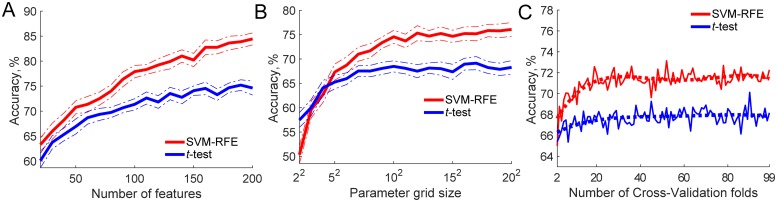
Advances in neuroimaging, genomic, motion tracking, eye-tracking and many other technology-based data collection methods have led to a torrent of high dimensional datasets, which commonly have a small number of samples because of the intrinsic high cost of data collection involving human participants. High dimensional data with a small number of samples is of critical importance for identifying biomarkers and conducting feasibility and pilot work, however it can lead to biased machine learning (ML) performance estimates. Our review of studies which have applied ML to predict autistic from non-autistic individuals showed that small sample size is associated with higher reported classification accuracy. Thus, we have investigated whether this bias could be caused by the use of validation methods which do not sufficiently control overfitting. Our simulations show that K-fold Cross-Validation (CV) produces strongly biased performance estimates with small sample sizes, and the bias is still evident with sample size of 1000. Nested CV and train/test split approaches produce robust and unbiased performance estimates regardless of sample size. We also show that feature selection if performed on pooled training and testing data is contributing to bias considerably more than parameter tuning. In addition, the contribution to bias by data dimensionality, hyper-parameter space and number of CV folds was explored, and validation methods were compared with discriminable data. The results suggest how to design robust testing methodologies when working with small datasets and how to interpret the results of other studies based on what validation method was used.
Overview
The claims and statistics of this paper haven’t been checked yet.
Free: it reads the open-access text and checks the first 5 claims that cite a source we can check. Create a free account to check every claim.
Integrity signals
Registry
Cites
Statistics
Figures
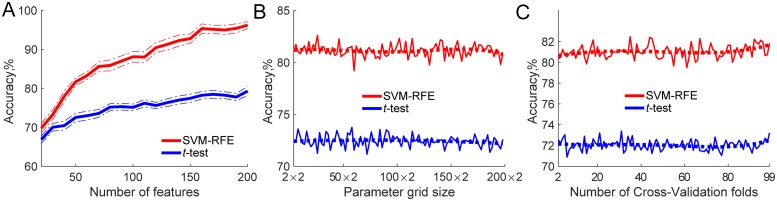
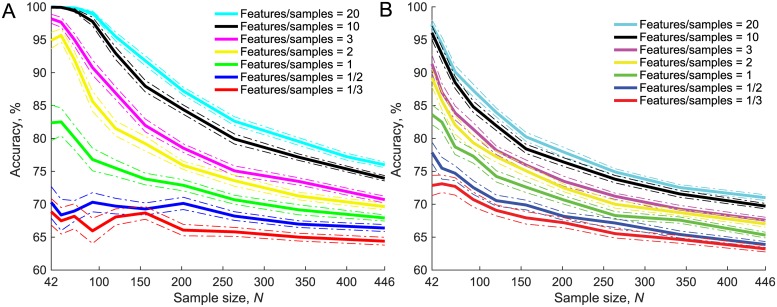
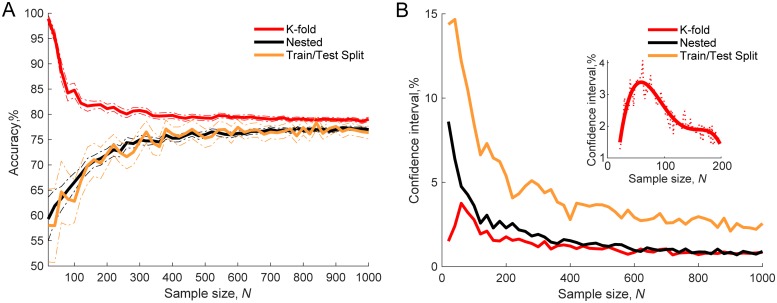
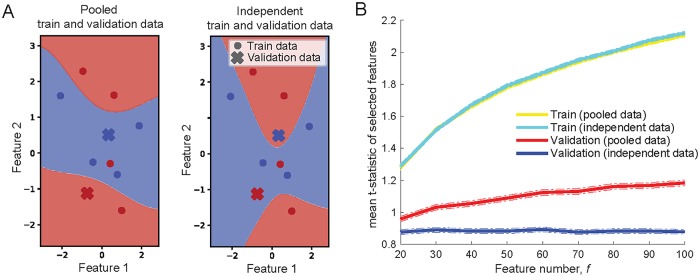
Verification
Claims the paper makes
The claims and statistics of this paper haven’t been checked yet.
Free: it reads the open-access text and checks the first 5 claims that cite a source we can check. Create a free account to check every claim.
Claims other papers make about this one
Each is checked against this paper’s own text: does it say what the citing paper says it does?
The cited source says what the claim attributes to it.
In the citing paper
“According to the simulations in Vabalas et al. 99 , the bias introduced by k-fold CV is still substantial even with a sample size of 1000.”
From Machine learning in concrete science: applications, challenges, and best practices (2022) · cites this paper as [99]
The cited source says what the claim attributes to it.
In the citing paper
“Machine learning in medical imaging often faces a fundamental dilemma, namely, the small sample size problem.”
From Federated learning for medical image analysis: A survey (2024) · cites this paper as [9]
In the citing paper
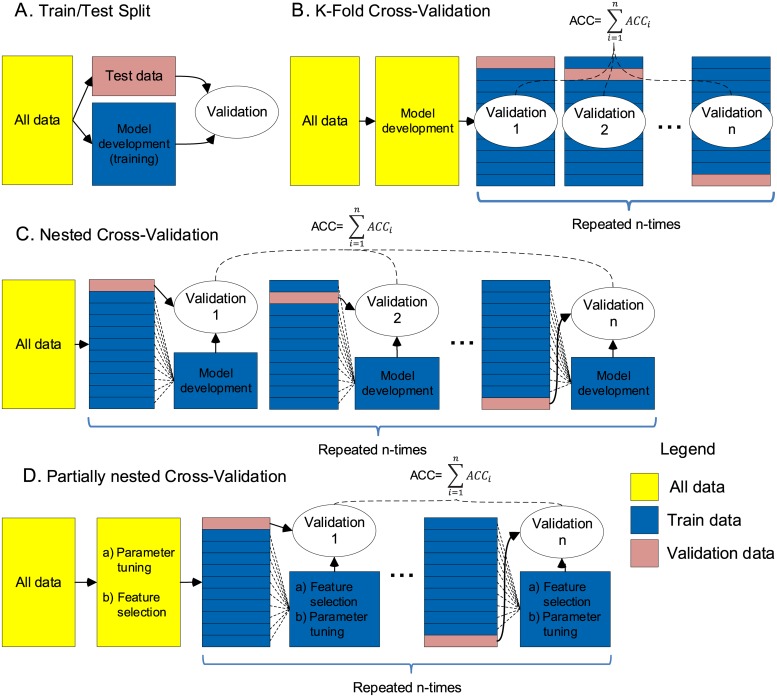
“An alternative to k-fold CV is n × k nested CV, which can produce robust and unbiased performance estimates regardless of the size of datasets 99 .”
From Machine learning in concrete science: applications, challenges, and best practices (2022) · cites this paper as [99]
Self-check
Percentages, sums and reported differences re-computed from the paper’s own numbers.
The self-check needs the paper’s full text.
Citations
Cites
Scikit-learn: Machine Learning in Python
Pedregosa, F., Varoquaux, G., Gramfort, A., Michel, V., Thirion, B., Grisel, O., Blondel, M., Müller, A., Nothman, J., Louppe, G., et al. (2012) · arXiv · doi:10.48550/arxiv.1201.0490 · Cited by 71,016 · cited 1×
“Logistic regression was implemented using Scikit-learn library [18].”
MethodLIBSVM: A library for support vector machines
Chang, C.-C., & Lin, C.-J. (2011) · ACM Transactions on Intelligent Systems and Technology · doi:10.1145/1961189.1961199 · Cited by 40,918 · cited 1×
“SVM was implemented with Libsvm library [17].”
Sudlow, C., Gallacher, J., Allen, N., Beral, V., Burton, P., Danesh, J., Downey, P., Elliott, P., Green, J., Landray, M., et al. (2015) · PLOS Medicine · doi:10.1371/journal.pmed.1001779 · Cited by 12,728
A training algorithm for optimal margin classifiers
Boser, B. E., Guyon, I. M., & Vapnik, V. N. (1992) · Proceedings of the fifth annual workshop on Computational learning theory · doi:10.1145/130385.130401 · Cited by 11,992 · cited 2×
“One, computationally demanding and complex, where Support Vector Machine (SVM) [12] classifier with Radial Basis Function (RBF) kernel was coupled with Support Vector Machine Recursive Feature Elimination (SVM-RFE) [13] feature selection.”
MethodCross validatory choice and assessment of statistical predictions
Stone, M. (1974) · Journal of the Royal Statistical Society Series B: Statistical Methodology · doi:10.1111/j.2517-6161.1974.tb00994.x · Cited by 10,881 · cited 1×
“Stone [10] pointed out the importance of separating CV used for model development and CV used for model evaluation.”
MethodLibsvm : A library for support vector machines
Ferrari, V. (2008) · Medical Entomology and Zoology · Cited by 10,122
Gene selection for cancer classification using support vector machines
Guyon, I., Weston, J., Barnhill, S., & Vapnik, V. (2002) · Machine Learning · doi:10.1023/a:1012487302797 · Cited by 9,954 · cited 8×
“SVM-RFE algorithm selects features based on how important they are for an SVM classifier to separate classes.”
InfluentialA review of feature selection techniques in bioinformatics
Saeys, Y., Inza, I., & Larrañaga, P. (2007) · Bioinformatics · doi:10.1093/bioinformatics/btm344 · Cited by 5,244
Bias in error estimation when using cross-validation for model selection
Varma, S., & Simon, R. (2006) · BMC Bioinformatics · doi:10.1186/1471-2105-7-91 · Cited by 2,485 · cited 10×
“Varma and Simon [7] suggest that Nested CV provides almost unbiased performance estimates.”
BackgroundMethodResultInfluentialMachine learning applications in genetics and genomics
Libbrecht, M. W., & Noble, W. S. (2015) · Nature Reviews Genetics · doi:10.1038/nrg3920 · Cited by 2,084 · cited 1×
“Then if number of features is large, which is especially true for neuroimaging and gene expression studies [3, 14, 15], feature selection is performed.”
Background
Cited by
Items 301–400 of 1,001
Şenkaya, M., Silahtar, A., Erkan, E. F., & Karaaslan, H. (2024) · Engineering Geology · doi:10.1016/j.enggeo.2024.107605 · Cited by 33
Exploring electric vehicle adoption in Indonesia using zero-shot aspect-based sentiment analysis
Adi, N. S., & Widianto, S. (2024) · Sustainable Operations and Computers · doi:10.1016/j.susoc.2024.08.002 · Cited by 31
Dzialas, V., Doering, E., Eich, H., Strafella, A. P., Vaillancourt, D. E., Simonyan, K., van Eimeren, T., & International Parkinson Movement Disorders Society‐Neuroimaging Study Group (2024) · Movement Disorders · doi:10.1002/mds.30002 · Cited by 30
“Generalizability: test or average cross-validation performance was reported to infer model performance on unseen data, 16 without selective reporting of favorable results.”
Ndraha, N., Hsiao, H., Hsieh, Y., & Pradhan, A. K. (2021) · Food Control · doi:10.1016/j.foodcont.2021.108353 · Cited by 26
Kim, J. S., Wang, B., Kim, M., Lee, J., Kim, H., Roh, D., Lee, K. H., Hong, S.-B., Lim, J. S., Kim, J.-W., et al. (2023) · JMIR Formative Research · doi:10.2196/45991 · Cited by 25
Machine learning-assisted design of high-performance perovskite photodetectors: a review
Li, X. F., Mai, Y., Lan, C., Yang, F., Zhang, P., & Li, S. (2024) · Advanced Composites and Hybrid Materials · doi:10.1007/s42114-024-01113-z · Cited by 34
“K -fold cross-validation is done by dividing the data into K equal parts and selecting one part in turn as the validation set and the rest as the training set [89].”
Qu, X., Liukasemsarn, S., Tu, J., Higgins, A., Hickey, T. J., & Hall, M. (2020) · Frontiers in Psychiatry · doi:10.3389/fpsyt.2020.541659 · Cited by 35
“Although k-means clustering can sufficiently uncover patterns with a relatively small number of subjects (57, 58), supervised learning methods would be used, and a larger number of subjects in the future is needed to prove the results are generalizable for a larger population (59).”
MethodVibrational Spectroscopy for Detection of Diabetes: A Review
Ralbovsky, N. M., & Lednev, I. K. (2021) · Applied Spectroscopy · doi:10.1177/00037028211019130 · Cited by 26
“CV may oftentimes overstate the success of a model, due to overfitting, and provide overly optimistic results; this is especially true when studies are conducted with small sample sizes.(92,99,100) Methods of cross validation include leaveone-out (spectrum or sample) and n-fold cross validation.”
ResultCheng, J., Liu, H., Lin, W., & Tsai, F. (2021) · Scientific Reports · doi:10.1038/s41598-021-93085-z · Cited by 30
Habibalahi, A., Allende, A., Michael, J., Anwer, A. G., Campbell, J. M., Mahbub, S. B., Bala, C., Coroneo, M. T., & Goldys, E. M. (2022) · Cancers · doi:10.3390/cancers14061591 · Cited by 25
Parkinson’s Disease Classification Using Machine Learning Approaches and Resting-State EEG
Yang, C., & Huang, Y. (2022) · Journal of Medical and Biological Engineering · doi:10.1007/s40846-022-00695-7 · Cited by 26
“First, the sample size was small; therefore, the performance of the classifiers might have been affected by overfitting [28].”
BackgroundAdjuik, T. A., & Ananey-Obiri, D. (2022) · International Journal of Information Technology · doi:10.1007/s41870-022-00949-2 · Cited by 35
McNamara, R., Meka, S., Anstey, J. R., Fatovich, D. M., Haseler, L. J., Jeffcote, T., Udy, A. A., Bellomo, R., & Fitzgerald, M. (2023) · Journal of Neurotrauma · doi:10.1089/neu.2022.0201 · Cited by 30
Gill, J., Moullet, M., Martinsson, A., Miljković, F. N., Williamson, B., Arends, R. H., & Reddy, V. P. (2022) · CPT Pharmacometrics & Systems Pharmacology · doi:10.1002/psp4.12884 · Cited by 29
“Although the potential for overfitting (and thus reduced generalizability) caused by the small sample size to feature ratio is controlled by the use of the nested cross-validation, 38 the model needs to be tested on a dataset from a different source to confirm generalizability.”
MethodProteins in Tumor-Derived Plasma Extracellular Vesicles Indicate Tumor Origin
Barlin, M., Erdmann-Gilmore, P., Mudd, J. L., Zhang, Q., Seymour, R. W., Guo, Z., Miessner, J. R., Goedegebuure, S. P., Bi, Y., Osorio, O. A., et al. (2022) · Molecular & Cellular Proteomics · doi:10.1016/j.mcpro.2022.100476 · Cited by 31
“0 (29) was used to generate models, and standard training and ‘holdout’ testing 300 methodology assessed accuracy (33).”
MethodReal-Time Personalized Physiologically Based Stress Detection for Hazardous Operations
Finseth, T., Dorneich, M. C., Vardeman, S. B., Keren, N., & Franke, W. D. (2023) · IEEE Access · doi:10.1109/access.2023.3254134 · Cited by 29
“the testing data [94], the variation in both the psychological and physiological stress response due to task context suggests that models trained using stress signals from one task”
MethodOnline breath analysis with SESI/HRMS for metabolic signatures in children with allergic asthma
Weber, R., Streckenbach, B., Welti, L., Inci, D., Kohler, M., Perkins, N., Zenobi, R., Micic, S. J., & Mœller, A. (2023) · Frontiers in Molecular Biosciences · doi:10.3389/fmolb.2023.1154536 · Cited by 29
“Nevertheless, while efforts have been taken to prevent bias by preprocessing data in each cross-validation loop and reducing the dimensionality of the feature set for training the classifier with machine learning, the risk of overfitting cannot be completely ruled out (Vabalas et al., 2019).”
BackgroundYu, H., Luo, D., Li, S. F. Y., Qu, M., Liu, D., He, Y., & Cheng, F. (2023) · Nanoscale · doi:10.1039/d3nr02322b · Cited by 28
“Because the model trained on a specific training set could lead to biased performance estimates, especially in a small dataset (Vabalas et al., 2019).”
MethodCohen, J. M., Richter, V., Neumann, M., Black, D. P., Haq, A., Wright-Berryman, J. L., & Ramanarayanan, V. (2023) · Frontiers in Psychology · doi:10.3389/fpsyg.2023.1135469 · Cited by 24
“Additionally, small sample size ML studies may lead to overly optimistic estimates of classification performance as it is difficult to eliminate information leakage across folds when both train and test sets are used for feature selection (Vabalas et al., 2019; Berisha et al., 2022).”
BackgroundNavigating the Expansive Landscapes of Soft Materials: A User Guide for High-Throughput Workflows
Day, E. C., Chittari, S. S., Bogen, M. P., & Knight, A. (2023) · ACS Polymers Au · doi:10.1021/acspolymersau.3c00025 · Cited by 27
Dongil-Moreno, F. J., Ortiz, M., Pueyo, A., Boquete, L., Sánchez‐Morla, E. M., Jimeno-Huete, D., Miguel, J. M., Barea, R., Viladés, E., & García‐Martín, E. (2024) · Eye · doi:10.1038/s41433-024-02933-5 · Cited by 29
“When evaluating the performance of a classifier, it has been shown to be important to separate training and test data to avoid optimistically biased performance estimates [14].”
Eken, A., Nassehi, F., & Eroğul, O. (2024) · Reviews in the Neurosciences · doi:10.1515/revneuro-2023-0117 · Cited by 32
Yue, J., Li, T., Feng, H., Fu, Y., Liu, Y., Tian, J., Yang, H. L., & Yang, G. (2024) · Agriculture Communications · doi:10.1016/j.agrcom.2024.100060 · Cited by 25
Multiplexed quantitative proteomics provides mechanistic cues for malaria severity and complexity
Kumar, V., Ray, S., Aggarwal, S., Biswas, D., Jadhav, M., Yadav, R., Sabnis, S. V., Banerjee, S., Talukdar, A., Kochar, S. K., et al. (2020) · Communications Biology · doi:10.1038/s42003-020-01384-4 · Cited by 27
FatigueSense: Multi-Device and Multimodal Wearable Sensing for Detecting Mental Fatigue
Kodikara, C., Wijekoon, S., & Meegahapola, L. (2025) · ACM Transactions on Computing for Healthcare · doi:10.1145/3709363 · Cited by 28
“Nested cross-validation provides a conservative estimate of generalization performance, for smaller sample sizes, in contrast to methods like group-k-fold or leave-one-out cross-validation, which may produce higher results with limited data [27, 92, 119].”
From failure to fusion: A survey on learning from bad machine learning models
Naser, M. Z. (2025) · Information Fusion · doi:10.1016/j.inffus.2025.103122 · Cited by 29
Huang, B., Matzarakis, A., & He, B. (2025) · Sustainable Cities and Society · doi:10.1016/j.scs.2025.106696 · Cited by 24
Towards standardized and reproducible research in skin microbiomes
Ruuskanen, M. O., Vats, D., Potbhare, R., RaviKumar, A., Munukka, E., Ashma, R., & Lahti, L. (2022) · Environmental Microbiology · doi:10.1111/1462-2920.15945 · Cited by 27
Capitain, C. C., Nejati, F., Zischka, M., Berzak, M., Junne, S. G., Neubauer, P. B., & Weller, P. (2022) · Metabolites · doi:10.3390/metabo12040299 · Cited by 24
“In particular, k-fold CV can produce strongly biased performance estimates with small sample size and machine learning [67].”
BackgroundExploring synergies between plant metabolic modelling and machine learning
Sampaio, M., Rocha, M., & Dias, Ó. (2022) · Computational and Structural Biotechnology Journal · doi:10.1016/j.csbj.2022.04.016 · Cited by 25
“For instance, the Nested Cross Validation approach was proven to make an unbiased performance evaluation [138].”
MethodChou, A., Espin, A. T., Kyritsis, N., Huie, J. R., Khatry, S., Funk, J., Hay, J., Lofgreen, A., Shah, R. R., McCann, C., et al. (2022) · PLoS ONE · doi:10.1371/journal.pone.0265254 · Cited by 33
Poulsen, M. N., Freda, P. J., Troiani, V., Davoudi, A., & Mowery, D. L. (2022) · Frontiers in Public Health · doi:10.3389/fpubh.2022.850619 · Cited by 24
“Validation processes are used to reduce biased performance estimates, particularly for studies with small sample sizes in which there is less statistical power for pattern recognition (9).”
BackgroundBuś, S., Jędrzejewski, K., & Guzik, P. (2022) · Journal of Clinical Medicine · doi:10.3390/jcm11144004 · Cited by 25
“Several different methods are used to assess classification performance [53,54].”
MethodHirsch, O., Fuermaier, A. B. M., Tucha, O. M., Albrecht, B., Chavanon, M., & Christiansen, H. (2022) · Journal of Clinical and Experimental Neuropsychology · doi:10.1080/13803395.2022.2105821 · Cited by 25
“Nested cross-validation approaches are known to produce robust and unbiased performance estimates regardless of sample size (Vabalas et al., 2019).”
BackgroundYang, M., Wu, Y., Yang, X.-B., Liu, T., Liu, T., Li, W., Yan, J., Zhang, N., Zhuo, Y., Luo, Y., et al. (2023) · Scientific Reports · doi:10.1038/s41598-023-31797-0 · Cited by 24
Hoinkiss, D. C., Huber, J., Plump, C., Lüth, C., Drechsler, R., & Günther, M. (2023) · Frontiers in Neuroimaging · doi:10.3389/fnimg.2023.1090054 · Cited by 26
“To that end, training data has been collected with simulations [see denotation (2) in the Figure 1] and for every defined image property, an ML-model has been trained [see denotation (3) in the Figure 1].”
MethodInfluentialMachine learning models for predicting depression in Korean young employees
Kim, S., Gil, M., & Min, E. J. (2023) · Frontiers in Public Health · doi:10.3389/fpubh.2023.1201054 · Cited by 29
Unsupervised active–transfer learning for automated landslide mapping
Wang, Z., & Brenning, A. (2023) · Computers & Geosciences · doi:10.1016/j.cageo.2023.105457 · Cited by 25
Ardo, F. M., Khoo, K. S., Sobri, M. Z. A., Suparmaniam, U., Ethiraj, B., Anwar, A. F., Lam, S., Sin, J., Shahid, M. K., Ansar, S., et al. (2024) · Environmental Pollution · doi:10.1016/j.envpol.2024.123648 · Cited by 24
Machine learning to enhance sustainable plastics: A review
Guarda, C., Caseiro, J. F. M., & Pires, A. (2024) · Journal of Cleaner Production · doi:10.1016/j.jclepro.2024.143602 · Cited by 30
Graham, S. F., Türkoğlu, O., Yılmaz, A., Ustun, I., Ugur, Z., Bjorndhal, T., Han, B., Mandal, R., Wishart, D. S., & Bahado-Singh, R. O. (2020) · Metabolomics · doi:10.1007/s11306-020-01685-z · Cited by 26
Pevy, N., Christensen, H., Walker, T., & Reuber, M. (2021) · Seizure · doi:10.1016/j.seizure.2021.06.009 · Cited by 23
A refined approach for evaluating small datasets via binary classification using machine learning
Steinert, S., Ruf, V., Dzsotjan, D., Großmann, N., Schmidt, A., Kühn, J., & Küchemann, S. (2024) · PLoS ONE · doi:10.1371/journal.pone.0301276 · Cited by 27
“This may lead to results that are not generalizable to other datasets and, therefore, are of limited use [4, 5].”
InfluentialA machine learning‐based exploration of resilience and food security
Villacis, A. H., Badruddoza, S., & Mishra, A. K. (2024) · Applied Economic Perspectives and Policy · doi:10.1002/aepp.13475 · Cited by 28
Using precision approaches to improve brain-behavior prediction
Lee, H. J., Dworetsky, A., Labora, N., & Gratton, C. (2024) · Trends in Cognitive Sciences · doi:10.1016/j.tics.2024.09.007 · Cited by 30
Chemical imaging for biological systems: techniques, AI-driven processing, and applications
Cui, Y., Zhang, Z., Shi, Y., & Hu, Y. (2025) · Journal of Materials Chemistry B · doi:10.1039/d4tb02876g · Cited by 27
Li, H., Zecca, M., & Huang, J. (2025) · Journal of Medical Internet Research · doi:10.2196/69422 · Cited by 27
“Particular attention was given to data analysis methods, ensuring that measures such as data separation or cross-validation were used to reduce bias [50,51].”
Habyarimana, E., & Baloch, F. S. (2021) · PLoS ONE · doi:10.1371/journal.pone.0249136 · Cited by 23
Mahbub, S. B., Nguyen, L. T., Habibalahi, A., Campbell, J. M., Anwer, A. G., Qadri, U. M., Gill, A. J., Chou, A. S. Y., Wong, M. G., Gosnell, M. E., et al. (2021) · Scientific Reports · doi:10.1038/s41598-021-89758-4 · Cited by 23
Lidstone, D. E., Rochowiak, R., Pacheco, C., Tunçgenç, B., Vidal, R., & Mostofsky, S. H. (2021) · Research in Autism · doi:10.1016/j.rasd.2021.101840 · Cited by 24
Tropical Species Classification with Structural Traits Using Handheld Laser Scanning Data
Wang, M., Wong, M. S., & Abbas, S. (2022) · Remote Sensing · doi:10.3390/rs14081948 · Cited by 23
“This may be because compared with other classifiers, SVM is better at dealing with classification problems with a small sample size [63].”
BackgroundBijari, S., Jahanbakhshi, A., Hajishafiezahramini, P., & Abdolmaleki, P. (2022) · BioMed Research International · doi:10.1155/2022/2016006 · Cited by 23
“According to the analysis, p 0 : 05 illustrates that the two ROC curves were statistically signi fi cant di ff erences [20, 24, 25, 38 – 40].”
Machine Learning Algorithms to Predict Tree-Related Microhabitats using Airborne Laser Scanning
Santopuoli, G., Febbraro, M. D., Maesano, M., Balsi, M., Marchetti, M. A., & Lasserre, B. (2020) · Remote Sensing · doi:10.3390/rs12132142 · Cited by 26
“…nested cross-validation scheme, which proved able to yield robust and unbiased performance estimates regardless of sample size [39]. five-times-repeated, nested cross-validation scheme, which proved able to yield robust and unbiased performance estimates regardless of sample size [39].”
BackgroundCross-Database Evaluation of Deep Learning Methods for Intrapartum Cardiotocography Classification
Mendis, L., Karmakar, D., Palaniswami, M. S., Brownfoot, F., & Keenan, E. (2025) · IEEE Journal of Translational Engineering in Health and Medicine · doi:10.1109/jtehm.2025.3548401 · Cited by 24
“Prior research, such as by Vabalas et al. [46], highlights that performance reported on small datasets often yields overly optimistic results.”
Prediction of Unconfined Compressive Strength in Cement-Treated Soils: A Machine Learning Approach
Teodoru, I.-B., Owusu-Yeboah, Z., Aniculăesi, M., Dascălu, A. V., Hörtkorn, F., Amelio, A., & Lungu, I. (2025) · Applied Sciences · doi:10.3390/app15137022 · Cited by 25
Bianchim, M. S., McNarry, M. A., Larun, L., BARKER, A. R., Williams, C. A., & Mackintosh, K. A. (2020) · Preventive Medicine Reports · doi:10.1016/j.pmedr.2020.101142 · Cited by 24
Statistical methods for validation of predictive models
Diniz, M. A. (2022) · Journal of Nuclear Cardiology · doi:10.1007/s12350-022-02994-7 · Cited by 24
“Some authors 52,53 have shown that nested cross-validation have small bias in simulation studies.”
BackgroundMachine-Learning Model to Predict the Intradialytic Hypotension Based on Clinical-Analytical Data
Mendoza, L., Gomez-Pulido, J. M., Vargas-Lombardo, M., Gomez-Pulido, J. A., Polo-Luque, M.-L., & Rodríguez-Puyol, D. (2022) · IEEE Access · doi:10.1109/access.2022.3189018 · Cited by 25
Troiano, G., Fanelli, F., Rapani, A., Zotti, M., Lombardi, T., Zhurakivska, K., & Stacchi, C. (2023) · Journal Of Clinical Periodontology · doi:10.1111/jcpe.13797 · Cited by 24
Ahmed, M. S., & Ahmed, N. (2023) · JMIR Formative Research · doi:10.2196/28848 · Cited by 41
Divasón, J., Fernández-Ceniceros, J., Sanz-García, A., Pernía-Espinoza, A. V., & Martínez-de-Pisón, F. J. (2023) · Neurocomputing · doi:10.1016/j.neucom.2023.126414 · Cited by 22
Yu, J. Y., Sim, W. S., Jung, J. Y., Park, S.-H., Kim, H. S., & Park, Y. R. (2024) · Applied Soft Computing · doi:10.1016/j.asoc.2024.111781 · Cited by 25
Lucas, P. M., Marco, M. D., Cazalis, V., Luedtke, J. A., Neam, K., Brown, M. H., Langhammer, P. F., Mancini, G., & Santini, L. (2024) · Conservation Biology · doi:10.1111/cobi.14316 · Cited by 25
Zhang, M., Tang, E., Ding, H., & Zhang, Y. (2024) · Journal of Speech, Language, and Hearing Research · doi:10.1044/2024_jslhr-24-00157 · Cited by 22
Automatic identification of Chagas disease vectors using data mining and deep learning techniques
Parsons, Z., & Banitaan, S. (2021) · Ecological Informatics · doi:10.1016/j.ecoinf.2021.101270 · Cited by 25
Perovskite solar cells empowered by machine learning
Li, Z., Huang, C. X., Chao, L., Chen, Y., Huang, W., & Chen, G. (2025) · Journal of Energy Chemistry · doi:10.1016/j.jechem.2025.05.029 · Cited by 23
Abbas, M., Nazir, A., & Ali, U. (2025) · Progress in Additive Manufacturing · doi:10.1007/s40964-025-01209-y · Cited by 21
“Minor errors are expected in prediction of validation and testing data points due to the inherent variability in data [86].”
Participant-Aware Model Validation for Repeated-Measures Data: Comparative Cross-Validation Study
Karbalaie, A., Abtahi, F., & Häger, C. K. (2026) · JMIR AI · doi:10.2196/87728 · Cited by 30
“This approach aligns with established recommendations for unbiased evaluation in supervised learning [15,16,28].”
Zanet, M., Polo, E. M., Lenatti, M., van Waterschoot, T., Mongelli, M., Barbieri, R., & Paglialonga, A. (2021) · IEEE Journal of Biomedical and Health Informatics · doi:10.1109/jbhi.2021.3100368 · Cited by 16
Tomas, C. W., Fitzgerald, J. M., Bergner, C., Hillard, C. J., Larson, C. L., & deRoon‐Cassini, T. A. (2022) · Journal of Traumatic Stress · doi:10.1002/jts.22868 · Cited by 26
“…of the spectrum, we balanced this limitation against the rigor of bias reduction steps employed in the current method (i.e., the maintenance of separate training and test datasets to avoid information leakage, feature selection, hyperparameter search, and cross-validation; Vabalas et al., 2019 ).”
Bhattacharjee, B., Kumar, R., & Senthilkumar, A. (2022) · International Review of Financial Analysis · doi:10.1016/j.irfa.2022.102384 · Cited by 23
Ding, H., Droby, A., Anwar, A. R., Bange, M., Hausdorff, J. M., Nasseroleslami, B., Mirelman, A., Maidan, I., Groppa, S., & Muthuraman, M. (2022) · npj Parkinson s Disease · doi:10.1038/s41531-022-00427-3 · Cited by 24
“This approach is preferred for model evaluation especially for small sample size 65 .”
Whole-brain dynamical modelling for classification of Parkinson’s disease
Jung, K., Florin, E., Patil, K. R., Caspers, J., Rubbert, C., Eickhoff, S. B., & Popovych, O. V. (2022) · Brain Communications · doi:10.1093/braincomms/fcac331 · Cited by 21
Teeth Reconstruction Using Artificial Intelligence: Trends, Perspectives, and Prospects
Chau, R. C. W., Thu, K. M., Hsung, T.-C., & Lam, W. Y. H. (2023) · Journal of the California Dental Association · doi:10.1080/19424396.2023.2199910 · Cited by 26
Phylogenetic and biogeographical traits predict unrecognized hosts of zoonotic leishmaniasis
Glidden, C. K., Murran, A. R., Silva, R. A., Castellanos, A. A., Han, B. A., & Mordecai, E. A. (2023) · PLoS neglected tropical diseases · doi:10.1371/journal.pntd.0010879 · Cited by 26
“Nested cross-validation, as opposed to K-fold cross-validation, produces 230 the least biased evaluation of model performance when using a small sample size (40).”
MethodMahmud, S. A. S., Mohsin, M., Muyeed, A., Nazneen, S., Sayed, M. A., Murshed, N., Tonmon, T. T., & Islam, A. (2023) · Medicine · doi:10.1097/md.0000000000034285 · Cited by 26
“[30,31] Therefore, we targeted to recruit at least 2000 participants using convenience sampling.”
MethodCreating a Robust SoC Estimation Algorithm Based on LSTM Units and Trained with Synthetic Data
Azkue, M., Miguel, E., Martinez-Laserna, E., Oca, L., & Iraola, U. (2023) · World Electric Vehicle Journal · doi:10.3390/wevj14070197 · Cited by 22
Schwartzmann, B., Dhami, P., Uher, R., Lam, R. W. M., Frey, B. N., Milev, R. V., Müller, D. J., Blier, P., Soares, C. N., Parikh, S. V., et al. (2023) · JAMA Network Open · doi:10.1001/jamanetworkopen.2023.36094 · Cited by 23
Automatic Optimization of Deep Learning Training through Feature-Aware-Based Dataset Splitting
Shahrabadi, S., Adão, T., Peres, E. S., Morais, R., Magalhães, L., & Alves, V. (2024) · Algorithms · doi:10.3390/a17030106 · Cited by 22
Verma, V. K., Saxena, K., & Banodha, U. (2024) · Communications in computer and information science · doi:10.1007/978-3-031-56700-1_30 · Cited by 32
Saliva-based microRNA diagnostic signature for the superficial peritoneal endometriosis phenotype
Bendifallah, S., Dabi, Y., Suisse, S., Ilic, J., Delbos, L., Poilblanc, M., Descamps, P., Golfier, F., Jornéa, L., Bouteiller, D., et al. (2024) · European Journal of Obstetrics & Gynecology and Reproductive Biology · doi:10.1016/j.ejogrb.2024.04.020 · Cited by 24
Machine Learning-Based Cellular Traffic Prediction Using Data Reduction Techniques
Nashaat, H., Mohammed, N. H., Abdel-Mageid, S. M., & Rizk, R. Y. (2024) · IEEE Access · doi:10.1109/access.2024.3392624 · Cited by 24
“This sample size can sufficiently capture the underlying patterns and relationships in the data [14].”
BackgroundDalavi, P., Bhakar, S. R., Rajput, J., Gaddikeri, V., Tiwari, R. K., Shukla, A., & Vishwakarma, D. K. (2024) · Water Practice & Technology · doi:10.2166/wpt.2024.157 · Cited by 22
Leukel, J., Scheurer, L., & Sugumaran, V. (2024) · Construction and Building Materials · doi:10.1016/j.conbuildmat.2024.137397 · Cited by 25
Artificial intelligence‐based motion tracking in cancer radiotherapy: A review
Salari, E., Wang, J., Wynne, J. F., Chang, C., Wu, Y., & Yang, X. (2024) · Journal of Applied Clinical Medical Physics · doi:10.1002/acm2.14500 · Cited by 25
“146,152 Ultimately, the limited size of the training and test sets introduces bias and increases variance in model performance.”
BackgroundNocera, A., Senigagliesi, L., Raimondi, M., Ciattaglia, G., & Gambi, E. (2024) · IEEE Access · doi:10.1109/access.2024.3482690 · Cited by 22
“Thus, when dealing with small sample sizes, a nested type of k-fold cross-validation is preferred because of the demonstrated unbiased performance estimation [297].”
BackgroundMethodInfluentialHashim, I. C., Shariff, A. R. M., Bejo, S. K., Muharam, F. M., & Ahmad, K. (2021) · Agronomy · doi:10.3390/agronomy11122373 · Cited by 23
Impact of Microplastics on Oil Dispersion Efficiency in the Marine Environment
Yang, M., Zhang, B., Chen, Y., Xin, X., Lee, K., & Chen, B. (2021) · Sustainability · doi:10.3390/su132413752 · Cited by 21
“Machine learning (ML) has been identified as a favorable tool to realize the prediction, since they do not need to pre-specify a model structure, but instead seek the best fits in specific limits (specific to the individual algorithm) [38].”
BackgroundThomas, S. J., Morgan, M., Asrat, T., & Weeks, J. W. (1997) · PubMed · Cited by 21
Li, B., Luo, S., Wang, W., Xu, J., Liu, D., Shameem, M., Mattila, J., Franklin, M. C., Hawkins, P. G., & Atwal, G. S. (2025) · mAbs · doi:10.1080/19420862.2025.2474521 · Cited by 23
“90 The RandomForestRegressor model for viscosity prediction is trained and evaluated by following the same procedure as HIC RT prediction.”
Groheux, D., Ferrer, L., Vargas, J., Martineau, A., Borgel, A., Teixeira, L., Menu, P., Bertheau, P., Gallinato, O., Colin, T., et al. (2025) · Cancers · doi:10.3390/cancers17071249 · Cited by 22
“Due to the small cohort size, a nested leave-pair-out cross-validation (LPOCV) approach (60 random pairs in the inner resampling, 756 (all) random pairs in the outer resampling) was used to correctly estimate the predictive performance of the models and select the best one [28].”
Scoping Review of Machine Learning Techniques in Marker-Based Clinical Gait Analysis
Dibbern, K. N., Krzak, M. G., Olivas, A., Albert, M. V., Krzak, J. J., & Kruger, K. M. (2025) · Bioengineering · doi:10.3390/bioengineering12060591 · Cited by 22
“For PCA, 5 to 10 samples per feature are recommended [115,116], while the SVM recommendations are 10–20 samples per feature [117], and neural networks use 100 samples per feature [118].”
MLGaze: Machine Learning-Based Analysis of Gaze Error Patterns in Consumer Eye Tracking Systems
Kar, A. (2020) · Vision · doi:10.3390/vision4020025 · Cited by 20
“This is also termed as the “rule of 10” [63].”
BackgroundBozorgmehr, A., Thielmann, A., & Weltermann, B. (2021) · PLoS ONE · doi:10.1371/journal.pone.0250842 · Cited by 21
“Limitations of this study include the rather small sample size and the large number of predictor variables (features), which poses a risk for overfitting [42, 43].”
BackgroundKarvelis, P., Charlton, C. E., Allohverdi, S. G., Bedford, P., Hauke, D. J., & Diaconescu, A. O. (2022) · Network Neuroscience · doi:10.1162/netn_a_00233 · Cited by 26
“However, for the median sample size of the reviewed studies, N = 47, using LOOCV can still lead to accuracy errors of up to ∼ 15% (Varoquaux, 2018), with k-fold suffering from similar problems (Vabalas, Gowen, Poliakoff, & Casson, 2019).”
MethodFault Detection and Diagnosis System in Ahu System Using Deep Learning Approach
Masdoua, Y., Boukhnifer, M., Adjallah, K. H., & Benterki, A. (2023) · Journal of the Franklin Institute · doi:10.1016/j.jfranklin.2023.09.046 · Cited by 20
Quality aspects of annotated data: A research synthesis
Beck, J. (2023) · AStA Wirtschafts- und Sozialstatistisches Archiv · doi:10.1007/s11943-023-00332-y · Cited by 29
“Furthermore, in a study that evaluated models with extremely small datasets and costly annotations (here: autism classification and neuroimaging), decreased model accuracy was observed counterintuitively with increasing sample size (Vabalas et al. 2019).”
Noa-Yarasca, E., Leyton, J. M. O., & Angerer, J. P. (2024) · Agronomy · doi:10.3390/agronomy14020349 · Cited by 22
Zhang, X., Noah, J. A., Singh, R., McPartland, J. C., & Hirsch, J. (2024) · Scientific Reports · doi:10.1038/s41598-024-53942-z · Cited by 22
“%) level of accuracy on random data with a small number of samples 51–53 .”
BackgroundSystematic review of automatic post-stroke gait classification systems
Jiao, Y., Hart, R., Reading, S. A., & Zhang, Y. (2024) · Gait & Posture · doi:10.1016/j.gaitpost.2024.02.011 · Cited by 22
Metadata
- Authors
- Vabalas, A., Gowen, E., Poliakoff, E., & Casson, A. J.
- Affiliations
- University of Manchester (GB)
- Corresponding author
- Vabalas, Andrius
- Venue
- PLOS ONE
- Publisher
- Public Library of Science (PLoS)
- Published
- 2019-11-07
- Volume
- 14
- Issue
- 11
- Pages
- e0224365
- ISSN
- 1932-6203 (ISSN-L)
- PMC
- PMC6837442
- OpenAlex
- W2981679558
- Cited by
- 1,901
- References
- 32
- Citations by year
- 2026: 497 · 2025: 325 · 2024: 316 · 2023: 280 · 2022: 247 · 2021: 167 · 2020: 66 · 2019: 1
- FWCI
- 55.09
- Type
- journal article
- Language
- en
- Open access
- gold
- doi.org
- Licence
- Locations
- PLoS ONE (publishedVersion, cc-by)
- PubMed Central (publishedVersion, cc-by)
- PubMed (publishedVersion)
- RePEc: Research Papers in Economics (submittedVersion)
- DOAJ (DOAJ: Directory of Open Access Journals) (submittedVersion, cc-by-sa)
- Figshare (submittedVersion, cc-by)
- Research Explorer (The University of Manchester) (submittedVersion, cc-by)
- Funders
- UK Engineering and Physical Sciences Research Council and its Doctoral Training Partnership with the University of Manchester (EP/m507969/1)
- Topics
- Physical Sciences › Computer Science › Artificial Intelligence › Machine Learning and Data Classification
- Physical Sciences › Computer Science › Artificial Intelligence › Imbalanced Data Classification Techniques
- Health Sciences › Health Professions › Health Information Management › Artificial Intelligence in Healthcare
- Keywords
- machine learning validation, small sample size, overfitting, nested cross-validation, train-test split, feature selection, hyperparameter optimization, high-dimensional data, autism classification, biomarker discovery
- MeSH terms
- Machine Learning, Algorithms, Data Interpretation, Statistical, Humans, Sample Size, Biomedical Research
About these checks
Registry, retraction, Cites and statistics results are computed, not judged, with one exception: a printed reference that no index lists is read once by a model before it counts as a citation error. Claims are extracted by a model and kept only when their quote appears verbatim in the text; each cited source is then checked, with a model’s help, for whether it says what the claim relies on. Those verdicts can be wrong — read the claim’s quote and the cited source before relying on one.
Statistics and arithmetic are recomputed, not judged.
Confidence bands are shown only for fields calibrated on our annotated test set. None is calibrated yet, so no band is shown.
What counts as a claim ›How we measure confidence ›How we check this ›
Are you an author, or do you see a problem with this page? Request a review
Data sources
Bibliographic data: Semantic Scholar, OpenAlex, Crossref.
Contains information from the Semantic Scholar Academic Graph Datasets, made available under the ODC Attribution License (ODC-BY 1.0).
Semantic Scholar’s data is described in: Kinney, R., et al. (2023). The Semantic Scholar Open Data Platform. arXiv:2301.10140.
