

Lead toxicity: a review
Open accessThe DOI matches its Crossref record; 88 of the 90 references it cites were found in a registry or an index.
Abstract
Lead toxicity is an important environmental disease and its effects on the human body are devastating. There is almost no function in the human body which is not affected by lead toxicity. Though in countries like US and Canada the use of lead has been controlled up to a certain extent, it is still used vehemently in the developing countries. This is primarily because lead bears unique physical and chemical properties that make it suitable for a large number of applications for which humans have exploited its benefits from historical times and thus it has become a common environmental pollutant. Lead is highly persistent in the environment and because of its continuous use its levels rise in almost every country, posing serious threats. This article reviews the works listed in the literature with recent updates regarding the toxicity of lead. Focus is also on toxic effects of lead on the renal, reproductive and nervous system. Finally the techniques available for treating lead toxicity are presented with some recent updates.
Overview
The claims and statistics of this paper haven’t been checked yet.
Free: it reads the open-access text and checks the first 5 claims that cite a source we can check. Create a free account to check every claim.
Integrity signals
Registry
Cites
Statistics
Figures
Verification
Claims the paper makes
The claims and statistics of this paper haven’t been checked yet.
Free: it reads the open-access text and checks the first 5 claims that cite a source we can check. Create a free account to check every claim.
Claims other papers make about this one
Each is checked against this paper’s own text: does it say what the citing paper says it does?
The cited source says what the claim attributes to it.
In the citing paper
“The human body is exposed to various toxic metals through inhalation, ingestion, and skin such as arsenic (As) (28), cadmium (Cd) (29), chromium (Cr) (30), lead (Pb) (31), and mercury (Hg) (23).”
From The dark side of beauty: an in-depth analysis of the health hazards and toxicological impact of synthetic cosmetics and personal care products (2024) · cites this paper as [30]
The check wasn’t confident either way, so it gives no verdict — never disputed.
In the citing paper
“These heavy metals are mostly found in these products such as sunscreens, moisturizers, whitening toothpaste, nail polish, concealer, lipstick, and eyeliner (30).”
From The dark side of beauty: an in-depth analysis of the health hazards and toxicological impact of synthetic cosmetics and personal care products (2024) · cites this paper as [30]
Experimental — accuracy not yet measured
Self-check
Percentages, sums and reported differences re-computed from the paper’s own numbers.
The self-check needs the paper’s full text.
Citations
Cites
Toxicity of lead: a review with recent updates
Flora, G., Gupta, D., & Tiwari, A. (2012) · Interdisciplinary Toxicology · doi:10.2478/v10102-012-0009-2 · Cited by 2,144 · cited 1×
“A new technique called nano-encapsulation of antioxidants may provide improved biodistribution and bioavailability of poorly soluble therapeutics through solubilisation (Flora et al., 2012).”
MethodGoyer, R. A., & Clarkson, T. W. (1991) · Cited by 1,200
The Long-Term Effects of Exposure to Low Doses of Lead in Childhood: An 11-Year Follow-up Report
Needleman, H. L., Schell, A., Bellinger, D., Leviton, A., & Allred, E. N. (1990) · New England Journal of Medicine · doi:10.1056/nejm199001113220203 · Cited by 1,158
Needleman, H. (2004) · Annual Review of Medicine · doi:10.1146/annurev.med.55.091902.103653 · Cited by 1,144
Lead Exposure and Cardiovascular Disease—A Systematic Review
Navas-Acien, A., Guallar, E., Silbergeld, E. K., & Rothenberg, S. J. (2007) · Environmental Health Perspectives · doi:10.1289/ehp.9785 · Cited by 1,112 · cited 2×
“Activities like motility and the general morphology of sperm are also affected at this level (Navas-Acien et al., 2007).”
BackgroundNeurotoxic Effects and Biomarkers of Lead Exposure: A Review
Sanders, T., Liu, Y., Buchner, V., & Tchounwou, P. B. (2009) · Reviews on Environmental Health · doi:10.1515/reveh.2009.24.1.15 · Cited by 1,076 · cited 3×
“With increased lead exposure in children, an increase in neuropsychiatric disorders like attention deficit hyperactivity disorder and antisocial behaviour were found (Sanders et al., 2009).”
BackgroundLead toxicity, a review of the literature. Part 1: Exposure, evaluation, and treatment.
Patrick, L. (2006) · PubMed · Cited by 927
(2008) · PubMed · Cited by 886
Longitudinal Analyses of Prenatal and Postnatal Lead Exposure and Early Cognitive Development
Bellinger, D., Leviton, A., Waternaux, C., Needleman, H., & Rabinowitz, M. (1987) · New England Journal of Medicine · doi:10.1056/nejm198704233161701 · Cited by 855
Barbosa, F., Tanus-Santos, J. E., Gerlach, R. F., & Parsons, P. J. (2005) · Environmental Health Perspectives · doi:10.1289/ehp.7917 · Cited by 761 · cited 1×
“It has been found to impair development and have harmful effects even at lower levels (Rossi, 2008; Barbosa et al., 2005).”
Background
Research works printed but not linked: 5
- Henretig FM Golgfrank LR Lead Goldfrank’s Toxicoliogic Emergencies 2006 8th ed. McGraw Hill Professional
- Kosnett MJ Olson K.R Lead Poisoning and Drug Overdose 2006 5th ed. McGraw Hill Professional
- Kosnett MJ Heavy metal Intoxication and chelators In Katzung BG 2007 Basic and clinical Pharmocology. McGraw Hill Professional
- Merill JC Morton JJP Soileau SD Hayes A.W Metals Principles and Methods of Toxicology 2007 5th ed. CRC Press
- Pearson HA Schonfeld DJ Rudolph CD Lead Rudolph’s Pediatrics 2003 21st ed. McGraw Hill professional
Cited by
Items 401–500 of 1,000
Aggarwal, M., Anbukumar, S., & Kumar, T. V. (2025) · Soil and Sediment Contamination An International Journal · doi:10.1080/15320383.2025.2553105 · Cited by 28
“Pb is a well-established toxicant that can affect nearly every organ system, with children being particularly vulnerable due to their developing nervous systems (Hameed et al. 2019; Kianoush et al. 2012; Paithankar et al. 2021; Wani, Ara, and Usmani 2015).”
Koshy, B., Srinivasan, M., Zachariah, S. M., Karthikeyan, A. S., Roshan, R., Bose, A., Mohan, V. R., John, S. M., Ramanujam, K., Muliyil, J., et al. (2020) · Public Health Nutrition · doi:10.1017/s1368980019004622 · Cited by 33
“Inhibition of delta-aminolevulinic acid dehydratase enzyme not only results in anaemia by affecting haem synthesis but also results in the accumulation of haem precursors such as aminolevulinic acid, which can cause harmful effects to the nervous system (46,47) .”
BackgroundKatagiri, K., Uemura, K., Uesugi, R., Tarutani, N., Inumaru, K., Uchikoshi, T., Seki, T., & Takeoka, Y. (2020) · ACS Applied Materials & Interfaces · doi:10.1021/acsami.0c10588 · Cited by 29
Blood Lead Level and Renal Impairment among Adults: A Meta-Analysis
Kuraeiad, S., & Kotepui, M. (2021) · International Journal of Environmental Research and Public Health · doi:10.3390/ijerph18084174 · Cited by 28
“Lead is a heavy metal and toxicant to the human body [1].”
BackgroundDurai, L., & Badhulika, S. (2022) · Sensors and Actuators Reports · doi:10.1016/j.snr.2022.100097 · Cited by 28
“The standard physiological concentration of lead in the human body is 50 ppb, above which it can cause neurological disorders like attention discrepancy, hyperactivity syndrome, inferior birthweight etc [3].”
Taylor, S., Terkildsen, M. B., McQuilty, R., Lee, D. J., Wing-Simpson, A., & Gray, R. B. (2022) · Environment International · doi:10.1016/j.envint.2022.107521 · Cited by 28
Ecotoxicity and Sustainability of Emerging Pb‐Based Photovoltaics
Lu, X., Yan, D., Feng, J., Li, M., Hou, B., Li, Z., & Wang, F. (2022) · Solar RRL · doi:10.1002/solr.202200699 · Cited by 28
Eissa, F., Elhawat, N., & Alshaal, T. (2023) · Ecotoxicology and Environmental Safety · doi:10.1016/j.ecoenv.2023.115489 · Cited by 28
Analysis of X-ray and gamma ray shielding performance of prepared polymer micro-composites
Alsaab, A. H., & Zeghib, S. (2023) · Journal of Radiation Research and Applied Sciences · doi:10.1016/j.jrras.2023.100708 · Cited by 28
Perovskite materials with improved stability and environmental friendliness for photovoltaics
Kumar, S., Sharma, S. S., Giri, J. P., Makki, E., Sathish, T., & Panchal, H. N. (2024) · Frontiers in Mechanical Engineering · doi:10.3389/fmech.2024.1357087 · Cited by 30
Singh, S. K., Goel, I., Tripathi, S., Ahirwar, A. K., Kumar, M., Rana, A., Dhar, R., & Karmakar, S. (2024) · Environmental Science and Pollution Research · doi:10.1007/s11356-024-35016-9 · Cited by 27
“It can be found both in indoor and With 750 µg m −3 smoke concentration, an increase in daily mortality rates may be observed (UK) and a Sudden increase in morbidity outdoor pollution (Singh et al. 2010; Wani et al. 2015).”
Fijałkowska, G., Szewczuk‐Karpisz, K., & Wisniewska, M. A. (2019) · Journal of Molecular Liquids · doi:10.1016/j.molliq.2019.111514 · Cited by 27
Pb(II) removal in water via adsorption onto deep eutectic solvent fabricated activated carbon
Pam, A. A., Hir, Z. A. M., Abdullah, A. H., & Tan, Y. P. (2021) · Applied Water Science · doi:10.1007/s13201-021-01420-6 · Cited by 27
“2006), kidney (Boskabady et al. 2018; Wani et al. 2015), reproductive system of persons (Fenga et al.”
BackgroundGuo, J., Knol, L. L., Yang, X., & Kong, L. (2021) · Food Frontiers · doi:10.1002/fft2.114 · Cited by 28
Sanmartín, R., Romero, V., Lavilla, I., & Bendicho, C. (2021) · Spectrochimica Acta Part B Atomic Spectroscopy · doi:10.1016/j.sab.2021.106349 · Cited by 27
Heavy Metal Contamination and Human Health Implications in the Chan Thnal Reservoir, Cambodia
Chheang, L., Thongkon, N., Sriwiriyarat, T., & Thanasupsin, S. P. (2021) · Sustainability · doi:10.3390/su132413538 · Cited by 34
“Much of it comes from burning fuel, production of batteries, ammunition, metal products, and pigment-related manufacturing [9].”
BackgroundSadiku, O. O., & Rodríguez-Seijo, A. (2022) · Archives of Industrial Hygiene and Toxicology · doi:10.2478/aiht-2022-73-3669 · Cited by 34
“Pb is highly toxic (4, 97, 98), especially for the nervous system development in children.”
BackgroundIssues Concerning Manufacture and Recycling of Lead
Bača, P., & Vanýsek, P. (2023) · Energies · doi:10.3390/en16114468 · Cited by 31
“Lead, in general, has pronounced toxicity [1].”
Nandomah, S., & Tetteh, I. K. (2023) · Heliyon · doi:10.1016/j.heliyon.2023.e17359 · Cited by 31
“Pb and its compounds are commonly found in leaded gasoline and other industrial operations, including Pb smelting and combustion, pottery, Pb-based painting, battery recycling, Pb-containing pipes, metal grids, boat building, the armaments industry, pigments, and book printing [55].”
BackgroundThe Effect of Lead Acetate and Quercetin on the Tight and Gap Junctions in the Mouse Testis
Dolati, P., Khodabandeh, Z., Zamiri, M. J., Jamhiri, I., & Mehrabani, D. (2020) · Biological Trace Element Research · doi:10.1007/s12011-020-02079-x · Cited by 31
“Globally, lead (Pb) is a ubiquitous, toxic, and widely distributed environmental pollutant that affects almost every organ and cell in the body [10].”
BackgroundNam, J., Jang, W., Han, J., Kim, B. G., Lim, J. H., Kim, D., Chung, I. J., Wang, D. H., & Jeon, I. (2024) · Advanced Functional Materials · doi:10.1002/adfm.202407299 · Cited by 26
Wani, A. L., Ansari, M. O., Ahmad, M. F., Parveen, N., Siddique, H. R., & Shadab, G. G. H. A. (2019) · Environmental Science and Pollution Research · doi:10.1007/s11356-019-06443-w · Cited by 26
Self-citationCruz, A. R. H. D. L., AYUQUE, R. F. O., Cruz, R. W. H. D. L., López‐Gonzales, J. L., & Gioda, A. (2020) · Anais da Academia Brasileira de Ciências · doi:10.1590/0001-3765202020180813 · Cited by 26
Ximenez, J. P. B., Zamarioli, A., Kacena, M. A., Barbosa, R., & Barbosa, F. (2020) · Biological Trace Element Research · doi:10.1007/s12011-020-02150-7 · Cited by 26
“Commonly in the environment, lead is easy to be absorbed, and, in human adults, trabecular and cortical bones store 90–95% of the lead found within the body [17].”
BackgroundRygiel, C. A., Dolinoy, D. C., Perng, W., Jones, T. R., Solano, M., Hu, H., Téllez‐Rojo, M. M., Peterson, K. E., & Goodrich, J. M. (2020) · Epigenetics Insights · doi:10.1177/2516865720938669 · Cited by 27
A Review on Metal Impurities in Pharmaceuticals
Patel, A. B., Bundheliya, A. R., Vyas, A. J., Patel, N. K., Patel, A. I., & Lumbhani, A. N. (2021) · Asian Journal of Pharmaceutical Analysis · doi:10.52711/2231-5675.2021.00038 · Cited by 26
Examination of Trace Metals and Their Potential Transplacental Transfer in Pregnancy
Jagodić, J., Pavlović, S. Z., Borković-Mitić, S., Perović, M., Miković, Ž., Đurđić, S., Manojlović, D., & Stojsavljević, A. (2022) · International Journal of Molecular Sciences · doi:10.3390/ijms23158078 · Cited by 26
“Exposure to Pb, even at low levels, has been linked to a variety of health issues, including cognitive impairments, renal and cardiovascular problems, reproductive system impairments, and hypertension among others [35].”
BackgroundAbu‐Khudir, R., Almutairi, H. H., El‐Rahman, S. S. A., & El-Said, K. S. (2023) · Biomedicines · doi:10.3390/biomedicines11092390 · Cited by 29
“Lead toxicity is a significant environmental health problem with damaging effects on the human body, represented by various clinical manifestations that are dependent upon the absorbed dose as well as the route and duration of exposure [25,26].”
BackgroundHeavy Metal/Metalloid Contamination: Their Sources in Environment and Accumulation in Food Chain
Mishra, S., Singh, G., Gupta, A., & Tiwari, R. K. (2023) · Springer eBooks · doi:10.1007/978-981-99-0397-9_2 · Cited by 36
Extraction of heavy metals from water using chelating agents: a comprehensive review
Kabogo, I. T., Nyamato, G. S., Ogunah, J. A., Maqinana, S., & Ojwach, S. O. (2024) · International Journal of Environmental Science and Technology · doi:10.1007/s13762-024-05586-9 · Cited by 29
Rerknimitr, P., Kantikosum, K., Chottawornsak, N., Tangkijngamvong, N., Kerr, S. J., Prueksapanich, P., Sithisarankul, P., Kumtornrut, C., Asawanonda, P., Sutheparuk, S., et al. (2019) · Journal of the European Academy of Dermatology and Venereology · doi:10.1111/jdv.15678 · Cited by 27
Autism spectrum disorder in the United Arab Emirates: potential environmental links
Virolainen, S. J., Hussien, W., & Dalibalta, S. (2020) · Reviews on Environmental Health · doi:10.1515/reveh-2020-0025 · Cited by 27
“Although the mechanism in which lead interferes with neurodevelopmental pathways is still a topic of research, its ability to create radicals may harm cellular structures, interfere with the activity of essential enzymes, impede development of neurochemicals and their neurotransmission, and disrupt the organization of…”
BackgroundInfluentialTeerasarntipan, T., Chaiteerakij, R., Prueksapanich, P., & Werawatganon, D. (2020) · BMC Gastroenterology · doi:10.1186/s12876-020-01386-w · Cited by 31
“In a recent article, the authors were concerned that the prevalence of lead poisoning was underestimated in lowand middle-income countries [2, 3].”
BackgroundPournara, A. D., Rapti, S., Lazarides, T., & Manos, M. J. (2021) · Journal of environmental chemical engineering · doi:10.1016/j.jece.2021.105474 · Cited by 26
Shirazinia, R., Golabchifar, A. A., Rahimi, V. B., Jamshidian, A., Samzadeh‐Kermani, A., Hasanein, P., Hajinezhad, M. R., & Askari, V. R. (2021) · Evidence-based Complementary and Alternative Medicine · doi:10.1155/2021/6698345 · Cited by 26
“Lead enters the body by different routes, through eating (main route) or inhalation, and then, it is circulated via blood and stored in the soft tissues and bone [6, 7].”
BackgroundMabrouk, S., Rinnert, H., Balan, L., Jasniewski, J., Medjahdi, G., Chaâbane, R. B., & Schneider, R. (2022) · SSRN Electronic Journal · doi:10.2139/ssrn.4080125 · Cited by 26
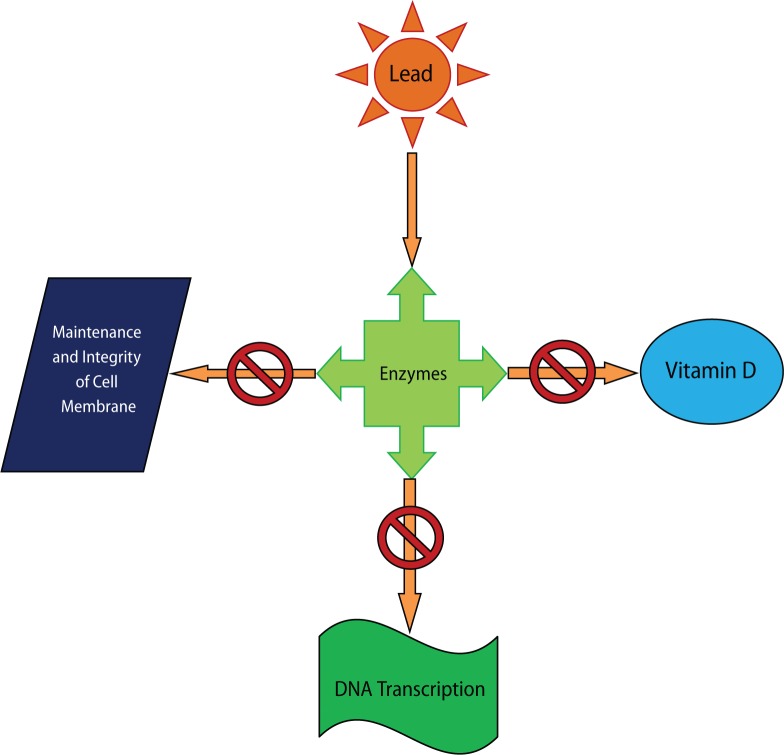
“In the human body, Pb2+ ions may disrupt the DNA transcription process, the nervous system or the respiratory system [1-4].”
BackgroundA Study of Maternal and Umbilical Cord Blood Lead Levels in Pregnant Women
Mahdi, A. A., Ansari, J. A., Chaurasia, P., Ahmad, M. K., Kunwar, S., McClean, S., & Yogarajah, P. (2023) · Indian Journal of Clinical Biochemistry · doi:10.1007/s12291-022-01040-0 · Cited by 25
“Lead, an environmental toxicant which accounts for 0.6% of the global burden of disease, with the highest burden in developing countries like India [1].”
BackgroundInfluentialPerspectives and prospects of chelation extraction of heavy metals from wastewater: A review
Nyamato, G. S. (2023) · Water Science & Technology · doi:10.2166/wst.2023.182 · Cited by 28
Sarma, H., & Prasad, M. N. V. (2019) · Elsevier eBooks · doi:10.1016/b978-0-12-814389-6.00014-6 · Cited by 25
Bashir, N., Akhtar, M., Nawaz, H. Z. R., Warsi, M. F., Shakir, I., Agboola, P. O., & Zulfiqar, S. (2020) · ChemistrySelect · doi:10.1002/slct.202001393 · Cited by 29
El-Amier, Y. A., Elsayed, A. A., El-Esawi, M. A., Noureldeen, A., Darwish, H., & Fakhry, H. (2021) · Sustainability · doi:10.3390/su13116390 · Cited by 25
Jafarzadeh, M., Khaligh, R. M., Mohsenifar, Z., Shabani, A., Gilkalaei, M. R., Keleshteri, S. R., & Harchegani, A. B. (2021) · Biological Trace Element Research · doi:10.1007/s12011-021-03034-0 · Cited by 25
Baral, T., Datta, C., & Das, S. (2022) · ACS Omega · doi:10.1021/acsomega.2c03687 · Cited by 25
Wu, J., Hu, J., Wang, K., Zhai, Y., Wang, Z., Feng, Y., Fan, H., Wang, K., & Duan, Y. (2022) · Applied Radiation and Isotopes · doi:10.1016/j.apradiso.2022.110603 · Cited by 25
Toxicity overview of endocrine disrupting chemicals interacting in vitro with the oestrogen receptor
Alva-Gallegos, R., Carazo, A., & Mladěnka, P. (2023) · Environmental Toxicology and Pharmacology · doi:10.1016/j.etap.2023.104089 · Cited by 27
Weiss, M. C., Wang, L., & Sargis, R. M. (2023) · Endocrinology and Metabolism Clinics of North America · doi:10.1016/j.ecl.2023.05.009 · Cited by 26
Combined effects of lead and manganese on locomotor activity and microbiota in zebrafish
Xia, Y., Wang, C., Zhang, X., Li, J., Li, Z., Zhu, J., Zhou, Q., Yang, J. T., Chen, Q., & Meng, X. (2023) · Ecotoxicology and Environmental Safety · doi:10.1016/j.ecoenv.2023.115260 · Cited by 25
Al-Nowaiser, W. K., Onaizi, S. A., & Vohra, M. S. (2023) · Emergent Materials · doi:10.1007/s42247-023-00571-3 · Cited by 26
“Pb contamination can also harm aquatic life since it is toxic to a variety of aquatic species and can cause reproductive problems in these species and even their death [22].”
Shao, Q., Zhu, Q., Wang, Y., Kuang, S., Bao, J., & Liu, S. (2024) · Nuclear Engineering and Technology · doi:10.1016/j.net.2024.01.023 · Cited by 25
Singh, V., Shri, R., Sood, P., Singh, M., Singh, T. G., Singh, R., Kumar, A., & Ahmad, S. F. (2024) · Food and Chemical Toxicology · doi:10.1016/j.fct.2024.114747 · Cited by 25
Industrial Emissions Control Technologies: Introduction
Kwiatkowski, S., Polat, M., Yu, W., & Johnson, M. S. (2020) · Springer eBooks · doi:10.1007/978-1-0716-0596-7_1083 · Cited by 25
Application of live Chlorococcum aquaticum biomass for the removal of Pb(II) from aqueous solutions
Liyanage, L. M. M., Lakmali, W. G. M., Athukorala, S. N. P., & Jayasundera, K. B. (2020) · Journal of Applied Phycology · doi:10.1007/s10811-020-02242-w · Cited by 24
Historical exposomics and high resolution mass spectrometry
Aurich, D., Miles, O., & Schymanski, E. (2021) · Exposome · doi:10.1093/exposome/osab007 · Cited by 26
Jiang, C., Kao, C.-S., Chien, L., Chen, Y.-J., & Liao, K. (2022) · Environmental Science and Pollution Research · doi:10.1007/s11356-021-18321-5 · Cited by 28
Darma, A. I., Ibrahim, S., Sani, A., Zandi, P., & Yang, J. (2022) · ENVIRONMENTAL SYSTEMS RESEARCH · doi:10.1186/s40068-022-00259-3 · Cited by 24
High Fraction of Soluble Heavy Metals in Fine Particles Under Heavy Haze in Central China
Liu, M., Wang, W., Li, J., Wang, T., Xu, Z., Song, Y., Zhang, W., Zhou, L., Lian, C., Yang, J., et al. (2022) · The Science of The Total Environment · doi:10.1016/j.scitotenv.2022.156771 · Cited by 24
Saikia, J., Devi, T. G., & Karlo, T. (2023) · Journal of Molecular Structure · doi:10.1016/j.molstruc.2023.135208 · Cited by 24
Sarvestani, M. R. J., Madrakian, T., & Afkhami, A. (2023) · Journal of Food Measurement & Characterization · doi:10.1007/s11694-023-01880-1 · Cited by 24
Geldasa, F. T., Kebede, M. A., Shura, M. W., Andoshe, D. M., Tegegne, N. A., & Hone, F. G. (2023) · Physica Scripta · doi:10.1088/1402-4896/acd0e3 · Cited by 24
Majhi, S., & Sikdar, M. (2023) · 3 Biotech · doi:10.1007/s13205-023-03585-0 · Cited by 24
“In addition, other notable effects caused by Pb exposure are depression, problems with sleep, fatigue, headaches, slurred speech, stupor, nausea, abdominal pain, lack of coordination, numbness, blood pressure increases, anaemia and miscarriage (Wani et al. 2015).”
BackgroundZinc Inhibits Lead-Induced Oxidative Stress and Apoptosis of ST Cells Through ROS/PTEN/PI3K/AKT Axis
Zhang, H., Sun, K., Gao, M., & Xu, S. (2023) · Biological Trace Element Research · doi:10.1007/s12011-023-03721-0 · Cited by 24
“Due to its resistance to degradation and easy accessibility to humans in the environment, Pb can accumulate in the human body over the long term [1, 2].”
Bakr, S., Sayed, M. A., Salem, K. M., Morsi, E., Masoud, M., & Ezzat, E. M. (2023) · BMC Public Health · doi:10.1186/s12889-023-16007-w · Cited by 28
“Independent of the level of lead heavy metal intoxication in human body fluids, it was reported that the appearance of clinical manifestations varies from one individual to another depending on the surrounding environmental differences [31].”
BackgroundShivani, S., Vishwakarma, J., Dhand, C., Muhamed Shafeeq, M., Salammal, S. T., Gupta, G. K., Mishra, A., & Dwivedi, N. (2023) · Journal of Hazardous Materials Advances · doi:10.1016/j.hazadv.2023.100394 · Cited by 24
Yin, Y., Yue, X., Zhang, D., Zhang, P., Abdallah, A., Yin, Y., Cai, Y., & Li, Y. (2018) · Biological Trace Element Research · doi:10.1007/s12011-018-1447-2 · Cited by 24
da Silva, D. R. F., Bittencourt, L. O., Aragão, W. A. B., Nascimento, P. C., Leão, L. K. R., de Oliveira, A. C. A., Lopez, M. E. C., & Lima, R. R. (2020) · Ecotoxicology and Environmental Safety · doi:10.1016/j.ecoenv.2020.110358 · Cited by 24
Olmo, G. D., Ahmad, A., Jensen, H. S., Karunakaran, E., Rosales, E., Preciado, C. C., Gaskin, P., & Douterelo, I. (2020) · npj Biofilms and Microbiomes · doi:10.1038/s41522-020-00152-w · Cited by 24
Pali, B. S., & Vadhera, S. (2020) · Sustainable Energy Technologies and Assessments · doi:10.1016/j.seta.2020.100890 · Cited by 24
Sakata, T., Yoshiyuki, R., Okada, R., Urushidani, S., Tarutani, N., Katagiri, K., Inumaru, K., Koyama, K., & Masubuchi, Y. (2021) · Inorganic Chemistry · doi:10.1021/acs.inorgchem.0c03758 · Cited by 24
SIRT1 modifies DNA methylation linked to synaptic deficits induced by Pb in vitro and in vivo
Wang, R., Yang, M., Wu, Y., Liu, R., Liu, M., Li, Q., Su, X. Y., Xin, Y., Huo, W., Deng, Q., et al. (2022) · International Journal of Biological Macromolecules · doi:10.1016/j.ijbiomac.2022.07.060 · Cited by 24
Azam, M., Khan, M. R., Wabaidur, S. M., Al-Resayes, S. I., & Islam, M. S. (2022) · Journal of Saudi Chemical Society · doi:10.1016/j.jscs.2022.101519 · Cited by 23
“The human key target organs for Pb(II) poisonousness are the kidney [15], nervous system [16], reproductive system [17] and cardiovascular disease [17,18].”
Giovos, I., Brundo, M. V., Doumpas, N., Kazlari, Z., Loukovitis, D., Moutopoulos, D. K., Spyridopoulou, R. N. A. , Papadopoulou, A., Papapetrou, M., Tiralongo, F., et al. (2022) · Marine Pollution Bulletin · doi:10.1016/j.marpolbul.2022.114129 · Cited by 23
Uncovering the Molecular Link Between Lead Toxicity and Parkinson's Disease
Shvachiy, L., Geraldes, V., & Outeiro, T. F. (2023) · Antioxidants and Redox Signaling · doi:10.1089/ars.2022.0076 · Cited by 24
“‘‘Lead poisoning’’ or ‘‘lead intoxication’’ are, by definition, the exposure to excessive levels of lead, leading to severe health problems (Gidlow, 2015; McQuirter et al, 2013; Needleman, 2004; Simo˜es et al, 2011; Todd et al, 1996; Wani et al, 2015).”
InfluentialLead contamination in Australian game meat
Hampton, J. O., Pain, D. J., Buenz, E. J., Firestone, S. M., & Arnemo, J. M. (2023) · Environmental Science and Pollution Research · doi:10.1007/s11356-023-25949-y · Cited by 23
“People frequently consuming wildlife harvested with lead ammunition and groups particularly vulnerable to the effects of lead (children and pregnant women) are at highest risk of associated negative health effects (Wani et al., 2015).”
BackgroundAzevedo, R., Oliveira, A. M., Almeida, A. A., & Gomes, L. R. (2023) · Foods · doi:10.3390/foods12071408 · Cited by 23
“In particular, Se is involved in antioxidant defense as a key component of the antioxidant enzymes glutathione peroxidase (GPX) and thioredoxin reductase [33].”
BackgroundKhafaji, S. S. (2023) · Open Veterinary Journal · doi:10.5455/ovj.2023.v13.i12.17 · Cited by 24
“Lead, Pb +2 , can enter the body via dermal contact, ingestion, and inhalation and deposit in different tissues such as the brain, lung, liver, kidney, vas deferens, seminal vesicle, and testis (Wani et al. , 2015, Karimfar et al. , 2016).”
BackgroundInfluentialZhan, Q., Ahmad, A., Arshad, H., Yang, B., Chaudhari, S. K., Batool, S., Hasan, M., Feng, G., Mustafa, G., & Hatami, M. (2024) · Plant Physiology and Biochemistry · doi:10.1016/j.plaphy.2024.108719 · Cited by 27
Sharma, A., Gupta, S. K., Shrivas, K. K., & Kant, T. (2024) · Journal of Food Composition and Analysis · doi:10.1016/j.jfca.2024.106568 · Cited by 24
Ramezanpour, M., Raeisi, S. N., Shahidi, S., Ramezanpour, S., & Seidi, S. (2019) · Analytical Biochemistry · doi:10.1016/j.ab.2019.01.008 · Cited by 23
Acute and Subchronic Oral Toxicity of Oil Palm Puree in Sprague–Dawley Rats
Zainal, Z., Ong, A. S. H., May, C. Y., Chang, S. K., Rahim, A. A., & Khaza’ai, H. (2020) · International Journal of Environmental Research and Public Health · doi:10.3390/ijerph17103404 · Cited by 26
“The heart, liver, kidneys, spleen, and lungs are the first organs to display metabolic responses to poisonous substances [22].”
BackgroundEnhanced Turn-On Fluorescence Detection of Aqueous Lead Ions with Size-Shrinkable Hydrogels
Zheng, Y., Li, Q., Wang, C., & Su, M. (2021) · ACS Omega · doi:10.1021/acsomega.1c00150 · Cited by 23
Shokunbi, O. S., Idowu, G. A., Davidson, C. M., & Aiyesanmi, A. F. (2024) · Environmental Monitoring and Assessment · doi:10.1007/s10661-024-13090-3 · Cited by 25
“They may also cause brain impairments, kidney damage, as well as gastro-intestinal diseases (Ayejoto & Egbueri, 2024; Wani et al., 2015).”
Fouad, M. M., El-Subruiti, G. M., Hasanein, A. A., & Eltaweil, A. S. (2025) · RSC Advances · doi:10.1039/d5ra04912a · Cited by 22
Janvier, S., Cheyns, K., Canfyn, M., Goscinny, S., Spiegeleer, B. M. J. D., Vanhee, C., & Deconinck, E. (2018) · Talanta · doi:10.1016/j.talanta.2018.06.023 · Cited by 23
The effect of diosmin against lead exposure in rats‡
Bozdağ, M., & Eraslan, G. (2019) · Naunyn-Schmiedeberg s Archives of Pharmacology · doi:10.1007/s00210-019-01758-4 · Cited by 24
Contamination of staple crops by heavy metals in Sibaté, Colombia
Lizarazo, M. F., Herrera, C. D., Celis, C. A., Pombo, L. M., Teherán, A. A., Piñeros, L. G., Forero, S. P., Velandia, J. R., Díaz, F. E., Andrade, W. A., et al. (2020) · Heliyon · doi:10.1016/j.heliyon.2020.e04212 · Cited by 28
“demonstrated expected consumed metal consumption per week would be in a tolerable range, it is necessary to adopt healthy agricultural practices to limit unnecessary exposure in patients or susceptible population to tolerable levels of toxic metals, especially those with liver, kidney or hematological comorbidity (Wan…”
BackgroundBiosorbents for heavy metal removal from industrial effluents
Singh, S., Kumar, V., Dhanjal, D. S., Datta, S., Singh, S., & Singh, J. (2020) · Elsevier eBooks · doi:10.1016/b978-0-12-820318-7.00010-1 · Cited by 22
Lara, R., Suárez-Peña, B., Megido, L., Negral, L., Rodríguez-Iglesias, J., Fernández-Nava, Y., & Castrillón, L. (2021) · Journal of environmental chemical engineering · doi:10.1016/j.jece.2021.106794 · Cited by 22
Epigenetic Regulation in Exposome-Induced Tumorigenesis: Emerging Roles of ncRNAs
Olmedo-Suárez, M. Á., Ramírez‐Díaz, I., Pérez-González, A., Molina-Herrera, A., Coral-García, M. Á., Lobato, S., Sarvari, P., Barreto, G., & Rubio, K. (2022) · Biomolecules · doi:10.3390/biom12040513 · Cited by 25
Bajaj, A. O., Parker, R., Farnsworth, C., Law, C. L., & Johnson‐Davis, K. L. (2022) · Journal of Mass Spectrometry and Advances in the Clinical Lab · doi:10.1016/j.jmsacl.2022.12.005 · Cited by 22
“Lead poisoning can occur via the ingestion of lead-based paint, or exposure to lead-contaminated dust or water and may cause anemia, neurotoxicity and organ damage [17].”
BackgroundPotentially Harmful Element toxicity in Geophagic clays consumed in parts of southeastern Nigeria
Olajide-Kayode, J. O., Kolawole, T. O., Oyaniran, O. O., Mustapha, S. O., & Olatunji, A. S. (2023) · Journal of Trace Elements and Minerals · doi:10.1016/j.jtemin.2023.100050 · Cited by 22
Dietary Exposure to Toxic Metals (Cd, Pb and Hg) from Cereals Marketed in Madeira and the Azores
Rubio, C., Gutiérrez, A. J., Hardisson, A., Martín, V., Revert, C., Fernandes, P. J., Lopes, D. J. H., & Paz, S. (2023) · Biological Trace Element Research · doi:10.1007/s12011-023-03643-x · Cited by 22
Azevedo, R., Gennaro, D., Duro, M., Pinto, E., & Almeida, A. A. (2023) · Nutrients · doi:10.3390/nu15081912 · Cited by 22
“Lead is a toxic trace element with deleterious effects on virtually all functions of the human body [78].”
BackgroundHou, L., Xing, B., Guo, H., Zeng, H., Cheng, S., Meng, M., Qu, X., López, A. V., Zhang, C., & Cao, Y. (2023) · Powder Technology · doi:10.1016/j.powtec.2023.119040 · Cited by 24
Filice, S., Mazurkiewicz‐Pawlicka, M., Małolepszy, A., Stobiński, L., Kwiatkowski, R., Boczkowska, A., Gradoń, L., & Scalese, S. (2020) · Nanomaterials · doi:10.3390/nano10061157 · Cited by 22
Lopes, G. D. O., Aragão, W. A. B., Nascimento, P. C., Bittencourt, L. O., de Oliveira, A. C. A., Leão, L. K. R., Júnior, S. D. M. A., Pinheiro, J. D. J. V., Lopez, M. E. C., & Lima, R. R. (2020) · Environmental Science and Pollution Research · doi:10.1007/s11356-020-11270-5 · Cited by 22
The lead story of the fire at the Notre-Dame cathedral of Paris
Vallée, A., Sorbets, E., Lelong, H., Langrand, J., & Blacher, J. (2020) · Environmental Pollution · doi:10.1016/j.envpol.2020.116140 · Cited by 22
Lead, mercury, and selenium alter physiological functions in wild caimans (Caiman crocodilus)
Lemaire, J., Paco Bustamante, A., Mangione, R., Marquis, O., Churlaud, C., Brault‐Favrou, M., Parenteau, C., & Brischoux, F. (2021) · Environmental Pollution · doi:10.1016/j.envpol.2021.117549 · Cited by 22
“Mercury (Hg) and lead (Pb) are two non-essential trace elements which are present in ecosystems worldwide and induce deleterious effects on humans and wildlife (Clarkson and Magos, 2006; Wani et al., 2015; Evers, 2018; Pain et al., 2019).”
BackgroundMakena, W., Otong, E. S., Dibal, N. I., Ishaku, B., & Bazabang, S. A. (2021) · Beni-Suef University Journal of Basic and Applied Sciences · doi:10.1186/s43088-021-00151-6 · Cited by 22
“Children are more prone to Pb poisoning because their organs are still in the developmental stage [11].”
BackgroundRaucci, A., Miglione, A., Spinelli, M., Amoresano, A., & Cinti, S. (2022) · Journal of The Electrochemical Society · doi:10.1149/1945-7111/ac5c98 · Cited by 22
Słota, M., Wąsik, M., Stołtny, T., Machoń-Grecka, A., Kasperczyk, A., Bellanti, F., Dobrakowski, M., Chwalba, A., & Kasperczyk, S. (2021) · Journal of Trace Elements in Medicine and Biology · doi:10.1016/j.jtemb.2021.126841 · Cited by 21
Metadata
- Authors
- Wani, A. L., Ara, A., & Usmani, J. A.
- Affiliations
- Aligarh Muslim University (IN)
- Jawaharlal Nehru Medical College Hospital (IN)
- Corresponding author
- Wani, Ab Latif
- Venue
- Interdisciplinary Toxicology
- Publisher
- Walter de Gruyter GmbH
- Published
- 2015-06-01
- Volume
- 8
- Issue
- 2
- Pages
- 55-64
- ISSN
- 1337-6853 (ISSN-L)
- 1337-9569
- PMC
- PMC4961898
- OpenAlex
- W2522138202
- Cited by
- 1,964
- References
- 90
- Citations by year
- 2026: 208 · 2025: 273 · 2024: 282 · 2023: 308 · 2022: 271 · 2021: 264 · 2020: 207 · 2019: 96 · 2018: 42 · 2017: 10 · 2016: 1
- FWCI
- 1.68
- Type
- journal article
- Language
- en
- Open access
- diamond
- doi.org
- Licence
- Locations
- Interdisciplinary Toxicology (publishedVersion, cc-by-nc-nd)
- PubMed Central (publishedVersion, cc-by)
- PubMed (publishedVersion)
- DOAJ (DOAJ: Directory of Open Access Journals) (submittedVersion, cc-by-sa)
- Funders
- U.S. Department of Health and Human Services
- University Grants Commission
- Aligarh Muslim University
- Centers for Disease Control and Prevention
- Topics
- Physical Sciences › Environmental Science › Health, Toxicology and Mutagenesis › Heavy Metal Exposure and Toxicity
- Physical Sciences › Environmental Science › Pollution › Heavy metals in environment
- Physical Sciences › Environmental Science › Health, Toxicology and Mutagenesis › Environmental Toxicology and Ecotoxicology
- Keywords
- lead toxicity, lead exposure, environmental pollution, nephrotoxicity, reproductive toxicity, neurotoxicity, lead poisoning treatment, developing countries
About these checks
Registry, retraction, Cites and statistics results are computed, not judged, with one exception: a printed reference that no index lists is read once by a model before it counts as a citation error. Claims are extracted by a model and kept only when their quote appears verbatim in the text; each cited source is then checked, with a model’s help, for whether it says what the claim relies on. Those verdicts can be wrong — read the claim’s quote and the cited source before relying on one.
Statistics and arithmetic are recomputed, not judged.
Confidence bands are shown only for fields calibrated on our annotated test set. None is calibrated yet, so no band is shown.
What counts as a claim ›How we measure confidence ›How we check this ›
Are you an author, or do you see a problem with this page? Request a review
Data sources
Bibliographic data: Semantic Scholar, OpenAlex, Crossref.
Contains information from the Semantic Scholar Academic Graph Datasets, made available under the ODC Attribution License (ODC-BY 1.0).
Semantic Scholar’s data is described in: Kinney, R., et al. (2023). The Semantic Scholar Open Data Platform. arXiv:2301.10140.
