

Lead toxicity: a review
Open accessThe DOI matches its Crossref record; 88 of the 90 references it cites were found in a registry or an index.
Abstract
Lead toxicity is an important environmental disease and its effects on the human body are devastating. There is almost no function in the human body which is not affected by lead toxicity. Though in countries like US and Canada the use of lead has been controlled up to a certain extent, it is still used vehemently in the developing countries. This is primarily because lead bears unique physical and chemical properties that make it suitable for a large number of applications for which humans have exploited its benefits from historical times and thus it has become a common environmental pollutant. Lead is highly persistent in the environment and because of its continuous use its levels rise in almost every country, posing serious threats. This article reviews the works listed in the literature with recent updates regarding the toxicity of lead. Focus is also on toxic effects of lead on the renal, reproductive and nervous system. Finally the techniques available for treating lead toxicity are presented with some recent updates.
Overview
The claims and statistics of this paper haven’t been checked yet.
Free: it reads the open-access text and checks the first 5 claims that cite a source we can check. Create a free account to check every claim.
Integrity signals
Registry
Cites
Statistics
Figures
Verification
Claims the paper makes
The claims and statistics of this paper haven’t been checked yet.
Free: it reads the open-access text and checks the first 5 claims that cite a source we can check. Create a free account to check every claim.
Claims other papers make about this one
Each is checked against this paper’s own text: does it say what the citing paper says it does?
The cited source says what the claim attributes to it.
In the citing paper
“The human body is exposed to various toxic metals through inhalation, ingestion, and skin such as arsenic (As) (28), cadmium (Cd) (29), chromium (Cr) (30), lead (Pb) (31), and mercury (Hg) (23).”
From The dark side of beauty: an in-depth analysis of the health hazards and toxicological impact of synthetic cosmetics and personal care products (2024) · cites this paper as [30]
The check wasn’t confident either way, so it gives no verdict — never disputed.
In the citing paper
“These heavy metals are mostly found in these products such as sunscreens, moisturizers, whitening toothpaste, nail polish, concealer, lipstick, and eyeliner (30).”
From The dark side of beauty: an in-depth analysis of the health hazards and toxicological impact of synthetic cosmetics and personal care products (2024) · cites this paper as [30]
Experimental — accuracy not yet measured
Self-check
Percentages, sums and reported differences re-computed from the paper’s own numbers.
The self-check needs the paper’s full text.
Citations
Cites
Toxicity of lead: a review with recent updates
Flora, G., Gupta, D., & Tiwari, A. (2012) · Interdisciplinary Toxicology · doi:10.2478/v10102-012-0009-2 · Cited by 2,144 · cited 1×
“A new technique called nano-encapsulation of antioxidants may provide improved biodistribution and bioavailability of poorly soluble therapeutics through solubilisation (Flora et al., 2012).”
MethodGoyer, R. A., & Clarkson, T. W. (1991) · Cited by 1,200
The Long-Term Effects of Exposure to Low Doses of Lead in Childhood: An 11-Year Follow-up Report
Needleman, H. L., Schell, A., Bellinger, D., Leviton, A., & Allred, E. N. (1990) · New England Journal of Medicine · doi:10.1056/nejm199001113220203 · Cited by 1,158
Needleman, H. (2004) · Annual Review of Medicine · doi:10.1146/annurev.med.55.091902.103653 · Cited by 1,144
Lead Exposure and Cardiovascular Disease—A Systematic Review
Navas-Acien, A., Guallar, E., Silbergeld, E. K., & Rothenberg, S. J. (2007) · Environmental Health Perspectives · doi:10.1289/ehp.9785 · Cited by 1,112 · cited 2×
“Activities like motility and the general morphology of sperm are also affected at this level (Navas-Acien et al., 2007).”
BackgroundNeurotoxic Effects and Biomarkers of Lead Exposure: A Review
Sanders, T., Liu, Y., Buchner, V., & Tchounwou, P. B. (2009) · Reviews on Environmental Health · doi:10.1515/reveh.2009.24.1.15 · Cited by 1,076 · cited 3×
“With increased lead exposure in children, an increase in neuropsychiatric disorders like attention deficit hyperactivity disorder and antisocial behaviour were found (Sanders et al., 2009).”
BackgroundLead toxicity, a review of the literature. Part 1: Exposure, evaluation, and treatment.
Patrick, L. (2006) · PubMed · Cited by 927
(2008) · PubMed · Cited by 886
Longitudinal Analyses of Prenatal and Postnatal Lead Exposure and Early Cognitive Development
Bellinger, D., Leviton, A., Waternaux, C., Needleman, H., & Rabinowitz, M. (1987) · New England Journal of Medicine · doi:10.1056/nejm198704233161701 · Cited by 855
Barbosa, F., Tanus-Santos, J. E., Gerlach, R. F., & Parsons, P. J. (2005) · Environmental Health Perspectives · doi:10.1289/ehp.7917 · Cited by 761 · cited 1×
“It has been found to impair development and have harmful effects even at lower levels (Rossi, 2008; Barbosa et al., 2005).”
Background
Research works printed but not linked: 5
- Henretig FM Golgfrank LR Lead Goldfrank’s Toxicoliogic Emergencies 2006 8th ed. McGraw Hill Professional
- Kosnett MJ Olson K.R Lead Poisoning and Drug Overdose 2006 5th ed. McGraw Hill Professional
- Kosnett MJ Heavy metal Intoxication and chelators In Katzung BG 2007 Basic and clinical Pharmocology. McGraw Hill Professional
- Merill JC Morton JJP Soileau SD Hayes A.W Metals Principles and Methods of Toxicology 2007 5th ed. CRC Press
- Pearson HA Schonfeld DJ Rudolph CD Lead Rudolph’s Pediatrics 2003 21st ed. McGraw Hill professional
Cited by
Items 501–600 of 1,000
Assessing mineral and toxic elements content in rice grains grown in southern Brazil
de Oliveira, V. F., Busanello, C., Viana, V. E., Stafen, C. F., Pedrolo, A. M., Paniz, F. P., Pedron, T., Pereira, R. M., Rosa, S. A., Júnior, A. M. D. M., et al. (2021) · Journal of Food Composition and Analysis · doi:10.1016/j.jfca.2021.103914 · Cited by 23
Herrera‐Moreno, J. F., Estrada‐Gutiérrez, G., Wu, H., Bloomquist, T. R., Rosa, M. J., Just, A. C., Lamadrid‐Figueroa, H., Téllez‐Rojo, M. M., Wright, R. O., & Baccarelli, A. (2021) · Environmental Research · doi:10.1016/j.envres.2021.112577 · Cited by 21
Serum lead levels and its association with overweight and obesity
Hernández‐Mendoza, H., Ríos-Lugo, M. J., Álvarez-Loredo, H. E., Romero-Guzmán, E. T., Gaytán-Hernández, D., Martínez-Navarro, I., Juárez-Flores, B. I., & Chang-Rueda, C. (2022) · Journal of Trace Elements in Medicine and Biology · doi:10.1016/j.jtemb.2022.126984 · Cited by 21
Korkmaz, C., Ağılkaya, G. Ş., KARAYTUG, S., & Ay, Ö. (2022) · Journal of Food Composition and Analysis · doi:10.1016/j.jfca.2022.104606 · Cited by 21
Ren, Y. S., Ilyas, M., Xu, R. Z., Ahmad, W., & Wang, R. (2022) · Adsorption Science & Technology · doi:10.1155/2022/8341279 · Cited by 21
Oleko, A., Pecheux, M., Saoudi, A., Zeghnoun, A., Flamant‐Hulin, M., Barbier, M. L., Ménard, C., Denys, S., & Fillol, C. (2022) · Environmental Research · doi:10.1016/j.envres.2022.113630 · Cited by 21
Metal Toxicity in Humans Associated with Their Occupational Exposures Due to Mining
Burnase, N., Jaiswal, S., & Barapatre, A. (2022) · Springer geology · doi:10.1007/978-3-030-99495-2_7 · Cited by 32
Synergistic cancer risk assessment from PM1 bound metals and PAHs in the Indo-Gangetic Region
Gupta, A. D., Soni, A., & Gupta, T. (2023) · Sustainable Chemistry for the Environment · doi:10.1016/j.scenv.2023.100002 · Cited by 22
Exploring the link between toxic metal exposure and ADHD: a systematic review of pb and hg
Farmani, R., Mehrpour, O., Kooshki, A., & Nakhaee, S. (2024) · Journal of Neurodevelopmental Disorders · doi:10.1186/s11689-024-09555-8 · Cited by 22
“Various industrial processes, such as lead ore mining and smelting, pottery production, utilization of lead-lined food and drink containers, lead-based painting, and battery recycling, can result in lead exposure [9, 10].”
BackgroundSerum Trace Elements in Children with End-Stage Renal Disease
Esmaeili, M., & Rakhshanizadeh, F. (2018) · Journal of Renal Nutrition · doi:10.1053/j.jrn.2018.05.005 · Cited by 21
Dey, S., Sil, S., Dutta, B., Naskar, K., Maity, S., Ray, P. P., & Sinha, C. (2019) · ACS Omega · doi:10.1021/acsomega.9b02899 · Cited by 21
Pashazadeh‐Panahi, P., Hasanzadeh, M., & Eivazzadeh‐Keihan, R. (2020) · Journal of Molecular Recognition · doi:10.1002/jmr.2828 · Cited by 21
“This ion elevated blood pressure(14) causes sleep disturbances and anemia.(15) Arsenic ions exists in Received: 26 October 2019 Revised: 13 November 2019 Accepted: 28 November 2019”
BackgroundMegertu, D. G., & Bayissa, L. D. (2020) · Environmental Science and Pollution Research · doi:10.1007/s11356-020-08297-z · Cited by 21
Physics-based models in PV-battery hybrid power systems: Thermal management and degradation analysis
Bonkile, M. P., & Ramadesigan, V. (2020) · Journal of Energy Storage · doi:10.1016/j.est.2020.101458 · Cited by 23
Reinoso-Guerra, E., Aristizábal, J., Arce, B., Zurob, E., Dennett, G., Fuentes, R., Suescún, A. V., Cárdenas, L., da Cunha, T. H. R., Cabezas, R., et al. (2021) · Journal of environmental chemical engineering · doi:10.1016/j.jece.2021.105269 · Cited by 21
Dehghani, M., Sharifian, S., Taherizadeh, M. R., & Nabavi, M. (2021) · Environmental Science and Pollution Research · doi:10.1007/s11356-021-13063-w · Cited by 23
“Sources of Pb include gasoline, boats, batteries, paint and book printing industries (Wani et al. 2015).”
BackgroundWimalasiri, A. K. D. V. K., Fernando, M. S., Dziemidowicz, K., Williams, G. R., Koswattage, K. R., Dissanayake, D. P., de Silva, K. M. N., & de Silva, R. M. (2021) · ACS Omega · doi:10.1021/acsomega.0c05935 · Cited by 21
Nam, J., Kim, K., Han, J., Kim, D., Chung, I. J., Wang, D. H., & Jeon, I. (2021) · ACS Applied Materials & Interfaces · doi:10.1021/acsami.1c13546 · Cited by 21
Jyothi, M. S. V. N., Harafan, A., Gupta, S. S., Neethu, N., Singhal, G., Ramaiah, B. J., & Maliyekkal, S. M. (2022) · Journal of environmental chemical engineering · doi:10.1016/j.jece.2022.107353 · Cited by 22
Zyambo, G., Yabe, J., Muzandu, K. M., M’kandawire, E., Choongo, K., Kataba, A., Chawinga, K., Liazambi, A., Nakayama, S. M. M., Nakata, H., et al. (2022) · International Journal of Environmental Research and Public Health · doi:10.3390/ijerph19084757 · Cited by 21
“Chronic exposure to Pb is also associated with spontaneous abortions and stillbirth in women [13], as well as infertility in men [23].”
BackgroundRadiation shielding performance of a newly synthesized bismuth borate glass system
Alrowaili, Z. A., Yılmaz, E., Çalışkan, F., Öztürk, B., Olarinoye, I. O., Arslan, H., & Al-Buriahi, M. S. (2022) · Radiation Physics and Chemistry · doi:10.1016/j.radphyschem.2022.110711 · Cited by 21
Hasan, A., Elumalai, A., & Kumar, A. (2024) · Environmental Quality Management · doi:10.1002/tqem.70018 · Cited by 20
Thakur, R., Singh, S., Chauhan, A., Kumar, P., Saini, R. V., & Saini, A. K. (2025) · BioMetals · doi:10.1007/s10534-025-00717-2 · Cited by 24
“Once inhaled, Pb readily crosses into the bloodstream, contributing to systemic toxicity that affects the nervous, renal, and hematologic systems (Wani et al. 2015).”
Food safety concerns in edible grasshoppers: a review of microbiological and heavy metal hazards
Ng’ang’a, J., Fombong, F., Kiiru, S. M., Kipkoech, C., & Kinyuru, J. N. (2021) · International Journal of Tropical Insect Science · doi:10.1007/s42690-020-00372-9 · Cited by 20
Antarctic Fish as a Global Pollution Sensor: Metals Biomonitoring in a Twelve-Year Period
Marrone, A., Russa, D. L., Brunelli, E., Santovito, G., Russa, M. F. L., Barca, D., & Pellegrino, D. (2021) · Frontiers in Molecular Biosciences · doi:10.3389/fmolb.2021.794946 · Cited by 20
Multielement Determination in Turmeric (Curcuma longa L.) Using Different Digestion Methods
Zeiner, M., Šoltić, M., Nemet, I., & Cindrić, I. J. (2022) · Molecules · doi:10.3390/molecules27238392 · Cited by 20
“One element that causes numerous negative effects on organs and functions in the body is Pb [25].”
BackgroundGros, M., Zilkey, D. R., Griffiths, K., Pham, J., MacKeigan, P. W., Taranu, Z. E., Aulard, C., Baud, A., Garner, R. E., Ghanbari, H., et al. (2023) · Environmental Reviews · doi:10.1139/er-2023-0006 · Cited by 20
A mini review on heavy metal contamination in vegetable crops
Joshi, N. C., & Gururani, P. (2023) · International Journal of Environmental & Analytical Chemistry · doi:10.1080/03067319.2023.2210058 · Cited by 20
Kolawole, T. O., & Olatunji, A. S. (2023) · Discover Environment · doi:10.1007/s44274-023-00005-1 · Cited by 20
“The environmental effects of Pb are common all over the world as they cause various diseases, especially in sensitive groups such as children, elderly people, and pregnant women [51].”
BackgroundArain, M. B., Ahmed, H. E. H., & Soylak, M. (2024) · Microchemical Journal · doi:10.1016/j.microc.2024.109922 · Cited by 20
House Sparrows as Sentinels of Childhood Lead Exposure
Gillings, M. M., Ton, R., Harris, T., Swaddle, J. P., Taylor, M. P., & Griffith, S. C. (2024) · Environmental Science & Technology · doi:10.1021/acs.est.4c00946 · Cited by 20
Almutery, A. A., Rahman, W. N., Mohamed, F., Hua, C. C., Razak, K. A., Rashid, R. A., Rilwan, U., Sayyed, M. I., & Maghrbi, Y. (2025) · Radiation Physics and Chemistry · doi:10.1016/j.radphyschem.2025.113070 · Cited by 20
Swargiary, A., & Daimari, M. (2020) · Clinical Phytoscience · doi:10.1186/s40816-020-00219-3 · Cited by 20
“Similarly, exposure to Pb may lead to health problems starting from headaches, vomiting, or abdominal pain to the severe complications such as brain damage, kidney damage and many other lifethreatening diseases [44].”
BackgroundHamid, H. A., Lockman, Z., Nor, N. M., Zakaria, N. D., & Razak, K. A. (2021) · Materials Chemistry and Physics · doi:10.1016/j.matchemphys.2021.125148 · Cited by 20
Shawahna, R. (2021) · International Breastfeeding Journal · doi:10.1186/s13006-021-00410-3 · Cited by 20
“On the contrary, it has been demonstrated that exposure to lead can be associated with neurotoxicity, immunotoxicity, hematotoxicity, and nephrotoxicity in humans [3, 4].”
BackgroundInfluentialOn‐going consequences of in utero exposure of Pb: An epigenetic perspective
Tasin, F. R., Ahmed, A., Halder, D., & Mandal, C. (2022) · Journal of Applied Toxicology · doi:10.1002/jat.4287 · Cited by 20
“It was evident that more than 25 μg/dl in newborn blood can cause developmental disorders (Wani et al., 2015); however, growing evidence demonstrates that a blood Pb level less than 25 μg/dl might also increase that risk (Bellinger & Needleman, 2003; Wani et al., 2015).”
BackgroundInfluentialSpatial Analysis and Lead‐Risk Assessment of Philadelphia, USA
Caballero‐Gómez, H., White, H. K., O’Shea, M. J., Pepino, R., Howarth, M., & Gieré, R. (2022) · GeoHealth · doi:10.1029/2021gh000519 · Cited by 20
“This relationship strongly suggests that a major cause of EBLLs in West and North Philadelphia is the ingestion of lead-paint dust and other forms of lead-contaminated dust in housing, in agreement with City reports and prior studies (Hauptman et al., 2017; Philadelphia Department of Public Health, 2018; Sergio & Sord…”
BackgroundInfluentialZhao, M., Ma, X., Chen, D., & Liao, Y. (2022) · ACS Omega · doi:10.1021/acsomega.1c07192 · Cited by 21
Seidi, S., Majd, M., Rezazadeh, M., & Shanehsaz, M. (2018) · Analytical Biochemistry · doi:10.1016/j.ab.2018.05.018 · Cited by 20
Upadhyay, K. D., Viramgami, A., Bagepally, B. S., & Balachandar, R. (2024) · Toxicology Reports · doi:10.1016/j.toxrep.2024.101837 · Cited by 19
Narayanan, M. (2026) · Discover Public Health · doi:10.1186/s12982-026-01431-1 · Cited by 19
“It adsorbs to erythrocytes and collects in soft tissues and bone, leading to internal-induced chronic exposure in the environment over prolonged timescales [22].”
Kim, M., Yun, S., Jeong, J., Jo, C., & Koh, Y. H. (2020) · BMJ Open · doi:10.1136/bmjopen-2019-035725 · Cited by 21
Urinary biohazard markers in firefighters
Barros, B., Oliveira, M., & Morais, S. (2021) · Advances in clinical chemistry · doi:10.1016/bs.acc.2021.02.004 · Cited by 20
Nathan, R. J., Jain, A. K., & Rosengren, R. J. (2022) · Environmental Technology Reviews · doi:10.1080/21622515.2022.2078232 · Cited by 19
From Molecular to Functional Effects of Different Environmental Lead Exposure Paradigms
Shvachiy, L., Amaro-Leal, Â., Outeiro, T. F., Rocha, I., & Geraldes, V. (2022) · Biology · doi:10.3390/biology11081164 · Cited by 22
“Lead can enter the body by ingestion, inhalation, or absorption through the skin, with ingestion via food or water intake being the most common [4,5].”
BackgroundThe lead-crime hypothesis: A meta-analysis
Higney, A., Hanley, N. D., & Moro, M. (2022) · Regional Science and Urban Economics · doi:10.1016/j.regsciurbeco.2022.103826 · Cited by 22
Using phosphate amendments to reduce bioaccessible Pb in contaminated soils: A meta-analysis
Mayer, M. M., Basta, N. T., & Scheckel, K. G. (2022) · Frontiers in Soil Science · doi:10.3389/fsoil.2022.1028328 · Cited by 19
“Exposure to Pb leads to Pb poisoning, which can cause behavioral problems and learning deficiencies in children, and has negative impacts on almost every function in the body, regardless of age (2).”
BackgroundMurtaza, G., & Usman, M. (2022) · Desalination and Water Treatment · doi:10.5004/dwt.2022.28640 · Cited by 24
Lakka, N., Pai, B., Mani, M. S., & Dsouza, H. S. (2023) · Toxicology Research · doi:10.1093/toxres/tfad014 · Cited by 22
Lead-free piezoelectric materials for musculoskeletal tissue engineering
Liu, P., Wang, K., Li, L., Zhang, R., & Xu, Z. P. (2023) · Materials Today Sustainability · doi:10.1016/j.mtsust.2023.100393 · Cited by 21
Mesalam, N. M., Ibrahim, M. A., Mousa, M. R., & Said, N. M. (2023) · Journal of Trace Elements in Medicine and Biology · doi:10.1016/j.jtemb.2023.127256 · Cited by 22
Végh, R., Csóka, M., Mednyánszky, Z., & Sípos, L. (2023) · Chemosphere · doi:10.1016/j.chemosphere.2023.139571 · Cited by 19
Efficient Removal of Pb 2+, Cu 2+ and Zn 2+ by Waste Tea‐Derived Cost‐Effective Bioadsorbent
Fatma, U. K., Nizami, G., Ahamad, S., & Hussain, M. K. (2023) · ChemistrySelect · doi:10.1002/slct.202300944 · Cited by 24
Lead: The most extensively spread toxic environmental contaminant
Hettiarachchi, G. M., Betts, A. R., Wekumbura, C., Lake, L. M., Mayer, M. M., Scheckel, K. G., & Basta, N. T. (2023) · Elsevier eBooks · doi:10.1016/b978-0-323-90400-1.00006-9 · Cited by 27
Bețianu, C., Cozma, P., & Gavrilescu, M. C. (2024) · Environmental contamination remediation and management · doi:10.1007/978-3-031-46146-0_5 · Cited by 23
Mallamaci, R., Barbarossa, A., Carocci, A., & Meleleo, D. (2024) · Foods · doi:10.3390/foods13030419 · Cited by 20
“Particularly, long-term exposure in adults can result in anaemia along with an increase in blood pressure, severe damage to the brain and kidneys, miscarriage in pregnant women, and the reduction of male fertility [20].”
BackgroundBruno, F., Nava, V., Fazio, F., Sansotta, C., Bruschetta, G., Licata, P., & Parrino, V. (2024) · Biological Trace Element Research · doi:10.1007/s12011-024-04128-1 · Cited by 19
“In recent years, the dietary intake of this contaminant has been reduced for preventive purposes, since in humans, Cd acts as calcium analogue and is stored in the brain, liver, kidneys, bones and even in the teeth [21].”
Negm, H., El‐Sharkawy, R. M., Abdeltwab, E., Mostafa, M., Mahmoud, M. E., & El‐Taher, A. (2024) · Physica Scripta · doi:10.1088/1402-4896/ad3b48 · Cited by 19
Sharma, A., Mona, S., & Sharma, P. (2024) · Environmental Monitoring and Assessment · doi:10.1007/s10661-024-12655-6 · Cited by 19
“Here are some of the harmful impacts of high concentrations of Pb: toxicity to humans, bio-accumulation in aquatic life, deterioration of aquatic ecosystems, impaired water quality, and chronic health impacts on humans (Ahmad Bhat et al., 2019; Wani et al., 2015).”
Mobasher, M. A., Alsirhani, A. M., Alwaili, M. A., Baakdah, F. M., Eid, T. M., Alshanbari, F. A., Alzahri, R. Y., Alkhodair, S. A., & El-Said, K. S. (2024) · International Journal of Molecular Sciences · doi:10.3390/ijms25105562 · Cited by 22
“Because of its physicochemical characteristics, non-biodegradability, and continuous use, it accumulates in the environment, posing a growing risk to living organisms [5].”
BackgroundHeavy Metal Contamination in Food: Sources, Impact, and Remedy
Acharya, S. (2024) · Springer eBooks · doi:10.1007/978-981-97-2428-4_8 · Cited by 30
Mhareb, M. H. A. (2024) · Optical Materials · doi:10.1016/j.optmat.2024.116079 · Cited by 19
Response surface optimization of lead adsorption onto teff straw-derived activated carbon
Shewatatek, S., Gonfa, G. H., Hailegiorgis, S. M., & Asfaw, B. T. (2024) · Results in Surfaces and Interfaces · doi:10.1016/j.rsurfi.2024.100378 · Cited by 29
Liu, Y., Guo, Q., Qu, X., & Sun, Q. (2018) · ACS Applied Materials & Interfaces · doi:10.1021/acsami.8b10007 · Cited by 19
Kumar, P., Maurya, A., Garg, S., Yadav, A., Mishra, V., & Sharma, R. S. (2020) · SN Applied Sciences · doi:10.1007/s42452-020-3013-8 · Cited by 19
Heavy metal contamination in recorded and unrecorded spirits. Should we worry?
Pál, L., Muhollari, T., Bujdosó, O., Baranyai, E., Nagy, A. C., Árnyas, E. M., Ádány, R., Sándor, J., McKee, M., & Szűcs, S. (2020) · Regulatory Toxicology and Pharmacology · doi:10.1016/j.yrtph.2020.104723 · Cited by 21
“For example, chronic exposure to Pb or Cd has been shown to induce anaemia, kidney damage and neurological disorders (Nordberg et al., 2007; Wani et al., 2015).”
BackgroundJamoussi, B., Chakroun, R., Jablaoui, C., & Rhazi, L. (2020) · Arabian Journal of Chemistry · doi:10.1016/j.arabjc.2020.08.022 · Cited by 19
Harnessing Peptides against lead pollution and poisoning: Achievements and prospects
Sauser, L., & Shoshan, M. S. (2020) · Journal of Inorganic Biochemistry · doi:10.1016/j.jinorgbio.2020.111251 · Cited by 19
Ngana, B. N., Tchekwagep, P. M. S., Sambang, L. M., Dedzo, G. K., Nanseu‐Njiki, C. P., & Ngameni, E. (2020) · Journal of environmental chemical engineering · doi:10.1016/j.jece.2020.104984 · Cited by 19
Binh, N. T. L., HOÀNG, N. T., Trúc, N. T. T., Dinh, K. V., & Le, H. A. (2021) · Journal of Nanomaterials · doi:10.1155/2021/5586951 · Cited by 19
“This may cause a drop in biodiversity, animals, and plants [10, 11].”
BackgroundMicrobial biosorbents for heavy metal removal
Ghosh, S., Selvakumar, G., Ajilda, A. A. K., & Webster, T. J. (2021) · Elsevier eBooks · doi:10.1016/b978-0-12-822965-1.00010-6 · Cited by 22
Carwash wastewater characteristics - a systematic review study
Sarmadi, M., Zarei, A. A., Ghahrchi, M., Sepehrniya, B., Meshkinian, A., Moein, H., Nakhaei, S., & Bazrafshan, E. (2021) · Desalination and Water Treatment · doi:10.5004/dwt.2021.26972 · Cited by 23
Analysis of lead, cadmium, and arsenic in colored cosmetics marketed in Pakistan
Abrar, S., Javed, S., Kiran, S., & Awan, H. (2022) · Journal of Public Health Policy · doi:10.1057/s41271-021-00324-8 · Cited by 19
“Infants and children are prone to Pb toxicity even at low concentration that ultimately causes a decrease in their IQ level and learning abilities [13].”
BackgroundDeveloping early warning systems to predict water lead levels in tap water for private systems
Fasaee, M. A. K., Pesantez, J. E., Pieper, K. J., Ling, E., Benham, B. L., Edwards, M. A., & Berglund, E. Z. (2022) · Water Research · doi:10.1016/j.watres.2022.118787 · Cited by 19
Possible role of zinc in diminishing lead-related occupational stress—a zinc nutrition concern
Wani, A. L., Ahmad, A., Shadab, G. G. H. A., & Usmani, J. A. (2017) · Environmental Science and Pollution Research · doi:10.1007/s11356-017-8569-5 · Cited by 19
“A vast number of studies has shown serious health effects due to lead exposure that include nephrotoxicity, neurotoxicity and other deleterious effects related to haematological and cardiovascular systems (ASTDR 2007, Wani et al. 2015).”
BackgroundSelf-citationStrengthening Australia’s Chemical Regulation
Gabriela, A., Leong, S., Ong, P. S. W., Weinert, D., Hlubucek, J., & Tait, P. W. (2022) · International Journal of Environmental Research and Public Health · doi:10.3390/ijerph19116673 · Cited by 21
“Lead dust has been shown to impose risk not only to the workers but to the family members [22].”
BackgroundDetection of Cd2+ and Pb2+ using amyloid oligomer–reduced graphene oxide composite
Kim, C., Park, J., Kim, W., Lee, W., Na, S., & Park, J. (2022) · Bioelectrochemistry · doi:10.1016/j.bioelechem.2022.108214 · Cited by 20
Hasimuna, O. J., Maulu, S., & Chibesa, M. (2022) · Cogent Food & Agriculture · doi:10.1080/23311932.2022.2121198 · Cited by 23
Toyen, D., Anekratmontre, T., Wimolmala, E., Thamrongsiripak, N., Rungseesumran, T., & Saenboonruang, K. (2023) · Polymers for Advanced Technologies · doi:10.1002/pat.6059 · Cited by 18
Chalcogenated Schiff base ligands utilized for metal ion detection
Kaswan, P. (2023) · Inorganica Chimica Acta · doi:10.1016/j.ica.2023.121610 · Cited by 18
Lead exposure leads to premature neural differentiation via inhibiting Wnt signaling
Li, J., Hu, M., Liu, Y., Lu, R., & Feng, W. (2024) · Environmental Pollution · doi:10.1016/j.envpol.2024.125232 · Cited by 18
Chung, N. T., Thuy, D. T., Trang, L. H., & Vu, N.-T. (2025) · Biomass Conversion and Biorefinery · doi:10.1007/s13399-025-06674-7 · Cited by 18
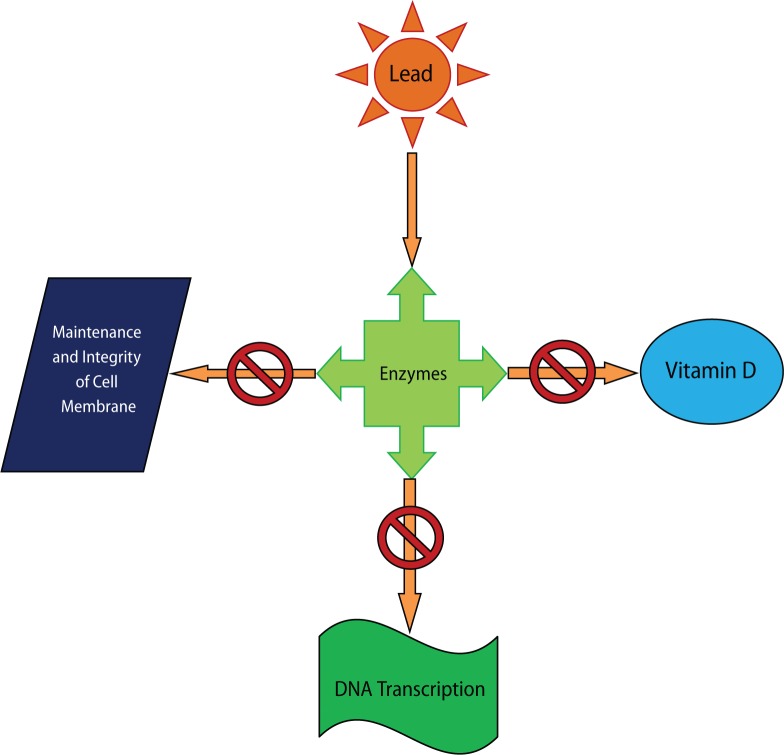
“Additionally, lead hinders enzyme activity, disrupts normal DNA transcription, and leads to bone disorders [7].”
Trace Voltammetric Determination of Lead at a Recycled Battery Carbon Rod Electrode
Honeychurch, K. C. (2019) · Sensors · doi:10.3390/s19040770 · Cited by 18
“The toxicity of Pb is widely understood [1].”
Albrecht, M., Mrkvičková, M., Svoboda, M., Hraníček, J., Voráč, J., Dvořák, P., Dědina, J., & Kratzer, J. (2020) · Spectrochimica Acta Part B Atomic Spectroscopy · doi:10.1016/j.sab.2020.105819 · Cited by 18
He, P., Yang, C., He, D., Zhao, S., Xie, Y. G., Wang, H., & Ma, J. (2020) · Biological Trace Element Research · doi:10.1007/s12011-020-02397-0 · Cited by 18
Gamma Ray Shielding Characteristics of Borosilicate Glass Containing ZnO from 0.015 to 10 MeV
Kurtuluş, R., & Kavas, T. (2020) · Cumhuriyet Science Journal · doi:10.17776/csj.712985 · Cited by 18
Moon, J.-Y., Eom, S., Seo, J.-W., Lee, J.-E., Choi, B., Kim, H., Hong, Y., Chang, J. Y., Jeon, M. J., Park, W.-J., et al. (2021) · Archives of Environmental Contamination and Toxicology · doi:10.1007/s00244-021-00813-7 · Cited by 18
“Cd and Pb have long biological half-lives; therefore, it has been suggested that they may accumulate in the body over lifetimes and lead to adverse health effects (Sugita and Tsuchiya 1995; Åkesson et al. 2006; Akerstrom et al. 2013; Wani et al. 2015; Eom et al. 2017; Mezynska and Brzóska 2018; Mohammadi et al. 2018).”
BackgroundCherkani-Hassani, A., Slaoui, M., Ghanname, I., Mojemmi, B., Eljaoudi, R., Belhaj, A., Kers, B., Flayou, M., & Mouane, N. (2021) · Environmental Toxicology and Pharmacology · doi:10.1016/j.etap.2021.103629 · Cited by 18
A life cycle analysis of ionizing radiation shielding construction systems in healthcare buildings
Sánchez‐Barroso, G., Botejara-Antúnez, M., García‐Sanz‐Calcedo, J., & Zamora‐Polo, F. (2021) · Journal of Building Engineering · doi:10.1016/j.jobe.2021.102387 · Cited by 20
The Occurrence of Lead in Animal Source Foods in Iran in the 2010s Decade: A Systematic Review
Sarlak, Z., Hosseini, H., Garavand, F., Mohammadi, R., & Rouhi, M. (2021) · Biological Trace Element Research · doi:10.1007/s12011-021-02787-y · Cited by 18
Saini, P., Singh, G., Kaur, G., Singh, J., & Singh, H. (2021) · Journal of Molecular Structure · doi:10.1016/j.molstruc.2021.131985 · Cited by 18
Tarekegn, M. M., Balakrishnan, R. M., Hiruy, A. M., Dekebo, A. H., & Maanyam, H. S. (2022) · Air Soil and Water Research · doi:10.1177/11786221221094037 · Cited by 18
“Whereas, lead affects almost all organs and systems in humans even if it affects the predominantly nervous system and causes cognitive impairment in both adults and children ( Jaishankar et al., 2014; Rahman & Singh, 2019; Wani et al., 2015).”
BackgroundZhou, Z., Dong, Y., Zhu, L., Xia, X., Li, S., Wang, G., & Shi, K. (2022) · Chemosphere · doi:10.1016/j.chemosphere.2022.135818 · Cited by 20
Nakata, H., Nakayama, S. M. M., Yabe, J., Muzandu, K. M., Kataba, A., Araki, A., Bruné, M., Onyon, L. J., Gorman, J., Poudel, K., et al. (2022) · The Science of The Total Environment · doi:10.1016/j.scitotenv.2022.157833 · Cited by 18
Decolonizing Epidemiological Research: A Critical Perspective
Adebisi, Y. A. (2023) · Avicenna Journal of Medicine · doi:10.1055/s-0043-1769088 · Cited by 18
Bjørklund, G., Dadar, M., Chirumbolo, S., & Aaseth, J. (2018) · Biological Trace Element Research · doi:10.1007/s12011-018-1336-8 · Cited by 18
Alhogbi, B. G., Salam, M. A., & Ibrahim, O. (2019) · Desalination and Water Treatment · doi:10.5004/dwt.2019.23507 · Cited by 18
“Lead ions are quickly absorbed in the bloodstream and have adverse effects on the central nervous system, cardiovascular system, kidney, immune system, damage cell structures including DNA and inhibit the synthesis of vitamin D besides attacking kidney, liver, and brain [5].”
Emerging Photovoltaic Technologies and Eco-Design—Criticisms and Potential Improvements
Mariotti, N., Bonomo, M., & Barolo, C. (2020) · IntechOpen eBooks · doi:10.5772/intechopen.88327 · Cited by 18
“Lead can cause irritability, difficulty in concentrating, headache, and anaemia and in higher concentrations (over 100 μg/dL) gives rise to seizures, delirium and even coma [72].”
BackgroundRecent progress on raising the efficiency of lead free double perovskite solar cells
Phonglamjiakngam, P., Hazaea, Z. A. M., Wang, M., & Pootrakulchote, N. (2025) · Solar Energy · doi:10.1016/j.solener.2025.114164 · Cited by 17
Farag, M. A., Zain, A. E., Hariri, M. L. M., el Aaasar, R., Khalifa, I., & Elmetwally, F. (2022) · Journal of Food Safety · doi:10.1111/jfs.12973 · Cited by 17
Metadata
- Authors
- Wani, A. L., Ara, A., & Usmani, J. A.
- Affiliations
- Aligarh Muslim University (IN)
- Jawaharlal Nehru Medical College Hospital (IN)
- Corresponding author
- Wani, Ab Latif
- Venue
- Interdisciplinary Toxicology
- Publisher
- Walter de Gruyter GmbH
- Published
- 2015-06-01
- Volume
- 8
- Issue
- 2
- Pages
- 55-64
- ISSN
- 1337-6853 (ISSN-L)
- 1337-9569
- PMC
- PMC4961898
- OpenAlex
- W2522138202
- Cited by
- 1,964
- References
- 90
- Citations by year
- 2026: 208 · 2025: 273 · 2024: 282 · 2023: 308 · 2022: 271 · 2021: 264 · 2020: 207 · 2019: 96 · 2018: 42 · 2017: 10 · 2016: 1
- FWCI
- 1.68
- Type
- journal article
- Language
- en
- Open access
- diamond
- doi.org
- Licence
- Locations
- Interdisciplinary Toxicology (publishedVersion, cc-by-nc-nd)
- PubMed Central (publishedVersion, cc-by)
- PubMed (publishedVersion)
- DOAJ (DOAJ: Directory of Open Access Journals) (submittedVersion, cc-by-sa)
- Funders
- U.S. Department of Health and Human Services
- University Grants Commission
- Aligarh Muslim University
- Centers for Disease Control and Prevention
- Topics
- Physical Sciences › Environmental Science › Health, Toxicology and Mutagenesis › Heavy Metal Exposure and Toxicity
- Physical Sciences › Environmental Science › Pollution › Heavy metals in environment
- Physical Sciences › Environmental Science › Health, Toxicology and Mutagenesis › Environmental Toxicology and Ecotoxicology
- Keywords
- lead toxicity, lead exposure, environmental pollution, nephrotoxicity, reproductive toxicity, neurotoxicity, lead poisoning treatment, developing countries
About these checks
Registry, retraction, Cites and statistics results are computed, not judged, with one exception: a printed reference that no index lists is read once by a model before it counts as a citation error. Claims are extracted by a model and kept only when their quote appears verbatim in the text; each cited source is then checked, with a model’s help, for whether it says what the claim relies on. Those verdicts can be wrong — read the claim’s quote and the cited source before relying on one.
Statistics and arithmetic are recomputed, not judged.
Confidence bands are shown only for fields calibrated on our annotated test set. None is calibrated yet, so no band is shown.
What counts as a claim ›How we measure confidence ›How we check this ›
Are you an author, or do you see a problem with this page? Request a review
Data sources
Bibliographic data: Semantic Scholar, OpenAlex, Crossref.
Contains information from the Semantic Scholar Academic Graph Datasets, made available under the ODC Attribution License (ODC-BY 1.0).
Semantic Scholar’s data is described in: Kinney, R., et al. (2023). The Semantic Scholar Open Data Platform. arXiv:2301.10140.
