

Lead toxicity: a review
Open accessThe DOI matches its Crossref record; 88 of the 90 references it cites were found in a registry or an index.
Abstract
Lead toxicity is an important environmental disease and its effects on the human body are devastating. There is almost no function in the human body which is not affected by lead toxicity. Though in countries like US and Canada the use of lead has been controlled up to a certain extent, it is still used vehemently in the developing countries. This is primarily because lead bears unique physical and chemical properties that make it suitable for a large number of applications for which humans have exploited its benefits from historical times and thus it has become a common environmental pollutant. Lead is highly persistent in the environment and because of its continuous use its levels rise in almost every country, posing serious threats. This article reviews the works listed in the literature with recent updates regarding the toxicity of lead. Focus is also on toxic effects of lead on the renal, reproductive and nervous system. Finally the techniques available for treating lead toxicity are presented with some recent updates.
Overview
The claims and statistics of this paper haven’t been checked yet.
Free: it reads the open-access text and checks the first 5 claims that cite a source we can check. Create a free account to check every claim.
Integrity signals
Registry
Cites
Statistics
Figures
Verification
Claims the paper makes
The claims and statistics of this paper haven’t been checked yet.
Free: it reads the open-access text and checks the first 5 claims that cite a source we can check. Create a free account to check every claim.
Claims other papers make about this one
Each is checked against this paper’s own text: does it say what the citing paper says it does?
The cited source says what the claim attributes to it.
In the citing paper
“The human body is exposed to various toxic metals through inhalation, ingestion, and skin such as arsenic (As) (28), cadmium (Cd) (29), chromium (Cr) (30), lead (Pb) (31), and mercury (Hg) (23).”
From The dark side of beauty: an in-depth analysis of the health hazards and toxicological impact of synthetic cosmetics and personal care products (2024) · cites this paper as [30]
The check wasn’t confident either way, so it gives no verdict — never disputed.
In the citing paper
“These heavy metals are mostly found in these products such as sunscreens, moisturizers, whitening toothpaste, nail polish, concealer, lipstick, and eyeliner (30).”
From The dark side of beauty: an in-depth analysis of the health hazards and toxicological impact of synthetic cosmetics and personal care products (2024) · cites this paper as [30]
Experimental — accuracy not yet measured
Self-check
Percentages, sums and reported differences re-computed from the paper’s own numbers.
The self-check needs the paper’s full text.
Citations
Cites
Toxicity of lead: a review with recent updates
Flora, G., Gupta, D., & Tiwari, A. (2012) · Interdisciplinary Toxicology · doi:10.2478/v10102-012-0009-2 · Cited by 2,144 · cited 1×
“A new technique called nano-encapsulation of antioxidants may provide improved biodistribution and bioavailability of poorly soluble therapeutics through solubilisation (Flora et al., 2012).”
MethodGoyer, R. A., & Clarkson, T. W. (1991) · Cited by 1,200
The Long-Term Effects of Exposure to Low Doses of Lead in Childhood: An 11-Year Follow-up Report
Needleman, H. L., Schell, A., Bellinger, D., Leviton, A., & Allred, E. N. (1990) · New England Journal of Medicine · doi:10.1056/nejm199001113220203 · Cited by 1,158
Needleman, H. (2004) · Annual Review of Medicine · doi:10.1146/annurev.med.55.091902.103653 · Cited by 1,144
Lead Exposure and Cardiovascular Disease—A Systematic Review
Navas-Acien, A., Guallar, E., Silbergeld, E. K., & Rothenberg, S. J. (2007) · Environmental Health Perspectives · doi:10.1289/ehp.9785 · Cited by 1,112 · cited 2×
“Activities like motility and the general morphology of sperm are also affected at this level (Navas-Acien et al., 2007).”
BackgroundNeurotoxic Effects and Biomarkers of Lead Exposure: A Review
Sanders, T., Liu, Y., Buchner, V., & Tchounwou, P. B. (2009) · Reviews on Environmental Health · doi:10.1515/reveh.2009.24.1.15 · Cited by 1,076 · cited 3×
“With increased lead exposure in children, an increase in neuropsychiatric disorders like attention deficit hyperactivity disorder and antisocial behaviour were found (Sanders et al., 2009).”
BackgroundLead toxicity, a review of the literature. Part 1: Exposure, evaluation, and treatment.
Patrick, L. (2006) · PubMed · Cited by 927
(2008) · PubMed · Cited by 886
Longitudinal Analyses of Prenatal and Postnatal Lead Exposure and Early Cognitive Development
Bellinger, D., Leviton, A., Waternaux, C., Needleman, H., & Rabinowitz, M. (1987) · New England Journal of Medicine · doi:10.1056/nejm198704233161701 · Cited by 855
Barbosa, F., Tanus-Santos, J. E., Gerlach, R. F., & Parsons, P. J. (2005) · Environmental Health Perspectives · doi:10.1289/ehp.7917 · Cited by 761 · cited 1×
“It has been found to impair development and have harmful effects even at lower levels (Rossi, 2008; Barbosa et al., 2005).”
Background
Research works printed but not linked: 5
- Henretig FM Golgfrank LR Lead Goldfrank’s Toxicoliogic Emergencies 2006 8th ed. McGraw Hill Professional
- Kosnett MJ Olson K.R Lead Poisoning and Drug Overdose 2006 5th ed. McGraw Hill Professional
- Kosnett MJ Heavy metal Intoxication and chelators In Katzung BG 2007 Basic and clinical Pharmocology. McGraw Hill Professional
- Merill JC Morton JJP Soileau SD Hayes A.W Metals Principles and Methods of Toxicology 2007 5th ed. CRC Press
- Pearson HA Schonfeld DJ Rudolph CD Lead Rudolph’s Pediatrics 2003 21st ed. McGraw Hill professional
Cited by
Items 801–900 of 1,000
Determinants of blood and saliva lead concentrations in adult gardeners on urban agricultural sites
Bramwell, L., Morton, J., Harding, A.-H., Lin, N., & Entwistle, J. (2021) · Environmental Geochemistry and Health · doi:10.1007/s10653-021-01095-7 · Cited by 11
Shi, L., Wang, X., Duan, Y., Li, K., & Ren, Y. (2022) · Theriogenology · doi:10.1016/j.theriogenology.2022.03.023 · Cited by 11
Makhtar, N. S. M., Idris, J., Musa, M., Andou, Y., Hamid, K. H. K., & Puasa, S. W. (2022) · Process Safety and Environmental Protection · doi:10.1016/j.psep.2022.05.047 · Cited by 11
Upadhyay, K. D., Viramgami, A., Balachandar, R., Pagdhune, A., Sen, S., & Sarkar, K. (2022) · Indian Journal of Community Medicine · doi:10.4103/ijcm.ijcm_756_21 · Cited by 11
“Individual factors such as duration of exposure, age, concomitant environmental (or other source of) exposure, and individual variations in metabolism are posited for the variations in BLL among workers.[3] Despite longer duration of employment, higher proportion of workers with permanent employment (regular payroll)…”
BackgroundResultBhasin, C. P., Pathan, A. A., & Patel, R. V. (2023) · Current Nanomaterials · doi:10.2174/2405461508666230221143138 · Cited by 11
Wang, H., Liu, C., Jiang, H., Guo, Z., Zheng, Y., Qi, Q., & Lei, L. (2023) · Education for Chemical Engineers · doi:10.1016/j.ece.2023.02.003 · Cited by 11
Ultrasmall Cortex Moutan Nanoclusters for the Therapy of Pneumonia and Colitis
Li, Y., Liu, X., Zheng, Y., Zhang, Y., Li, Z., Cui, Z., Jiang, H., Zhu, S., & Wu, S. (2023) · Advanced Healthcare Materials · doi:10.1002/adhm.202300402 · Cited by 12
Khereshki, N. A., Mohammadi, A., Mousavi, H. Z., Alizadeh, N., & Evazalipour, M. (2023) · Chemical Papers · doi:10.1007/s11696-023-02770-y · Cited by 11
Ozoani, H. A., Ezejiofor, A. N., Okolo, K. O., Orish, C. N., Ćirović, A., Ćirović, A., & Orisakwe, O. E. (2023) · Biological Trace Element Research · doi:10.1007/s12011-023-03709-w · Cited by 11
“Absorption of HM’s into the mammalian system is via per oral, skin, or inhalation [5].”
The Role of Protein Intake on the Total Milk Protein in Lead-Exposed Lactating Mothers
Wati, L. R., Sargowo, D., Nurseta, T., & Zuhriyah, L. (2023) · Nutrients · doi:10.3390/nu15112584 · Cited by 15
“However, the Centers for Disease Control and Prevention (CDC) prohibits breastfeeding mothers with BLLs > 40 μg/dL from breastfeeding their babies [22].”
BackgroundObadia, P. M., Kitenge, J. P., Kuhangana, T. C., Ilunga, G. K., Billen, J., Kayembe‐Kitenge, T., Haufroid, V., Mukalay, A., Ris, L., Nkulu, C. B. L., et al. (2023) · Sexual Medicine · doi:10.1093/sexmed/qfad052 · Cited by 12
“8,9 However, until now, little is known about their effects on erectile function in men.”
BackgroundAli, N., Attique, S., Rahimi‐Iman, A., Ali, S., Akram, F., Dai, N., & Wu, H. (2023) · Sustainable materials and technologies · doi:10.1016/j.susmat.2023.e00759 · Cited by 11
Enogieru, A. B., & Iyoha, E. N. (2023) · Biological Trace Element Research · doi:10.1007/s12011-023-03974-9 · Cited by 22
Antia, M., Ezejiofor, A. N., Orish, C. N., Ćirović, A., Ćirović, A., & Orisakwe, O. E. (2023) · Toxicology Research · doi:10.1093/toxres/tfad119 · Cited by 11
Studies on the Aptasensor Miniaturization for Electrochemical Detection of Lead Ions
Jarczewska, M., Sokal, M., Olszewski, M., & Malinowska, E. (2024) · Biosensors · doi:10.3390/bios14020110 · Cited by 11
“In contrast, very high levels are defined as above 70 µ g/dL [3] and can result in encephalopathy, coma, or even death [4].”
BackgroundSingh, K. K., Goel, N. K., Kanjilal, A., Ruhela, R., Kumar, V., Bhattacharyya, K., & Tyagi, A. K. (2024) · Polymer Bulletin · doi:10.1007/s00289-024-05340-8 · Cited by 11
“The routes of lead intake in our body are through the consumption of contaminated food and water, which cause severe chronic poisoning, and show symptoms such as severe anaemia and digestive, cardiovascular, renal and nervous situations [4, 5].”
Wilczyńska, A., Żak, N., & Stasiuk, E. (2024) · Foods · doi:10.3390/foods13213451 · Cited by 12
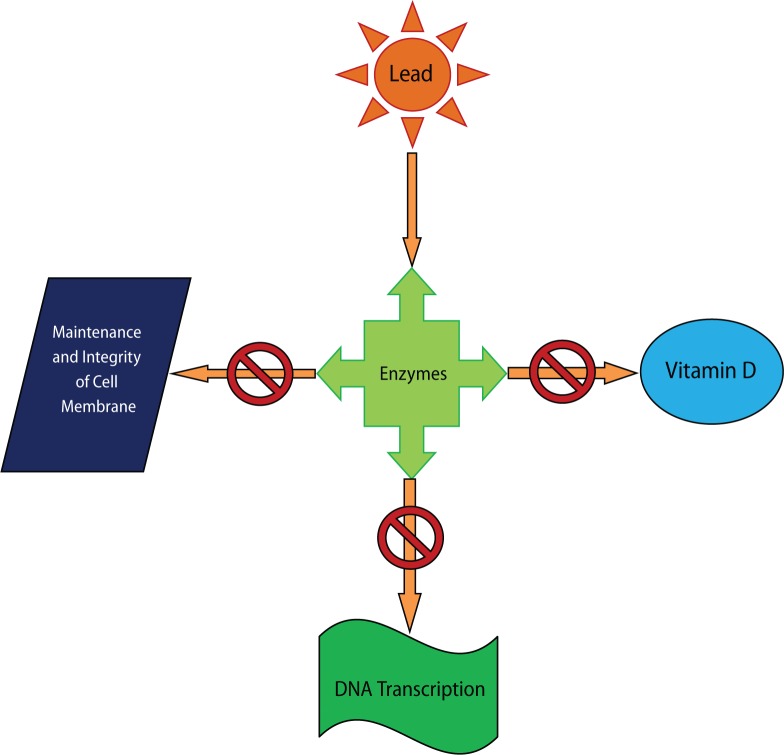
“…of many enzymes, which results in impaired oxygen transport, impaired energy metabolism, weakened defense mechanisms against free radicals, disrupted intra-organ information transfer, anemia and disorders in the peripheral nervous system—lead encephalopathy and kidney and liver disorders [19].”
BackgroundMalik, A., Ashraf, M. A. B., Khan, M., Zahid, A., Shafique, H., Waquar, S., Gan, S. H., & Ashraf, M. (2019) · Archives of Environmental Contamination and Toxicology · doi:10.1007/s00244-019-00673-2 · Cited by 11
Toyen, D., & Saenboonruang, K. (2020) · IOP Conference Series Materials Science and Engineering · doi:10.1088/1757-899x/773/1/012024 · Cited by 11
Ugwuja, E. I., Vincent, N., Ikaraoha, I. C., & Ohayi, S. R. (2020) · Toxicology Research and Application · doi:10.1177/2397847320956562 · Cited by 11
“Lead is a ubiquitous cumulative environmental toxicant widely distributed and mobilised in the environment due to its widespread applications occasioned by its unique physico-chemical properties.(1) Apart from occupational exposure, which is the major cause of lead poisoning,(2,3) non-occupational exposure to lead inc…”
BackgroundAwoke, J. N., Orji, O. U., Aja, P. M., Ezeani, N., Aloke, C., & Obasi, O. D. (2020) · Arabian Journal of Chemistry · doi:10.1016/j.arabjc.2020.09.045 · Cited by 11
Blood lead concentration among oral/inhaled opium users: systematic review and meta-analysis
Farnia, V., Pirsaheb, M., Azadi, N. A., Mansouri, B., & Radmehr, F. (2021) · Critical Reviews in Toxicology · doi:10.1080/10408444.2020.1864722 · Cited by 11
“In adults, the greatest absorption of Pb occurs via the respiratory tract, where 30–40% of inhaled Pb is deposited in the lung and up to 95% can be absorbed into the bloodstream (Wani et al. 2015).”
BackgroundKim, S.-C., & Jun-Sik, S. (2021) · Scientific Reports · doi:10.1038/s41598-021-01897-w · Cited by 11
Template-assisted electrosynthesis of thick stoichiometric thermoelectric Bi2Se3 micropillars
Klösel, K., Pané, S., Mihailovic, I. A., & Hierold, C. (2021) · Electrochimica Acta · doi:10.1016/j.electacta.2021.139557 · Cited by 11
Gaine, T., Tudu, P., Ghosh, S., Mahanty, S., Bakshi, M., Naskar, N., Chakrabarty, S., Bhattacharya, S., Gupta-Bhattacharya, S., Bhattacharya, K., et al. (2021) · Biological Trace Element Research · doi:10.1007/s12011-021-03043-z · Cited by 11
SrCo2Fe16O27 nanoparticles for lead ions adsorption process from water
Varnosfaderani, N. A., Shoushtari, M. Z., & Ghahfarokhi, S. E. M. (2022) · Physica B Condensed Matter · doi:10.1016/j.physb.2022.413859 · Cited by 11
Sakata, T., Urushidani, S., Tarutani, N., Katagiri, K., Inumaru, K., Koyama, K., Iwata, N., & Masubuchi, Y. (2022) · Materials Advances · doi:10.1039/d2ma00378c · Cited by 11
Olawale, M. D., Akintemi, E. O., Agbaffa, E. B., & Obaleye, J. A. (2022) · Results in Chemistry · doi:10.1016/j.rechem.2022.100499 · Cited by 11
Cooper, N. J., Green, D., Sullivan, M., & Cohen, D. R. (2018) · Environmental Research Letters · doi:10.1088/1748-9326/aad295 · Cited by 11
“Lead is a neurotoxin which causes permanent neurological effects in humans at low doses of exposure (Lanphear et al 2005, Wani et al 2015).”
BackgroundWu, J., Hu, J., Deng, Z., Feng, Y., Zhao, X., Fan, H., Wang, Z., Zhang, W., & Wang, K. (2023) · Journal of Alloys and Compounds · doi:10.1016/j.jallcom.2023.172294 · Cited by 12
Toxicity and sublethal effects of lead (Pb) intake on honey bees (Apis mellifera)
Schmarsow, R. N., Moliné, M. D. L. P., Damiáni, N., Domínguez, E., Médici, S., Churio, M. S., & Gende, L. B. (2023) · Chemosphere · doi:10.1016/j.chemosphere.2023.140345 · Cited by 10
Development of a rapid zebrafish model for lead poisoning research and drugs screening
Guo, S., Zhang, X., Zhang, Y., Chen, X., Zhang, Y., Cao, B., & Xia, D. (2023) · Chemosphere · doi:10.1016/j.chemosphere.2023.140561 · Cited by 11
Singh, D., Bist, P., & Choudhary, S. (2024) · BioMetals · doi:10.1007/s10534-024-00643-9 · Cited by 10
“Wani et al. 2015 reported that mixtures of Cd, Pb, Hg, and As result in greater oxidative stress, tissue damage, and metal accumulation in rats in comparison to exposure to individual metals.”
Hadjadji, C., Devalloir, Q., Gaillard, C., van den Brink, N. W., & Scheifler, R. (2025) · Chemosphere · doi:10.1016/j.chemosphere.2024.144056 · Cited by 10
Lead source apportionment and climatic impacts in rural environmental justice mining communities
Alqattan, Z. A., Trahan, A., Chukwuonye, G. N., Jones, M., & Ramírez‐Andreotta, M. D. (2025) · Environmental Research · doi:10.1016/j.envres.2025.121130 · Cited by 10
Abd-Elrahman, R., El‐Lateef, H. M. A., El‐Maali, N. A., Abdel‐Mawgoud, A. M., & Elrouby, M. (2025) · Journal of the Taiwan Institute of Chemical Engineers · doi:10.1016/j.jtice.2025.106187 · Cited by 10
Lead-Induced Nephrotoxicity and Its Therapeutic Interventions: An Updated Review
Ankit Kumar Bharti, S., & Gopalakrishnan, A. V. (2025) · Biological Trace Element Research · doi:10.1007/s12011-025-04692-0 · Cited by 12
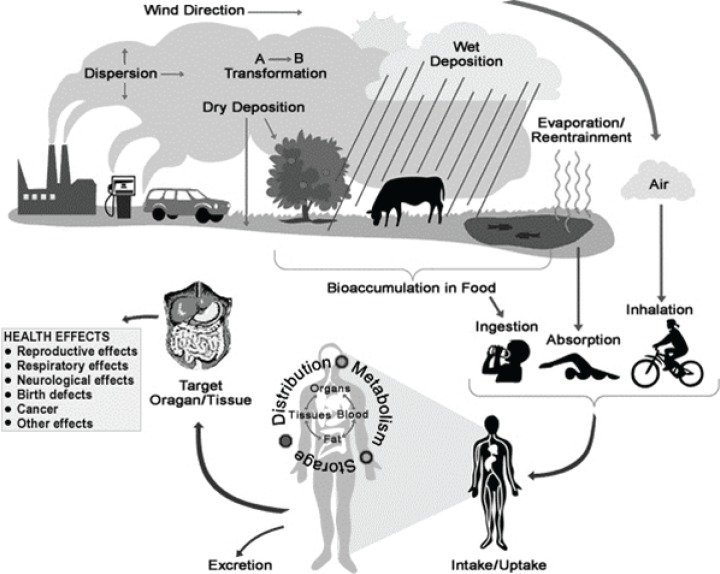
“…also arise from other sources, such as ground-water contamination, soil, dust from metal ores, lead use in making brass plumbing fixtures, industrial processes, herbal remedies, petroleum combustion, lead battery production, paint industry, and plants grown in lead-contaminated soil [17, 18] (Fig.”
Gankhuyag, T., Obata, K., & Takanabe, K. (2025) · The Journal of Physical Chemistry C · doi:10.1021/acs.jpcc.5c04643 · Cited by 10
Jasińska-Balwierz, A., Krypel, P., Świsłowski, P., Rajfur, M., Balwierz, R. J., & Ochędzan‐Siodłak, W. (2025) · Biology · doi:10.3390/biology14111479 · Cited by 10
“Particularly concerning are the confirmed high concentrations of Pb, an element with documented neurotoxicity, cardiotoxicity, and adverse effects on development, even at low levels of exposure [42,43].”
Alshamari, A., Manjunatha, M., Sayyed, M. I., Mhareb, M. H. A., Mawazzan, M. A., Bennal, A. S., & Hosamani, M. M. (2025) · Materials Research Bulletin · doi:10.1016/j.materresbull.2025.113911 · Cited by 10
Qi, Q., He, L., Ye, H., Wang, C., Hu, P., & Liu, Y. (2025) · Nanomaterials · doi:10.3390/nano15231799 · Cited by 13
“However, its well-defined neurotoxicity, stringent occupational exposure limits, and increasingly strict environmental regulations for waste disposal significantly restrict its use in disposable or distributed scenarios such as wearable and protective clothing [37–40].”
Ghosh, P., & Ghoshal, A. (2026) · Environmental Quality Management · doi:10.1002/tqem.70299 · Cited by 10
Hridoy, M. A. A. M., Sagor, P. S., Akter, P., Islam, M. H., Bordin, C., Islam, S. M. S., Dristi, N. T., Hosen, A., Lima, M. A., Pathan, M. M., et al. (2026) · Case Studies in Chemical and Environmental Engineering · doi:10.1016/j.cscee.2026.101362 · Cited by 10
Fakoor, M., Akhgari, M., & Shafaroodi, H. (2019) · International Journal of Preventive Medicine · doi:10.4103/ijpvm.ijpvm_490_18 · Cited by 10
“Centers for Disease Control and Prevention (Atlanta, GA, USA) have set elevated BLL to be 10 μg/dL for adults and 5 μg/dL for children.[15] All the opium‐addicted subjects in our study were intoxicated with lead regarding the cut‐off value of BLL.”
BackgroundRemoval of Lead by Oxidized Graphite
Selvanantharajah, N., Iyngaran, P., Abiman, P., & Kuganathan, N. (2021) · C – Journal of Carbon Research · doi:10.3390/c7010023 · Cited by 10
“Furthermore, lead accumulates mainly in bones, brain, kidney and muscles, causing many serious disorders like anemia, kidney disease and nervous disorder [9,10].”
BackgroundIn vivo Toxicity Assessment of Refined Red Palm-pressed Mesocarp Olein in Sprague-Dawley Rats
Jin, Y. H., Teh, S. S., Lau, H. L. N., & Mah, S. H. (2021) · Journal of Oleo Science · doi:10.5650/jos.ess21215 · Cited by 10
A Review on the Resistance and Accumulation of Heavy Metals by Different Microbial Strains
Girdhar, M., Tabassum, Z., Singh, K., & Mohan, A. (2022) · IntechOpen eBooks · doi:10.5772/intechopen.101613 · Cited by 12
“It causes issues like anemia, central nervous system disorders, peripheral neuropathy, encephalopathy [32].”
BackgroundSilver nanowire/graphene oxide electrode for electrochemical detection of lead ions
Nguyen, T. T. H., Pham, T. H. Y., Doan, T. D., Thi, N. H., Oanh, H. T., Nguyen, T. T., Hà, V. T. T., Nguyen, T. V., Cho, M. J., Choi, D. H., et al. (2022) · Chemical Papers · doi:10.1007/s11696-022-02254-5 · Cited by 10
Highly efficient removal of Pb 2+ and Cu 2+ ions using r-GO/PPY/SiO 2 based nanosorbent
Joshi, N. C. (2022) · International Journal of Environmental & Analytical Chemistry · doi:10.1080/03067319.2022.2079413 · Cited by 10
Recent Development of Lead-Free Perovskite Solar Cells
Alemu, A. G., & Alemu, T. (2022) · IntechOpen eBooks · doi:10.5772/intechopen.105046 · Cited by 10
Wong, W. P., Walvekar, R., Vaka, M., Khalid, M., & Mubarak, N. M. (2023) · ECS Journal of Solid State Science and Technology · doi:10.1149/2162-8777/acc4e6 · Cited by 10
Assessment of Blood Lead Level of School Children in 10 Cities of India: A Cross-Sectional Study
Kumar, D., Awasthi, S., Mahdi, A. A., Singh, S., Pandey, A. K., Agarwal, G. G., Anish, T. S., Somashekar, A. R., Kar, S., Nair, S., et al. (2023) · The Indian Journal of Pediatrics · doi:10.1007/s12098-023-04864-7 · Cited by 10
“Lead affects the biosynthesis of heme by interfering with activity of an important enzyme, delta-aminolevulinic acid and disrupts the maintenance of red blood cell membrane making it more fragile [6] which leads to anemia.”
Blood lead concentrations in exposed forecourt attendants and taxi drivers in parts of South Africa
Olowoyo, J. O., Tshoni, U. A., Kobyana, A. S., Lion, G. N., Mugivhisa, L. L., Koski, L., Wärmländer, S. K. T. S., & Roos, P. M. (2023) · Journal of Trace Elements in Medicine and Biology · doi:10.1016/j.jtemb.2023.127348 · Cited by 10
Effect of Non-essential Heavy Metals on Human Health
Cuschieri, A., Azzopardi, J. I., & Blundell, R. A. (2023) · ACS symposium series · doi:10.1021/bk-2023-1456.ch008 · Cited by 13
Mineral composition and heavy metal risk assesment of selected geophagic soils from Tanzania
Rukondo, C. E., Mgina, C. A., & Pratap, H. B. (2024) · Toxicology Reports · doi:10.1016/j.toxrep.2024.04.008 · Cited by 10
“Chronic exposure to Pb from the soil daily may affect different body organs such as kidney [3,35], liver, brain and blood [23].”
BackgroundAbebe, M. T., Kumie, A., Wakuma, S., Assefa, T., & Ambaw, W. (2024) · Journal of Occupational Medicine and Toxicology · doi:10.1186/s12995-024-00422-9 · Cited by 10
“The World Health Organization (WHO) and Centers for Disease Control and Prevention (CDC) also recommended that the blood lead level standard limit of the general population be 10 µg/dl [22–24].”
BackgroundFabolude, G., Knoble, C., Vu, A., & Yu, D. (2024) · Ecological Indicators · doi:10.1016/j.ecolind.2024.112585 · Cited by 10
Tatavarthi, P., Katam, K., Sharma, P., & Singh, P. (2025) · Journal of Irrigation and Drainage Engineering · doi:10.1061/jidedh.ireng-10484 · Cited by 10
Chen, H.-X., Chen, Y., Li, S., Zhang, W., Zhang, Y., Gao, S., Li, N., Tao, L., & Wang, Y. (2019) · Journal of Consumer Protection and Food Safety · doi:10.1007/s00003-019-01256-y · Cited by 10
Study on the shielding materials for low-energy gamma sources
Sabri, A. H. A., Aziz, M. Z. A., OLUKOTUN, S. F., Tabbakh, F., & Tajudin, S. M. (2020) · IOP Conference Series Materials Science and Engineering · doi:10.1088/1757-899x/785/1/012007 · Cited by 10
Mahlangeni, N. T., Moodley, R., & Jonnalagadda, S. B. (2020) · Scientific Reports · doi:10.1038/s41598-020-67055-w · Cited by 10
Microbial Removal of Pb(II) Using an Upflow Anaerobic Sludge Blanket (UASB) Reactor
Chimhundi, J., Hörstmann, C., Chirwa, E. M. N., & Brink, H. G. (2021) · Catalysts · doi:10.3390/catal11040512 · Cited by 14
“It affects the haemoglobin through interference with the delta-aminolaevulinic acid dehydratase (ALAD) activity, which is an essential enzyme in the heme biosynthesis and ultimately causes anaemia [11,12].”
BackgroundGori, E., Pierini, A., Meucci, V., Abramo, F., Muscatello, L. V., & Marchetti, V. (2021) · Journal of Veterinary Internal Medicine · doi:10.1111/jvim.16149 · Cited by 10
“43,44 One of the main reasons why Pb toxicosis causes anemia and microcytosis is that Pb interferes with the activity of a specific enzyme, that is important in the biosynthesis of heme (delta-aminolevulinic acid dehydratase), 45 which may cause oxidative stress-induced erythrocyte damage.”
Chemical water contaminants: potential risk to human health and possible remediation
Chaudhary, V. K., Singh, S. K., Srivastav, A. L., Singh, A., Patel, N., & Patel, A. (2021) · Elsevier eBooks · doi:10.1016/b978-0-12-824058-8.00001-3 · Cited by 10
Rita, R. S., & Sy, E. (2021) · Pharmacognosy Journal · doi:10.5530/pj.2021.13.178 · Cited by 10
Potentilla anserine L. polysaccharide protects against cadmium-induced neurotoxicity
Cheng, J., Zhao, L., Liu, D., Shen, R., & Bai, D. (2022) · Environmental Toxicology and Pharmacology · doi:10.1016/j.etap.2022.103816 · Cited by 10
Evaluating the Effectiveness of State-Level Policies on Childhood Blood Lead Testing Rates
Ruckart, P. Z., Bove, F., & Dallas, C. E. (2022) · Journal of Public Health Management and Practice · doi:10.1097/phh.0000000000001623 · Cited by 11
“Children are more impacted by lead because of their hand-to-mouth behaviors and rapidly developing brains and nervous systems.(2) It is recognized among public health professionals and clinicians that no safe level of lead in children’s blood has yet been identified.”
BackgroundBorjian, P., Chimerad, M., Pathak, P., Childs, A., Rajaraman, S., & Cho, H. J. (2023) · IEEE Sensors Letters · doi:10.1109/lsens.2023.3307065 · Cited by 10
“Leached lead ions can persist in the environment, thereby presenting long-term risks [1], [2].”
BackgroundAlshehri, R. F., Amin, A. S., & Darwish, E. R. (2023) · Talanta Open · doi:10.1016/j.talo.2023.100285 · Cited by 10
Ivanova, J., Kamenova, K., Petrova, E., Владов, И., Gluhcheva, Y., & Dorkov, P. (2019) · Journal of Trace Elements in Medicine and Biology · doi:10.1016/j.jtemb.2019.126429 · Cited by 10
Effect of exposure to high temperatures in the excretion of cadmium and lead
Siquier-Coll, J., Bartolomé, I., Pérez-Quintero, M., Muñoz, D., Gil, M. C. R., & Maynar-Mariño, M. (2020) · Journal of Thermal Biology · doi:10.1016/j.jtherbio.2020.102545 · Cited by 12
Environmental Impacts of Heavy Metals and Their Bioremediation
Dökmeci, A. H. (2021) · IntechOpen eBooks · doi:10.5772/intechopen.95103 · Cited by 14
Santosa, B., Rosidi, A., Anggraini, H., Latrobdiba, Z. M., Damayanti, F. N., & Nugroho, H. S. W. (2022) · Journal of Blood Medicine · doi:10.2147/jbm.s335557 · Cited by 11
“The majority (95%) of absorbed lead is carried by the erythrocytes, making it the best marker to measure lead exposure.(2) Lead interferes with erythropoietin, a hormone that promotes erythropoiesis, thus causing hampered erythrocyte production.”
BackgroundRezazadeh, N., Eftekhari, M., Akhondi, M., & Aljalawee, E. A. J. (2022) · Journal of Environmental Health Science and Engineering · doi:10.1007/s40201-022-00807-0 · Cited by 10
Bansod, B. S., & Antil, M. (2023) · Journal of the Indian Chemical Society · doi:10.1016/j.jics.2023.101083 · Cited by 9
Mostafa, K. M., Saleh, B., & El-Sanabary, A. A. (2024) · Journal of Applied Polymer Science · doi:10.1002/app.56434 · Cited by 9
Heavy Metal Toxicity and its Treatment
Yusoff, N. S. N., Knight, V. F., Shakrin, N. N. S. M., & Yunus, W. M. Z. W. (2024) · Advances in Human Biology · doi:10.4103/aihb.aihb_70_24 · Cited by 10
Basith, S. A., Chandrasekhar, A., Ali, S. F., & Arockiarajan, A. (2025) · Advanced Sustainable Systems · doi:10.1002/adsu.202501128 · Cited by 9
Future of concrete: autonomous self-healing with advanced microcapsule technology
Singh, M., Tarannum, N., Khari, A., Pal, I., Singh, I., & Bhatnagar, J. (2025) · RSC Applied Polymers · doi:10.1039/d5lp00210a · Cited by 9
Sabarees, G. (2025) · Nano Biomedicine and Engineering · doi:10.1016/j.nbe.2025.100021 · Cited by 9
Molecularly imprinted polymers as emerging engineered platforms for precision molecular sensing
Singh, A., Shubhangi, Mahapatra, S., Singh, S. K., & Chandra, P. (2026) · Biomaterials Science · doi:10.1039/d5bm01550b · Cited by 11
Yavuzkanat, N., Şahmaran, T., Sel, N., & Çelik, F. A. (2026) · Journal of Materials Science · doi:10.1007/s10853-026-12713-z · Cited by 9
Garvasis, J., Prasad, A. R., Shamsheera, K. O., Roy, T. A. N., & Joseph, A. (2022) · Journal of Hazardous Materials Advances · doi:10.1016/j.hazadv.2022.100163 · Cited by 13
MT1X is an oncogene and indicates prognosis in ccRCC
Ding, Y., Fang, J., Chen, M., Xu, Y., Liu, N., Fang, S., Xiang, W., Chen, R., Wu, C., & Yu, H. (2022) · Bioscience Reports · doi:10.1042/bsr20221128 · Cited by 9
Kung, T.-A., & Chen, P. (2022) · The Science of The Total Environment · doi:10.1016/j.scitotenv.2022.159268 · Cited by 9
Owumi, S. E., Otunla, M. T., & Arunsi, U. O. (2022) · BioMetals · doi:10.1007/s10534-022-00472-8 · Cited by 9
“Extensive research has shown that lead exerts its toxicity on almost all organs in the body, with the lungs highly predisposed to its toxicity (Wani et al. 2015).”
BackgroundInfluentialFormula Optimization and Physicochemical Characterization of Tempe Drink Powder
Mahdi, S. A., Astawan, M., Wulandari, N., Muhandri, T., Wresdiyati, T., & Febrinda, A. E. (2022) · Current Research in Nutrition and Food Science Journal · doi:10.12944/crnfsj.10.3.31 · Cited by 13
Wing morphological changes of Drosophila melanogaster exposed with lead in nine generations
Fatmawati, D., Khoiroh, D., Zubaidah, S., Susanto, H., Agustin, M., & Fauzi, A. (2023) · AIP conference proceedings · doi:10.1063/5.0111882 · Cited by 9
Kataba, A., Yohannes, Y. B., Nakata, H., Yabe, J., Toyomaki, H., Muzandu, K. M., Zyambo, G., Ikenaka, Y., Choongo, K., Ishizuka, M., et al. (2023) · International Journal of Environmental Research and Public Health · doi:10.3390/ijerph20085596 · Cited by 9
“Lead-induced toxicities in adult females of reproductive age have been linked to insidious clinical manifestations such as miscellaneous miscarriages, pre-term birth, and babies with low birth weight [9].”
BackgroundSorption of Pb2+ and Zn2+ions on Zr-Ca-Mg phosphates: Kinetics and mechanism studies
Kitikova, N. V., Ivanets, A. I., Шашкова, И. Л., Kul'bitskaya, L., Baigenzhenov, O., & Sillanpää, M. E. T. (2023) · Journal of Water Process Engineering · doi:10.1016/j.jwpe.2023.103725 · Cited by 9
de Paiva, W. D. S., de Araujo, M. A., Rosalem, P. F., Ferreira, T. C., Bomfim, N. C. P., Gonçalves, R. A., Martins, A. R., & de Camargos, L. S. (2023) · International Journal of Environmental Science and Technology · doi:10.1007/s13762-023-05120-3 · Cited by 9
“The effects of Pb on the human body are widespread, affecting virtually all vital functions (Wani et al. 2015), such as severe damage to the functioning of the nervous system leading to brain damage, behavioral changes, progressive degeneration, hallucinations, and even increase the chances of…”
Childhood neighborhoods and cause-specific adult mortality in Sweden 1939–2015
Hedefalk, F., van Dijk, I. K., & Dribe, M. (2023) · Health & Place · doi:10.1016/j.healthplace.2023.103137 · Cited by 12
Rodríguez, P. O., Ortega, D. R., Ayala, T. B., Roldán-Roldán, G., de la Cruz, G. P., González‐Esquivel, D. F., Gómez‐Manzo, S., Sánchez‐Chapul, L., Salazar, A., Pineda, B., et al. (2023) · Antioxidants · doi:10.3390/antiox12122035 · Cited by 9
“Lead (Pb 2+ ) is a widely utilized metal in the industry due to its malleability, conductivity, and ductility and usefulness as raw material in countless processes [1–3].”
Carcinogenic Effects of Lead (Pb) on Public Health
Chatha, A. M. M., & Naz, S. (2023) · BioScientific Review · doi:10.32350/bsr.54.08 · Cited by 10
“[32] 12 Cosmetics Surma, kohl (al kohl), kajal, tiro, and tozali are among the cosmetics that include lead.”
BackgroundHeavy Metal Pollution and Biosorption
Srivastava, H., Saini, P., Singh, A., & Yadav, S. (2024) · Advances in environmental engineering and green technologies book series · doi:10.4018/979-8-3693-1618-4.ch001 · Cited by 14
Karimi, H., Mahdavi, S., Moghaddam, S. S., Abbasi‐Kangevari, M., Soleimani, Z., Esfahani, Z., Masinaei, M., Fateh, S. M., Golestani, A., Dilmaghani‐Marand, A., et al. (2024) · Scientific Reports · doi:10.1038/s41598-024-58823-z · Cited by 9
“Although industrial lead utilization has been regulated, lead is still used in many fields, such as automobile production, which can cause increased LE in industrial regions 25 .”
BackgroundCo-administration of resveratrol rescued lead-induced toxicity in Drosophila melanogaster
Abdulazeez, R., Highab, S. M., Onyawole, U. F., Jeje, M. T., Musa, H., Shehu, D., & Ndams, I. S. (2024) · Environmental Toxicology and Pharmacology · doi:10.1016/j.etap.2024.104470 · Cited by 10
Laniyan, T. A., & Popoola, O. J. (2024) · Environmental Forensics · doi:10.1080/15275922.2024.2366786 · Cited by 10
“Long-term inhalation, ingestion, and skin contact with the contaminated dust environment would result in chronic harm (Wani et al. 2015).”
Durukan, İ., & Yildiz, B. (2024) · Molecules · doi:10.3390/molecules29174189 · Cited by 9
“Recognized for its ductility, corrosion resistance, low conductivity, and softness, lead has been employed in various industries such as paint, construction, mining, ceramics, automotive, and petrochemicals [10,11].”
BackgroundMukherjee, A., & Dhak, D. (2024) · Elsevier eBooks · doi:10.1016/b978-0-443-21801-9.00016-1 · Cited by 12
Metadata
- Authors
- Wani, A. L., Ara, A., & Usmani, J. A.
- Affiliations
- Aligarh Muslim University (IN)
- Jawaharlal Nehru Medical College Hospital (IN)
- Corresponding author
- Wani, Ab Latif
- Venue
- Interdisciplinary Toxicology
- Publisher
- Walter de Gruyter GmbH
- Published
- 2015-06-01
- Volume
- 8
- Issue
- 2
- Pages
- 55-64
- ISSN
- 1337-6853 (ISSN-L)
- 1337-9569
- PMC
- PMC4961898
- OpenAlex
- W2522138202
- Cited by
- 1,964
- References
- 90
- Citations by year
- 2026: 208 · 2025: 273 · 2024: 282 · 2023: 308 · 2022: 271 · 2021: 264 · 2020: 207 · 2019: 96 · 2018: 42 · 2017: 10 · 2016: 1
- FWCI
- 1.68
- Type
- journal article
- Language
- en
- Open access
- diamond
- doi.org
- Licence
- Locations
- Interdisciplinary Toxicology (publishedVersion, cc-by-nc-nd)
- PubMed Central (publishedVersion, cc-by)
- PubMed (publishedVersion)
- DOAJ (DOAJ: Directory of Open Access Journals) (submittedVersion, cc-by-sa)
- Funders
- U.S. Department of Health and Human Services
- University Grants Commission
- Aligarh Muslim University
- Centers for Disease Control and Prevention
- Topics
- Physical Sciences › Environmental Science › Health, Toxicology and Mutagenesis › Heavy Metal Exposure and Toxicity
- Physical Sciences › Environmental Science › Pollution › Heavy metals in environment
- Physical Sciences › Environmental Science › Health, Toxicology and Mutagenesis › Environmental Toxicology and Ecotoxicology
- Keywords
- lead toxicity, lead exposure, environmental pollution, nephrotoxicity, reproductive toxicity, neurotoxicity, lead poisoning treatment, developing countries
About these checks
Registry, retraction, Cites and statistics results are computed, not judged, with one exception: a printed reference that no index lists is read once by a model before it counts as a citation error. Claims are extracted by a model and kept only when their quote appears verbatim in the text; each cited source is then checked, with a model’s help, for whether it says what the claim relies on. Those verdicts can be wrong — read the claim’s quote and the cited source before relying on one.
Statistics and arithmetic are recomputed, not judged.
Confidence bands are shown only for fields calibrated on our annotated test set. None is calibrated yet, so no band is shown.
What counts as a claim ›How we measure confidence ›How we check this ›
Are you an author, or do you see a problem with this page? Request a review
Data sources
Bibliographic data: Semantic Scholar, OpenAlex, Crossref.
Contains information from the Semantic Scholar Academic Graph Datasets, made available under the ODC Attribution License (ODC-BY 1.0).
Semantic Scholar’s data is described in: Kinney, R., et al. (2023). The Semantic Scholar Open Data Platform. arXiv:2301.10140.
