

Lead toxicity: a review
Open accessThe DOI matches its Crossref record; 88 of the 90 references it cites were found in a registry or an index.
Abstract
Lead toxicity is an important environmental disease and its effects on the human body are devastating. There is almost no function in the human body which is not affected by lead toxicity. Though in countries like US and Canada the use of lead has been controlled up to a certain extent, it is still used vehemently in the developing countries. This is primarily because lead bears unique physical and chemical properties that make it suitable for a large number of applications for which humans have exploited its benefits from historical times and thus it has become a common environmental pollutant. Lead is highly persistent in the environment and because of its continuous use its levels rise in almost every country, posing serious threats. This article reviews the works listed in the literature with recent updates regarding the toxicity of lead. Focus is also on toxic effects of lead on the renal, reproductive and nervous system. Finally the techniques available for treating lead toxicity are presented with some recent updates.
Overview
The claims and statistics of this paper haven’t been checked yet.
Free: it reads the open-access text and checks the first 5 claims that cite a source we can check. Create a free account to check every claim.
Integrity signals
Registry
Cites
Statistics
Figures
Verification
Claims the paper makes
The claims and statistics of this paper haven’t been checked yet.
Free: it reads the open-access text and checks the first 5 claims that cite a source we can check. Create a free account to check every claim.
Claims other papers make about this one
Each is checked against this paper’s own text: does it say what the citing paper says it does?
The cited source says what the claim attributes to it.
In the citing paper
“The human body is exposed to various toxic metals through inhalation, ingestion, and skin such as arsenic (As) (28), cadmium (Cd) (29), chromium (Cr) (30), lead (Pb) (31), and mercury (Hg) (23).”
From The dark side of beauty: an in-depth analysis of the health hazards and toxicological impact of synthetic cosmetics and personal care products (2024) · cites this paper as [30]
The check wasn’t confident either way, so it gives no verdict — never disputed.
In the citing paper
“These heavy metals are mostly found in these products such as sunscreens, moisturizers, whitening toothpaste, nail polish, concealer, lipstick, and eyeliner (30).”
From The dark side of beauty: an in-depth analysis of the health hazards and toxicological impact of synthetic cosmetics and personal care products (2024) · cites this paper as [30]
Experimental — accuracy not yet measured
Self-check
Percentages, sums and reported differences re-computed from the paper’s own numbers.
The self-check needs the paper’s full text.
Citations
Cites
Toxicity of lead: a review with recent updates
Flora, G., Gupta, D., & Tiwari, A. (2012) · Interdisciplinary Toxicology · doi:10.2478/v10102-012-0009-2 · Cited by 2,144 · cited 1×
“A new technique called nano-encapsulation of antioxidants may provide improved biodistribution and bioavailability of poorly soluble therapeutics through solubilisation (Flora et al., 2012).”
MethodGoyer, R. A., & Clarkson, T. W. (1991) · Cited by 1,200
The Long-Term Effects of Exposure to Low Doses of Lead in Childhood: An 11-Year Follow-up Report
Needleman, H. L., Schell, A., Bellinger, D., Leviton, A., & Allred, E. N. (1990) · New England Journal of Medicine · doi:10.1056/nejm199001113220203 · Cited by 1,158
Needleman, H. (2004) · Annual Review of Medicine · doi:10.1146/annurev.med.55.091902.103653 · Cited by 1,144
Lead Exposure and Cardiovascular Disease—A Systematic Review
Navas-Acien, A., Guallar, E., Silbergeld, E. K., & Rothenberg, S. J. (2007) · Environmental Health Perspectives · doi:10.1289/ehp.9785 · Cited by 1,112 · cited 2×
“Activities like motility and the general morphology of sperm are also affected at this level (Navas-Acien et al., 2007).”
BackgroundNeurotoxic Effects and Biomarkers of Lead Exposure: A Review
Sanders, T., Liu, Y., Buchner, V., & Tchounwou, P. B. (2009) · Reviews on Environmental Health · doi:10.1515/reveh.2009.24.1.15 · Cited by 1,076 · cited 3×
“With increased lead exposure in children, an increase in neuropsychiatric disorders like attention deficit hyperactivity disorder and antisocial behaviour were found (Sanders et al., 2009).”
BackgroundLead toxicity, a review of the literature. Part 1: Exposure, evaluation, and treatment.
Patrick, L. (2006) · PubMed · Cited by 927
(2008) · PubMed · Cited by 886
Longitudinal Analyses of Prenatal and Postnatal Lead Exposure and Early Cognitive Development
Bellinger, D., Leviton, A., Waternaux, C., Needleman, H., & Rabinowitz, M. (1987) · New England Journal of Medicine · doi:10.1056/nejm198704233161701 · Cited by 855
Barbosa, F., Tanus-Santos, J. E., Gerlach, R. F., & Parsons, P. J. (2005) · Environmental Health Perspectives · doi:10.1289/ehp.7917 · Cited by 761 · cited 1×
“It has been found to impair development and have harmful effects even at lower levels (Rossi, 2008; Barbosa et al., 2005).”
Background
Research works printed but not linked: 5
- Henretig FM Golgfrank LR Lead Goldfrank’s Toxicoliogic Emergencies 2006 8th ed. McGraw Hill Professional
- Kosnett MJ Olson K.R Lead Poisoning and Drug Overdose 2006 5th ed. McGraw Hill Professional
- Kosnett MJ Heavy metal Intoxication and chelators In Katzung BG 2007 Basic and clinical Pharmocology. McGraw Hill Professional
- Merill JC Morton JJP Soileau SD Hayes A.W Metals Principles and Methods of Toxicology 2007 5th ed. CRC Press
- Pearson HA Schonfeld DJ Rudolph CD Lead Rudolph’s Pediatrics 2003 21st ed. McGraw Hill professional
Cited by
Alengebawy, A., Abdelkhalek, S. T., Qureshi, S. R., & Wang, M.-Q. (2021) · Toxics · doi:10.3390/toxics9030042 · Cited by 2,339
Lead Toxicity: Health Hazards, Influence on Food Chain, and Sustainable Remediation Approaches
Kumar, A., Kumar, A., M.M.S., C.-P., Chaturvedi, A. K., Shabnam, A. A., Subrahmanyam, G., Mondal, R., Gupta, D. K., Malyan, S. K., Kumar, S. S., et al. (2020) · International Journal of Environmental Research and Public Health · doi:10.3390/ijerph17072179 · Cited by 1,018
“However, no such guideline is given for infants and children, who are relatively more sensitive to low Pb levels [156].”
BackgroundHeavy metals: toxicity and human health effects
Jomova, K., Alomar, S. Y., Nepovimova, E., Kuca, K., & Valko, M. (2025) · Archives of Toxicology · doi:10.1007/s00204-024-03903-2 · Cited by 983
Study of energy storage systems and environmental challenges of batteries
Dehghani-Sanij, A. R., Tharumalingam, E., Dusseault, M. B., & Fraser, R. (2019) · Renewable and Sustainable Energy Reviews · doi:10.1016/j.rser.2019.01.023 · Cited by 872
Bioaccumulation of lead (Pb) and its effects on human: A review
Collin, M. S., Venkatraman, S. K., Vijayakumar, N., Kanimozhi, V, Arbaaz, S. M., Stacey, R. G. S., Anusha, J., Choudhary, R., Lvov, V., Tovar, G. I., et al. (2022) · Journal of Hazardous Materials Advances · doi:10.1016/j.hazadv.2022.100094 · Cited by 799
Mechanism and Health Effects of Heavy Metal Toxicity in Humans
Azeh Engwa, G., Udoka Ferdinand, P., Nweke Nwalo, F., & N. Unachukwu, M. (2019) · Poisoning in the Modern World - New Tricks for an Old Dog? · doi:10.5772/intechopen.82511 · Cited by 712
Lifetime Accumulation of Microplastic in Children and Adults
Mohamed Nor, N. H., Kooi, M., Diepens, N. J., & Koelmans, A. A. (2021) · Environmental Science & Technology · doi:10.1021/acs.est.0c07384 · Cited by 652
Wastewater Treatment and Reuse: a Review of its Applications and Health Implications
Kesari, K. K., Soni, R., Jamal, Q. M. S., Tripathi, P., Lal, J. A., Jha, N. K., Siddiqui, M. H., Kumar, P., Tripathi, V., & Ruokolainen, J. (2021) · Water, Air, & Soil Pollution · doi:10.1007/s11270-021-05154-8 · Cited by 638
Renu, K., Chakraborty, R., Myakala, H., Koti, R., Famurewa, A. C., Madhyastha, H., Vellingiri, B., George, A., & Valsala Gopalakrishnan, A. (2021) · Chemosphere · doi:10.1016/j.chemosphere.2021.129735 · Cited by 598
Heavy metal associated health hazards: An interplay of oxidative stress and signal transduction
Paithankar, J. G., Saini, S., Dwivedi, S., Sharma, A., & Chowdhuri, D. K. (2021) · Chemosphere · doi:10.1016/j.chemosphere.2020.128350 · Cited by 589
Sule, R. O., Condon, L., & Gomes, A. V. (2022) · Oxidative Medicine and Cellular Longevity · doi:10.1155/2022/5563759 · Cited by 573
“However, the general population can also be exposed to pesticides and their degradation products indirectly at low levels through water, air, dust, and food [7].”
BackgroundAbualroos, N. J., Amin, N. A. B., & Zainon, R. (2019) · Radiation Physics and Chemistry · doi:10.1016/j.radphyschem.2019.108439 · Cited by 525
Lead pollution: Impact on environment and human health and approach for a sustainable solution
Raj, K., & Das, A. P. (2023) · Environmental Chemistry and Ecotoxicology · doi:10.1016/j.enceco.2023.02.001 · Cited by 520
Saxena, V. (2025) · Water, Air, & Soil Pollution · doi:10.1007/s11270-024-07702-4 · Cited by 492
“Moreover, exposure to lead can lead to other health complications such as kidney disease, anemia, and severe gastrointestinal discomfort, often referred to as lead colic Wani et al., 2015.”
Adsorption of heavy metals on natural zeolites: A review
Velarde, L., Nabavi, M. S., Escalera, E., Antti, M.-L., & Akhtar, F. (2023) · Chemosphere · doi:10.1016/j.chemosphere.2023.138508 · Cited by 491
“The contamination comes mainly from the production of batteries and metallurgical alloys (Wani et al., 2015).”
Toxicity of formulants and heavy metals in glyphosate-based herbicides and other pesticides
Defarge, N., Spiroux de Vendômois, J., & Séralini, G. E. (2018) · Toxicology Reports · doi:10.1016/j.toxrep.2017.12.025 · Cited by 416
“The toxicity and endocrinedisrupting effects are documented for As [49,52], Cr [53–58], Ni [59,60], Pb [61], and Co [62,63].”
BackgroundThe Effects of Calcium, Magnesium, Phosphorus, Fluoride, and Lead on Bone Tissue
Ciosek, Ż., Kot, K., Kosik-Bogacka, D., Łanocha-Arendarczyk, N., & Rotter, I. (2021) · Biomolecules · doi:10.3390/biom11040506 · Cited by 389
Clinical and molecular aspects of lead toxicity: An update
Mitra, P., Sharma, S., Purohit, P., & Sharma, P. (2017) · Critical Reviews in Clinical Laboratory Sciences · doi:10.1080/10408363.2017.1408562 · Cited by 389
“Circulating lead has a half-life of around 40 days after which it deposits in the bone for decades and is released slowly [10].”
BackgroundEnvironmental Chemical Contaminants in Food: Review of a Global Problem
Thompson, L. A., & Darwish, W. S. (2019) · Journal of Toxicology · doi:10.1155/2019/2345283 · Cited by 381
“As an example, lead toxicity affects almost all organs, but the most severely affected is the nervous system [114].”
BackgroundLead Toxicity and Pollution in Poland
Charkiewicz, A. E., & Backstrand, J. R. (2020) · International Journal of Environmental Research and Public Health · doi:10.3390/ijerph17124385 · Cited by 352
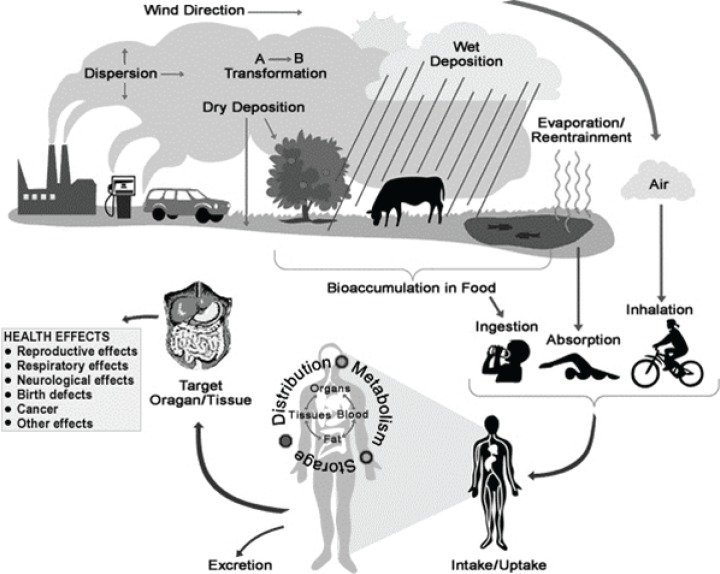
“Exposure to lead pollution and possible health effects in humans (Adopted from: [2]).”
BackgroundInfluentialOccurrence of trace metals in foodstuffs and their health impact
El-Kady, A. A., & Abdel-Wahhab, M. A. (2018) · Trends in Food Science & Technology · doi:10.1016/j.tifs.2018.03.001 · Cited by 317
Impact of environmental pollution from human activities on water, air quality and climate change
Edo, G. I., Itoje-akpokiniovo, L. O., Obasohan, P., Ikpekoro, V. O., Samuel, P. O., Jikah, A. N., Nosu, L. C., Ekokotu, H. A., Ugbune, U., Oghroro, E. E. A., et al. (2024) · Ecological Frontiers · doi:10.1016/j.ecofro.2024.02.014 · Cited by 251
Adsorption of cadmium and lead from aqueous solution using modified biochar: A review
Liu, T., Lawluvy, Y., Shi, Y., Ighalo, J. O., He, Y., Zhang, Y., & Yap, P.-S. (2022) · Journal of Environmental Chemical Engineering · doi:10.1016/j.jece.2021.106502 · Cited by 241
Heavy Metal Accumulation in Rice and Aquatic Plants Used as Human Food: A General Review
Uddin, M. M., Zakeel, M. C. M., Zavahir, J. S., Marikar, F. M. M. T., & Jahan, I. (2021) · Toxics · doi:10.3390/toxics9120360 · Cited by 226
Pratap, B., Kumar, S., Nand, S., Azad, I., Bharagava, R. N., Romanholo Ferreira, L. F., & Dutta, V. (2023) · Chemosphere · doi:10.1016/j.chemosphere.2022.137547 · Cited by 226
Systemic impact of heavy metals and their role in cancer development: a review
Parida, L., & Patel, T. N. (2023) · Environmental Monitoring and Assessment · doi:10.1007/s10661-023-11399-z · Cited by 216
“01 Inhalation (lungs), ingestion (kidney, liver, soft tissues), absorption (skin) Anaemia, renal dysfunction, hypertension, stroke, neurological toxicity, and reduced fertility (Wani et al., 2015)”
BackgroundWagner, S., & Schlummer, M. (2020) · Resources, Conservation and Recycling · doi:10.1016/j.resconrec.2020.104800 · Cited by 221
“However, exposure to such heavy metals can cause severe health issues including bone softening and kidney failure following exposure to cadmium, and learning difficulties in children exposed to lead (Rodríguez and Mandalunis, 2018; Wani et al., 2015).”
BackgroundRemoval of lead ions (Pb2+) from water and wastewater: a review on the low-cost adsorbents
Chowdhury, I. R., Chowdhury, S., Mazumder, M. A. J., & Al-Ahmed, A. (2022) · Applied Water Science · doi:10.1007/s13201-022-01703-6 · Cited by 237
“During pregnancy, lead is released from bones as maternal calcium and helps develop the fetus's bones (Wani et al. 2015).”
BackgroundInfluentialGrzeszczak, K., Łanocha-Arendarczyk, N., Malinowski, W., Ziętek, P., & Kosik-Bogacka, D. (2023) · Biomolecules · doi:10.3390/biom13121768 · Cited by 186
“Lead is a common occupational and environmentally toxic metal in many industrialized countries, exhibiting nephro-, hepato-, osteo-, and neurotoxic effects [171].”
BackgroundRole of Environmental Toxicants on Neurodegenerative Disorders
Nabi, M., & Tabassum, N. (2022) · Frontiers in Toxicology · doi:10.3389/ftox.2022.837579 · Cited by 199
Abualroos, N. J., Azman, M. N., Amin, N. A. B., & Zainon, R. (2020) · Physica Medica · doi:10.1016/j.ejmp.2020.08.017 · Cited by 211
Chemo-thermal surface dedoping for high-performance tin perovskite solar cells
Zhou, J., Hao, M., Zhang, Y., Ma, X., Dong, J., Lu, F., Wang, J., Wang, N., & Zhou, Y. (2022) · Matter · doi:10.1016/j.matt.2021.12.013 · Cited by 189
“However, this development has so far been mainly based on understanding and improvement of halide perovskite materials containing toxic lead (Pb) as a key component.(5,6) In this context, Pb toxicity has been raised as a significant issue.”
BackgroundTordi, P., Ridi, F., Samorì, P., & Bonini, M. (2025) · Advanced Functional Materials · doi:10.1002/adfm.202416390 · Cited by 175
Olabi, A. G., Wilberforce, T., Sayed, E. T., Abo-Khalil, A. G., Maghrabie, H. M., Elsaid, K., & Abdelkareem, M. A. (2022) · Energy · doi:10.1016/j.energy.2022.123987 · Cited by 183
Removal of toxic metals from water using chitosan-based magnetic adsorbents. A review
Brião, G. D. V., de Andrade, J. R., da Silva, M. G. C., & Vieira, M. G. A. (2020) · Environmental Chemistry Letters · doi:10.1007/s10311-020-01003-y · Cited by 177
Heavy Metal Exposure: Molecular Pathways, Clinical Implications, and Protective Strategies
Koyama, H., Kamogashira, T., & Yamasoba, T. (2024) · Antioxidants · doi:10.3390/antiox13010076 · Cited by 202
“Lead also elevates metallo-matrix proteins, which causes abnormalities in the placenta [172]; lead-exposed females have a high percentage of miscarriages [173].”
Teschke, R. (2022) · International Journal of Molecular Sciences · doi:10.3390/ijms232012213 · Cited by 177
Aryal, P., Hefner, C., Martinez, B., & Henry, C. S. (2024) · Lab on a Chip · doi:10.1039/d3lc00871a · Cited by 176
From contamination to detection: The growing threat of heavy metals
Abdelmonem, B. H., Kamal, L. T., Elbaz, R. M., Khalifa, M. R., & Abdelnaser, A. (2025) · Heliyon · doi:10.1016/j.heliyon.2025.e41713 · Cited by 175
Rahman, M. M., Hossain, K. F. B., Banik, S., Sikder, M. T., Akter, M., Bondad, S. E. C., Rahaman, M. S., Hosokawa, T., Saito, T., & Kurasaki, M. (2019) · Ecotoxicology and Environmental Safety · doi:10.1016/j.ecoenv.2018.10.054 · Cited by 174
Effects of heavy metals on reproduction owing to infertility
Bhardwaj, J. K., Paliwal, A., & Saraf, P. (2021) · Journal of Biochemical and Molecular Toxicology · doi:10.1002/jbt.22823 · Cited by 173
Remediation of Metal/Metalloid-Polluted Soils: A Short Review
Raffa, C. M., Chiampo, F., & Shanthakumar, S. (2021) · Applied Sciences · doi:10.3390/app11094134 · Cited by 158
“It is quickly absorbed into the bloodstream, damaging various systems [49].”
BackgroundGhasemidehkordi, B., Malekirad, A. A., Nazem, H., Fazilati, M., Salavati, H., Shariatifar, N., Rezaei, M., Fakhri, Y., & Mousavi Khaneghah, A. (2018) · Food and Chemical Toxicology · doi:10.1016/j.fct.2018.01.048 · Cited by 165
“Moreover, various cells in different parts of the body like erythrocytes, leucocytes, pulmonary macrophages, fibroblasts, renal tubular epithelium, hepatocytes, osteoclasts, peripheral blood neutrophils, and glial cells of the brain are very susceptible to toxicity of Pb (Wani et al., 2015).”
BackgroundHosry, L. E., Sok, N., Richa, R., Mashtoub, L. A., Cayot, P., & Bou‐Maroun, E. (2023) · Foods · doi:10.3390/foods12040895 · Cited by 190
“Moreover, acute Pb toxicity may arise from high doses in short time exposures [118].”
BackgroundA critical review on lead removal from industrial wastewater: Recent advances and future outlook
Kumar, V., Dwivedi, S. K., & Oh, S. (2022) · Journal of Water Process Engineering · doi:10.1016/j.jwpe.2021.102518 · Cited by 164
Strong Second- and Third-Harmonic Generation in 1D Chiral Hybrid Bismuth Halides
Li, Y., Zeng, Z., Cai, C., Xu, P., Gu, H., Gao, L., Han, J., Zhang, X., Wang, X., Wang, X., et al. (2021) · Journal of the American Chemical Society · doi:10.1021/jacs.1c06567 · Cited by 164
Liu, J., Huang, Z., Chen, Z., Sun, J., Gao, Y., & Wu, E. (2020) · Journal of Cleaner Production · doi:10.1016/j.jclepro.2020.120322 · Cited by 160
Nanomaterial-based fluorescent sensors for the detection of lead ions
Singh, H., Bamrah, A., Bhardwaj, S. K., Deep, A., Khatri, M., Kim, K.-H., & Bhardwaj, N. (2021) · Journal of Hazardous Materials · doi:10.1016/j.jhazmat.2020.124379 · Cited by 159
Advancements in Adsorption Techniques for Sustainable Water Purification: A Focus on Lead Removal
Badran, A. M., Utra, U., Yussof, N. S., & Bashir, M. J. K. (2023) · Separations · doi:10.3390/separations10110565 · Cited by 158
“Even low levels of exposure to lead can be harmful, especially for children [17,18].”
BackgroundHeavy metal and metalloid - induced reproductive toxicity
Mukherjee, A. G., Wanjari, U. R., Renu, K., Vellingiri, B., & Gopalakrishnan, A. V. (2022) · Environmental Toxicology and Pharmacology · doi:10.1016/j.etap.2022.103859 · Cited by 173
Olufemi, A. C., Mji, A., & Mukhola, M. S. (2022) · International Journal of Environmental Research and Public Health · doi:10.3390/ijerph192316006 · Cited by 173
“Although lead exposure affects almost every part and organ of the body, the nervous system is the most targeted [8,75].”
BackgroundResultInfluentialJeong, C. K., Han, J. H., Palneedi, H., Park, H., Hwang, G.-T., Joung, B., Kim, S.-G., Shin, H. J., Kang, I.-S., Ryu, J., et al. (2017) · APL Materials · doi:10.1063/1.4976803 · Cited by 151
Ahmed, W., Mehmood, S., Núñez-Delgado, A., Ali, S., Qaswar, M., Shakoor, A., Mahmood, M., & Chen, D.-Y. (2021) · Science of The Total Environment · doi:10.1016/j.scitotenv.2021.147136 · Cited by 147
ZnO Nanoadsorbents: A potent material for removal of heavy metal ions from wastewater
Dhiman, V., & Kondal, N. (2021) · Colloids and Interface Science Communications · doi:10.1016/j.colcom.2021.100380 · Cited by 159
Probiotics and gut microbiome − Prospects and challenges in remediating heavy metal toxicity
Arun, K. B., Madhavan, A., Sindhu, R., Emmanual, S., Binod, P., Pugazhendhi, A., Sirohi, R., Rajasekharan, R., Awasthi, M. K., Gnansounou, E., et al. (2021) · Journal of Hazardous Materials · doi:10.1016/j.jhazmat.2021.126676 · Cited by 154
Gupta, M., Dwivedi, V., Kumar, S., Patel, A., Niazi, P., & Yadav, V. K. (2024) · Plant Signaling & Behavior · doi:10.1080/15592324.2024.2365576 · Cited by 128
“111 The Pb toxicity causes a modification in the permeability of the chloroplast membrane, which is caused by an imbalance in the protein and lipid ratio within the plasma membrane of the chloroplast.”
BackgroundPeivasteh-Roudsari, L., Barzegar-Bafrouei, R., Sharifi, K. A., Salim, S. A., Karami, M., Abedinzadeh, S., Asadinezhad, S., Tajdar‐oranj, B., Mahdavi, V., Alizadeh, A. M., et al. (2023) · Heliyon · doi:10.1016/j.heliyon.2023.e18140 · Cited by 154
Development of lead-free perovskite solar cells: Opportunities, challenges, and future technologies
Magdalin, A. E., Nixon, P., Jayaseelan, E., Sivakumar, M., Devi, S. K. N., Subathra, M. S. P., Kumar, N. M., & Ananthi, N. (2023) · Results in Engineering · doi:10.1016/j.rineng.2023.101438 · Cited by 143
“Since the human brain is considered to be very sensitive to lead toxicity, neurotransmission has interfered and neuronal growth is decreased [19].”
BackgroundInfluentialBella, C. D., Traina, A., Giosuè, C., Carpintieri, D., Dico, G. M. L., Bellante, A., Core, M. D., Falco, F., Gherardi, S., Uccello, M. M., et al. (2020) · Frontiers in Public Health · doi:10.3389/fpubh.2020.00273 · Cited by 140
Njati, S. Y., & Maguta, M. M. (2019) · Environmental Pollution · doi:10.1016/j.envpol.2019.03.062 · Cited by 135
Singh, H., Bamrah, A., Bhardwaj, S. K., Deep, A., Khatri, M., Brown, R. J. C., Bhardwaj, N., & Kim, K. (2021) · Environmental Science Nano · doi:10.1039/d0en00963f · Cited by 162
Rodrigues, P. D. A., Ferrari, R. G., Kato, L. S., Hauser‐Davis, R. A., & Conte‐Júnior, C. A. (2021) · Biological Trace Element Research · doi:10.1007/s12011-021-02685-3 · Cited by 141
Deng, H., Tu, Y., Wang, H., Wang, Z., Li, Y., Chai, L., Zhang, W., & Lin, Z. (2022) · Eco-Environment & Health · doi:10.1016/j.eehl.2022.11.003 · Cited by 140
Zhao, Q., Han, R., Marshall, A. R., Wang, S., Wieliczka, B. M., Ni, J., Zhang, J., Yuan, J., Luther, J. M., Hazarika, A., et al. (2022) · Advanced Materials · doi:10.1002/adma.202107888 · Cited by 140
Joshi, N. C., & Gururani, P. (2022) · Current Research in Green and Sustainable Chemistry · doi:10.1016/j.crgsc.2022.100306 · Cited by 136
Immunological and toxicological risk assessment of e-cigarettes
Kaur, G., Pinkston, R., Mclemore, B., Dorsey, W. C., & Batra, S. (2018) · European Respiratory Review · doi:10.1183/16000617.0119-2017 · Cited by 133
Design and application of metal organic frameworks for heavy metals adsorption in water: a review
Essalmi, S., Lotfi, S., BaQais, A., Saadi, M., Arab, M., & Ahsaine, H. A. (2024) · RSC Advances · doi:10.1039/d3ra08815d · Cited by 132
A Comprehensive Review of Microfluidic Water Quality Monitoring Sensors
Jaywant, S. A., & Arif, K. M. (2019) · Sensors · doi:10.3390/s19214781 · Cited by 129
“Lead Internal Birth defects Autism, dyslexia, Haemoprotein, Natural deposits, mining, [58,60,61] (0.”
BackgroundPandey, S., Fosso‐Kankeu, E., Spiro, M. J., Waanders, F. B., Kumar, N., Ray, S. S., Kim, J., & Kang, M. (2020) · Materials Today Chemistry · doi:10.1016/j.mtchem.2020.100376 · Cited by 136
The Role of Silver Nanoparticles in Electrochemical Sensors for Aquatic Environmental Analysis
Ivanišević, I. (2023) · Sensors · doi:10.3390/s23073692 · Cited by 123
Emerging and Eco-friendly Approaches for Waste Management
Saxena, S., & Pandey, A. K. (2020) · Waste to Energy: Prospects and Applications · doi:10.1007/978-981-33-4347-4_3 · Cited by 120
Lead acid battery recycling for the twenty-first century
Ballantyne, A. D., Hallett, J. P., Riley, D. J., Shah, N., & Payne, D. J. (2018) · Royal Society Open Science · doi:10.1098/rsos.171368 · Cited by 133
“Lead is a highly poisonous material affecting almost every organ in the body, with the nervous system the most seriously affected by the toxicity of lead, in both children and adults [6].”
BackgroundElementary Overview of Heavy Metals
Jannetto, P. J., & Cowl, C. T. (2023) · Clinical Chemistry · doi:10.1093/clinchem/hvad022 · Cited by 122
Beyond efficiency fever: Preventing lead leakage for perovskite solar cells
Wu, P., Wang, S., Li, X., & Zhang, F. (2022) · Matter · doi:10.1016/j.matt.2022.02.012 · Cited by 117
Ravi, V. K., Mondal, B., Nawale, V. V., & Nag, A. (2020) · ACS Omega · doi:10.1021/acsomega.0c04599 · Cited by 116
The impact of environmental pollution on the quality of mother's milk
Pajewska-Szmyt, M., Sinkiewicz‐Darol, E., & Gadzała‐Kopciuch, R. (2019) · Environmental Science and Pollution Research · doi:10.1007/s11356-019-04141-1 · Cited by 127
An Investigation on Radiation Shielding Properties of Borosilicate Glass Systems
BAYKAL, D. Ş., Tekin, H. O., & Cakirli, R. B. (2021) · International Journal of Computational and Experimental Science and Engineering · doi:10.22399/ijcesen.960151 · Cited by 120
Environmental Toxin Screening Using Human-Derived 3D Bioengineered Liver and Cardiac Organoids
Forsythe, S. D., Devarasetty, M., Shupe, T., Bishop, C., Atala, A., Soker, S., & Skardal, A. (2018) · Frontiers in Public Health · doi:10.3389/fpubh.2018.00103 · Cited by 112
Nivetha, N., Srivarshine, B., Sowmya, B., Rajendiran, M., Saravanan, P., Rajeshkannan, R., Rajasimman, M., Pham, T. H. T., Shanmugam, V., & Dragoi, E.-N. (2023) · Chemosphere · doi:10.1016/j.chemosphere.2022.137099 · Cited by 106
Ugwu, E. I., Othmani, A., & Nnaji, C. C. (2022) · International Journal of Environmental Science and Technology · doi:10.1007/s13762-021-03560-3 · Cited by 105
“Pb was added to wine as a sweetener and flavor in the eighteenth century, and it is also found in substantial quantities in drugs as an impurity (Wani et al. 2015).”
BackgroundAl-Ghafari, A. B., Elmorsy, E. M., Fikry, E., Alrowaili, M. G., & Carter, W. G. (2019) · PLoS ONE · doi:10.1371/journal.pone.0225341 · Cited by 107
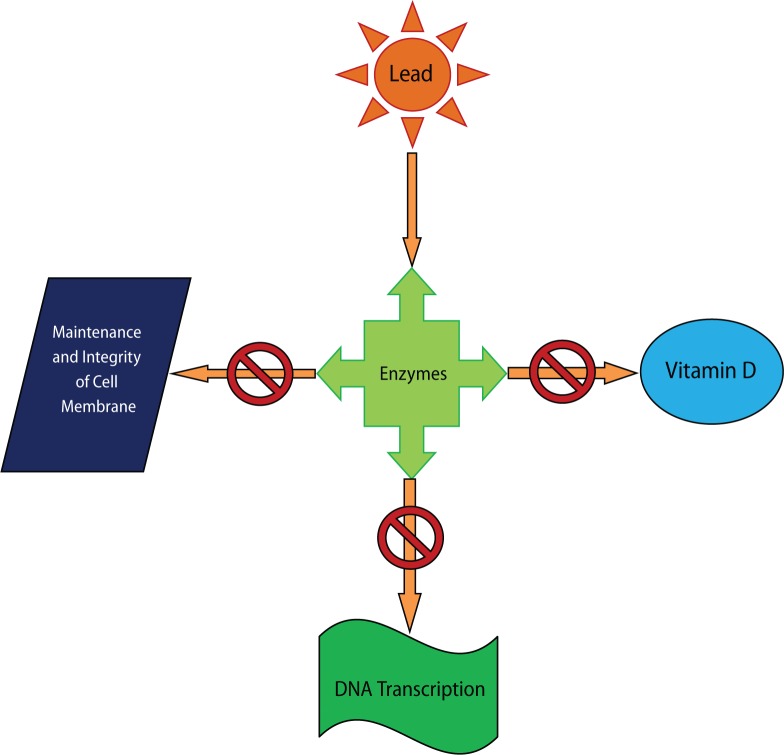
“Lead accumulation in tissues promotes oxidative DNA damage, and causes anemia, in part through inhibition of the activity of δ-aminolevulinic acid dehydratase, an enzyme involved in the biosynthesis of heme [17, 24].”
BackgroundMitra, A., Chatterjee, S., Kataki, S., Rastogi, R. P., & Gupta, D. K. (2021) · Environmental Science and Pollution Research · doi:10.1007/s11356-021-12583-9 · Cited by 111
“…hypertension, baldness, anaemia (inhibits porphobilinogen synthase and ferrochelatase enzyme activities), dementia, cognition problems (being analogue to calcium, at low concentrations, Pb is a selective blocker of voltage-dependent calcium channels) and death (Wani et al. 2015; ATSDR 2017).”
BackgroundPreonty, N.-E.-J., Hassan, M. N., Reza, A. H. M. S., Rasel, M., Mahim, M. M. A., & Jannat, M. F. T. (2025) · Environmental Chemistry and Ecotoxicology · doi:10.1016/j.enceco.2025.02.014 · Cited by 103
Progressive trends in heavy metal ions and dyes adsorption using silk fibroin composites
Rastogi, S., & Kandasubramanian, B. (2019) · Environmental Science and Pollution Research · doi:10.1007/s11356-019-07280-7 · Cited by 103
“Lead ions (Pb2+) also show toxicity by increasing ROS levels and decreasing antioxidants level, resulting in the lipid peroxidation (Gaschler and Stockwell 2017), damage to the proteins and nucleic acids, etc. due to the oxidation stress formation (Wani et al. 2015).”
BackgroundBio-inspired Track-Etched Polymeric Nanochannels: Steady-State Biosensors for Detection of Analytes
Wang, J., Zhou, Y., & Jiang, L. (2021) · ACS Nano · doi:10.1021/acsnano.1c08582 · Cited by 103
Ferroptosis as a mechanism of non-ferrous metal toxicity
Aschner, M., Skalny, A. V., Martins, A. C., Синицкий, А. И., Farina, M., Lu, R., Barbosa, F., Gluhcheva, Y. G., Santamaría, A., & Tinkov, A. A. (2022) · Archives of Toxicology · doi:10.1007/s00204-022-03317-y · Cited by 102
“Lead (Pb) is a potent neurotoxicant, that also affects other systems (Wani et al. 2015), ranked second in the Substance Priority List of the agency for toxic substances disease registry (ATSDR), after As (ATSRD 2019).”
BackgroundOmeje, K. O., Ezema, B. O., Okonkwo, F., Onyishi, N. C., Ozioko, J. N., Rasaq, W. A., Sardo, G., & Okpala, C. O. R. (2021) · Toxins · doi:10.3390/toxins13120870 · Cited by 100
Alhamami, M. A. M., Algethami, J. S., & Khan, S. (2023) · Critical Reviews in Analytical Chemistry · doi:10.1080/10408347.2023.2197073 · Cited by 101
Sustainability pathways for perovskite photovoltaics
Prince, K. J., Mirletz, H. M., Gaulding, E. A., Wheeler, L. M., Kerner, R. A., Zheng, X., Schelhas, L. T., Tracy, P., Wolden, C. A., Berry, J. J., et al. (2024) · Nature Materials · doi:10.1038/s41563-024-01945-6 · Cited by 102
“1e) 84 .”
Improving acid mine drainage treatment by combining treatment technologies: A review
Mosai, A. K., Ndlovu, G., & Tutu, H. (2024) · The Science of The Total Environment · doi:10.1016/j.scitotenv.2024.170806 · Cited by 101
Khan, R., Saxena, A. K., Shukla, S., Selvam, S., Senapathi, V., & Wu, J. (2021) · Environmental Science and Pollution Research · doi:10.1007/s11356-021-14592-0 · Cited by 96
“Moreover, the immune system, nervous system and internal and external tissues are at the stage of development (Wani et al. 2015), making them more vulnerable towards the probable carcinogenic and non-carcinogenic health risks due to the heavy metals (Wei et al.”
BackgroundSynthesis of BaZrS3 Perovskite Thin Films at a Moderate Temperature on Conductive Substrates
Comparotto, C., Ström, P., Donzel‐Gargand, O., Kubart, T., & Scragg, J. J. S. (2022) · ACS Applied Energy Materials · doi:10.1021/acsaem.2c00704 · Cited by 96
Mutagenic, Carcinogenic, and Teratogenic Effect of Heavy Metals
Dasharathy, S., Arjunan, S., Anusha, M. B., Murugasen, V., Ramachandran, S., Keshav, R., & Rajadurai, M. (2022) · Evidence-based Complementary and Alternative Medicine · doi:10.1155/2022/8011953 · Cited by 104
Ravindiran, G., Rajamanickam, S., Sujatha, S., Balamurugan, K. S., Ravindran, G., Muniasamy, S. K., & Hayder, G. (2023) · Water · doi:10.3390/w15203662 · Cited by 109
Influence of lead-induced toxicity on the inflammatory cytokines
Harshitha, P., Bose, K., & Dsouza, H. S. (2024) · Toxicology · doi:10.1016/j.tox.2024.153771 · Cited by 105
Heavy Metal and Metalloid Contamination in Food and Emerging Technologies for Its Detection
Mukherjee, A. G., Renu, K., Gopalakrishnan, A. V., Veeraraghavan, V. P., Vinayagam, S., Paz, S., Dey, A., Vellingiri, B., George, A., Madhyastha, H., et al. (2023) · Sustainability · doi:10.3390/su15021195 · Cited by 100
A Review on the Mitigation of Heavy Metals from Aqueous Solution using Sugarcane Bagasse
Iwuozor, K. O., Oyekunle, I. P., Oladunjoye, I. O., Ibitogbe, E. M., & Olorunfemi, T. S. (2021) · Sugar Tech · doi:10.1007/s12355-021-01051-w · Cited by 93
Völlmecke, K., Afroz, R., Bierbach, S., Brenker, L. J., Frücht, S., Glass, A., Giebelhaus, R. T., Hoppe, A., Kanemaru, K., Lazarek, M., et al. (2022) · Gels · doi:10.3390/gels8120768 · Cited by 98
Review of recent progress on DNA-based biosensors for Pb2+ detection
Yang, Y., Li, W., & Liu, J. (2020) · Analytica Chimica Acta · doi:10.1016/j.aca.2020.12.056 · Cited by 88
Swaringen, B. F., Gawlik, E., Kamenov, G. D., McTigue, N. E., Cornwell, D. A., & Bonzongo, J. J. (2021) · Environmental Research · doi:10.1016/j.envres.2021.112025 · Cited by 93
Metadata
- Authors
- Wani, A. L., Ara, A., & Usmani, J. A.
- Affiliations
- Aligarh Muslim University (IN)
- Jawaharlal Nehru Medical College Hospital (IN)
- Corresponding author
- Wani, Ab Latif
- Venue
- Interdisciplinary Toxicology
- Publisher
- Walter de Gruyter GmbH
- Published
- 2015-06-01
- Volume
- 8
- Issue
- 2
- Pages
- 55-64
- ISSN
- 1337-6853 (ISSN-L)
- 1337-9569
- PMC
- PMC4961898
- OpenAlex
- W2522138202
- Cited by
- 1,964
- References
- 90
- Citations by year
- 2026: 208 · 2025: 273 · 2024: 282 · 2023: 308 · 2022: 271 · 2021: 264 · 2020: 207 · 2019: 96 · 2018: 42 · 2017: 10 · 2016: 1
- FWCI
- 1.68
- Type
- journal article
- Language
- en
- Open access
- diamond
- doi.org
- Licence
- Locations
- Interdisciplinary Toxicology (publishedVersion, cc-by-nc-nd)
- PubMed Central (publishedVersion, cc-by)
- PubMed (publishedVersion)
- DOAJ (DOAJ: Directory of Open Access Journals) (submittedVersion, cc-by-sa)
- Funders
- U.S. Department of Health and Human Services
- University Grants Commission
- Aligarh Muslim University
- Centers for Disease Control and Prevention
- Topics
- Physical Sciences › Environmental Science › Health, Toxicology and Mutagenesis › Heavy Metal Exposure and Toxicity
- Physical Sciences › Environmental Science › Pollution › Heavy metals in environment
- Physical Sciences › Environmental Science › Health, Toxicology and Mutagenesis › Environmental Toxicology and Ecotoxicology
- Keywords
- lead toxicity, lead exposure, environmental pollution, nephrotoxicity, reproductive toxicity, neurotoxicity, lead poisoning treatment, developing countries
About these checks
Registry, retraction, Cites and statistics results are computed, not judged, with one exception: a printed reference that no index lists is read once by a model before it counts as a citation error. Claims are extracted by a model and kept only when their quote appears verbatim in the text; each cited source is then checked, with a model’s help, for whether it says what the claim relies on. Those verdicts can be wrong — read the claim’s quote and the cited source before relying on one.
Statistics and arithmetic are recomputed, not judged.
Confidence bands are shown only for fields calibrated on our annotated test set. None is calibrated yet, so no band is shown.
What counts as a claim ›How we measure confidence ›How we check this ›
Are you an author, or do you see a problem with this page? Request a review
Data sources
Bibliographic data: Semantic Scholar, OpenAlex, Crossref.
Contains information from the Semantic Scholar Academic Graph Datasets, made available under the ODC Attribution License (ODC-BY 1.0).
Semantic Scholar’s data is described in: Kinney, R., et al. (2023). The Semantic Scholar Open Data Platform. arXiv:2301.10140.
