

First report of autochthonous transmission of Zika virus in Brazil
Open accessThe DOI matches its Crossref record; 17 of the 17 references it cites were found in a registry or an index.
Abstract
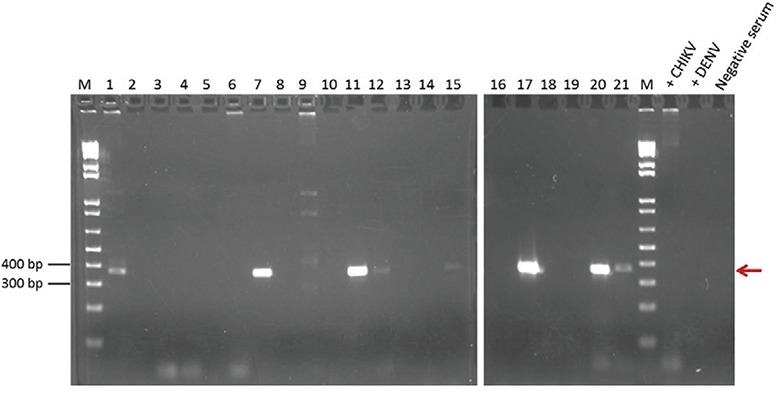
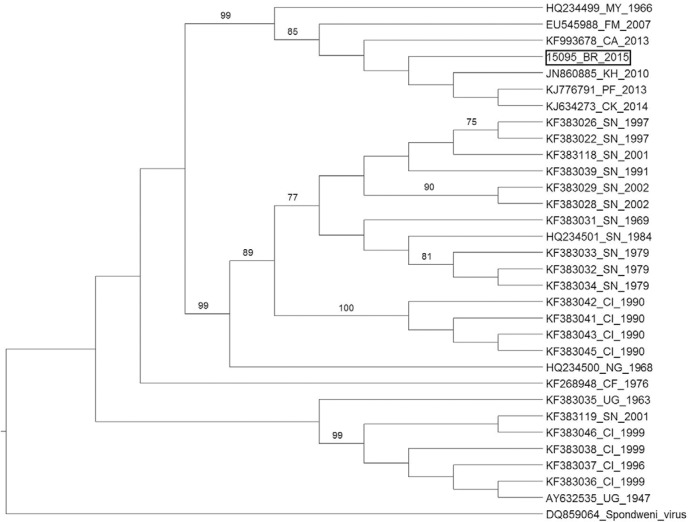
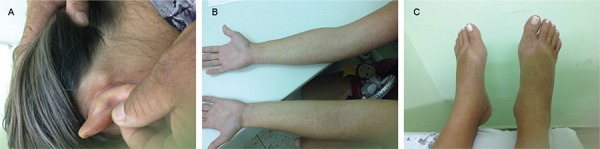
In the early 2015, several cases of patients presenting symptoms of mild fever, rash, conjunctivitis and arthralgia were reported in the northeastern Brazil. Although all patients lived in a dengue endemic area, molecular and serological diagnosis for dengue resulted negative. Chikungunya virus infection was also discarded. Subsequently, Zika virus (ZIKV) was detected by reverse transcription-polymerase chain reaction from the sera of eight patients and the result was confirmed by DNA sequencing. Phylogenetic analysis suggests that the ZIKV identified belongs to the Asian clade. This is the first report of ZIKV infection in Brazil.
Overview
The claims and statistics of this paper haven’t been checked yet.
Free: it reads the open-access text and checks the first 5 claims that cite a source we can check. Create a free account to check every claim.
Integrity signals
Registry
Cites
Statistics
Figures
Verification
Claims the paper makes
The claims and statistics of this paper haven’t been checked yet.
Free: it reads the open-access text and checks the first 5 claims that cite a source we can check. Create a free account to check every claim.
Claims other papers make about this one
Each is checked against this paper’s own text: does it say what the citing paper says it does?
The check wasn’t confident either way, so it gives no verdict — never disputed.
In the citing paper
“Zika was declared a national public health emergency in 2015 [24].”
From Recruitment of low-income pregnant women into a dietary and dental care intervention: lessons from a feasibility trial (2020) · cites this paper as [24]
Experimental — accuracy not yet measured
Self-check
Percentages, sums and reported differences re-computed from the paper’s own numbers.
The self-check needs the paper’s full text.
Citations
Cites
Zika Virus Outbreak on Yap Island, Federated States of Micronesia
Duffy, M. R., Chen, T.-H., Hancock, W. T., Powers, A. M., Kool, J. L., Lanciotti, R. S., Pretrick, M., Marfel, M., Holzbauer, S., Dubray, C., et al. (2009) · New England Journal of Medicine · doi:10.1056/nejmoa0805715 · Cited by 3,132 · cited 1×
“For half a century, the virus was described as causing sporadic human infections in Africa and Asia, until 2007 when a Zika fever epidemics took place in Yap Island, Micronesia (Duffy et al. 2009).”
BackgroundZika Virus (I). Isolations and serological specificity
Dick, G. W. A., Kitchen, S. F., & Haddow, A. J. (1952) · Transactions of the Royal Society of Tropical Medicine and Hygiene · doi:10.1016/0035-9203(52)90042-4 · Cited by 2,692 · cited 1×
“ZIKV was first isolated from a rhesus monkey in the Zika Forest of Uganda, in 1947 (Dick et al. 1952).”
BackgroundLanciotti, R. S., Calisher, C. H., Gubler, D. J., Chang, G. J., & Vorndam, A. V. (1992) · Journal of Clinical Microbiology · doi:10.1128/jcm.30.3.545-551.1992 · Cited by 1,818 · cited 5×
“Moreover, all samples rendered negative results in RT-PCR assays for CHIKV infection (Lanciotti et al. 2007).”
ResultInfluentialPotential Sexual Transmission of Zika Virus
Musso, D., Roche, C., Robin, E., Nhan, T., Teissier, A., & Cao-Lormeau, V.-M. (2015) · Emerging Infectious Diseases · doi:10.3201/eid2102.141363 · Cited by 1,176 · cited 1×
“Further studies are needed to unveil whether co-infection and subsequent infection by different arboviruses can affect the course of the disease, the occurrence of severe cases and the ways of transmission (vertical, perinatal, sexual) (Foy et al. 2011, Besnard et al. 2014, Musso et al. 2015).”
BackgroundProbable Non–Vector-borne Transmission of Zika Virus, Colorado, USA
Foy, B. D., Kobylinski, K. C., Foy, J. L. C., Blitvich, B. J., Travassos da Rosa, A., Haddow, A. D., Lanciotti, R. S., & Tesh, R. B. (2011) · Emerging Infectious Diseases · doi:10.3201/eid1705.101939 · Cited by 1,156 · cited 1×
“Further studies are needed to unveil whether co-infection and subsequent infection by different arboviruses can affect the course of the disease, the occurrence of severe cases and the ways of transmission (vertical, perinatal, sexual) (Foy et al. 2011, Besnard et al. 2014, Musso et al. 2015).”
BackgroundZika Virus, French Polynesia, South Pacific, 2013
Cao-Lormeau, V.-M., Roche, C., Teissier, A., Robin, E., Berry, A.-L., Mallet, H.-P., Sall, A. A., & Musso, D. (2014) · Emerging Infectious Diseases · doi:10.3201/eid2006.140138 · Cited by 874
Molecular Evolution of Zika Virus during Its Emergence in the 20th Century
Faye, O., Freire, C. C. M., Iamarino, A., Faye, O., de Oliveira, J. V. C., Diallo, M., Zanotto, P. M. A., & Sall, A. A. (2014) · PLoS Neglected Tropical Diseases · doi:10.1371/journal.pntd.0002636 · Cited by 819 · cited 1×
“The virus belongs to the genus Flavivirus, family Flaviviridae, and is closely related to other flaviviruses of public health relevance including dengue (DENV), yellow fever and West Nile viruses (Pierson & Diamond 2013, Faye et al. 2014).”
BackgroundEvidence of perinatal transmission of Zika virus, French Polynesia, December 2013 and February 2014
Besnard, M., Lastère, S., Teissier, A., Cao-Lormeau, V. M., & Musso, D. (2014) · Eurosurveillance · doi:10.2807/1560-7917.es2014.19.13.20751 · Cited by 814
Detection of Zika Virus in Urine
Gourinat, A.-C., O’Connor, O., Calvez, E., Goarant, C., & Dupont-Rouzeyrol, M. (2015) · Emerging Infectious Diseases · doi:10.3201/eid2101.140894 · Cited by 764 · cited 1×
“Of interest, recent paper by Gourinat et al. (2015) shows evidence of virus secretion in urine for more than 10 days after onset of disease.”
BackgroundRapid spread of emerging Zika virus in the Pacific area
Musso, D., Nilles, E. J., & Cao-Lormeau, V.-M. (2014) · Clinical Microbiology and Infection · doi:10.1111/1469-0691.12707 · Cited by 686 · cited 1×
“These results corroborate previously published data about the spread of the ZIKV Asian lineage that was first reported in the outbreaks of the Pacific Islands (Musso et al. 2014).”
Result
Research works printed but not linked: 1
- Pierson TC, 2013, Flaviviruses, 747
Cited by
Items 101–200 of 1,000
Brady, O. J., Osgood-Zimmerman, A. E., Kassebaum, N. J., Ray, S. E., de Araújo, V. E. M., da Nóbrega, A. A., Frutuoso, L. C. V., Lecca, R. C. R., Stevens, A., de Oliveira, B. Z., et al. (2019) · PLoS Medicine · doi:10.1371/journal.pmed.1002755 · Cited by 153
Global Interactomics Uncovers Extensive Organellar Targeting by Zika Virus
Coyaud, E., Ranadheera, C., Cheng, D., Gonçalves, J., Dyakov, B. J. A., Laurent, E. M. N., St-Germain, J., Pelletier, L., Gingras, A.-C., Brumell, J. H., et al. (2018) · Molecular & Cellular Proteomics · doi:10.1074/mcp.tir118.000800 · Cited by 138
“Named after its discovery in the Zika forest of Uganda in 1947 (3), ZIKV remained confined to Africa until recent outbreaks in Micronesia (2007) (4), French Polynesia (2013) (5), and South America (2015–2016) (6, 7).”
BackgroundThe evolution of Zika virus from Asia to the Americas
Liu, Z., Shi, W., & Qin, C. (2019) · Nature Reviews Microbiology · doi:10.1038/s41579-018-0134-9 · Cited by 161
Nava, A. F. D., Shimabukuro, J. S., Chmura, A. A., & Luz, S. L. B. (2017) · ILAR Journal · doi:10.1093/ilar/ilx034 · Cited by 165
“Despite active projects of infectious and vector-borne disease surveillance in Brazil, there has been a failure to detect and predict recently emerged diseases such as Zika virus (Vasconcelos 2015; Zanluca et al. 2015).”
BackgroundZika virus: an emerging challenge to public health worldwide
Sharma, V., Sharma, M., Dhull, D., Sharma, Y., Kaushik, S., & Kaushik, S. (2019) · Canadian Journal of Microbiology · doi:10.1139/cjm-2019-0331 · Cited by 163
“The first infection cases were reported from Rio Grande do Norte in early months of 2015 (Zanluca et al. 2015).”
BackgroundLocal Transmission of Zika Virus — Puerto Rico, November 23, 2015–January 28, 2016
Thomas, D. L., Sharp, T. M., Torres, J. M., Armstrong, P. A., Muñoz‐Jordán, J. L., Ryff, K. R., Martinez-Quiñones, A., Arias-Berríos, J., Mayshack, M., Garayalde, G. J., et al. (2016) · MMWR Morbidity and Mortality Weekly Report · doi:10.15585/mmwr.mm6506e2 · Cited by 132
“In May 2015, WHO reported the first local transmission of Zika virus in the Americas in Brazil (10).”
BackgroundGoindin, D., Delannay, C., Gelasse, A., Ramdini, C., Gaude, T., Faucon, F., David, J., Gustave, J., Vega-Rúa, A., & Fouque, F. (2017) · Infectious Diseases of Poverty · doi:10.1186/s40249-017-0254-x · Cited by 150
“Since then, the number of severe cases has drastically increased in Brazil and in most of the Latin American countries and Caribbean islands where ZIKV has been reported, and the first severe neurological cases associated with the ZIKV in the French West Indies were reported from Martinique in early 2016 [5].”
BackgroundInfluentialZika virus: An emergent neuropathological agent
White, M. K., Wollebo, H. S., Beckham, J. D., Tyler, K. L., & Khalili, K. (2016) · Annals of Neurology · doi:10.1002/ana.24748 · Cited by 154
“E-mail: kamel.khalili@temple.edu From the 1Department of Neuroscience, Center for Neurovirology, Comprehensive NeuroAIDS Center, Lewis Katz School of Medicine at Temple University, Philadelphia, PA; and 2Division of Infectious Diseases, Department of Medicine, 3Department of Neurology, and 4Department of Microbiology…”
InfluentialHeterologous Protection against Asian Zika Virus Challenge in Rhesus Macaques
Aliota, M. T., Dudley, D. M., Newman, C. M., Mohr, E. L., Gellerup, D. D., Breitbach, M. E., Buechler, C. R., Rasheed, M. N., Mohns, M. S., Weiler, A. M., et al. (2016) · PLoS neglected tropical diseases · doi:10.1371/journal.pntd.0005168 · Cited by 138
“, 2016), and in early 2015, in the state of Rio Grande do Norte in northern Brazil (Zanluca et al., 2015).”
BackgroundCurrent Status of Zika Virus Vaccines: Successes and Challenges
Pattnaik, A., Sahoo, B. R., & Pattnaik, A. K. (2020) · Vaccines · doi:10.3390/vaccines8020266 · Cited by 150
Epidemiology of Chikungunya Virus in Bahia, Brazil, 2014-2015
Faria, N. R., Lourenço, J., de Cerqueira, E. M., de Lima, M. M., & Alcantara, L. C. J. (2016) · PLoS Currents · doi:10.1371/currents.outbreaks.c97507e3e48efb946401755d468c28b2 · Cited by 125
Yellow fever virus is susceptible to sofosbuvir both in vitro and in vivo
de Freitas, C. S., Higa, L. M., Sacramento, C. Q., Ferreira, A. C., Reis, P. A., Delvecchio, R., Monteiro, F. L. L., Barbosa-Lima, G., Westgarth, H. J., Vieira, Y. R., et al. (2019) · PLoS neglected tropical diseases · doi:10.1371/journal.pntd.0007072 · Cited by 128
Nanogels: Synthesis, properties, and recent biomedical applications
Duan, Q., Zhu, Y., Jia, H., Wang, S., & Wu, F. (2023) · Progress in Materials Science · doi:10.1016/j.pmatsci.2023.101167 · Cited by 131
Zika virus infection: an update
Ferraris, P., Yssel, H., & Missé, D. (2019) · Microbes and Infection · doi:10.1016/j.micinf.2019.04.005 · Cited by 146
Hahn, M. B., Eisen, R. J., Eisen, L., Boegler, K. A., Moore, C. G., McAllister, J. C., Savage, H. M., & Mutebi, J.-P. (2016) · Journal of Medical Entomology · doi:10.1093/jme/tjw072 · Cited by 119
“The re-emergence of dengue viruses in the Western Hemisphere during the 1980s and 1990s was followed by the emergence of chikungunya virus in 2013 and Zika virus in 2015 (Brathwaite et al. 2012, Weaver and Forrester 2015, Zanluca et al. 2015).”
BackgroundZika Virus: Immunity and Vaccine Development
Pierson, T. C., & Graham, B. S. (2016) · Cell · doi:10.1016/j.cell.2016.09.020 · Cited by 121
Microcephaly in Infants, Pernambuco State, Brazil, 2015
(2016) · Emerging infectious diseases · doi:10.3201/eid2206.160062 · Cited by 118
“I April 2015, Zika virus was identified in Brazil (1,2).”
BackgroundGenomic characterization and phylogenetic analysis of Zika virus circulating in the Americas
Ye, Q., Liu, Z., Han, J., Jiang, T., Li, X., & Qin, C. (2016) · Infection Genetics and Evolution · doi:10.1016/j.meegid.2016.05.004 · Cited by 117
Pessôa, R., Patriota, J. V., de Souza, M. D. L., Félix, A. C., Mamede, N., & Sanabani, S. S. (2016) · Medicine · doi:10.1097/md.0000000000003201 · Cited by 116
Envelope Protein Glycosylation Mediates Zika Virus Pathogenesis
Carbaugh, D. L., Baric, R. S., & Lazear, H. M. (2019) · Journal of Virology · doi:10.1128/jvi.00113-19 · Cited by 129
Humoral cross-reactivity between Zika and dengue viruses: implications for protection and pathology
Priyamvada, L., Hudson, W. H., Ahmed, R., & Wrammert, J. (2017) · Emerging Microbes & Infections · doi:10.1038/emi.2017.42 · Cited by 129
Development of a Zika Virus Infection Model in Cynomolgus Macaques
Koide, F., Goebel, S., Snyder, B., Walters, K. B., Gast, A., Hagelin, K., Kalkeri, R., & Rayner, J. (2016) · Frontiers in Microbiology · doi:10.3389/fmicb.2016.02028 · Cited by 116
“The origin and global spread of ZIKV during the ongoing pandemic is welldocumented (Dick et al., 1952; Duffy et al., 2009; Haddow et al., 2012; Musso et al., 2014; Campos et al., 2015; Zanluca et al., 2015; Solomon et al., 2016).”
BackgroundCulex quinquefasciatus from Rio de Janeiro Is Not Competent to Transmit the Local Zika Virus
Fernandes, R. S., Campos, S. S., Ferreira-de-Brito, A., de Miranda, R. M., da Silva, K. A. B., de Castro, M. G., Raphael, L. M. S., Brasil, P., Failloux, A., Bonaldo, M. C., et al. (2016) · PLoS neglected tropical diseases · doi:10.1371/journal.pntd.0004993 · Cited by 124
“With the arrival of the ZIKV Asian genotype in the Americas, the global number of suspected and confirmed ZIKV cases reached levels never seen previously [28, 29].”
BackgroundInfluentialThe Convergence of a Virus, Mosquitoes, and Human Travel in Globalizing the Zika Epidemic
Imperato, P. J. (2016) · Journal of Community Health · doi:10.1007/s10900-016-0177-7 · Cited by 111
“, suggest that this event may have been a catalyst for the introduction of Zika into Brazil [15–17].”
BackgroundPreventative Vaccines for Zika Virus Outbreak: Preliminary Evaluation
Kim, E., Erdös, G., Huang, S., Kenniston, T. W., Falo, L. D., & Gambotto, A. A. (2016) · EBioMedicine · doi:10.1016/j.ebiom.2016.09.028 · Cited by 124
“The ZIKV outbreak in Brazil has been associated with a significant rise in the number of babies born with microcephaly (Zanluca et al., 2015) and neurological disorders such as Guillain-Barré syndrome and has been declared a “Global Emergency” by the World Health Organization (WHO 2016 http://www.”
BackgroundThe Challenges Imposed by Dengue, Zika, and Chikungunya to Brazil
Zanotto, P. M. D. A., & Leite, L. C. C. (2018) · Frontiers in Immunology · doi:10.3389/fimmu.2018.01964 · Cited by 130
“The ZIKV infection was first reported in 2015, initially assumed to have arrived during the World Cup in 2014, but later shown to have arrived earlier in 2013 (10, 15).”
BackgroundCampos, R. D. M., Cirne-Santos, C. C., Meira, G. L. S., Santos, L. L. R., de Meneses, M. D. F., Friedrich, J. H., Jansen, S., Ribeiro, M. S., da Cruz, I. C., Schmidt‐Chanasit, J., et al. (2016) · Journal of Clinical Virology · doi:10.1016/j.jcv.2016.02.009 · Cited by 110
A dynamic neural network model for predicting risk of Zika in real time
Akhtar, M., Kraemer, M. U. G., & Gardner, L. M. (2019) · BMC Medicine · doi:10.1186/s12916-019-1389-3 · Cited by 110
“affected 48 countries and territories in the Americas (9-11).”
BackgroundZika virus: epidemiology, clinical features and host-virus interactions
Hamel, R., Liégeois, F., Wichit, S., Pompon, J., Diop, F., Talignani, L., Thomas, F., Desprès, P., Yssel, H., & Missé, D. (2016) · Microbes and Infection · doi:10.1016/j.micinf.2016.03.009 · Cited by 130
“M AN US CR IP T AC CE PT ED ACCEPTED MANUSCRIPT America was reported in early 2015 [3, 4].”
BackgroundStyczynski, A., Malta, J. M. A. S., Krow‐Lucal, E., Pércio, J., da Nóbrega, M. E. B., Vargas, A., Lanzieri, T. M., Leite, P. L. E., Staples, J. E., Fischer, M., et al. (2017) · PLoS neglected tropical diseases · doi:10.1371/journal.pntd.0005869 · Cited by 108
Clinical Manifestations of Zika Virus Infection, Rio de Janeiro, Brazil, 2015
Cerbino-Neto, J., Mesquita, E. C., Souza, T. M. L., Parreira, V. G., Wittlin, B. B., Durovni, B., Lemos, M. C. F., Vizzoni, A. G., de Filippis, A. M. B., Sampaio, S. A., et al. (2016) · Emerging infectious diseases · doi:10.3201/eid2207.160375 · Cited by 107
“Brazil reported the first autochthonous case of Zika virus disease in April 2015 (5), and subsequently, increasing numbers of cases have been reported, especially in northeastern Brazil (6).”
Flavivirus transmission focusing on Zika
Vasilakis, N., & Weaver, S. C. (2016) · Current Opinion in Virology · doi:10.1016/j.coviro.2016.11.007 · Cited by 107
Smith, D. R., Hollidge, B., Daye, S., Zeng, X., Blancett, C., Kuszpit, K., Bocan, T., Koehler, J. W., Coyne, S., Minogue, T., et al. (2017) · PLOS Neglected Tropical Diseases · doi:10.1371/journal.pntd.0005296 · Cited by 107
Zika virus: An emerging flavivirus
Yun, S.-I., & Lee, Y.-M. (2017) · The Journal of Microbiology · doi:10.1007/s12275-017-7063-6 · Cited by 147
“…to northeastern Brazil who presented with common symptoms of fever, rash, myalgias/arthralgia, and conjunctivitis (Campos et al., 2015; Cardoso et al., 2015; Zammarchi et al., 2015; Zanluca et al., 2015), indicating the first autochthonous transmission of ZIKV in the Western Hemisphere (Fig.”
BackgroundZika virus infection: epidemiology, clinical manifestations and diagnosis
Calvet, G. A., dos Santos, F. B., & de Sequeira, P. C. (2016) · Current Opinion in Infectious Diseases · doi:10.1097/qco.0000000000000301 · Cited by 119
Association between Zika virus and fetopathy: a prospective cohort study in French Guiana
Pomar, L., Malinger, G., Benoist, G., Carles, G., Ville, Y. G., Rousset, D., Hcini, N., Pomar, C., Jolivet, A., & Lambert, V. (2017) · Ultrasound in Obstetrics and Gynecology · doi:10.1002/uog.17404 · Cited by 105
Lipid nanoparticles: Composition, formulation, and application
Xu, S., Hu, Z., Song, F., Xu, Y. G., & Han, X. (2025) · Molecular Therapy — Methods & Clinical Development · doi:10.1016/j.omtm.2025.101463 · Cited by 128
Paploski, I. A. D., Prates, A. P. P. B., Cardoso, C. W., Kikuti, M., Silva, M. M. O., Waller, L. A., dos Reis, M. G., Kitron, U. D., & Ribeiro, G. S. (2016) · Emerging infectious diseases · doi:10.3201/eid2208.160496 · Cited by 104
“By April 2015, Zika virus was identified in patients from the states of Bahia (1) and Rio Grande do Norte, Brazil (2).”
BackgroundZika Virus Encoding Nonglycosylated Envelope Protein Is Attenuated and Defective in Neuroinvasion
Annamalai, A. S., Pattnaik, A., Sahoo, B. R., Muthukrishnan, E., Natarajan, S. K., Steffen, D. J., Vu, H. L. X., Delhon, G. A., Osorio, F. A., Petro, T. M., et al. (2017) · Journal of Virology · doi:10.1128/jvi.01348-17 · Cited by 116
“The virus was subsequently detected for the first time in Brazil in 2015 (8), causing infections in epidemic proportions, and spread rapidly to many countries in the Americas and other parts of the world.”
BackgroundEstimated Incubation Period for Zika Virus Disease
Krow‐Lucal, E., Biggerstaff, B. J., & Staples, J. E. (2017) · Emerging infectious diseases · doi:10.3201/eid2305.161715 · Cited by 103
“In May 2015, Zika virus disease cases were identified in Brazil, representing the first local transmission in the Americas (4).”
Calvert, A. E., Biggerstaff, B. J., Tanner, N. A., Lauterbach, M., & Lanciotti, R. S. (2017) · PLoS ONE · doi:10.1371/journal.pone.0185340 · Cited by 115
The citrus flavonoid naringenin impairs the in vitro infection of human cells by Zika virus
Cataneo, A. H. D., Kuczera, D., Koishi, A. C., Zanluca, C., Silveira, G. F., de Arruda, T. B., Suzukawa, A. A., Bortot, L. O., Dias‐Baruffi, M., Verri, W. A., Jr., et al. (2019) · Scientific Reports · doi:10.1038/s41598-019-52626-3 · Cited by 114
Self-citationA review on Zika virus outbreak, epidemiology, transmission and infection dynamics
Kazmi, S. S., Ali, W., Bibi, N., & Nouroz, F. (2020) · Journal of Biological Research - Thessaloniki · doi:10.1186/s40709-020-00115-4 · Cited by 125
Human Bocavirus Infection in Children with Gastroenteritis, Brazil
Albuquerque, M. C. M., Rocha, L. N., Benati, F. J., Soares, C. C., Maranhão, A. G., Ramírez, M. L., Erdman, D. D., & Santos, N. S. D. O. (2007) · Emerging infectious diseases · doi:10.3201/eid1311.070671 · Cited by 115
Emergent and Reemergent Arboviruses in South America and the Caribbean: Why So Many and Why Now?
Marcondes, C. B., Contigiani, M., & Gleiser, R. M. (2017) · Journal of Medical Entomology · doi:10.1093/jme/tjw209 · Cited by 187
“2016), then Brazil in 2015 (Zanluca et al. 2015), and Argentina (Ministerio de Salud de la Naci on 2016).”
BackgroundZika Virus Infection, Basic and Clinical Aspects: A Review Article
Noorbakhsh, F., Abdolmohammadi, K., Fatahi, Y., Dalili, H., Rasoolinejad, M., Rezaei, F., Salehi-Vaziri, ., Shafiei-Jandaghi, N.-Z., Gooshki, E. S., Zaim, M., et al. (2019) · Iranian Journal of Public Health · doi:10.18502/ijph.v48i1.779 · Cited by 138
“scription polymerase chain reaction (RT-PCR) assay and confirmed by DNA sequencing (25, 26).”
MethodTravel Surveillance and Genomics Uncover a Hidden Zika Outbreak during the Waning Epidemic
Grubaugh, N. D., Saraf, S., Gangavarapu, K., Watts, A., Tan, A. L., Oidtman, R. J., Ladner, J. T., Oliveira, G., Matteson, N. L., Kraemer, M. U. G., et al. (2019) · Cell · doi:10.1016/j.cell.2019.07.018 · Cited by 114
“Zika virus was first detected in Brazil in May 2015 (Zanluca et al., 2015) and had spread to 48 countries by 2016, with case numbers peaking later that year (PAHO, 2017a (PAHO, , 2017b .”
Live Births and Fertility Amid the Zika Epidemic in Brazil
Marteleto, L. J., Guedes, G., Coutinho, R. Z., & Weitzman, A. (2020) · Demography · doi:10.1007/s13524-020-00871-x · Cited by 102
“That is, it was first detected in northeast Brazil (Diniz 2016; Pan American Health Organization 2015a; Zanluca et al. 2015); moreover, states in this region were hit hardest by the epidemic (Brasil 2017; de Oliveira et al. 2017a, b).”
BackgroundGuillain–Barré Syndrome After Zika Virus Infection in Brazil
do Rosário, M. S., de Jesus, P. A. P., Vasilakis, N., Farias, D. S., Novaes, M. A. C., Rodrigues, S. G., Martins, L. C., Vasconcelos, P. F. D. C., Ko, A. I., Alcântara, L. C. J., et al. (2016) · American Journal of Tropical Medicine and Hygiene · doi:10.4269/ajtmh.16-0306 · Cited by 99
Johnson, T. L., Haque, U., Monaghan, A. J., Eisen, L., Hahn, M. B., Hayden, M. H., Savage, H. M., McAllister, J. C., Mutebi, J.-P., & Eisen, R. J. (2017) · Journal of Medical Entomology · doi:10.1093/jme/tjx163 · Cited by 118
“…yellow fever remains a persistent threat (Vasconcelos 2017), dengue has expanded in recent decades (Gubler 2002, Lambrechts et al. 2010, Bhatt et al. 2013), and chikungunya and Zika have been introduced in the past few years (Cauchemez et al. 2014, Zanluca et al. 2015, Fauci and Morens 2016).”
BackgroundZika virus infection in pregnant women in Rio de Janeiro
(2016) · Current Medicine Research and Practice · doi:10.1016/j.cmrp.2016.03.003 · Cited by 100
Effects of hyperoxia on the oxygen distribution in the intact cat retina.
Linsenmeier, R. A., & Yancey, C. M. (1989) · PubMed · Cited by 96
Zika Virus Disease: A CDC Update for Pediatric Health Care Providers
Karwowski, M. P., Nelson, J. M., Staples, J. E., Fischer, M., Fleming-Dutra, K. E., Villanueva, J. M., Powers, A. M., Mead, P. S., Honein, M. A., Moore, C. A., et al. (2016) · PEDIATRICS · doi:10.1542/peds.2016-0621 · Cited by 101
Impact of transmission cycles and vector competence on global expansion and emergence of arboviruses
Agarwal, A., Parida, M., & Dash, P. K. (2017) · Reviews in Medical Virology · doi:10.1002/rmv.1941 · Cited by 72
Epidemiological and ecological determinants of Zika virus transmission in an urban setting
Lourenço, J., de Lima, M. M., Faria, N. R., Walker, A., Kraemer, M. U. G., Villabona‐Arenas, C. J., Lambert, B. C., de Cerqueira, E. M., Pybus, O. G., Alcantara, L., et al. (2017) · eLife · doi:10.7554/elife.29820 · Cited by 94
Zanluca, C., & dos Santos, C. N. D. (2016) · Microbes and Infection · doi:10.1016/j.micinf.2016.03.003 · Cited by 92
Self-citationNeurological manifestations of Chikungunya and Zika infections
Pinheiro, T. J., Guimarães, L. F. Z., Silva, M. T. T., & Soares, C. (2016) · Arquivos de Neuro-Psiquiatria · doi:10.1590/0004-282x20160138 · Cited by 91
Impact of temperature on the extrinsic incubation period of Zika virus in Aedes aegypti
Winokur, O. C., Main, B. J., Nicholson, J., & Barker, C. M. (2020) · PLoS neglected tropical diseases · doi:10.1371/journal.pntd.0008047 · Cited by 115
“In 2015, local transmission of ZIKV was first detected in Brazil [4].”
BackgroundComparative Analysis of Dengue and Zika Outbreaks Reveals Differences by Setting and Virus
Funk, S., Kucharski, A. J., Camacho, A., Eggo, R. M., Yakob, L., Murray, L. M., & Edmunds, W. J. (2016) · PLoS neglected tropical diseases · doi:10.1371/journal.pntd.0005173 · Cited by 101
Mathematical model for Zika virus dynamics with sexual transmission route
Agusto, F. B., Bewick, S. A., & Fagan, W. F. (2017) · Ecological Complexity · doi:10.1016/j.ecocom.2016.12.007 · Cited by 94
Differential Vector Competency of Aedes albopictus Populations from the Americas for Zika Virus
Azar, S. R., Roundy, C. M., Rossi, S. L., Huang, J. H., Leal, G., Yun, R., Fernández‐Salas, I., Vitek, C. J., Paploski, I. A. D., Stark, P. M., et al. (2017) · American Journal of Tropical Medicine and Hygiene · doi:10.4269/ajtmh.16-0969 · Cited by 96
Costa, V. V., Sarto, J. L. D., Rocha, R. D. P. F., da Silva, F. R., Doria, J. G., Olmo, I. G., Marques, R. E., Queiroz‐Junior, C. M., Foureaux, G., Araújo, J. M. S., et al. (2017) · mBio · doi:10.1128/mbio.00350-17 · Cited by 99
“The first case of ZIKV infection in Brazil was reported in May 2015 (9), and ZIKV infection has been associated with severe neurological complications, including microcephaly and ophthalmological alterations, such as severe macular neuroretinal atrophy and foveal reflex loss in infants born from ZIKV-infected mothers…”
BackgroundIsolation of Zika Virus from Febrile Patient, Indonesia
Perkasa, A., Yudhaputri, F. A., Haryanto, S., Hayati, R., Ma’roef, C. N., Antonjaya, U., Yohan, B., Myint, K. S. A., Ledermann, J. P., Rosenberg, R., et al. (2016) · Emerging infectious diseases · doi:10.3201/eid2205.151915 · Cited by 88
“Since then, the virus has caused epidemics elsewhere in the Pacific islands (3) and recently emerged in South America (4).”
BackgroundWomen's Reproductive Intentions and Behaviors during the Zika Epidemic in Brazil
Marteleto, L. J., Weitzman, A., Coutinho, R. Z., & Alves, S. V. (2017) · Population and Development Review · doi:10.1111/padr.12074 · Cited by 97
Antiviral activity of quercetin-3-β-O-D-glucoside against Zika virus infection
Wong, G., He, S., Siragam, V., Bi, Y., Mbikay, M., Chrétien, M., & Qiu, X. (2017) · Virologica Sinica · doi:10.1007/s12250-017-4057-9 · Cited by 94
“The 2015–2016 outbreak of Zika virus (ZIKV) fever, first reported in Brazil during early 2015 (Zanluca et al., 2015), has infected millions of people and is a global public health concern.”
BackgroundCardiac findings in infants with in utero exposure to Zika virus- a cross sectional study
Orofino, D. H. G., Passos, S. R. L., de Oliveira, R. D. V. C., Farias, C. V. B., Leite, M. D. F. M. P., Pone, S. M., Pone, M. V. D. S., Mendes, H. A. R. T., Moreira, M. E. L., & Nielsen‐Saines, K. (2018) · PLoS neglected tropical diseases · doi:10.1371/journal.pntd.0006362 · Cited by 89
Recombinant vesicular stomatitis virus vector vaccines for WHO blueprint priority pathogens
Fathi, A., Dahlke, C., & Addo, M. M. (2019) · Human Vaccines & Immunotherapeutics · doi:10.1080/21645515.2019.1649532 · Cited by 87
“In 2015–2017, the spread of ZIKV infections received attention when it rapidly disseminated from Brazil throughout the Americas, where no autochthonous case of ZIKV infection had been described before 2015.(120,121) rVSV vaccine vector expressing diverse ZIKV antigens have been described in proof-of-concept studies.”
BackgroundBiological Control of Pest and Vector Insects
Shields, V. D. C. (2017) · InTech eBooks · doi:10.5772/63274 · Cited by 91
Evaluating probabilistic dengue risk forecasts from a prototype early warning system for Brazil
Lowe, R., Coelho, C. A. S., Barcellos, C., Carvalho, M. S., Catão, R. D. C., Coelho, G. E., Ramalho, W. M., Bailey, T., Stephenson, D. B., & Rodó, X. (2016) · eLife · doi:10.7554/elife.11285 · Cited by 104
A EPIDEMIA DE ZIKA E OS LIMITES DA SAÚDE GLOBAL
Nunes, J., & Pimenta, D. N. (2016) · Lua Nova Revista de Cultura e Política · doi:10.1590/0102-6445021-046/98 · Cited by 86
“Em 2015, foi confirmada a circulação do vírus no Nordeste do Brasil (Zanluca et al., 2015).”
Backgroundde Noronha, L., Zanluca, C., Burger, M., Suzukawa, A. A., de Azevedo, M. L. V., Rebutini, P. Z., Novadzki, I. M., Tanabe, L. S., Presibella, M. M., & dos Santos, C. N. D. (2018) · Frontiers in Microbiology · doi:10.3389/fmicb.2018.02266 · Cited by 84
“In general, ZIKV infection in humans is characterized as a self-limiting disease, and the most frequent signs and symptoms are low fever, myalgia, rash, arthralgia, headache and conjunctival hyperemia (Duffy et al., 2009; Zanluca et al., 2015).”
BackgroundSelf-citationZambrano, H., Waggoner, J. J., Almeida, C., Rivera, L., Benjamin, J. Q., & Pinsky, B. A. (2016) · American Journal of Tropical Medicine and Hygiene · doi:10.4269/ajtmh.16-0323 · Cited by 83
“Symptomatic ZIKV infections often present with some combination of fever, joint pain, myalgia, headache, conjunctivitis, and a pruritic rash.(1,3) During the ongoing outbreak, ZIKV has also been associated with severe manifestations, namely fetal microcephaly and Guillain–Barré syndrome (GBS).”
BackgroundCulex mosquitoes are experimentally unable to transmit Zika virus
Amraoui, F., Atyame, C. M., Vega-Rúa, A., Lourenço‐de‐Oliveira, R., Vazeille, M., & Failloux, A. (2016) · Eurosurveillance · doi:10.2807/1560-7917.es.2016.21.35.30333 · Cited by 92
Heinisch, M. R., Díaz-Quijano, F. A., Neto, F. C., Pancetti, F. G. M., Coelho, R. R., Andrade, P. D. S., Urbinatti, P. R., Almeida, R. M. M. D. S., & Lima‐Camara, T. N. (2018) · Acta Tropica · doi:10.1016/j.actatropica.2018.09.011 · Cited by 104
Shahid, F., Ashfaq, U. A., Javaid, A., & Khalid, H. (2020) · Infection Genetics and Evolution · doi:10.1016/j.meegid.2020.104199 · Cited by 82
Zika Virus, a New Threat for Europe?
Jupille, H., Seixas, G., Mousson, L., Sousa, C. A., & Failloux, A. (2016) · PLoS neglected tropical diseases · doi:10.1371/journal.pntd.0004901 · Cited by 80
“Following this, ZIKV continued to spread rapidly with outbreaks in French Polynesia in October 2013 [3], New Caledo-nia in 2015 [4], and subsequently, Brazil in May 2015 [5, 6].”
BackgroundInfluentialAdvances in Diagnosis, Surveillance, and Monitoring of Zika Virus: An Update
Singh, R. K., Dhama, K., Karthik, K., Tiwari, R., Khandia, R., Munjal, A. K., Iqbal, H. M. N., Malik, Y. S., & Bueno‐Marí, R. (2018) · Frontiers in Microbiology · doi:10.3389/fmicb.2017.02677 · Cited by 90
“Low-level viremias can also limit the opportunity for isolation of the virus (Lanciotti et al., 2008; Zanluca and Dos Santos, 2016).”
BackgroundMotor function in children with congenital Zika syndrome
Melo, A., Gama, G. L., Júnior, R. A. D. S., de Assunção, P. L., Tavares, J. S., Silva, M. B. D., Costa, K. N. F. S., Vânia, M. D. L., Evangelista, M. A., & Amorim, M. M. R. (2019) · Developmental Medicine & Child Neurology · doi:10.1111/dmcn.14227 · Cited by 79
“The alarming increase in the incidence of congenital microcephaly after an epidemic of ZIKV infection initially recorded in north-eastern Brazil in 2015 led to a hypothesis that these two events were associated.(1) In 2016, the hypothesis of an association between ZIKV, fetal microcephaly, and brain abnormalities gain…”
BackgroundAnimals in the Zika Virus Life Cycle: What to Expect from Megadiverse Latin American Countries
Bueno, M. G., Martínez, N., Abdalla, L. D. S., dos Santos, C. N. D., & Chame, M. (2016) · PLoS neglected tropical diseases · doi:10.1371/journal.pntd.0005073 · Cited by 94
“In early 2015, several patients in Northeast Brazil presented dengue-like symptoms, and molecular diagnosis revealed autochthonous ZIKV infection [19].”
BackgroundSelf-citationZika virus: from pathogenesis to disease control
Barzon, L., Trevisan, M., Sinigaglia, A., Lavezzo, E., & Palù, G. (2016) · FEMS Microbiology Letters · doi:10.1093/femsle/fnw202 · Cited by 93
“However, subsequent reports indicated that the virus was already circulating in the country at least since January– March 2015 (Campos, Bandeira and Sardi 2015; Cardoso et al. 2015; Zammarchi et al. 2015; Zanluca et al. 2015; Brasil et al. 2016a), while phylogenetic and molecular clock analysis of vi-”
BackgroundAndrade, D. V., & Harris, E. (2017) · Virus Research · doi:10.1016/j.virusres.2017.06.019 · Cited by 81
“Zika, declared “a public health emergency of international concern” by the World Health Organization (WHO) in 2016 (WHO, 2016), spread rapidly across the Americas (ECDC, 2016) after being introduced into Brazil in 2014 (Faria et al., 2017; Zanluca et al., 2015).”
Schrauf, S., Tschismarov, R., Tauber, E., & Ramsauer, K. (2020) · Frontiers in Immunology · doi:10.3389/fimmu.2020.00592 · Cited by 99
“Two years later the virus hit South America, with Brazil particularly affected (41, 42).”
BackgroundSpread of the pandemic Zika virus lineage is associated with NS1 codon usage adaptation in humansPreprint
Freire, C. C. D. M., Iamarino, A., Neto, D. F. D. L., Sall, A. A., & Zanotto, P. M. D. A. (2015) · bioRxiv (Cold Spring Harbor Laboratory) · doi:10.1101/032839 · Cited by 84
“ZF symptoms include lasting arthralgia, headaches and mild fever (Zanluca et al., 2015; Campos et al., 2015).”
BackgroundAn Update on Zika Virus in Asia
Lim, S.-K., Lim, J. K., & Yoon, I.-K. (2017) · Infection and Chemotherapy · doi:10.3947/ic.2017.49.2.91 · Cited by 88
“Moreover, 1,708 cases of GBS were reported between January and November 2015 [12, 13].”
BackgroundMacoris, M. D. L. D. G., Martins, A. J., Andrighetti, M. T. M., Lima, J. B. P., & Valle, D. (2018) · PLoS neglected tropical diseases · doi:10.1371/journal.pntd.0006390 · Cited by 98
Epidemia de microcefalia e vírus Zika: a construção do conhecimento em epidemiologia
de Albuquerque, M. D. F. P. M., de Souza, W. V., de Araújo, T. V. B., Braga, M. C., Miranda-Filho, D. D. B., Ximenes, R. A. D. A., Filho, D. A. D. M., de Brito, C. A. A., Alves, S. V., de Melo, A. P. L., et al. (2018) · Cadernos de Saúde Pública · doi:10.1590/0102-311x00069018 · Cited by 129
Human Type I Interferon Antiviral Effects in Respiratory and Reemerging Viral Infections
Acosta, P. L., Byrne, A. B., Hijano, D. R., & Talarico, L. B. (2020) · Journal of Immunology Research · doi:10.1155/2020/1372494 · Cited by 83
“Typically, ZIKV infections can be asymptomatic or manifested as a self-limiting febrile illness characterized by rash, headache, conjunctivitis, arthralgia, and myalgia [204 – 207 , 209].”
Emerging infections—an increasingly important topic: review by the Emerging Infections Task Force
Petersen, E., Petrosillo, N., Koopmans, M., Beeching, N. J., Di, A., Gkrania‐Klotsas, E., Kantele, A., Kohlmann, R., Koopmans, M., Lim, P. L., et al. (2017) · Clinical Microbiology and Infection · doi:10.1016/j.cmi.2017.10.035 · Cited by 89
Antiviral Agents in Development for Zika Virus Infections
Baz, M., & Boivin, G. (2019) · Pharmaceuticals · doi:10.3390/ph12030101 · Cited by 92
“In May 2015, ZIKV spread across the Pacific Ocean and was introduced in Brazil where it caused more than one million cases [7] .”
BackgroundGyawali, N., Bradbury, R. S., & Taylor-Robinson, A. W. (2016) · Infectious Diseases of Poverty · doi:10.1186/s40249-016-0132-y · Cited by 73
“The virus has been linked to more than 4 000 recent cases of microcephaly in Brazil [3], a rare congenital disease that is associated with incomplete brain development and which causes babies to be born with unusually small heads and, in the majority of cases, brain damage.”
BackgroundInfluentialSensorineural hearing loss in a case of congenital Zika virus
Gouveia, M. D. C. L., Muniz, L. F., Neto, S. D. S. C., van der Linden, V., & Ramos, R. C. F. (2016) · Brazilian Journal of Otorhinolaryngology · doi:10.1016/j.bjorl.2016.06.001 · Cited by 73
African and Asian Zika Virus Isolates Display Phenotypic Differences Both In Vitro and In Vivo
Smith, D. R., Sprague, T. R., Hollidge, B. S., Trefry, S. V., Padilla, S. L., Bellanca, S. A., Golden, J. W., Coyne, S. R., Kulesh, D. A., Miller, L. J., et al. (2017) · American Journal of Tropical Medicine and Hygiene · doi:10.4269/ajtmh.17-0685 · Cited by 81
Zika Virus Spreads to New Areas — Region of the Americas, May 2015–January 2016
Hennessey, M. J., Fischer, M., & Staples, J. E. (2016) · MMWR Morbidity and Mortality Weekly Report · doi:10.15585/mmwr.mm6503e1er · Cited by 73
Detection of Zika virus by SYBR green one-step real-time RT-PCR
Xu, M., Liu, S., Deng, C., Zhang, Q., & Zhang, B. (2016) · Journal of Virological Methods · doi:10.1016/j.jviromet.2016.07.014 · Cited by 73
Zika Immunoassay Based on Surface-Enhanced Raman Scattering Nanoprobes
Camacho, S. A., Sobral-Filho, R. G., Aoki, P. H. B., Constantino, C. J. L., & Brolo, A. G. (2018) · ACS Sensors · doi:10.1021/acssensors.7b00639 · Cited by 77
Zika virus: a new pandemic threat
Al-Qahtani, A. A., Nazir, N., Al‐Anazi, M. R., Rubino, S., & Al‐Ahdal, M. N. (2016) · The Journal of Infection in Developing Countries · doi:10.3855/jidc.8350 · Cited by 72
“These data combined with phylogenetic studies suggest that ZIKV introduction in Brazil may have been a consequence of this event [35].”
Hamer, D. H., Barbre, K. A., Chen, L. H., Grobusch, M. P., Schlagenhauf, P., Goorhuis, A., van Genderen, P. J. J., Molina, I., Ásgeirsson, H., Kozarsky, P. E., et al. (2017) · Annals of Internal Medicine · doi:10.7326/m16-1842 · Cited by 87
“Z virus has spread rapidly throughout Latin America and the Caribbean since its initial identification in the Americas in Brazil in 2015 (1, 2).”
BackgroundNeto, S. R. D. S., de Oliveira, T. T., Teixeira, I. V., de Oliveira, S. B. A., Sampaio, V. D. S., Lynn, T., & Endo, P. T. (2022) · PLoS neglected tropical diseases · doi:10.1371/journal.pntd.0010061 · Cited by 85
Singh, R. K., Dhama, K., Malik, Y. S., Ramakrishnan, M. A., Karthik, K., Tiwari, R., Saurabh, S., Sachan, S., & Joshi, S. K. (2016) · Veterinary Quarterly · doi:10.1080/01652176.2016.1188333 · Cited by 85
“Moreover, it also supported the notion that American as well as Pacific Island strains/isolates are relatively closer to those from Asian lineage (Zanluca et al. 2015; Buathong et al. 2015; Alera et al. 2015; Enfissi et al. 2016).”
BackgroundMethodResultInfluentialA mathematical model for Zika virus transmission dynamics with a time-dependent mosquito biting rate
Suparit, P., Wiratsudakul, A., & Modchang, C. (2018) · Theoretical Biology and Medical Modelling · doi:10.1186/s12976-018-0083-z · Cited by 75
Metadata
- Authors
- Zanluca, C., Melo, V. C. A. D., Mosimann, A. L. P., Santos, G. I. V. D., Santos, C. N. D. D., & Luz, K.
- Affiliations
- Fundação Oswaldo Cruz (BR)
- Secretaria Estadual de Saúde do Rio Grande do Norte, Brasil
- Universidade Federal do Rio Grande do Norte, Brasil
- Corresponding author
- Santos, Claudia Nunes Duarte dos
- ORCID
- Venue
- Memórias do Instituto Oswaldo Cruz
- Publisher
- FapUNIFESP (SciELO)
- Published
- 2015-06-09
- Volume
- 110
- Issue
- 4
- Pages
- 569-572
- ISSN
- 0074-0276 (ISSN-L)
- 1678-8060
- PMC
- PMC4501423
- OpenAlex
- W1558143285
- Cited by
- 1,320
- References
- 17
- Citations by year
- 2026: 17 · 2025: 42 · 2024: 69 · 2023: 85 · 2022: 86 · 2021: 92 · 2020: 126 · 2019: 129 · 2018: 160 · 2017: 172 · 2016: 316 · 2015: 20
- FWCI
- 238.26
- Type
- journal article
- Language
- en
- Open access
- diamond
- doi.org
- Licence
- cc-by-nc
- Locations
- Memórias do Instituto Oswaldo Cruz (publishedVersion, cc-by-nc)
- PubMed Central (publishedVersion, cc-by-nc)
- PubMed (publishedVersion)
- Americanae (AECID Library) (publishedVersion, other-oa)
- LA Referencia (Red Federada de Repositorios Institucionales de Publicaciones Científicas) (publishedVersion, other-oa)
- Portuguese National Funding Agency for Science, Research and Technology (RCAAP Project by FCT) (publishedVersion)
- Bioline International (Bioline International) (submittedVersion)
- Americanae (AECID Library) (submittedVersion, other-oa)
- Arca - Repositório Institucional da Fiocruz (submittedVersion, other-oa)
- DOAJ (DOAJ: Directory of Open Access Journals) (submittedVersion)
- LA Referencia (Red Federada de Repositorios Institucionales de Publicaciones Científicas) (submittedVersion, other-oa)
- Funders
- Universidade Federal do Paraná
- Topics
- Health Sciences › Medicine › Public Health, Environmental and Occupational Health › Mosquito-borne diseases and control
- Health Sciences › Medicine › Infectious Diseases › Viral Infections and Vectors
- Health Sciences › Medicine › Infectious Diseases › Viral Infections and Outbreaks Research
- Keywords
- Zika virus, autochthonous transmission, Northeast Brazil, joint pain, phylogenetic analysis, molecular diagnosis
- MeSH terms
- Zika Virus Infection, Zika Virus, Adolescent, Adult, Aedes, Aged, Animals, Brazil, Female, Humans, Insect Vectors, Male, Middle Aged, Phylogeny, RNA, Viral, Polymerase Chain Reaction, Sequence Analysis, DNA, Young Adult
About these checks
Registry, retraction, Cites and statistics results are computed, not judged, with one exception: a printed reference that no index lists is read once by a model before it counts as a citation error. Claims are extracted by a model and kept only when their quote appears verbatim in the text; each cited source is then checked, with a model’s help, for whether it says what the claim relies on. Those verdicts can be wrong — read the claim’s quote and the cited source before relying on one.
Statistics and arithmetic are recomputed, not judged.
Confidence bands are shown only for fields calibrated on our annotated test set. None is calibrated yet, so no band is shown.
What counts as a claim ›How we measure confidence ›How we check this ›
Are you an author, or do you see a problem with this page? Request a review
Data sources
Bibliographic data: Semantic Scholar, OpenAlex, Crossref.
Contains information from the Semantic Scholar Academic Graph Datasets, made available under the ODC Attribution License (ODC-BY 1.0).
Semantic Scholar’s data is described in: Kinney, R., et al. (2023). The Semantic Scholar Open Data Platform. arXiv:2301.10140.
