

First report of autochthonous transmission of Zika virus in Brazil
Open accessThe DOI matches its Crossref record; 17 of the 17 references it cites were found in a registry or an index.
Abstract
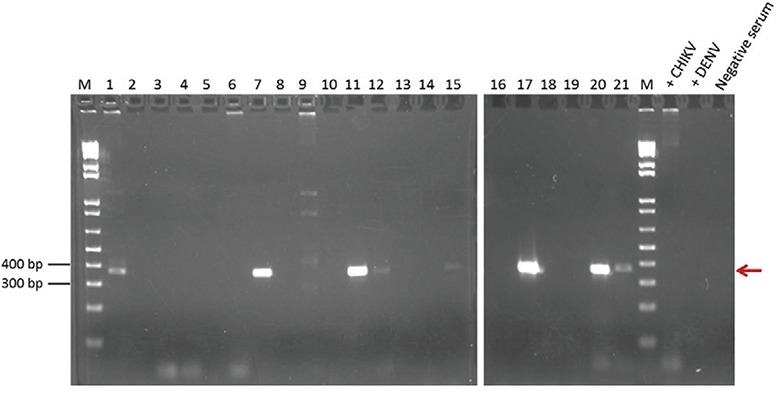
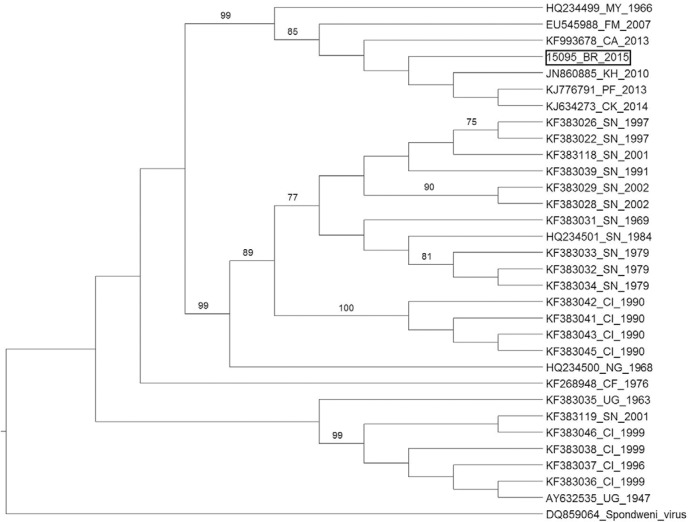
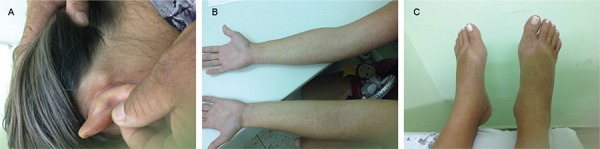
In the early 2015, several cases of patients presenting symptoms of mild fever, rash, conjunctivitis and arthralgia were reported in the northeastern Brazil. Although all patients lived in a dengue endemic area, molecular and serological diagnosis for dengue resulted negative. Chikungunya virus infection was also discarded. Subsequently, Zika virus (ZIKV) was detected by reverse transcription-polymerase chain reaction from the sera of eight patients and the result was confirmed by DNA sequencing. Phylogenetic analysis suggests that the ZIKV identified belongs to the Asian clade. This is the first report of ZIKV infection in Brazil.
Overview
The claims and statistics of this paper haven’t been checked yet.
Free: it reads the open-access text and checks the first 5 claims that cite a source we can check. Create a free account to check every claim.
Integrity signals
Registry
Cites
Statistics
Figures
Verification
Claims the paper makes
The claims and statistics of this paper haven’t been checked yet.
Free: it reads the open-access text and checks the first 5 claims that cite a source we can check. Create a free account to check every claim.
Claims other papers make about this one
Each is checked against this paper’s own text: does it say what the citing paper says it does?
The check wasn’t confident either way, so it gives no verdict — never disputed.
In the citing paper
“Zika was declared a national public health emergency in 2015 [24].”
From Recruitment of low-income pregnant women into a dietary and dental care intervention: lessons from a feasibility trial (2020) · cites this paper as [24]
Experimental — accuracy not yet measured
Self-check
Percentages, sums and reported differences re-computed from the paper’s own numbers.
The self-check needs the paper’s full text.
Citations
Cites
Zika Virus Outbreak on Yap Island, Federated States of Micronesia
Duffy, M. R., Chen, T.-H., Hancock, W. T., Powers, A. M., Kool, J. L., Lanciotti, R. S., Pretrick, M., Marfel, M., Holzbauer, S., Dubray, C., et al. (2009) · New England Journal of Medicine · doi:10.1056/nejmoa0805715 · Cited by 3,132 · cited 1×
“For half a century, the virus was described as causing sporadic human infections in Africa and Asia, until 2007 when a Zika fever epidemics took place in Yap Island, Micronesia (Duffy et al. 2009).”
BackgroundZika Virus (I). Isolations and serological specificity
Dick, G. W. A., Kitchen, S. F., & Haddow, A. J. (1952) · Transactions of the Royal Society of Tropical Medicine and Hygiene · doi:10.1016/0035-9203(52)90042-4 · Cited by 2,692 · cited 1×
“ZIKV was first isolated from a rhesus monkey in the Zika Forest of Uganda, in 1947 (Dick et al. 1952).”
BackgroundLanciotti, R. S., Calisher, C. H., Gubler, D. J., Chang, G. J., & Vorndam, A. V. (1992) · Journal of Clinical Microbiology · doi:10.1128/jcm.30.3.545-551.1992 · Cited by 1,818 · cited 5×
“Moreover, all samples rendered negative results in RT-PCR assays for CHIKV infection (Lanciotti et al. 2007).”
ResultInfluentialPotential Sexual Transmission of Zika Virus
Musso, D., Roche, C., Robin, E., Nhan, T., Teissier, A., & Cao-Lormeau, V.-M. (2015) · Emerging Infectious Diseases · doi:10.3201/eid2102.141363 · Cited by 1,176 · cited 1×
“Further studies are needed to unveil whether co-infection and subsequent infection by different arboviruses can affect the course of the disease, the occurrence of severe cases and the ways of transmission (vertical, perinatal, sexual) (Foy et al. 2011, Besnard et al. 2014, Musso et al. 2015).”
BackgroundProbable Non–Vector-borne Transmission of Zika Virus, Colorado, USA
Foy, B. D., Kobylinski, K. C., Foy, J. L. C., Blitvich, B. J., Travassos da Rosa, A., Haddow, A. D., Lanciotti, R. S., & Tesh, R. B. (2011) · Emerging Infectious Diseases · doi:10.3201/eid1705.101939 · Cited by 1,156 · cited 1×
“Further studies are needed to unveil whether co-infection and subsequent infection by different arboviruses can affect the course of the disease, the occurrence of severe cases and the ways of transmission (vertical, perinatal, sexual) (Foy et al. 2011, Besnard et al. 2014, Musso et al. 2015).”
BackgroundZika Virus, French Polynesia, South Pacific, 2013
Cao-Lormeau, V.-M., Roche, C., Teissier, A., Robin, E., Berry, A.-L., Mallet, H.-P., Sall, A. A., & Musso, D. (2014) · Emerging Infectious Diseases · doi:10.3201/eid2006.140138 · Cited by 874
Molecular Evolution of Zika Virus during Its Emergence in the 20th Century
Faye, O., Freire, C. C. M., Iamarino, A., Faye, O., de Oliveira, J. V. C., Diallo, M., Zanotto, P. M. A., & Sall, A. A. (2014) · PLoS Neglected Tropical Diseases · doi:10.1371/journal.pntd.0002636 · Cited by 819 · cited 1×
“The virus belongs to the genus Flavivirus, family Flaviviridae, and is closely related to other flaviviruses of public health relevance including dengue (DENV), yellow fever and West Nile viruses (Pierson & Diamond 2013, Faye et al. 2014).”
BackgroundEvidence of perinatal transmission of Zika virus, French Polynesia, December 2013 and February 2014
Besnard, M., Lastère, S., Teissier, A., Cao-Lormeau, V. M., & Musso, D. (2014) · Eurosurveillance · doi:10.2807/1560-7917.es2014.19.13.20751 · Cited by 814
Detection of Zika Virus in Urine
Gourinat, A.-C., O’Connor, O., Calvez, E., Goarant, C., & Dupont-Rouzeyrol, M. (2015) · Emerging Infectious Diseases · doi:10.3201/eid2101.140894 · Cited by 764 · cited 1×
“Of interest, recent paper by Gourinat et al. (2015) shows evidence of virus secretion in urine for more than 10 days after onset of disease.”
BackgroundRapid spread of emerging Zika virus in the Pacific area
Musso, D., Nilles, E. J., & Cao-Lormeau, V.-M. (2014) · Clinical Microbiology and Infection · doi:10.1111/1469-0691.12707 · Cited by 686 · cited 1×
“These results corroborate previously published data about the spread of the ZIKV Asian lineage that was first reported in the outbreaks of the Pacific Islands (Musso et al. 2014).”
Result
Research works printed but not linked: 1
- Pierson TC, 2013, Flaviviruses, 747
Cited by
Cao-Lormeau, V.-M., Blake, A., Mons, S., Lastère, S., Roche, C., Vanhomwegen, J., Dub, T., Baudouin, L., Teissier, A., Larre, P., et al. (2016) · The Lancet · doi:10.1016/s0140-6736(16)00562-6 · Cited by 2,205
Zika Virus Infection in Pregnant Women in Rio de Janeiro
Brasil, P., Pereira, J. P., Moreira, M. E., Ribeiro Nogueira, R. M., Damasceno, L., Wakimoto, M., Rabello, R. S., Valderramos, S. G., Halai, U.-A., Salles, T. S., et al. (2016) · New England Journal of Medicine · doi:10.1056/nejmoa1602412 · Cited by 2,196
Musso, D., & Gubler, D. J. (2016) · Clinical Microbiology Reviews · doi:10.1128/cmr.00072-15 · Cited by 1,469
Zika virus impairs growth in human neurospheres and brain organoids
Garcez, P. P., Loiola, E. C., Madeiro da Costa, R., Higa, L. M., Trindade, P., Delvecchio, R., Nascimento, J. M., Brindeiro, R., Tanuri, A., & Rehen, S. K. (2016) · Science · doi:10.1126/science.aaf6116 · Cited by 1,184
Petersen, L. R., Jamieson, D. J., Powers, A. M., & Honein, M. A. (2016) · New England Journal of Medicine · doi:10.1056/nejmra1602113 · Cited by 1,173
Calvet, G., Aguiar, R. S., Melo, A. S. O., Sampaio, S. A., de Filippis, I., Fabri, A., Araujo, E. S. M., de Sequeira, P. C., de Mendonça, M. C. L., de Oliveira, L., et al. (2016) · The Lancet Infectious Diseases · doi:10.1016/s1473-3099(16)00095-5 · Cited by 1,165
Zika virus in the Americas: Early epidemiological and genetic findings
Faria, N. R., Azevedo, R. D. S. D. S., Kraemer, M. U. G., Souza, R., Cunha, M. S., Hill, S. C., Thézé, J., Bonsall, M. B., Bowden, T. A., Rissanen, I., et al. (2016) · Science · doi:10.1126/science.aaf5036 · Cited by 1,091
“First, Brazil was the first country in the Americas to detect ZIKV (29) and second, Brazilian strains are phylogenetically more diverse within clade B than those from elsewhere.”
Characterizing the Pattern of Anomalies in Congenital Zika Syndrome for Pediatric Clinicians
Moore, C. A., Staples, J. E., Dobyns, W. B., Pessoa, A., Ventura, C. V., Fonseca, E. B. D., Ribeiro, E. M., Ventura, L. O., Neto, N. N., Arena, J. F., et al. (2017) · JAMA Pediatrics · doi:10.1001/jamapediatrics.2016.3982 · Cited by 960
“Although many of the components of this syndrome, such as cognitive, sensory, and motor disabilities, are shared by other congenital infections, there are 5 features that are rarely seen with other congenital infections or are unique to congenital Zika virus infection: (1) severe microcephaly with partially collapsed…”
BackgroundDejnirattisai, W., Supasa, P., Wongwiwat, W., Rouvinski, A., Barba-Spaeth, G., Duangchinda, T., Sakuntabhai, A., Cao-Lormeau, V.-M., Malasit, P., Rey, F. A., et al. (2016) · Nature Immunology · doi:10.1038/ni.3515 · Cited by 914
Evidence of perinatal transmission of Zika virus, French Polynesia, December 2013 and February 2014
Besnard, M., Lastère, S., Teissier, A., Cao-Lormeau, V. M., & Musso, D. (2014) · Eurosurveillance · doi:10.2807/1560-7917.es2014.19.13.20751 · Cited by 814
The 3.8 Å resolution cryo-EM structure of Zika virus
Sirohi, D., Chen, Z., Sun, L., Klose, T., Pierson, T. C., Rossmann, M. G., & Kuhn, R. J. (2016) · Science · doi:10.1126/science.aaf5316 · Cited by 738
“Following its introduction into Brazil in 2015 (6), the virus has spread rapidly across the Americas (7).”
BackgroundZika virus: History, emergence, biology, and prospects for control
Weaver, S. C., Costa, F., Garcia-Blanco, M. A., Ko, A. I., Ribeiro, G. S., Saade, G., Shi, P.-Y., & Vasilakis, N. (2016) · Antiviral Research · doi:10.1016/j.antiviral.2016.03.010 · Cited by 653
“The first is that the virus was introduced during the World Cup soccer games, held in the country between June and July of 2014 (Zanluca et al., 2015).”
BackgroundEstablishment and cryptic transmission of Zika virus in Brazil and the Americas
Faria, N. R., Quick, J., Claro, I. M., Thézé, J., de Jesus, J. G., Giovanetti, M., Kraemer, M. U. G., Hill, S. C., Black, A., da Costa, A. C., et al. (2017) · Nature · doi:10.1038/nature22401 · Cited by 616
Differential Susceptibilities of Aedes aegypti and Aedes albopictus from the Americas to Zika Virus
Chouin-Carneiro, T., Vega-Rua, A., Vazeille, M., Yebakima, A., Girod, R., Goindin, D., Dupont-Rouzeyrol, M., Lourenço-de-Oliveira, R., & Failloux, A.-B. (2016) · PLOS Neglected Tropical Diseases · doi:10.1371/journal.pntd.0004543 · Cited by 621
“The aim of the study was to evaluate the vector competence of the mosquito spp. Aedes aegypti and Aedes albopictus from the Caribbean (Martinique, Guadeloupe), North America (southern United States), South America (Brazil, French Guiana) for the currently circulating Asian genotype of ZIKV isolated from a patient in A…”
BackgroundInfluentialde Paula Freitas, B., de Oliveira Dias, J. R., Prazeres, J., Sacramento, G. A., Ko, A. I., Maia, M., & Belfort, R. (2016) · JAMA Ophthalmology · doi:10.1001/jamaophthalmol.2016.0267 · Cited by 561
Mayer, S. V., Tesh, R. B., & Vasilakis, N. (2017) · Acta Tropica · doi:10.1016/j.actatropica.2016.11.020 · Cited by 470
Characterization of a Novel Murine Model to Study Zika Virus
Rossi, S. L., Tesh, R. B., Azar, S. R., Muruato, A. E., Hanley, K. A., Auguste, A. J., Langsjoen, R. M., Paessler, S., Vasilakis, N., & Weaver, S. C. (2016) · The American Society of Tropical Medicine and Hygiene · doi:10.4269/ajtmh.16-0111 · Cited by 458
“5,10,17 It is unknown whether genetic differences between the African and Asian lineages play a role in the scope and severity of current outbreaks.”
Zika Virus: New Clinical Syndromes and Its Emergence in the Western Hemisphere
Lazear, H. M., & Diamond, M. S. (2016) · Journal of Virology · doi:10.1128/jvi.00252-16 · Cited by 455
“In the ensuing years, ZIKV spread throughout Oceania (22–25) and then was detected in Brazil in early 2015 (26, 27).”
BackgroundInfluentialZika Virus Spreads to New Areas — Region of the Americas, May 2015–January 2016
Hennessey, M., Fischer, M., & Staples, J. E. (2016) · MMWR. Morbidity and Mortality Weekly Report · doi:10.15585/mmwr.mm6503e1 · Cited by 440
Zika virus: history of a newly emerging arbovirus
Wikan, N., & Smith, D. R. (2016) · The Lancet Infectious Diseases · doi:10.1016/s1473-3099(16)30010-x · Cited by 429
Martines, R. B., Bhatnagar, J., Keating, M. K., Silva-Flannery, L., Muehlenbachs, A., Gary, J., Goldsmith, C., Hale, G., Ritter, J., Rollin, D., et al. (2016) · MMWR. Morbidity and Mortality Weekly Report · doi:10.15585/mmwr.mm6506e1 · Cited by 419
Self-citationCongenital Zika Virus Infection: Beyond Neonatal Microcephaly
Melo, A. S. D. O., Aguiar, R. S., Amorim, M. M. R., Arruda, M. B., Melo, F. D. O., Ribeiro, S. T. C., Batista, A. G. M., Ferreira, T., dos Santos, M. P., Sampaio, V. V., et al. (2016) · JAMA Neurology · doi:10.1001/jamaneurol.2016.3720 · Cited by 406
“Patient No., Sex Maternal Age, y Acute ZIKV Symptoms (GT of First Appearance, wk) GT of First Image With Lesion, wk PCR Diagnosis of Amniocentesis (GT, wk) GT Delivery, wk (CP, cm) Newborn Outcome PCR Diagnosis at Birth (AF, CB, and PL) Postmortem Tissue PCR (PL, BR, CB, SC, and LG) ZIKV Rapid Test Result for CB IgG I…”
InfluentialThe Zika Virus Epidemic in Brazil: From Discovery to Future Implications
Lowe, R., Barcellos, C., Brasil, P., Cruz, O., Honório, N., Kuper, H., & Carvalho, M. (2018) · International Journal of Environmental Research and Public Health · doi:10.3390/ijerph15010096 · Cited by 398
“In May 2015, the spread of ZIKV among the local population was laboratory confirmed, first in the states of Pernambuco (PE), Rio Grande do Norte (RN), and Bahia (BA) in the Northeast region, then in other states of the Central-West and Southeast regions [5,6].”
BackgroundKleber de Oliveira, W., Cortez-Escalante, J., De Oliveira, W. T. G. H., do Carmo, G. M. I., Henriques, C. M. P., Coelho, G. E., & Araújo de França, G. V. (2016) · MMWR. Morbidity and Mortality Weekly Report · doi:10.15585/mmwr.mm6509e2 · Cited by 399
Petersen, E., Wilson, M. E., Touch, S., McCloskey, B., Mwaba, P., Bates, M., Dar, O., Mattes, F., Kidd, M., Ippolito, G., et al. (2016) · International Journal of Infectious Diseases · doi:10.1016/j.ijid.2016.02.001 · Cited by 363
Mapping global environmental suitability for Zika virus
Messina, J. P., Kraemer, M. U., Brady, O. J., Pigott, D. M., Shearer, F. M., Weiss, D. J., Golding, N., Ruktanonchai, C. W., Gething, P. W., Cohn, E., et al. (2016) · eLife · doi:10.7554/elife.15272 · Cited by 370
“In 2013, the virus began to spread across other parts of Oceania and in 2015, a large outbreak in Latin America began in Brazil.”
BackgroundInfluentialZika virus — reigniting the TORCH
Coyne, C. B., & Lazear, H. M. (2016) · Nature Reviews Microbiology · doi:10.1038/nrmicro.2016.125 · Cited by 355
Zika Virus Transmission from French Polynesia to Brazil
Musso, D. (2015) · Emerging Infectious Diseases · doi:10.3201/eid2010.151125 · Cited by 356
Phylogeny of Zika Virus in Western Hemisphere, 2015
Lanciotti, R. S., Lambert, A. J., Holodniy, M., Saavedra, S., & Signor, L. D. C. C. (2016) · Emerging Infectious Diseases · doi:10.3201/eid2205.160065 · Cited by 357
“Brazil, and limited sequence analyses revealed that the virus was most closely related to a 2013 isolate from French Polynesia, within the Asian clade (6).”
BackgroundZika virus: History, epidemiology, transmission, and clinical presentation
Song, B.-H., Yun, S.-I., Woolley, M., & Lee, Y.-M. (2017) · Journal of Neuroimmunology · doi:10.1016/j.jneuroim.2017.03.001 · Cited by 343
Pathology of congenital Zika syndrome in Brazil: a case series
Martines, R. B., Bhatnagar, J., de Oliveira Ramos, A. M., Davi, H. P. F., Iglezias, S. D., Kanamura, C. T., Keating, M. K., Hale, G., Silva-Flannery, L., Muehlenbachs, A., et al. (2016) · The Lancet · doi:10.1016/s0140-6736(16)30883-2 · Cited by 343
Self-citationCardoso, C. W., Paploski, I. A. D., Kikuti, M., Rodrigues, M. S., Silva, M. M. O., Campos, G. S., Sardi, S. I., Kitron, U., Reis, M. G., & Ribeiro, G. S. (2015) · Emerging Infectious Diseases · doi:10.3201/eid2112.151167 · Cited by 331
“We report epidemiologic findings for an ongoing outbreak of acute exanthematous illness in the population of Salvador, the third largest city in Brazil.”
BackgroundInfluentialZika Virus Infection and Stillbirths: A Case of Hydrops Fetalis, Hydranencephaly and Fetal Demise
Sarno, M., Sacramento, G. A., Khouri, R., do Rosário, M. S., Costa, F., Archanjo, G., Santos, L. A., Nery, N., Vasilakis, N., Ko, A. I., et al. (2016) · PLOS Neglected Tropical Diseases · doi:10.1371/journal.pntd.0004517 · Cited by 329
“ZIKV, a mosquito-borne flavivirus, was detected in Brazil in early 2015 [1,2] and has rapidly spread throughout the Americas [3].”
BackgroundA Susceptible Mouse Model for Zika Virus Infection
Dowall, S. D., Graham, V. A., Rayner, E., Atkinson, B., Hall, G., Watson, R. J., Bosworth, A., Bonney, L. C., Kitchen, S., & Hewson, R. (2016) · PLoS neglected tropical diseases · doi:10.1371/journal.pntd.0004658 · Cited by 323
“The latter is supported by phylogenetic studies [14] and also by the fact that no ZIKV-endemic Pacific countries competed in the football World Cup.”
BackgroundBroad-spectrum agents for flaviviral infections: dengue, Zika and beyond
Boldescu, V., Behnam, M. A. M., Vasilakis, N., & Klein, C. D. (2017) · Nature Reviews Drug Discovery · doi:10.1038/nrd.2017.33 · Cited by 305
Zika virus: a previously slow pandemic spreads rapidly through the Americas
Gatherer, D., & Kohl, A. (2016) · Journal of General Virology · doi:10.1099/jgv.0.000381 · Cited by 309
“Transmission to the Americas appears to have originated in the Pacific Islands, a conclusion again based on phylogenetic analysis (Zanluca et al., 2015).”
BackgroundInfluentialHistory, Epidemiology, and Clinical Manifestations of Zika: A Systematic Review
Paixão, E. S., Barreto, F., da Glória Teixeira, M., da Conceição N. Costa, M., & Rodrigues, L. C. (2016) · American Journal of Public Health · doi:10.2105/ajph.2016.303112 · Cited by 309
“In early 2015, Zika infection was laboratoryconfirmed in Brazil and autochthonous transmission established.(57,58) According to preliminary estimates from the Brazilian Ministry of Health, between 440 000 and 1 300 000 cases of Zika occurred in Brazil in 2015.”
BackgroundZika virus inhibits type‐I interferon production and downstream signaling
Kumar, A., Hou, S., Airo, A. M., Limonta, D., Mancinelli, V., Branton, W., Power, C., & Hobman, T. C. (2016) · EMBO reports · doi:10.15252/embr.201642627 · Cited by 310
“In 2015, the largest Zika pandemic to date began in Brazil [4] and has since rapidly spread throughout the Americas infecting nearly two million people.”
Human cerebral organoids — a new tool for clinical neurology research
Eichmüller, O. L., & Knoblich, J. A. (2022) · Nature Reviews Neurology · doi:10.1038/s41582-022-00723-9 · Cited by 297
Brasil, P., Calvet, G. A., Siqueira, A. M., Wakimoto, M., de Sequeira, P. C., Nobre, A., Quintana, M. D. S. B., Mendonça, M. C. L. D., Lupi, O., de Souza, R. V., et al. (2016) · PLOS Neglected Tropical Diseases · doi:10.1371/journal.pntd.0004636 · Cited by 301
mRNA-based therapeutics: looking beyond COVID-19 vaccines
Parhiz, H., Atochina-Vasserman, E. N., & Weissman, D. (2024) · The Lancet · doi:10.1016/s0140-6736(23)02444-3 · Cited by 279
Emerging arboviruses and public health challenges in Brazil
Lima-Camara, T. N. (2016) · Revista de Saúde Pública · doi:10.1590/s1518-8787.2016050006791 · Cited by 261
Pielnaa, P., Al-Saadawe, M., Saro, A., Dama, M. F., Zhou, M., Huang, Y., Huang, J., & Xia, Z. (2020) · Virology · doi:10.1016/j.virol.2020.01.015 · Cited by 276
Zika virus in Brazil and the danger of infestation by Aedes (Stegomyia) mosquitoes
Marcondes, C. B., & Ximenes, M. D. F. F. D. M. (2015) · Revista da Sociedade Brasileira de Medicina Tropical · doi:10.1590/0037-8682-0220-2015 · Cited by 280
The green tea molecule EGCG inhibits Zika virus entry
Carneiro, B. M., Batista, M. N., Braga, A. C. S., Nogueira, M. L., & Rahal, P. (2016) · Virology · doi:10.1016/j.virol.2016.06.012 · Cited by 244
Zika virus genome from the Americas
Enfissi, A., Codrington, J., Roosblad, J., Kazanji, M., & Rousset, D. (2016) · The Lancet · doi:10.1016/s0140-6736(16)00003-9 · Cited by 275
Zika fever and congenital Zika syndrome: An unexpected emerging arboviral disease
Chan, J. F. W., Choi, G. K. Y., Yip, C. C. Y., Cheng, V. C. C., & Yuen, K.-Y. (2016) · Journal of Infection · doi:10.1016/j.jinf.2016.02.011 · Cited by 266
The Zika outbreak of the 21st century
Chang, C., Ortiz, K., Ansari, A., & Gershwin, M. E. (2016) · Journal of Autoimmunity · doi:10.1016/j.jaut.2016.02.006 · Cited by 266
Zika Virus: Diagnostics for an Emerging Pandemic Threat
Waggoner, J. J., & Pinsky, B. A. (2016) · Journal of Clinical Microbiology · doi:10.1128/jcm.00279-16 · Cited by 265
“Fever is often low grade ( 38°C), though cases with fever of up to 40°C have been reported (15, 22, 33, 38).”
BackgroundMethodInfluentialZika virus damages the human placental barrier and presents marked fetal neurotropism
Noronha, L. D., Zanluca, C., Azevedo, M. L. V., Luz, K. G., & Santos, C. N. D. D. (2016) · Memórias do Instituto Oswaldo Cruz · doi:10.1590/0074-02760160085 · Cited by 261
“Reverse transcriptase-polymerase chain reaction (RT-PCR) results from patients’ sera revealed autochthonous ZIKV infection in the country for the first time (Zanluca et al. 2015).”
BackgroundSelf-citationFerreira-de-Lima, V. H., & Lima-Camara, T. N. (2018) · Parasites & Vectors · doi:10.1186/s13071-018-2643-9 · Cited by 237
Stawicki, S., Sikka, V., Chattu, V., Popli, R., Galwankar, S., Kelkar, D., Sawicki, S., & Papadimos, T. (2016) · Journal of Global Infectious Diseases · doi:10.4103/0974-777x.176140 · Cited by 237
“[105] Similarly in Colombia, which is home to the largest Carnival destination outside Brazil, there have been >20,000 confi rmed or suspected cases of ZIKV infection.”
BackgroundProbable transfusion‐transmitted Zika virus in Brazil
Barjas‐Castro, M. L., Angerami, R. N., Cunha, M. S., Suzuki, A., Nogueira, J. S., Rocco, I. M., Maeda, A. Y., Vasami, F. G. S., Katz, G., Boin, I. F. S. F., et al. (2016) · Transfusion · doi:10.1111/trf.13681 · Cited by 216
“In 2013 and 2014, ZIKV rapidly spread to Oceania(2,3) and probably arrived in Brazil in 2014.(4,5) The clinical presentation of acute ZIKV infection is a self-limited, dengue-like syndrome, typically characterized by mild fever, asthenia, headaches, myalgia, arthralgia (pain in small joints of the hands and feet), cut…”
BackgroundIsolation of Infective Zika Virus from Urine and Saliva of Patients in Brazil
Bonaldo, M. C., Ribeiro, I. P., Lima, N. S., dos Santos, A. A. C., Menezes, L. S. R., da Cruz, S. O. D., de Mello, I. S., Furtado, N. D., de Moura, E. E., Damasceno, L., et al. (2016) · PLOS Neglected Tropical Diseases · doi:10.1371/journal.pntd.0004816 · Cited by 234
“Notwithstanding, it was mandatory to confirm the result of Zika virus infections in patients and isolations in Vero cells, since ZIKV, DENV and CHIKV are co-circulating in Brazil and the diseases caused by them exhibit similar symptoms.”
BackgroundInfluentialFull Genome Sequence and sfRNA Interferon Antagonist Activity of Zika Virus from Recife, Brazil
Donald, C. L., Brennan, B., Cumberworth, S. L., Rezelj, V. V., Clark, J. J., Cordeiro, M. T., Freitas de Oliveira França, R., Pena, L. J., Wilkie, G. S., Da Silva Filipe, A., et al. (2016) · PLOS Neglected Tropical Diseases · doi:10.1371/journal.pntd.0005048 · Cited by 237
Heukelbach, J., Alencar, C. H., Kelvin, A. A., De Oliveira, W. K., & Pamplona de Góes Cavalcanti, L. (2016) · The Journal of Infection in Developing Countries · doi:10.3855/jidc.8217 · Cited by 239
Swanstrom, J. A., Plante, J. A., Plante, K. S., Young, E. F., McGowan, E., Gallichotte, E. N., Widman, D. G., Heise, M. T., de Silva, A. M., & Baric, R. S. (2016) · mBio · doi:10.1128/mbio.01123-16 · Cited by 230
“In 2015, the first ZIKV outbreak in the Americas was reported in Brazil, where there was no previous evidence of circulation (5).”
BackgroundNetto, E. M., Moreira-Soto, A., Pedroso, C., Höser, C., Funk, S., Kucharski, A. J., Rockstroh, A., Kümmerer, B. M., Sampaio, G. S., Luz, E., et al. (2017) · mBio · doi:10.1128/mbio.01390-17 · Cited by 221
“The emergence of CHIKV in the Americas parallels that of ZIKV spatiotemporally with the introduction and transcontinental spread in 2013 to 2014, and both viruses use Aedes mosquitos as vectors (23–25).”
Zika Virus: the Latest Newcomer
Saiz, J.-C., Vázquez-Calvo, Á., Blázquez, A. B., Merino-Ramos, T., Escribano-Romero, E., & Martín-Acebes, M. A. (2016) · Frontiers in Microbiology · doi:10.3389/fmicb.2016.00496 · Cited by 222
“…th-practitioners.htm 13http://www.arphs.govt.nz/health-information/communicable-disease/dengue-f ever-zika-chikungunya#.VsLrOyuG-WM 14http://smartraveller.gov.au/bulletins/zika_virus spread throughout the Americas (Zanluca et al., 2015).”
BackgroundResultInfluentialEarly Growth and Neurologic Outcomes of Infants with Probable Congenital Zika Virus Syndrome
Moura da Silva, A. A., Ganz, J. S. S., Sousa, P. D. S., Doriqui, M. J. R., Ribeiro, M. R. C., Branco, M. D. R. F. C., Queiroz, R. C. D. S., Pacheco, M. D. J. T., Vieira da Costa, F. R., Silva, F. D. S., et al. (2016) · Emerging Infectious Diseases · doi:10.3201/eid2211.160956 · Cited by 217
“T first reports of Zika virus infection in Brazil were in early 2015 (1).”
BackgroundWaggoner, J. J., Gresh, L., Mohamed-Hadley, A., Ballesteros, G., Davila, M. J. V., Tellez, Y., Sahoo, M. K., Balmaseda, A., Harris, E., & Pinsky, B. A. (2016) · Emerging Infectious Diseases · doi:10.3201/eid2207.160326 · Cited by 213
“The diagnosis of human Zika virus infections is confounded by a nonspecific clinical presentation, which overlaps substantially with that of dengue virus (DENV) and chikungunya virus (CHIKV) (2,3) and by cross-reaction with DENV IgM and DENV nonstructural protein 1 in assays for Zika virus (4–7).”
BackgroundCongenital Zika syndrome with arthrogryposis: retrospective case series study
van der Linden, V., Filho, E. L. R., Lins, O. G., van der Linden, A., Aragão, M. D. F. V. V., Brainer-Lima, A. M., Cruz, D. D. C. S., Rocha, M. A. W., Sobral da Silva, P. F., Carvalho, M. D. C. G., et al. (2016) · BMJ · doi:10.1136/bmj.i3899 · Cited by 212
Broad-Spectrum Antiviral Strategies and Nucleoside Analogues
Geraghty, R., Aliota, M., & Bonnac, L. (2021) · Viruses · doi:10.3390/v13040667 · Cited by 208
“The time constraint for antiviral drug discovery has gradually become more important due to the increasing number of viral outbreaks that have recently and consecutively afflicted our societies including Ebola virus [3], Middle East Respiratory Syndrome coronavirus MERS-CoV [4], Severe Acute Respiratory Syndrome Coron…”
BackgroundDengue virus antibodies enhance Zika virus infection
Paul, L. M., Carlin, E. R., Jenkins, M. M., Tan, A. L., Barcellona, C. M., Nicholson, C. O., Michael, S. F., & Isern, S. (2016) · Clinical & Translational Immunology · doi:10.1038/cti.2016.72 · Cited by 215
An autochthonous case of Zika due to possible sexual transmission, Florence, Italy, 2014
Venturi, G., Zammarchi, L., Fortuna, C., Remoli, M. E., Benedetti, E., Fiorentini, C., Trotta, M., Rizzo, C., Mantella, A., Rezza, G., et al. (2016) · Eurosurveillance · doi:10.2807/1560-7917.es.2016.21.8.30148 · Cited by 205
“The presumed association of ZIKV infection during pregnancy with increased number of babies born with microcephaly in Brazil [14] convinced the World Health Organization to declare ZIKV a ‘Global Emergency of Public Health Concern’ in February 2016 [15].”
BackgroundNaringenin: A flavanone with anti-inflammatory and anti-infective properties
Cai, J., Wen, H., Zhou, H., Zhang, D., Lan, D., Liu, S., Li, C., Dai, X., Song, T., Wang, X., et al. (2023) · Biomedicine & Pharmacotherapy · doi:10.1016/j.biopha.2023.114990 · Cited by 190
Mobile real-time surveillance of Zika virus in Brazil
Faria, N. R., Sabino, E. C., Nunes, M. R. T., Alcantara, L. C. J., Loman, N. J., & Pybus, O. G. (2016) · Genome Medicine · doi:10.1186/s13073-016-0356-2 · Cited by 195
“The first suspected cases of ZIKV infection in the Americas were detected in Brazil in early March 2015 in Natal (Rio Grande do Norte state) [2] and Camaçari (Bahia state) [3].”
BackgroundGuerbois, M., Fernandez-Salas, I., Azar, S. R., Danis-Lozano, R., Alpuche-Aranda, C. M., Leal, G., Garcia-Malo, I. R., Diaz-Gonzalez, E. E., Casas-Martinez, M., Rossi, S. L., et al. (2016) · Journal of Infectious Diseases · doi:10.1093/infdis/jiw302 · Cited by 186
“Calvet G, Aguiar RS, Melo AS, et al. Detection and sequencing of Zika virus from amniotic fluid of fetuses with microcephaly in Brazil: a case study.”
BackgroundInfluentialFerreira-de-Brito, A., Ribeiro, I. P., Miranda, R. M. D., Fernandes, R. S., Campos, S. S., Silva, K. A. B. D., Castro, M. G. D., Bonaldo, M. C., Brasil, P., & Lourenço-de-Oliveira, R. (2016) · Memórias do Instituto Oswaldo Cruz · doi:10.1590/0074-02760160332 · Cited by 190
“The virus recently emerged in the Pacific Ocean and subsequently caused a dramatic Pan-American epidemic after its first appearance in Brazil in 2015 (Duffy et al. 2009, Musso et al. 2014, Zanluca et al. 2015, Brasil et al. 2016).”
BackgroundZika Virus: Medical Countermeasure Development Challenges
Malone, R. W., Homan, J., Callahan, M. V., Glasspool-Malone, J., Damodaran, L., Schneider, A. D. B., Zimler, R., Talton, J., Cobb, R. R., Ruzic, I., et al. (2016) · PLOS Neglected Tropical Diseases · doi:10.1371/journal.pntd.0004530 · Cited by 183
“in amniotic fluid [97, 117] , as well as in an aborted fetus [3].”
BackgroundHistory and Emergence of Zika Virus
Gubler, D. J., Vasilakis, N., & Musso, D. (2017) · The Journal of Infectious Diseases · doi:10.1093/infdis/jix451 · Cited by 181
Zika Virus Spreads to New Areas — Region of the Americas, May 2015–January 2016
Hennessey, M., Fischer, M., & Staples, J. E. (2016) · American Journal of Transplantation · doi:10.1111/ajt.13743 · Cited by 176
“In May 2015, the World Health Organization reported the first local transmission of Zika virus in the Region of the Americas (Americas), with autochthonous cases identified in Brazil (4).”
BackgroundInfluentialAn overview of mosquito vectors of Zika virus
Boyer, S., Calvez, E., Chouin-Carneiro, T., Diallo, D., & Failloux, A.-B. (2018) · Microbes and Infection · doi:10.1016/j.micinf.2018.01.006 · Cited by 177
“It caused the first major outbreak in Yap Island in 2007 [3,4], spread to French Polynesia [5] and other Pacific islands in 2013e2014 [6e8], reached Latin America in 2013e2015 [9,10], and ended up affecting more than 30 American countries (https:// wwwnc.”
BackgroundAkiner, M. M., Demirci, B., Babuadze, G., Robert, V., & Schaffner, F. (2016) · PLOS Neglected Tropical Diseases · doi:10.1371/journal.pntd.0004664 · Cited by 173
“Although elimination could be achieved during the last century at some places in Europe and the Americas for Ae. aegypti [1,17], recent eradication plans have failed in most cases (e.g. USA) [18,19].”
BackgroundPolymeric nanoparticle vaccines to combat emerging and pandemic threats
Wibowo, D., Jorritsma, S. H. T., Gonzaga, Z. J., Evert, B., Chen, S., & Rehm, B. H. A. (2021) · Biomaterials · doi:10.1016/j.biomaterials.2020.120597 · Cited by 174
Variation in Aedes aegypti Mosquito Competence for Zika Virus Transmission
Roundy, C. M., Azar, S. R., Rossi, S. L., Huang, J. H., Leal, G., Yun, R., Fernandez-Salas, I., Vitek, C. J., Paploski, I. A. D., Kitron, U., et al. (2017) · Emerging Infectious Diseases · doi:10.3201/eid2304.161484 · Cited by 174
“In early 2015, autochthonous Zika virus transmission was detected for the first time in the Americas, in Brazil (3).”
BackgroundInfluentialEmerging Role of Zika Virus in Adverse Fetal and Neonatal Outcomes
Panchaud, A., Stojanov, M., Ammerdorffer, A., Vouga, M., & Baud, D. (2016) · Clinical Microbiology Reviews · doi:10.1128/cmr.00014-16 · Cited by 171
“Since the first febrile outbreak in Yap Island (Federated States of Micronesia) in 2007 (119), ZIKV has spread through the Pacific Islands and more recently into the Americas, especially in Brazil (see Introduction) (1, 2, 9, 120, 121).”
BackgroundViral Emerging Diseases: Challenges in Developing Vaccination Strategies
Trovato, M., Sartorius, R., D’Apice, L., Manco, R., & De Berardinis, P. (2020) · Frontiers in Immunology · doi:10.3389/fimmu.2020.02130 · Cited by 169
“The occurrence of significant disease outbreaks—such as SARS (severe acute respiratory syndrome) originating in China in 2002 (8), the 2009 H1N1 swine flu pandemic from Mexico (9), MERS (Middle East respiratory syndrome) that occurred in Saudi Arabia in 2012 (10), the West African outbreak of Ebola virus (EBOV) in lat…”
BackgroundEpidemiology of Zika Virus Infection
Hills, S. L., Fischer, M., & Petersen, L. R. (2017) · The Journal of Infectious Diseases · doi:10.1093/infdis/jix434 · Cited by 170
The spectrum of neuropathological changes associated with congenital Zika virus infection
Chimelli, L., Melo, A. S. O., Avvad-Portari, E., Wiley, C. A., Camacho, A. H. S., Lopes, V. S., Machado, H. N., Andrade, C. V., Dock, D. C. A., Moreira, M. E., et al. (2017) · Acta Neuropathologica · doi:10.1007/s00401-017-1699-5 · Cited by 168
Monaghan, A. J., Morin, C. W., Steinhoff, D. F., Wilhelmi, O., Hayden, M., Quattrochi, D. A., Reiskind, M., Lloyd, A. L., Smith, K., Schmidt, C. A., et al. (2016) · PLoS Currents · doi:10.1371/currents.outbreaks.50dfc7f46798675fc63e7d7da563da76 · Cited by 165
Zika virus-like particle (VLP) based vaccine
Boigard, H., Alimova, A., Martin, G. R., Katz, A., Gottlieb, P., & Galarza, J. M. (2017) · PLOS Neglected Tropical Diseases · doi:10.1371/journal.pntd.0005608 · Cited by 159
Chahal, J. S., Fang, T., Woodham, A. W., Khan, O. F., Ling, J., Anderson, D. G., & Ploegh, H. L. (2017) · Scientific Reports · doi:10.1038/s41598-017-00193-w · Cited by 161
Cytokine kinetics of Zika virus-infected patients from acute to reconvalescent phase
Tappe, D., Pérez-Girón, J. V., Zammarchi, L., Rissland, J., Ferreira, D. F., Jaenisch, T., Gómez-Medina, S., Günther, S., Bartoloni, A., Muñoz-Fontela, C., et al. (2016) · Medical Microbiology and Immunology · doi:10.1007/s00430-015-0445-7 · Cited by 161
“Both epidemics have been attributed to the Asian genotype of ZIKV [2, 3], likely introduced by viremic travelers.”
BackgroundVorou, R. (2016) · International Journal of Infectious Diseases · doi:10.1016/j.ijid.2016.05.014 · Cited by 158
Diagnosis of Zika virus infection on a nanotechnology platform
Zhang, B., Pinsky, B. A., Ananta, J. S., Zhao, S., Arulkumar, S., Wan, H., Sahoo, M. K., Abeynayake, J. I., Waggoner, J. J., Hopes, C., et al. (2017) · Nature Medicine · doi:10.1038/nm.4302 · Cited by 156
Unexpected outbreaks of arbovirus infections: lessons learned from the Pacific and tropical America
Musso, D., Rodriguez-Morales, A. J., Levi, J. E., Cao-Lormeau, V.-M., & Gubler, D. J. (2018) · The Lancet Infectious Diseases · doi:10.1016/s1473-3099(18)30269-x · Cited by 161
Identification of Zika virus vectors and implications for control
Ayres, C. F. J. (2016) · The Lancet Infectious Diseases · doi:10.1016/s1473-3099(16)00073-6 · Cited by 152
A Systematic Review: Is Aedes albopictus an Efficient Bridge Vector for Zoonotic Arboviruses?
dos Santos, T. P., Roiz, D., Lourenço‐de‐Oliveira, R., & Paupy, C. (2020) · Pathogens · doi:10.3390/pathogens9040266 · Cited by 169
“ZIKAV infection during pregnancy can cause microcephaly in newborns and is becoming a major threat due to its long-term sanitary and economic impacts, especially in Latin America [18].”
BackgroundZika virus in French Polynesia 2013–14: anatomy of a completed outbreak
Musso, D., Bossin, H., Mallet, H., Besnard, M., Broult, J., Baudouin, L., Levi, J. E., Sabino, É. C., Ghawche, F., Lanteri, M. C., et al. (2017) · The Lancet Infectious Diseases · doi:10.1016/s1473-3099(17)30446-2 · Cited by 166
Background review for diagnostic test development for Zika virus infection
Charrel, R. N., Leparc-Goffart, I., Pas, S. D., de Lamballerie, X. N., Koopmans, M., & Reusken, C. B. E. M. (2016) · Bulletin of the World Health Organization · doi:10.2471/blt.16.171207 · Cited by 166
Development of vaccines against Zika virus
Poland, G. A., Kennedy, R. B., Ovsyannikova, I. G., Palácios, R., Ho, P. L., & Kalil, J. E. (2018) · The Lancet Infectious Diseases · doi:10.1016/s1473-3099(18)30063-x · Cited by 165
Silva, M. M. O., Tauro, L. B., Kikuti, M., dos Anjos, R. O., dos Santos, V. C. F., Gonçalves, T. S. F., Paploski, I. A. D., Moreira, P. S. S., Nascimento, L. C. J., Campos, G. S., et al. (2018) · Clinical Infectious Diseases · doi:10.1093/cid/ciy1083 · Cited by 148
Frumence, É., Roche, M., Trotot, P. K., Kalamouni, C. E., Nativel, B., Rondeau, P., Missé, D., Gadéa, G., Viranaïcken, W., & Desprès, P. (2016) · Virology · doi:10.1016/j.virol.2016.03.006 · Cited by 171
Guillain-Barré syndrome associated with the Zika virus outbreak in Brazil
Araujo, L. M., Ferreira, M. L. B., & Nascimento, O. J. M. (2016) · Arquivos de Neuro-Psiquiatria · doi:10.1590/0004-282x20160035 · Cited by 143
Culex pipiens quinquefasciatus: a potential vector to transmit Zika virus
Guo, X., Li, C., Deng, Y., Xing, D., Liu, Q.-M., Wu, Q., Sun, A., Dong, Y.-D., Cao, W., Qin, C., et al. (2016) · Emerging Microbes & Infections · doi:10.1038/emi.2016.102 · Cited by 141
How Did Zika Virus Emerge in the Pacific Islands and Latin America?
Pettersson, J. H. ‐., Eldholm, V., Seligman, S. J., Lundkvist, Å., Falconar, A. K. I., Gaunt, M. W., Musso, D., Nougaırède, A., Charrel, R. N., Gould, E. A., et al. (2016) · mBio · doi:10.1128/mbio.01239-16 · Cited by 141
“Based on the available phylogenetic data, it was considered possible that an FP strain was the source of the Latin American outbreaks of ZIKV disease (17).”
BackgroundZika Virus Hijacks Stress Granule Proteins and Modulates the Host Stress Response
Hou, S., Kumar, A., Xu, Z., Airo, A. M., Stryapunina, I., Wong, C. P., Branton, W. G., Tchesnokov, E. P., Götte, M., Power, C., et al. (2017) · Journal of Virology · doi:10.1128/jvi.00474-17 · Cited by 150
Effects of Zika Virus Strain andAedesMosquito Species on Vector Competence
Ciota, A. T., Bialosuknia, S. M., Zink, S. D., Brecher, M. B., Ehrbar, D. J., Morrissette, M. N., & Kramer, L. D. (2017) · Emerging infectious diseases · doi:10.3201/eid2307.161633 · Cited by 139
“Z virus (family Flaviviridae, genus Flavivirus) is the latest in a series of arboviruses to successfully invade the Americas; cases locally acquired in the Western Hemisphere were first identified in Brazil in May 2015 (1), and invasion subsequently expanded throughout Latin America and into the United States.”
BackgroundA human antibody against Zika virus crosslinks the E protein to prevent infection
Hasan, S. S., Miller, A. S., Sapparapu, G., Fernández, E., Klose, T., Long, F., Fokine, A., Porta, J. C., Jiang, W., Diamond, M., et al. (2017) · Nature Communications · doi:10.1038/ncomms14722 · Cited by 144
Metadata
- Authors
- Zanluca, C., Melo, V. C. A. D., Mosimann, A. L. P., Santos, G. I. V. D., Santos, C. N. D. D., & Luz, K.
- Affiliations
- Fundação Oswaldo Cruz (BR)
- Secretaria Estadual de Saúde do Rio Grande do Norte, Brasil
- Universidade Federal do Rio Grande do Norte, Brasil
- Corresponding author
- Santos, Claudia Nunes Duarte dos
- ORCID
- Venue
- Memórias do Instituto Oswaldo Cruz
- Publisher
- FapUNIFESP (SciELO)
- Published
- 2015-06-09
- Volume
- 110
- Issue
- 4
- Pages
- 569-572
- ISSN
- 0074-0276 (ISSN-L)
- 1678-8060
- PMC
- PMC4501423
- OpenAlex
- W1558143285
- Cited by
- 1,320
- References
- 17
- Citations by year
- 2026: 17 · 2025: 42 · 2024: 69 · 2023: 85 · 2022: 86 · 2021: 92 · 2020: 126 · 2019: 129 · 2018: 160 · 2017: 172 · 2016: 316 · 2015: 20
- FWCI
- 238.26
- Type
- journal article
- Language
- en
- Open access
- diamond
- doi.org
- Licence
- cc-by-nc
- Locations
- Memórias do Instituto Oswaldo Cruz (publishedVersion, cc-by-nc)
- PubMed Central (publishedVersion, cc-by-nc)
- PubMed (publishedVersion)
- Americanae (AECID Library) (publishedVersion, other-oa)
- LA Referencia (Red Federada de Repositorios Institucionales de Publicaciones Científicas) (publishedVersion, other-oa)
- Portuguese National Funding Agency for Science, Research and Technology (RCAAP Project by FCT) (publishedVersion)
- Bioline International (Bioline International) (submittedVersion)
- Americanae (AECID Library) (submittedVersion, other-oa)
- Arca - Repositório Institucional da Fiocruz (submittedVersion, other-oa)
- DOAJ (DOAJ: Directory of Open Access Journals) (submittedVersion)
- LA Referencia (Red Federada de Repositorios Institucionales de Publicaciones Científicas) (submittedVersion, other-oa)
- Funders
- Universidade Federal do Paraná
- Topics
- Health Sciences › Medicine › Public Health, Environmental and Occupational Health › Mosquito-borne diseases and control
- Health Sciences › Medicine › Infectious Diseases › Viral Infections and Vectors
- Health Sciences › Medicine › Infectious Diseases › Viral Infections and Outbreaks Research
- Keywords
- Zika virus, autochthonous transmission, Northeast Brazil, joint pain, phylogenetic analysis, molecular diagnosis
- MeSH terms
- Zika Virus Infection, Zika Virus, Adolescent, Adult, Aedes, Aged, Animals, Brazil, Female, Humans, Insect Vectors, Male, Middle Aged, Phylogeny, RNA, Viral, Polymerase Chain Reaction, Sequence Analysis, DNA, Young Adult
About these checks
Registry, retraction, Cites and statistics results are computed, not judged, with one exception: a printed reference that no index lists is read once by a model before it counts as a citation error. Claims are extracted by a model and kept only when their quote appears verbatim in the text; each cited source is then checked, with a model’s help, for whether it says what the claim relies on. Those verdicts can be wrong — read the claim’s quote and the cited source before relying on one.
Statistics and arithmetic are recomputed, not judged.
Confidence bands are shown only for fields calibrated on our annotated test set. None is calibrated yet, so no band is shown.
What counts as a claim ›How we measure confidence ›How we check this ›
Are you an author, or do you see a problem with this page? Request a review
Data sources
Bibliographic data: Semantic Scholar, OpenAlex, Crossref.
Contains information from the Semantic Scholar Academic Graph Datasets, made available under the ODC Attribution License (ODC-BY 1.0).
Semantic Scholar’s data is described in: Kinney, R., et al. (2023). The Semantic Scholar Open Data Platform. arXiv:2301.10140.
