

First report of autochthonous transmission of Zika virus in Brazil
Open accessThe DOI matches its Crossref record; 17 of the 17 references it cites were found in a registry or an index.
Abstract
In the early 2015, several cases of patients presenting symptoms of mild fever, rash, conjunctivitis and arthralgia were reported in the northeastern Brazil. Although all patients lived in a dengue endemic area, molecular and serological diagnosis for dengue resulted negative. Chikungunya virus infection was also discarded. Subsequently, Zika virus (ZIKV) was detected by reverse transcription-polymerase chain reaction from the sera of eight patients and the result was confirmed by DNA sequencing. Phylogenetic analysis suggests that the ZIKV identified belongs to the Asian clade. This is the first report of ZIKV infection in Brazil.
Overview
The claims and statistics of this paper haven’t been checked yet.
Free: it reads the open-access text and checks the first 5 claims that cite a source we can check. Create a free account to check every claim.
Integrity signals
Registry
Cites
Statistics
Figures
Verification
Claims the paper makes
The claims and statistics of this paper haven’t been checked yet.
Free: it reads the open-access text and checks the first 5 claims that cite a source we can check. Create a free account to check every claim.
Claims other papers make about this one
Each is checked against this paper’s own text: does it say what the citing paper says it does?
The check wasn’t confident either way, so it gives no verdict — never disputed.
In the citing paper
“Zika was declared a national public health emergency in 2015 [24].”
From Recruitment of low-income pregnant women into a dietary and dental care intervention: lessons from a feasibility trial (2020) · cites this paper as [24]
Experimental — accuracy not yet measured
Self-check
Percentages, sums and reported differences re-computed from the paper’s own numbers.
The self-check needs the paper’s full text.
Citations
Cites
Zika Virus Outbreak on Yap Island, Federated States of Micronesia
Duffy, M. R., Chen, T.-H., Hancock, W. T., Powers, A. M., Kool, J. L., Lanciotti, R. S., Pretrick, M., Marfel, M., Holzbauer, S., Dubray, C., et al. (2009) · New England Journal of Medicine · doi:10.1056/nejmoa0805715 · Cited by 3,132 · cited 1×
“For half a century, the virus was described as causing sporadic human infections in Africa and Asia, until 2007 when a Zika fever epidemics took place in Yap Island, Micronesia (Duffy et al. 2009).”
BackgroundZika Virus (I). Isolations and serological specificity
Dick, G. W. A., Kitchen, S. F., & Haddow, A. J. (1952) · Transactions of the Royal Society of Tropical Medicine and Hygiene · doi:10.1016/0035-9203(52)90042-4 · Cited by 2,692 · cited 1×
“ZIKV was first isolated from a rhesus monkey in the Zika Forest of Uganda, in 1947 (Dick et al. 1952).”
BackgroundLanciotti, R. S., Calisher, C. H., Gubler, D. J., Chang, G. J., & Vorndam, A. V. (1992) · Journal of Clinical Microbiology · doi:10.1128/jcm.30.3.545-551.1992 · Cited by 1,818 · cited 5×
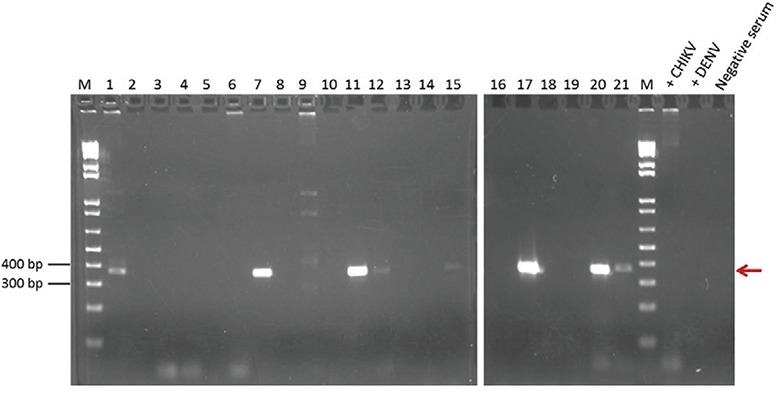
“Moreover, all samples rendered negative results in RT-PCR assays for CHIKV infection (Lanciotti et al. 2007).”
ResultInfluentialPotential Sexual Transmission of Zika Virus
Musso, D., Roche, C., Robin, E., Nhan, T., Teissier, A., & Cao-Lormeau, V.-M. (2015) · Emerging Infectious Diseases · doi:10.3201/eid2102.141363 · Cited by 1,176 · cited 1×
“Further studies are needed to unveil whether co-infection and subsequent infection by different arboviruses can affect the course of the disease, the occurrence of severe cases and the ways of transmission (vertical, perinatal, sexual) (Foy et al. 2011, Besnard et al. 2014, Musso et al. 2015).”
BackgroundProbable Non–Vector-borne Transmission of Zika Virus, Colorado, USA
Foy, B. D., Kobylinski, K. C., Foy, J. L. C., Blitvich, B. J., Travassos da Rosa, A., Haddow, A. D., Lanciotti, R. S., & Tesh, R. B. (2011) · Emerging Infectious Diseases · doi:10.3201/eid1705.101939 · Cited by 1,156 · cited 1×
“Further studies are needed to unveil whether co-infection and subsequent infection by different arboviruses can affect the course of the disease, the occurrence of severe cases and the ways of transmission (vertical, perinatal, sexual) (Foy et al. 2011, Besnard et al. 2014, Musso et al. 2015).”
BackgroundZika Virus, French Polynesia, South Pacific, 2013
Cao-Lormeau, V.-M., Roche, C., Teissier, A., Robin, E., Berry, A.-L., Mallet, H.-P., Sall, A. A., & Musso, D. (2014) · Emerging Infectious Diseases · doi:10.3201/eid2006.140138 · Cited by 874
Molecular Evolution of Zika Virus during Its Emergence in the 20th Century
Faye, O., Freire, C. C. M., Iamarino, A., Faye, O., de Oliveira, J. V. C., Diallo, M., Zanotto, P. M. A., & Sall, A. A. (2014) · PLoS Neglected Tropical Diseases · doi:10.1371/journal.pntd.0002636 · Cited by 819 · cited 1×
“The virus belongs to the genus Flavivirus, family Flaviviridae, and is closely related to other flaviviruses of public health relevance including dengue (DENV), yellow fever and West Nile viruses (Pierson & Diamond 2013, Faye et al. 2014).”
BackgroundEvidence of perinatal transmission of Zika virus, French Polynesia, December 2013 and February 2014
Besnard, M., Lastère, S., Teissier, A., Cao-Lormeau, V. M., & Musso, D. (2014) · Eurosurveillance · doi:10.2807/1560-7917.es2014.19.13.20751 · Cited by 814
Detection of Zika Virus in Urine
Gourinat, A.-C., O’Connor, O., Calvez, E., Goarant, C., & Dupont-Rouzeyrol, M. (2015) · Emerging Infectious Diseases · doi:10.3201/eid2101.140894 · Cited by 764 · cited 1×
“Of interest, recent paper by Gourinat et al. (2015) shows evidence of virus secretion in urine for more than 10 days after onset of disease.”
BackgroundRapid spread of emerging Zika virus in the Pacific area
Musso, D., Nilles, E. J., & Cao-Lormeau, V.-M. (2014) · Clinical Microbiology and Infection · doi:10.1111/1469-0691.12707 · Cited by 686 · cited 1×
“These results corroborate previously published data about the spread of the ZIKV Asian lineage that was first reported in the outbreaks of the Pacific Islands (Musso et al. 2014).”
Result
Research works printed but not linked: 1
- Pierson TC, 2013, Flaviviruses, 747
Cited by
Items 601–700 of 1,000
ArboAlvo: método de estratificação da receptividade territorial às arboviroses urbanas
Pedro, A. S., Praça, H. L. F., dos Santos, J. P. C., Albuquerque, H. G., Pereira, L. V., Simões, T. C., Gusmão, E. V. V., Pereira, A. A. T., Pimenta, F. G., Nobre, A. A., et al. (2022) · Revista de Saúde Pública · doi:10.11606/s1518-8787.2022056003546 · Cited by 14
Rudimentary cesspits as breeding sites for Aedes aegypti in urban areas of Northern Brazil
Gil, L. H. S., Katsuragawa, T. H., de Lima, A. A., Tada, M. S., Ozaki, L. S., & Julião, G. R. (2015) · Revista Pan-Amazônica de Saúde · doi:10.5123/s2176-62232015000300010 · Cited by 16
Review: A neglected Flavivirus: an update on Zika virus in 2016 and the future direction of research
Bharucha, T., & Breuer, J. (2016) · Neuropathology and Applied Neurobiology · doi:10.1111/nan.12326 · Cited by 17
Kublin, J. L., & Whitney, J. B. (2017) · Virus Research · doi:10.1016/j.virusres.2017.07.025 · Cited by 18
Brenciaglia, M., Noel, T. P., Fields, P. J., Bidaisee, S., Myers, T. E., Nelson, W. M., Venkateswaran, N., Venkateswaran, K. S., Parameswaran, N., Bahadoor-Yetman, A., et al. (2018) · Canadian Journal of Infectious Diseases and Medical Microbiology · doi:10.1155/2018/4635647 · Cited by 17
“In areas like Grenada where several flaviviruses cocirculate, nonspecific flavivirus responses can occur due to cross reactivity between immunoglobulins against closely related viruses [21, 22].”
BackgroundZika Virus Infection in Children
Hendrixson, D. T., & Newland, J. G. (2018) · Infectious Disease Clinics of North America · doi:10.1016/j.idc.2017.10.003 · Cited by 16
Ferreira, R. N., Holanda, G. M., da Silva, E. V. P., Casseb, S. M. M., de Melo, K. F. L., de Carvalho, C. A. M., Lima, J. A., Vasconcelos, P. F. D. C., & Cruz, A. C. R. (2018) · Viral Immunology · doi:10.1089/vim.2017.0186 · Cited by 14
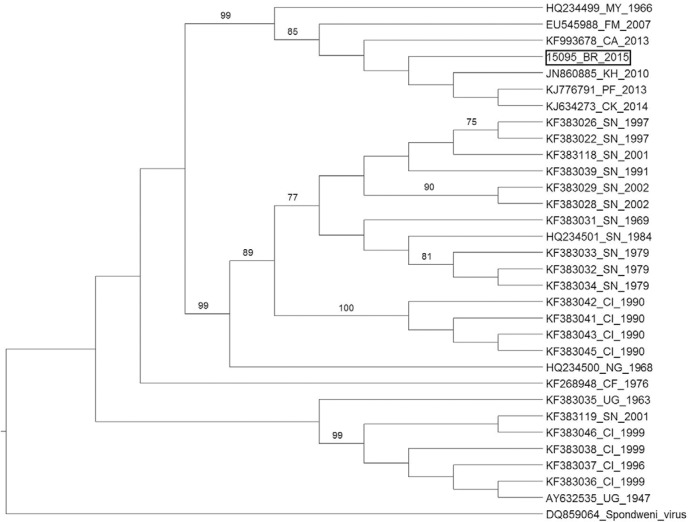
“Phylogenetic analyses concluded that the virus circulating in this country belonged to the Asian genotype and shared the same ancestry as the strain that caused the outbreaks in French Polynesia in 2013 (5,12,38).”
Molecular characterization of viruses associated with encephalitis in São Paulo, Brazil
Ferreira, J. E., Ferreira, S. C., de Almeida‐Neto, C., Nishiya, A. S., Alencar, C. S., Gouveia, G. R., Caiaffa-Filho, H., Gomes, H. R., Santos, R. T. D. M., Witkin, S. S., et al. (2019) · PLoS ONE · doi:10.1371/journal.pone.0209993 · Cited by 17
Existing and Emerging Blood-Borne Pathogens
Wagner, S. J., Leiby, D. A., & Roback, J. D. (2019) · Hematology/Oncology Clinics of North America · doi:10.1016/j.hoc.2019.05.002 · Cited by 14
Clemente, N. S., Rodrigues, M., Bertozzi, A. P. A. P., Gazeta, R. E., Vedovello, D., Brickley, E. B., de Almeida, M. F., & Passos, S. D. (2019) · BMJ Open · doi:10.1136/bmjopen-2018-027947 · Cited by 16
Luo, S., Zhao, W., Ma, X., Zhang, P., Liu, B., Zhang, L., Wang, W., Wang, Y., Fu, Y., Allain, J., et al. (2020) · PLoS neglected tropical diseases · doi:10.1371/journal.pntd.0008027 · Cited by 14
Resck, M. E. B., Padilha, K. P., Cupolillo, A. P., Talyuli, O. A. C., Ferreira-de-Brito, A., Lourenço‐de‐Oliveira, R., Farnesi, L. C., & Bruno, R. V. (2020) · Scientific Reports · doi:10.1038/s41598-020-70367-6 · Cited by 16
Glavinić, U., Varga, J., Paslaru, A. I., Hauri, J., Torgerson, P. R., Schaffner, F., & Veronesi, E. (2020) · Parasites & Vectors · doi:10.1186/s13071-020-04361-2 · Cited by 15
Fukutani, K. F., Kasprzykowski, J. I., Paschoal, A. R., Gomes, M. D. S., Barral, A. M. P., de Oliveira, C. I., Ramos, P. I. P., & Queiroz, A. T. L. (2018) · Frontiers in Bioengineering and Biotechnology · doi:10.3389/fbioe.2017.00084 · Cited by 14
Zika Virus Epidemic in Pregnant Women, Dominican Republic, 2016–2017
Peña, F., Pimentel, R., Khosla, S., Mehta, S. D., & Brito, M. O. (2019) · Emerging infectious diseases · doi:10.3201/eid2502.181054 · Cited by 16
“An explosive outbreak began in the Americas in 2014 with a cluster of cases reported in Easter Island, Chile (16), eventually moving to northeastern Brazil, where a large number of cases occurred over the span of 1 year (17,18).”
BackgroundAraujo, R. V., Feitosa-Suntheimer, F., Gold, A. S., Londono-Renteria, B. L., & Colpitts, T. M. (2020) · Parasites & Vectors · doi:10.1186/s13071-020-4002-x · Cited by 13
Núñez, A. I., Talavera, S., Birnberg, L., Rivas, R., Pujol, N., Verdún, M., Aranda, C., Berdugo, M., & Busquets, N. (2020) · Emerging Microbes & Infections · doi:10.1080/22221751.2020.1830718 · Cited by 14
“American continent in 2015 [6], where it finally affected more than 45 countries [1,7].”
BackgroundOliveira, J. V., Carvalho, T. C. X., Giovanetti, M., de Jesus, J. G., Santos, C. S., Pessoa, L. B., Filho, C. M., Lima, J. D. C., Carvalho, D. A., Figueiredo, E. M., et al. (2020) · International Journal of Gynecology & Obstetrics · doi:10.1002/ijgo.13042 · Cited by 16
Self-citationLaiton‐Donato, K., Guzmán-Cardozo, C., Peláez‐Carvajal, D., Ajami, N. J., Navas, M. C., Parra-Henao, G., & Usme-Ciro, J. A. (2023) · Journal of Tropical Ecology · doi:10.1017/s0266467423000019 · Cited by 13
“In 2015, ZIKV was introduced to Brazil, presumably from French Polynesia (Musso 2015; Zanluca et al. 2015) and subsequently dispersed to several countries of the Americas (European Centre for Disease Prevention and Control 2018; Fauci & Morens 2016).”
BackgroundZika virus-like particles (VLPs) produced in insect cells
de Mello, R. G., Bernardino, T. C., Guardalini, L. G. O., Astray, R. M., Antoniazzi, M. M., Jared, S. G. S., Núñez, E. G. F., & Jorge, S. A. C. (2023) · Frontiers in Pharmacology · doi:10.3389/fphar.2023.1181566 · Cited by 13
“That same year, a 20-fold increase in the incidence of cases of congenital malformation compared to previous years was reported concurrently with the ZIKV outbreak in northeastern Brazil (Victora et al., 2016).”
BackgroundInfluentialZika virus disease for neurologists
Smith, D., Beckham, J. D., Tyler, K. L., & Pastula, D. M. (2016) · Neurology Clinical Practice · doi:10.1212/cpj.0000000000000307 · Cited by 14
“Evidence suggests local transmission in northeastern Brazil was occurring as early as March 2015.(11,12) As of September 29, 2016, the virus had spread to 49 counties or territories throughout the Western Hemisphere, with just over 650,000 suspected or confirmed ZIKV disease cases reported to public health authorities.”
BackgroundZika and Flaviviruses Phylogeny Based on the Alignment-Free Natural Vector Method
Li, Y., He, L., He, R. L., & Yau, S. S. ‐. (2016) · DNA and Cell Biology · doi:10.1089/dna.2016.3532 · Cited by 15
“The newly identified ZIKV strains in countries of Americas (such as Brazil, Haiti, Suriname, Guatemala, Martinique, and Puerto Rico) are all close to Asian and Pacific strains as shown in Figure 1.”
InfluentialZika Virus (ZIKV), Global Public Health, Disability, and Rehabilitation: Connecting the Dots….
Landry, M. D., Raman, S. R., Kennedy, K., Bettger, J. P., & Magnusson, D. (2017) · PubMed · doi:10.2522/ptj.20160476 · Cited by 13
Keynote Address (November 2016): Zika Virus Disease in the Americas: A Storm in the Making
Etienne, C. F., dos Santos, T., & Espinal, M. (2017) · American Journal of Tropical Medicine and Hygiene · doi:10.4269/ajtmh.17-0207 · Cited by 13
“First report of autochthonous transmission of Zika virus in Brazil.”
BackgroundInfluentialAutonomic symptoms following Zika virus infection
Rodríguez, Y., Rojas, M., Ramírez-Santana, C., Acosta‐Ampudia, Y., Monsalve, D. M., & Anaya, J. (2018) · Clinical Autonomic Research · doi:10.1007/s10286-018-0515-1 · Cited by 14
Siddique, R., Liu, Y., Nabi, G., Sajjad, W., Xue, M., & Khan, S. (2019) · Frontiers in Neurology · doi:10.3389/fneur.2019.00319 · Cited by 17
“Other arthritis causing infections causing such as, CHIKV, DENV, malaria, Rubella, Group A Streptococcus, Parvovirus, Leptospira, measles, and rickettsial infection should be eliminated (57).”
BackgroundInfluentialPlante, J. A., Plante, K. S., Popov, V. L., Shinde, D. P., Widen, S. G., Buenemann, M., Nogueira, M. L., & Vasilakis, N. (2023) · Viruses · doi:10.3390/v15010195 · Cited by 13
Utunen, H., Tokar, A., Dancante, M., & Piroux, C. (2023) · Archives of Public Health · doi:10.1186/s13690-023-01080-9 · Cited by 14
“It has been proposed that the virus might have been introduced in 2014 during the World Cup [89].”
BackgroundAvailable Evidence of Association between Zika Virus and Microcephaly
Wu, J., Huang, D., Ma, J.-T., Ma, Y.-H., & Hu, Y. (2016) · Chinese Medical Journal · doi:10.4103/0366-6999.190672 · Cited by 13
“In early 2015, physicians in Northeast Brazil first found patients with a “dengue‐like syndrome”, and ZIKV was later identified as the cause.[15] High transmissibility was found for ZIKV, with a range of 2–6.”
BackgroundUnilateral Phrenic Nerve Palsy in Infants with Congenital Zika Syndrome
Rajapakse, N., Ellsworth, K. R., Liesman, R. M., Ho, M. L., Henry, N. K., Theel, E. S., Wallace, A. D., Alvino, A. C. I., de Mello, L. M., & Meneses, J. (2018) · Emerging infectious diseases · doi:10.3201/eid2408.180057 · Cited by 15
“We tested for Zika virus RNA using the Zika Virus RNA Qualitative Real-Time RT-PCR test (Focus Diagnostics, San Juan Capistrano, CA, USA) on serum and urine in patient 1 and by the CDC Trioplex RT-PCR assay in patients 2–4 (2).”
BackgroundMethodA Viral Polymerase Inhibitor Reduces Zika Virus Replication in the Reproductive Organs of Male Mice
Jacobs, S., Delang, L., Verbeken, E. V., Neyts, J. H., & Kaptein, S. J. F. (2019) · International Journal of Molecular Sciences · doi:10.3390/ijms20092122 · Cited by 17
“By January 2018, the number of cumulative Zika cases in the Americas exceeded 800,000 [4], demonstrating that flaviviruses can cause explosive and large outbreaks.”
BackgroundInfluentialMello, A. S., Bertozzi, A. P. A. P., Rodrigues, M. M. D., Gazeta, R. E., Moron, A. F., Soriano‐Arandes, A., Sarmento, S. G. P., Vedovello, D., Silva, A. C. B., Fajardo, T. C. G., et al. (2019) · American Journal of Case Reports · doi:10.12659/ajcr.915726 · Cited by 13
“An unexpected rise in congenital microcephaly was noticed, and a link between these 2 occurrences was proposed [3,4].”
BackgroundVector competence of Virginia mosquitoes for Zika and Cache Valley viruses
Chan, K. K., Auguste, A. J., Brewster, C. C., & Paulson, S. L. (2020) · Parasites & Vectors · doi:10.1186/s13071-020-04042-0 · Cited by 13
Development, Characterization, and Application of Two Reporter-Expressing Recombinant Zika Viruses
Yun, S.-I., Song, B.-H., Woolley, M., Frank, J. C., Julander, J. G., & Lee, Y.-M. (2020) · Viruses · doi:10.3390/v12050572 · Cited by 13
Fernandes, M. R., Lopes, L. C., Iwami, R. S., Paglia, M. D. G., de Castilho, B. M., de Oliveira, A. M., Fulone, I., Leite, R. S., & Bergamaschi, C. D. C. (2021) · Travel Medicine and Infectious Disease · doi:10.1016/j.tmaid.2021.102179 · Cited by 13
de Almeida, P. R., Ehlers, L. P., Demoliner, M., Eisen, A. K. A., Girardi, V., Lorenzo, C. D., Bianchi, M. V., de Mello, L. S., Pavarini, S. P., Driemeier, D., et al. (2019) · bioRxiv (Cold Spring Harbor Laboratory) · doi:10.1101/828871 · Cited by 13
Protein Energy Malnutrition and Susceptibility to Viral Infections as Zika and Influenza Viruses
Osman, A. H. (2016) · Journal of Nutrition & Food Sciences · doi:10.4172/2155-9600.1000489 · Cited by 12
“Alarmingly, alongside the late pandemic of Zika infection sickness, especially in Brazil, there has been an emotional increment in the vitality of infants which influenced by microcephaly [2,10].”
BackgroundClinical and laboratory diagnosis of Zika fever: an update
Xavier, A. R., Kanaan, S., Bozzi, R. P., & Amaral, L. V. (2017) · Jornal Brasileiro de Patologia e Medicina Laboratorial · doi:10.5935/1676-2444.20170039 · Cited by 12
“In Brazil, the presence of the virus was confirmed by the Health Surveillance Secretariat, Ministry of Health, in the northeast region (Bahia), in May 2015((6)).”
BackgroundRelationship between microcephaly and Zika virus during pregnancy: a review
dos Santos, G. R. B., Aragão, F. B. A., Lobão, W. J. D. M., Lima, F. R., de Andrade, L. M. R. L., Furtado, Q. R., & Batista, J. E. (2018) · Revista da Associação Médica Brasileira · doi:10.1590/1806-9282.64.07.635 · Cited by 13
“639 REV ASSOC MED BRAS 2018; 64(7):635-642 In the CT-scan images an average age of 36 days after birth (ranging from 3 to 5 months) was identified; intracranial calcifications were observed in all children, especially in the frontal lobe (69% to 78%) and the parietal lobe (in 83% to 87%)26.”
InfluentialSelf-citationUsing social media to estimate Zika's impact on tourism: #babymoon, 2014-2017
Gallivan, M. D., Oppenheim, B., & Madhav, N. K. (2019) · PLoS ONE · doi:10.1371/journal.pone.0212507 · Cited by 18
Zika virus in southeastern Senegal: survival of the vectors and the virus during the dry season
Diouf, B., Gaye, A., Diagne, C. T., Diallo, M., & Diallo, D. (2020) · BMC Infectious Diseases · doi:10.1186/s12879-020-05093-5 · Cited by 16
To, J., & Torres, J. (2021) · Membranes · doi:10.3390/membranes11050335 · Cited by 12
“Transmission to the Americas resulted in the infection of more than a million people in 2015 [2].”
BackgroundNunes, P. S., Guimarães, R. A., Martelli, C. M. T., de Souza, W. V., & Turchi, M. D. (2021) · BMC Infectious Diseases · doi:10.1186/s12879-021-06805-1 · Cited by 16
“The first autochthonous cases of ZIKV infection in the Americas were identified in the Northeast region of Brazil in early 2015 [4, 5].”
BackgroundOECD (2018) · Harmonisation of regulatory oversight in biotechnology · doi:10.1787/9789264302235-en · Cited by 30
Nucleic Acid Vaccine Platform for DENGUE and ZIKA Flaviviruses
Mourosi, J. T., Awe, A., Jain, S., & Batra, H. (2022) · Vaccines · doi:10.3390/vaccines10060834 · Cited by 16
Immunological imbalance in microcephalic children with congenital Zika virus syndrome
Salmeron, A. C. A., Bezerra, W. P., de Souza, R. L. L., Pereira, L. C., do Nascimento, L. M., Branco, A. C. C. C., Simas, L. E. C., de Almeida, V. A., Palmeira, P. H. D. S., Bezerra, C. M., et al. (2022) · Medical Microbiology and Immunology · doi:10.1007/s00430-022-00746-5 · Cited by 13
“The PPD antigen (Brazilian Ministry of Health—prohibited trade, 2 UT/0.1 mL) was applied by intradermal injection, in the dose of 0.1 ml (0.04 mcg), on the anterior side of the left forearm, at an angle of 5–15 degrees, avoiding inoculation in areas with lesions, superficial veins or scars.”
BackgroundInfluentialGarcia, G. A., Lord, A., dos Santos, L. M. B., Kariyawasam, T., David, M. R., Couto‐Lima, D., Tátila-Ferreira, A., Pavan, M. G., Sikulu-Lord, M. T., & Maciel‐de‐Freitas, R. (2022) · Viruses · doi:10.3390/v15010011 · Cited by 14
“However, current surveillance systems most commonly rely on notifications of human infections following diagnosis by molecular assays such as Reverse TranscriptasePolymerase Chain Reaction (RT-PCR), which can be performed on only a small fraction of suspected cases [19,20].”
BackgroundInfluentialdos Santos, M. A. M., Pavón, J. A. R., Dias, L. S., Viniski, A. E., Souza, C. L. C., de Oliveira, E. C., de Azevedo, V. C., da Silva, S. P., Cruz, A. C. R., Medeiros, D. B. D. A., et al. (2023) · Infection Genetics and Evolution · doi:10.1016/j.meegid.2023.105487 · Cited by 12
Cirne-Santos, C. C., Barros, C. D. S., da Silva, A. C. R., Kurpan, D., Oliveira, W. D. S. C., Vasconcellos, B. M., Paixão, I. C. N. D. P., Moreira, M. F., & do Valle, A. F. (2024) · Algal Research · doi:10.1016/j.algal.2024.103479 · Cited by 12
High-throughput proteomics and the fight against pathogens
Horvatić, A., Kuleš, J., Guillemin, N., Galán, A., Mrljak, V., & Bhide, M. R. (2016) · Molecular BioSystems · doi:10.1039/c6mb00223d · Cited by 14
Zika virus: A public health threat
Sharma, S., Tandel, K., Dash, P. K., & Parida, M. (2017) · Journal of Medical Virology · doi:10.1002/jmv.24822 · Cited by 12
Emerging trends of Zika apprehension in an epidemic setting
Fritzell, C., Raude, J., Kazanji, M., & Flamand, C. (2018) · PLoS neglected tropical diseases · doi:10.1371/journal.pntd.0006167 · Cited by 12
Bustamante, F. A., Miró, M. P., Velásquez, Z. D., Molina, L., Ehrenfeld, P., Rivera, F. J., & Bátiz, L. F. (2019) · Translational research · doi:10.1016/j.trsl.2019.02.014 · Cited by 12
Slavov, S. N., Machado, R. R. G., Ferreira, A. R., Soares, C. P., Araújo, D. B., Oliveira, D. B. L., Covas, D. T., Durigon, E. L., & Kashima, S. H. (2019) · Journal of Infection · doi:10.1016/j.jinf.2019.10.002 · Cited by 12
Zika Virus Alters the Viscosity and Cytokines Profile in Human Colostrum
de Quental, O. B., França, E. L., Honório‐França, A. C., Morais, T. C., Daboin, B. E. G., Bezerra, Í. M. P., Komninakis, S. V., & de Abreu, L. C. (2019) · Journal of Immunology Research · doi:10.1155/2019/9020519 · Cited by 14
MODELING ZIKA TRANSMISSION DYNAMICS: PREVENTION AND CONTROL
Roy, P., Upadhyay, R. K., & Caur, J. (2020) · Journal of Biological Systems · doi:10.1142/s021833902050014x · Cited by 12
Aragón, N., Díaz, C., & Rengifo, A. C. (2021) · The Cleft Palate-Craniofacial Journal · doi:10.1177/1055665621990978 · Cited by 15
“In May 2015, the World Health Organization reported the first local transmission of ZIKV in America, with autochthonous cases identified in Brazil (SPH2015) and Colombia (COL | FH16 | 2016; Zanluca et al., 2015; Plourde & Bloch, 2016).”
BackgroundVenturi, G., Fortuna, C., Alves, R. M., Paschoal, A. G. P. D. P., Júnior, P. J. D. S., Remoli, M. E., Benedetti, E., Amendola, A., Batista, E. D. S., Gama, D. V. N., et al. (2019) · Journal of Medical Virology · doi:10.1002/jmv.25504 · Cited by 12
“ZIKV outbreaks occurred, such as those in Micronesia and French Polynesia.2 In March, 2015, autochthonous virus transmission was first detected in Brazil.3 ZIKV has since then rapidly spread throughout South and Central America, and the Caribbean.”
BackgroundExperiência do Comitê de Investigação de Óbitos por Arboviroses no Ceará em 2017: avanços e desafios
Cavalcanti, L. P. D. G., da Escóssia, K. N. F., Simião, A. R., Linhares, P. M. C., Lima, A. A. B., Lopes, K. W., Braga, D. N. D. M., Ramalho, I. L. C., Mello, L. M. S., do Vale, R. L. S., et al. (2019) · Epidemiologia e Serviços de Saúde · doi:10.5123/s1679-49742019000300011 · Cited by 12
Neto, A. S. L., do Nascimento, O. J., & de Sousa, G. D. S. (2016) · Revista Brasileira em Promoção da saúde · doi:10.5020/18061230.2016.p305 · Cited by 29
“MMWR Morb Mortal Wkly Rep 2016;65(3):59-62.”
BackgroundInfluentialRodrigues Amorim Adegboye, A., Cocate, P. G., Benaim, C., da Veiga Soares Carvalho, M. C., Schlüssel, M. M., de Castro, M. B. T., Kac, G., & Heitmann, B. L. (2020) · Trials · doi:10.1186/s13063-020-4142-5 · Cited by 11
Investigation of the activity of baicalein towards Zika virus
Sawadpongpan, S., Jaratsittisin, J., Hitakarun, A., Roytrakul, S., Wikan, N., & Smith, D. R. (2023) · BMC Complementary Medicine and Therapies · doi:10.1186/s12906-023-03971-4 · Cited by 11
Zika virus and its implication in transfusion safety
Kashima, S. H., Slavov, S. N., & Covas, D. T. (2016) · Revista Brasileira de Hematologia e Hemoterapia · doi:10.1016/j.bjhh.2016.01.002 · Cited by 11
Rosado, L. E. P., de Aquino, É. C., Brickley, E. B., França, D. D. D. S., da Silva, F. P. A., da Silva, V. L., Lopes, A. F., & Turchi, M. D. (2022) · PLoS neglected tropical diseases · doi:10.1371/journal.pntd.0010457 · Cited by 11
“The Kruskal Wallis test was used to investigate the presence of seasonality in this time series [6].”
BackgroundMethodDynamics of a Zika virus transmission model with seasonality and periodic delays
Wang, W., Zhou, M., Tonghua Zhang, A., & Feng, Z. (2022) · Communications in Nonlinear Science and Numerical Simulation · doi:10.1016/j.cnsns.2022.106830 · Cited by 11
Morales, S. V., Coelho, G. M., Ricciardi-Jorge, T., Dorl, G. G., Zanluca, C., & dos Santos, C. N. D. (2024) · Scientific Reports · doi:10.1038/s41598-024-52123-2 · Cited by 14
Self-citationZika virus challenges for neuropsychiatry
Teixeira, A. L., Silva, A. C. S. E., Moreira, J. M., & Romanelli, R. M. D. C. (2016) · Neuropsychiatric Disease and Treatment · doi:10.2147/ndt.s113037 · Cited by 12
“Brain tissues were positive for ZIKV in RT-PCR.”
BackgroundInfluentialOeser, C., Aarons, E., Heath, P. T., Johnson, K. A., Khalil, A. A., Knight, M., Lynn, R. M., Morgan, D., & Pebody, R. G. (2019) · Epidemiology and Infection · doi:10.1017/s0950268819001535 · Cited by 11
“An association with ZIKV infection during pregnancy was hypothesised and the Brazilian Government declared a national public health emergency on 11 November 2015.”
BackgroundInfluentialRoth, H., Schneider, L., Eberle, R., Lausen, J., Modlich, U., Blümel, J., & Baylis, S. A. (2020) · Transfusion · doi:10.1111/trf.15692 · Cited by 13
Zika Virus Isolation, Purification, and Titration
Baz, M. (2020) · Methods in molecular biology · doi:10.1007/978-1-0716-0581-3_2 · Cited by 11
CONSTRUCTION AND VALIDATION OF A BOOKLET FOR SELF-EFFICACY OF ZIKA VIRUS PREVENTION
Dias, Í. K. R., Lopes, M. D. S. V., Joventino, E. S., Maia, E. R., & Martins, R. M. G. (2021) · Texto & Contexto - Enfermagem · doi:10.1590/1980-265x-tce-2020-0182 · Cited by 14
Salinas, S., Foulongne, V., Loustalot, F., Fournier‐Wirth, C., Molès, J., Briant, L., Nagot, N., de Perre, P. V., & Simonin, Y. (2016) · médecine/sciences · doi:10.1051/medsci/20163204016 · Cited by 11
Expansão da circulação do vírus Zika da África à América, 1947-2018: revisão da literatura*
Sampaio, G. D. S., Brites, C. R., Drexler, J. F., Moreira‐Soto, A., Miranda, F., & Netto, E. M. (2019) · Epidemiologia e Serviços de Saúde · doi:10.5123/s1679-49742019000200022 · Cited by 25
Zika virus, a new threat for Europe?Preprint
Jupille, H., Seixas, G., Mousson, L., Sousa, C. A., & Failloux, A. (2016) · bioRxiv (Cold Spring Harbor Laboratory) · doi:10.1101/048454 · Cited by 11
Fialho, E. M. S., Veras, E. M., de Jesus, C. M., Gomes, L. N., Khouri, R., Sousa, P. S., Ribeiro, M. R. C., Batista, R. F. L., Costa, L. C., do Nascimento, F. R. F., et al. (2023) · Viruses · doi:10.3390/v15061320 · Cited by 10
“The person with Zika can present with an asymptomatic form or a variety of symptoms such as arthralgia, edema of the extremities, low fever, headache, retroorbital pain, conjunctival hyperemia, and maculopapular rash, usually associated with pruritus [1,2].”
BackgroundFlavivirus Zika NS4A protein forms large oligomers in liposomes and in mild detergent
Surya, W., Honey, S. S., & Torres, J. (2024) · Scientific Reports · doi:10.1038/s41598-024-63407-y · Cited by 10
Zadra, N., Rizzoli, A. P., & Rota‐Stabelli, O. (2024) · Virus Research · doi:10.1016/j.virusres.2024.199490 · Cited by 11
“The results provided here show that the Asian strain of ZIKV was reintroduced in Africa (Cape Verde and Angola) before the epidemic in Brazil was confirmed in May 2015.”
InfluentialAll-Cause and Cause-Specific Mortality in Children With Congenital Zika Syndrome in Brazil
Cardim, L. L., Costa, M. D. C. N., Rodrigues, L. C., Carvalho-Sauer, R., Brickley, E. B., Ximenes, R. A. D. A., Pescarini, J. M., Andrade, R. F. S., Barreto, M. L., Teixeira, M. D. G. L. C., et al. (2025) · JAMA Network Open · doi:10.1001/jamanetworkopen.2024.56042 · Cited by 10
Mishra, B., & Behera, B. (2016) · Journal of Postgraduate Medicine · doi:10.4103/0022-3859.191006 · Cited by 10
“[1] Currently, the ZIKV epidemic continues to spread at an alarming speed in the Americas.”
Manifestations oculaires du virus Zika : où en sommes-nous ?
Benzekri, R., Belfort, R., Ventura, C. V. O. C., Freitas, B. D. P., Maia, M., Leite, M. D. F. M. P., Labétoulle, M., & Rousseau, A. (2017) · Journal Français d Ophtalmologie · doi:10.1016/j.jfo.2017.01.002 · Cited by 16
SOUZA, J. H. M., Barros, T. B., Almeida, P. P., VIEIRA, S. C. A., de Melo, F. F., da Silva, R. A. A., & Tomazi, L. (2021) · Anais da Academia Brasileira de Ciências · doi:10.1590/0001-3765202120200670 · Cited by 10
Emerging Zika Virus Infection: A Rapidly Evolving Situation
Bordi, L., Avšič‐Županc, T., Lalle, E., Vairo, F., Capobianchi, M. R., & Vasconcelos, P. F. D. C. (2016) · Advances in experimental medicine and biology · doi:10.1007/5584_2016_187 · Cited by 11
“The primary mode of transmission of ZIKV between humans is through the bite of an infected female mosquito of the Aedes genus (WHO 2016; Campos et al. 2015; Zanluca et al. 2015), as already discussed in the previous paragraph.”
BackgroundTschá, M. K., Suzukawa, A. A., Gräf, T., Piancini, L. D. S., da Silva, A. M., Faoro, H., Riediger, I. N., Medeiros, L. C. S., Wowk, P. F., Zanluca, C., et al. (2019) · Emerging Microbes & Infections · doi:10.1080/22221751.2019.1632152 · Cited by 10
“2013 [8,9], and Zika virus (ZIKV) in 2015 [43,44].”
Self-citationEuropean Aedes caspius mosquitoes are experimentally unable to transmit Zika virus
Núñez, A. I., Talavera, S., Aranda, C., Birnberg, L., Rivas, R., Pujol, N., Verdún, M., Failloux, A., & Busquets, N. (2019) · Parasites & Vectors · doi:10.1186/s13071-019-3620-7 · Cited by 10
García, M., Fares‐Gusmao, R., Sapsford, K. E., Chancey, C., Grinev, A., Lovell, S., Scherf, U., & Rios, M. (2019) · Journal of Molecular Diagnostics · doi:10.1016/j.jmoldx.2019.06.004 · Cited by 10
Winkler, C. W., Evans, A. B., Carmody, A., & Peterson, K. E. (2020) · The Journal of Immunology · doi:10.4049/jimmunol.1901289 · Cited by 13
“How- ever, in a 2015 outbreak in Brazil (2), ZIKV was found to be the causative agent contributing to an alarming increase in congenital birth defects (3–5).”
BackgroundInfluentialHe, Y., Yu, W., Xiao, L., Shen, L., Qi, J., & Hu, T. (2021) · International Journal of Biological Macromolecules · doi:10.1016/j.ijbiomac.2021.08.177 · Cited by 13
Ocular findings of congenital Zika virus infection with microcephaly
Costa, C. B. D. C., & de Freitas, D. (2022) · International Ophthalmology · doi:10.1007/s10792-022-02311-8 · Cited by 11
“An outbreak of an exanthematous disease in March 2015 in the northeast region of Brazil was subsequently identified as the first report of autochthonous human transmission of ZIKV in the Americas [6].”
BackgroundGómez, S. A., Rojas‐Valencia, N., Gómez, S., Lans, I., & Restrepo, A. A. (2022) · ChemBioChem · doi:10.1002/cbic.202200351 · Cited by 10
Zika Virus-associated Ocular and Neurologic Disorders: The Emergence of New Evidence
Şahiner, F., Sığ, A. K., Savaşçı, Ü., Tekin, K., & Akay, F. (2017) · The Pediatric Infectious Disease Journal · doi:10.1097/inf.0000000000001689 · Cited by 12
Attenuation of Viruses by Large-Scale Recoding of their Genomes: the Selection Is Always Biased
Osterrieder, N., & Kunec, D. (2018) · Current Clinical Microbiology Reports · doi:10.1007/s40588-018-0080-3 · Cited by 13
“Over the past few years, many different viruses such as SARS coronavirus, MERS coronavirus, avian influenza viruses, hantaviruses, Zaire ebolavirus, or Zika virus have (re)emerged as human pathogens [1] [2] [3] [4] [5] [6] [7] .”
BackgroundBa, F., Loucoubar, C., Faye, O., Fall, G., Mbaye, R. N., Sembène, M., Diallo, M., Baldé, A. T., Sall, A. A., & Faye, O. (2018) · Clinical Microbiology and Infectious Diseases · doi:10.15761/cmid.1000129 · Cited by 10
“In 2015, a large outbreak occurred in Brazil where the virus was detected for the first time [6].”
BackgroundBarbosa, R. H., dos Santos, M. L. B., Silva, T. P. D., Rosa-Fernandes, L., Pinto, A., Spinola, P. D. S., Bonvicino, C. R., Fernandes, P. V., Lucena, E., Palmisano, G., et al. (2019) · Frontiers in Molecular Neuroscience · doi:10.3389/fnmol.2019.00279 · Cited by 11
de Faria, A. D. O. P., Miterhof, M. E. V. D. C. R., Vianna, R. A. D. O., Carvalho, F. R., Dalcastel, L. A. B., de Oliveira, S. A., Fonseca, S. C., Riley, L. W., Velarde, L. G. C., & Cardoso, C. A. A. (2020) · Otology & Neurotology · doi:10.1097/mao.0000000000002704 · Cited by 10
“KV) spread rapidly in the Americas affecting the neural progenitor cells The Zika virus (ZI since its first identification in Brazil at the beginning of 2015 (1,2).”
BackgroundPeiter, P. C., Pereira, R. D. S., & França, I. (2020) · Saúde e Sociedade · doi:10.1590/s0104-12902020200064 · Cited by 10
Zika mosquito vectors: the jury is still out
Leal, W. S. (2016) · F1000Research · doi:10.12688/f1000research.9839.1 · Cited by 9
Subramanian, R., Romeo-Aznar, V., Ionides, E. L., Codeço, C. T., & Pascual, M. (2020) · Journal of The Royal Society Interface · doi:10.1098/rsif.2020.0273 · Cited by 10
Nunes, J. G. C., Nunes, B. T. D., Shan, C., Moraes, A. F., Silva, T. R., de Mendonça, M. H. R., das Chagas, L. L., Silva, F. A. E., Azevedo, R. D. S. D. S., da Silva, E. V. P., et al. (2021) · Pathogens · doi:10.3390/pathogens10070840 · Cited by 10
Coêlho, B. P., Miranda, G. M. D., da Silva, M. C. N. A., Torres, T. C. D. O., & de Oliveira, T. F. (2022) · Ciência & Saúde Coletiva · doi:10.1590/1413-81232022273.44782020 · Cited by 9
Araújo, L. M. C., do Carmo, V. J. G., Andrade, T. G. V. D. S., Claudino, S. C., Soares, D. M., & Melo, R. D. S. (2022) · Child Care Health and Development · doi:10.1111/cch.13039 · Cited by 11
Metadata
- Authors
- Zanluca, C., Melo, V. C. A. D., Mosimann, A. L. P., Santos, G. I. V. D., Santos, C. N. D. D., & Luz, K.
- Affiliations
- Fundação Oswaldo Cruz (BR)
- Secretaria Estadual de Saúde do Rio Grande do Norte, Brasil
- Universidade Federal do Rio Grande do Norte, Brasil
- Corresponding author
- Santos, Claudia Nunes Duarte dos
- ORCID
- Venue
- Memórias do Instituto Oswaldo Cruz
- Publisher
- FapUNIFESP (SciELO)
- Published
- 2015-06-09
- Volume
- 110
- Issue
- 4
- Pages
- 569-572
- ISSN
- 0074-0276 (ISSN-L)
- 1678-8060
- PMC
- PMC4501423
- OpenAlex
- W1558143285
- Cited by
- 1,320
- References
- 17
- Citations by year
- 2026: 17 · 2025: 42 · 2024: 69 · 2023: 85 · 2022: 86 · 2021: 92 · 2020: 126 · 2019: 129 · 2018: 160 · 2017: 172 · 2016: 316 · 2015: 20
- FWCI
- 238.26
- Type
- journal article
- Language
- en
- Open access
- diamond
- doi.org
- Licence
- cc-by-nc
- Locations
- Memórias do Instituto Oswaldo Cruz (publishedVersion, cc-by-nc)
- PubMed Central (publishedVersion, cc-by-nc)
- PubMed (publishedVersion)
- Americanae (AECID Library) (publishedVersion, other-oa)
- LA Referencia (Red Federada de Repositorios Institucionales de Publicaciones Científicas) (publishedVersion, other-oa)
- Portuguese National Funding Agency for Science, Research and Technology (RCAAP Project by FCT) (publishedVersion)
- Bioline International (Bioline International) (submittedVersion)
- Americanae (AECID Library) (submittedVersion, other-oa)
- Arca - Repositório Institucional da Fiocruz (submittedVersion, other-oa)
- DOAJ (DOAJ: Directory of Open Access Journals) (submittedVersion)
- LA Referencia (Red Federada de Repositorios Institucionales de Publicaciones Científicas) (submittedVersion, other-oa)
- Funders
- Universidade Federal do Paraná
- Topics
- Health Sciences › Medicine › Public Health, Environmental and Occupational Health › Mosquito-borne diseases and control
- Health Sciences › Medicine › Infectious Diseases › Viral Infections and Vectors
- Health Sciences › Medicine › Infectious Diseases › Viral Infections and Outbreaks Research
- Keywords
- Zika virus, autochthonous transmission, Northeast Brazil, joint pain, phylogenetic analysis, molecular diagnosis
- MeSH terms
- Zika Virus Infection, Zika Virus, Adolescent, Adult, Aedes, Aged, Animals, Brazil, Female, Humans, Insect Vectors, Male, Middle Aged, Phylogeny, RNA, Viral, Polymerase Chain Reaction, Sequence Analysis, DNA, Young Adult
About these checks
Registry, retraction, Cites and statistics results are computed, not judged, with one exception: a printed reference that no index lists is read once by a model before it counts as a citation error. Claims are extracted by a model and kept only when their quote appears verbatim in the text; each cited source is then checked, with a model’s help, for whether it says what the claim relies on. Those verdicts can be wrong — read the claim’s quote and the cited source before relying on one.
Statistics and arithmetic are recomputed, not judged.
Confidence bands are shown only for fields calibrated on our annotated test set. None is calibrated yet, so no band is shown.
What counts as a claim ›How we measure confidence ›How we check this ›
Are you an author, or do you see a problem with this page? Request a review
Data sources
Bibliographic data: Semantic Scholar, OpenAlex, Crossref.
Contains information from the Semantic Scholar Academic Graph Datasets, made available under the ODC Attribution License (ODC-BY 1.0).
Semantic Scholar’s data is described in: Kinney, R., et al. (2023). The Semantic Scholar Open Data Platform. arXiv:2301.10140.
