

First report of autochthonous transmission of Zika virus in Brazil
Open accessThe DOI matches its Crossref record; 17 of the 17 references it cites were found in a registry or an index.
Abstract
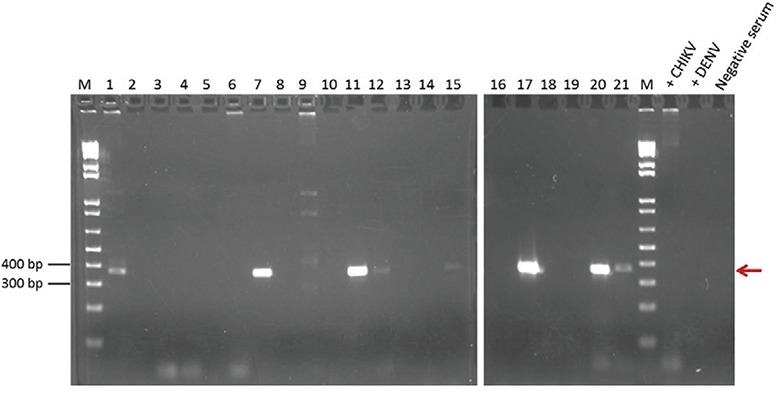
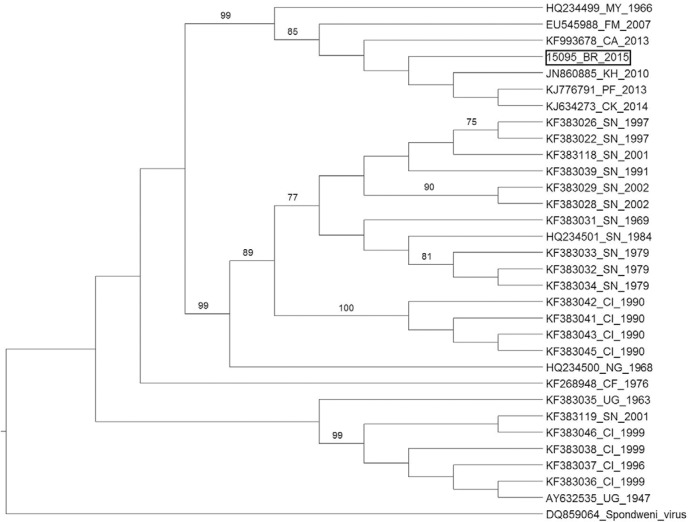
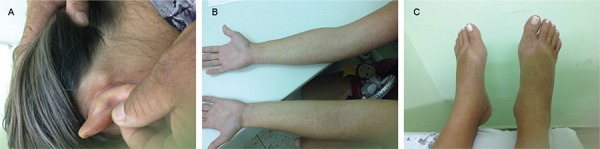
In the early 2015, several cases of patients presenting symptoms of mild fever, rash, conjunctivitis and arthralgia were reported in the northeastern Brazil. Although all patients lived in a dengue endemic area, molecular and serological diagnosis for dengue resulted negative. Chikungunya virus infection was also discarded. Subsequently, Zika virus (ZIKV) was detected by reverse transcription-polymerase chain reaction from the sera of eight patients and the result was confirmed by DNA sequencing. Phylogenetic analysis suggests that the ZIKV identified belongs to the Asian clade. This is the first report of ZIKV infection in Brazil.
Overview
The claims and statistics of this paper haven’t been checked yet.
Free: it reads the open-access text and checks the first 5 claims that cite a source we can check. Create a free account to check every claim.
Integrity signals
Registry
Cites
Statistics
Figures
Verification
Claims the paper makes
The claims and statistics of this paper haven’t been checked yet.
Free: it reads the open-access text and checks the first 5 claims that cite a source we can check. Create a free account to check every claim.
Claims other papers make about this one
Each is checked against this paper’s own text: does it say what the citing paper says it does?
The check wasn’t confident either way, so it gives no verdict — never disputed.
In the citing paper
“Zika was declared a national public health emergency in 2015 [24].”
From Recruitment of low-income pregnant women into a dietary and dental care intervention: lessons from a feasibility trial (2020) · cites this paper as [24]
Experimental — accuracy not yet measured
Self-check
Percentages, sums and reported differences re-computed from the paper’s own numbers.
The self-check needs the paper’s full text.
Citations
Cites
Zika Virus Outbreak on Yap Island, Federated States of Micronesia
Duffy, M. R., Chen, T.-H., Hancock, W. T., Powers, A. M., Kool, J. L., Lanciotti, R. S., Pretrick, M., Marfel, M., Holzbauer, S., Dubray, C., et al. (2009) · New England Journal of Medicine · doi:10.1056/nejmoa0805715 · Cited by 3,132 · cited 1×
“For half a century, the virus was described as causing sporadic human infections in Africa and Asia, until 2007 when a Zika fever epidemics took place in Yap Island, Micronesia (Duffy et al. 2009).”
BackgroundZika Virus (I). Isolations and serological specificity
Dick, G. W. A., Kitchen, S. F., & Haddow, A. J. (1952) · Transactions of the Royal Society of Tropical Medicine and Hygiene · doi:10.1016/0035-9203(52)90042-4 · Cited by 2,692 · cited 1×
“ZIKV was first isolated from a rhesus monkey in the Zika Forest of Uganda, in 1947 (Dick et al. 1952).”
BackgroundLanciotti, R. S., Calisher, C. H., Gubler, D. J., Chang, G. J., & Vorndam, A. V. (1992) · Journal of Clinical Microbiology · doi:10.1128/jcm.30.3.545-551.1992 · Cited by 1,818 · cited 5×
“Moreover, all samples rendered negative results in RT-PCR assays for CHIKV infection (Lanciotti et al. 2007).”
ResultInfluentialPotential Sexual Transmission of Zika Virus
Musso, D., Roche, C., Robin, E., Nhan, T., Teissier, A., & Cao-Lormeau, V.-M. (2015) · Emerging Infectious Diseases · doi:10.3201/eid2102.141363 · Cited by 1,176 · cited 1×
“Further studies are needed to unveil whether co-infection and subsequent infection by different arboviruses can affect the course of the disease, the occurrence of severe cases and the ways of transmission (vertical, perinatal, sexual) (Foy et al. 2011, Besnard et al. 2014, Musso et al. 2015).”
BackgroundProbable Non–Vector-borne Transmission of Zika Virus, Colorado, USA
Foy, B. D., Kobylinski, K. C., Foy, J. L. C., Blitvich, B. J., Travassos da Rosa, A., Haddow, A. D., Lanciotti, R. S., & Tesh, R. B. (2011) · Emerging Infectious Diseases · doi:10.3201/eid1705.101939 · Cited by 1,156 · cited 1×
“Further studies are needed to unveil whether co-infection and subsequent infection by different arboviruses can affect the course of the disease, the occurrence of severe cases and the ways of transmission (vertical, perinatal, sexual) (Foy et al. 2011, Besnard et al. 2014, Musso et al. 2015).”
BackgroundZika Virus, French Polynesia, South Pacific, 2013
Cao-Lormeau, V.-M., Roche, C., Teissier, A., Robin, E., Berry, A.-L., Mallet, H.-P., Sall, A. A., & Musso, D. (2014) · Emerging Infectious Diseases · doi:10.3201/eid2006.140138 · Cited by 874
Molecular Evolution of Zika Virus during Its Emergence in the 20th Century
Faye, O., Freire, C. C. M., Iamarino, A., Faye, O., de Oliveira, J. V. C., Diallo, M., Zanotto, P. M. A., & Sall, A. A. (2014) · PLoS Neglected Tropical Diseases · doi:10.1371/journal.pntd.0002636 · Cited by 819 · cited 1×
“The virus belongs to the genus Flavivirus, family Flaviviridae, and is closely related to other flaviviruses of public health relevance including dengue (DENV), yellow fever and West Nile viruses (Pierson & Diamond 2013, Faye et al. 2014).”
BackgroundEvidence of perinatal transmission of Zika virus, French Polynesia, December 2013 and February 2014
Besnard, M., Lastère, S., Teissier, A., Cao-Lormeau, V. M., & Musso, D. (2014) · Eurosurveillance · doi:10.2807/1560-7917.es2014.19.13.20751 · Cited by 814
Detection of Zika Virus in Urine
Gourinat, A.-C., O’Connor, O., Calvez, E., Goarant, C., & Dupont-Rouzeyrol, M. (2015) · Emerging Infectious Diseases · doi:10.3201/eid2101.140894 · Cited by 764 · cited 1×
“Of interest, recent paper by Gourinat et al. (2015) shows evidence of virus secretion in urine for more than 10 days after onset of disease.”
BackgroundRapid spread of emerging Zika virus in the Pacific area
Musso, D., Nilles, E. J., & Cao-Lormeau, V.-M. (2014) · Clinical Microbiology and Infection · doi:10.1111/1469-0691.12707 · Cited by 686 · cited 1×
“These results corroborate previously published data about the spread of the ZIKV Asian lineage that was first reported in the outbreaks of the Pacific Islands (Musso et al. 2014).”
Result
Research works printed but not linked: 1
- Pierson TC, 2013, Flaviviruses, 747
Cited by
Items 701–800 of 1,000
de Morais, L. M., Chaves, T., Medeiros, M. A., Pereira, K. A. B., Jurgilas, P. B., de Lima, S. M. B., Missailidis, S., & de Filippis, A. M. B. (2022) · Viruses · doi:10.3390/v14091867 · Cited by 10
“In 2015, ZIKV emerged in the Americas, and spread to 87 countries and territories with autochthonous transmission, according to the WHO, by July 2019 [5,6].”
BackgroundPham, V. T., Bon, T. N., Satyal, P., Hoa, V. V., Ngo, G. H., Le, T. T. T., Vo, T. T., Nguyen, V. H., Nguyen, H. H., Nguyen, T. T., et al. (2023) · Biochemical Systematics and Ecology · doi:10.1016/j.bse.2023.104666 · Cited by 11
Barbosa, I. C. D. Q., Gomes, L. D. P., Feitosa, I. N. D. A., Botelho, L. F. B., Cavalcanti, B. R., Barbosa, A., Araújo, A. T. D. V., de Melo, M. D. T., Melo, A., & Salemi, V. M. C. (2023) · PLoS neglected tropical diseases · doi:10.1371/journal.pntd.0011762 · Cited by 9
“In 2015, an epidemic of ZIKV infection was declared in Brazil [7,8].”
BackgroundZika Virus and Microcephaly: Challenges for a Long-Term Agenda
dos Santos, C. N. D., & Goldenberg, S. (2016) · Trends in Parasitology · doi:10.1016/j.pt.2016.03.008 · Cited by 9
“An analysis of samples by RT-PCR and sequencing confirmed the presence of ZIKV in the sera of these patients [1].”
MethodSelf-citationShrinet, J., Agrawal, A., Bhatnagar, R. K., & Sunil, S. (2016) · Bulletin of the World Health Organization · doi:10.2471/blt.16.176065 · Cited by 9
“Epidemiological studies reveal the transmission to have originated on Yap in Micronesia in 2007 (18) that spread to other Pacific islands (20) and to South and Central America (21).”
BackgroundPavão, A. L. B., Barcellos, C., Pedroso, M., Boccolini, C. S., & Romero, D. E. (2017) · Revista da Sociedade Brasileira de Medicina Tropical · doi:10.1590/0037-8682-0506-2016 · Cited by 9
Zika virus: The transboundary pathogen from mosquito and updates
Kong, W., Li, H., & Zhu, J. K. (2017) · Microbial Pathogenesis · doi:10.1016/j.micpath.2017.12.031 · Cited by 11
Normal mode analysis of Zika virus
Lee, B. H., Jo, S., Choi, M., Kim, M. H., Choi, J. B., & Kim, M. K. (2018) · Computational Biology and Chemistry · doi:10.1016/j.compbiolchem.2018.01.004 · Cited by 9
Cutaneous Manifestations of Zika in Peru
Ramos, W., Luna, M., Alarcón, T., Jiménez, G., Díaz, J., Calderón, M., & Gutiérrez, E. L. (2019) · Journal of Cutaneous Medicine and Surgery · doi:10.1177/1203475419878160 · Cited by 9
Zhu, C., Jiang, Y., Zhang, Q., Gao, J., Gu, Z., Lan, C., Li, C., Li, C., Dong, Y.-D., Xing, D., et al. (2020) · Vector-Borne and Zoonotic Diseases · doi:10.1089/vbz.2019.2581 · Cited by 9
“After the outbreak of ZIKV in Brazil, 2015 (Campos et al. 2015, Zanluca et al. 2015), ZIKV cases have also been reported in many regions, including the Americas, Africa, Asia, and the Pacific.”
InfluentialSynthesis and characterization of new secondary benzylamines derivatives of aryl-himachalene
Lahcen, I. A., Edder, Y., Mallouk, S., Boualy, B., & Karim, A. (2021) · Chemical Papers · doi:10.1007/s11696-021-01563-5 · Cited by 9
“1996); and Benznidazole, an antiparasitic medication used in the treatment of Chagas disease (Zanluc et al. 2015).”
BackgroundZika Virus Non-Structural Protein 1 Antigen-Capture Immunoassay
Beddingfield, B. J., Hartnett, J. N., Wilson, R. B., Kulakosky, P. C., Andersen, K. G., Aybar, A., Robles‐Sikisaka, R., Grubaugh, N. D., Nunez, M.-Z., Fermin, C. D., et al. (2021) · Viruses · doi:10.3390/v13091771 · Cited by 9
Peng, N. Y. G., Amarilla, A. A., Hugo, L. E., Modhiran, N., Sng, J. D. J., Slonchak, A., Watterson, D., Setoh, Y. X., & Khromykh, A. A. (2022) · PLoS neglected tropical diseases · doi:10.1371/journal.pntd.0010426 · Cited by 11
Mechanisms of Zika astrocyte infection and neuronal toxicity
Veilleux, C., & Eugenín, E. A. (2022) · NeuroImmune Pharmacology and Therapeutics · doi:10.1515/nipt-2022-0014 · Cited by 12
“the first cases of ZIKV infection [24] and a nearly 20-”
BackgroundSurya, W., Liu, Y., & Torres, J. (2023) · Scientific Reports · doi:10.1038/s41598-023-34621-x · Cited by 9
Campos, R., & de Araújo, M. F. F. (2017) · Science Communication · doi:10.1177/1075547017721204 · Cited by 9
Zika virus: An emerging challenge for obstetrics and gynecology
Lin, J.-J., Chin, T., Chen, C., Chan, H., & Wu, T. (2017) · Taiwanese Journal of Obstetrics and Gynecology · doi:10.1016/j.tjog.2017.08.003 · Cited by 9
Ioshino, R. S., Carvalho, D. O., Marques, I. C. S., Fernandes, E., Capurro, M. L., & Costa‐da‐Silva, A. L. (2018) · Insects · doi:10.3390/insects9030103 · Cited by 9
Majolo, F., Marinowic, D. R., Moura, A. Á., Machado, D. C., & da Costa, J. C. (2018) · Journal of Medical Virology · doi:10.1002/jmv.25345 · Cited by 9
“The hypothesis that ZIKV infections were related to an exponential increase in cases of microcephaly was corroborated by several studies carried out since the first suspected batch of cases.(7,10) This was also recently confirmed by the Ministry of”
ResultPinto, P. S. P., de Almeida, T. M., Monteiro, L., Souza, M. M. D. S., dos Santos, G. A. A., Cardoso, C. W., dos Santos, L. M., Ribeiro, G. S., & dos Santos, D. N. (2020) · International Journal of Developmental Neuroscience · doi:10.1002/jdn.10016 · Cited by 10
“, 2016), but only in April 2015 it was first identified in the country, being recognized as the causative agent of a rash-disease outbreak in Brazil's Northeast region (Zanluca et al., 2015).”
BackgroundSelf-citationValadares, M. A., Pedroso, A. C. L. O., Santana, A., da Silva, Â. M., Costa, I. S., Almeida, M. L. D., & de Almeida, R. P. (2020) · Journal of Ophthalmology · doi:10.1155/2020/7092432 · Cited by 9
“Cases of infection by ZIKV were confirmed for the first time in the northeast region (Bahia [4] and Rio Grande do Norte [5]) of Brazil, the first large country to experience the rapid spread of the ZIKV, at the beginning of 2015.”
BackgroundDevelopment and Validation of Real-Time RT-LAMP Assays for the Specific Detection of Zika Virus
López-Jimena, B., Bakheit, M. A., Bekaert, M., Harold, G., Frischmann, S., Fall, C., Diagne, C. T., Faye, O., Faye, O., Sall, A. A., et al. (2020) · Methods in molecular biology · doi:10.1007/978-1-0716-0581-3_13 · Cited by 9
Jitsatja, A., Ramphan, S., Promma, P., Kuadkitkan, A., Wikan, N., Uiprasertkul, M., Phatihattakorn, C., & Smith, D. R. (2020) · Archives of Virology · doi:10.1007/s00705-020-04667-7 · Cited by 10
Reversion to ancestral Zika virus NS1 residues increases competence of Aedes albopictus
Kuo, L., Jaeger, A. S., Banker, E. M., Bialosuknia, S. M., Mathias, N., Payne, A. F., Kramer, L. D., Aliota, M. T., & Ciota, A. T. (2020) · PLoS Pathogens · doi:10.1371/journal.ppat.1008951 · Cited by 12
“Autochthonous transmission of ZIKV was first identified in the Western Hemisphere in Brazil in May 2015 [4] but isolates from 2014 from Haiti have since been identified [5].”
BackgroundRodrigues, M. L., & Morel, C. M. (2016) · mBio · doi:10.1128/mbio.00907-16 · Cited by 12
Stewart-Ibarra, A. M., Ryan, S. J., Kenneson, A., King, C. A., Abbott, M., Barbachano-Guerrero, A., Beltrán-Ayala, E., Borbor-Cordova, M. J., Cardenas, W. B., Cueva, C., et al. (2017) · bioRxiv (Cold Spring Harbor Laboratory) · doi:10.1101/102004 · Cited by 14
“67 The first ZIKV infections (family Flaviviridae, genus flavivirus) were reported in Brazil in 68 2015.(8,9) To date, 801,589 suspected and confirmed autochthonous cases of ZIKV have been 69 reported from the Americas (as of Sept 21, 2017).”
BackgroundThe French experience of the threat posed by Zika virus
Lazarus, C., Guichard, M., Philippe, J.-M., Paux, T., & Vallet, B. (2016) · The Lancet · doi:10.1016/s0140-6736(16)30509-8 · Cited by 8
Surveillance for Mosquitoborne Transmission of Zika Virus, New York City, NY, USA, 2016
Wahnich, A., Clark, S., Bloch, D., Kubinson, H., Hrusa, G., Liu, D., Rakeman, J. L., Deocharan, B., Jones, L. E., Slavinski, S., et al. (2018) · Emerging infectious diseases · doi:10.3201/eid2405.170764 · Cited by 8
“To participate in this journal CME activity: (1) review the learning objectives and author disclosures; (2) study the education content; (3) take the post-test with a 75% minimum passing score and complete the evaluation at http://www.”
BackgroundProteomic analysis of monkey kidney LLC-MK2 cells infected with a Thai strain Zika virus
Diteepeng, T., Khongwichit, S., Paemanee, A., Roytrakul, S., & Smith, D. R. (2019) · Archives of Virology · doi:10.1007/s00705-018-04137-1 · Cited by 9
Ebranati, E., Veo, C., Carta, V., Percivalle, E., Rovida, F., Frati, E. R., Amendola, A., Ciccozzi, M., Tanzi, E., Galli, M., et al. (2019) · Infection Genetics and Evolution · doi:10.1016/j.meegid.2019.04.006 · Cited by 8
Gonik, L., Oliveira, A. T. D. F., Chagas, P. S. D. C., & Frônio, J. D. S. (2021) · International Journal of Environmental Research and Public Health · doi:10.3390/ijerph18126562 · Cited by 12
“The diagnosis of GZVI was made during pregnancy on the participants’ mothers using RT-PCR for cases where blood collection was performed until the fourth day of the clinic period (rash, itching, and low fever) [21,22], or the antibody test (IgG and IgM) for Zika, when it was not possible to perform the RT-PCR.”
MethodZhu, C., Jiang, Y., Zhang, Q., Gao, J., Li, C., Li, C., Dong, Y.-D., Xing, D., Zhang, H., Zhao, T., et al. (2021) · Parasites & Vectors · doi:10.1186/s13071-021-05007-7 · Cited by 8
“The first case of human infection in Brazil was recorded in 2015 [4, 5].”
BackgroundSubramani, C., Sharma, G., Chaira, T., & Barman, T. K. (2023) · Antiviral Research · doi:10.1016/j.antiviral.2023.105764 · Cited by 9
de Almeida, P. R., Weber, M. N., Sonne, L., & Spilki, F. R. (2023) · Experimental Biology and Medicine · doi:10.1177/15353702231220659 · Cited by 11
“76,78,80 The clinical presentation of ZIKV infection varies, and can manifest as a Dengue-like disease, with mild fever and rash, a life-threatening Guillain–Barré, and also several congenital neurological malformations, including microcephaly.”
BackgroundZika Virus, Microcephaly and its Possible Global Spread
Badshah, S. L., Mabkhot, Y. N., Ahmad, N., Syed, S., & Naeem, A. (2018) · InTech eBooks · doi:10.5772/intechopen.72507 · Cited by 8
Population-based surveillance of severe microcephaly and congenital Zika syndrome in Canada
Morris, S. K., Farrar, D. S., Miller, S. P., Ofner, M., Bitnun, A., Nelson, C. R. M., Shevell, M. I., Moore, A. M., Tataryn, J. R., Evans, J. A., et al. (2021) · Archives of Disease in Childhood · doi:10.1136/archdischild-2020-320968 · Cited by 8
Alpuche‐Lazcano, S. P., Saliba, J., Costa, V. V., Campolina-Silva, G. H., Marim, F. M., Ribeiro, L. S., Blank, V., Mouland, A. J., Teixeira, M. M., & Gatignol, A. (2021) · PLoS neglected tropical diseases · doi:10.1371/journal.pntd.0009425 · Cited by 8
Dengue, Chikungunya, and Zika: Spatial and Temporal Distribution in Rio de Janeiro State, 2015–2019
de Almeida, P. M. P., Nobre, A. A., Câmara, D. C. P., Costa, L. M., dos Reis, I. C., Ribeiro, M. S., Dias, C. M. G., Ayllón, T., & Honório, N. A. (2022) · Tropical Medicine and Infectious Disease · doi:10.3390/tropicalmed7070141 · Cited by 11
“Finally, the Zika virus was discovered decades ago circulating endemically mainly in Africa, and it emerged recently in the Pacific Ocean islands until it reached South America and Brazil in 2015 [4].”
BackgroundThe Innate Defense in the Zika-Infected Placenta
Arruda, L. V., Salomão, N. G., Alves, F. D. A. V., & Rabelo, K. (2022) · Pathogens · doi:10.3390/pathogens11121410 · Cited by 8
Ayusso, G. M., Lima, M. L. D., Sanches, P. R. D. S., Santos, I. A., Martins, D. O. S., da Conceição, P. J. P., Carvalho, T., da Costa, V. G., Bittar, C., Merits, A., et al. (2023) · Viruses · doi:10.3390/v15051168 · Cited by 8
The eyes as a window to improved understanding of the prenatal effects of Zika virus infection
Prakalapakorn, S. G., Meaney‐Delman, D. M., Honein, M. A., & Rasmussen, S. A. (2017) · Journal of American Association for Pediatric Ophthalmology and Strabismus · doi:10.1016/j.jaapos.2017.07.001 · Cited by 8
“CZS is characterized by the following features: (1) severe microcephaly with partially co llapsed skull; (2) brain abnormalities, including thin cerebral cortices with subcortical c cifications; (3) ophthalmologic findings, including macular scarring and focal pigmentary ret inal mottling; (4) congenital contractures;…”
BackgroundZika Virus Infection in a Pediatric Patient With Acute Gastrointestinal Involvement
Slavov, S. N., Matsuno, A. K., Yamamoto, A. Y., Otaguiri, K. K., Cervi, M. C., Covas, D. T., & Kashima, S. H. (2018) · Pediatric Reports · doi:10.4081/pr.2017.7341 · Cited by 8
A Review of the Health Sector Impacts of 4 °C or more Temperature Rise
Hacon, S. D. S., de Oliveira, B. F. A., & da Silveira, I. H. (2018) · Springer eBooks · doi:10.1007/978-3-319-92881-4_4 · Cited by 15
da Silva, Í. E. P., da Silva, M. L., Dias, R. S., Santos, E. G., de Paula, M. C. B., de Oliveira, A. S., Oliveira, A. F. C. D. S., de Oliveira, F. M., da Silva, C. C., Teixeira, R. R., et al. (2020) · Microbes and Infection · doi:10.1016/j.micinf.2020.04.007 · Cited by 8
Detection of Zika virus in urine from randomly tested individuals in Mirassol, Brazil
da Conceição, P. J. P., de Carvalho, L. R., de Godoy, B. L. V., Nogueira, M. L., Terzian, A. C. B., de Godoy, M. F., Calmon, M. F., Bittar, C., & Rahal, P. (2021) · Infection · doi:10.1007/s15010-021-01667-w · Cited by 8
Kingston, R., Routledge, I., Bhatt, S., & Bowman, L. (2022) · Viruses · doi:10.3390/v14010162 · Cited by 8
“This is not atypical for Zika, and has been observed in Rio de Janeiro, Brazil, where multiple introductions over a short space of time led to a national crisis [45], since corroborated by phylogenetic analysis linking the strain to French Polynesia [46].”
BackgroundFlaviviruses as agents of childhood central nervous system infections in Brazil
Marinho, P. E. S., & Kroon, E. G. (2019) · New Microbes and New Infections · doi:10.1016/j.nmni.2019.100539 · Cited by 8
“Zika virus The circulation of ZIKV has been described in Brazil since 2015 [24], and the Brazilian Ministry of Health was notified of 7071 cases in 2018 [15].”
BackgroundAnalytical methods for detection of Zika virus
Yang, K., & Narayan, R. J. (2017) · MRS Communications · doi:10.1557/mrc.2017.20 · Cited by 8
Ramesh, A., Jeffries, C. L., Castanha, P. M. S., Oliveira, P. A. D. S., Alexander, N. D. E., Cameron, M., Braga, C., & Walker, T. (2019) · Wellcome Open Research · doi:10.12688/wellcomeopenres.15295.1 · Cited by 10
Unravelling the Paediatric and Perinatal Zika Virus Epidemic through Population-based Research
Christie, C. D. C., & Giaquinto, C. (2017) · West Indian Medical Journal · doi:10.7727/wimj.2016.454 · Cited by 8
“Zika virus (ZIKV), an arbovirus of the flavivirus family, has spread explosively through theAmericas since it was first identified in Brazil in 2014 (1, 2).”
BackgroundBrugman, V. A. (2016) · LSHTM Research Online (London School of Hygiene and Tropical Medicine) · doi:10.17037/pubs.02548573 · Cited by 14
Stauft, C. B., Gorbatsevych, O., Cello, J., Wimmer, E., & Futcher, B. (2016) · bioRxiv (Cold Spring Harbor Laboratory) · doi:10.1101/075747 · Cited by 9
Health Education for Awareness and Behavioral Change and Influence
Campos, R., & Fernandes, L. (2019) · Encyclopedia of the UN sustainable development goals · doi:10.1007/978-3-319-95681-7_99 · Cited by 14
de Melo, D. C. T. V., Santos, E. M. D. M., Xavier, M. N., do Nascimento, J., Barbosa, V. A., Oliveira, A. L. D. S., Meiado, M. V., de Melo-Santos, M. A. V., Paiva, M. H. S., Wallau, G. L., et al. (2024) · Tropical Medicine and Infectious Disease · doi:10.3390/tropicalmed9030053 · Cited by 7
“Some studies have already shown that asymptomatic ZIKV infection is common after periods of outbreak when there is an increase in the population’s immune resistance to the virus and in pregnant women [63–65].”
BackgroundLiu, Y., Li, K., Xu, Y., Zhu, Z., Zhao, H. J., Li, X., Ye, Q., Yi, C., & Qin, C. (2022) · Journal of Medical Virology · doi:10.1002/jmv.27869 · Cited by 13
Omuoyo, D. O., Nyamwaya, D. K., Kamau, E., Nyagwange, J., Karanja, H., Gitonga, J. N., de Laurent, Z. R., Ngala, J. C., Kinyua, J. D. M., Rono, M. K., et al. (2023) · Wellcome Open Research · doi:10.12688/wellcomeopenres.18868.1 · Cited by 9
Identification of B-cell epitopes of Indian Zika virus strains using immunoinformatics
Roy, R. R., Tadkalkar, N., Deshpande, G. R., Atre, N. M., Shil, P., & Sapkal, G. N. (2025) · Frontiers in Immunology · doi:10.3389/fimmu.2025.1534737 · Cited by 9
Zika virus Therapeutics: Drug Targets and Repurposing Medicine from the Human Genome
Narayanan, R. (2016) · MOJ Proteomics & Bioinformatics · doi:10.15406/mojpb.2016.03.00084 · Cited by 8
Penot, P., Balavoine, S., Leplatois, A., Brichler, S., Leparc-Goffart, I., Alloui, A.-C., Flusin, O., Guilleminot, J., Amellou, M., & Molina, J. (2017) · La Revue de Médecine Interne · doi:10.1016/j.revmed.2016.12.011 · Cited by 7
Milich, K. M., Koestler, B. J., Simmons, J. H., Nehete, P. N., Fiore, A. D., Williams, L. E., Dudley, J. P., Vanchiere, J. A., & Payne, S. M. (2018) · PLoS ONE · doi:10.1371/journal.pone.0209391 · Cited by 7
Local Transmission of Zika Virus — Puerto Rico, November 23, 2015–January 28, 2016
Thomas, D. L., Sharp, T. M., Torres, J. M., Armstrong, P. A., Muñoz‐Jordán, J. L., Ryff, K. R., Martinez-Quiñones, A., Arias-Berríos, J., Mayshack, M., Garayalde, G. J., et al. (2016) · MMWR Morbidity and Mortality Weekly Report · doi:10.15585/mmwr.mm6506e2er · Cited by 7
Evaluation of Anomalies and Neurodevelopment in Children Exposed to ZIKV during Pregnancy
Guardado, K., Cardoso, M. V., Pérez-Roa, V. O., Morales‐Romero, J., Zenteno‐Cuevas, R., Ramos-Ligonio, Á., Guzmán-Martínez, O., Sampieri, C. L., Chacha, C. S. O., Pérez-Varela, R., et al. (2022) · Children · doi:10.3390/children9081216 · Cited by 8
“Outbreaks of Zika virus ZIKV in humans were sporadic until early 2015, when the first cases were confirmed in Brazil [6].”
BackgroundBeyond the Unknown: A Broad Framing for Preparedness for Emerging Infectious Threats
Christofferson, R. C., & Cormier, S. A. (2022) · American Journal of Tropical Medicine and Hygiene · doi:10.4269/ajtmh.22-0341 · Cited by 7
Pone, M. V. D. S., da Silva, T. D. O. G., Ribeiro, C. T. M., de Aguiar, E. B., Mendes, P. H. B., Gomes, S. C., Hamanaka, T., Zin, A., Pereira, J. P., Moreira, M. E. L., et al. (2022) · Viruses · doi:10.3390/v14122643 · Cited by 7
Görür, K., Çetin, O., Özer, Z., & Temurtaş, F. (2023) · Results in Engineering · doi:10.1016/j.rineng.2023.101109 · Cited by 8
Taira, M., Ogawa, T., Nishijima, H., Yamamoto, K., Hotta, C., Akita, M., Tajima, S., & Saijo, M. (2017) · Japanese Journal of Infectious Diseases · doi:10.7883/yoken.jjid.2017.042 · Cited by 7
“The introduction of ZIKV to the American continent, followed by the establishment of the autochthonous transmission of ZIKV in humans, caused a large-scale outbreak of ZIKV infection in Brazil and other central and south American countries in 2015 (5).”
BackgroundZika Virus and the Rio Olympic Games
Hamilton, B. H., Exeter, D. J., Beable, S., Coleman, L., & Milne, C. (2017) · Clinical Journal of Sport Medicine · doi:10.1097/jsm.0000000000000551 · Cited by 7
Prevalence of neurological complications associated with Zika virus in a brazilian metropolis
Brito, K. G. D. S., dos Santos, E. B., Lucas, L. D. S. M., Orsini, M. A., Fiorelli, R., Teixeira, S. S., Ayres, C., Correia, L., Bastos, V. H., Trajano, E. T. L., et al. (2018) · Neurology International · doi:10.4081/ni.2018.7638 · Cited by 7
Zika Virus–Associated Cerebellitis with Complete Clinical Recovery
Pachar, M. R., Araúz, D., Gundacker, N. D., Suárez, M., Suárez, J. A., Moreno, B. A., López‐Vergès, S., & Araúz, A. B. (2018) · American Journal of Tropical Medicine and Hygiene · doi:10.4269/ajtmh.18-0261 · Cited by 7
An overview of the current medical literature on Zika virus
Hossein, F. (2020) · Biophysical Reviews · doi:10.1007/s12551-020-00748-8 · Cited by 7
Prevalence of ulcerative stomatitis in arbovirus infections in a Brazilian Northeast population
Barros, A., Martins‐de‐Barros, A. V., Costa, M., Sette‐de‐Souza, P. H., Lucena, E. E., & Araújo, F. A. D. C. (2020) · Medicina oral, patología oral y cirugía bucal · doi:10.4317/medoral.23865 · Cited by 7
“These infections have similar clinical characteristics, with signs and symptoms that include fever, myalgia, arthralgia, edema on extremities, headache, retro-orbital pain, conjunctival hyperemia, lymphadenopathy, and maculopapular rash (5,6).”
BackgroundZimler, R. A., Yee, D. A., & Alto, B. W. (2021) · Journal of Medical Entomology · doi:10.1093/jme/tjaa286 · Cited by 7
Evidence of Zika virus circulation in asymptomatic pregnant women in Northeast, Brazil
Branco, R. C. C., Brasil, P., de Araújo, J. M. G., Cardoso, F. O., Batista, Z. D. S., Leitão, V. M. S., da Silva, M. A. C. N., de Castro, L. O., Valverde, J. G., Jerônimo, S. M. B., et al. (2021) · PLoS neglected tropical diseases · doi:10.1371/journal.pntd.0009412 · Cited by 11
“The first confirmed case in the Americas was reported in May 2015 [2]; however, phylogenetic and molecular analyses indicated that it was introduced in Brazil between May and December 2013 [3–5].”
BackgroundClinical Neurophysiology of Zika Virus–Related Disorders of the Peripheral Nervous System in Adults
González‐Salazar, C., Tartaglia, J. S., Dourado, M. E. T., & França, M. C. (2022) · Journal of Clinical Neurophysiology · doi:10.1097/wnp.0000000000000862 · Cited by 7
Drugs to limit Zika virus infection and implication for maternal-fetal health
Kumar, A., Kumar, D., Jose, J., Giri, R., & Mysorekar, I. U. (2022) · Frontiers in Virology · doi:10.3389/fviro.2022.928599 · Cited by 8
Monodelphis domestica as a Fetal Intra-Cerebral Inoculation Model for Zika Virus Pathogenesis
Thomas, J., Garcia, J., Terry, M., Lozano, I., Mahaney, S. M., Quintanilla, O., Carlo-Silva, D., Morales, M., & VandeBerg, J. L. (2023) · Pathogens · doi:10.3390/pathogens12050733 · Cited by 8
“Typically transmitted in a zoonotic cycle that alternates between a vertebrate host and an invertebrate vector, ZIKV gained notoriety following the 2015 outbreak in Brazil, which saw a dramatic increase in the number of neurological abnormalities in infants born to ZIKV-infected mothers [1].”
BackgroundInfluentialCabezas, C., & Donaires, F. (2017) · Revista Peruana de Medicina Experimental y Salud Pública · doi:10.17843/rpmesp.2017.342.2836 · Cited by 7
Detection and clearance of a mosquito densovirus contaminant from laboratory stocks of Zika virus
Cataneo, A. H. D., Kuczera, D., Mosimann, A. L. P., Silva, E. G., Ferreira, Á., Marques, J. T., Wowk, P. F., dos Santos, C. N. D., & Bordignon, J. (2019) · Memórias do Instituto Oswaldo Cruz · doi:10.1590/0074-02760180432 · Cited by 7
“Zika virus detection by RT-PCR - ZIKV genomic RNA was detected by RT-PCR (364 bp) using the primer set ZIKVENVF (5’-GCTGGDGCRGACACHGGRACT-3’) and ZIKVENVR (5’-RTCYACYGCCATYTGGRCTG-3’) as previously described.(15,16) RNA from the ZIKV strain ZV BR2015/15261 isolate (South Brazil, 2016) was used as a control for ZIKV E…”
MethodSelf-citationForced Zika Virus Infection of Culex pipiens Leads to Limited Virus Accumulation in Mosquito Saliva
Abbo, S. R., Vogels, C. B. F., Visser, T. M., Geertsema, C., van Oers, M. M., Koenraadt, C. J. M., & Pijlman, G. P. (2020) · Viruses · doi:10.3390/v12060659 · Cited by 8
Escosteguy, C. C., Medronho, R. E., Rodrigues, R. C., da Silva, L. D. R., de Oliveira, B. A., Machado, F. B., Costa, Y. S., Cardoso, S. C. D. C., da Cunha, A. J. L. A., & Medronho, R. D. A. (2020) · Revista Panamericana de Salud Pública · doi:10.26633/rpsp.2020.151 · Cited by 7
“No Brasil, o primeiro relato de transmissão autóctone do ZIKV ocorreu em abril de 2015 (2).”
Backgroundde Oliveira, C. S., & Vasconcelos, P. F. D. C. (2016) · Jornal de Pediatria (Versão em Português) · doi:10.1016/j.jpedp.2016.02.013 · Cited by 8
Zika virus: A primer for clinicians
Flores, M. S., Burgess, T. H., & Rajnik, M. (2016) · Cleveland Clinic Journal of Medicine · doi:10.3949/ccjm.83a.16027 · Cited by 7
The Zika virus: an opportunity to revisit reproductive health needs and disparities
Stein, R. A., Grayon, A. R., Katz, A. A., & Chervenak, F. A. (2022) · GERMS · doi:10.18683/germs.2022.1357 · Cited by 8
Recurrent neural network for the dynamics of Zika virus spreading
Nisar, K. S., Anjum, M. W., Raja, M. A. Z., & Shoaib, M. (2024) · AIMS Public Health · doi:10.3934/publichealth.2024022 · Cited by 6
“The virus experienced an epidemic breakout in Brazil in 2015 [7].”
BackgroundCrespo, M. M., Guedes, D. R. D., Paiva, M. H. S., Sobral, M., Helvécio, E., Alves, R., Tadeu, G., de Oliveira, C. M. F., de Melo-Santos, M. A. V., Barbosa, R. M. R., et al. (2024) · PLoS ONE · doi:10.1371/journal.pone.0281851 · Cited by 6
“Recife, a municipality located in the northeast region of Brazil, is known to have very favorable environmental conditions for mosquito reproduction and maintenance of high vector population densities.”
Protective threshold of a potent neutralizing Zika virus monoclonal antibody in rhesus macaques
Nkolola, J. P., Hope, D. L., Guan, R., Colarusso, A., Aïd, M., Weiss, D. E., Misamore, J., Andersen, H., Lewis, M. G., Williamson, L. E., et al. (2024) · Journal of Virology · doi:10.1128/jvi.01429-24 · Cited by 7
Flórez, J. E. S., Restrepo, B. N., Freitas, L. P., Carabalí, M., Jaramillo, G. I., García-Balaguera, C., Monsalve, B. Á., & Zinszer, K. (2025) · PLoS neglected tropical diseases · doi:10.1371/journal.pntd.0013470 · Cited by 6
“There have been reports of locally transmitted cases in 89 countries since its discovery in 1952 [10], with epidemic outbreaks notably in 2013 and 2015 in the Western Pacific [11] and the Americas [12,13], respectively, reporting up to 30,000 cases annually.”
Aedes: un eficiente vector de viejos y nuevos arbovirus (dengue, chikungunya y zika) en las Américas
Rodriguez-Morales, A. J. (2015) · LA Referencia (Red Federada de Repositorios Institucionales de Publicaciones Científicas) · doi:10.35434/rcmhnaaa.2015.82.192 · Cited by 6
Zika Virus Disease for the Neurointensivist
Pastula, D. M., Durrant, J. C., Smith, D., Beckham, J. D., & Tyler, K. L. (2016) · Neurocritical Care · doi:10.1007/s12028-016-0333-z · Cited by 6
“In 2015, Brazil reported their first local vector-borne transmission of ZIKV [10].”
BackgroundARBOVIROSES: O IMPACTO DA FEBRE ZIKA NA SOCIEDADE
de Menezes, S. A., Costa, Y. A., Costa, H. P., Gildo, M. G. P., & Sampaio, M. G. V. (2016) · Revista Expressão Católica Saúde · doi:10.25191/recs.v1i1.1365 · Cited by 6
Felix, G. E., Barrera, R., Vázquez, J., Ryff, K. R., Muñoz‐Jordán, J. L., Matías, K. Y., & Hemme, R. R. (2018) · Journal of the American Mosquito Control Association · doi:10.2987/18-6741.1 · Cited by 6
Multiplex real-time RT-PCR for detection and distinction of Spondweni and Zika virus
Rademan, R., Markotter, W., Paweska, J. T., & van Vuren, P. J. (2019) · Journal of Virological Methods · doi:10.1016/j.jviromet.2019.01.011 · Cited by 6
Sobrinho, A. C. N., Roberto, C. H. A., Lima, D. M., da Fonseca, A. M., & Marinho, E. S. (2022) · Brazilian Archives of Biology and Technology · doi:10.1590/1678-4324-2022210032 · Cited by 6
“In Brazil, the first autochthonous cases were reported and subsequently identified since late 2014 and early 2015 [7, 8].”
BackgroundSilva, A. C. C., da Silva, A. R., Rigaud, V. O. C., Martins, W. K., Coelho, V. P. C. V., Pfrimer, I. A. H., Kalil, J. E., Fonseca, S. G., Cunha‐Neto, E., & Ferreira, L. R. P. (2022) · Frontiers in Genetics · doi:10.3389/fgene.2022.857728 · Cited by 8
Aquino, V. H., Fumagalli, M. J., Silva, A., Negrini, B. V. D. M., Rojas, A., Guillén, Y., Bernal, C., & Figueiredo, L. T. M. (2023) · PLoS ONE · doi:10.1371/journal.pone.0292451 · Cited by 7
“Until recently, human cases of ZIKV infection occurred sporadically; however, this virus began to gain notoriety after its introduction in Brazil in 2015, specifically in the Northeast [5–7], from where it subsequently disseminated throughout the entire country [8].”
Addressing the effects of established and emerging infections during pregnancy
Meaney‐Delman, D. M., Jamieson, D. J., & Rasmussen, S. A. (2017) · Birth Defects Research · doi:10.1002/bdr2.1018 · Cited by 6
“At that time, Zika virus had been identified in Brazil and was rapidly spreading throughout the country (Campos et al., 2015; Zanluca et al., 2015), but the sharp increase in births of infants with microcephaly had not yet been observed (Kleber de Oliveira et al., 2016).”
BackgroundZika Virus Outbreak - Should assisted reproduction patients avoid pregnancy?
Júnior, E. B., Braga, D. P. D. A. F., Zanetti, B. F., Setti, A. S., Provenza, R. R., & Júnior, A. I. (2017) · JBRA · doi:10.5935/1518-0557.20170040 · Cited by 6
“In 2015, ZIKV emerged in the Americas, and in 2016 ZIKV infection was reported in more than 20 countries or territories in South, Central, and North America (Campos et al., 2015; Zanluca et al., 2015; Enfissi et al., 2016; Hennessey et al., 2016).”
BackgroundZika virus outbreak in Suriname, a report based on laboratory surveillance data
Flamand, C., Codrington, J., Roosblad, J., Baidjoe, A. Y., Holband, N., Adde, A., & Kazanji, M. (2018) · PLoS Currents · doi:10.1371/currents.outbreaks.ff0f6190d5431c2a2e824255eaeaf339 · Cited by 6
Biological Characteristics and Patterns of Codon Usage Evolution for the African Genotype Zika Virus
Faye, M., Zein, N., Loucoubar, C., Weidmann, M., Faye, O., Cunha, M. D. P., Zanotto, P. M. D. A., Sall, A. A., & Faye, O. (2020) · Viruses · doi:10.3390/v12111306 · Cited by 9
Teoh, B., Chin, K.-L., Samsudin, N., Loong, S. K., Sam, S., Tan, K., Khor, C., Abd‐Jamil, J., Zainal, N., Wilder‐Smith, A., et al. (2020) · BMC Infectious Diseases · doi:10.1186/s12879-020-05585-4 · Cited by 6
Metadata
- Authors
- Zanluca, C., Melo, V. C. A. D., Mosimann, A. L. P., Santos, G. I. V. D., Santos, C. N. D. D., & Luz, K.
- Affiliations
- Fundação Oswaldo Cruz (BR)
- Secretaria Estadual de Saúde do Rio Grande do Norte, Brasil
- Universidade Federal do Rio Grande do Norte, Brasil
- Corresponding author
- Santos, Claudia Nunes Duarte dos
- ORCID
- Venue
- Memórias do Instituto Oswaldo Cruz
- Publisher
- FapUNIFESP (SciELO)
- Published
- 2015-06-09
- Volume
- 110
- Issue
- 4
- Pages
- 569-572
- ISSN
- 0074-0276 (ISSN-L)
- 1678-8060
- PMC
- PMC4501423
- OpenAlex
- W1558143285
- Cited by
- 1,320
- References
- 17
- Citations by year
- 2026: 17 · 2025: 42 · 2024: 69 · 2023: 85 · 2022: 86 · 2021: 92 · 2020: 126 · 2019: 129 · 2018: 160 · 2017: 172 · 2016: 316 · 2015: 20
- FWCI
- 238.26
- Type
- journal article
- Language
- en
- Open access
- diamond
- doi.org
- Licence
- cc-by-nc
- Locations
- Memórias do Instituto Oswaldo Cruz (publishedVersion, cc-by-nc)
- PubMed Central (publishedVersion, cc-by-nc)
- PubMed (publishedVersion)
- Americanae (AECID Library) (publishedVersion, other-oa)
- LA Referencia (Red Federada de Repositorios Institucionales de Publicaciones Científicas) (publishedVersion, other-oa)
- Portuguese National Funding Agency for Science, Research and Technology (RCAAP Project by FCT) (publishedVersion)
- Bioline International (Bioline International) (submittedVersion)
- Americanae (AECID Library) (submittedVersion, other-oa)
- Arca - Repositório Institucional da Fiocruz (submittedVersion, other-oa)
- DOAJ (DOAJ: Directory of Open Access Journals) (submittedVersion)
- LA Referencia (Red Federada de Repositorios Institucionales de Publicaciones Científicas) (submittedVersion, other-oa)
- Funders
- Universidade Federal do Paraná
- Topics
- Health Sciences › Medicine › Public Health, Environmental and Occupational Health › Mosquito-borne diseases and control
- Health Sciences › Medicine › Infectious Diseases › Viral Infections and Vectors
- Health Sciences › Medicine › Infectious Diseases › Viral Infections and Outbreaks Research
- Keywords
- Zika virus, autochthonous transmission, Northeast Brazil, joint pain, phylogenetic analysis, molecular diagnosis
- MeSH terms
- Zika Virus Infection, Zika Virus, Adolescent, Adult, Aedes, Aged, Animals, Brazil, Female, Humans, Insect Vectors, Male, Middle Aged, Phylogeny, RNA, Viral, Polymerase Chain Reaction, Sequence Analysis, DNA, Young Adult
About these checks
Registry, retraction, Cites and statistics results are computed, not judged, with one exception: a printed reference that no index lists is read once by a model before it counts as a citation error. Claims are extracted by a model and kept only when their quote appears verbatim in the text; each cited source is then checked, with a model’s help, for whether it says what the claim relies on. Those verdicts can be wrong — read the claim’s quote and the cited source before relying on one.
Statistics and arithmetic are recomputed, not judged.
Confidence bands are shown only for fields calibrated on our annotated test set. None is calibrated yet, so no band is shown.
What counts as a claim ›How we measure confidence ›How we check this ›
Are you an author, or do you see a problem with this page? Request a review
Data sources
Bibliographic data: Semantic Scholar, OpenAlex, Crossref.
Contains information from the Semantic Scholar Academic Graph Datasets, made available under the ODC Attribution License (ODC-BY 1.0).
Semantic Scholar’s data is described in: Kinney, R., et al. (2023). The Semantic Scholar Open Data Platform. arXiv:2301.10140.
