

First report of autochthonous transmission of Zika virus in Brazil
Open accessThe DOI matches its Crossref record; 17 of the 17 references it cites were found in a registry or an index.
Abstract
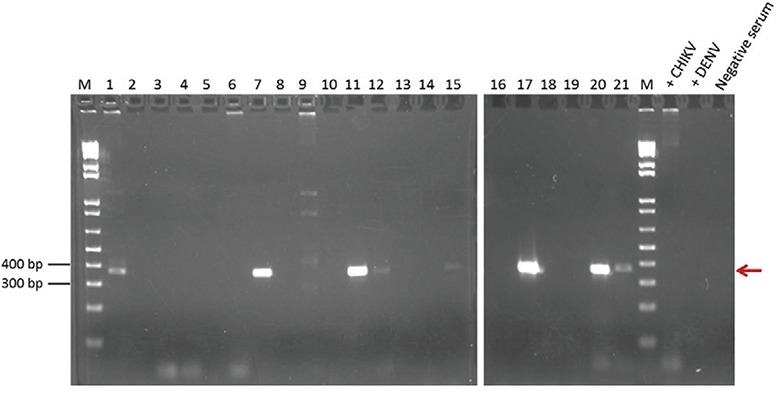
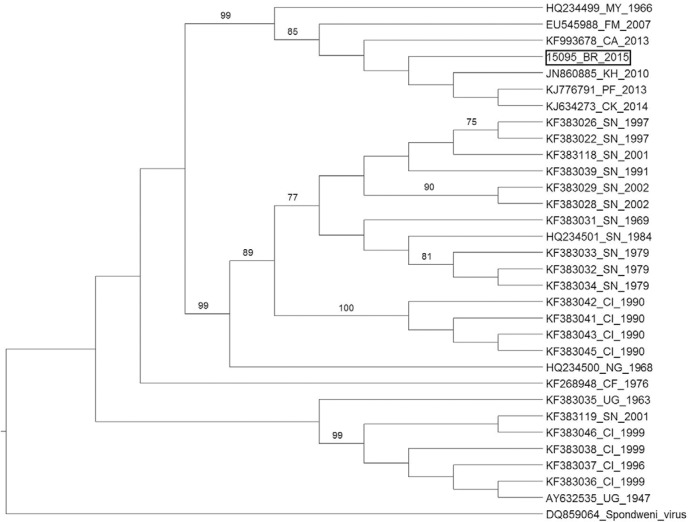
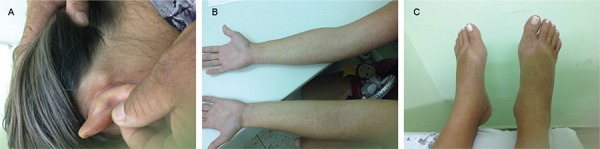
In the early 2015, several cases of patients presenting symptoms of mild fever, rash, conjunctivitis and arthralgia were reported in the northeastern Brazil. Although all patients lived in a dengue endemic area, molecular and serological diagnosis for dengue resulted negative. Chikungunya virus infection was also discarded. Subsequently, Zika virus (ZIKV) was detected by reverse transcription-polymerase chain reaction from the sera of eight patients and the result was confirmed by DNA sequencing. Phylogenetic analysis suggests that the ZIKV identified belongs to the Asian clade. This is the first report of ZIKV infection in Brazil.
Overview
The claims and statistics of this paper haven’t been checked yet.
Free: it reads the open-access text and checks the first 5 claims that cite a source we can check. Create a free account to check every claim.
Integrity signals
Registry
Cites
Statistics
Figures
Verification
Claims the paper makes
The claims and statistics of this paper haven’t been checked yet.
Free: it reads the open-access text and checks the first 5 claims that cite a source we can check. Create a free account to check every claim.
Claims other papers make about this one
Each is checked against this paper’s own text: does it say what the citing paper says it does?
The check wasn’t confident either way, so it gives no verdict — never disputed.
In the citing paper
“Zika was declared a national public health emergency in 2015 [24].”
From Recruitment of low-income pregnant women into a dietary and dental care intervention: lessons from a feasibility trial (2020) · cites this paper as [24]
Experimental — accuracy not yet measured
Self-check
Percentages, sums and reported differences re-computed from the paper’s own numbers.
The self-check needs the paper’s full text.
Citations
Cites
Zika Virus Outbreak on Yap Island, Federated States of Micronesia
Duffy, M. R., Chen, T.-H., Hancock, W. T., Powers, A. M., Kool, J. L., Lanciotti, R. S., Pretrick, M., Marfel, M., Holzbauer, S., Dubray, C., et al. (2009) · New England Journal of Medicine · doi:10.1056/nejmoa0805715 · Cited by 3,132 · cited 1×
“For half a century, the virus was described as causing sporadic human infections in Africa and Asia, until 2007 when a Zika fever epidemics took place in Yap Island, Micronesia (Duffy et al. 2009).”
BackgroundZika Virus (I). Isolations and serological specificity
Dick, G. W. A., Kitchen, S. F., & Haddow, A. J. (1952) · Transactions of the Royal Society of Tropical Medicine and Hygiene · doi:10.1016/0035-9203(52)90042-4 · Cited by 2,692 · cited 1×
“ZIKV was first isolated from a rhesus monkey in the Zika Forest of Uganda, in 1947 (Dick et al. 1952).”
BackgroundLanciotti, R. S., Calisher, C. H., Gubler, D. J., Chang, G. J., & Vorndam, A. V. (1992) · Journal of Clinical Microbiology · doi:10.1128/jcm.30.3.545-551.1992 · Cited by 1,818 · cited 5×
“Moreover, all samples rendered negative results in RT-PCR assays for CHIKV infection (Lanciotti et al. 2007).”
ResultInfluentialPotential Sexual Transmission of Zika Virus
Musso, D., Roche, C., Robin, E., Nhan, T., Teissier, A., & Cao-Lormeau, V.-M. (2015) · Emerging Infectious Diseases · doi:10.3201/eid2102.141363 · Cited by 1,176 · cited 1×
“Further studies are needed to unveil whether co-infection and subsequent infection by different arboviruses can affect the course of the disease, the occurrence of severe cases and the ways of transmission (vertical, perinatal, sexual) (Foy et al. 2011, Besnard et al. 2014, Musso et al. 2015).”
BackgroundProbable Non–Vector-borne Transmission of Zika Virus, Colorado, USA
Foy, B. D., Kobylinski, K. C., Foy, J. L. C., Blitvich, B. J., Travassos da Rosa, A., Haddow, A. D., Lanciotti, R. S., & Tesh, R. B. (2011) · Emerging Infectious Diseases · doi:10.3201/eid1705.101939 · Cited by 1,156 · cited 1×
“Further studies are needed to unveil whether co-infection and subsequent infection by different arboviruses can affect the course of the disease, the occurrence of severe cases and the ways of transmission (vertical, perinatal, sexual) (Foy et al. 2011, Besnard et al. 2014, Musso et al. 2015).”
BackgroundZika Virus, French Polynesia, South Pacific, 2013
Cao-Lormeau, V.-M., Roche, C., Teissier, A., Robin, E., Berry, A.-L., Mallet, H.-P., Sall, A. A., & Musso, D. (2014) · Emerging Infectious Diseases · doi:10.3201/eid2006.140138 · Cited by 874
Molecular Evolution of Zika Virus during Its Emergence in the 20th Century
Faye, O., Freire, C. C. M., Iamarino, A., Faye, O., de Oliveira, J. V. C., Diallo, M., Zanotto, P. M. A., & Sall, A. A. (2014) · PLoS Neglected Tropical Diseases · doi:10.1371/journal.pntd.0002636 · Cited by 819 · cited 1×
“The virus belongs to the genus Flavivirus, family Flaviviridae, and is closely related to other flaviviruses of public health relevance including dengue (DENV), yellow fever and West Nile viruses (Pierson & Diamond 2013, Faye et al. 2014).”
BackgroundEvidence of perinatal transmission of Zika virus, French Polynesia, December 2013 and February 2014
Besnard, M., Lastère, S., Teissier, A., Cao-Lormeau, V. M., & Musso, D. (2014) · Eurosurveillance · doi:10.2807/1560-7917.es2014.19.13.20751 · Cited by 814
Detection of Zika Virus in Urine
Gourinat, A.-C., O’Connor, O., Calvez, E., Goarant, C., & Dupont-Rouzeyrol, M. (2015) · Emerging Infectious Diseases · doi:10.3201/eid2101.140894 · Cited by 764 · cited 1×
“Of interest, recent paper by Gourinat et al. (2015) shows evidence of virus secretion in urine for more than 10 days after onset of disease.”
BackgroundRapid spread of emerging Zika virus in the Pacific area
Musso, D., Nilles, E. J., & Cao-Lormeau, V.-M. (2014) · Clinical Microbiology and Infection · doi:10.1111/1469-0691.12707 · Cited by 686 · cited 1×
“These results corroborate previously published data about the spread of the ZIKV Asian lineage that was first reported in the outbreaks of the Pacific Islands (Musso et al. 2014).”
Result
Research works printed but not linked: 1
- Pierson TC, 2013, Flaviviruses, 747
Cited by
Items 801–900 of 1,000
da Costa, A. S., Fernandes, T. V. A., Bello, M. L., & de Souza, T. L. F. (2021) · Computational Biology and Chemistry · doi:10.1016/j.compbiolchem.2021.107459 · Cited by 6
Martins, R. S., Fróes, M. H., Katz, G., & Sato, A. P. S. (2021) · Epidemiologia e Serviços de Saúde · doi:10.1590/s1679-49742021000300011 · Cited by 12
do Rosário, M. S., de Jesus, P. A. P., Farias, D. S., Novaes, M. A. C., Francisco, M. V. L. D. O., Santos, C. S., Moura, D., Lima, F. W. D. M., Alcantara, L. C. J., & de Siqueira, I. C. (2022) · Frontiers in Medicine · doi:10.3389/fmed.2022.911175 · Cited by 6
“In 2015, the first cases of Zika infection were reported (8), subsequently followed by a large-scale epidemic, and clusters of newborns with congenital Zika infection resulted in the declaration of a state of public health emergency in the country.”
BackgroundSelf-citationComplex network analysis of arboviruses in the same geographic domain: Differences and similarities
Santos, E. S. E., Miranda, J. G. V., Saba, H. C., Skalinski, L. M., Araújo, M. L. V., Veiga, R., Costa, M. D. C. N., Cardim, L. L., Paixão, E. S., Teixeira, M. G., et al. (2023) · Chaos Solitons & Fractals · doi:10.1016/j.chaos.2023.113134 · Cited by 6
“The chikungunya and Zika viruses have been presumably been introduced in Brazil in 2013 and 2014 (a relatively short delay ~1 year), when the country hosted international sport events [5,24,42,43].”
BackgroundLin, G., Zhang, K., Zhang, D., Han, Y., Xie, J., & Li, J. (2017) · Clinica Chimica Acta · doi:10.1016/j.cca.2017.01.023 · Cited by 6
Kumar, N., Abdullah, M., Faizan, M. I., Ahmed, A., Alsenaidy, H. A., Dohare, R., & Parveen, S. (2017) · Future Virology · doi:10.2217/fvl-2017-0119 · Cited by 6
Almansour, I., Alfares, R., & Aljofi, H. E. (2018) · F1000Research · doi:10.12688/f1000research.16454.1 · Cited by 7
“A recent outbreak that began in Brazil in 2015 eventually spread to countries in North America and the Caribbean 7,8 .”
Kasbergen, L. M. R., Sikkema, R. S., Chandler, F. D., van Beek, J. H. G., Halabi, Y., Lourents, N., Maduro, E., Gerstenbluth, I. I., Duits, A. J., & Koopmans, M. (2025) · The Journal of Infectious Diseases · doi:10.1093/infdis/jiaf281 · Cited by 5
“Over a period of approximately 7 years, ZIKV spread to the Pacific islands and later to the Americas with the first confirmed cases of ZIKV reported in February 2015 in Brazil [2, 3].”
Campos, K. B., Alomar, A. A., Eastmond, B. H., Obara, M. T., & Alto, B. W. (2022) · Viruses · doi:10.3390/v14102198 · Cited by 5
Transmission of Asian Zika Lineage by Aedes aegypti and Ae. albopictus Mosquitoes in Florida
Zimler, R. A., & Alto, B. W. (2023) · Viruses · doi:10.3390/v15020425 · Cited by 5
Intrauterine Zika Virus Infection: An Overview of the Current Findings
dos Santos, A. L. S., Rosolen, B. B., Ferreira, F. C., Chiancone, I. S., Pereira, S. S., Pontes, K. F. M., Trainá, É., Werner, H., Granese, R., & Júnior, E. A. (2025) · Journal of Personalized Medicine · doi:10.3390/jpm15030098 · Cited by 8
“However, Brazil recorded Norte [16,56].”
Alves, M. B., Erbisti, R. S., Nobre, A. A., Simões, T. C., Tavares, A. D. M., Melo, M. C., Pedreira, R. M., de Araújo, J. P. M., Carvalho, M. S., & Honório, N. A. (2025) · PLoS neglected tropical diseases · doi:10.1371/journal.pntd.0012984 · Cited by 5
Zika: where it has been, where it is going, and how to stop it
Stein, R. A. (2016) · International Journal of Clinical Practice · doi:10.1111/ijcp.12792 · Cited by 8
Hingrat, Q. L., Perrier, M., Charpentier, C., Jacquot, A., Houhou‐Fidouh, N., Descamps, D., & Visseaux, B. (2019) · Travel Medicine and Infectious Disease · doi:10.1016/j.tmaid.2019.101512 · Cited by 5
Japanese encephalitis virus inhibits superinfection of Zika virus in cells by the NS2B protein
Yuan, H., Rao, J., Zhang, J., Ye, J., Cao, S., Chen, H., & Song, Y. (2024) · Journal of Virology · doi:10.1128/jvi.01859-23 · Cited by 5
Saretzki, C. E. B., Dobler, G., Iro, E., Heussen, N. M., & Küpper, T. (2024) · Viruses · doi:10.3390/v16050807 · Cited by 7
“During large-scale outbreaks in the Pacific Region starting in 2007 [14] and the Americas starting in 2015 [15], ZIKV has shown its potential for a rapid population spread as well as its association with severe neurological complications in fetuses, neonates, and adults [16,17].”
BackgroundDeforestation and Spillover of Zoonotic Viruses in South America: Evidence and Knowledge Gaps
Grillet, M. E., & Vincenti-Gonzalez, M. F. (2024) · The Latin American studies book series · doi:10.1007/978-3-031-68419-7_1 · Cited by 8
Nobre, T. F., Fenner, A. L. D., Araújo, E. L. L., de Araújo, W. N., Roux, E., Handschumacher, P., Gurgel, H., Dallago, B. S. L., Hecht, M. M., Hagström, L., et al. (2025) · BMC Infectious Diseases · doi:10.1186/s12879-025-10516-2 · Cited by 5
“Similarly, ZIKV led to significant outbreaks after being first identified in Brazil in 2015 [10].”
Zika Virus: Yet Another Emerging Threat to Nepal.
Dhimal, M., Gautam, I., Baral, G., Pandey, B. D., & Karki, K. B. (2015) · Journal of Nepal Health Research Council · doi:10.33314/jnhrc.v0i0.686 · Cited by 5
Zika Virus Disease: Case Report and Review of Literature
Darko, R. O., & Mashburn, J. L. (2016) · Pediatric Emergency Care · doi:10.1097/pec.0000000000000932 · Cited by 5
“InMay 2015, theWorld Health Organization (WHO) reported the first locally acquired transmission of ZIKV in Brazil, the first case in the Western Hemisphere.(3,4) Since its first detection in Brazil, multiple other countries and territories in the Americas and beyond have also reported cases of local transmission.”
BackgroundInfluentialExploitation of Glycobiology in Anti-Adhesion Approaches against Biothreat Agents
Utratna, M., Deegan, S., & Joshi, L. (2016) · Journal of Bioterrorism & Biodefense · doi:10.4172/2157-2526.1000150 · Cited by 5
“However, it turned out to be responsible for neurological abnormalities in developing fetuses and serious birth defects observed as a spike in cases of micro-encephalitis in Brasil in 2015 [66].”
Reducing uncertainty about flavivirus infections
Kucharski, A. J., & Riley, S. (2016) · The Lancet Infectious Diseases · doi:10.1016/s1473-3099(16)30524-2 · Cited by 5
Comparison of flavivirus using datamining-Apriori, K-means, and decision tree algorithm
Kim, C. W., Ahn, S. H., & Yoon, T. (2017) · International Conference on Advanced Communication Technology · doi:10.23919/icact.2017.7890130 · Cited by 5
“Zika virus is being widely spread in South America and Asia region and it is one of the most popular issues throughout the world[1][2].”
BackgroundGlobal epidemiology of Zika and Chikungunya virus human infections
Zannoli, S., Morotti, M., Denicolò, A., Tassinari, M., Chiesa, C., Pierro, A. M., & Sambri, V. (2017) · Microbiologia medica · doi:10.4081/mm.2017.7054 · Cited by 5
Suzukawa, A. A., Zanluca, C., Jorge, N. A. N., de Noronha, L., Koishi, A. C., de Paula, C. B. V., Rebutini, P. Z., Nagashima, S., Hansel-Frose, A., Parreira, V. D. S. C., et al. (2020) · Journal of Infection · doi:10.1016/j.jinf.2020.09.028 · Cited by 6
Self-citationValerio, L., Roure, S., Benítez, R., Fernández‐Rivas, G., Rivaya, B., Expósito, C., Pérez, C. S., Salvador, F., & Clotet, B. (2020) · Atención Primaria · doi:10.1016/j.aprim.2020.07.002 · Cited by 5
Schouest, B., Beddingfield, B. J., Gilbert, M. H., Bohm, R. P., Schiro, F. R., Aye, P. P., Panganiban, A. T., Magnani, D. M., & Maness, N. J. (2021) · Virology · doi:10.1016/j.virol.2021.03.019 · Cited by 5
Pattern-Reversal Visual Evoked Potential in Children With Congenital Zika Syndrome
Almeida, L., Kattah, M., Ventura, L. O., Gois, A. L., Rocha, C., de Andrade, C. G., Mendoza-Santiesteban, C. E., & Ventura, C. V. O. C. (2021) · Journal of Pediatric Ophthalmology & Strabismus · doi:10.3928/01913913-20201110-01 · Cited by 5
Radiographic evaluation of dental anomalies in patients with congenital Zika virus syndrome
Alencar, P. N. B., Lima, M. C. D. F., Carvalho, I. F., Araújo, L. S., Silva, P. G. D. B., Lopes, L. L. D. A., Lemos, J. V. M., & Sousa, F. B. (2021) · Brazilian Oral Research · doi:10.1590/1807-3107bor-2021.vol35.0043 · Cited by 5
Placental Morphologic Similarities Between ZIKV-Positive and HIV-Positive Pregnant Women
Ronchi, D. C. M., Malaquias, M. A. S., Rebutini, P. Z., do Carmo, L. A. P., Neto, P. C., Marini, E. S., Прокопенко, А. Н., Nagashima, S., Zanluca, C., dos Santos, C. N. D., et al. (2021) · Frontiers in Immunology · doi:10.3389/fimmu.2021.684194 · Cited by 6
“This fact appears to agree with the hypothesis that these cells can work as a reservoir of ZIKV (12, 25).”
BackgroundSelf-citationde Souza, T. M. A., de Lima, R. C., Solórzano, V. F., Damasco, P. V., de Souza, L. J., Sánchez‐Arcila, J. C., Guimarães, G. M. C., Paiva, I. A., Lima, M. D. R. Q., de Bruycker‐Nogueira, F., et al. (2022) · Pathogens · doi:10.3390/pathogens11020245 · Cited by 5
“DENV has been circulating in Brazilian territory since 1986 [32], the first autochthonous cases of CHIKV were reported in Brazil in 2014 [25], and ZIKV emerged in 2015 [33], resulting in the co-circulation and triple epidemics in some states of the country [7,34,35].”
Background2007, I., State, T. F. L. Z. E. W. O. I. Y., However, A. I. O. T. F. S. O. M. M. O. T. D. Z.-I. P. S. F. T. P. D. M. S., [, T. R. D. O. T. P. A. T. H. N. O. P. W. U., 2013, ]. I. T. S. E. I. F. P. I., rapidly, W. A. S., fever, T. M. O. C. I. P. D. M., aches, B., rash, M., & [, A. C. (2016) · Transfusion Medicine and Hemotherapy · doi:10.1159/000447782 · Cited by 5
Aggio, J. B., Porto, B. N., dos Santos, C. N. D., Mosimann, A. L. P., & Wowk, P. F. (2022) · Frontiers in Immunology · doi:10.3389/fimmu.2022.784443 · Cited by 5
“In Brazil, ZIKV was first detected in 2015 and categorized as a Public Health Emergency in 2016 (4).”
BackgroundSelf-citationAl-Afaleq, A. I. (2016) · Saudi Journal of Medicine and Medical Sciences · doi:10.4103/1658-631x.194260 · Cited by 5
“The Zika virus spreads to the Americas through the Pacific Islands; this became evident when in March 2015 the virus was identified in an exanthematous illness outbreak in Bahia, Brazil.”
BackgroundResultUntold stories of the Zika virus epidemic in Brazil
Avelino‐Silva, V. I., & Kallas, E. G. (2018) · Reviews in Medical Virology · doi:10.1002/rmv.2000 · Cited by 6
“dengue, Mayaro, West Nile, and Chikungunya viral infections had been ruled out.(22,23) Subsequent surveillance described a rapid spread of ZIKV across the country,(24) followed by reports in other countries in the Latin America(25) and to the United States.”
BackgroundTriplificação de dados de notícias sobre a Zika
Maia, L., & Yagui, M. M. M. (2017) · Anais do Simpósio Brasileiro de Sistemas de Informação (SBSI) · doi:10.5753/sbsi.2017.6024 · Cited by 5
“Após a eclosão da doença em sua forma clássica, casos neurológicos e de microcefalia começaram a surgir [3, 16].”
Mosquitoes, birth rates and regional spillovers: Evidence from the Zika epidemic in Brazil
Triaca, L. M., Ribeiro, F. G., & Tejada, C. A. O. (2020) · Papers of the Regional Science Association · doi:10.1111/pirs.12591 · Cited by 5
Rodrigues, M. D. S. P., Costa, M. D. C. N., Barreto, F. R., Brustulin, R., Paixão, E. S., & Teixeira, M. G. (2020) · Epidemiologia e Serviços de Saúde · doi:10.5123/s16/79-49742020000400008 · Cited by 5
Diagnosis for Imported Cases of Emerging and Reemerging Infectious Diseases in Korea
Lee, M. (2016) · Ewha Medical Journal · doi:10.12771/emj.2016.39.2.37 · Cited by 5
“2016년에 는 중남미 여러 나라에서 광범위 유행, 아프리카의 카보베르데, 태 국, 인도네시아에 유행이 되어 2016년 2월 WHO에서 국제공중보 건위기상황(Public Health Emergency of International Concern) 단계로 선언하였고 2016년 3월 중남미, 오세아니아, 아시아, 아프 리카의 42개국에서 발생하였다[6,34-36].”
de Moraes, L. E. P., Portilho, M. M., Vrancken, B., den Broeck, F. V., Santos, L. A., Cucco, M. S., Tauro, L. B., Kikuti, M., Silva, M. M. O., Campos, G. S., et al. (2023) · Viruses · doi:10.3390/v15061236 · Cited by 6
“In March 2015, ZIKV was identified in Brazil [7,8] and further spread to more than 40 countries in the Americas [9,10].”
BackgroundCáceres, L., Ayarza, C., & Bernal, D. (2023) · Biomédica · doi:10.7705/biomedica.6746 · Cited by 6
“En mayo del 2015, la Organización Mundial de la Salud (OMS) registró la primera transmisión local de ZIKV en el continente americano y se identificaron casos autóctonos en Brasil (4,5).”
BackgroundRodrigues, C. D. S., Souza, R. K. D. S., Neto, C. V. D. R., Otani, R. H., Batista, D. D. M., Maia, A. K. N. D. O., Filho, K. P. D. O., de Andrade, T. D., Almeida, E. D. A., Maciel, L. H. G., et al. (2023) · Viruses · doi:10.3390/v15122363 · Cited by 4
“ZIKV was identified in the Americas, more specifically in Brazil, at the end of 2015, although phylogenetic studies have identified the arrival to have been in mid-2013 [5–7].”
BackgroundWongsawat, J., Thamthitiwat, S., Hicks, V. J., Uttayamakul, S., Teepruksa, P., Sawatwong, P., Skaggs, B., Mock, P. A., MacArthur, J. R., Suya, I., et al. (2024) · PLoS neglected tropical diseases · doi:10.1371/journal.pntd.0012176 · Cited by 5
Nielsen‐Saines, K., Romero, T., Duarte, A. C. M., da Silva, S. A., Adachi, K., Damasceno, L. S., Kerin, T., Fuller, T. L., Deville, J. G., Moreira, M. E. L., et al. (2025) · The Journal of Infectious Diseases · doi:10.1093/infdis/jiaf146 · Cited by 4
de Camargo, O. K. (2016) · Brazilian Journal of Medicine and Human Health · doi:10.17267/2317-3386bjmhh.v4i1.770 · Cited by 4
“The recent identification of Zika virus infections in Brazil initiated a discussion about screening for microcephaly among newborns(2)(3).”
BackgroundPaiva, I. A., Familiar-Macedo, D., Badolato-Corrêa, J., Carvalho, F. R., Dias, H. G., Pauvolid‐Corrêa, A., Fernandes-Santos, C., Silva, A. A., de Azeredo, E. L., Vianna, R. A. D. O., et al. (2022) · Viruses · doi:10.3390/v14020250 · Cited by 4
“The first cases of ZIKV in northeastern Brazil were confirmed in 2015 [2,3], and it spread rapidly between 2015 and 2016 in South and Central America and the Caribbean [4].”
BackgroundScreening of febrile patients with suspected malaria from the Brazilian Amazon for virus infection
de Figueiredo, M. L. G., Williams, E. P., Jonsson, C. B., Khan, M. J., Nunes, M. R. T., de Lima, C. P. S., Figueiredo, L. T. M., Costa, M. R. F., Mourão, M. P. G., Lacerda, M., et al. (2022) · Archives of Virology · doi:10.1007/s00705-022-05514-7 · Cited by 4
“ZIKV was detected first in Brazil in the North Region in May 2015 and then spread to almost the entire country [11, 62]; however, with a lower incidence, a fact that could explain the low rate of ZIKV detection in this study.”
BackgroundHigh seroprevalence of antibodies against arboviruses in postpartum women in Salvador, Brazil
Filho, P. P. B., Francisco, M. V. L. D. O., Santos, C. S., de Almeida, B. L., Souza, M. S. D. J., Ribeiro, D. V. B., de Araújo, I. M. B., Líma, B. G. D. C., Rajan, J. V., & de Siqueira, I. C. (2023) · IJID Regions · doi:10.1016/j.ijregi.2023.09.004 · Cited by 5
“In May 2015, the transmission of ZIKV was confirmed in Brazil [6] .”
BackgroundSelf-citationYan, Y., Yang, H., Yang, Y., Wang, J., Zhou, Y., Tang, C., Li, B., Huang, Q., An, R., Liang, X., et al. (2024) · Molecular Biomedicine · doi:10.1186/s43556-024-00195-x · Cited by 4
“The earliest confirmed cases of ZIKV infection in the Americas were identified in May 2015 [9].”
BackgroundSong, B.-H., Frank, J. C., Yun, S.-I., Julander, J. G., Mason, J. B., Polejaeva, I. A., Davies, C. J., White, K. L., Dai, X., & Lee, Y.-M. (2024) · International Journal of Molecular Sciences · doi:10.3390/ijms26010195 · Cited by 4
Decision Making in the Face of Uncertainty: Perinatal Zika Virus Infection
Dolan, S. M., & Hirschberg, C. I. (2016) · Journal of Pregnancy and Child Health · doi:10.4172/2376-127x.1000250 · Cited by 4
Zika Virus Therapeutic Lead Compounds Discovery Using Chemoinformatics Approaches
Narayanan, R. (2016) · MOJ Proteomics & Bioinformatics · doi:10.15406/mojpb.2016.03.00088 · Cited by 4
“Initially identified in Uganda [4-7], the ZIKV is rapidly spreading around the globe [8-14] and is declared as a global public emergency by the World Health Organization (WHO report, 5 February, 2016).”
BackgroundAdilah-Amrannudin, N., Hamsidi, M., Ismail, N.-A., Ismail, R., Dom, N. C., Ahmad, A. H., Mastuki, M. F., Basri, T. S. A. T. A., Khalid, A., Muslim, M., et al. (2016) · Journal of the American Mosquito Control Association · doi:10.2987/16-6579.1 · Cited by 5
Nunes, A. R. D., Alves, B. E. B., Pereira, H. W. B., Nascimento, Y. M., Morais, I. C., Fernandes, J. V., de Araújo, J. M., & Lanza, D. C. F. (2018) · Memórias do Instituto Oswaldo Cruz · doi:10.1590/0074-02760170393 · Cited by 4
“In early 2015, Brazil’s Ministry of Health confirmed autochthonous cases of ZIKV infection in the country from positive samples from the states of Bahia and Rio Grande do Norte (Campos et al. 2015, Zanluca et al. 2015).”
BackgroundShugart, J. M., & Brown, C. K. (2019) · Applied Biosafety · doi:10.1177/1535676018818562 · Cited by 4
Vedovello, D., Witkin, S. S., da Silva, A. C. B., Fajardo, T. C. G., Mello, A. S., Bertozzi, A. P. A. P., da Silva, A. B., Filho, N. F., Rodrigues, M. M. D., Gazeta, R. E., et al. (2019) · Journal of NeuroVirology · doi:10.1007/s13365-019-00797-0 · Cited by 4
Maia, L., Lenzi, M. D. F., Rabello, E. T., & Oliveira, J. (2019) · IEEE/WIC/ACM International Conference on Web Intelligence · doi:10.1145/3350546.3352523 · Cited by 4
“In 2015, the outbreak had a high rate of occurrences in Brazil, affecting thousands of people and causing overcrowding of public and private emergency services, although it has not been measured by an official notification system at that time [38].”
Backgroundde Assis, F. L., Sippert, E., Rocha, B. C., Volkova, E., Fares‐Gusmao, R., Ok, S., Chancey, C., & Rios, M. (2020) · American Journal of Tropical Medicine and Hygiene · doi:10.4269/ajtmh.19-0747 · Cited by 4
Landau, L. J. B., Fam, B. S. D. O., Yépez, Y., Caldas-Garcia, G. B., Pissinatti, A., Falótico, T., Reales, G., Schüler‐Faccini, L., Sortica, V. A., & Bortolini, M. C. (2021) · Infection Genetics and Evolution · doi:10.1016/j.meegid.2021.105030 · Cited by 5
Zika Virus Seroprevalence in Two Districts of Chincha, Ica, Peru: A Cross-Sectional Study
Cachay, R., Schwalb, A., Acevedo-Rodriguez, J. G., Merino, X., Talledo, M., Suárez, L., Pezzı, L., de Lamballerie, X. N., Guerra, H., Jaenisch, T., et al. (2021) · American Journal of Tropical Medicine and Hygiene · doi:10.4269/ajtmh.20-1339 · Cited by 4
“With the introduction of Zika virus (ZIKV) in the Americas, an important outbreak occurred in the Brazilian state of Rio Grande do Norte in 2015, which subsequently extended to the entire continent of South America.(1) In February 2016, the WHO designated the ZIKV epidemic as a Public Health Emergency of International…”
da Silva, A. G., Goulart, L. R., Löffler, P. M. G., Code, C., & Neves, A. F. (2022) · International Journal of Molecular Sciences · doi:10.3390/ijms232213866 · Cited by 4
“In early 2015, the first case of Zika in Brazil was confirmed, which quickly spread throughout the country due to the great mobility of its population and the ubiquity of the transmitting vectors [5].”
BackgroundPaz, A. D. C., Chaves, B. A., Godoy, R. S. M., Coelho, D. F., Júnior, A. B. V., Alencar, R. M., Alcântara, J. A., Félix, L. D. S., Oliveira, C. C. A., Monteiro, W. M., et al. (2023) · Viruses · doi:10.3390/v15030770 · Cited by 4
“Subsequently, the virus reemerged and spread rapidly across the Americas in 2015 [7,8], causing a significant outbreak in Brazil, where the virus was a cause of neurological disorders such as Guillain–Barré syndrome in adults and microcephaly in neonates [9].”
BackgroundMónge-Nájera, J., & Ho, Y. (2023) · Transactions of the Royal Society of Tropical Medicine and Hygiene · doi:10.1093/trstmh/trad021 · Cited by 5
Rodrigues, L. F., de Sousa, A. A., Júnior, W. P. M., Silva, A. C. C. E., do Nascimento, M. H. S., Barros, M. C., Sampaio, I., & Fraga, E. D. C. (2023) · Insects · doi:10.3390/insects14060530 · Cited by 4
Souza, L. R. Q., Pedrosa, C. D. S. G., Puig‐Pijuan, T., dos Santos, C. D. S., Vitória, G., Delou, J. M. D. A., Setti-Perdigão, P., Higa, L. M., Tanuri, A., Rehen, S. K., et al. (2024) · Scientific Reports · doi:10.1038/s41598-024-73873-z · Cited by 4
Self-citationZika virus Pathogenesis in Infant Mice after Natural Transmission by the Bite of Infected Mosquitoes
Yadav, P. D., Kumar, V., Kumar, S., Mote, C., Majumdar, T., Gokhale, M., Kore, P., & Mourya, D. T. (2017) · Intervirology · doi:10.1159/000486841 · Cited by 37
Síndrome congênita do Zika vírus – um novo desafio ao odontopediatra: uma revisão bibliográfica
Menezes, P. C. B. D., Ponte, Y. D. O., Girão, D. C., Vasconcelos, A. D. A., Martins, L. D. A., Cunha, K. A. C., Carvalho, M. T. A. D., Pessoa, C. P., de Alencar, K. E. S., & Rodrigues, Í. S. C. (2020) · Revista Eletrônica Acervo Saúde · doi:10.25248/reas.e2544.2020 · Cited by 4
Schultz, E. M., Jones, T. J., Hopkins, H. K., Zeng, J., & Barr, K. L. (2020) · Vaccines · doi:10.3390/vaccines8040752 · Cited by 4
“ZIKV first appeared in the Western Hemisphere in 2015 [2,3].”
BackgroundThe Medicinal Chemistry of Zika Virus
Rodrigues, É. E. D. S., Maus, H., Hammerschmidt, S. J., Ruggieri, A., dos Santos, E. C., Bassi, Ê. J., Anderson, L., Aquino, P. G. V., de Araújo‐Júnior, J. X., Wei, F., et al. (2021) · Springer eBooks · doi:10.1007/978-3-030-71165-8_13 · Cited by 8
Reátegui, A., & Néstor Falcón, P. (2021) · Revista de Investigaciones Veterinarias del Perú · doi:10.15381/rivep.v32i2.20005 · Cited by 4
Sensorineural Hearing Loss in Dengue: A Pilot Study.
Soni, K. D., Bohra, G. K., Nair, N. P., Kaushal, D., Patro, S. K., & Goyal, A. (2021) · PubMed Central · doi:10.22038/ijorl.2020.39874.2314 · Cited by 4
“Detection of non-structural protein 1(NS1 Antigen) by enzyme-linked immunosorbent assay (ELISA) is sufficient for confirmatory diagnosis (7).”
MethodVirus Zika, ¿culpable o inocente?
Cecilia Perret, P. (2016) · Revista chilena de infectología · doi:10.4067/s0716-10182016000200008 · Cited by 4
Toresdahl, B. G., & Asif, I. M. (2016) · Sports Health A Multidisciplinary Approach · doi:10.1177/1941738116659060 · Cited by 4
“Although no Pacific Island teams competed in World Cup, foreign spectators from French Polynesia and the Pacific Islands may have traveled to Brazil during an acute infection with or without symptoms.(34) Additionally, shortly after the World Cup, the Va’a World Sprint Championship canoe race was held in Rio de Janeir…”
BackgroundCruz, R. D. S. B. L. C., Filho, M. B., Caminha, M. D. F. C., & Souza, E. D. S. (2016) · Revista Brasileira de Saúde Materno Infantil · doi:10.1590/1806-9304201600s100008 · Cited by 4
Arbovirus epidemics and blood safety in Brazil
Levi, J. E. (2016) · ISBT Science Series · doi:10.1111/voxs.12334 · Cited by 4
Orellano, P. W., Vezzani, D., QUARANTA, N. E., Cionco, R. G., Reynoso, J. I., & Salomón, O. D. (2017) · Revista Panamericana de Salud Pública · doi:10.26633/rpsp.2017.120 · Cited by 4
“Among these viruses, Zika was first isolated in a forest area in Uganda, Africa (1), and was historically restricted to Asia and Africa for more than 50 years (2), but recently spread to Micronesia in 2007and Brazil in 2014–2015 (3,4), continuing its expansion through South, Central and North America (2).”
BackgroundSulania, A. (2016) · MAMC Journal of Medical Sciences · doi:10.4103/2394-7438.191666 · Cited by 4
Zika vírus: desafios da saúde pública no Brasil
(2016) · Revista Brasileira de Epidemiologia · doi:10.1590/1980-5497201600020001 · Cited by 4
Marquine, S., Briolant, S., Claverie, D., Denis, J., Geulen, M., Bosio, L., Tenebray, B., Attoumani, S., Garnier, A., Cheutin, L., et al. (2025) · PLoS neglected tropical diseases · doi:10.1371/journal.pntd.0013274 · Cited by 3
Han, J., Yin, Y., & Yuan, J. (2026) · Frontiers in Pharmacology · doi:10.3389/fphar.2026.1745652 · Cited by 7
“In 2015, Brazil reported its first cases of autochthonous Zika transmission, after which the virus spread extensively throughout the Americas (Zanluca et al., 2015; Relich and Loeffelholz, 2017).”
Liao, Q., Luo, Y.-G., Ye, J.-L., Shi, Z., Xu-Meng, F. E. N. G., Lu, H.-T., Zhou, H., Wu, J., & Liu, Z. (2026) · Virology · doi:10.1016/j.virol.2026.110846 · Cited by 3
Economic impact of Zika virus infection and associated conditions
Peixoto, H. M., Gallo, L. G., Nascimento, G. L., & de Oliveira, M. R. F. (2021) · Elsevier eBooks · doi:10.1016/b978-0-12-820268-5.00006-7 · Cited by 8
da Costa, A. L., Prieto-Oliveira, P., Duarte-Barbosa, M., Andreata‐Santos, R., Peter, C. M., Prolo, T., Antoneli, F. M., de Carvalho, M. I. V. G., Durães‐Carvalho, R., Briones, M. R. D. S., et al. (2024) · Cells · doi:10.3390/cells13171491 · Cited by 3
“These problems result in postnatal microcephaly with brain damage, which was later described as Congenital ZIKV Syndrome (CZS) [9,10].”
BackgroundAlmalki, M., & Karunamoorthi, K. (2024) · Current Tropical Medicine Reports · doi:10.1007/s40475-024-00330-2 · Cited by 4
“This occurred mainly because of the greater mobility of the population and the widespread existence of Aedes vectors [48].”
Gardinali, N. R., Marchevsky, R. S., Vieira, Y. C., Pelajo‐Machado, M., Kugelmeier, T., Melgaço, J. G., Castro, M. P., de Oliveira, J. M., & Pinto, M. A. (2025) · Memórias do Instituto Oswaldo Cruz · doi:10.1590/0074-02760240125 · Cited by 3
Zika virus, emergencies, uncertainty and vulnerable populations
Brett-Major, D., & Roth, C. (2016) · The Journal of the Royal College of Physicians of Edinburgh · doi:10.4997/jrcpe.2016.102 · Cited by 3
El virus del Zika. Un agente teratogénico ocular
Pinazo-Duran, M. D., & Silva, E. D. (2017) · Archivos de la Sociedad Española de Oftalmología · doi:10.1016/j.oftal.2016.11.010 · Cited by 6
Lima, M. L. D., Cabral, Á. S., Bittar, C., Falleiros, L. R., Guerra, L. H. A., Carneiro, B. M., Ferreira, L. C. D. S., Nogueira, M. L., Taboga, S. R., Calmon, M. F., et al. (2022) · Brazilian Journal of Microbiology · doi:10.1007/s42770-022-00761-x · Cited by 3
“The first autochthonous case in Brazil was reported in 2015 [3], and recent outbreaks in Central and South America demonstrated that the infection is associated with severe health conditions, such as congenital Zika syndrome in the fetus [4] and Guillain-Barré syndrome in adults [5].”
BackgroundZIKA VIRUS STRATEGIC RESPONSE FRAMEWORK FOR THE GULF STATES-2016: AN URGENT NEED FOR COLLABORATION
BINSAEED, A., Al-Hajri, M., Noureldin, E., FARAG, A., MALIK, S., AL-ZEDJALI, M., ALHAKEEM, R., AL-ROMAIHI, H., ALZAHRANI, M., & ALSHEIKH, A. (2016) · Journal of the Egyptian Society of Parasitology · doi:10.12816/0033978 · Cited by 3
“clared on 1st February 2016, that recently reported clusters of microcephaly and other neurological disorders in Brazil constitute a Public Health Emergency of International Concern (PHEIC).”
BackgroundInfluentialda Silva, A. C. M., Amaral, C. M. L., Herazo, M. A. M., Santos, E. N. N., Pereira, E. P. V., da Costa, H. P. S., Freitas, E. R., Gadelha, C. R. F., Guedes, M. I. F., & van Tilburg, M. F. (2023) · International Immunopharmacology · doi:10.1016/j.intimp.2023.111088 · Cited by 3
Piauilino, I. C. R., Souza, R. K. D. S., Lima, M. T., Rodrigues, Y. K. B., da Silva, L. F. A., Gouveia, A. S., Neto, A. V. D. S., Chaves, B. A., Alecrim, M. D. G. C., Bôtto-Menezes, C., et al. (2023) · Viruses · doi:10.3390/v15112244 · Cited by 3
“In February 2016, due to outbreaks and evidence of Guillain–Barr é syndrome in adults and congenital Zika virus syndrome (CZVS) in infants born from ZIKV-infected mothers in the Pacific and the Americas, the ZIKV was declared an international public health emergency [7,8].”
BackgroundDiagnóstico de la infección por el virus zika
Cabezas, C., & García, P. (2017) · Anales de la Facultad de Medicina · doi:10.15381/anales.v78i1.13028 · Cited by 3
Generation and comparative genomics of synthetic dengue viruses
Goz, E., Tsalenchuck, Y., Benaroya, R. O., Zafrir, Z., Atar, S., Altman, T., Julander, J. G., & Tuller, T. (2018) · BMC Bioinformatics · doi:10.1186/s12859-018-2132-3 · Cited by 4
“The Zika virus (ZIKV), also of the flavivirus genus, is closely related to DENV and was recently classified as a public health emergency of international concern due to recent outbreaks [19, 20].”
BackgroundKalantari, N., & Motti, V. G. (2018) · IEEE International Conference on Healthcare Informatics (ICHI) · doi:10.1109/ichi.2018.00038 · Cited by 4
“The United Nations development program also assessed the impact of ZIKAV in Brazil [1].”
BackgroundNdibuagu, E. O. (2018) · Health · doi:10.4236/health.2018.1011119 · Cited by 3
“The infection re-emerged as a disease of global public health importance in March/April 2015 in Brazil [11] [12].”
BackgroundSex-Specific Asymmetrical Attack Rates in Combined Sexual-Vectorial Transmission Epidemics
de Barros, A. C. W. G., Santos, K. G., Massad, E., & Coelho, F. C. (2019) · Microorganisms · doi:10.3390/microorganisms7040112 · Cited by 3
“Microorganisms 2019, 7, 112; doi:10.3390/microorganisms7040112 www.mdpi.com/journal/microorganisms ZIKV spread rapidly throughout Brazil, and in less than a year, it had reached the entire country, spreading to neighboring countries.”
BackgroundInfluentialde Sousa, I. B. A., Souza, C., Barbosa, M. D. S., Croda, J., Gonçalves, C. C. M., Bernardes, S. S., & Marchioro, S. B. (2020) · International Journal of Infectious Diseases · doi:10.1016/j.ijid.2020.06.084 · Cited by 4
Insights on Zika virus envelope gene conservation in American outbreaks
Thomazella, M. V., Neto, Q. A. D. L., Duarte, F. F., Jorge, F. A., Moreira, D. D. C., Leal, A. D., Presibella, M. M., Riediger, I. N., da Silva, R. A., de Carvalho-Mello, I. M. V. G., et al. (2020) · Brazilian Journal of Microbiology · doi:10.1007/s42770-020-00349-3 · Cited by 3
Transmission dynamics of Zika virus incorporating harvesting
Yue, Z., Yusof, F. M., & Shafie, S. (2020) · Mathematical Biosciences & Engineering · doi:10.3934/mbe.2020327 · Cited by 3
Fimia-Duarte, R., Véliz, Y. G., Laveaga, D. D. V., Guerra, R. J. M., López, W. C., Haza, J. L., Gavilanes, F. Z., & González, F. M. W. (2022) · GSC Biological and Pharmaceutical Sciences · doi:10.30574/gscbps.2022.18.2.0066 · Cited by 3
Metadata
- Authors
- Zanluca, C., Melo, V. C. A. D., Mosimann, A. L. P., Santos, G. I. V. D., Santos, C. N. D. D., & Luz, K.
- Affiliations
- Fundação Oswaldo Cruz (BR)
- Secretaria Estadual de Saúde do Rio Grande do Norte, Brasil
- Universidade Federal do Rio Grande do Norte, Brasil
- Corresponding author
- Santos, Claudia Nunes Duarte dos
- ORCID
- Venue
- Memórias do Instituto Oswaldo Cruz
- Publisher
- FapUNIFESP (SciELO)
- Published
- 2015-06-09
- Volume
- 110
- Issue
- 4
- Pages
- 569-572
- ISSN
- 0074-0276 (ISSN-L)
- 1678-8060
- PMC
- PMC4501423
- OpenAlex
- W1558143285
- Cited by
- 1,320
- References
- 17
- Citations by year
- 2026: 17 · 2025: 42 · 2024: 69 · 2023: 85 · 2022: 86 · 2021: 92 · 2020: 126 · 2019: 129 · 2018: 160 · 2017: 172 · 2016: 316 · 2015: 20
- FWCI
- 238.26
- Type
- journal article
- Language
- en
- Open access
- diamond
- doi.org
- Licence
- cc-by-nc
- Locations
- Memórias do Instituto Oswaldo Cruz (publishedVersion, cc-by-nc)
- PubMed Central (publishedVersion, cc-by-nc)
- PubMed (publishedVersion)
- Americanae (AECID Library) (publishedVersion, other-oa)
- LA Referencia (Red Federada de Repositorios Institucionales de Publicaciones Científicas) (publishedVersion, other-oa)
- Portuguese National Funding Agency for Science, Research and Technology (RCAAP Project by FCT) (publishedVersion)
- Bioline International (Bioline International) (submittedVersion)
- Americanae (AECID Library) (submittedVersion, other-oa)
- Arca - Repositório Institucional da Fiocruz (submittedVersion, other-oa)
- DOAJ (DOAJ: Directory of Open Access Journals) (submittedVersion)
- LA Referencia (Red Federada de Repositorios Institucionales de Publicaciones Científicas) (submittedVersion, other-oa)
- Funders
- Universidade Federal do Paraná
- Topics
- Health Sciences › Medicine › Public Health, Environmental and Occupational Health › Mosquito-borne diseases and control
- Health Sciences › Medicine › Infectious Diseases › Viral Infections and Vectors
- Health Sciences › Medicine › Infectious Diseases › Viral Infections and Outbreaks Research
- Keywords
- Zika virus, autochthonous transmission, Northeast Brazil, joint pain, phylogenetic analysis, molecular diagnosis
- MeSH terms
- Zika Virus Infection, Zika Virus, Adolescent, Adult, Aedes, Aged, Animals, Brazil, Female, Humans, Insect Vectors, Male, Middle Aged, Phylogeny, RNA, Viral, Polymerase Chain Reaction, Sequence Analysis, DNA, Young Adult
About these checks
Registry, retraction, Cites and statistics results are computed, not judged, with one exception: a printed reference that no index lists is read once by a model before it counts as a citation error. Claims are extracted by a model and kept only when their quote appears verbatim in the text; each cited source is then checked, with a model’s help, for whether it says what the claim relies on. Those verdicts can be wrong — read the claim’s quote and the cited source before relying on one.
Statistics and arithmetic are recomputed, not judged.
Confidence bands are shown only for fields calibrated on our annotated test set. None is calibrated yet, so no band is shown.
What counts as a claim ›How we measure confidence ›How we check this ›
Are you an author, or do you see a problem with this page? Request a review
Data sources
Bibliographic data: Semantic Scholar, OpenAlex, Crossref.
Contains information from the Semantic Scholar Academic Graph Datasets, made available under the ODC Attribution License (ODC-BY 1.0).
Semantic Scholar’s data is described in: Kinney, R., et al. (2023). The Semantic Scholar Open Data Platform. arXiv:2301.10140.
