

First report of autochthonous transmission of Zika virus in Brazil
Open accessThe DOI matches its Crossref record; 17 of the 17 references it cites were found in a registry or an index.
Abstract
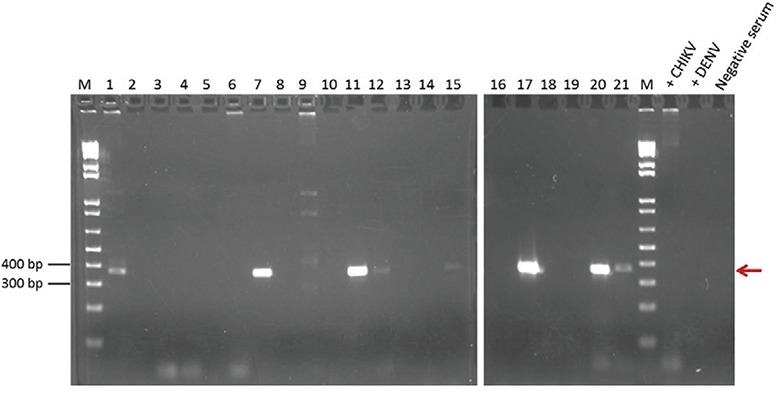
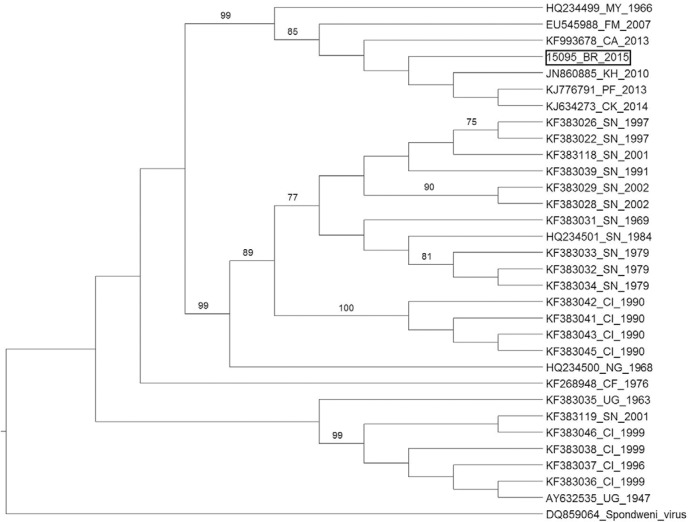
In the early 2015, several cases of patients presenting symptoms of mild fever, rash, conjunctivitis and arthralgia were reported in the northeastern Brazil. Although all patients lived in a dengue endemic area, molecular and serological diagnosis for dengue resulted negative. Chikungunya virus infection was also discarded. Subsequently, Zika virus (ZIKV) was detected by reverse transcription-polymerase chain reaction from the sera of eight patients and the result was confirmed by DNA sequencing. Phylogenetic analysis suggests that the ZIKV identified belongs to the Asian clade. This is the first report of ZIKV infection in Brazil.
Overview
The claims and statistics of this paper haven’t been checked yet.
Free: it reads the open-access text and checks the first 5 claims that cite a source we can check. Create a free account to check every claim.
Integrity signals
Registry
Cites
Statistics
Figures
Verification
Claims the paper makes
The claims and statistics of this paper haven’t been checked yet.
Free: it reads the open-access text and checks the first 5 claims that cite a source we can check. Create a free account to check every claim.
Claims other papers make about this one
Each is checked against this paper’s own text: does it say what the citing paper says it does?
The check wasn’t confident either way, so it gives no verdict — never disputed.
In the citing paper
“Zika was declared a national public health emergency in 2015 [24].”
From Recruitment of low-income pregnant women into a dietary and dental care intervention: lessons from a feasibility trial (2020) · cites this paper as [24]
Experimental — accuracy not yet measured
Self-check
Percentages, sums and reported differences re-computed from the paper’s own numbers.
The self-check needs the paper’s full text.
Citations
Cites
Zika Virus Outbreak on Yap Island, Federated States of Micronesia
Duffy, M. R., Chen, T.-H., Hancock, W. T., Powers, A. M., Kool, J. L., Lanciotti, R. S., Pretrick, M., Marfel, M., Holzbauer, S., Dubray, C., et al. (2009) · New England Journal of Medicine · doi:10.1056/nejmoa0805715 · Cited by 3,132 · cited 1×
“For half a century, the virus was described as causing sporadic human infections in Africa and Asia, until 2007 when a Zika fever epidemics took place in Yap Island, Micronesia (Duffy et al. 2009).”
BackgroundZika Virus (I). Isolations and serological specificity
Dick, G. W. A., Kitchen, S. F., & Haddow, A. J. (1952) · Transactions of the Royal Society of Tropical Medicine and Hygiene · doi:10.1016/0035-9203(52)90042-4 · Cited by 2,692 · cited 1×
“ZIKV was first isolated from a rhesus monkey in the Zika Forest of Uganda, in 1947 (Dick et al. 1952).”
BackgroundLanciotti, R. S., Calisher, C. H., Gubler, D. J., Chang, G. J., & Vorndam, A. V. (1992) · Journal of Clinical Microbiology · doi:10.1128/jcm.30.3.545-551.1992 · Cited by 1,818 · cited 5×
“Moreover, all samples rendered negative results in RT-PCR assays for CHIKV infection (Lanciotti et al. 2007).”
ResultInfluentialPotential Sexual Transmission of Zika Virus
Musso, D., Roche, C., Robin, E., Nhan, T., Teissier, A., & Cao-Lormeau, V.-M. (2015) · Emerging Infectious Diseases · doi:10.3201/eid2102.141363 · Cited by 1,176 · cited 1×
“Further studies are needed to unveil whether co-infection and subsequent infection by different arboviruses can affect the course of the disease, the occurrence of severe cases and the ways of transmission (vertical, perinatal, sexual) (Foy et al. 2011, Besnard et al. 2014, Musso et al. 2015).”
BackgroundProbable Non–Vector-borne Transmission of Zika Virus, Colorado, USA
Foy, B. D., Kobylinski, K. C., Foy, J. L. C., Blitvich, B. J., Travassos da Rosa, A., Haddow, A. D., Lanciotti, R. S., & Tesh, R. B. (2011) · Emerging Infectious Diseases · doi:10.3201/eid1705.101939 · Cited by 1,156 · cited 1×
“Further studies are needed to unveil whether co-infection and subsequent infection by different arboviruses can affect the course of the disease, the occurrence of severe cases and the ways of transmission (vertical, perinatal, sexual) (Foy et al. 2011, Besnard et al. 2014, Musso et al. 2015).”
BackgroundZika Virus, French Polynesia, South Pacific, 2013
Cao-Lormeau, V.-M., Roche, C., Teissier, A., Robin, E., Berry, A.-L., Mallet, H.-P., Sall, A. A., & Musso, D. (2014) · Emerging Infectious Diseases · doi:10.3201/eid2006.140138 · Cited by 874
Molecular Evolution of Zika Virus during Its Emergence in the 20th Century
Faye, O., Freire, C. C. M., Iamarino, A., Faye, O., de Oliveira, J. V. C., Diallo, M., Zanotto, P. M. A., & Sall, A. A. (2014) · PLoS Neglected Tropical Diseases · doi:10.1371/journal.pntd.0002636 · Cited by 819 · cited 1×
“The virus belongs to the genus Flavivirus, family Flaviviridae, and is closely related to other flaviviruses of public health relevance including dengue (DENV), yellow fever and West Nile viruses (Pierson & Diamond 2013, Faye et al. 2014).”
BackgroundEvidence of perinatal transmission of Zika virus, French Polynesia, December 2013 and February 2014
Besnard, M., Lastère, S., Teissier, A., Cao-Lormeau, V. M., & Musso, D. (2014) · Eurosurveillance · doi:10.2807/1560-7917.es2014.19.13.20751 · Cited by 814
Detection of Zika Virus in Urine
Gourinat, A.-C., O’Connor, O., Calvez, E., Goarant, C., & Dupont-Rouzeyrol, M. (2015) · Emerging Infectious Diseases · doi:10.3201/eid2101.140894 · Cited by 764 · cited 1×
“Of interest, recent paper by Gourinat et al. (2015) shows evidence of virus secretion in urine for more than 10 days after onset of disease.”
BackgroundRapid spread of emerging Zika virus in the Pacific area
Musso, D., Nilles, E. J., & Cao-Lormeau, V.-M. (2014) · Clinical Microbiology and Infection · doi:10.1111/1469-0691.12707 · Cited by 686 · cited 1×
“These results corroborate previously published data about the spread of the ZIKV Asian lineage that was first reported in the outbreaks of the Pacific Islands (Musso et al. 2014).”
Result
Research works printed but not linked: 1
- Pierson TC, 2013, Flaviviruses, 747
Cited by
Items 201–300 of 1,000
Zika Virus as an Emerging Global Pathogen: Neurological Complications of Zika Virus
Beckham, J. D., Pastula, D. M., Massey, A., & Tyler, K. L. (2016) · JAMA Neurology · doi:10.1001/jamaneurol.2016.0800 · Cited by 73
Dynamics of Zika virus outbreaks: an overview of mathematical modeling approaches
Wiratsudakul, A., Suparit, P., & Modchang, C. (2018) · PeerJ · doi:10.7717/peerj.4526 · Cited by 78
“For example, the autochthonous transmissionwas first confirmed in Brazil in 2015 (Zanluca et al., 2015) and the Brazilian Ministry of Health estimated the number of suspected cases at 440,000 to 1,300,000 that year.”
BackgroundPompon, J., Vargas, R. E. M., Manuel, M., Tan, C. H., Vial, T., Tan, J. H., Sessions, O. M., Vasconcelos, P. F. D. C., Ng, L. C., & Missé, D. (2017) · Scientific Reports · doi:10.1038/s41598-017-01282-6 · Cited by 73
Cranston, J. S., Tiene, S. F., Nielsen‐Saines, K., de Vasconcelos, Z. F. M., Pone, M. V. D. S., Pone, S. M., Zin, A., Salles, T. R. S., Pereira, J. P., Orofino, D. H. G., et al. (2020) · JAMA Network Open · doi:10.1001/jamanetworkopen.2020.9303 · Cited by 82
Zika virus inhibits eIF2α-dependent stress granule assembly
Amorim, R., Temzi, A., Griffin, B. D., & Mouland, A. J. (2017) · PLoS neglected tropical diseases · doi:10.1371/journal.pntd.0005775 · Cited by 78
“A dramatic increase in reported cases of microcephaly in the affected Brazilian regions suggested an association between ZIKV infection and fetal malformations [10] and neurological disorders in adults, including Guillain-Barré syndrome and meningoencephalitis [11] .”
BackgroundOverview of Zika virus (ZIKV) infection in regards to the Brazilian epidemic
Slavov, S. N., Otaguiri, K. K., Kashima, S. H., & Covas, D. T. (2016) · Brazilian Journal of Medical and Biological Research · doi:10.1590/1414-431x20165420 · Cited by 89
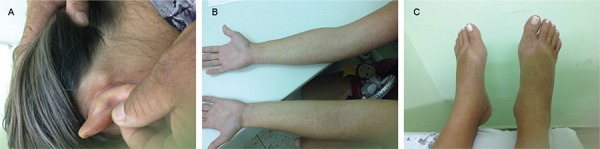
“The patients presented with a benign disease characterized by mild fever, macopapular rash, headache, conjunctivitis, arthralgia and edema, similar to the symptoms caused by DENV, however all were DENV-negative (17).”
ResultCulex Species Mosquitoes and Zika Virus
Huang, Y. S., Ayers, V. B., Lyons, A. C., Ünlü, I., Alto, B. W., Cohnstaedt, L. W., Higgs, S., & Vanlandingham, D. L. (2016) · Vector-Borne and Zoonotic Diseases · doi:10.1089/vbz.2016.2058 · Cited by 80
“T he emergence of Zika virus (ZIKV) in South and Central America has resulted in an unprecedentedly large number of infections since 2014 (Zanluca et al. 2015).”
Optical Coherence Tomography of Retinal Lesions in Infants With Congenital Zika Syndrome
Ventura, C. V. O. C., Ventura, L. O., Bravo-Filho, V., Martins, T. T. M. N., Berrocal, A. M., Gois, A. L., Dias, J. R. D. O., Araújo, L., Escarião, P., van der Linden, V., et al. (2016) · JAMA Ophthalmology · doi:10.1001/jamaophthalmol.2016.4283 · Cited by 69
Natural Products and Derivatives as Potential Zika virus Inhibitors: A Comprehensive Review
Pereira, R. S., Santos, F. C. P., Campana, P. R. V., Costa, V. V., de Pádua, R. M., Souza, D. G., Teixeira, M. M., & Braga, F. C. (2023) · Viruses · doi:10.3390/v15051211 · Cited by 74
Genomic and Epidemiological Surveillance of Zika Virus in the Amazon Region
Giovanetti, M., Faria, N. R., Lourenço, J., de Jesus, J. G., Xavier, J., Claro, I. M., Kraemer, M. U. G., Fonseca, V., Dellicour, S., Thézé, J., et al. (2020) · Cell Reports · doi:10.1016/j.celrep.2020.01.085 · Cited by 72
Zika Virus: A New Chapter in the History of Medicine
de Brito, C. A. A. (2016) · Acta Médica Portuguesa · doi:10.20344/amp.7341 · Cited by 69
A functional interaction between GRP78 and Zika virus E protein
Khongwichit, S., Sornjai, W., Jitobaom, K., Greenwood, M., Greenwood, M. P., Hitakarun, A., Wikan, N., Murphy, D., & Smith, D. R. (2021) · Scientific Reports · doi:10.1038/s41598-020-79803-z · Cited by 74
Zika virus: what we need to know?
Javed, F., Manzoor, K. N., Ali, M., Haq, I. U., Khan, A. A., Zaib, A., & Manzoor, S. (2017) · Journal of Basic Microbiology · doi:10.1002/jobm.201700398 · Cited by 84
“Currently the intensive sequence of ZIKV genome is conducted and nearly 840 ZIKV sequence including 35 full length genome deposited so far in generic data banks (Genbank, European Molecular Biology Laboratory [EMBL], and DNA Data Bank of Japan [DDBJ]) [26].”
BackgroundOne year after the Zika virus outbreak in Brazil: from hypotheses to evidence
de Brito, C. A. A., & Cordeiro, M. T. (2016) · Revista da Sociedade Brasileira de Medicina Tropical · doi:10.1590/0037-8682-0328-2016 · Cited by 88
Mendes, L. A. D. O., Ponciano, C. S., Cataneo, A. H. D., Wowk, P. F., Bordignon, J., Silva, H., de Almeida, M. V., & Ávila, E. P. (2020) · Chemico-Biological Interactions · doi:10.1016/j.cbi.2020.109218 · Cited by 69
Zika virus infection—the next wave after dengue?
Wong, S. S. Y., Poon, R. W., & Wong, S. C. Y. (2016) · Journal of the Formosan Medical Association · doi:10.1016/j.jfma.2016.02.002 · Cited by 87
“The exact time and route of spread of the virus to Brazil is unknown, but importation during the 2014 World Cup has been postulated.(65) The virus is epizootic and enzootic in non-human primates in Africa (sylvatic cycle), and these mammals are the most important natural reservoir hosts.”
BackgroundEntry routes for Zika virus in Brazil after 2014 world cup: New possibilities
Salvador, F. S., & Fujita, D. M. (2015) · Travel Medicine and Infectious Disease · doi:10.1016/j.tmaid.2015.10.004 · Cited by 66
de Oliveira, C. S., & Vasconcelos, P. F. D. C. (2016) · Jornal de Pediatria · doi:10.1016/j.jped.2016.02.003 · Cited by 68
Espinosa, M. O., Weinberg, D., Rotela, C. H., Polop, F., Abril, M. C., & Scavuzzo, C. M. (2016) · PLoS neglected tropical diseases · doi:10.1371/journal.pntd.0004621 · Cited by 66
“Mosquitoes of Aedes genus are the principal vectors of Dengue, Yellow Fever, Chinkungunya and Zika viruses in the Americas [1,2].”
BackgroundZika Virus: A Review of Literature
Agumadu, V. C., & Ramphul, K. (2018) · Cureus · doi:10.7759/cureus.3025 · Cited by 84
Zika Virus in Salivary Glands of Five Different Species of Wild-Caught Mosquitoes from Mexico
Elizondo‐Quiroga, D., Medina-Sánchez, A., Sánchez-González, J. M., Eckert, K. A., Villalobos-Sánchez, E., Navarro-Zúñiga, A. R., Sánchez-Tejeda, G., Morales, F. C., Acosta, C. G., Arias, C. F., et al. (2018) · Scientific Reports · doi:10.1038/s41598-017-18682-3 · Cited by 66
Costa, M. C. D. S., Maia, L. M. S., de Souza, V. C., Gonzaga, A. M., de Azevedo, V. C., Martins, L. R., Chávez‐Pavoni, J. H., Naveca, F. G., & Slhessarenko, R. D. (2018) · Acta Tropica · doi:10.1016/j.actatropica.2018.12.019 · Cited by 65
Zika Virus: An Emerging Global Health Threat
Mittal, R., Nguyen, D., Debs, L. H., Patel, A. P., Liu, C., Jhaveri, V. M., Kay, S.-I. S., Mittal, J., Bandstra, E. S., Younis, R. T., et al. (2017) · Frontiers in Cellular and Infection Microbiology · doi:10.3389/fcimb.2017.00486 · Cited by 77
“However, the epidemics documented in French Polynesia, Micronesia, and the Americas are sustained by an urban cycle and therefore, are a much greater threat for transmission to humans (Duffy et al., 2009;Mallet et al., 2015; Zanluca et al., 2015).”
BackgroundZika Virus: Pathology From the Pandemic
Ritter, J. M., Martines, R. B., & Zaki, S. R. (2016) · Archives of Pathology & Laboratory Medicine · doi:10.5858/arpa.2016-0397-sa · Cited by 72
Campos, M., Dombrowski, J. G., Phelan, J. E., Marinho, C. R. F., Hibberd, M. L., Clark, T. G., & Campino, S. G. (2018) · PLoS ONE · doi:10.1371/journal.pone.0201452 · Cited by 68
Immunological evidence of Zika virus transmission in Thailand
Wikan, N., Suputtamongkol, Y., Yoksan, S., Smith, D. R., & Auewarakul, P. (2016) · Asian Pacific Journal of Tropical Medicine · doi:10.1016/j.apjtm.2016.01.017 · Cited by 62
Simple reverse genetics systems for Asian and African Zika viruses
Atieh, T., Baronti, C., de Lamballerie, X. N., & Nougaırède, A. (2016) · Scientific Reports · doi:10.1038/srep39384 · Cited by 67
Optimal control of intervention strategies and cost effectiveness analysis for a Zika virus model
Momoh, A. A., & Fügenschuh, A. R. (2017) · Operations Research for Health Care · doi:10.1016/j.orhc.2017.08.004 · Cited by 62
Zika virus displacement by a chikungunya outbreak in Recife, Brazil
Magalhães, T., Braga, C., Cordeiro, M. T., de Oliveira, A. L. S., Castanha, P. M. S., Maciel, A. P. R., Amancio, N. M. L., Gouveia, P. N., Peixoto-da-Silva, V. J., Peixoto, T. F. L., et al. (2017) · PLoS neglected tropical diseases · doi:10.1371/journal.pntd.0006055 · Cited by 70
“It is important to mention that by the time ZIKV-infected patients were enrolled, neither the study team nor the patients knew that ZIKV was circulating in the Recife region, as the first detection of ZIKV infection in Brazil occurred in Bahia State in May 2015 [40].”
BackgroundN-glycosylation of Viral E Protein Is the Determinant for Vector Midgut Invasion by Flaviviruses
Wen, D., Li, S., Dong, F., Zhang, Y., Lin, Y., Wang, J., Zou, Z., & Zheng, A. (2018) · mBio · doi:10.1128/mbio.00046-18 · Cited by 71
“2015 (9), followed by a pandemic spreading from South America to North America (10,”
BackgroundThe journey of Zika to the developing brain
Rombi, F., Bayliss, R. W., Tuplin, A. K., & Yeoh, S. (2020) · Molecular Biology Reports · doi:10.1007/s11033-020-05349-y · Cited by 76
Breast milk transmission of flaviviruses in the context of Zika virus: A systematic review
Mann, T. Z., Haddad, L. B., Williams, T. R., Hills, S. L., Read, J. S., Dee, D. L., Dziuban, E. J., Pérez‐Padilla, J., Jamieson, D. J., Honein, M. A., et al. (2018) · Paediatric and Perinatal Epidemiology · doi:10.1111/ppe.12478 · Cited by 68
“Confirmed transmission through breast milk included cases where (1) laboratory testing indicated infection in the mother or she had been vaccinated, (2) testing indicated infection in the child, (3) time- order of maternalinfant infection was appropriate, (4) the infant was exposed to breast milk during the period of…”
InfluentialDowall, S., Graham, V., Rayner, E. L., Hunter, L. E., Atkinson, B., Pearson, G., Dennis, M. J., & Hewson, R. (2017) · PLoS neglected tropical diseases · doi:10.1371/journal.pntd.0005704 · Cited by 66
“The virus continued to spread rapidly throughout the Pacific region [11] before being detected in Brazil, from where it spread to other countries across South America [12, 13].”
BackgroundOn the origin and timing of Zika virus introduction in Brazil
Massad, E., Burattini, M. N., Khan, K., Struchiner, C. J., Coutinho, F. A. B., & Wilder‐Smith, A. (2017) · Epidemiology and Infection · doi:10.1017/s0950268817001200 · Cited by 59
Postmortem Findings for 7 Neonates with Congenital Zika Virus Infection
Sousa, A. D. Q., Cavalcante, D. I. M., Franco, L. M., Araújo, F. M. D. C., de Sousa, E. T., Valença, J. T., Rolim, D. B., de Melo, M. E. L., Filho, P. D. T. S., de Araújo, M. T. F., et al. (2017) · Emerging infectious diseases · doi:10.3201/eid2307.162019 · Cited by 66
“Postmortem examinations were performed on 7 neonates from the state of Ceará, in northeastern Brazil.”
InfluentialThe immune strategies of mosquito Aedes aegypti against microbial infection
Wang, Y., Chang, M., Wang, X., Zheng, A., & Zou, Z. (2017) · Developmental & Comparative Immunology · doi:10.1016/j.dci.2017.12.001 · Cited by 65
Vírus Zika: Revisão para Clínicos
Pinto, V. L., Luz, K. G., Parreira, R., & Ferrinho, P. D. L. G. M. (2015) · Acta Médica Portuguesa · doi:10.20344/amp.6929 · Cited by 58
Self-citationScoping Review of the Zika Virus Literature
Waddell, L. A., & Greig, J. D. (2016) · PLoS ONE · doi:10.1371/journal.pone.0156376 · Cited by 67
Zika virus: a new threat to the safety of the blood supply with worldwide impact and implications
Lanteri, M. C., Kleinman, S. H., Glynn, S. A., Musso, D., Hoots, W. K., Custer, B., Sabino, É. C., & Busch, M. P. (2016) · Transfusion · doi:10.1111/trf.13677 · Cited by 61
How do mothers feel? Life with children with congenital Zika syndrome
Freitas, P. D. S. S., Soares, G. B., Mocelin, H. J. S., Lacerda, L. C. X., Sales, C. M. M., Linde‐Arias, A. R., Bussinger, E. C. D. A., & Maciel, E. L. N. (2020) · International Journal of Gynecology & Obstetrics · doi:10.1002/ijgo.13044 · Cited by 57
“1), namely: (1) inequalities experienced by mothers, including social inequality, poverty, and gender inequality; (2) the impact of a child with CZS on mothering, including feelings at the time of diagnosis, maternal isolation and mental health, experiences of stigma and prejudice, and exhausting itineraries searching…”
BackgroundDevelopment of standard methods for Zika virus propagation, titration, and purification
Coelho, S. V. A., Neris, R. L. S., Papa, M. P., Schnellrath, L. C., Meuren, L. M., Tschoeke, D. A., Leomil, L., Verçoza, B. R. F., Miranda, M. D., Thompson, F. L., et al. (2017) · Journal of Virological Methods · doi:10.1016/j.jviromet.2017.04.011 · Cited by 64
The spread of Zika and the potential for global arbovirus syndemics
Singer, M. C. (2016) · Global Public Health · doi:10.1080/17441692.2016.1225112 · Cited by 61
“In the case of Zika, the first signs of enhanced harm being caused to humans through intrapartum transmission from infected mother to her newborn was not brain-damaging microcephaly in Brazil (involving a jump from 200 cases per year before 2015 to 4783 cases from mid-2015 to January 30, 2016) (Victora et al., 2016),…”
BackgroundInfluentialMapping the transmission risk of Zika virus using machine learning models
Jiang, D., Hao, M., Ding, F., Fu, J., & Li, M. (2018) · Acta Tropica · doi:10.1016/j.actatropica.2018.06.021 · Cited by 63
Ibarra, A. M. S., Ryan, S. J., Kenneson, A., King, C. A., Abbott, M., Barbachano-Guerrero, A., Beltrán‐Ayala, E., Borbor-Cordova, M. J., Cardenas, W. B., Cueva, C., et al. (2018) · American Journal of Tropical Medicine and Hygiene · doi:10.4269/ajtmh.17-0762 · Cited by 64
“The first ZIKV infections (family Flaviviridae, genus flavivirus) were reported in 67 Brazil in 2015.(8,9) To date, 805,703 suspected and confirmed cases of ZIKV have been reported 68 from the Americas (as of Nov 30, 2017).”
Shukla, S., Hong, S.-Y., Chung, S. H., & Kim, M. (2016) · Frontiers in Microbiology · doi:10.3389/fmicb.2016.01685 · Cited by 54
“In the north-eastern states of Brazil, the public health authorities recently confirmed autochthonous transmission of ZIKV with the first known reported case of ZIKV infection in mainland South America Zanluca et al., 2015) , followed by 26 countries, including countries in the European Union and the outermost regions…”
BackgroundModeling the transmission and control of Zika in Brazil
Wang, L., Zhao, H., Oliva, S. M., & Zhu, H. (2017) · Scientific Reports · doi:10.1038/s41598-017-07264-y · Cited by 60
“a m S S z z [ (1 ) (1 ) (1 ) (1 )(1 ) ] (1 )( ) ( )[ (1 ) ] (13) HV H f f f H f f f f 1 2 1 1 2 1 2 3 1 3 2 1 2 0 0”
Werner, H., Fazecas, T. M., Guedes, B., Santos, J., Daltro, P. A. N., Tonni, G., Campbell, S. C., & Júnior, E. A. (2016) · Ultrasound in Obstetrics and Gynecology · doi:10.1002/uog.15901 · Cited by 53
The increasing complexity of arbovirus serology: An in-depth systematic review on cross-reactivity
Kasbergen, L. M. R., Nieuwenhuijse, D. F., de Bruin, E., Sikkema, R. S., & Koopmans, M. (2023) · PLoS neglected tropical diseases · doi:10.1371/journal.pntd.0011651 · Cited by 53
Substrate profiling of Zika virus NS 2B‐ NS 3 protease
Gruba, N., Martínez, J. I. R., Grzywa, R., Wysocka, M., Skoreński, M., Burmistrz, M., Łęcka, M., Lesner, A., Sieńczyk, M., & Pyrć, K. (2016) · FEBS Letters · doi:10.1002/1873-3468.12443 · Cited by 53
Dengue in Brazil in 2017: what happened?
Lopes, T. R. R., Silva, C. S., Pastor, A. F., & Júnior, J. V. J. S. (2018) · Revista do Instituto de Medicina Tropical de São Paulo · doi:10.1590/s1678-9946201860043 · Cited by 52
Clinical and laboratory profile of Zika virus infection in dengue suspected patients: A case series
Estofolete, C. F., Terzian, A. C. B., Parreira, R., Esteves, A., Hardman, L., Greque, G. V., Rahal, P., & Nogueira, M. L. (2016) · Journal of Clinical Virology · doi:10.1016/j.jcv.2016.05.012 · Cited by 52
Zika virus outbreak: a review of neurological complications, diagnosis, and treatment options
Koppolu, V., & Raju, T. S. (2018) · Journal of NeuroVirology · doi:10.1007/s13365-018-0614-8 · Cited by 60
“The first ever evidence of Zika infections in Americas was documented in February 2015 in Brazil’s northeastern state of Rio Grande do Norte (Zanluca et al. 2015).”
BackgroundRisk of Zika microcephaly correlates with features of maternal antibodies
Robbiani, D. F., Olsen, P. C., Costa, F., Wang, Q., Oliveira, T. Y., Nery, N., Aromolaran, A., do Rosário, M. S., do Sacramento, G. A., Cruz, J. S., et al. (2019) · The Journal of Experimental Medicine · doi:10.1084/jem.20191061 · Cited by 57
“ZIKV was detected in Brazil in 2015 and spread rapidly, reaching infection rates exceeding 60% (Zanluca et al., 2015; Netto et al., 2017; Rodriguez-Barraquer et al., 2019).”
Weaver, S. C. (2017) · mBio · doi:10.1128/mbio.02063-16 · Cited by 57
“Several substitutions in the ZIKV premembrane protein previously discussed as potentially altering its structure (9) were found to occur on tree branches not leading to the French Polynesian strains, disputing their putative role in epidemic emergence or the evolution of severe fetal infections.”
BackgroundZika virus: An update on epidemiology, pathology, molecular biology, and animal model
da Silva, S. R., & Gao, S. (2016) · Journal of Medical Virology · doi:10.1002/jmv.24563 · Cited by 53
“and Colombia [Zanluca et al., 2015; Camacho et al., 2016] including a person with HIV [Calvet et al.”
BackgroundA detailed comparative analysis of codon usage bias in Zika virus
Cristina, J., Fajardo, Á., Sóñora, M., Moratorio, G., & Musto, H. (2016) · Virus Research · doi:10.1016/j.virusres.2016.06.022 · Cited by 51
Growth and adaptation of Zika virus in mammalian and mosquito cells
Moser, L. A., Boylan, B. T., Moreira, F. R., Myers, L. J., Svenson, E. L., Fedorova, N. B., Pickett, B. E., & Bernard, K. A. (2018) · PLoS neglected tropical diseases · doi:10.1371/journal.pntd.0006880 · Cited by 56
Zika virus: A global threat to humanity: A comprehensive review and current developments
Hajra, A., Bandyopadhyay, D., & Hajra, S. K. (2016) · North American Journal of Medical Sciences · doi:10.4103/1947-2714.179112 · Cited by 50
“© 2016 North American Journal of Medical Sciences | Published by Wolters Kluwer - Medknow 123 Brazil.”
BackgroundPathogenesis and sexual transmission of Spondweni and Zika viruses
McDonald, E., Duggal, N. K., & Brault, A. C. (2017) · PLoS neglected tropical diseases · doi:10.1371/journal.pntd.0005990 · Cited by 55
Expression of a Zika virus antigen in microalgae: Towards mucosal vaccine development
Márquez-Escobar, V. A., Bañuelos-Hernández, B., & Rosales-Mendoza, S. (2018) · Journal of Biotechnology · doi:10.1016/j.jbiotec.2018.07.025 · Cited by 51
Abbo, S. R., Visser, T. M., Wang, H., Göertz, G. P., Fros, J. J., Abma-Henkens, M. H. C., Geertsema, C., Vogels, C. B. F., Koopmans, M., Reusken, C. B. E. M., et al. (2020) · PLoS neglected tropical diseases · doi:10.1371/journal.pntd.0008217 · Cited by 53
“Since then, it spread via Asia and the Pacific islands to densely populated regions in the Americas [1,2].”
BackgroundmRNA Vaccine Protects against Zika Virus
Medina-Magües, L. G., Gergen, J., Jasny, E., Petsch, B., Lopera-Madrid, J., Medina-Magües, E. S., Salas-Quinchucua, C., & Osorio, J. E. (2021) · Vaccines · doi:10.3390/vaccines9121464 · Cited by 57
“After the 2015 outbreak in Brazil, where the first case of autochthonous transmission of ZIKV was detected [5], efforts began to prioritize ZIKV surveillance and the development of Zika vaccines.”
BackgroundMarie, V., & Gordon, M. L. (2023) · Viruses · doi:10.3390/v15081638 · Cited by 61
Outbreak of Oropouche virus in frontier regions in western Amazon
Moreira, H. M., Sgorlon, G., Queiroz, J. A. S., Roca, T. P., Ribeiro, J. R., Teixeira, K. S., Passos-Silva, A. M., Araújo, A., Gasparelo, N. W. F., dos Santos, A. D. O., et al. (2024) · Microbiology Spectrum · doi:10.1128/spectrum.01629-23 · Cited by 49
“…arboviruses was restricted to DENV, and with the emergence of CHIKV and ZIKV in the country, especially with ZIKV, which is associated with cases of microcephaly, there was an urgent need for the inclusion of these viruses in routine diagnosis to reduce the impact caused in public health (43, 44).”
BackgroundAedes albopictus(Diptera: Culicidae) and Mosquito-Borne Viruses in the United States: Table 1.
Vanlandingham, D. L., Higgs, S., & Huang, Y. S. (2016) · Journal of Medical Entomology · doi:10.1093/jme/tjw025 · Cited by 49
“During 2015, the flavivirus Zika was introduced into Brazil and has subsequently been detected in numerous other countries (Zanluca et al. 2015).”
BackgroundEarly Evidence for Zika Virus Circulation among Aedes aegypti Mosquitoes, Rio de Janeiro, Brazil
Ayllón, T., Campos, R. D. M., Brasil, P., Morone, F. C., Câmara, D. C. P., Meira, G. L. S., Tannich, E., Yamamoto, K. A., Carvalho, M. S., Pedro, R. S., et al. (2017) · Emerging infectious diseases · doi:10.3201/eid2308.162007 · Cited by 49
Campos, T. D. L., Durães‐Carvalho, R., Rezende, A. M., de Carvalho, O. V., Kohl, A., Wallau, G. L., & Pena, L. (2018) · International Journal of Genomics · doi:10.1155/2018/6941735 · Cited by 62
“One of the hypotheses is that ZIKV entered in Brazil during the 2014 World Cup (June 12th to July 13th), brought in by African travelers, though this hypothesis is not compatible with the circulating virus in Brazil [24, 25].”
Resultde Oliveira, W. K., Cortez-Escalante, J. J., Holanda, W. T. G., do Carmo, G. M. I., Henriques, C. M. P., Coelho, G. E., & de França, G. V. A. (2016) · MMWR Morbidity and Mortality Weekly Report · doi:10.15585/mmwr.mm6509e2er · Cited by 48
Kasprzykowski, J. I., Fukutani, K. F., Fábio, H., Fukutani, E. R., Costa, L. C., Andrade, B. B., & Queiroz, A. T. L. (2020) · International Journal of Infectious Diseases · doi:10.1016/j.ijid.2020.05.090 · Cited by 47
Alencar, J. A. F., de Mello, C. F., Marcondes, C. B., Guimarães, A. É., Toma, H. K., Bastos, A. Q., Silva, S. O. F., & Machado, S. L. (2021) · Tropical Medicine and Infectious Disease · doi:10.3390/tropicalmed6020099 · Cited by 47
Emerging arboviruses in Rio Grande do Sul, Brazil: Chikungunya and Zika outbreaks, 2014‐2016
Gregianini, T. S., Ranieri, T. M. S., Favreto, C., Nunes, Z. M. A., Giannini, G. L. T., Sanberg, N. D., da Rosa, M. T. M., & da Veiga, A. B. G. (2017) · Reviews in Medical Virology · doi:10.1002/rmv.1943 · Cited by 52
David, M. R., Garcia, G. A., Valle, D., & Maciel‐de‐Freitas, R. (2018) · BioMed Research International · doi:10.1155/2018/6257860 · Cited by 56
“Zika virus (ZIKV) is believed to have invaded South America from French Polynesia in the same period [3, 4], causing ∼215,000 infections in Brazil [5].”
BackgroundHugo, L. E., Stassen, L., La, J., Gosden, E., Ekwudu, O., Winterford, C. M., Viennet, E., Faddy, H. M., Devine, G. J., & Frentiu, F. D. (2019) · PLoS neglected tropical diseases · doi:10.1371/journal.pntd.0007281 · Cited by 58
Zika virus NS2A inhibits interferon signaling by degradation of STAT1 and STAT2
Fanunza, E., Carletti, F., Quartu, M., Grandi, N., Ermellino, L., Milia, J., Corona, A., Capobianchi, M. R., Ippolito, G., & Tramontano, E. (2021) · Virulence · doi:10.1080/21505594.2021.1935613 · Cited by 46
“ZIKV has been described as causing sporadic human infections [3], until 2015 when it was declared a global public health concern, due to its association with microcephaly cases and other severe neurologic disorders [4,5].”
BackgroundYun, S.-I., Song, B.-H., Frank, J. C., Julander, J. G., Polejaeva, I. A., Davies, C. J., White, K. L., & Lee, Y.-M. (2016) · Genome Announcements · doi:10.1128/genomea.00800-16 · Cited by 52
Tesla, B., Demakovsky, L. R., Packiam, H. S., Mordecai, E. A., Rodríguez, A. D., Bonds, M. H., Brindley, M. A., & Murdock, C. C. (2018) · PLoS neglected tropical diseases · doi:10.1371/journal.pntd.0006733 · Cited by 51
“In 2015, transmission was confirmed in Brazil (6), after which the virus spread rapidly across the Americas (7).”
BackgroundDistinct Zika Virus Lineage in Salvador, Bahia, Brazil
Naccache, S. N., Thézé, J., Sardi, S. I., Somasekar, S., Greninger, A. L., Bandeira, A. C., Campos, G. S., Tauro, L. B., Faria, N. R., Pybus, O. G., et al. (2016) · Emerging Infectious Diseases · doi:10.3201/eid2210.160663 · Cited by 47
“The tree topology accords with previous findings (2,4,5), and time to most recent common ancestor (TMRCA) of the epidemic in the Americas is similar to that previously estimated (2) (American epidemic clade A; Figure).”
BackgroundResultde Oliveira, L. H. G., de Sousa, P. A. P. S., Hilário, F. F., do Nascimento, G. J., Morais, J. P. S., de Medeiros, E. P., de Sousa, M. F., & Nunes, F. D. C. (2016) · Asian Pacific Journal of Tropical Biomedicine · doi:10.1016/j.apjtb.2015.12.018 · Cited by 46
Cavalcanti, L. P. D. G., Tauil, P. L., Alencar, C. H., de Oliveira, W. K., Teixeira, M. M., & Heukelbach, J. (2016) · The Journal of Infection in Developing Countries · doi:10.3855/jidc.8575 · Cited by 45
Zika Virus-Associated Microcephaly and Eye Lesions in the Newborn
Valentine, G. C., Marquez, L., & Pammi, M. (2016) · Journal of the Pediatric Infectious Diseases Society · doi:10.1093/jpids/piw037 · Cited by 45
“the first reported cases in May 2015 [17].”
BackgroundPrud’homme, S. M., Chaumot, A., Cassar, E., David, J., & Reynaud, S. (2016) · Environmental Pollution · doi:10.1016/j.envpol.2016.09.056 · Cited by 51
“Therefore, population dynamics of this species is linked to arbovirus outbreaks such as dengue, chikungunya, yellow fever and recently Zika (Black et al., 2002; Tolle, 2009; Zanluca et al., 2015).”
BackgroundChanging paradigms in Aedes control: considering the spatial heterogeneity of dengue transmission.
Vanlerberghe, V., Gómez‐Dantés, H., Vazquez‐Prokopec, G. M., Alexander, N. D. E., Manrique-Saide, P. C., Coelho, G. E., Toledo, M. E., Ocampo, C. B., & der Stuyft, P. V. (2017) · Revista Panamericana De Salud Publica-pan American Journal of Public Health · doi:10.26633/rpsp.2017.16 · Cited by 57
“First report of autochthonous transmission of Zika virus in Brazil.”
BackgroundInfluentialGenomic and epidemiological characterisation of a dengue virus outbreak among blood donors in Brazil
Faria, N. R., da Costa, A. C., Lourenço, J., Loureiro, P. R. A. D. C., Lopes, M. E., Ribeiro, R., Alencar, C. S., Kraemer, M. U. G., Villabona‐Arenas, C. J., Wu, C., et al. (2017) · Scientific Reports · doi:10.1038/s41598-017-15152-8 · Cited by 44
Ricciardi, M. J., Magnani, D. M., Grifoni, A., Kwon, Y., Gutman, M. J., Grubaugh, N. D., Gangavarapu, K., Sharkey, M. E., Silveira, C. G. T., Bailey, V. K., et al. (2017) · PLoS neglected tropical diseases · doi:10.1371/journal.pntd.0006000 · Cited by 49
Zika virus threshold determines transmission by European Aedes albopictus mosquitoes
Vazeille, M., Madec, Y., Mousson, L., Bellone, R., Barre‐Cardi, H., Sousa, C. A., Jiolle, D., Yébakima, A., de Lamballerie, X. N., & Failloux, A. (2019) · Emerging Microbes & Infections · doi:10.1080/22221751.2019.1689797 · Cited by 45
“Phylogenetic analysis indicated that the circulating ZIKV belonged to the Asian genotype [9,10].”
BackgroundThe Emergence of Zika Virus: A Narrative Review
Anderson, K. B., Thomas, S. J., & Endy, T. P. (2016) · Annals of Internal Medicine · doi:10.7326/m16-0617 · Cited by 48
“The largest ZIKV outbreak to date, by sheer numbers and geographic range, began in northeastern Brazil in May 2015 and is ongoing (21, 22).”
BackgroundImplication of vaccination against dengue for Zika outbreak
Tang, B., Xiao, Y., & Wu, J. (2016) · Scientific Reports · doi:10.1038/srep35623 · Cited by 47
“( , 0, ) ( ) ( , ) ( ) , 0, 0, ( ) ( ) ( , ) ( ) ( ) ( ) , ( ) ( ) ( , ) ( ) ( ) ( ) , ( , ) ( , ) ( ) ( , ) ( ) ( , , ) , ( , ) ( , ) ( ) ( , ) ( ) ( , , ) , (0, ) ( ) ( ) ( ) , (0, ) ( ) ( ) ( ) , 0, ( ) ( , ) ( , , ) ( ) ( , ) ( ) ( , ) (8) d md z mz dz mdz h d d z mz dz mdz d h d d”
Mosquito-borne and sexual transmission of Zika virus: Recent developments and future directions
Magalhães, T., Foy, B. D., Marques, E. T. A., Ebel, G. D., & Weger‐Lucarelli, J. (2017) · Virus Research · doi:10.1016/j.virusres.2017.07.011 · Cited by 49
“Zika virus (ZIKV) is currently causing a worldwide pandemic that likely began on the Micronesian island of Yap in 2007, but gained worldwide attention after spreading to Northeastern Brazil in 2013 or 2014 [1, 2].”
BackgroundUbiergo, S. U., Ricardo, A. V. A., Concejo, B. Á., Munévar, Á. M. C., Luna, A. F., Arroyo-Parejo, M., Acuña, C. E., Quintero, A. V., Villareal, O. C., Pinillos, O., et al. (2017) · Journal of Critical Care · doi:10.1016/j.jcrc.2017.07.038 · Cited by 44
“The recent outbreak in Central and South America has resulted in serious illness in some adult patients.”
ROSA, C. S., Veras, K. S., Silva, P. R., NETO, J. J. L., CARDOSO, H. L. M., Alves, L. P. L., Brito, M. C. A., do Amaral, F. M. M., Maia, J. G. S., Monteiro, O. S., et al. (2016) · Revista Brasileira de Plantas Medicinais · doi:10.1590/1983-084x/15_006 · Cited by 97
Zika in Pernambuco: rewriting the first outbreak
de Brito, C. A. A., de Brito, C. C. M., de Oliveira, A. C. P., Rocha, M. D. F., Atanásio, C., Asfora, C. A., Matos, J. D., Lima, A. S., & Albuquerque, M. F. M. (2016) · Revista da Sociedade Brasileira de Medicina Tropical · doi:10.1590/0037-8682-0245-2016 · Cited by 43
Unrecognized Emergence of Chikungunya Virus during a Zika Virus Outbreak in Salvador, Brazil
Cardoso, C. W., Kikuti, M., Prates, A. P. P. B., Paploski, I. A. D., Tauro, L. B., Silva, M. M. O., Santana, P. M., Rego, M. F. S., dos Reis, M. G., Kitron, U. D., et al. (2017) · PLoS neglected tropical diseases · doi:10.1371/journal.pntd.0005334 · Cited by 43
Nonhuman Primate Models of Zika Virus Infection, Immunity, and Therapeutic Development
Osuna, C. E., & Whitney, J. B. (2017) · The Journal of Infectious Diseases · doi:10.1093/infdis/jix540 · Cited by 48
“Consequently, ZIKV has rapidly spread to the Americas, via Chile [7] and then into Brazil, where transmission was locally reported in early 2015 [8].”
Zika virus: A review of literature
Moghadam, S. R. J., Bayrami, S., Moghadam, S. J., Golrokhi, R., Pahlaviani, F. G., & SeyedAlinaghi, S. (2016) · Asian Pacific Journal of Tropical Biomedicine · doi:10.1016/j.apjtb.2016.09.007 · Cited by 43
Fourcade, C. R., Mansuy, J., Dutertre, M., Delpech, M., Marchou, B., Delobel, P., Izopet, J., & Martin‐Blondel, G. (2016) · Journal of Clinical Virology · doi:10.1016/j.jcv.2016.06.011 · Cited by 42
Corbel, V., Fonseca, D. M., Weetman, D., Pinto, J., Achee, N. L., Chandre, F., Coulibaly, M. B., Dusfour, I., Grieco, J. P., Juntarajumnong, W., et al. (2017) · Parasites & Vectors · doi:10.1186/s13071-017-2224-3 · Cited by 54
“First occurrences of an exanthematic syndrome of Zika were reported in the State of Rio Grande do Norte in October 2014 [3].”
BackgroundWeger‐Lucarelli, J., Garcia-Luna, S., Rückert, C., Byas, A. D., O’Connor, S. L., Aliota, M. T., Friedrich, T. C., O’Connor, D. H., & Ebel, G. D. (2018) · Virology · doi:10.1016/j.virol.2018.06.004 · Cited by 51
de Abreu, F. V. S., Ferreira-de-Brito, A., Azevedo, A. D. S., Linhares, J., Santos, V. D. O., Miranda, E. H., NEVES, M. S. A. S., Yousfi, L., Ribeiro, I. P., dos Santos, A. A. C., et al. (2020) · Viruses · doi:10.3390/v12040364 · Cited by 42
“was made in northeast Brazil in 2015 [19] (Figure 1).”
BackgroundRecent progresses and remaining challenges for the detection of Zika virus
Zhang, X., Li, G., Chen, G., Zhu, N., Wu, D., Wu, Y., & James, T. D. (2021) · Medicinal Research Reviews · doi:10.1002/med.21786 · Cited by 47
“hensilii, and so forth.(19,114,124,166) For example, in the tropics and subtropics, A.”
BackgroundStructure-guided paradigm shifts in flavivirus assembly and maturation mechanisms
Nicholls, C. M. R., Sevvana, M., & Kuhn, R. J. (2020) · Advances in virus research · doi:10.1016/bs.aivir.2020.08.003 · Cited by 51
Metadata
- Authors
- Zanluca, C., Melo, V. C. A. D., Mosimann, A. L. P., Santos, G. I. V. D., Santos, C. N. D. D., & Luz, K.
- Affiliations
- Fundação Oswaldo Cruz (BR)
- Secretaria Estadual de Saúde do Rio Grande do Norte, Brasil
- Universidade Federal do Rio Grande do Norte, Brasil
- Corresponding author
- Santos, Claudia Nunes Duarte dos
- ORCID
- Venue
- Memórias do Instituto Oswaldo Cruz
- Publisher
- FapUNIFESP (SciELO)
- Published
- 2015-06-09
- Volume
- 110
- Issue
- 4
- Pages
- 569-572
- ISSN
- 0074-0276 (ISSN-L)
- 1678-8060
- PMC
- PMC4501423
- OpenAlex
- W1558143285
- Cited by
- 1,320
- References
- 17
- Citations by year
- 2026: 17 · 2025: 42 · 2024: 69 · 2023: 85 · 2022: 86 · 2021: 92 · 2020: 126 · 2019: 129 · 2018: 160 · 2017: 172 · 2016: 316 · 2015: 20
- FWCI
- 238.26
- Type
- journal article
- Language
- en
- Open access
- diamond
- doi.org
- Licence
- cc-by-nc
- Locations
- Memórias do Instituto Oswaldo Cruz (publishedVersion, cc-by-nc)
- PubMed Central (publishedVersion, cc-by-nc)
- PubMed (publishedVersion)
- Americanae (AECID Library) (publishedVersion, other-oa)
- LA Referencia (Red Federada de Repositorios Institucionales de Publicaciones Científicas) (publishedVersion, other-oa)
- Portuguese National Funding Agency for Science, Research and Technology (RCAAP Project by FCT) (publishedVersion)
- Bioline International (Bioline International) (submittedVersion)
- Americanae (AECID Library) (submittedVersion, other-oa)
- Arca - Repositório Institucional da Fiocruz (submittedVersion, other-oa)
- DOAJ (DOAJ: Directory of Open Access Journals) (submittedVersion)
- LA Referencia (Red Federada de Repositorios Institucionales de Publicaciones Científicas) (submittedVersion, other-oa)
- Funders
- Universidade Federal do Paraná
- Topics
- Health Sciences › Medicine › Public Health, Environmental and Occupational Health › Mosquito-borne diseases and control
- Health Sciences › Medicine › Infectious Diseases › Viral Infections and Vectors
- Health Sciences › Medicine › Infectious Diseases › Viral Infections and Outbreaks Research
- Keywords
- Zika virus, autochthonous transmission, Northeast Brazil, joint pain, phylogenetic analysis, molecular diagnosis
- MeSH terms
- Zika Virus Infection, Zika Virus, Adolescent, Adult, Aedes, Aged, Animals, Brazil, Female, Humans, Insect Vectors, Male, Middle Aged, Phylogeny, RNA, Viral, Polymerase Chain Reaction, Sequence Analysis, DNA, Young Adult
About these checks
Registry, retraction, Cites and statistics results are computed, not judged, with one exception: a printed reference that no index lists is read once by a model before it counts as a citation error. Claims are extracted by a model and kept only when their quote appears verbatim in the text; each cited source is then checked, with a model’s help, for whether it says what the claim relies on. Those verdicts can be wrong — read the claim’s quote and the cited source before relying on one.
Statistics and arithmetic are recomputed, not judged.
Confidence bands are shown only for fields calibrated on our annotated test set. None is calibrated yet, so no band is shown.
What counts as a claim ›How we measure confidence ›How we check this ›
Are you an author, or do you see a problem with this page? Request a review
Data sources
Bibliographic data: Semantic Scholar, OpenAlex, Crossref.
Contains information from the Semantic Scholar Academic Graph Datasets, made available under the ODC Attribution License (ODC-BY 1.0).
Semantic Scholar’s data is described in: Kinney, R., et al. (2023). The Semantic Scholar Open Data Platform. arXiv:2301.10140.
