

First report of autochthonous transmission of Zika virus in Brazil
Open accessThe DOI matches its Crossref record; 17 of the 17 references it cites were found in a registry or an index.
Abstract
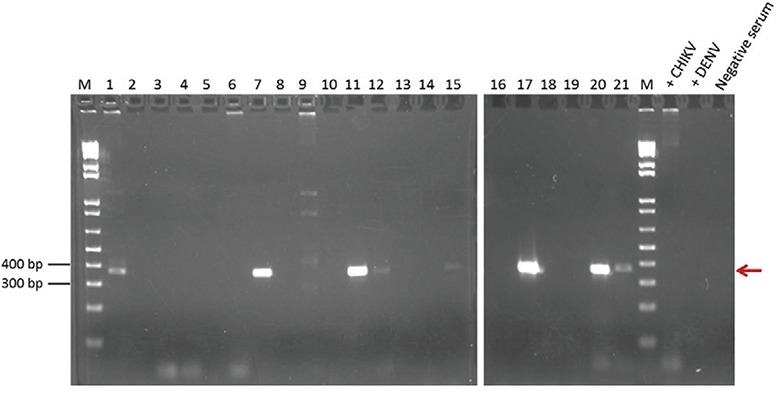
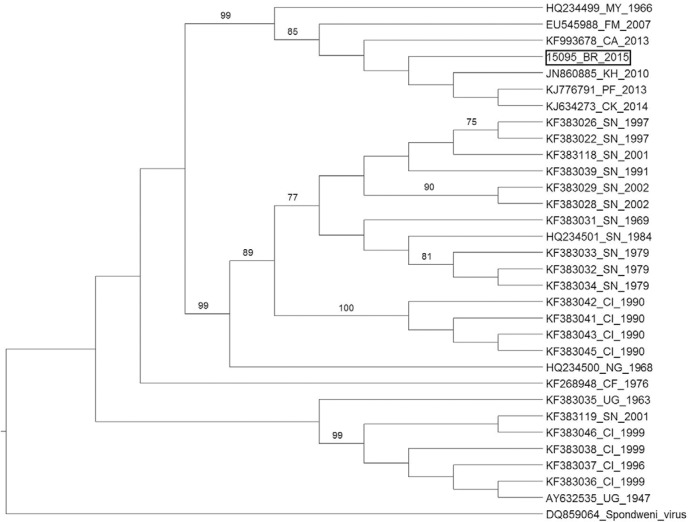
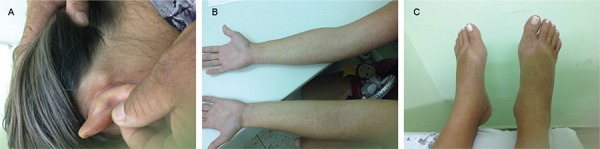
In the early 2015, several cases of patients presenting symptoms of mild fever, rash, conjunctivitis and arthralgia were reported in the northeastern Brazil. Although all patients lived in a dengue endemic area, molecular and serological diagnosis for dengue resulted negative. Chikungunya virus infection was also discarded. Subsequently, Zika virus (ZIKV) was detected by reverse transcription-polymerase chain reaction from the sera of eight patients and the result was confirmed by DNA sequencing. Phylogenetic analysis suggests that the ZIKV identified belongs to the Asian clade. This is the first report of ZIKV infection in Brazil.
Overview
The claims and statistics of this paper haven’t been checked yet.
Free: it reads the open-access text and checks the first 5 claims that cite a source we can check. Create a free account to check every claim.
Integrity signals
Registry
Cites
Statistics
Figures
Verification
Claims the paper makes
The claims and statistics of this paper haven’t been checked yet.
Free: it reads the open-access text and checks the first 5 claims that cite a source we can check. Create a free account to check every claim.
Claims other papers make about this one
Each is checked against this paper’s own text: does it say what the citing paper says it does?
The check wasn’t confident either way, so it gives no verdict — never disputed.
In the citing paper
“Zika was declared a national public health emergency in 2015 [24].”
From Recruitment of low-income pregnant women into a dietary and dental care intervention: lessons from a feasibility trial (2020) · cites this paper as [24]
Experimental — accuracy not yet measured
Self-check
Percentages, sums and reported differences re-computed from the paper’s own numbers.
The self-check needs the paper’s full text.
Citations
Cites
Zika Virus Outbreak on Yap Island, Federated States of Micronesia
Duffy, M. R., Chen, T.-H., Hancock, W. T., Powers, A. M., Kool, J. L., Lanciotti, R. S., Pretrick, M., Marfel, M., Holzbauer, S., Dubray, C., et al. (2009) · New England Journal of Medicine · doi:10.1056/nejmoa0805715 · Cited by 3,132 · cited 1×
“For half a century, the virus was described as causing sporadic human infections in Africa and Asia, until 2007 when a Zika fever epidemics took place in Yap Island, Micronesia (Duffy et al. 2009).”
BackgroundZika Virus (I). Isolations and serological specificity
Dick, G. W. A., Kitchen, S. F., & Haddow, A. J. (1952) · Transactions of the Royal Society of Tropical Medicine and Hygiene · doi:10.1016/0035-9203(52)90042-4 · Cited by 2,692 · cited 1×
“ZIKV was first isolated from a rhesus monkey in the Zika Forest of Uganda, in 1947 (Dick et al. 1952).”
BackgroundLanciotti, R. S., Calisher, C. H., Gubler, D. J., Chang, G. J., & Vorndam, A. V. (1992) · Journal of Clinical Microbiology · doi:10.1128/jcm.30.3.545-551.1992 · Cited by 1,818 · cited 5×
“Moreover, all samples rendered negative results in RT-PCR assays for CHIKV infection (Lanciotti et al. 2007).”
ResultInfluentialPotential Sexual Transmission of Zika Virus
Musso, D., Roche, C., Robin, E., Nhan, T., Teissier, A., & Cao-Lormeau, V.-M. (2015) · Emerging Infectious Diseases · doi:10.3201/eid2102.141363 · Cited by 1,176 · cited 1×
“Further studies are needed to unveil whether co-infection and subsequent infection by different arboviruses can affect the course of the disease, the occurrence of severe cases and the ways of transmission (vertical, perinatal, sexual) (Foy et al. 2011, Besnard et al. 2014, Musso et al. 2015).”
BackgroundProbable Non–Vector-borne Transmission of Zika Virus, Colorado, USA
Foy, B. D., Kobylinski, K. C., Foy, J. L. C., Blitvich, B. J., Travassos da Rosa, A., Haddow, A. D., Lanciotti, R. S., & Tesh, R. B. (2011) · Emerging Infectious Diseases · doi:10.3201/eid1705.101939 · Cited by 1,156 · cited 1×
“Further studies are needed to unveil whether co-infection and subsequent infection by different arboviruses can affect the course of the disease, the occurrence of severe cases and the ways of transmission (vertical, perinatal, sexual) (Foy et al. 2011, Besnard et al. 2014, Musso et al. 2015).”
BackgroundZika Virus, French Polynesia, South Pacific, 2013
Cao-Lormeau, V.-M., Roche, C., Teissier, A., Robin, E., Berry, A.-L., Mallet, H.-P., Sall, A. A., & Musso, D. (2014) · Emerging Infectious Diseases · doi:10.3201/eid2006.140138 · Cited by 874
Molecular Evolution of Zika Virus during Its Emergence in the 20th Century
Faye, O., Freire, C. C. M., Iamarino, A., Faye, O., de Oliveira, J. V. C., Diallo, M., Zanotto, P. M. A., & Sall, A. A. (2014) · PLoS Neglected Tropical Diseases · doi:10.1371/journal.pntd.0002636 · Cited by 819 · cited 1×
“The virus belongs to the genus Flavivirus, family Flaviviridae, and is closely related to other flaviviruses of public health relevance including dengue (DENV), yellow fever and West Nile viruses (Pierson & Diamond 2013, Faye et al. 2014).”
BackgroundEvidence of perinatal transmission of Zika virus, French Polynesia, December 2013 and February 2014
Besnard, M., Lastère, S., Teissier, A., Cao-Lormeau, V. M., & Musso, D. (2014) · Eurosurveillance · doi:10.2807/1560-7917.es2014.19.13.20751 · Cited by 814
Detection of Zika Virus in Urine
Gourinat, A.-C., O’Connor, O., Calvez, E., Goarant, C., & Dupont-Rouzeyrol, M. (2015) · Emerging Infectious Diseases · doi:10.3201/eid2101.140894 · Cited by 764 · cited 1×
“Of interest, recent paper by Gourinat et al. (2015) shows evidence of virus secretion in urine for more than 10 days after onset of disease.”
BackgroundRapid spread of emerging Zika virus in the Pacific area
Musso, D., Nilles, E. J., & Cao-Lormeau, V.-M. (2014) · Clinical Microbiology and Infection · doi:10.1111/1469-0691.12707 · Cited by 686 · cited 1×
“These results corroborate previously published data about the spread of the ZIKV Asian lineage that was first reported in the outbreaks of the Pacific Islands (Musso et al. 2014).”
Result
Research works printed but not linked: 1
- Pierson TC, 2013, Flaviviruses, 747
Cited by
Items 501–600 of 1,000
A Comprehensive Systems Biology Approach to Studying Zika Virus
May, M. A., & Relich, R. F. (2016) · PLoS ONE · doi:10.1371/journal.pone.0161355 · Cited by 23
Zika virus: A pandemic in progress
Yadav, S., Rawal, G., & Baxi, M. (2016) · Journal of Translational Internal Medicine · doi:10.1515/jtim-2016-0009 · Cited by 20
Zika Virus: Endemic Versus Epidemic Dynamics and Implications for Disease Spread in the AmericasPreprint
Bewick, S. A., Fagan, W. F., Calabrese, J. M., & Agusto, F. B. (2016) · bioRxiv (Cold Spring Harbor Laboratory) · doi:10.1101/041897 · Cited by 22
Yin, Y., Xu, Y., Su, L., Zhu, X., Chen, M., Zhu, W., Xia, H., Huang, X., & Gong, S. (2016) · Emerging Microbes & Infections · doi:10.1038/emi.2016.100 · Cited by 21
“37, 38 A key difficulty in preventing the spread of infection is that a high proportion of infected individuals have no symptoms.”
BackgroundFernández‐Salas, I., González, E. E. D., López‐Gatell, H., & Alpuche-Aranda, C. M. (2016) · Current Opinion in Infectious Diseases · doi:10.1097/qco.0000000000000304 · Cited by 24
Malhotra, B., Gupta, V., Sharma, P., Singh, R., Sharma, H., Vyas, M., Mathur, R. P., Mathur, V. K., Meena, D., Malhotra, H., et al. (2020) · Journal of Infection and Public Health · doi:10.1016/j.jiph.2020.10.006 · Cited by 19
Mayaro Virus: The State-of-the-Art for Antiviral Drug Development
Andreolla, A. P., Borges, A. A., Bordignon, J., & dos Santos, C. N. D. (2022) · Viruses · doi:10.3390/v14081787 · Cited by 23
“ZIKV and CHIKV were considered neglected arboviruses until the recent reemergence of both, leading to explosive epidemics and causing severe clinical symptoms [6,7].”
BackgroundSelf-citationGautret, P., Mockenhaupt, F. P., Grobusch, M. P., Rothe, C., von Sonnenburg, F., van Genderen, P. J. J., Chappuis, F., Ásgeirsson, H., Caumes, É., Bottieau, E., et al. (2016) · Eurosurveillance · doi:10.2807/1560-7917.es.2016.21.27.30278 · Cited by 19
Codon usage bias and evolutionary analyses of Zika virus genomes
Rahman, S. U., Mao, Y., & Tao, S. (2017) · Genes & Genomics · doi:10.1007/s13258-017-0549-0 · Cited by 22
Yun, S.-I., Song, B.-H., Frank, J. C., Julander, J. G., Olsen, A. L., Polejaeva, I. A., Davies, C. J., White, K. L., & Lee, Y.-M. (2018) · Viruses · doi:10.3390/v10080422 · Cited by 22
“Since then, it has spread eastward across the Pacific Ocean, invading French Polynesia and other Pacific Islands in 2013–2014 [7], reaching the Americas and Caribbean in 2015–2016 [8,9], and now threatening much of the world [10,11].”
Systematic Analysis of Structure Similarity between Zika Virus and Other Flaviviruses
Hu, Y., & Sun, L. (2019) · ACS Infectious Diseases · doi:10.1021/acsinfecdis.9b00047 · Cited by 24
Roma, J. H. F., Alves, R. C., da Silva, V. S., Ferreira, M. J., de Araújo, C., & Chávez‐Pavoni, J. H. (2019) · Revista da Sociedade Brasileira de Medicina Tropical · doi:10.1590/0037-8682-0105-2019 · Cited by 19
A synthetic derivative of houttuynoid B prevents cell entry of Zika virus
Basic, M., Elgner, F., Bender, D., Sabino, C., Herrlein, M., Roth, H., Glitscher, M., Fath, A., Kerl, T., Schmalz, H., et al. (2019) · Antiviral Research · doi:10.1016/j.antiviral.2019.104644 · Cited by 19
de Barros, M. S., Gomes, E., Gueroni, D. I., Ramos, A. D., Mirotti, L. C., Florsheim, E. B., Bizzarro, B., Lino, C. N. R., Maciel, C., Lino‐dos‐Santos‐Franco, A., et al. (2016) · PLoS ONE · doi:10.1371/journal.pone.0155454 · Cited by 22
“Aedes aegypti is one of the most well characterized mosquito species in public health and the primary vector of arbovirus causing important diseases such as dengue fever, yellow fever, Chikungunya fever, and Zika fever in tropical areas [1,2].”
BackgroundAn overview of mosquitoes and emerging arboviral infections in the Zagreb area, Croatia
Klobučar, A., Benić, N., Krajcar, D., Ličina, M. L. K., Tešić, V., Merdić, E., Vrućina, I., Savić, V., Barbić, L., Stevanović, V., et al. (2016) · The Journal of Infection in Developing Countries · doi:10.3855/jidc.7988 · Cited by 26
ZikaBase: An integrated ZIKV- Human Interactome Map database
Gurumayum, S., Brahma, R., Naorem, L. D., Muthaiyan, M., Gopal, J., & Venkatesan, A. (2017) · Virology · doi:10.1016/j.virol.2017.11.007 · Cited by 22
Deseda, C. C. (2016) · Current Opinion in Pediatrics · doi:10.1097/mop.0000000000000442 · Cited by 19
Beltrán, J. D., Boscor, A., dos Santos, W. P., Massoni, T. L., & Kostkova, P. (2018) · International Conference on Digital Health · doi:10.1145/3194658.3194683 · Cited by 18
“The latest outbreak occurred in the Americas, when in 2015 the Brazilian Ministry of Health confirmed autochthonous infections in the Bahia region [10, 11].”
BackgroundCharacterization of an Allosteric Pocket in Zika Virus NS2B-NS3 Protease
Santos, N. P., Santos, L. H., de Magalhães, M. T. Q., Lei, J., Hilgenfeld, R., Ferreira, R. S., & Bleicher, L. (2022) · Journal of Chemical Information and Modeling · doi:10.1021/acs.jcim.1c01326 · Cited by 18
Zika virus epidemic: an update
Valentine, G. C., Marquez, L., & Pammi, M. (2016) · Expert Review of Anti-infective Therapy · doi:10.1080/14787210.2016.1245614 · Cited by 18
“The current pandemic sweeping through the Americas first began in the northeastern regions of Brazil with the first reported cases in May 2015 where eight individuals were found to be positive for ZIKV by serum RT-PCR [14,31].”
BackgroundZIKA VIRUS: A REVIEW FROM THE VIRUS BASICS TO PROPOSED MANAGEMENT STRATEGIES
Zammarchi, L., Spinicci, M., & Bartoloni, A. (2016) · Mediterranean Journal of Hematology and Infectious Diseases · doi:10.4084/mjhid.2016.056 · Cited by 23
Human development: from conception to maturity
Sgarbieri, V. C., & Pacheco, M. T. B. (2017) · Brazilian journal of food technology/Brazilian Journal of Food Technology · doi:10.1590/1981-6723.16116 · Cited by 23
“The first case of infection by the Zika virus in Brazil was confirmed in May 2015 (ZANLUCA et al., 2015).”
BackgroundMcHale, T. C., Romero-Vivas, C. M., Fronterrè, C., Arango-Padilla, P., Falconar, A. K. I., Waterlow, N. R., Nix, C. D., & Cano, J. (2019) · International Journal of Environmental Research and Public Health · doi:10.3390/ijerph16101759 · Cited by 26
“The first autochthonous ZIKV cases were reported in the northeastern region of Brazil in late 2014 [4].”
BackgroundHenrique, M. O., Neto, L. S., de Assis, J. B., de Barros, M. S., Capurro, M. L., Lepique, A. P., da Fonseca, D. M., & Sá‐Nunes, A. (2019) · Immunology · doi:10.1111/imm.13096 · Cited by 26
Luo, X., Imai, N., & Dorigatti, I. (2020) · Travel Medicine and Infectious Disease · doi:10.1016/j.tmaid.2020.101562 · Cited by 20
Immunogenicity and Efficacy of a Recombinant Human Adenovirus Type 5 Vaccine against Zika Virus
Steffen, T. L., Hassert, M., Hoft, S. G., Stone, E. T., Zhang, J., Geerling, E., Grimberg, B. T., Roberts, M. S., Pinto, A. K., & Brien, J. D. (2020) · Vaccines · doi:10.3390/vaccines8020170 · Cited by 18
“Flavivirus E proteins are known to be the a target of neutralizing antibodies and the T cell response [13,40,41].”
BackgroundKading, R. C., Cohnstaedt, L. W., Fall, K., & Hamer, G. L. (2020) · Tropical Medicine and Infectious Disease · doi:10.3390/tropicalmed5020096 · Cited by 18
“In 2013, chikungunya (CHIKV) was first reported in the Americas, followed by Zika virus (ZIKV) two years later [22,23].”
BackgroundRodrigues‐Alves, M. L., Melo-Júnior, O. A. D. O., Silveira, P., Mariano, R. M. D. S., Leite, J. C., Santos, T. A. P., Conrado, I. D. S. S., Lair, D. F., Melo, M. M., Resende, L. A., et al. (2020) · Frontiers in Medicine · doi:10.3389/fmed.2020.00275 · Cited by 24
Mugabe, V. A., Borja, L. S., Cardoso, C. W., Weaver, S. C., dos Reis, M. G., Kitron, U. D., & Ribeiro, G. S. (2020) · Tropical Medicine & International Health · doi:10.1111/tmi.13526 · Cited by 21
“Since ZIKV emerged and spread throughout the Americas starting in 2015 (1,2), interest has grown in the potential impact of the immunological cross-reactivity elicited by ZIKV and DENV in sequential infections, given their genetic and antigenic similarities (3).”
BackgroundFernandes, L. N., de Paula, M. B., de Araújo, A. B., Gonçalves, E. F. B., Romano, C. M., Natal, D., Malafronte, R. D. S., Marrelli, M. T., & Levi, J. E. (2016) · Acta Tropica · doi:10.1016/j.actatropica.2016.01.026 · Cited by 18
Discovery of T-cell Driven Subunit Vaccines from Zika Virus Genome: An Immunoinformatics Approach
Pradhan, D., Yadav, M., Verma, R., Khan, N. S., Jena, L., & Jain, A. K. (2017) · Interdisciplinary Sciences Computational Life Sciences · doi:10.1007/s12539-017-0238-3 · Cited by 21
“The existence of Zika virus is not new, but the recent outbreaks throughout the Americas and in tropical regions have vindicated the urgency to accelerate research both on basic biology as well as vaccine development, to respond to the current and future epidemics [1] [2] [3] [4] [5] .”
BackgroundZika virus incidence, preventive and reproductive behaviors: Correlates from new survey data
Quintana‐Domeque, C., Carvalho, J. R., & de Oliveira, V. H. (2018) · Economics & Human Biology · doi:10.1016/j.ehb.2018.04.003 · Cited by 18
Maintaining a Safe Blood Supply in an Era of Emerging Pathogens
Marks, P. W., Epstein, J. S., & Borio, L. L. (2016) · The Journal of Infectious Diseases · doi:10.1093/infdis/jiw089 · Cited by 17
“large outbreaks of infections due to West Nile virus, dengue viruses, chikungunya virus, and, most recently, Zika virus [1].”
BackgroundAnother emerging arbovirus, another emerging vaccine: Targeting Zika virus
Palácios, R., Poland, G. A., & Kalil, J. E. (2016) · Vaccine · doi:10.1016/j.vaccine.2016.03.059 · Cited by 17
de Carvalho, B. R., Taitson, P. F., brandão, K. D. S. A. G., Ferriani, R. A., Nakagawa, H. M., Silva, A. A., & Lopes, J. R. C. (2016) · JBRA · doi:10.5935/1518-0557.20160034 · Cited by 17
“On May 9, 2015, the Oswaldo Cruz foundation (Fiocruz) identified ZIKV by the same technique in eight of 21 samples collected in the city of Natal, in the state of Rio Grande do Norte (Zanluca et al., 2015).”
MethodAn Update on Zika Virus Vaccine Development and New Research Approaches
Buitrago-Pabón, A. L., Ruiz-Sáenz, S., Jiménez-Alberto, A., Aparicio‐Ozores, G., Castelán-Vega, J. A., & Ribas‐Aparicio, R. M. (2024) · Microbiology Research · doi:10.3390/microbiolres15020044 · Cited by 22
“At the end of 2015, the virus was detected for the first time in Brazil [8]; since then, it has attracted global attention due to its rapid expansion, particularly in tropical and subtropical regions.”
BackgroundGebre, Y., Forbes, N., & Gebre, T. (2016) · Asian Pacific Journal of Tropical Biomedicine · doi:10.1016/j.apjtb.2016.08.008 · Cited by 20
Souza, G. K., Schuquel, I. T. A., de Moura, V. M., Belloto, A. C., Chiavelli, L. U. R., Ruiz, A. L. T. G., Shiozawa, L., de Carvalho, J. E., Garcia, F. P., Kaplum, V., et al. (2017) · Industrial Crops and Products · doi:10.1016/j.indcrop.2017.08.066 · Cited by 17
Mathematics of a model for Zika transmission dynamics
Terefe, Y. A., Gaff, H. D., Pene, M. K., & van der Mescht, L. (2018) · Theory in Biosciences · doi:10.1007/s12064-018-0272-7 · Cited by 17
Relação dos indicadores de desigualdade social na distribuição espacial dos casos de Zika Vírus
Cunha, L. S., Medeiros, W. R., Lima, F. A. V., & Pereira, S. A. (2020) · Ciência & Saúde Coletiva · doi:10.1590/1413-81232020255.34642019 · Cited by 17
Barbosa, R. M. R., de Melo-Santos, M. A. V., Silveira, J. C., Silva‐Filha, M. H. N. L., de Souza, W. V., de Oliveira, C. M. F., Ayres, C. F. J., Xavier, M. D. N., Rodrigues, M. P., dos Santos, S. A., et al. (2020) · Memórias do Instituto Oswaldo Cruz · doi:10.1590/0074-02760190437 · Cited by 17
do Nascimento, I. D. S., Pastor, A. F., Lopes, T. R. R., Farias, P. C. S., Gonçales, J. P., do Carmo, R. F., Durães‐Carvalho, R., da Silva, C. S., & Júnior, J. V. J. S. (2020) · BMC Public Health · doi:10.1186/s12889-020-09047-z · Cited by 17
Gilbert, R. K., Petersen, L. R., Honein, M. A., Moore, C. A., & Rasmussen, S. A. (2022) · Birth Defects Research · doi:10.1002/bdr2.2134 · Cited by 21
“In 2015, ZIKV was recognized as the cause of a large outbreak in South America in the Northeast Region of Brazil (Zanluca et al., 2015), although most genomic studies suggest introduction of ZIKV in the Americas as early as 2013 (Faria et al., 2016).”
Background(Re)Emerging Arboviruses of Public Health Significance in the Brazilian Amazon
Dye‐Braumuller, K. C., Prisco, R. A., & Nolan, M. S. (2025) · Microorganisms · doi:10.3390/microorganisms13030650 · Cited by 22
Salazar, P. M. D., Suy, A., Sánchez‐Montalvá, A., Rodó, C., Salvador, F., & Molina, I. (2016) · Enfermedades Infecciosas y Microbiología Clínica · doi:10.1016/j.eimc.2016.02.016 · Cited by 16
Antoniou, E., Andronikidi, P. E., Eskitzis, P., Iliadou, M., Palaska, E., Tzitiridou‐Chatzopoulou, M., Rigas, N., & Orovou, E. (2023) · Viruses · doi:10.3390/v15030601 · Cited by 16
ZIKV Strains Elicit Different Inflammatory and Anti-Viral Responses in Microglia Cells
de Oliveira, F. B. C., Freire, V. P. A. S. D. S., Coelho, S. V. A., Meuren, L. M., Palmeira, J. D. F., Cardoso, A. L., Neves, F. D. A. R., Ribeiro, B. M., Argañaraz, G. A., de Arruda, L. B., et al. (2023) · Viruses · doi:10.3390/v15061250 · Cited by 17
“due to its epidemic outbreaks in Micronesia (2007) [3], French Polynesia (2013) [4], and Brazil (2015) [5] as well as other outbreaks reported in 2019 [6].”
BackgroundZika Virus Infection Presenting with Postauricular Lymphadenopathy
Weitzel, T., & Cortés, C. P. (2016) · American Journal of Tropical Medicine and Hygiene · doi:10.4269/ajtmh.16-0096 · Cited by 16
Immune Responses to Dengue and Zika Viruses—Guidance for T Cell Vaccine Development
Roth, C., Delgado, F. G., Simon‐Lorière, E., & Sakuntabhai, A. (2018) · International Journal of Environmental Research and Public Health · doi:10.3390/ijerph15020385 · Cited by 20
ZIKV Demonstrates Minimal Pathologic Effects and Mosquito Infectivity in Viremic Cynomolgus Macaques
Azar, S. R., Rossi, S. L., Haller, S. L., Yun, R., Huang, J. H., Plante, J. A., Zhou, J., Olano, J. P., Roundy, C. M., Hanley, K. A., et al. (2018) · Viruses · doi:10.3390/v10110661 · Cited by 16
“In the Americas, detection of human illness and autochthonous mosquito transmission took place in early 2015 [15,20,21], preceding the explosive outbreak that is estimated to have infected between 400,000 and 1.”
BackgroundFlorida Aedes aegypti (Diptera: Culicidae) and Aedes albopictus Vector Competency for Zika Virus
Zimler, R. A., & Alto, B. W. (2019) · Journal of Medical Entomology · doi:10.1093/jme/tjy231 · Cited by 16
Linking Water Quality to Aedes aegypti and Zika in Flood-Prone Neighborhoods
Yee, S. H., Yee, D. A., Crespo, R. D. J., Oczkowski, A., Bai, F., & Friedman, S. D. (2019) · EcoHealth · doi:10.1007/s10393-019-01406-6 · Cited by 17
Broeders, S., Garlant, L., Fraiture, M., Vandermassen, E., Suin, V., Vanhomwegen, J., Dupont‐Rouzeyrol, M., Rousset, D., Gucht, S. V., & Roosens, N. H. C. (2019) · International Journal of Infectious Diseases · doi:10.1016/j.ijid.2019.12.028 · Cited by 19
“, 2017; WHO, 2016b) and ZIKV (Moi et al., 2017; Musso and Lanteri, 2017; WHO, 2018b; Zanluca et al., 2015) has been observed, as well as sexual transmission (D’Ortenzio et al.”
BackgroundSpatio-temporal clusters and patterns of spread of dengue, chikungunya, and Zika in Colombia
Freitas, L. P., Carabalí, M., Yuan, M., Jaramillo, G. I., García-Balaguera, C., Restrepo, B. N., & Zinszer, K. (2022) · PLoS neglected tropical diseases · doi:10.1371/journal.pntd.0010334 · Cited by 21
“The introduction of Zika into the Americas likely occurred in late 2014, on the heels of chikungunya emergence in 2013 [9,10].”
Anopheles albimanus is a Potential Alphavirus Vector in the Americas
Terradas, G., Novelo, M., Metz, H. C., Brustolin, M., & Rasgon, J. L. (2022) · American Journal of Tropical Medicine and Hygiene · doi:10.4269/ajtmh.22-0417 · Cited by 16
“travel, and climate change—just as ZIKV spread to new continents.(26,27) We found infectious ONNV virions (p59dsONNic)”
BackgroundZika virus: an emerging infectious threat
Ong, C. W. (2016) · Internal Medicine Journal · doi:10.1111/imj.13059 · Cited by 16
Chakraborty, S. (2016) · F1000Research · doi:10.12688/f1000research.8853.1 · Cited by 16
Souza, A. S. R., Instituto de Medicina Integral Prof. Fernando Figueira, B., Cordeiro, M. T., Meneses, J., Honorato, E., Júnior, E. A., Castanha, P. M. S., Caiado, B. V. R., Faquini, S. D. L. D. L., Neto, O. G. D. S., et al. (2016) · Revista Brasileira de Saúde Materno Infantil · doi:10.1590/1806-93042016000400007 · Cited by 16
Chen, J., Beier, J. C., Cantrell, R. S., Cosner, C., Fuller, D. O., Guan, Y., Zhang, G., & Ruan, S. (2018) · Journal of Theoretical Biology · doi:10.1016/j.jtbi.2018.07.026 · Cited by 20
Flaviviruses as agents of childhood central nervous system infections in Brazil
Marinho, P. E. S., & Kroon, E. G. (2019) · New Microbes and New Infections · doi:10.1016/j.nmni.2019.100572 · Cited by 16
Missing link: Animal models to study whether Zika causes birth defects
Becker, R. (2016) · Nature Medicine · doi:10.1038/nm0316-225 · Cited by 16
A decade later, what have we learned from the Zika epidemic in children with intrauterine exposure?
Brasil, P., Nielsen‐Saines, K., Guaraldo, L., Fuller, T. L., & Moreira, M. E. L. (2025) · The Lancet · doi:10.1016/s0140-6736(25)00826-8 · Cited by 21
Phylogenetic analysis of the NS5 gene of Zika virus
Adiga, R. (2016) · Journal of Medical Virology · doi:10.1002/jmv.24615 · Cited by 15
“, 2015] and later appeared in Brazil [Campos et al., 2015; Zanluca et al., 2015].”
BackgroundInfluentialZika virus: a new arboviral public health problem
Demir, T., & Kılıç, S. (2016) · Folia Microbiologica · doi:10.1007/s12223-016-0467-6 · Cited by 15
“The most possible route for viral entry to South America could have occured during the 2014 World Cup Soccer Tournament held in Brazil, but this hypothesis has been discredited because of the lack of participation from Pacific countries where ZIKV was previously reported (Zanluca et al. 2015).”
BackgroundInfluentialAedes aegypti oviposition‐sites choice under semi‐field conditions
David, M. R., Maciel‐de‐Freitas, R., Petersen, M. T., Bray, D. P., Hawkes, F. M., Fernández‐Grandon, G. M., Young, S., Gibson, G., & Hopkins, R. J. (2023) · Medical and Veterinary Entomology · doi:10.1111/mve.12670 · Cited by 21
Mirza, J. D., Guimarães, L. D. O., Wilkinson, S., Rocha, E., Bertanhe, M., Helfstein, V. C., de Deus, J. T., Claro, I. M., Cumley, N., Quick, J., et al. (2024) · Microbial Genomics · doi:10.1099/mgen.0.001184 · Cited by 20
“For example, ZIKV circulated undetected for over 1 year in Brazil [6, 7] before the first cases were reported in 2015 in northeast Brazil [8, 9].”
BackgroundINTRODUCTION AND TRANSMISSION OF ZIKA VIRUS IN BRAZIL: NEW CHALLENGES FOR THE AMERICAS
Freitas, A. R. R., Angerami, R. N., von Zuben, A. P. B., & Donalísio, M. R. (2016) · Revista do Instituto de Medicina Tropical de São Paulo · doi:10.1590/s1678-9946201658024 · Cited by 15
“CAMPOS et al. (2015) reported seven confirmed cases of 24 tested samples and ZANLUCA et al. (2015) confirmed eight cases of 21 acute phase serum samples1,2.”
BackgroundStudying the effects of emerging infections on the fetus: Experience with West Nile and Zika viruses
Rasmussen, S. A., Meaney‐Delman, D. M., Petersen, L. R., & Jamieson, D. J. (2017) · Birth Defects Research · doi:10.1002/bdr2.1006 · Cited by 15
“Zika virus was first recognized in Brazil in early 2015 (Zanluca et al., 2015); since then, Zika virus has spread rapidly, with 50 countries and territories in the Americas, including the United States, with reports of active mosquito-borne transmission.…”
BackgroundZika virus and pregnancy in Brazil: What happened?
Pereira, A. M., Monteiro, D. L. M., Werner, H., Daltro, P. A. N., Fazecas, T. M., Guedes, B., Tonni, G., Peixoto, A. B., & Júnior, E. A. (2018) · Journal of the Turkish-German Gynecological Association · doi:10.4274/jtgga.2017.0072 · Cited by 17
de Almeida, I. M. L. M., Ramos, C. V., Rodrigues, D. C., de Sousa, A. C., Nascimento, M. D. L., da Silva, M. V. B., Batista, F. M. D. A., dos Santos, J. P., de Oliveira, R. S., Soares, F. A. D. F., et al. (2018) · Jornal de Pediatria · doi:10.1016/j.jped.2018.04.013 · Cited by 17
Zika vírus: conhecimentos, percepções, e práticas de cuidados de gestantes infectadas
de Sousa, C. A., Mendes, D. D. C. O., Mufato, L. F., & Queirós, P. D. S. (2018) · Revista gaúcha de enfermagem · doi:10.1590/1983-1447.2018.20180025 · Cited by 15
“No Brasil, foram confirmados os primeiros casos no começo do ano de 2015, em Natal, Rio Grande do Norte e Camaçari, na Bahia((2-3)).”
Zika Virus and Neurologic Disease
Reid, S., Rimmer, K., & Thakur, K. T. (2018) · Neurologic Clinics · doi:10.1016/j.ncl.2018.06.003 · Cited by 15
VIVÊNCIAS DE MÃES QUE TIVERAM FILHOS COM MICROCEFALIA
Oliveira, M. C., Moreira, R. D. C. R., de Lima, M. M., & de Melo, R. O. (2018) · Revista Baiana de Enfermagem · doi:10.18471/rbe.v32.26350 · Cited by 15
“Na ocasião, os dados evidenciavam um cenário de epidemia da doença, haja vista que o total de registros em todo o estado representava mais de 90% dos casos de Zika notificados no Brasil((4-5)).”
BackgroundInfluentialCosta, L. C., Veiga, R., de Oliveira, J. F., Rodrigues, M. M. D. S., Andrade, R. F. S., Paixão, E. S., Teixeira, M. G., Costa, M. D. C. N., Cardim, L. L., Carmo, E. H., et al. (2020) · Viruses · doi:10.3390/v13010012 · Cited by 17
“It is worth mentioning that the emergence of an aggregate of cases of unknown exanthematic disease occurred in cities of the states of Pernambuco (PE), Rio Grande do Norte (RN), and Bahia (BA), all situated in the Northeast region of Brazil, in late 2014 [41], but only in April 2015 was it identified as ZIKV [14,15].”
BackgroundSkalinski, L. M., Dalvi, A. P. R., Natividade, M., Braga, J. U., Costa, M. D. C. N., Santana, E. B., Silva, N. S. D. J., Witworth, J., & Teixeira, M. G. (2022) · Epidemics · doi:10.1016/j.epidem.2022.100541 · Cited by 15
Imported Chikungunya fever case in Greece in June 2014 and public health response
Tsiodras, S., Pervanidou, D., Papadopoulou, E., Kavatha, D., Baka, A., Koliopoulos, G., Badieritakis, E. G., Michaelakis, Α., Gavana, E., Patsoula, E., et al. (2016) · Pathogens and Global Health · doi:10.1080/20477724.2016.1176311 · Cited by 15
Zika Virus, Elevation, and Transmission Risk
Peterson, A. T., Osorio, J. E., Qiao, H., & Escobar, L. E. (2016) · PLoS Currents · doi:10.1371/currents.outbreaks.a832cf06c4bf89fb2e15cb29d374f9de · Cited by 15
Synthesis of new α-amino nitriles with insecticidal action on Aedes aegypti (Diptera: Culicidae)
Jaimes, A. G. R., Otero, A. L. C., Duque, J. E., & Kouznetsov, V. V. (2018) · Revista Brasileira de Entomologia · doi:10.1016/j.rbe.2018.01.004 · Cited by 17
“…virus, like CHIKV virus, is an emerging arbovirus (Musso and Gubler, 2016; Weaver et al., 2016), which is widespread in neotropical regions with recent epidemics outbreaks in Africa, Asia, Europe and recently in America (Hayes, 2009; Ioos et al., 2014; RodriguezMorales, 2015; Zanluca et al., 2015).”
BackgroundInfluentialZika virus: - a review of the main aspects of this type of arbovirosis
Dias, Í. K. R., Sobreira, C. L. D. S., Martins, R. M. G., Santana, K. F. S., Lopes, M. D. S. V., Joventino, E. S., & Viana, M. C. A. (2018) · Revista da Sociedade Brasileira de Medicina Tropical · doi:10.1590/0037-8682-0130-2018 · Cited by 21
“Ítala Keane Rodrigues Dias[1], Cicera Luciana da Silva Sobreira[1], Rosa Maria Grangeiro Martins[2], Kelly Fernanda Silva Santana[1], Maria do Socorro Vieira Lopes[3], Emanuella Silva Joventino[4] and Maria Corina Amaral Viana[3]”
BackgroundZika Virus and the Safety of Blood Supply in Brazil: A Retrospective Epidemiological Evaluation
Benites, B. D., Rocha, D., de Andrade, E. F., de Godoy, D. T., Álvarez, P., & Addas‐Carvalho, M. (2018) · American Journal of Tropical Medicine and Hygiene · doi:10.4269/ajtmh.17-0843 · Cited by 16
Kim, Y. C., López‐Camacho, C., Nettleship, J. E., Rahman, N., Hill, M. L., Silva-Reyes, L., Ortiz-Martinez, G., Figueroa-Aguilar, G. A., Mar, M. A., Vivanco-Cid, H., et al. (2018) · Virology Journal · doi:10.1186/s12985-018-1104-6 · Cited by 16
Asher, J., Barker, C. M., Chen, G. L., Cummings, D. A. T., Chinazzi, M., Daniel-Wayman, S., Fischer, M., Ferguson, N. M., Follman, D., Halloran, M. E., et al. (2017) · bioRxiv (Cold Spring Harbor Laboratory) · doi:10.1101/187591 · Cited by 15
“Ecuador Sucumbios Lago Agrio/Nueva Loja 249,959 49% (46-52) Peru Tumbes Tumbes 283,424 48% (45-51) Peru Piura Piura 1,730,114 45% (43-48) Mexico Sinaloa Los Mochis 1,049,654 40% (38-43) Bolivia Gran Chaco Yacuiba 243,077 27% (24-29) Ecuador Orellana El Coca 151,629 21% (19-24) Paraguay Alto Parana Ciudad del Este 2,33…”
Zika virus and measures of legal interventions in public health
dos Santos, J. L. G., de Lima, M. V. M., Leitão, F. N. C., da Costa, V. D. E., Macedo, H., & Muniz, P. T. (2016) · Journal of Human Growth and Development · doi:10.7322/jhgd.122919 · Cited by 14
Inagaki, T., Taniguchi, S., Kawai, Y., Maeki, T., Nakayama, E., Tajima, S., Takeyama, H., Lim, C., & Saijo, M. (2021) · Scientific Reports · doi:10.1038/s41598-021-99086-2 · Cited by 14
Pereira, R. S., Costa, V. V., Gomes, G., Campana, P. R. V., de Pádua, R. M., Barbosa, M., Oki, Y., Heiden, G., Fernandes, G. W., de Oliveira, D. M., et al. (2022) · Chemistry & Biodiversity · doi:10.1002/cbdv.202100842 · Cited by 14
Detection of DENV-2 and ZIKV coinfection in southeastern Brazil by serum and urine testing
da Conceição, P. J. P., de Carvalho, L. R., de Godoy, B. L. V., Nogueira, M. L., Terzian, A. C. B., de Godoy, M. F., Calmon, M. F., Bittar, C., & Rahal, P. (2023) · Medical Microbiology and Immunology · doi:10.1007/s00430-023-00762-z · Cited by 14
Gomes, E. D. O., Sacchetto, L., Teixeira, M., Chaves, B. A., Hendy, A., Mendonça, C. R., Guimarães, I. D. S., Linhares, R. A., Brito, D., Valério, D., et al. (2023) · Viruses · doi:10.3390/v15061356 · Cited by 14
Early and Long-Term Adverse Outcomes of In Utero Zika Exposure
Venancio, F. A., Quilião, M. E., Gabeira, S. C. D. O., de Carvalho, A. T., Leite, S. H. D. S., de Lima, S. M. B., Alves, N. D. S., Moura, L. D. C., Schwarcz, W. D., Azevedo, A. D. S., et al. (2025) · PEDIATRICS · doi:10.1542/peds.2024-067552 · Cited by 14
Zika virus-associated Guillain–Barré syndrome: a warning for critical care physicians
Thiéry, G., Valentino, R., & Medhaoui, H. (2016) · Intensive Care Medicine · doi:10.1007/s00134-016-4364-x · Cited by 14
“Zanluca C, de Melo VCA, Mosimann ALP et al (2015) First report of autochthonous transmission of Zika virus in Brazil.”
BackgroundEmerging Zika virus disease: a public health emergency of global concern
Chitti, S. V., Prasad, A. K., & Saxena, S. K. (2016) · VirusDisease · doi:10.1007/s13337-016-0317-9 · Cited by 15
Sun, J., Li, Y., Liu, P., & Lin, J. (2017) · Journal of Molecular Graphics and Modelling · doi:10.1016/j.jmgm.2017.04.009 · Cited by 14
Pathogenesis of Non-Zika Congenital Viral Infections
Boppana, S. B., Britt, W. J., Fowler, K. B., Hutto, S. C., James, S. H., Kimberlin, D. W., Poole, C. L., Ross, S. A., & Whitley, R. J. (2017) · The Journal of Infectious Diseases · doi:10.1093/infdis/jix431 · Cited by 14
Zika virus infection and congenital anomalies in the Americas: opportunities for regional action
Larrandaburu, M., Vianna, F. S. L., da Silva, A. A., Sanseverino, M. T. V., & Schüler‐Faccini, L. (2017) · Revista Panamericana de Salud Pública · doi:10.26633/rpsp.2017.174 · Cited by 14
“In the Americas, the virus entered through Brazil, probably in 2013 (3).”
BackgroundInfluentialKikuti, M., Cardoso, C. W., Prates, A. P. P. B., Paploski, I. A. D., Kitron, U. D., dos Reis, M. G., Mochida, G. H., & Ribeiro, G. S. (2018) · Eurosurveillance · doi:10.2807/1560-7917.es.2018.23.45.1700757 · Cited by 14
“By April 2015, Zika virus (ZIKV) was identified as the aetiology of the illness [1,2].”
BackgroundTricot, T., Helsen, N., Kaptein, S. J. F., Neyts, J. H., & Verfaillie, C. M. (2018) · PLoS ONE · doi:10.1371/journal.pone.0209097 · Cited by 14
Elizondo‐Quiroga, D., Ramírez-Medina, M., Gutiérrez‐Ortega, A., Elizondo-Quiroga, A. E., Muñoz‐Medina, J. E., Sánchez-Tejeda, G., Acosta, C. G., & Morales, F. C. (2019) · Scientific Reports · doi:10.1038/s41598-019-53117-1 · Cited by 14
Esswein, S. R., Gristick, H. B., Jurado, A., Peace, A., Keeffe, J. R., Lee, Y. E., Voll, A. V., Saeed, M., Nussenzweig, M. C., Rice, C. M., et al. (2020) · Proceedings of the National Academy of Sciences · doi:10.1073/pnas.1919269117 · Cited by 15
Schechtman, H., Valle, D., & Souza, M. O. (2020) · PLoS neglected tropical diseases · doi:10.1371/journal.pntd.0008862 · Cited by 17
da Silva, C. C., de Lima, C. L., da Silva, A. C. G., Moreno, G. M. M., Musah, A., Aldosery, A., Dutra, L. M. M., Ambrizzi, T., Borges, I. V. G., Tunalı, M., et al. (2022) · Research on Biomedical Engineering · doi:10.1007/s42600-022-00202-6 · Cited by 16
“The focus of prevention is on the vector, the mosquito Aedes aegypti (Cardoso et al. 2015; Mayer et al. 2017; Roth et al. 2014; Villamil-Gómez et al. 2016; Zanluca et al. 2015).”
Backgroundde Aguiar, E. B., Pone, S. M., Gomes, S. C., Soares, F. V. M., Zin, A., de Vasconcelos, Z. F. M., Ribeiro, C. T. M., Pereira, J. P., Moreira, M. E. L., Nielsen‐Saines, K., et al. (2022) · Viruses · doi:10.3390/v14050876 · Cited by 14
Metadata
- Authors
- Zanluca, C., Melo, V. C. A. D., Mosimann, A. L. P., Santos, G. I. V. D., Santos, C. N. D. D., & Luz, K.
- Affiliations
- Fundação Oswaldo Cruz (BR)
- Secretaria Estadual de Saúde do Rio Grande do Norte, Brasil
- Universidade Federal do Rio Grande do Norte, Brasil
- Corresponding author
- Santos, Claudia Nunes Duarte dos
- ORCID
- Venue
- Memórias do Instituto Oswaldo Cruz
- Publisher
- FapUNIFESP (SciELO)
- Published
- 2015-06-09
- Volume
- 110
- Issue
- 4
- Pages
- 569-572
- ISSN
- 0074-0276 (ISSN-L)
- 1678-8060
- PMC
- PMC4501423
- OpenAlex
- W1558143285
- Cited by
- 1,320
- References
- 17
- Citations by year
- 2026: 17 · 2025: 42 · 2024: 69 · 2023: 85 · 2022: 86 · 2021: 92 · 2020: 126 · 2019: 129 · 2018: 160 · 2017: 172 · 2016: 316 · 2015: 20
- FWCI
- 238.26
- Type
- journal article
- Language
- en
- Open access
- diamond
- doi.org
- Licence
- cc-by-nc
- Locations
- Memórias do Instituto Oswaldo Cruz (publishedVersion, cc-by-nc)
- PubMed Central (publishedVersion, cc-by-nc)
- PubMed (publishedVersion)
- Americanae (AECID Library) (publishedVersion, other-oa)
- LA Referencia (Red Federada de Repositorios Institucionales de Publicaciones Científicas) (publishedVersion, other-oa)
- Portuguese National Funding Agency for Science, Research and Technology (RCAAP Project by FCT) (publishedVersion)
- Bioline International (Bioline International) (submittedVersion)
- Americanae (AECID Library) (submittedVersion, other-oa)
- Arca - Repositório Institucional da Fiocruz (submittedVersion, other-oa)
- DOAJ (DOAJ: Directory of Open Access Journals) (submittedVersion)
- LA Referencia (Red Federada de Repositorios Institucionales de Publicaciones Científicas) (submittedVersion, other-oa)
- Funders
- Universidade Federal do Paraná
- Topics
- Health Sciences › Medicine › Public Health, Environmental and Occupational Health › Mosquito-borne diseases and control
- Health Sciences › Medicine › Infectious Diseases › Viral Infections and Vectors
- Health Sciences › Medicine › Infectious Diseases › Viral Infections and Outbreaks Research
- Keywords
- Zika virus, autochthonous transmission, Northeast Brazil, joint pain, phylogenetic analysis, molecular diagnosis
- MeSH terms
- Zika Virus Infection, Zika Virus, Adolescent, Adult, Aedes, Aged, Animals, Brazil, Female, Humans, Insect Vectors, Male, Middle Aged, Phylogeny, RNA, Viral, Polymerase Chain Reaction, Sequence Analysis, DNA, Young Adult
About these checks
Registry, retraction, Cites and statistics results are computed, not judged, with one exception: a printed reference that no index lists is read once by a model before it counts as a citation error. Claims are extracted by a model and kept only when their quote appears verbatim in the text; each cited source is then checked, with a model’s help, for whether it says what the claim relies on. Those verdicts can be wrong — read the claim’s quote and the cited source before relying on one.
Statistics and arithmetic are recomputed, not judged.
Confidence bands are shown only for fields calibrated on our annotated test set. None is calibrated yet, so no band is shown.
What counts as a claim ›How we measure confidence ›How we check this ›
Are you an author, or do you see a problem with this page? Request a review
Data sources
Bibliographic data: Semantic Scholar, OpenAlex, Crossref.
Contains information from the Semantic Scholar Academic Graph Datasets, made available under the ODC Attribution License (ODC-BY 1.0).
Semantic Scholar’s data is described in: Kinney, R., et al. (2023). The Semantic Scholar Open Data Platform. arXiv:2301.10140.
