

First report of autochthonous transmission of Zika virus in Brazil
Open accessThe DOI matches its Crossref record; 17 of the 17 references it cites were found in a registry or an index.
Abstract
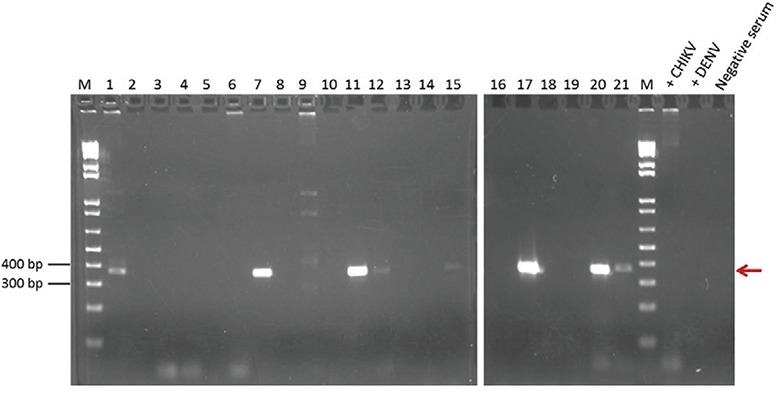
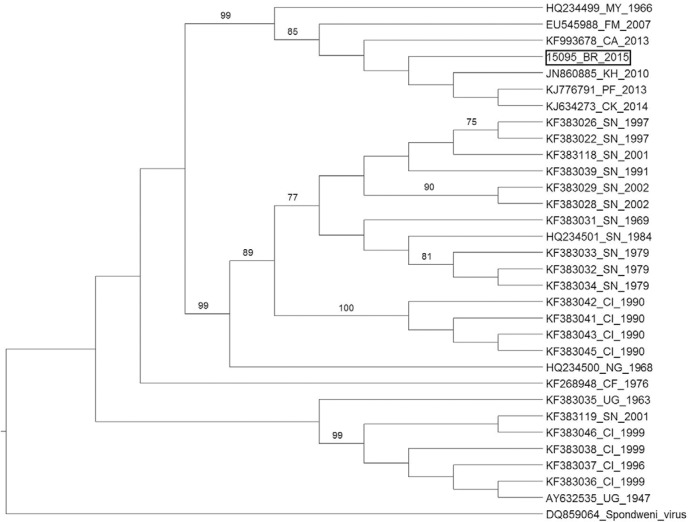
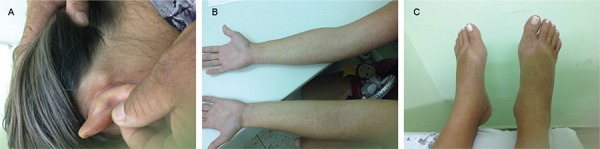
In the early 2015, several cases of patients presenting symptoms of mild fever, rash, conjunctivitis and arthralgia were reported in the northeastern Brazil. Although all patients lived in a dengue endemic area, molecular and serological diagnosis for dengue resulted negative. Chikungunya virus infection was also discarded. Subsequently, Zika virus (ZIKV) was detected by reverse transcription-polymerase chain reaction from the sera of eight patients and the result was confirmed by DNA sequencing. Phylogenetic analysis suggests that the ZIKV identified belongs to the Asian clade. This is the first report of ZIKV infection in Brazil.
Overview
The claims and statistics of this paper haven’t been checked yet.
Free: it reads the open-access text and checks the first 5 claims that cite a source we can check. Create a free account to check every claim.
Integrity signals
Registry
Cites
Statistics
Figures
Verification
Claims the paper makes
The claims and statistics of this paper haven’t been checked yet.
Free: it reads the open-access text and checks the first 5 claims that cite a source we can check. Create a free account to check every claim.
Claims other papers make about this one
Each is checked against this paper’s own text: does it say what the citing paper says it does?
The check wasn’t confident either way, so it gives no verdict — never disputed.
In the citing paper
“Zika was declared a national public health emergency in 2015 [24].”
From Recruitment of low-income pregnant women into a dietary and dental care intervention: lessons from a feasibility trial (2020) · cites this paper as [24]
Experimental — accuracy not yet measured
Self-check
Percentages, sums and reported differences re-computed from the paper’s own numbers.
The self-check needs the paper’s full text.
Citations
Cites
Zika Virus Outbreak on Yap Island, Federated States of Micronesia
Duffy, M. R., Chen, T.-H., Hancock, W. T., Powers, A. M., Kool, J. L., Lanciotti, R. S., Pretrick, M., Marfel, M., Holzbauer, S., Dubray, C., et al. (2009) · New England Journal of Medicine · doi:10.1056/nejmoa0805715 · Cited by 3,132 · cited 1×
“For half a century, the virus was described as causing sporadic human infections in Africa and Asia, until 2007 when a Zika fever epidemics took place in Yap Island, Micronesia (Duffy et al. 2009).”
BackgroundZika Virus (I). Isolations and serological specificity
Dick, G. W. A., Kitchen, S. F., & Haddow, A. J. (1952) · Transactions of the Royal Society of Tropical Medicine and Hygiene · doi:10.1016/0035-9203(52)90042-4 · Cited by 2,692 · cited 1×
“ZIKV was first isolated from a rhesus monkey in the Zika Forest of Uganda, in 1947 (Dick et al. 1952).”
BackgroundLanciotti, R. S., Calisher, C. H., Gubler, D. J., Chang, G. J., & Vorndam, A. V. (1992) · Journal of Clinical Microbiology · doi:10.1128/jcm.30.3.545-551.1992 · Cited by 1,818 · cited 5×
“Moreover, all samples rendered negative results in RT-PCR assays for CHIKV infection (Lanciotti et al. 2007).”
ResultInfluentialPotential Sexual Transmission of Zika Virus
Musso, D., Roche, C., Robin, E., Nhan, T., Teissier, A., & Cao-Lormeau, V.-M. (2015) · Emerging Infectious Diseases · doi:10.3201/eid2102.141363 · Cited by 1,176 · cited 1×
“Further studies are needed to unveil whether co-infection and subsequent infection by different arboviruses can affect the course of the disease, the occurrence of severe cases and the ways of transmission (vertical, perinatal, sexual) (Foy et al. 2011, Besnard et al. 2014, Musso et al. 2015).”
BackgroundProbable Non–Vector-borne Transmission of Zika Virus, Colorado, USA
Foy, B. D., Kobylinski, K. C., Foy, J. L. C., Blitvich, B. J., Travassos da Rosa, A., Haddow, A. D., Lanciotti, R. S., & Tesh, R. B. (2011) · Emerging Infectious Diseases · doi:10.3201/eid1705.101939 · Cited by 1,156 · cited 1×
“Further studies are needed to unveil whether co-infection and subsequent infection by different arboviruses can affect the course of the disease, the occurrence of severe cases and the ways of transmission (vertical, perinatal, sexual) (Foy et al. 2011, Besnard et al. 2014, Musso et al. 2015).”
BackgroundZika Virus, French Polynesia, South Pacific, 2013
Cao-Lormeau, V.-M., Roche, C., Teissier, A., Robin, E., Berry, A.-L., Mallet, H.-P., Sall, A. A., & Musso, D. (2014) · Emerging Infectious Diseases · doi:10.3201/eid2006.140138 · Cited by 874
Molecular Evolution of Zika Virus during Its Emergence in the 20th Century
Faye, O., Freire, C. C. M., Iamarino, A., Faye, O., de Oliveira, J. V. C., Diallo, M., Zanotto, P. M. A., & Sall, A. A. (2014) · PLoS Neglected Tropical Diseases · doi:10.1371/journal.pntd.0002636 · Cited by 819 · cited 1×
“The virus belongs to the genus Flavivirus, family Flaviviridae, and is closely related to other flaviviruses of public health relevance including dengue (DENV), yellow fever and West Nile viruses (Pierson & Diamond 2013, Faye et al. 2014).”
BackgroundEvidence of perinatal transmission of Zika virus, French Polynesia, December 2013 and February 2014
Besnard, M., Lastère, S., Teissier, A., Cao-Lormeau, V. M., & Musso, D. (2014) · Eurosurveillance · doi:10.2807/1560-7917.es2014.19.13.20751 · Cited by 814
Detection of Zika Virus in Urine
Gourinat, A.-C., O’Connor, O., Calvez, E., Goarant, C., & Dupont-Rouzeyrol, M. (2015) · Emerging Infectious Diseases · doi:10.3201/eid2101.140894 · Cited by 764 · cited 1×
“Of interest, recent paper by Gourinat et al. (2015) shows evidence of virus secretion in urine for more than 10 days after onset of disease.”
BackgroundRapid spread of emerging Zika virus in the Pacific area
Musso, D., Nilles, E. J., & Cao-Lormeau, V.-M. (2014) · Clinical Microbiology and Infection · doi:10.1111/1469-0691.12707 · Cited by 686 · cited 1×
“These results corroborate previously published data about the spread of the ZIKV Asian lineage that was first reported in the outbreaks of the Pacific Islands (Musso et al. 2014).”
Result
Research works printed but not linked: 1
- Pierson TC, 2013, Flaviviruses, 747
Cited by
Items 301–400 of 1,000
Younger, D. S. (2016) · Neurologic Clinics · doi:10.1016/j.ncl.2016.06.008 · Cited by 41
Zika and Chikungunya virus detection in naturally infected Aedes aegypti in Ecuador
Cevallos, V., Ponce, P., Waggoner, J. J., Pinsky, B. A., Coloma, J., Quiroga, C., Morales, D., & Cárdenas, M. J. (2017) · Acta Tropica · doi:10.1016/j.actatropica.2017.09.029 · Cited by 42
“This emerging group of infectious diseases has drawn attention from the global health community due to the potential for large-scale epidemics and rapid spread across the borders of several countries in the Americas.”
BackgroundInfluentialXimenes, R. A. D. A., Miranda-Filho, D. D. B., Brickley, E. B., de Araújo, T. V. B., Montarroyos, U. R., Bernardino, M. R. A., Mussi‐Pinhata, M. M., Duarte, G. G., Coutinho, C. M., Negrini, S. F. B. D. M., et al. (2022) · The Lancet Regional Health - Americas · doi:10.1016/j.lana.2022.100395 · Cited by 53
“4,5 In November 2015, the Brazilian Ministry of Health declared the situation a public health emergency, 1,4 and in February 2016, the World Health Organization (WHO) officially recognized the cluster of cases as a Public Health Emergency of International Concern.”
Self-citationMaternal-fetal transmission of the zika virus: An intriguing interplay
Zanluca, C., de Noronha, L., & dos Santos, C. N. D. (2018) · Tissue Barriers · doi:10.1080/21688370.2017.1402143 · Cited by 48
“In general, human ZIKV infections are self-limiting, and the most frequent clinical signs are low fever, myalgia, rash, arthralgia, headache and conjunctival hyperemia.(2,11) However, ZIKV infection during pregnancy has been associated with fetal malformations, particularly abnormalities in central nervous system (CNS…”
BackgroundSelf-citationStenn, T., Peck, K. J., PEREIRA, G. R., & Burkett-Cadena, N. D. (2018) · Journal of Medical Entomology · doi:10.1093/jme/tjy148 · Cited by 50
Microcephaly associated with maternal Zika virus infection
Moron, A. F., Cavalheiro, S., Milani, H. J. F., Sarmento, S. G. P., Tanuri, C., de Souza, F., Richtmann, R., & Witkin, S. S. (2016) · BJOG An International Journal of Obstetrics & Gynaecology · doi:10.1111/1471-0528.14072 · Cited by 39
Sabogal-Roman, J. A., Murillo-Garcia, D. R., Yepes-Echeverri, M. C., Restrepo-Mejia, J. D., Granados-Álvarez, S., Paniz‐Mondolfi, A., Villamil‐Gómez, W. E., Zapata-Cerpa, D. C., Barreto-Rodriguez, K., & Rodriguez-Morales, A. J. (2015) · Travel Medicine and Infectious Disease · doi:10.1016/j.tmaid.2015.12.003 · Cited by 39
A DNA Vaccine Protects Human Immune Cells against Zika Virus Infection in Humanized Mice
Yi, G., Xu, X., Abraham, S., Petersen, S., Guo, H., Ortega, N., Shankar, P., & Manjunath, N. (2017) · EBioMedicine · doi:10.1016/j.ebiom.2017.10.006 · Cited by 42
“ZIKV infection reached an almost a pandemic level in 2016 following its introduction to Brazil in 2015 (Zanluca et al., 2015).”
BackgroundInfluentialHuman T cell responses to Dengue and Zika virus infection compared to Dengue/Zika coinfection
Badolato-Corrêa, J., Sánchez‐Arcila, J. C., de Souza, T. M. A., Barbosa, L. S., Nunes, P. C. G., Lima, M. D. R. Q., Gandini, M., de Filippis, A. M. B., da Cunha, R. V., de Azeredo, E. L., et al. (2017) · Immunity Inflammation and Disease · doi:10.1002/iid3.203 · Cited by 40
“Since then, autochthonous transmission of ZIKVhad been reported in 42 countries and territories in the Region of the Americas [11, 13, 16, 17].”
BackgroundFeminist Global Health Security
Wenham, C. (2021) · doi:10.1093/oso/9780197556931.001.0001 · Cited by 54
Transient Hearing Loss in Adults Associated With Zika Virus Infection
Vinhaes, É., Santos, L. A., Dias, L., de Andrade, N. A., Bezerra, V. H. B., de Carvalho, A. T., de Moraes, L. E. P., Henriques, D. F., Azar, S. R., Vasilakis, N., et al. (2016) · Clinical Infectious Diseases · doi:10.1093/cid/ciw770 · Cited by 39
“In March 2015, ZIKV was first detected in Rio Grande do Norte, Brazil [1].”
BackgroundZika virus like particles elicit protective antibodies in mice
Salvo, M. A., Kingstad-Bakke, B. A., Salas-Quinchucua, C., Camacho, E., & Osorio, J. E. (2018) · PLoS neglected tropical diseases · doi:10.1371/journal.pntd.0006210 · Cited by 39
Threats of Zika virus transmission for Asia and its Hindu-Kush Himalayan region
Dhimal, M., Dahal, S., Dhimal, M. L., Mishra, S. R., Karki, K. B., Aryal, K. K., Haque, U., Kabir, M. I., Guin, P., Butt, A. M., et al. (2018) · Infectious Diseases of Poverty · doi:10.1186/s40249-018-0426-3 · Cited by 40
“First report of autochthonous transmission of Zika virus in Brazil.”
BackgroundInfluentialA multi-faceted pandemic: a review of the state of knowledge on the Zika virus
Depoux, A., Philibert, A., Rabier, S., Philippe, H.-J., Fontanet, A. L., & Flahault, A. (2018) · Public health reviews · doi:10.1186/s40985-018-0087-6 · Cited by 42
Cui, Y., Grant, D. G., Lin, J., Yu, X., & Franz, A. W. E. (2019) · Viruses · doi:10.3390/v11111056 · Cited by 43
McAllister, J. C., Porcelli, M. C., Medina, J., Delorey, M. J., Connelly, C. R., Godsey, M. S., Panella, N. A., Dzuris, N., Boegler, K. A., Kenney, J. L., et al. (2020) · Emerging infectious diseases · doi:10.3201/eid2605.191606 · Cited by 38
Modeling and Dynamics Analysis of Zika Transmission with Limited Medical Resources
Zhao, H., Wang, L., Oliva, S. M., & Zhu, H. (2020) · Bulletin of Mathematical Biology · doi:10.1007/s11538-020-00776-1 · Cited by 38
When fever is not malaria in Latin America: a systematic review
Moreira, J., Barros, J., Lapouble, O. M., Lacerda, M., Felger, I., Brasil, P., Dittrich, S., & Siqueira, A. M. (2020) · BMC Medicine · doi:10.1186/s12916-020-01746-z · Cited by 38
“ZIKV was reported in one article in 2015 from Brazil, which demonstrated the first autochthonous transmission of the virus in the southeastern part of the country [8].”
BackgroundDengue, chikungunya and Zika and mass gatherings: What happened in Brazil, 2014
Gautret, P., & Simon, F. (2015) · Travel Medicine and Infectious Disease · doi:10.1016/j.tmaid.2015.12.004 · Cited by 38
Emerging Causes of Arbovirus Encephalitis in North America: Powassan, Chikungunya, and Zika Viruses
Doughty, C. T., Yawetz, S., & Lyons, J. L. (2017) · Current Neurology and Neuroscience Reports · doi:10.1007/s11910-017-0724-3 · Cited by 45
Transmission of Major Arboviruses in Brazil: The Role of Aedes aegypti and Aedes albopictus Vectors
Chouin-Carneiro, T., & dos Santos, F. B. (2017) · InTech eBooks · doi:10.5772/66946 · Cited by 53
“The ZIKV emerged in the Pacific Ocean and subsequently caused a dramatic Pan‐American epidemic after its first appearance in Brazil in 2015 [24, 30, 126, 127].”
Atrial fibrillation in a patient with Zika virus infection
Abdalla, L. F., Santos, J. H. A., Barreto, R. T. J., Souza, E. M. E., D’Assunção, F. F., Borges, M. A., do Nascimento, V. A., Silva, G., de Souza, V. C., Ramasawmy, R., et al. (2018) · Virology Journal · doi:10.1186/s12985-018-0938-2 · Cited by 37
“In Brazil, the virus was identified in autochthonous cases in the first months of 2015 [5, 6].”
BackgroundAssociation of Severe Hydrocephalus With Congenital Zika Syndrome
van der Linden, V., Petribu, N. C. D. L., Pessoa, A. L. S., Faquini, I. V., Paciorkowski, A. R., van der Linden, H., Silveira‐Moriyama, L., Cordeiro, M. T., Hazin, A. N., Barkovich, A. J., et al. (2018) · JAMA Neurology · doi:10.1001/jamaneurol.2018.3553 · Cited by 42
“Inclusion Criteria The diagnosis of CZS was established under the following criteria: (1) a brain imaging result suggestive of congenital infection, (2) a full negative investigation for the main causes of congenital infections producing microcephaly, and (3) detection of anti-Zika antibodies in serum and/or cerebrosp…”
MethodAbdul-Ghani, R. A., Mahdy, M. A. K., Al-Eryani, S. M. A., Fouque, F., Lenhart, A. E., Alkwri, A., Al-Mikhlafi, A. M., Wilke, A. B. B., Thabet, A. A. Q., & Beier, J. C. (2019) · Acta Tropica · doi:10.1016/j.actatropica.2019.105066 · Cited by 42
Arnemann, J. A., Roxburgh, S. H., Walsh, T., Guedes, J. V. C., Gordon, K. H. J., Smagghe, G. J., & Tay, W. T. (2019) · Scientific Reports · doi:10.1038/s41598-019-55919-9 · Cited by 41
“, the Zika virus transmitted by the invasive Aedes aegypti [3]) and agriculture (e.”
BackgroundChakrabartty, I., Khan, M., Mahanta, S., Chopra, H., Dhawan, M. K., Choudhary, O. P., Bibi, S., Mohanta, Y. K., & Emran, T. B. (2022) · Annals of Medicine and Surgery · doi:10.1016/j.amsu.2022.103985 · Cited by 39
Mitsikas, D., Gabrani, C., Giannakou, K., & Lamnisos, D. (2021) · International Journal of Pediatric Otorhinolaryngology · doi:10.1016/j.ijporl.2021.110801 · Cited by 39
Zika Virus Infection: Current Concerns and Perspectives
Maharajan, M. K., Ranjan, A., Chu, J. F., Foo, W. L., Chai, Z. X., Lau, E. Y., Ye, H. M., Theam, X. J., & Lok, Y. L. (2016) · Clinical Reviews in Allergy & Immunology · doi:10.1007/s12016-016-8554-7 · Cited by 36
“The genome of the ZIKV, of Flaviviridae family and of the Flavivirus genus [1] is a single positive-strand RNA closely related to Spondweni virus [2, 3].”
BackgroundDaudens‐Vaysse, E., Ledrans, M., Gay, N., Ardillon, V., Cassadou, S., Najioullah, F., Leparc-Goffart, I., Rousset, D., Herrmann, C., Césaire, R., et al. (2016) · Eurosurveillance · doi:10.2807/1560-7917.es.2016.21.28.30285 · Cited by 36
Zika virus: Global health challenge, threat and current situation
Aziz, H., Zia, A., Anwer, A., Aziz, M., Fatima, S., & Faheem, M. Q. (2016) · Journal of Medical Virology · doi:10.1002/jmv.24731 · Cited by 38
“After the virus hit the Brazil and Colombia in 2015, the disease started to spread across the South America and North America [Musso et al., 2013; Besnard et al., 2014; Cao-Lormeau, 2014; Musso et al., 2014; Zanluca et al., 2015; Benelli & Mehlhorn, 2016; Sirohi et al., 2016].”
BackgroundHirano, M., Muto, M., Sakai, M., Kondo, H., Kobayashi, S., Kariwa, H., & Yoshii, K. (2017) · Proceedings of the National Academy of Sciences · doi:10.1073/pnas.1704454114 · Cited by 39
“Many outbreaks have been reported, and flaviviruses have been attracting global attention as the cause of emerging or reemerging infectious diseases (5, 6).”
Sustained Specific and Cross-Reactive T Cell Responses to Zika and Dengue Virus NS3 in West Africa
Herrera, B. B., Tsai, W.-Y., Chang, C. A., Hamel, D. J., Wang, W., Lu, Y., Mboup, S., & Kanki, P. J. (2018) · Journal of Virology · doi:10.1128/jvi.01992-17 · Cited by 40
Biomarkers and immunoprofiles associated with fetal abnormalities of ZIKV-positive pregnancies
Foo, S., Chen, W., Chan, Y., Lee, W.-S., Lee, S.-A., Cheng, G., Nielsen‐Saines, K., Brasil, P., & Jung, J. U. (2018) · JCI Insight · doi:10.1172/jci.insight.124152 · Cited by 43
“Introduction Since the first reported cases of Zika virus–related (ZIKV-related) microcephaly in late 2015, new clinical and experimental evidence has emerged to support ZIKV as the viral etiology (1).”
Backgroundde Carvalho, G. H. F., Andrade, M. A., de Araújo, C. N., dos Santos, M. L., de Castro, N. A., Charneau, S. O., Monnerat, R. G., Santana, J. M., & Bastos, I. M. D. (2019) · Environmental Science and Pollution Research · doi:10.1007/s11356-018-3905-y · Cited by 52
Innate immune response in patients with acute Zika virus infection
da Silva, M. H. M., Moises, R. N. C., Alves, B. E. B., Pereira, H. W. B., de Paiva, A. A. P., Morais, I. C., Nascimento, Y. M., Monteiro, J. D., de Souto, J. T., Nascimento, M. S. L., et al. (2019) · Medical Microbiology and Immunology · doi:10.1007/s00430-019-00588-8 · Cited by 44
Clinical and x-ray oral evaluation in patients with congenital Zika Virus
Carvalho, I. F., Alencar, P. N. B., de Andrade, M. D. F. C., Silva, P. G. D. B., Carvalho, E. D. F., Araújo, L. S., Cavalcante, M. R., & Sousa, F. B. (2019) · Journal of Applied Oral Science · doi:10.1590/1678-7757-2018-0276 · Cited by 40
Zika virus: mapping and reprogramming the entry
Owczarek, K., Chykunova, Y., Jassoy, C., Maksym, B., Rajfur, Z., & Pyrć, K. (2019) · Cell Communication and Signaling · doi:10.1186/s12964-019-0349-z · Cited by 39
Nascimento, K. L. C., da Silva, J. F. M., Zequi, J. A. C., & Lopes, J. L. P. (2020) · Environmental Health Insights · doi:10.1177/1178630219886570 · Cited by 36
de Souza, A. L. D. S., Multini, L. C., Marrelli, M. T., & Wilke, A. B. B. (2020) · Acta Tropica · doi:10.1016/j.actatropica.2020.105593 · Cited by 36
A Glimmer of Hope: Recent Updates and Future Challenges in Zika Vaccine Development
Castanha, P. M. S., & Marques, E. T. A. (2020) · Viruses · doi:10.3390/v12121371 · Cited by 39
Zika virus and temperature modulate Elizabethkingia anophelis in Aedes albopictus
Onyango, M. G., Lange, R. E., Bialosuknia, S. M., Payne, A. F., Mathias, N., Kuo, L., Vigneron, A., Nag, D. K., Kramer, L. D., & Ciota, A. T. (2021) · Parasites & Vectors · doi:10.1186/s13071-021-05069-7 · Cited by 44
Waiting in the wings: The potential of mosquito transmitted flaviviruses to emerge
Smith, D. R. (2016) · Critical Reviews in Microbiology · doi:10.1080/1040841x.2016.1230974 · Cited by 36
“…it was the outbreaks in French Polynesia and the Pacific islands starting from 2013 (Cao-Lormeau et al., 2014), shortly followed by the massive outbreak in Brazil starting in 2015 (Campos et al., 2015; Zanluca et al., 2015) that has focused the world’s attention on a previously obscure virus.”
BackgroundMacaque monkeys in Zika virus research: 1947–present
Newman, C. M., Friedrich, T. C., & O’Connor, D. H. (2017) · Current Opinion in Virology · doi:10.1016/j.coviro.2017.06.011 · Cited by 42
Palasio, R. G. S., Bermudi, P. M. M., Macedo, F. L. D. L., Santana, L. M. R., & Neto, F. C. (2023) · Scientific Reports · doi:10.1038/s41598-023-42930-4 · Cited by 48
Human migrations, anthropogenic changes, and insect-borne diseases in Latin America
Wilke, A. B. B., Farina, P., Ajelli, M., Canale, A., Dantas‐Torres, F., Otranto, D., & Benelli, G. (2025) · Parasites & Vectors · doi:10.1186/s13071-024-06598-7 · Cited by 45
The Zika virus and pregnancy: evidence, management, and prevention
Dogan, A. C., Wayne, S., Bauer, S., Ogunyemi, D. A., Kulkharni, S. K., Maulik, D., Carpenter, C. F., & Bahado-Singh, R. O. (2016) · The Journal of Maternal-Fetal & Neonatal Medicine · doi:10.3109/14767058.2016.1174210 · Cited by 35
“In May 2015, the first autochthonous case was confirmed in Brazil and spread to 15 states by November 2015 [15,16].”
BackgroundZika virus: Indian perspectives
Mourya, D. T., Shil, P., Sapkal, G. N., & Yadav, P. D. (2016) · The Indian Journal of Medical Research · doi:10.4103/0971-5916.187103 · Cited by 38
Risk factors for arbovirus infections in a low-income community of Rio de Janeiro, Brazil, 2015-2016
Rodrigues, N. C. P., Daumas, R. P., de Almeida, A. S., Souza‐Santos, R., Koster, I., Rodrigues, P. P., Gomes, M. D. F., Macedo, A. D. F., Gerardi, A., & Leite, I. D. C. (2018) · PLoS ONE · doi:10.1371/journal.pone.0198357 · Cited by 35
Montecillo-Aguado, M. R., Montes-Gómez, A. E., García‐Cordero, J., Corzo-Gómez, J., Vivanco-Cid, H., Mellado‐Sánchez, G., Muñoz‐Medina, J. E., Gutiérrez‐Castañeda, B., Santos‐Argumedo, L., González-Bonilla, C. R., et al. (2019) · Journal of Immunology Research · doi:10.1155/2019/7239347 · Cited by 42
“ZIKV remained a virus of low importance for many years, until its emergence, when it caused an epidemic outbreak after its introduction into Brazil in 2014 [2, 3].”
Newborns With Zika Virus-Associated Microcephaly Exhibit Marked Systemic Inflammatory Imbalance
Vinhaes, C. L., Arriaga, M. B., de Almeida, B. L., Oliveira, J. V., Santos, C. S., Calcagno, J. I., Carvalho, T. X. T. D., Giovanetti, M., Alcantara, L. C. J., de Siqueira, I. C., et al. (2020) · The Journal of Infectious Diseases · doi:10.1093/infdis/jiaa197 · Cited by 43
“However, at the end of 2015, an inexplicable and unexpected increase in number of cases of newborns with microcephaly was notified in northeastern Brazil which was found later to be associated with congenital Zika infection (CZI) [10, 11], culminating with declaration of state of public health emergency in the country.”
BackgroundInfluentialSelf-citationZika Virus Pathogenesis: A Battle for Immune Evasion
Estévez‐Herrera, J., Pérez-Yanes, S., Cabrera-Rodríguez, R., Márquez-Arce, D., Trujillo‐González, R., Machado, J. D., Madrid, R., & Valenzuela-Fernández, A. (2021) · Vaccines · doi:10.3390/vaccines9030294 · Cited by 41
Lima, M. D. R. Q., de Lima, R. C., de Azeredo, E. L., & dos Santos, F. B. (2021) · Diagnostics · doi:10.3390/diagnostics11050819 · Cited by 35
“Moreover, after the introduction of zika in 2015 [37,38], the country reported a triple epidemic of dengue, zika and chikungunya in 2016.”
BackgroundZika virus infection in the Veterans Health Administration (VHA), 2015-2016
Schirmer, P., Wendelboe, A. M., Lucero-Obusan, C. A., Ryono, R. A., Winters, M. A., Oda, G., Martinez, M., Saavedra, S., & Holodniy, M. (2018) · PLoS neglected tropical diseases · doi:10.1371/journal.pntd.0006416 · Cited by 34
Mosquito-borne flaviviruses and type I interferon: catch me if you can!
Zoladek, J., & Nisole, S. (2023) · Frontiers in Microbiology · doi:10.3389/fmicb.2023.1257024 · Cited by 36
Bibliometric assessment of the scientific production of literature regarding Mayaro
Patiño-Barbosa, A. M., Bedoya-Arias, J. E., Cardona-Ospina, J. A., & Rodriguez-Morales, A. J. (2015) · Journal of Infection and Public Health · doi:10.1016/j.jiph.2015.10.001 · Cited by 34
Delgado, F. G., Torres, K. I., Castellanos, J. E., Romero‐Sánchez, C., Simon‐Lorière, E., Sakuntabhai, A., & Roth, C. (2018) · Viruses · doi:10.3390/v10090480 · Cited by 34
Malmlov, A., Bantle, C. M., Aboellail, T., Wagner, K., Campbell, C. L., Eckley, M., Chotiwan, N., Gullberg, R. C., Perera, R. M., Tjalkens, R. B., et al. (2019) · PLoS neglected tropical diseases · doi:10.1371/journal.pntd.0007071 · Cited by 40
Using Macaques to Address Critical Questions in Zika Virus Research
Dudley, D. M., Aliota, M. T., Mohr, E. L., Newman, C. M., Golos, T. G., Friedrich, T. C., & O’Connor, D. H. (2019) · Annual Review of Virology · doi:10.1146/annurev-virology-092818-015732 · Cited by 35
“Following this initial discovery, ZIKV was a neglected tropical pathogen until the 2015 outbreak in the Americas (3).”
BackgroundInfluentialEmerging and re-emerging pediatric viral diseases: a continuing global challenge
Hoffman, S. A., & Maldonado, Y. (2023) · Pediatric Research · doi:10.1038/s41390-023-02878-7 · Cited by 41
Zika threatens to become a huge worldwide pandemic
Troncoso, A. (2016) · Asian Pacific Journal of Tropical Biomedicine · doi:10.1016/j.apjtb.2016.04.004 · Cited by 37
Zika crisis in Brazil: challenges in research and development
Ribeiro, L. S., Marques, R. E., de Jesus, A. R., de Almeida, R. P., & Teixeira, M. M. (2016) · Current Opinion in Virology · doi:10.1016/j.coviro.2016.04.002 · Cited by 39
Zika virus infection and pregnancy: what we do and do not know
Ticconi, C., Pietropolli, A., & Rezza, G. (2016) · Pathogens and Global Health · doi:10.1080/20477724.2016.1234804 · Cited by 38
Emergence and Spreading Potential of Zika Virus
Fajardo, Á., Cristina, J., & Moreno, P. (2016) · Frontiers in Microbiology · doi:10.3389/fmicb.2016.01667 · Cited by 36
“In March 2015, ZIKV was reported in Salvador, Brazil (Campos et al., 2015; Zanluca et al., 2015), and rapidly spread throughout the Americas, leading to autochthonous cases in 40 countries of this continent by July 7th,”
BackgroundInactivation and removal of Zika virus during manufacture of plasma‐derived medicinal products
Blümel, J., Musso, D., Teitz, S., Miyabayashi, T., Böller, K., Schnierle, B. S., & Baylis, S. A. (2016) · Transfusion · doi:10.1111/trf.13873 · Cited by 36
Role of short-term dispersal on the dynamics of Zika virus in an extreme idealized environment
Moreno, V., Espinoza, B., Bichara, D. M., Holechek, S., & Castillo‐Chávez, C. (2016) · Infectious Disease Modelling · doi:10.1016/j.idm.2016.12.002 · Cited by 33
Quasispecies composition and evolution of a typical Zika virus clinical isolate from Suriname
van Boheemen, S., Taş, A., Anvar, S. Y., van Grootveld, R., Albulescu, I. C., Bauer, M. P., Feltkamp, M. C. W., Bredenbeek, P. J., & van Hemert, M. J. (2017) · Scientific Reports · doi:10.1038/s41598-017-02652-w · Cited by 33
da Silva, S. R., Cheng, F., Huang, I., Jung, J. U., & Gao, S. (2018) · Journal of Medical Virology · doi:10.1002/jmv.25306 · Cited by 33
Working with Zika and Usutu Viruses In Vitro
Barr, K. L., Anderson, B. D., Prakoso, D., & Long, M. T. (2016) · PLoS neglected tropical diseases · doi:10.1371/journal.pntd.0004931 · Cited by 33
Prasasty, V. D., Grazzolie, K., Rosmalena, R., Yazid, F., Ivan, F. X., & Sinaga, E. (2019) · Microorganisms · doi:10.3390/microorganisms7080226 · Cited by 37
“In late 2014, Zika entered America through Brazil, and promptly caused a major outbreak, reaching many countries in South and Central America, the Caribbean and several states within the United States [3,4,8,9].”
BackgroundMethodDenis, J., Attoumani, S., Gravier, P., Tenebray, B., Garnier, A., Briolant, S., de Laval, F., Chastres, V., Grard, G., Leparc-Goffart, I., et al. (2019) · PLoS neglected tropical diseases · doi:10.1371/journal.pntd.0007747 · Cited by 33
“Epidemics in Yap State, Micronesia (2007) [2], French Polynesia (2013) [3], and more recently the Americas 2015 [4], have dramatically changed its status.”
BackgroundFlavonoids as Molecules With Anti-Zika virus Activity
Cataneo, A. H. D., Ávila, E. P., Mendes, L. A. D. O., de Oliveira, V. G., Ferraz, C. R., de Almeida, M. V., Frabasile, S., dos Santos, C. N. D., Verri, W. A., Jr., Bordignon, J., et al. (2021) · Frontiers in Microbiology · doi:10.3389/fmicb.2021.710359 · Cited by 39
Self-citationNunes, D. A. D. F., Santos, F. R. D. S., da Fonseca, S. T. D., Lima, W. G., Nizer, W. S. D. C., Ferreira, J. M. S., & de Magalhães, J. C. (2021) · Journal of Medical Virology · doi:10.1002/jmv.27386 · Cited by 37
Wang, C., Zhang, N., Qi, L., Yuan, J., Wang, K., Wang, K., Ma, S., Wang, H., Lou, W., Hu, P., et al. (2017) · The Journal of Immunology · doi:10.4049/jimmunol.1700671 · Cited by 38
“have similar characteristics (12), and thus the mechanism of JEV”
BackgroundBaylis, S. A., Hanschmann, K.-M. O., Schnierle, B. S., Trösemeier, J., Blümel, J., & Zika Virus Collaborative Study Group (2017) · Transfusion · doi:10.1111/trf.14026 · Cited by 32
Use of Blood Donor Screening Data to Estimate Zika Virus Incidence, Puerto Rico, April–August 2016
Chevalier, M. S., Biggerstaff, B. J., Basavaraju, S. V., Ocfemia, M. C. B., Alsina, J. O., Climent, C., Moseley, R. R., Chung, K., Rivera-García, B., Bello-Pagán, M., et al. (2017) · Emerging infectious diseases · doi:10.3201/eid2305.161873 · Cited by 32
“Z virus, a flavivirus transmitted primarily by Aedes aegypti mosquitoes, has rapidly spread in the Americas since it emerged in the region in 2015 (1).”
BackgroundAdvances in research on Zika virus
Ali, A., Wahid, B., Rafique, S., & Idrees, M. (2017) · Asian Pacific Journal of Tropical Medicine · doi:10.1016/j.apjtm.2017.03.020 · Cited by 39
Zika Virus Infection during Pregnancy and Congenital Abnormalities
Rather, I. A., Lone, J. B., Bajpai, V. K., & Park, Y.-H. (2017) · Frontiers in Microbiology · doi:10.3389/fmicb.2017.00581 · Cited by 44
A review of selected Arboviruses during pregnancy
Marinho, P. S., da Cunha, A. J. L. A., Amim, J., & Prata‐Barbosa, A. (2017) · Maternal Health Neonatology and Perinatology · doi:10.1186/s40748-017-0054-0 · Cited by 37
“In 2015, the Zika virus reached the Americas, and was initially identified in Brazil, where a phylogenetic analysis indicated it was the Asian strain of the virus [10].”
BackgroundFamiliar barriers still unresolved—a perspective on the Zika virus outbreak research response
Koopmans, M., de Lamballerie, X. N., Jaenisch, T., Rosenberger, K. D., Morales, I., Marques, E. T. A., Viana, I. F. T., Brasil, P., Rabello, R. D. S., Avelino‐Silva, V. I., et al. (2018) · The Lancet Infectious Diseases · doi:10.1016/s1473-3099(18)30497-3 · Cited by 34
Zika virus infection in Malaysia: an epidemiological, clinical and virological analysis
Woon, Y. L., Lim, M. F., Rashid, T. R. T. A., Thayan, R., Chidambaram, S. K., Rahim, S. S. S. A., Mudin, R. N., & Sivasampu, S. (2019) · BMC Infectious Diseases · doi:10.1186/s12879-019-3786-9 · Cited by 32
Li, L., He, J., Wang, W., Xia, Y., Li, S., Chen, Z.-H., Zuo, H.-Z., Tan, X.-P., Ho, A. H.-P., Kong, S., et al. (2019) · International Journal of Infectious Diseases · doi:10.1016/j.ijid.2019.06.007 · Cited by 32
Zika virus and microcephaly in Southeast Asia: A cause for concern?
Kuadkitkan, A., Wikan, N., Sornjai, W., & Smith, D. R. (2019) · Journal of Infection and Public Health · doi:10.1016/j.jiph.2019.09.012 · Cited by 33
Sippy, R. J., Farrell, D. F., Lichtenstein, D. A., Nightingale, R., Harris, M. A., Toth, J., Hantztidiamantis, P., Usher, N. T., Cueva, C., Aguilar, J. B., et al. (2020) · PLoS neglected tropical diseases · doi:10.1371/journal.pntd.0007969 · Cited by 37
“Dengue virus is endemic in the tropical Americas, and the emergence of CHIKV in 2013 in Saint Martin and ZIKV in 2015 in Brazil has brought these arboviruses to the forefront of international attention [1–3].”
BackgroundChouin-Carneiro, T., David, M. R., Nogueira, F. D. B., dos Santos, F. B., & Lourenço‐de‐Oliveira, R. (2020) · PLoS neglected tropical diseases · doi:10.1371/journal.pntd.0008527 · Cited by 42
“Four populations of Brazilian Aedes mosquitoes were used: (i) Ae. aegypti from Urca (AA-URC; F1 generation), Rio de Janeiro, coastal Southeast region; (ii) Ae. aegypti (AA) from Natal (AA-NAT; F1 generation), Rio Grande do Norte, coastal Northeast region; (iii) Ae. albopictus from Urca (AB-URC; F1 generation), Rio de…”
BackgroundInfluentialZika, dengue e chikungunya: desafios e questões
Valle, D., Pimenta, D. N., & Aguiar, R. (2016) · Epidemiologia e Serviços de Saúde · doi:10.5123/s1679-49742016000200020 · Cited by 32
Ximenes, M. D. F. F. D. M., Galvão, J. M. D. A., Silva-Inacio, C. L., Silva, V. P. M. E., Pereira, R. L. D. N., Pinheiro, M. P. G., Silva, M. M. D. M., & Gomes, C. E. S. (2020) · Acta Tropica · doi:10.1016/j.actatropica.2020.105538 · Cited by 32
Research and development of Zika virus vaccines
Dawes, B. E., Smalley, C. A., Tiner, B. L., Beasley, D. W. C., Milligan, G. N., Reece, L. M., Hombach, J., & Barrett, A. D. T. (2016) · npj Vaccines · doi:10.1038/npjvaccines.2016.7 · Cited by 33
“It was determined that about three quarters of Yap residents (~5,000 persons12) were infected with ZIKV, and more than 900 people had illness attributable to ZIKV infection.13 ZIKV epidemic activity was reported in Gabon during a concomitant chikungunya (CHIKV)/DENV outbreak in 2007 that involved ~ 20,000 cases.12,14…”
BackgroundInfluentialPopulation Genetic Structure of Aedes fluviatilis (Diptera: Culicidae)
Multini, L. C., Wilke, A. B. B., Suesdek, L., & Marrelli, M. T. (2016) · PLoS ONE · doi:10.1371/journal.pone.0162328 · Cited by 31
“In addition, there is an inherent risk of new pathogens being introduced, especially in large, populous cities [64,65].”
BackgroundRayner, J. O., Kalkeri, R., Goebel, S. J., Cai, Z., Green, B., Lin, S., Snyder, B. A., Hagelin, K., Walters, K., & Koide, F. (2018) · Viruses · doi:10.3390/v10050229 · Cited by 35
“Subsequent ZIKV outbreaks were reported from numerous islands in the Pacific prior to its emergence in Brazil in March of 2015 [15,16].”
BackgroundVasconcellos, A. G., Fonseca, B. D. P. F. E., & Morel, C. M. (2018) · PLoS neglected tropical diseases · doi:10.1371/journal.pntd.0006469 · Cited by 36
A New High-Throughput Tool to Screen Mosquito-Borne Viruses in Zika Virus Endemic/Epidemic Areas
Moutailler, S., Yousfi, L., Mousson, L., Devillers, E., Vazeille, M., Vega-Rúa, A., Perrin, Y., Jourdain, F., Chandre, F., Cannet, A., et al. (2019) · Viruses · doi:10.3390/v11100904 · Cited by 31
“After ZIKV reached the American continent in 2015 [25], phylogenetic analysis indicated that the circulating ZIKV belonged to the Asian clade [26,27].”
BackgroundThe Cellular Impact of the ZIKA Virus on Male Reproductive Tract Immunology and Physiology
Almeida, R. D. N., Braz-de-Melo, H. A., Santos, I. D. O., Corrêa, R., Kobinger, G., & Magalhães, K. G. (2020) · Cells · doi:10.3390/cells9041006 · Cited by 36
“The last outbreak was documented in 2015 in America, which was the largest epidemic ever described of ZIKV affecting more than 20 countries [52,53].”
BackgroundSoares, F. V. M., de Abranches, A. D., Villela, L. D., Lara, S., Araújo, D. M. R., Nehab, S. R. G., da Silva, L. M. L., do Amaral, Y. N. D. V., Gomes, S. C., Pone, S. M., et al. (2019) · Scientific Reports · doi:10.1038/s41598-019-55598-6 · Cited by 35
Dzul-Manzanilla, F., Martínez, N. E., Cruz-Nolasco, M., Gutiérrez-Castro, C., López-Damián, L., Ibarra-López, J., Martini-Jaimes, A., Bibiano-Marín, W., Tornez-Benitez, C., Vazquez‐Prokopec, G. M., et al. (2015) · Transactions of the Royal Society of Tropical Medicine and Hygiene · doi:10.1093/trstmh/trv106 · Cited by 30
Zika virus infections: An overview of current scenario
Dasti, J. I. (2016) · Asian Pacific Journal of Tropical Medicine · doi:10.1016/j.apjtm.2016.05.010 · Cited by 30
Zika and the Blood Supply: A Work in Progress
Katz, L. M., & Rossmann, S. N. (2016) · Archives of Pathology & Laboratory Medicine · doi:10.5858/arpa.2016-0430-ra · Cited by 30
“Barjas-Castro ML, Angerami RN, Cunha MS, et al. Probable transfusiontransmission of Zika virus in Brazil.”
BackgroundInfluentialthe Arbovirus Working Group, Fortuna, C., Remoli, M. E., Rizzo, C., Benedetti, E., Fiorentini, C., Bella, A., Argentini, C., Farchi, F., Castilletti, C., et al. (2017) · BMC Infectious Diseases · doi:10.1186/s12879-017-2320-1 · Cited by 30
“D4/RL196/Myanmar/2013 Myanmar I 2013 KJ470765 D4/Thailand/0702aTw Thailand I 2007 EU448454 D4/Cambodia/0509aTw Cambodia I 2005 EU448455 ThD4_0485_01 Thailand I 2001 AY618992 ThD4_1142_98 Thailand I 1998 AY618980 ThD4_0348_91 Bangkok, Thailand I 1991 AY618990 SPH317947 Brazil II 2011 JN092553 DENV-4/VE/BID-V1156/2007 V…”
BackgroundInfluentialOcular effects of Zika virus—a review
Marquezan, M. C., Ventura, C. V. O. C., Sheffield, J. S., Golden, W. C., Omiadze, R., Belfort, R., & May, W. N. (2017) · Survey of Ophthalmology · doi:10.1016/j.survophthal.2017.06.001 · Cited by 33
Fernandes, R. S., Campos, S. S., Ribeiro, P. S., Raphael, L. M. S., Bonaldo, M. C., & Lourenço‐de‐Oliveira, R. (2017) · Memórias do Instituto Oswaldo Cruz · doi:10.1590/0074-02760170145 · Cited by 30
“…Received 13 April 2017 Accepted 15 May 2017 After rapid expansion in the Pacific Region, the Zika virus (ZIKV) was first recognised in northeastern Brazil in 2015, followed by a countrywide epidemic that eventually spread to the entire continent (Possas et al. 2017, Zanluca et al. 2015).”
BackgroundKhongwichit, S., Wikan, N., Auewarakul, P., & Smith, D. R. (2018) · Microbes and Infection · doi:10.1016/j.micinf.2018.01.007 · Cited by 33
Metadata
- Authors
- Zanluca, C., Melo, V. C. A. D., Mosimann, A. L. P., Santos, G. I. V. D., Santos, C. N. D. D., & Luz, K.
- Affiliations
- Fundação Oswaldo Cruz (BR)
- Secretaria Estadual de Saúde do Rio Grande do Norte, Brasil
- Universidade Federal do Rio Grande do Norte, Brasil
- Corresponding author
- Santos, Claudia Nunes Duarte dos
- ORCID
- Venue
- Memórias do Instituto Oswaldo Cruz
- Publisher
- FapUNIFESP (SciELO)
- Published
- 2015-06-09
- Volume
- 110
- Issue
- 4
- Pages
- 569-572
- ISSN
- 0074-0276 (ISSN-L)
- 1678-8060
- PMC
- PMC4501423
- OpenAlex
- W1558143285
- Cited by
- 1,320
- References
- 17
- Citations by year
- 2026: 17 · 2025: 42 · 2024: 69 · 2023: 85 · 2022: 86 · 2021: 92 · 2020: 126 · 2019: 129 · 2018: 160 · 2017: 172 · 2016: 316 · 2015: 20
- FWCI
- 238.26
- Type
- journal article
- Language
- en
- Open access
- diamond
- doi.org
- Licence
- cc-by-nc
- Locations
- Memórias do Instituto Oswaldo Cruz (publishedVersion, cc-by-nc)
- PubMed Central (publishedVersion, cc-by-nc)
- PubMed (publishedVersion)
- Americanae (AECID Library) (publishedVersion, other-oa)
- LA Referencia (Red Federada de Repositorios Institucionales de Publicaciones Científicas) (publishedVersion, other-oa)
- Portuguese National Funding Agency for Science, Research and Technology (RCAAP Project by FCT) (publishedVersion)
- Bioline International (Bioline International) (submittedVersion)
- Americanae (AECID Library) (submittedVersion, other-oa)
- Arca - Repositório Institucional da Fiocruz (submittedVersion, other-oa)
- DOAJ (DOAJ: Directory of Open Access Journals) (submittedVersion)
- LA Referencia (Red Federada de Repositorios Institucionales de Publicaciones Científicas) (submittedVersion, other-oa)
- Funders
- Universidade Federal do Paraná
- Topics
- Health Sciences › Medicine › Public Health, Environmental and Occupational Health › Mosquito-borne diseases and control
- Health Sciences › Medicine › Infectious Diseases › Viral Infections and Vectors
- Health Sciences › Medicine › Infectious Diseases › Viral Infections and Outbreaks Research
- Keywords
- Zika virus, autochthonous transmission, Northeast Brazil, joint pain, phylogenetic analysis, molecular diagnosis
- MeSH terms
- Zika Virus Infection, Zika Virus, Adolescent, Adult, Aedes, Aged, Animals, Brazil, Female, Humans, Insect Vectors, Male, Middle Aged, Phylogeny, RNA, Viral, Polymerase Chain Reaction, Sequence Analysis, DNA, Young Adult
About these checks
Registry, retraction, Cites and statistics results are computed, not judged, with one exception: a printed reference that no index lists is read once by a model before it counts as a citation error. Claims are extracted by a model and kept only when their quote appears verbatim in the text; each cited source is then checked, with a model’s help, for whether it says what the claim relies on. Those verdicts can be wrong — read the claim’s quote and the cited source before relying on one.
Statistics and arithmetic are recomputed, not judged.
Confidence bands are shown only for fields calibrated on our annotated test set. None is calibrated yet, so no band is shown.
What counts as a claim ›How we measure confidence ›How we check this ›
Are you an author, or do you see a problem with this page? Request a review
Data sources
Bibliographic data: Semantic Scholar, OpenAlex, Crossref.
Contains information from the Semantic Scholar Academic Graph Datasets, made available under the ODC Attribution License (ODC-BY 1.0).
Semantic Scholar’s data is described in: Kinney, R., et al. (2023). The Semantic Scholar Open Data Platform. arXiv:2301.10140.
