

First report of autochthonous transmission of Zika virus in Brazil
Open accessThe DOI matches its Crossref record; 17 of the 17 references it cites were found in a registry or an index.
Abstract
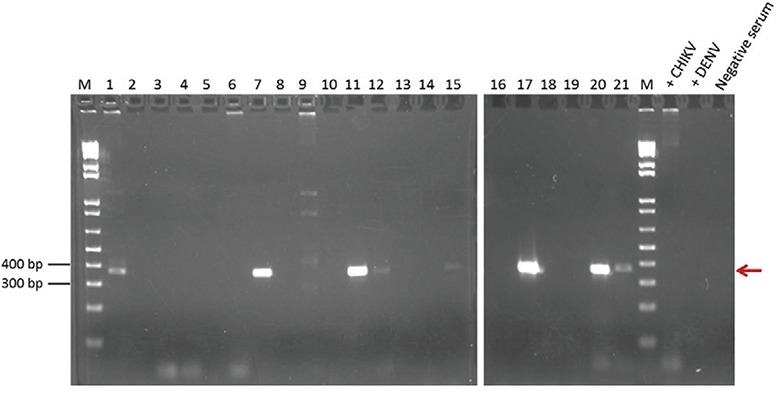
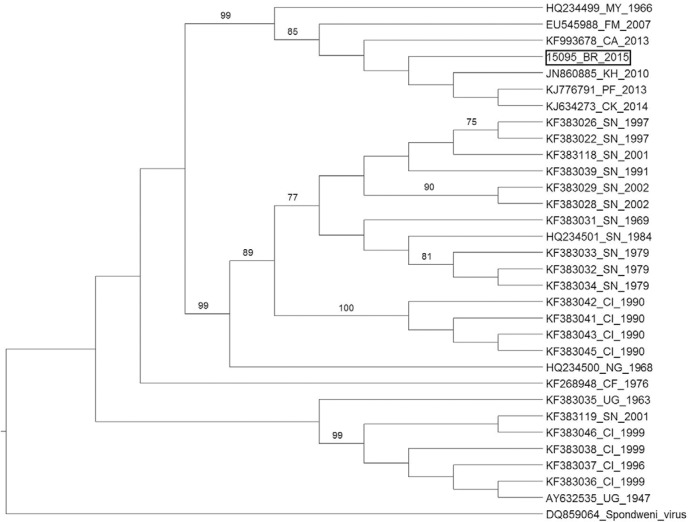
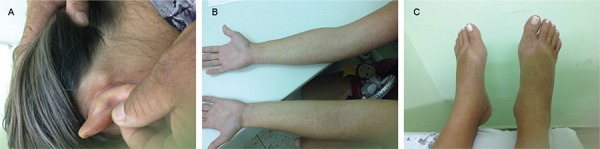
In the early 2015, several cases of patients presenting symptoms of mild fever, rash, conjunctivitis and arthralgia were reported in the northeastern Brazil. Although all patients lived in a dengue endemic area, molecular and serological diagnosis for dengue resulted negative. Chikungunya virus infection was also discarded. Subsequently, Zika virus (ZIKV) was detected by reverse transcription-polymerase chain reaction from the sera of eight patients and the result was confirmed by DNA sequencing. Phylogenetic analysis suggests that the ZIKV identified belongs to the Asian clade. This is the first report of ZIKV infection in Brazil.
Overview
The claims and statistics of this paper haven’t been checked yet.
Free: it reads the open-access text and checks the first 5 claims that cite a source we can check. Create a free account to check every claim.
Integrity signals
Registry
Cites
Statistics
Figures
Verification
Claims the paper makes
The claims and statistics of this paper haven’t been checked yet.
Free: it reads the open-access text and checks the first 5 claims that cite a source we can check. Create a free account to check every claim.
Claims other papers make about this one
Each is checked against this paper’s own text: does it say what the citing paper says it does?
The check wasn’t confident either way, so it gives no verdict — never disputed.
In the citing paper
“Zika was declared a national public health emergency in 2015 [24].”
From Recruitment of low-income pregnant women into a dietary and dental care intervention: lessons from a feasibility trial (2020) · cites this paper as [24]
Experimental — accuracy not yet measured
Self-check
Percentages, sums and reported differences re-computed from the paper’s own numbers.
The self-check needs the paper’s full text.
Citations
Cites
Zika Virus Outbreak on Yap Island, Federated States of Micronesia
Duffy, M. R., Chen, T.-H., Hancock, W. T., Powers, A. M., Kool, J. L., Lanciotti, R. S., Pretrick, M., Marfel, M., Holzbauer, S., Dubray, C., et al. (2009) · New England Journal of Medicine · doi:10.1056/nejmoa0805715 · Cited by 3,132 · cited 1×
“For half a century, the virus was described as causing sporadic human infections in Africa and Asia, until 2007 when a Zika fever epidemics took place in Yap Island, Micronesia (Duffy et al. 2009).”
BackgroundZika Virus (I). Isolations and serological specificity
Dick, G. W. A., Kitchen, S. F., & Haddow, A. J. (1952) · Transactions of the Royal Society of Tropical Medicine and Hygiene · doi:10.1016/0035-9203(52)90042-4 · Cited by 2,692 · cited 1×
“ZIKV was first isolated from a rhesus monkey in the Zika Forest of Uganda, in 1947 (Dick et al. 1952).”
BackgroundLanciotti, R. S., Calisher, C. H., Gubler, D. J., Chang, G. J., & Vorndam, A. V. (1992) · Journal of Clinical Microbiology · doi:10.1128/jcm.30.3.545-551.1992 · Cited by 1,818 · cited 5×
“Moreover, all samples rendered negative results in RT-PCR assays for CHIKV infection (Lanciotti et al. 2007).”
ResultInfluentialPotential Sexual Transmission of Zika Virus
Musso, D., Roche, C., Robin, E., Nhan, T., Teissier, A., & Cao-Lormeau, V.-M. (2015) · Emerging Infectious Diseases · doi:10.3201/eid2102.141363 · Cited by 1,176 · cited 1×
“Further studies are needed to unveil whether co-infection and subsequent infection by different arboviruses can affect the course of the disease, the occurrence of severe cases and the ways of transmission (vertical, perinatal, sexual) (Foy et al. 2011, Besnard et al. 2014, Musso et al. 2015).”
BackgroundProbable Non–Vector-borne Transmission of Zika Virus, Colorado, USA
Foy, B. D., Kobylinski, K. C., Foy, J. L. C., Blitvich, B. J., Travassos da Rosa, A., Haddow, A. D., Lanciotti, R. S., & Tesh, R. B. (2011) · Emerging Infectious Diseases · doi:10.3201/eid1705.101939 · Cited by 1,156 · cited 1×
“Further studies are needed to unveil whether co-infection and subsequent infection by different arboviruses can affect the course of the disease, the occurrence of severe cases and the ways of transmission (vertical, perinatal, sexual) (Foy et al. 2011, Besnard et al. 2014, Musso et al. 2015).”
BackgroundZika Virus, French Polynesia, South Pacific, 2013
Cao-Lormeau, V.-M., Roche, C., Teissier, A., Robin, E., Berry, A.-L., Mallet, H.-P., Sall, A. A., & Musso, D. (2014) · Emerging Infectious Diseases · doi:10.3201/eid2006.140138 · Cited by 874
Molecular Evolution of Zika Virus during Its Emergence in the 20th Century
Faye, O., Freire, C. C. M., Iamarino, A., Faye, O., de Oliveira, J. V. C., Diallo, M., Zanotto, P. M. A., & Sall, A. A. (2014) · PLoS Neglected Tropical Diseases · doi:10.1371/journal.pntd.0002636 · Cited by 819 · cited 1×
“The virus belongs to the genus Flavivirus, family Flaviviridae, and is closely related to other flaviviruses of public health relevance including dengue (DENV), yellow fever and West Nile viruses (Pierson & Diamond 2013, Faye et al. 2014).”
BackgroundEvidence of perinatal transmission of Zika virus, French Polynesia, December 2013 and February 2014
Besnard, M., Lastère, S., Teissier, A., Cao-Lormeau, V. M., & Musso, D. (2014) · Eurosurveillance · doi:10.2807/1560-7917.es2014.19.13.20751 · Cited by 814
Detection of Zika Virus in Urine
Gourinat, A.-C., O’Connor, O., Calvez, E., Goarant, C., & Dupont-Rouzeyrol, M. (2015) · Emerging Infectious Diseases · doi:10.3201/eid2101.140894 · Cited by 764 · cited 1×
“Of interest, recent paper by Gourinat et al. (2015) shows evidence of virus secretion in urine for more than 10 days after onset of disease.”
BackgroundRapid spread of emerging Zika virus in the Pacific area
Musso, D., Nilles, E. J., & Cao-Lormeau, V.-M. (2014) · Clinical Microbiology and Infection · doi:10.1111/1469-0691.12707 · Cited by 686 · cited 1×
“These results corroborate previously published data about the spread of the ZIKV Asian lineage that was first reported in the outbreaks of the Pacific Islands (Musso et al. 2014).”
Result
Research works printed but not linked: 1
- Pierson TC, 2013, Flaviviruses, 747
Cited by
Items 401–500 of 1,000
SAMHD1 Enhances Chikungunya and Zika Virus Replication in Human Skin Fibroblasts
Wichit, S., Hamel, R., Zanzoni, A., Diop, F., Cribier, A., Talignani, L., Diack, A., Ferraris, P., Liégeois, F., Urbach, S., et al. (2019) · International Journal of Molecular Sciences · doi:10.3390/ijms20071695 · Cited by 34
Fernandes, R. S., O’Connor, O., Bersot, M. I. L., Girault, D., Dokunengo, M. R., Pocquet, N., Dupont‐Rouzeyrol, M., & Lourenço‐de‐Oliveira, R. (2020) · Pathogens · doi:10.3390/pathogens9070575 · Cited by 32
INMI1 Zika Virus NS4B Antagonizes the Interferon Signaling by Suppressing STAT1 Phosphorylation
Fanunza, E., Grandi, N., Quartu, M., Carletti, F., Ermellino, L., Milia, J., Corona, A., Capobianchi, M. R., Ippolito, G., & Tramontano, E. (2021) · Viruses · doi:10.3390/v13122448 · Cited by 30
Martines, R. B., Bhatnagar, J., Keating, M. K., Silva-Flannery, L. M., Muehlenbachs, A., Gary, J. M., Goldsmith, C. S., Hale, G., Ritter, J. M., Rollin, D., et al. (2016) · MMWR Morbidity and Mortality Weekly Report · doi:10.15585/mmwr.mm6506e1er · Cited by 46
Self-citationChapagain, S., Singh, P. P., Le, K., Safronetz, D., Wood, H., & Karniychuk, U. U. (2022) · PLoS neglected tropical diseases · doi:10.1371/journal.pntd.0010656 · Cited by 33
Alves, A. C., Fabbro, A. L. D., Passos, A. D. C., Carneiro, A. F. T. M., Jorge, T. M., & Martínez, E. Z. (2016) · Revista da Sociedade Brasileira de Medicina Tropical · doi:10.1590/0037-8682-0240-2015 · Cited by 32
Repurposing drugs for use against Zika virus infection
Devillers, J. (2018) · SAR and QSAR in environmental research · doi:10.1080/1062936x.2017.1411642 · Cited by 35
“From the start of 2015, patients with Zika symptoms began to be reported in the north-east of Brazil [16].”
BackgroundInfluentialModeling the Spread of Zika Virus in a Stage-Structured Population: Effect of Sexual Transmission
Sasmal, S. K., Ghosh, I., Huppert, A., & Chattopadhyay, J. (2018) · Bulletin of Mathematical Biology · doi:10.1007/s11538-018-0510-7 · Cited by 35
Zika Virus Disease in Travelers Returning to the United States, 2010–2014
Hennessey, M. J., Fischer, M., Panella, A. J., Kosoy, O. I., Laven, J. J., Lanciotti, R. S., & Staples, J. E. (2016) · American Journal of Tropical Medicine and Hygiene · doi:10.4269/ajtmh.16-0049 · Cited by 29
Detection of Zika Virus in April 2013 Patient Samples, Rio de Janeiro, Brazil
Passos, S. R. L., dos Santos, M. A. B., Cerbino-Neto, J., Buonora, S. N., Souza, T. M. L., de Oliveira, R. D. V. C., Vizzoni, A. G., Barbosa-Lima, G., Vieira, Y. R., de Lima, M. S., et al. (2017) · Emerging infectious diseases · doi:10.3201/eid2312.171375 · Cited by 29
“Reports confirming Zika virus infection by reverse transcription PCR (RTPCR) indicated the virus was present earlier in Rio Grande do Norte, Brazil, in October 2014 (2) and in Bahia, Brazil, in May 2015 (3).”
BackgroundAlpuche‐Lazcano, S. P., McCullogh, C., Corpo, O. D., Rance, E., Scarborough, R. J., Mouland, A. J., Sagan, S. M., Teixeira, M. M., & Gatignol, A. (2018) · Viruses · doi:10.3390/v10020053 · Cited by 35
de Azevedo, T. S., Bourke, B. P., Piovezan, R., & Sallum, M. A. M. (2018) · Geospatial health · doi:10.4081/gh.2018.623 · Cited by 37
Zika virus infection in Nicaraguan households
Binder, R. A., González, K., Ojeda, S., Zambrana, J. V., Sánchez, N., Cerpas, C., Suazo-Laguna, H., Carrillo, F. A. B., Plazaola, M., Mercado, B. L., et al. (2018) · PLoS neglected tropical diseases · doi:10.1371/journal.pntd.0006518 · Cited by 34
“Zika virus (ZIKV) emergence in the Americas was first documented in northeastern Brazil in March of 2015 [1, 2], although the virus may already have been introduced in 2014 [3].”
BackgroundFernandes, R. S., Bersot, M. I. L., Castro, M. G., Telleria, E. L., Ferreira-de-Brito, A., Raphael, L. M. S., Bonaldo, M. C., & Lourenço‐de‐Oliveira, R. (2019) · Scientific Reports · doi:10.1038/s41598-019-56669-4 · Cited by 29
Zika a Vector Borne Disease Detected in Newer States of India Amidst the COVID-19 Pandemic
Yadav, P. D., Kaur, H., Gupta, N., Sahay, R. R., Sapkal, G. N., Shete, A. M., Deshpande, G. R., Mohandas, S., Majumdar, T., Patil, S., et al. (2022) · Frontiers in Microbiology · doi:10.3389/fmicb.2022.888195 · Cited by 29
A nonstandard finite difference scheme for a time-fractional model of Zika virus transmission
Maamar, M. H., Ehrhardt, M., & Tabharit, L. (2023) · Mathematical Biosciences & Engineering · doi:10.3934/mbe.2024039 · Cited by 29
Leandro, A. D. S., de Castro, W. A. C., Garey, M. V., & Maciel‐de‐Freitas, R. (2024) · Scientific Reports · doi:10.1038/s41598-024-59537-y · Cited by 41
“Large outbreaks were recorded in 2007 in the Pacific Islands 5 , and in the Americas a few years later 6 .”
Machado-Silva, A., Guindalini, C., Fonseca, F. L., da Silva, M. V. P., & Fonseca, B. D. P. F. E. (2019) · BMC Public Health · doi:10.1186/s12889-019-6842-x · Cited by 30
Meireles, S. D. F., Domingos, P. R. C., Pinto, A. C. D. S., & Rafael, M. S. (2016) · Mutation Research/Genetic Toxicology and Environmental Mutagenesis · doi:10.1016/j.mrgentox.2016.07.003 · Cited by 46
Zika virus complete genome from Salvador, Bahia, Brazil
Giovanetti, M., Faria, N. R., Nunes, M. R. T., de Vasconcelos, J. M., Lourenço, J., Rodrigues, S. G., Júnior, J. L. D. S. G. V., da Silva, S. P., Lemos, P. D. S., Tavares, F. N., et al. (2016) · Infection Genetics and Evolution · doi:10.1016/j.meegid.2016.03.030 · Cited by 28
“Worryingly, by January 2016, more than 17,000 suspected cases had been notified in Salvador, the capital city of the state of Bahia (Zanluca et al., 2015).”
BackgroundMethodInfluentialSlenczka, W. (2016) · Microbiology Spectrum · doi:10.1128/microbiolspec.ei10-0019-2016 · Cited by 35
“Upon importation to the Americas, where Zika virus had not been previously reported, the virus caused outbreaks of mostly asymptomatic mild illness, as in Africa and Asia (3, 4, 22).”
BackgroundZika virus infection in children: epidemiology and clinical manifestations
Pone, M. V. D. S., Pone, S. M., Zin, A., Mendes, P. H. B., Aibe, M. S., de Aguiar, E. B., & da Silva, T. D. O. G. (2017) · Child s Nervous System · doi:10.1007/s00381-017-3635-3 · Cited by 28
“Autochthonous transmission was first reported in April, 2015 [15].”
BackgroundEmerging arboviruses of clinical importance in Central Asia
Atkinson, B., & Hewson, R. (2018) · Journal of General Virology · doi:10.1099/jgv.0.001125 · Cited by 30
Vaux, A. G. C., Dallimore, T., Cull, B., Schaffner, F., Strode, C., Pflüger, V., Murchie, A. K., Rea, I., Newham, Z. F., McGinley, L., et al. (2019) · Medical and Veterinary Entomology · doi:10.1111/mve.12396 · Cited by 32
“In recent years Zika (ZIK) virus pathogen, vectored by Ae. aegypti, has emerged as a major vector-borne disease, reaching Latin America and by 2017 © 2019 The Royal Entomological Society 443 impacting over 30 American countries (Zanluca et al., 2015; Boyer et al., 2018).”
BackgroundZika virus pandemic: a human and public health crisis
Ribeiro, G. S., & Kitron, U. D. (2016) · Revista da Sociedade Brasileira de Medicina Tropical · doi:10.1590/0037-8682-0036-2016 · Cited by 28
Girod, R., Guidez, A., Carinci, R., Issaly, J., Gaborit, P., Ferrero, E., Ardillon, V., Fontaine, A., Dusfour, I., & Briolant, S. (2016) · PLoS neglected tropical diseases · doi:10.1371/journal.pntd.0004876 · Cited by 27
“In addition, this method can be valuable to detect circulation of viruses in locations where no epidemiological data are available or for arboviruses that produce a high percentage of asymptomatic cases, such as Zika virus, whose circulation has been demonstrated recently in South America [26].”
MethodManagement of infection by the Zika virus
Falcão, M. B., Cimerman, S., Luz, K. G., Chebabo, A., Brígido, H. A. Z., Lôbo, I. M. F., Timerman, A., Angerami, R. N., da Cunha, C. A., Bacha, H. A., et al. (2016) · Annals of Clinical Microbiology and Antimicrobials · doi:10.1186/s12941-016-0172-y · Cited by 27
“Periarticular edema, oral lymphadenopathy, oral ulcers, abdominal pain, nausea and diarrhea may also occur [2, 13, 14].”
BackgroundSelf-citationBiological and historical overview of Zika virus
Armstrong, N., Hou, W., & Tang, Q. (2017) · World Journal of Virology · doi:10.5501/wjv.v6.i1.1 · Cited by 27
Chaves, B. A., Júnior, A. B. V., Silveira, K. R. D., Paz, A. D. C., Vaz, E. B. D. C., Araujo, R. G. P., Rodrigues, N. B., Campolina, T. B., Orfano, A. S., Nacif-Pimenta, R., et al. (2019) · Journal of Medical Entomology · doi:10.1093/jme/tjz110 · Cited by 27
Efficient transplacental IgG transfer in women infected with Zika virus during pregnancy
Singh, T., Lopez, C. A., Giuberti, C., Dennis, M. L., Itell, H. L., Heimsath, H. J., Webster, H. S., Roark, H. K., de Vargas, P. R. M., Hall, A. H. S., et al. (2019) · PLoS neglected tropical diseases · doi:10.1371/journal.pntd.0007648 · Cited by 29
Hassan, A. O., Dmitriev, I. P., Kashentseva, E. A., Zhao, H., Brough, D. E., Fremont, D. H., Curiel, D. T., & Diamond, M. (2019) · Cell Reports · doi:10.1016/j.celrep.2019.08.005 · Cited by 29
“While infections historically cause a mild, self-limiting febrile illness accompanied by arthralgia, myalgia, rash, and headache (Zanluca et al., 2015), since its emergence in the Western hemisphere in 2015, ZIKV has become a global public health problem because infections during pregnancy caused…”
Berneck, B. S., Rockstroh, A., Fertey, J., Grünwald, T., & Ulbert, S. (2020) · Vaccines · doi:10.3390/vaccines8040603 · Cited by 32
An Assessment of Men Semen Alterations in SARS-CoV-2: Is Fever the Principal Concern?
Abdelhamid, M. H. M., Fellah, A. A., Marghani, A. E., & Almsellati, I. A. (2022) · Reproductive Sciences · doi:10.1007/s43032-022-00889-z · Cited by 28
Kazmirchuk, T. D. D., Dick, K., Burnside, D. J., Barnes, B., Moteshareie, H., Hajikarimlou, M., Omidi, K., Ahmed, D., Low, A., Lettl, C., et al. (2017) · Computational Biology and Chemistry · doi:10.1016/j.compbiolchem.2017.10.011 · Cited by 28
Congenital Zika syndrome: Pitfalls in the placental barrier
Robinson, N., Mayorquín-Galván, E. E. N., Trujillo, I. Z., & Zavala-Cerna, M. G. (2018) · Reviews in Medical Virology · doi:10.1002/rmv.1985 · Cited by 31
“ZIKV was first discovered in 1947 in the blood of a febrile sentinel rhesus monkey from the Zika forest in Uganda.1 The first documented hancement; CMV, Cytomegaloviru IFN, Interferon; GM‐CSF, Granulo nal transducer and activator of tra wileyonlinelibrary.com/journal/r cases of human infection occurred in 1952 in Ugan…”
BackgroundAzevedo, R. D. S. D. S., de Araújo, M. T. F., de Oliveira, C. S., Filho, A. J. M., Nunes, B., Henriques, D. F., Silva, E., Carvalho, V. L., Chiang, J. O., Martins, L. C., et al. (2018) · Journal of Clinical Medicine · doi:10.3390/jcm7120496 · Cited by 29
“In 2015, ZIKV infections were detected in the Brazilian state of Bahia [5,6].”
BackgroundZika Virus Disease and Associated Neurologic Complications
Duca, L. M., Beckham, J. D., Tyler, K. L., & Pastula, D. M. (2017) · Current Infectious Disease Reports · doi:10.1007/s11908-017-0557-x · Cited by 29
Zika virus: what, where from and where to?
Basile, K., Kok, J., & Dwyer, D. E. (2017) · Pathology · doi:10.1016/j.pathol.2017.08.002 · Cited by 34
Viral Determinants and Vector Competence of Zika Virus Transmission
Tham, H.-W., Balasubramaniam, V. R. M. T., Ooi, M. K., & Chew, M.-F. (2018) · Frontiers in Microbiology · doi:10.3389/fmicb.2018.01040 · Cited by 29
“The first human infection was reported in Nigeria in 1954 (MacNamara, 1954), until the recent outbreak in Brazil in May 2015 (Rodriguez-Morales, 2015; Zanluca et al., 2015), followed by 29 other countries reported ZIKV transmission before 2016 (Hennessey, 2016; Figure 1).”
BackgroundPrenatal imaging findings in fetal Zika virus infection
Júnior, E. A., Carvalho, F. H. C., Tonni, G., & Werner, H. (2017) · Current Opinion in Obstetrics & Gynecology · doi:10.1097/gco.0000000000000345 · Cited by 26
Impact of Zika Virus Infection on Human Neural Stem Cell MicroRNA Signatures
Tabari, D., Scholl, C., Steffens, M., Weickhardt, S., Elgner, F., Bender, D., Herrlein, M., Sabino, C., Semkova, V., Peitz, M., et al. (2020) · Viruses · doi:10.3390/v12111219 · Cited by 31
Dengue infection in the nervous system: lessons learned for Zika and Chikungunya
Puccioni‐Sohler, M., Roveroni, N., Rosadas, C., Ferry, F. R. D. A., Peralta, J. M., & Tanuri, A. (2017) · Arquivos de Neuro-Psiquiatria · doi:10.1590/0004-282x20160189 · Cited by 25
Hemme, R. R., Vizcaino, L., Harris, A. F., Felix, G. E., Kavanaugh, M. J., Kenney, J. L., Nazario, N., Godsey, M. S., Barrera, R., Miranda, J., et al. (2019) · Emerging infectious diseases · doi:10.3201/eid2510.181847 · Cited by 28
“T first case of autochthonous Zika virus infection in the Western Hemisphere was reported in Brazil in 2015, followed by reports from 26 countries and territories in the Caribbean and Central and South America (1,2).”
BackgroundTeixeira, A. F., de Brito, B. B., Correia, T. M. L., Viana, A. I. S., Carvalho, J. C., da Silva, F. A. F., Santos, M. L. C., da Silveira, E. A., Granger-Neto, H. P., da Silva, N. M. P., et al. (2021) · Acta Tropica · doi:10.1016/j.actatropica.2020.105819 · Cited by 25
Antiviral drug discovery: Pyrimidine entry inhibitors for Zika and dengue viruses
Gallo, F. N., Marquez, A. B., Fidalgo, D. M., Dana, A., Dellarole, M., García, C. C., & Bollini, M. (2024) · European Journal of Medicinal Chemistry · doi:10.1016/j.ejmech.2024.116465 · Cited by 25
A mídia em meio às ‘emergências’ do vírus Zika: questões para o campo da comunicação e saúde
Aguiar, R., & de Araújo, I. S. (2016) · Reciis · doi:10.29397/reciis.v10i1.1088 · Cited by 25
Using Wolbachia Releases to Estimate Aedes aegypti (Diptera: Culicidae) Population Size and Survival
Garcia, G. A., dos Santos, L. M. B., Villela, D. A. M., & Maciel‐de‐Freitas, R. (2016) · PLoS ONE · doi:10.1371/journal.pone.0160196 · Cited by 25
“The potential association between ZIKV during pregnancy and microcephaly in newborn has raised additional concerns about vector control efforts to mitigate arboviruses transmission.”
BackgroundDoes Zika virus infection affect mosquito response to repellents?
Filho, W. L., Barbosa, R. M. R., Zeng, F., Faierstein, G. B., Tan, K., Paiva, M. H. S., Guedes, D. R. D., Crespo, M. M., & Ayres, C. F. J. (2017) · Scientific Reports · doi:10.1038/srep42826 · Cited by 28
Porse, C. C., Messenger, S. L., Vugia, D. J., Jilek, W., Salas, M. L., Watt, J., & Kramer, V. L. (2018) · Emerging infectious diseases · doi:10.3201/eid2409.180203 · Cited by 25
“The first human cases of Zika virus infection reported from the Americas were in May 2015 from Brazil (1).”
BackgroundInfluentialArboviruses Recommendations for Solid-Organ Transplant Recipients and Donors
Morris, M. I., Grossi, P., Nogueira, M. L., & Azevedo, L. S. (2018) · Transplantation · doi:10.1097/tp.0000000000002011 · Cited by 28
Zika virus, vaccines, and antiviral strategies
Masmejan, S., Baud, D., Musso, D., & Panchaud, A. (2018) · Expert Review of Anti-infective Therapy · doi:10.1080/14787210.2018.1483239 · Cited by 29
“ZIKV then spread to the Pacific area [7], and subsequently to Brazil in 2015 [8] moving to tropical and subtropi-”
BackgroundGardinali, N. R., Marchevsky, R. S., de Oliveira, J. M., Pelajo‐Machado, M., Kugelmeier, T., Castro, M. P., Silva, A. C. A., Pinto, D. P., da Fonseca, L. B., Vilhena, L. S., et al. (2020) · Antiviral Research · doi:10.1016/j.antiviral.2020.104859 · Cited by 26
Wahid, B., Ali, A., Rafique, S., & Idrees, M. (2016) · Asian Pacific Journal of Tropical Medicine · doi:10.1016/j.apjtm.2016.06.019 · Cited by 24
Challenges for molecular and serological ZIKV infection confirmation
de Vasconcelos, Z. F. M., Azevedo, R. C., Thompson, N. R., Gomes, L. H. F., Guida, L. D. C., & Moreira, M. E. L. (2017) · Child s Nervous System · doi:10.1007/s00381-017-3641-5 · Cited by 24
“The phylogenetic analysis suggested its emergence from this specific site with subsequent migration to Asia, where evolving lineages were responsible for human infections and reported outbreaks in Micronesia and Brazil [1, 2].”
BackgroundInfluentialAnalysis of Zika virus neutralizing antibodies in normal healthy Thais
Sornjai, W., Jaratsittisin, J., Auewarakul, P., Wikan, N., & Smith, D. R. (2018) · Scientific Reports · doi:10.1038/s41598-018-35643-6 · Cited by 30
Acute Vector-Borne Viral Infection: Zika and MinION Surveillance
de Jesus, J. G., Giovanetti, M., Faria, N. R., & Alcantara, L. C. J. (2019) · Microbiology Spectrum · doi:10.1128/microbiolspec.ame-0008-2019 · Cited by 28
“In the Americas, the fi rst con fi rmed cases of ZIKV infection occurred at the end of 2014 in northeastern Brazil (50, 51) and simultaneously in Haiti (52).”
BackgroundFebrile or Exanthematous Illness Associated with Zika, Dengue, and Chikungunya Viruses, Panama
Araúz, D., Urriola, L. D., Jones, J., Castillo, M., Martínez, A. A., Murillo, E. S. R., Troncoso, L., Chen-Germán, M., Ábrego, L., Armién, B., et al. (2016) · Emerging infectious diseases · doi:10.3201/eid2208.160292 · Cited by 23
“To the Editor: Although the provisionally named influenza D virus was first isolated as an influenza C–like virus from pigs with respiratory illness in Oklahoma in 2011 (1,2), epidemiologic analyses suggested that cattle are major reservoirs of this virus (3) and the virus is potentially involved in the bovine respira…”
Backgroundda Silva, L. R. C., & de Souza, A. M. (2016) · Revista da Sociedade Brasileira de Medicina Tropical · doi:10.1590/0037-8682-0150-2016 · Cited by 26
“The viral strain proved to be genetically similar (99%) to a French Polynesian isolate, leading to the assumption that it was brought to Brazil by infected tourists who came as spectators to the World Soccer Cup in June/July 2014(2) (3).”
BackgroundInfluentialUltrastructure of Zika virus particles in cell cultures
Barreto-Vieira, D. F., Barth, O. M., da Silva, M. A. N., dos Santos, C. C., Santos, A. D. S., Filho, J. B. F., & de Filippis, A. M. B. (2016) · Memórias do Instituto Oswaldo Cruz · doi:10.1590/0074-02760160104 · Cited by 23
“In early 2015, ZIKV was detected by reverse transcriptase-polymerase chain reaction (RT-PCR) in the sera of eight patients from the Brazilian northeastern region, who presented symptoms of mild fever, rash, conjunctivitis and arthralgia (Zanluca et al. 2015).”
Self-citationMartines, R. B., Bhatnagar, J., Keating, M. K., Silva-Flannery, L. M., Gary, J. M., Goldsmith, C. S., Hale, G., Ritter, J. M., Rollin, D., Shieh, W., et al. (2016) · Cited by 26
Self-citationMachado, C. M., Pereira, B. B. D. S., Félix, A. C., Oliveira, M. C., Darrigo, L. G., de Souza, M. P., Paton, E. J. A., Neves, F. I., Colturato, V. R., & Simões, B. P. (2017) · Blood Advances · doi:10.1182/bloodadvances.2016003285 · Cited by 23
Basile, A. J., Goodman, C. H., Horiuchi, K., Sloan, A. M., Johnson, B. W., Kosoy, O. L., Laven, J. J., Panella, A. J., Sheets, I., Medina, F. A., et al. (2018) · Journal of Virological Methods · doi:10.1016/j.jviromet.2018.06.018 · Cited by 23
“A uthor M anuscript A uthor M anuscript A uthor M anuscript A uthor M anuscript in late 2015 first identified in Natal, northeastern Brazil (Zanluca et al., 2015).”
BackgroundInfluentialZika virus infection and implications for kidney disease
Alcendor, D. J. (2018) · Journal of Molecular Medicine · doi:10.1007/s00109-018-1692-z · Cited by 27
Dhiman, G., Abraham, R., & Griffin, D. E. (2019) · Scientific Reports · doi:10.1038/s41598-019-46389-0 · Cited by 26
Aragão, C. F., Pinheiro, V. C. S., Neto, J. P. N., da Silva, E. V. P., Cereja, G. J. G. P., do Nascimento, B. L. S., Castro, K. D. S., Maia, A. M., Catete, C. P., Martins, L. C., et al. (2019) · Viruses · doi:10.3390/v11121126 · Cited by 27
Zika; a continuous global threat to public health
Nikookar, S. H., Fazeli‐Dinan, M., Enayati, A., & Zaim, M. (2020) · Environmental Research · doi:10.1016/j.envres.2020.109868 · Cited by 23
Predicting the Potential Role of Non-human Hosts in Zika Virus Maintenance
González‐Salazar, C., Stephens, C. R., & Sánchez-Cordero, V. M. (2017) · EcoHealth · doi:10.1007/s10393-017-1206-4 · Cited by 25
“However, last year the virus was detected in America (Zanluca et al. 2015), where it has been spreading explosively (ECDC 2015; Petersen et al. 2016).”
BackgroundInfluentialColavita, F., Bordoni, V., Caglioti, C., Biava, M., Castilletti, C., Bordi, L., Quartu, S., Iannetta, M., Ippolito, G., Agrati, C., et al. (2018) · Mediators of Inflammation · doi:10.1155/2018/2450540 · Cited by 26
“In 2015, the largest ZIKV epidemic has begun in Brazil, spreading throughout the Americas and infecting nearly two million people; the virus that caused this epidemic was found to be most closely related to a 2013 isolate from French Polynesia, within the Asian clade [6].”
BackgroundGenetic and biological characterisation of Zika virus isolates from different Brazilian regions
Strottmann, D. M., Zanluca, C., Mosimann, A. L. P., Koishi, A. C., Auwerter, N. C., Faoro, H., Cataneo, A. H. D., Kuczera, D., Wowk, P. F., Bordignon, J., et al. (2019) · Memórias do Instituto Oswaldo Cruz · doi:10.1590/0074-02760190150 · Cited by 29
“For decades, human infections were only sporadic; however, outbreaks were noted in Yap Island in 2007 and in the Pacific Islands in 2013,(1) and an explosive epidemic occurred in Brazil in 2015.(2) Prior to 2007, ZIKV had silently circulated in many countries from African and Asian continents with a low impact on publ…”
BackgroundSelf-citationBohers, C., Mousson, L., Madec, Y., Vazeille, M., Rhim, A., M’ghirbi, Y., Bouattour, A., & Failloux, A. (2020) · PLoS neglected tropical diseases · doi:10.1371/journal.pntd.0008475 · Cited by 22
“After the South Pacific region [24, 25], ZIKV reached the American continent in 2015 [26] where ZIKV of the Asian clade circulated [27, 28].”
Juvenile Hormone-Sensitive Ribosomal Activity Enhances Viral Replication in Aedes aegypti
Shi, Z., Wen, D., Chang, M., Sun, X., Wang, Y., Cheng, C., Zhang, L., Zheng, A., & Zou, Z. (2021) · mSystems · doi:10.1128/msystems.01190-20 · Cited by 22
“For example, ZIKV is an emerging virus that has caused epidemics of neurological diseases such as Guillain–Barré syndrome and microcephaly in the Americas during 2015 to 2016 (2, 3).”
BackgroundSafety and immunogenicity of Zika virus vaccine: A systematic review of clinical trials
Yeasmin, M., Molla, M. M. A., Masud, H. M. A. A., & Saif‐Ur‐Rahman, K. (2022) · Reviews in Medical Virology · doi:10.1002/rmv.2385 · Cited by 26
Farias, P. C. S., Pastor, A. F., Gonçales, J. P., do Nascimento, I. D. S., Ferraz, E. S. D. S., Lopes, T. R. R., do Carmo, R. F., Coêlho, M. R. C. D., & Júnior, J. V. J. S. (2023) · BMC Infectious Diseases · doi:10.1186/s12879-023-08139-6 · Cited by 22
“This context has been quite important in Brazil, a country historically endemic for DENV, which had the first autochthonous transmissions of CHIKV and ZIKV described in 2014 and 2015, respectively [29, 30].”
BackgroundCarossino, M., Li, Y., Lee, P.-Y. A., Tsai, C., Chou, P.-H., Williams, D., Skillman, A., Cook, R. F., Brown, G. C., Chang, H. G., et al. (2017) · BMC Infectious Diseases · doi:10.1186/s12879-017-2852-4 · Cited by 24
“ZIKV has caused a major pandemic in the Americas during 2015 – 2016, with serious repercussions to the healthcare system in Brazil as well as other Caribbean countries [1, 4 – 8, 10, 11, 38, 42, 71].”
InfluentialLethal Zika Virus Disease Models in Young and Older Interferon α/β Receptor Knock Out Mice
Marzi, A., Emanuel, J., Callison, J. A., McNally, K. L., Arndt, N., Chadinha, S., Martellaro, C., Rosenke, R., Scott, D. P., Safronetz, D., et al. (2018) · Frontiers in Cellular and Infection Microbiology · doi:10.3389/fcimb.2018.00117 · Cited by 24
“There are two distinct lineages of ZIKV (Figure S1): the ancestral African lineage from which the 1947 isolate (MR766) was cultivated and the emergent Asian lineage responsible for the present epidemic (Faye et al., 2014; Zanluca et al., 2015).”
BackgroundZika Virus–Associated Guillain-Barré Syndrome in a Returning US Traveler
Beattie, J., Parajuli, S., Sanger, M., Lee, G., Pleninger, P., Crowley, G., Kwon, S., Murthy, V., Manko, J. A., Caplan, A. L., et al. (2018) · Infectious Diseases in Clinical Practice · doi:10.1097/ipc.0000000000000654 · Cited by 25
Vector competence of Aedes aegypti for different strains of Zika virus in Argentina
Bonica, M. B., Goenaga, S., Martín, M. L., Feroci, M., Luppo, V. C., Muttis, E., Fabbri, C. M., Morales, M. A., Enria, D. A., Micieli, M. V., et al. (2019) · PLoS neglected tropical diseases · doi:10.1371/journal.pntd.0007433 · Cited by 22
Yen, P., Chen, C., Sreenu, V. B., Kohl, A., & Failloux, A. (2019) · Viruses · doi:10.3390/v11060540 · Cited by 22
“[89,90] The first ZIKV case reported in America was in 2015 in Bahia (Brazil) [91,92].”
BackgroundVieira, D., Zambenedetti, M. R., Requião, L., Borghetti, I. A., Luna, L. K. D. S., dos Santos, A. D. O., Taborda, R. L. M., Pereira, D. B., Krieger, M. A., Salcêdo, J. M. V., et al. (2019) · Revista do Instituto de Medicina Tropical de São Paulo · doi:10.1590/s1678-9946201961040 · Cited by 22
The expanding arms of Zika virus: An updated review with recent Indian outbreaks
Agarwal, A., & Chaurasia, D. (2020) · Reviews in Medical Virology · doi:10.1002/rmv.2145 · Cited by 25
“Phylogenetic analysis of these Brazilian strains revealed these sequences to be of Asian lineage.(13) ZIKV introduction into Brazil could be due to the participation of all the four ZIKV infected Oceania countries (French Polynesia, New Caledonia, Cook Islands and”
BackgroundArredondo-Garcı́a, J. L., Mendez-Herrera, A., & Medina‐Cortina, H. (2016) · Acta Pediátrica de México · doi:10.18233/apm37no2pp111-131 · Cited by 22
Baz, M., Goyette, N., Griffin, B. D., Kobinger, G., & Boivin, G. (2016) · Antiviral Therapy · doi:10.3851/imp3180 · Cited by 22
“The virus was probably introduced to the Americas in 2014 with the first report of indigenous transmission in Brazil in May 2015 [5].”
BackgroundLogiudice, J., Alberti, M., Ciccarone, A., Rossi, B., Tiecco, G., Francesco, M. A. D., & Quirós-Roldán, E. (2025) · Pathogens · doi:10.3390/pathogens14010063 · Cited by 33
“Moreover, in 2016, some autochthonous cases were identified in Florida and elsewhere in the U.S.A. [67].”
Musso, D. (2015) · Clinical Microbiology Open Access · doi:10.4172/2327-5073.1000222 · Cited by 21
“ZIKV emerged in North East Brazil in 2015 [8,9] and is spreading in this country.”
BackgroundInfluentialGlobal Alert: Zika Virus-an Emerging Arbovirus
Özkurt, Z., & Tanrıverdi, E. Ç. (2017) · Eurasian Journal of Medicine · doi:10.5152/eurasianjmed.2017.17147 · Cited by 21
Preparedness of public health-care system for Zika virus outbreak: An Indian perspective
Gupta, N., Yadav, P. D., Patil, D. Y., & Sapkal, G. N. (2020) · Journal of Infection and Public Health · doi:10.1016/j.jiph.2020.03.016 · Cited by 21
Multiple Salivary Proteins from Aedes aegypti Mosquito Bind to the Zika Virus Envelope Protein
Leon, P. C. V., Shrivastava, G., Martín-Martín, I., Cardenas, J. C., Londono-Renteria, B. L., & Calvo, E. (2022) · Viruses · doi:10.3390/v14020221 · Cited by 21
“In early 2015, the Zika virus (ZIKV) outbreak occurred and rapidly became a worldwide concern due to the severe complication of microcephaly and other fetal malformations in Brazil [1].”
BackgroundRaboni, S. M., Bonfim, C., de Almeida, B. M. M., Zanluca, C., Koishi, A. C., Rodrigues, P. R. V. P., Kay, C., Ribeiro, L. L., Scola, R. H., & dos Santos, C. N. D. (2017) · Transplant Infectious Disease · doi:10.1111/tid.12700 · Cited by 21
Self-citationQuantifying Zika: Advancing the Epidemiology of Zika With Quantitative Models
Keegan, L. T., Lessler, J., & Johansson, M. A. (2017) · The Journal of Infectious Diseases · doi:10.1093/infdis/jix437 · Cited by 21
“In 2015, an association with congenital defects was noted in the months following large outbreaks in Brazil [5, 6].”
BackgroundFerreira, R. M. A., Duarte, J. L., Cruz, R. A. S., Oliveira, A. E. M. D. F. M., Araújo, R. S., Carvalho, J. C. T., Mourão, R. H. V., Souto, R. N. P., & Fernandes, C. P. (2019) · Revista Brasileira de Farmacognosia · doi:10.1016/j.bjp.2019.05.003 · Cited by 21
Venancio, F. A., Quilião, M. E., Ramos, M. D. C. D. B. V., Chaves, N. R., Hendges, M. V., de Souza, M. M. R., de Medeiros, M. J., Santos-Pinto, C. D. B., & de Oliveira, E. F. (2019) · PLoS ONE · doi:10.1371/journal.pone.0223408 · Cited by 23
“Phylogenetic analyses revealed that the Brazilian strain (ZIKV) comes from an Asian lineage [42].”
BackgroundContributions of Genetic Evolution to Zika Virus Emergence
Hung, S.-J., & Huang, S.-W. (2021) · Frontiers in Microbiology · doi:10.3389/fmicb.2021.655065 · Cited by 30
“Later, all of the Asian lineage strains isolated from American countries from 2014 including Brazil (Campos et al., 2015; Zanluca et al., 2015; Calvet et al., 2016), Colombia (Camacho et al., 2016), Puerto Rico (Lanciotti et al., 2016), and Guatemala (Lanciotti et al., 2016) showed phylogenetic and temporal closeness…”
BackgroundInfluentialMolecular evolution of Zika virus as it crossed the Pacific to the Americas
Schneider, A. D. B., Malone, R. W., Guo, J., Homan, E. J., Linchangco, G. V., Witter, Z. L., Vinesett, D., Damodaran, L., & Janies, D. A. (2016) · Cladistics · doi:10.1111/cla.12178 · Cited by 20
“Zika virus was not reported in Brazil until early 2015 (Zanluca et al., 2015).”
BackgroundMota, M. L., Marinho, R. D. S. S., Duro, R. L. S., Hunter, J., de Menezes, I. R. A., Silva, J. M. F. D. L., Pereira, G. L. T., Sabino, É. C., Grumach, A. S., Diaz, R. S., et al. (2021) · BMC Infectious Diseases · doi:10.1186/s12879-021-06401-3 · Cited by 20
Majowicz, S. A., Narayanan, A., Moustafa, I. M., Bator, C. M., Hafenstein, S. L., & Jose, J. (2023) · npj Viruses · doi:10.1038/s44298-023-00004-2 · Cited by 23
Paiva, M. H. S., Guedes, D. R. D., Leal, W. S., & Ayres, C. F. J. (2017) · Genetics and Molecular Biology · doi:10.1590/1678-4685-gmb-2016-0312 · Cited by 20
“Indeed, RT-PCR was employed to detect ZIKV RNA in two independent studies conducted in human samples from Brazil (Campos et al., 2015; Zanluca et al., 2015), despite the fact that average viremia in humans ranges from 10(3) - 10(6) RNA copies/mL (Lanciotti et al.”
BackgroundMethodCalvert, A. E., Boroughs, K. L., Laven, J. J., Stovall, J. L., Luy, B. E., Kosoy, O. I., & Huang, C. Y. ‐. (2018) · Journal of Clinical Microbiology · doi:10.1128/jcm.00234-18 · Cited by 20
Factors influencing research data communication on Zika virus: a grounded theory
Costa, M., & Leite, F. C. L. (2019) · Journal of Documentation · doi:10.1108/jd-05-2018-0071 · Cited by 25
Santos, F. R. D. S., Lima, W. G., Maia, E. H. B., de Assis, L. C., Davyt, D., Taranto, A. G., & Ferreira, J. M. S. (2020) · Journal of Chemical Information and Modeling · doi:10.1021/acs.jcim.9b00809 · Cited by 23
Releasing Wolbachia-infected mosquitos to mitigate the transmission of Zika virus
Xue, L., Cao, X., & Wan, H. (2020) · Journal of Mathematical Analysis and Applications · doi:10.1016/j.jmaa.2020.124804 · Cited by 21
Metadata
- Authors
- Zanluca, C., Melo, V. C. A. D., Mosimann, A. L. P., Santos, G. I. V. D., Santos, C. N. D. D., & Luz, K.
- Affiliations
- Fundação Oswaldo Cruz (BR)
- Secretaria Estadual de Saúde do Rio Grande do Norte, Brasil
- Universidade Federal do Rio Grande do Norte, Brasil
- Corresponding author
- Santos, Claudia Nunes Duarte dos
- ORCID
- Venue
- Memórias do Instituto Oswaldo Cruz
- Publisher
- FapUNIFESP (SciELO)
- Published
- 2015-06-09
- Volume
- 110
- Issue
- 4
- Pages
- 569-572
- ISSN
- 0074-0276 (ISSN-L)
- 1678-8060
- PMC
- PMC4501423
- OpenAlex
- W1558143285
- Cited by
- 1,320
- References
- 17
- Citations by year
- 2026: 17 · 2025: 42 · 2024: 69 · 2023: 85 · 2022: 86 · 2021: 92 · 2020: 126 · 2019: 129 · 2018: 160 · 2017: 172 · 2016: 316 · 2015: 20
- FWCI
- 238.26
- Type
- journal article
- Language
- en
- Open access
- diamond
- doi.org
- Licence
- cc-by-nc
- Locations
- Memórias do Instituto Oswaldo Cruz (publishedVersion, cc-by-nc)
- PubMed Central (publishedVersion, cc-by-nc)
- PubMed (publishedVersion)
- Americanae (AECID Library) (publishedVersion, other-oa)
- LA Referencia (Red Federada de Repositorios Institucionales de Publicaciones Científicas) (publishedVersion, other-oa)
- Portuguese National Funding Agency for Science, Research and Technology (RCAAP Project by FCT) (publishedVersion)
- Bioline International (Bioline International) (submittedVersion)
- Americanae (AECID Library) (submittedVersion, other-oa)
- Arca - Repositório Institucional da Fiocruz (submittedVersion, other-oa)
- DOAJ (DOAJ: Directory of Open Access Journals) (submittedVersion)
- LA Referencia (Red Federada de Repositorios Institucionales de Publicaciones Científicas) (submittedVersion, other-oa)
- Funders
- Universidade Federal do Paraná
- Topics
- Health Sciences › Medicine › Public Health, Environmental and Occupational Health › Mosquito-borne diseases and control
- Health Sciences › Medicine › Infectious Diseases › Viral Infections and Vectors
- Health Sciences › Medicine › Infectious Diseases › Viral Infections and Outbreaks Research
- Keywords
- Zika virus, autochthonous transmission, Northeast Brazil, joint pain, phylogenetic analysis, molecular diagnosis
- MeSH terms
- Zika Virus Infection, Zika Virus, Adolescent, Adult, Aedes, Aged, Animals, Brazil, Female, Humans, Insect Vectors, Male, Middle Aged, Phylogeny, RNA, Viral, Polymerase Chain Reaction, Sequence Analysis, DNA, Young Adult
About these checks
Registry, retraction, Cites and statistics results are computed, not judged, with one exception: a printed reference that no index lists is read once by a model before it counts as a citation error. Claims are extracted by a model and kept only when their quote appears verbatim in the text; each cited source is then checked, with a model’s help, for whether it says what the claim relies on. Those verdicts can be wrong — read the claim’s quote and the cited source before relying on one.
Statistics and arithmetic are recomputed, not judged.
Confidence bands are shown only for fields calibrated on our annotated test set. None is calibrated yet, so no band is shown.
What counts as a claim ›How we measure confidence ›How we check this ›
Are you an author, or do you see a problem with this page? Request a review
Data sources
Bibliographic data: Semantic Scholar, OpenAlex, Crossref.
Contains information from the Semantic Scholar Academic Graph Datasets, made available under the ODC Attribution License (ODC-BY 1.0).
Semantic Scholar’s data is described in: Kinney, R., et al. (2023). The Semantic Scholar Open Data Platform. arXiv:2301.10140.
