

A Review of Biomarkers in Mood and Psychotic Disorders: A Dissection of Clinical vs. Preclinical Correlates
Open accessThe DOI matches its Crossref record; 542 of the 546 references it cites were found in a registry or an index, and 1 are not checked yet.
Abstract
Despite significant research efforts aimed at understanding the neurobiological underpinnings of mood (depression, bipolar disorder) and psychotic disorders, the diagnosis and evaluation of treatment of these disorders are still based solely on relatively subjective assessment of symptoms as well as psychometric evaluations. Therefore, biological markers aimed at improving the current classification of psychotic and mood-related disorders, and that will enable patients to be stratified on a biological basis into more homogeneous clinically distinct subgroups, are urgently needed. The attainment of this goal can be facilitated by identifying biomarkers that accurately reflect pathophysiologic processes in these disorders. This review postulates that the field of psychotic and mood disorder research has advanced sufficiently to develop biochemical hypotheses of the etiopathology of the particular illness and to target the same for more effective disease modifying therapy. This implies that a "one-size fits all" paradigm in the treatment of psychotic and mood disorders is not a viable approach, but that a customized regime based on individual biological abnormalities would pave the way forward to more effective treatment. In reviewing the clinical and preclinical literature, this paper discusses the most highly regarded pathophysiologic processes in mood and psychotic disorders, thereby providing a scaffold for the selection of suitable biomarkers for future studies in this field, to develope biomarker panels, as well as to improve diagnosis and to customize treatment regimens for better therapeutic outcomes.
Overview
The claims and statistics of this paper haven’t been checked yet.
Free: it reads the open-access text and checks the first 5 claims that cite a source we can check. Create a free account to check every claim.
Integrity signals
Registry
Cites
Statistics
Figures
Verification
Claims the paper makes
The claims and statistics of this paper haven’t been checked yet.
Free: it reads the open-access text and checks the first 5 claims that cite a source we can check. Create a free account to check every claim.
Self-check
Percentages, sums and reported differences re-computed from the paper’s own numbers.
The self-check needs the paper’s full text.
Citations
Cites
Items 401–546 of 546
Eissa Ahmed, A. A., Al-Rasheed, N. M., & Al-Rasheed, N. M. (2009) · Behavioural Pharmacology · doi:10.1097/fbp.0b013e328331b9bf · Cited by 81 · cited 1×
“Indeed, animal studies have also decribed the antidepressant activity of PPARγ agonists [407].”
BackgroundYoon, S. J., Lyoo, I. K., Haws, C. A., Kim, T. S., Cohen, B. M., & Renshaw, P. F. (2009) · Neuropsychopharmacology · doi:10.1038/npp.2009.2 · Cited by 81
Alquicer, G., Morales‐Medina, J. C., Quirion, R., & Flores, G. (2007) · Journal of Chemical Neuroanatomy · doi:10.1016/j.jchemneu.2007.10.001 · Cited by 80 · cited 1×
“Previous studies indicated that the SIR model, a neurodevelopmental animal model of schizophrenia, presents with significantly reduced PFC volume, reduced accumbal dendritic length and spine density, cytoskeletal alterations and loss of parvalbumin (PV)-containing interneurons [18, 63, 64].”
BackgroundBenedetti, F., Colombo, C., Pirovano, A., Marino, E., & Smeraldi, E. (2008) · Psychopharmacology · doi:10.1007/s00213-008-1381-7 · Cited by 80
Frechilla, D., Otano, A., & Río, J. D. (1998) · Progress in Neuro-Psychopharmacology and Biological Psychiatry · doi:10.1016/s0278-5846(98)00040-2 · Cited by 79 · cited 1×
“Moreover, an inverse relationship exists between serum levels of BDNF and the severity of MD [263], while antidepressant treatment is able to reverse the deficit in BDNF observed in MD [264, 265] and to increase phosphorylation and binding of CREB [266, 267].”
BackgroundArco, A. D., Zhu, S., Terasmaa, A., Mohammed, A. H. S., & Fuxé, K. (2003) · Psychopharmacology · doi:10.1007/s00213-003-1578-8 · Cited by 79 · cited 1×
“However, changes in mesolimbic dopamine D2 receptor expression are inconsistent, describing down-regulation in striatum [142], but no change in mesolimbic [143], hippocampal, PFC or amygdala areas [144].”
BackgroundThe DEX/CRH test for major depression: A potentially useful diagnostic test
Mokhtari, M., Arfken, C., & Boutros, N. (2013) · Psychiatry Research · doi:10.1016/j.psychres.2012.09.032 · Cited by 79 · cited 1×
“Although the dexamethasone suppression test has attracted interest as a promising diagnostic test for MD, there has not been a consistent approach to evaluate its clinical usefulness [89].”
BackgroundLu, J., Goula, D., Sousa, N., & Almeida, O. F. X. (2003) · Neuroscience · doi:10.1016/s0306-4522(03)00421-4 · Cited by 79 · cited 1×
“Under conditions of chronic stress, elevated glucocorticoid levels enhance glutamatergic transmission by increasing the expression of the glutamate ionotropic NMDA receptors, as well as increasing the synthesis and extracellular concentrations of glutamate [225].”
BackgroundExpression of serotonin 5‐HT2A receptors in the human cerebellum and alterations in schizophrenia
Eastwood, S. L., Burnet, P. W. J., Gittins, R., Baker, K., & Harrison, P. J. (2001) · Synapse · doi:10.1002/syn.1106 · Cited by 78 · cited 1×
“In line with these findings, CSF, genetic and neuroimaging studies have demonstrated an increase in central 5-HT-ergic neurotransmission in schizophrenia [166, 167] and typified by the serotonergic psychedelics such as lysergide.”
ResultIs the mTOR‐signalling cascade disrupted in Schizophrenia?
Gururajan, A., & van den Buuse, M. (2014) · Journal of Neurochemistry · doi:10.1111/jnc.12622 · Cited by 78 · cited 3×
“Gururajan and Van den Buuse [360] have explained the involvement of mTOR in schizophrenia by referring to numerous animal models of schizophrenia.”
BackgroundInfluentialPlasma total antioxidant status and cognitive impairments in schizophrenia
Zhang, X., Chen, D. C., Xiu, M. H., Tang, W., Zhang, F., Liu, L., Chen, Y., Liu, J., Yao, J. K., Kosten, T. A., et al. (2012) · Schizophrenia Research · doi:10.1016/j.schres.2012.04.009 · Cited by 78 · cited 1×
“Interestingly, a significant deficit in total antioxidant status was inversely associated with some domains of cognitive deficits in schizophrenia patients, such as attention and immediate memory [392].”
BackgroundHarvey, B. H., Duvenhage, I., Viljoen, F. P., Scheepers, N., Malan, S. F., Wegener, G., Brink, C. B., & Petzer, J. P. (2010) · Biochemical Pharmacology · doi:10.1016/j.bcp.2010.07.037 · Cited by 77 · cited 1×
“methylene blue) [232] as well as PDE5 inhibitors (e.”
BackgroundSelf-citationInflammation and depression: Is there a causal connection with dementia?
E.Leonard, B., & Myint, A. (2006) · Neurotoxicity Research · doi:10.1007/bf03033243 · Cited by 76 · cited 1×
“A postmortem study also indicated elevated QA levels in the brain of patients with MD [472].”
BackgroundCSF monoamine metabolites in mania
(1983) · American Journal of Psychiatry · doi:10.1176/ajp.140.4.396 · Cited by 76 · cited 1×
“Furthermore, 5HIAA levels were found to be decreased in the CSF of depressed BPD patients [160] and elevated in manic BPD patients [161].”
BackgroundNADPH oxidase elevations in pyramidal neurons drive psychosocial stress-induced neuropathology
Schiavone, S., Jaquet, V, Sorce, S., Dubois-Dauphin, M., Hultqvist, M., Bäckdahl, L., Holmdahl, R., Colaianna, M., Cuomo, V, Trabace, L., et al. (2012) · Translational Psychiatry · doi:10.1038/tp.2012.36 · Cited by 75 · cited 1×
“Nox2 is a major source of ROS and controls glutamate release in the prefrontal cortex ([415]; reviewed in [416]).”
BackgroundBiomarkers Predicting Antidepressant Treatment Response: How Can We Advance the Field?
Labermaier, C., Masana, M., & Müller, M. B. (2013) · Disease Markers · doi:10.1155/2013/984845 · Cited by 75 · cited 2×
“Knowing this brings the focus of future research to a more optimized translational approach [554].”
BackgroundCullen, A. E., Zunszain, P. A., Dickson, H., Roberts, R. E., Fisher, H. L., Pariante, C. M., & Laurens, K. R. (2014) · Psychoneuroendocrinology · doi:10.1016/j.psyneuen.2014.03.010 · Cited by 75 · cited 2×
“A blunted cortisol awakening response may embody an early marker of susceptibility to develop psychosis which may even be genetically mediated, whilst increases in diurnal cortisol levels may develop only proximate to disease onset [91].”
BackgroundDe Berardis, D., Fornaro, M., Serroni, N., Campanella, D., Rapini, G., Olivieri, L., Srinivasan, V., Iasevoli, F., Tomasetti, C., De Bartolomeis, A., et al. (2015) · International Journal of Molecular Sciences · doi:10.3390/ijms16011111 · Cited by 75 · cited 1×
“It is of relevance that agomelatine, a recently available antidepressant that acts via re-entrainment of circadian rhythms, may also have a therapeutic role in disorders other than MD, in particular BPD and schizophrenia [77].”
BackgroundYeom, M., Shim, I., Lee, H., & Hahm, D. (2004) · Biochemical and Biophysical Research Communications · doi:10.1016/j.bbrc.2004.11.034 · Cited by 73 · cited 1×
“With smoking having been found to affect BDNF levels in humans, decreased levels of BDNF have also been found in rats repeatedly exposed to nicotine [308].”
BackgroundDecreased VEGF mRNA expression in the dorsolateral prefrontal cortex of schizophrenia subjects
Fulzele, S., & Pillai, A. (2009) · Schizophrenia Research · doi:10.1016/j.schres.2009.06.005 · Cited by 73 · cited 1×
“However, significantly reduced levels of VEGF mRNA have been observed in the DLPFC of patients with schizophrenia [329].”
BackgroundBouligand, J., Deroussent, A., Paci, A., Morizet, J., & Vassal, G. (2006) · Journal of Chromatography B · doi:10.1016/j.jchromb.2005.12.037 · Cited by 73 · cited 1×
“Hydrogen peroxide in turn is converted to water and glutathione (GSSG) by catalase and glutathione peroxidase [369], with GSSG rapidly being converted to reduced glutathione (GSH) by glutathione reductase [370].”
BackgroundEffect of social isolation on CB1 and D2 receptor and fatty acid amide hydrolase expression in rats
Malone, D. T., Kearn, C. S., Chongue, L., Mackie, K., & TAYLOR, D. A. H. B. (2007) · Neuroscience · doi:10.1016/j.neuroscience.2007.10.043 · Cited by 73 · cited 1×
“However, changes in mesolimbic dopamine D2 receptor expression are inconsistent, describing down-regulation in striatum [142], but no change in mesolimbic [143], hippocampal, PFC or amygdala areas [144].”
BackgroundFADDA, P., & FRATTA, W. (1997) · Pharmacological Research · doi:10.1006/phrs.1997.0155 · Cited by 72 · cited 2×
“Sleep deprivation, which has been used to induce an animal model of mania, leads to a marked increase in CRH [95].”
MethodWegener, G., Harvey, B. H., Bonefeld, B., Müller, H. K., Volke, V., Overstreet, D. H., & Elfving, B. (2010) · The International Journal of Neuropsychopharmacology · doi:10.1017/s1461145709990241 · Cited by 72 · cited 2×
“Abnormalities resulting in an increase in glutamate–NO transmission have been reported in FSL rats [226].”
BackgroundSelf-citationBenedetti, F., Barbini, B., Bernasconi, A., Fulgosi, M. C., Dallaspezia, S., Gavinelli, C., Locatelli, C., Lorenzi, C., Pirovano, A., Radaelli, D., et al. (2009) · Journal of Affective Disorders · doi:10.1016/j.jad.2009.05.017 · Cited by 72 · cited 2×
“model) [363]# Val/Met polymorphism [485; 486]*”
BackgroundBiomarkers of oxidative stress in schizophrenic and control subjects
Young, J. A., McKinney, S. B., Ross, B. M., Wahle, K. W. J., & Boyle, S. P. (2007) · Prostaglandins Leukotrienes and Essential Fatty Acids · doi:10.1016/j.plefa.2006.11.003 · Cited by 71 · cited 1×
“This leads to a free radical attack on proteins, DNA and lipids [366, 367].”
BackgroundMokoena, M. L., Harvey, B. H., Viljoen, F. P., Ellis, S. M., & Brink, C. B. (2015) · Psychopharmacology · doi:10.1007/s00213-015-3928-8 · Cited by 71 · cited 4×
“Importantly, studies in translational animal models have provided evidence that the associated oxidative stress occurring with MD-related behaviors can be reversed by antidepressant treatment [400] and that the antioxidant and glutathione precursor, NAC, is antidepressant in rats [399].”
BackgroundInfluentialSelf-citationHasegawa, S., Nishi, K., Watanabe, A., Overstreet, D. H., & Dikšić, M. (2006) · Neurochemistry International · doi:10.1016/j.neuint.2005.11.012 · Cited by 70 · cited 1×
“However, contrary to human subjects, FSL rats present with decreased 5-HT synthesis [175] and SERTexpression [176].”
BackgroundAntisaccade task performance in patients at ultra high risk for developing psychosis
Nieman, D. H., Becker, H. E., van de Fliert, R., Plat, N., Bour, L. J., Koelman, H. H. T. M., Klaassen, M. C., Dingemans, P. M. A. J., Niessen, M. A. J., & LINSZEN, D. H. (2007) · Schizophrenia Research · doi:10.1016/j.schres.2007.06.022 · Cited by 69 · cited 1×
“a self-ordered working memory task [55] or anti-saccade eye movements [56], olfactory identification [57], and tasks that rely on rapid processing of information (eg.”
BackgroundLiebenberg, N., Harvey, B. H., Brand, L., & Brink, C. B. (2010) · Behavioural Pharmacology · doi:10.1097/fbp.0b013e32833befe5 · Cited by 68 · cited 1×
“sildenafil) [233] have antidepressant and anxiolytic effects in animal models [234, 235] (Fig.”
BackgroundSelf-citationPSYCHIATRIC MORBIDITY IN ENDOCRINE DISORDERS
Geffken, G. R., Ward, H. E., Staab, J. P., Carmichael, S. K., & Evans, D. L. (1998) · Psychiatric Clinics of North America · doi:10.1016/s0193-953x(05)70017-4 · Cited by 67 · cited 1×
“Various hormones, especially the HPA-axis, thyroid hormones, insulin, as well as altered circadian rhythm, have a pronounced influence on neurodevelopment and the neurobiology of MD, BPD and schizophrenia [72].”
BackgroundGoodyer, I. M., Croudace, T., Dudbridge, F., Ban, M., & Herbert, J. (2010) · British Journal of Psychiatry · doi:10.1192/bjp.bp.110.077750 · Cited by 67 · cited 2×
“Elevated salivary levels of cortisol after waking may represent a biomarker for depression in adolescence [88].”
BackgroundBrink, C., Harvey, B., & Brand, L. (2006) · Recent Patents on CNS Drug Discovery · doi:10.2174/157488906775245327 · Cited by 67 · cited 1×
“Further on this point, 5-HT agonists are ineffective as antidepressants while the 5-HT reuptake enhancer, tianeptine, is an effective antidepressant despite having the exact opposite effect on synaptic levels of 5-HT than SRIs [150].”
BackgroundSelf-citationNeurobiology of antidepressant withdrawal: implications for the longitudinal outcome of depression
Harvey, B. H., McEwen, B. S., & Stein, D. J. (2003) · Biological Psychiatry · doi:10.1016/s0006-3223(03)00528-6 · Cited by 65 · cited 2×
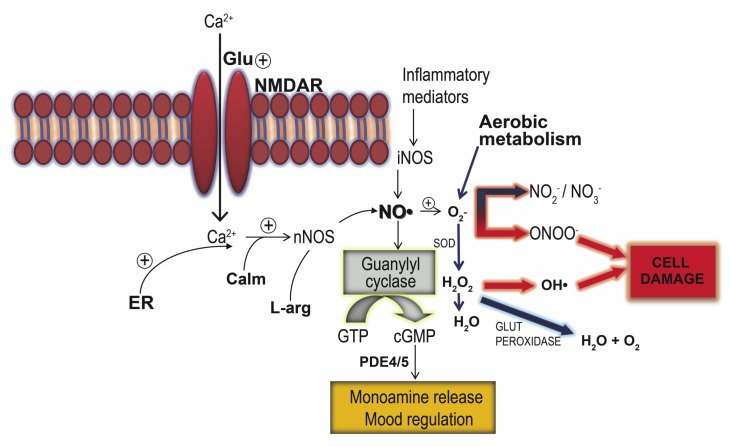
“We have earlier proposed that the NO pathway may play an important role in relapse and treatment resistance [201] as well as influencing the effect of noncompliance on treatment outcome [202].”
BackgroundSelf-citationDifferential brain, but not serum VEGF levels in a genetic rat model of depression
Elfving, B., Plougmann, P. H., & Wegener, G. (2010) · Neuroscience Letters · doi:10.1016/j.neulet.2010.02.063 · Cited by 65
Aas, M., Aminoff, S. R., Vik Lagerberg, T., Etain, B., Agartz, I., Andreassen, O. A., & Melle, I. (2014) · Psychiatry Research · doi:10.1016/j.psychres.2014.03.046 · Cited by 64 · cited 1×
“In fact, MD [123, 124] and BPD [125, 126] are also correlated to early life trauma.”
BackgroundMahadik, S. P., & Evans, D. R. (2003) · Psychiatric Clinics of North America · doi:10.1016/s0193-953x(02)00033-3 · Cited by 63 · cited 1×
“Furthermore, clinical studies have described the clinical utility of NAC as an adjunctive treatment in schizophrenia [387, 395], as well as the combination of ω-3 fatty acids with vitamins E and C [396].”
BackgroundAntidepressant-like effects of N-acetyl-L-cysteine in rats
Ferreira, F. R., Biojone, C., Joca, S. R. L., & Guimarães, F. S. (2008) · Behavioural Pharmacology · doi:10.1097/fbp.0b013e3283123c98 · Cited by 63 · cited 2×
“Importantly, studies in translational animal models have provided evidence that the associated oxidative stress occurring with MD-related behaviors can be reversed by antidepressant treatment [400] and that the antioxidant and glutathione precursor, NAC, is antidepressant in rats [399].”
BackgroundHarvey, M., Gagné, B., Labbé, M., & Barden, N. (2006) · Psychiatric Genetics · doi:10.1097/ypg.0b013e3280111877 · Cited by 61 · cited 1×
“Various studies have explored a possible link between variations in tryptophan hydroxylase II (TPH2) [492, 493] and the development of BPD, although its link with schizophrenia has been dismissed [494].”
BackgroundReynolds, L. M., Cochran, S. M., Morris, B., Pratt, J. A., & Reynolds, G. P. (2004) · Schizophrenia Research · doi:10.1016/j.schres.2004.02.003 · Cited by 61 · cited 1×
“decreases NAA and NAAG levels in the temporal cortex, while it raises hippocampal NAAG levels [70].”
BackgroundLiu, L., Jia, F., Yuan, G., Chen, Z., Yao, J., Li, H., & Fang, C. (2010) · Psychiatry Research · doi:10.1016/j.psychres.2008.10.024 · Cited by 60
Nitric Oxide and Schizophrenia: Present Knowledge and Emerging Concepts of Therapy
Bernstein, H., Keilhoff, G., Steiner, J., Dobrowolny, H., & Bogerts, B. (2011) · CNS & Neurological Disorders - Drug Targets · doi:10.2174/187152711798072392 · Cited by 60 · cited 3×
“Previous studies also emphasize the impact of NO metabolism via glutamate and GABA on NMDA receptor mediated neurotransmission in schizophrenia [222, 223].”
BackgroundMedina, S., Martínez, M., & Hernanz, A. (2002) · Free Radical Research · doi:10.1080/107157602100006445 · Cited by 60 · cited 1×
“The proinflammatory cytokines, such as interleukin (IL)-1, tumor necrosis factor (TNF)-α, and IL-6, can inhibit neurogenesis in vivo [422, 423], induce apoptosis [424, 425] and negatively affect synaptogenesis, synaptic plasticity and connectivity, and also the structure of synaptic membranes [426, 427].”
BackgroundSmith, M. J., Barch, D. M., & Csernansky, J. G. (2009) · Schizophrenia Research · doi:10.1016/j.schres.2008.07.014 · Cited by 60 · cited 1×
“schizophrenia) are often misdiagnosed, leading to inadequate treatment and devastating consequences [1, 2].”
BackgroundTryptophan and tyrosine catabolic pattern in neuropsychiatric disorders.
Ravikumar, A., Deepadevi, K. V., Arun, P., Manojkumar, V., & Kurup, P. A. (2000) · PubMed · Cited by 59
New insights on the antidepressant discontinuation syndrome
Harvey, B. H., & Slabbert, F. N. (2014) · Human Psychopharmacology: Clinical and Experimental · doi:10.1002/hup.2429 · Cited by 58 · cited 6×
“Furthermore, the recent introduction of the 5-HT2c antagonist/M1/2 agonist, agomelatine, as the first antidepressant acting to re-establish altered circadian rhythms provides robust validation of the importance of these processes in the development and treatment of depression [78].”
BackgroundInfluentialSelf-citationAbnormal Temporal Lobe White Matter as a Biomarker for Genetic Risk of Bipolar Disorder
Mahon, K., Burdick, K. E., Ikuta, T., Braga, R. J., Gruner, P., Malhotra, A. K., & Szeszko, P. R. (2012) · Biological Psychiatry · doi:10.1016/j.biopsych.2012.07.033 · Cited by 58 · cited 1×
“[490] suggested that abnormalities in lower white matter in the temporal lobe might be a marker for genetic risk of BPD.”
BackgroundWysokiński, A., & Kłoszewska, I. (2014) · Neurochemical Research · doi:10.1007/s11064-014-1305-3 · Cited by 58
Erten, E., Funda Uney, A., Saatçioğlu, Ö., Özdemir, A., Fıstıkçı, N., & Çakmak, D. (2014) · Journal of Affective Disorders · doi:10.1016/j.jad.2014.03.046 · Cited by 58 · cited 1×
“In fact, MD [123, 124] and BPD [125, 126] are also correlated to early life trauma.”
BackgroundWu, Z., Zhang, X., Wang, H., Tang, W., Xia, Y., Zhang, F., Liu, J., Fu, Y., Hu, J., Chen, Y., et al. (2011) · Progress in Neuro-Psychopharmacology and Biological Psychiatry · doi:10.1016/j.pnpbp.2011.08.018 · Cited by 58 · cited 2×
“[384; 260]* [408]# ↑SOD, lipid peroxidation [393]* [373]#”
BackgroundLong-term isolation of Wistar rats alters brain monoamine turnover, blood corticosterone, and ACTH
Miachon, S., Rochet, T., Mathian, B., Barbagli, B., & Claustrat, B. (1993) · Brain Research Bulletin · doi:10.1016/0361-9230(93)90162-5 · Cited by 58 · cited 1×
“Earlier SIR studies found an increase in NA turnover in the hippocampus, cerebellum and cortex of Wistar rats [196].”
BackgroundSilver, H. (2004) · Expert Opinion on Pharmacotherapy · doi:10.1517/14656566.5.10.2053 · Cited by 58 · cited 1×
“Hence, increased pro-inflammatory and decreased anti-inflammatory actions in the CNS can contribute to central 5-HT deficiency, which plays an important role in the pathogenesis of MD and BPD but also the negative symptoms of schizophrenia [386, 468, 469].”
BackgroundLithium treatment prevents stress-induced dendritic remodeling in the rodent amygdala
Johnson, S. A., Wang, J., Sun, X., McEwen, B. S., Chattarji, S., & Young, L. T. (2009) · Neuroscience · doi:10.1016/j.neuroscience.2009.06.005 · Cited by 57 · cited 1×
“Furthermore, lithium prevented stress-induced alterations in the amygdala by preventing increases in dendritic branching of pyramidal neurons in this structure [62].”
BackgroundFusar‐Poli, P., Broome, M. R., Matthíasson, P., Williams, S., Brammer, M. J., & McGuire, P. K. (2007) · European Neuropsychopharmacology · doi:10.1016/j.euroneuro.2007.01.003 · Cited by 56
Smalla, K., Mikhaylova, M., Sahin, J., Hg, B., Bogerts, B., Schmitt, A., van der Schors, R. C., Smit, A. B., Li, K. W., Gundelfinger, E. D., et al. (2008) · Molecular Psychiatry · doi:10.1038/mp.2008.60 · Cited by 56 · cited 1×
“One study, however, describes the prohibitin protein, a potential marker of synaptic pathology, to be upregulated in chronic schizophrenia patients as well as in the ketamine animal model of schizophrenia [525].”
BackgroundAcetylsalicylic acid as an augmentation agent in fluoxetine treatment resistant depressive rats
Wang, Y., Yang, F., Liu, Y.-F., Gao, F., & Jiang, W. (2011) · Neuroscience Letters · doi:10.1016/j.neulet.2011.05.035 · Cited by 56
Merikangas, K. R., & Pato, M. (2009) · Clinical Psychology Science and Practice · doi:10.1111/j.1468-2850.2009.01152.x · Cited by 56 · cited 1×
“2% of the population worldwide [5], and differs from MD with a unique hallmark of mania (elevated mood or euphoria, hyper-activity with a lack of need for sleep, and an increased optimism) which frequently leads to a deficit in the patient’s judgment [6].”
BackgroundKawamoto, E. M., Lima, L. S., Munhoz, C. D., Yshii, L., Kinoshita, P. F., Amara, F. G., Pestana, R. D. R. F., Orellana, A. M., Cipolla‐Neto, J., Britto, L. R., et al. (2011) · Journal of Neuroscience Research · doi:10.1002/jnr.22745 · Cited by 55 · cited 1×
“Using the ouabain model of BPD, investigators have noted an increased activation of signalling pathways linked to inflammation in the brain [459].”
BackgroundMöller, M., du Preez, J. L., Viljoen, F. P., Berk, M., & Harvey, B. H. (2013) · Metabolic Brain Disease · doi:10.1007/s11011-013-9433-z · Cited by 55 · cited 3×
“However, a recent study on the SIR model in our laboratory has demonstrated elevated frontal cortical NA as well as striatal NA and MHPG, with decreased frontal cortical MHPG levels, in SIR rats [179].”
BackgroundSelf-citationMicroRNA as therapeutic targets for treatment of depression
Obrietan, K., & Hansen, K. (2013) · Neuropsychiatric Disease and Treatment · doi:10.2147/ndt.s34811 · Cited by 53 · cited 1×
“By referring to selected animal models of depression, recent reviews have evaluated the molecular biology of miRNAs in relation to the pathophysiology of clinical depression as well as the utility of targeting miRNAs for antidepressant treatment [533, 535].”
MethodValvassori, S. S., Petronilho, F. C., Réus, G. Z., Steckert, A. V., Oliveira, V. B. M., Boeck, C. R., Kapczinski, F. P., Dal‐Pizzol, F., & Quevedo, J. (2008) · Progress in Neuro-Psychopharmacology and Biological Psychiatry · doi:10.1016/j.pnpbp.2008.02.012 · Cited by 52 · cited 1×
“Moreover, NAC reverses and protects against oxidative protein damage induced by damphetamine in a rat model of mania [412].”
BackgroundAccelerated age-related decrease in brain-derived neurotrophic factor levels in bipolar disorder
Yatham, L. N., Kapczinski, F., Andreazza, A. C., Trevor Young, L., Lam, R. W., & Kauer-Sant'Anna, M. (2009) · The International Journal of Neuropsychopharmacology · doi:10.1017/s1461145708009449 · Cited by 52 · cited 1×
“an observed association between peripheral BDNF levels and age and duration of illness [336, 538].”
BackgroundMiller, S., Hallmayer, J. F., Wang, P. W., Hill, S. J., Johnson, S. L., & Ketter, T. A. (2012) · Journal of Psychiatric Research · doi:10.1016/j.jpsychires.2012.10.015 · Cited by 51 · cited 1×
“Stress and environmental adversity is a common thread throughout all three illnesses under review [252, 331, 332].”
BackgroundProgranulin Gene Variability and Plasma Levels in Bipolar Disorder and Schizophrenia
Galimberti, D., Dell'Osso, B., Fenoglio, C., Villa, C., Cortini, F., Serpente, M., Kittel-Schneider, S., Weigl, J., Neuner, M., Volkert, J., et al. (2012) · PLoS ONE · doi:10.1371/journal.pone.0032164 · Cited by 51
Efficacy of Atypical Antipsychotics in Bipolar Disorder
Berk, M., & Dodd, S. (2005) · Drugs · doi:10.2165/00003495-200565020-00006 · Cited by 51 · cited 1×
“amphetamine, have been demonstrated to be superior to other similar models [132].”
ResultGlycogen synthase kinase-3β in the platelets of patients with mood disorders: Effect of treatment
Pandey, G. N., Ren, X., Rizavi, H. S., & Dwivedi, Y. (2009) · Journal of Psychiatric Research · doi:10.1016/j.jpsychires.2009.07.009 · Cited by 50 · cited 1×
“Even though previous studies could not find alterations in brain expression of GSK-3β, decreased protein expression in platelets can be reversed by mood stabilizers – but not antidepressants – thereby emphasizing a valuable role for GSK-3β as a peripheral biomarker and even a state – rather than trait – marker of BPD…”
ResultSerova, L. I., Sabban, E. L., Zangen, A., Overstreet, D. H., & Yadid, G. (1998) · Molecular Brain Research · doi:10.1016/s0169-328x(98)00270-8 · Cited by 49 · cited 1×
“These include tyrosine hydroxylase (TH), DA βhydroxylase, phenylethanolamine N-methyltransferase (PNMT) and GTP cyclohydrolase I – all of which were elevated in FSL rats [502].”
BackgroundToua, C., Brand, L., Möller, M., Emsley, R. A., & Harvey, B. H. (2009) · Neuroscience · doi:10.1016/j.neuroscience.2009.10.039 · Cited by 49 · cited 2×
“Confirming this, partial deletion of the NMDA receptor in mice is associated with behavioural alterations akin to that observed in PCP treated mice [258], while increased NMDA receptor binding has been described in the frontal cortex of SIR animals [141].”
BackgroundSelf-citationBiomarkers for major depression and its delineation from neurodegenerative disorders
Schneider, B., Prvulovic, D., Oertel‐Knöchel, V., Knöchel, C., Reinke, B., Grexa, M., Weber, B., & Hampel, H. J. (2011) · Progress in Neurobiology · doi:10.1016/j.pneurobio.2011.08.001 · Cited by 49 · cited 1×
“Neuroimaging methods, such as structural magnetic resonance imaging (MRI), functional magnetic resonance imaging (fMRI), diffusion tensor imaging (DTI) and positron emission tomography (PET), provide important evidence for underlying biological factors of MD, BPD and psychotic disorders [22].”
MethodHarvey, B. H., Retief, R., Korff, A., & Wegener, G. (2006) · Metabolic Brain Disease · doi:10.1007/s11011-006-9018-1 · Cited by 49 · cited 1×
“Considering these findings, it is not surprising that NMDA antagonists such as dizocilpine (MK-801) [239], ketamine [240], memantine [241] and others [242] exert antidepressant effects, while disinhibition of glutamate-NO signalling follows antidepressant discontinuation after chronic treatment [243, 244].”
BackgroundSelf-citationLiebenberg, N., Harvey, B. H., Brand, L., Wegener, G., & Brink, C. B. (2012) · Metabolic Brain Disease · doi:10.1007/s11011-012-9284-z · Cited by 48 · cited 1×
“sildenafil) [233] have antidepressant and anxiolytic effects in animal models [234, 235] (Fig.”
BackgroundSelf-citationvan Enkhuizen, J., Geyer, M. A., Halberstadt, A. L., Zhuang, X., & Young, J. W. (2014) · Journal of Affective Disorders · doi:10.1016/j.jad.2013.08.041 · Cited by 48 · cited 1×
“Alpha-methyl-para-tyrosine (AMPT) mediated catecholamine depletion mitigates some mania-related characteristics in DAT knockdown (KD) mice [133], while treatment with valproate reverses locomotor hyperactivity in these animals [134].”
BackgroundGarcía‐Bueno, B., Madrigal, J. L. M., Lizasoaín, I., Moro, M. Á., Lorenzo, P. L., & Leza, J. C. (2005) · Psychopharmacology · doi:10.1007/s00213-005-2195-5 · Cited by 48 · cited 1×
“The recently discovered prostaglandin and endogenous PPARγ ligand, 15d-PGJ2, presents with anti-inflammatory properties [404], increases the neuronal metabolism of glucose, prevents stress-induced suppression of glutamate uptake [405] and has been suggested to be a possible marker for psychiatric diseases [406].”
BackgroundEvidence that lithium induces a glutamatergic: Nitric oxide-mediated response in rat brain
Harvey, B. H., Carstens, M. E., & Taljaard, J. J. F. (1994) · Neurochemical Research · doi:10.1007/bf00967326 · Cited by 47
Self-citationBanati, R., & Hickie, I. B. (2009) · Medical Journal of Australia · doi:10.5694/j.1326-5377.2009.tb02371.x · Cited by 46 · cited 1×
“In schizophrenia and other psychotic disorders, regions such as the ACC and dorsolateral prefrontal cortex (DLPC) have been emphasised [45].”
BackgroundAltered immune function in unaffected first-degree biological relatives of schizophrenia patients
Martínez‐Gras, I., García-Sánchez, F., Guaza, C., Rodríguez–Jiménez, R., Andres, E. M., Palomo, T., Rubio, G., & Borrell, J. I. (2012) · Psychiatry Research · doi:10.1016/j.psychres.2012.05.036 · Cited by 46 · cited 1×
“anti-inflammatory cytokines [450], as well as a significant elevation in pro-inflammatory cytokines in first episode psychosis patients, with a positive correlation between IL-6 and duration of illness [418].”
BackgroundMitochondrial diseases mimicking neurotransmitter defects
García‐Cazorla, À., Duarte, S. T., Serrano, M., Nascimento, A., Ormazábal, A., Carrilho, I., Briones, P., Montoya, J., Garesse, R., Sala, P., et al. (2008) · Mitochondrion · doi:10.1016/j.mito.2008.05.001 · Cited by 46 · cited 1×
“Moreover, oxidative stress in its own right may mediate altered monoaminergic activity [372] that underlies the pathology of many neuropsychiatric illnesses associated with oxidative stress [373].”
BackgroundWeber, H., Klamer, D., Freudenberg, F., Kittel‐Schneider, S., Rivero, O., Scholz, C. J., Volkert, J., Kopf, J., Heupel, J., Herterich, S., et al. (2013) · European Neuropsychopharmacology · doi:10.1016/j.euroneuro.2013.09.005 · Cited by 46 · cited 2×
“[499] indicated that a genetic variance in nitric oxide synthase NOS1 results in a reduction in the expression of the gene in the prefrontal brain region which adds to schizophrenia burden, and that NOS1 interacts with NOS1 adapter protein (NOS1AP) in doing so.”
BackgroundKyosseva, S. V. (2004) · Progress in Neuro-Psychopharmacology and Biological Psychiatry · doi:10.1016/j.pnpbp.2004.05.017 · Cited by 45 · cited 1×
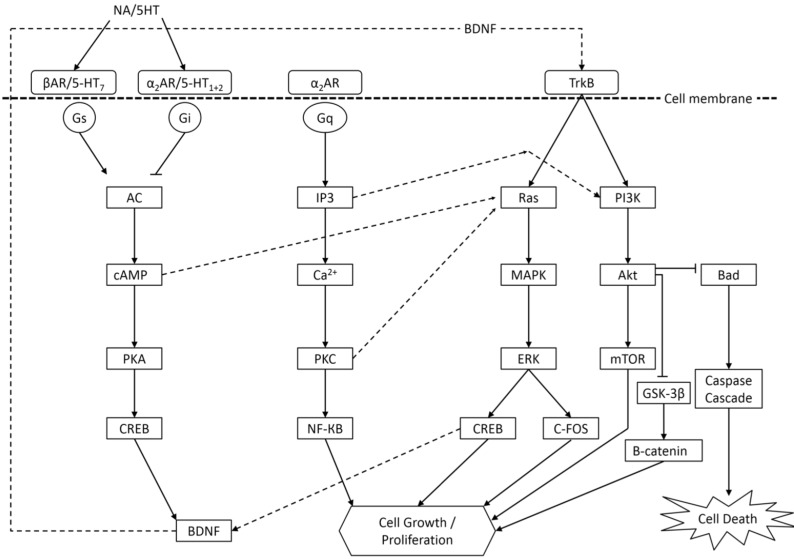
“In line with these observations are studies indicating alterations in several proteins in the MAPK-associated pathway: extracellular signal-regulated kinase (ERK)-2, immediate early genes c-fos and c-Jun levels were elevated in the thalamus on both protein and transcription level, whereas cJun protein and Elk-1, CREB,…”
ResultChronic Administration of Lamotrigine Downregulates COX-2 mRNA and Protein in Rat Frontal Cortex
Lee, H., Ertley, R. N., Rapoport, S. I., Bazinet, R. P., & Rao, J. S. (2007) · Neurochemical Research · doi:10.1007/s11064-007-9526-3 · Cited by 44 · cited 1×
“lithium, valproate (VPA), carbamazepine, lamotrigine, suppress (brain) proinflammatory mediators such as cyclooxygenase-2 (COX-2) and prostaglandins [409-411], indicating possible antiinflammatory properties.”
BackgroundKuhlman, K. R., Maercker, A., Bachem, R., Simmen‐Janevska, K., & Burri, A. V. (2013) · Child Abuse & Neglect · doi:10.1016/j.chiabu.2013.04.013 · Cited by 44 · cited 1×
“In fact, MD [123, 124] and BPD [125, 126] are also correlated to early life trauma.”
BackgroundIshii, D., Matsuzawa, D., Kanahara, N., Matsuda, S., Sutoh, C., Ohtsuka, H., Nakazawa, K., Kohno, M., Hashimoto, K., Iyo, M., et al. (2010) · Neuroscience Letters · doi:10.1016/j.neulet.2010.01.010 · Cited by 43 · cited 2×
“Considering mood and psychotic disorders, these models include for example social isolation rearing (SIR) and the glutamate N-methyl D-aspartate (NMDA) antagonist models of schizophrenia [18, 19], and the Flinders Sensitive Line (FSL) or chronic mild stress (CMS) rat models of MD [20, 21].”
BackgroundDella, F. P., Abelaira, H. M., Réus, G. Z., Ribeiro, K. F., Antunes, A. R., Scaini, G., Jeremias, I. C., Mello-Santos, L. M., Jeremias, G. C., STRECK, E. L., et al. (2012) · Behavioural Brain Research · doi:10.1016/j.bbr.2012.05.039 · Cited by 43 · cited 2×
“With regard to significant animal studies, SOD and catalase activities have been found to be decreased in rats exposed to a chronic stress model of MD, and could be reversed by tianeptine [398].”
BackgroundAllegri, G., Costa, C., Bertazzo, A., Biasiolo, M., & Ragazzi, E. (2003) · Il Farmaco · doi:10.1016/s0014-827x(03)00140-x · Cited by 43
Harvey, B. H., Jonker, L. P., Brand, L., Heenop, M., & Stein, D. J. (2002) · Life Sciences · doi:10.1016/s0024-3205(02)01561-8 · Cited by 43 · cited 1×
“Considering these findings, it is not surprising that NMDA antagonists such as dizocilpine (MK-801) [239], ketamine [240], memantine [241] and others [242] exert antidepressant effects, while disinhibition of glutamate-NO signalling follows antidepressant discontinuation after chronic treatment [243, 244].”
BackgroundSelf-citationIs there a role for the nuclear receptor PPARγ in neuropsychiatric diseases?
García-Bueno, B., Pérez-Nievas, B. G., & Leza, J. C. (2010) · The International Journal of Neuropsychopharmacology · doi:10.1017/s1461145710000970 · Cited by 41 · cited 1×
“This supports the hypothesis for a shared etiopathology with an inflammatory underbuild in patients with co-morbid MD and metabolic syndrome and/or type II diabetes mellitus, which highlights the proposed utility of the PPARγ-pathway in the treatment of MD [544].”
BackgroundJaffe, E. H., Frías, V. D., & Ibarra, C. (1993) · Neuroscience Letters · doi:10.1016/0304-3940(93)90584-8 · Cited by 41 · cited 1×
“Studies on the SIR model has observed decreased cortical (or striatal) 5-HT/5-HIAA [138, 178], decreased frontal cortical and elevated nucleus accumbens and striatal 5-HT and 5-HIAA levels [140, 179].”
BackgroundBezchlibnyk, Y. B., Li, X., Wang, J., & Young, L. T. (2007) · Brain Research · doi:10.1016/j.brainres.2007.01.147 · Cited by 41 · cited 1×
“In BPD patients, a previous study observed altered IGF signalling in post-mortem brain tissue [315].”
BackgroundAltered systemic cortisol metabolism in bipolar disorder and schizophrenia spectrum disorders
Steen, N. E., Methlie, P., Lorentzen, S., Dieset, I., Aas, M., Nerhus, M., Haram, M., Agartz, I., Melle, I., Berg, J. P., et al. (2014) · Journal of Psychiatric Research · doi:10.1016/j.jpsychires.2014.01.017 · Cited by 41 · cited 1×
“A dysfunctional hypothalamic-pituitary-adrenal (HPA) axis has been implicated in MD, BPD and also schizophrenia [84-86], affecting adrenocorticotrophic hormone (ACTH) release and cortisol secretion from the adrenal cortex [87].”
Backgroundα2-Adrenoceptor Functionality in Postmortem Frontal Cortex of Depressed Suicide Victims
Valdizán, E. M., Díez-Alarcia, R., González-Maeso, J., Pilar-Cuéllar, F., García-Sevilla, J. A., Meana, J. J., & Pazos, A. (2010) · Biological Psychiatry · doi:10.1016/j.biopsych.2010.07.023 · Cited by 41
Möller, M., du Preez, J. L., Emsley, R. A., & Harvey, B. H. (2012) · Neuropharmacology · doi:10.1016/j.neuropharm.2012.02.021 · Cited by 41 · cited 1×
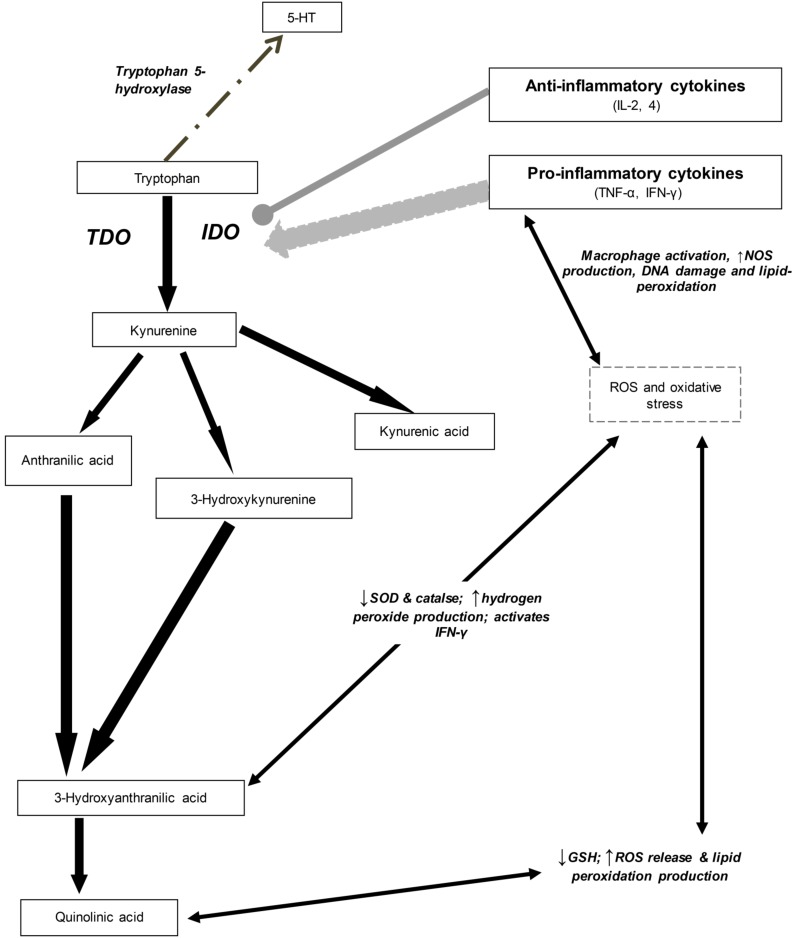
“Recent pre-clinical studies in the SIR model of schizophrenia have described elevated plasma TRP, kynurenine, anthranilic acid, 3-OHAA and QA with reduced KYNA and neuroprotective ratio, with all alterations reversed with the antipsychotic, clozapine [137, 483].”
BackgroundSelf-citationReduced prefrontal cortex DARPP-32 mRNA in completed suicide victims with schizophrenia
Feldcamp, L. A., de Souza, R. P., Romano‐Silva, M. A., Kennedy, J. L., & Wong, A. H. C. (2008) · Schizophrenia Research · doi:10.1016/j.schres.2008.05.014 · Cited by 40 · cited 1×
“With regards to the cAMP pathways, decreased DA- and cAMPregulated phosphoprotein Mr 32 kDa (DARPP-32) was observed in the frontal cortex and thalamus of schizophrenia patients [358, 359].”
BackgroundPillai, A., & Mahadik, S. P. (2006) · Schizophrenia Research · doi:10.1016/j.schres.2006.06.017 · Cited by 39 · cited 1×
“Interestingly, in the case of haloperidol treatment this increase was lost 45 days later, while olanzapine treatment bolstered the initial increase in VEGF [330], reaffirming that first and second generation antipsychotics are not therapeutically equivalent.”
Backgroundda-Rosa, D. D., Valvassori, S. S., Steckert, A. V., Ornell, F. R., Ferreira, C. L., Lopes-Borges, J., Varela, R. B., Dal‐Pizzol, F., Andersen, M. L., & Quevedo, J. (2012) · Psychiatry Research · doi:10.1016/j.psychres.2012.01.019 · Cited by 39 · cited 2×
“Similar studies in humans and animals have described reversal of redox changes by lithium and/or antipsychotics in BPD [119, 135] and schizophrenia [137, 373, 387, 395], respectively.”
BackgroundGerlai, R. T., & Roder, J. (1995) · PubMed · Cited by 38
The effect of NMDA antagonists on footshock-induced fighting behavior in chronically stressed rats.
Ossowska, G., Klenk-Majewska, B., & Szymczyk, G. (1997) · PubMed · Cited by 38
Schizophrenia genomics and proteomics: are we any closer to biomarker discovery?
Lakhan, S. E., & Kramer, A. (2009) · Behavioral and Brain Functions · doi:10.1186/1744-9081-5-2 · Cited by 37
Is major depressive disorder a metabolic encephalopathy?
Harvey, B. H. (2008) · Human Psychopharmacology: Clinical and Experimental · doi:10.1002/hup.946 · Cited by 36 · cited 3×
“In recent years MD has been associated with several changes in redox status, presenting as either an increase in oxidative stress and/or diminished oxidative defence systems [279].”
BackgroundSelf-citationIncreased cerebrospinal fluid levels of S100B protein in rat model of mania induced by ouabain
Machado‐Vieira, R., Schmidt, A. P., Ávila, T. T., Kapczinski, F. P., Soares, J. C., Souza, D. O., & Portela, L. V. (2004) · Life Sciences · doi:10.1016/j.lfs.2004.07.021 · Cited by 36 · cited 1×
“However, black Swiss mice (a genetic model of mania) present with increased mRNA expression of β-catenin in the hippocampus, as opposed to other brain regions [363], while increased CSF levels of S100B (a neuronal trophic factor released by astrocytes) has been observed in the ouabaininduced model of mania [504].”
BackgroundSteen, N. E., Lorentzen, S., Barrett, E. A., Lagerberg, T. V., Hope, S., Larsson, S., Berg, A. O., Agartz, I., Melle, I. S., Berg, J. P., et al. (2011) · Progress in Neuro-Psychopharmacology and Biological Psychiatry · doi:10.1016/j.pnpbp.2011.03.008 · Cited by 36 · cited 1×
“[90] found no significant difference in cortisol release during a mental challenge in schizophrenia and BPD patients, although blunted cortisol release was observed in male patients compared to controls in both disorders [90].”
ResultLithium Salts in AIDS and AIDS-Related Dementia
Harvey, B. H., PhD, Meyer, C. L., Manji, H. K., Gallicchio, V. S., PhD, Manji, A. H. K., Frcpc, & FRCPC (2025) · Psychopharmacology Bulletin · doi:10.64719/pb.4228 · Cited by 35
Self-citationThe neurobiological underpinnings of risk and conversion in relatives of patients with schizophrenia
Whalley, H. C., Harris, J. C., & Lawrie, S. M. (2007) · International Review of Psychiatry · doi:10.1080/09540260701496869 · Cited by 34 · cited 1×
“However, some of the evidence points to dorsolateral hyper-frontality, and especially for tasks which demand working memory, as well as increased activity in parietal regions [53].”
BackgroundFreedman, R., Ross, R., Leonard, S., Myles-Worsley, M., Adams, C. E., Waldo, M., Tregellas, J., Martin, L., Olincy, A., Tanabe, J., et al. (2005) · Dialogues in Clinical Neuroscience · doi:10.31887/dcns.2005.7.1/frreedman · Cited by 34 · cited 2×
“Although the heritability for schizophrenia is estimated to be as high as 70%, the illness clearly does not have a pattern of inheritance in any population or even in single families that is consistent with the effect of a single gene [14].”
BackgroundYamamoto, J. (1997) · Psychopharmacology · doi:10.1007/s002130050306 · Cited by 33 · cited 1×
“Although physiology markers have not been as extensively studied as biological markers, there is a literature describing their use in animals, such as employing EEG and related markers in translational animal models of MD [552] and schizophrenia [553].”
BackgroundReduced n-acetylaspartate in the temporal cortex of rats reared in isolation
Harte, M., Powell, S. B., Reynolds, L. M., Swerdlow, N. R., Geyer, M. A., & Reynolds, G. P. (2004) · Biological Psychiatry · doi:10.1016/j.biopsych.2004.06.009 · Cited by 33 · cited 1×
“Similarly, SIR reduces NAA in the temporal cortex without changes observed in the hippocampus, striatum or frontal cortex [71].”
BackgroundReindl, W., Weiß, S., Lehr, H., & Förster, I. (2007) · Immunology · doi:10.1111/j.1365-2567.2006.02473.x · Cited by 33 · cited 1×
“However, a number of studies have described inconsistent effects on plasma/serum cytokines, namely IL-4 [452], [453], IL-6 (reviewed in [454]), IFN-γ [452, 455]; reviewed in [456], and TNF-α (reviewed in [456]).”
BackgroundFurther evidence for plasma progranulin as a biomarker in bipolar disorder
Kittel-Schneider, S., Weigl, J., Volkert, J., Geßner, A., Schmidt, B., Hempel, S., Kiel, T., Olmes, D. G., Bartl, J., Weber, H., et al. (2014) · Journal of Affective Disorders · doi:10.1016/j.jad.2014.01.006 · Cited by 32 · cited 2×
“Furthermore, plasma levels of PGRN are decreased in BPD patients [351, 352] and GSK-3β has been implicated in mediating PGRN activity [351].”
BackgroundThe realm of microRNAs in cancers
Varol, N., Konaç, E., Gürocak, S., & Sözen, S. (2010) · Molecular Biology Reports · doi:10.1007/s11033-010-0205-0 · Cited by 32 · cited 2×
“However, as with most peripheral biomarkers, the correlation between central and peripheral expression of miRNAs remains a topic of debate [533, 534].”
BackgroundAparicio-Legarza, M. I., Cutts, A. J., Davis, B., & Reynolds, G. P. (1997) · Neuroscience Letters · doi:10.1016/s0304-3940(97)00563-6 · Cited by 32 · cited 1×
“In post-mortem schizophrenia studies, deficits of glutamate systems have been described in the temporal cortex, medial temporal lobe and striatal regions [219, 220], together with losses of glutamate uptake sites [221] and increases in NMDA receptors in the same brain regions [207].”
BackgroundKikuchi, K., Iga, J., Shibuya‐Tayoshi, S., Nakataki, M., Watanabe, S., Numata, S., & Ohmori, T. (2011) · Human Psychopharmacology Clinical and Experimental · doi:10.1002/hup.1215 · Cited by 31 · cited 2×
“↑VEGF [327; 328]* ↓BDNF [295; 298]* [311; 312]#”
BackgroundBarbon, A., Fumagalli, F., Via, L. L., Caracciolo, L., Racagni, G., Riva, M. A., & Barlati, S. (2007) · Experimental Neurology · doi:10.1016/j.expneurol.2007.07.009 · Cited by 31 · cited 1×
“Decreased glutamate release has been observed in the frontal cortices of Homer1 mutant mice, a putative animal model of schizophrenia [256], while chronic phencyclidine (PCP) administration in rats is associated with a decreased expression of glutamate receptors in the prefrontal cortex [257] and a reduced number of c…”
BackgroundDifferential display implicates cyclophilin A in adult cortical plasticity
Arckens, L., der Gucht, E. V., den Bergh, G. V., Massie, A., Leysen, I., Vandenbussche, E., Eysel, U. T., Huybrechts, R., & Vandesande, F. (2003) · European Journal of Neuroscience · doi:10.1046/j.1460-9568.2003.02726.x · Cited by 30 · cited 2×
“Cyclophilin A is a protein biomarker that plays an important role in cerebral cortical plasticity [518].”
BackgroundInvestigation of the tryptophan hydroxylase 2 gene in bipolar I disorder in the Romanian population
Grigoroiu‐Serbânescu, M., Diaconu, C. C., Herms, S., Bleoţu, C., Vollmer, J., Mühleisen, T. W., Prelipceanu, D., Priebe, L., Mihăilescu, R., Georgescu, M., et al. (2008) · Psychiatric Genetics · doi:10.1097/ypg.0b013e3283053045 · Cited by 30 · cited 1×
“Various studies have explored a possible link between variations in tryptophan hydroxylase II (TPH2) [492, 493] and the development of BPD, although its link with schizophrenia has been dismissed [494].”
BackgroundIssa, F., Gerhardt, G. A., Bartko, J. J., Suddath, R. L., Lynch, M., Gamache, P. H., Freedman, R., Wyatt, R. J., & Kirch, D. G. (1994) · Psychiatry Research · doi:10.1016/0165-1781(94)90069-8 · Cited by 30 · cited 1×
“Moreover, individuals suffering from schizophrenia present with increased levels of TRP in the CSF and plasma whether they received treatment or not [477, 478].”
BackgroundPsychosis as the first presentation of hyperthyroidism
Snabboon, T., Khemkha, A., Chaiyaumporn, C., Lalitanantpong, D., & Sridama, V. (2009) · Internal and Emergency Medicine · doi:10.1007/s11739-009-0259-y · Cited by 29 · cited 1×
“The relation between thyroid dysfunction and mental disorders has long been recognized, ranging from depression [99], anxiety [100] and schizophrenia [101].”
BackgroundLinkage of schizophrenia with TPH2 and 5-HTR2A gene polymorphisms in the Malay population
Tee, S. F., Chow, T. J., Tang, P. Y., & Loh, H. C. (2010) · Genetics and Molecular Research · doi:10.4238/vol9-3gmr789 · Cited by 29 · cited 1×
“Various studies have explored a possible link between variations in tryptophan hydroxylase II (TPH2) [492, 493] and the development of BPD, although its link with schizophrenia has been dismissed [494].”
BackgroundModeling mania: Further validation for Black Swiss mice as model animals
Hannah-Poquette, C., Anderson, G. W., Flaisher-Grinberg, S., Wang, J., Meinerding, T. M., & Einat, H. (2011) · Behavioural Brain Research · doi:10.1016/j.bbr.2011.04.047 · Cited by 28
Auditory selective attention in adolescents with major depression: An event-related potential study
Greimel, E., Trinkl, M., Bartling, J., Bakos, S., Großheinrich, N., & Schulte‐Körne, G. (2014) · Journal of Affective Disorders · doi:10.1016/j.jad.2014.10.022 · Cited by 27 · cited 1×
“Another potential physiological marker is event-related-potentials (ERPs) (voltage fluctuations in an EEG depicting neural activity), which are specific for cognitive dysfunction in schizophrenia [550] and also studied in MD [551].”
BackgroundMelas, P. A., Mannervik, M., Mathé, A. A., & Lavebratt, C. (2012) · Peptides · doi:10.1016/j.peptides.2012.02.020 · Cited by 27 · cited 1×
“mRNA expression of neuropeptide Y have been demonstrated to be decreased in various brain regions of FSL rats [500, 501] while basal mRNA levels of several genes involved in the synthesis of neurotransmitters are similarly altered.”
BackgroundThe role of mood stabilisers in the treatment of the depressive facet of bipolar disorders
Bourin, M., & Prica, C. (2007) · Neuroscience & Biobehavioral Reviews · doi:10.1016/j.neubiorev.2007.03.001 · Cited by 25 · cited 1×
“biomarker, although a preclinical study has suggested a noradrenergic role for lamotrigine, producing an antiimmobility effect in the mouse forced swimming test (FST) while investigating the depressive facet of the disorder [195].”
BackgroundThe search for peripheral disease markers in psychiatry by genomic and proteomic approaches
Domenici, E., & Muglia, P. (2007) · Expert Opinion on Medical Diagnostics · doi:10.1517/17530059.1.2.235 · Cited by 25 · cited 1×
“There are many potential biomarkers for mood and psychotic disorders and previous studies have tested specific biomarkers based on the hypotheses of monoamine dysfunction, altered immune-inflammatory processes, neuroendocrine dysfunction and disturbances in neuroplasticity [17].”
BackgroundHu, L., Kawamoto, E. M., Brietzke, E. M., Scavone, C., & Lafer, B. (2010) · Progress in Neuro-Psychopharmacology and Biological Psychiatry · doi:10.1016/j.pnpbp.2010.08.031 · Cited by 25 · cited 3×
“Importantly, these proteins interact with GSK3-B, BDNF, oxidative stress mediators and cytokines relevant to BPD [349].”
BackgroundHarvey, B. H., Hamer, M., Louw, R., van der Westhuizen, F. H., & Malan, L. (2012) · Neuropsychobiology · doi:10.1159/000343501 · Cited by 23
Self-citationMooney, J. J., SAMSON, J. A., Hennen, J. A., Pappalardo, K. M., McHale, N. L., Alpert, J. E., Koutsos, M., & Schildkraut, J. J. (2007) · Journal of Psychiatric Research · doi:10.1016/j.jpsychires.2007.07.009 · Cited by 21 · cited 1×
“Moreover, studies have demonstrated that low urinary excretion of the NA metabolite, 3-methoxy-4hydroxyphenylglycol (MHPG), predict a positive response to NA-selective drugs such as imipramine, nortriptyline, desipramine, or maprotiline [188, 189].”
BackgroundTodorova, V. K., Elbein, A. D., & Kyosseva, S. V. (2003) · Neuropsychopharmacology · doi:10.1038/sj.npp.1300211 · Cited by 21 · cited 1×
“In line with these observations are studies indicating alterations in several proteins in the MAPK-associated pathway: extracellular signal-regulated kinase (ERK)-2, immediate early genes c-fos and c-Jun levels were elevated in the thalamus on both protein and transcription level, whereas cJun protein and Elk-1, CREB,…”
ResultUpregulated expression of neuronal nitric oxide synthase by insulin in both neurons and astrocytes
Yuan, Z. R., Liu, B., Zhang, Y., Yuan, L., Muteliefu, G., & Lu, J. (2004) · Brain Research · doi:10.1016/j.brainres.2004.01.076 · Cited by 18 · cited 1×
“In fact, insulin upregulates expression of nNOS [382] while a role for increased NO and insulin/peroxisome proliferator-activated receptor (PPAR) signalling has been noted following stress, thus presenting as a susceptibility factor in the subsequent development of MD [383].”
BackgroundThe missing link between clinical endpoints and drug targets in depression
Pasqua, O. E. D., Santen, G. W. E., & Danhof, M. (2010) · Trends in Pharmacological Sciences · doi:10.1016/j.tips.2009.12.004 · Cited by 18
Neurochemical differences in two rat strains exposed to social isolation rearing
Trabace, L., Zotti, M., Colaianna, M., Morgese, M. G., Schiavone, S., Tucci, P., Harvey, B. H., Wegener, G., & Cuomo, V. (2012) · Acta Neuropsychiatrica · doi:10.1111/j.1601-5215.2011.00627.x · Cited by 18 · cited 2×
“Studies on the SIR model has observed decreased cortical (or striatal) 5-HT/5-HIAA [138, 178], decreased frontal cortical and elevated nucleus accumbens and striatal 5-HT and 5-HIAA levels [140, 179].”
BackgroundSelf-citationMarksteiner, J., Weiss, U. M., Weis, C., Laslop, A., Fischer‐Colbrie, R., Humpel, C., Feldon, J., & Fleischhacker, W. W. (2001) · Neuroscience · doi:10.1016/s0306-4522(01)00081-1 · Cited by 17 · cited 1×
“Using the PCP animal model to access frontal cortical levels of chromogranin A, B and secretoneurin (large protein molecules of the chromogranin family), acute PCP treatment caused a decrease in secretoneurin, while chronic PCP treatment elevated this protein [527].”
MethodTashiro, A., Hongo, M., Ota, R., Utsumi, A., & Imai, T. (1997) · Diabetes Care · doi:10.2337/diacare.20.12.1924 · Cited by 16 · cited 2×
“In MD, abnormalities in insulin secretion has been observed [511] and the disorder is also accompanied by decreased levels of glyoxalase-1 and dihydropyrimidinase-related protein-2 and increased leptin, IL-1 and BDNF protein levels in animal models [458, 524].”
BackgroundResultPopper, C. W. (2013) · Child and Adolescent Psychiatric Clinics of North America · doi:10.1016/j.chc.2013.05.001 · Cited by 15 · cited 1×
“On the other hand, for example, physical exercise has been shown to increase BDNF [289, 290], to be neuroprotective, to improve mood and to have antidepressant effects [291, 292].”
BackgroundMurray, R., Boss-Williams, K. A., & Weiss, J. M. (2013) · Physiology & Behavior · doi:10.1016/j.physbeh.2013.05.042 · Cited by 15 · cited 1×
“Furthermore, hyperactive rats exposed to CMS display significantly reduced HVA (homovanillic acid – DA metabolite) compared to DA in the nucleus accumbens, indicating decreased DA release in this brain region [136].”
BackgroundConsideration of the relationship between depression and dementia
Kasahara, H., Tsumura, M., Ochiai, Y., Furukawa, H., Aoki, K., Ito, T., Kada, H., Hashidume, T., & Nakanishi, T. (2006) · Psychogeriatrics · doi:10.1111/j.1479-8301.2006.00151.x · Cited by 15 · cited 1×
“However, a mutPOLG transgenic (Tg) mouse model of BPD has been demonstrated to have enhanced 5-HT turnover, accompanied by reduced 5-HT levels, in the amygdala and hippocampus when compared to non-Tg animals [177].”
BackgroundSmoking is a predictor of depression onset among National Guard soldiers
Goodwin, R. D., Prescott, M. R., Tamburrino, M., Calabrese, J. R., Liberzon, I., & Galea, S. (2013) · Psychiatry Research · doi:10.1016/j.psychres.2012.11.025 · Cited by 14 · cited 1×
“smoking [282, 283] and type II diabetes mellitus [284], have been linked to BDNF deficits.”
BackgroundPositron emission tomography with fluorodeoxyglucose-F18 in an animal model of mania
Hougland, M. T., Gao, Y., Herman, L., Ng, C. K., Lei, Z. M., & El‐Mallakh, R. S. (2008) · Psychiatry Research Neuroimaging · doi:10.1016/j.pscychresns.2008.01.004 · Cited by 14 · cited 1×
“In the ouabain-induced rat model of bipolar mania, PET imaging suggests reduced cerebral glucose metabolism, and is prevented by pre-treatment with lithium which concurs with similar decreases in cerebral metabolism noted in BPD patients [61].”
ResultEffects of different CMS on behaviors, BDNF/CREB/Bcl-2 expression in rat hippocampus
Xiao, L., Shu, C., Tang, J., Wang, H., Liu, Z., & Wang, G. (2011) · Biomedicine & Aging Pathology · doi:10.1016/j.biomag.2010.10.006 · Cited by 13 · cited 3×
“Considering mood and psychotic disorders, these models include for example social isolation rearing (SIR) and the glutamate N-methyl D-aspartate (NMDA) antagonist models of schizophrenia [18, 19], and the Flinders Sensitive Line (FSL) or chronic mild stress (CMS) rat models of MD [20, 21].”
BackgroundSerial Mitogen-Stimulated Cytokine Production from Continuously Ill Patients with Schizophrenia
Rapaport, M. H., & Bresee, C. J. (2009) · Neuropsychopharmacology · doi:10.1038/npp.2009.145 · Cited by 12 · cited 1×
“DA-ergic, 5-HT-ergic and/or NA-ergic neurotransmission affects behaviour by regulating motivation, reward seeking, aggression, and activity level – all symptoms that play an important role in the pathophysiology of these disorders [107, 108].”
BackgroundDissecting the Syndrome of Schizophrenia: Progress toward Clinically Useful Biomarkers
Dean, B. (2011) · Schizophrenia Research and Treatment · doi:10.1155/2011/614730 · Cited by 12 · cited 2×
“NAC) in the treatment of these illnesses alone and as an adjunctive treatment [12, 118, 540].”
BackgroundNOREPINEPHRINE OUTPUT AND METABOLISM IN DEPRESSED PATIENTS DURING ANTIDEPRESSANT TREATMENTS
Schildkraut, J. J., Schatzberg, A. F., Samson, J. A., ROSENBAUM, A., & Bowden, C. L. (1992) · Clinical Neuropharmacology · doi:10.1097/00002826-199201001-00167 · Cited by 8 · cited 1×
“Moreover, studies have demonstrated that low urinary excretion of the NA metabolite, 3-methoxy-4hydroxyphenylglycol (MHPG), predict a positive response to NA-selective drugs such as imipramine, nortriptyline, desipramine, or maprotiline [188, 189].”
BackgroundIncreased CSF and brain quinolinic acid in schizophrenia and bipolar disorder
Torrey, E. F., Yolken, R. H., Zito, M. F., & Heyes, M. P. (1998) · Schizophrenia Research · doi:10.1016/s0920-9964(97)88530-1 · Cited by 8 · cited 2×
“An interesting observation is that MD and BPD patients present with a decrease in TRP along with an increase in kynurenine and QA levels, while schizophrenia patients (corroborated by animal studies using the SIR model [137]), indicates an increase in TRP, 3OHAA, kynurenine and QA along with a decrease in KYNA [475, 4…”
BackgroundResultTreatment with carbamazepine may enhance α2-noradrenergic autoreceptor sensitivity
Dilsaver, S. C., Peck, J. A., Traumata, D., & Swan, A. C. (1993) · Biological Psychiatry · doi:10.1016/0006-3223(93)90198-m · Cited by 6 · cited 1×
“NA has also been shown to be one of the primary neurotransmitters targeted during carbamazepine therapy in BPD patients [192].”
Biomarkers and the future of treatment for depression.
Toups, M. S. P., & Trivedi, M. H. (2012) · PubMed Central · Cited by 6
Brain-Derived Neurotrophic Factor Polymorphism: More Than a Prognostic Factor During Depression?
Yuluğ, B., Ozan, E., Aydın, N., & Kırpınar, İ. (2009) · Journal of Neuropsychiatry · doi:10.1176/jnp.2009.21.4.471 · Cited by 5
The Role of Orexin System in Antipsychotics Induced Weight Gain
Panariello, F., Javaid, N., Teo, C., et al. (2011) · Current Psychiatry Reviews · doi:10.2174/157340011795945793 · Cited by 4
Is Ro 61-8048 a potential fast-acting antidepressant?
Yang, J., Li, W., Zhou, Z., & Yang, C. (2011) · Journal of the Neurological Sciences · doi:10.1016/j.jns.2011.11.037 · Cited by 1 · cited 1×
“Recently, the potential for using the kynurenine 3-monooxygenase inhibitor, Ro 618048 (to elevate kynurenine levels), as an antidepressant has been suggested ([482], while the TDO inhibitor, allopurinol, has been noted for its antidepressant-like effects in rats [480].”
BackgroundThe current status and prospects for genetic studies of bipolar disorder
DePaulo, J. R., Phillips, A. E., Potash, J. A., et al. (2001) · Clinical Neuroscience Research · doi:10.1016/s1566-2772(00)00019-0 · cited 1×
“Efforts to identify possible genetic markers and isolation of genes implicated in the pathogenesis of BPD have been challenging and at times contradictory [489].”
Background
Research works printed but not linked: 7
- [11]Connor T.J. Leonard B.E. Handbook of Experimental Pharmacology. Antidepressants. Past, Present and Future; 2004 New York Springer
- [236]Wegener G. Harvey B.H. Bonefeld B. Müller H.K. Volke V. Overstreet D.H. Elfving B. Increased stress-evoked nitric oxide signalling in the Flinders sensitive line (FSL) rat: a genetic animal model of depression. Int. J. Neuropsychopharmacol. 2010 13 4 461 473 10.1017/S1461145709990241 19627650 · DOI · Paper page
- [310]Jornada L.K. Moretti M. Valvassori S.S. Ferreira C.L. Padilha P.T. Arent C.O. Fries G. R. Kapczinski F. Quevedo J. 2006 19954800
- [333]Nestler E.J. Barrot M. DiLeone R.J. Eisch A.J. Gold S.J. Monteggia L.M. Neurobiology of depression. Neuron 2002 34 1 13 25 10.1016/S0896-6273(02)00653-0 11931738 · DOI · Paper page
- [374]Dhir A. Kulkarni S.K. Nitric oxide and major depression. Nitric Oxide 2011 24 3 125 131 10.1016/j.niox.2011.02.002 21335097 · DOI · Paper page
- [428]Capuron L. Su S. Miller A.H. Bremner J.D. Goldberg J. Vogt G.J. Maisano C. Jones L. Murrah N.V. Vaccarino V. Depressive symptoms and metabolic syndrome: is inflammation the underlying link? Biol. Psychiatry 2008 64 10 896 900 10.1016/j.biopsych.2008.05.019 18597739 PMC2621309 · DOI · Paper page
- [544]García-Bueno B. Pérez-Nievas B.G. Leza J.C. Is there a role for the nuclear receptor PPARγ in neuropsychiatric diseases? Int. J. Neuropsychopharmacol. 2010 13 10 1411 1429 10.1017/S1461145710000970 20800014 · DOI · Paper page
Cited by
Biomarkers for depression: recent insights, current challenges and future prospects
Strawbridge, R., Young, A. H., & Cleare, A. J. (2017) · Neuropsychiatric Disease and Treatment · doi:10.2147/ndt.s114542 · Cited by 415
Yamanashi, T., Iwata, M., Kamiya, N., Tsunetomi, K., Kajitani, N., Wada, N., Iitsuka, T., Yamauchi, T., Miura, A., Pu, S., et al. (2017) · Scientific Reports · doi:10.1038/s41598-017-08055-1 · Cited by 214
Peripheral Markers of Depression
Nobis, A., Zalewski, D., & Waszkiewicz, N. (2020) · Journal of Clinical Medicine · doi:10.3390/jcm9123793 · Cited by 197
“Decreased dopamine levels in the striatum and cortex have been reported in depression [180].”
BackgroundInfluentialPerlman, K., Benrimoh, D., Israel, S., Rollins, C., Brown, E., Tunteng, J.-F., You, R., You, E., Tanguay-Sela, M., Snook, E., et al. (2019) · Journal of Affective Disorders · doi:10.1016/j.jad.2018.09.067 · Cited by 182
Resveratrol and Depression in Animal Models: A Systematic Review of the Biological Mechanisms
Moore, A. C., Beidler, J., & Hong, M. Y. (2018) · Molecules · doi:10.3390/molecules23092197 · Cited by 152
“In addition, GSK-3β, a kinase involved in Wnt signaling, is used as a marker in neuropsychiatric disorders and is targeted by mood-stabilizing drugs such as lithium for bipolar disorder [65,67].”
Background
Metadata
- Authors
- Brand, S., Moller, M., & Harvey, B.
- Affiliations
- North-West University (ZA)
- Corresponding author
- Harvey, Brian
- Venue
- Current Neuropharmacology
- Publisher
- Bentham Science Publishers Ltd.
- Published
- 2015-07-14
- Volume
- 13
- Issue
- 3
- Pages
- 324-368
- ISSN
- 1570-159X (ISSN-L)
- PMC
- PMC4812797
- OpenAlex
- W2327026140
- Semantic Scholar
- 954e54f896f467777a773b22f795ceb738a4d318
- Cited by
- 95
- References
- 535
- Citations by year
- 2026: 3 · 2025: 8 · 2024: 7 · 2023: 7 · 2022: 10 · 2021: 16 · 2020: 8 · 2019: 7 · 2018: 13 · 2017: 10 · 2016: 6
- FWCI
- 6.97
- Type
- journal article
- Language
- en
- Open access
- green
- www.ncbi.nlm.nih.gov
- Licence
- cc-by-nc
- Locations
- Current Neuropharmacology (publishedVersion)
- Europe PMC (PubMed Central) (publishedVersion, cc-by-nc)
- PubMed Central (publishedVersion, cc-by-nc)
- PubMed (publishedVersion)
- Boloka Institutional Repository (North-west University) (submittedVersion)
- Topics
- Health Sciences › Medicine › Pharmacology (medical) › Treatment of Major Depression
- Health Sciences › Medicine › Psychiatry and Mental health › Bipolar Disorder and Treatment
- Health Sciences › Medicine › Psychiatry and Mental health › Schizophrenia research and treatment
- Keywords
- biomarkers, mood disorders, psychosis, depression, bipolar disorder, pathophysiology, biomarker panel, personalized treatment, diagnosis, etiopathogenesis
- MeSH terms
- Affect, Animals, Bipolar Disorder, Depressive Disorder, Humans, Psychotic Disorders, Antipsychotic Agents, Biomarkers
About these checks
Registry, retraction, Cites and statistics results are computed, not judged, with one exception: a printed reference that no index lists is read once by a model before it counts as a citation error. Claims are extracted by a model and kept only when their quote appears verbatim in the text; each cited source is then checked, with a model’s help, for whether it says what the claim relies on. Those verdicts can be wrong — read the claim’s quote and the cited source before relying on one.
Statistics and arithmetic are recomputed, not judged.
Confidence bands are shown only for fields calibrated on our annotated test set. None is calibrated yet, so no band is shown.
What counts as a claim ›How we measure confidence ›How we check this ›
Are you an author, or do you see a problem with this page? Request a review
Data sources
Bibliographic data: Semantic Scholar, OpenAlex, Crossref.
Contains information from the Semantic Scholar Academic Graph Datasets, made available under the ODC Attribution License (ODC-BY 1.0).
Semantic Scholar’s data is described in: Kinney, R., et al. (2023). The Semantic Scholar Open Data Platform. arXiv:2301.10140.
