

A Review of Biomarkers in Mood and Psychotic Disorders: A Dissection of Clinical vs. Preclinical Correlates
Open accessThe DOI matches its Crossref record; 542 of the 546 references it cites were found in a registry or an index, and 1 are not checked yet.
Abstract
Despite significant research efforts aimed at understanding the neurobiological underpinnings of mood (depression, bipolar disorder) and psychotic disorders, the diagnosis and evaluation of treatment of these disorders are still based solely on relatively subjective assessment of symptoms as well as psychometric evaluations. Therefore, biological markers aimed at improving the current classification of psychotic and mood-related disorders, and that will enable patients to be stratified on a biological basis into more homogeneous clinically distinct subgroups, are urgently needed. The attainment of this goal can be facilitated by identifying biomarkers that accurately reflect pathophysiologic processes in these disorders. This review postulates that the field of psychotic and mood disorder research has advanced sufficiently to develop biochemical hypotheses of the etiopathology of the particular illness and to target the same for more effective disease modifying therapy. This implies that a "one-size fits all" paradigm in the treatment of psychotic and mood disorders is not a viable approach, but that a customized regime based on individual biological abnormalities would pave the way forward to more effective treatment. In reviewing the clinical and preclinical literature, this paper discusses the most highly regarded pathophysiologic processes in mood and psychotic disorders, thereby providing a scaffold for the selection of suitable biomarkers for future studies in this field, to develope biomarker panels, as well as to improve diagnosis and to customize treatment regimens for better therapeutic outcomes.
Overview
The claims and statistics of this paper haven’t been checked yet.
Free: it reads the open-access text and checks the first 5 claims that cite a source we can check. Create a free account to check every claim.
Integrity signals
Registry
Cites
Statistics
Figures
Verification
Claims the paper makes
The claims and statistics of this paper haven’t been checked yet.
Free: it reads the open-access text and checks the first 5 claims that cite a source we can check. Create a free account to check every claim.
Self-check
Percentages, sums and reported differences re-computed from the paper’s own numbers.
The self-check needs the paper’s full text.
Citations
Cites
Items 201–400 of 546
Plasma and platelet excitatory amino acids in psychiatric disorders
(1993) · American Journal of Psychiatry · doi:10.1176/ajp.150.11.1731 · Cited by 243 · cited 1×
“Indeed, studies examining peripheral blood of MD patients have demonstrated the glutamatergic system to be overly activated [203, 204].”
BackgroundSerotonin 5‐HT2C receptors regulate anxiety‐like behavior
Heisler, L. K., Zhou, L., Bajwa, P., Hsu, J., & Tecott, L. H. (2007) · Genes, Brain and Behavior · doi:10.1111/j.1601-183x.2007.00316.x · Cited by 242 · cited 1×
“Excessive activation of the 5-HT2C receptor is anxiogenic [171] while 5-HT2C receptor antagonists are rapid acting with sustained anxiolytic actions [172].”
BackgroundMiller, C. L., Llenos, I. C., Dulay, J. R., & Weis, S. (2006) · Brain Research · doi:10.1016/j.brainres.2005.12.056 · Cited by 242 · cited 2×
“[467; 474]* ↑Tryptophan & ↑Kynurenine & ↑QA & ↑3-”
BackgroundDepression: An Important Comorbidity With Metabolic Syndrome in a General Population
Dunbar, J. A., Reddy, P., Davis-Lameloise, N., Philpot, B., Laatikainen, T., Kilkkinen, A., Bunker, S. J., Best, J. D., Vartiainen, E., Kai Lo, S., et al. (2008) · Diabetes Care · doi:10.2337/dc08-0175 · Cited by 241 · cited 1×
“The increased comorbidity between type 2 diabetes and MD [512] and the strong link between MD and metabolic syndrome [513] further supports this hypothesis.”
BackgroundIs Serum Brain-Derived Neurotrophic Factor a Biomarker for Cognitive Enhancement in Schizophrenia?
Vinogradov, S., Fisher, M., Holland, C., Shelly, W., Wolkowitz, O., & Mellon, S. H. (2009) · Biological Psychiatry · doi:10.1016/j.biopsych.2009.02.017 · Cited by 241 · cited 1×
“Importantly, a recent study indicated that clinically stable schizophrenia patients present with significantly increased serum levels of BDNF after exposure to cognitive training targeted at improving neuroplasticity [296].”
BackgroundFrey, B. N., Valvassori, S. S., Réus, G. Z., Martins, M. R., Petronilho, F. C., Bardini, K., Dal-Pizzol, F., Kapczinski, F., & Quevedo, J. (2006) · Journal of Psychiatry and Neuroscience · doi:10.1139/jpn.0637 · Cited by 238 · cited 4×
“Similar studies in humans and animals have described reversal of redox changes by lithium and/or antipsychotics in BPD [119, 135] and schizophrenia [137, 373, 387, 395], respectively.”
BackgroundInfluentialBlood microRNA changes in depressed patients during antidepressant treatment
Bocchio-Chiavetto, L., Maffioletti, E., Bettinsoli, P., Giovannini, C., Bignotti, S., Tardito, D., Corrada, D., Milanesi, L., & Gennarelli, M. (2013) · European Neuropsychopharmacology · doi:10.1016/j.euroneuro.2012.06.013 · Cited by 238 · cited 3×
“treatment [529]* Under expression of several”
BackgroundInfluentialNitric oxide and major depression
Dhir, A., & Kulkarni, S. K. (2011) · Nitric Oxide · doi:10.1016/j.niox.2011.02.002 · Cited by 235 · cited 1×
“described as being a contributing factor towards the development of MD [374], schizophrenia [223] and possibly BPD [375].”
BackgroundQuantification of frontal and temporal lobe brain-imaging findings in schizophrenia: a meta-analysis
Davidson, L. L., & Heinrichs, R. W. (2003) · Psychiatry Research: Neuroimaging · doi:10.1016/s0925-4927(02)00118-x · Cited by 232 · cited 1×
“Previous fMRI studies have also consistently reported anomalies in the prefrontal cortex in patients suffering either from a first episode or established schizophrenia [51, 52].”
ResultMauri, M. C., Ferrara, A., Boscati, L., Bravin, S., Zamberlan, F., Alecci, M., & Invernizzi, G. (1998) · Neuropsychobiology · doi:10.1159/000026491 · Cited by 231 · cited 2×
“Indeed, studies examining peripheral blood of MD patients have demonstrated the glutamatergic system to be overly activated [203, 204].”
BackgroundFortier, M.-E., Luheshi, G. N., & Boksa, P. (2007) · Behavioural Brain Research · doi:10.1016/j.bbr.2007.04.016 · Cited by 229 · cited 1×
“an inducer of local inflammation suggests that neurodevelopment of the fetus may rather be affected by circulating cytokines and/or fever as opposed to direct effects evoked on the fetus by the agent responsible for maternal infection [542].”
BackgroundMendlewicz, J., Kriwin, P., Oswald, P., Souery, D., Alboni, S., & Brunello, N. (2006) · International Clinical Psychopharmacology · doi:10.1097/00004850-200607000-00005 · Cited by 229 · cited 1×
“In line with these findings, a recent clinical study found that administration of the non-specific COX inhibitor acetylsalicylic acid leads to an improved onset of action during fluoxetine treatment and also increased the response rate to the drug when compared to patients receiving only fluoxetine [446].”
ResultThe Flinders Sensitive Line Rat Model of Depression—25 Years and Still Producing
Overstreet, D. H., & Wegener, G. (2013) · Pharmacological Reviews · doi:10.1124/pr.111.005397 · Cited by 228 · cited 1×
“Considering mood and psychotic disorders, these models include for example social isolation rearing (SIR) and the glutamate N-methyl D-aspartate (NMDA) antagonist models of schizophrenia [18, 19], and the Flinders Sensitive Line (FSL) or chronic mild stress (CMS) rat models of MD [20, 21].”
BackgroundFarrow, T. F. D., Whitford, T. J., Williams, L. M., Gomes, L., & Harris, A. W. F. (2005) · Biological Psychiatry · doi:10.1016/j.biopsych.2005.04.033 · Cited by 223 · cited 1×
“[47] found that lateral and medial frontal regions and bilateral posterior temporal lobe regions feature structural losses in schizophrenia, whereas alterations in patients suffering from BPD were limited to bilateral inferior temporal gyri while deficits observed subsequently were limited to the ACC.”
BackgroundMachado-Vieira, R., Dietrich, M. O., Leke, R., Cereser, V. H., Zanatto, V., Kapczinski, F., Souza, D. O., Portela, L. V., & Gentil, V. (2007) · Biological Psychiatry · doi:10.1016/j.biopsych.2006.03.070 · Cited by 222 · cited 1×
“Decreased peripheral BDNF levels have been observed in BPD patients, possibly associated with the pathophysiology and severity of manic symptoms [293].”
BackgroundGibney, S. M., McGuinness, B., Prendergast, C., Harkin, A., & Connor, T. J. (2013) · Brain, Behavior, and Immunity · doi:10.1016/j.bbi.2012.11.010 · Cited by 221 · cited 1×
“Furthermore, induction of depressive and anxiety-like symptoms via the administration of a viral mimetic led to reductions in BDNF signalling and activation of the kynurenine pathway [481].”
BackgroundDepressive symptoms and metabolic syndrome: is inflammation the underlying link?
Capuron, L., Su, S., Miller, A. H., Bremner, J. D., Goldberg, J., Vogt, G. J., Maisano, C., Jones, L., Murrah, N. V., & Vaccarino, V. (2008) · Biological Psychiatry · doi:10.1016/j.biopsych.2008.05.019 · Cited by 219 · cited 1×
“A strong relationship has been demonstrated between MD and the presence of inflammation and its associated inflammatory mediators [428, 429].”
BackgroundImaging phenotypes of major depressive disorder: genetic correlates
Savitz, J. B., & Drevets, W. C. (2009) · Neuroscience · doi:10.1016/j.neuroscience.2009.03.082 · Cited by 216 · cited 1×
“• accounting for disease state [13, 556] and previous/ current drug therapy [2, 557];”
BackgroundCraddock, N., Owen, M. J., & O'Donovan, M. C. (2006) · Molecular Psychiatry · doi:10.1038/sj.mp.4001808 · Cited by 216 · cited 3×
“As in MD, the Val/Met polymorphism in BPD has not been consistent and has not been linked to any single effect [487].”
BackgroundInfluentialGleason, S. D., & Shannon, H. E. (1997) · Psychopharmacology · doi:10.1007/s002130050165 · Cited by 216 · cited 3×
“Evidence of altered 5HT levels in the NMDA receptor antagonist model is limited with only one study indicating that 5-HT3 receptor antagonists can attenuate the behavioural hyperactivity caused by PCP [181].”
BackgroundPlatelet serotonin-2 receptor binding sites in depression and suicide
Pandey, G. N., Pandey, S. C., Janicak, P. G., Marks, R. C., & Davis, J. M. (1990) · Biological Psychiatry · doi:10.1016/0006-3223(90)90576-n · Cited by 212 · cited 1×
“Post-mortem studies have indicated that suicidal patients with MD present with low cerebrospinal fluid (CSF) levels of 5-hydroxyindole-acetic acid (5-HIAA), the metabolite of 5-HT [151, 152], along with increased 5-HT2A receptor binding sites in platelets [153] and prefrontal cortical sites [154] as well as increased…”
BackgroundBrain-derived neurotrophic factor (BDNF) changes in the serum of depressed women
Aydemir, C., Yalcin, E. S., Aksaray, S., Kisa, C., Yildirim, S. G., Uzbay, T., & Goka, E. (2006) · Progress in Neuro-Psychopharmacology and Biological Psychiatry · doi:10.1016/j.pnpbp.2006.03.025 · Cited by 211 · cited 1×
“Both serum BDNF levels and CREB phosphorylation and protein levels are reduced in depressed individuals [262].”
BackgroundThe role of serotonin in the pathophysiology and treatment of schizophrenia
(1997) · The Journal of Neuropsychiatry and Clinical Neurosciences · doi:10.1176/jnp.9.1.1 · Cited by 211 · cited 1×
“Hence, increased pro-inflammatory and decreased anti-inflammatory actions in the CNS can contribute to central 5-HT deficiency, which plays an important role in the pathogenesis of MD and BPD but also the negative symptoms of schizophrenia [386, 468, 469].”
BackgroundPsychopathologic Precursors and Sociodemographic Risk Factors for the Schizophrenia Syndrome
Tien, A. Y. (1992) · Archives of General Psychiatry · doi:10.1001/archpsyc.1992.01820010037005 · Cited by 209 · cited 1×
“On the other hand, schizophrenia is a debilitating neuropsychiatric disorder, typically emerging during adolescence or early adulthood and continuing to plague patients suffering from the disease to varying degrees throughout their lifetime [7].”
BackgroundInvolvement of NOX2 in the Development of Behavioral and Pathologic Alterations in Isolated Rats
Schiavone, S., Sorce, S., Dubois-Dauphin, M., Jaquet, V., Colaianna, M., Zotti, M., Cuomo, V., Trabace, L., & Krause, K.-H. (2009) · Biological Psychiatry · doi:10.1016/j.biopsych.2009.04.033 · Cited by 208 · cited 1×
“Elevations in nicotinamide adenosine dinucleotide phosphate (NADPH) oxidase 2 (Nox2) are observed in the prefrontal cortex of rats exposed to the SIR model of schizophrenia [414].”
BackgroundKhawaja, X., Xu, J., Liang, J., & Barrett, J. E. (2004) · Journal of Neuroscience Research · doi:10.1002/jnr.10869 · Cited by 205 · cited 1×
“Moreover, after chronically treating rats with antidepressants, elevated IGF-1 expression was observed in the brains of these animals [319].”
BackgroundPapp, M., Klimek, V., & Willner, P. (1994) · Psychopharmacology · doi:10.1007/bf02245566 · Cited by 204 · cited 1×
“CMS decreases in vivo DA release [129] and leads to a decrease in D2 and D3 receptors in the limbic forebrain which is reversed by chronic treatment with imipramine [130].”
BackgroundHughes, J. W., Watkins, L. L., Blumenthal, J. A., Kuhn, C. M., & Sherwood, A. (2004) · Journal of Psychosomatic Research · doi:10.1016/j.jpsychores.2004.02.016 · Cited by 203
Prognostic prediction of therapeutic response in depression using high-field MR imaging
Gong, Q., Wu, Q., Scarpazza, C., Lui, S., Jia, Z., Marquand, A., Huang, X., McGuire, P., & Mechelli, A. (2011) · NeuroImage · doi:10.1016/j.neuroimage.2010.11.079 · Cited by 203 · cited 1×
“Finally, favourable treatment outcomes have repeatedly been demonstrated to be associated with integrity of perigenual anterior cingulate volume [38].”
BackgroundMiller, A. H., Pariante, C. M., & Pearce, B. D. (1999) · Advances in Experimental Medicine and Biology · doi:10.1007/978-0-585-37970-8_7 · Cited by 203 · cited 1×
“Not only do pro-inflammatory cytokines contribute towards altered neurotransmitter metabolism, neuroendocrine function, synaptic plasticity and behaviour characteristic of MD [419, 433-435], but also stimulate hypothalamic-pituitaryadrenal (HPA)-axis hormones as well as CRH in both the hypothalamus and the amygdala.”
BackgroundCratty, M. S., Ward, H. E., Johnson, E. A., Azzaro, A. J., & Birkle, D. L. (1995) · Brain Research · doi:10.1016/0006-8993(95)00087-7 · Cited by 201 · cited 1×
“[96] found rats exposed to prenatal stress to also have adrenal hypertrophy with increased expression of CRF-1 receptors in the amygdala [97].”
BackgroundMorey, R. A., Inan, S., Mitchell, T. V., Perkins, D. O., Lieberman, J. A., & Belger, A. (2005) · Archives of General Psychiatry · doi:10.1001/archpsyc.62.3.254 · Cited by 199 · cited 2×
“↓Frontal cortical and striatal activation [54]*”
BackgroundAntidepressants inhibit interferon-γ-induced microglial production of IL-6 and nitric oxide
Hashioka, S., Klegeris, A., Monji, A., Kato, T., Sawada, M., McGeer, P. L., & Kanba, S. (2007) · Experimental Neurology · doi:10.1016/j.expneurol.2007.03.022 · Cited by 198 · cited 1×
“Importantly, MD induced by IFN-γ also involves the activation of iNOS [437], the latter known to play an important role in stressrelated inflammation [438].”
BackgroundWard, H. (2000) · Physiology & Behavior · doi:10.1016/s0031-9384(00)00270-5 · Cited by 196 · cited 1×
“[96] found rats exposed to prenatal stress to also have adrenal hypertrophy with increased expression of CRF-1 receptors in the amygdala [97].”
BackgroundLysaker, P. H., & Salyers, M. P. (2007) · Acta Psychiatrica Scandinavica · doi:10.1111/j.1600-0447.2007.01067.x · Cited by 195 · cited 1×
“Moreover, increased NA reactivity and/or tone have been linked to anxiety observed in schizophrenia [193].”
BackgroundPredisposition Locus for Major Depression at Chromosome 12q22-12q23.2
Abkevich, V., Camp, N. J., Hensel, C. H., Neff, C. D., Russell, D. L., Hughes, D. C., Plenk, A. M., Lowry, M. R., Richards, R. L., Carter, C., et al. (2003) · The American Journal of Human Genetics · doi:10.1086/379978 · Cited by 194 · cited 1×
“2 may predispose especially men to develop MD and perhaps even BPD [491].”
BackgroundInsulin and Insulin-Like Growth Factor-1 Abnormalities in Antipsychotic-Naive Schizophrenia
Venkatasubramanian, G., Chittiprol, S., Neelakantachar, N., Naveen, M. N., Thirthall, J., Gangadhar, B. N., & Shetty, K. T. (2007) · American Journal of Psychiatry · doi:10.1176/appi.ajp.2007.07020233 · Cited by 191
Molecular genetic studies of schizophrenia
Riley, B., & Kendler, K. S. (2006) · European Journal of Human Genetics · doi:10.1038/sj.ejhg.5201571 · Cited by 190 · cited 1×
“Moreover, according to Riley and Kendler [495], genetics is not a determinant of schizophrenia but rather a means by which the disease is mediated.”
BackgroundAuditory event-related potential abnormalities in bipolar disorder and schizophrenia
O'Donnell, B. F., Vohs, J. L., Hetrick, W. P., Carroll, C. A., & Shekhar, A. (2004) · International Journal of Psychophysiology · doi:10.1016/j.ijpsycho.2004.02.001 · Cited by 190 · cited 3×
“Additionally, EEG studies have demonstrated a reduction in the P300 wave amplitude, elicited in the process of decision making, in BPD and schizophrenia patients compared to control subjects [49].”
BackgroundResultMice selected for high versus low stress reactivity: A new animal model for affective disorders
Touma, C., Bunck, M., Glasl, L., Nussbaumer, M., Palme, R., Stein, H., Wolferstätter, M., Zeh, R., Zimbelmann, M., Holsboer, F., et al. (2008) · Psychoneuroendocrinology · doi:10.1016/j.psyneuen.2008.03.013 · Cited by 190 · cited 1×
“Mice showing high reactivity to stress also present with symptoms resembling that in depressed patients and were demonstrated to have a flattened diurnal rhythm of glucocorticoid secretion [93].”
BackgroundVulnerability to Depression: From Brain Neuroplasticity to Identification of Biomarkers
Blugeot, A., Rivat, C., Bouvier, E., Molet, J., Mouchard, A., Zeau, B., Bernard, C., Benoliel, J.-J., & Becker, C. (2011) · The Journal of Neuroscience · doi:10.1523/jneurosci.1309-11.2011 · Cited by 189 · cited 2×
“Animal studies tend to echo these sentiments, although serum BDNF levels may act as marker of predisposition to develop symptoms in rats used to model these disorders [306, 307].”
BackgroundBrewer, W. J., Wood, S. J., McGorry, P. D., Francey, S. M., Phillips, L. J., Yung, A. R., Anderson, V., Copolov, D. L., Singh, B., Velakoulis, D., et al. (2003) · American Journal of Psychiatry · doi:10.1176/appi.ajp.160.10.1790 · Cited by 189 · cited 1×
“a self-ordered working memory task [55] or anti-saccade eye movements [56], olfactory identification [57], and tasks that rely on rapid processing of information (eg.”
BackgroundZhao, Y., Patzer, A., Herdegen, T., Gohlke, P., & Culman, J. (2006) · The FASEB Journal · doi:10.1096/fj.05-5007com · Cited by 188
Glutamate Neurocircuitry: Theoretical Underpinnings in Schizophrenia
Schwartz, T. L., Sachdeva, S., & Stahl, S. M. (2012) · Frontiers in Pharmacology · doi:10.3389/fphar.2012.00195 · Cited by 187 · cited 1×
“Release of DA from cortical and limbic striatal structures are controlled by glutamate-GABA-glutamate feedback loops situated on pyramidal cells of the frontal cortex, the disturbances of which underlie the behavioral manifestations of schizophrenia [216, 217].”
BackgroundSong, C., Halbreich, U., Han, C., Leonard, B. E., & Luo, H. (2009) · Pharmacopsychiatry · doi:10.1055/s-0029-1202263 · Cited by 187 · cited 1×
“Peripheral levels of IL-1, IL-6 and TNF-α is increased in patients with MD [299, 439], and these effects are normalized following antidepressant treatment [440, 441].”
BackgroundCerebellum and psychiatric disorders
Baldaçara, L., Borgio, J. G. F., Lacerda, A. L. T. D., & Jackowski, A. P. (2008) · Revista Brasileira de Psiquiatria · doi:10.1590/s1516-44462008000300016 · Cited by 183
Pukrop, R., Ruhrmann, S., Schultze-Lutter, F., Bechdolf, A., Brockhaus-Dumke, A., & Klosterkötter, J. (2007) · Schizophrenia Research · doi:10.1016/j.schres.2007.01.020 · Cited by 183 · cited 1×
“a self-ordered working memory task [55] or anti-saccade eye movements [56], olfactory identification [57], and tasks that rely on rapid processing of information (eg.”
BackgroundZangen, A., Overstreet, D. H., & Yadid, G. (1997) · Journal of Neurochemistry · doi:10.1046/j.1471-4159.1997.69062477.x · Cited by 182 · cited 1×
“5HT and 5HIAA levels were noted to be higher in limbic structures in the brains of FSL rats compared to normal Sprague Dawley rats [173], while 5-HT2/3 receptor density is compromised in the nucleus accumbens leading to a lack of DA-5-HT interaction [174].”
BackgroundLuck, S. J., Mathalon, D. H., O'Donnell, B. F., Hämäläinen, M. S., Spencer, K. M., Javitt, D. C., & Uhlhaas, P. J. (2011) · Biological Psychiatry · doi:10.1016/j.biopsych.2010.09.021 · Cited by 182 · cited 1×
“Another potential physiological marker is event-related-potentials (ERPs) (voltage fluctuations in an EEG depicting neural activity), which are specific for cognitive dysfunction in schizophrenia [550] and also studied in MD [551].”
BackgroundMeyer, J. H., Wilson, A. A., Sagrati, S., Miler, L., Rusjan, P., Bloomfield, P. M., Clark, M., Sacher, J., Voineskos, A. N., & Houle, S. (2009) · Archives of General Psychiatry · doi:10.1001/archgenpsychiatry.2009.156 · Cited by 182 · cited 1×
“Interestingly, limbic density and activity of monoamine oxidase (MAO) is elevated in MD [156, 157] which in turn will influence a number of components of monoamine signalling.”
BackgroundThe many faces of nitric oxide in schizophrenia. A review
Bernstein, H.-G., Bogerts, B., & Keilhoff, G. (2005) · Schizophrenia Research · doi:10.1016/j.schres.2005.05.019 · Cited by 181 · cited 3×
“However, altered NO metabolism is not unique to, or indicative of, schizophrenia as disturbances in this signalling cascade has been noted in MD and BPD [222], as noted earlier.”
BackgroundBehavioral and neurochemical phenotyping of Homer1 mutant mice: possible relevance to schizophrenia
Szumlinski, K. K., Lominac, K. D., Kleschen, M. J., Oleson, E. B., Dehoff, M. H., Schwartz, M. K., Seeberg, P. H., Worley, P. F., & Kalivas, P. W. (2005) · Genes, Brain and Behavior · doi:10.1111/j.1601-183x.2005.00120.x · Cited by 181 · cited 1×
“Decreased glutamate release has been observed in the frontal cortices of Homer1 mutant mice, a putative animal model of schizophrenia [256], while chronic phencyclidine (PCP) administration in rats is associated with a decreased expression of glutamate receptors in the prefrontal cortex [257] and a reduced number of c…”
BackgroundFactors associated with resilience in healthy adults
Simeon, D., Yehuda, R., Cunill, R., Knutelska, M., Putnam, F. W., & Smith, L. M. (2007) · Psychoneuroendocrinology · doi:10.1016/j.psyneuen.2007.08.005 · Cited by 177 · cited 1×
“In fact, MD [123, 124] and BPD [125, 126] are also correlated to early life trauma.”
BackgroundInsulin-Like Growth Factor-I and Central Nervous System Development
Anlar, B., Sullivan, K., & Feldman, E. (1999) · Hormone and Metabolic Research · doi:10.1055/s-2007-978708 · Cited by 175 · cited 1×
“Insulin-like growth factor-1 (IGF-1) is involved in regulating peripheral cell growth and metabolism [313]; and plays a crucial role in the growth and differentiation of nerves and also in the synthesis and release of neurotransmitters [314].”
BackgroundBurnet, P. (1997) · Neurochemistry International · doi:10.1016/s0197-0186(96)00124-6 · Cited by 174 · cited 1×
“Post-mortem studies in patients with schizophrenia [162, 163] as well as psychotic patients [164] have observed reduced frontal cortex 5-HT2A and increased 5-HT1A receptor density.”
BackgroundSleep deprivation in the rat: an animal model of mania
Gessa, G. L., Pani, L., Fadda, P., & Fratta, W. (1995) · European Neuropsychopharmacology · doi:10.1016/0924-977x(95)00023-i · Cited by 174 · cited 2×
“For example, blinddrunk (Bdr) mice demonstrate fragmented rest and activity rhythms under a light/dark cycle, reminiscent of altered sleeping patterns in schizophrenic patients [83], while depriving animals of REM sleep, which can be studied as an EEG-related marker, has been suggested to model mania [82].”
BackgroundFunk, A. J., McCullumsmith, R. E., Haroutunian, V. H., & Meador‐Woodruff, J. H. (2011) · Neuropsychopharmacology · doi:10.1038/npp.2011.267 · Cited by 174 · cited 1×
“A recent post-mortem study in patients with schizophrenia found increased levels of various proteins involved in the MAPK- and cAMP-associated pathways, as expressed in frontal cortical structures [354].”
BackgroundThe Wnt Signaling Pathway in Bipolar Disorder
Gould, T. D., & Manji, H. K. (2002) · The Neuroscientist · doi:10.1177/107385802237176 · Cited by 174 · cited 1×
“These proteins appear to be compromised in patients with BPD [517].”
BackgroundHuang, T.-L., Lee, C.-T., & Liu, Y.-L. (2008) · Journal of Psychiatric Research · doi:10.1016/j.jpsychires.2007.05.007 · Cited by 174 · cited 1×
“Moreover, an inverse relationship exists between serum levels of BDNF and the severity of MD [263], while antidepressant treatment is able to reverse the deficit in BDNF observed in MD [264, 265] and to increase phosphorylation and binding of CREB [266, 267].”
BackgroundSerum BDNF levels before treatment predict SSRI response in depression
Wolkowitz, O. M., Wolf, J., Shelly, W., Rosser, R., Burke, H. M., Lerner, G. K., Reus, V. I., Nelson, J. C., Epel, E. S., & Mellon, S. H. (2011) · Progress in Neuro-Psychopharmacology and Biological Psychiatry · doi:10.1016/j.pnpbp.2011.06.013 · Cited by 174 · cited 1×
“Furthermore, increased structural atrophy observed in treatment resistant MD has been correlated with greater decreases in BDNF levels [338] in patients failing to respond to SRI treatment compared to treatment responsive patients.”
BackgroundElucidation of the neurobiology of depression: insights from a novel genetic animal model
Yadid, G., Nakash, R., Deri, I., Tamar, G., Kinor, N., Gispan, I., & Zangen, A. (2000) · Progress in Neurobiology · doi:10.1016/s0301-0082(00)00018-6 · Cited by 173 · cited 1×
“A decrease in DA release in the nucleus accumbens has been observed as well as increased DA levels in limbic regions in FSL rats (together with elevated 5-HT and NA; see below) – possibly due to an increased synthesis and decreased release of DA [131].”
BackgroundFujinami, A., Ohta, K., Obayashi, H., Fukui, M., Hasegawa, G., Nakamura, N., Kozai, H., Imai, S., & Ohta, M. (2008) · Clinical Biochemistry · doi:10.1016/j.clinbiochem.2008.03.003 · Cited by 172 · cited 1×
“Likewise, serum levels of BDNF have been shown to be significantly lower in subjects with Type II diabetes when compared to healthy controls [287, 288],”
BackgroundThe course of nitric oxide and superoxide dismutase during treatment of bipolar depressive episode
Selek, S., Savas, H. A., Gergerlioglu, H. S., Bulbul, F., Uz, E., & Yumru, M. (2008) · Journal of Affective Disorders · doi:10.1016/j.jad.2007.08.006 · Cited by 172 · cited 1×
“described as being a contributing factor towards the development of MD [374], schizophrenia [223] and possibly BPD [375].”
BackgroundBerk, M., Dean, O. M., Cotton, S. M., Jeavons, S., Tanious, M., Kohlmann, K., Hewitt, K., Moss, K., Allwang, C., Schapkaitz, I., et al. (2014) · The Journal of Clinical Psychiatry · doi:10.4088/jcp.13m08454 · Cited by 172 · cited 2×
“In their clinical study, Berk and colleagues noted only limited support for the role of antioxidant and glutathione precursor, N-acetyl cysteine (NAC), as an adjunctive therapy for MD, although further such clinical studies are required [379].”
BackgroundResultEvidence for Decreased DARPP-32 in the Prefrontal Cortex of Patients With Schizophrenia
Albert, K. A., Hemmings, H. C., Adamo, A. I. B., Potkin, S. G., Akbarian, S., Sandman, C. A., Cotman, C. W., Bunney, W. E., & Greengard, P. (2002) · Archives of General Psychiatry · doi:10.1001/archpsyc.59.8.705 · Cited by 168 · cited 1×
“With regards to the cAMP pathways, decreased DA- and cAMPregulated phosphoprotein Mr 32 kDa (DARPP-32) was observed in the frontal cortex and thalamus of schizophrenia patients [358, 359].”
BackgroundMöller, M., Du Preez, J. L., Viljoen, F. P., Berk, M., Emsley, R., & Harvey, B. H. (2013) · Brain, Behavior, and Immunity · doi:10.1016/j.bbi.2012.12.011 · Cited by 167 · cited 8×
“A recent animal study in the SIR model of schizophrenia indicates that clozapine and NAC can also reverse this proinflammatory state [137].”
BackgroundResultInfluentialSelf-citationBullock, B. P., & Habener, J. F. (1998) · Biochemistry · doi:10.1021/bi970982t · Cited by 167 · cited 1×
“, several molecules involved in both cell survival and apoptosis, such as CREB [346] and p53 [347], respectively.”
BackgroundProposal for a noradrenaline hypothesis of schizophrenia
Yamamoto, K.-I., & Hornykiewicz, O. (2004) · Progress in Neuro-Psychopharmacology and Biological Psychiatry · doi:10.1016/j.pnpbp.2004.05.033 · Cited by 166 · cited 2×
“Furthermore, post-mortem studies in schizophrenia associated with the positive symptoms of the illness describe elevated brain NA levels as mentioned above [191].”
BackgroundElevated agonist binding to α2-adrenoceptors in the locus coeruleus in major depression
Ordway, G. A., Schenck, J. E., Stockmeier, C. A., May, W., & Klimek, V. (2003) · Biological Psychiatry · doi:10.1016/s0006-3223(02)01728-6 · Cited by 165
Cherlyn, S. Y. T., Woon, P. S., Liu, J. J., Ong, W. Y., Tsai, G. C., & Sim, K. (2010) · Neuroscience & Biobehavioral Reviews · doi:10.1016/j.neubiorev.2010.01.002 · Cited by 165 · cited 2×
“↑Glutamate [215]* ↑DA (striatum) & ↓DA (frontal cortex) [120;”
BackgroundZARATE, C. A., DU, J., QUIROZ, J., GRAY, N. A., DENICOFF, K. D., SINGH, J., CHARNEY, D. S., & MANJI, H. K. (2003) · Annals of the New York Academy of Sciences · doi:10.1196/annals.1300.017 · Cited by 164 · cited 1×
“Abnormalities resulting in an increase in glutamate transmission have been reported in patients with MD [197].”
BackgroundJentsch, J. (1998) · Neuropsychopharmacology · doi:10.1016/s0893-133x(98)00004-9 · Cited by 164 · cited 3×
“Moreover, microdialysis data show that both basal and stress-induced PFC DA levels are reduced in rats chronically treated with PCP [146, 147].”
BackgroundGruber, S., Frey, R., Mlynárik, V., Stadlbauer, A., Heiden, A., Kasper, S., Kemp, G. J., & Moser, E. (2003) · Investigative Radiology · doi:10.1097/01.rli.0000073446.43445.20 · Cited by 164 · cited 2×
“subcortical regions [32; 33]* Enlarged amygdala [41]*”
BackgroundHarte, M., Powell, S. B., Swerdlow, N. R., Geyer, M. A., & Reynolds, G. P. (2007) · Journal of Neural Transmission · doi:10.1007/s00702-007-0627-6 · Cited by 163 · cited 1×
“4) in the hippocampus [413] – a recent review by Bitanihirwe and Woo, 2011 [366] explain that GABAergic pathways innervate primary neurons and could increase intracellular calcium levels and subsequently trigger oxidative damage.”
BackgroundWegener, G., Volke, V., Harvey, B. H., & Rosenberg, R. (2002) · Brain Research · doi:10.1016/s0006-8993(02)03738-1 · Cited by 162 · cited 2×
“1), as do clinically relevant antidepressants [228].”
BackgroundSelf-citationNeumeister, A., Hu, X.-Z., Luckenbaugh, D. A., Schwarz, M., Nugent, A. C., Bonne, O., Herscovitch, P., Goldman, D., Drevets, W. C., & Charney, D. S. (2006) · Archives of General Psychiatry · doi:10.1001/archpsyc.63.9.978 · Cited by 161 · cited 1×
“Moreover, PET studies have revealed consistently increased regional blood flow and glucose metabolism in the amygdala, orbital cortex, and medial thalamus but decreased blood flow in the dorsomedial/dorsal-anterolateral prefrontal cortex and anterior cingulate cortex in un-medicated MD patients [31].”
BackgroundYuan, P., Zhou, R., Wang, Y., Li, X., Li, J., Chen, G., Guitart, X., & Manji, H. K. (2010) · Journal of Affective Disorders · doi:10.1016/j.jad.2009.10.017 · Cited by 161 · cited 1×
“Moreover, other proteins involved in the MAPK pathway, including MEK1, MEK2, RSK1, B-Raf, and CREB were found to be reduced in the frontal cortex of schizophrenia patients [357].”
BackgroundTobacco smoking as a risk factor for depression. A 26-year population-based follow-up study
Flensborg‐Madsen, T., von Scholten, M. B., Flachs, E. M., Mortensen, E. L., Prescott, E., & Tolstrup, J. S. (2010) · Journal of Psychiatric Research · doi:10.1016/j.jpsychires.2010.06.006 · Cited by 160 · cited 1×
“smoking [282, 283] and type II diabetes mellitus [284], have been linked to BDNF deficits.”
BackgroundHarvey, B. H., Stein, D. J., Oosthuizen, F., Brand, L., & Wegener, G. (2003) · Psychopharmacology · doi:10.1007/s00213-004-1836-4 · Cited by 160 · cited 1×
“Importantly, MD induced by IFN-γ also involves the activation of iNOS [437], the latter known to play an important role in stressrelated inflammation [438].”
BackgroundSelf-citationPedrini, M., Massuda, R., Fries, G. R., Pasquali, M. A. D. B., Schnorr, C. E., Moreira, J. C. F., Teixeira, A. L., Lobato, M. I. R., Walz, J. C., Belmonte-de-Abreu, P. S., et al. (2012) · Journal of Psychiatric Research · doi:10.1016/j.jpsychires.2012.03.019 · Cited by 160 · cited 1×
“IL-6 has been found to be significantly increased in early and late stage schizophrenia, with IL-10 reported to decrease in the late stages [451].”
BackgroundFernandes, B. S., Berk, M., Turck, C. W., Steiner, J., & Gonçalves, C.-A. (2014) · Molecular Psychiatry · doi:10.1038/mp.2013.172 · Cited by 159 · cited 2×
“Interesting enough, it does differentiate between mood states in BPD [336] and between acute and remitted states in MD [536].”
BackgroundSpronk, D. B., Arns, M., Barnett, K. J., Cooper, N. J., & Gordon, E. (2010) · Journal of Affective Disorders · doi:10.1016/j.jad.2010.06.021 · Cited by 159 · cited 2×
“This approach has also been proven successful in MD [488].”
BackgroundThe nuclear receptor PPARγ individually responds to serotonin‐ and fatty acid‐metabolites
Waku, T., Shiraki, T., Oyama, T., Maebara, K., Nakamori, R., & Morikawa, K. (2010) · The EMBO Journal · doi:10.1038/emboj.2010.197 · Cited by 158 · cited 1×
“Moreover, it has been demonstrated that metabolites of 5-HT act as PPARγ-agonists in the periphery [403], which further indicates the possibility of an underlying link between biochemical pathways of mood disorders and metabolic syndrome.”
BackgroundFutamura, T., Toyooka, K., Iritani, S., Niizato, K., Nakamura, R., Tsuchiya, K., Someya, T., Kakita, A., Takahashi, H., & Nawa, H. (2002) · Molecular Psychiatry · doi:10.1038/sj.mp.4001081 · Cited by 158 · cited 1×
“In line with these findings, previous studies have indeed observed decreased VEGF in serum of patients with schizophrenia [259, 519], although this has not always been reproducible [520].”
ResultGSK-3 is a viable potential target for therapeutic intervention in bipolar disorder
Rowe, M. K., Wiest, C., & Chuang, D. (2007) · Neuroscience & Biobehavioral Reviews · doi:10.1016/j.neubiorev.2007.03.002 · Cited by 157 · cited 1×
“It also regulates various proteins and is involved in neuroplasticity and neurotransmission [345].”
BackgroundReduced brain 5-HT and elevated NE turnover and metabolites in bipolar affective disorder
Young, L. T., Warsh, J. J., Kish, S. J., Shannak, K. S., & HORNYKEIWICZ, O. (1994) · Biological Psychiatry · doi:10.1016/0006-3223(94)91201-7 · Cited by 156 · cited 2×
“subjects with DSM-III-R diagnoses of BPD who died while depressed had significantly reduced levels of 5-HIAA in frontal (−54%) and parietal cortex (−64%) [158].”
BackgroundDoane, L. D., Mineka, S., Zinbarg, R. E., Craske, M., Griffith, J. W., & Adam, E. K. (2013) · Development and Psychopathology · doi:10.1017/s0954579413000060 · Cited by 155 · cited 2×
“Importantly, an abnormal cortisol response, such as a flatter diurnal cortisol pattern, implies an abnormal stress reactivity that correlates with a greater severity of depression [73, 74], suggesting that altered circadian rhythms occupies a critical role in how the brain copes with stressful experiences and ultimate…”
BackgroundKorb, A. S., Hunter, A. M., Cook, I. A., & Leuchter, A. F. (2009) · Clinical Neurophysiology · doi:10.1016/j.clinph.2009.05.008 · Cited by 155 · cited 4×
“to be predicted by activity in the rostral ACC region as measured by electroencephalography (EEG) studies which identified activity localised to the rostral ACC region as being predictive of a clinical response to antidepressant medication [37].”
BackgroundMethodInfluentialChen, D. C., Wang, J., Wang, B., Yang, S. C., Zhang, C. X., Zheng, Y. L., Li, Y. L., Wang, N., Yang, K. B., Xiu, M. H., et al. (2009) · Psychopharmacology · doi:10.1007/s00213-009-1665-6 · Cited by 154 · cited 1×
“In schizophrenia, a significant positive correlation between BDNF levels and positive and negative syndrome scale (PANSS) positive subscore has been described, as well as higher BDNF levels in the paranoid subtype of schizophrenia [537].”
BackgroundGama, C. S., Andreazza, A. C., Kunz, M., Berk, M., Belmonte-de-Abreu, P. S., & Kapczinski, F. (2007) · Neuroscience Letters · doi:10.1016/j.neulet.2007.04.001 · Cited by 153 · cited 1×
“The current body of evidence relating to BDNF in schizophrenia provides little congruence, with increased, decreased, or no change in serum or plasma BDNF levels noted [259, 521].”
BackgroundKaneko, N., Kudo, K., Mabuchi, T., Takemoto, K., Fujimaki, K., Wati, H., Iguchi, H., Tezuka, H., & Kanba, S. (2006) · Neuropsychopharmacology · doi:10.1038/sj.npp.1301137 · Cited by 152 · cited 1×
“The proinflammatory cytokines, such as interleukin (IL)-1, tumor necrosis factor (TNF)-α, and IL-6, can inhibit neurogenesis in vivo [422, 423], induce apoptosis [424, 425] and negatively affect synaptogenesis, synaptic plasticity and connectivity, and also the structure of synaptic membranes [426, 427].”
BackgroundEffects of MK-801 and antidepressant drugs in the forced swimming test in rats
Maj, J., Rogóż, Z., Skuza, G., & Sowińska, H. (1992) · European Neuropsychopharmacology · doi:10.1016/0924-977x(92)90034-6 · Cited by 150 · cited 2×
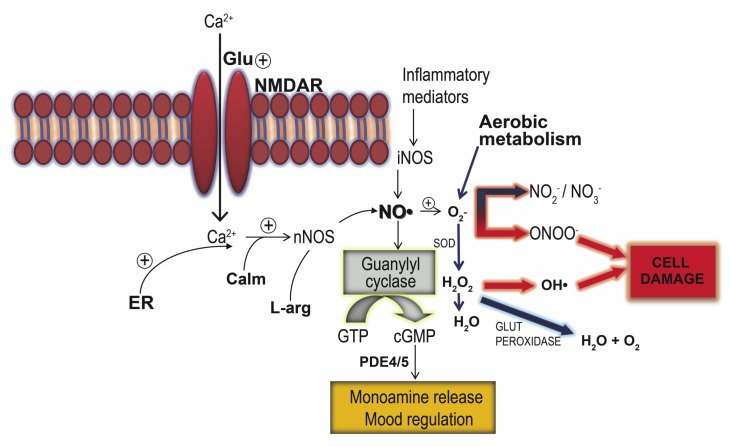
“Considering these findings, it is not surprising that NMDA antagonists such as dizocilpine (MK-801) [239], ketamine [240], memantine [241] and others [242] exert antidepressant effects, while disinhibition of glutamate-NO signalling follows antidepressant discontinuation after chronic treatment [243, 244].”
BackgroundNudmamud‐Thanoi, S., & Reynolds, G. P. (2004) · Neuroscience Letters · doi:10.1016/j.neulet.2004.09.035 · Cited by 150 · cited 2×
“In post-mortem schizophrenia studies, deficits of glutamate systems have been described in the temporal cortex, medial temporal lobe and striatal regions [219, 220], together with losses of glutamate uptake sites [221] and increases in NMDA receptors in the same brain regions [207].”
BackgroundIkeda, Y., Yahata, N., Ito, I., Nagano, M., Toyota, T., Yoshikawa, T., Okubo, Y., & Suzuki, H. (2008) · Schizophrenia Research · doi:10.1016/j.schres.2008.01.017 · Cited by 149 · cited 3×
“In line with these findings, previous studies have indeed observed decreased VEGF in serum of patients with schizophrenia [259, 519], although this has not always been reproducible [520].”
BackgroundResultβ-Catenin Overexpression in the Mouse Brain Phenocopies Lithium-Sensitive Behaviors
Gould, T. D., Einat, H., O’Donnell, K. C., Picchini, A. M., Schloesser, R. J., & Manji, H. K. (2007) · Neuropsychopharmacology · doi:10.1038/sj.npp.1301338 · Cited by 148
Links between circadian rhythms and psychiatric disease
Karatsoreos, I. N. (2014) · Frontiers in Behavioral Neuroscience · doi:10.3389/fnbeh.2014.00162 · Cited by 146
Cottingham, C., & Wang, Q. (2012) · Neuroscience & Biobehavioral Reviews · doi:10.1016/j.neubiorev.2012.07.011 · Cited by 145 · cited 1×
“Considering the heterogeneity of the disorder, the value of adrenoreceptor dysregulation as a biomarker is unclear [190].”
BackgroundMcIntyre, A., Gendron, A., & McIntyre, A. (2007) · Depression and Anxiety · doi:10.1002/da.20275 · Cited by 145 · cited 1×
“The majority of drugs used clinically to treat MD, BPD and psychotic disorders such as schizophrenia target monoamine (DA, 5-HT and noradrenaline (NA)) receptors, reuptake transporters and monoamine metabolism [105, 106].”
BackgroundLaruelle, M., Abi-Dargham, A., van Dyck, C., Gil, R., D’Souza, D. C., Krystal, J., Seibyl, J., Baldwin, R., & Innis, R. (2000) · Biological Psychiatry · doi:10.1016/s0006-3223(99)00257-7 · Cited by 145 · cited 1×
“Despite the above evidence for 5-HT involvement in schizophrenia, clinical studies have found selective 5HT2A/2C antagonists to be ineffective as antipsychotics (reviewed in [169]) and that alterations of brainstem 5-HT transporters are generally not associated with schizophrenia [170].”
BackgroundHeiberg, I. L., Wegener, G., & Rosenberg, R. (2002) · Behavioural Brain Research · doi:10.1016/s0166-4328(02)00084-0 · Cited by 144 · cited 1×
“Modulators of the NOpathway have also gained relevance in MD research due to NO-inhibitors demonstrating antidepressant effects in models predictive of antidepressant activity [227, 228].”
BackgroundScaccianoce, S., Bianco, P. D., Paolone, G., Caprioli, D., Modafferi, A. M. E., Nencini, P., & Badiani, A. (2006) · Behavioural Brain Research · doi:10.1016/j.bbr.2005.04.024 · Cited by 143 · cited 2×
“↑VEGF [327; 328]* ↓BDNF [295; 298]* [311; 312]#”
BackgroundComery, T. A., Stamoudis, C. X., Irwin, S. A., & Greenough, W. T. (1996) · Neurobiology of Learning and Memory · doi:10.1006/nlme.1996.0049 · Cited by 142 · cited 1×
“SIR rats without an enriched environment also present with a decrease in dendritic spine density in the dorsolateral striatum when compared to rats from an enriched environment [67, 68].”
BackgroundSolberg, L. C., Olson, S. L., Turek, F. W., & Redei, E. (2001) · American Journal of Physiology-Regulatory, Integrative and Comparative Physiology · doi:10.1152/ajpregu.2001.281.3.r786 · Cited by 141 · cited 4×
“the FSL rat [79], Wistar Kyoto rat [80] and mice bred for spontaneous helplessness [81].”
BackgroundInfluentialYan, Q., Reith, M. E. A., Jobe, P. C., & Dailey, J. W. (1997) · Brain Research · doi:10.1016/s0006-8993(97)00568-4 · Cited by 141 · cited 1×
“A possible explanation could be that NMDA receptor antagonists increase 5-HT levels in the brain [245], while also having a modulatory effect on pathways involved in neuroplasticity and cellular resilience [202].”
BackgroundBiomarkers to Predict Antidepressant Response
Leuchter, A. F., Cook, I. A., Hamilton, S. P., Narr, K. L., Toga, A., Hunter, A. M., Faull, K., Whitelegge, J., Andrews, A. M., Loo, J., et al. (2010) · Current Psychiatry Reports · doi:10.1007/s11920-010-0160-4 · Cited by 140 · cited 1×
“the influence of circadian rhythm and disease state/progression [2, 558];”
BackgroundIssa, G., Wilson, C., Terry, A. V., & Pillai, A. (2010) · Neurobiology of Disease · doi:10.1016/j.nbd.2010.04.017 · Cited by 139 · cited 1×
“Furthermore, olanzapine treatment was able to reverse the increased cortisol observed in the prefrontal cortex following prenatal stress [98].”
BackgroundBrenes, J. C., & Fornaguera, J. (2008) · Behavioural Brain Research · doi:10.1016/j.bbr.2008.10.036 · Cited by 139
Braun, I., Genius, J., Grunze, H., Bender, A., Möller, H., & Rujescu, D. (2007) · Schizophrenia Research · doi:10.1016/j.schres.2007.05.005 · Cited by 138 · cited 2×
“Previous studies indicated that the SIR model, a neurodevelopmental animal model of schizophrenia, presents with significantly reduced PFC volume, reduced accumbal dendritic length and spine density, cytoskeletal alterations and loss of parvalbumin (PV)-containing interneurons [18, 63, 64].”
BackgroundGuest, P. C., Schwarz, E., Krishnamurthy, D., Harris, L. W., Leweke, F. M., Rothermundt, M., van Beveren, N. J. M., Spain, M. G., Barnes, A., Steiner, J. H., et al. (2011) · Psychoneuroendocrinology · doi:10.1016/j.psyneuen.2010.12.018 · Cited by 138 · cited 3×
“ALDOC and DKK2) [364]# ↑Insulin and Cyclophilin A [514; 523]*”
BackgroundKlimke, A., Larisch, R., Janz, A., Vosberg, H., Müller-Gärtner, H. W., & Gaebel, W. (1999) · Psychiatry Research Neuroimaging · doi:10.1016/s0925-4927(99)00009-8 · Cited by 137 · cited 1×
“It has also been suggested that decreased striatal D2 receptor density may underlie depressive symptoms, while increased striatal D2 receptor density/affinity has been observed in patients after successful SSRI treatment [116] which coincides with evidence of 5-HT modulating DA pathways [117].”
Dekeyne, A., la Cour, C. M., Gobert, A., Brocco, M., Lejeune, F., Serres, F., Sharp, T., Daszuta, A., Soumier, A., Papp, M., et al. (2008) · Psychopharmacology · doi:10.1007/s00213-008-1177-9 · Cited by 135 · cited 1×
“Excessive activation of the 5-HT2C receptor is anxiogenic [171] while 5-HT2C receptor antagonists are rapid acting with sustained anxiolytic actions [172].”
BackgroundZangen, A., Overstreet, D. H., & Yadid, G. (1999) · Brain Research · doi:10.1016/s0006-8993(99)01214-7 · Cited by 129 · cited 1×
“Data relating to NA as a biomarker in preclinical models of MD are limited, although increased catecholamines, including NA, has been reported in limbic regions in FSL rats [194].”
BackgroundInflammatory markers and cognitive function in middle-aged adults: The Whitehall II study
Gimeno, D., Marmot, M. G., & Singh-Manoux, A. (2008) · Psychoneuroendocrinology · doi:10.1016/j.psyneuen.2008.07.006 · Cited by 128
Myint, A.-M., Schwarz, M., Verkerk, R. M., Mueller, H. H., Zach, J., Scharpé, S., Steinbusch, H. W. M., Leonard, B. E., & Kim, Y. K. (2011) · Brain Behavior and Immunity · doi:10.1016/j.bbi.2011.05.005 · Cited by 128 · cited 3×
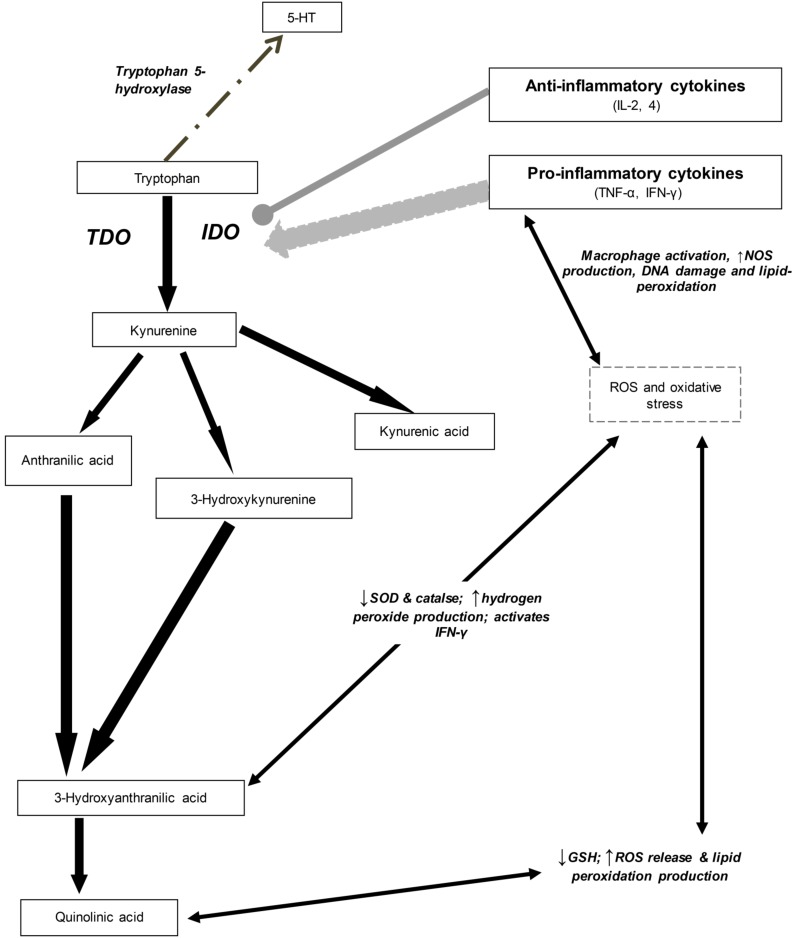
“An interesting observation is that MD and BPD patients present with a decrease in TRP along with an increase in kynurenine and QA levels, while schizophrenia patients (corroborated by animal studies using the SIR model [137]), indicates an increase in TRP, 3OHAA, kynurenine and QA along with a decrease in KYNA [475, 4…”
BackgroundResultProgranulin promotes neurite outgrowth and neuronal differentiation by regulating GSK-3β
Gao, X., Joselin, A. P., Wang, L., Kar, A., Ray, P., Bateman, A., Goate, A. M., & Wu, J. Y. (2010) · Protein & Cell · doi:10.1007/s13238-010-0067-1 · Cited by 128
Surh, Y., Kundu, J. K., Li, M., Na, H., & Cha, Y. (2009) · Archives of Pharmacal Research · doi:10.1007/s12272-009-1807-8 · Cited by 128 · cited 1×
“Considering the contributory role of oxidative stress in MD, inactivation of GSK-3β is linked to the regulation of redox homeostasis via stress responsive genes that protect cells against inflammation and oxidative stress [252, 253] (Fig.”
BackgroundArolt, V., Rothermundt, M., Wandinger, K.-P., & Kirchner, H. (2000) · Molecular Psychiatry · doi:10.1038/sj.mp.4000650 · Cited by 128 · cited 1×
“However, a number of studies have described inconsistent effects on plasma/serum cytokines, namely IL-4 [452], [453], IL-6 (reviewed in [454]), IFN-γ [452, 455]; reviewed in [456], and TNF-α (reviewed in [456]).”
BackgroundBuntinx, M., Moreels, M., Vandenabeele, F., Lambrichts, I., Raus, J., Steels, P., Stinissen, P., & Ameloot, M. (2004) · Journal of Neuroscience Research · doi:10.1002/jnr.20118 · Cited by 128 · cited 1×
“The proinflammatory cytokines, such as interleukin (IL)-1, tumor necrosis factor (TNF)-α, and IL-6, can inhibit neurogenesis in vivo [422, 423], induce apoptosis [424, 425] and negatively affect synaptogenesis, synaptic plasticity and connectivity, and also the structure of synaptic membranes [426, 427].”
BackgroundGuest, P. C., Wang, L., Harris, L. W., Burling, K., Levin, Y., Ernst, A., Wayland, M. T., Umrania, Y., Herberth, M., Koethe, D., et al. (2010) · Molecular Psychiatry · doi:10.1038/mp.2009.81 · Cited by 127 · cited 2×
“ALDOC and DKK2) [364]# ↑Insulin and Cyclophilin A [514; 523]*”
BackgroundRalph, R. J., Paulus, M. P., Zhuang, X., Hen, R., & Geyer, M. A. (2003) · Biological Psychiatry · doi:10.1016/s0006-3223(02)01489-0 · Cited by 127 · cited 1×
“Alpha-methyl-para-tyrosine (AMPT) mediated catecholamine depletion mitigates some mania-related characteristics in DAT knockdown (KD) mice [133], while treatment with valproate reverses locomotor hyperactivity in these animals [134].”
BackgroundCSF Metabolic and Proteomic Profiles in Patients Prodromal for Psychosis
Huang, J. T.-J., Leweke, F. M., Tsang, T. M., Koethe, D., Kranaster, L., Gerth, C. W., Gross, S., Schreiber, D., Ruhrmann, S., Schultze-Lutter, F., et al. (2007) · PLoS ONE · doi:10.1371/journal.pone.0000756 · Cited by 127 · cited 2×
“smaller cluster related to transthyretin [522]*”
BackgroundDuman, C. H., Schlesinger, L., Terwilliger, R., Russell, D. S., Newton, S. S., & Duman, R. S. (2009) · Behavioural Brain Research · doi:10.1016/j.bbr.2008.11.016 · Cited by 123
Wall, V. L., Fischer, E. K., & Bland, S. T. (2012) · Physiology & Behavior · doi:10.1016/j.physbeh.2012.09.002 · Cited by 123 · cited 2×
“↑VEGF [327; 328]* ↓BDNF [295; 298]* [311; 312]#”
BackgroundRasmussen, H., Erritzoe, D., Andersen, R., Ebdrup, B. H., Aggernaes, B., Oranje, B., Kalbitzer, J., Madsen, J., Pinborg, L. H., Baaré, W., et al. (2010) · Archives of General Psychiatry · doi:10.1001/archgenpsychiatry.2009.176 · Cited by 123 · cited 1×
“Post-mortem studies in patients with schizophrenia [162, 163] as well as psychotic patients [164] have observed reduced frontal cortex 5-HT2A and increased 5-HT1A receptor density.”
BackgroundCognitive impairment is related to oxidative stress and chemokine levels in first psychotic episodes
Martínez-Cengotitabengoa, M., Mac-Dowell, K. S., Leza, J. C., Micó, J. A., Fernandez, M., Echevarría, E., Sanjuan, J., Elorza, J., & González-Pinto, A. (2012) · Schizophrenia Research · doi:10.1016/j.schres.2012.03.004 · Cited by 122 · cited 1×
“Lower levels of total antioxidant status, catalase and glutathione peroxidation has been described in first episode schizophrenia patients, with GSH levels positively associated with executive function [394].”
BackgroundSertznig, P., Seifert, M., Tilgen, W., & Reichrath, J. (2007) · Journal of Cellular Physiology · doi:10.1002/jcp.20998 · Cited by 121 · cited 1×
“Considering the connection between inflammation, NO and insulin/PPAR signalling in MD, it is not surprising that PPARγ has been associated with suppression in immune response through its ability to inhibit the expression of inflammatory cytokines [401] and to have actions on pathways involved in apoptosis, cellular pr…”
BackgroundA psychiatric and neuropsychological study of patients with untreated Graves' disease
Trzepacz, P. T., McCue, M., Klein, I., Levey, G. S., & Greenhouse, J. (1988) · General Hospital Psychiatry · doi:10.1016/0163-8343(88)90084-9 · Cited by 120 · cited 1×
“The relation between thyroid dysfunction and mental disorders has long been recognized, ranging from depression [99], anxiety [100] and schizophrenia [101].”
BackgroundDecreased hippocampal NMDA, but not kainate or AMPA receptors in bipolar disorder
Scarr, E., Pavey, G., Sundram, S., MacKinnon, A., & Dean, B. (2003) · Bipolar Disorders · doi:10.1034/j.1399-5618.2003.00024.x · Cited by 120 · cited 1×
“A recent review of magnetic resonance spectroscopy (MRS) studies in patients with BPD observed the cingulate and prefrontal cortices to contain higher glutamate levels, and possibly associated with illness state [212], while a decrease in NMDA receptor binding has also been noted in the CA3 region of the hippocampus […”
BackgroundInverse Correlation of Brain and Blood BDNF Levels in a Genetic Rat Model of Depression
Elfving, B., Plougmann, P. H., Müller, H. K., Mathé, A. A., Rosenberg, R., & Wegener, G. (2010) · The International Journal of Neuropsychopharmacology · doi:10.1017/s1461145709990721 · Cited by 119 · cited 2×
“However, a pre-clinical study did observe that VEGF levels are increased in rat hippocampi following 14 days haloperidol or olanzapine treatment [303].”
BackgroundKahl, K. G., Bens, S., Ziegler, K. J., Rudolf, S., Kordon, A., DIBBELT, L., & Schweiger, U. (2008) · Psychoneuroendocrinology · doi:10.1016/j.psyneuen.2008.09.016 · Cited by 118 · cited 1×
“MD patients present with higher plasma VEGF levels which can be reversed with antidepressant treatment [324], while earlier studies have confirmed said increase in MD [325].”
Regulatory T cells increased while IL-1β decreased during antidepressant therapy
Himmerich, H., Milenović, S., Fulda, S., Plümäkers, B., Sheldrick, A. J., Michel, T. M., Kircher, T., & Rink, L. (2010) · Journal of Psychiatric Research · doi:10.1016/j.jpsychires.2010.03.005 · Cited by 116 · cited 1×
“Peripheral levels of IL-1, IL-6 and TNF-α is increased in patients with MD [299, 439], and these effects are normalized following antidepressant treatment [440, 441].”
BackgroundCaberlotto, L., Fuxé, K., Overstreet, D. H., Gerrard, P. A., & Hurd, Y. L. (1998) · Molecular Brain Research · doi:10.1016/s0169-328x(98)00137-5 · Cited by 116 · cited 1×
“mRNA expression of neuropeptide Y have been demonstrated to be decreased in various brain regions of FSL rats [500, 501] while basal mRNA levels of several genes involved in the synthesis of neurotransmitters are similarly altered.”
BackgroundThe possible role of the kynurenine pathway in adolescent depression with melancholic features
Gabbay, V., Klein, R. G., Katz, Y., Mendoza, S., Guttman, L. E., Alonso, C. M., Babb, J. S., Hirsch, G. S., & Liebes, L. (2010) · Journal of Child Psychology and Psychiatry · doi:10.1111/j.1469-7610.2010.02245.x · Cited by 115 · cited 1×
“In general, depression is associated with lowered TRP, increased indoleamine 2,3 dioxygenase (IDO) activity as well as reduced levels of kynurenic acid [209, 210].”
BackgroundBazinet, R. P., Rao, J. S., Chang, L., Rapoport, S. I., & Lee, H. (2005) · Biological Psychiatry · doi:10.1016/j.biopsych.2005.07.024 · Cited by 115 · cited 1×
“lithium, valproate (VPA), carbamazepine, lamotrigine, suppress (brain) proinflammatory mediators such as cyclooxygenase-2 (COX-2) and prostaglandins [409-411], indicating possible antiinflammatory properties.”
BackgroundKahl, K. G., Bens, S., Ziegler, K. J., Rudolf, S., DIBBELT, L., Kordon, A., & Schweiger, U. (2005) · Biological Psychiatry · doi:10.1016/j.biopsych.2005.08.001 · Cited by 115 · cited 1×
“Peripheral levels of IL-1, IL-6 and TNF-α is increased in patients with MD [299, 439], and these effects are normalized following antidepressant treatment [440, 441].”
BackgroundN-acetylcysteine for major depressive episodes in bipolar disorder
Magalhães, P. V., Dean, O. M., Bush, A. I., Copolov, D. L., Malhi, G. S., Kohlmann, K., Jeavons, S., Schapkaitz, I., Anderson-Hunt, M., & Berk, M. (2011) · Revista Brasileira de Psiquiatria · doi:10.1590/s1516-44462011000400011 · Cited by 114
Sylvia, L. G., Friedman, E. S., Kocsis, J. H., Bernstein, E. E., Brody, B. D., Kinrys, G., Kemp, D. E., Shelton, R. C., McElroy, S. L., Bobo, W. V., et al. (2013) · Journal of Affective Disorders · doi:10.1016/j.jad.2013.07.031 · Cited by 113 · cited 1×
“Exercise has also been shown to decrease depressive symptoms in BPD patients and to even increase the frequency of mania [294].”
BackgroundBauer, D., Gupta, D., Harotunian, V., Meador-Woodruff, J. H., & McCullumsmith, R. E. (2008) · Schizophrenia Research · doi:10.1016/j.schres.2008.06.012 · Cited by 111 · cited 1×
“In post-mortem schizophrenia studies, deficits of glutamate systems have been described in the temporal cortex, medial temporal lobe and striatal regions [219, 220], together with losses of glutamate uptake sites [221] and increases in NMDA receptors in the same brain regions [207].”
BackgroundComery, T. A., Shah, R., & Greenough, W. T. (1995) · Neurobiology of Learning and Memory · doi:10.1006/nlme.1995.1025 · Cited by 111 · cited 1×
“SIR rats without an enriched environment also present with a decrease in dendritic spine density in the dorsolateral striatum when compared to rats from an enriched environment [67, 68].”
BackgroundMöller, M., du Preez, J. L., Emsley, R. A., & Harvey, B. H. (2010) · European Neuropsychopharmacology · doi:10.1016/j.euroneuro.2010.09.006 · Cited by 111 · cited 6×
“[384; 260]* [408]# ↑SOD, lipid peroxidation [393]* [373]#”
BackgroundInfluentialSelf-citationReduced antioxidant defense systems in schizophrenia and bipolar I disorder
Raffa, M., Barhoumi, S., Atig, F., Fendri, C., Kerkeni, A., & Mechri, A. (2012) · Progress in Neuro-Psychopharmacology and Biological Psychiatry · doi:10.1016/j.pnpbp.2012.07.013 · Cited by 110 · cited 1×
“Furthermore, schizophrenia and BPD patients present with decreased levels of GSH [539].”
BackgroundRevisiting Thyroid Hormones in Schizophrenia
Santos, N. C., Costa, P., Ruano, D., Macedo, A., Soares, M. J., Valente, J., Pereira, A. T., Azevedo, M. H., & Palha, J. A. (2012) · Journal of Thyroid Research · doi:10.1155/2012/569147 · Cited by 110 · cited 2×
“[104] reviewed research on thyroid function in schizophrenia, relating interrelations between the pituitarythyroid axis and major neuro-signaling systems involved in schizophrenia (including serotonin (5-HT), dopamine (DA), glutamate and GABA networks), as well as myelination and inflammatory processes.”
BackgroundCerebrospinal Fluid Biomarkers for Major Depression Confirm Relevance of Associated Pathophysiology
Ditzen, C., Tang, N., Jastorff, A. M., Teplytska, L., Yassouridis, A., Maccarrone, G., Uhr, M., Bronisch, T., Miller, C. A., Holsboer, F., et al. (2011) · Neuropsychopharmacology · doi:10.1038/npp.2011.285 · Cited by 110 · cited 1×
“[510] observed several aspects in the CSF which were significantly altered in depressed patients when compared to controls, including 11 proteins and 144 peptide features.”
MethodCandidate genes for schizophrenia: A survey of association studies and gene ranking
Sun, J., Kuo, P., Riley, B. P., Kendler, K. S., & Zhao, Z. (2008) · American Journal of Medical Genetics Part B: Neuropsychiatric Genetics · doi:10.1002/ajmg.b.30743 · Cited by 110 · cited 1×
“[497] described a collection of highly ranked genes that may be utilized as a working blueprint in the future.”
BackgroundPapp, M., Klimek, V., & Willner, P. (1994) · Psychopharmacology · doi:10.1007/bf02244853 · Cited by 109 · cited 2×
“Considering mood and psychotic disorders, these models include for example social isolation rearing (SIR) and the glutamate N-methyl D-aspartate (NMDA) antagonist models of schizophrenia [18, 19], and the Flinders Sensitive Line (FSL) or chronic mild stress (CMS) rat models of MD [20, 21].”
BackgroundEvidence demonstrating role of microRNAs in the etiopathology of major depression
Dwivedi, Y. (2011) · Journal of Chemical Neuroanatomy · doi:10.1016/j.jchemneu.2011.04.002 · Cited by 109 · cited 3×
“and behaviour regulation) deregulated [533]*”
BackgroundMethodLieberman, J. A. (1993) · British Journal of Psychiatry · doi:10.1192/s0007125000292544 · Cited by 108 · cited 1×
“The majority of drugs used clinically to treat MD, BPD and psychotic disorders such as schizophrenia target monoamine (DA, 5-HT and noradrenaline (NA)) receptors, reuptake transporters and monoamine metabolism [105, 106].”
BackgroundJornada, L. K., Moretti, M., Valvassori, S. S., Ferreira, C. L., Padilha, P. T., Arent, C. O., Fries, G. R., Kapczinski, F., & Quevedo, J. (2010) · Journal of Psychiatric Research · doi:10.1016/j.jpsychires.2009.11.002 · Cited by 107 · cited 1×
“BDNF levels are decreased in both the amygdala and hippocampus of rats in the ouabain model of mania, and reversed by lithium [309].”
BackgroundTryptophan breakdown pathway in bipolar mania
Myint, A.-M., Kim, Y., Verkerk, R. M., Park, S. H., Scharpé, S., Steinbusch, H. W. M., & Leonard, B. E. (2007) · Journal of Affective Disorders · doi:10.1016/j.jad.2006.12.008 · Cited by 107 · cited 3×
“The relative induction of KYNA versus QA may determine the effects of cytokines on the CNS and remains an important area for future investigation, including the therapeutic targeting of IDO and kynurenine enzymatic pathways in MD, BPD and schizophrenia [465, 467, 475].”
BackgroundIritani, S., Niizato, K., Nawa, H., Ikeda, K., & Emson, P. C. (2003) · Progress in Neuro-Psychopharmacology and Biological Psychiatry · doi:10.1016/s0278-5846(03)00112-x · Cited by 107 · cited 1×
“Furthermore, post-mortem studies reported a decreased concentration of BDNF-positive neurons [297] and BDNF concentrations in brain tissue of schizophrenic patients, which include the cortical areas and the hippocampi [298].”
BackgroundAbnormal hemodynamics in schizophrenia during an auditory oddball task
Kiehl, K. A., Stevens, M. C. G., Celone, K., Kurtz, M. M., & Krystal, J. H. (2005) · Biological Psychiatry · doi:10.1016/j.biopsych.2005.01.035 · Cited by 107 · cited 1×
“Temporal lobe regions present with decreased activation in patients suffering from schizophrenia [48].”
Backgroundde Bodinat, C., Lemaître, B. J., Mocaër, E., Renard, P., Muñoz, C., & Millan, M. J. (2010) · Nature Reviews Drug Discovery · doi:10.1038/nrd3274 · Cited by 107
Retinal dysfunctions in schizophrenia
Balogh, Z., Benedek, G., & Kéri, S. (2007) · Progress in Neuro-Psychopharmacology and Biological Psychiatry · doi:10.1016/j.pnpbp.2007.08.024 · Cited by 106 · cited 1×
“Another promising neurophysiological marker is electroretinography (ERG), a specialized measure of retinal function, which has been studied in schizophrenia and BPD [549].”
BackgroundLeake, A., FAIRBAIRN, A. F., McKeith, I. G., & Ferrier, I. N. (1991) · Psychiatry Research · doi:10.1016/0165-1781(91)90084-3 · Cited by 106 · cited 1×
“A deficit in 5-HT uptake sites has also been observed in the brains of depressed BPD patients after death [159].”
BackgroundIga, J., Ueno, S., Yamauchi, K., Numata, S., Shibuya‐Tayoshi, S., Kinouchi, S., Nakataki, M., Song, H., Hokoishi, K., Tanabe, H., et al. (2006) · Progress in Neuro-Psychopharmacology and Biological Psychiatry · doi:10.1016/j.pnpbp.2006.12.011 · Cited by 106 · cited 1×
“MD patients present with higher plasma VEGF levels which can be reversed with antidepressant treatment [324], while earlier studies have confirmed said increase in MD [325].”
Increased plasma VEGF levels in major depressive or manic episodes in patients with mood disorders
Lee, B.-H., & Kim, Y. (2011) · Journal of Affective Disorders · doi:10.1016/j.jad.2011.07.021 · Cited by 105 · cited 2×
“↑VEGF [327; 328]* ↓BDNF [295; 298]* [311; 312]#”
BackgroundPajer, K., Andrus, B. M., Gardner, W., Lourie, A., Strange, B., Campo, J., Bridge, J., Blizinsky, K., Dennis, K., Vedell, P., et al. (2012) · Translational Psychiatry · doi:10.1038/tp.2012.26 · Cited by 105 · cited 5×
“• difficulties in translating findings observed in animal models to clinical studies and correlating markers measured in animal subjects with those measured in human patients [13, 555];”
BackgroundMethodInfluentialMAPK signaling correlates with the antidepressant effects of ketamine
Réus, G. Z., Vieira, F. G., Abelaira, H. M., Michels, M., Tomaz, D. B., dos Santos, M. A. B., Carlessi, A. S., Neotti, M. V., Matias, B. I., da Luz, J. R., et al. (2014) · Journal of Psychiatric Research · doi:10.1016/j.jpsychires.2014.04.010 · Cited by 104 · cited 2×
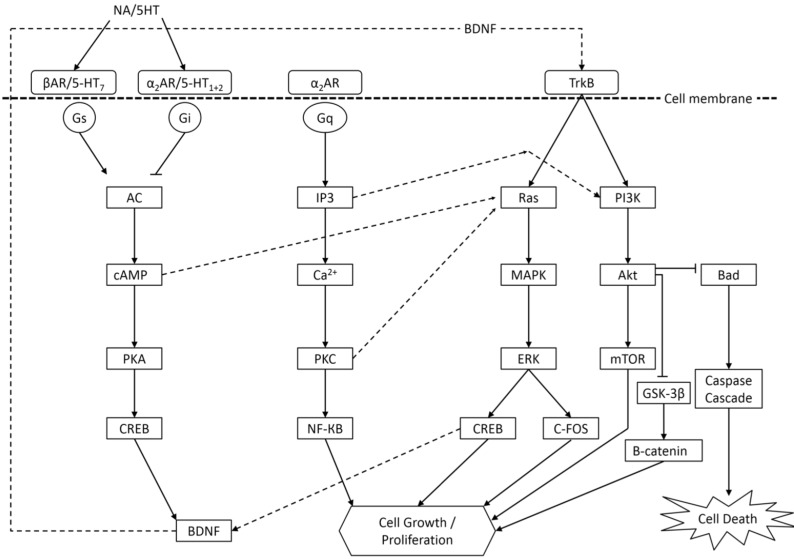
“The ensuing elevation in cAMP ultimately leads to increased BDNF expression which subsequently activates the MAPK/ERK pathway, a major pathway involved in cell growth and proliferation [340, 341] (see Fig.”
BackgroundNgan, E. T. C., Yatham, L. N., Ruth, T. J., & Liddle, P. F. (2000) · American Journal of Psychiatry · doi:10.1176/appi.ajp.157.6.1016 · Cited by 104 · cited 1×
“In line with these findings, CSF, genetic and neuroimaging studies have demonstrated an increase in central 5-HT-ergic neurotransmission in schizophrenia [166, 167] and typified by the serotonergic psychedelics such as lysergide.”
ResultMelendez, R. I., Lee Gregory, M., Bardo, M. T., & Kalivas, P. W. (2004) · Neuropsychopharmacology · doi:10.1038/sj.npp.1300507 · Cited by 104 · cited 1×
“The SIR model has shown increased expression of metabotropic glutamate receptor (mGluR)6 and ionotropic AMPA3 receptor subunit genes in the PFC [361], as well as reduced mGluR1 and mGluR5 expression [506].”
BackgroundChen, F., Madsen, T. M., Wegener, G., & Nyengaard, J. R. (2010) · Hippocampus · doi:10.1002/hipo.20718 · Cited by 103 · cited 1×
“Reductions in hippocampal volume have been observed in FSL rats, a genetic model of MD, when compared to Flinders Resistant Line (FRL) controls and is associated with a decrease in the number of neurons and synapses in the hippocampus – these alterations are reversed after chronic imipramine therapy [60].”
ResultLaifenfeld, D., Karry, R., Grauer, E., Klein, E., & Ben-Shachar, D. (2005) · Neurobiology of Disease · doi:10.1016/j.nbd.2005.03.023 · Cited by 103 · cited 1×
“Moreover, an inverse relationship exists between serum levels of BDNF and the severity of MD [263], while antidepressant treatment is able to reverse the deficit in BDNF observed in MD [264, 265] and to increase phosphorylation and binding of CREB [266, 267].”
BackgroundGibney, S. M., Fagan, E. M., Waldron, A.-M., O‘Byrne, J., Connor, T. J., & Harkin, A. (2014) · The International Journal of Neuropsychopharmacology · doi:10.1017/s1461145713001673 · Cited by 101 · cited 3×
“Recently, the potential for using the kynurenine 3-monooxygenase inhibitor, Ro 618048 (to elevate kynurenine levels), as an antidepressant has been suggested ([482], while the TDO inhibitor, allopurinol, has been noted for its antidepressant-like effects in rats [480].”
BackgroundMaes, M. H. J., Gałecki, P., Verkerk, R. M., & Rief, W. (2011) · PubMed · Cited by 100
Kamada, H., Nito, C., Endo, H., & Chan, P. H. (2006) · Journal of Cerebral Blood Flow & Metabolism · doi:10.1038/sj.jcbfm.9600367 · Cited by 100 · cited 2×
“Conversely, inactivation of Akt by dephosphorylation leads to a decrease in phosphorylation and subsequent activation of Bcl-xL/Bcl-2-associated death promoter (Bad), a pro-apoptotic molecule [343].”
Background5-HT2A receptor density is decreased in the at-risk mental state
Hurlemann, R., Matusch, A., Kuhn, K.-U., Berning, J., Elmenhorst, D., Winz, O., Kölsch, H., Zilles, K., Wagner, M., Maier, W., et al. (2007) · Psychopharmacology · doi:10.1007/s00213-007-0921-x · Cited by 100
Lidberg, L., Belfrage, H., Bertilsson, L., Mattila Evenden, M., & Åsberg, M. (2000) · Acta Psychiatrica Scandinavica · doi:10.1034/j.1600-0447.2000.101005395.x · Cited by 99 · cited 1×
“Post-mortem studies have indicated that suicidal patients with MD present with low cerebrospinal fluid (CSF) levels of 5-hydroxyindole-acetic acid (5-HIAA), the metabolite of 5-HT [151, 152], along with increased 5-HT2A receptor binding sites in platelets [153] and prefrontal cortical sites [154] as well as increased…”
BackgroundQuak, J., Doornbos, B., Roest, A. M., Duivis, H. E., Vogelzangs, N., Nolen, W. A., Penninx, B. W. J. H., Kema, I. P., & de Jonge, P. (2014) · Psychoneuroendocrinology · doi:10.1016/j.psyneuen.2014.03.013 · Cited by 98 · cited 1×
“This supports the hypothesis that the development of depressive symptoms may be mediated by increased TRP metabolism via IDO along the KYN pathway [436, 473].”
BackgroundJornada, L. K., Valvassori, S. S., Steckert, A. V., Moretti, M., Mina, F., Ferreira, C. L., Arent, C. O., Dal‐Pizzol, F., & Quevedo, J. (2010) · Journal of Psychiatric Research · doi:10.1016/j.jpsychires.2010.05.011 · Cited by 97 · cited 2×
“[384; 260]* [408]# ↑SOD, lipid peroxidation [393]* [373]#”
BackgroundKim, T. S., Kim, D., Lee, H., & Kim, Y. (2007) · Neuroscience Letters · doi:10.1016/j.neulet.2007.05.064 · Cited by 97 · cited 1×
“Thus decreased levels of BDNF have been found in smoking individuals when compared to non-smokers [285, 286], while smoking cessation leads to improved BDNF levels [285, 286].”
BackgroundYang, Y.-T., Yang, D., Tang, G., Zhou, C. J., Cheng, K., Zhou, J., Wu, B. C., Peng, Y., Liu, C., Zhan, Y., et al. (2013) · Neuroscience · doi:10.1016/j.neuroscience.2013.05.031 · Cited by 96 · cited 2×
“[524] recently published proteomic data from the CMS rat model of MD, noting decreases in glyoxalase-1 and dihydropyrimidinase-related protein-2 (DRP-2) in the prefrontal cortex, which translates to alterations in energy and glutathione pathways.”
BackgroundThyroid dysfunction in major psychiatric disorders in a hospital based sample.
Radhakrishnan, R., Calvin, S., Singh, J. K., Thomas, B., & Srinivasan, K. (2013) · PubMed Central · Cited by 95
García‐Bueno, B., Caso, J. R., Perez‐Nievas, B. G., Lorenzo, P. L., & Leza, J. C. (2006) · Neuropsychopharmacology · doi:10.1038/sj.npp.1301252 · Cited by 94 · cited 1×
“The recently discovered prostaglandin and endogenous PPARγ ligand, 15d-PGJ2, presents with anti-inflammatory properties [404], increases the neuronal metabolism of glucose, prevents stress-induced suppression of glutamate uptake [405] and has been suggested to be a possible marker for psychiatric diseases [406].”
BackgroundSorce, S., Schiavone, S., Tucci, P., Colaianna, M., Jaquet, V., Cuomo, V., Dubois-Dauphin, M., Trabace, L., & Krause, K.-H. (2010) · The Journal of Neuroscience · doi:10.1523/jneurosci.1491-10.2010 · Cited by 93 · cited 1×
“Nox2 is a major source of ROS and controls glutamate release in the prefrontal cortex ([415]; reviewed in [416]).”
BackgroundThe relationship of anxiety and depression to symptoms of hyperthyroidism using operational criteria
Kathol, R. G., & DeLaHunt, J. (1986) · General Hospital Psychiatry · doi:10.1016/0163-8343(86)90060-5 · Cited by 93 · cited 1×
“The relation between thyroid dysfunction and mental disorders has long been recognized, ranging from depression [99], anxiety [100] and schizophrenia [101].”
BackgroundCarboni, L., Becchi, S., Piubelli, C., Mallei, A., Giambelli, R., Razzoli, M., Mathé, A. A., Popoli, M., & Domenici, E. (2010) · Progress in Neuro-Psychopharmacology and Biological Psychiatry · doi:10.1016/j.pnpbp.2010.05.019 · Cited by 92 · cited 4×
“439; 443]* [458]# ↑Pro-inflammatory cytokines (IL-”
BackgroundInfluentialDisrupted Circadian Rhythms in a Mouse Model of Schizophrenia
Oliver, P. L., Sobczyk, M. V., Maywood, E. S., Edwards, B., Lee, S., Livieratos, A., Oster, H., Butler, R., Godinho, S. I. H., Wulff, K., et al. (2012) · Current Biology · doi:10.1016/j.cub.2011.12.051 · Cited by 92
Proteomic research in psychiatry
Taurines, R., Dudley, E., Grassl, J., Warnke, A., Gerlach, M., Coogan, A. N., & Thome, J. (2011) · Journal of Psychopharmacology · doi:10.1177/0269881109106931 · Cited by 92
Levine, J. B., Youngs, R. M., MacDonald, M. L., Chu, M. S., Leeder, A., Berthiaume, F., & Konradi, C. L. (2007) · Neuroscience · doi:10.1016/j.neuroscience.2006.11.063 · Cited by 90 · cited 5×
“↑mGluR6 and AMPA3 gene expression [361]#”
BackgroundInfluentialNitric Oxide-Directed Synaptic Remodeling in the Adult Mammal CNS
Sunico, C. R., Portillo, F., González-Forero, D., & Moreno-López, B. (2005) · The Journal of Neuroscience · doi:10.1523/jneurosci.4600-04.2005 · Cited by 90 · cited 1×
“The proinflammatory cytokines, such as interleukin (IL)-1, tumor necrosis factor (TNF)-α, and IL-6, can inhibit neurogenesis in vivo [422, 423], induce apoptosis [424, 425] and negatively affect synaptogenesis, synaptic plasticity and connectivity, and also the structure of synaptic membranes [426, 427].”
BackgroundAntidepressant Effect of Ketamine During ECT
Ostroff, R. B., GONZALES, M., & Sanacora, G. (2005) · American Journal of Psychiatry · doi:10.1176/appi.ajp.162.7.1385 · Cited by 89 · cited 1×
“Considering these findings, it is not surprising that NMDA antagonists such as dizocilpine (MK-801) [239], ketamine [240], memantine [241] and others [242] exert antidepressant effects, while disinhibition of glutamate-NO signalling follows antidepressant discontinuation after chronic treatment [243, 244].”
BackgroundTakebayashi, M., Hashimoto, R., Hisaoka, K., Okada‐Tsuchioka, M., & Kunugi, H. (2010) · Journal of Neural Transmission · doi:10.1007/s00702-010-0452-1 · Cited by 89 · cited 1×
“Furthermore, remitted MD patients have significantly elevated VEGF levels, while MD patients with a family history of psychiatric disorders also have higher baseline levels of VEGF, compared to MD patients without a family history and healthy controls [326].”
Proteomics and biomarkers in clinical trials for drug development
Lee, J., Han, J. J., Altwerger, G. H., & Kohn, E. C. (2011) · Journal of Proteomics · doi:10.1016/j.jprot.2011.04.023 · Cited by 88 · cited 1×
“Proteomics provides an insight into the character and interactions of proteins and thus of signalling pathways – understanding a proteome allows for development of effective predictive biomarkers [509].”
BackgroundYirmiya, R. (1997) · Current Opinion in Psychiatry · doi:10.1097/00001504-199711000-00011 · Cited by 88 · cited 1×
“These mediators include the pro-inflammatory cytokines, IL-1, -2, -6 and -8, interferon (IFN)-γ and TNF-α [430] that, when administered to a healthy individual, may induce sickness behaviour [431, 432].”
BackgroundDuff, B. J., Macritchie, K., Moorhead, T. W. J., Lawrie, S. M., & Blackwood, D. (2013) · Schizophrenia Research · doi:10.1016/j.schres.2013.03.015 · Cited by 87 · cited 1×
“DISC1 is a well researched candidate gene for schizophrenia and affective disorders with a range of functions relating to neurodevelopment, although studies into its role in these disorders remains promising albeit conflicting [543].”
BackgroundHippocampal volume changes in healthy subjects at risk of unipolar depression
Baaré, W. F. C., Vinberg, M., Knudsen, G. M., Paulson, O. B., Langkilde, A. R., Jernigan, T. L., & Kessing, L. V. (2010) · Journal of Psychiatric Research · doi:10.1016/j.jpsychires.2009.12.009 · Cited by 86 · cited 1×
“While reductions in hippocampal volume in MD may have a genetic component [29], it is also a function of illness duration [30] as well as poor compliance [28].”
BackgroundChanges in plasma brain-derived neurotrophic factor levels in smokers after smoking cessation
Bhang, S., Choi, S., & Ahn, J. (2009) · Neuroscience Letters · doi:10.1016/j.neulet.2009.10.046 · Cited by 86
Srivastava, N., Barthwal, M. K., Dalal, P., Agarwal, A., Nag, D., Seth, P. K., Srimal, R. C., & Dikshit, M. (2002) · Journal of Affective Disorders · doi:10.1016/s0165-0327(01)00421-9 · Cited by 85 · cited 1×
“[378] found no alterations in the activities of SOD and glutathione peroxidation in polymorphonuclear leukocytes from patients with MD.”
BackgroundThe NMDA receptor/nitric oxide pathway: a target for the therapeutic and toxic effects of lithium
Ghasemi, M., & Dehpour, A. R. (2011) · Trends in Pharmacological Sciences · doi:10.1016/j.tips.2011.03.006 · Cited by 85 · cited 1×
“The standard treatment for BPD, lithium salts, target the glutamate-NO system [254, 255].”
BackgroundOosthuizen, F., Wegener, G., & Harvey, B. H. (2005) · Neuropsychiatric Disease and Treatment · doi:10.2147/nedt.1.2.109.61049 · Cited by 84 · cited 2×
“These effects however are due to interference with constitutive nNOS-mediated effects and not inducible NOS (iNOS), which rather plays an important role in chronic stress associated with inflammation [231] (Fig.”
BackgroundSelf-citationAnti-inflammatory signaling in schizophrenia
Meyer, U. (2011) · Brain Behavior and Immunity · doi:10.1016/j.bbi.2011.05.014 · Cited by 84 · cited 1×
“Strong evidence supports a prenatal inflammatory event as a prodromal event to the development of schizophrenia [541].”
BackgroundHeidbreder, C. A., Foxton, R. H., Cilia, J., Hughes, Z. A., Shah, A. J., Atkins, A. R., Hunter, J. A., Hagan, J. J., & Jones, D. N. C. (2001) · Psychopharmacology · doi:10.1007/s002130100760 · Cited by 84 · cited 1×
“SIR also induces a hyperresponsiveness in DA release in the PFC in response to systemic administration of the atypical antipsychotics clozapine and olanzapine, but not haloperidol [145].”
BackgroundLi, M., Fu, Q., Li, Y., Li, S., Xue, J., & Ma, S. (2014) · Fitoterapia · doi:10.1016/j.fitote.2014.06.007 · Cited by 83 · cited 1×
“Similarly, mice exposed to 6 weeks CMS presented with high plasma corticosterone levels and decreased hippocampal expression of glucocorticoid receptors [94].”
BackgroundRedei, E. E., Andrus, B. M., Kwasny, M. J., Seok, J., Cai, X., Ho, J., & Mohr, D. C. (2014) · Translational Psychiatry · doi:10.1038/tp.2014.66 · Cited by 83 · cited 4×
“Two recent studies by Pajer [555] and Redei [556] set out to investigate the validity of potential biomarkers of MD and found that several of these markers may have possible use in discriminating between depressed and nondepressed individuals and may even predict response to therapy.”
BackgroundMethodInfluentialPopa, D., Cerdan, J., Repérant, C., Guiard, B. P., Guilloux, J., David, D. J. P., & Gardier, A. M. (2009) · European Journal of Pharmacology · doi:10.1016/j.ejphar.2009.11.037 · Cited by 83 · cited 2×
“It has also been suggested that decreased striatal D2 receptor density may underlie depressive symptoms, while increased striatal D2 receptor density/affinity has been observed in patients after successful SSRI treatment [116] which coincides with evidence of 5-HT modulating DA pathways [117].”
BackgroundN-Acetylaspartylglutamate (NAAG) and N-Acetylaspartate (NAA) in Patients With Schizophrenia
Jessen, F., Fingerhut, N., Sprinkart, A. M., Kühn, K.-U., Petrovsky, N., Maier, W., Schild, H. H., Block, W., Wagner, M., & Träber, F. (2011) · Schizophrenia Bulletin · doi:10.1093/schbul/sbr127 · Cited by 83 · cited 2×
“These changes may indicate neuronal dysfunction that mirrors alterations observed in schizophrenia, as discussed in the clinical section [59].”
BackgroundEmsley, R. A., Chiliza, B., Asmal, L., du Plessis, S., Phahladira, L., van Niekerk, E., van Rensburg, S. J., & Harvey, B. H. (2014) · Schizophrenia Research · doi:10.1016/j.schres.2014.06.004 · Cited by 83
Self-citationAlterations in kynurenine precursor and product levels in schizophrenia and bipolar disorder
Miller, C. L., Llenos, I. C., Cwik, M. F., Walkup, J. T., & Weis, S. (2008) · Neurochemistry International · doi:10.1016/j.neuint.2008.01.013 · Cited by 82 · cited 3×
“The relative induction of KYNA versus QA may determine the effects of cytokines on the CNS and remains an important area for future investigation, including the therapeutic targeting of IDO and kynurenine enzymatic pathways in MD, BPD and schizophrenia [465, 467, 475].”
BackgroundResultNovikova, S. I., He, F., Cutrufello, N. J., & Lidow, M. S. (2006) · Neurobiology of Disease · doi:10.1016/j.nbd.2006.02.002 · Cited by 82 · cited 2×
“Differing levels of this protein has been noted postmortem in patients with schizophrenia and BPD, suggesting contradictory influences on plasticity specifically in the DLPFC in these diseases [515].”
BackgroundPowell, S. B., Geyer, M. A., Preece, M. A., Pitcher, L. K., Reynolds, G. P., & Swerdlow, N. R. (2003) · Neuroscience · doi:10.1016/s0306-4522(03)00122-2 · Cited by 82 · cited 1×
“Previous evidence on the SIR model has indicated elevated striatal and decreased frontal cortical DA, dihidroxylphenylacetic acid (Dopac) and homovanillic acid (HVA) levels [137]; increased or decreased frontal cortical DA and unchanged striatal DA [138]; as well as decreased frontal cortical and elevated nucleus accu…”
Background
Research works printed but not linked: 7
- [11]Connor T.J. Leonard B.E. Handbook of Experimental Pharmacology. Antidepressants. Past, Present and Future; 2004 New York Springer
- [236]Wegener G. Harvey B.H. Bonefeld B. Müller H.K. Volke V. Overstreet D.H. Elfving B. Increased stress-evoked nitric oxide signalling in the Flinders sensitive line (FSL) rat: a genetic animal model of depression. Int. J. Neuropsychopharmacol. 2010 13 4 461 473 10.1017/S1461145709990241 19627650 · DOI · Paper page
- [310]Jornada L.K. Moretti M. Valvassori S.S. Ferreira C.L. Padilha P.T. Arent C.O. Fries G. R. Kapczinski F. Quevedo J. 2006 19954800
- [333]Nestler E.J. Barrot M. DiLeone R.J. Eisch A.J. Gold S.J. Monteggia L.M. Neurobiology of depression. Neuron 2002 34 1 13 25 10.1016/S0896-6273(02)00653-0 11931738 · DOI · Paper page
- [374]Dhir A. Kulkarni S.K. Nitric oxide and major depression. Nitric Oxide 2011 24 3 125 131 10.1016/j.niox.2011.02.002 21335097 · DOI · Paper page
- [428]Capuron L. Su S. Miller A.H. Bremner J.D. Goldberg J. Vogt G.J. Maisano C. Jones L. Murrah N.V. Vaccarino V. Depressive symptoms and metabolic syndrome: is inflammation the underlying link? Biol. Psychiatry 2008 64 10 896 900 10.1016/j.biopsych.2008.05.019 18597739 PMC2621309 · DOI · Paper page
- [544]García-Bueno B. Pérez-Nievas B.G. Leza J.C. Is there a role for the nuclear receptor PPARγ in neuropsychiatric diseases? Int. J. Neuropsychopharmacol. 2010 13 10 1411 1429 10.1017/S1461145710000970 20800014 · DOI · Paper page
Cited by
Biomarkers for depression: recent insights, current challenges and future prospects
Strawbridge, R., Young, A. H., & Cleare, A. J. (2017) · Neuropsychiatric Disease and Treatment · doi:10.2147/ndt.s114542 · Cited by 415
Yamanashi, T., Iwata, M., Kamiya, N., Tsunetomi, K., Kajitani, N., Wada, N., Iitsuka, T., Yamauchi, T., Miura, A., Pu, S., et al. (2017) · Scientific Reports · doi:10.1038/s41598-017-08055-1 · Cited by 214
Peripheral Markers of Depression
Nobis, A., Zalewski, D., & Waszkiewicz, N. (2020) · Journal of Clinical Medicine · doi:10.3390/jcm9123793 · Cited by 197
“Decreased dopamine levels in the striatum and cortex have been reported in depression [180].”
BackgroundInfluentialPerlman, K., Benrimoh, D., Israel, S., Rollins, C., Brown, E., Tunteng, J.-F., You, R., You, E., Tanguay-Sela, M., Snook, E., et al. (2019) · Journal of Affective Disorders · doi:10.1016/j.jad.2018.09.067 · Cited by 182
Resveratrol and Depression in Animal Models: A Systematic Review of the Biological Mechanisms
Moore, A. C., Beidler, J., & Hong, M. Y. (2018) · Molecules · doi:10.3390/molecules23092197 · Cited by 152
“In addition, GSK-3β, a kinase involved in Wnt signaling, is used as a marker in neuropsychiatric disorders and is targeted by mood-stabilizing drugs such as lithium for bipolar disorder [65,67].”
Background
Metadata
- Authors
- Brand, S., Moller, M., & Harvey, B.
- Affiliations
- North-West University (ZA)
- Corresponding author
- Harvey, Brian
- Venue
- Current Neuropharmacology
- Publisher
- Bentham Science Publishers Ltd.
- Published
- 2015-07-14
- Volume
- 13
- Issue
- 3
- Pages
- 324-368
- ISSN
- 1570-159X (ISSN-L)
- PMC
- PMC4812797
- OpenAlex
- W2327026140
- Semantic Scholar
- 954e54f896f467777a773b22f795ceb738a4d318
- Cited by
- 95
- References
- 535
- Citations by year
- 2026: 3 · 2025: 8 · 2024: 7 · 2023: 7 · 2022: 10 · 2021: 16 · 2020: 8 · 2019: 7 · 2018: 13 · 2017: 10 · 2016: 6
- FWCI
- 6.97
- Type
- journal article
- Language
- en
- Open access
- green
- www.ncbi.nlm.nih.gov
- Licence
- cc-by-nc
- Locations
- Current Neuropharmacology (publishedVersion)
- Europe PMC (PubMed Central) (publishedVersion, cc-by-nc)
- PubMed Central (publishedVersion, cc-by-nc)
- PubMed (publishedVersion)
- Boloka Institutional Repository (North-west University) (submittedVersion)
- Topics
- Health Sciences › Medicine › Pharmacology (medical) › Treatment of Major Depression
- Health Sciences › Medicine › Psychiatry and Mental health › Bipolar Disorder and Treatment
- Health Sciences › Medicine › Psychiatry and Mental health › Schizophrenia research and treatment
- Keywords
- biomarkers, mood disorders, psychosis, depression, bipolar disorder, pathophysiology, biomarker panel, personalized treatment, diagnosis, etiopathogenesis
- MeSH terms
- Affect, Animals, Bipolar Disorder, Depressive Disorder, Humans, Psychotic Disorders, Antipsychotic Agents, Biomarkers
About these checks
Registry, retraction, Cites and statistics results are computed, not judged, with one exception: a printed reference that no index lists is read once by a model before it counts as a citation error. Claims are extracted by a model and kept only when their quote appears verbatim in the text; each cited source is then checked, with a model’s help, for whether it says what the claim relies on. Those verdicts can be wrong — read the claim’s quote and the cited source before relying on one.
Statistics and arithmetic are recomputed, not judged.
Confidence bands are shown only for fields calibrated on our annotated test set. None is calibrated yet, so no band is shown.
What counts as a claim ›How we measure confidence ›How we check this ›
Are you an author, or do you see a problem with this page? Request a review
Data sources
Bibliographic data: Semantic Scholar, OpenAlex, Crossref.
Contains information from the Semantic Scholar Academic Graph Datasets, made available under the ODC Attribution License (ODC-BY 1.0).
Semantic Scholar’s data is described in: Kinney, R., et al. (2023). The Semantic Scholar Open Data Platform. arXiv:2301.10140.
