

Developing a Novel Web-Based Self-Management Support Intervention for Polycystic Ovary Syndrome: Mixed Methods Study With Patients and Health Care Professionals
Open accessPublished version of a preprint
The DOI matches its Crossref record; 159 of the 159 references it cites were found in a registry or an index.
Abstract
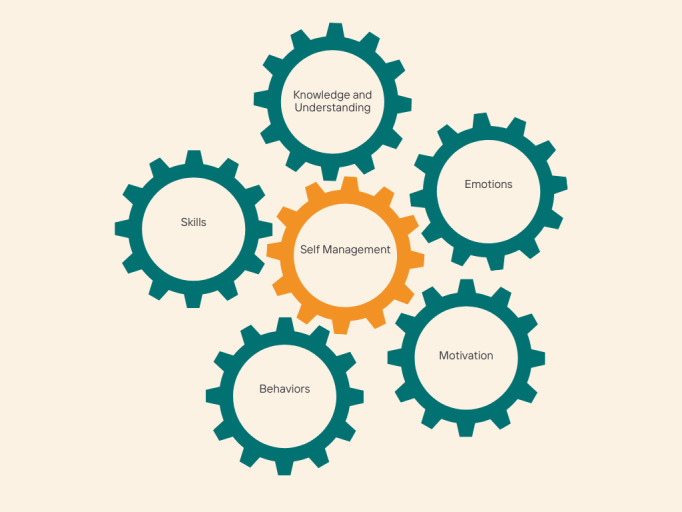
Background: Polycystic ovary syndrome (PCOS) represents a significant global health burden requiring urgent attention. This common chronic endocrine and cardiometabolic condition affects around 1 in 10 women and individuals assigned female at birth, with significant adverse effects on well-being, quality of life, and mental health, as well as serious and complex long-term health consequences. International guidelines for best health care practice recommend the provision of comprehensive cognitive behavioral interventions to support self-management and improve health outcomes for those living with PCOS. Web-based health interventions have the potential to meet this need in an accessible and scalable way. Objective: We aim to identify barriers to self-management and psychological well-being in women with PCOS and adapt a web-based self-management program to provide a prototype digital support intervention for them. Methods: We adapted an existing support program (HOPE) for PCOS using the antecedent target measure approach. We conducted qualitative interviews with 13 adult women living with PCOS, 3 trustees of a patients with PCOS advocacy charity, and 4 endocrinologists to identify “antecedents” (barriers) to self-management and psychological well-being. Framework analysis was used to identify potentially modifiable antecedents to be targeted by the novel intervention. At a national conference, 58 key stakeholders (patients and health professionals) voted for the antecedents they felt were most important to address. We used research evidence and relevant theory to design a prototype for the PCOS intervention. Results: Voting identified 32 potentially modifiable antecedents, relating to knowledge, understanding, emotions, motivation, and behaviors, as priorities to be targeted in the new intervention. A modular, web-based prototype HOPE PCOS intervention was developed to address these, covering six broad topic areas (instilling HOPE for PCOS; managing the stress of PCOS; feeding your mind and body well; body image, intimacy, and close relationships; staying healthy with PCOS; and keeping PCOS in its place). Conclusions: We identified barriers to self-management and psychological well-being in women with PCOS and used these to adapt a web-based self-management program, tailoring it for PCOS, which is a comprehensive group intervention combining education, empowerment, lifestyle management, peer support with cognitive behavioral tools, and goal-setting (to be delivered by peers or codelivered with health care professionals). The modular structure offers flexibility to adapt the program further as new clinical recommendations emerge. The intervention has the potential to be delivered, evaluated for feasibility, and, if effective, integrated into health care services. Self-management interventions are not designed to replace clinical care; rather, they serve as an additional source of support. The HOPE PCOS program conveys this message in its content and activities. Future research should evaluate the prototype intervention using primary outcomes such as measures of psychological well-being, self-management self-efficacy, depression, anxiety, and PCOS-related quality of life. They should also assess the intervention’s acceptability, scalability, and cost-effectiveness.
Overview
The claims and statistics of this paper haven’t been checked yet.
Free: it reads the open-access text and checks the first 5 claims that cite a source we can check. Create a free account to check every claim.
Integrity signals
Registry
Cites
Statistics
Figures
Verification
Claims the paper makes
The claims and statistics of this paper haven’t been checked yet.
Free: it reads the open-access text and checks the first 5 claims that cite a source we can check. Create a free account to check every claim.
Claims other papers make about this one
Each is checked against this paper’s own text: does it say what the citing paper says it does?
The source backs part of the claim, not all of it — or backs it for a different population, condition or comparison.
In the citing paper
“Only one form of digital technology, the website HOPE PCOS, incorporated end user input during the design phase [53].”
From Availability and Use of Digital Technology Among Women With Polycystic Ovary Syndrome: Scoping Review (2025) · cites this paper as [53]
Experimental — accuracy not yet measuredThe cited source says what the claim attributes to it.
In the citing paper
“Using theory and input from end users, 6 modules were created to include health education, self-care, mindfulness, nutrition, communication skills with health care providers, and goal setting. Now called HOPE PCOS, the program offered features to address multiple components of PCOS self-management and was deemed ready for feasibility testing [53].”
From Availability and Use of Digital Technology Among Women With Polycystic Ovary Syndrome: Scoping Review (2025) · cites this paper as [53]
The cited source says what the claim attributes to it.
In the citing paper
“Of the 34 articles, the authors of 1 article (4%) discussed the adaptation of a web-based self-management program based on the identified barriers to self-management and psychological well-being reported from women with PCOS [53].”
From Availability and Use of Digital Technology Among Women With Polycystic Ovary Syndrome: Scoping Review (2025) · cites this paper as [53]
Self-check
Percentages, sums and reported differences re-computed from the paper’s own numbers.
The self-check needs the paper’s full text.
Citations
Cites
Michie, S., van Stralen, M. M., & West, R. (2011) · Implementation Science · doi:10.1186/1748-5908-6-42 · Cited by 13,697
Developing and evaluating complex interventions: the new Medical Research Council guidance
Craig, P., Dieppe, P., Macintyre, S., Michie, S., Nazareth, I., & Petticrew, M. (2008) · BMJ · doi:10.1136/bmj.a1655 · Cited by 10,995
Gale, N. K., Heath, G., Cameron, E., Rashid, S., & Redwood, S. (2013) · BMC Medical Research Methodology · doi:10.1186/1471-2288-13-117 · Cited by 10,865
Guidance on how to develop complex interventions to improve health and healthcare
O"Cathain, A., Croot, L., Duncan, E., Rousseau, N., Sworn, K., Turner, K. M., Yardley, L., & Hoddinott, P. (2019) · BMJ Open · doi:10.1136/bmjopen-2019-029954 · Cited by 1,591
Teede, H., Deeks, A., & Moran, L. (2010) · BMC Medicine · doi:10.1186/1741-7015-8-41 · Cited by 1,565 · cited 1×
“For example, compared with healthy controls, women with PCOS have lower health-related quality of life and higher scores on symptoms of depression and anxiety [5-9], and appear to be at risk for disordered eating [10-14] and unhealthy weight management practices [15].”
Bozdag, G., Mumusoglu, S., Zengin, D., Karabulut, E., & Yildiz, B. O. (2016) · Human Reproduction · doi:10.1093/humrep/dew218 · Cited by 1,526
Intervention Mapping: A Process for Developing Theory and Evidence-Based Health Education Programs
Bartholomew, L. K., Parcel, G. S., & Kok, G. (1998) · Health Education & Behavior · doi:10.1177/109019819802500502 · Cited by 1,102 · cited 1×
“A number of different approaches were considered for adapting the existing HOPE program, including the behavior change wheel [50] and intervention mapping [51].”
MethodTeede, H. J., Tay, C. T., Laven, J. J. E., Dokras, A., Moran, L. J., Piltonen, T. T., Costello, M. F., Boivin, J., Redman, L. M., Boyle, J. A., et al. (2023) · The Journal of Clinical Endocrinology & Metabolism · doi:10.1210/clinem/dgad463 · Cited by 946
Noar, S. M., & Zimmerman, R. S. (2005) · Health Education Research · doi:10.1093/her/cyg113 · Cited by 793
Processes of Self‐Management in Chronic Illness
Schulman‐Green, D., Jaser, S., Martin, F., Alonzo, A., Grey, M., McCorkle, R., Redeker, N. S., Reynolds, N., & Whittemore, R. (2012) · Journal of Nursing Scholarship · doi:10.1111/j.1547-5069.2012.01444.x · Cited by 657
Effectiveness of positive psychology interventions: a systematic review and meta-analysis
Carr, A., Cullen, K., Keeney, C., Canning, C., Mooney, O., Chinseallaigh, E., & O’Dowd, A. (2021) · The Journal of Positive Psychology · doi:10.1080/17439760.2020.1818807 · Cited by 645 · cited 1×
“Positive psychology interventions, such as character strengths and gratitude diaries, which focus on function rather than dysfunction, have shown promise in treating anxiety, depression, low mood, and low self-esteem and in promoting positive well-being [136-138].”
BackgroundCooney, L. G., Lee, I., Sammel, M. D., & Dokras, A. (2017) · Human Reproduction · doi:10.1093/humrep/dex044 · Cited by 631
Skivington, K., Matthews, L., Simpson, S. A., Craig, P., Baird, J., Blazeby, J. M., Boyd, K. A., Craig, N., French, D. P., McIntosh, E., et al. (2021) · Health Technology Assessment · doi:10.3310/hta25570 · Cited by 522
The Potential Implications of a PCOS Diagnosis on a Woman's Long-Term Health Using Data Linkage
Hart, R., & Doherty, D. A. (2015) · The Journal of Clinical Endocrinology & Metabolism · doi:10.1210/jc.2014-3886 · Cited by 391 · cited 1×
“PCOS has serious and complex long-term health consequences [19,20].”
BackgroundSelf-compassion, body image, and disordered eating: A review of the literature
Braun, T. D., Park, C. L., & Gorin, A. (2016) · Body Image · doi:10.1016/j.bodyim.2016.03.003 · Cited by 384
Unique effects of setting goals on behavior change: Systematic review and meta-analysis.
Epton, T., Currie, S., & Armitage, C. J. (2017) · Journal of Consulting and Clinical Psychology · doi:10.1037/ccp0000260 · Cited by 384
Anxiety and depression in polycystic ovary syndrome: a systematic review and meta-analysis
Barry, J. A., Kuczmierczyk, A. R., & Hardiman, P. J. (2011) · Human Reproduction · doi:10.1093/humrep/der197 · Cited by 336
Dokras, A., Stener-Victorin, E., Yildiz, B. O., Li, R., Ottey, S., Shah, D., Epperson, N., & Teede, H. (2018) · Fertility and Sterility · doi:10.1016/j.fertnstert.2018.01.038 · Cited by 285
Psychiatric disorders in women with polycystic ovary syndrome: a systematic review and meta-analysis
Brutocao, C., Zaiem, F., Alsawas, M., Morrow, A. S., Murad, M. H., & Javed, A. (2018) · Endocrine · doi:10.1007/s12020-018-1692-3 · Cited by 251
Turk, F., & Waller, G. (2020) · Clinical Psychology Review · doi:10.1016/j.cpr.2020.101856 · Cited by 248
Depression, anxiety and perceived stress in women with and without PCOS: a community-based study
Damone, A. L., Joham, A. E., Loxton, D., Earnest, A., Teede, H. J., & Moran, L. J. (2019) · Psychological Medicine · doi:10.1017/s0033291718002076 · Cited by 230
Dokras, A., Clifton, S., Futterweit, W., & Wild, R. (2011) · Obstetrics & Gynecology · doi:10.1097/aog.0b013e318202b0a4 · Cited by 227
Veltman-Verhulst, S. M., Boivin, J., Eijkemans, M. J. C., & Fauser, B. J. C. M. (2012) · Human Reproduction Update · doi:10.1093/humupd/dms029 · Cited by 215
Dokras, A., Clifton, S., Futterweit, W., & Wild, R. (2012) · Fertility and Sterility · doi:10.1016/j.fertnstert.2011.10.022 · Cited by 209
A Three-Step Approach to Teaching Logic Models
RENGER, R. (2002) · The American Journal of Evaluation · doi:10.1016/s1098-2140(02)00230-8 · Cited by 204
The effects of imagery interventions in sports: a meta-analysis
Simonsmeier, B. A., Andronie, M., Buecker, S., & Frank, C. (2021) · International Review of Sport and Exercise Psychology · doi:10.1080/1750984x.2020.1780627 · Cited by 199
A systematic review of peer-supported interventions for health promotion and disease prevention
Ramchand, R., Ahluwalia, S. C., Xenakis, L., Apaydin, E., Raaen, L., & Grimm, G. (2017) · Preventive Medicine · doi:10.1016/j.ypmed.2017.06.008 · Cited by 183
Pearce, G., Parke, H. L., Pinnock, H., Epiphaniou, E., Bourne, C. L., Sheikh, A., & Taylor, S. J. (2016) · Journal of Health Services Research & Policy · doi:10.1177/1355819615602725 · Cited by 181 · cited 2×
“…includes the following self-management intervention components: information about available resources, safety netting, training and rehearsal to communicate with health care professionals, training and rehearsal in psychological strategies, social support, and lifestyle advice and support [69].”
BackgroundMethodThe effect of self-compassion on the self-regulation of health behaviors: A systematic review
Biber, D. D., & Ellis, R. (2019) · Journal of Health Psychology · doi:10.1177/1359105317713361 · Cited by 175
Wakelin, K. E., Perman, G., & Simonds, L. M. (2022) · Clinical Psychology & Psychotherapy · doi:10.1002/cpp.2586 · Cited by 170 · cited 1×
“Self-compassion activities, compassionate mind training, and compassion-focused therapy have been demonstrated to be particularly beneficial in improving anxiety, depression, shame, and self-criticism [106,108-111].”
BackgroundThe mental health of women with polycystic ovary syndrome: a systematic review and meta-analysis
Yin, X., Ji, Y., Chan, C., & Chan, C. (2020) · Archives of Women s Mental Health · doi:10.1007/s00737-020-01043-x · Cited by 169
Comorbidities and complications of polycystic ovary syndrome: An overview of systematic reviews
Gilbert, E. W., Tay, C. T., Hiam, D. S., Teede, H. J., & Moran, L. J. (2018) · Clinical Endocrinology · doi:10.1111/cen.13828 · Cited by 166 · cited 2×
“PCOS has diverse symptoms, for example, acne, alopecia, hirsutism, obesity, impaired glucose metabolism, menstrual disturbances, and subfertility [2-4].”
BackgroundUlian, M. D., Aburad, L., da Silva Oliveira, M. S., Poppe, A. C. M., Sabatini, F., Perez, I., Gualano, B., Benatti, F. B., Pinto, A. J., Roble, O. J., et al. (2018) · Obesity Reviews · doi:10.1111/obr.12749 · Cited by 140
PCOS and Depression: Common Links and Potential Targets
Kolhe, J. V., Chhipa, A. S., Butani, S., Chavda, V. K., & Patel, S. S. (2021) · Reproductive Sciences · doi:10.1007/s43032-021-00765-2 · Cited by 139
Stefanaki, C., Bacopoulou, F., Livadas, S., Kandaraki, A., Karachalios, A., Chrousos, G. P., & Diamanti-Kandarakis, E. (2015) · Stress · doi:10.3109/10253890.2014.974030 · Cited by 128
Increased risk of disordered eating in polycystic ovary syndrome
Lee, I., Cooney, L. G., Saini, S., Smith, M. E., Sammel, M. D., Allison, K. C., & Dokras, A. (2017) · Fertility and Sterility · doi:10.1016/j.fertnstert.2016.12.014 · Cited by 127
Ji, J. L., Holmes, E. A., & Blackwell, S. E. (2017) · Psychiatry Research · doi:10.1016/j.psychres.2016.11.025 · Cited by 122
Karjula, S., Morin-Papunen, L., Auvinen, J., Ruokonen, A., Puukka, K., Franks, S., Järvelin, M.-R., Tapanainen, J. S., Jokelainen, J., Miettunen, J., et al. (2017) · The Journal of Clinical Endocrinology & Metabolism · doi:10.1210/jc.2016-3863 · Cited by 122
Thannickal, A., Brutocao, C., Alsawas, M., Morrow, A., Zaiem, F., Murad, M. H., & Javed Chattha, A. (2020) · Clinical Endocrinology · doi:10.1111/cen.14153 · Cited by 122
Teede, H. J., Misso, M. L., Costello, M. F., Dokras, A., Laven, J., Moran, L., Piltonen, T., Norman, R. J., & International PCOS Network (2019) · Human Reproduction · doi:10.1093/humrep/dey363 · Cited by 120
Cooney, L. G., Milman, L. W., Hantsoo, L., Kornfield, S., Sammel, M. D., Allison, K. C., Epperson, C. N., & Dokras, A. (2018) · Fertility and Sterility · doi:10.1016/j.fertnstert.2018.03.028 · Cited by 117
Hermanns, N., Ehrmann, D., Finke‐Groene, K., & Kulzer, B. (2020) · Diabetic Medicine · doi:10.1111/dme.14256 · Cited by 117 · cited 1×
“This multifaceted approach reflects the tradition of long-term self-management that is well established in other endocrine conditions, such as diabetes [36].”
BackgroundHelvaci, N., Karabulut, E., Demir, A. U., & Yildiz, B. O. (2017) · Endocrine Connections · doi:10.1530/ec-17-0129 · Cited by 115 · cited 1×
“Women with PCOS are at increased risk of sleep disturbances [21] and obstructive sleep apnea [22,23] and appear to have an elevated risk for postpartum depression [24].”
BackgroundImproving health literacy in patients with chronic conditions: A call to action
Dunn, P. J., & Conard, S. E. (2018) · International Journal of Cardiology · doi:10.1016/j.ijcard.2018.08.090 · Cited by 114
The application of Goal Setting Theory to goal setting interventions in sport: a systematic review
Jeong, Y. H., Healy, L. C., & McEwan, D. (2023) · International Review of Sport and Exercise Psychology · doi:10.1080/1750984x.2021.1901298 · Cited by 113 · cited 1×
“Goal-setting theory and research recommend paying attention to multiple goal factors and multiple phases in the goal process [90].”
BackgroundPolycystic ovary syndrome and mental disorders: a systematic review and exploratory meta-analysis
Blay, S. L., Aguiar, J., & Passos, I. C. (2016) · Neuropsychiatric Disease and Treatment · doi:10.2147/ndt.s91700 · Cited by 111
Holbrey, S., & Coulson, N. S. (2013) · BMC Women's Health · doi:10.1186/1472-6874-13-51 · Cited by 108 · cited 2×
“RenderX patients with PCOS and may address unmet psychosocial needs [76-78], potentially enhancing understanding, reducing anxiety, and promoting quality of life [79].”
BackgroundSafiri, S., Noori, M., Nejadghaderi, S. A., Karamzad, N., Carson-Chahhoud, K., Sullman, M. J. M., Collins, G. S., Kolahi, A.-A., & Avery, J. (2022) · Human Reproduction · doi:10.1093/humrep/deac091 · Cited by 108
Lim, S., Smith, C. A., Costello, M. F., MacMillan, F., Moran, L., & Ee, C. (2019) · BMC Endocrine Disorders · doi:10.1186/s12902-019-0434-8 · Cited by 105
Avery, J. C., & Braunack-Mayer, A. J. (2007) · BMC Women's Health · doi:10.1186/1472-6874-7-9 · Cited by 100 · cited 1×
“Women with PCOS have unmet information needs [63,70-72] and may lack knowledge of how to manage their condition, for example, how to eat well to manage insulin resistance [33,73].”
BackgroundSexual function in women with polycystic ovary syndrome: a systematic review and meta-analysis
Pastoor, H., Timman, R., de Klerk, C., Bramer, W. M., Laan, E. T. M., & Laven, J. S. E. (2018) · Reproductive BioMedicine Online · doi:10.1016/j.rbmo.2018.09.010 · Cited by 100
Kılıç, A., Hudson, J., McCracken, L. M., Ruparelia, R., Fawson, S., & Hughes, L. D. (2021) · Behavior Therapy · doi:10.1016/j.beth.2020.08.001 · Cited by 98
Measuring Positive Emotion Outcomes in Positive Psychology Interventions: A Literature Review
Moskowitz, J. T., Cheung, E. O., Freedman, M. E., Fernando, C., Zhang, M. W., Huffman, J. C., & Addington, E. L. (2020) · Emotion Review · doi:10.1177/1754073920950811 · Cited by 98
Rahimi-Ardabili, H., Reynolds, R., Vartanian, L. R., McLeod, L. V. D., & Zwar, N. (2018) · Mindfulness · doi:10.1007/s12671-017-0804-0 · Cited by 95 · cited 1×
“Self-compassion activities, compassionate mind training, and compassion-focused therapy have been demonstrated to be particularly beneficial in improving anxiety, depression, shame, and self-criticism [106,108-111].”
BackgroundDisentangling self-management goal setting and action planning: A scoping review
Lenzen, S. A., Daniëls, R., van Bokhoven, M. A., van der Weijden, T., & Beurskens, A. (2017) · PLOS ONE · doi:10.1371/journal.pone.0188822 · Cited by 95
Mental imagery: From basic research to clinical practice.
Blackwell, S. E. (2018) · Journal of Psychotherapy Integration · doi:10.1037/int0000108 · Cited by 95
Burg, M. M., Schwartz, J. E., Kronish, I. M., Diaz, K. M., Alcantara, C., Duer-Hefele, J., & Davidson, K. W. (2017) · Annals of Behavioral Medicine · doi:10.1007/s12160-017-9902-4 · Cited by 89
The diagnosis and lived experience of polycystic ovary syndrome: A qualitative study
Tomlinson, J., Pinkney, J., Adams, L., Stenhouse, E., Bendall, A., Corrigan, O., & Letherby, G. (2017) · Journal of Advanced Nursing · doi:10.1111/jan.13300 · Cited by 88
Austin, J., Drossaert, C. H. C., Schroevers, M. J., Sanderman, R., Kirby, J. N., & Bohlmeijer, E. T. (2021) · Psychology & Health · doi:10.1080/08870446.2019.1699090 · Cited by 88 · cited 1×
“Self-compassion activities, compassionate mind training, and compassion-focused therapy have been demonstrated to be particularly beneficial in improving anxiety, depression, shame, and self-criticism [106,108-111].”
BackgroundScale-up of Digital Innovations in Health Care: Expert Commentary on Enablers and Barriers
Schlieter, H., Marsch, L. A., Whitehouse, D., Otto, L., Londral, A. R., Teepe, G. W., Benedict, M., Ollier, J., Ulmer, T., Gasser, N., et al. (2022) · Journal of Medical Internet Research · doi:10.2196/24582 · Cited by 88
Kahal, H., Kyrou, I., Uthman, O. A., Brown, A., Johnson, S., Wall, P. D. H., Metcalfe, A., Parr, D. G., Tahrani, A. A., & Randeva, H. S. (2020) · Sleep and Breathing · doi:10.1007/s11325-019-01835-1 · Cited by 87 · cited 1×
“Women with PCOS are at increased risk of sleep disturbances [21] and obstructive sleep apnea [22,23] and appear to have an elevated risk for postpartum depression [24].”
BackgroundSolbrig, L., Jones, R., Kavanagh, D., May, J., Parkin, T., & Andrade, J. (2017) · Internet Interventions · doi:10.1016/j.invent.2016.12.003 · Cited by 86
Pile, V., Williamson, G., Saunders, A., Holmes, E. A., & Lau, J. Y. F. (2021) · The Lancet Psychiatry · doi:10.1016/s2215-0366(21)00195-4 · Cited by 86
Binge eating behaviours and food cravings in women with polycystic ovary syndrome
Jeanes, Y. M., Reeves, S., Gibson, E. L., Piggott, C., May, V. A., & Hart, K. H. (2017) · Appetite · doi:10.1016/j.appet.2016.11.010 · Cited by 85
An evaluation of a self-management program for patients with long-term conditions
Turner, A., Anderson, J. K., Wallace, L. M., & Bourne, C. (2015) · Patient Education and Counseling · doi:10.1016/j.pec.2014.08.022 · Cited by 79
Self-citationKaczmarek, C., Haller, D. M., & Yaron, M. (2016) · Journal of Pediatric and Adolescent Gynecology · doi:10.1016/j.jpag.2016.05.006 · Cited by 78
Exercise and Polycystic Ovary Syndrome
Woodward, A., Klonizakis, M., & Broom, D. R. (2020) · Advances in experimental medicine and biology · doi:10.1007/978-981-15-1792-1_8 · Cited by 77
Jiskoot, G., Dietz de Loos, A., Beerthuizen, A., Timman, R., Busschbach, J., & Laven, J. (2020) · PLOS ONE · doi:10.1371/journal.pone.0233876 · Cited by 76
Boeykens, D., Boeckxstaens, P., Sutter, A. D., Lahousse, L., Pype, P. F., VRIENDT, P. D., & VELDE, D. V. D. (2022) · PLoS ONE · doi:10.1371/journal.pone.0262843 · Cited by 73
Nurse‐led peer support group: experiences of women with polycystic ovary syndrome
Percy, C. A., Gibbs, T., Potter, L., & Boardman, S. (2009) · Journal of Advanced Nursing · doi:10.1111/j.1365-2648.2009.05061.x · Cited by 71
Self-citationThomson, R. L., Buckley, J. D., & Brinkworth, G. D. (2011) · Obesity Reviews · doi:10.1111/j.1467-789x.2010.00758.x · Cited by 70
Providing lifestyle advice to women with PCOS: an overview of practical issues affecting success
Ee, C., Pirotta, S., Mousa, A., Moran, L., & Lim, S. (2021) · BMC Endocrine Disorders · doi:10.1186/s12902-021-00890-8 · Cited by 70
Ismayilova, M., & Yaya, S. (2022) · BMC Women's Health · doi:10.1186/s12905-022-01630-3 · Cited by 68 · cited 2×
“Women with PCOS have unmet information needs [63,70-72] and may lack knowledge of how to manage their condition, for example, how to eat well to manage insulin resistance [33,73].”
BackgroundChopra, S., Zehrung, R., Shanmugam, T. A., & Choe, E. K. (2021) · Proceedings of the 2021 CHI Conference on Human Factors in Computing Systems · doi:10.1145/3411764.3445706 · Cited by 67
Patten, R. K., Pascoe, M. C., Moreno‐Asso, A., Boyle, R. A., Stepto, N. K., & Parker, A. G. (2021) · BMC Public Health · doi:10.1186/s12889-021-12280-9 · Cited by 66
Williams, S., Sheffield, D., & Knibb, R. C. (2015) · Health Psychology Open · doi:10.1177/2055102915603051 · Cited by 65
Mental Health and Physical Activity in Women with Polycystic Ovary Syndrome: A Brief Review
Conte, F., Banting, L., Teede, H. J., & Stepto, N. K. (2015) · Sports Medicine · doi:10.1007/s40279-014-0291-6 · Cited by 64
Arentz, S., Smith, C. A., Abbott, J. A., & Bensoussan, A. (2021) · BMC Women s Health · doi:10.1186/s12905-021-01252-1 · Cited by 63
(2015) · Europe PMC (PubMed Central) · Cited by 62
Azizi, M., Amirjani, S., Asemi, Z., Taghavi, S.-A., Allan, H. T., Kamalnadian, S.-N., Khashavi, Z., & Bazarganipour, F. (2019) · Sleep And Breathing · doi:10.1007/s11325-019-01946-9 · Cited by 62
Long‐term health outcomes in young women with polycystic ovary syndrome: A narrative review
Allen, L. A., Shrikrishnapalasuriyar, N., & Rees, D. A. (2022) · Clinical Endocrinology · doi:10.1111/cen.14609 · Cited by 62
Basu, B., Chowdhury, O., & Saha, S. (2018) · Journal of Human Reproductive Sciences · doi:10.4103/jhrs.jhrs_78_17 · Cited by 61 · cited 1×
“Women with PCOS are prone to higher perceived stress [91], and stress may also impact women with PCOS differently and have an impact on the physiology of the condition [92,93].”
BackgroundAbdollahi, L., Mirghafourvand, M., Babapour, J. K., & Mohammadi, M. (2019) · Journal of Psychosomatic Obstetrics & Gynecology · doi:10.1080/0167482x.2018.1502265 · Cited by 60
Moran, L. J., Brown, W. J., McNaughton, S. A., Joham, A. E., & Teede, H. J. (2017) · Human Reproduction · doi:10.1093/humrep/dew348 · Cited by 59
Copp, T., Muscat, D. M., Hersch, J., McCaffery, K. J., Doust, J., Dokras, A., Mol, B. W., & Jansen, J. (2022) · Patient Education and Counseling · doi:10.1016/j.pec.2021.05.038 · Cited by 59
The Experience of Women Affected by Polycystic Ovary Syndrome: A Qualitative Study From Iran
Nasiri Amiri, F., Ramezani Tehrani, F., Simbar, M., Montazeri, A., & Mohammadpour Thamtan, R. A. (2014) · International Journal of Endocrinology and Metabolism · doi:10.5812/ijem.13612 · Cited by 58
Parham, S. C., Kavanagh, D. J., Shimada, M., May, J., & Andrade, J. (2017) · Psychology and Health · doi:10.1080/08870446.2017.1360493 · Cited by 56
The Diagnostic Experiences of Women With Polycystic Ovary Syndrome (PCOS) in Ontario, Canada
Soucie, K., Samardzic, T., Schramer, K., Ly, C., & Katzman, R. (2021) · Qualitative Health Research · doi:10.1177/1049732320971235 · Cited by 56
Hadjiconstantinou, M., Mani, H., Patel, N., Levy, M., Davies, M., Khunti, K., & Stone, M. (2017) · Endocrine Connections · doi:10.1530/ec-17-0053 · Cited by 55 · cited 1×
“Women with PCOS are interested in group education interventions [150].”
BackgroundQuality of life and sexual function in women with polycystic ovary syndrome: a comprehensive review
Castelo‐Branco, C., & Naumova, I. (2019) · Gynecological Endocrinology · doi:10.1080/09513590.2019.1670788 · Cited by 54
Sexual dysfunction in polycystic ovary syndrome: a systematic review and meta-analysis
Loh, H. H., Yee, A. H. A., Loh, H. S., Kanagasundram, S., Francis, B., & Lim, L. (2020) · HORMONES · doi:10.1007/s42000-020-00210-0 · Cited by 54
Pramodh, S. (2020) · International Journal of Women's Health · doi:10.2147/ijwh.s272867 · Cited by 54
Wright, P. J., Dawson, R. M., & Corbett, C. F. (2020) · Journal of Advanced Nursing · doi:10.1111/jan.14371 · Cited by 53 · cited 1×
“The intervention explicitly acknowledges the issue that some women with PCOS may lack trust in, or feel dismissed or stigmatized by, health professionals [70,71,143-147].”
BackgroundLin, A. W., Bergomi, E. J., Dollahite, J. S., Sobal, J., Hoeger, K. M., & Lujan, M. E. (2018) · Journal of the Endocrine Society · doi:10.1210/js.2018-00181 · Cited by 52
Jiskoot, G., Benneheij, S. H., Beerthuizen, A., de Niet, J. E., de Klerk, C., Timman, R., Busschbach, J. J., & Laven, J. S. E. (2017) · Reproductive Health · doi:10.1186/s12978-017-0295-4 · Cited by 50
Karjula, S., Morin-Papunen, L., Franks, S., Auvinen, J., Järvelin, M.-R., Tapanainen, J. S., Jokelainen, J., Miettunen, J., & Piltonen, T. T. (2020) · The Journal of Clinical Endocrinology & Metabolism · doi:10.1210/clinem/dgz256 · Cited by 49
Tassone, E., Teede, H., Dokras, A., Garad, R., & Gibson-Helm, M. (2018) · Seminars in Reproductive Medicine · doi:10.1055/s-0038-1668086 · Cited by 48
The Theory and Practice of Group Psychotherapy, 6th edition
Macnair-Semands, R. R. (2021) · International Journal of Group Psychotherapy · doi:10.1080/00207284.2021.1908831 · Cited by 48
Papalou, O., & Diamanti-Kandarakis, E. (2017) · Expert Review of Endocrinology & Metabolism · doi:10.1080/17446651.2017.1266250 · Cited by 47
Renger, R. F., & Hurley, C. H. (2006) · Evaluation and Program Planning · doi:10.1016/j.evalprogplan.2006.01.004 · Cited by 46
Conceptualisation of self-management intervention for people with early stage dementia
Martin, F., Turner, A., WALLACE, L. M., & Bradbury, N. (2012) · European Journal of Ageing · doi:10.1007/s10433-012-0253-5 · Cited by 46
Self-citationDelisle, V. C., Gumuchian, S. T., Kloda, L. A., Boruff, J. T., El‐Baalbaki, G., Körner, A., Malcarne, V. L., & Thombs, B. D. (2016) · BMJ Open · doi:10.1136/bmjopen-2016-013325 · Cited by 46
Adherence to treatment for polycystic ovarian syndrome: A systematic review
Parker, M., Warren, A., Nair, S., & Barnard, M. (2020) · PLoS ONE · doi:10.1371/journal.pone.0228586 · Cited by 45
Martin, F., Clyne, W., Pearce, G., & Turner, A. (2019) · Journal of Child and Family Studies · doi:10.1007/s10826-018-01308-1 · Cited by 41
Self-citationTay, C. T., Teede, H. J., Loxton, D., Kulkarni, J., & Joham, A. E. (2020) · Psychoneuroendocrinology · doi:10.1016/j.psyneuen.2020.104678 · Cited by 41
Pirotta, S., Joham, A. J., Moran, L. J., Skouteris, H., & Lim, S. S. (2021) · Patient Education and Counseling · doi:10.1016/j.pec.2021.01.036 · Cited by 41
Ismayilova, M., & Yaya, S. (2022) · BMC Women's Health · doi:10.1186/s12905-022-01734-w · Cited by 40 · cited 2×
“The intervention explicitly acknowledges the issue that some women with PCOS may lack trust in, or feel dismissed or stigmatized by, health professionals [70,71,143-147].”
Legault, L., & Sago, A. (2022) · Body Image · doi:10.1016/j.bodyim.2022.02.013 · Cited by 39
Health-related quality of life in Iranian women with polycystic ovary syndrome: a qualitative study
Taghavi, S. A., Bazarganipour, F., Hugh-Jones, S., & Hosseini, N. (2015) · BMC Women's Health · doi:10.1186/s12905-015-0272-4 · Cited by 38
Basirat, Z., Faramarzi, M., Chehrazi, M., Amiri, M., Ghofrani, F., & Tajalli, Z. (2019) · Archives of Gynecology and Obstetrics · doi:10.1007/s00404-019-05391-7 · Cited by 35
Ee, C., Smith, C., Moran, L., MacMillan, F., Costello, M., Baylock, B., & Teede, H. (2020) · BMC Women's Health · doi:10.1186/s12905-020-01090-7 · Cited by 35
Roessler, K. K., Glintborg, D., Ravn, P., Birkebaek, C., & Andersen, M. (2013) · Communication & Medicine · doi:10.1558/cam.v9i2.125 · Cited by 34
Sharma, S., & Mishra, A. J. (2018) · Clinical Epidemiology and Global Health · doi:10.1016/j.cegh.2017.09.001 · Cited by 34
Sexual Function and Socio-Sexual Difficulties in Women with Polycystic Ovary Syndrome (PCOS)
Fliegner, M., Richter‐Appelt, H., Krupp, K., & Brünner, F. (2019) · Geburtshilfe und Frauenheilkunde · doi:10.1055/a-0828-7901 · Cited by 34
Young, C. C., Monge, M. C., Minami, H., Rew, L., Conroy, H. E., Peretz, C., & Tan, L. (2021) · Journal of Pediatric and Adolescent Gynecology · doi:10.1016/j.jpag.2021.10.016 · Cited by 34
Martin, F., Wright, H., Moody, L., Whiteman, B., McGillion, M., Clyne, W., Pearce, G., & Turner, A. (2020) · Journal of Medical Internet Research · doi:10.2196/17824 · Cited by 33
Self-citationAsk PCOS: identifying need to inform evidence-based app development for polycystic ovary syndrome
Xu, R., Gilbert, E., Kuczynska-Burggraf, M., Tan, B., Teede, H., Vincent, A., Gibson-Helm, M., & Boyle, J. (2018) · Seminars in Reproductive Medicine · doi:10.1055/s-0038-1667187 · Cited by 32
Thorpe, C., Arbeau, K. J., & Budlong, B. (2019) · Health Psychology Open · doi:10.1177/2055102919896238 · Cited by 31
Schoretsanitis, G., Gastaldon, C., Kalaitzopoulos, D. R., Ochsenbein‐Kölble, N., Barbui, C., & Seifritz, E. (2021) · Journal of Affective Disorders · doi:10.1016/j.jad.2021.12.044 · Cited by 31
Mousiolis, A., Michala, L., & Antsaklis, A. (2012) · European Journal of Obstetrics & Gynecology and Reproductive Biology · doi:10.1016/j.ejogrb.2012.03.028 · Cited by 30
Bidirectional association between stress and physical activity in adults with overweight and obesity
Brockmann, A. N., & Ross, K. M. (2020) · Journal of Behavioral Medicine · doi:10.1007/s10865-020-00145-2 · Cited by 30
Pfister, G., & Rømer, K. (2017) · Health Care for Women International · doi:10.1080/07399332.2016.1236108 · Cited by 29
Integrated Model of Care for Polycystic Ovary Syndrome
Tay, C., Moran, L., Wijeyaratne, C., Redman, L., Norman, R., Teede, H., & Joham, A. (2018) · Seminars in Reproductive Medicine · doi:10.1055/s-0038-1667310 · Cited by 29
Martin, F., Turner, A., Bourne, C., & Batehup, L. (2012) · Oncology nursing forum · doi:10.1188/13.onf.e14-e23 · Cited by 28
Self-citationNaumova, I., Castelo‐Branco, C., & Casals, G. (2021) · Reproductive Sciences · doi:10.1007/s43032-021-00546-x · Cited by 28
Carter, A., Gilbert, P., & Kirby, J. N. (2021) · Psychology and Health · doi:10.1080/08870446.2021.1955118 · Cited by 28
Frène, V. D., Verhofstadt, L., Loeys, T., Stuyver, I., Buysse, A., & Sutter, P. D. (2014) · Human Reproduction · doi:10.1093/humrep/deu342 · Cited by 26
Atkinson, L., Kite, C., McGregor, G., James, T., Clark, C. C. T., Randeva, H. S., & Kyrou, I. (2021) · Journal of Personalized Medicine · doi:10.3390/jpm11100952 · Cited by 26
Yin, M. X. C., Leng, L.-L., Liang, Z., Chen, X.-Y., Chan, C., & Chan, C. (2022) · Journal of Affective Disorders · doi:10.1016/j.jad.2022.05.028 · Cited by 26
Mani, H., Chudasama, Y., Hadjiconstantinou, M., Bodicoat, D. H., Edwardson, C., Levy, M. J., Gray, L. J., Barnett, J., Daly, H., Howlett, T. A., et al. (2018) · Endocrine Connections · doi:10.1530/ec-17-0274 · Cited by 25
Impaired Sexual Function in Young Women with PCOS: The Detrimental Effect of Anovulation
Μάντζου, Δ., Stamou, M. I., Armeni, A. K., Roupas, N. D., Assimakopoulos, K., Adonakis, G. L., Georgopoulos, N. A., & Markantes, G. Κ. (2021) · The Journal of Sexual Medicine · doi:10.1016/j.jsxm.2021.09.004 · Cited by 25
Avery, J., Ottey, S., Morman, R., Cree-Green, M., & Gibson-Helm, M. (2020) · Current Opinion in Endocrine and Metabolic Research · doi:10.1016/j.coemr.2020.04.008 · Cited by 24
Anderson, J., Turner, A., & Clyne, W. (2016) · Disability and Rehabilitation · doi:10.1080/09638288.2016.1181211 · Cited by 23
Self-citationTreatment pathways traversed by polycystic ovary syndrome (PCOS) patients: A mixed-method study
Kaur, I., Suri, V., Rana, S. V., & Singh, A. (2021) · PLOS ONE · doi:10.1371/journal.pone.0255830 · Cited by 23
Moran, L., Tan, Z.-Q., Bayer, S., Boyle, J. A., Robinson, T., & Lim, S. S. (2021) · Journal of the Academy of Nutrition and Dietetics · doi:10.1016/j.jand.2021.11.013 · Cited by 23
Pirotta, S., Joham, A. E., Moran, L., Skouteris, H., & Lim, S. S. (2021) · Nutrition & Dietetics · doi:10.1111/1747-0080.12670 · Cited by 22
Chhour, I., Blackshaw, L., Moran, L., Boyle, J. A., Robinson, T., & Lim, S. S. (2021) · Patient Education and Counseling · doi:10.1016/j.pec.2021.12.013 · Cited by 22
Bazarganipour, F., Social Determinants of Health Research Center, Y. U. O. M. S., Taghavi, S. A., Fertility and Infertility Research Center, H. U. O. M. S., Allan, H., Centre for Critical Research in Nursing and Midwifery, S. O. H. A. E., Hosseini, N., & Social Determinants of Health Research Center, Y. U. O. M. S. (2017) · International Journal of Reproductive BioMedicine · doi:10.29252/ijrm.15.9.553 · Cited by 21
Tay, C. T., Pirotta, S., Teede, H. J., Moran, L., Robinson, T., Skouteris, H., Joham, A. E., & Lim, S. S. (2021) · Seminars in Reproductive Medicine · doi:10.1055/s-0041-1727191 · Cited by 20
McTiernan, K., Gullon-Scott, F., & Dudley, R. E. J. (2021) · Journal of Contemporary Psychotherapy · doi:10.1007/s10879-021-09522-7 · Cited by 20
Health-related quality of life in polycystic ovary syndrome patients: A systematic review.
Taghavi, S. A., Bazarganipour, F., Montazeri, A., Kazemnejad, A., Chaman, R., & Khosravi, A. (2015) · Europe PMC (PubMed Central) · Cited by 17
Polycystic Ovary Syndrome in adolescents: a qualitative study
Naz, M. S. G., Tehrani, F. R., & Ozgoli, G. (2019) · Psychology Research and Behavior Management · doi:10.2147/prbm.s207727 · Cited by 17
Ranasinghe, B., Balasuriya, A., Wijeyaratne, C., & Fernando, N. (2021) · Psychology Health & Medicine · doi:10.1080/13548506.2021.2019805 · Cited by 17
Polycystic ovaries: Review of medical information on the internet for patients
Mallappa Saroja, C. S., & Hanji Chandrashekar, S. (2010) · Archives of Gynecology and Obstetrics · doi:10.1007/s00404-010-1378-4 · Cited by 16
Anderson, J., WALLACE, L. M., Turner, A., & Bourne, C. (2014) · Archives of Medical Science · doi:10.5114/aoms.2014.44869 · Cited by 16
Self-citationTaghavi, S.-A., Aramesh, S., Azizi-Kutenaee, M., Allan, H. T., Safarzadeh, T., Taheri, M., Salari, S., Khashavi, Z., & Bazarganipour, F. (2021) · Middle East Fertility Society Journal · doi:10.1186/s43043-020-00047-y · Cited by 16
University Students with PCOS Demonstrate Limited Nutrition Knowledge
Douglas, C. C., Jones, R., Green, R., Brown, K., Yount, G., & Williams, R. G. (2021) · American Journal of Health Education · doi:10.1080/19325037.2021.1877218 · Cited by 14
Cooney, L. G., Milman, L. W., Sammel, M. D., Allison, K. C., Epperson, C. N., & Dokras, A. (2016) · Fertility and Sterility · doi:10.1016/j.fertnstert.2016.07.729 · Cited by 10
Lim, S., Wright, B., Savaglio, M., Goodwin, D., Pirotta, S., & Moran, L. (2021) · Seminars in Reproductive Medicine · doi:10.1055/s-0041-1735575 · Cited by 10
Pirotta, S., Joham, A. E., Moran, L. J., Skouteris, H., & Lim, S. S. (2021) · Seminars in Reproductive Medicine · doi:10.1055/s-0041-1735456 · Cited by 8
Percy, C. A., & Murray, S. (2010) · International Journal of Web Based Communities · doi:10.1504/ijwbc.2010.035838 · Cited by 7
Self-citationHealth-Related Quality of Life in perimenopausal women with PCOS
Forslund, M., Landin‐Wilhelmsen, K., Krantz, E., Trimpou, P., Schmidt, J., Brännström, M., & Dahlgren, E. (2022) · Clinical and Experimental Obstetrics & Gynecology · doi:10.31083/j.ceog4902052 · Cited by 7
Polycystic ovary syndrome and sexuality
Nappi, R. E., & Tiranini, L. (2022) · Gynecological Endocrinology · doi:10.1080/09513590.2022.2089109 · Cited by 7
Turner, A., & Martin, F. (2017) · Oxford University Press eBooks · doi:10.1093/med-psych/9780190606145.003.0004 · Cited by 7
Self-citationRamesh, R., & Dinesh, S. (2020) · Malaysian Journal of Public Health Medicine · doi:10.37268/mjphm/vol.20/no.special1/art.735 · Cited by 5
Gupta, S., Mandil, M., Das, S., Ahirrao, S., & Sorathia, K. B. (2015) · India HCI (IndiaHCI) · doi:10.1145/2835966.2836283 · Cited by 4
Making peer-focused self-management programmes work in public mental health
Satinsky, E. N., Crepaz‐Keay, D., & Kousoulis, A. A. (2018) · The Journal of Mental Health Training Education and Practice · doi:10.1108/jmhtep-08-2017-0052 · Cited by 3
Women with polycystic ovary syndrome admitted to hospital twice as often, study finds
Mayor, S. (2015) · BMJ · doi:10.1136/bmj.h539 · Cited by 2
Psychosocial Correlates of Young Females Suffering from Polycystic Ovarian Syndrome (PCOS)
Rafique, S., & Ilyas, U. (2022) · Pakistan Armed Forces Medical Journal · doi:10.51253/pafmj.v72i1.6225 · Cited by 2
Research works printed but not linked: 9
- Turner, A, 2017, Promoting Self-Management of Chronic Health Conditions: Theories and Practice, 58
- PercyC'Hope for PCOS': co-creation of an online self-management peer support programme for polycystic ovary syndromePoster Presentation2021933rd Annual Conference of the European Health Psychology SocietySeptember 03-07, 2019Dubrovnik, Croatia
- 10.1177/109821400202300409 · doi:10.1177/109821400202300409 · Paper page
- Bazarganipour, F, 2015, Iran J Reprod Med, 13, 61
- Taghavi, SA, 2015, Iran J Reprod Med, 13, 473
- Bazarganipour, F, 2017, Int J Reprod Biomed, 15, 553
- Sadhwani, S, 2016, Eur Health Psychol, 18, 1018
- Javed, H, 2022, Rawal Med J, 47, 400
- Yalom, ID, 2005, Theory and Practice of Group Psychotherapy, 5th Edition
Cited by
Parker, J., Briden, L., & Gersh, F. L. (2025) · Journal of Clinical Medicine · doi:10.3390/jcm14124021 · Cited by 40
Shamanna, P., Maheshwari, A., Keshavamurthy, A., Bhat, S., Kulkarni, A., R, S., K, K., Gupta, M., Thajudeen, M., Kulkarni, R., et al. (2025) · AACE Clinical Case Reports · doi:10.1016/j.aace.2024.11.004 · Cited by 10
Wright, P. J., Burts, C., Harmon, C., & Corbett, C. F. (2025) · JMIR Infodemiology · doi:10.2196/68469 · Cited by 8
“Now called HOPE PCOS, the program offered features to address multiple components of PCOS self-management and was deemed ready for feasibility testing [53].”
InfluentialGoodarzi, F., Mojahed, S., ZareMobini, F., & Sarebanhassanabadi, M. (2025) · Iranian Journal of Nursing and Midwifery Research · doi:10.4103/ijnmr.ijnmr_12_24 · Cited by 2
Khademi, A., aghdam, B. H., & Hajiesmaello, M. (2025) · Nursing and Midwifery Journal · doi:10.61186/unmf.22.11.923
Metadata
- Authors
- Percy, C., Turner, A., & Orr, C.
- Affiliations
- Coventry University (GB)
- Coventry (United Kingdom) (GB)
- Corresponding author
- Percy, Carol
- Venue
- JMIR Formative Research
- Publisher
- JMIR Publications Inc.
- Published
- 2024-03-07
- Volume
- 8
- Pages
- e52427
- ISSN
- 2561-326X (ISSN-L)
- PMC
- PMC10958350
- OpenAlex
- W4392560528
- Cited by
- 12
- References
- 159
- Citations by year
- 2026: 4 · 2025: 7 · 2024: 1
- FWCI
- 4.73
- Type
- journal article
- Language
- en
- Open access
- gold
- doi.org
- Licence
- cc-by
- Locations
- JMIR Formative Research (publishedVersion, cc-by)
- PubMed (publishedVersion)
- Pure (Coventry University) (submittedVersion, cc-by)
- DOAJ (DOAJ: Directory of Open Access Journals) (submittedVersion, cc-by-sa)
- Funders
- Coventry University
- Topics
- Health Sciences › Medicine › Reproductive Medicine › Ovarian function and disorders
- Health Sciences › Health Professions › General Health Professions › Mobile Health and mHealth Applications
- Social Sciences › Psychology › Applied Psychology › Digital Mental Health Interventions
- Keywords
- polycystic ovary syndrome, self-management, online intervention, digital health interventions, psychological well-being, barriers to self-management, cognitive-behavioral intervention, peer support, lifestyle management, body image, stress management, HOPE program, cardiometabolic health, quality of life, goal setting
About these checks
Registry, retraction, Cites and statistics results are computed, not judged, with one exception: a printed reference that no index lists is read once by a model before it counts as a citation error. Claims are extracted by a model and kept only when their quote appears verbatim in the text; each cited source is then checked, with a model’s help, for whether it says what the claim relies on. Those verdicts can be wrong — read the claim’s quote and the cited source before relying on one.
Statistics and arithmetic are recomputed, not judged.
Confidence bands are shown only for fields calibrated on our annotated test set. None is calibrated yet, so no band is shown.
What counts as a claim ›How we measure confidence ›How we check this ›
Are you an author, or do you see a problem with this page? Request a review
Data sources
Bibliographic data: Semantic Scholar, OpenAlex, Crossref.
Contains information from the Semantic Scholar Academic Graph Datasets, made available under the ODC Attribution License (ODC-BY 1.0).
Semantic Scholar’s data is described in: Kinney, R., et al. (2023). The Semantic Scholar Open Data Platform. arXiv:2301.10140.
