

The DOI matches its Crossref record; 40 of the 40 references it cites were found in a registry or an index.
Relationship of Dopamine Type 2 Receptor Binding Potential With Fasting Neuroendocrine Hormones and Insulin Sensitivity in Human Obesity
Open accessAbstract
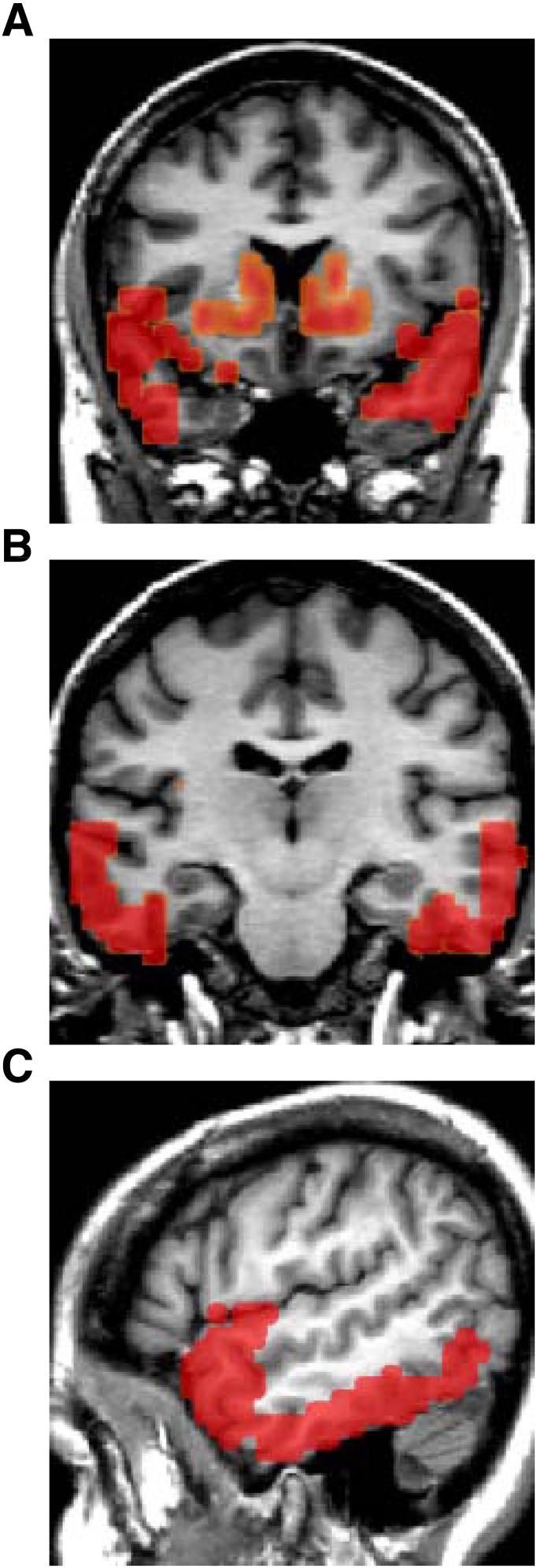
OBJECTIVE: Midbrain dopamine (DA) neurons, which are involved with reward and motivation, are modulated by hormones that regulate food intake (insulin, leptin, and acyl ghrelin [AG]). We hypothesized that these hormones are associated with deficits in DA signaling in obesity. RESEARCH DESIGN AND METHODS: We assessed the relationships between fasting levels of insulin and leptin, and AG, BMI, and insulin sensitivity index (SI) with the availability of central DA type 2 receptor (D2R). We measured D2R availability using positron emission tomography and [18F]fallypride (radioligand that competes with endogenous DA) in lean (n = 8) and obese (n = 14) females. Fasting hormones were collected prior to scanning and SI was determined by modified oral glucose tolerance test. RESULTS: Parametric image analyses revealed associations between each metabolic measure and D2R. The most extensive findings were negative associations of AG with clusters involving the striatum and inferior temporal cortices. Regional regression analyses also found extensive negative relationships between AG and D2R in the caudate, putamen, ventral striatum (VS), amygdala, and temporal lobes. SI was negatively associated with D2R in the VS, while insulin was not. In the caudate, BMI and leptin were positively associated with D2R availability. The direction of associations of leptin and AG with D2R availability are consistent with their opposite effects on DA levels (decreasing and increasing, respectively). After adjusting for BMI, AG maintained a significant relationship in the VS. We hypothesize that the increased D2R availability in obese subjects reflects relatively reduced DA levels competing with the radioligand. CONCLUSIONS: Our findings provide evidence for an association between the neuroendocrine hormones and DA brain signaling in obese females.
Overview
The claims and statistics of this paper haven’t been checked yet.
Run the check — free, no account needed. It reads the open-access text and checks the sources it cites.
Integrity signals
Registry
Cites
Statistics
Figures
Verification
Claims the paper makes
The claims and statistics of this paper haven’t been checked yet.
Run the check — free, no account needed. It reads the open-access text and checks the sources it cites.
Claims other papers make about this one
Each is checked against this paper’s own text: does it say what the citing paper says it does?
In the citing paper
“This is consistent with preclinical (40) and clinical (41) studies showing dynamic associations between the changes in neuroendocrine hormones (e.g. insulin, leptin, ghrelin) triggered by food restriction and brain DA signalling and those of recent reports of a relationship between addictive personality and maladaptive eating behaviours following bariatric surgery (42,43).”
From Obesity and addiction: Neurobiological overlaps (2013) · cites this paper as [41]
Self-check
Percentages, sums and reported differences re-computed from the paper’s own numbers.
The self-check needs the paper’s full text.
Citations
Cites
Comparison of Beck Depression Inventories -IA and -II in psychiatric outpatients
Beck, A. T., Steer, R. A., Ball, R., & Ranieri, W. F. (1996) · Journal of Personality Assessment · doi:10.1207/s15327752jpa6703_13 · Cited by 5,965 · cited 4×
“The study included 22 females (6 black, 16 white), 8 in the lean group (BMI = 236 2 kg/m2) and 14 in the obese group (BMI = 40 6 5 kg/m2), who were comparable in age (P = 0.904) and scores on the BDI-II (P = 0.430) (Table 1).”
BackgroundInfluentialForman, S. D., Cohen, J. D., Fitzgerald, M., Eddy, W. F., Mintun, M. A., & Noll, D. C. (1995) · Magnetic Resonance in Medicine · doi:10.1002/mrm.1910330508 · Cited by 3,202 · cited 1×
“(20) were used to assess the significance of clusters of significant correlations.”
MethodWang, G.-J., Volkow, N. D., Logan, J., Pappas, N. R., Wong, C. T., Zhu, W., Netusll, N., & Fowler, J. S. (2001) · The Lancet · doi:10.1016/s0140-6736(00)03643-6 · Cited by 1,864 · cited 5×
“Our participants were imaged at night after an 8 h fast, while others completed imaging primarily in the morning either with a relatively short fast (minimum2 h) (5) or after an overnight fast (21).”
BackgroundMethodResultInfluentialSelf-citationReward, dopamine and the control of food intake: implications for obesity
Volkow, N. D., Wang, G.-J., & Baler, R. D. (2011) · Trends in Cognitive Sciences · doi:10.1016/j.tics.2010.11.001 · Cited by 1,400 · cited 3×
“Therefore, our interpretation of diminished DA levels with obesity is consistent with current hypotheses that obesity is a state of reduced DA signaling in reward and motivation circuits (1).”
BackgroundInfluentialSelf-citationAcute effects of cocaine on human brain activity and emotion
Breiter, H. C., Gollub, R. L., Weisskoff, R. M., Kennedy, D. N., Makris, N., Berke, J. D., Goodman, J. M., Kantor, H. L., Gastfriend, D. R., Riorden, J. P., et al. (1997) · Neuron · doi:10.1016/s0896-6273(00)80374-8 · Cited by 1,270 · cited 1×
“These are evolutionarily advanced regions of the neocortex that participate in various cognitive functions, including memory sensory integration, that have been previously implicated in obesity (35) and drug abuse (36).”
BackgroundChanges in brain activity related to eating chocolate: From pleasure to aversion
Small, D. M. (2001) · Brain · doi:10.1093/brain/124.9.1720 · Cited by 1,179 · cited 1×
“The inferior temporal cortex is involved with visual perception (37) but also participates in satiation (38).”
BackgroundLeptin Receptor Signaling in Midbrain Dopamine Neurons Regulates Feeding
Hommel, J. D., Trinko, R., Sears, R. M., Georgescu, D., Liu, Z.-W., Gao, X.-B., Thurmon, J. J., Marinelli, M., & DiLeone, R. J. (2006) · Neuron · doi:10.1016/j.neuron.2006.08.023 · Cited by 902 · cited 1×
“Specifically, leptin diminishes VTA DA neuron firing and nucleus accumbens DA release (26), whereas AG increases VTA DA neuron firing and nucleus accumbens DA release (27).”
BackgroundStice, E., Spoor, S., Bohon, C., Veldhuizen, M. G., & Small, D. M. (2008) · Journal of Abnormal Psychology · doi:10.1037/a0013600 · Cited by 779 · cited 1×
“Imaging studies reveal that DA release in the dorsal striatum is associated with pleasure from food intake (3) and that obese individuals have reduced neural activation in the dorsal striatum when they consume highly palatable food compared with lean subjects (4).”
BackgroundSmall, D. M., Jones-Gotman, M., & Dagher, A. (2003) · NeuroImage · doi:10.1016/s1053-8119(03)00253-2 · Cited by 632
Ghrelin and the short- and long-term regulation of appetite and body weight
Cummings, D. E. (2006) · Physiology & Behavior · doi:10.1016/j.physbeh.2006.05.022 · Cited by 620 · cited 1×
“Hypothalamic and dopaminergic nuclei are neuroanatomically interconnected (6), and DA neurons in the ventral tegmental area (VTA) [project to ventral striatum (rodent equivalent is the nucleus accumbens]) and substantia nigra (project to dorsal striatum) express receptors for insulin, leptin (2), and AG (7).”
Background
Cited by
Sorted by citations
The dopamine motive system: implications for drug and food addiction
Volkow, N. D., Wise, R. A., & Baler, R. (2017) · Nature Reviews Neuroscience · doi:10.1038/nrn.2017.130 · Cited by 939
Self-citationThe Neuroscience of Drug Reward and Addiction
Volkow, N. D., Michaelides, M., & Baler, R. (2019) · Physiological Reviews · doi:10.1152/physrev.00014.2018 · Cited by 863
“95, 175).”
Self-citationObesity and addiction: Neurobiological overlaps
Volkow, N. D., Wang, G. ‐., Tomasi, D., & Baler, R. D. (2013) · Obesity Reviews · doi:10.1111/j.1467-789x.2012.01031.x · Cited by 800
“This is consistent with preclinical (40) and clinical (41) studies showing dynamic associations between the changes in neuroendocrine hormones (e.”
ResultSelf-citationVal‐Laillet, D., Aarts, E., Weber, B., Ferrari, M., Quaresima, V., Stoeckel, L. E., Alonso‐Alonso, M., Audette, M. A., Malbert, C., & Stice, E. M. (2015) · NeuroImage Clinical · doi:10.1016/j.nicl.2015.03.016 · Cited by 466
“As a consequence, the choice of a neuromodulation strategy cannot rest on a single criterion (e.g. balance between the severity of disease — e.g. high BMI with comorbidities — and the invasiveness of therapy), but on multiple assessment criteria, of which some of these are directlyrelatedtothepatient 3 sphenotypeandso…”
InfluentialUpadhyay, J., Farr, O. M., Perakakis, N., Ghaly, W., & Mantzoros, C. S. (2017) · Medical Clinics of North America · doi:10.1016/j.mcna.2017.08.004 · Cited by 425
Hormonal and neural mechanisms of food reward, eating behaviour and obesity
Murray, S. M., Tulloch, A. J., Gold, M. S., & Avena, N. M. (2014) · Nature Reviews Endocrinology · doi:10.1038/nrendo.2014.91 · Cited by 275
Central nervous pathways of insulin action in the control of metabolism and food intake
Kullmann, S., Kleinridders, A., Small, D. M., Fritsche, A., Häring, H.-U., Preissl, H., & Heni, M. (2020) · The Lancet Diabetes & Endocrinology · doi:10.1016/s2213-8587(20)30113-3 · Cited by 233
Striatocortical pathway dysfunction in addiction and obesity: differences and similarities
Tomasi, D. G., & Volkow, N. D. (2012) · Critical Reviews in Biochemistry and Molecular Biology · doi:10.3109/10409238.2012.735642 · Cited by 236
“…these activation response PET studies measuring D2R © 2013 Informa Healthcare USA, Inc. with [18F]fallypride in obese subject showed an inverse correlation between ghrelin and D2R in dorsal and ventral striatum and in inferior temporal cortex, temporal pole, insula and amygdala (Dunn et al., 2012).”
BackgroundSelf-citationCentral nervous system regulation of eating: Insights from human brain imaging
Farr, O. M., Li, C. R., & Mantzoros, C. S. (2016) · Metabolism · doi:10.1016/j.metabol.2016.02.002 · Cited by 200
The role of reward circuitry and food addiction in the obesity epidemic: An update
Leigh, S.-J., & Morris, M. J. (2018) · Biological Psychology · doi:10.1016/j.biopsycho.2016.12.013 · Cited by 191
Dalenberg, J. R., Patel, B. P., Denis, R., Veldhuizen, M. G., Nakamura, Y., Vinke, P. C., Luquet, S. H., & Small, D. M. (2020) · Cell Metabolism · doi:10.1016/j.cmet.2020.01.014 · Cited by 163
“Accordingly, in humans, peripheral insulin resistance correlates with dopamine type 2 receptor availability (Dunn et al., 2012) and in fruit flies, chronic exposure to sucralose alters the equivalent of insulin and dopamine systems leading to glucose intolerance (Wang et al.”
BackgroundObesity and the Neurocognitive Basis of Food Reward and the Control of Intake
Ziauddeen, H., Alonso‐Alonso, M., Hill, J. O., Kelley, M. J., & Khan, N. A. (2015) · Advances in Nutrition · doi:10.3945/an.115.008268 · Cited by 157
Basal Ganglia Dysfunction Contributes to Physical Inactivity in Obesity
Friend, D. M., Devarakonda, K., O’Neal, T. J., Skirzewski, M., Papazoglou, I., Kaplan, A. R., Liow, J., Guo, J., Rane, S. G., Rubinstein, M., et al. (2016) · Cell Metabolism · doi:10.1016/j.cmet.2016.12.001 · Cited by 121
“However, more recent work has called this finding into question (Caravaggio et al., 2015; Cosgrove et al., 2015; Dunn et al., 2012; Guo et al., 2014; Karlsson et al., 2015, 2016; Steele et al., 2010; Tuominen et al., 2015).”
InfluentialHeni, M., Wagner, R., Kullmann, S., Gancheva, S., Roden, M., Peter, A., Stefan, N., Preissl, H., Häring, H.-U., & Fritsche, A. (2017) · Diabetes · doi:10.2337/db16-1380 · Cited by 115
“The striatal dopamine receptor availability is associated with whole-body insulin sensitivity (41).”
Backgroundvan Galen, K. A., ter Horst, K. W., Booij, J., la Fleur, S. E., & Serlie, M. J. M. (2017) · Metabolism · doi:10.1016/j.metabol.2017.09.007 · Cited by 111
Argument for a non‐linear relationship between severity of human obesity and dopaminergic tone
Horstmann, A., Fenske, W. K., & Hankir, M. K. (2015) · Obesity Reviews · doi:10.1111/obr.12303 · Cited by 109
“Dunn and colleagues also used [(18)F]fallypride to determine D2/D3-receptor BP in lean and obese women (39).”
MethodStriatal dopamine regulates systemic glucose metabolism in humans and mice
ter Horst, K. W., Lammers, N. M., Trinko, R., Opland, D. M., Figee, M., Ackermans, M. T., Booij, J., van den Munckhof, P., Schuurman, P. R., Fliers, E., et al. (2018) · Science Translational Medicine · doi:10.1126/scitranslmed.aar3752 · Cited by 109
Blum, K., Febo, M., Badgaiyan, R. D., Demetrovics, Z., Simpatico, T. A., Fahlke, C., Oscar‐Berman, M., Li, M., Dushaj, K., & Gold, M. S. (2016) · Current Neuropharmacology · doi:10.2174/1570159x13666160512150918 · Cited by 99
“The dopamine D2 receptor remains to be a major player in RDS behaviors, despite the involvement of other genes [30].”
Beeler, J. A., Faust, R. P., Turkson, S., Ye, H., & Zhuang, X. (2015) · Biological Psychiatry · doi:10.1016/j.biopsych.2015.07.009 · Cited by 100
Benton, D., & Young, H. A. (2016) · International Journal of Obesity · doi:10.1038/ijo.2016.9 · Cited by 94
Exercise restores brain insulin sensitivity in sedentary adults who are overweight and obese
Kullmann, S., Goj, T., Veit, R., Fritsche, L., Wagner, L., Schneeweiß, P., Hoene, M., Hoffmann, C., Machann, J., Niess, A. M., et al. (2022) · JCI Insight · doi:10.1172/jci.insight.161498 · Cited by 97
“This hypothesis is supported by the observation that dopamine levels in the striatum are linked to peripheral glucose metabolism (53) and that intranasal insulin administration directly modulates striatal dopamine levels (54).”
Eisenstein, S. A., Antenor‐Dorsey, J. A. V., Gredysa, D. M., Koller, J. M., Bihun, E. C., Ranck, S. A., Arbeláez, A. M., Klein, S., Perlmutter, J. S., Moerlein, S. M., et al. (2013) · Synapse · doi:10.1002/syn.21680 · Cited by 88
“The power of our study to detect differences in D2R BPND estimates between normal-weight and obese groups as well as to detect correlations between D2R BPND estimates and BMI in the obese group was calculated based on results from previous studies of D2=D3 receptor availability (de Weijer et al., 2011; Dunn et al., 20…”
BackgroundMethodResultInfluentialHajnal, A. S., Zharikov, A., Polston, J. E., Fields, M. R., Tomasko, J. M., Rogers, A. M., Volkow, N. D., & Thanos, P. K. (2012) · PLoS ONE · doi:10.1371/journal.pone.0049121 · Cited by 86
“Furthermore, hormones that have been shown to change after RYGB, such as leptin and ghrelin [35,36,37], are also known to modulate the dopaminergic reward system [38,39,40,41] as well as alcohol consumption [41,42,43].”
BackgroundSelf-citationFood Addiction and Binge Eating: Lessons Learned from Animal Models
Novelle, M. G., & Diéguez, C. (2018) · Nutrients · doi:10.3390/nu10010071 · Cited by 90
“Contrarily, other groups have shown higher striatal DA in obese individuals [77,99].”
ResultDopaminergic Control of the Feeding Circuit
Baik, J. (2021) · Endocrinology and Metabolism · doi:10.3803/enm.2021.979 · Cited by 81
“Individuals who carried one or more copies of TaqI A1 and were homozygous for the Lys109Arg LEPR variant had a significantly higher BMI than carriers of all other alleles, suggesting a possible critical interaction between dopamine and the leptin system through D2R, although no independent association between Lys109RA…”
BackgroundMethodInfluentialCaravaggio, F., Borlido, C., Hahn, M., Feng, Z., Fervaha, G., Gerretsen, P., Nakajima, S., Plitman, E., Chung, J. K., Iwata, Y., et al. (2015) · The International Journal of Neuropsychopharmacology · doi:10.1093/ijnp/pyv014 · Cited by 76
“…of subjects (n = 11), examination of correlations between participant metabolic variables revealed that age was positively correlated with waist circumference (r(9) = .76, P = .007), and waist circumference was positively correlated with fasting levels of insulin (r(9) = .80, P = .003) (Table 2).”
BackgroundDopamine D 2/3 receptor availability and amphetamine-induced dopamine release in obesity
van de Giessen, E., Celik, F., Schweitzer, D. H., van den Brink, W., & Booij, J. (2014) · Journal of Psychopharmacology · doi:10.1177/0269881114531664 · Cited by 74
Fuel not fun: Reinterpreting attenuated brain responses to reward in obesity
Kroemer, N. B., & Small, D. M. (2016) · Physiology & Behavior · doi:10.1016/j.physbeh.2016.04.020 · Cited by 74
“Below we consider the possibility that the robust inverse association between BMI and dorsal striatal responses to nutrient intake is an indication of attenuated rewardrelated learning signals.”
BackgroundInfluentialMesolimbic dopamine and its neuromodulators in obesity and binge eating
Naef, L., Pitman, K. A., & Borgland, S. L. (2015) · CNS Spectrums · doi:10.1017/s1092852915000693 · Cited by 70
“Most studies examining the relationship between human obesity and dopamine D2 (and D4) receptor availability have revealed a decrease in D2 receptor availability in obesity, although increased availability has also been reported in fasted obese subjects.(29) One important caveat with some of the human literature is th…”
BackgroundAssociations between dopamine D2 receptor availability and BMI depend on age
Dang, L. C., Samanez-Larkin, G. R., Castrellon, J. J., Perkins, S. F., Cowan, R. L., & Zald, D. H. (2016) · NeuroImage · doi:10.1016/j.neuroimage.2016.05.044 · Cited by 66
“It may be that beyond a certain age, changes in DRD2 affinity state cause the positive relation between BPnd and BMI to be more prominent and observable with high affinity DRD2/3 ligands, such as 11C]-(+)-PHNO and [18F]fallypride (Cosgrove et al., 2015; Dunn et al., 2012; Caravaggio et al., 2015).”
BackgroundInfluentialMechanisms of insulin resistance in the amygdala: Influences on food intake
Areias, M. F. C., & Prada, P. O. (2015) · Behavioural Brain Research · doi:10.1016/j.bbr.2015.01.003 · Cited by 60
Gold, M. S., Baron, D. A., Bowirrat, A., & Blum, K. (2020) · Journal of the Neurological Sciences · doi:10.1016/j.jns.2020.117137 · Cited by 59
Persistent effects of obesity: A neuroplasticity hypothesis
Matikainen‐Ankney, B. A., & Kravitz, A. V. (2018) · Annals of the New York Academy of Sciences · doi:10.1111/nyas.13665 · Cited by 56
Food and addiction among the ageing population
Murray, S. M., Kroll, C., & Avena, N. M. (2014) · Ageing Research Reviews · doi:10.1016/j.arr.2014.10.002 · Cited by 56
Central Insulin Modulates Dopamine Signaling in the Human Striatum
Kullmann, S., Blum, D., Jaghutriz, B. A., Gassenmaier, C., Bender, B., Häring, H., Reischl, G., Preissl, H. T., la Fougère, C., Fritsche, A., et al. (2021) · The Journal of Clinical Endocrinology & Metabolism · doi:10.1210/clinem/dgab410 · Cited by 61
Insulin, Central Dopamine D2 Receptors, and Monetary Reward Discounting in Obesity
Eisenstein, S. A., Gredysa, D. M., Antenor‐Dorsey, J. A. V., Green, L., Arbeláez, A. M., Koller, J. M., BLACK, K. J., Perlmutter, J. S., Moerlein, S. M., & Hershey, T. G. (2015) · PLoS ONE · doi:10.1371/journal.pone.0133621 · Cited by 59
“Lower insulin sensitivity is associated with increased brain activation induced by food images [24] and increased striatal D2-like receptor binding [3].”
BackgroundFoxO1 in dopaminergic neurons regulates energy homeostasis and targets tyrosine hydroxylase
Doan, K. V., Kinyua, A. W., Yang, D. J., Ko, C. M., Moh, S. H., Shong, K. E., Kim, H., Park, S.-K., Kim, D. H., Kim, I., et al. (2016) · Nature Communications · doi:10.1038/ncomms12733 · Cited by 54
de Weijer, B. A., van de Giessen, E., Janssen, I. M. C., Berends, F. J., van de Laar, A. W. J. M., Ackermans, M. T., Fliers, E., la Fleur, S. E., Booij, J., & Serlie, M. J. M. (2014) · Diabetologia · doi:10.1007/s00125-014-3178-z · Cited by 53
“Furthermore, a correlation between the insulin sensitivity index (SI) and D2/3R availability in the ventral striatum has been reported [10].”
BackgroundWoods, C. A., Guttman, Z. R., Huang, D., Kolaric, R., Rabinowitsch, A. I., Jones, K. T., de Vaca, S. C., Sclafani, A. J., & Carr, K. D. (2016) · Physiology & Behavior · doi:10.1016/j.physbeh.2016.03.013 · Cited by 52
“, 2006) and insulin sensitivity correlates with D2 DA receptor availability (Dunn et al., 2012).”
BackgroundResultvan der Zwaal, E. M., de Weijer, B. A., van de Giessen, E., Janssen, I. M. C., Berends, F. J., van de Laar, A. W. J. M., Ackermans, M. T., Fliers, E., la Fleur, S. E., Booij, J., et al. (2016) · European Neuropsychopharmacology · doi:10.1016/j.euroneuro.2016.04.009 · Cited by 52
“The unchanged ghrelin levels after RYGB in this study are in line with previous findings (Stoeckli et al., 2004) but in contrast to the study by Dunn et al., we observed no correlations between changes in BPND and changes in plasma levels of ghrelin (Dunn et al., 2012).”
InfluentialRoux-en-Y Gastric Bypass Increases Intravenous Ethanol Self-Administration in Dietary Obese Rats
Polston, J. E., Pritchett, C. E., Tomasko, J. M., Rogers, A. M., Leggio, L., Thanos, P. K., Volkow, N. D., & Hajnal, A. S. (2013) · PLoS ONE · doi:10.1371/journal.pone.0083741 · Cited by 50
“Notably, hormones that have been shown to change after RYGB, such as leptin and ghrelin [26,27,28], are also known to modulate the dopaminergic reward system [29,30,31] as well as EtOH consumption [32,33].”
BackgroundSelf-citationMathar, D., Neumann, J., Villringer, A., & Horstmann, A. (2017) · Cortex · doi:10.1016/j.cortex.2017.08.022 · Cited by 49
Eisenstein, S. A., Bischoff, A. N., Gredysa, D. M., Antenor‐Dorsey, J. A. V., Koller, J. M., Al-Lozi, A. M., Pepino, M. Y., Klein, S., Perlmutter, J. S., Moerlein, S. M., et al. (2015) · Scientific Reports · doi:10.1038/srep11283 · Cited by 50
Do Dopaminergic Impairments Underlie Physical Inactivity in People with Obesity?
Kravitz, A. V., O’Neal, T. J., & Friend, D. M. (2016) · Frontiers in Human Neuroscience · doi:10.3389/fnhum.2016.00514 · Cited by 48
Brain on Fire: Incentive Salience, Hedonic Hot Spots, Dopamine, Obesity, and Other Hunger Games
Cameron, J. D., Chaput, J., Sjödin, A. M., & Goldfield, G. S. (2017) · Annual Review of Nutrition · doi:10.1146/annurev-nutr-071816-064855 · Cited by 48
Circulating acyl and des-acyl ghrelin levels in obese adults: a systematic review and meta-analysis
Wang, Y., Wu, Q., Zhou, Q., Chen, Y., Lei, X., Chen, Y., & Chen, Q. (2022) · Scientific Reports · doi:10.1038/s41598-022-06636-3 · Cited by 51
Labouesse, M. A., Sartori, A. M., Weinmann, O., Simpson, E. H., Kellendonk, C., & Weber‐Stadlbauer, U. (2018) · Proceedings of the National Academy of Sciences · doi:10.1073/pnas.1800171115 · Cited by 45
Comparing the effects of food restriction and overeating on brain reward systems
Avena, N. M., Murray, S. M., & Gold, M. S. (2013) · Experimental Gerontology · doi:10.1016/j.exger.2013.03.006 · Cited by 44
“Adding to the complexity of this issue, research has shown both that obese individuals have less D2 receptor binding compared to normal and overweight controls (Wang et al., 2001), as well as that higher BMI is related to increased D2 availability (Dunn et al., 2012).”
BackgroundOrellana, E. R., Covașă, M., & Hajnal, A. S. (2019) · Biochemical Pharmacology · doi:10.1016/j.bcp.2019.04.004 · Cited by 43
Horstmann, A. (2017) · Physiology & Behavior · doi:10.1016/j.physbeh.2017.04.001 · Cited by 37
A narrative review of highly processed food addiction across the lifespan
Schiestl, E. T., Rios, J. M., Parnarouskis, L., Cummings, J. R., & Gearhardt, A. N. (2020) · Progress in Neuro-Psychopharmacology and Biological Psychiatry · doi:10.1016/j.pnpbp.2020.110152 · Cited by 42
“Furthermore, recent research suggests that hyperinsulinemia in response to high-glycemic food intake may be responsible for driving neurochemical changes associated with HP food addiction (Caravaggio et al., 2015; Caravaggio et al., 2018; Dunn et al., 2012).”
BackgroundDrummen, M., Dorenbos, E., Vreugdenhil, A. C. E., Raben, A., Westerterp‐Plantenga, M. S., & Adam, T. C. (2018) · American Journal of Clinical Nutrition · doi:10.1093/ajcn/nqy252 · Cited by 37
An Overview of Appetite-Regulatory Peptides in Addiction Processes; From Bench to Bed Side
Shevchouk, O. T., Tufvesson‐Alm, M., & Jerlhag, E. (2021) · Frontiers in Neuroscience · doi:10.3389/fnins.2021.774050 · Cited by 42
Lipids and obesity: Also a matter of taste?
Besnard, P. (2016) · Reviews in Endocrine and Metabolic Disorders · doi:10.1007/s11154-016-9355-2 · Cited by 38
“ability in NAc and VTA being found by several groups [84–86], while no difference [87, 88] or a rise [89, 90] were”
Effort-based decision-making is affected by overweight/obesity in major depressive disorder
Mansur, R. B., Subramaniapillai, M., Zuckerman, H., Park, C., Iacobucci, M., Lee, Y. L., Tuineag, M., Hawco, C. S., Frey, B. N., Rasgon, N., et al. (2019) · Journal of Affective Disorders · doi:10.1016/j.jad.2019.06.002 · Cited by 42
Taste of Fat and Obesity: Different Hypotheses and Our Point of View
Brondel, L., Quilliot, D., Mouillot, T., Khan, N. A., Bastable, P., Boggio, V., Leloup, C., & Pénicaud, L. (2022) · Nutrients · doi:10.3390/nu14030555 · Cited by 36
Janssen, L. K., & Horstmann, A. (2022) · Brain Sciences · doi:10.3390/brainsci12040486 · Cited by 36
“, 2012 [43] [18F]-Fallypride D2/D3 BPND CAU, PUT, vSTR, SN 8:0 NW 23(2) <25 40(9) Fasted (8 h before scanning) None Secondary OB > NW in CAU 14:0 OB 40(5) >30 40(8)”
MethodResultLower dopamine tone in the striatum is associated with higher body mass index
Lee, Y., Kroemer, N. B., Oehme, L., Beuthien‐Baumann, B., Goschke, T., & Smolka, M. N. (2018) · European Neuropsychopharmacology · doi:10.1016/j.euroneuro.2018.03.009 · Cited by 38
Neurobehavioral determinants of nutritional security in fetal growth–restricted individuals
Portella, A. K., & Silveira, P. P. (2014) · Annals of the New York Academy of Sciences · doi:10.1111/nyas.12390 · Cited by 37
Incidental rewarding cues influence economic decisions in people with obesity
Simmank, J., Murawski, C., Bode, S., & Horstmann, A. (2015) · Frontiers in Behavioral Neuroscience · doi:10.3389/fnbeh.2015.00278 · Cited by 32
“…in Behavioral Neuroscience | www.frontiersin.org 12 October 2015 | Volume 9 | Article 278 by non-linear changes within the central balance of phasic and tonic dopaminergic signaling (Wang et al., 2001; de Weijer et al., 2011; Dunn et al., 2012; Guo et al., 2014; Horstmann et al., 2015a).”
BackgroundMethodInfluentialVinik, A. I., Cincotta, A. H., Scranton, R. E., Bohannon, N. J. V., Ezrokhi, M., & Gaziano, J. M. (2012) · Endocrine Practice · doi:10.4158/ep12187.or · Cited by 33
Orellana, E. R., Jamis, C., Horvath, N., & Hajnal, A. S. (2017) · Brain Research Bulletin · doi:10.1016/j.brainresbull.2017.08.004 · Cited by 33
Mansur, R. B., Fries, G. R., Subramaniapillai, M., Frangou, S., Felice, F. G. D., Rasgon, N., McEwen, B. S., Brietzke, E. M., & McIntyre, R. S. (2018) · Journal of Psychiatric Research · doi:10.1016/j.jpsychires.2018.10.020 · Cited by 34
Hartmann, H., Pauli, L. K., Janssen, L. K., Hühn, S., Ceglarek, U., & Horstmann, A. (2020) · Journal of Neuroendocrinology · doi:10.1111/jne.12917 · Cited by 33
MacIntosh, B. J., Shirzadi, Z., Atwi, S., Detre, J. A., Dolui, S., Bryan, R. N., Launer, L. J., & Swardfager, W. (2019) · Human Brain Mapping · doi:10.1002/hbm.24844 · Cited by 33
“…changes in neural circuits, such as the prefrontal and ventral striatal regions involved in food reward processing, self-regulation and stress (Dunn et al., 2012; Ottino-González et al., 2017), which could influence regional neurovascular metabolism and hence, CBF. Evidence in support of…”
BackgroundSerotonin Transporter Binding in the Diencephalon Is Reduced in Insulin-Resistant Obese Humans
Versteeg, R. I., Koopman, K. E., Booij, J., Ackermans, M. T., Unmehopa, U. A., Fliers, E., la Fleur, S. E., & Serlie, M. J. M. (2016) · Neuroendocrinology · doi:10.1159/000450549 · Cited by 32
“Obese subjects have lower striatal dopamine D2/3 receptor (D2/3R) binding availability (13) and striatal D2/3R binding is associated with insulin sensitivity (14).”
The Role of Bromocriptine-Qr in the Management of Type 2 Diabetes Expert Panel Recommendations
Garber, A. J., Blonde, L., Bloomgarden, Z. T., Handelsman, Y., & Dagogo-Jack, S. E. (2013) · Endocrine Practice · doi:10.4158/ep12325.or · Cited by 31
Dopaminergic Pathways in Obesity-Associated Inflammation
Leite, F., & Ribeiro, L. V. P. T. (2019) · Journal of Neuroimmune Pharmacology · doi:10.1007/s11481-019-09863-0 · Cited by 34
“…et al. 2008; Stice et al. 2013; Kenny 2011; Volkow and Wise 2005) and clinical studies (Wang et al. 2001; Haltia et al. 2007; Volkow et al. 2008; Dunn et al. 2012) suggested that overeating, particularly high-fat high-sugar diets, and obesity induces alterations on neural brain regions of the…”
BackgroundConverging vulnerability factors for compulsive food and drug use
Serafine, K. M., O’Dell, L. E., & Zorrilla, E. P. (2021) · Neuropharmacology · doi:10.1016/j.neuropharm.2021.108556 · Cited by 29
Kroemer, N. B., Burrasch, C., & Hellrung, L. (2016) · Progress in brain research · doi:10.1016/bs.pbr.2016.06.009 · Cited by 31
Savage, S. W., Zald, D. H., Cowan, R. L., Volkow, N. D., Marks-Shulman, P. A., Kessler, R. M., Abumrad, N. N., & Dunn, J. P. (2014) · Obesity · doi:10.1002/oby.20690 · Cited by 27
“We previously demonstrated that D2/D3R BPND in the striatum is negatively associated with fasting acyl ghrelin levels in a cohort of normal weight and obese females (10).”
Self-citationRaskin, P., & Cincotta, A. H. (2015) · Expert Review of Endocrinology & Metabolism · doi:10.1586/17446651.2016.1131119 · Cited by 28
O’Dell, L. E., & Nazarian, A. (2015) · Progress in Neuro-Psychopharmacology and Biological Psychiatry · doi:10.1016/j.pnpbp.2015.06.005 · Cited by 27
To Do or Not to Do: Dopamine, Affordability and the Economics of Opportunity
Beeler, J. A., & Mourra, D. (2018) · Frontiers in Integrative Neuroscience · doi:10.3389/fnint.2018.00006 · Cited by 28
Dorsal Striatal Dopamine, Food Preference and Health Perception in Humans
Wallace, D. L., Aarts, E., Dang, L. C., Greer, S. M., Jagust, W. J., & D’Esposito, M. (2014) · PLoS ONE · doi:10.1371/journal.pone.0096319 · Cited by 24
“a positive relationship between binding and BMI, as found in [8]).”
BackgroundBabenko, V. N., Galyamina, A. G., Rogozin, I. B., Смагин, Д. А., & Kudryavtseva, N. N. (2020) · BMC Neuroscience · doi:10.1186/s12868-020-00560-w · Cited by 23
Obesity and Brain Positron Emission Tomography
Pak, K., Kim, S., & Kim, I. J. (2017) · Nuclear Medicine and Molecular Imaging · doi:10.1007/s13139-017-0483-8 · Cited by 23
“This inconsistency between studies may be related not only with the radiopharmaceuticals, but also with the experimental settings such as the time of the day, and food restriction [63].”
BackgroundKahleová, H., Tintěra, J., Thieme, L., Veleba, J., Klementová, M., Kudláčková, M., Malínská, H., Oliyarnyk, O., Marková, I., Haluzı́k, M., et al. (2019) · Clinical Nutrition · doi:10.1016/j.clnu.2020.10.005 · Cited by 20
Farr, O. M., & Mantzoros, C. S. (2016) · International Journal of Obesity · doi:10.1038/ijo.2016.231 · Cited by 20
Janssen, L. K., Herzog, N., Waltmann, M., Breuer, N., Wiencke, K., Rausch, F., Hartmann, H., Poessel, M., & Horstmann, A. (2019) · Current Addiction Reports · doi:10.1007/s40429-019-00268-w · Cited by 20
Obesity surgery: happy with less or eternally hungry?
Shin, A. C., & Berthoud, H. (2013) · Trends in Endocrinology and Metabolism · doi:10.1016/j.tem.2012.11.009 · Cited by 19
Striatal Dopamine Homeostasis is Altered in Mice Following Roux-en-Y Gastric Bypass Surgery
Reddy, I. A., Wasserman, D. H., Ayala, J. E., Hasty, A. H., Abumrad, N. N., & Galli, A. (2014) · ACS Chemical Neuroscience · doi:10.1021/cn500137d · Cited by 19
Self-citationStriatal Dopamine D2 Receptors Regulate Cost Sensitivity and Behavioral Thrift
Mourra, D., Gnazzo, F. G., Cobos, S., & Beeler, J. A. (2019) · Neuroscience · doi:10.1016/j.neuroscience.2019.11.002 · Cited by 19
“Subsequent studies have yielded contradictory results (Volkow et al., 2008; de Weijer et al., 2011; Kessler et al., 2014; negative: Dunn et al., 2012; Eisenstein et al., 2013; de Weijer et al., 2014; Cosgrove et al., 2015; Karlsson et al., 2015; Tuominen et al., 2015).”
ResultEarly adversity and insulin: neuroendocrine programming beyond glucocorticoids
Batra, A., Latsko, M. S., Portella, A. K., & Silveira, P. P. (2021) · Trends in Endocrinology and Metabolism · doi:10.1016/j.tem.2021.09.003 · Cited by 17
Burke, M. V., & Small, D. M. (2016) · Current Opinion in Behavioral Sciences · doi:10.1016/j.cobeha.2016.02.036 · Cited by 17
la Fleur, S. E., & Serlie, M. J. M. (2014) · Best Practice & Research Clinical Endocrinology & Metabolism · doi:10.1016/j.beem.2014.06.001 · Cited by 16
Dunn, J. P., Abumrad, N. N., KESSLER, R. M., Patterson, B. W., Li, R., Marks–Shulman, P. A., & Tamboli, R. A. (2017) · Obesity · doi:10.1002/oby.22023 · Cited by 16
Self-citationBrain dopamine receptor system is not altered in obesity: Bayesian and frequentist meta‐analyses
Pak, K., & Nummenmaa, L. (2023) · Human Brain Mapping · doi:10.1002/hbm.26534 · Cited by 15
“One study with F18-Fallypride (Dunn et al., 2012) and two studies with C11-PHNO showed the higher DR availability in overweight/obese subjects while two studies with C11-Raclopride (Caravaggio et al., 2015; Haltia et al., 2008) and one study with I123-IBZM (van de Giessen et al., 2014) did not show the difference of D…”
BackgroundMethodResultInfluentialCaravaggio, F., Hahn, M., Nakajima, S., Gerretsen, P., Remington, G., & Graff-Guerrero, A. (2015) · Medical Hypotheses · doi:10.1016/j.mehy.2015.06.011 · Cited by 17
“These findings are consistent with previous PET studies which have employed other D2/3R radiotracers to examine the relationship between baseline D2/3R availability and insulin sensitivity [68,69].”
ResultRospond, B., Sadakierska−Chudy, A., Kazek, G., Krośniak, M., Bystrowska, B., & Filip, M. (2018) · Pharmacological Reports · doi:10.1016/j.pharep.2018.09.005 · Cited by 15
Striatal dopamine transporter changes after glucose loading in humans
Pak, K., Seo, S., Keun-young Kim, A., Lee, M. J., Shin, M., Suh, S., Im, H., Park, J., Kim, S., & Kim, I. J. (2019) · Diabetes Obesity and Metabolism · doi:10.1111/dom.13872 · Cited by 14
“As obesity can be defined as a BMI of 30 or more, individuals with both moderate and severe obesity can be included in the obese group in each study.(6,26,29) Moreover, as a fundamental limitation of DR availability acquired as assessed by PET scans is that endogenous dopamine competes with the radiopharmaceuticals fo…”
BackgroundThe dark side of compulsive eating and food addiction
Zorrilla, E. P., & Koob, G. F. (2019) · Elsevier eBooks · doi:10.1016/b978-0-12-816207-1.00006-8 · Cited by 14
Ziomber, A., Rokita, E., Kaszuba-Zwoińska, J., Romańska, I., Michaluk, J., & Antkiewicz‐Michaluk, L. (2018) · Frontiers in Behavioral Neuroscience · doi:10.3389/fnbeh.2017.00262 · Cited by 12
“, 2014) other experiments showed an opposite relationship (Dunn et al., 2012) or found no association between striatal DA D2 binding and BMI (Eisenstein et al.”
ResultHartmann, H., Janssen, L. K., Herzog, N., Morys, F., Fängström, D., Fallon, S. J., & Horstmann, A. (2023) · Appetite · doi:10.1016/j.appet.2023.106477 · Cited by 11
Cincotta, A. H. (2023) · International Journal of Molecular Sciences · doi:10.3390/ijms241713255 · Cited by 11
Chamarthi, B., Vinik, A. I., Ezrokhi, M., & Cincotta, A. H. (2019) · Endocrinology Diabetes & Metabolism · doi:10.1002/edm2.101 · Cited by 10
Tabassum, A., Badulescu, S., Singh, E., Asoro, R., McIntyre, R. S., Teopiz, K. M., Llach, C.-D., Shah, H., & Mansur, R. B. (2024) · Neuroscience & Biobehavioral Reviews · doi:10.1016/j.neubiorev.2024.105907 · Cited by 9
“…co-occurrence of reward and metabolic dysfunction (e.g., IR) in highly prevalent and debilitating conditions like obesity (Ziauddeen et al., 2015; Dunn et al., 2012), depression (Satterthwaite et al., 2015; Treadway and Zald, 2011; Díaz-Carías et al., 2023), anxiety (Díaz-Carías et al., 2023;…”
BackgroundAl‐Alsheikh, A. S., Alabdulkader, S., Miras, A. D., & Goldstone, A. P. (2023) · Obesity Reviews · doi:10.1111/obr.13620 · Cited by 10
“64 By contrast, higher BMI has been associated with higher 18 F-fallypride BP in the dorsal and lateral striatum 59 ; in caudate 65 ; in midbrain, putamen, and ventral striatum, 66 and higher N-methyl benperidol BP in caudate.”
BackgroundTowards a translational approach to food addiction: Implications for bulimia nervosa
Leslie, M., Lambert, E., & Treasure, J. (2019) · Current Addiction Reports · doi:10.1007/s40429-019-00264-0 · Cited by 9
“[71] conducted a positron emission tomography (PET) study using the dopamine”
MethodDarcey, V. L., Guo, J., Chi, M., Chung, S. T., Courville, A. B., Gallagher, I., Herscovitch, P., Howard, R., LaNoire, M., Milley, L., et al. (2025) · Molecular Psychiatry · doi:10.1038/s41380-025-02960-y · Cited by 18
Metadata
- Authors
- Dunn, J. P., Kessler, R. M., Feurer, I. D., Volkow, N. D., Patterson, B. W., Ansari, M. S., Li, R., Marks-Shulman, P., & Abumrad, N. N.
- Affiliations
- Vanderbilt University (US)
- National Institute on Drug Abuse (US)
- Washington University in St. Louis (US)
- Department of Surgery, Vanderbilt University School of Medicine, Nashville, Tennessee
- Corresponding author
- Dunn, Julia P.
- Venue
- Diabetes Care
- Publisher
- American Diabetes Association
- Published
- 2012-04-11
- Volume
- 35
- Issue
- 5
- Pages
- 1105-1111
- ISSN
- 0149-5992 (ISSN-L)
- 1935-5548
- PMC
- PMC3329842
- OpenAlex
- W2003413351
- Cited by
- 148
- References
- 40
- Citations by year
- 2026: 2 · 2025: 3 · 2024: 5 · 2023: 10 · 2022: 7 · 2021: 8 · 2020: 9 · 2019: 16 · 2018: 14 · 2017: 13 · 2016: 16 · 2015: 15 · 2014: 17 · 2013: 9 · 2012: 4
- FWCI
- 6.32
- Type
- journal article
- Language
- en
- Open access
- hybrid
- doi.org
- Licence
- cc-by-nc-nd
- Locations
- Diabetes Care (publishedVersion, cc-by-nc-nd)
- Europe PMC (PubMed Central) (publishedVersion, cc-by-nc-nd)
- PubMed Central (publishedVersion, cc-by-nc-nd)
- PubMed (publishedVersion)
- Funders
- U.S. Department of Veterans Affairs (IK2 CX000943)
- Vanderbilt University
- National Institutes of Health (-015855, 5p60dk020593-31, DK 20593)
- Vanderbilt Digestive Diseases Research Center, Vanderbilt University Medical Center
- National Institute of Diabetes and Digestive and Kidney Diseases (DK058404, P60-DK020593, R01DK091748, DK 20593, DK 70860, R01DK070860, 56341, P30DK058404, P30DK056341, P30DK020593)
- National Institute of Environmental Health Sciences (K12ES015855)
- National Center for Research Resources (KL2RR024977, TL1RR024978, UL1RR024975)
- Topics
- Life Sciences › Neuroscience › Endocrine and Autonomic Systems › Regulation of Appetite and Obesity
- Life Sciences › Neuroscience › Cellular and Molecular Neuroscience › Neurotransmitter Receptor Influence on Behavior
- Health Sciences › Medicine › Endocrinology, Diabetes and Metabolism › Adipokines, Inflammation, and Metabolic Diseases
- Keywords
- dopamine D2 receptor, obesity, insulin sensitivity, leptin, acylated ghrelin, insulin, neuroendocrine hormones, ventral striatum, caudate nucleus, putamen, amygdala, striatum, inferior temporal cortex, female, food intake regulation
- MeSH terms
- Adult, Basal Ganglia, Fasting, Female, Humans, Insulin Resistance, Middle Aged, Obesity, Body Mass Index, Receptors, Dopamine D2, Leptin, Positron-Emission Tomography, Ghrelin
About these checks
Registry, retraction, Cites and statistics results are computed, not judged, with one exception: a printed reference that no index lists is read once by a model before it counts as a citation error. Claims are extracted by a model and kept only when their quote appears verbatim in the text; each cited source is then checked, with a model’s help, for whether it says what the claim relies on. Those verdicts can be wrong — read the claim’s quote and the cited source before relying on one.
Statistics and arithmetic are recomputed, not judged.
Confidence bands are shown only for fields calibrated on our annotated test set. None is calibrated yet, so no band is shown.
What counts as a claim ›How we measure confidence ›How we check this ›
Are you an author, or do you see a problem with this page? Request a review
