

The DOI matches its Crossref record; 86 of the 86 references it cites were found in a registry or an index.
The placenta and neurodevelopment: sex differences in prenatal vulnerability
Open accessAbstract
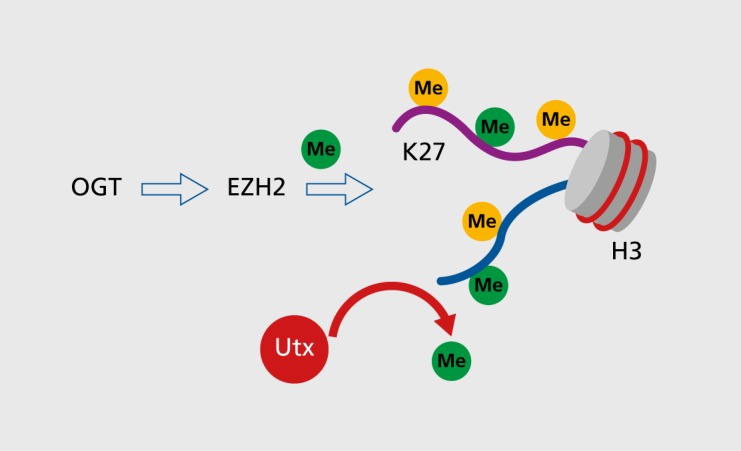
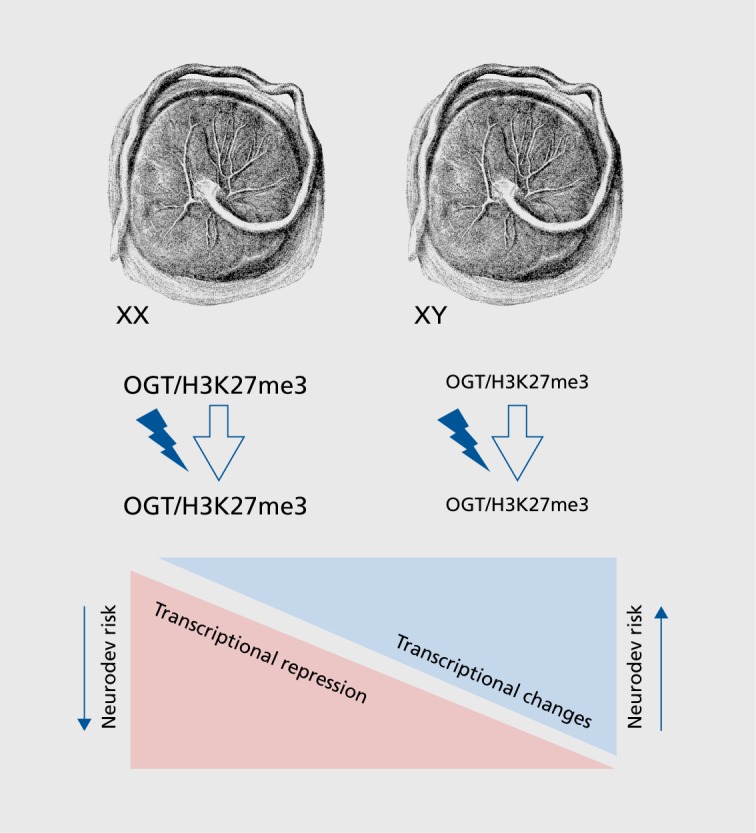
Prenatal insults, such as maternal stress, are associated with an increased neurodevelopmental disease risk and impact males significantly more than females, including increased rates of autism, mental retardation, stuttering, dyslexia, and attention deficit/hyperactivity disorder (ADHD). Sex differences in the placenta, which begin with sex chromosomes, are likely to produce sex-specific transplacental signals to the developing brain. Our studies and others have identified X-linked genes that are expressed at higher levels in the female placenta. Through a genome-wide screen after maternal stress in mice, we identified the X-linked gene O-linked N-acetylglucosamine transferase (OGT) and demonstrated its causality in neurodevelopmental programming producing a male-specific stress phenotype. Elucidating the sex-specific molecular mechanisms involved in transplacental signals that impact brain development is key to understanding the sex bias in neurodevelopmental disorders and is expected to yield novel insight into disease risk and resilience.
Overview
The claims and statistics of this paper haven’t been checked yet.
Run the check — free, no account needed. It reads the open-access text and checks the sources it cites.
Integrity signals
Registry
Cites
Statistics
Figures
Verification
Claims the paper makes
The claims and statistics of this paper haven’t been checked yet.
Run the check — free, no account needed. It reads the open-access text and checks the sources it cites.
Claims other papers make about this one
Each is checked against this paper’s own text: does it say what the citing paper says it does?
In the citing paper
“In many studies, male offspring appear to be the most strongly affected. Interestingly, they often present with what is known as a dysmasculinized phenotype (i.e., with behaviors and gene expression patterns most commonly seen in females) (Bale 2016).”
From Prenatal developmental origins of future psychopathology: mechanisms and pathways (2019) · cites this paper as Bale 2016
In the citing paper
“In one elegant model in mice based on the X-linked gene OGT (O-linked N-acetylglucosamine transferase), male placentas with typically lower levels of OGT are poised for epigenetic alterations that appear to produce robust transcriptional responses to maternal prenatal stress that result in increased stress sensitivity as adults (Bale 2016).”
From Prenatal developmental origins of future psychopathology: mechanisms and pathways (2019) · cites this paper as Bale 2016
Self-check
Percentages, sums and reported differences re-computed from the paper’s own numbers.
The self-check needs the paper’s full text.
Citations
Cites
Geschwind, N. (1985) · Archives of Neurology · doi:10.1001/archneur.1985.04060060019009 · Cited by 1,773
Geschwind, N. (1985) · Archives of Neurology · doi:10.1001/archneur.1985.04060050026008 · Cited by 1,452
Placental development: Lessons from mouse mutants
Rossant, J., & Cross, J. C. (2001) · Nature Reviews Genetics · doi:10.1038/35080570 · Cited by 1,299
Sex-Specific Programming of Offspring Emotionality after Stress Early in Pregnancy
Mueller, B. R., & Bale, T. L. (2008) · The Journal of Neuroscience · doi:10.1523/jneurosci.1424-08.2008 · Cited by 988
Self-citationEarly Life Programming and Neurodevelopmental Disorders
Bale, T. L., Baram, T. Z., Brown, A. S., Goldstein, J. M., Insel, T. R., McCarthy, M. M., Nemeroff, C. B., Reyes, T. M., Simerly, R. B., Susser, E. S., et al. (2010) · Biological Psychiatry · doi:10.1016/j.biopsych.2010.05.028 · Cited by 961
Self-citationOwens, P. C., Smith, R., Brinsmead, M. W., Hall, C., Foureur, M. J., Hurt, D., Lovelock, M., Chan, E.-C., Cubis, J., & Lewin, T. J. (1987) · Life Sciences · doi:10.1016/0024-3205(87)90603-5 · Cited by 958
Review: Sex and the human placenta: Mediating differential strategies of fetal growth and survival
Clifton, V. L. (2010) · Placenta · doi:10.1016/j.placenta.2009.11.010 · Cited by 868
Wadhwa, P. D., Sandman, C. A., Porto, M., Dunkel-Schetter, C., & Garite, T. J. (1993) · American Journal of Obstetrics and Gynecology · doi:10.1016/0002-9378(93)90016-c · Cited by 794
Why are autism spectrum conditions more prevalent in males?
Baron-Cohen, S., Lombardo, M. V., Auyeung, B., Ashwin, E., Chakrabarti, B., & Knickmeyer, R. (2011) · PLoS Biology · doi:10.1371/journal.pbio.1001081 · Cited by 754
Seckl, J. R., & Holmes, M. C. (2007) · Nature Clinical Practice Endocrinology & Metabolism · doi:10.1038/ncpendmet0515 · Cited by 754
Research works printed but not linked: 8
- Sandman CA., 2013, J Psychosom Res., 75, 327, 10.1016/j.jpsychores.2013.07.009 · DOI · Paper page
- Gabory A., 2013, Biol Sex Differ., 4, 5, 10.1186/2042-6410-4-5 · DOI · Paper page
- Howerton CL., 2014, Proc Natl Acad Sci U S A., 111, 9639, 10.1073/pnas.1401203111 · DOI
- Howerton CL., 2013, Proc Natl Acad Sci USA., 110, 5169, 10.1073/pnas.1300065110 · DOI
- Mao J., 2010, Proc Natl Acad Sci U S A., 107, 5557, 10.1073/pnas.1000440107 · DOI · Paper page
- Nugent BM., 2015, Front Neuroendocrinol., 39, 28, 10.1016/j.yfrne.2015.09.001 · DOI · Paper page
- Bronson SL., 2016, Neuropsychopharmacology., 41, 207, 10.1038/npp.2015.231 · DOI
- Nyirenda MJ., 1998, Int J Mol Med., 2, 607
Cited by
Sorted by citations
Prenatal developmental origins of future psychopathology: mechanisms and pathways
Monk, C., Lugo-Candelas, C., & Trumpff, C. (2019) · Annual Review of Clinical Psychology · doi:10.1146/annurev-clinpsy-050718-095539 · Cited by 388
“…there is an extended critical period of prenatal vulnerability—as an explanatory model; another lead considers hormone exposure, especially to testosterone, given its role of organizing sexual variation in the developing brain and association with risk of neurodevelopmental disease (Bale 2016).”
BackgroundInfluentialSex and gender differences in developmental programming of metabolism
Dearden, L., Bouret, S. G., & Ozanne, S. E. (2018) · Molecular Metabolism · doi:10.1016/j.molmet.2018.04.007 · Cited by 353
Maternal prenatal stress phenotypes associate with fetal neurodevelopment and birth outcomes
Walsh, K., McCormack, C. A., Webster, R., Pinto, A., Lee, S., Feng, T., Krakovsky, H. S., O’Grady, S. M., Tycko, B., Champagne, F. A., et al. (2019) · Proceedings of the National Academy of Sciences · doi:10.1073/pnas.1905890116 · Cited by 273
Parental Advisory: Maternal and Paternal Stress Can Impact Offspring Neurodevelopment
Chan, J. C., Nugent, B. M., & Bale, T. L. (2018) · Biological Psychiatry · doi:10.1016/j.biopsych.2017.10.005 · Cited by 241
“During pregnancy, maternal stress alters the maternal milieu, which can directly or indirectly impact fetal development (3,4).”
BackgroundSelf-citationIL-6 and IL-8: An Overview of Their Roles in Healthy and Pathological Pregnancies
Vilotić, A., Nacka-Aleksić, M., Pirković, A., Bojić‐Trbojević, Ž., Dekanski, D., & Krivokuća, M. J. (2022) · International Journal of Molecular Sciences · doi:10.3390/ijms232314574 · Cited by 271
Sex Differences in Immunity to Viral Infections
Jacobsen, H., & Klein, S. L. (2021) · Frontiers in Immunology · doi:10.3389/fimmu.2021.720952 · Cited by 246
Graham, A. M., Rasmussen, J. M., Entringer, S., Ben Ward, E., Rudolph, M. D., Gilmore, J. H., Styner, M., Wadhwa, P. D., Fair, D. A., & Buss, C. (2019) · Biological Psychiatry · doi:10.1016/j.biopsych.2018.06.023 · Cited by 203
Sex Differences in Vulnerability to Prenatal Stress: a Review of the Recent Literature
Sutherland, S. L., & Brunwasser, S. M. (2018) · Current Psychiatry Reports · doi:10.1007/s11920-018-0961-4 · Cited by 194
Santos, S., Ferreira, H., Martins, J., Gonçalves, J., & Castelo-Branco, M. S. (2022) · Neuroscience & Biobehavioral Reviews · doi:10.1016/j.neubiorev.2022.104577 · Cited by 148
“Interestingly, it has been shown that sex chromosome genes mediate transcription regulation, affecting transplacental signalling, resulting in differential responses to maternal insults that can culminate in neurodevelopmental disorders (Bale, 2016).”
BackgroundThe cortisol switch between vulnerability and resilience
de Kloet, E. R., & Joëls, M. (2023) · Molecular Psychiatry · doi:10.1038/s41380-022-01934-8 · Cited by 161
“Coping of females, by contrast, seems to involve a more pro-social strategy, analogous to the human ‘ tend to befriend ’ [178 – 181].”
Gender Specific Differences in Disease Susceptibility: The Role of Epigenetics
Migliore, L., Nicolì, V., & Stoccoro, A. (2021) · Biomedicines · doi:10.3390/biomedicines9060652 · Cited by 120
“Placenta function is also influenced by fetal sex, and placental sex seems to be a major determinant in the magnitude and functional responses of the placenta to perturbations during pregnancy [101].”
BackgroundDenizli, M., Capitano, M. L., & Kua, K. L. (2022) · Frontiers in Cellular and Infection Microbiology · doi:10.3389/fcimb.2022.940937 · Cited by 125
“Significantly decreased levels ofOGTand its controloverH3K27me3 in themale placenta predisposes male chromatin to be in a reactive state and more vulnerable to maternal stress (Bale, 2016).”
BackgroundPrata, J., Santos, S. G., Almeida, M. I., Coelho, R., & Barbosa, M. A. (2017) · Journal of Neuroinflammation · doi:10.1186/s12974-017-0938-y · Cited by 115
Placental programming of neuropsychiatric disease
Kratimenos, P., & Penn, A. A. (2019) · Pediatric Research · doi:10.1038/s41390-019-0405-9 · Cited by 115
Prenatal environmental risk factors for autism spectrum disorder and their potential mechanisms
Love, C., Sominsky, L., O’Hely, M., Berk, M., Vuillermin, P., & Dawson, S. L. (2024) · BMC Medicine · doi:10.1186/s12916-024-03617-3 · Cited by 110
“Mouse and human studies indicate that placental immune responses may occur in a sex-specific manner in response to maternal stressors, potentially mediated by hormonal disruptions and consequently influencing neurodevelopmental outcomes [104, 105].”
BackgroundCerritelli, F., Frasch, M. G., Antonelli, M. C., Viglione, C., Vecchi, S., Chiera, M., & Manzotti, A. (2021) · Frontiers in Neuroscience · doi:10.3389/fnins.2021.721605 · Cited by 108
“A dysregulation in CRH production, secondary to various maternal conditions, such as hypoxia, increased inflammatory cytokines and glucocorticoids, stress, preeclampsia, and eclampsia, may lead to altered neurodevelopmental patterns of these fetal structures (Allen, 2001; Bale, 2016; Sheng et al., 2020).”
BackgroundInfluentialMaternal-fetal cross-talk via the placenta: influence on offspring development and metabolism
Kramer, A. C., Jansson, T., Bale, T. L., & Powell, T. L. (2023) · Development · doi:10.1242/dev.202088 · Cited by 119
Self-citationTreating the placenta to prevent adverse effects of gestational hypoxia on fetal brain development
Phillips, T. J., Scott, H., Menassa, D. A., Bignell, A. L., Sood, A., Morton, J. S., Akagi, T., Azuma, K., Rogers, M. F., Gilmore, C. E., et al. (2017) · Scientific Reports · doi:10.1038/s41598-017-06300-1 · Cited by 97
Goldstein, J. M., Hale, T. M., Foster, S. L., Tobet, S. A., & Handa, R. J. (2018) · Neuropsychopharmacology · doi:10.1038/s41386-018-0146-1 · Cited by 98
Thomason, M. E., Hect, J. L., Rauh, V. A., Trentacosta, C., Wheelock, M. D., Eggebrecht, A. T., Espinoza-Heredia, C., & Burt, S. A. (2019) · NeuroImage · doi:10.1016/j.neuroimage.2019.02.017 · Cited by 94
“Indeed, it is well recognized that males and females demonstrate variation in sensitivity and vulnerability to insults in early development (Bale, 2016; Barnett and Scaramella, 2013; G oes et al., 2015; Whitfield et al., 1997).”
Zhao, Q., Wang, Q., Wang, J., Tang, M.-M., Huang, S., Peng, K., Han, Y., Zhang, J., Liu, G., Fang, Q., et al. (2019) · Neurobiology of Disease · doi:10.1016/j.nbd.2019.01.005 · Cited by 87
Placental Macrophages: A Window Into Fetal Microglial Function in Maternal Obesity
Edlow, A. G., Glass, R. M., Smith, C. J. W., Tran, P. K., James, K. E., & Bilbo, S. D. (2018) · International Journal of Developmental Neuroscience · doi:10.1016/j.ijdevneu.2018.11.004 · Cited by 82
“As the interface between the maternal and fetal environments and the source of fetal nutrition, the placenta has been implicated in developmental programming (Jansson and Powell 2007), including of the developing fetal brain (Hsiao and Patterson 2012; Bale 2016; Bronson and Bale 2016).”
BackgroundInfluentialMatheson, K., Seymour, A. M., Landry, J., Ventura, K., Arsenault, E., & Anisman, H. (2022) · International Journal of Environmental Research and Public Health · doi:10.3390/ijerph19116455 · Cited by 111
“These epigenetic effects could involve actions related to diverse biological processes, and particular attention has been devoted to those that influence or reflect stress reactivity (HPA functioning) and emotionality in offspring [125].”
BackgroundNutrient‐driven O‐Glc NA c in proteostasis and neurodegeneration
Akan, I., Stichelen, S. O.-V., Bond, M. R., & Hanover, J. A. (2017) · Journal of Neurochemistry · doi:10.1111/jnc.14242 · Cited by 84
“Several studies suggest that maternal stress increases the risk of neurodevelopmental diseases including autism, stuttering, dyslexia, and attention deficit/hyperactivity disorder and that males are more significantly affected than females (reviewed in Bale 2016).”
BackgroundJunior, H. P. D. O. S., Bhattacharya, A., Martin, E. M., Addo, K., Psioda, M., Smeester, L., Joseph, R. M., Hooper, S. R., Frazier, J. A., Kuban, K., et al. (2019) · Epigenetics · doi:10.1080/15592294.2019.1614743 · Cited by 82
“Elucidating the sex-specific mechanisms involved in transplacental signals could lead to novel insights into disease risk and resilience related to early life adversity [47,48].”
BackgroundShook, L. L., Kışlal, S., & Edlow, A. G. (2020) · Prenatal Diagnosis · doi:10.1002/pd.5724 · Cited by 88
“ways to maternal stressors, which differentially impact the developing male and female fetal brains.(132) Decreased expression of X-linked genes in male placentas, placental production of sex hormones, and”
BackgroundBordeleau, M., Carrier, M., Luheshi, G. N., & Tremblay, M.-È. (2019) · Seminars in Cell & Developmental Biology · doi:10.1016/j.semcdb.2019.06.001 · Cited by 75
Rock, K. D., St Armour, G., Horman, B., Phillips, A., Ruis, M., Stewart, A. K., Jima, D., Muddiman, D. C., Stapleton, H. M., & Patisaul, H. B. (2020) · Toxicological Sciences · doi:10.1093/toxsci/kfaa046 · Cited by 69
“Placental function is environmentally responsive and sex-specific, with placental sex (XX vs XY) determining many aspects of placental development and function (Bale, 2016; Konkel, 2016; Nugent and Bale, 2015).”
BackgroundSex Differences Are Here to Stay: Relevance to Prenatal Care
Inkster, A. M., Fernández-Boyano, I., & Robinson, W. P. (2021) · Journal of Clinical Medicine · doi:10.3390/jcm10133000 · Cited by 67
Sex modifies placental gene expression in response to metabolic and inflammatory stress
Barke, T. L., Money, K. M., Du, L., Serezani, A. P. M., GANNON, M. A., Mirnics, K., & Aronoff, D. M. (2019) · Placenta · doi:10.1016/j.placenta.2019.02.008 · Cited by 62
Székely, E., Neumann, A., Sallis, H., Jolicoeur‐Martineau, A., Verhulst, F. C., Meaney, M. J., Pearson, R. M., Levitan, R. D., Kennedy, J. L., Lydon, J. E., et al. (2020) · Journal of the American Academy of Child & Adolescent Psychiatry · doi:10.1016/j.jaac.2020.02.017 · Cited by 63
Perinatal exposure to maternal obesity: Lasting cardiometabolic impact on offspring
Kışlal, S., Shook, L. L., & Edlow, A. G. (2020) · Prenatal Diagnosis · doi:10.1002/pd.5784 · Cited by 62
Daskalakis, N. P., Meijer, O. C., & de Kloet, E. R. (2022) · Neurobiology of Stress · doi:10.1016/j.ynstr.2022.100455 · Cited by 64
“ticoid secretion pattern and signaling in response to an acute stressor, taking also into account the sex difference (Bale, 2016; Kokras et al., 2021; Kroon et al., 2020; Quinn et al., 2014).”
InfluentialRock, K. D., Horman, B. M., Phillips, A. L., McRitchie, S., Watson, S. L., Deese-Spruill, J., Jima, D. D., Sumner, S., Stapleton, H. M., & Patisaul, H. B. (2018) · Endocrine Connections · doi:10.1530/ec-17-0373 · Cited by 55
“For example, the fetal side of the placenta is the sole source of 5-HT for the developing forebrain from GD 10–15 (5, 6).”
BackgroundInfluentialMaternal stressors and the developmental origins of neuropsychiatric risk
Khambadkone, S. G., Cordner, Z. A., & Tamashiro, K. L. (2020) · Frontiers in Neuroendocrinology · doi:10.1016/j.yfrne.2020.100834 · Cited by 61
“Studies across a variety of maternal insults have revealed sexually dimorphic placental responses to stressors (Bronson and Bale, 2016; Davis and Pfaff, 2014; Sandman et al., 2013; Mao et al., 2010; Howerton et al., 2013; Bronson and Bale, 2014; Dunn et al., 2011; Gabory et al., 2013; Clifton,…”
BackgroundInfluentialMaternal overnutrition induces long-term cognitive deficits across several generations
Sarker, G., & Peleg-Raibstein, D. (2018) · Nutrients · doi:10.3390/nu11010007 · Cited by 52
Caparrós-González, R. A., Lynn, F. A., Alderdice, F. A., & Peralta‐Ramírez, M. I. (2022) · Stress · doi:10.1080/10253890.2022.2059348 · Cited by 53
“This finding is in line with a previous study reporting a higher impact of prenatal stress on male infants, including higher rates of dyslexia and autism (Bale, 2016).”
ResultBernstein, S. R., Kelleher, C., & Khalil, R. A. (2023) · Biochemical Pharmacology · doi:10.1016/j.bcp.2023.115737 · Cited by 55
Goodman, C. V., Green, R. R., DaCosta, A., Flora, D. B., Lanphear, B. P., & Till, C. (2023) · Environmental Health · doi:10.1186/s12940-023-01029-z · Cited by 56
“This pattern is consistently seen in response to exposure to prenatal stress [107].”
BackgroundSexual Dimorphism in the Age of Genomics: How, When, Where
Deegan, D. F., & Engel, N. (2019) · Frontiers in Cell and Developmental Biology · doi:10.3389/fcell.2019.00186 · Cited by 54
“Moreover, male and female embryos exhibit different susceptibilities to environmental factors during early gestation (Jenkins et al., 2007; Gabory et al., 2012; Bale, 2016; Bansal et al., 2017).”
BackgroundCohort profile: the ECHO prenatal and early childhood pathways to health consortium (ECHO-PATHWAYS)
LeWinn, K. Z., Karr, C. J., Hazlehurst, M. F., Carroll, K. N., Loftus, C. T., Nguyen, R. H. N., Barrett, E. S., Swan, S. H., Szpiro, A. A., Paquette, A. G., et al. (2022) · BMJ Open · doi:10.1136/bmjopen-2022-064288 · Cited by 54
Cellular stress mechanisms of prenatal maternal stress: Heat shock factors and oxidative stress
Dowell, J., Elser, B. A., Schroeder, R. E., & Stevens, H. E. (2019) · Neuroscience Letters · doi:10.1016/j.neulet.2019.134368 · Cited by 51
“Furthermore, given that the placenta consists of cells of both embryonic and maternal origin, sex differences in placental function are present throughout gestation, mediating sex-specific responses to maternal stress [13, 161].”
BackgroundPrenatal pregnancy-related anxiety predicts boys’ ADHD symptoms via placental C-reactive protein
Shao, S., Wang, J., Huang, K., Wang, S., Liu, H., Wan, S., Yan, S., Hao, J., Zhu, P., & Tao, F. (2020) · Psychoneuroendocrinology · doi:10.1016/j.psyneuen.2020.104797 · Cited by 50
Examining Sex Differences in the Human Placental Transcriptome During the First Fetal Androgen Peak
Braun, A. E., Muench, K. L., Robinson, B. G., Wang, A., Palmer, T. D., & Winn, V. D. (2020) · Reproductive Sciences · doi:10.1007/s43032-020-00355-8 · Cited by 55
Gumusoglu, S. B., Hing, B. W. Q., Chilukuri, A. S. S., Dewitt, J. J., Scroggins, S. M., & Stevens, H. E. (2020) · Neuropsychopharmacology · doi:10.1038/s41386-020-0640-0 · Cited by 49
“In early development, placental sex differences influence the brain [50].”
BackgroundThe public reception of putative epigenetic mechanisms in the transgenerational effects of trauma
Yehuda, R., Lehrner, A. L., & Bierer, L. M. (2018) · Current Zoology · doi:10.1093/eep/dvy018 · Cited by 51
The Contribution of Inflammation to Autism Spectrum Disorders: Recent Clinical Evidence
Prata, J., Machado, A. S., von Doellinger, O., Almeida, M. I., Barbosa, M. A., Coelho, R. C., & Santos, S. G. (2019) · Methods in molecular biology · doi:10.1007/978-1-4939-9554-7_29 · Cited by 47
Placental genomic risk scores and early neurodevelopmental outcomes
Ursini, G., Punzi, G., Langworthy, B., Chen, Q., Xia, K., Cornea, E. A., Goldman, B. D., Styner, M. A., Knickmeyer, R. C., Gilmore, J. H., et al. (2021) · Proceedings of the National Academy of Sciences · doi:10.1073/pnas.2019789118 · Cited by 46
A cross-cohort analysis of autosomal DNA methylation sex differences in the term placenta
Inkster, A. M., Yuan, V., Konwar, C., Matthews, A., Brown, C. J., & Robinson, W. P. (2021) · Biology of Sex Differences · doi:10.1186/s13293-021-00381-4 · Cited by 46
Maternal prenatal cortisol programs the infant hypothalamic–pituitary–adrenal axis
Irwin, J. L., Meyering, A. L., Peterson, G., Glynn, L. M., Sandman, C. A., Hicks, L. M., & Davis, E. P. (2020) · Psychoneuroendocrinology · doi:10.1016/j.psyneuen.2020.105106 · Cited by 48
Marchisella, F., Creutzberg, K. C., Begni, V., Sanson, A., Wearick‐Silva, L. E., Tractenberg, S. G., Orso, R., Kestering-Ferreira, É., Grassi‐Oliveira, R., & Riva, M. A. (2021) · Frontiers in Cell and Developmental Biology · doi:10.3389/fcell.2021.653384 · Cited by 50
“However, sex-specific neurobehavioral outcomes have been reported for rodents and humans (for reviews, see Weinstock, 2007; Bale, 2016).”
BackgroundPathogenic Infections during Pregnancy and the Consequences for Fetal Brain Development
Jash, S., & Sharma, S. (2022) · Pathogens · doi:10.3390/pathogens11020193 · Cited by 48
Moog, N. K., Heim, C. C., Entringer, S., Simhan, H. N., Wadhwa, P. D., & Buß, C. (2022) · Pharmacology Biochemistry and Behavior · doi:10.1016/j.pbb.2022.173372 · Cited by 49
“The placenta shows variation in magnitude and functional response to maternal perturbations depending on fetal (and placental) sex (Bale, 2016).”
BackgroundExtracellular vesicles are dynamic regulators of maternal glucose homeostasis during pregnancy
Zierden, H. C., Marx-Rattner, R., Rock, K. D., Montgomery, K. R., Anastasiadis, P., Folts, L. M., & Bale, T. L. (2023) · Scientific Reports · doi:10.1038/s41598-023-31425-x · Cited by 42
Self-citationEngel, N. (2018) · BioEssays · doi:10.1002/bies.201800073 · Cited by 41
Payne-Sturges, D., Scammell, M. K., Levy, J. I., Cory‐Slechta, D. A., Symanski, E., Shmool, J. L. C., Laumbach, R. J., Linder, S. H., & Clougherty, J. E. (2018) · International Journal of Environmental Research and Public Health · doi:10.3390/ijerph15122797 · Cited by 43
Altered offspring neurodevelopment in an arginine vasopressin preeclampsia model
Gumusoglu, S. B., Chilukuri, A. S. S., Hing, B. W. Q., Scroggins, S. M., Kundu, S., Sandgren, J. A., Santillan, M. K. O., Santillan, D. A., Grobe, J. L., & Stevens, H. E. (2021) · Translational Psychiatry · doi:10.1038/s41398-021-01205-0 · Cited by 39
Sex Differences in Pancreatic β-Cell Physiology and Glucose Homeostasis in C57BL/6J Mice
Jo, S., Beetch, M., Gustafson, E. C., Wong, A., Oribamise, E. I., Chung, G., Vadrevu, S., Satin, L. S., Bernal‐Mizrachi, E., & Alejandro, E. U. (2023) · Journal of the Endocrine Society · doi:10.1210/jendso/bvad099 · Cited by 38
“…mechanisms bestowed to the developing fetus to differential responses of the placenta and gonadal hormones during and following puberty, which may all impose lasting epigenetic changes and hormone-driven cellular signaling responses in different organs and physiology between sexes [9, 56].”
BackgroundSingh, G., Singh, V., & Schneider, J. S. (2018) · Biochimica et Biophysica Acta (BBA) - Molecular Basis of Disease · doi:10.1016/j.bbadis.2018.10.016 · Cited by 38
Pallier, P. N., Ferrara, M., Romagnolo, F., Ferretti, M. T., Soreq, H., & Cerase, A. (2022) · Progress in Neurobiology · doi:10.1016/j.pneurobio.2022.102353 · Cited by 37
“…in-utero developmental perturbations than females (Clifton, 2010; Eriksson et al., 2010) could be because their brain develops more slowly than that of females, placing them at increased vulnerability to adverse challenges over a relatively longer period than females during gestation (Bale, 2016).”
BackgroundMaternal oxycodone treatment causes pathophysiological changes in the mouse placenta
Green, M. T., Martin, R. E., Kinkade, J. A., Schmidt, R., Bivens, N. J., Tuteja, G., Mao, J., & Rosenfeld, C. S. (2020) · Placenta · doi:10.1016/j.placenta.2020.08.006 · Cited by 34
“We, and others, have shown that by mounting robust placental gene expression changes in response to maternal challenges, including high fat diet or stress, females demonstrate later resistance to behavioral changes relative to male counterparts [12, 26, 64-66].”
BackgroundSexual Dimorphism of the Heart: Genetics, Epigenetics, and Development
Deegan, D. F., Nigam, P., & Engel, N. (2021) · Frontiers in Cardiovascular Medicine · doi:10.3389/fcvm.2021.668252 · Cited by 37
Maternal Stress and Coping Strategies in Developmental Dyslexia: An Italian Multicenter Study
Carotenuto, M., Messina, A., Monda, V., Precenzano, F., Iacono, D., Verrotti, A., Piccorossi, A., Gallai, B., Roccella, M., Parisi, L., et al. (2017) · Frontiers in Psychiatry · doi:10.3389/fpsyt.2017.00295 · Cited by 33
Chen, Z., Xiong, C., Liu, H., Duan, J., Kang, C., Yao, C., Chen, K., Chen, Y., Liu, Y., Liu, M., et al. (2022) · BMC Pediatrics · doi:10.1186/s12887-022-03312-3 · Cited by 33
“Prior studies have shown that fetal gender may play an essential role in regulating the influence of prenatal exposure on neurodevelopment [41, 42].”
BackgroundThe Prenatal Hormone Milieu in Autism Spectrum Disorder
Worsham, W., Dalton, S., & Bilder, D. A. (2021) · Frontiers in Psychiatry · doi:10.3389/fpsyt.2021.655438 · Cited by 29
“, hyperglycemia, insulin insensitivity) could influence the sex-differential observed in ASD (20).”
BackgroundBabineau, V., Fonge, Y. N., Miller, E. S., Grobman, W. A., Ferguson, P. L., Hunt, K. J., Vena, J. E., Newman, R., Guille, C., Tita, A., et al. (2022) · Journal of the American Academy of Child & Adolescent Psychiatry · doi:10.1016/j.jaac.2022.03.021 · Cited by 31
“In addition to finding associations between prenatal stress and depressive symptoms with multiple interrelated domains of child neurobehavior, we also corroborate prior evidence of biological male vulnerability to prenatal adversity.(31,50) Prenatal depressive symptoms, but not prenatal stress, were associated with ob…”
ResultO-GlcNAc: Regulator of Signaling and Epigenetics Linked to X-linked Intellectual Disability
Konzman, D., Abramowitz, L. K., Steenackers, A., Mukherjee, M., Na, H., & Hanover, J. A. (2020) · Frontiers in Genetics · doi:10.3389/fgene.2020.605263 · Cited by 31
“Interestingly, a recent hypothesis to explain the malebiased presentation of neurodevelopmental diseases focuses on sex differences in the placenta in relaying signals to the developing brain regarding maternal perturbations (Charil et al., 2010; Howerton and Bale, 2012, 2014; Gabory et al., 2013; Howerton et al., 201…”
BackgroundHuman Placental Adaptive Changes in Response to Maternal Obesity: Sex Specificities
Santos, E. D., Hernández, M. H., Serazin-Leroy, V., Vialard, F., & Dieudonné, M. (2023) · International Journal of Molecular Sciences · doi:10.3390/ijms24119770 · Cited by 29
“More specifically, reduced OGT expression could result in male placentas having less of the histone repressive mark H3K2me3 and, thus, being more vulnerable to modifications of the maternal environmental [92,93].”
BackgroundFish Oil Supplementation in Pregnancy and Neurodevelopment in Childhood—A Randomized Clinical Trial
Sass, L., Bjarnadóttir, E., Stokholm, J., Chawes, B., Vinding, R., Mora‐Jensen, A. C., Thorsen, J., Nørgaard, S. K., Ebdrup, B. H., Jepsen, J. R. M., et al. (2021) · Child Development · doi:10.1111/cdev.13541 · Cited by 29
Christians, J. K., Ahmadzadeh-Seddeighi, S., Bilal, A., Bogdanovic, A., Ho, R., Leung, E. V., MacGregor, M. A., Nadasdy, N. M., & Principe, G. M. (2023) · Biology of Sex Differences · doi:10.1186/s13293-023-00532-9 · Cited by 34
“Some studies have suggested increased male vulnerability in long-term behavioral and cognitive outcomes [15, 19, 20, 22, 23], and so we focused on such outcomes measured at 1 year of age or older, including assessments of abilities relating to language (including reading and speech), behaviour, memory, learning, think…”
BackgroundBoerma, T., ter Haar, S. M., Ganga, R., Wijnen, F. N. K., Blom, E., & Wierenga, C. J. (2023) · Neuroscience & Biobehavioral Reviews · doi:10.1016/j.neubiorev.2023.105398 · Cited by 36
“…at greater risk for neurodevelopmental cognitive deficits, including (persisting) language delays and being diagnosed with DLD, compared to females (Bale, 2016; Cheuk and Wong, 2005; Dale et al., 2003; Harrison and McLeod, 2010; Law et al., 2009; Mossabeb et al., 2012; Prathanee et al., 2007;…”
Maternal Lifetime Trauma and Birthweight: Effect Modification by In Utero Cortisol and Child Sex
Flom, J. D., Chiu, Y.-H. M., Hsu, H. L., Devick, K. L., Brunst, K. J., Campbell, R. K., Enlow, M. B., Coull, B. A., & Wright, R. J. (2018) · The Journal of Pediatrics · doi:10.1016/j.jpeds.2018.07.069 · Cited by 31
“Our results are consistent with literature showing that males are more susceptible to effects of in utero stress and stress correlates on fetal growth.(31,57) For example, Thayer et al found that elevated maternal cortisol levels assessed before conception disproportionately impacted fetal growth in boys.”
The Placenta’s Role in Sexually Dimorphic Fetal Growth Strategies
Christians, J. K. (2021) · Reproductive Sciences · doi:10.1007/s43032-021-00780-3 · Cited by 31
Bulka, C. M., Everson, T. M., Burt, A., Marsit, C. J., Karagas, M. R., Boyle, K. E., Niemiec, S., Kechris, K. J., Davidson, E., Yang, I. V., et al. (2023) · Epigenetics · doi:10.1080/15592294.2023.2179726 · Cited by 29
“After birth, male infants are also more likely than females to exhibit morbidities, including respiratory distress and neurological impairments [32–35]; it has been posited that the pathogenesis of these conditions originates in utero and is influenced by the placenta [36, 37].”
BackgroundBraithwaite, E., Hill, J., Pickles, A. R., Glover, V. A. S., O’Donnell, K. J., & Sharp, H. M. (2018) · Journal of Developmental Origins of Health and Disease · doi:10.1017/s2040174418000181 · Cited by 28
“Fetal sex is a key determinant in the functional responses of the placenta to maternal perturbations during pregnancy.(51) Sex differences in placental mechanisms are evident throughout gestation, and therefore could provide a plausible mechanism by which the maternal milieu could have sexdependent effects on fetal gr…”
BackgroundSex differences in early and term placenta are conserved in adult tissues
Olney, K. C., Plaisier, S. B., Phung, T. N., Silasi, M., Perley, L. E., O’Bryan, J., Ramirez, L., Kliman, H. J., & Wilson, M. A. (2022) · Biology of Sex Differences · doi:10.1186/s13293-022-00470-y · Cited by 27
“…genes such as O-linked N-acetylglucosamine transferase (OGT), which is expressed at a higher level in XX females because it escapes X chromosome inactivation, leading to increased histone methylation and decreased gene expression thought to provide a neuroprotective state in females (Bale, 2016).”
BackgroundRam, S., Howland, M. A., Sandman, C. A., Davis, E. P., & Glynn, L. M. (2018) · Clinical Psychological Science · doi:10.1177/2167702618811079 · Cited by 28
Ryva, B. A., Pacyga, D. C., Anderson, K. Y., Calafat, A. M., Whalen, J., Aung, M. T., Gardiner, J. C., Braun, J. M., Schantz, S. L., & Strakovsky, R. S. (2024) · Environment International · doi:10.1016/j.envint.2024.108433 · Cited by 27
“Additionally, other studies have shown that male placentas are more responsive to stressors than female placentas (Bale, 2016; Bronson and Bale, 2016; Eriksson et al., 2010).”
ResultBabineau, V., McCormack, C. A., Feng, T., Lee, S., Berry, O. O., Knight, B. T., Newport, D. J., Stowe, Z. N., & Monk, C. E. (2022) · Bipolar Disorders · doi:10.1111/bdi.13207 · Cited by 26
“54 Evidence for intergenerational transmission of maternal CM via prenatal programming was specific to birth outcomes only.”
Reemst, K., Ruigrok, S. R., Bleker, L. S., Naninck, E. F. G., Ernst, T. R., Kotah, J. M., Lucassen, P. J., Roseboom, T. J., Pollux, B. J. A., de Rooij, S. R., et al. (2022) · Neuroscience & Biobehavioral Reviews · doi:10.1016/j.neubiorev.2022.104627 · Cited by 26
Nitschke, A. S., do Valle, H. A., Vallance, B. A., Bickford, C., Ip, A., Lanphear, N. E., Lanphear, B. P., Weikum, W., Oberlander, T. F., & Hanley, G. E. (2023) · Paediatric and Perinatal Epidemiology · doi:10.1111/ppe.12972 · Cited by 28
Scarborough, J., Mueller, F. S., Weber‐Stadlbauer, U., Mattei, D., Opitz, L., Cattaneo, A., & Richetto, J. (2021) · Molecular Psychiatry · doi:10.1038/s41380-021-01145-7 · Cited by 25
“The sex-specific programming of behavioral abnormalities observed here is in line with the findings from other rodent models of gestational stress exposure [86] and may be explained by a differential susceptibility of male and female placental functions to prenatal perturbations, with male placentas being more vulnera…”
ResultTung, P. W., Burt, A., Karagas, M. R., Jackson, B. P., Punshon, T., Lester, B. M., & Marsit, C. J. (2021) · Environmental Research · doi:10.1016/j.envres.2021.111939 · Cited by 26
Firestein, M. R., Romeo, R. D., Winstead, H., Goldman, D. A., Grobman, W. A., Haas, D., Mercer, B., Parker, C., Parry, S., Reddy, U., et al. (2022) · Hormones and Behavior · doi:10.1016/j.yhbeh.2022.105125 · Cited by 22
“…Robinson et al., 1977; Rodeck et al., 1985), and the observed sex bias in the prevalence of neurodevelopmental disorders (Al-Zaid, 2017; Constantino and Charman, 2012; Werling and Geschwind, 2013), we hypothesized that male vulnerability (Bale, 2016) would be reflected in sex-specific associations.”
BackgroundMiller, C. N., Dye, J. A., Henriquez, A. R., Stewart, E. J., Lavrich, K. S., Carswell, G. K., Ren, H., Freeborn, D. L., Snow, S. J., Schladweiler, M. C. J., et al. (2020) · Molecular Metabolism · doi:10.1016/j.molmet.2020.101094 · Cited by 24
Kowash, H. M., Potter, H. G., Woods, R. M., Ashton, N., Hager, R., Neill, J. C., & Glazier, J. D. (2022) · Clinical Science · doi:10.1042/cs20220245 · Cited by 23
Profiling placental DNA methylation associated with maternal SSRI treatment during pregnancy
Inkster, A. M., Konwar, C., Peñaherrera, M. S., Brain, U. M., Khan, A., Price, E. M., Schuetz, J. M., Portales-Casamar, É., Burt, A., Marsit, C. J., et al. (2022) · Scientific Reports · doi:10.1038/s41598-022-26071-8 · Cited by 24
Hsu, C., Lee, S.-Y., & Wang, L. (2018) · European Child & Adolescent Psychiatry · doi:10.1007/s00787-018-1242-9 · Cited by 23
Hendrix, C. L., Srinivasan, H., Feliciano, I., Carré, J. M., & Thomason, M. E. (2022) · Life · doi:10.3390/life12070943 · Cited by 21
“Well-replicated preclinical studies in mouse models have isolated sexual dimorphisms in the placenta that lead to this strengthened effect on male neurodevelopment [16,16].”
BackgroundGonzález, A., & Valencia, M. (2024) · International Journal of Molecular Sciences · doi:10.3390/ijms25073632 · Cited by 22
“Moreover, their findings identified the brain as being structurally sexually dimorphic and vascularly dimorphic, as other authors have described [91,189,190].”
ResultBoots, A., Wiegersma, A. M., Vali, Y., den Hof, M. V., Langendam, M. W., Limpens, J., Backhouse, E. V., Shenkin, S. D., Wardlaw, J. M., Roseboom, T. J., et al. (2023) · Neuroscience & Biobehavioral Reviews · doi:10.1016/j.neubiorev.2022.105019 · Cited by 22
“For instance, prenatal exposure to alcohol or tobacco restricts fetal brain growth, mostly observed as reduced whole brain and regional brain volumes (e.g. Banderali et al., 2015; Caputo et al., 2016; Ekblad et al., 2015; Popova et al., 2021).”
BackgroundShort, A. K., Weber, R., Kamei, N., Thai, C. W., Arora, H., Mortazavi, A., Stern, H. S., Glynn, L. M., & Baram, T. Z. (2024) · Neurobiology of Stress · doi:10.1016/j.ynstr.2024.100652 · Cited by 21
“Initially detected in experimental animal models of early-life adversity (Molet et al., 2014, 2016; Rice et al., 2008), unpredictable sequences of parental care behaviors have emerged as an important potential predictor of susceptibility to later cognitive and emotional deficits (Groh et al., 2012).”
BackgroundUtility of DNA methylation to assess placental health
Wilson, S. L., & Robinson, W. P. (2017) · Placenta · doi:10.1016/j.placenta.2017.12.013 · Cited by 24
The genetics of autism and steroid-related traits in prenatal and postnatal life
Tsompanidis, A., Warrier, V., & Baron‐Cohen, S. (2023) · Frontiers in Endocrinology · doi:10.3389/fendo.2023.1126036 · Cited by 21
Preeclampsia promotes autism in offspring via maternal inflammation and fetal NFκB signaling
Liu, X., Liu, H., Gu, N.-H., Pei, J., Lin, X.-H., & Zhao, W. (2023) · Life Science Alliance · doi:10.26508/lsa.202301957 · Cited by 19
“Prior works have suggested that female hormones or placental sex differences might in fl uence the development and (68).”
BackgroundFowler, S. P., Gimeno, D., Swartz, M. D., Granados, P. S., Heilbrun, L. P., & Palmer, R. F. (2023) · Nutrients · doi:10.3390/nu15173772 · Cited by 19
Cissé, Y. M., Montgomery, K. R., Zierden, H. C., Hill, E. M., Kane, P. J., Huang, W., Kane, M. A., & Bale, T. L. (2023) · Biology of Reproduction · doi:10.1093/biolre/ioad156 · Cited by 19
“Consistent with other models examining effects of prenatal insults, preconception stress was associated with sex-specific effects on gene expression in the placenta [26, 56–58].”
Self-citationExploring sex differences in fetal programming for childhood emotional disorders
Galbally, M., Watson, S., Lappas, M., de Kloet, E. R., Wyrwoll, C. S., Mark, P. J., & Lewis, A. J. (2022) · Psychoneuroendocrinology · doi:10.1016/j.psyneuen.2022.105764 · Cited by 19
“Prenatal stress may produce sex-dependent signals via the placenta to the developing brain, underpinning sex differences in child mental health outcomes (Bale, 2016; Clifton, 2010; Mueller and Bale, 2007, 2008).”
BackgroundHoluka, C., Grova, N., Charalambous, E. G., Cléac`H, J. L., Turner, J. D., & Mposhi, A. (2024) · Neuroscience & Biobehavioral Reviews · doi:10.1016/j.neubiorev.2024.105785 · Cited by 18
“Subsequent reprogramming events then establish new methylation marks that direct the cells to follow specific developmental pathways. influence foetal development through placenta (Bale, 2016).”
Human Umbilical Cord: Information Mine in Sex-Specific Medicine
Campesi, I., Franconi, F., Montella, A., Dessole, S., & Capobianco, G. (2021) · Life · doi:10.3390/life11010052 · Cited by 18
Metadata
- Authors
- Bale, T. L.
- Affiliations
- University of Pennsylvania (US)
- Corresponding author
- Bale, Tracy L.
- ORCID
- Bale, Tracy L.
- Venue
- Dialogues in Clinical Neuroscience
- Publisher
- Informa UK Limited
- Published
- 2016-12-31
- Volume
- 18
- Issue
- 4
- Pages
- 459-464
- ISSN
- 1294-8322 (ISSN-L)
- 1958-5969
- PMC
- PMC5286731
- OpenAlex
- W2988356887
- Cited by
- 236
- References
- 86
- Citations by year
- 2026: 23 · 2025: 29 · 2024: 23 · 2023: 35 · 2022: 30 · 2021: 32 · 2020: 20 · 2019: 17 · 2018: 20 · 2017: 7
- FWCI
- 11.85
- Type
- journal article
- Language
- en
- Open access
- diamond
- doi.org
- Licence
- Locations
- Dialogues in Clinical Neuroscience (publishedVersion, cc-by-nc-nd)
- PubMed Central (publishedVersion, cc-by-nc-nd)
- PubMed (publishedVersion)
- Funders
- National Institutes of Health (5r01mh091258-05)
- National Institute of Mental Health (P50MH099910, R37MH108286, R33MH104184, R01 MH-091258, R01MH087597)
- Topics
- Life Sciences › Biochemistry, Genetics and Molecular Biology › Genetics › Genetics and Neurodevelopmental Disorders
- Health Sciences › Medicine › Pediatrics, Perinatology and Child Health › Birth, Development, and Health
- Health Sciences › Medicine › Public Health, Environmental and Occupational Health › Maternal Mental Health During Pregnancy and Postpartum
- Keywords
- placenta, sex differences, brain development, prenatal stress, maternal stress, neurodevelopmental disorders, autism spectrum disorder, attention deficit hyperactivity disorder, X-linked genes, O-GlcNAc transferase, sex bias
- MeSH terms
- Animals, Female, Humans, Male, Placenta, Pregnancy, Prenatal Exposure Delayed Effects, Sex Characteristics, Stress, Physiological, Stress, Psychological, Neurodevelopmental Disorders
About these checks
Registry, retraction, Cites and statistics results are computed, not judged, with one exception: a printed reference that no index lists is read once by a model before it counts as a citation error. Claims are extracted by a model and kept only when their quote appears verbatim in the text; each cited source is then checked, with a model’s help, for whether it says what the claim relies on. Those verdicts can be wrong — read the claim’s quote and the cited source before relying on one.
Statistics and arithmetic are recomputed, not judged.
Confidence bands are shown only for fields calibrated on our annotated test set. None is calibrated yet, so no band is shown.
What counts as a claim ›How we measure confidence ›How we check this ›
Are you an author, or do you see a problem with this page? Request a review
