

The DOI matches its Crossref record; 213 of the 213 references it cites were found in a registry or an index.
Role of AI in empowering and redefining the oncology care landscape: perspective from a developing nation
Open accessAbstract
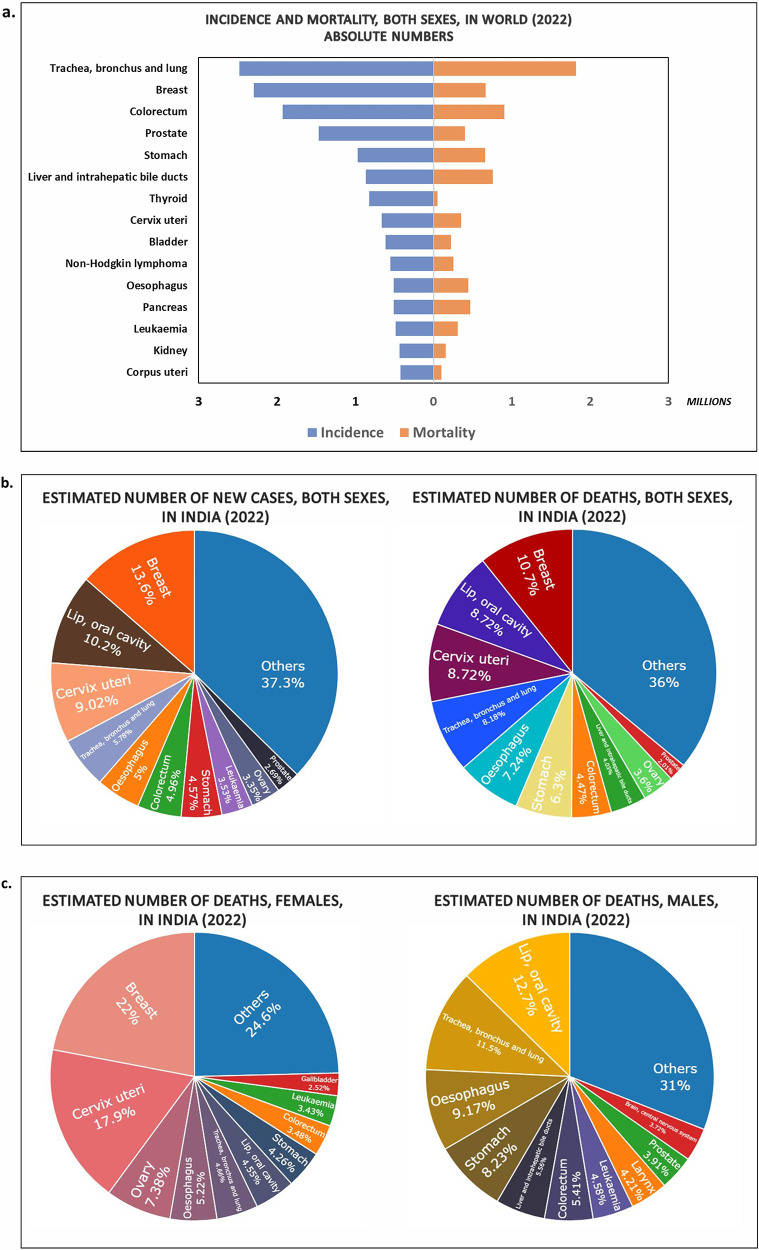
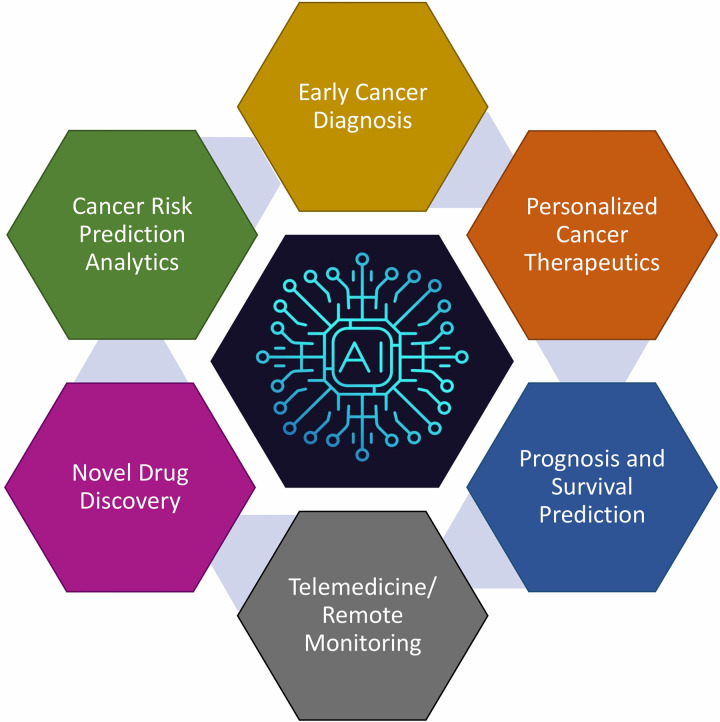
Early diagnosis and accurate prognosis play a pivotal role in the clinical management of cancer and in preventing cancer-related mortalities. The burgeoning population of Asia in general and South Asian countries like India in particular pose significant challenges to the healthcare system. Regrettably, the demand for healthcare services in India far exceeds the available resources, resulting in overcrowded hospitals, prolonged wait times, and inadequate facilities. The scarcity of trained manpower in rural settings, lack of awareness and low penetrance of screening programs further compounded the problem. Artificial Intelligence (AI), driven by advancements in machine learning, deep learning, and natural language processing, can profoundly transform the underlying shortcomings in the healthcare industry, more for populous nations like India. With about 1.4 million cancer cases reported annually and 0.9 million deaths, India has a significant cancer burden that surpassed several nations. Further, India's diverse and large ethnic population is a data goldmine for healthcare research. Under these circumstances, AI-assisted technology, coupled with digital health solutions, could support effective oncology care and reduce the economic burden of GDP loss in terms of years of potential productive life lost (YPPLL) due to India's stupendous cancer burden. This review explores different aspects of cancer management, such as prevention, diagnosis, precision treatment, prognosis, and drug discovery, where AI has demonstrated promising clinical results. By harnessing the capabilities of AI in oncology research, healthcare professionals can enhance their ability to diagnose cancers at earlier stages, leading to more effective treatments and improved patient outcomes. With continued research and development, AI and digital health can play a transformative role in mitigating the challenges posed by the growing population and advancing the fight against cancer in India. Moreover, AI-driven technologies can assist in tailoring personalized treatment plans, optimizing therapeutic strategies, and supporting oncologists in making well-informed decisions. However, it is essential to ensure responsible implementation and address potential ethical and privacy concerns associated with using AI in healthcare.
Overview
The claims and statistics of this paper haven’t been checked yet.
Run the check — free, no account needed. It reads the open-access text and checks the sources it cites.
Integrity signals
Registry
Cites
Statistics
Figures
Verification
Claims the paper makes
The claims and statistics of this paper haven’t been checked yet.
Run the check — free, no account needed. It reads the open-access text and checks the sources it cites.
Claims other papers make about this one
Each is checked against this paper’s own text: does it say what the citing paper says it does?
The source backs part of the claim, not all of it — or backs it for a different population, condition or comparison.
In the citing paper
“These technologies provide timely, accurate, and accessible information that can empower patients and caregivers, supporting engagement, comprehension, and autonomy throughout the cancer care continuum [6-8].”
From Empathic AI for Patient-Centered Cancer Care: A Scoping Review of Patient Navigation, Support, and Clinical Practice (2026) · cites this paper as [8]
Experimental — accuracy not yet measured
Self-check
Percentages, sums and reported differences re-computed from the paper’s own numbers.
The self-check needs the paper’s full text.
Citations
Cites
Deep Residual Learning for Image Recognition
He, K., Zhang, X., Ren, S., & Sun, J. (2016) · 2016 IEEE Conference on Computer Vision and Pattern Recognition (CVPR) · doi:10.1109/cvpr.2016.90 · Cited by 235,474
NIH Image to ImageJ: 25 years of image analysis
Schneider, C. A., Rasband, W. S., & Eliceiri, K. W. (2012) · Nature Methods · doi:10.1038/nmeth.2089 · Cited by 64,638
PyTorch: An Imperative Style, High-Performance Deep Learning Library
Paszke, A., Gross, S., Massa, F., Lerer, A., Bradbury, J., Chanan, G., Killeen, T., Lin, Z., Gimelshein, N., Antiga, L., et al. (2019) · arXiv · doi:10.48550/arxiv.1912.01703 · Cited by 31,473
Bray, F., Laversanne, M., Sung, H., Ferlay, J., Siegel, R. L., Soerjomataram, I., & Jemal, A. (2024) · CA: a cancer journal for clinicians · doi:10.3322/caac.21834 · Cited by 27,064
TensorFlow: A system for large-scale machine learningPreprint
Abadi, M., Barham, P., Chen, J., Chen, Z., Davis, A., Dean, J., Devin, M., Ghemawat, S., Irving, G., Isard, M., et al. (2016) · arXiv (Cornell University) · doi:10.5555/3026877.3026899 · Cited by 16,548
A survey on deep learning in medical image analysis
Litjens, G., Kooi, T., Bejnordi, B. E., Setio, A. A. A., Ciompi, F., Ghafoorian, M., van der Laak, J. A. W. M., van Ginneken, B., & Sánchez, C. I. (2017) · Medical Image Analysis · doi:10.1016/j.media.2017.07.005 · Cited by 15,332
Dermatologist-level classification of skin cancer with deep neural networks
Esteva, A., Kuprel, B., Novoa, R. A., Ko, J., Swetter, S. M., Blau, H. M., & Thrun, S. (2017) · Nature · doi:10.1038/nature21056 · Cited by 14,362
Comprehensive molecular portraits of human breast tumours
The Cancer Genome Atlas Network (2012) · Nature · doi:10.1038/nature11412 · Cited by 12,129
The cancer genome atlas pan-cancer analysis project
The Cancer Genome Atlas Research Network, Weinstein, J. N., Collisson, E. A., Mills, G. B., Shaw, K. R. M., Ozenberger, B. A., Ellrott, K., Shmulevich, I., Sander, C., & Stuart, J. M. (2013) · Nature Genetics · doi:10.1038/ng.2764 · Cited by 9,092
Scikit-learn: Machine Learning in Python
(2011) · Journal of Machine Learning Research · doi:10.5555/1953048.2078195 · Cited by 8,539
The genomic and transcriptomic architecture of 2,000 breast tumours reveals novel subgroups
METABRIC Group, Curtis, C., Shah, S. P., Chin, S.-F., Turashvili, G., Rueda, O. M., Dunning, M. J., Speed, D., Lynch, A. G., Samarajiwa, S., et al. (2012) · Nature · doi:10.1038/nature10983 · Cited by 6,097
Survey of Hallucination in Natural Language Generation
Ji, Z., Lee, N., Frieske, R., Yu, T., Su, D., Xu, Y., Ishii, E., Bang, Y. J., Madotto, A., & Fung, P. (2023) · ACM Computing Surveys · doi:10.1145/3571730 · Cited by 5,025 · cited 1×
“Additionally, these models are prone to hallucinations — generating fabricated or inaccurate outputs — and often lack real-time updates, which can compromise their reliability and safety in fast-paced, dynamic clinical environments (203).”
The Cancer Imaging Archive (TCIA): Maintaining and Operating a Public Information Repository
Clark, K., Vendt, B., Smith, K., Freymann, J., Kirby, J., Koppel, P., Moore, S., Phillips, S., Maffitt, D., Pringle, M., et al. (2013) · Journal of Digital Imaging · doi:10.1007/s10278-013-9622-7 · Cited by 4,599
Rajkomar, A., Dean, J., & Kohane, I. (2019) · New England Journal of Medicine · doi:10.1056/nejmra1814259 · Cited by 4,579
Review The Cancer Genome Atlas (TCGA): an immeasurable source of knowledge
Tomczak, K. J., Czerwińska, P., & Wiznerowicz, M. (2015) · Współczesna Onkologia · doi:10.5114/wo.2014.47136 · Cited by 3,624
International evaluation of an AI system for breast cancer screening
McKinney, S. M., Sieniek, M., Godbole, V., Godwin, J., Antropova, N., Ashrafian, H., Back, T., Chesus, M., Corrado, G. S., Darzi, A., et al. (2020) · Nature · doi:10.1038/s41586-019-1799-6 · Cited by 3,287
Brain tumor segmentation with Deep Neural Networks
Havaei, M., Davy, A., Warde-Farley, D., Biard, A., Courville, A., Bengio, Y., Pal, C., Jodoin, P.-M., & Larochelle, H. (2017) · Medical Image Analysis · doi:10.1016/j.media.2016.05.004 · Cited by 3,278
Defining a Cancer Dependency Map
Tsherniak, A., Vazquez, F., Montgomery, P. G., Weir, B. A., Kryukov, G., Cowley, G. S., Gill, S., Harrington, W. F., Pantel, S., Krill-Burger, J. M., et al. (2017) · Cell · doi:10.1016/j.cell.2017.06.010 · Cited by 3,276
DNA methylation-based classification of central nervous system tumours
Capper, D., Jones, D., Sill, M., Hovestadt, V., Schrimpf, D., Sturm, D., Koelsche, C., Sahm, F., Chávez, L., Reuß, D., et al. (2018) · Nature · doi:10.1038/nature26000 · Cited by 3,114
Pan-cancer analysis of whole genomes
The ICGC/TCGA Pan-Cancer Analysis of Whole Genomes Consortium, Aaltonen, L. A., Abascal, F., Abeshouse, A., Aburatani, H., Adams, D. J., Agrawal, N., Ahn, K. S., Ahn, S.-M., Aikata, H., et al. (2020) · Nature · doi:10.1038/s41586-020-1969-6 · Cited by 3,064
Khera, A. V., Chaffin, M., Aragam, K. G., Haas, M. E., Roselli, C., Choi, S. H., Natarajan, P., Lander, E. S., Lubitz, S. A., Ellinor, P. T., et al. (2018) · Nature Genetics · doi:10.1038/s41588-018-0183-z · Cited by 2,953
Coudray, N., Ocampo, P. S., Sakellaropoulos, T., Narula, N., Snuderl, M., Fenyö, D., Moreira, A. L., Razavian, N., & Tsirigos, A. (2018) · Nature Medicine · doi:10.1038/s41591-018-0177-5 · Cited by 2,930
Detection and localization of surgically resectable cancers with a multi-analyte blood test
Cohen, J. D., Li, L., Wang, Y., Thoburn, C., Afsari, B., Danilova, L., Douville, C., Javed, A. A., Wong, F., Mattox, A., et al. (2018) · Science · doi:10.1126/science.aar3247 · Cited by 2,783
OncoKB: A Precision Oncology Knowledge Base
Chakravarty, D., Gao, J., Phillips, S. M., Kundra, R., Zhang, H., Wang, J., Rudolph, J. E., Yaeger, R. D., Soumerai, T. E., Nissan, M. H., et al. (2017) · JCO Precision Oncology · doi:10.1200/po.17.00011 · Cited by 2,783
A Deep Learning Approach to Antibiotic Discovery
Stokes, J. M., Yang, K., Swanson, K., Jin, W., Cubillos-Ruiz, A., Donghia, N. M., MacNair, C. R., French, S., Carfrae, L. A., Bloom-Ackermann, Z., et al. (2020) · Cell · doi:10.1016/j.cell.2020.01.021 · Cited by 2,463
Ardila, D., Kiraly, A. P., Bharadwaj, S., Choi, B., Reicher, J. J., Peng, L., Tse, D., Etemadi, M., Ye, W., Corrado, G., et al. (2019) · Nature Medicine · doi:10.1038/s41591-019-0447-x · Cited by 2,167
A universal SNP and small-indel variant caller using deep neural networks
Poplin, R., Chang, P.-C., Alexander, D., Schwartz, S., Colthurst, T., Ku, A., Newburger, D., Dijamco, J., Nguyen, N., Afshar, P. T., et al. (2018) · Nature Biotechnology · doi:10.1038/nbt.4235 · Cited by 1,840
Natural language processing: state of the art, current trends and challenges
Khurana, D., Koli, A., Khatter, K., & Singh, S. (2023) · Multimedia Tools and Applications · doi:10.1007/s11042-022-13428-4 · Cited by 1,823
Self-citationDeep learning enables rapid identification of potent DDR1 kinase inhibitors
Zhavoronkov, A., Ivanenkov, Y. A., Aliper, A., Veselov, M. S., Aladinskiy, V. A., Aladinskaya, A. V., Terentiev, V. A., Polykovskiy, D. A., Kuznetsov, M. D., Asadulaev, A., et al. (2019) · Nature Biotechnology · doi:10.1038/s41587-019-0224-x · Cited by 1,573
Deep learning in bioinformatics
Min, S., Lee, B., & Yoon, S. (2016) · Briefings in Bioinformatics · doi:10.1093/bib/bbw068 · Cited by 1,571
Privacy in the age of medical big data
Price, W. N., & Cohen, I. G. (2019) · Nature Medicine · doi:10.1038/s41591-018-0272-7 · Cited by 1,522
Applications of Machine Learning in Cancer Prediction and Prognosis
Cruz, J. A., & Wishart, D. S. (2006) · Cancer Informatics · doi:10.1177/117693510600200030 · Cited by 1,371
Sun, R., Limkin, E. J., Vakalopoulou, M., Dercle, L., Champiat, S., Han, S. R., Verlingue, L., Brandao, D., Lancia, A., Ammari, S., et al. (2018) · The Lancet Oncology · doi:10.1016/s1470-2045(18)30413-3 · Cited by 1,236
Chollet, F. (2017) · Cited by 1,158
Artificial intelligence, machine learning and deep learning in advanced robotics, a review
Soori, M., Arezoo, B., & Dastres, R. (2023) · Cognitive Robotics · doi:10.1016/j.cogr.2023.04.001 · Cited by 1,131
Deep learning-based multi-omics integration robustly predicts survival in liver cancer
Chaudhary, K., Poirion, O. B., Lu, L., & Garmire, L. X. (2018) · Clinical Cancer Research · doi:10.1158/1078-0432.ccr-17-0853 · Cited by 1,091
Polygenic Risk Scores for Prediction of Breast Cancer and Breast Cancer Subtypes
Mavaddat, N., Michailidou, K., Dennis, J., Lush, M. J., Fachal, L., Lee, A., Tyrer, J. P., Chen, T., Wang, Q., Bolla, M. K., et al. (2018) · The American Journal of Human Genetics · doi:10.1016/j.ajhg.2018.11.002 · Cited by 1,083
Saltz, J., Gupta, R., Hou, L., Kurc, T., Singh, P., Nguyen, V., Samaras, D., Shroyer, K. R., Zhao, T., Batiste, R., et al. (2018) · Cell Reports · doi:10.1016/j.celrep.2018.03.086 · Cited by 1,027
Cancer incidence estimates for 2022 & projection for 2025
Sathishkumar, K., Chaturvedi, M., Das, P., Stephen, S., & Mathur, P. (2022) · The Indian Journal of Medical Research · doi:10.4103/ijmr.ijmr_1821_22 · Cited by 866
Shen, R., Olshen, A. B., & Ladanyi, M. (2009) · Bioinformatics · doi:10.1093/bioinformatics/btp543 · Cited by 849
Hollon, T. C., Pandian, B., Adapa, A. R., Urias, E., Save, A. V., Khalsa, S. S. S., Eichberg, D. G., D’Amico, R. S., Farooq, Z. U., Lewis, S., et al. (2020) · Nature Medicine · doi:10.1038/s41591-019-0715-9 · Cited by 790
Li, Y., Li, Z., Zhang, K., Dan, R., Jiang, S. B., & Zhang, Y. (2023) · Cureus · doi:10.7759/cureus.40895 · Cited by 784
A community effort to assess and improve drug sensitivity prediction algorithms
Community, N. D., Costello, J. C., Heiser, L. M., Georgii, E., Gönen, M., Menden, M. P., Wang, N. J., Bansal, M., Ammad-ud-din, M., Hintsanen, P., et al. (2014) · Nature Biotechnology · doi:10.1038/nbt.2877 · Cited by 782
Rodriguez-Ruiz, A., Lång, K., Gubern-Merida, A., Broeders, M., Gennaro, G., Clauser, P., Helbich, T. H., Chevalier, M., Tan, T., Mertelmeier, T., et al. (2019) · JNCI: Journal of the National Cancer Institute · doi:10.1093/jnci/djy222 · Cited by 692
Zitnik, M., Nguyen, F., Wang, B., Leskovec, J., Goldenberg, A., & Hoffman, M. M. (2019) · Information Fusion · doi:10.1016/j.inffus.2018.09.012 · Cited by 675
Supervised autonomous robotic soft tissue surgery
Shademan, A., Decker, R., Opfermann, J. D., Léonard, S., Krieger, A., & Kim, P. C. W. (2016) · Science Translational Medicine · doi:10.1126/scitranslmed.aad9398 · Cited by 626
Remote patient monitoring using artificial intelligence: Current state, applications, and challenges
Shaik, T., Tao, X., Higgins, N., Li, L., Gururajan, R., Zhou, X., & Acharya, U. R. (2023) · Wiley Interdisciplinary Reviews Data Mining and Knowledge Discovery · doi:10.1002/widm.1485 · Cited by 620
Supervised Classification Algorithms in Machine Learning: A Survey and Review
Sen, P. C., Hajra, M., & Ghosh, M. (2019) · Advances in intelligent systems and computing · doi:10.1007/978-981-13-7403-6_11 · Cited by 608
Artificial intelligence and knowledge management: A partnership between human and AI
Jarrahi, M. H., Askay, D., Eshraghi, A., & Smith, P. (2023) · Business Horizons · doi:10.1016/j.bushor.2022.03.002 · Cited by 604
Detection of Breast Cancer with Mammography: Effect of an Artificial Intelligence Support System
Rodríguez-Ruiz, A., Krupinski, E., Mordang, J.-J., Schilling, K., Heywang-Köbrunner, S. H., Sechopoulos, I., & Mann, R. M. (2019) · Radiology · doi:10.1148/radiol.2018181371 · Cited by 602
The International Cancer Genome Consortium Data Portal
Zhang, J., Bajari, R., Andric, D., Gerthoffert, F., Lepsa, A., Nahal-Bose, H. K., Stein, L. D., & Ferretti, V. (2019) · Nature Biotechnology · doi:10.1038/s41587-019-0055-9 · Cited by 597
Machine Learning for Healthcare: On the Verge of a Major Shift in Healthcare Epidemiology
Wiens, J., & Shenoy, E. S. (2018) · Clinical Infectious Diseases · doi:10.1093/cid/cix731 · Cited by 574
Predicting response to cancer immunotherapy using noninvasive radiomic biomarkers
Trebeschi, S., Drago, S. G., Birkbak, N. J., Kurilova, I., Calin, A., Pizzi, A. D., Lalezari, F., Lambregts, D. M. J., Rohaan, M. W., Parmar, C., et al. (2019) · Annals of Oncology · doi:10.1093/annonc/mdz108 · Cited by 570
Prediction of Breast Cancer Risk Based on Profiling With Common Genetic Variants
Mavaddat, N., Pharoah, P. D. P., Michailidou, K., Tyrer, J. P., Brook, M. N., Bolla, M. K., Wang, Q., Dennis, J., Dunning, A. M., Shah, M., et al. (2015) · JNCI Journal of the National Cancer Institute · doi:10.1093/jnci/djv036 · Cited by 562
Roa, Á. A. C., Gilmore, H. L., Basavanhally, A. N., Feldman, M. D., Ganesan, S., Shih, N. N. C., Tomaszewski, J., Gonzalez, F. A., & Madabhushi, A. (2017) · Scientific Reports · doi:10.1038/srep46450 · Cited by 542
Shin, H., Oh, S., Hong, S., Kang, M.-S., Kang, D., Ji, Y.-G., Choi, B. H., Kang, K., Jeong, H., Park, Y., et al. (2020) · ACS Nano · doi:10.1021/acsnano.9b09119 · Cited by 513
Legal and human rights issues of AI: Gaps, challenges and vulnerabilities
Rodrigues, R. (2020) · Journal of Responsible Technology · doi:10.1016/j.jrt.2020.100005 · Cited by 494 · cited 1×
“Currently, there are no comprehensive regulations or guidelines to establish legal responsibility when AI systems cause harm or malfunction (232, 233).”
Artificial intelligence-based multi-omics analysis fuels cancer precision medicine
He, X., Liu, X., Zuo, F., Shi, H., & Jing, J. (2022) · Seminars in Cancer Biology · doi:10.1016/j.semcancer.2022.12.009 · Cited by 494
Wang, P., Xiao, X., Brown, J. R. G., Berzin, T. M., Tu, M., Xiong, F., Hu, X., Liu, P., Song, Y., Zhang, D., et al. (2018) · Nature Biomedical Engineering · doi:10.1038/s41551-018-0301-3 · Cited by 486
Towards Generalist Biomedical AI
Tu, T., Azizi, S., Driess, D., Schaekermann, M., Amin, M., Chang, P.-C., Carroll, A., Lau, C., Tanno, R., Ktena, I., et al. (2023) · arXiv · doi:10.48550/arxiv.2307.14334 · Cited by 483
Towards Generalist Biomedical AI
Tu, T., Azizi, S., Driess, D., Schaekermann, M., Amin, M., Chang, P.-C., Carroll, A., Lau, C., Tanno, R., Ktena, I., et al. (2024) · NEJM AI · doi:10.1056/aioa2300138 · Cited by 483
Drawbacks of artificial intelligence and their potential solutions in the healthcare sector.
khan, B., Fatima, H., Qureshi, A., Kumar, S., Hanan, A., Hussain, J., & Abdullah, S. (2023) · Biomedical Materials & Devices · doi:10.1007/s44174-023-00063-2 · Cited by 461
Predicting healthcare trajectories from medical records: a deep learning approach
Pham, T., Tran, T., Phung, D., & Venkatesh, S. (2017) · Journal of Biomedical Informatics · doi:10.1016/j.jbi.2017.04.001 · Cited by 447
Cox-nnet: An artificial neural network method for prognosis prediction of high-throughput omics data
Ching, T. H., Zhu, X., & Garmire, L. X. (2018) · PLoS Computational Biology · doi:10.1371/journal.pcbi.1006076 · Cited by 428
Pantanowitz, L., Quiroga‐Garza, G. M., Bien, L., Heled, R., Laifenfeld, D., Linhart, C., Sandbank, J., Shach, A. A., Shalev, V., Vecsler, M., et al. (2020) · The Lancet Digital Health · doi:10.1016/s2589-7500(20)30159-x · Cited by 371
Ren, F., Ding, X., Zheng, M., Korzinkin, M., Cai, X., Zhu, W., Mantsyzov, A., Aliper, A., Aladinskiy, V., Cao, Z., et al. (2023) · Chemical Science · doi:10.1039/d2sc05709c · Cited by 365
Estimation of ADME Properties with Substructure Pattern Recognition
Shen, J., Cheng, F., Xu, Y., Li, W., & Tang, Y. (2010) · Journal of Chemical Information and Modeling · doi:10.1021/ci100104j · Cited by 356
Deep Learning for Automated Contouring of Primary Tumor Volumes by MRI for Nasopharyngeal Carcinoma
Lin, L., Dou, Q., Jin, Y., Zhou, G., Tang, Y.-Q., Chen, W.-L., Su, B.-A., Liu, F., Tao, C., Jiang, N., et al. (2019) · Radiology · doi:10.1148/radiol.2019182012 · Cited by 344
Zhou, H.-Y., Yu, Y., Wang, C., Zhang, S., Gao, Y., Pan, J., Shao, J., Lu, G., Zhang, K., & Li, W. (2023) · Nature Biomedical Engineering · doi:10.1038/s41551-023-01045-x · Cited by 343
GA4GH: International policies and standards for data sharing across genomic research and healthcare
Rehm, H. L., Page, A. J. H., Smith, L., Adams, J. B., Alterovitz, G., Babb, L. J., Barkley, M. P., Baudis, M., Beauvais, M. J. S., Beck, T., et al. (2021) · Cell Genomics · doi:10.1016/j.xgen.2021.100029 · Cited by 342
Sun, D., Wang, M., & Li, A. (2019) · IEEE/ACM Transactions on Computational Biology and Bioinformatics · doi:10.1109/tcbb.2018.2806438 · Cited by 338
A Bayesian Approach to in Silico Blood-Brain Barrier Penetration Modeling
Martins, I. F. D. S., Teixeira, A. L., Pinheiro, L., & Falcão, A. O. (2012) · Journal of Chemical Information and Modeling · doi:10.1021/ci300124c · Cited by 336
Classification of Cancer at Prostate MRI: Deep Learning versus Clinical PI-RADS Assessment
Schelb, P., Köhl, S., Radtke, J. P., Wiesenfarth, M., Kickingereder, P., Bickelhaupt, S., Kuder, T. A., Stenzinger, A., Hohenfellner, M., Schlemmer, H.-P., et al. (2019) · Radiology · doi:10.1148/radiol.2019190938 · Cited by 326
Detecting the mutational signature of homologous recombination deficiency in clinical samples
Gulhan, D., Lee, J. J.-K., Melloni, G. E. M., Cortés‐Ciriano, I., & Park, P. J. (2019) · Nature Genetics · doi:10.1038/s41588-019-0390-2 · Cited by 318
Deep learning using tumor HLA peptide mass spectrometry datasets improves neoantigen identification
Bulik-Sullivan, B. K., Busby, J., Palmer, C. D., Davis, M. J., Murphy, T., Clark, A., Busby, M., Duke, F. F., Yang, A., Young, L., et al. (2018) · Nature Biotechnology · doi:10.1038/nbt.4313 · Cited by 317
A Data-Driven Approach to Predicting Successes and Failures of Clinical Trials
Gayvert, K. M., Madhukar, N. S., & Elemento, O. (2016) · Cell chemical biology · doi:10.1016/j.chembiol.2016.07.023 · Cited by 310
Prediction of gestational diabetes based on nationwide electronic health records
Artzi, N. S., Shilo, S., Hadar, E., Rossman, H., Barbash‐Hazan, S., Ben‐Haroush, A., Balicer, R. D., Feldman, B., Wiznitzer, A., & Segal, E. (2020) · Nature Medicine · doi:10.1038/s41591-019-0724-8 · Cited by 289
Toward robust mammography-based models for breast cancer risk
Yala, A., Mikhael, P. G., Strand, F., Lin, G., Smith, K., Wan, Y.-L., Lamb, L., Hughes, K., Lehman, C., & Barzilay, R. (2021) · Science Translational Medicine · doi:10.1126/scitranslmed.aba4373 · Cited by 287
Artificial intelligence applied to clinical trials: opportunities and challenges
Askin, S., Burkhalter, D., Calado, G., & El Dakrouni, S. (2023) · Health and Technology · doi:10.1007/s12553-023-00738-2 · Cited by 285
Artificial intelligence in oncology: current applications and future perspectives
Luchini, C., Pea, A., & Scarpa, A. (2022) · British Journal of Cancer · doi:10.1038/s41416-021-01633-1 · Cited by 281
Reinforcement learning design for cancer clinical trials
Zhao, Y., Kosorok, M. R., & Zeng, D. (2009) · Statistics in Medicine · doi:10.1002/sim.3720 · Cited by 281
Artificial intelligence assists precision medicine in cancer treatment
Liao, J., Li, X., Gan, Y., Han, S., Rong, P., Wang, W., Li, W., & Zhou, L. P. (2023) · Frontiers in Oncology · doi:10.3389/fonc.2022.998222 · Cited by 280
Data-Driven Cervical Cancer Prediction Model with Outlier Detection and Over-Sampling Methods
Ijaz, M. F., Attique, M., & Son, Y. (2020) · Sensors · doi:10.3390/s20102809 · Cited by 270
Robotic Surgery: A Comprehensive Review of the Literature and Current Trends
Rivero-Moreno, Y., Echevarria, S., Vidal-Valderrama, C., Stefano-Pianetti, L., Cordova-Guilarte, J., Gonzalez, J. N., Acevedo-Rodriguez, J. E., Dorado-Avila, G., Osorio-Romero, L. F., Chavez-Campos, C., et al. (2023) · Cureus · doi:10.7759/cureus.42370 · Cited by 255
Size, composition and distribution of health workforce in India: why, and where to invest?
Karan, A., Negandhi, H., Hussain, S., Zapata, T., Mairembam, D. S., Graeve, H. D., Buchan, J., & ZODPEY, S. P. (2021) · Human Resources for Health · doi:10.1186/s12960-021-00575-2 · Cited by 249
Deep reinforcement learning for automated radiation adaptation in lung cancer
Tseng, H., Luo, Y., Cui, S., Chien, J., Haken, R. K. T., & Naqa, I. E. (2017) · Medical Physics · doi:10.1002/mp.12625 · Cited by 245
Son, J., Shin, J. Y., Kim, H. D., Jung, K.-H., Park, K. H., & Park, S. J. (2019) · Ophthalmology · doi:10.1016/j.ophtha.2019.05.029 · Cited by 239
DeepCC: a novel deep learning-based framework for cancer molecular subtype classification
Gao, F., Wang, W., Tan, M., Zhu, L., Zhang, Y., Fessler, E., Vermeulen, L., & Wang, X. (2019) · Oncogenesis · doi:10.1038/s41389-019-0157-8 · Cited by 226
Jiao, W., Atwal, G., Polak, P. P., Karlić, R., Cuppen, E. P. J. G., Al‐Shahrour, F., Atwal, G., Bailey, P. J., Biankin, A. V., Boutros, P. C., et al. (2020) · Nature Communications · doi:10.1038/s41467-019-13825-8 · Cited by 223
Artificial intelligence and the future of surgical robotics
Panesar, S., Cagle, Y., Chander, D., Morey, J., Fernandez-Miranda, J., & Kliot, M. (2019) · Annals of Surgery · doi:10.1097/sla.0000000000003262 · Cited by 217
Bladder Cancer Treatment Response Assessment in CT using Radiomics with Deep-Learning
Kenny, H., Hadjiiski, L. M., Chan, H., Weizer, A. Z., Alva, A. S., Cohan, R. H., Caoili, E. M., Paramagul, C., & Samala, R. K. (2017) · Scientific Reports · doi:10.1038/s41598-017-09315-w · Cited by 208
A specific miRNA signature in the peripheral blood of glioblastoma patients
Roth, P., Wischhusen, J., Hertler, C., Chandran, P. A., Höfer, S., Eisele, G., Weller, M., & Keller, A. (2011) · Journal of Neurochemistry · doi:10.1111/j.1471-4159.2011.07307.x · Cited by 206
Men, K., Chen, X., Zhang, Y., Zhang, T., Dai, J., Yi, J., & Li, Y. (2017) · Frontiers in Oncology · doi:10.3389/fonc.2017.00315 · Cited by 201
Integrating multi-omics data through deep learning for accurate cancer prognosis prediction
Chai, H., Zhou, X., Zhang, Z., Rao, J., Zhao, H., & Yang, Y. (2021) · Computers in Biology and Medicine · doi:10.1016/j.compbiomed.2021.104481 · Cited by 194
Huang, C., Clayton, E. A., Matyunina, L. V., McDonald, L. D., Benigno, B. B., Vannberg, F. O., & McDonald, J. F. (2018) · Scientific Reports · doi:10.1038/s41598-018-34753-5 · Cited by 193
Improved breast cancer prognosis through the combination of clinical and genetic markers
Sun, Y., Goodison, S., Li, J., Liu, L., & Farmerie, W. G. (2006) · Bioinformatics · doi:10.1093/bioinformatics/btl543 · Cited by 192
Application of artificial intelligence in surgery
Zhou, X.-Y., Guo, Y., Shen, M., & Yang, G.-Z. (2020) · Frontiers of Medicine · doi:10.1007/s11684-020-0770-0 · Cited by 181
Crowdsourcing biomedical research: leveraging communities as innovation engines
Sáez-Rodríguez, J., Costello, J. C., Friend, S. H., Kellen, M., Mangravite, L. M., Meyer, P., Norman, T., & Stolovitzky, G. A. (2016) · Nature Reviews Genetics · doi:10.1038/nrg.2016.69 · Cited by 173
Application of deep learning in object detection
Zhou, X., Gong, W. Y., Fu, W., & Du, F. (2017) · IEEE/ACIS International Conference on Computer and Information Science (ICIS) · doi:10.1109/icis.2017.7960069 · Cited by 171
A comprehensive survey of large language models and multimodal large language models in medicine
Xiao, H., Zhou, F., Liu, X., Liu, T., Ли, Ж., Liu, X., & Huang, X. (2024) · Information Fusion · doi:10.1016/j.inffus.2024.102888 · Cited by 154
Deep-learning approach to identifying cancer subtypes using high-dimensional genomic data
Chen, R., Yang, L., Goodison, S., & Sun, Y. (2019) · Bioinformatics · doi:10.1093/bioinformatics/btz769 · Cited by 154
A meta-analysis of Watson for Oncology in clinical application
Zhou, J., Zeng, Z., & Li, L. (2021) · Scientific Reports · doi:10.1038/s41598-021-84973-5 · Cited by 144
Yao, H., Zhang, X., Zhou, X., & Liu, S. (2019) · Cancers · doi:10.3390/cancers11121901 · Cited by 143
Geeleher, P., Zhang, Z., Wang, F., Gruener, R. F., Nath, A., Morrison, G., Bhutra, S., Grossman, R. L., & Huang, R. S. (2017) · Genome Research · doi:10.1101/gr.221077.117 · Cited by 142
Robot-assisted surgery for lung cancer: State of the art and perspectives
Veronesi, G., Novellis, P., Voulaz, E., & Alloisio, M. (2016) · Lung Cancer · doi:10.1016/j.lungcan.2016.09.004 · Cited by 142
Best, M. G., Veld, S. G. J. G. I. ‘., Sol, N., & Würdinger, T. (2019) · Nature Protocols · doi:10.1038/s41596-019-0139-5 · Cited by 138
Pantuck, A. J., Lee, D., Kee, T. W., Wang, P., Lakhotia, S., Silverman, M. H., Mathis, C., Drakaki, A., Belldegrun, A. S., Ho, C., et al. (2018) · Advanced Therapeutics · doi:10.1002/adtp.201800104 · Cited by 129
IndiGenomes: a comprehensive resource of genetic variants from over 1000 Indian genomes
Jain, A. K., Bhoyar, R. C., Pandhare, K., Mishra, A., Sharma, D., Imran, M., Senthivel, V., Divakar, M. K., Rophina, M., Jolly, B., et al. (2020) · Nucleic Acids Research · doi:10.1093/nar/gkaa923 · Cited by 127
Self-citationLu, M. T., Raghu, V. K., Mayrhofer, T., Aerts, H. J. W. L., & Hoffmann, U. (2020) · Annals of Internal Medicine · doi:10.7326/m20-1868 · Cited by 123
Mao, B., Zhang, L., Ning, P., Ding, F. H., Wu, F., Lu, G. G., Geng, Y., & Ma, J. (2020) · European Radiology · doi:10.1007/s00330-020-07056-5 · Cited by 122
Dorman, S., Baranova, K., Knoll, J. H. M., Urquhart, B. L., Mariani, G., Carcangiu, M. L., & Rogan, P. K. (2015) · Molecular Oncology · doi:10.1016/j.molonc.2015.07.006 · Cited by 121
Harnessing consumer smartphone and wearable sensors for clinical cancer research
Low, C. A. (2020) · npj Digital Medicine · doi:10.1038/s41746-020-00351-x · Cited by 120
Zhou, S., Wang, N., Wang, L., Liu, H., & Zhang, R. (2022) · Journal of the American Medical Informatics Association · doi:10.1093/jamia/ocac040 · Cited by 119
Ironies of artificial intelligence
Endsley, M. R. (2023) · Ergonomics · doi:10.1080/00140139.2023.2243404 · Cited by 118
Kabir, M. F., Chen, T., & Ludwig, S. A. (2022) · Healthcare Analytics · doi:10.1016/j.health.2022.100125 · Cited by 111
Suite of decision tree-based classification algorithms on cancer gene expression data
Snousy, M. B. A., El-Deeb, H. M., Badran, K. M., & Khlil, I. A. A. (2011) · Egyptian Informatics Journal · doi:10.1016/j.eij.2011.04.003 · Cited by 109
Liu, X., Khalvati, F., Namdar, K., Fischer, S. E., Lewis, S. C., Taouli, B. A., Haider, M. A., & Jhaveri, K. S. (2020) · European Radiology · doi:10.1007/s00330-020-07119-7 · Cited by 109
Kamoun, A., Idbaïh, A., Dehais, C., Elarouci, N., Carpentier, C., Letouzé, É., Colin, C., Mokhtari, K., Jouvet, A., Uro‐Coste, E., et al. (2016) · Nature Communications · doi:10.1038/ncomms11263 · Cited by 104
Arasu, V. A., Habel, L. A., Achacoso, N. S., Buist, D. S. M., Cord, J. B., Esserman, L. J., Hylton, N. M., Glymour, M. M., Kornak, J., Kushi, L. H., et al. (2023) · Radiology · doi:10.1148/radiol.222733 · Cited by 98
Gregoor, A. M. S., Sangers, T. E., Bakker, L. J., Hollestein, L. M., Groot, C. A. U., Nijsten, T. E. C., & Wakkee, M. (2023) · npj Digital Medicine · doi:10.1038/s41746-023-00831-w · Cited by 97
Knowledge‐based automated planning for oropharyngeal cancer
Babier, A., Boutilier, J. J., McNiven, A., & Chan, T. C. Y. (2018) · Medical Physics · doi:10.1002/mp.12930 · Cited by 97
Watanabe, A. T., Lim, V., Vu, H., Chim, C. Y., Weise, E., Liu, J., Bradley, W. G., & Comstock, C. (2019) · Journal of Imaging Informatics in Medicine · doi:10.1007/s10278-019-00192-5 · Cited by 96
Making Big Data Useful for Health Care: A Summary of the Inaugural MIT Critical Data Conference
Badawi, O., Brennan, T., Celi, L. A., Feng, M., Ghassemi, M., Ippolito, A., Johnson, A. E. W., Mark, R. G., Mayaud, L., Moody, G. B., et al. (2014) · JMIR Medical Informatics · doi:10.2196/medinform.3447 · Cited by 95
Vision–Language Model for Visual Question Answering in Medical Imagery
Bazi, Y., Rahhal, M. M. A., Bashmal, L., & Zuair, M. (2023) · Bioengineering · doi:10.3390/bioengineering10030380 · Cited by 95
Franco, E. F., Rana, P., Cruz, A., Calderón, V. V., Azevedo, V., Ramos, R. T. J., & Ghosh, P. (2021) · Cancers · doi:10.3390/cancers13092013 · Cited by 92
Beg, S., Handa, M., Shukla, R., Rahman, M., Almalki, W. H., Afzal, O., & Altamimi, A. S. A. (2022) · Drug Discovery Today · doi:10.1016/j.drudis.2022.06.014 · Cited by 88
Varghese, B. A., Chen, F., Hwang, D., Palmer, S. L., Abreu, A. L., Ukimura, O., Aron, M., Aron, M., Gill, I. S., Duddalwar, V. A., et al. (2019) · Scientific Reports · doi:10.1038/s41598-018-38381-x · Cited by 86
Deep reinforcement learning for personalized treatment recommendation
Liu, M., Shen, X., & Pan, W. (2022) · Statistics in Medicine · doi:10.1002/sim.9491 · Cited by 85
Tao, K., Bian, Z., Zhang, Q., Guo, X., Yin, C., Wang, Y., Zhou, K., Wan, S., Shi, M., Bao, D., et al. (2020) · EBioMedicine · doi:10.1016/j.ebiom.2020.102811 · Cited by 83
Identification of Women at High Risk of Breast Cancer Who Need Supplemental Screening
Eriksson, M., Czene, K., Strand, F., Zackrisson, S., Lindholm, P., Lång, K., Förnvik, D., Sartor, H., Mavaddat, N., Easton, D. F., et al. (2020) · Radiology · doi:10.1148/radiol.2020201620 · Cited by 75
Yeh, M. C.-H., Wang, Y.-H., Yang, H., Bai, K., Wang, H.-H., & Li, Y. (2021) · Journal of Medical Internet Research · doi:10.2196/26256 · Cited by 68
The Ayushman Bharat Digital Mission of India: An Assessment
Mishra, U. S., Yadav, S., & Joe, W. (2024) · Health Systems & Reform · doi:10.1080/23288604.2024.2392290 · Cited by 68
Sasaki, M., Tozaki, M., Rodríguez‐Ruiz, A., Yotsumoto, D., Ichiki, Y., Terawaki, A., Oosako, S., Sagara, Y., & Sagara, Y. (2020) · Breast Cancer · doi:10.1007/s12282-020-01061-8 · Cited by 67
Artificial intelligence in clinical research of cancers
Shao, D., Dai, Y., Li, N., Cao, X., Zhao, W., Li, C., Rong, Z., Huang, L., Wang, Y., & Zhao, J. (2021) · Briefings in Bioinformatics · doi:10.1093/bib/bbab523 · Cited by 66
Nie, P., Yang, G., Guo, J., Chen, J., Li, X., Ji, Q., Wu, J., Cui, J., & Xu, W. (2020) · Cancer Imaging · doi:10.1186/s40644-020-00297-z · Cited by 63
Dammu, H., Ren, T., & Duong, T. Q. (2023) · PLoS ONE · doi:10.1371/journal.pone.0280148 · Cited by 63
Reddy, S. (2024) · Mayo Clinic Proceedings Digital Health · doi:10.1016/j.mcpdig.2024.100191 · Cited by 63
López‐Cortés, A., Cabrera‐Andrade, A., Vázquez-Naya, J. M., Pazos, A., González‐Díaz, H., Paz‐y‐Miño, C., Guerrero, S. X., Pérez‐Castillo, Y., Tejera, E., & Munteanu, C. R. (2020) · Scientific Reports · doi:10.1038/s41598-020-65584-y · Cited by 59
Predicting cancer origins with a DNA methylation-based deep neural network model
Zheng, C., & Xu, R. (2020) · PLoS ONE · doi:10.1371/journal.pone.0226461 · Cited by 56
Clustering by fast search and merge of local density peaks for gene expression microarray data
Mehmood, R., El-Ashram, S. A., Bie, R., Dawood, H., & Kos, A. (2017) · Scientific Reports · doi:10.1038/srep45602 · Cited by 56
Prostate cancer risk prediction using a polygenic risk score
Sipeky, C., Talala, K. M., Tammela, T. L. J., Taari, K., Auvinen, A. P., & Schleutker, J. (2020) · Scientific Reports · doi:10.1038/s41598-020-74172-z · Cited by 55
Grading of hepatocellular carcinoma using 3D SE-DenseNet in dynamic enhanced MR images
Zhou, Q., Zhou, Z., Chen, C., Fan, G., Chen, G., Heng, H., Ji, J., & Dai, Y. (2019) · Computers in Biology and Medicine · doi:10.1016/j.compbiomed.2019.01.026 · Cited by 54
Glaser, A. P., Jordan, B. J., Cohen, J., Desai, A. S., Silberman, P., & Meeks, J. J. (2018) · JCO Clinical Cancer Informatics · doi:10.1200/cci.17.00128 · Cited by 54
A machine learning framework that integrates multi-omics data predicts cancer-related LncRNAs
Yuan, L., Zhao, J., Sun, T., & Shen, Z. (2021) · BMC Bioinformatics · doi:10.1186/s12859-021-04256-8 · Cited by 53
European Health Data Space—An Opportunity Now to Grasp the Future of Data-Driven Healthcare
Horgan, D., Hajdúch, M., Vrana, M., Söderberg, J. A. E., Hughes, N., Omar, M. I., Lal, J. A., Kozaric, M., Cascini, F., Thaler, V., et al. (2022) · Healthcare · doi:10.3390/healthcare10091629 · Cited by 53
Machine Learning and Real-World Data to Predict Lung Cancer Risk in Routine Care
Chandran, U., Reps, J., Robert Che-An, Y. A. N. G., Vachani, A., Maldonado, F., & Kalsekar, I. D. (2022) · Cancer Epidemiology Biomarkers & Prevention · doi:10.1158/1055-9965.epi-22-0873 · Cited by 52
Matching patients to clinical trials using semantically enriched document representation
Hassanzadeh, H., Karimi, S., & Nguyen, A. (2020) · Journal of Biomedical Informatics · doi:10.1016/j.jbi.2020.103406 · Cited by 52
Ponnoprat, D., Inkeaw, P., Chaijaruwanich, J., Traisathit, P., Sripan, P., Inmutto, N., Chiangmai, W. N., Pongnikorn, D., & Chitapanarux, I. (2020) · Medical & Biological Engineering & Computing · doi:10.1007/s11517-020-02229-2 · Cited by 51
Pan, L., Wu, X., Lu, Y., Zhang, H., Zhou, Y., Liu, X., Liu, S., & Yan, Q. (2022) · Asia-Pacific Journal of Oncology Nursing · doi:10.1016/j.apjon.2022.100127 · Cited by 51
Gene Expression Classification of Lung Adenocarcinoma into Molecular Subtypes
Hu, F., Zhou, Y., Wang, Q., Yang, Z., Shi, Y. H., & Chi, Q. (2019) · IEEE Transactions on Computational Biology and Bioinformatics · doi:10.1109/tcbb.2019.2905553 · Cited by 50
MLP-Based Regression Prediction Model For Compound Bioactivity
Qin, Y., Li, C., Shi, X., & Wang, W. (2022) · Frontiers in Bioengineering and Biotechnology · doi:10.3389/fbioe.2022.946329 · Cited by 50
Kaieski, N., da Costa, C. A., Righi, R. D. R., Lora, P. S., & Eskofier, B. M. (2020) · Applied Soft Computing · doi:10.1016/j.asoc.2020.106612 · Cited by 48
Basurto-Hurtado, J. A., Cruz-Albarrán, I. A., Toledano‐Ayala, M., Ibarra-Manzano, M.-A., Morales-Hernandez, L. A., & Perez-Ramirez, C. A. (2022) · Cancers · doi:10.3390/cancers14143442 · Cited by 48
Digital Personal Data Protection Act, 2023
Gupta, N., & George, A. (2024) · Routledge eBooks · doi:10.4324/9781003505723-3 · Cited by 48
Wang, M., Xie, P., Du, Y., & Hu, X. (2023) · Applied Sciences · doi:10.3390/app13127111 · Cited by 46
Clinical Artificial Intelligence Applications
Hu, Q., & Giger, M. L. (2021) · Radiologic Clinics of North America · doi:10.1016/j.rcl.2021.07.010 · Cited by 46
Artificial intelligence and immunotherapy
Jabbari, P., & Rezaei, N. (2019) · Expert Review of Clinical Immunology · doi:10.1080/1744666x.2019.1623670 · Cited by 46
Cucchiara, F., Re, M. D., Valleggi, S., Romei, C., Petrini, I., Lucchesi, M., Crucitta, S., Rofi, E., LIPERI, A. D., Chella, A., et al. (2020) · Frontiers in Oncology · doi:10.3389/fonc.2020.593831 · Cited by 44
Cui, Y., Li, Z., Xiang, M., Han, D., Yin, Y., & Ma, C. (2022) · Radiation Oncology · doi:10.1186/s13014-022-02186-0 · Cited by 44
Davis, R. J., Gönen, M., Margineantu, D. H., Handeli, S., Swanger, J., Hoellerbauer, P., Paddison, P. J., Gu, H., Raftery, D., Grim, J. E., et al. (2018) · Proceedings of the National Academy of Sciences · doi:10.1073/pnas.1718338115 · Cited by 42
Enabling robotic social intelligence by engineering human social-cognitive mechanisms
Wiltshire, T. J., Warta, S. F., Barber, D. J., & Fiore, S. M. (2016) · Cognitive Systems Research · doi:10.1016/j.cogsys.2016.09.005 · Cited by 42
Saito, M., Shiraishi, K., Matsumoto, K., Schetter, A. J., Ogata‐Kawata, H., Tsuchiya, N., Kunitoh, H., Nokihara, H., WATANABE, S.-I. I., Tsuta, K., et al. (2014) · Clinical Cancer Research · doi:10.1158/1078-0432.ccr-14-1096 · Cited by 39
Bu, F., Sun, H., Li, L., Tang, F., Zhang, X., Yan, J., Ye, Z., & Huang, T. (2022) · Frontiers in Pharmacology · doi:10.3389/fphar.2022.1027808 · Cited by 39
Tong, Z., Zhou, Y., & Wang, J. (2019) · Scientific Reports · doi:10.1038/s41598-019-46540-x · Cited by 38
Karami, G., Orlando, M. G., Pizzi, A. D., Caulo, M., & Gratta, C. D. (2021) · Cancers · doi:10.3390/cancers13194976 · Cited by 38
Pathway-based deep clustering for molecular subtyping of cancer
Mallavarapu, T., Hao, J., Kim, Y. S., Oh, J. H., & Kang, M. (2019) · Methods · doi:10.1016/j.ymeth.2019.06.017 · Cited by 37
Rani, P., Dutta, K., & Kumar, V. (2022) · Computers in Biology and Medicine · doi:10.1016/j.compbiomed.2022.105334 · Cited by 36
Mango, V. L., Olasehinde, O. O., Omisore, A. D., Wuraola, F. O., Famurewa, O. C., Sevilimedu, V., Knapp, G. C., Steinberg, E., Akinmaye, P. R., Adewoyin, B. D., et al. (2022) · The Lancet Global Health · doi:10.1016/s2214-109x(22)00030-4 · Cited by 36
Raghu, V. K., Walia, A. S., Zinzuwadia, A. N., Goiffon, R., Shepard, J.-A. O., Aerts, H. J. W. L., Lennes, I. T., & Lu, M. T. (2022) · JAMA Network Open · doi:10.1001/jamanetworkopen.2022.48793 · Cited by 35
Comparison of Prognostic Indices in NSCLC Patients with Brain Metastases after Radiosurgery
Gao, H. X., Huang, S. G., Du, J., Zhang, X. C., Jiang, N., Kang, W. X., Mao, J., & Zhao, Q. (2018) · International Journal of Biological Sciences · doi:10.7150/ijbs.28608 · Cited by 35
Artificial intelligence platform for oncology could assist in treatment decisions
Printz, C. (2017) · Cancer · doi:10.1002/cncr.30655 · Cited by 34
Zhang, X., Wang, J., Li, J., Chen, W., & Liu, C. (2018) · BMC Medical Genomics · doi:10.1186/s12920-018-0436-9 · Cited by 34
Razuvayevskaya, O., Wu, B., Leite, J. A., Heppell, F., Srba, I., Scarton, C., Bontcheva, K., & Song, X. (2024) · PLoS ONE · doi:10.1371/journal.pone.0301738 · Cited by 34
A cost-effective handheld breast scanner for use in low-resource environments: a validation study
Broach, R. B., Geha, R. C., Englander, B. S., DeLaCruz, L., Thrash, H., & Brooks, A. D. (2016) · World Journal of Surgical Oncology · doi:10.1186/s12957-016-1022-2 · Cited by 33
Optimizing clinical trials recruitment via deep learning
Gligorijević, J., Gligorijevic, D., Pavlovski, M., Milkovits, E., Glass, L. M., Grier, K., Vankireddy, P., & Zoran Obradovic, A. (2019) · Journal of the American Medical Informatics Association · doi:10.1093/jamia/ocz064 · Cited by 31
Using artificial intelligence to improve medical services in China
Li, R., Yang, Y., Wu, S., Huang, K., Chen, W., Liu, Y., & Lin, H. (2020) · Annals of Translational Medicine · doi:10.21037/atm.2019.11.108 · Cited by 31
Kleandrova, V. V., Scotti, M. T., Scotti, L., & Speck‐Planche, A. (2021) · Current Topics in Medicinal Chemistry · doi:10.2174/1568026621666210119112845 · Cited by 31
Adapa, K., Gupta, A., Singh, S., Kaur, H., Trikha, A., Sharma, A., & Rahul, K. (2025) · npj Digital Medicine · doi:10.1038/s41746-024-01368-2 · Cited by 30
Self-citationIntegrative Model-based clustering of microarray methylation and expression data
Kormáksson, M., Booth, J. G., Figueroa, M. E., & Melnick, A. M. (2012) · The Annals of Applied Statistics · doi:10.1214/11-aoas533 · Cited by 29
Zeng, L., Liu, L., Chen, D., Lu, H., Yang, X., Bi, H., & Yang, W. (2023) · Frontiers in Oncology · doi:10.3389/fonc.2023.1117420 · Cited by 28
Using Natural Language Processing to Extract Abnormal Results From Cancer Screening Reports
Moore, C., Farrag, A., & Ashkin, E. (2014) · Journal of Patient Safety · doi:10.1097/pts.0000000000000127 · Cited by 27
Improvement in prediction of prostate cancer prognosis with somatic mutational signatures
Zhang, S., Xu, Y., Hui, X., Yang, F., Hu, Y., Shao, J., Liang, H., & Wang, Y. (2017) · Journal of Cancer · doi:10.7150/jca.21261 · Cited by 26
A web-based automated machine learning platform to analyze liquid biopsy data
Shen, H., Liu, T., Cui, J., Borole, P., Benjamin, A. S., Kording, K. P., & Issadore, D. (2020) · Lab on a Chip · doi:10.1039/d0lc00096e · Cited by 26
Applications of digital Medicine in oncology: Prospects and challenges
Ge, H., Li, L., Zhang, D., & Ma, F. (2022) · Cancer Innovation · doi:10.1002/cai2.37 · Cited by 25
Profiling Lung Cancer Patients Using Electronic Health Records
Menasalvas, E., Tuñas, J. M., Bermejo, G., Gonzalo‐Martín, C., Rodríguez‐González, A., Zanin, M., de Pedro, C. G., Méndez, M., Zaretskaia, O., Jimenez, J. R., et al. (2018) · Journal of Medical Systems · doi:10.1007/s10916-018-0975-9 · Cited by 25
Wu, Y., Zhu, W., Wang, J., Liu, L., Zhang, W., Wang, Y., Shi, J., Xia, J., Gu, Y., Qian, Q., et al. (2022) · Cancer Medicine · doi:10.1002/cam4.5060 · Cited by 24
Exploring the role of ChatGPT in oncology: providing information and support for cancer patients
Cè, M., Chiarpenello, V., Bubba, A., Felisaz, P. F., Oliva, G., Irmici, G., & Cellina, M. (2024) · BioMedInformatics · doi:10.3390/biomedinformatics4020049 · Cited by 24
Wang, K., Duan, X., Gao, F., Wang, W., Liu, L., & Wang, X. (2018) · PLoS ONE · doi:10.1371/journal.pone.0203824 · Cited by 24
A Deep Learning Radiomics Analysis for Survival Prediction in Esophageal Cancer
Wang, J., Zeng, J., Li, H., & Yu, X. (2022) · Journal of Healthcare Engineering · doi:10.1155/2022/4034404 · Cited by 23
Mkrtchyan, G. V., Veviorskiy, A., Izumchenko, E., Shneyderman, A., Pun, F. W., Ozerov, I. V., Aliper, A., Zhavoronkov, A. A., & Scheibye‐Knudsen, M. (2022) · Cell Death and Disease · doi:10.1038/s41419-022-05437-w · Cited by 23
Cascini, F., Gentili, A., Causio, F. A., Altamura, G., Melnyk, A., Beccia, F., Pappalardo, C., Lontano, A., & Ricciardi, W. (2023) · Frontiers in Public Health · doi:10.3389/fpubh.2023.1147210 · Cited by 21
A Novel Pipeline for Drug Repurposing for Bladder Cancer Based on Patients’ Omics Signatures
Mokou, M., Lygirou, V., Angelioudaki, I., Paschalidis, N., Stroggilos, R., Frantzi, M., Latosińska, A., Bamias, A., Hoffmann, M. J., Mischak, H., et al. (2020) · Cancers · doi:10.3390/cancers12123519 · Cited by 20
Adequacy and Effectiveness of Watson For Oncology in the Treatment of Thyroid Carcinoma
Yun, H. J., Kim, H. J., Kim, S. Y., Lee, Y. S., Lim, C. Y., Chang, H., & Park, C. S. (2021) · Frontiers in Endocrinology · doi:10.3389/fendo.2021.585364 · Cited by 19
Florensa, D., Mateo, J., Solsona, F., Aige, T. P., Mesas, M., Piñol, R., & Godoy, P. (2022) · Journal of Medical Internet Research · doi:10.2196/29056 · Cited by 17
Noncoding RNAs and Deep Learning Neural Network Discriminate Multi-Cancer Types
Wang, A., Hai, R., Rider, P. J. F., & He, Q. (2022) · Cancers · doi:10.3390/cancers14020352 · Cited by 16
Breast Cancer Risk Prediction Using Electronic Health Records
Wu, Y., Burnside, E. S., Cox, J., Fan, J., Yuan, M., Yin, J., Peissig, P. L., Cobian, A. G., Page, D., & Craven, M. W. (2017) · IEEE International Conference on Healthcare Informatics (ICHI) · doi:10.1109/ichi.2017.62 · Cited by 16
Wei, N., Wu, T., Wu, C., Wang, S., Tao, Z., Wang, G., Zhao, X., Diao, K., Wang, J., Chen, J., et al. (2023) · Journal of Molecular Cell Biology · doi:10.1093/jmcb/mjad023 · Cited by 15
Cancer prediction with gene expression profiling and differential evolution
Lakshmi, T. R. V., & Reddy, C. V. K. (2022) · Signal Image and Video Processing · doi:10.1007/s11760-022-02396-9 · Cited by 15
Sahoo, B., Pinnix, Z., Sims, S., & Zelikovsky, A. (2023) · Journal of Computational Biology · doi:10.1089/cmb.2022.0422 · Cited by 14
Han, Y., Zhu, X., Hu, Y., Yu, C., Guo, Y., Hang, D., Pang, Y., Pei, P., Ma, H., Sun, D., et al. (2023) · JMIR Public Health and Surveillance · doi:10.2196/43725 · Cited by 13
Research works printed but not linked: 2
- Lee, RLAIF vs RLHF: scaling reinforcement learning from Human feedback with AI feedback. arXiv.org (2023)
- 2021, Global Strategy on Digital Health 2020-2025
Cited by
Sorted by citations
Adegoke, K., Adegoke, A., Dawodu, D., Adekoya, A., Bayowa, A., Kayode, T., & Singh, M. (2025) · International Journal of Environmental Research and Public Health · doi:10.3390/ijerph22101535 · Cited by 45
Srivastav, A. K., Singh, A., Singh, S., Rivers, B. M., Lillard, J. W., & Singh, R. (2025) · Cancers · doi:10.3390/cancers17172866 · Cited by 37
Self-citationBridging technology and medicine: artificial intelligence in targeted anticancer drug delivery
Khorsandi, D., Farahani, A., Zarepour, A., Khosravi, A., Iravani, S., & Zarrabi, A. (2025) · RSC Advances · doi:10.1039/d5ra03747f · Cited by 18
Overcoming the Black Box Challenge: Building Trust in Artificial Intelligence Algorithms in Oncology
Alum, E. U., Egwu, C. K., Manjula, V. S., Ekpang, P. O., Ekpang, J. E., Echegu, D. A., Alum, B. N., & Uti, D. E. (2026) · Technology in Cancer Research & Treatment · doi:10.1177/15330338261434649 · Cited by 12
Olawade, D. B., Ojo, I. O., Oisakede, E. O., Joel-Medewase, V. I., & Wada, O. Z. (2025) · Journal of Cancer Policy · doi:10.1016/j.jcpo.2025.100626 · Cited by 10
Metadata
- Authors
- Goel, I., Bhaskar, Y., Kumar, N., Singh, S., Amanullah, M., Dhar, R., & Karmakar, S.
- Affiliations
- All India Institute of Medical Sciences (IN)
- Indian Council of Medical Research (IN)
- King Khalid University (SA)
- Corresponding author
- Dhar, Ruby
- Karmakar, Subhradip
- Venue
- Frontiers in Digital Health
- Publisher
- Frontiers Media SA
- Published
- 2025-03-04
- Volume
- 7
- Pages
- 1550407-1550407
- ISSN
- 2673-253X (ISSN-L)
- PMC
- PMC11913822
- OpenAlex
- W4408135106
- Semantic Scholar
- c8bd86e850416feebe18db1cf47e0d8cc53f68f2
- Cited by
- 31
- References
- 212
- Citations by year
- 2026: 20 · 2025: 11
- FWCI
- 1.58
- Type
- journal article
- Language
- en
- Open access
- gold
- doi.org
- Licence
- Locations
- Frontiers in Digital Health (publishedVersion, cc-by)
- Europe PMC (PubMed Central) (publishedVersion, cc-by)
- PubMed Central (publishedVersion, cc-by)
- PubMed (publishedVersion)
- DOAJ (DOAJ: Directory of Open Access Journals) (submittedVersion, cc-by-sa)
- Topics
- Health Sciences › Medicine › Health Informatics › Artificial Intelligence in Healthcare and Education
- Physical Sciences › Computer Science › Artificial Intelligence › AI in cancer detection
- Health Sciences › Medicine › Radiology, Nuclear Medicine and Imaging › Radiomics and Machine Learning in Medical Imaging
- Keywords
- artificial intelligence in oncology, cancer diagnosis, cancer prognosis, precision oncology, anticancer drug discovery, digital health, healthcare resource shortages, cancer screening, personalized treatment planning, AI ethics and privacy
About these checks
Registry, retraction, Cites and statistics results are computed, not judged, with one exception: a printed reference that no index lists is read once by a model before it counts as a citation error. Claims are extracted by a model and kept only when their quote appears verbatim in the text; each cited source is then checked, with a model’s help, for whether it says what the claim relies on. Those verdicts can be wrong — read the claim’s quote and the cited source before relying on one.
Statistics and arithmetic are recomputed, not judged.
Confidence bands are shown only for fields calibrated on our annotated test set. None is calibrated yet, so no band is shown.
What counts as a claim ›How we measure confidence ›How we check this ›
Are you an author, or do you see a problem with this page? Request a review
