

The DOI matches its Crossref record; 162 of the 163 references it cites were found in a registry or an index.
The Role of Ciliate Protozoa in the Rumen
Open accessAbstract
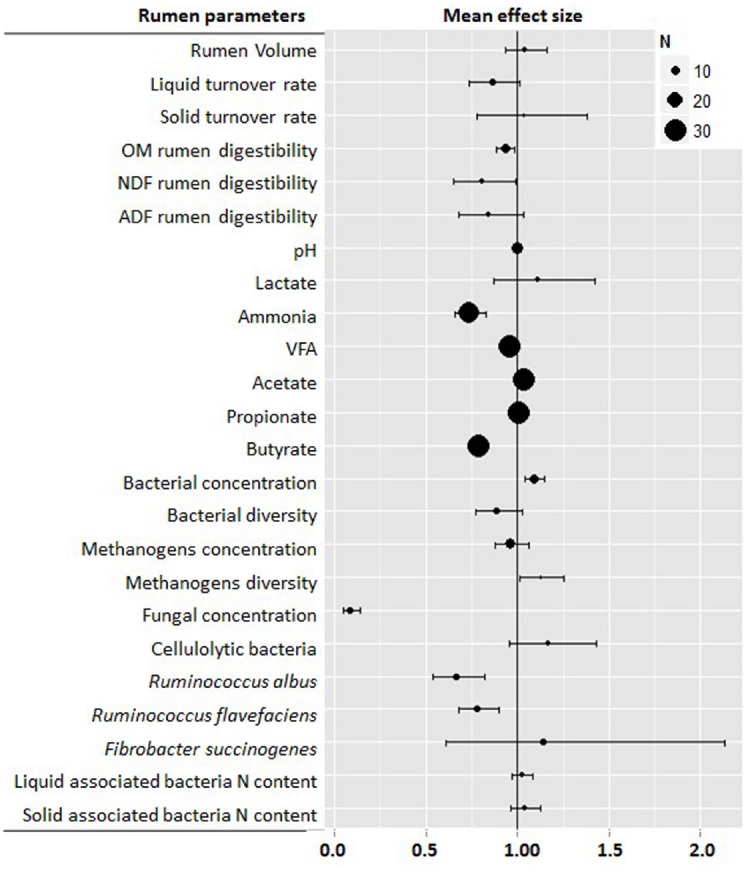
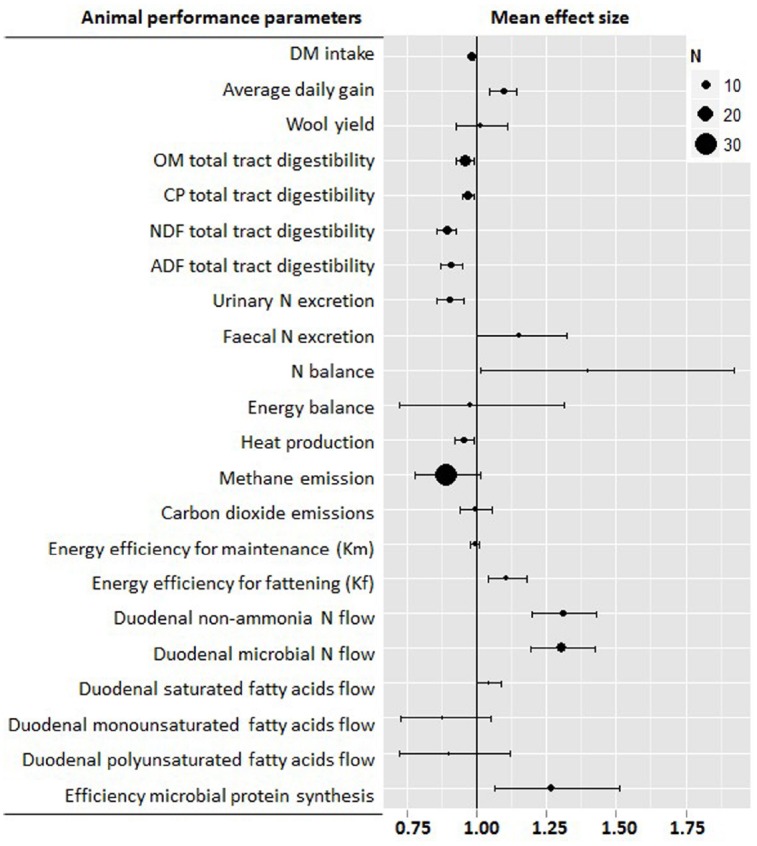
First described in 1843, Rumen protozoa with their striking appearance were assumed to be important for the welfare of their host. However, despite contributing up to 50% of the bio-mass in the rumen, the role of protozoa in rumen microbial ecosystem remains unclear. Phylogenetic analysis of 18S rDNA libraries generated from the rumen of cattle, sheep, and goats has revealed an unexpected diversity of ciliated protozoa although variation in gene copy number between species makes it difficult to obtain absolute quantification. Despite repeated attempts it has proven impossible to maintain rumen protozoa in axenic culture. Thus it has been difficult to establish conclusively a role of ciliate protozoa in rumen fiber degradation. The development of techniques to clone and express ciliate genes in λ phage, together with bioinformatic indices to confirm the ciliate origin of the genes has allowed the isolation and characterization of fibrolytic genes from rumen protozoa. Elimination of the ciliate protozoa increases microbial protein supply by up to 30% and reduces methane production by up to 11%. Our recent findings suggest that holotrich protozoa play a disproportionate role in supporting methanogenesis whilst the small Entodinium are responsible for much of the bacterial protein turnover. As yet no method to control protozoa in the rumen that is safe and practically applicable has been developed, however a range of plant extract capable of controlling if not completely eliminating rumen protozoa have been described.
Overview
The claims and statistics of this paper haven’t been checked yet.
Run the check — free, no account needed. It reads the open-access text and checks the sources it cites.
Integrity signals
Registry
Cites
Statistics
Figures
Verification
Claims the paper makes
The claims and statistics of this paper haven’t been checked yet.
Run the check — free, no account needed. It reads the open-access text and checks the sources it cites.
Claims other papers make about this one
Each is checked against this paper’s own text: does it say what the citing paper says it does?
The source backs part of the claim, not all of it — or backs it for a different population, condition or comparison.
In the citing paper
“Rumen bacteria play a dominant role in fiber digestion, although anaerobic fungi and protozoa have been reported to contribute to lignocellulose breakdown by attacking lignocellulosic material differently (60, 64) and discharging different enzyme complexes (101).”
From Phytogenic Additives Can Modulate Rumen Microbiome to Mediate Fermentation Kinetics and Methanogenesis Through Exploiting Diet–Microbe Interaction (2020) · cites this paper as [64]
Experimental — accuracy not yet measuredIn the citing paper
“protozoa have been linked to methanogenesis as defaunation reduces methane output by approximately 11% (Hegarty, 1999; Morgavi et al., 2010; Newbold et al., 2015).”
From Addressing global ruminant agricultural challenges through understanding the rumen microbiome: past, present, and future (2018) · cites this paper as Newbold et al., 2015
In the citing paper
“Based on their analysis, Newbold and colleagues found evidence that the removal of protozoa from the rumen caused a decrease in organic matter degradation, especially of neutral and acid detergent fiber.”
From Addressing global ruminant agricultural challenges through understanding the rumen microbiome: past, present, and future (2018) · cites this paper as Newbold et al., 2015
Self-check
Percentages, sums and reported differences re-computed from the paper’s own numbers.
The self-check needs the paper’s full text.
Citations
Cites
Meta-analysis in clinical trials
DerSimonian, R., & Laird, N. (1986) · Controlled Clinical Trials · doi:10.1016/0197-2456(86)90046-2 · Cited by 39,552
Conducting Meta-Analyses in R with the metafor Package
Viechtbauer, W. (2010) · Journal of Statistical Software · doi:10.18637/jss.v036.i03 · Cited by 20,464
Predictive functional profiling of microbial communities using 16S rRNA marker gene sequences
Langille, M. G. I., Zaneveld, J., Caporaso, J. G., McDonald, D., Knights, D., Reyes, J. A., Clemente, J. C., Burkepile, D. E., Vega Thurber, R. L., Knight, R., et al. (2013) · Nature Biotechnology · doi:10.1038/nbt.2676 · Cited by 9,116
Determination of microbial diversity in environmental samples: pitfalls of PCR-based rRNA analysis
von Wintzingerode, F., Göbel, U. B., & Stackebrandt, E. S. (1997) · FEMS Microbiology Reviews · doi:10.1111/j.1574-6976.1997.tb00351.x · Cited by 2,085
Hristov, A. N., Oh, J., Firkins, J. L., Dijkstra, J., Kebreab, E., Waghorn, G. C., Makkar, H. P. S., Adesogan, A. T., Yang, W. Z., Lee, C., et al. (2013) · Journal of Animal Science · doi:10.2527/jas.2013-6583 · Cited by 1,086
Amaral‐Zettler, L., McCliment, E. A., Ducklow, H. W., & Huse, S. M. (2009) · PLoS ONE · doi:10.1371/journal.pone.0006372 · Cited by 1,078
Methane mitigation in ruminants: from microbe to the farm scale
Martin, C., Morgavi, D., & Doreau, M. (2009) · animal · doi:10.1017/s1751731109990620 · Cited by 938
The evolution of molecular markers — just a matter of fashion?
Schlötterer, C. (2003) · Nature Reviews Genetics · doi:10.1038/nrg1249 · Cited by 927
Microbial ecosystem and methanogenesis in ruminants
Morgavi, D. P., Forano, E., Martin, C., & Newbold, C. J. (2010) · animal · doi:10.1017/s1751731110000546 · Cited by 694
Self-citationMapping of picoeucaryotes in marine ecosystems with quantitative PCR of the 18S rRNA gene
Zhu, F., Massana, R., Not, F., Marie, D., & Vaulot, D. (2004) · FEMS Microbiology Ecology · doi:10.1016/j.femsec.2004.10.006 · Cited by 643
Research works printed but not linked: 11
- Dehority, 1993, Laboratory Manual for Classification and Morphology of Ruminal Ciliate Protozoa
- Dogiel, 1927, Monographie der familie Ophryoscolecidae, Arch. Protistenkunde, 59, 1
- Frumholtz, 1991, Manipulation of the Rumen Fermentation and its Effect on Digestive Physiology
- Gruby, 1843, Recherches sur des animalcules se développant en grand nombre dans l’estomac et dans les intestins, pendant la digestion des animaux herbivores et carnivores, Compt. Rend. Acad. Sci., 17, 1304
- Kofoid, 1930, Ciliates from Bos indicus Linn. I. The genus Entodinium. Stein, Univ. Calif. Publ. Zool., 33, 471
- Kofoid, 1932, Ciliates from Bos indicus Linn II. A revision of Diplodinium Schuberg, Univ. Calif. Publ. Zool., 37, 53
- Kofoid, 1933, Ciliates from Bos indicus Linn III. Epidinium Crawley. Epiplastron gen. nov., and Ophryoscolex Stein, Univ. Calif. Publ. Zool., 39, 1
- Latteur, 1968, Revision systematique de la Famille des Ophryoscolescidae Stein, 1858: sous-famille Entodiniinae Lubinsky, 1957. Genre Entodinium Stein, 1858, Ann. Soc. R. Zool. de Belgique, 98, 1
- Latteur, 1969, Revision systematique de la famille des Ophryoscolecidae Stein, 1858: sous-famille Entodiniinae Lubinsky, 1957. Genre Entodinium Stein, 1958, Ann. Soc. R. Zool. de Belgique, 99, 3
- Latteur, 1970, Revision Systematique de la Famille des Ophryoscolecidae Stein, 1858: sous-famille des Diplodiniinae Lubinsky, 1957. Genre Diplodinium (Schuberg, 1888) sensu novo, Ann. Soc. R. Zool. de Belgique, 100, 275
- Ramos-Morales, 2014, “In vitro effect of the combination of Ivy fruit refined extract and a glucosidase inhibitor on rumen fermentation and protozoa activity,”, p 116
Cited by
Sorted by citations
The rumen microbiome: balancing food security and environmental impacts
Mizrahi, I., Wallace, R. J., & Moraïs, S. (2021) · Nature Reviews Microbiology · doi:10.1038/s41579-021-00543-6 · Cited by 490
Huws, S. A., Creevey, C. J., Oyama, L. B., Mizrahi, I., Denman, S. E., Popova, M., Muñoz-Tamayo, R., Forano, E., Waters, S. M., Hess, M., et al. (2018) · Frontiers in Microbiology · doi:10.3389/fmicb.2018.02161 · Cited by 487
“In addition to their capacity to degrade fiber, protozoa have been linked to methanogenesis as defaunation reduces methane output by approximately 11% (Hegarty, 1999; Morgavi et al., 2010; Newbold et al., 2015).”
BackgroundMethodInfluentialSelf-citationMatthews, C., Crispie, F., Lewis, E., Reid, M., O’Toole, P. W., & Cotter, P. D. (2018) · Gut Microbes · doi:10.1080/19490976.2018.1505176 · Cited by 511
“This method has been used to remove protozoa from the rumen to investigate the role they play in rumen function.(32,47) suggested that protozoa-associated methanogens (methanogens sequestered within rumen protozoa) which account for approximately 37% of methanogenesis in ruminants,(48) may be the most active methanoge…”
MethodVasta, V., Daghio, M., Cappucci, A., Buccioni, A., Serra, A., Viti, C., & Mele, M. L. (2019) · Journal of Dairy Science · doi:10.3168/jds.2018-14985 · Cited by 455
A heritable subset of the core rumen microbiome dictates dairy cow productivity and emissions
Wallace, R. J., Sasson, G., Garnsworthy, P. C., Tapio, I., Gregson, E., Bani, P., Huhtanen, P., Bayat, A. R., Strozzi, F., Biscarini, F., et al. (2019) · Science Advances · doi:10.1126/sciadv.aav8391 · Cited by 410
“Their community abundance and composition across ruminants are much more variable than bacteria, indeed, protozoa may be absent in some animals without detrimental effect to the host (4, 7).”
The ruminal microbiome associated with methane emissions from ruminant livestock
Tapio, I., Snelling, T. J., Strozzi, F., & Wallace, R. J. (2017) · Journal of Animal Science and Biotechnology · doi:10.1186/s40104-017-0141-0 · Cited by 391
“[18] noted that one of largest effects of defaunation, which leads to lower CH4 production, was a decrease in fungal abundance.”
BackgroundInfluentialInvited review: current enteric methane mitigation options
Beauchemin, K. A., Ungerfeld, E. M., Abdalla, A. L., Alvarez, C., Arndt, C., Becquet, P., Benchaar, C., Berndt, A., Mauricio, R. M., McAllister, T. A., et al. (2022) · Journal of Dairy Science · doi:10.3168/jds.2022-22091 · Cited by 324
“by freezing rumen contents, or by isolating newborn animals (Newbold et al., 2015).”
BackgroundInfluentialReview: Ruminal microbiome and microbial metabolome: effects of diet and ruminant host
Newbold, C. J., & Ramos‐Morales, E. (2020) · animal · doi:10.1017/s1751731119003252 · Cited by 289
“Protozoal identification and taxonomy have usually relied on morphologic identification by optical microscopy (Newbold et al., 2015).”
BackgroundMethodInfluentialBorrel, G., Brugère, J., Gribaldo, S., Schmitz, R. A., & Moissl‐Eichinger, C. (2020) · Nature Reviews Microbiology · doi:10.1038/s41579-020-0407-y · Cited by 269
The Role of the Gut Microbiome in Cattle Production and Health: Driver or Passenger?
O’Hara, E., Neves, A. L. A., Song, Y., & Guan, L. L. (2020) · Annual Review of Animal Biosciences · doi:10.1146/annurev-animal-021419-083952 · Cited by 254
“Consequentially, some studies have examined the significance of defaunation on CH4 production (83), finding that defaunation reduces enteric methanogenesis by 11% on average (84).”
BackgroundSilage review: Mycotoxins in silage: Occurrence, effects, prevention, and mitigation
Ogunade, I. M., Tuppia, C. M., Queiroz, O. C. M., Jiang, Y., Drouin, P., Wu, F., Vyas, D., & Adesogan, A. T. (2018) · Journal of Dairy Science · doi:10.3168/jds.2017-13788 · Cited by 248
Degradation of Cellulose and Hemicellulose by Ruminal Microorganisms
Weimer, P. J. (2022) · Microorganisms · doi:10.3390/microorganisms10122345 · Cited by 218
“[60], digestibility of neutral-detergent fiber (NDF, which contains cellulose, hemicellulose and lignin) and acid detergent fiber (ADF, which contains cellulose and lignin but no hemicellulose) in defaunated animals was reduced on average by 20% and 16%, respectively, although there was some compensatory recovery of f…”
BackgroundLan, W., & Yang, C. (2018) · The Science of The Total Environment · doi:10.1016/j.scitotenv.2018.11.180 · Cited by 223
Tannin in Ruminant Nutrition: Review
Besharati, M., Maggiolino, A., Palangı, V., Kaya, A., Jabbar, M., Eseceli, H., Palo, P. D., & Lorenzo, J. M. (2022) · Molecules · doi:10.3390/molecules27238273 · Cited by 268
Associations between Gut Microbiota and Common Luminal Intestinal Parasites
Stensvold, C. R., & van der Giezen, M. (2018) · Trends in Parasitology · doi:10.1016/j.pt.2018.02.004 · Cited by 193
Delgado, B., Bach, À., Guasch, I., González, C., Elcoso, G., Pryce, J. E., & González-Recio, Ó. (2019) · Scientific Reports · doi:10.1038/s41598-018-36673-w · Cited by 193
Seaweed and Seaweed Bioactives for Mitigation of Enteric Methane: Challenges and Opportunities
Abbott, D. W., Aasen, I. M., Beauchemin, K. A., Gröndahl, F., Gruninger, R. J., Hayes, M., Huws, S., Kenny, D. A., Krizsan, S. J., Kirwan, S. F., et al. (2020) · Animals · doi:10.3390/ani10122432 · Cited by 207
“Ciliate protozoa possess hydrogenosomes, which compartmentalise the terminal reactions of energy metabolism, resulting in hydrogen release, which allows methanogens to utilise hydrogen to form CH4 more effectively [33].”
BackgroundComtet-Marre, S., Parisot, N., Lepercq, P., Chaucheyras‐Durand, F., Mosoni, P., Peyretaillade, É., Bayat, A. R., Shingfield, K. J., Peyret, P., & Forano, É. (2017) · Frontiers in Microbiology · doi:10.3389/fmicb.2017.00067 · Cited by 183
Negussie, E., de Haas, Y., Dehareng, F., Dewhurst, R. J., Dijkstra, J., Gengler, N., Morgavi, D., Soyeurt, H., van Gastelen, S., Yan, T., et al. (2017) · Journal of Dairy Science · doi:10.3168/jds.2016-12030 · Cited by 195
Hassan, F.-U., Arshad, M. A., Ebeid, H. M., Rehman, M. S.-U., Khan, M. S., Shahid, S., & Yang, C. (2020) · Frontiers in Veterinary Science · doi:10.3389/fvets.2020.575801 · Cited by 186
“Approximately 11% reduction in the CH4 output has been observed due to the defaunation of protozoa (64, 68).”
BackgroundIslands in the stream: from individual to communal fiber degradation in the rumen ecosystem
Moraïs, S., & Mizrahi, I. (2019) · FEMS Microbiology Reviews · doi:10.1093/femsre/fuz007 · Cited by 158
“about 50% of the rumen biomass, and are believed to impact the ecosystem’s metabolism (Newbold et al. 2015).”
BackgroundLiang, J., Nabi, M., Zhang, P., Zhang, G., Cai, Y., Wang, Q., Zhou, Z., & Ding, Y. (2020) · Renewable and Sustainable Energy Reviews · doi:10.1016/j.rser.2020.110335 · Cited by 162
Rumen Microbiome Composition Is Altered in Sheep Divergent in Feed Efficiency
McLoughlin, S., Spillane, C., Claffey, N. A., Smith, P. E., O’Rourke, T., Diskin, M. G., & Waters, S. M. (2020) · Frontiers in Microbiology · doi:10.3389/fmicb.2020.01981 · Cited by 163
“A more comprehensive understanding of the contribution of the sheep rumen microbiota to animal feed efficiency would ideally investigate all major microbial populations within the rumen, including protozoa and fungi (Newbold et al., 2015; Tapio et al., 2017).”
BackgroundSöllinger, A., Tveit, A. T., Poulsen, M., Noel, S. J., Bengtsson, M. M., Bernhardt, J., Hellwing, A. L. F., Lund, P., Riedel, K., Schleper, C., et al. (2018) · mSystems · doi:10.1128/msystems.00038-18 · Cited by 159
“ruminant (hemi)cellulose degradation (21, 43).”
Lignocellulose degradation by rumen bacterial communities: New insights from metagenome analyses
Gharechahi, J., Vahidi, M. F., Sharifi, G., Ariaeenejad, S., Ding, X., Han, J., & Salekdeh, G. H. (2023) · Environmental Research · doi:10.1016/j.envres.2023.115925 · Cited by 171
Belanche, A., Newbold, C., Morgavi, D., Bach, A., Zweifel, B., & Yáñez-Ruiz, D. (2020) · Animals · doi:10.3390/ani10040620 · Cited by 143
“In a recent meta-analysis [43] it was demonstrated that elimination of rumen protozoa not only decreases butyrate molar proportion (−21%) and CH4 emissions (−11%) but also increases the flow of duodenal microbial N (+30%).”
BackgroundMizrahi, I., & Jami, E. (2018) · animal · doi:10.1017/s1751731118001957 · Cited by 155
“Protozoa are not considered essential for animal survival, but are found to exert a large effect on the rumen ecosystem and host animal physiological characteristics (Yáñez-Ruiz et al., 2007; Mosoni et al., 2011; Newbold et al., 2015).”
BackgroundStrategies Used to Reduce Methane Emissions from Ruminants: Controversies and Issues
Króliczewska, B., Pecka‐Kiełb, E., & Bujok, J. (2023) · Agriculture · doi:10.3390/agriculture13030602 · Cited by 170
Edwards, J. E., Forster, R. J., Callaghan, T. M., Dollhofer, V., Dagar, S. S., Cheng, Y., Chang, J., Kittelmann, S., Fliegerova, K., Puniya, A. K., et al. (2017) · Frontiers in Microbiology · doi:10.3389/fmicb.2017.01657 · Cited by 130
“Certain protozoa have been reported to prey on anaerobic fungal zoospores (Gordon and Phillips, 1998; Newbold et al., 2015), produce fungal cell wall degrading enzymes (Morgavi et al.”
BackgroundEssential Biomolecules in Food Webs
Rueß, L., & Müller‐Navarra, D. C. (2019) · Frontiers in Ecology and Evolution · doi:10.3389/fevo.2019.00269 · Cited by 130
“Herbivores such as ruminants can acquire LC-ω3PUFA via ciliates as gut symbionts (Veira, 1986; Newbold et al., 2015), which may be able to convert ALA to EPA, like certain ciliates in aquatic systems.”
BackgroundAlmeida, A. K., Hegarty, R. S., & Cowie, A. (2021) · Animal nutrition · doi:10.1016/j.aninu.2021.09.005 · Cited by 146
“On the contrary, some cobenefits of rumen defaunation (removing protozoa) have been reported, such as increases in growth rate and live weight gain of ruminants (Eug ene et al., 2004; Newbold et al., 2015) especially when the feed is deficient in protein relative to energy content.”
BackgroundMethodInfluentialGruninger, R. J., Ribeiro, G. O., Cameron, A., & McAllister, T. A. (2019) · animal · doi:10.1017/s1751731119000752 · Cited by 127
“The role of protozoa within the rumen microbiome is considered controversial (Newbold et al., 2015).”
BackgroundPereira, A. M., Dapkevicius, M. D. L. E., & Borba, A. E. S. (2022) · Animal Microbiome · doi:10.1186/s42523-021-00153-w · Cited by 124
“Also, protozoa predate bacteria from which they obtain amino acids for growth and maintenance [41].”
BackgroundInfluentialBhujbal, S. K., Ghosh, P., Vijay, V. K., Rathour, R., Kumar, M., Singh, L., & Kapley, A. (2022) · The Science of The Total Environment · doi:10.1016/j.scitotenv.2021.152773 · Cited by 106
RetractedMin, B. R., Lee, S., Jung, H.-J., Miller, D. N., & Chen, R. (2022) · Animals · doi:10.3390/ani12080948 · Cited by 131
“Rumen methanogen archaea can represent as much as 1–2% of the host ciliate volume [158].”
BackgroundMartínez-Álvaro, M., Auffret, M. D., Stewart, R. D., Dewhurst, R. J., Duthie, C.-A., Rooke, J. A., Wallace, R. J., Shih, B. B.-J., Freeman, T. C., Watson, M., et al. (2020) · Frontiers in Microbiology · doi:10.3389/fmicb.2020.00659 · Cited by 120
“This interaction can be explained by the effect of protist impacting on pH in rumen, enhancing CH4 emissions (Eugène et al., 2004; Newbold et al., 2015) as well as their”
Kim, S., Ramos, S., Valencia, R. A., Cho, Y.-I., & Lee, S. (2022) · Frontiers in Microbiology · doi:10.3389/fmicb.2022.804562 · Cited by 114
Inhibition of Rumen Methanogenesis and Ruminant Productivity: A Meta-Analysis
Ungerfeld, E. M. (2018) · Frontiers in Veterinary Science · doi:10.3389/fvets.2018.00113 · Cited by 111
“lesser intake, fiber digestibility and inhibition of de novo milk fatty acids synthesis (10, 11)], defaunation [increased microbial protein production; (18)], tannins and saponins [improved supply of protein digested in the small intestine; (19)], alternative [H] sinks [provision of extra fermentable energy; (20)], an…”
BackgroundGenomic insights into the phylogeny and biomass-degrading enzymes of rumen ciliates
Li, Z., Wang, X., Zhang, Y., Yu, Z., Zhang, T., Dai, X., Pan, X., Jing, R., Yan, Y., Liu, Y., et al. (2022) · The ISME Journal · doi:10.1038/s41396-022-01306-8 · Cited by 100
“These results also advance our understanding of the trophic niche breadth of rumen ciliates at the species level beyond what has been gained from previous metatranscriptomic and biochemical studies [12, 13, 85].”
BackgroundResultInfluentialTong, J., Zhang, H., Yang, D., Zhang, Y., Xiong, B., & Jiang, L. (2018) · PLoS ONE · doi:10.1371/journal.pone.0198225 · Cited by 100
“Similar to the microbial community in the gut of non-ruminants, the structure and function of the microbial community in the cow rumen are shaped by dynamic physical, chemical, and predatory environments [13, 14].”
BackgroundSalami, S. A., Valenti, B., Bella, M., O ' Grady, M. N., Luciano, G., Kerry, J. P., Jones, E., Priolo, A., & Newbold, C. J. (2018) · FEMS Microbiology Ecology · doi:10.1093/femsec/fiy061 · Cited by 91
Hartinger, T., Gresner, N., & Südekum, K. (2018) · Journal of Animal Science and Biotechnology/Journal of animal science and biotechnology · doi:10.1186/s40104-018-0249-x · Cited by 101
“Thus, quantification by molecular techniques targeting the 18S rDNA may be better suited, but variation in 18S rDNA copies between protozoal genera or different growth conditions can interfere [19].”
A Review of Effect of Saponins on Ruminal Fermentation, Health and Performance of Ruminants
KHOLIF, A. E. (2023) · Veterinary Sciences · doi:10.3390/vetsci10070450 · Cited by 106
“Protozoa play diverse roles in feed digestion and H2 production [22].”
BackgroundDias, J., Marcondes, M. I., Noronha, M. F., Resende, R. T., Machado, F. S., Mantovani, H. C., Dill‐McFarland, K. A., & Suen, G. (2017) · Frontiers in Microbiology · doi:10.3389/fmicb.2017.01553 · Cited by 99
“Like the anaerobic fungi, ciliate protozoa have a close association with rumen archaeal and bacterial communities and can impact nutrient digestibility, fermentation and methanogenesis (Newbold et al., 2015).”
BackgroundVoigt, K., James, T. Y., Kirk, P. M., Santiago, A. L. C. M. D. A., Waldman, B., Griffith, G. W., Fu, M., Radek, R., Strassert, J. F. H., Wurzbacher, C., et al. (2021) · Fungal Diversity · doi:10.1007/s13225-021-00480-y · Cited by 88
Management of Enteric Methane Emissions in Ruminants Using Feed Additives: A Review
Palangı, V., & Lackner, M. K. (2022) · Animals · doi:10.3390/ani12243452 · Cited by 102
“Saponins have shown potential as antiprotozoal agents to increase microbial supply to the host and decrease CH4 emissions [70].”
BackgroundRibeiro, G. O., Oss, D. B., He, Z., Gruninger, R. J., Elekwachi, C. O., Forster, R. J., Yang, W. Z., Beauchemin, K. A., & McAllister, T. A. (2017) · Scientific Reports · doi:10.1038/s41598-017-01269-3 · Cited by 84
Alessi, A. M., Bird, S. M., Oates, N. C., Li, Y., Dowle, A., Novotny, E. H., DeAzevedo, E. R., Bennett, J. P., Polikarpov, I., Young, J. P. W., et al. (2018) · Biotechnology for Biofuels · doi:10.1186/s13068-018-1164-2 · Cited by 81
“Though some protists and their bacterial endosymbionts have been reported as active producers of lignocellulolytic enzymes in the termite gut [44] and cow rumen [45], with no known lignocellulose degrading proteins from protist detected in the metasecretomes their role in the wheat straw liquid cultures may be predato…”
ResultMetabolic influence of core ciliates within the rumen microbiome
Andersen, T. O., Altshuler, I., de León, A. V., Walter, J. M., McGovern, E., Keogh, K. A., Martin, C., Bernard, L., Morgavi, D., Park, T., et al. (2023) · The ISME Journal · doi:10.1038/s41396-023-01407-y · Cited by 92
“We also observed partial evidence in our proteomic data that the hydrogenosome-lacking En. caudatum makes contributions to ruminal hydrogen production, supporting previous reports associating its abundance with higher methane levels [77, 84, 85].”
Molina-Botero, I. C., Arroyave-Jaramillo, J., Valencia-Salazar, S. S., Rosales, R. B., Aguilar-Pérez, C. F., Ayala-Burgos, A. J., Arango, J., & Kú-Vera, J. C. (2019) · Animal Feed Science and Technology · doi:10.1016/j.anifeedsci.2019.01.011 · Cited by 76
Solomon, R., Wein, T., Levy, B., Eshed, S., Dror, R., Reiss, V., Zehavi, T., Furman, O., Mizrahi, I., & Jami, E. (2021) · The ISME Journal · doi:10.1038/s41396-021-01170-y · Cited by 85
“In addition, the presence of protozoa in the rumen was shown to decrease the overall protein supply to the animal in-vivo [18].”
BackgroundInfluentialDorantes-Iturbide, G., Orzuna‐Orzuna, J. F., Lara-Bueno, A., Martínez, G. D. M., Miranda‐Romero, L. A., & Lee-Rangel, H. A. (2022) · Veterinary Sciences · doi:10.3390/vetsci9090475 · Cited by 81
“The reduction in the number of total protozoa in the rumen could be favorable because an increase in the population of ruminal protozoa increases ruminal protein degradation [70] and CH4 emissions [71].”
BackgroundLiang, J., Zhang, R., Chang, J., Chen, L., Nabi, M., Zhang, H., Zhang, G., & Zhang, P. (2024) · Biotechnology Advances · doi:10.1016/j.biotechadv.2024.108308 · Cited by 84
Parente, M. D. O. M., da Rocha, K. S., Bessa, R. J. B., Parente, H. N., Zanine, A. D. M., Machado, N. A. F., Júnior, J. D. B. L., Bezerra, L. R., Landim, A. V., & Alves, S. P. (2019) · Meat Science · doi:10.1016/j.meatsci.2019.107971 · Cited by 71
Palma‐Hidalgo, J. M., Jiménez, E., Popova, M., Morgavi, D., Martín-García, A. I., Yáñez-Ruíz, D. R., & Belanche, A. (2021) · Animal Microbiome · doi:10.1186/s42523-021-00073-9 · Cited by 74
Hydrogen and formate production and utilisation in the rumen and the human colon
Kelly, W. J., Mackie, R. I., Attwood, G. T., Janssen, P. H., McAllister, T. A., & Leahy, S. C. (2022) · Animal Microbiome · doi:10.1186/s42523-022-00174-z · Cited by 73
“Meta-analysis of protozoa defaunation studies concluded that elimination of ciliate protozoa reduced CH4 production by up to 11% [25].”
BackgroundUnderstanding the Diversity and Roles of the Ruminal Microbiome
Keum, G. B., Pandey, S., Kim, E. S., Doo, H., Kwak, J., Ryu, S., Choi, Y., Kang, J., Kim, S., & Kim, H. B. (2024) · The Journal of Microbiology · doi:10.1007/s12275-024-00121-4 · Cited by 82
“It has been suggested that the increase in methane emissions is the result of interactions between hydrogen-producing protozoa and hydrog-enotrophic methanogens (Newbold et al., 2015; Paul et al., 1990).”
Belanche, A., Yáñez-Ruíz, D. R., Detheridge, A. P., Griffith, G. W., Kingston‐Smith, A. H., & Newbold, C. J. (2019) · Environmental Microbiology · doi:10.1111/1462-2920.14801 · Cited by 67
“It is well established that the presence of rumen protozoa has modulatory effects on the rumen fermentation (Newbold et al., 2015) and here we conclude that rumen protozoa stimulated total VFA (+41%) and butyrate production (+52%) in NN lambs, because positive correlations were observed between protozoa levels and the…”
BackgroundThe Profound Influence of Gut Microbiome and Extracellular Vesicles on Animal Health and Disease
Barathan, M., Ng, S. L., Lokanathan, Y., Ng, M. H., & Law, J. X. (2024) · International Journal of Molecular Sciences · doi:10.3390/ijms25074024 · Cited by 64
“This enzymatic activity allows Entodinium to efficiently utilize proteinaceous material as a nitrogen source for their own growth and metabolism [46].”
BackgroundWallace, R. J., Snelling, T. J., McCartney, C. A., Tapio, I., & Strozzi, F. (2017) · Genetics Selection Evolution · doi:10.1186/s12711-017-0285-6 · Cited by 66
“A meta-analysis of defaunation revealed methane emissions to be on average 11% lower than in faunated animals [3].”
BackgroundRumen Protozoa Play a Significant Role in Fungal Predation and Plant Carbohydrate Breakdown
Williams, C. L., Thomas, B. J., McEwan, N. R., Stevens, P. R., Creevey, C. J., & Huws, S. (2020) · Frontiers in Microbiology · doi:10.3389/fmicb.2020.00720 · Cited by 62
“Rumen protozoa are notoriously difficult to maintain in culture and although decades of optimization have resulted in improved methods, it remains impossible to maintain them in axenic culture (Newbold et al., 2015).”
BackgroundResultIn Pursuit of Understanding the Rumen Microbiome
Sanjorjo, R. A., Tseten, T., Kang, M., Kwon, M., & Kim, S.-W. (2023) · Fermentation · doi:10.3390/fermentation9020114 · Cited by 77
Guo, W., Zhou, M., Ma, T., Bi, S., Wang, W., Zhang, Y., Huang, X., Guan, L. L., & Long, R. (2020) · Animal Microbiome · doi:10.1186/s42523-020-00042-8 · Cited by 59
Saborío‐Montero, A., Gutiérrez‐Rivas, M., García-Rodríguez, A., Atxaerandio, R., Goiri, I., de Maturana, E. L., Jiménez-Montero, J. A., Alenda, R., & González-Recio, Ó. (2019) · Journal of Animal Breeding and Genetics · doi:10.1111/jbg.12444 · Cited by 69
Ishaq, S. L., AlZahal, O., Walker, N., & McBride, B. (2017) · Frontiers in Microbiology · doi:10.3389/fmicb.2017.01943 · Cited by 61
“…also appear to directly compete with fungi through enzymatic destruction and predation (Hsu et al., 1991; Gruninger et al., 2014), although a meta-analysis has suggested that rumen defaunation more often causes a reduction in cellulolytic microorganisms, including fungi (Newbold et al., 2015).”
BackgroundIslam, M., & Lee, S.-S. (2019) · Journal of Animal Science and Technology · doi:10.5187/jast.2019.61.3.122 · Cited by 75
“The protozoa can comprise up to 50% of the microbial biomass in rumen [28].”
BackgroundTea saponin reduced methanogenesis in vitro but increased methane yield in lactating dairy cows
Guyader, J., Eugène, M., Doreau, M., Morgavi, D. P., Gérard, C., & Martin, C. (2017) · Journal of Dairy Science · doi:10.3168/jds.2016-11644 · Cited by 59
“However, after 3 wk of supplementation of tea saponin, the total quantity of this H2-producing population remained constant, as well as the quantity of holotrichs, which are suggested as being the largest contributors to methanogenesis (Newbold et al., 2015).”
BackgroundBelanche, A., Palma‐Hidalgo, J. M., Nejjam, I., Jiménez, E., Martín-García, A. I., & Yáñez-Ruíz, D. R. (2020) · Journal of Dairy Science · doi:10.3168/jds.2019-18002 · Cited by 63
“A meta-analysis revealed that presence of rumen protozoa, in comparison to defaunated animals, increased rumen OM and NDF digestibility, total VFA, and butyrate concentration as a result of their fibrolytic activity (Newbold et al., 2015).”
BackgroundAuffret, M. D., Stewart, R. D., Dewhurst, R. J., Duthie, C.-A., Watson, M., & Roehe, R. (2020) · Frontiers in Microbiology · doi:10.3389/fmicb.2020.01229 · Cited by 65
“Generally, this genus dominates total protozoa in the rumen and the presence of protozoa compared to defaunated animals is known to reduce feed conversion efficiency in ruminants (Newbold et al., 2015).”
BackgroundNature’s recyclers: anaerobic microbial communities drive crude biomass deconstruction
Lillington, S. P., Leggieri, P. A., Heom, K. A., & O’Malley, M. (2019) · Current Opinion in Biotechnology · doi:10.1016/j.copbio.2019.08.015 · Cited by 60
Concepts and Consequences of a Core Gut Microbiota for Animal Growth and Development
Perlman, D., Martínez-Álvaro, M., Moraïs, S., Altshuler, I., Hagen, L. H., Jami, E., Roehe, R., Pope, P. B., & Mizrahi, I. (2021) · Annual Review of Animal Biosciences · doi:10.1146/annurev-animal-013020-020412 · Cited by 57
Chiu, L., & Gilbert, S. F. (2020) · Elsevier eBooks · doi:10.1016/b978-0-12-817996-3.00015-3 · Cited by 55
Orzuna‐Orzuna, J. F., Dorantes-Iturbide, G., Lara-Bueno, A., Miranda‐Romero, L. A., Martínez, G. D. M., & Santiago-Figueroa, I. (2022) · Fermentation · doi:10.3390/fermentation8060254 · Cited by 61
Cantor, M. C., Neave, H. W., & Costa, J. H. C. (2019) · Translational Animal Science · doi:10.1093/tas/txy144 · Cited by 55
Neto, J. M. D. S., de Souza, J., & Lock, A. L. (2021) · Journal of Dairy Science · doi:10.3168/jds.2021-20699 · Cited by 50
González-Recio, Ó., Zubiría, I., García-Rodríguez, A., Hurtado, A., & Atxaerandio, R. (2017) · Journal of Dairy Science · doi:10.3168/jds.2017-13179 · Cited by 54
“Mainly, holotrich protozoa play a role in digestion and fermentation of feed components, in ruminal O2 utilization, and in the production of fermentation end products utilized by the host and H2 utilized by methanogenic bacteria (Lloyd et al., 1989; Williams and Colleman, 1992; Newbold et al., 2015).”
Extending Burk Dehority’s Perspectives on the Role of Ciliate Protozoa in the Rumen
Firkins, J. L., Yu, Z., Park, T., & Plank, J. (2020) · Frontiers in Microbiology · doi:10.3389/fmicb.2020.00123 · Cited by 57
“Defaunation in vivo is typically associated with a decrease in molar ratio of butyrate (Newbold et al., 2015).”
BackgroundInfluentialElekwachi, C. O., Wang, Z., Wu, X., Rabee, A., & Forster, R. J. (2017) · Frontiers in Microbiology · doi:10.3389/fmicb.2017.01814 · Cited by 48
“This is particularly useful in the study of rumen protozoa as it is known that rRNA gene copy numbers in these organisms varies greatly between species and estimates of relative abundance using rDNA based approaches may over estimate or under estimate certain species (Newbold et al., 2015).”
BackgroundLópez-García, A., Saborío‐Montero, A., Gutiérrez‐Rivas, M., Atxaerandio, R., Goiri, I., García-Rodríguez, A., Jiménez-Montero, J. A., González, C., Tamames, J., Puente‐Sánchez, F., et al. (2022) · GigaScience · doi:10.1093/gigascience/giab088 · Cited by 54
“They provide the archaea with substrate for methane production from H 2 produced in their hydrogenosomes, as well as protection against oxygen toxicity [30,55,56].”
Gruninger, R. J., Zhang, X., Smith, M. L., Kung, L., Vyas, D., McGinn, S. M., Kindermann, M., Wang, M., Tan, Z. L., & Beauchemin, K. A. (2022) · Animal Microbiome · doi:10.1186/s42523-022-00179-8 · Cited by 49
“The dramatic decrease in protozoa numbers observed for the OIL treatments is consistent with expectations, as a protozoal defaunation is generally associated with a decrease in CH4 production [34].”
BackgroundLyons, T., Bielak, A., Doyle, E. M., & Kuhla, B. (2018) · Journal of Dairy Science · doi:10.3168/jds.2017-14200 · Cited by 52
Exploring the Prokaryotic Community Associated With the Rumen Ciliate Protozoa Population
Levy, B., & Jami, E. (2018) · Frontiers in Microbiology · doi:10.3389/fmicb.2018.02526 · Cited by 52
Orzuna‐Orzuna, J. F., Dorantes-Iturbide, G., Lara-Bueno, A., Chay‐Canul, A. J., Miranda‐Romero, L. A., & Martínez, G. D. M. (2023) · Frontiers in Veterinary Science · doi:10.3389/fvets.2023.1134925 · Cited by 50
Chaucheyras‐Durand, F., Ameilbonne, A., Auffret, P., Bernard, M., Mialon, M., Dunière, L., & Forano, É. (2019) · Scientific Reports · doi:10.1038/s41598-019-55825-0 · Cited by 52
Li, Z., Mu, C., Xu, Y., Shen, J., & Zhu, W. (2020) · Frontiers in Microbiology · doi:10.3389/fmicb.2020.00244 · Cited by 48
Andrade, B. G. N., Bressani, F. A., Cuadrat, R. R. C., Tizioto, P. C., de Oliveira, P. S. N., Mourão, G. B., Coutinho, L. L., Reecy, J. M., Koltes, J. E., Walsh, P., et al. (2020) · Journal of Animal Science and Biotechnology/Journal of animal science and biotechnology · doi:10.1186/s40104-019-0422-x · Cited by 47
Do Ruminal Ciliates Select Their Preys and Prokaryotic Symbionts?
Park, T., & Yu, Z. (2018) · Frontiers in Microbiology · doi:10.3389/fmicb.2018.01710 · Cited by 47
“They are only found in the rumen and similar habitats (Dehority, 1986, 2005) where they play important roles in feed digestion and homeostasis of the rumen ecosystem (Firkins et al., 2007; Newbold et al., 2015).”
BackgroundNguyen, D. V., Malau‐Aduli, B. S., Cavalieri, J., Nichols, P. D., & Malau‐Aduli, A. E. O. (2018) · Veterinary and Animal Science · doi:10.1016/j.vas.2018.08.001 · Cited by 49
Iqbal, M. W., Zhang, Q., Yang, Y., Zou, C., Li, L., Liang, X., ShengJu, W., & Lin, B. (2017) · Animal nutrition · doi:10.1016/j.aninu.2017.10.005 · Cited by 47
“The role of ruminal protozoa is to engulf ruminal bacteria and starch granules to keep ruminal pH steady (Newbold et al., 2015).”
BackgroundLi, Z., Deng, Q., Liu, Y., Yan, T., Li, F., Cao, Y., & Yao, J. (2018) · Journal of Animal Science and Biotechnology/Journal of animal science and biotechnology · doi:10.1186/s40104-018-0305-6 · Cited by 53
“Two prior meta-analyses [14, 17] have summarized the combined responses of rumen fermentation to defaunation; however, the combined effects on ruminal VFA profiles were also inconsistent between them, and neither of them explored the time-dependent effects.”
Meta-analysis of the effects of essential oil as an alternative to monensin in diets for beef cattle
Torres, R. D. N. S., Paschoaloto, J. R., Ezequiel, J. M. B., da Silva, D. A. V., & Almeida, M. T. C. (2021) · The Veterinary Journal · doi:10.1016/j.tvjl.2021.105659 · Cited by 52
Mackie, R. I., Kim, H. W., Kim, N. K., & Cann, I. (2023) · Animal Bioscience · doi:10.5713/ab.23.0294 · Cited by 54
“Meta-analysis of protozoa defaunation studies concluded that elimination of ciliate protozoa reduced CH 4 production by up to 11% [39].”
BackgroundAre Vaccines the Solution for Methane Emissions from Ruminants? A Systematic Review
Baca-González, V., Asensio‐Calavia, P., González-Acosta, S., de la Lastra, J. M. P., & Morales-delaNuez, A. (2020) · Vaccines · doi:10.3390/vaccines8030460 · Cited by 48
Reducing Enteric Methanogenesis through Alternate Hydrogen Sinks in the Rumen
Choudhury, P. K., Jena, R., Tomar, S. K., & Puniya, A. K. (2022) · Methane · doi:10.3390/methane1040024 · Cited by 47
“Immunization against methanogens [37,38], elimination of ciliate protozoa (defaunation) both in in vivo and in vitro [39] and addition of acetogenic bacteria to rumen fluid [40–42] in in vitro experiments have also been tested.”
BackgroundMcGurrin, A., Maguire, J., Tiwari, B. K., & García‐Vaquero, M. (2023) · Journal of Animal Science and Biotechnology/Journal of animal science and biotechnology · doi:10.1186/s40104-023-00946-w · Cited by 54
“New-bold et al. [34] determined that defaunation, the process of removing protozoa from the rumen, decreased CH 4 emissions by 11%.”
BackgroundXue, D., Chen, H., Luo, X., Guan, J., He, Y., & Zhao, X. (2018) · The Journal of Microbiology · doi:10.1007/s12275-018-8133-0 · Cited by 44
Nagler, M., Kozjek, K., Etemadi, M., Insam, H., & Podmirseg, S. M. (2019) · Journal of Biotechnology · doi:10.1016/j.jbiotec.2019.05.004 · Cited by 43
Sarnataro, C., & Spanghero, M. (2020) · Animal nutrition · doi:10.1016/j.aninu.2019.11.009 · Cited by 43
Martínez-Álvaro, M., Mattock, J., Auffret, M. D., Weng, Z., Duthie, C.-A., Dewhurst, R. J., Cleveland, M. A., Watson, M., & Roehe, R. (2022) · Microbiome · doi:10.1186/s40168-022-01352-6 · Cited by 44
Kaur, H., Kaur, G., Gupta, T., Mittal, D., & Ali, S. A. (2023) · Biology · doi:10.3390/biology12091200 · Cited by 47
“Isotricha Dasytricha Charonina Glucose, Fructose, Galcturonic acid Fermentation of Starch, pectin, soluble sugars, proteins [94]”
Metadata
- Authors
- Newbold, C. J., de la Fuente, G., Belanche, A., Ramos-Morales, E., & McEwan, N. R.
- Affiliations
- Aberystwyth University (GB)
- Corresponding author
- Newbold, Charles J.
- Venue
- Frontiers in Microbiology
- Publisher
- Frontiers Media SA
- Published
- 2015-11-26
- Volume
- 6
- Pages
- 1313-1313
- ISSN
- 1664-302X (ISSN-L)
- PMC
- PMC4659874
- OpenAlex
- W2177858583
- Cited by
- 637
- References
- 163
- Citations by year
- 2026: 70 · 2025: 67 · 2024: 71 · 2023: 84 · 2022: 81 · 2021: 65 · 2020: 63 · 2019: 46 · 2018: 45 · 2017: 36 · 2016: 8 · 2015: 1
- FWCI
- 5.26
- Type
- journal article
- Language
- en
- Open access
- gold
- doi.org
- Licence
- cc-by
- Locations
- Frontiers in Microbiology (publishedVersion, cc-by)
- PubMed Central (publishedVersion, cc-by)
- PubMed (publishedVersion)
- LA Referencia (Red Federada de Repositorios Institucionales de Publicaciones Científicas) (publishedVersion, cc-by)
- RECERCAT (Consorci de Serveis Universitaris de Catalunya) (publishedVersion, cc-by)
- UdL Open Repository (University of Lleida) (publishedVersion, cc-by)
- Open Access Institutional Repository at Robert Gordon University (Robert Gordon University) (publishedVersion, cc-by)
- LA Referencia (Red Federada de Repositorios Institucionales de Publicaciones Científicas) (submittedVersion, cc-by)
- DOAJ (DOAJ: Directory of Open Access Journals) (submittedVersion, cc-by-sa)
- Open Access Institutional Repository at Robert Gordon University (Robert Gordon University) (submittedVersion, cc-by)
- Funders
- Biotechnology and Biological Sciences Research Council (BB/J0013/1)
- Topics
- Life Sciences › Agricultural and Biological Sciences › Animal Science and Zoology › Ruminant Nutrition and Digestive Physiology
- Physical Sciences › Energy › Renewable Energy, Sustainability and the Environment › Anaerobic Digestion and Biogas Production
- Life Sciences › Agricultural and Biological Sciences › Animal Science and Zoology › Animal Nutrition and Physiology
- Keywords
- rumen ciliate protozoa, rumen microbiota, 18S rDNA phylogeny, Entodinium, methanogenesis, methane mitigation, microbial protein supply, plant extracts, cattle, sheep, goats
About these checks
Registry, retraction, Cites and statistics results are computed, not judged, with one exception: a printed reference that no index lists is read once by a model before it counts as a citation error. Claims are extracted by a model and kept only when their quote appears verbatim in the text; each cited source is then checked, with a model’s help, for whether it says what the claim relies on. Those verdicts can be wrong — read the claim’s quote and the cited source before relying on one.
Statistics and arithmetic are recomputed, not judged.
Confidence bands are shown only for fields calibrated on our annotated test set. None is calibrated yet, so no band is shown.
What counts as a claim ›How we measure confidence ›How we check this ›
Are you an author, or do you see a problem with this page? Request a review
