

The DOI matches its Crossref record; 115 of the 115 references it cites were found in a registry or an index.
Gut-Lung Crosstalk in Sepsis-Induced Acute Lung Injury
Open accessAbstract
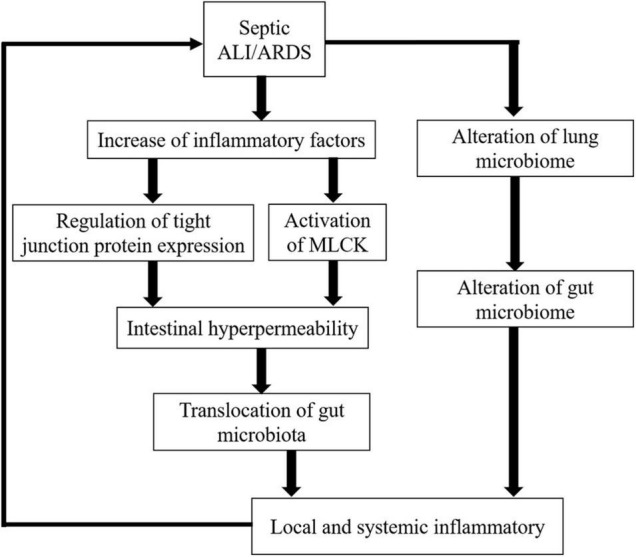
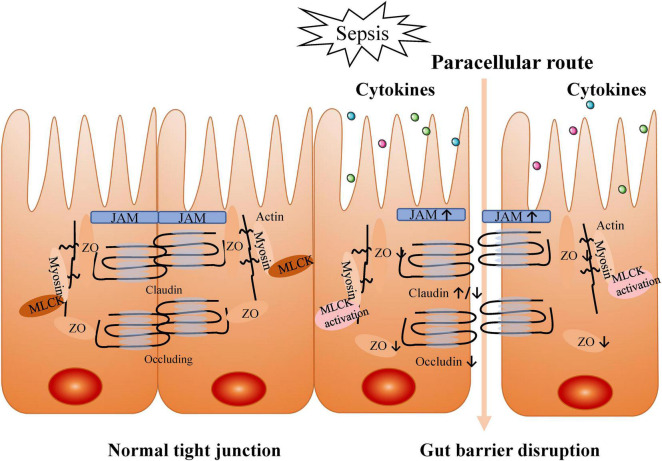
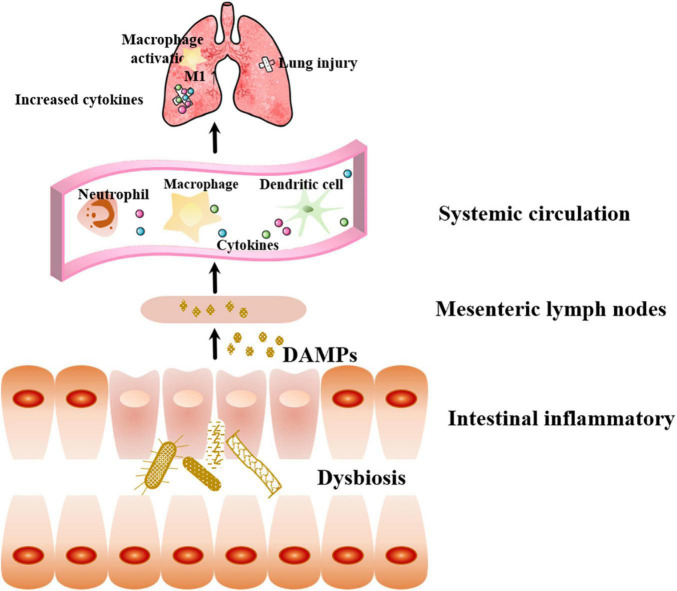
Acute lung injury (ALI) and acute respiratory distress syndrome (ARDS) are common acute and severe cases of the respiratory system with complicated pathogenesis and high mortality. Sepsis is the leading indirect cause of ALI/ARDS in the intensive care unit (ICU). The pathogenesis of septic ALI/ARDS is complex and multifactorial. In the development of sepsis, the disruption of the intestinal barrier function, the alteration of gut microbiota, and the translocation of the intestinal microbiome can lead to systemic and local inflammatory responses, which further alter the immune homeostasis in the systemic environment. Disruption of homeostasis may promote and propagate septic ALI/ARDS. In turn, when ALI occurs, elevated levels of inflammatory cytokines and the shift of the lung microbiome may lead to the dysregulation of the intestinal microbiome and the disruption of the intestinal mucosal barrier. Thus, the interaction between the lung and the gut can initiate and potentiate sepsis-induced ALI/ARDS. The gut–lung crosstalk may be a promising potential target for intervention. This article reviews the underlying mechanism of gut-lung crosstalk in septic ALI/ARDS.
Overview
The claims and statistics of this paper haven’t been checked yet.
Run the check — free, no account needed. It reads the open-access text and checks the sources it cites.
Integrity signals
Registry
Cites
Statistics
Figures
Verification
Claims the paper makes
The claims and statistics of this paper haven’t been checked yet.
Run the check — free, no account needed. It reads the open-access text and checks the sources it cites.
Claims other papers make about this one
Each is checked against this paper’s own text: does it say what the citing paper says it does?
The cited source says what the claim attributes to it.
In the citing paper
“The inflammatory cascade stemming from GI-released bacteria and endotoxins can exacerbate pulmonary dysfunction, leading to acute respiratory distress syndrome (ARDS) [27], worsening pulmonary outcomes [28].”
From Gastrointestinal function and nutritional interventions in septic shock (2025) · cites this paper as [27]
Self-check
Percentages, sums and reported differences re-computed from the paper’s own numbers.
The self-check needs the paper’s full text.
Citations
Cites
Bellani, G., Laffey, J. G., Pham, T., Fan, E., Brochard, L., Esteban, A., Gattinoni, L., van Haren, F., Larsson, A., McAuley, D. F., et al. (2016) · JAMA · doi:10.1001/jama.2016.0291 · Cited by 5,766 · cited 9×
“Sepsis is the leading indirect cause of ALI/ARDS in the intensive care unit (ICU).”
BackgroundInfluentialMacrophage plasticity, polarization, and function in health and disease
Shapouri‐Moghaddam, A., Mohammadian, S., Vazini, H., Taghadosi, M., Esmaeili, S., Mardani, F., Seifi, B., Mohammadi, A., Afshari, J. T., & Sahebkar, A. (2018) · Journal of Cellular Physiology · doi:10.1002/jcp.26429 · Cited by 4,930 · cited 1×
“Macrophages, commonly polarized into M1 (proinflammatory) and M2 (anti-inflammatory) types according to responses to environmental stimuli, are key orchestrators in the pathogenesis of ALI/ARDS (Shapouri-Moghaddam et al., 2018).”
BackgroundHost-gut microbiota metabolic interactions
Nicholson, J. K., Holmes, E., Kinross, J., Burcelin, R., Gibson, G., Jia, W., & Pettersson, S. (2012) · Science · doi:10.1126/science.1223813 · Cited by 4,760
Parada Venegas, D., De la Fuente, M. K., Landskron, G., González, M. J., Quera, R., Dijkstra, G., Harmsen, H. J. M., Faber, K. N., & Hermoso, M. A. (2019) · Frontiers in Immunology · doi:10.3389/fimmu.2019.00277 · Cited by 3,820
The human microbiome: at the interface of health and disease
Cho, I., & Blaser, M. J. (2012) · Nature Reviews Genetics · doi:10.1038/nrg3182 · Cited by 3,449 · cited 1×
“Notably, the differential immune responses to sepsis are determined by the microbiome (Cho and Blaser, 2012).”
BackgroundAcute respiratory distress syndrome
Matthay, M. A., Zemans, R. L., Zimmerman, G. A., Arabi, Y. M., Beitler, J. R., Mercat, A., Herridge, M. S., Randolph, A. G., & Calfee, C. S. (2019) · Nature Reviews Disease Primers · doi:10.1038/s41572-019-0069-0 · Cited by 2,514
A microbial symbiosis factor prevents intestinal inflammatory disease
Mazmanian, S. K., Round, J. L., & Kasper, D. L. (2008) · Nature · doi:10.1038/nature07008 · Cited by 2,340
The gut microbiota–brain axis in behaviour and brain disorders
Morais, L. H., Schreiber, H. L., & Mazmanian, S. K. (2021) · Nature Reviews Microbiology · doi:10.1038/s41579-020-00460-0 · Cited by 2,149
The microbiota in adaptive immune homeostasis and disease
Honda, K., & Littman, D. R. (2016) · Nature · doi:10.1038/nature18848 · Cited by 1,846
Bacteria as vitamin suppliers to their host: A gut microbiota perspective
LeBlanc, J. G., Milani, C., de Giori, G. S., Sesma, F., van Sinderen, D., & Ventura, M. (2013) · Current Opinion in Biotechnology · doi:10.1016/j.copbio.2012.08.005 · Cited by 1,613
Cited by
Sorted by citations
Lung microbiome: new insights into the pathogenesis of respiratory diseases
Li, R., Li, J., & Zhou, X. (2024) · Signal Transduction and Targeted Therapy · doi:10.1038/s41392-023-01722-y · Cited by 483
“16,137,138 The gut-lung axis is bidirectional, which means that the lung can affect gut homeostasis.”
BackgroundSelf-citationAcute lung injury caused by sepsis: how does it happen?
Sun, B., Lei, M., Zhang, J., Kang, H., Liu, H., & Zhou, F. (2023) · Frontiers in Medicine · doi:10.3389/fmed.2023.1289194 · Cited by 154
“It is also one of the most important causes of death of critically ill patients (4, 5).”
BackgroundQiu, F.-S., Wang, J., Guo, M.-Y., Li, X.-J., Shi, C.-Y., Wu, F., Zhang, H., Ying, H., & Yu, C.-H. (2023) · Biomedicine & Pharmacotherapy · doi:10.1016/j.biopha.2023.115007 · Cited by 110
Exploring immune-related pathogenesis in lung injury: Providing new insights Into ALI/ARDS
Zheng, J., Li, Y., Kong, X., & Guo, J. (2024) · Biomedicine & Pharmacotherapy · doi:10.1016/j.biopha.2024.116773 · Cited by 115
The leaky gut and the gut microbiome in sepsis – targets in research and treatment
Chancharoenthana, W., Kamolratanakul, S., Schultz, M. J., & Leelahavanichkul, A. (2023) · Clinical Science · doi:10.1042/cs20220777 · Cited by 86
Xu, Y., Xin, J., Sun, Y., Wang, X., Sun, L., Zhao, F., Niu, C., & Liu, S. (2024) · Pharmaceuticals · doi:10.3390/ph17040472 · Cited by 58
Pathophysiology of acute lung injury in patients with acute brain injury: the triple-hit hypothesis
Ziaka, M., & Exadaktylos, A. K. (2024) · Critical Care · doi:10.1186/s13054-024-04855-w · Cited by 54
“Anaerobic bacteria imbalances can further harm the gut immune barrier, promoting pathogenic bacteria growth and the production of inflammatory mediators [97, 146, 147].”
BackgroundLu, Y., Wu, Y. Q., Huang, M., Chen, J., Zhang, Z., Li, J., Yang, R., Liu, Y., & Cai, S. (2023) · Phytomedicine · doi:10.1016/j.phymed.2023.155190 · Cited by 51
Exploring the lung-gut direction of the gut-lung axis in patients with ARDS
Ziaka, M., & Exadaktylos, A. K. (2024) · Critical Care · doi:10.1186/s13054-024-04966-4 · Cited by 52
“1, 3) [116].”
Role of gut microbes in acute lung injury/acute respiratory distress syndrome
Ren, Z., Zheng, Z., & Feng, X. (2024) · Gut Microbes · doi:10.1080/19490976.2024.2440125 · Cited by 48
Shaheen, N., Miao, J., Xia, B., Zhao, Y., & Zhao, J. (2025) · The FASEB Journal · doi:10.1096/fj.202500295r · Cited by 49
“Gut dysbiosis-caused gut-lung crosstalk has been shown to promote lung injury [74].”
Hu, X., Han, Z., Zhou, R., Su, W., Gong, L., Yang, Z., Song, X., Zhang, S., Shu, H., & Wu, D. (2023) · Frontiers in Cellular and Infection Microbiology · doi:10.3389/fcimb.2023.1127369 · Cited by 48
“Previous studies have shown that inflammatory factors can migrate from the gut to the lung, recruit neutrophils in the blood, and cause lung inflammation (Mjösberg and Rao, 2018; Zhou and Liao, 2021).”
BackgroundRNF128 regulates neutrophil infiltration and myeloperoxidase functions to prevent acute lung injury
Liu, P., Chen, C.-Y., Lin, Y., Lin, C., Tsai, W., Tsai, Y., Lin, G., Chen, Y., Wang, S.-Y., Sun, R.-N., et al. (2023) · Cell Death and Disease · doi:10.1038/s41419-023-05890-1 · Cited by 43
“Sepsis is the most common cause of ALI [24].”
Zhang, J., Yan, W., Dong, Y., Luo, X., Miao, H., Maimaijuma, T., Xu, X., Jiang, H., Huang, Z., Qi, L., et al. (2024) · Journal of Thoracic Disease · doi:10.21037/jtd-24-1191 · Cited by 45
“Many patients meet the consensus criteria for both sepsis and ARDS and are considered to have sepsis-related ARDS (26,27).”
Chen, F., Wang, N., Liao, J., Jin, M., Qu, F., Wang, C., Min, L., Cui, H., Wen, W., & Chen, F. (2024) · Journal of Cellular and Molecular Medicine · doi:10.1111/jcmm.70178 · Cited by 39
Xuan, W., Xu, W., Zheng, L., Jia, H., Zhang, X., Zhang, X., & Cao, B. (2024) · Cellular and Molecular Life Sciences · doi:10.1007/s00018-024-05474-y · Cited by 35
“These responses ultimately disrupt the immune balance in the body [14].”
BackgroundShen, J., Wang, S., Huang, Y., Wu, Z., Han, S., Xia, H., Chen, H., & Li, L. (2023) · Nutrients · doi:10.3390/nu15194256 · Cited by 35
“Crosstalk between the gut and the lungs is strongly correlated with lung disease severity, and the main direction of this crosstalk is from the gut to the lungs, although it cannot be ruled out that it occurs in the opposite direction [6,27–29].”
BackgroundGut microbiota and its metabolic products in acute respiratory distress syndrome
Zhang, D., Lu, J., Dong, B.-Y., Fang, M.-Y., Xiong, X., Qin, X., & Fan, X. (2024) · Frontiers in Immunology · doi:10.3389/fimmu.2024.1330021 · Cited by 30
“Additionally, indole can regulate cytokines to improve in fl ammation and damage (62).”
BackgroundFan, S., & Ma, J. (2024) · Scientific Reports · doi:10.1038/s41598-024-55257-5 · Cited by 30
Thapa, R., Magar, A. T., Shrestha, J., Panth, N., Idrees, S., Sadaf, T., Bashyal, S., Elwakil, B. H., Sugandhi, V. V., Rojekar, S. V., et al. (2024) · MedComm · doi:10.1002/mco2.70018 · Cited by 33
Zou, F., Zou, J., Du, Q., Liu, L., Ding, L., Zhao, L., Tang, M., Zuo, L., & Sun, Z. (2024) · Journal of Ethnopharmacology · doi:10.1016/j.jep.2024.118732 · Cited by 32
Zhou, H., Yang, T., Lu, Z., He, X., Quan, J., Liu, S., Chen, Y., Wu, K., Cao, H., Liu, J., et al. (2023) · Chinese Medicine · doi:10.1186/s13020-023-00739-3 · Cited by 28
“The production of excess inflammatory mediators and cytokines can mediate, amplify, and perpetuate the lung injury process, which in turn promote ALI pathogenesis and development [23].”
BackgroundChen, Y., Wang, L., Liu, M., Zhao, J., Xu, X., Dong, W., & Chen, J. (2023) · Surgery · doi:10.1016/j.surg.2023.06.017 · Cited by 27
Zhu, Z., Lian, X., & Bhatia, M. (2022) · Antioxidants · doi:10.3390/antiox11112162 · Cited by 25
Xing, P., Zhou, M., Sun, J. P., Wang, D., Huang, W., & An, P. (2024) · Molecular Medicine · doi:10.1186/s10020-024-00912-w · Cited by 23
“Acute lung injury (ALI), one of the most common complications of sepsis, is difficult to treat and has a high fatality rate (Zhou and Liao 2021; Li et al. 2022a).”
BackgroundZhang, P., Liu, W., Wang, S., Wang, Y., & Han, H. (2024) · Infection and Drug Resistance · doi:10.2147/idr.s496568 · Cited by 24
Emerging role of N-acetyltransferase 10 in diseases: RNA ac4C modification and beyond
Jiao, L., Si, Y., Yuan, Y., Lei, X., Jiang, Q., Yang, L., Mao, W., Ying, B., Ma, L., & Sun, T. (2025) · Molecular Biomedicine · doi:10.1186/s43556-025-00286-3 · Cited by 23
Gut-lung immunometabolic crosstalk in sepsis: from microbiota to respiratory failure
Li, Q., Song, X.-C., Li, K., & Wang, J. (2025) · Frontiers in Medicine · doi:10.3389/fmed.2025.1685044 · Cited by 25
Sapra, L., Saini, C., Das, S., Mishra, P. K., Singh, A. K., Mridha, A. R., Yadav, P. K., & Srivastava, R. K. (2023) · Clinical Immunology · doi:10.1016/j.clim.2023.109872 · Cited by 24
Wang, Q., Wen, W., Zhou, L., Liu, F., Ren, X., Yu, L., Chen, H., & Jiang, Z. G. (2024) · International Immunopharmacology · doi:10.1016/j.intimp.2024.111580 · Cited by 22
β-Glucan reprograms alveolar macrophages via neutrophil/IFNγ axis in a murine model of lung injury
Prével, R., Pernet, E., Tran, K. A., Sadek, A., Sadeghi, M., Lapshina, E., Jurado, L. F., Kristof, A. S., Moumni, M., Poschmann, J., et al. (2024) · eLife · doi:10.7554/elife.102068 · Cited by 30
“Dysregulation of these mechanisms can lead to either persistent inflammation or immunosuppression, both of which contribute to the pathogenesis of sepsis ( Sun et al., 2023 ; Kumar, 2020 ; Zhou and Liao, 2021 ).”
Cao, X., Zhao, M., Wang, X., Lin, J., Yang, M., Zhong, L., Liang, L., Yue, Y., Du, J., Li, J., et al. (2024) · Phytomedicine · doi:10.1016/j.phymed.2024.155345 · Cited by 21
Progress in the study of the correlation between sepsis and intestinal microecology
Tao, Y.-L., Wang, J.-R., Liu, M., Liu, Y., Zhang, J., Zhou, Y., Li, S., & Zhu, S.-F. (2024) · Frontiers in Cellular and Infection Microbiology · doi:10.3389/fcimb.2024.1357178 · Cited by 22
Li, C., Qi, X., Xu, L., Sun, Y., Chen, Y., Yao, Y., & Zhao, J. (2024) · International Journal of Molecular Sciences · doi:10.3390/ijms25084276 · Cited by 24
“Compared to the control group, the model group with an imbalance in the gut flora showed more obvious gut damage and decreased expression of ZO-1 and occludin [29,49].”
ResultWang, Z., Yue, Q., Wang, F., Zhang, B., & Jianguo, T. (2023) · Frontiers in Immunology · doi:10.3389/fimmu.2023.1151728 · Cited by 20
“Hence, it is crucial to develop effective measures of sepsis-induced intestinal barrier injury prevention and treatment (22, 23).”
BackgroundMechanism and therapeutic potential of traditional Chinese medicine extracts in sepsis
Fu, C.-F., Li, J., Chen, J.-W., Liang, H., Zhao, W.-R., He, S.-Y., Ma, X., Yang, X., & Wang, H. (2024) · Frontiers in Pharmacology · doi:10.3389/fphar.2024.1365639 · Cited by 19
Acute Endotoxemia-Induced Respiratory and Intestinal Dysbiosis
Goossens, E., Li, J., Callens, C., Rysselberghe, N. V., Kettunen, H., Vuorenmaa, J., García-González, N., Libert, C., Ducatelle, R., & Immerseel, F. V. (2022) · International Journal of Molecular Sciences · doi:10.3390/ijms231911602 · Cited by 19
“To determine the effect of a LPS-induced SIRS and ALI/ARDS on the overall intestinal and respiratory microbial diversity, the microbial richness, diversity and community structures of both the intestinal and respiratory samples from unchallenged healthy mice were compared to samples from mice at 4 h or 8 h after the L…”
BackgroundInfluentialZhai, Y., Chen, K., Xu, Z., Chen, X., Tong, J., He, Y., Chen, C., Ding, M., Liang, G., & Zheng, X. (2025) · Respiratory Research · doi:10.1186/s12931-025-03196-8 · Cited by 18
“The pathogenesis of ALI is complex and systemic inflammation leads to serious complications, making clinical treatment challenging even in advanced medical settings [6].”
Zhang, J., Zhou, N., Wang, Y., Liu, T., Cao, Y.-M., Feng, W., & Zheng, X. (2023) · Frontiers in Pharmacology · doi:10.3389/fphar.2023.1080962 · Cited by 18
Gao, J., Wang, N., Song, W., Yuan, Y., Teng, Y., & Liu, Z. (2024) · Journal of Ethnopharmacology · doi:10.1016/j.jep.2024.117862 · Cited by 18
Damage effects of bisphenol A against sepsis induced acute lung injury
Shi, Y., Chen, W., Du, Y., Zhao, L., & Li, Q. (2023) · Gene · doi:10.1016/j.gene.2023.147575 · Cited by 17
Yang, T., Xie, S., Cao, L., Li, M., Ding, L., Wang, L., Pang, S., Wang, Z., & Geng, L. (2023) · Shock · doi:10.1097/shk.0000000000002262 · Cited by 17
Therapeutic role of gut microbiota in lung injury-related cognitive impairment
Cheng, Y., Hu, G., Deng, L., Zan, Y., & Chen, X. (2025) · Frontiers in Nutrition · doi:10.3389/fnut.2024.1521214 · Cited by 19
“For example, pulmonary edema or alveolar collapse can create a hypoxic or anaerobic environment, that creates more favorable conditions for the colonization of anaerobic microbiota (71).”
Gut Microbiota Metabolites Targeting the Immune Response in Sepsis: Mechanisms and Therapies
Xu, P. (2025) · International Journal of General Medicine · doi:10.2147/ijgm.s539237 · Cited by 18
Mao, X., Wu, Y., & Weifeng, X. (2023) · The Clinical Respiratory Journal · doi:10.1111/crj.13646 · Cited by 16
“Respiratory failure is one of the most significant complications of sepsis, and about half of the patients with severe sepsis may develop into acute lung injury (ALI) or even acute respiratory distress syndrome (ARDS).(3) Patients with sepsis-induced ALI have a poor prognosis with a mortality rate of more than 40%.”
BackgroundWu, X., Xuan, W., Yang, X., Liu, W., Zhang, H., Jiang, G., Cao, B., & Jiang, Y. (2023) · International Immunopharmacology · doi:10.1016/j.intimp.2023.110548 · Cited by 16
Sun, B., Bai, L., Li, Q., Sun, Y., Li, M., Wang, J., Shi, X., & Zhao, M. (2023) · Toxicology in Vitro · doi:10.1016/j.tiv.2023.105709 · Cited by 16
Tidy up - The unfolded protein response in sepsis
Vivas, W., & Weis, S. (2022) · Frontiers in Immunology · doi:10.3389/fimmu.2022.980680 · Cited by 17
Li, Y., Yang, D., Zhao, H., Dou, L., Chen, Q., Cheng, Y., Hu, B., Tang, Y., Duan, Y., Guo, C., et al. (2025) · Journal of Translational Medicine · doi:10.1186/s12967-025-06674-1 · Cited by 14
“Disruptions in the gut microbiota and gut barrier dysfunction have been found to heighten the risk of SALI [11, 12].”
Lu, N., Xu, S., Xiang, W., Xue, M., Hu, H., Tang, X., Gong, X., & Wang, X. (2025) · Nutrients · doi:10.3390/nu17182944 · Cited by 14
“Gut dysbiosis exacerbates ALI via the “gut-lung axis” [8]—intestinal barrier compromise enables endotoxin translocation, while reduced probiotic-derived short-chain fatty acids (SCFAs) diminish inhibition of pulmonary neutrophil activation [9–11].”
Zheng, Y., Zheng, M., Shao, J., Jiang, C., Shen, J., Tao, R., Deng, Y., Xu, Y., & Lu, Y. (2022) · Pharmaceutical Biology · doi:10.1080/13880209.2022.2128824 · Cited by 14
“Shenfu diminished the tissue damage of ALI mice exacerbated by induced AGI A previous study reported that intestinal epithelial injury may also aggravate ALI (Zhou and Liao 2021).”
BackgroundPinitchun, C., Panpetch, W., Bhunyakarnjanarat, T., Udompornpitak, K., Thanh, H., Visitchanakun, P., Wannigama, D. L., Udomkarnjananun, S., Sukprasansap, M., Tencomnao, T., et al. (2024) · PLoS ONE · doi:10.1371/journal.pone.0311774 · Cited by 17
Fang, J., Ding, H., Huang, J., Liu, P., Hong, T., Yang, J., Wu, Z., Li, Z., Zhang, S., Liu, P., et al. (2025) · Frontiers in Immunology · doi:10.3389/fimmu.2025.1548913 · Cited by 14
“The lungs are typically the fi rst and most susceptible organ affected, with acute respiratory distress syndrome (ARDS) being the most common and lethal complication (2).”
Gastrointestinal function and nutritional interventions in septic shock
Bachmann, K. F., Cotoia, A., & Reintam Blaser, A. (2025) · Current Opinion in Critical Care · doi:10.1097/mcc.0000000000001302 · Cited by 13
“Conversely, pulmonary dysfunction can exacerbate GI barrier impairment [27,28].”
Ding, N., Xiao, H., Zhen, L., Li, H., Zhang, Z., Ge, J., & Jia, H. (2023) · Biomedicine & Pharmacotherapy · doi:10.1016/j.biopha.2023.115237 · Cited by 13
Wang, X., Zhang, K., Zhang, J., Xu, G., Guo, Z., Lu, X., Liang, C., Gu, X., Huang, L., Liu, S., et al. (2025) · Frontiers in Immunology · doi:10.3389/fimmu.2024.1528222 · Cited by 13
“…association between in fl ammatory factors and Proteobacteria , possibly due to the activation of TLR4 by Proteobacteria leading to an in fl ammatory response, this includes heightened levels of circulating IL-1 b , which conveys in fl ammatory signals to the lungs, thereby activating NF-k B (10).”
He, S., Zhuo, Y., Cui, L., Zhang, S., Tu, Z., Wang, M., Lv, X., Ge, L., Lin, J., Yang, L., et al. (2024) · International Immunopharmacology · doi:10.1016/j.intimp.2024.112418 · Cited by 12
Guo, L.-F., Bao, W., Yang, S., Liu, Y., Lyu, J., Wang, T., Lu, Y., Li, H., Zhu, H., & Chen, D. (2023) · Journal of Ethnopharmacology · doi:10.1016/j.jep.2023.117231 · Cited by 12
Chen, C., Lin, J., Wang, X., Yang, S., Duan, X., Deng, Y., Zeng, S., Zhou, T., Li, J., Yu, J., et al. (2025) · Microbiological Research · doi:10.1016/j.micres.2025.128279 · Cited by 14
The interplay between gastrointestinal dysfunction and gut microbiota dynamics in sepsis
郑黎荣, Jia, T., Li, Y., Zhang, Z., Su, H., & Zhang, R. (2026) · Frontiers in Cellular and Infection Microbiology · doi:10.3389/fcimb.2026.1761536 · Cited by 11
Peng, Q., Liu, X., Ai, M., Huang, L., Li, L., Liu, W., Zhao, C., Hu, C., & Zhang, L. (2024) · Journal of Intensive Medicine · doi:10.1016/j.jointm.2023.12.003 · Cited by 11
“[ 44 ] The decrease in PaO 2 may result from insufficient blood perfusion or lung injury, which is unfavorable for tissue oxygen supply.”
BackgroundHuang, L., Luo, J., Wang, Y., Gan, L., Xu, N., Chen, J., & Li, C. (2025) · Scientific Reports · doi:10.1038/s41598-024-84758-6 · Cited by 11
“…lead to PPCs. Sepsis can cause ARDS through systemic inflammatory response syndrome (SIRS) and develop into multiple organ dysfunction or failure in severe conditions 29 , which will lead to PPCs. Prolonged postoperative time of bed increases the risk of deep vein thrombosis (DVT) formation 30,31 .”
Sakagianni, A., Koufopoulou, C., Koufopoulos, P., Feretzakis, G., Αναστασίου, Α., Theodorakis, N., & Myrianthefs, P. M. (2025) · Acta Microbiologica Hellenica · doi:10.3390/amh70020014 · Cited by 11
Mechanism of miR-338-3p in sepsis-induced acute lung injury via indirectly modulating ATF4
Yang, J., Huang, Q., Liao, P., Zhang, P., Sun, S., & Xu, Q. (2022) · Transplant Immunology · doi:10.1016/j.trim.2022.101681 · Cited by 11
He, W., Xu, C., Huang, Y., Zhang, Q., Chen, W., Zhao, C., Chen, W., Zheng, D., XinyueLin, Luo, Q., et al. (2024) · International Immunopharmacology · doi:10.1016/j.intimp.2024.111519 · Cited by 10
Li, H., Xie, W., Gao, X., Geng, Z., Gao, J., Ma, G., Liu, X., Han, S., Chen, Y., Wen, X., et al. (2023) · European Journal of Medicinal Chemistry · doi:10.1016/j.ejmech.2023.115941 · Cited by 9
Yang, L., He, S., Wei, A., Wang, X., He, L., Cui, L., Zhang, S., Zhong, C., Zhuo, Y., & Wang, X. (2025) · Molecular Immunology · doi:10.1016/j.molimm.2025.05.024 · Cited by 9
Ni, J., Shen, J., Wang, F., Wu, Y., Qiu, B., Zhou, Z., Xie, Q., Li, S., Xiang, Q., Song, T., et al. (2026) · Food & Function · doi:10.1039/d5fo04619j · Cited by 11
Wang, Y., Liu, Z., Zhang, M., Yu, B., & Ai, F. (2023) · Frontiers in Microbiology · doi:10.3389/fmicb.2023.1117285 · Cited by 9
“, are likely to occur, which are closely associated with the mortality risk of sepsis (Zhou and Liao, 2021; Lu et al., 2022).”
BackgroundLi, T., Wan, M., Qing, C., Guan, X., Pi, J., Lv, H., & Li, W. (2023) · Life Sciences · doi:10.1016/j.lfs.2023.122156 · Cited by 9
Liao, W., Wu, H., Pang, L., He, B., Tong, J., Qin, J., Li, L., Liu, W. Y., Zhou, X., Huang, S., et al. (2023) · Journal of Functional Foods · doi:10.1016/j.jff.2023.105820 · Cited by 10
Self-citationNi, W., Wang, Y., Yao, J., & Zhang, G. (2025) · Journal of Ethnopharmacology · doi:10.1016/j.jep.2025.120232 · Cited by 8
He, Y., Fan, T., Zhuge, R., Li, H., Li, G., Zhou, L., Xu, L., Hao, X., Gu, W., & Wang, J. (2025) · Molecules · doi:10.3390/molecules30122572 · Cited by 8
“Globally, ALI affects approximately 3 million people annually, representing 10% of ICU admissions, and it carries a mortality rate of 30% to 50% [7].”
Lu, F., Huang, T., Chen, R., & Yin, H.-Y. (2024) · Microbiology Spectrum · doi:10.1128/spectrum.01424-24 · Cited by 7
“The gut-lung axis plays a pivotal role in diseases such as ALI (26), bronchiectasis (27), and chronic obstructive pulmonary disease (28).”
He, F., Zhong, J., Chen, C.-L., Tian, P., Chen, J., & Fan, X. (2024) · 3 Biotech · doi:10.1007/s13205-024-04130-3 · Cited by 7
“This process also activates mucosal immune cells, resulting in acute inflammation and exacerbating lung injury, thereby contributing to the development of ARDS (Zhou and Liao 2021).”
Is Punica granatum Efficient Against Sepsis? A Comparative Study of Amifostine Versus Pomegranate
Sahin, K., AKTURA, S. Ş., Bahçeci, İ., Mercantepe, T., Tümkaya, L., Topçu, A., Mercantepe, F., Duran, Ö. F., Uydu, H. A., & Yazıcı, Z. A. (2025) · Life · doi:10.3390/life15010078 · Cited by 7
Fan, Y., Meng, S., Song, Y., Zhang, Y., Song, Y., Chen, Z., & Xie, K. (2025) · International Immunopharmacology · doi:10.1016/j.intimp.2025.114222 · Cited by 6
Jogani, V. G., Elfadil, O. M., Varayil, J. E., & Mundi, M. S. (2025) · Current Opinion in Critical Care · doi:10.1097/mcc.0000000000001294 · Cited by 7
Khalifa, A. K., Osman, W. A., Eesa, A. N., Ramadan, N. M., Abdelkader, A., Abdallah, S. S. K., Aboulhoda, B. E., Al‐Shahed, F. A. N., Alghamdi, M. A., El-Rashedy, A. A. E., et al. (2025) · International Immunopharmacology · doi:10.1016/j.intimp.2025.115261 · Cited by 6
Gut microbiota and metabolites in acute lung injury: mechanisms and therapeutic perspectives
Yi, S., Zhuang, X., Luo, L., Fu, L., Dong, Z., Wang, K., Jiang, Y. Y., Yang, X., & Hei, F. (2026) · Respiratory Research · doi:10.1186/s12931-026-03525-5 · Cited by 6
“The sustained recruitment of inflammatory factors leads to increased production of pro-inflammatory cytokines, which interact and mutually influence each other, causing further damage to the alveolar-capillary membrane and potentially respiratory failure [20].”
Xie, C., Wang, T., Liu, A., Huang, B., Zeng, W., Li, Z., Peng, S., & Wu, S. (2024) · Cell Biochemistry and Biophysics · doi:10.1007/s12013-024-01588-z · Cited by 6
“The lungs are the predominant organ system affected by sepsis, resulting in acute lung injury (ALI) [4].”
Huang, J., Qiao, H., Li, Q., Zhang, Y., Zhang, C., Su, H., & Sun, X. (2025) · mSystems · doi:10.1128/msystems.00389-25 · Cited by 6
“The impairment of intestinal barrier function facilitates microbial translocation, potentially triggering both systemic and local inflammatory responses that disrupt immune homeostasis (52).”
Fu, Y., Wang, X., Nie, L., Wang, Z., Ma, X., Wu, L., Han, L., Fu, W., Wang, R., Ren, H., et al. (2025) · Frontiers in Microbiology · doi:10.3389/fmicb.2025.1544055 · Cited by 5
“Therefore, changes in gut microbial diversity in NRDS may reflect early activation of the infants’ immune systems and the impact of incomplete lung development on the intestinal microbial communities (Yang et al., 2021; Zhou and Liao, 2021).”
The intricate interactions between the lungs and gut in patients: unraveling the crosstalk mechanism
Li, J., Chen, Y., & Hu, B. (2025) · Frontiers in Medicine · doi:10.3389/fmed.2025.1624907 · Cited by 5
“The compromised permeability of the alveoli-capillary membrane in LI/ARDS caused by epithelial or endothelial damage may contribute to gut-lung bacterial translocation (77).”
Zhang, Y., Wu, W., An, P., & Yu, Z. (2025) · Biological and Pharmaceutical Bulletin · doi:10.1248/bpb.b25-00114 · Cited by 5
Ziaka, M. (2025) · Pathogens · doi:10.3390/pathogens14121206 · Cited by 5
Narrative review on microbiota and sepsis: the host’s betrayal?
Guarino, M., Ciaula, A. D., Portincasa, P., & GIORGIO, R. D. (2025) · Internal and Emergency Medicine · doi:10.1007/s11739-025-04215-8 · Cited by 5
“The gut–lung axis is increasingly recognized in the pathogenesis of sepsis-associated acute respiratory distress syndrome (ARDS) [40].”
Gentiopicroside Ameliorates Sepsis‐Induced Acute Lung Injury via Inhibiting Inflammatory Response
Hu, M., Du, H., Xu, Y., & Wang, Y. (2024) · Canadian Respiratory Journal · doi:10.1155/2024/1068326 · Cited by 5
“Acute lung injury (ALI) is the earliest sign among all organ injuries, and the highest incidence is closely related to sepsis [6].”
BackgroundZhang, F., Wang, J., Wang, W., Chen, G., Tang, H., & Zhai, X. (2025) · Journal of International Medical Research · doi:10.1177/03000605251340338 · Cited by 5
Joshi, K., Singh, V., Chatterjee, S., Khandelwal, P., Nair, R., Qureshi, S., Siddh, S., & Nunia, V. (2024) · Fitoterapia · doi:10.1016/j.fitote.2024.106298 · Cited by 4
Li, W., Zhang, A., Cai, Y., Sun, H., Teng, Y., Meng, Z., Zhou, W., Liu, R., Zhang, Z., Tian, J., et al. (2025) · Journal of Cellular and Molecular Medicine · doi:10.1111/jcmm.70944 · Cited by 4
Ma, Y., Tian, T., Meng, J., Qi, S., Qin, L., Xu, K., You, L., Chang, Y., Liu, W., Ge, G., et al. (2025) · Journal of Ethnopharmacology · doi:10.1016/j.jep.2025.121064 · Cited by 4
Pleiotropic modulation of the gut-brain-lung axis by ketamine and its enantiomers
Zhao, X., Zhang, X., Yuan, S., Hashimoto, K., & Zhang, J. (2026) · Molecular Psychiatry · doi:10.1038/s41380-026-03590-8 · Cited by 4
“Under physiological conditions, the intestinal barrier tightly regulates the passage of water, small solutes, and immunomodulatory factors while excluding microbes and macromolecules [142].”
InfluentialRadix Sanguisorbae Improves Intestinal Barrier in Septic Rats via HIF-1 α/HO-1/Fe2+ Axis
Liu, Y.-Y., Bao, D., Zhang, Z., Zhu, Y., Liu, L., & Li, T. (2024) · Chinese Journal of Integrative Medicine · doi:10.1007/s11655-023-3550-2 · Cited by 4
Uçar, M., Çelebi, Ö., Çelebi, D., Başer, S., Güler, M. C., Tanyeli̇, A., Kılıçlıoğlu, M., Yılmaz, A. B., & Yıldırım, S. (2025) · BMC Infectious Diseases · doi:10.1186/s12879-025-11308-4 · Cited by 4
“Its pathophysiology involves complex interactions between microbial pathogens, host immune responses, and intracellular signaling pathways [2, 3].”
Weng, J., Wang, X., Lin, J., Ye, Y., Wei, J., Yu, R., & Shang, X. (2025) · Journal of Global Health · doi:10.7189/jogh.15.04117 · Cited by 4
Liu, Q., Zhou, J., Yang, J., Zhang, X., Li, Y., & Zhang, L. (2025) · Italian Journal of Food Science · doi:10.15586/ijfs.v37i1.2760 · Cited by 3
“Sepsis-induced ALI is typified by inflammatory cell infiltration, alveolar epithelium damage, pulmonary edema, and compromised gas exchange (Zhou and Liao, 2021).”
Chen, X., Zheng, Y., Zhang, X., Zheng, A., Huang, J., Deng, G., Wu, X., Peng, Y.-Y., Zhang, X., Chen, R., et al. (2025) · Toxicology and Applied Pharmacology · doi:10.1016/j.taap.2025.117383 · Cited by 3
Xu, Q., Qian, Y., Cao, Y., Lü, W., & Li, J. (2025) · Infection and Drug Resistance · doi:10.2147/idr.s532405 · Cited by 3
“1,8 In the early stages, pro-inflammatory mediators increase alveolar-capillary membrane permeability, resulting in protein-rich edema fluid entering the alveolar spaces and impairing gas exchange.”
Zhang, P., Bao, J., Yuan, C., Kim, H.-J., Shin, H. S., Yu, Z. N., & Chai, O. H. (2025) · Phytomedicine · doi:10.1016/j.phymed.2025.157620 · Cited by 3
Metadata
- Authors
- Zhou, X., & Liao, Y.
- Affiliations
- Wuhan University (CN)
- Corresponding author
- Zhou, Xin
- ORCID
- Zhou, Xin
- Venue
- Frontiers in Microbiology
- Publisher
- Frontiers Media SA
- Published
- 2021-12-23
- Volume
- 12
- Pages
- 779620-779620
- ISSN
- 1664-302X (ISSN-L)
- PMC
- PMC8733643
- OpenAlex
- W4200159901
- Cited by
- 153
- References
- 115
- Citations by year
- 2026: 36 · 2025: 48 · 2024: 38 · 2023: 25 · 2022: 6
- FWCI
- 2.64
- Type
- journal article
- Language
- en
- Open access
- gold
- doi.org
- Licence
- Locations
- Frontiers in Microbiology (publishedVersion, cc-by)
- PubMed Central (publishedVersion, cc-by)
- PubMed (publishedVersion)
- DOAJ (DOAJ: Directory of Open Access Journals) (submittedVersion, cc-by-sa)
- Topics
- Health Sciences › Medicine › Critical Care and Intensive Care Medicine › Sepsis Diagnosis and Treatment
- Health Sciences › Medicine › Pulmonary and Respiratory Medicine › Respiratory Support and Mechanisms
- Life Sciences › Biochemistry, Genetics and Molecular Biology › Molecular Biology › Gut microbiota and health
- Keywords
- sepsis, acute lung injury, acute respiratory distress syndrome, intestinal barrier dysfunction, gut microbiota, lung microbiome, inflammatory cytokines, immune dysregulation, sepsis pathogenesis
About these checks
Registry, retraction, Cites and statistics results are computed, not judged, with one exception: a printed reference that no index lists is read once by a model before it counts as a citation error. Claims are extracted by a model and kept only when their quote appears verbatim in the text; each cited source is then checked, with a model’s help, for whether it says what the claim relies on. Those verdicts can be wrong — read the claim’s quote and the cited source before relying on one.
Statistics and arithmetic are recomputed, not judged.
Confidence bands are shown only for fields calibrated on our annotated test set. None is calibrated yet, so no band is shown.
What counts as a claim ›How we measure confidence ›How we check this ›
Are you an author, or do you see a problem with this page? Request a review
