

The role of PI3K signaling pathway in Alzheimer’s disease
Open accessThe DOI matches its Crossref record; 169 of the 169 references it cites were found in a registry or an index.
Abstract
Alzheimer’s disease (AD) is a debilitating progressively neurodegenerative disease. The best-characterized hallmark of AD, which is marked by behavioral alterations and cognitive deficits, is the aggregation of deposition of amyloid-beta (Aβ) and hyper-phosphorylated microtubule-associated protein Tau. Despite decades of experimental progress, the control rate of AD remains poor, and more precise deciphering is needed for potential therapeutic targets and signaling pathways involved. In recent years, phosphoinositide 3-kinase (PI3K) and Akt have been recognized for their role in the neuroprotective effect of various agents, and glycogen synthase kinase 3 (GSK3), a downstream enzyme, is also crucial in the tau phosphorylation and Aβ deposition. An overview of the function of PI3K/Akt pathway in the pathophysiology of AD is provided in this review, along with a discussion of recent developments in the pharmaceuticals and herbal remedies that target the PI3K/Akt signaling pathway. In conclusion, despite the challenges and hurdles, cumulative findings of novel targets and agents in the PI3K/Akt signaling axis are expected to hold promise for advancing AD prevention and treatment.
Overview
The claims and statistics of this paper haven’t been checked yet.
Free: it reads the open-access text and checks the first 5 claims that cite a source we can check. Create a free account to check every claim.
Integrity signals
Registry
Cites
Statistics
Figures
Verification
Claims the paper makes
The claims and statistics of this paper haven’t been checked yet.
Free: it reads the open-access text and checks the first 5 claims that cite a source we can check. Create a free account to check every claim.
Claims other papers make about this one
Each is checked against this paper’s own text: does it say what the citing paper says it does?
The source backs part of the claim, not all of it — or backs it for a different population, condition or comparison.
In the citing paper
“Studies in both animal and human models show that increased Aβ plaque burden correlates with dysregulation of key ciliary signaling pathways, including Shh and Wnt [107,108,109,110].”
From The Impact of Neurotoxin Proteins Trafficked by Primary Cilia and Extracellular Vesicles in Neurodegenerative Diseases (2025) · cites this paper as [110]
Experimental — accuracy not yet measured
Self-check
Percentages, sums and reported differences re-computed from the paper’s own numbers.
The self-check needs the paper’s full text.
Citations
Cites
Amyloid oligomers exacerbate tau pathology in a mouse model of tauopathy
Selenica, M.-L. B., Brownlow, M., Jimenez, J. P., Lee, D. C., Pena, G., Dickey, C. A., Gordon, M. N., & Morgan, D. (2013) · Neurodegenerative Diseases · doi:10.1159/000337230 · Cited by 10,359
Wnt/β-Catenin Signaling, Disease, and Emerging Therapeutic Modalities
Nusse, R., & Clevers, H. (2017) · Cell · doi:10.1016/j.cell.2017.05.016 · Cited by 4,342
Triple-Transgenic Model of Alzheimer’s Disease with Plaques and Tangles
Oddo, S., Caccamo, A., Shepherd, J. D., Murphy, M. P., Golde, T. E., Kayed, R., Metherate, R., Mattson, M. P., Akbari, Y., & LaFerla, F. M. (2003) · Neuron · doi:10.1016/s0896-6273(03)00434-3 · Cited by 4,126
2023 Alzheimer's disease facts and figures
(2023) · Alzheimer's & Dementia · doi:10.1002/alz.13016 · Cited by 3,212
Oxidative stress and neurodegeneration: where are we now?
Halliwell, B. (2006) · Journal of Neurochemistry · doi:10.1111/j.1471-4159.2006.03907.x · Cited by 2,614 · cited 1×
“Following a reaction with hydrogen peroxide or dioxygen, these compounds produce superoxide and hydroxyl radicals, respectively (Halliwell, 2006; Faller and Hureau, 2012).”
Bloom (2014) · doi:10.1001/jamaneurol.2013.5847 · Cited by 2,194 · cited 1×
“…of AD related to tau pathology are hyperphosphorylated Tau and NFTs. AD etiology is significantly influenced by tau hyperphosphorylation, mainly at serine (Ser) or threonine (Thr), so molecules that reduce phospho-tau accumulation may represent an effective treatment strategy (Bloom, 2014).”
BackgroundOxidative stress and the amyloid beta peptide in Alzheimer’s disease
Cheignon, C., Tomas, M., Bonnefont-Rousselot, D., Faller, P., Hureau, C., & Collin, F. (2018) · Redox Biology · doi:10.1016/j.redox.2017.10.014 · Cited by 2,185 · cited 1×
“This is one of the characteristics of AD (Cheignon et al., 2018).”
BackgroundOxidative Stress, Synaptic Dysfunction, and Alzheimer’s Disease
Tönnies, E., & Trushina, E. (2017) · Journal of Alzheimer s Disease · doi:10.3233/jad-161088 · Cited by 1,750 · cited 1×
“This process occurs early in AD, predating AD clinical symptoms and A β pathology (Tönnies and Trushina, 2017).”
BackgroundRequirement for glycogen synthase kinase-3β in cell survival and NF-κB activation
Hoeflich, K. P., Luo, J., Rubie, E. A., Tsao, M.-S., Jin, O., & Woodgett, J. R. (2000) · Nature · doi:10.1038/35017574 · Cited by 1,393 · cited 1×
“At many AD-related sites, including Thr-181 Stimulation of the Wnt or insulin signaling pathways, which are negatively regulated by GSK3, has been observed to inhibit tau phosphorylation (Hoeflich et al., 2000).”
BackgroundGlycogen synthase kinase-3 (GSK3): Inflammation, diseases, and therapeutics
Jope, R. S., Yuskaitis, C. J., & Beurel, E. (2007) · Neurochemical Research · doi:10.1007/s11064-006-9128-5 · Cited by 774
Liu, F., Grundke‐Iqbal, I., Iqbal, K., & Gong, C. (2005) · European Journal of Neuroscience · doi:10.1111/j.1460-9568.2005.04391.x · Cited by 759
An overview of APP processing enzymes and products.
Chow, V. W., Mattson, M. P., Wong, P. C., & Gleichmann, M. (2010) · NeuroMolecular Medicine · doi:10.1007/s12017-009-8104-z · Cited by 684 · cited 1×
“…broken down by the α -secretase complex, which is comprised of ADAM-10 and-17 together with the γ -secretase, resulting in a truncated A β 17-40/42 (P3) peptide, or broken down by β -secretase, resulting in a truncated A β 1-16 peptide (Miranda et al., 2021; Khezri et al., 2023; Chow et al., 2010).”
BackgroundGlycogen synthase kinase-3 signaling in Alzheimer's disease
Lauretti, E., Dincer, O., & Praticò, D. (2020) · Biochimica et Biophysica Acta (BBA) - Molecular Cell Research · doi:10.1016/j.bbamcr.2020.118664 · Cited by 615
Treatment Combinations for Alzheimer’s Disease: Current and Future Pharmacotherapy Options
Cummings, J. L., Tong, G., & Ballard, C. (2019) · Journal of Alzheimer's Disease · doi:10.3233/jad-180766 · Cited by 588 · cited 1×
“By 2050, AD is projected to affect 152 million Pan et al. 10.3389/fnagi.2024.1459025 Frontiers in Aging Neuroscience 02 frontiersin.org people worldwide (Cummings et al., 2019).”
BackgroundInfluentialMitogen inactivation of glycogen synthase kinase-3 β in intact cells via serine 9 phosphorylation
Stambolic, V, & Woodgett, J. R. (1994) · Biochemical Journal · doi:10.1042/bj3030701 · Cited by 581 · cited 2×
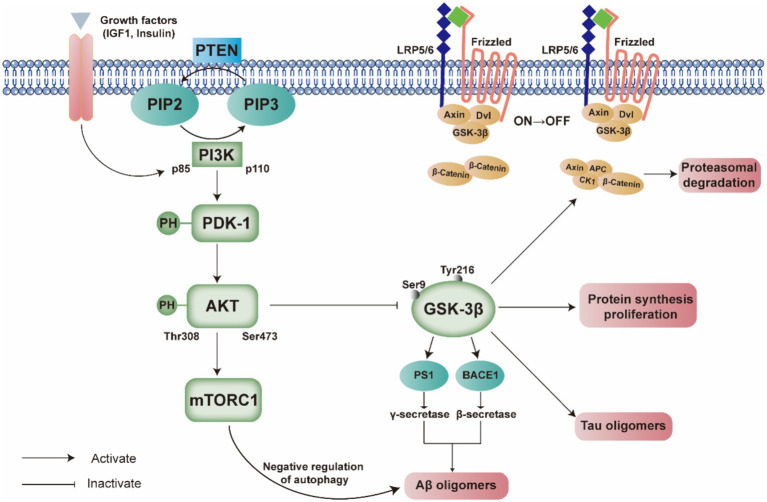
“In particular, phosphorylation at Ser-21 inhibits GSK3 α , whereas phosphorylation at Ser-9 (Stambolic and Woodgett, 1994) inhibits GSK3 β and phosphorylation at Tyr216 activates it (Jope et al., 2007; Wang et al., 2018).”
BackgroundPractical considerations for choosing a mouse model of Alzheimer’s disease
Jankowsky, J. L., & Zheng, H. (2017) · Molecular Neurodegeneration · doi:10.1186/s13024-017-0231-7 · Cited by 449 · cited 1×
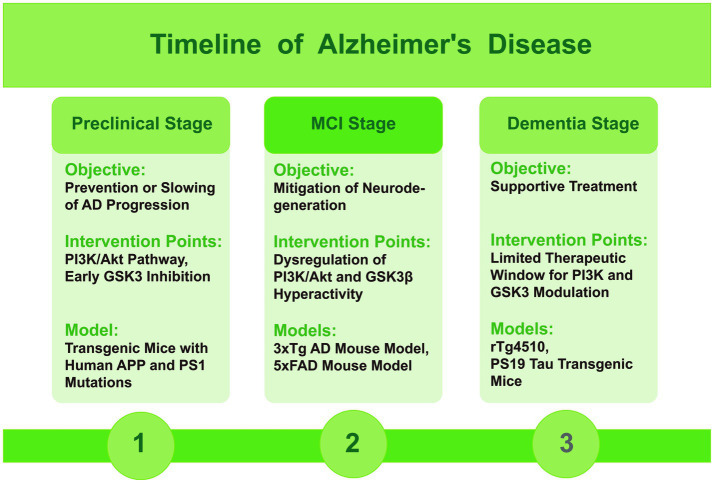
“Models such as the rTg4510 and PS19 tau transgenic mice, which express mutant tau protein, effectively simulate the formation of NFTs and associated neurodegeneration, aligning with the late-stage characteristics of AD (Jankowsky and Zheng, 2017).”
BackgroundSex and the development of Alzheimer's disease
Pike, C. J. (2017) · Journal of Neuroscience Research · doi:10.1002/jnr.23827 · Cited by 402 · cited 1×
“It is widely recognized that in males, decreased testosterone level increases the risk of AD (Pike, 2017), while in females, decreased plasma testosterone correlates with significantly increased cerebrospinal fluid levels of phosphorylated tau (Sundermann et al., 2020).”
BackgroundAltered Insulin Signaling in Alzheimer’s Disease Brain – Special Emphasis on PI3K-Akt Pathway
Gabbouj, S., Ryhänen, S., Marttinen, M., Wittrahm, R., Takalo, M., Kemppainen, S., Martiskainen, H., Tanila, H., Haapasalo, A., Hiltunen, M., et al. (2019) · Frontiers in Neuroscience · doi:10.3389/fnins.2019.00629 · Cited by 401
Rodent models for Alzheimer disease
Götz, J., Bodea, L.-G., & Goedert, M. (2018) · Nature Reviews Neuroscience · doi:10.1038/s41583-018-0054-8 · Cited by 394 · cited 1×
“The triple-transgenic (3xTg) and 5xFAD mouse models are typical for this stage, showing a range of AD features such as plaque formation and abnormal tau protein (Götz et al., 2018).”
BackgroundMicrotubule-associated Protein/Microtubule Affinity-regulating Kinase (p110mark)
Meyer, H. E., Mandelkow, E.-M., Drewes, G., Trinczek, B., Illenberger, S., Biernat, J., Schmitt-Ulms, G., & Mandelkow, E. (1995) · Journal of Biological Chemistry · doi:10.1074/jbc.270.13.7679 · Cited by 388
Autophagy in Alzheimer’s disease pathogenesis: Therapeutic potential and future perspectives
Zhang, Z., Yang, X., Song, Y.-Q., & Tu, J. (2021) · Ageing Research Reviews · doi:10.1016/j.arr.2021.101464 · Cited by 369
Protective Effects of Indian Spice Curcumin Against Amyloid-β in Alzheimer’s Disease
Reddy, P. H., Manczak, M., Yin, X., Grady, M. C., Mitchell, A., Tonk, S., Kuruva, C. S., Bhatti, J. S., Kandimalla, R., Vijayan, M., et al. (2018) · Journal of Alzheimer s Disease · doi:10.3233/jad-170512 · Cited by 354 · cited 1×
“However, the implication of the PI3K/ Akt/GSK3 β pathway in these processes has not been illustrated in detail (Tang and Taghibiglou, 2017; Reddy et al., 2018).”
BackgroundAutophagy and Alzheimer’s Disease
Li, Q., Liu, Y., & Sun, M. (2017) · Cellular and Molecular Neurobiology · doi:10.1007/s10571-016-0386-8 · Cited by 330
Wang, H., Sui, H., Zheng, Y., Jiang, Y., Shi, Y., Liang, J., & Zhao, L. (2019) · Nanoscale · doi:10.1039/c9nr01255a · Cited by 324
Soluble Aβ Inhibits Specific Signal Transduction Cascades Common to the Insulin Receptor Pathway
Townsend, M., Mehta, T., & Selkoe, D. J. (2007) · Journal of Biological Chemistry · doi:10.1074/jbc.m610390200 · Cited by 318 · cited 1×
“On the flip side, A β aggregation can induce GSK3 β activity through A β -mediated neuroinflammation and oxidative stress; it can also increase GSK3 β activity by preventing PI3K activation and subsequently preventing Akt activation (Townsend et al., 2007).”
BackgroundTREM2 Promotes Microglial Survival by Activating Wnt/β-Catenin Pathway
Zheng, H., Jia, L., Liu, C.-C., Rong, Z., Zhong, L., Yang, L., Chen, X.-F., Fryer, J. D., Wang, X., Zhang, Y.-W., et al. (2017) · The Journal of Neuroscience · doi:10.1523/jneurosci.2459-16.2017 · Cited by 317 · cited 2×
“Models such as the rTg4510 and PS19 tau transgenic mice, which express mutant tau protein, effectively simulate the formation of NFTs and associated neurodegeneration, aligning with the late-stage characteristics of AD (Jankowsky and Zheng, 2017).”
BackgroundThe Mechanisms of Action of Curcumin in Alzheimer’s Disease
Tang, M., & Taghibiglou, C. (2017) · Journal of Alzheimer’s Disease · doi:10.3233/jad-170188 · Cited by 304 · cited 1×
“However, the implication of the PI3K/ Akt/GSK3 β pathway in these processes has not been illustrated in detail (Tang and Taghibiglou, 2017; Reddy et al., 2018).”
BackgroundBaki, L., Shioi, J., Wen, P., Shao, Z., Schwarzman, A., Gama‐Sosa, M., Neve, R., & Robakis, N. K. (2004) · The EMBO Journal · doi:10.1038/sj.emboj.7600251 · Cited by 289 · cited 1×
“…(PS1) gene can activate the PI3K/Akt signal transduction pathway, which leads to the increase of GSK3 phosphorylation level and inhibits its activity, resulting in the decrease in tau phosphorylation level catalyzed by GSK3, ultimately protecting cells and inhibiting apoptosis (Baki et al., 2004).”
BackgroundMammalian/mechanistic target of rapamycin (mTOR) complexes in neurodegeneration
Querfurth, H., & Lee, H.-K. (2021) · Molecular Neurodegeneration · doi:10.1186/s13024-021-00428-5 · Cited by 288 · cited 1×
“In particular, mTOR can consolidate and sustain memory function by boosting both synaptic plasticity and protein synthesis in dendrites and synapses through the formation of two multiprotein complexes, mTORC1 and mTORC2 (Querfurth and Lee, 2021).”
BackgroundLessons From the Testosterone Trials
Snyder, P. J., Bhasin, S., Cunningham, G. R., Matsumoto, A. M., Stephens-Shields, A. J., Cauley, J. A., Gill, T. M., Barrett-Connor, E., Swerdloff, R. S., Wang, C., et al. (2018) · Endocrine Reviews · doi:10.1210/er.2017-00234 · Cited by 280 · cited 1×
“However, testosterone therapy was reported to fail to improve cognitive function in elderly men (Snyder et al., 2018), which indicates that androgen is only one of the effective factors for neuroprotection, and therapies using testosterone to treat AD remain to be explored.”
BackgroundGSK-3β in DNA repair, apoptosis, and resistance of chemotherapy, radiotherapy of cancer
Lin, J., Song, T., Li, C., & Mao, W. (2020) · Biochimica et Biophysica Acta (BBA) - Molecular Cell Research · doi:10.1016/j.bbamcr.2020.118659 · Cited by 268
Self-citationEstrogen and thrombosis: a bench to bedside review
Abou-Ismail, M. Y., Citla Sridhar, D., & Nayak, L. (2020) · Thrombosis Research · doi:10.1016/j.thromres.2020.05.008 · Cited by 261
Aβ1–42 modulation of Akt phosphorylation via α7 nAChR and NMDA receptors
Abbott, J. J., Howlett, D. R., Francis, P. T., & Williams, R. J. (2007) · Neurobiology of Aging · doi:10.1016/j.neurobiolaging.2007.01.003 · Cited by 255
Bagheri, M., Joghataei, M.-T., Mohseni, S., & Roghani, M. (2011) · Neurobiology of Learning and Memory · doi:10.1016/j.nlm.2010.12.001 · Cited by 245
Avgerinos, K. I., Ferrucci, L., & Kapogiannis, D. (2021) · Ageing Research Reviews · doi:10.1016/j.arr.2021.101339 · Cited by 240
Wnt signaling deregulation in the aging and Alzheimer’s brain
Palomer, E., Buechler, J., & Salinas, P. C. (2019) · Frontiers in Cellular Neuroscience · doi:10.3389/fncel.2019.00227 · Cited by 237 · cited 1×
“It is well recognized that Wnt receptor activation results in signal transduction through at least three pathways: a canonical Wnt/ β -catenin cascade, a non-canonical planar cell polarity pathway, and the Wnt/Ca 2+ pathway (Palomer et al., 2019).”
BackgroundPhosphorylation of tau at Thr212, Thr231, and Ser262 combined causes neurodegeneration
Alonso, A. D., Di Clerico, J., Li, B., Corbo, C. P., Alaniz, M. E., Grundke-Iqbal, I., & Iqbal, K. (2010) · Journal of Biological Chemistry · doi:10.1074/jbc.m110.110957 · Cited by 236 · cited 1×
“As previous studies have indicated, the Ser-262/356 site, which is necessary for tau pathology, is PP2A but not the GSK3 β site (Alonso et al., 2010).”
BackgroundAvrahami, L., Farfara, D., Shaham-Kol, M., Vassar, R., Frenkel, D., & Eldar-Finkelman, H. (2013) · Journal of Biological Chemistry · doi:10.1074/jbc.m112.409250 · Cited by 231
Salidroside: A review of its recent advances in synthetic pathways and pharmacological properties
Zhang, X., Xie, L., Long, J., Xie, Q., Zheng, Y., Liu, K., & Li, X. (2021) · Chemico-Biological Interactions · doi:10.1016/j.cbi.2020.109268 · Cited by 231
The PI3K/Akt signaling axis in Alzheimer’s disease: a valuable target to stimulate or suppress?
Razani, E., Pourbagheri-Sigaroodi, A., Safaroghli-Azar, A., Zoghi, A., Shanaki-Bavarsad, M., & Bashash, D. (2021) · Cell Stress and Chaperones · doi:10.1007/s12192-021-01231-3 · Cited by 227
Liu, S. J., Zhang, A. H., Li, H. L., Wang, Q., Deng, H. M., Netzer, W. J., Xu, H., & Wang, J. Z. (2003) · Journal of Neurochemistry · doi:10.1046/j.1471-4159.2003.02070.x · Cited by 223
Salkovic‐Petrisic, M., Tribl, F., Schmidt, M., Hoyer, S., & Riederer, P. (2006) · Journal of Neurochemistry · doi:10.1111/j.1471-4159.2005.03637.x · Cited by 221
Mouse Models of Alzheimer’s Disease
Yokoyama, M., Kobayashi, H., Tatsumi, L., & Tomita, T. (2022) · Frontiers in Molecular Neuroscience · doi:10.3389/fnmol.2022.912995 · Cited by 213 · cited 1×
“For instance, transgenic mice carrying human APP and PS1 mutations typically exhibit A β deposition at an early age, reflecting the early pathological changes in AD (Yokoyama et al., 2022).”
BackgroundMenopausal hormone therapy and women’s health: An umbrella review
Zhang, G.-Q., Chen, J.-L., Luo, Y., Mathur, M. B., Anagnostis, P., Nurmatov, U., Talibov, M., Zhang, J., Hawrylowicz, C. M., Lumsden, M. A., et al. (2021) · PLOS Medicine · doi:10.1371/journal.pmed.1003731 · Cited by 208
Kumar, M., & Bansal, N. (2022) · Molecular Neurobiology · doi:10.1007/s12035-021-02611-7 · Cited by 202 · cited 1×
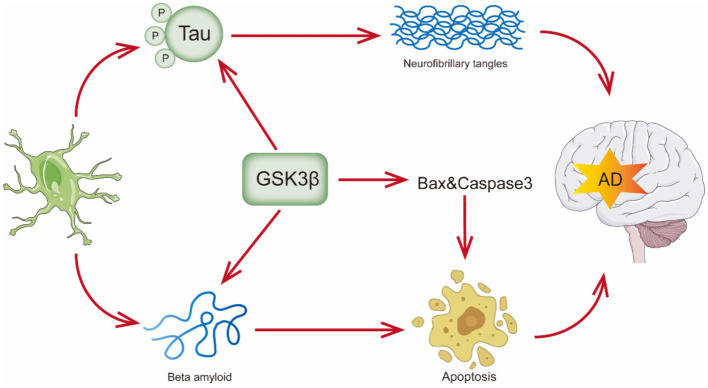
“The other pathological hallmark is the occurrence of intracellular neurofibrillary tangles (NFTs), produced by hyperphosphorylation of Tau protein’s twisted filaments (also known as τ protein) (Kumar and Bansal, 2022; Shefa et al., 2019).”
BackgroundLithium as a Treatment for Alzheimer’s Disease: A Systematic Review and Meta-Analysis
Matsunaga, S., Kishi, T., Annas, P., Basun, H., Hampel, H., & Iwata, N. (2015) · Journal of Alzheimer's Disease · doi:10.3233/jad-150437 · Cited by 197
New Avenues for the Treatment of Huntington’s Disease
Kim, A., Lalonde, K., Truesdell, A., Gomes Welter, P., Brocardo, P. S., Rosenstock, T. R., & Gil-Mohapel, J. (2021) · International Journal of Molecular Sciences · doi:10.3390/ijms22168363 · Cited by 191 · cited 1×
“…be transported over a long distance, which makes the autophagic function of neurons easily impaired, thus involved in various proteinopathies (Cason et al., 2022), including AD (Zhang Z. et al., 2021), Huntington’s disease (Kim et al., 2021), and Parkinson’s disease (Themistokleous et al., 2023).”
BackgroundTau Becomes a More Favorable Substrate for GSK-3 When It Is Prephosphorylated by PKA in Rat Brain
Liu, S. J., Zhang, J. Y., Li, H. L., Fang, Z. Y., Wang, Q., Deng, H. M., Gong, C. X., Grundke-Iqbal, I., Iqbal, K., & Wang, J. Z. (2004) · Journal of Biological Chemistry · doi:10.1074/jbc.m406109200 · Cited by 186
Zhang, Q.-G., Wang, R., Khan, M., Mahesh, V., & Brann, D. W. (2008) · The Journal of Neuroscience · doi:10.1523/jneurosci.2752-08.2008 · Cited by 184
Yang, W., Liu, Y., Xu, Q.-Q., Xian, Y.-F., & Lin, Z.-X. (2020) · Oxidative Medicine and Cellular Longevity · doi:10.1155/2020/4754195 · Cited by 176
Autophagy and Ubiquitin-Proteasome System
Wang, Y., & Le, W.-D. (2019) · Advances in Experimental Medicine and Biology · doi:10.1007/978-981-15-0602-4_25 · Cited by 175 · cited 2×
“Additionally, pathways involved in the degradation and clearance of abnormal protein products in cells also include the ubiquitin–proteasome system (UPS), microglial activation, and β -amyloid 1–42 -degrading enzyme releasing (Wang and Le, 2019).”
BackgroundSelf-citationAdiposity, hyperinsulinemia, diabetes and Alzheimer's disease
Luchsinger, J. A. (2008) · European Journal of Pharmacology · doi:10.1016/j.ejphar.2008.02.048 · Cited by 171 · cited 1×
“On the one hand, dysregulated mTOR activation can exacerbate A β generation and deposition, either by inhibiting A β clearance or by increasing A β generation via pathways such as insulin resistance (Luchsinger, 2008).”
BackgroundGlycogen synthase kinase-3 inhibitors: Rescuers of cognitive impairments
King, M. K., Pardo, M., Cheng, Y., Downey, K., Jope, R. S., & Beurel, E. (2014) · Pharmacology & Therapeutics · doi:10.1016/j.pharmthera.2013.07.010 · Cited by 171
Pseudophosphorylation of tau protein alters its ability for self‐aggregation
Haase, C., Stieler, J. T., Arendt, T., & Holzer, M. (2004) · Journal of Neurochemistry · doi:10.1046/j.1471-4159.2003.02287.x · Cited by 169 · cited 1×
“This, in turn, increases the activity of GSK3, which renders tau abnormally hyperphosphorylated (Haase et al., 2004).”
BackgroundLi, C., Wang, N., Zheng, G., & Yang, L. (2021) · ACS Applied Materials & Interfaces · doi:10.1021/acsami.1c14818 · Cited by 165
Self-citationGinsenoside Rd: A promising natural neuroprotective agent
Chen, Y.-Y., Liu, Q.-P., An, P., Jia, M., Luan, X., Tang, J.-Y., & Zhang, H. (2022) · Phytomedicine · doi:10.1016/j.phymed.2021.153883 · Cited by 162
Basheer, N., Smolek, T., Hassan, I., Liu, F., Iqbal, K., Zilka, N., & Novak, P. (2023) · Molecular Psychiatry · doi:10.1038/s41380-023-02113-z · Cited by 159
Uddin, M. S., Rahman, M. M., Jakaria, M., Rahman, M. S., Hossain, M. S., Islam, A., Ahmed, M., Mathew, B., Omar, U. M., Barreto, G. E., et al. (2020) · Molecular Neurobiology · doi:10.1007/s12035-020-01911-8 · Cited by 156
Endothelial nitric oxide deficiency promotes Alzheimer’s disease pathology
Austin, S. A., Santhanam, A. V., Hinton, D. J., Choi, D., & Katusic, Z. S. (2013) · Journal of Neurochemistry · doi:10.1111/jnc.12334 · Cited by 155
Hardy, J. (2017) · The FEBS Journal · doi:10.1111/febs.14004 · Cited by 153 · cited 8×
“Mutations in the genes amyloid precursor protein (APP), presenilin-1 (PSEN1), or PSEN2 generate the dominantly inherited type of AD (FAD) (Hardy, 2017).”
BackgroundInfluentialMitophagy links oxidative stress conditions and neurodegenerative diseases
Jung, J., Huh, Y., Shefa, U., Jeong, N., Song, I., Chung, H.-J., & Kim, D. (2019) · Neural Regeneration Research · doi:10.4103/1673-5374.249218 · Cited by 152
A review of Glycogen Synthase Kinase-3 (GSK3) inhibitors for cancers therapies
Thapa, R., Gupta, G., Bhat, A. A., Almalki, W. H., Alzarea, S. I., Kazmi, I. A., Saleem, S., Khan, R., Altwaijry, N., Dureja, H., et al. (2023) · International Journal of Biological Macromolecules · doi:10.1016/j.ijbiomac.2023.127375 · Cited by 151
Zhong, Z., Han, J., Zhang, J., Xiao, Q., Hu, J., & Chen, L. (2018) · Drug Design Development and Therapy · doi:10.2147/dddt.s160776 · Cited by 150 · cited 1×
“Additionally, it enhances cognitive function by affecting p-GSK3 β and p-tau, inhibits neuroinflammation and apoptosis via the SIRT1/NF-κ B pathway, protects against excitotoxicity, and regulates amyloid precursor protein processing (Zhong et al., 2018).”
BackgroundGlycogen synthase kinase 3β links neuroprotection by 17β-estradiol to key Alzheimer processes
Goodenough, S., Schleusner, D., Pietrzik, C. U., Skutella, T., & Behl, C. (2005) · Neuroscience · doi:10.1016/j.neuroscience.2004.12.029 · Cited by 140
Reversal of Synapse Degeneration by Restoring Wnt Signaling in the Adult Hippocampus
Marzo, A., Galli, S., Lopes, D., McLeod, F., Podpolny, M., Segovia-Roldan, M., Ciani, L., Purro, S., Cacucci, F., Gibb, A., et al. (2016) · Current Biology · doi:10.1016/j.cub.2016.07.024 · Cited by 139
Cross talk between PI3K-AKT-GSK-3β and PP2A pathways determines tau hyperphosphorylation
Wang, Y., Yang, R., Gu, J., Yin, X., Jin, N., Xie, S., Wang, Y., Chang, H., Qian, W., Shi, J., et al. (2015) · Neurobiology of Aging · doi:10.1016/j.neurobiolaging.2014.07.035 · Cited by 134
Self-citationLin, F., Yang, Y., Wei, S., Huang, X., Peng, Z., Xiao, K., Zeng, Z., & Song, Y. (2020) · Drug Design Development and Therapy · doi:10.2147/dddt.s242521 · Cited by 134
Evidence that glycogen synthase kinase‐3 isoforms have distinct substrate preference in the brain
Soutar, M. P. M., Kim, W., Williamson, R., Peggie, M., Hastie, C. J., McLauchlan, H., Snider, W. D., Gordon‐Weeks, P. R., & Sutherland, C. (2010) · Journal of Neurochemistry · doi:10.1111/j.1471-4159.2010.06988.x · Cited by 129
Alborixin clears amyloid-β by inducing autophagy through PTEN-mediated inhibition of the AKT pathway
Wani, A., Gupta, M., Ahmad, M., Shah, A. M., Ahsan, A. U., Qazi, P. H., Malik, F., Singh, G., Sharma, P. R., Kaddoumi, A., et al. (2019) · Autophagy · doi:10.1080/15548627.2019.1596476 · Cited by 129
PI3 kinase signaling is involved in Aβ-induced memory loss in Drosophila
Chiang, H.-C., Wang, L., Xie, Z., Yau, A., & Zhong, Y. (2010) · Proceedings of the National Academy of Sciences · doi:10.1073/pnas.0909314107 · Cited by 127
Ma, Q., Lim, G. P., Harris‐White, M. E., Yang, F., Ambegaokar, S. S., Ubeda, O. J., Glabe, C. G., Teter, B., Frautschy, S. A., & Cole, G. M. (2006) · Journal of Neuroscience Research · doi:10.1002/jnr.20734 · Cited by 126
Impaired Wnt Signaling in the Prefrontal Cortex of Alzheimer’s Disease
Folke, J., Pakkenberg, B., & Brudek, T. (2019) · Molecular Neurobiology · doi:10.1007/s12035-018-1103-z · Cited by 123 · cited 1×
“In addition, defective Wnt signaling can also indirectly affect synapses, a process involving β -catenin activation (Folke et al., 2019) and microglial interference (Zheng et al., 2017).”
BackgroundPichet Binette, A., Gaiteri, C., Wennström, M., Kumar, A., Hristovska, I., Spotorno, N., Salvadó, G., Strandberg, O., Mathys, H., Tsai, L.-H., et al. (2024) · Nature Neuroscience · doi:10.1038/s41593-024-01737-w · Cited by 122
Thota, R. N., Rosato, J. I., Dias, C. B., Burrows, T. L., Martins, R. N., & Garg, M. L. (2020) · Nutrients · doi:10.3390/nu12041032 · Cited by 116
Magrané, J., Rosen, K. M., Smith, R. C., Walsh, K., Gouras, G. K., & Querfurth, H. W. (2005) · The Journal of Neuroscience · doi:10.1523/jneurosci.1723-05.2005 · Cited by 113
Bian, Y., Chen, Y., Wang, X., Cui, G., Ung, C. O. L., Lu, J., Cong, W., Tang, B.-Q., & Lee, S. M. (2021) · Journal of Advanced Research · doi:10.1016/j.jare.2021.09.002 · Cited by 113
Meng, X., Wang, M., Sun, G., Ye, J., Zhou, Y., Dong, X., Wang, T., Lu, S., & Sun, X. (2014) · Toxicology and Applied Pharmacology · doi:10.1016/j.taap.2014.03.026 · Cited by 108
Faller, P., & Hureau, C. (2012) · Chemistry – A European Journal · doi:10.1002/chem.201202697 · Cited by 108
Yang, Y., Wang, L., Zhang, C., Guo, Y., Li, J., Wu, C., Jiao, J., & Zheng, H. Y. (2022) · Chemical Biology & Drug Design · doi:10.1111/cbdd.14041 · Cited by 106
Caccamo, A., Branca, C., Talboom, J. S., Shaw, D. M., Turner, D., Ma, L., Messina, A., Huang, Z., Wu, J., & Oddo, S. (2015) · The Journal of Neuroscience · doi:10.1523/jneurosci.2781-15.2015 · Cited by 105
Lee, S. J., Chung, Y. H., Joo, K. M., Lim, H. C., Jeon, G. S., Kim, D., Lee, W. B., Kim, Y. S., & Ik, C. (2006) · Neuroscience Letters · doi:10.1016/j.neulet.2006.09.026 · Cited by 104
Sex differences in Alzheimer’s-related Tau biomarkers and a mediating effect of testosterone
Sundermann, E. E., Panizzon, M. S., Chen, X., Andrews, M., Galasko, D., Banks, S. J., & Initiative, F. T. A. D. N. (2020) · Biology of Sex Differences · doi:10.1186/s13293-020-00310-x · Cited by 102
Khezri, M. R., Yousefi, K., Esmaeili, A., & Ghasemnejad‐Berenji, M. (2022) · Cellular and Molecular Neurobiology · doi:10.1007/s10571-022-01191-x · Cited by 99
mTOR signaling and Alzheimer's disease: What we know and where we are?
Davoody, S., Asgari Taei, A., Khodabakhsh, P., & Dargahi, L. (2024) · CNS Neuroscience & Therapeutics · doi:10.1111/cns.14463 · Cited by 96 · cited 1×
“On the other hand, injection of naturally secreted A β into the rat brain has been reported to increase mTOR signaling and activity (Davoody et al., 2024).”
BackgroundZeng, Q., Li, L., Siu, W. S., Yu, J., Cao, M., Li, W., Chen, J., Cong, W., Ma, M., Chen, K., et al. (2019) · Biomedicine & Pharmacotherapy · doi:10.1016/j.biopha.2019.109370 · Cited by 95
Kandezi, N., Mohammadi, M., Ghaffari, M., Gholami, M., Motaghinejad, M., & Safari, S. (2020) · PubMed Central · doi:10.22088/ijmcm.bums.9.1.1 · Cited by 93
Menopausal hormone therapy and breast cancer risk
Rozenberg, S., Pietrantonio, V. D., Vandromme, J., & Gilles, C. (2021) · Best Practice & Research Clinical Endocrinology & Metabolism · doi:10.1016/j.beem.2021.101577 · Cited by 92 · cited 1×
“These phytoestrogens, or estrogen analogs, produce potent estrogen-like effects and can avoid serious side effects caused by long-term estrogen use, such as breast cancer, uterine cancer, and thrombosis (Rozenberg et al., 2021; Zhang G. Q. et al., 2021; Abou-Ismail et al., 2020).”
BackgroundHu, D., Cao, Y., He, R., Han, N., Liu, Z., Miao, L., & Yin, J. (2012) · Oxidative Medicine and Cellular Longevity · doi:10.1155/2012/721721 · Cited by 91
Benito‐Cuesta, I., Ordóñez‐Gutiérrez, L., & Wandosell, F. G. (2020) · Autophagy · doi:10.1080/15548627.2020.1728095 · Cited by 87
Singh, E., & Giles, D. (2020) · Molecular Biology Reports · doi:10.1007/s11033-020-05354-1 · Cited by 85 · cited 1×
“Mitochondrial dysfunction not only causes increased ROS but also increases reactive nitrogen species (RNS), including nitric oxide (NO), and peroxynitrite (ONOO-) (Singh and Devasahayam, 2020).”
BackgroundHyperphosphorylated tau self-assembles into amorphous aggregates eliciting TLR4-dependent responses
Meng, J. X., Zhang, Y., Saman, D., Haider, A. M., De, S., Sang, J. C., Brown, K., Jiang, K., Humphrey, J., Julian, L., et al. (2022) · Nature Communications · doi:10.1038/s41467-022-30461-x · Cited by 84 · cited 1×
“(Figure 1) PHFs, or paired helical filaments, are composed of hyperphosphorylated tau protein, which is central to the formation of neurofibrillary tangles in AD (Meng et al., 2022).”
BackgroundYan, X., Hu, G., Yan, W., Chen, T., Yang, F., Zhang, X., Zhao, G., & Liu, J. (2016) · Life Sciences · doi:10.1016/j.lfs.2016.11.002 · Cited by 79
Yi, J. H., Baek, S. J., Heo, S., Park, H. J., Kwon, H., Lee, S., Jung, J.-W., Park, S. J., Kim, B. C., Lee, Y. C., et al. (2017) · Neuropharmacology · doi:10.1016/j.neuropharm.2017.10.028 · Cited by 79
Yoshino, Y., & Ishioka, C. (2015) · Scientific Reports · doi:10.1038/srep13249 · Cited by 78 · cited 1×
“They are known for their multi-target action, which could potentially overcome drug resistance in cancer cells, in contrast to the targeted, single-focus approach of commercial inhibitors (Yoshino and Ishioka, 2015).”
ResultChen, S.-D., Zhang, B., Wang, Y., Li, H., Xiong, R., Zhao, Z., Chu, X., Li, Q., & Sun, S. (2016) · Drug Design, Development and Therapy · doi:10.2147/dddt.s99958 · Cited by 75
Self-citationGarabadu, D., & Verma, J. (2019) · Neurochemistry International · doi:10.1016/j.neuint.2019.04.006 · Cited by 75
S6K1-mediated phosphorylation of PDK1 impairs AKT kinase activity and oncogenic functions
Jiang, Q., Zhang, X., Dai, X., Han, S., Wu, X., Wang, L., Wei, W., Zhang, N., Xie, W., & Guo, J. (2022) · Nature Communications · doi:10.1038/s41467-022-28910-8 · Cited by 74 · cited 1×
“…factors, and cytokines activate the pathway, activated PI3K promotes intracellular production of second messengers PI(3,4)P2 and PIP3, which cause intracellular phosphatidylinositol-dependent kinase-l (PDK1) and inactive Akt to move to the inner surface of the plasma membrane (Jiang et al., 2022).”
BackgroundPeng, X., Guo, H., Zhang, X., Yang, Z., Ruganzu, J. B., Yang, Z., Wu, X., Bi, W., Ji, S., & Yang, W. (2023) · Molecular Neurobiology · doi:10.1007/s12035-023-03217-x · Cited by 74
Li, J., Huang, Q., Chen, J., Qi, H., Liu, J., Chen, Z., Zhao, D., Wang, Z., & Li, X. (2021) · Frontiers in Pharmacology · doi:10.3389/fphar.2021.688490 · Cited by 73 · cited 2×
“Regarding preclinical and clinical trials, existing evidence focused on combination treatment and dietary supplements of ginseng or red ginseng as a whole, instead of its specific components, indicating that more high-quality clinical trials remain to be conducted (Li J. et al., 2021).”
BackgroundOxidative stress affects processing of amyloid precursor protein in vascular endothelial cells
Muche, A., Arendt, T., & Schliebs, R. (2017) · PLOS ONE · doi:10.1371/journal.pone.0178127 · Cited by 68 · cited 2×
“Researchers have demonstrated that Ginsenoside Rd. acts through estrogen receptor α (ER α ) to affect the MAPK/ERK and PI3K/Akt pathways, increasing sAPP α levels and decreasing extracellular A β in OVX rats (Yan et al., 2017).”
BackgroundAberrant Wnt signaling pathway in medial temporal lobe structures of Alzheimer’s disease
Riise, J., Plath, N., Pakkenberg, B., & Parachikova, A. (2015) · Journal of Neural Transmission · doi:10.1007/s00702-015-1375-7 · Cited by 66 · cited 1×
“Decreased Wnt signaling generates tau hyperphosphorylation through increased GSK3 β activity (Salcedo-Tello et al., 2014), reduction in β -catenin levels, β -catenin-dependent gene expression (Riise et al., 2015), loss of synapses, and memory impairment.”
BackgroundAkhtar, A., Bishnoi, M., & Sah, S. P. (2020) · Brain Research Bulletin · doi:10.1016/j.brainresbull.2020.08.001 · Cited by 66
Selective Secretase Targeting for Alzheimer’s Disease Therapy
Miranda, A., Montiel, E., Ulrich, H., & Paz, C. (2021) · Journal of Alzheimer s Disease · doi:10.3233/jad-201027 · Cited by 66 · cited 1×
“…broken down by the α -secretase complex, which is comprised of ADAM-10 and-17 together with the γ -secretase, resulting in a truncated A β 17-40/42 (P3) peptide, or broken down by β -secretase, resulting in a truncated A β 1-16 peptide (Miranda et al., 2021; Khezri et al., 2023; Chow et al., 2010).”
BackgroundContribution of the Presenilins in the cell biology, structure and function of γ-secretase
Escamilla-Ayala, A., Wouters, R., Sannerud, R., & Annaert, W. (2020) · Seminars in Cell & Developmental Biology · doi:10.1016/j.semcdb.2020.02.005 · Cited by 65
Neuroprotective Effects of Salidroside in a Mouse Model of Alzheimer’s Disease
Wang, H., Li, Q., Sun, S., & Chen, S. (2020) · Cellular and Molecular Neurobiology · doi:10.1007/s10571-020-00801-w · Cited by 62
Cui, J., Shan, R., Cao, Y., Zhou, Y., Liu, C., & Fan, Y. (2020) · Journal of Ethnopharmacology · doi:10.1016/j.jep.2020.113466 · Cited by 60
Yang, Y., Liang, F., Gao, J., Dong, Y., Zhang, Y., Yang, G., Soriano, S. G., Feng, H.-J., & Xie, Z. (2021) · British Journal of Anaesthesia · doi:10.1016/j.bja.2021.08.028 · Cited by 60
Glycogen Synthase Kinase 3 (GSK3): Its Role and Inhibitors
Wadhwa, P., Jain, P., & Jadhav, H. R. (2020) · Current Topics in Medicinal Chemistry · doi:10.2174/1568026620666200516153136 · Cited by 58
Cheng, W., Chen, W., Wang, P., & Chu, J. (2018) · Life Sciences · doi:10.1016/j.lfs.2018.07.016 · Cited by 57
Liu, W., Wu, L., Liu, W., Tian, L., Chen, H., Wu, Z., Wang, N., Liu, X., Qiu, J., Feng, X., et al. (2022) · European Journal of Medicinal Chemistry · doi:10.1016/j.ejmech.2022.114689 · Cited by 57
Matsunaga, S., Fujishiro, H., & Takechi, H. (2019) · Journal of Alzheimer’s Disease · doi:10.3233/jad-190256 · Cited by 55 · cited 1×
“That can be the result of the individual heterogeneity and an inadequate sample size of the group (Matsunaga et al., 2015; Matsunaga et al., 2019).”
BackgroundLiao, Z., Su, H., Tan, Y., Qiu, Y., Zhu, J., Chen, Y., Lin, S., Wu, M., Mao, Y., Hu, J., et al. (2019) · International Journal of Molecular Medicine · doi:10.3892/ijmm.2019.4088 · Cited by 53
Aging‐induced Akt activation involves in aging‐related pathologies and Aβ‐induced toxicity
Chen, Y., Li, Y., Hsieh, T., Wang, C., Cheng, K., Wang, L., Lin, T., Cheung, C. H. A., Wu, C., & Chiang, H. (2019) · Aging Cell · doi:10.1111/acel.12989 · Cited by 53
Partial loss of endothelial nitric oxide leads to increased cerebrovascular beta amyloid
Austin, S. A., & Katusic, Z. S. (2020) · Journal of Cerebral Blood Flow & Metabolism · doi:10.1177/0271678x18822474 · Cited by 52 · cited 1×
“In fact, partial eNOS impairment contributes to an even higher rise in A β plaque in the brain by upregulating BACE1, downregulating insulin-degrading enzymes, and increasing immunoreactivity and microglial expression (Austin and Katusic, 2020; Linjuan et al., 2024).”
BackgroundYu, Q., Cheng, X., Gong, G., Yan, T., Du, Y., Wu, B., Bi, K., & Jia, Y. (2020) · Food & Function · doi:10.1039/c9fo02927c · Cited by 51
Zhong, S.-J., Wang, L., Gu, R.-Z., Zhang, W.-H., Lan, R., & Qin, X.-Y. (2020) · International Journal of Medical Sciences · doi:10.7150/ijms.43979 · Cited by 51
β-amyloid and Oxidative Stress: Perspectives in Drug Development
Caruso, G., Spampinato, S. F., Cardaci, V., Caraci, F., Sortino, M. A., & Merlo, S. (2019) · Current Pharmaceutical Design · doi:10.2174/1381612825666191209115431 · Cited by 49 · cited 1×
“As a result, A β oligomers that build up in the inner membrane or matrix reduce the respiratory chain complexes III and IV’s enzymatic activity (Caruso et al., 2019).”
BackgroundRole of Autophagy Pathway in Parkinson’s Disease and Related Genetic Neurological Disorders
Themistokleous, C., Bagnoli, E., Parulekar, R., & Muqit, M. M. K. (2023) · Journal of Molecular Biology · doi:10.1016/j.jmb.2023.168144 · Cited by 48 · cited 1×
“…be transported over a long distance, which makes the autophagic function of neurons easily impaired, thus involved in various proteinopathies (Cason et al., 2022), including AD (Zhang Z. et al., 2021), Huntington’s disease (Kim et al., 2021), and Parkinson’s disease (Themistokleous et al., 2023).”
BackgroundGalangin-induced down-regulation of BACE1 by epigenetic mechanisms in SH-SY5Y cells
Zeng, H., Huang, P., Wang, X., Wu, J., Wu, M., & Huang, J. (2015) · Neuroscience · doi:10.1016/j.neuroscience.2015.02.054 · Cited by 44
Ntsapi, C., Lumkwana, D., Swart, C., du Toit, A., & Loos, B. (2017) · International review of cytology · doi:10.1016/bs.ircmb.2017.07.002 · Cited by 43
Minireview: Lithium: a therapeutic option in Alzheimer’s disease and its prodromal stages?
Haußmann, R., Noppes, F., Brandt, M., Bauer, M., & Donix, M. (2021) · Neuroscience Letters · doi:10.1016/j.neulet.2021.136044 · Cited by 43
Salidroside inhibits platelet function and thrombus formation through AKT/GSK3β signaling pathway
Wei, G., Xu, X., Tong, H., Wang, X., Chen, Y., Ding, Y., Zhang, S., Ju, W., Fu, C., Li, Z., et al. (2020) · Aging · doi:10.18632/aging.103131 · Cited by 42
Zhu, L., Liu, Z., Ren, Y., Wu, X., Liu, Y., Wang, T., Li, Y., Cong, Y., & Guo, Y. (2021) · Phytotherapy Research · doi:10.1002/ptr.7235 · Cited by 41
Xiong, Y., Ruan, Y.-T., Zhao, J., Yang, Y., Chen, L., Mai, Y., Yu, Q., Cao, Z., Liu, F., Liao, W., et al. (2022) · World Journal of Psychiatry · doi:10.5498/wjp.v12.i3.410 · Cited by 41
Song, L., Yao, L., Zhang, L., Piao, Z., & Lu, Y. (2020) · Naunyn-Schmiedeberg s Archives of Pharmacology · doi:10.1007/s00210-019-01792-2 · Cited by 40
Huang, L., Lin, M., Zhong, X., Yang, H., & Deng, M. (2019) · Molecular Medicine Reports · doi:10.3892/mmr.2019.9824 · Cited by 39
SoukhakLari, R., Moezi, L., Pirsalami, F., Ashjazadeh, N., & Moosavi, M. (2018) · European Journal of Pharmacology · doi:10.1016/j.ejphar.2018.10.012 · Cited by 38
Dietary supplements for improving nitric-oxide synthesis
Bonetti, G., Kiani, A. K., Medori, M. C., Caruso, P., Manganotti, P., Fioretti, F., Nodari, S., Connelly, S., & Bertelli, M. (2022) · Journal of preventive medicine and hygiene · doi:10.15167/2421-4248/jpmh2022.63.2s3.2766 · Cited by 38 · cited 1×
“Furthermore, dietary supplements like as L-arginine and L-citrulline have been shown to be effective in enhancing nitric oxide production, suggesting that food therapy is a viable and essential alternative that warrants consideration in the control and avoidance of AD (Kiani et al., 2022).”
BackgroundFXII regulates the formation of deep vein thrombosis via the PI3K/AKT signaling pathway in mice
Meng, Y., Yin, Q., Ma, Q., Qin, H., Zhang, J., Zhang, B., Pang, H., & Tian, H. (2021) · International Journal of Molecular Medicine · doi:10.3892/ijmm.2021.4920 · Cited by 35
Upregulation of AKT Attenuates Amyloid-β-Induced Cell Apoptosis
Yin, G., Li, L.-Y., Qu, M., Luo, H.-B., Wang, J.-Z., & Zhou, X.-W. (2011) · Journal of Alzheimer's Disease · doi:10.3233/jad-2011-110104 · Cited by 34 · cited 1×
“Investigators have also shown that overexpression of Akt significantly attenuated A β 1-42 -induced apoptosis, and its protective mechanisms include the activation of caspase-3 and JNK, downregulation of Bad and Bax, and upregulation of Bcl-xL and Bcl-w (Yin et al., 2011).”
BackgroundCason, S. E., Mogre, S. S., Holzbaur, E. L. F., & Koslover, E. F. (2022) · Molecular Biology of the Cell · doi:10.1091/mbc.e22-03-0111 · Cited by 34 · cited 1×
“…must be transported over a long distance, which makes the autophagic function of neurons easily impaired, thus involved in various proteinopathies (Cason et al., 2022), including AD (Zhang Z. et al., 2021), Huntington’s disease (Kim et al., 2021), and Parkinson’s disease (Themistokleous et al.,…”
BackgroundLiu, X., Lai, L., Chen, J.-X., Li, X., Wang, N., Zhou, L., Jiang, X., Hu, X., Liu, W.-W., Jiao, X., et al. (2023) · Neuropharmacology · doi:10.1016/j.neuropharm.2023.109525 · Cited by 33
Meng, J., Li, Y., Zhang, M., Li, W., Zhou, L., Wang, Q., Lin, L., Jiang, L., & Zhu, W. (2019) · PeerJ · doi:10.7717/peerj.6716 · Cited by 32
Liu, W., Tian, L., Wu, L., Chen, H., Wang, N., Liu, X., Zhao, C., Wu, Z., Jiang, X., Wu, Q., et al. (2022) · Bioorganic Chemistry · doi:10.1016/j.bioorg.2022.106168 · Cited by 32
Özbek, U., Kandilci, A., van Baal, S., Bonten, J., Boyd, K. L., Franken, P., Fodde, R., & Grosveld, G. C. (2007) · American Journal Of Pathology · doi:10.2353/ajpath.2007.060934 · Cited by 29
Hodges, S. L., Reynolds, C. D., Smith, G. D., Jefferson, T. S., Nolan, S. O., & Lugo, J. N. (2018) · Neuroreport · doi:10.1097/wnr.0000000000001081 · Cited by 29
Kim, H. G., Park, G., Lim, S., Park, H., Choi, J. G., Jeong, H. U., Kang, M. S., Lee, M. K., & Oh, M. S. (2015) · Journal of Ethnopharmacology · doi:10.1016/j.jep.2015.05.054 · Cited by 28
Salcedo-Tello, P., Hernández-Ortega, K., & Arias, C. (2014) · Journal of Alzheimer's Disease · doi:10.3233/jad-130749 · Cited by 28
Tan, Z., Chen, Y., Xie, W., Liu, X., Zhu, Y., & Zhu, Y. (2017) · European Journal of Pharmacology · doi:10.1016/j.ejphar.2017.10.027 · Cited by 28
Dong, Y., Lu, J., Zhang, S., Chen, L., Wen, J., Wang, F., Mao, Y., Li, L., Zhang, J., Liao, S., et al. (2023) · Bioorganic Chemistry · doi:10.1016/j.bioorg.2023.106446 · Cited by 28
Saha, S., Pal, D., & Nimse, S. B. (2021) · Current Drug Targets · doi:10.2174/1389450122666210120143953 · Cited by 27
Impaired autophagy in amyloid-beta pathology: A traditional review of recent Alzheimer's research
Yuan, M., Wang, Y., Huang, Z., Jing, F., Qiao, P., Zou, Q., Li, J., & Cai, Z. (2022) · Journal of Biomedical Research · doi:10.7555/jbr.36.20220145 · Cited by 27
Self-citationZheng, M., Liu, Z., Mana, L., Qin, G., Huang, S., Gong, Z., Tian, M., He, Y., & Wang, P. (2021) · Journal of Ethnopharmacology · doi:10.1016/j.jep.2021.114264 · Cited by 26
Zhang, M., Huo, D.-S., Cai, Z., Shao, G., Wang, H., Zhao, Z.-Y., & Yang, Z.-J. (2015) · Journal of Toxicology and Environmental Health · doi:10.1080/15287394.2015.1085942 · Cited by 25
Wen, J., Fang, F., Guo, S., Zhang, Y., Peng, X.-L., Sun, W., Wei, X., He, J., & Hung, T. (2017) · Journal of Molecular Neuroscience · doi:10.1007/s12031-017-1015-9 · Cited by 25
Jiao, W., Hao, J., Xie, Y., Meng, M., & Gao, W. (2022) · BMC Cardiovascular Disorders · doi:10.1186/s12872-022-02533-9 · Cited by 25
Targeting the autophagy-lysosomal pathway in Huntington disease: a pharmacological perspective
Yang, J., & Zhang, C. (2023) · Frontiers in Aging Neuroscience · doi:10.3389/fnagi.2023.1175598 · Cited by 25
Qiu, Q., Lei, X., Wang, Y., Xiong, H., Xu, Y., Sun, H., Xu, H., & Zhang, N. (2023) · Behavioural Neurology · doi:10.1155/2023/1857330 · Cited by 24
Self-citationGardenia jasminoides J.Ellis extract GJ-4 alleviated cognitive deficits of APP/PS1 transgenic mice
Zang, C., Liu, H., Shang, J., Yang, H., Wang, L., Sheng, C., Zhang, Z., Bao, X., Yu, Y., Yao, X., et al. (2021) · Phytomedicine · doi:10.1016/j.phymed.2021.153780 · Cited by 22 · cited 1×
“In studies using APP/PS1 transgenic mice, GJ-4 was demonstrated to ameliorate cognitive impairments by preventing neuroinflammation through the PI3K/Akt pathway (Zang et al., 2021).”
BackgroundDimethyl Fumarate Mitigates Tauopathy in Aβ-Induced Neuroblastoma SH-SY5Y Cells
Rajput, M. S., Nirmal, N. P., Rathore, D., & Dahima, R. (2020) · Neurochemical Research · doi:10.1007/s11064-020-03115-x · Cited by 21
GSK-3 Inhibitors: A New Class of Drugs for Alzheimer’s Disease Treatment
Pal, D., Mukherjee, S., Song, I., & Nimse, S. B. (2021) · Current Drug Targets · doi:10.2174/1389450122666210114095307 · Cited by 21 · cited 1×
“Furthermore, GSK3 β suppresses the γ -secretase complex and reduces α -secretase via PKC and ADAMs, which function as GSK3 β substrates and ultimately affect A β synthesis (Saha et al., 2021; Pal et al., 2021).”
BackgroundLutshumba, J., Wilcock, D. M., Monson, N. L., & Stowe, A. M. (2023) · Neurobiology of Disease · doi:10.1016/j.nbd.2023.106202 · Cited by 21
Yuan, L., Yu, L., Zhang, J., Zhou, Z., Li, C., Zhou, B., Hu, X., Xu, G., & Tang, Y. (2020) · Molecular Medicine Reports · doi:10.3892/mmr.2020.10978 · Cited by 20
Self-citationBagheri‐Mohammadi, S., Askari, S., Alani, B., Moosavi, M., & Ghasemi, R. (2022) · Journal of Molecular Neuroscience · doi:10.1007/s12031-022-02075-x · Cited by 20
GJ-4 alleviates Aβ25-35-induced memory dysfunction in mice through protecting the neurovascular unit
Zhang, Z., Liu, H., Zhao, Z., Zang, C., Ju, C., Li, F., Wang, L., Yang, H., Bao, X., Yu, Y., et al. (2020) · Biomedicine & Pharmacotherapy · doi:10.1016/j.biopha.2020.110131 · Cited by 19
Wnt, GSK3, and Macropinocytosis
Tejeda‐Muñoz, N., & Robertis, E. M. D. (2022) · Sub-cellular biochemistry/Subcellular biochemistry · doi:10.1007/978-3-030-94004-1_9 · Cited by 19
Luo, Z., Li, S., Zhang, Y., Yin, F., Luo, H., Chen, X., Cui, N., Wan, S., Li, X., Kong, L., et al. (2023) · European Journal of Medicinal Chemistry · doi:10.1016/j.ejmech.2023.115415 · Cited by 17
Shang, Y.-Z., Liu, Q., Ding, S., & Zhang, H. (2021) · Combinatorial Chemistry & High Throughput Screening · doi:10.2174/1386207324666210506152320 · Cited by 16
Huang, M. J., Duan, W., Chen, N., Lin, G., & Wang, X. (2022) · Frontiers in Chemistry · doi:10.3389/fchem.2021.815531 · Cited by 15
Expression quantitative trait loci for PI3K/AKT pathway
Ryu, D., & Lee, C. (2017) · Medicine · doi:10.1097/md.0000000000005817 · Cited by 14
Zhang, R., Deng, X., Liu, Q., Zhang, X., Bai, X., Weng, S., & Chen, M. (2023) · Medicine · doi:10.1097/md.0000000000033489 · Cited by 14 · cited 1×
“Through the equilibrium of these pathways, neuronal cells remove abnormal protein aggregates and maintain protein homeostasis (Yang and Zhang, 2023).”
BackgroundWang, H., Li, T., Ma, D., & Zhi, H. (2018) · The FASEB Journal · doi:10.1096/fj.201701386 · Cited by 13
Guo, J., Xue, J., Ding, Z., Li, X., Wang, X., & Xue, H. (2021) · World Neurosurgery · doi:10.1016/j.wneu.2021.10.098 · Cited by 13
Chong, C., Tan, Y., Tong, J., Ke, M., Zhang, K., Yan, L., Cen, X., Lu, J., Chen, G., Su, H., et al. (2022) · Cell & Bioscience · doi:10.1186/s13578-022-00874-8 · Cited by 11 · cited 1×
“In human neurons, in addition to affecting tau phosphorylation through effects on GSK3, PS1 mutations also lead to tau accumulation through deregulation of the mammalian target of rapamycin 1 (mTORC1) signaling (Chong et al., 2022).”
BackgroundChen, H., Yu, C., Liu, W., Zhu, C., Jiang, X., Xu, C., Liu, W., Huang, Y., Xu, Z., & Zhao, Q. (2022) · Archiv der Pharmazie · doi:10.1002/ardp.202200156 · Cited by 9
Li, Y., Yu, J., Wang, X., Chen, X., Chen, H., Xu, J., Duan, L., Wang, Y., Luo, X., Wang, Q., et al. (2020) · Chinese Journal of Integrative Medicine · doi:10.1007/s11655-019-3178-4 · Cited by 8
Self-citationModified heptapeptide from tau binds both tubulin and microtubules
Li, J., Li, Y., Liu, M., & Xie, S. (2020) · Thoracic Cancer · doi:10.1111/1759-7714.13643 · Cited by 7
Liu, F., Chen, G., & Fan, L. (2022) · Journal of Orthopaedic Surgery and Research · doi:10.1186/s13018-021-02825-4 · Cited by 5
Sun, L., Li, C., Jiangang, L., Nannan, L. I., Fuhua, H., Dandan, Q., Zhuang, T., Min, Z., Wenjie, C., Zhang, X., et al. (2024) · PubMed Central · doi:10.19852/j.cnki.jtcm.20240203.007 · Cited by 3
Self-citation
Cited by
Emerging Frontiers in GLP-1 Therapeutics: A Comprehensive Evidence Base (2025)
Patel, S., & Niazi, S. K. (2025) · Pharmaceutics · doi:10.3390/pharmaceutics17081036 · Cited by 54
“Inhibition of glycogen synthase kinase-3 β (GSK-3 β ) at Ser9 prevents tau hyperphosphorylation in neurons and enhances insulin signaling in metabolic tissues [21,22].”
Modulating Neuroinflammation as a Prospective Therapeutic Target in Alzheimer’s Disease
Lee, E., & Chang, Y. (2025) · Cells · doi:10.3390/cells14030168 · Cited by 48
“Additionally, the PI3K/AKT signaling pathway plays a crucial role in the mechanisms underlying the onset of AD and other neurodegenerative disorders [267–269].”
Atabi, F., Moassesfar, M., Nakhaie, T., Bagherian, M., Hosseinpour, N., & Hashemi, M. (2025) · Diabetology & Metabolic Syndrome · doi:10.1186/s13098-025-01930-2 · Cited by 46
Mhm, N., Chakravarthi, S., Aung, T., Htoo, P. M., Shwe, W. H., Gupalo, S., Udayah, M. W., Singh, H., Kabir, M. S., Thangarajan, R., et al. (2025) · International Journal of Molecular Sciences · doi:10.3390/ijms26157212 · Cited by 41
“Additionally, mTOR and GSK3 β , which are downstream effectors, present other possible targets that could be used in combination therapies [125].”
Bhatia, V., Sharma, V. V., Chandel, A., & Rattan, A. (2025) · Inflammopharmacology · doi:10.1007/s10787-025-01715-z · Cited by 28
Metadata
- Authors
- Pan, J., Yao, Q., Wang, Y., Chang, S., Li, C., Wu, Y., Shen, J., & Yang, R.
- Affiliations
- Nantong University (CN)
- Affiliated Hospital of Nantong University (CN)
- Corresponding author
- Shen, Jianhong
- Yang, Riyun
- Venue
- Frontiers in Aging Neuroscience
- Publisher
- Frontiers Media SA
- Published
- 2024-09-27
- Volume
- 16
- Pages
- 1459025-1459025
- ISSN
- 1663-4365 (ISSN-L)
- PMC
- PMC11466886
- OpenAlex
- W4402958204
- Cited by
- 89
- References
- 169
- Citations by year
- 2026: 47 · 2025: 42
- FWCI
- 5.08
- Type
- journal article
- Language
- en
- Open access
- gold
- doi.org
- Licence
- Locations
- Frontiers in Aging Neuroscience (publishedVersion, cc-by)
- PubMed Central (publishedVersion, cc-by)
- PubMed (publishedVersion)
- DOAJ (DOAJ: Directory of Open Access Journals) (submittedVersion, cc-by-sa)
- Funders
- National Natural Science Foundation of China (YJXYY202204, 82101455)
- Government of Jiangsu Province
- Topics
- Life Sciences › Neuroscience › Cellular and Molecular Neuroscience › Alzheimer's disease research and treatments
- Health Sciences › Medicine › Psychiatry and Mental health › Dementia and Cognitive Impairment Research
- Life Sciences › Neuroscience › Neurology › Neuroinflammation and Neurodegeneration Mechanisms
- Keywords
- Alzheimer's disease, PI3K/Akt signaling, amyloid-beta deposition, tau hyperphosphorylation, glycogen synthase kinase-3, neuroprotection, therapeutic target, herbal medicine, cognitive impairment
About these checks
Registry, retraction, Cites and statistics results are computed, not judged, with one exception: a printed reference that no index lists is read once by a model before it counts as a citation error. Claims are extracted by a model and kept only when their quote appears verbatim in the text; each cited source is then checked, with a model’s help, for whether it says what the claim relies on. Those verdicts can be wrong — read the claim’s quote and the cited source before relying on one.
Statistics and arithmetic are recomputed, not judged.
Confidence bands are shown only for fields calibrated on our annotated test set. None is calibrated yet, so no band is shown.
What counts as a claim ›How we measure confidence ›How we check this ›
Are you an author, or do you see a problem with this page? Request a review
Data sources
Bibliographic data: Semantic Scholar, OpenAlex, Crossref.
Contains information from the Semantic Scholar Academic Graph Datasets, made available under the ODC Attribution License (ODC-BY 1.0).
Semantic Scholar’s data is described in: Kinney, R., et al. (2023). The Semantic Scholar Open Data Platform. arXiv:2301.10140.
