

The Role of Exercise in Cancer-Related Sarcopenia and Sarcopenic Obesity
Open accessThe DOI matches its Crossref record; 183 of the 185 references it cites were found in a registry or an index.
Abstract
One of the most common adverse effects of cancer and its therapeutic strategies is sarcopenia, a condition which is characterised by excess muscle wasting and muscle strength loss due to the disrupted muscle homeostasis. Moreover, cancer-related sarcopenia may be combined with the increased deposition of fat mass, a syndrome called cancer-associated sarcopenic obesity. Both clinical conditions have significant clinical importance and can predict disease progression and survival. A growing body of evidence supports the claim that physical exercise is a safe and effective complementary therapy for oncology patients which can limit the cancer- and its treatment-related muscle catabolism and promote the maintenance of muscle mass. Moreover, even after the onset of sarcopenia, exercise interventions can counterbalance the muscle mass loss and improve the clinical appearance and quality of life of cancer patients. The aim of this narrative review was to describe the various pathophysiological mechanisms, such as protein synthesis, mitochondrial function, inflammatory response, and the hypothalamic–pituitary–adrenal axis, which are regulated by exercise and contribute to the management of sarcopenia and sarcopenic obesity. Moreover, myokines, factors produced by and released from exercising muscles, are being discussed as they appear to play an important role in mediating the beneficial effects of exercise against sarcopenia.
Overview
The claims and statistics of this paper haven’t been checked yet.
Free: it reads the open-access text and checks the first 5 claims that cite a source we can check. Create a free account to check every claim.
Integrity signals
Registry
Cites
Statistics
Figures
Verification
Claims the paper makes
The claims and statistics of this paper haven’t been checked yet.
Free: it reads the open-access text and checks the first 5 claims that cite a source we can check. Create a free account to check every claim.
Claims other papers make about this one
Each is checked against this paper’s own text: does it say what the citing paper says it does?
The source backs part of the claim, not all of it — or backs it for a different population, condition or comparison.
In the citing paper
“Additionally, PRT can prevent and ameliorate sarcopenia in patients with T2D [[393], [394], [395]], sarcopenic obesity [474] and cancer [401,402].”
From Global consensus on optimal exercise recommendations for enhancing healthy longevity in older adults (ICFSR) (2025) · cites this paper as [401]
Experimental — accuracy not yet measuredIn the citing paper
“cancer and its treatment can accelerate aging and functional decline, adversely affecting cardiorespiratory fitness, muscle strength, balance, body composition, and physical function and potentially leading to sarcopenia and frailty [[400], [401], [402]].”
From Global consensus on optimal exercise recommendations for enhancing healthy longevity in older adults (ICFSR) (2025) · cites this paper as [401]
In the citing paper
“Frailty and sarcopenia in older adults with cancer increase the risk of treatment complications, which in turn result in postoperative complications, longer hospital stays, greater chemotherapy toxicity, treatment reductions, and decreased survival [401,402].”
From Global consensus on optimal exercise recommendations for enhancing healthy longevity in older adults (ICFSR) (2025) · cites this paper as [401]
In the citing paper
“exercise can prevent and reverse sarcopenia and sarcopenic obesity in patients with cancer [401]”
From Global consensus on optimal exercise recommendations for enhancing healthy longevity in older adults (ICFSR) (2025) · cites this paper as [401]
In the citing paper
“exercise can prevent and reverse sarcopenia and sarcopenic obesity in patients with cancer [401], demonstrating positive effects even in frail cancer patients [402].”
From Global consensus on optimal exercise recommendations for enhancing healthy longevity in older adults (ICFSR) (2025) · cites this paper as [401]
Self-check
Percentages, sums and reported differences re-computed from the paper’s own numbers.
The self-check needs the paper’s full text.
Citations
Cites
Sarcopenia: revised European consensus on definition and diagnosis
Cruz-Jentoft, A. J., Bahat, G., Bauer, J., Boirie, Y., Bruyère, O., Cederholm, T., Cooper, C., Landi, F., Rolland, Y., Sayer, A. A., et al. (2019) · Age and Ageing · doi:10.1093/ageing/afy169 · Cited by 13,818 · cited 5×
“Sex-and age-specific ASMI cut-off values for sarcopenia have been defined by Gould et al. and been accepted by the European Working Group on Sarcopenia in Older People (EWGSOP) [21,43].”
BackgroundMethodInfluentialSarcopenia: European consensus on definition and diagnosis
Cruz-Jentoft, A. J., Baeyens, J. P., Bauer, J. M., Boirie, Y., Cederholm, T., Landi, F., Martin, F. C., Michel, J.-P., Rolland, Y., Schneider, S. M., et al. (2010) · Age and Ageing · doi:10.1093/ageing/afq034 · Cited by 11,601 · cited 4×
“The term “sarcopenia” describes a syndrome characterised by the loss of skeletal muscle mass and strength and is derived from the Greek words “sarx” and “penia”, which mean “flesh” and “loss” [19].”
BackgroundMethodInfluentialAsian Working Group for Sarcopenia: 2019 Consensus Update on Sarcopenia Diagnosis and Treatment
Chen, L.-K., Woo, J., Assantachai, P., Auyeung, T.-W., Chou, M.-Y., Iijima, K., Jang, H. C., Kang, L., Kim, M., Kim, S., et al. (2020) · Journal of the American Medical Directors Association · doi:10.1016/j.jamda.2019.12.012 · Cited by 7,070 · cited 3×
“Low muscle strength and functional ability is defined as a stage of “possible sarcopenia” and the individual should be referred for the further assessment of appendicular skeletal muscle mass [23].”
BackgroundMethodA formula to estimate the approximate surface area if height and weight be known. 1916.
Bois, D. D., & Bois, E. F. D. (1989) · PubMed · Cited by 5,706
Cruz-Jentoft, A. J., & Sayer, A. A. (2019) · The Lancet · doi:10.1016/s0140-6736(19)31138-9 · Cited by 3,905 · cited 1×
“Indeed, handgrip-strength test is an inexpensive and easy-to-use tool accompanied by a well-established and validated usage protocol, that has been widely used in cancer patients [20,21].”
MethodPrado, C. M., Lieffers, J. R., McCargar, L. J., Reiman, T., Sawyer, M. B., Martin, L., & Baracos, V. E. (2008) · The Lancet Oncology · doi:10.1016/s1470-2045(08)70153-0 · Cited by 3,238
CAMPBELL, K. L., WINTERS-STONE, K. M., WISKEMANN, J., MAY, A. M., SCHWARTZ, A. L., COURNEYA, K. S., ZUCKER, D. S., MATTHEWS, C. E., LIGIBEL, J. A., GERBER, L. H., et al. (2019) · Medicine & Science in Sports & Exercise · doi:10.1249/mss.0000000000002116 · Cited by 2,988 · cited 1×
“The cancer guidelines recommend that cancer patients should start exercising as soon as possible, as the sooner they engage in exercise programs, the more the health-benefits they gain [92,93].”
BackgroundCancer-related inflammation, the seventh hallmark of cancer: links to genetic instability
Colotta, F., Allavena, P., Sica, A., Garlanda, C., & Mantovani, A. (2009) · Carcinogenesis · doi:10.1093/carcin/bgp127 · Cited by 2,890 · cited 1×
“…has been Cancers 2023 , 15 , 5856. https://doi.org/10.3390/cancers15245856 https://www.mdpi.com/journal/cancers identified as the seventh hallmark of cancer, and two distinct pathways have been described to elucidate the complex link between inflammation and cancer onset and evolution [1].”
BackgroundInfluentialMartin, L., Birdsell, L., MacDonald, N., Reiman, T., Clandinin, M. T., McCargar, L. J., Murphy, R., Ghosh, S., Sawyer, M. B., & Baracos, V. E. (2013) · Journal of Clinical Oncology · doi:10.1200/jco.2012.45.2722 · Cited by 2,680
The side effects of platinum-based chemotherapy drugs: a review for chemists
Oun, R., Moussa, Y. E., & Wheate, N. J. (2018) · Dalton Transactions · doi:10.1039/c8dt00838h · Cited by 1,737 · cited 1×
“…chemotherapeutic drugs, such as alkylating agents, anti-metabolites, and anti-tumour antibiotics, which are widely used for cancer patients, can result in cardiotoxicity, nephrotoxicity, fatigue, cachexia, muscle wasting, leukopenia, neutropenia, anorexia, and gastrointestinal issues [6,7].”
BackgroundSingh, N., Baby, D., Rajguru, J., Patil, P., Thakkannavar, S., & Pujari, V. (2019) · Annals of African Medicine · doi:10.4103/aam.aam_56_18 · Cited by 1,333 · cited 1×
“…(IL-1), tumour necrosis factor-alpha (TNF-a), and transforming growth factor-β (TGF-β ), which are secreted by cancer and tumour-associated immune cells, contribute to the occurrence of disease-associated adverse outcomes that deteriorate patients’ functional ability and quality of life [3,4].”
BackgroundBentzen, S. M. (2006) · Nature Reviews Cancer · doi:10.1038/nrc1950 · Cited by 1,096 · cited 1×
“Furthermore, fibrosis, atrophy, and neural damage are considered common late effects of radiotherapy [8], while severe endocrine adverse effects are associated with anticancer hormonal therapies.”
BackgroundMuscle wasting in disease: molecular mechanisms and promising therapies
Cohen, S., Nathan, J. A., & Goldberg, A. L. (2015) · Nature Reviews Drug Discovery · doi:10.1038/nrd4467 · Cited by 1,089 · cited 1×
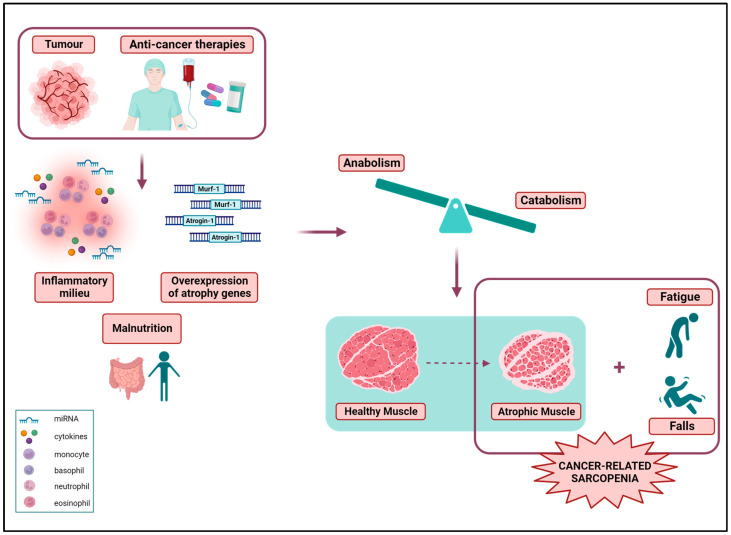
“…levels of pro-inflammatory cytokines and micro-RNAs, and the overexpression of muscle atrophy genes mainly stimulate the ubiquitin– proteasome pathway (UPP) and the autophagy–lysosome system (ALS), activating several molecular pathways that ultimately lead to skeletal muscle atrophy [26–28].”
BackgroundMikkelsen, K., Stojanovska, L., Polenakovic, M., Bosevski, M., & Apostolopoulos, V. (2017) · Maturitas · doi:10.1016/j.maturitas.2017.09.003 · Cited by 1,072 · cited 1×
“Studies performed on different clinical populations have demonstrated that exercise could regulate the HPA axis response and attenuate its hyperactivity [139,140].”
Definition and Diagnostic Criteria for Sarcopenic Obesity: ESPEN and EASO Consensus Statement
Donini, L. M., Busetto, L., Bischoff, S. C., Cederholm, T., Ballesteros-Pomar, M. D., Batsis, J. A., Bauer, J. M., Boirie, Y., Cruz-Jentoft, A. J., Dicker, D., et al. (2022) · Obesity Facts · doi:10.1159/000521241 · Cited by 1,019 · cited 1×
“…overcome incomplete and possibly ineffective diagnosis of SO, the European Society for Clinical Nutrition and Metabolism (ESPEN) and the European Association for the Study of Obesity (EASO) recently published a consensus statement for the definition of SO and its uniform diagnostic criteria [56].”
BackgroundClinical Pharmacokinetics of Therapeutic Monoclonal Antibodies
Keizer, R. J., Huitema, A. D. R., Schellens, J. H. M., & Beijnen, J. H. (2010) · Clinical Pharmacokinetics · doi:10.2165/11531280-000000000-00000 · Cited by 725 · cited 1×
“On the other hand, low muscle mass similarly does not influence other types of anticancer treatments, such as monoclonal antibodies, which are distributed by the blood and extracellular fluids due to their size and hydrophilic properties [79].”
BackgroundSarcopenia Definition: The Position Statements of the Sarcopenia Definition and Outcomes Consortium
Bhasin, S., Travison, T. G., Manini, T. M., Patel, S., Pencina, K. M., Fielding, R. A., Magaziner, J. M., Newman, A. B., Kiel, D. P., Cooper, C., et al. (2020) · Journal of the American Geriatrics Society · doi:10.1111/jgs.16372 · Cited by 723
Amir, E., Seruga, B., Niraula, S., Carlsson, L., & Ocaña, A. (2011) · JNCI: Journal of the National Cancer Institute · doi:10.1093/jnci/djr242 · Cited by 622
Montano-Loza, A. J., Angulo, P., Meza-Junco, J., Prado, C. M. M., Sawyer, M. B., Beaumont, C., Esfandiari, N., Ma, M., & Baracos, V. E. (2016) · Journal of Cachexia Sarcopenia and Muscle · doi:10.1002/jcsm.12039 · Cited by 512 · cited 1×
“A variety of methods are utilised to measure or estimate skeletal muscle mass among clinical populations, such as dual energy X-ray absorptiometry (DEXA), computed tomography (CT) scan, magnetic resonance imaging (MRI), ultrasonography (U) and bioelectrical impedance (BIA) [19,37,38].”
MethodHarimoto, N., Shirabe, K., Yamashita, Y.-I., Ikegami, T., Yoshizumi, T., Soejima, Y., Ikeda, T., Maehara, Y., Nishie, A., & Yamanaka, T. (2013) · British Journal of Surgery · doi:10.1002/bjs.9258 · Cited by 504 · cited 1×
“…skeletal muscle mass, which is a key component of sarcopenia, has been reported as an independent determinant of chemotherapy-related toxicity in patients with various types of malignancies, such as colorectal [69,70], breast [71], esophago-gastric [72], head and neck [73], or hepatic cancer [74].”
BackgroundImaging of sarcopenia: old evidence and new insights
Albano, D., Messina, C., Vitale, J., & Sconfienza, L. M. (2020) · European Radiology · doi:10.1007/s00330-019-06573-2 · Cited by 400 · cited 1×
“CT scanning has been considered the gold standard method to assess skeletal muscle volume, possessing high reliability and repeatability [39].”
MethodSkeletal muscle atrophy: From mechanisms to treatments
Yin, L., Li, N., Jia, W., Wang, N., Liang, M., Yang, X., & Du, G. (2021) · Pharmacological Research · doi:10.1016/j.phrs.2021.105807 · Cited by 396 · cited 2×
“…closely related to cancer-associated muscle wasting, since they disrupt muscle proteostasis, as well as mitochondrial biogenesis and function [102,103]. colon-cancer-bearing through the activation of protein kinase B (Akt)/mammalian target of rapamycin ( signalling, a well-established molecular…”
BackgroundDirks, M. L., Wall, B. T., van de Valk, B., Holloway, T. M., Holloway, G. P., Chabowski, A., Goossens, G. H., & van Loon, L. J. C. (2016) · Diabetes · doi:10.2337/db15-1661 · Cited by 391 · cited 1×
“…muscle mass is associated with physical activity levels and even only one week of bed rest can provoke significant skeletal muscle atrophy [96,97], while more pronounced skeletal muscle loss and functional ability impairment has been demonstrated after prolonged periods of physical…”
BackgroundBlauwhoff-Buskermolen, S., Versteeg, K. S., de van der Schueren, M. A. E., den Braver, N. R., Berkhof, J., Langius, J. A. E., & Verheul, H. M. W. (2016) · Journal of Clinical Oncology · doi:10.1200/jco.2015.63.6043 · Cited by 378 · cited 1×
“A growing body of evidence supports that muscle wasting, the key component of sarcopenia and SO, should be regularly assessed among cancer patients, as it possesses great clinical significance and can predict disease progression and survival [57,58].”
BackgroundInflammation and Skeletal Muscle Wasting During Cachexia
Webster, J. M., Kempen, L. J. A. P., Hardy, R. S., & Langen, R. C. J. (2020) · Frontiers in Physiology · doi:10.3389/fphys.2020.597675 · Cited by 372 · cited 1×
“In the context of sarcopenia, where myokine signalling has been proposed to be altered [152], skeletal muscle contraction plays a determining role in protein synthesis stimulation and muscle mass growth promotion [153,154].”
BackgroundCancer cachexia and its pathophysiology: links with sarcopenia, anorexia and asthenia
Peixoto da Silva, S., Santos, J. M. O., Costa e Silva, M. P., Gil da Costa, R. M., & Medeiros, R. (2020) · Journal of Cachexia, Sarcopenia and Muscle · doi:10.1002/jcsm.12528 · Cited by 371 · cited 1×
“…syndrome characterised by systemic inflammation and involuntary weight loss, irrespectively of whether it is originated from the loss of skeletal muscle mass or adipose tissue, and it cannot be fully counterbalanced by conventional nutritional supplements or pharmacological interventions [24,25].”
BackgroundDieli-Conwright, C. M., Courneya, K. S., Demark-Wahnefried, W., Sami, N., Lee, K., Buchanan, T. A., Spicer, D. V., Tripathy, D., Bernstein, L., & Mortimer, J. E. (2018) · Journal of Clinical Oncology · doi:10.1200/jco.2017.75.7526 · Cited by 366 · cited 3×
“However, “delayed” exercise interventions in patients who have already developed sarcopenia appears to be able to provide health benefits and improve their clinical appearance [46,143–145] (Table 5).”
BackgroundPhysical activity and exercise as countermeasures to physical frailty and sarcopenia
on behalf of the SPRINTT Consortium, Marzetti, E., Calvani, R., Tosato, M., Cesari, M., Di Bari, M., Cherubini, A., Broccatelli, M., Savera, G., D’Elia, M., et al. (2017) · Aging Clinical and Experimental Research · doi:10.1007/s40520-016-0705-4 · Cited by 362 · cited 1×
“Physical exercise has been proposed as the most effective non-pharmaceutic intervention for both the prevention and management of sarcopenia during the various stages of cancer progression [94,95].”
BackgroundBaracos, V. E., & Arribas, L. (2018) · Annals of Oncology · doi:10.1093/annonc/mdx810 · Cited by 362 · cited 1×
“Regarding obesity classification, most of the studies available today categorise patients according to the World Health Organization (WHO) classification, where those with a body mass index (BMI) ≥ 25 kg/m 2 are considered overweight, and those with BMI ≥ 30 kg/m 2 are considered obese [51].”
BackgroundNF-κB–mediated Pax7 dysregulation in the muscle microenvironment promotes cancer cachexia
He, W. A., Berardi, E., Cardillo, V. M., Acharyya, S., Aulino, P., Thomas-Ahner, J., Wang, J., Bloomston, M., Muscarella, P., Nau, P., et al. (2013) · Journal of Clinical Investigation · doi:10.1172/jci68523 · Cited by 357 · cited 3×
“The muscle regeneration processes are also impaired due to the reduced number of the deranged properties of satellite cells [31].”
BackgroundCancer as a disease of old age: changing mutational and microenvironmental landscapes
Laconi, E., Marongiu, F., & DeGregori, J. (2020) · British Journal of Cancer · doi:10.1038/s41416-019-0721-1 · Cited by 348 · cited 1×
“Nevertheless, there is sufficient indirect evidence supporting that older sarcopenic patients may experience more severe toxicities due to their comorbidities and the expected overall decline in the function of their physiological systems [80–83].”
BackgroundRITTWEGER, J., FROST, H., SCHIESSL, H., OHSHIMA, H., ALKNER, B., TESCH, P., & FELSENBERG, D. (2005) · Bone · doi:10.1016/j.bone.2004.11.014 · Cited by 346 · cited 1×
“…mass is associated with physical activity levels and even only one week of bed rest can provoke significant skeletal muscle atrophy [96,97], while more pronounced skeletal muscle loss and functional ability impairment has been demonstrated after prolonged periods of physical inactivity [98,99].”
BackgroundReza, M. M., Subramaniyam, N., Sim, C. M., Ge, X., Sathiakumar, D., McFarlane, C., Sharma, M., & Kambadur, R. (2017) · Nature Communications · doi:10.1038/s41467-017-01131-0 · Cited by 335 · cited 1×
“For instance, myokines with tumour-suppressing features such as SPARC, Decorin, IL-6, and Irisin have been revealed that are also involved in the prevention of muscle atrophy and sarcopenia alleviation [177–180].”
BackgroundBozzetti, F. (2017) · Annals of Oncology · doi:10.1093/annonc/mdx271 · Cited by 323 · cited 1×
“In addition, slow-twitch type I muscle fibres tend to switch to fast-twitch type II ones, shifting from an oxidative aerobic metabolism to a glycolytic anaerobic phenotype [30].”
BackgroundMyostatin/activin pathway antagonism: molecular basis and therapeutic potential
Han, H. Q., Zhou, X., Mitch, W. E., & Goldberg, A. L. (2013) · The International Journal of Biochemistry & Cell Biology · doi:10.1016/j.biocel.2013.05.019 · Cited by 314 · cited 1×
“Myostatin expression is muscle-specific and leads to protein breakdown and atrophy via binding to activin receptor type-IIB (ActRIIB), a TGF-β superfamily receptor [157,158].”
BackgroundPopulation-based reference values for the 1-min sit-to-stand test
Strassmann, A., Steurer-Stey, C., Lana, K. D., Zoller, M., Turk, A. J., Suter, P., & Puhan, M. A. (2013) · International Journal of Public Health · doi:10.1007/s00038-013-0504-z · Cited by 314
Inflammation and sarcopenia: A focus on circulating inflammatory cytokines
Pan, L., Xie, W., Fu, X., Lu, W., Jin, H., Lai, J., Zhang, A., Yu, Y., Li, Y., & Xiao, W. (2021) · Experimental Gerontology · doi:10.1016/j.exger.2021.111544 · Cited by 298 · cited 1×
“On the oncology setting, the sarcolemma is damaged due to the increased circulation of inflammatory-and tumour-derived factors [31,124,125].”
BackgroundFranzoi, M. A., Agostinetto, E., Perachino, M., Del Mastro, L., de Azambuja, E., Vaz-Luis, I., Partridge, A. H., & Lambertini, M. (2021) · The Lancet Oncology · doi:10.1016/s1470-2045(20)30666-5 · Cited by 290 · cited 2×
“In addition, there is solid evidence that the undoubtable benefits of anticancer therapies against the evolution and recurrence of malignancies are also accompanied by a variety of side effects, which threaten treatment adherence and success [4].”
BackgroundBrown, J. L., Rosa‐Caldwell, M. E., Lee, D. E., Blackwell, T. A., Brown, L. A., Perry, R. A., Haynie, W. S., Hardee, J. P., Carson, J. A., Wiggs, M. P., et al. (2017) · Journal of Cachexia, Sarcopenia and Muscle · doi:10.1002/jcsm.12232 · Cited by 288 · cited 2×
“Interestingly, all the aforementioned features implying mitochondrial degeneration appeared even before the onset of muscle wasting [130].”
BackgroundMarshall, K. M., Loeliger, J., Nolte, L., Kelaart, A., & Kiss, N. K. (2019) · Clinical Nutrition · doi:10.1016/j.clnu.2018.04.007 · Cited by 278 · cited 1×
“Malnutrition occurs in approximately 40% of oncology patients, while those with colorectal, gastrointestinal, lung, and head and neck cancer are considered the highest risk patients [35].”
BackgroundTan, B. H. L., Brammer, K., Randhawa, N., Welch, N. T., Parsons, S. L., James, E. J., & Catton, J. A. (2015) · European Journal of Surgical Oncology (EJSO) · doi:10.1016/j.ejso.2014.11.040 · Cited by 277 · cited 1×
“…skeletal muscle mass, which is a key component of sarcopenia, has been reported as an independent determinant of chemotherapy-related toxicity in patients with various types of malignancies, such as colorectal [69,70], breast [71], esophago-gastric [72], head and neck [73], or hepatic cancer [74].”
BackgroundThe regulation of muscle mass by endogenous glucocorticoids
Braun, T. P., & Marks, D. L. (2015) · Frontiers in Physiology · doi:10.3389/fphys.2015.00012 · Cited by 273 · cited 1×
“Glucocorticoids promote muscle mass loss and protein breakdown, while under normal conditions, their secretion is suppressed by negative feedback [137].”
BackgroundMarked changes in body composition following neoadjuvant chemotherapy for oesophagogastric cancer
Awad, S., Tan, B. H., Cui, H., Bhalla, A., Fearon, K. C. H., Parsons, S. L., Catton, J. A., & Lobo, D. N. (2012) · Clinical Nutrition · doi:10.1016/j.clnu.2011.08.008 · Cited by 269 · cited 1×
“In particular, patients considered to be at the highest risk of developing sarcopenia are those with pancreatic and esophagogastric cancer, as sarcopenia is observed in up to 63% and 79% of these patients, respectively [14,15].”
BackgroundInflammation and Cancer: Causes and Consequences
Moore, M. M., Chua, W., Charles, K. A., & Clarke, S. J. (2010) · Clinical Pharmacology & Therapeutics · doi:10.1038/clpt.2009.254 · Cited by 258 · cited 1×
“These inflammatory-related side effects that the majority of cancer patients suffer from include fever, fatigue, haematological toxicity, malnutrition, weight loss, and increased adipose tissue deposition [5].”
BackgroundPrognostic Value of Sarcopenia in Lung Cancer
Yang, M., Shen, Y., Tan, L., & Li, W. (2019) · Chest · doi:10.1016/j.chest.2019.04.115 · Cited by 258 · cited 1×
“[16,17], while in lung cancer, which has the highest incidence in men, the rates of sarcopenia for non-small-cell lung cancer and small-cell lung cancer are 43% and 52%, respectively [18].”
BackgroundYamamoto, K., Nagatsuma, Y., Fukuda, Y., Hirao, M., Nishikawa, K., Miyamoto, A., Ikeda, M., Nakamori, S., Sekimoto, M., Fujitani, K., et al. (2017) · Gastric Cancer · doi:10.1007/s10120-016-0683-4 · Cited by 257 · cited 2×
“However, given the small duration of the pre-rehabilitation program, great outcomes were reported in terms of muscle strength and the reversal of sarcopenia [146].”
BackgroundSarcopenic obesity: time to meet the challenge
Barazzoni, R., Bischoff, S., Boirie, Y., Busetto, L., Cederholm, T., Dicker, D., Toplak, H., Van Gossum, A., Yumuk, V., & Vettor, R. (2018) · Obesity Facts · doi:10.1159/000490361 · Cited by 244 · cited 1×
“Thus, sarcopenic obese patients are characterised by the increased deposition of fat mass with the simultaneous loss of skeletal muscle mass and function [49,50].”
BackgroundWendrich, A. W., Swartz, J. E., Bril, S. I., Wegner, I., de Graeff, A., Smid, E. J., de Bree, R., & Pothen, A. J. (2017) · Oral Oncology · doi:10.1016/j.oraloncology.2017.05.012 · Cited by 240 · cited 2×
“Specifically, according to the pharmacokinetic properties of many chemotherapeutic agents, especially the platinum-based ones, drugs are diffused through the fat-free compartments of the body, among which skeletal muscle tissue is the major distributor [73,76–78].”
BackgroundPhilippou, Α., Halapas, A., Maridaki, M. D., & Koutsilieris, M. (2007) · PubMed · Cited by 236
Self-citationOrienting Muscle Stem Cells for Regeneration in Homeostasis, Aging, and Disease
Feige, P., Brun, C. E., Ritso, M., & Rudnicki, M. A. (2018) · Cell Stem Cell · doi:10.1016/j.stem.2018.10.006 · Cited by 236 · cited 1×
“Under normal conditions, muscle stem cells, which are localised between the sar-colemma and the basal lamina of myofibers, are activated and play a major role in the regeneration process [123].”
BackgroundFerreira, A. R., Di Meglio, A., Pistilli, B., Gbenou, A. S., El-Mouhebb, M., Dauchy, S., Charles, C., Joly, F., Everhard, S., Lambertini, M., et al. (2019) · Annals of Oncology · doi:10.1093/annonc/mdz298 · Cited by 230 · cited 1×
“Importantly, patients diagnosed with hormone-sensitive cancers may need to receive endocrine therapy for years and despite the fact that the adverse effects of hormone therapies are mild, compared to those of chemotherapies, they persist for long periods of time [12].”
BackgroundBenny Klimek, M. E., Aydogdu, T., Link, M. J., Pons, M., Koniaris, L. G., & Zimmers, T. A. (2010) · Biochemical and Biophysical Research Communications · doi:10.1016/j.bbrc.2009.12.123 · Cited by 229 · cited 1×
“Specifically concerning the cancer-related sar-copenia, high levels of myostatin have been associated with pronounced muscle wasting in several cancerous animal models such as melanoma, colon, or Lewis lung cancer [162–164].”
BackgroundRier, H. N., Jager, A., Sleijfer, S., Maier, A. B., & Levin, M.-D. (2016) · The Oncologist · doi:10.1634/theoncologist.2016-0066 · Cited by 226 · cited 2×
“Specifically, according to the pharmacokinetic properties of many chemotherapeutic agents, especially the platinum-based ones, drugs are diffused through the fat-free compartments of the body, among which skeletal muscle tissue is the major distributor [73,76–78].”
BackgroundGould, H., Brennan, S. L., Kotowicz, M. A., Nicholson, G. C., & Pasco, J. A. (2014) · Calcified Tissue International · doi:10.1007/s00223-013-9830-7 · Cited by 219 · cited 2×
“Depending on the age of the clinical population assessed, sarcopenia thresholds range from 7.78 ± 0.88 kg/m 2 to 8.67 ± 0.90 kg/m 2 for men and from 6.45 ± 0.78 kg/m 2 to 6.84 ± 0.80 kg/m 2 for women [43] (Table 2).”
BackgroundInfluentialThe meaning and measurement of lean body mass
Roubenoff, R., & Kehayias, J. J. (2009) · Nutrition Reviews · doi:10.1111/j.1753-4887.1991.tb03013.x · Cited by 218
Jung, H.-W., Kim, J. W., Kim, J.-Y., Kim, S.-W., Yang, H. K., Lee, J. W., Lee, K.-W., Kim, D.-W., Kang, S.-B., Kim, K.-I., et al. (2015) · Supportive Care in Cancer · doi:10.1007/s00520-014-2418-6 · Cited by 217
The role of the insulin-like growth factor 1 (IGF-1) in skeletal muscle physiology.
Philippou, Α., Maridaki, M. D., Halapas, A., & Koutsilieris, M. (2007) · PubMed · Cited by 213
Self-citationRole of Activin A and Myostatin in Human Cancer Cachexia
Loumaye, A., de Barsy, M., Nachit, M., Lause, P., Frateur, L., van Maanen, A., Trefois, P., Gruson, D., & Thissen, J.-P. (2015) · The Journal of Clinical Endocrinology & Metabolism · doi:10.1210/jc.2014-4318 · Cited by 211 · cited 1×
“Moreover, activin A (ActA), a member of the TGF-β superfamily encoded by INHBA gene, has also been recognised as a myokine which is produced and released from skeletal myocytes in response to muscle contraction [166,167].”
BackgroundThe myokine decorin is regulated by contraction and involved in muscle hypertrophy
Kanzleiter, T., Rath, M., Görgens, S. W., Jensen, J., Tangen, D. S., Kolnes, A. J., Kolnes, K. J., Lee, S., Eckel, J., Schürmann, A., et al. (2014) · Biochemical and Biophysical Research Communications · doi:10.1016/j.bbrc.2014.06.123 · Cited by 209
Rollins, K. E., Tewari, N., Ackner, A., Awwad, A., Madhusudan, S., Macdonald, I. A., Fearon, K. C. H., & Lobo, D. N. (2016) · Clinical Nutrition · doi:10.1016/j.clnu.2015.08.005 · Cited by 208 · cited 1×
“Alternative threshold values have also been used (BMI ≥ 27.5 or 25 kg/m 2 ) to define obese cancer patients [16,52,53].”
MethodInfluentialMusclin is an activity-stimulated myokine that enhances physical endurance
Subbotina, E., Sierra, A., Zhu, Z., Gao, Z., Koganti, S. R. K., Reyes, S., Stepniak, E., Walsh, S. A., Acevedo, M. R., Perez-Terzic, C. M., et al. (2015) · Proceedings of the National Academy of Sciences · doi:10.1073/pnas.1514250112 · Cited by 198 · cited 1×
“Increasing evidence implicates musclin in cancer-related muscle atrophy, besides its prominent role in the promotion of aerobic capacity and mitochondrial biogenesis [175].”
BackgroundMolecular pathways and targets in cancer-related inflammation
Mantovani, A., Garlanda, C., & Allavena, P. (2010) · Annals of Medicine · doi:10.3109/07853890903405753 · Cited by 185 · cited 1×
“In the intrinsic pathway, genetic alterations initiate the formation of an inflammatory milieu, while in the extrinsic pathway, inflammation facilitates cancer development, progression and metastasis [2].”
BackgroundDalal, S., Hui, D., Bidaut, L., Lem, K., Del Fabbro, E., Crane, C., Reyes-Gibby, C. C., Bedi, D., & Bruera, E. (2012) · Journal of Pain and Symptom Management · doi:10.1016/j.jpainsymman.2011.09.010 · Cited by 185 · cited 1×
“In particular, patients considered to be at the highest risk of developing sarcopenia are those with pancreatic and esophagogastric cancer, as sarcopenia is observed in up to 63% and 79% of these patients, respectively [14,15].”
BackgroundNonuniform loss of muscle strength and atrophy during bed rest: a systematic review
Marusic, U., Narici, M., Simunic, B., Pisot, R., & Ritzmann, R. (2021) · Journal of Applied Physiology · doi:10.1152/japplphysiol.00363.2020 · Cited by 185 · cited 1×
“…mass is associated with physical activity levels and even only one week of bed rest can provoke significant skeletal muscle atrophy [96,97], while more pronounced skeletal muscle loss and functional ability impairment has been demonstrated after prolonged periods of physical inactivity [98,99].”
BackgroundVanderVeen, B. N., Fix, D. K., & Carson, J. A. (2017) · Oxidative Medicine and Cellular Longevity · doi:10.1155/2017/3292087 · Cited by 184 · cited 3×
“Moreover, wheel running provoked an increased expression of mitochondrial complex II and IV in cancer-bearing mice, thus, sustaining mitochondria function [101].”
BackgroundPigna, E., Berardi, E., Aulino, P., Rizzuto, E., Zampieri, S., Carraro, U., Kern, H., Merigliano, S., Gruppo, M., Mericskay, M., et al. (2016) · Scientific Reports · doi:10.1038/srep26991 · Cited by 183 · cited 1×
“Eccentric exercise also alleviated muscle atrophy manifestations mitigating cancer of ubiquitin ligases Atrogin-1 and Murf-1 and the suppression of the autophagic degradation activity [120].”
BackgroundAnandavadivelan, P., Brismar, T. B., Nilsson, M., Johar, A. M., & Martin, L. (2016) · Clinical Nutrition · doi:10.1016/j.clnu.2015.05.011 · Cited by 179 · cited 3×
“Moreover, in some cases, simultaneously with the decrease in lean body mass, patients face a considerable weight gain [54,55].”
BackgroundMethodAli, R., Baracos, V. E., Sawyer, M. B., Bianchi, L., Roberts, S., Assenat, E., Mollevi, C., & Senesse, P. (2016) · Cancer Medicine · doi:10.1002/cam4.621 · Cited by 177 · cited 2×
“The treatment-related adverse effects that have been associated with low muscle mass levels are haematological toxicity, gastrointestinal issues, neuropathies and prolonged hospitalisation [70,71].”
BackgroundRole of IGF-I signaling in muscle bone interactions
Bikle, D. D., Tahimic, C., Chang, W., Wang, Y., Philippou, A., & Barton, E. R. (2015) · Bone · doi:10.1016/j.bone.2015.04.036 · Cited by 176 · cited 1×
“, in the same mouse cancer model, resistance exercise resulted in the increased in hypertrophy processes [113–117].”
BackgroundAdams, S. C., Segal, R. J., McKenzie, D. C., Vallerand, J. R., Morielli, A. R., Mackey, J. R., Gelmon, K., Friedenreich, C. M., Reid, R. D., & Courneya, K. S. (2016) · Breast Cancer Research and Treatment · doi:10.1007/s10549-016-3900-2 · Cited by 176 · cited 5×
“However, “delayed” exercise interventions in patients who have already developed sarcopenia appears to be able to provide health benefits and improve their clinical appearance [46,143–145] (Table 5).”
BackgroundMethodInfluentialPrinciples of cancer treatment by chemotherapy
Dickens, E., & Ahmed, S. I. (2018) · Surgery (Oxford) · doi:10.1016/j.mpsur.2017.12.002 · Cited by 169 · cited 1×
“…chemotherapeutic drugs, such as alkylating agents, anti-metabolites, and anti-tumour antibiotics, which are widely used for cancer patients, can result in cardiotoxicity, nephrotoxicity, fatigue, cachexia, muscle wasting, leukopenia, neutropenia, anorexia, and gastrointestinal issues [6,7].”
BackgroundMijwel, S., Cardinale, D. A., Norrbom, J., Chapman, M., Ivarsson, N., Wengström, Y., Sundberg, C. J., & Rundqvist, H. (2018) · The FASEB Journal · doi:10.1096/fj.201700968r · Cited by 165 · cited 3×
“Preliminary clinical findings in female patients with breast cancer undergoing chemotherapy support that exercise could preserve the number of muscle satellite cells per fibre [127].”
BackgroundInfluentialBody composition and sarcopenia: The next-generation of personalized oncology and pharmacology?
Hilmi, M., Jouinot, A., Burns, R. G., Pigneur, F., Mounier, R., Gondin, J., Neuzillet, C., & Goldwasser, F. (2018) · Pharmacology & Therapeutics · doi:10.1016/j.pharmthera.2018.12.003 · Cited by 164 · cited 1×
“Specifically, according to the pharmacokinetic properties of many chemotherapeutic agents, especially the platinum-based ones, drugs are diffused through the fat-free compartments of the body, among which skeletal muscle tissue is the major distributor [73,76–78].”
BackgroundHip, thigh and calf muscle atrophy and bone loss after 5-week bedrest inactivity
Berg, H. E., Eiken, O., Miklavcic, L., & Mekjavic, I. B. (2007) · European Journal of Applied Physiology · doi:10.1007/s00421-006-0346-y · Cited by 161
Shachar, S. S., Deal, A. M., Weinberg, M., Williams, G. R., Nyrop, K. A., Popuri, K., Choi, S. K., & Muss, H. B. (2017) · Clinical Cancer Research · doi:10.1158/1078-0432.ccr-16-2266 · Cited by 161 · cited 3×
“The treatment-related adverse effects that have been associated with low muscle mass levels are haematological toxicity, gastrointestinal issues, neuropathies and prolonged hospitalisation [70,71].”
BackgroundPrado, C. M. M., Lima, I. S. F., Baracos, V. E., Bies, R. R., McCargar, L. J., Reiman, T., Mackey, J. R., Kuzma, M., Damaraju, V. L., & Sawyer, M. B. (2011) · Cancer Chemotherapy and Pharmacology · doi:10.1007/s00280-010-1288-y · Cited by 160 · cited 1×
“[16,17], while in lung cancer, which has the highest incidence in men, the rates of sarcopenia for non-small-cell lung cancer and small-cell lung cancer are 43% and 52%, respectively [18].”
BackgroundDel Fabbro, E., Parsons, H., Warneke, C. L., Pulivarthi, K., Litton, J. K., Dev, R., Palla, S. L., Brewster, A., & Bruera, E. (2012) · The Oncologist · doi:10.1634/theoncologist.2012-0169 · Cited by 157 · cited 4×
“[16,17], while in lung cancer, which has the highest incidence in men, the rates of sarcopenia for non-small-cell lung cancer and small-cell lung cancer are 43% and 52%, respectively [18].”
BackgroundMethodResultInfluentialPhysical Exercise and Myokines: Relationships with Sarcopenia and Cardiovascular Complications
Barbalho, S. M., Flato, U. A. P., Tofano, R. J., Goulart, R. D. A., Guiguer, E. L., Detregiachi, C. R. P., Buchaim, D. V., Araújo, A. C., Buchaim, R. L., Reina, F. T. R., et al. (2020) · International Journal of Molecular Sciences · doi:10.3390/ijms21103607 · Cited by 156 · cited 1×
“In the context of sarcopenia, where myokine signalling has been proposed to be altered [152], skeletal muscle contraction plays a determining role in protein synthesis stimulation and muscle mass growth promotion [153,154].”
BackgroundLanic, H., Kraut-Tauzia, J., Modzelewski, R., Clatot, F., Mareschal, S., Picquenot, J. M., Stamatoullas, A., Leprêtre, S., Tilly, H., & Jardin, F. (2014) · Leukemia & Lymphoma · doi:10.3109/10428194.2013.816421 · Cited by 155
Aykul, S., & Martinez-Hackert, E. (2016) · Journal of Biological Chemistry · doi:10.1074/jbc.m115.713487 · Cited by 143 · cited 1×
“Myostatin expression is muscle-specific and leads to protein breakdown and atrophy via binding to activin receptor type-IIB (ActRIIB), a TGF-β superfamily receptor [157,158].”
BackgroundTargeting the myostatin signaling pathway to treat muscle loss and metabolic dysfunction
Lee, S.-J. (2021) · Journal of Clinical Investigation · doi:10.1172/jci148372 · Cited by 143 · cited 1×
“However, the pharmacological blockade of myostatin, not only in animal models but also in human clinical trials, resulted in increased lean body mass, reduced fat mass, and improved functional ability without causing considerable adverse effects [165].”
BackgroundBusquets, S., Toledo, M., Orpí, M., Massa, D., Porta, M., Capdevila, E., Padilla, N., Frailis, V., López-Soriano, F. J., Han, H. Q., et al. (2012) · Journal of Cachexia, Sarcopenia and Muscle · doi:10.1007/s13539-011-0049-z · Cited by 141
Suzuki, Y., Okamoto, T., Fujishita, T., Katsura, M., Akamine, T., Takamori, S., Morodomi, Y., Tagawa, T., Shoji, F., & Maehara, Y. (2016) · Lung Cancer · doi:10.1016/j.lungcan.2016.08.007 · Cited by 140 · cited 1×
“Interestingly, similar results concerning overall-and recurrence-free survival were also reported in even less advanced and in a lower risk type of cancers, such as a non-small-cell lung cancer [63,64] and breast cancer [16,65].”
ResultBallarò, R., Beltrà, M., Lucia, S. D., Pin, F., Ranjbar, K., Hulmi, J. J., Costelli, P., & Penna, F. (2019) · The FASEB Journal · doi:10.1096/fj.201801862r · Cited by 121 · cited 1×
“…and activity were retained, as indicated by the upregulation of the peroxisome proliferator-activated receptor gamma coactivator 1-alpha (PGC-1a), as well as the increased content of the mitochondrial succinate dehydrogenase (SDH) and the regulator of cellular respiration cytochrome c [134].”
Backgroundde Oliveira, C. C. F., Busquets, S., Toledo, M., Penna, F., Aylwin, M. P., Sirisi, S., Ventura‐Silva, A. P., Orpí, M., García, A., Sette, A., et al. (2012) · Biochimica et Biophysica Acta (BBA) - General Subjects · doi:10.1016/j.bbagen.2012.11.009 · Cited by 115 · cited 1×
“Moreover, the metabolic activity of mitochondria is impaired, the mitophagy rate is increased, and the mitochondrial integrity is disrupted, leading to mitochondrial swelling [32,33].”
BackgroundSkeletal muscle mass loss and dose‐limiting toxicities in metastatic colorectal cancer patients
Kurk, S. A., Peeters, P. H. M., Stellato, R. K., Dorresteijn, B., de Jong, P. A., Jourdan, M., Creemers, G., Erdkamp, F., de Jongh, F. E., Kint, P. A. M., et al. (2019) · Journal of Cachexia Sarcopenia and Muscle · doi:10.1002/jcsm.12436 · Cited by 115 · cited 1×
“…skeletal muscle mass, which is a key component of sarcopenia, has been reported as an independent determinant of chemotherapy-related toxicity in patients with various types of malignancies, such as colorectal [69,70], breast [71], esophago-gastric [72], head and neck [73], or hepatic cancer [74].”
BackgroundDawson, J. K., Dorff, T. B., Todd Schroeder, E., Lane, C. J., Gross, M. E., & Dieli-Conwright, C. M. (2018) · BMC Cancer · doi:10.1186/s12885-018-4306-9 · Cited by 112 · cited 3×
“However, “delayed” exercise interventions in patients who have already developed sarcopenia appears to be able to provide health benefits and improve their clinical appearance [46,143–145] (Table 5).”
BackgroundInfluentialMoving through cancer: Setting the agenda to make exercise standard in oncology practice
Schmitz, K. H., Stout, N. L., Maitin‐Shepard, M., Campbell, A., Schwartz, A. L., Grimmett, C., Meyerhardt, J. A., & Sokolof, J. (2020) · Cancer · doi:10.1002/cncr.33245 · Cited by 111
Schmidt, M. E., Meynköhn, A., Habermann, N., Wiskemann, J., Oelmann, J. T., Hof, H., Wessels, S., Klassen, O., Debus, J., Potthoff, K., et al. (2015) · International Journal of Radiation Oncology*Biology*Physics · doi:10.1016/j.ijrobp.2015.10.058 · Cited by 110 · cited 2×
“Moreover, resistance exercise in breast cancer patients undergoing treatment inhibited the increase in IL-6 and IL-6/interleukin-1 receptor antagonist (IL-1ra) ratio, which were associated with high levels of physical fatigue and pain in the control (non-exercising) group [108].”
BackgroundPhilippou, Α., Papageorgiou, E., Bogdanis, G. C., Halapas, A., Sourla, A., Maridaki, M. D., Pissimissis, N., & Koutsilieris, M. (2009) · PubMed · Cited by 110
Self-citationMiller, A., McLeod, L., Alhayyani, S., Szczepny, A., Watkins, D. N., Chen, W., Enriori, P. J., Ferlin, W. G., Ruwanpura, S. M., & Jenkins, B. J. (2016) · Oncogene · doi:10.1038/onc.2016.437 · Cited by 108 · cited 2×
“Indeed, cytokines such as IL-6, TNF-α , and TGF-β have been closely related to cancer-associated muscle wasting, since they disrupt muscle proteostasis, as well as mitochondrial biogenesis and function [102,103].”
BackgroundCushen, S. J., Power, D. G., Murphy, K. P., McDermott, R., Griffin, B. T., Lim, M. C. J., Daly, L. E., MacEneaney, P. M., Sullivan, K. O., Prado, C. M. M., et al. (2016) · Clinical Nutrition ESPEN · doi:10.1016/j.clnesp.2016.04.001 · Cited by 106
Physical Exercise Positively Influences Breast Cancer Evolution
Adraskela, K., Veisaki, E., Koutsilieris, M., & Philippou, Α. (2017) · Clinical Breast Cancer · doi:10.1016/j.clbc.2017.05.003 · Cited by 104
Self-citationCole, C. L., Kleckner, I. R., Jatoi, A., Schwarz, E. M., & Dunne, R. F. (2018) · JCSM Clinical Reports · doi:10.17987/jcsm-cr.v3i2.65 · Cited by 104 · cited 1×
“Thereby, the chronic activation of the HPA axis by pro-inflammatory interleukins such as IL-1 and IL-6 has been shown to exaggerate the major processes that mediate muscle wasting, namely the ubiquitin–proteasome pathway (UPP) and the autophagy–lysosome system (ALS) [138].”
BackgroundGruber, E. S., Jomrich, G., Tamandl, D., Gnant, M., Schindl, M., & Sahora, K. (2019) · PLoS ONE · doi:10.1371/journal.pone.0215915 · Cited by 102 · cited 1×
“Furthermore, sarcopenic obese patients suffered more from post-operative complications [62].”
BackgroundExercise as an anti-inflammatory therapy for cancer cachexia: a focus on interleukin-6 regulation
Daou, H. N. (2019) · American Journal of Physiology-Regulatory, Integrative and Comparative Physiology · doi:10.1152/ajpregu.00147.2019 · Cited by 100
Toohey, K. L., Pumpa, K. L., McKune, A. J., Cooke, J., Welvaert, M., Northey, J. M., Quinlan, C., & Semple, S. (2020) · BMC Cancer · doi:10.1186/s12885-020-07295-1 · Cited by 99 · cited 1×
“In fact, different types of aerobic exercise were shown to change the HPA axis-related markers in breast cancer survivors, such as cortisol or ACTH, in a similar manner to the alterations exhibited by healthy matched controls [141,142].”
ResultTogashi, Y., Kogita, A., Sakamoto, H., Hayashi, H., Terashima, M., Velasco, M. A. D., Sakai, K., Fujita, Y., Tomida, S., Kitano, M., et al. (2014) · Cancer Letters · doi:10.1016/j.canlet.2014.10.037 · Cited by 98 · cited 2×
“ActA retains similar actions with myostatin, since it utilises the ActRIIB receptor, and thus regulates the cancer-related muscle atrophy and cachexia [168].”
BackgroundRelationships between body composition parameters and fluorouracil pharmacokinetics
Gusella, M., Toso, S., Ferrazzí, E., Ferrari, M., & Padrini, R. (2002) · British Journal of Clinical Pharmacology · doi:10.1046/j.1365-2125.2002.01598.x · Cited by 95 · cited 1×
“Thus, it has been proposed that drug doses should be calculated based on skeletal muscle mass, in order to limit the treatment-related toxicities [84–86].”
BackgroundKhamoui, A. V., Park, B., Kim, D., Yeh, M., Oh, S.-L., Elam, M. L., Jo, E., Arjmandi, B. H., Salazar, G., Grant, S. C., et al. (2016) · Metabolism · doi:10.1016/j.metabol.2016.01.014 · Cited by 94 · cited 2×
“As previously mentioned, the imbalanced muscle homeostasis is a key hallmark of , pre-clinical synthesis mice, protein synthesis was promoted and CSA was preserved in response to aerobic exercise, mTOR) [112].”
BackgroundImpact of ACTH Signaling on Transcriptional Regulation of Steroidogenic Genes
Ruggiero, C., & Lalli, E. (2016) · Frontiers in Endocrinology · doi:10.3389/fendo.2016.00024 · Cited by 91 · cited 1×
“The HPA axis is the main regulator of glucocorticoids which are produced by the adrenal glands in response to adrenocorticotropic hormone (ACTH) secretion [136].”
BackgroundImpact of Sarcopenia on Adverse Outcomes After Allogeneic Hematopoietic Cell Transplantation
Armenian, S. H., Xiao, M., Teh, J. B., Lee, B., Chang, H. A., Mascarenhas, K., Lee, S., Iukuridze, A., Xie, J. J., Scott, J. M., et al. (2019) · JNCI Journal of the National Cancer Institute · doi:10.1093/jnci/djy231 · Cited by 89 · cited 1×
“Furthermore, sarcopenia was found to be an independent risk factor leading to the 30% prevalence rate of 2-year non-relapse mortality, longer hospitalisation, and poorer overall survival [67].”
BackgroundComparisons of three different methods for defining sarcopenia: an aspect of cardiometabolic risk
Kim, T. N., Park, M. S., Lee, E. J., Chung, H. S., Yoo, H. J., Kang, H. J., Song, W., Baik, S. H., & Choi, K. M. (2017) · Scientific Reports · doi:10.1038/s41598-017-06831-7 · Cited by 86 · cited 1×
“DEXA is also a common and precise method for estimating the lean body mass, with lower cost and substantially less ionising radiation than the CT scan [41].”
MethodChu, M. P., Lieffers, J., Ghosh, S., Belch, A., Chua, N. S., Fontaine, A., Sangha, R., Turner, R. A., Baracos, V. E., & Sawyer, M. B. (2017) · Journal of Cachexia, Sarcopenia and Muscle · doi:10.1002/jcsm.12161 · Cited by 85 · cited 1×
“A growing body of evidence supports that muscle wasting, the key component of sarcopenia and SO, should be regularly assessed among cancer patients, as it possesses great clinical significance and can predict disease progression and survival [57,58].”
BackgroundStefani, L., Galanti, G., & Klika, R. J. (2017) · Journal of Functional Morphology and Kinesiology · doi:10.3390/jfmk2010004 · Cited by 83 · cited 1×
“The cancer guidelines recommend that cancer patients should start exercising as soon as possible, as the sooner they engage in exercise programs, the more the health-benefits they gain [92,93].”
BackgroundShoji, F., Haratake, N., Akamine, T., Takamori, S., Katsura, M., Takada, K., Toyokawa, G., Okamoto, T., & Maehara, Y. (2017) · Anticancer Research · doi:10.21873/anticanres.11372 · Cited by 82 · cited 1×
“Interestingly, similar results concerning overall-and recurrence-free survival were also reported in even less advanced and in a lower risk type of cancers, such as a non-small-cell lung cancer [63,64] and breast cancer [16,65].”
ResultKiss, N., Loeliger, J., Findlay, M., Isenring, E., Baguley, B. J., Boltong, A., Butler, A., Deftereos, I., Eisenhuth, M., Fraser, S. F., et al. (2020) · Nutrition & Dietetics · doi:10.1111/1747-0080.12631 · Cited by 82 · cited 1×
“…populations Malnutrition is also a determinant in the pathogenesis of sarcopenia, which can occur as a consequence of both cancer and the anticancer treatments that result in difficulties in food consumption, impaired nutrient absorption, and increased episodes of diarrhoea or vomiting [34].”
BackgroundHatakeyama, S., Summermatter, S., Jourdain, M., Melly, S., Minetti, G. C., & Lach-Trifilieff, E. (2016) · Skeletal Muscle · doi:10.1186/s13395-016-0098-2 · Cited by 81 · cited 1×
“Specifically concerning the cancer-related sar-copenia, high levels of myostatin have been associated with pronounced muscle wasting in several cancerous animal models such as melanoma, colon, or Lewis lung cancer [162–164].”
BackgroundCirculating Activin A predicts survival in cancer patients
Loumaye, A., de Barsy, M., Nachit, M., Lause, P., van Maanen, A., Trefois, P., Gruson, D., & Thissen, J. (2017) · Journal of Cachexia, Sarcopenia and Muscle · doi:10.1002/jcsm.12209 · Cited by 79
Inflammation Mediates Exercise Effects on Fatigue in Patients with Breast Cancer
Hiensch, A., Mijwel, S., Bargiela, D., Wengström, Y., May, A., & Rundqvist, H. (2020) · Medicine & Science in Sports & Exercise · doi:10.1249/mss.0000000000002490 · Cited by 79 · cited 1×
“Similarly, a combination of resistance and high-intensity interval training in women with breast cancer undergoing chemotherapy was found to be more effective in decreasing plasma IL-6 levels, as compared with concurrent moderate-intensity aerobic and high-intensity interval training [109].”
BackgroundShum, A. M. Y., Mahendradatta, T., Taylor, R. J., Painter, A. B., Moore, M. M., Tsoli, M., Tan, T. C., Clarke, S. J., Robertson, G. R., & Polly, P. (2012) · Aging · doi:10.18632/aging.100436 · Cited by 77 · cited 1×
“Moreover, the metabolic activity of mitochondria is impaired, the mitophagy rate is increased, and the mitochondrial integrity is disrupted, leading to mitochondrial swelling [32,33].”
BackgroundDemark‐Wahnefried, W., Kenyon, A. J., Eberle, P., Skye, A., & Kraus, W. E. (2002) · PubMed · Cited by 74
Optimizing IGF-I for skeletal muscle therapeutics
Philippou, Α., & Barton, E. R. (2014) · Growth Hormone & IGF Research · doi:10.1016/j.ghir.2014.06.003 · Cited by 74
Emmons, R., Niemiro, G. M., Owolabi, O., & De Lisio, M. (2016) · Journal of Applied Physiology · doi:10.1152/japplphysiol.00925.2015 · Cited by 71
Moug, S. J., Barry, S., Maguire, S., Johns, N., Dolan, D. R., Steele, R. J., Buchan, C., MacKay, G. J., Anderson, A. S., & Mutrie, N. (2020) · Techniques in Coloproctology · doi:10.1007/s10151-020-02262-1 · Cited by 70 · cited 1×
“The analogous positive effect on muscle mass has been reported in a longer duration intervention involving aerobic exercise with no supervision, as in the pre-rehabilitation program in patients with colorectal cancer [147].”
BackgroundQueiroz, A. L., Dantas, E., Ramsamooj, S., Murthy, A., Ahmed, M., Zunica, E. R. M., Liang, R. J., Murphy, J., Holman, C. D., Bare, C. J., et al. (2022) · Nature Communications · doi:10.1038/s41467-022-32135-0 · Cited by 70 · cited 1×
“Indeed, several studies have connected high levels of ActA with increased metastases, poorer overall or progression free survival, and low-muscle mass levels in oncology patients [168–170].”
BackgroundRegular exercise reduces colon tumorigenesis associated with suppression of iNOS
Aoi, W., Naito, Y., Takagi, T., Kokura, S., Mizushima, K., Takanami, Y., Kawai, Y., Tanimura, Y., Hung, L. P., Koyama, R., et al. (2010) · Biochemical and Biophysical Research Communications · doi:10.1016/j.bbrc.2010.07.023 · Cited by 69
The Role of Mitophagy in Skeletal Muscle Damage and Regeneration
Chatzinikita, E., Maridaki, M. D., Palikaras, K., Koutsilieris, M., & Philippou, Α. (2023) · Cells · doi:10.3390/cells12050716 · Cited by 69 · cited 1×
“Clinical evidence in breast cancer patients undergoing chemotherapy confirmed that mitochondrial dysfunction occurs in their muscles [131], which is reflected in the reduced mitochondrial biogenesis, increased mitophagy, and altered cycles of fission and fusion [132].”
BackgroundSelf-citationKoya, S., Kawaguchi, T., Hashida, R., Hirota, K., Bekki, M., Goto, E., Yamada, M., Sugimoto, M., Hayashi, S., Goshima, N., et al. (2018) · Journal of Gastroenterology and Hepatology · doi:10.1111/jgh.14538 · Cited by 67 · cited 2×
“…median exercise intensity was only 2.5 metabolic equivalents, it yielded significant clinical benefits in the intervention group, as SMI increased, ∆ creatinine decreased and ∆ eGFR (estimated glomerular filtration rate) elevated, indicating a reduced catabolism and improved kidney function [144].”
BackgroundInfluentialRe Cecconi, A. D., Forti, M., Chiappa, M., Zhu, Z., Zingman, L. V., Cervo, L., Beltrame, L., Marchini, S., & Piccirillo, R. (2019) · Cancers · doi:10.3390/cancers11101541 · Cited by 66 · cited 1×
“However, muscle wasting was preserved in tumour-bearing mice that were transfected with muslin-carrying plasmids [176].”
BackgroundMallard, J., Hucteau, E., Hureau, T. J., & Pagano, A. F. (2021) · Frontiers in Cell and Developmental Biology · doi:10.3389/fcell.2021.719643 · Cited by 66 · cited 1×
“Clinical evidence in breast cancer patients undergoing chemotherapy confirmed that mitochondrial dysfunction occurs in their muscles [131], which is reflected in the reduced mitochondrial biogenesis, increased mitophagy, and altered cycles of fission and fusion [132].”
BackgroundIf my muscle could talk: Myokines as a biomarker of frailty
Coelho-Junior, H. J., Picca, A., Calvani, R., Uchida, M. C., & Marzetti, E. (2019) · Experimental Gerontology · doi:10.1016/j.exger.2019.110715 · Cited by 65 · cited 1×
“In the context of sarcopenia, where myokine signalling has been proposed to be altered [152], skeletal muscle contraction plays a determining role in protein synthesis stimulation and muscle mass growth promotion [153,154].”
BackgroundSpontaneous Physical Activity Downregulates Pax7 in Cancer Cachexia
Coletti, D., Aulino, P., Pigna, E., Barteri, F., Moresi, V., Annibali, D., Adamo, S., & Berardi, E. (2015) · Stem Cells International · doi:10.1155/2016/6729268 · Cited by 64 · cited 1×
“…of voluntary wheel running resulted in the hypertrophy of type II muscle fibres in colon-cancer-bearing mice and led to the normalisation of paired box 7 (Pax7) protein expression, which dysregulation is related to the malfunction of muscle satellite cells (please see next paragraph) [121].”
BackgroundWilson, H. E., Stanton, D. A., Rellick, S. L., Geldenhuys, W. J., & Pistilli, E. E. (2021) · American Journal of Physiology-Cell Physiology · doi:10.1152/ajpcell.00264.2020 · Cited by 64 · cited 1×
“Concerning the molecular mechanisms involved in cancer-associated mitochondrial disorganisation, in vitro studies have revealed that tumour-secreted factors alter their function through different mechanisms related to peroxisome proliferator-activated receptor gamma (PPAR-γ ) signalling [133].”
BackgroundArrieta, H., Astrugue, C., Regueme, S., Durrieu, J., Maillard, A., Rieger, A., Terrebonne, E., Laurent, C., Maget, B., Servent, V., et al. (2019) · Journal of Cachexia, Sarcopenia and Muscle · doi:10.1002/jcsm.12382 · Cited by 61 · cited 1×
“In addition, several study results suggested that interventions employing resistance training are more effective in reversing sarcopenia [46,148,150].”
BackgroundDrami, I., Pring, E. T., Gould, L. E., Malietzis, G. A., Naghibi, M., Athanasiou, T., Glynne‐Jones, R., & Jenkins, J. T. (2021) · Clinical Oncology · doi:10.1016/j.clon.2021.05.011 · Cited by 61
Jha, N. K., Arfin, S., Jha, S. K., Kar, R., Dey, A., Gundamaraju, R., Ashraf, G. M., Gupta, P. K., Dhanasekaran, S., Abomughaid, M. M., et al. (2022) · Seminars in Cancer Biology · doi:10.1016/j.semcancer.2022.02.022 · Cited by 59 · cited 2×
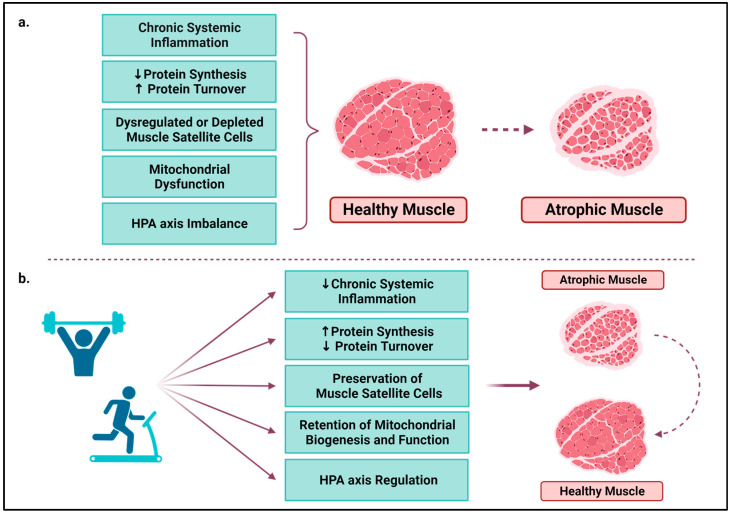
“Chronic systemic in fl ammation creates a favourable environment for the onset and progression of several types of cancer [100], while it also triggers the development of cancer-related sarcopenia, through the actions of pro-in fl ammatory cytokines [101]. cancer-related sarcopenia, which leads to…”
BackgroundChung, E., Lee, H. S., Cho, E., Park, E. J., Baik, S. H., Lee, K. Y., & Kang, J. (2019) · Clinical Nutrition · doi:10.1016/j.clnu.2019.03.014 · Cited by 58 · cited 1×
“…addition, when potential changes in skeletal muscle mass were investigated in patients receiving pre-operative chemoradiotherapy for rectal cancer [60], about 55% of them developed sarcopenia after the completion of chemoradiotherapy, while 25% of patients experienced severe muscle mass loss…”
BackgroundType-2 muscle fiber atrophy is associated with sarcopenia in elderly men with hip fracture
Tanganelli, F., Meinke, P., Hofmeister, F., Jarmusch, S., Baber, L., Mehaffey, S., Hintze, S., Ferrari, U., Neuerburg, C., Kammerlander, C., et al. (2021) · Experimental Gerontology · doi:10.1016/j.exger.2020.111171 · Cited by 58 · cited 1×
“As a result, the cross-sectional area (CSA) of skeletal muscle fibres decreases, especially in the type II fibres [29], while an intra-and inter-muscular infiltration of adipose tissue (myosteatosis) occurs.”
BackgroundJang, J., Park, S., Kim, Y., Jung, J., Lee, J., Chang, Y., Lee, S. P., Park, B., Wolfe, R. R., Choi, C. S., et al. (2021) · Nutrients · doi:10.3390/nu13051508 · Cited by 57 · cited 1×
“Particularly, various types of exercise, but especially resistance training [159,160], suppress the expression of myostatin, which subsequently downregulates the atrophy genes Murf-1 and atrogin-1 [161].”
BackgroundWilliams, A., Baruah, D., Patel, J. J., Szabó, A., Chhabra, S., Dhakal, B., Hari, P., Janz, S., Stolley, M. R., & D’Souza, A. (2020) · Bone Marrow Transplantation · doi:10.1038/s41409-020-01008-9 · Cited by 56 · cited 1×
“Interestingly, patients with sarcopenia, regardless of obesity status, had 12.5% more cardiac complications after autologous HCT [66].”
BackgroundInfluentialHart, N. H., Nimphius, S., Spiteri, T., Wilkie, J. C., & Newton, R. U. (2015) · Europe PMC (PubMed Central) · Cited by 55
Sarcopenia in aging, obesity, and cancer
Ligibel, J. A., Schmitz, K. H., & Berger, N. A. (2020) · Translational Cancer Research · doi:10.21037/tcr-2019-eaoc-05 · Cited by 53 · cited 3×
“This CSA divided by the square of the individual’s height represents the skeletal muscle index (SMI; cm 2 /m 2 ) [37,40].”
BackgroundMethodMavropalias, G., Sim, M., Taaffe, D. R., Galvao, D. A., Spry, N. A., Kraemer, W. J., Häkkinen, K., & Newton, R. U. (2022) · Journal of Cancer Research and Clinical Oncology · doi:10.1007/s00432-022-03927-0 · Cited by 53 · cited 1×
“Physical exercise has been proposed as the most effective non-pharmaceutic intervention for both the prevention and management of sarcopenia during the various stages of cancer progression [94,95].”
BackgroundGeorge, A. J., McLachlan, J., Tunariu, N., Pepa, C. D., Migali, C., Gore, M. E., Kaye, S. B., & Banerjee, S. N. (2017) · BMC Cancer · doi:10.1186/s12885-017-3440-0 · Cited by 49
Heart Failure–Induced Skeletal Muscle Wasting
Philippou, Α., Xanthis, D., Chryssanthopοulos, C., Maridaki, M. D., & Koutsilieris, M. (2020) · Current Heart Failure Reports · doi:10.1007/s11897-020-00468-w · Cited by 49 · cited 1×
“…levels of pro-inflammatory cytokines and micro-RNAs, and the overexpression of muscle atrophy genes mainly stimulate the ubiquitin– proteasome pathway (UPP) and the autophagy–lysosome system (ALS), activating several molecular pathways that ultimately lead to skeletal muscle atrophy [26–28].”
BackgroundSelf-citationShoji, F., Matsubara, T., Kozuma, Y., Haratake, N., Akamine, T., Takamori, S., Katsura, M., Toyokawa, G., Okamoto, T., & Maehara, Y. (2017) · Anticancer Research · doi:10.21873/anticanres.12168 · Cited by 47
Song, E. J., Lee, C. W., Jung, S., Kim, B. N., Lee, K. S., Lee, S., Kang, H., Park, I. H., Lee, M. H., Kim, Y. J., et al. (2018) · Breast Cancer Research and Treatment · doi:10.1007/s10549-018-4915-7 · Cited by 47 · cited 1×
“Interestingly, similar results concerning overall-and recurrence-free survival were also reported in even less advanced and in a lower risk type of cancers, such as a non-small-cell lung cancer [63,64] and breast cancer [16,65].”
ResultMøller, A. B., Lønbro, S., Farup, J., Voss, T. S., Rittig, N. F., Wang, J., Højris, I., Mikkelsen, U. R., & Jessen, N. (2019) · Journal of Cancer Research and Clinical Oncology · doi:10.1007/s00432-019-02911-5 · Cited by 47 · cited 1×
“It is of high importance that the aforementioned preclinical evidence was confirmed in a 10-week clinical trial in female cancer patients, who are subjected to a combined exercise training complementary to chemotherapy [122].”
BackgroundGheorghe, G. S., Hodorogea, A. S., Ciobanu, A., Nanea, I. T., & Gheorghe, A. C. D. (2021) · Current Oncology · doi:10.3390/curroncol28050289 · Cited by 47 · cited 1×
“Indeed, depending on the sex, age, and the mechanisms of action of hormonal therapy, patients may experience, among other symptoms, hot flashes, sexual dysfunction, depression, weight gain, bone density loss, and musculoskeletal symptoms [9–11].”
BackgroundNilsen, T. S., Thorsen, L., Fosså, S. D., Wiig, M., Kirkegaard, C., Skovlund, E., Benestad, H. B., & Raastad, T. (2016) · Scandinavian Journal of Medicine & Science in Sports · doi:10.1111/sms.12543 · Cited by 45 · cited 1×
“These findings, accompanied by previous studies [128,129], suggest that exercise interventions in oncology patients that only consist of resistance training had no impact on the amount of muscle satellite cells.”
ResultLoss of sparc in mouse skeletal muscle causes myofiber atrophy: SPARC Knockdown in Muscle
Nakamura, K., Nakano, S.-I., Miyoshi, T., Yamanouchi, K., & Nishihara, M. (2013) · Muscle & Nerve · doi:10.1002/mus.23822 · Cited by 44 · cited 1×
“For instance, myokines with tumour-suppressing features such as SPARC, Decorin, IL-6, and Irisin have been revealed that are also involved in the prevention of muscle atrophy and sarcopenia alleviation [177–180].”
BackgroundHuiskamp, L. F. J., Chargi, N., Devriese, L. A., May, A. M., Huitema, A. D. R., & de Bree, R. (2020) · Journal of Clinical Medicine · doi:10.3390/jcm9113780 · Cited by 44 · cited 1×
“Moreover, according to a recent meta-analysis, the reduced muscle mass is likely to lead to dose-limiting toxicities (DLT), i.e., the patients had to reduce or delay the drug dosage or even discontinue the specific treatment regimen [75].”
BackgroundMangano, G. D., Fouani, M., Damico, D. C. S., Felice, V. D., & Barone, R. (2022) · International Journal of Molecular Sciences · doi:10.3390/ijms23063004 · Cited by 44 · cited 2×
“This anti-inflammatory effect of exercise can be attributed to an acute inflammatory response of skeletal muscle, which in turn, leads to the production and secretion of anti-inflammatory factors [104].”
BackgroundGraça, F. A., Rai, M., Hunt, L. C., Stephan, A., Wang, Y., Gordon, B., Wang, R., Quarato, G., Xu, B., Fan, Y., et al. (2022) · Nature Communications · doi:10.1038/s41467-022-30120-1 · Cited by 44 · cited 2×
“The promising role of a new myokine, fibrinogen C domain containing 1 (FIBCD1), in maintaining muscle mass in patients with cancer was very recently identified [155].”
BackgroundMuscle alterations in the development and progression of cancer-induced muscle atrophy: a review
Rosa‐Caldwell, M. E., Fix, D. K., Washington, T. A., & Greene, N. P. (2019) · Journal of Applied Physiology · doi:10.1152/japplphysiol.00622.2019 · Cited by 43 · cited 1×
“…creates a favourable environment for the onset and progression of several types of cancer [100], while it also triggers the development of cancer-related sarcopenia, through the actions of pro-in fl ammatory cytokines [101]. cancer-related sarcopenia, which leads to increased protein turnover [111].”
BackgroundActivation of the SDF1/CXCR4 pathway retards muscle atrophy during cancer cachexia
Martinelli, G. B., Olivari, D., Cecconi, A. D. R., Talamini, L., Ottoboni, L., Lecker, S. H., Stretch, C., Baracos, V. E., Bathe, O. F., Resovi, A., et al. (2016) · Oncogene · doi:10.1038/onc.2016.153 · Cited by 41 · cited 2×
“In addition, low levels of SDF-1 were observed in atrophying muscles of different animal models for hepatoma, rectal, and colon cancer [174].”
BackgroundKim, E. Y., Jun, K., Kim, S. Y., & Chin, H. M. (2020) · Medicine · doi:10.1097/md.0000000000023363 · Cited by 40 · cited 1×
“In gastric cancer, which has one of the highest levels of sarcopenia incidence, SMI was shown to be a crucial predictor of overall survival for those patients who had undergone gastrectomy, while underweight patients with a BMI 18.5 kg/m 2 exhibited longer duration of hospitalisation [61].”
BackgroundInfluentialExercise Counteracts the Deleterious Effects of Cancer Cachexia
Tsitkanou, S., Murach, K. A., Washington, T. A., & Greene, N. P. (2022) · Cancers · doi:10.3390/cancers14102512 · Cited by 40 · cited 1×
“On the oncology setting, the sarcolemma is damaged due to the increased circulation of inflammatory-and tumour-derived factors [31,124,125].”
BackgroundPrevalence of Sarcopenia in Cancer Patients: Review and Future Directions
Morishita, S. (2016) · International Journal of Physical Medicine & Rehabilitation · doi:10.4172/2329-9096.1000342 · Cited by 39 · cited 1×
“…and strength, often combined with the increased deposition of fat mass (sarcopenic obesity), is one of the most common cancer-and treatment-related side effects that oncology patients experience and its incidence ranges from 14% to 79%, while it depends on the age, sex, and type of cancer [13].”
BackgroundSaeteaw, M., Sanguanboonyaphong, P., Yoodee, J., Craft, K., Sawangjit, R., Ngamphaiboon, N., Shantavasinkul, P. C., Subongkot, S., & Chaiyakunapruk, N. (2020) · BMJ Supportive & Palliative Care · doi:10.1136/bmjspcare-2020-002601 · Cited by 39 · cited 1×
“…syndrome characterised by systemic inflammation and involuntary weight loss, irrespectively of whether it is originated from the loss of skeletal muscle mass or adipose tissue, and it cannot be fully counterbalanced by conventional nutritional supplements or pharmacological interventions [24,25].”
BackgroundPhysical Exercise Restrains Cancer Progression through Muscle-Derived Factors
Papadopetraki, Α., Maridaki, M. D., Zagouri, F., Dimopoulos, M. A., Koutsilieris, M., & Philippou, Α. (2022) · Cancers · doi:10.3390/cancers14081892 · Cited by 39 · cited 1×
“The most prominent muscle-secreted bioactive molecules are the myokines, myomiRs, growth factors, chemokines, and exosomes, and muscle contraction enhances their production and secretion [151].”
BackgroundSelf-citationBaccam, A., Sviercovich, A., Rocchi, M., Moresi, V., Seelaender, M. C. L., Li, Z., Adamo, S., Xue, Z., & Coletti, D. (2019) · Frontiers in Physiology · doi:10.3389/fphys.2019.00401 · Cited by 37 · cited 1×
“Moreover, activin A (ActA), a member of the TGF-β superfamily encoded by INHBA gene, has also been recognised as a myokine which is produced and released from skeletal myocytes in response to muscle contraction [166,167].”
Backgroundde Lima, E. A., Teixeira, A. A. D. S., Biondo, L. A., Diniz, T. A., Silveira, L. S., Coletti, D., Busquets, S., & Neto, J. C. R. (2020) · Cancers · doi:10.3390/cancers12113466 · Cited by 36 · cited 3×
“Indeed, aerobic exercise has been shown to lower the levels of monocyte chemoa tt ractant protein-1 (MCP-1), IL-6, and TNF-a in murine models with breast, colon, or Lewis lung carcinoma, and to mitigate muscle atrophy manifestations [105–107].”
BackgroundDieli-Conwright, C. M., Sami, N., Norris, M. K., Wan, J., Kumagai, H., Kim, S.-J., & Cohen, P. (2021) · Scientific Reports · doi:10.1038/s41598-021-96419-z · Cited by 36 · cited 1×
“…are confirmed by human studies where different types of exercise resulted in enhanced citrate synthase activity [127] or the increased expression of a mitochondrial-derived peptide exerting exercise-mimetic activity, namely mitochondrial open reading frame of the 12S rRNA type-c (MOTS-c) [135].”
BackgroundSeaberg, B. L., Henslee, G., Wang, S., Paez-Colasante, X., Landreth, G. E., & Rimer, M. (2015) · Molecular and Cellular Biology · doi:10.1128/mcb.01071-14 · Cited by 35 · cited 1×
“Specifically, FIBCD1 seems to preserves muscle wasting via ERK signalling, which has a very well described role in the promotion of muscle cell hypertrophy and the maintenance of neuromuscular junctions [156].”
BackgroundMitochondrial Dysfunction and Sarcopenic Obesity: The Role of Exercise
Hadjispyrou, S., Giannopoulos, A., Philippou, Α., & Theos, A. (2023) · Journal of Clinical Medicine · doi:10.3390/jcm12175628 · Cited by 34 · cited 1×
“Thus, sarcopenic obese patients are characterised by the increased deposition of fat mass with the simultaneous loss of skeletal muscle mass and function [49,50].”
BackgroundSelf-citationExercise as a Moderator of Persistent Neuroendocrine Symptoms of COVID-19
Rebello, C. J., Axelrod, C. L., Reynolds, C. F., Greenway, F. L., & Kirwan, J. P. (2022) · Exercise and Sport Sciences Reviews · doi:10.1249/jes.0000000000000284 · Cited by 33 · cited 1×
“Studies performed on different clinical populations have demonstrated that exercise could regulate the HPA axis response and attenuate its hyperactivity [139,140].”
BackgroundExercise intensity and markers of inflammation during and after (neo-) adjuvant cancer treatment
Schauer, T., Mazzoni, A., Henriksson, A., Demmelmaier, I., Berntsen, S., Raastad, T., Nordin, K., Pedersen, B. K., & Christensen, J. F. (2021) · Endocrine Related Cancer · doi:10.1530/erc-20-0507 · Cited by 32 · cited 1×
“Moreover, it is noteworthy to mention that exercise intensity appears to have an important role in the regulation of cancer-related inflammation, as high-intensity exercise has been shown to lead to milder increases in C-reactive protein (CRP) and TNF-α in the plasma of breast cancer patients [110].”
BackgroundDelrieu, L., Martin, A., Touillaud, M. S., Pérol, O., Morelle, M., Febvey‐Combes, O., Freyssenet, D. G., Friedenreich, C. M., Dufresne, A., Bachelot, T., et al. (2021) · Breast Cancer Research and Treatment · doi:10.1007/s10549-021-06238-z · Cited by 32 · cited 2×
“In addition, several study results suggested that interventions employing resistance training are more effective in reversing sarcopenia [46,148,150].”
BackgroundResultExercise reduces intramuscular stress and counteracts muscle weakness in mice with breast cancer
Mader, T., Chaillou, T., Alves, E. S., Jude, B., Cheng, A. J., Kenne, E. M., Mijwel, S., Kurzejamska, E., Vincent, C. T., Rundqvist, H., et al. (2022) · Journal of Cachexia Sarcopenia and Muscle · doi:10.1002/jcsm.12944 · Cited by 31 · cited 2×
“Indeed, aerobic exercise has been shown to lower the levels of monocyte chemoa tt ractant protein-1 (MCP-1), IL-6, and TNF-a in murine models with breast, colon, or Lewis lung carcinoma, and to mitigate muscle atrophy manifestations [105–107].”
BackgroundJohal, J., Han, C. Y., Joseph, R., Munn, Z., Agbejule, O. A., Crawford-Williams, F. M., Wallen, M. P., Chan, R. J., & Hart, N. H. (2022) · Nutrients · doi:10.3390/nu14132642 · Cited by 31 · cited 1×
“Moreover, it is worth mentioning that superior effects are provoked by multimodal nutritional interventions, which combine the administration of various nutrients [36].”
BackgroundNew cancer cachexia staging system for use in clinical practice
Wiegert, E. V. M., de Oliveira, L. C., Calixto‐Lima, L., Chaves, G. V., Lopes, M. S. S., & Peres, W. A. F. (2021) · Nutrition · doi:10.1016/j.nut.2021.111271 · Cited by 29 · cited 1×
“Moreover, patients’ muscle strength values should be compared with age-and sex-specific normative values, or even with population-specific reference values if available, in order to identify the muscle weakness [44,45] (Table 3).”
BackgroundPuchert, M., Adams, V., Linke, A. H.-P., & Engele, J. (2016) · Cellular Signalling · doi:10.1016/j.cellsig.2016.05.019 · Cited by 27 · cited 1×
“Furthermore, stromal derived factor 1 (SDF1) is encoded by the CXCL12 gene and its expression by skeletal muscles as well as its release into circulation is induced by exercise training [171–173].”
BackgroundNardi, P. D., Giani, A., Maggi, G., & Braga, M. (2022) · World Journal of Gastrointestinal Oncology · doi:10.4251/wjgo.v14.i2.423 · Cited by 26 · cited 2×
“This CSA divided by the square of the individual’s height represents the skeletal muscle index (SMI; cm 2 /m 2 ) [37,40].”
BackgroundAndrioti, A., Papadopetraki, Α., Maridaki, M. D., & Philippou, Α. (2023) · Sports · doi:10.3390/sports11050102 · Cited by 26 · cited 1×
“…last decade, a growing body of evidence has established that exercise is a safe and effective complementary therapy during cancer treatment, which limits cancer-and treatment-related side effects, thus helping the gradual incorporation of exercise in the daily routine of oncology patients [87–91].”
BackgroundSelf-citationHardee, J. P., Fix, D. K., Koh, H., Wang, X., Goldsmith, E. C., & Carson, J. A. (2020) · Journal of Applied Physiology · doi:10.1152/japplphysiol.00908.2019 · Cited by 24 · cited 1×
“…response of skeletal muscle, which in turn, leads to the production and secretion of anti-in fl ammatory factors [104]. muscle regeneration and in cachectic mice with intestinal neoplasia by triggering the mTOR pathway and the catabolic activity of AMP-activated protein kinase (AMPK) [118,119].”
BackgroundYoun, S., Chen, A., Ha, V., Chambers, C. R., Eurich, D. T., McCall, M., & Sawyer, M. B. (2021) · Clinical Nutrition · doi:10.1016/j.clnu.2021.06.026 · Cited by 24 · cited 1×
“Thus, it has been proposed that drug doses should be calculated based on skeletal muscle mass, in order to limit the treatment-related toxicities [84–86].”
BackgroundShabani, R., & Izaddoust, F. (2018) · Acta Gymnica · doi:10.5507/ag.2018.007 · Cited by 22 · cited 1×
“Particularly, various types of exercise, but especially resistance training [159,160], suppress the expression of myostatin, which subsequently downregulates the atrophy genes Murf-1 and atrogin-1 [161].”
BackgroundHigh-Frequency Stimulation on Skeletal Muscle Maintenance in Female Cachectic Mice
Sato, S., Gao, S., Puppa, M., Kostek, M. C., Wilson, L. B., & Carson, J. A. (2019) · Medicine & Science in Sports & Exercise · doi:10.1249/mss.0000000000001991 · Cited by 22 · cited 1×
“…response of skeletal muscle, which in turn, leads to the production and secretion of anti-in fl ammatory factors [104]. muscle regeneration and in cachectic mice with intestinal neoplasia by triggering the mTOR pathway and the catabolic activity of AMP-activated protein kinase (AMPK) [118,119].”
BackgroundD’Lugos, A. C., Fry, C. S., Ormsby, J. C., Sweeney, K. R., Brightwell, C. R., Hale, T. M., Gonzales, R. J., Angadi, S. S., Carroll, C. C., & Dickinson, J. M. (2019) · Physiological Reports · doi:10.14814/phy2.14052 · Cited by 22 · cited 1×
“However, the regeneration process is compromised as satellite cells either become dysregulated and fail to proliferate and fuse properly due to the overexpression of the Pax7 gene [31], or are depleted due to the exposure to certain chemotherapeutic drugs such as doxorubicin [126].”
BackgroundVernerová, L., Horváthová, V., Kropáčková, T., Vokurková, M., Klein, M., Tomčík, M., Oreská, S., Špiritović, M., Štorkánová, H., Heřmánková, B., et al. (2020) · Rheumatology · doi:10.1093/rheumatology/kez651 · Cited by 20 · cited 1×
“Particularly, various types of exercise, but especially resistance training [159,160], suppress the expression of myostatin, which subsequently downregulates the atrophy genes Murf-1 and atrogin-1 [161].”
BackgroundIs Unsupervised Exercise Following Breast Cancer Safe for All Women?
S, S. K. H. (2014) · International Journal of Physical Medicine & Rehabilitation · doi:10.4172/2329-9096.1000197 · Cited by 19 · cited 1×
“…programs and that generally exercise under supervision is more beneficial for the health of cancer patients compared to the home-based unsupervised exercise training [87,149], they should be referred to supervised exercise in order to ensure that patients receive the maximum health benefits.”
BackgroundYamada, M., Hokazono, C., Tokizawa, K., Marui, S., Iwata, M., Lira, V., Suzuki, K., Miura, S., Nagashima, K., & Okutsu, M. (2019) · American Journal of Physiology. Regulatory Integrative and Comparative Physiology · doi:10.1152/ajpregu.00155.2019 · Cited by 19 · cited 1×
“Furthermore, stromal derived factor 1 (SDF1) is encoded by the CXCL12 gene and its expression by skeletal muscles as well as its release into circulation is induced by exercise training [171–173].”
BackgroundMaridaki, M. D., Papadopetraki, Α., Karagianni, Η., Koutsilieris, M., & Philippou, Α. (2020) · Sports · doi:10.3390/sports8030032 · Cited by 19
Self-citationExosomal microRNAs in cancer-related sarcopenia: Tumor-derived exosomal microRNAs in muscle atrophy
Li, C., Wu, Q., Li, Z., Wang, Z., Tu, Y., Chen, C., Sun, S., & Sun, S. (2021) · Experimental Biology and Medicine · doi:10.1177/1535370221990322 · Cited by 17
Takeda, T., Sasaki, T., Okamoto, T., Ishitsuka, T., Yamada, M., Nakagawa, H., Mie, T., Furukawa, T., Kasuga, A., Matsuyama, M., et al. (2023) · Pancreatology · doi:10.1016/j.pan.2023.02.002 · Cited by 15
Prognostic significance of osteosarcopenia in older adults with colorectal cancer
Takano, Y., Kodera, K., Tsukihara, S., Takahashi, S., Kobayashi, Y., Koyama, M., Kanno, H., Ishiyama, S., Saito, R., Hanyu, N., et al. (2023) · Annals of Gastroenterological Surgery · doi:10.1002/ags3.12663 · Cited by 14 · cited 1×
“Furthermore, sarcopenic or sarcopenic obese cancer patients sometimes experience decreased bone mineral density, a syndrome defined as osteosarcopenia, which has also been linked with impaired physical functioning and poor prognosis in oncology patients, especially in older adults [181–183].”
BackgroundYeh, K., Ling, H. H., Ng, S., Wang, C., Chang, P., Chou, W., Chen, F., & Lin, Y. (2021) · Diagnostics · doi:10.3390/diagnostics11020309 · Cited by 11 · cited 1×
“In a recent study [59], the prognostic value of pre-treatment ASMI was examined in patients with advanced head and neck squamous cell carcinoma, who were under neoadjuvant or adjuvant chemoradiotherapy.”
BackgroundChristensen, J. F., Schjerling, P., Andersen, J. L., Daugaard, G., Rørth, M. R., & Mackey, A. L. (2016) · Acta Oncologica · doi:10.3109/0284186x.2016.1170200 · Cited by 10 · cited 1×
“These findings, accompanied by previous studies [128,129], suggest that exercise interventions in oncology patients that only consist of resistance training had no impact on the amount of muscle satellite cells.”
ResultJain, R., Yee, J.-L., Shaikh, T., Au, C., Handorf, E. A., Meyer, J. E., & Dotan, E. (2019) · Journal of Geriatric Oncology · doi:10.1016/j.jgo.2019.06.014 · Cited by 6 · cited 1×
“Nevertheless, there is sufficient indirect evidence supporting that older sarcopenic patients may experience more severe toxicities due to their comorbidities and the expected overall decline in the function of their physiological systems [80–83].”
BackgroundSepúlveda‐Loyola, W., Morselli, J. D. B., Araya‐Quintanilla, F., Teixeira, D. D. C., Álvarez‐Bustos, A., Molari, M., Valenzuela‐Fuenzalida, J. J., & Probst, V. S. (2023) · Nutrición clínica y dietética hospitalaria/Nutrición clínica, dietética hospitalaria · doi:10.12873/434sepulveda · Cited by 5
Evans, E. S., Little, J. P., McNeill, K. T., Poole, C., & Bailey, S. P. (2019) · The FASEB Journal · doi:10.1096/fasebj.2019.33.1_supplement.534.3 · Cited by 4 · cited 1×
“In fact, different types of aerobic exercise were shown to change the HPA axis-related markers in breast cancer survivors, such as cortisol or ACTH, in a similar manner to the alterations exhibited by healthy matched controls [141,142].”
Result
Research works printed but not linked: 1
- Philippou A. Papadopetraki A. Maridaki M. Koutsilieris M. Εxercise as Complementary Therapy for Cancer Patients during and after Treatment Sports Medicine 2020 Volume 1 Chapter 1 1 24 Available online: https://openaccessebooks.com/sports-medicine/exercise-as-complementary-therapy-for-cancer-patients-during-and-after-treatment.pdf (accessed on 16 October 2023)
Cited by
Izquierdo, M., de Souto Barreto, P., Arai, H., Bischoff-Ferrari, H. A., Cadore, E. L., Cesari, M., Chen, L.-K., Coen, P. M., Courneya, K. S., Duque, G., et al. (2025) · The Journal of nutrition, health and aging · doi:10.1016/j.jnha.2024.100401 · Cited by 273
Age-related and cancer-related sarcopenia: is there a difference?
Bozzetti, F. (2024) · Current Opinion in Clinical Nutrition & Metabolic Care · doi:10.1097/mco.0000000000001033 · Cited by 34
“Nowadays there are at least three ongoing phase II and III randomized clinical trials on multimodal therapy, also including anti-inflammatory or orexigenic drugs, in weight-losing”
Feng, Y., Wang, L., Guo, F., Zhu, F., Shi, J., Wang, Y., Zhang, Y., Chen, X., & Zhang, L. (2024) · Heliyon · doi:10.1016/j.heliyon.2024.e27282 · Cited by 16
“Sarcopenia, characterised by excessive muscle wasting and loss of muscle strength due to disrupted muscle homeostasis, is a common adverse outcome of both cancer and its therapeutic interventions [15].”
BackgroundHaruna, K., Minami, S., Miyoshi, N., Fujino, S., MIZUMOTO, R., Toyoda, Y., Hayashi, R., Kato, S., Takeda, M., Sekido, Y., et al. (2024) · Cancers · doi:10.3390/cancers16193429 · Cited by 12
“The detection and diagnosis of sarcopenic obesity is a complicated procedure for which there are not sufficient tools and cutoff criteria, especially in oncology patients [12].”
BackgroundKopuz, T. N. Y., Yıldız, H. F., Er, S., & Fisunoğlu, M. (2025) · Nutrition and Cancer · doi:10.1080/01635581.2025.2450843 · Cited by 8
“Additionally, increased fat mass may elevate the inflammatory response and increase the complication risk (44–47).”
Metadata
- Authors
- Papadopetraki, A., Giannopoulos, A., Maridaki, M., Zagouri, F., Droufakou, S., Koutsilieris, M., & Philippou, A.
- Affiliations
- Department of Physiology, Medical School, National and Kapodistrian University of Athens, 115 27 Athens, Greece
- Loughborough University (GB)
- National and Kapodistrian University of Athens (GR)
- IASO General Hospital (GR)
- ORCID
- Venue
- Cancers
- Publisher
- MDPI AG
- Published
- 2023-12-15
- Volume
- 15
- Issue
- 24
- Pages
- 5856
- ISSN
- 2072-6694 (ISSN-L)
- PMC
- PMC10741686
- OpenAlex
- W4389818999
- Cited by
- 34
- References
- 185
- Citations by year
- 2026: 12 · 2025: 17 · 2024: 5
- FWCI
- 1.21
- Type
- journal article
- Language
- en
- Open access
- gold
- doi.org
- Licence
- Locations
- Cancers (publishedVersion, cc-by)
- PubMed Central (publishedVersion, cc-by)
- PubMed (publishedVersion)
- DiVA at Umeå University (Umeå University) (submittedVersion, other-oa)
- Topics
- Health Sciences › Medicine › Physiology (medical) › Nutrition and Health in Aging
- Life Sciences › Biochemistry, Genetics and Molecular Biology › Molecular Biology › Muscle Physiology and Disorders
- Health Sciences › Nursing › Nutrition and Dietetics › Muscle metabolism and nutrition
- Keywords
- sarcopenic obesity, physical activity, muscle atrophy, muscle mass preservation, myokines, protein synthesis, mitochondrial function, inflammation, hypothalamic-pituitary-adrenal axis, quality of life, cancer patients, complementary therapy
About these checks
Registry, retraction, Cites and statistics results are computed, not judged, with one exception: a printed reference that no index lists is read once by a model before it counts as a citation error. Claims are extracted by a model and kept only when their quote appears verbatim in the text; each cited source is then checked, with a model’s help, for whether it says what the claim relies on. Those verdicts can be wrong — read the claim’s quote and the cited source before relying on one.
Statistics and arithmetic are recomputed, not judged.
Confidence bands are shown only for fields calibrated on our annotated test set. None is calibrated yet, so no band is shown.
What counts as a claim ›How we measure confidence ›How we check this ›
Are you an author, or do you see a problem with this page? Request a review
Data sources
Bibliographic data: Semantic Scholar, OpenAlex, Crossref.
Contains information from the Semantic Scholar Academic Graph Datasets, made available under the ODC Attribution License (ODC-BY 1.0).
Semantic Scholar’s data is described in: Kinney, R., et al. (2023). The Semantic Scholar Open Data Platform. arXiv:2301.10140.
