

Algal Proteins: Extraction, Application, and Challenges Concerning Production
Open accessThe DOI matches its Crossref record; 253 of the 254 references it cites were found in a registry or an index.
Abstract
Population growth combined with increasingly limited resources of arable land and fresh water has resulted in a need for alternative protein sources. Macroalgae (seaweed) and microalgae are examples of under-exploited “crops”. Algae do not compete with traditional food crops for space and resources. This review details the characteristics of commonly consumed algae, as well as their potential for use as a protein source based on their protein quality, amino acid composition, and digestibility. Protein extraction methods applied to algae to date, including enzymatic hydrolysis, physical processes, and chemical extraction and novel methods such as ultrasound-assisted extraction, pulsed electric field, and microwave-assisted extraction are discussed. Moreover, existing protein enrichment methods used in the dairy industry and the potential of these methods to generate high value ingredients from algae, such as bioactive peptides and functional ingredients are discussed. Applications of algae in human nutrition, animal feed, and aquaculture are examined.
Overview
The claims and statistics of this paper haven’t been checked yet.
Free: it reads the open-access text and checks the first 5 claims that cite a source we can check. Create a free account to check every claim.
Integrity signals
Registry
Cites
Statistics
Figures
Verification
Claims the paper makes
The claims and statistics of this paper haven’t been checked yet.
Free: it reads the open-access text and checks the first 5 claims that cite a source we can check. Create a free account to check every claim.
Claims other papers make about this one
Each is checked against this paper’s own text: does it say what the citing paper says it does?
The source backs part of the claim, not all of it — or backs it for a different population, condition or comparison.
In the citing paper
“Their protein content accounts for more than 60% of the dry mass [20].”
From Application of Arthrospira platensis for Medicinal Purposes and the Food Industry: A Review of the Literature (2023) · cites this paper as [20]
Experimental — accuracy not yet measuredThe source backs part of the claim, not all of it — or backs it for a different population, condition or comparison.
In the citing paper
“In addition to being used as a coloring agent in the food industry, spirulina has a wide range of uses in the areas of human nutrition, animal feed, and fish feed [11,12,13].”
From Trends and Technological Advancements in the Possible Food Applications of Spirulina and Their Health Benefits: A Review. (2022) · cites this paper as [12]
Experimental — accuracy not yet measuredThe source backs part of the claim, not all of it — or backs it for a different population, condition or comparison.
In the citing paper
“Although it is estimated that between 200,000 and 800,000 microalgal species exist globally, only around 30,000 have been identified and studied to some extent, with just a small fraction evaluated for their health-related potential [3,111].”
From Navigating the potential of algal peptides: health effects, market applications, and scientific challenges (2026) · cites this paper as [3]
Experimental — accuracy not yet measuredThe source backs part of the claim, not all of it — or backs it for a different population, condition or comparison.
In the citing paper
“Releasing these proteins requires physical or chemical disruption techniques, and even then, only a limited portion of the total protein content is typically recovered [3].”
From Navigating the potential of algal peptides: health effects, market applications, and scientific challenges (2026) · cites this paper as [3]
Experimental — accuracy not yet measuredIn the citing paper
“Microalgae produce 2.5–7.5 tons/Ha/year of proteins [186]”
From The promising future of microalgae: Current status, challenges, and optimization of a sustainable and renewable industry for biofuels, feed, and other products (2018) · cites this paper as [186]
Self-check
Percentages, sums and reported differences re-computed from the paper’s own numbers.
The self-check needs the paper’s full text.
Citations
Cites
Food Security: The Challenge of Feeding 9 Billion People
Godfray, H. C. J., Beddington, J. R., Crute, I. R., Haddad, L., Lawrence, D., Muir, J. F., Pretty, J., Robinson, S., Thomas, S. M., & Toulmin, C. (2010) · Science · doi:10.1126/science.1185383 · Cited by 11,943
Global food demand and the sustainable intensification of agriculture
Tilman, D., Balzer, C., Hill, J., & Befort, B. L. (2011) · Proceedings of the National Academy of Sciences · doi:10.1073/pnas.1116437108 · Cited by 7,692 · cited 1×
“Previously utilised methods of intensifying agriculture will soon no longer be an option due to the high impact trade-offs they have on the environment, including fragmenting natural habitats and threatening biodiversity, production of greenhouse gases from land clearing, fertilisers and animal livestock production, a…”
A standardised static in vitro digestion method suitable for food – an international consensus
Minekus, M., Alminger, M., Alvito, P., Ballance, S., Bohn, T., Bourlieu, C., Carrière, F., Boutrou, R., Corredig, M., Dupont, D., et al. (2014) · Food Funct. · doi:10.1039/c3fo60702j · Cited by 5,824 · cited 1×
“INFOGEST is a static in vitro digestion model which aims to harmonise the methods used to assess digestibility, allowing for better comparisons between studies [60,61].”
Brennan, L., & Owende, P. (2010) · Renewable and Sustainable Energy Reviews · doi:10.1016/j.rser.2009.10.009 · Cited by 4,894 · cited 1×
“Several of these species are currently exploited for a variety of biotechnological purposes, including cosmeceuticals, animal feed, fatty acids, alginates, wastewater treatment, and biofuel [9,25,26].”
Commercial Applications of Microalgae
Spolaore, P., Joannis-Cassan, C., Duran, E., & Isambert, A. (2006) · Journal of Bioscience and Bioengineering · doi:10.1263/jbb.101.87 · Cited by 4,285 · cited 6×
“Alternatively, the Earthrise Company has the largest Spirulina production plant, which is located in California, USA, and covers 440,000 m 2 [121].”
InfluentialApplications of ultrasound in food technology: Processing, preservation and extraction
Chemat, F., Zill-e-Huma, & Khan, M. K. (2011) · Ultrasonics Sonochemistry · doi:10.1016/j.ultsonch.2010.11.023 · Cited by 2,533 · cited 5×
“MAE has attracted attention for extraction of compounds due low energy efficiency, although its use in algae may be limited by impaired function with dried samples [81].”
InfluentialMicro-algae as a source of protein
Becker, E. W. (2007) · Biotechnology Advances · doi:10.1016/j.biotechadv.2006.11.002 · Cited by 2,311 · cited 6×
“Treatments to disrupt the cellulosic cell wall could help to overcome this issue to make algal proteins and other cell components more accessible [28].”
InfluentialBioactive compounds in seaweed: functional food applications and legislation
Holdt, S. L., & Kraan, S. (2011) · Journal of Applied Phycology · doi:10.1007/s10811-010-9632-5 · Cited by 2,135 · cited 4×
“For example, P. tenera (nori) is commonly used as a sushi wrap in several Asian cultures [22].”
InfluentialValuable Products from Biotechnology of Microalgae
Pulz, O., & Gross, W. (2004) · Applied Microbiology and Biotechnology · doi:10.1007/s00253-004-1647-x · Cited by 2,132 · cited 5×
“This has led to the evolution of natural protective systems, such as the production of pigments (e.g., carotenes, chlorophylls, and phycobiliproteins) and polyphenols (e.g., catechins, flavonols, and phlorotannins), which can impart health benefits to the consumer when eaten [9,10].”
InfluentialAn outlook on microalgal biofuels
Wijffels, R. H., & Barbosa, M. J. (2010) · Science · doi:10.1126/science.1189003 · Cited by 1,886 · cited 1×
“Current processes of algal protein isolation are time-consuming and economically unviable [11].”
Research works printed but not linked: 9
- Janczyk P. Wolf C. Souffrant W.B. Evaluation of nutritional value and safety of the green microalgae Chlorella vulgaris treated with novel processing methods Arch Zootech 2005 8 132 147
- Qu W. Ma H. Wang T. Zheng H. Alternating two-frequency countercurrent ultrasonic-assisted extraction of protein and polysaccharide from Porphyra yezoensis Trans. Chin. Soc. Agric. Eng. 2013 29 285 292
- Mariey Y. Samak H. Abou-Khashba H. Sayed M. Abou-Zeid A. Effect of using Spirulina platensis algae as a feed additives for poultry diets: 2 productive performance of broiler Egypt. Poult. Sci. 2014 34 245 258
- Mariey Y. Samak H. Ibrahem M. Effect of using Spirulina platensis algae as a feed additive for poultry diets. 1. Productive and reproductive performances of local laying hens Egypt. Poult. Sci. 2012 32 201 215
- Kulpys J. Paulauskas E. Pilipavicius V. Stankevicius R. Influence of cyanobacteria arthrospira (Spirulina) platensis biomass additive towards the body condition of lactation cows and biochemical milk indexes Agron. Res 2009 7 823 835
- Šimkus A. Oberauskas V. Laugalis J. Želvytė R. Monkevičienė I. Sederevičius A. Šimkienė A. Pauliukas K. The effect of weed Spirulina platensis on the milk production in cows Vet. Zootech. 2007 38 74 77
- Bezerra L. Silva A. Azevedo S. Mendes R. Mangueira J. Gomes A. Performance of santa inês lambs submitted to the use of artificial milk enriched with Spirulina Platensis Ciênc. Anim. Bras. 2010 11 258 263
- Werner A. Kraan S. Review of the Potential Mechanisation of Kelp Harvesting in Ireland Marine Institute Dublin, Ireland 2004 52
- Werner A. Clarke D. Kraan S. Strategic Review and the Feasibility of Seaweed Aquaculture in Ireland Irish Seaweed Centre, Martin Ryan Institute, National University of Ireland Galway, Ireland 2004 120
Cited by
Items 501–600 of 1,001
Analytical Protocols in Phycobiliproteins Analysis
Nikolic, M. R., Minic, S. L., Mačvanin, M., Stanić-Vučinić, D., & Veličković, T. Ć. (2020) · Springer eBooks · doi:10.1007/978-3-030-50971-2_8 · Cited by 20
Antiinflammatory natural products from marine algae
Mahmoud, A. M., Bin-Jumah, M. N., & Abukhalil, M. H. (2021) · Elsevier eBooks · doi:10.1016/b978-0-12-819218-4.00012-2 · Cited by 18
Mosqueira, M., Pombo, A. M., Borges, C., Brito, A. C., Zacarias, N., Esteves, R., & Palma, C. (2022) · Applied Sciences · doi:10.3390/app12052742 · Cited by 15
Feasibility of waste-free use of microalgae in aquaculture
Akmukhanova, N. R., Sadvakasova, A. K., Torekhanova, M. M., Bauenova, M. O., Zayadan, B. K., Shalgimbayeva, S., Bolatkhan, K., Alwasel, S. H., Leong, Y. K., Chang, J., et al. (2022) · Journal of Applied Phycology · doi:10.1007/s10811-022-02787-y · Cited by 15
“In addition, microalgae accumulate different metabolites of potential biotechnological application (Bleakley and Hayes 2017).”
BackgroundCheng, A., Lim, W. Y., Lim, P., Affendi, Y. A., Poong, S., Song, S., & Ilham, Z. (2022) · Biology · doi:10.3390/biology11081209 · Cited by 19
Microalgae biotechnology: Emerging biomedical applications
Yaacob, N. S., Abdullah, H., Ahmad, M. F., Maniyam, M. N., & Sjahrir, F. (2022) · Elsevier eBooks · doi:10.1016/b978-0-323-90476-6.00017-0 · Cited by 22
SUSTAINABLE ALTERNATIVE FEED FOR AQUACULTURE: STATE OF THE ART AND FUTURE PERSPECTIVE
Terengganu, U. M., SHAHIN, S., Okomoda, V. T., Terengganu, U. M., Ma, H., Ikhwanuddin, M., & Terengganu, U. M. (2023) · PLANETARY SUSTAINABILITY · doi:10.46754/ps.2023.07.005 · Cited by 18
Therapeutic potential and roles of dietary seaweeds in food: A systematic review
Fasogbon, B. M., Ademuyiwa, O. H., & Ogundipe, O. O. (2024) · World Development Sustainability · doi:10.1016/j.wds.2024.100141 · Cited by 18
Landeta-Salgado, C., Munizaga, J., González-Troncoso, M. P., Daza-Sanchez, A., Martínez, I., & Lienqueo, M. E. (2025) · Molecules · doi:10.3390/molecules30010165 · Cited by 14
“Although animal proteins are considered complete owing to their high EAA levels, their consumption should be moderated because of associations with cardiovascular diseases and diabetes [15,42].”
InfluentialPuljić, L., Banožić, M., Kajić, N., Vasilj, V., Habschied, K. J., & Mastanjević, K. M. (2025) · Processes · doi:10.3390/pr13010108 · Cited by 15
Algae Protein Creates Sustainable Alternatives for Various Food Matrices: From Function to Nutrition
Wu, S., Menut, P., Miao, S., & Turchiuli, C. (2025) · Comprehensive Reviews in Food Science and Food Safety · doi:10.1111/1541-4337.70264 · Cited by 15
“These new techniques improve the yield and quality of bioactive peptides, which have applications in human nutrition, animal feed, and aquaculture (Bleakley and Hayes 2017).”
Algae to Biofuels: Catalytic Strategies and Sustainable Technologies for Green Energy Conversion
Kumar, S., Kim, G., & Song, H. (2025) · Catalysts · doi:10.3390/catal15090806 · Cited by 15
“Algal proteins are popular as nutraceuticals, aquaculture, and animal feed products due to their essential amino acid profile [146].”
Pérez-Vega, S. B. (2022) · Sustainable Production and Consumption · doi:10.1016/j.spc.2022.08.022 · Cited by 15
Echers, S. G., Abdul-Khalek, N., Mikkelsen, R. K., Holdt, S. L., Jacobsen, C., Hansen, E. B., Olsen, T. H., Sejberg, J. J. P., & Overgaard, M. T. (2022) · Future Foods · doi:10.1016/j.fufo.2022.100189 · Cited by 16
Magpusao, J., Oey, I., & Kebede, B. (2022) · Algal Research · doi:10.1016/j.algal.2022.102867 · Cited by 17
Unis, R., Chemodanov, A., Gnayem, N., Gnaim, R., Israel, A. A., Palatnik, R. R., Zilberman, D., Gnaïm, J., & Golberg, A. (2023) · Journal of Applied Phycology · doi:10.1007/s10811-023-02958-5 · Cited by 14
“Protein is an essential nutrient for human health; however, currently there is a lack of access to protein-rich food (Bleakley and Hayes 2017).”
BackgroundAlgal Systems for Resource Recovery from Waste and Wastewater
Lens, P. N. L., Khandelwal, A., Khandelwal, A., Lens, P. N. L., Pessi, B. A., Ariza, A. R., López-Vázquez, C. M., Steen, P., Lens, P. N. L., Lawrence, J., et al. (2023) · IWA Publishing eBooks · doi:10.2166/9781789063547 · Cited by 22
Kim, M., Cho, J. M., Kim, H. S., Lee, H., Oh, H., & Chang, Y. K. (2020) · Energy Conversion and Management · doi:10.1016/j.enconman.2020.112769 · Cited by 14
Circular bioeconomy approaches for sustainability and carbon mitigation in microalgal biorefinery
Nagarajan, D., Lee, D., & Chang, J. (2022) · Elsevier eBooks · doi:10.1016/b978-0-323-89855-3.00009-1 · Cited by 15
3D Food Printing Technology at Home, Domestic Application
Rubio, E., & Hurtado, S. (2019) · Elsevier eBooks · doi:10.1016/b978-0-12-814564-7.00010-9 · Cited by 17
Hegazi, N., Khattab, A. R., Saad, H. H., Abib, B., & Farag, M. A. (2024) · Scientific Reports · doi:10.1038/s41598-024-53219-5 · Cited by 13
“Some species are of economic and industrial importance and could be regarded as “green gold” being a source of bioactive compounds for the production of food, feed, cosmetics, and biofuel 5 .”
BackgroundAlgae Biomass: Importance, Harvesting Techniques, Extraction Methods, and Associated Challenges
Gautam, R., Patial, S. K., & Singh, S. (2024) · Value Added Products From Bioalgae Based Biorefineries: Opportunities and Challenges · doi:10.1007/978-981-97-1662-3_4 · Cited by 13
Zych, M., Burczyk, J., Borymska, W., & Kaczmarczyk‐Sedlak, I. (2022) · Algal Research · doi:10.1016/j.algal.2021.102598 · Cited by 13
Separation methods for food protein purification and analysis
Wijethunga, A. M., & Emenike, C. U. (2024) · Exploration of Foods and Foodomics · doi:10.37349/eff.2024.00043 · Cited by 13
DINALLI, V. P., Costa, M., Venâncio, E. J., Filho, J. A. B., Bessegatto, J. A., Holkem, A. T., Alfieri, A. A., da Silva, C. A., & Oba, A. (2025) · PLoS ONE · doi:10.1371/journal.pone.0313736 · Cited by 13
Immunomodulatory functions of algal bioactive compounds
Jia, N., Zhang, S., Chen, R., He, X., Dai, C., El-Seedi, H. R., Chen, W., & Zhao, C. (2025) · Critical Reviews in Food Science and Nutrition · doi:10.1080/10408398.2025.2460634 · Cited by 18
“The significant rise in the number of spleen cells points to the possible involvement of these hydrolysates in modulating cytokine production in immune cells (Bleakley and Hayes 2017).”
Ferreira, H. S., Mouga, T., Lourenço, S. A., Matias, M. H., Freitas, M. V., & Afonso, C. (2025) · Applied Sciences · doi:10.3390/app15105745 · Cited by 14
“Therefore, advances in extraction technologies such as enzymatic hydrolysis or fermentation are essential to enhance protein recovery and functionality [58].”
Sustainable utilization of corn waste and their role toward the circular economy
Maqsood, S., Navaf, M., Kumar, P., Yücetepe, A., Thuy, N. N. T., Özkan, G., Moreno, A., Çapanoğlu, E., Khalid, W., & Esatbeyoglu, T. (2025) · Journal of Agriculture and Food Research · doi:10.1016/j.jafr.2025.102165 · Cited by 33
Marine fungal enzymes as potential degraders of the diverse seaweed cell-walls
Doval, R. L., Timmermans, K. R., & de Vries, R. P. (2025) · Biotechnology Advances · doi:10.1016/j.biotechadv.2025.108653 · Cited by 13
Opportunities and Challenges of Algal Protein Extraction and Production
Magpusao, J., Oey, I., & Kebede, B. (2020) · Elsevier eBooks · doi:10.1016/b978-0-08-100596-5.23026-6 · Cited by 13
Unraveling the diversity of algae and its biomacromolecules
Selvaraju, K., Vishwakarma, R., & Malik, A. (2020) · Elsevier eBooks · doi:10.1016/b978-0-12-820084-1.00008-9 · Cited by 13
Vasconcelos, M. A. D. S., Marson, G. V., Rioux, L., Tamigneaux, É., Turgeon, S. L., & Beaulieu, L. (2023) · Marine Drugs · doi:10.3390/md21020102 · Cited by 13
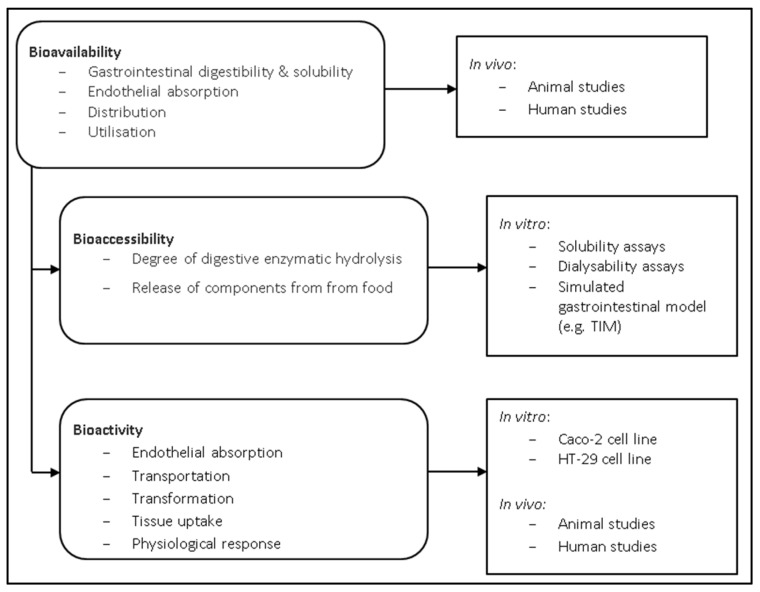
“Bioaccessibility is the fraction of a compound released from its matrix in the gastrointestinal tract available for intestinal absorption [14]; bioactivity refers to the assimilation of the compound across intestinal cells, and the physiological response created due to its incorporation with the target site [13].”
BackgroundEl-Deeb, M., Abdel-Gawad, M., Abdel-Hafez, M. A. M., Saba, F. E., & Ibrahim, E. M. M. (2022) · Acta Scientiarum Animal Sciences · doi:10.4025/actascianimsci.v44i1.57546 · Cited by 19
Maggiolino, A., Centoducati, G., Casalino, E., Elia, G., Latronico, T., Liuzzi, M. G., Macchia, L., Dahl, G. E., Ventriglia, G., Zizzo, N., et al. (2023) · Journal of Dairy Science · doi:10.3168/jds.2022-22656 · Cited by 15
Şensu, E., Ayar, E. N., Okudan, E. Ş., Özçelik, B., & Yücetepe, A. (2023) · ACS Omega · doi:10.1021/acsomega.3c05041 · Cited by 13
Membrane‐assisted biorefinery of microalgae to obtain enriched fractions of bioderived molecules
Djamai, W., Mazzei, R., Bazzarelli, F., Dahmani, B., & Giorno, L. (2019) · Biofuels Bioproducts and Biorefining · doi:10.1002/bbb.2006 · Cited by 15
“The concentration values of different compounds obtained (here indicated as CA, CB etc.) were used to evaluate the purity from Eqn (6): purity C C C A A B 100 (6) The recovery factor (RF) was calculated from Eqn (7) considering the mass (mg) of the biomolecule A in the permeate (AP) respect to the initial mass of the…”
MethodInfluentialCarneiro, D. D. C., Oliveira, M. M., & Lima, S. T. D. C. (2019) · Chemical Papers · doi:10.1007/s11696-019-00807-9 · Cited by 14
Techno-economic assessment of a Synechocystis based biorefinery through process optimization
da Silva, A. F., Brazinha, C., Costa, L., & Caetano, N. S. (2019) · Energy Reports · doi:10.1016/j.egyr.2019.09.016 · Cited by 14
“These conversions occur in this last step of the biorefinery [10,11].”
BackgroundSagues, W. J., de Assis, C. A., Hah, P., Sanchez, D. L., Johnson, Z. I., Acharya, M., Jameel, H., & Park, S. (2019) · Bioresource Technology · doi:10.1016/j.biortech.2019.122493 · Cited by 14
Bioactive Peptides from Microalgae and Cyanobacteria and Their Possible Mechanisms of Action
Chitthan, S. V., Rasheed, A. S., Muniyandi, M., Dhanasekaran, D., & Thajuddin, N. (2025) · International Journal of Peptide Research and Therapeutics · doi:10.1007/s10989-025-10746-7 · Cited by 12
“For soft-walled species like Spirulina , mechanical methods alone may suffice, while hard walled species like Chlorella often require chemical or enzymatic disruption to ensure adequate protein yield (Safi et al. 2013; Ursu et al. 2014; Bleakley and Hayes 2017).”
Li, X., Tao, Q., Hu, Q., Ma, N., & Ma, G. (2024) · Food & Function · doi:10.1039/d4fo02604g · Cited by 12
Zhang, B., Peng, Y., Rawiwan, P., Wheeler, T., Fitzgerald, J., Huffman, L. M., & Quek, S. Y. (2024) · Future Foods · doi:10.1016/j.fufo.2024.100501 · Cited by 12
Vinagre, F., Alegria, M. J., Ferreira, A. S., Nunes, C., Nunes, M. C., & Raymundo, A. (2025) · Gels · doi:10.3390/gels11040290 · Cited by 12
“Among them, Chondrus crispus (Irish moss) is notable for its kappa-carrageenan content, a compound widely valued for its gelling and thickening properties in food products such as dairy alternatives and sauces [5].”
Recent advances and future directions on GLA-producing organisms
Latifi, M., Bidgoli, F. J., Hajihassani, H., Hassani, D., Ingvarsson, P. K., & Farrokhi, N. (2025) · Frontiers in Bioengineering and Biotechnology · doi:10.3389/fbioe.2025.1567840 · Cited by 12
“Additionally, seasonality and geographical location can limit algae availability and output, while the lack of regulation for algae as dietary supplements poses further challenges (Bleakley and Hayes, 2017).”
Microalgal proteins for a circular bioeconomy: Nutritional, material, and chemical valorization
Hu, L., Zhou, Y., Gong, Y. J., Luo, Y., Liu, X., & Jiang, Z. (2025) · Bioresource Technology · doi:10.1016/j.biortech.2025.133049 · Cited by 12
Habeeb, F., Majid, D., Makroo, H. A., Castagnini, J. M., Barba, F. J., & Dar, B. N. (2025) · Food Chemistry · doi:10.1016/j.foodchem.2025.145854 · Cited by 14
Seaweed-type-based protein extraction: A comparative review of green, red, and brown algae
Roa, M. E. P., Gonzaga, L. J., Lavecchia, R., & Zuorro, A. (2025) · Algal Research · doi:10.1016/j.algal.2025.104221 · Cited by 12
Development, Production and Market Value of Microalgae Products
Gajar, A., cui, H., ji, C., Kubar, S., & Li, R. (2019) · Applied Microbiology open access · Cited by 14
Kumar, A., Ponmani, S., Sharma, G. K., Sangavi, P., Chaturvedi, A. K., Singh, A., Malyan, S. K., Kumar, A., Khan, S. A., Shabnam, A. A., et al. (2023) · Environmental Research · doi:10.1016/j.envres.2023.117381 · Cited by 12
Innovations in cell lysis strategies and efficient protein extraction from blue food (Seaweed)
Naseem, S. M., Rizwan, M., Durrani, A. I., Munawar, A., & Gillani, S. R. (2024) · Sustainable Chemistry and Pharmacy · doi:10.1016/j.scp.2024.101586 · Cited by 13
González‐Portela, R. E., Romero-Villegas, G. I., Kapoore, R. V., Alammari, Z. M., Malibari, R., Shaikhi, A. A., Hafedh, Y. A., Jahdali, A. A., Banjar, R. E., Mhedhbi, E., et al. (2024) · Bioresource Technology · doi:10.1016/j.biortech.2024.131089 · Cited by 14
Emerging seaweed extraction techniques: Supercritical fluid extraction
Machmudah, S., Diono, W., Kanda, H., & Goto, M. (2020) · Elsevier eBooks · doi:10.1016/b978-0-12-817943-7.00010-x · Cited by 17
Health benefits of bioactive compounds from microalgae
Singh, D. V., Upadhyay, A. K., Singh, R. P., & Singh, D. P. (2021) · Elsevier eBooks · doi:10.1016/b978-0-12-824109-7.00015-7 · Cited by 14
Nutritional profiling of five New Zealand seaweeds – a preliminary assessment
Battershill, Z. V. (2024) · Frontiers in Marine Science · doi:10.3389/fmars.2024.1410005 · Cited by 14
Nerom, S. V., Buyse, K., Immerseel, F. V., Robbens, J., & Delezie, E. (2024) · Animals · doi:10.3390/ani15010065 · Cited by 11
“Furthermore, Bleakley and Hayes (2017) suggested that the high amounts of polysaccharides might be the main reason for compromised protein digestibility [45].”
Cultivation of Ulva sp. and Gracilaria sp. associated with a recirculating aquaculture system
Duarte, A. M., Carvalhal, G., Assunção, J., Guedes, A. C., Sousa‐Pinto, I., & Costa, I. (2025) · Journal of Applied Phycology · doi:10.1007/s10811-024-03424-6 · Cited by 11
“Both Gracilaria sp. and Ulva sp. obtained in this cultivation system are protein-rich, with levels comparable to meat, eggs or soybean (Bleakley & Hayes 2017), which makes them a valuable ingredient for feed and/or food products (Nova et al. 2023).”
Ali, N. A., Singha, S., & Mitra, S. (2025) · Trends in Food Science & Technology · doi:10.1016/j.tifs.2025.105071 · Cited by 14
Yang, Z., Li, L., Chen, Y., Zhū, L., Zhu, Z., & Jiang, L. (2025) · Journal of Agricultural and Food Chemistry · doi:10.1021/acs.jafc.5c08537 · Cited by 11
Riaz, T., Zeng, X., Ye, X., Yu, T., Xia, Z., Ahmad, T., Ashraf, M. A., Mozafarpour, R., Khan, M. M., Ansar, S., et al. (2026) · European Food Research and Technology · doi:10.1007/s00217-025-05015-2 · Cited by 14
“The surge in interest in sustainable and functional food components has driven research into algal proteins as sources of bioactive peptides [127].”
Overview of microalgal cultivation, biomass processing and application
Μάρκου, Γ. (2020) · Elsevier eBooks · doi:10.1016/b978-0-12-818305-2.00021-8 · Cited by 13
Sustainability Assessment of Combined Animal Fodder and Fuel Production from Microalgal Biomass
Portner, B. W., Valente, A., & Guenther, S. (2021) · International Journal of Environmental Research and Public Health · doi:10.3390/ijerph182111351 · Cited by 11
Ibarruri, J., Manso, M., & Cebrían, M. (2023) · Fermentation · doi:10.3390/fermentation9040360 · Cited by 11
“Therefore, the combined use of the most suitable extraction technologies is needed in order to improve the efficiency and profitability of the processes [7].”
BackgroundMicroalgae as a source of alternative protein
Μάρκου, Γ., Chentir, I., Eliopoulos, C., Arapoglou, D., García‐Vaquero, M., & Tiwari, B. K. (2023) · Elsevier eBooks · doi:10.1016/b978-0-323-99196-4.00036-x · Cited by 12
Evaluation of crises suitability of food systems: a comparison of alternative protein sources
Boccardo, A., Hagelaar, G. J. L. F., & Lakemond, C. M. M. (2023) · Food Security · doi:10.1007/s12571-023-01390-4 · Cited by 11
“Due to the processing required, the production of myco-proteins (Finnigan, 2011; Finnigan et al., 2017; Wiebe, 2002), algae (Bleakley & Hayes, 2017; Wells et al., 2017), and cultured meat (Post & Hocquette, 2017; Van der Weele & Tramper, 2014) included one more step – the processing – in addition…”
BackgroundMethodInfluentialSingh, B., Sharma, N., Sharma, S. G., Dhir, A., Kocher, G. S., & Mamane, H. (2024) · Water Air & Soil Pollution · doi:10.1007/s11270-024-06953-5 · Cited by 11
“Proteins found in algae contain essential amino acids, and they are alike other protein sources, e.g., soybean and egg and have several benefits over traditional protein sources in terms of nutritional quality (Bleakley and Hayes., 2017).”
Green approaches to blue food (Seaweed) protein processing and advances in purification techniques
Naseem, S. M., Rizwan, M., Durrani, A. I., & Gillani, S. R. (2024) · Sustainable Chemistry and Pharmacy · doi:10.1016/j.scp.2024.101496 · Cited by 11
Gerliani, N., Hammami, R., & Aïder, M. (2019) · Food Chemistry · doi:10.1016/j.foodchem.2019.125547 · Cited by 12
Alternative and New Protein Sources
SAWICKA, B. H., Umachandran, K., Nasir, N. A.-N., & Skiba, D. (2020) · Springer eBooks · doi:10.1007/978-3-030-42319-3_7 · Cited by 12
Acclimation of photosynthetic apparatus in the mesophilic red alga Dixoniella giordanoi
Fattore, N., Savio, S., Vera‐Vives, A. M., Battistuzzi, M., Moro, I., Rocca, N. L., & Morosinotto, T. (2021) · Physiologia Plantarum · doi:10.1111/ppl.13489 · Cited by 14
“In this context, microalgae are particularly interesting since they are highly diverse, with more than 200,000 estimated species colonizing a wide range of ecosystems (Bleakley & Hayes, 2017).”
Lee, S., Lim, S. R., Jeong, D. G., & Kim, J. H. (2018) · Frontiers in Microbiology · doi:10.3389/fmicb.2018.02159 · Cited by 11
Alzahrani, M. A. J., Perera, C. O., Sabaragamuwa, R., & Hémar, Y. (2019) · Journal of Aquatic Food Product Technology · doi:10.1080/10498850.2019.1571551 · Cited by 11
“Due to the lack of studies examining proteins from microalgae and their nutritional value (including bioavailability) in vivo, it is hard to establish a fair comparison between different algal proteins (Bleakley and Hayes, 2017).”
BackgroundAntimicrobial potential of a hydrolyzed protein extract of the microalgae Nannochloropsis sp
González, L. V., Cárdenas, A. A., Zapata, A. D. Z., Cadena, E. M., & Pulido, S. (2019) · DYNA · doi:10.15446/dyna.v86n211.78865 · Cited by 11
“lipids, carbohydrates, proteins, pigments, vitamins, among others [2-6], playing an important role in diverse applications as cosmetic, pharmaceutical industries, biofuels, biofertilizers, wastewater treatment [7].”
BackgroundAlgal Metabolites and Phyco-Medicine
Vidhyanandan, L. M., Kumar, S. M., & Sukumaran, S. T. (2020) · Springer eBooks · doi:10.1007/978-981-15-5136-9_13 · Cited by 11
Yimam, M. A., Andreini, M., Carnevale, S., & Muscaritoli, M. (2025) · Nutrients · doi:10.3390/nu17020211 · Cited by 10
Samarathunga, J., Le, T. P. L., Gabard, M., Strazdins, K., Rens, J., & Adhikari, B. (2025) · Future Foods · doi:10.1016/j.fufo.2025.100556 · Cited by 10
Zhang, C., He, Z., Liu, J., Zhang, Y., Marcucci, M., Li, Y., & Lin, Z. (2025) · Future Foods · doi:10.1016/j.fufo.2025.100581 · Cited by 10
Sciuto, G., Russo, N., Randazzo, C. L., & Caggia, C. (2025) · BioTech · doi:10.3390/biotech14040079 · Cited by 11
“In fact, the protein levels in these species can exceed 50–60% of their dry weight, making them comparable to or even superior to conventional protein sources, such as soybeans or meat [50,51].”
Deng, M., Zhang, Z., Ahmed, I., Yong, L., Li, Q., Hong, L., & Li, Z. (2025) · Journal of Agricultural and Food Chemistry · doi:10.1021/acs.jafc.5c08212 · Cited by 10
Arthrospira platensis as Protein-Rich Source for Human Nutrition
Braune, S., Jung, C. G. H., Küpper, J.-H., & Jung, F. (2025) · Life · doi:10.3390/life15121789 · Cited by 13
“AP has received considerable attention due to its production process in open pond systems or closed bioreactors, which requires less water and land than crops or animal-derived foods [21].”
Schlageter-Tello, A., Fahey, G. C., Jr., Freel, T. A., Koutsos, L., Miller, P. S., & Weiss, W. P. (2020) · Journal of Animal Science · doi:10.1093/jas/skaa240 · Cited by 11
Seaweed as Food: How to Guarantee Their Quality?
Monteiro, P., Cotas, J., Pacheco, D., Figueirinha, A., Silva, G., Pereira, L., & Gonçalves, A. M. M. (2022) · Springer eBooks · doi:10.1007/978-3-030-92174-3_16 · Cited by 12
Antioxidant and Antimicrobial Activity of Microalgae of the Filinskaya Bay (Baltic Sea)
Shevelyukhina, A. V., Babich, O., Сухих, С. А., Ivanova, S. A., Kashirskih, E., Smirnov, V., Michaud, P., & Chupakhin, E. G. (2022) · Plants · doi:10.3390/plants11172264 · Cited by 11
Application of high shear-assisted liquid biphasic system for protein extraction from Chlorella sp
Silvanir, Lai, S. Y., Asmawi, A. A., Chew, K. W., & Ngan, C. L. (2023) · Bioresource Technology · doi:10.1016/j.biortech.2023.130094 · Cited by 12
Htoo, N. Y. M., Pumas, C., Srinuanpan, S., Kee, P. E., Lan, J. C., Lim, J. W., Upadhyay, S. K., & Khoo, K. S. (2024) · BioEnergy Research · doi:10.1007/s12155-024-10777-w · Cited by 11
“Notably, the strains used for diverse commercial applications include Chlorella vulgaris , Arthrospira platensis , Arthrospira maxima , Haemato-coccus pluvialis , Dunaliella salina , Chlorella pyrenoidosa , Crypthecodinium cohnii , and Schizochytrium aggregatum [7] .”
Taouam, I., Bouqdaoui, K. E., Ridaoui, K., Bourjilat, F., Kabine, M., Maata, N., & Cherki, M. (2024) · The Egyptian Journal of Aquatic Research · doi:10.1016/j.ejar.2024.10.001 · Cited by 12
Microalgae as Nutraceutical for Achieving Sustainable Food Solution in Future
Kaur, P. (2020) · Environmental and microbial biotechnology · doi:10.1007/978-981-15-2817-0_5 · Cited by 12
Odukoya, J. O., Odukoya, J. O., Mmutlane, E. M., & Ndinteh, D. T. (2021) · Pharmaceutics · doi:10.3390/pharmaceutics13091367 · Cited by 13
“as (1) plants contain phytochemicals in addition to essential nutrients [29]; (2) the association of several AAs such as BCAAs, phenylalanine, tyrosine, glutamate, glutamine, methionine and homocysteine with atherosclerosis development, CVDs risk and related cardio-metabolic disorders has been reported [5,19,21,26]; (…”
BackgroundDwivedi, S., & Ahmad, I. Z. (2022) · Journal of Applied Biology & Biotechnology · doi:10.7324/jabb.2022.100324 · Cited by 11
Moreira, C., Machado, L. F., Silva, M., Nunes, R., Pereira, R. N., Rocha, C. M. R., Geada, P., & Teixeira, J. A. (2023) · Elsevier eBooks · doi:10.1016/b978-0-12-823960-5.00090-1 · Cited by 10
Enhancement of Chlorella transformation efficacy by insert fragmentation
Kim, M., Kim, S., Kim, Y.-R., & Choi, T. (2023) · Algal Research · doi:10.1016/j.algal.2023.103146 · Cited by 11
Edible Seaweeds as Potential Source of Nutraceuticals
Saikia, S., Mahnot, N. K., Sahu, R. K., & Kalita, J. (2020) · Springer eBooks · doi:10.1007/978-981-15-5017-1_10 · Cited by 11
Innovations in functional foods development
Güldiken, B., Gulsunoglu‐Konuskan, Z., Bakır, S., Çatalkaya, G., Çapanoğlu, E., & Nickerson, M. T. (2021) · Elsevier eBooks · doi:10.1016/b978-0-12-821470-1.00008-2 · Cited by 12
The anti-bacterial effect of phenolic compounds from three species of marine macroalgae
Scania, A. E., & Chasani, A. R. (2021) · Biodiversitas Journal of Biological Diversity · doi:10.13057/biodiv/d220649 · Cited by 10
“So, that natural antibiotic is needed as a substitute including marine macroalgae (Bleakley and Hayes 2017).”
BackgroundWani, H. M. U. D., Huang, C.-Y., Singhania, R. R., Patel, A. K., Giri, B. S., Chen, C.-W., & Dong, C. (2024) · Journal of Food Science and Technology · doi:10.1007/s13197-024-05935-z · Cited by 9
“This is owing to their strong cell walls, which frequently need extensive disruption procedures to break down, and the presence of phycocolloidal chemicals, which inhibit protein solubility (Bleakley and Hayes 2017).”
Raw material selection for sustainable fermentation-derived alternative protein production: a review
Wankhede, L., Bhardwaj, G., Pereira, G. V. D. M., Soccol, C. R., & Brar, S. K. (2024) · Systems Microbiology and Biomanufacturing · doi:10.1007/s43393-024-00294-4 · Cited by 9
“Advanced methods, such as mechanical crushing, ultrasonic sonication, and enzymatic treatment, are employed to enhance the yield and functionality of the extracted proteins [38–41].”
Lee, D., & Lee, K. (2025) · Ultrasonics Sonochemistry · doi:10.1016/j.ultsonch.2025.107397 · Cited by 10
“Microalgae are eco-friendly protein sources because of their low carbon emissions, water consumption, and arable land area requirements [4].”
Roa, M. E. P., Gonzaga, L. J., Lavecchia, R., & Zuorro, A. (2025) · Food and Bioproducts Processing · doi:10.1016/j.fbp.2025.10.021 · Cited by 11
Recent Advances in Inks for 3D Food Printing: A Review
Ritota, M., Melloni, S., Cianfrini, G., Narducci, V., Ruggeri, S., & Turfani, V. (2025) · Applied Sciences · doi:10.3390/app152211891 · Cited by 10
Vlaicu, P. A., Turcu, R. P., Dumitru, M., Untea, A. E., & Oancea, A. G. (2025) · Agriculture · doi:10.3390/agriculture16010025 · Cited by 11
“The minerals and vitamins in microalgae are also notable [104,105], including water-soluble vitamins (B1, B2, B6 and B12) and fat-soluble vitamins (A, E and K1) [110].”
Environment and Material Science Technology for Anaerobic Digestion-Based Circular Bioeconomy
Rojo, E. M., Carmona-Martínez, A. A., Soto, C., Díaz, I., Fdz-Polanco, M., Palacio, L., Muñoz, R., & Bolado, S. (2021) · Elsevier eBooks · doi:10.1016/b978-0-12-821878-5.00024-6 · Cited by 10
Metadata
- Authors
- Bleakley, S., & Hayes, M.
- Affiliations
- Teagasc - The Irish Agriculture and Food Development Authority (IE)
- Food Biosciences Department, Teagasc Ashtown Food Research Centre, Ashtown, Dublin D15 KN3K, Ireland
- ORCID
- Bleakley, Stephen
- Venue
- Foods
- Publisher
- MDPI AG
- Published
- 2017-04-26
- Volume
- 6
- Issue
- 5
- Pages
- 33
- ISSN
- 2304-8158 (ISSN-L)
- PMC
- PMC5447909
- OpenAlex
- W2610120235
- Semantic Scholar
- 23bf8fd65fc4c9b10fa47cd4ddb45cd13b1aa01c
- Cited by
- 1,092
- References
- 253
- Citations by year
- 2026: 108 · 2025: 159 · 2024: 164 · 2023: 148 · 2022: 144 · 2021: 126 · 2020: 104 · 2019: 88 · 2018: 46 · 2017: 5
- FWCI
- 7.49
- Type
- journal article
- Language
- en
- Open access
- gold
- doi.org
- Licence
- Locations
- Foods (publishedVersion, cc-by)
- Europe PMC (PubMed Central) (publishedVersion, other-oa)
- PubMed Central (publishedVersion, cc-by)
- PubMed (publishedVersion)
- Arrow@dit (Dublin Institute of Technology) (acceptedVersion)
- DOAJ (DOAJ: Directory of Open Access Journals) (submittedVersion, cc-by-sa)
- T-Stór (Teagasc) (submittedVersion, cc-by-nc-sa)
- Funders
- TEAGASC (BioAlgae Project 2016073)
- Topics
- Life Sciences › Agricultural and Biological Sciences › Aquatic Science › Seaweed-derived Bioactive Compounds
- Life Sciences › Agricultural and Biological Sciences › Food Science › Protein Hydrolysis and Bioactive Peptides
- Physical Sciences › Energy › Renewable Energy, Sustainability and the Environment › Algal biology and biofuel production
- Keywords
- algal proteins, seaweed, microalgae, alternative protein sources, protein extraction, enzymatic hydrolysis, ultrasound-assisted extraction, pulsed electric field, microwave-assisted extraction, protein enrichment, bioactive peptides, functional food ingredients, protein quality, amino acid composition, digestibility, human nutrition, animal feed, aquaculture feed
About these checks
Registry, retraction, Cites and statistics results are computed, not judged, with one exception: a printed reference that no index lists is read once by a model before it counts as a citation error. Claims are extracted by a model and kept only when their quote appears verbatim in the text; each cited source is then checked, with a model’s help, for whether it says what the claim relies on. Those verdicts can be wrong — read the claim’s quote and the cited source before relying on one.
Statistics and arithmetic are recomputed, not judged.
Confidence bands are shown only for fields calibrated on our annotated test set. None is calibrated yet, so no band is shown.
What counts as a claim ›How we measure confidence ›How we check this ›
Are you an author, or do you see a problem with this page? Request a review
Data sources
Bibliographic data: Semantic Scholar, OpenAlex, Crossref.
Contains information from the Semantic Scholar Academic Graph Datasets, made available under the ODC Attribution License (ODC-BY 1.0).
Semantic Scholar’s data is described in: Kinney, R., et al. (2023). The Semantic Scholar Open Data Platform. arXiv:2301.10140.
