

Algal Proteins: Extraction, Application, and Challenges Concerning Production
Open accessThe DOI matches its Crossref record; 253 of the 254 references it cites were found in a registry or an index.
Abstract
Population growth combined with increasingly limited resources of arable land and fresh water has resulted in a need for alternative protein sources. Macroalgae (seaweed) and microalgae are examples of under-exploited “crops”. Algae do not compete with traditional food crops for space and resources. This review details the characteristics of commonly consumed algae, as well as their potential for use as a protein source based on their protein quality, amino acid composition, and digestibility. Protein extraction methods applied to algae to date, including enzymatic hydrolysis, physical processes, and chemical extraction and novel methods such as ultrasound-assisted extraction, pulsed electric field, and microwave-assisted extraction are discussed. Moreover, existing protein enrichment methods used in the dairy industry and the potential of these methods to generate high value ingredients from algae, such as bioactive peptides and functional ingredients are discussed. Applications of algae in human nutrition, animal feed, and aquaculture are examined.
Overview
The claims and statistics of this paper haven’t been checked yet.
Free: it reads the open-access text and checks the first 5 claims that cite a source we can check. Create a free account to check every claim.
Integrity signals
Registry
Cites
Statistics
Figures
Verification
Claims the paper makes
The claims and statistics of this paper haven’t been checked yet.
Free: it reads the open-access text and checks the first 5 claims that cite a source we can check. Create a free account to check every claim.
Claims other papers make about this one
Each is checked against this paper’s own text: does it say what the citing paper says it does?
The source backs part of the claim, not all of it — or backs it for a different population, condition or comparison.
In the citing paper
“Their protein content accounts for more than 60% of the dry mass [20].”
From Application of Arthrospira platensis for Medicinal Purposes and the Food Industry: A Review of the Literature (2023) · cites this paper as [20]
Experimental — accuracy not yet measuredThe source backs part of the claim, not all of it — or backs it for a different population, condition or comparison.
In the citing paper
“In addition to being used as a coloring agent in the food industry, spirulina has a wide range of uses in the areas of human nutrition, animal feed, and fish feed [11,12,13].”
From Trends and Technological Advancements in the Possible Food Applications of Spirulina and Their Health Benefits: A Review. (2022) · cites this paper as [12]
Experimental — accuracy not yet measuredThe source backs part of the claim, not all of it — or backs it for a different population, condition or comparison.
In the citing paper
“Although it is estimated that between 200,000 and 800,000 microalgal species exist globally, only around 30,000 have been identified and studied to some extent, with just a small fraction evaluated for their health-related potential [3,111].”
From Navigating the potential of algal peptides: health effects, market applications, and scientific challenges (2026) · cites this paper as [3]
Experimental — accuracy not yet measuredThe source backs part of the claim, not all of it — or backs it for a different population, condition or comparison.
In the citing paper
“Releasing these proteins requires physical or chemical disruption techniques, and even then, only a limited portion of the total protein content is typically recovered [3].”
From Navigating the potential of algal peptides: health effects, market applications, and scientific challenges (2026) · cites this paper as [3]
Experimental — accuracy not yet measuredIn the citing paper
“Microalgae produce 2.5–7.5 tons/Ha/year of proteins [186]”
From The promising future of microalgae: Current status, challenges, and optimization of a sustainable and renewable industry for biofuels, feed, and other products (2018) · cites this paper as [186]
Self-check
Percentages, sums and reported differences re-computed from the paper’s own numbers.
The self-check needs the paper’s full text.
Citations
Cites
Food Security: The Challenge of Feeding 9 Billion People
Godfray, H. C. J., Beddington, J. R., Crute, I. R., Haddad, L., Lawrence, D., Muir, J. F., Pretty, J., Robinson, S., Thomas, S. M., & Toulmin, C. (2010) · Science · doi:10.1126/science.1185383 · Cited by 11,943
Global food demand and the sustainable intensification of agriculture
Tilman, D., Balzer, C., Hill, J., & Befort, B. L. (2011) · Proceedings of the National Academy of Sciences · doi:10.1073/pnas.1116437108 · Cited by 7,692 · cited 1×
“Previously utilised methods of intensifying agriculture will soon no longer be an option due to the high impact trade-offs they have on the environment, including fragmenting natural habitats and threatening biodiversity, production of greenhouse gases from land clearing, fertilisers and animal livestock production, a…”
A standardised static in vitro digestion method suitable for food – an international consensus
Minekus, M., Alminger, M., Alvito, P., Ballance, S., Bohn, T., Bourlieu, C., Carrière, F., Boutrou, R., Corredig, M., Dupont, D., et al. (2014) · Food Funct. · doi:10.1039/c3fo60702j · Cited by 5,824 · cited 1×
“INFOGEST is a static in vitro digestion model which aims to harmonise the methods used to assess digestibility, allowing for better comparisons between studies [60,61].”
Brennan, L., & Owende, P. (2010) · Renewable and Sustainable Energy Reviews · doi:10.1016/j.rser.2009.10.009 · Cited by 4,894 · cited 1×
“Several of these species are currently exploited for a variety of biotechnological purposes, including cosmeceuticals, animal feed, fatty acids, alginates, wastewater treatment, and biofuel [9,25,26].”
Commercial Applications of Microalgae
Spolaore, P., Joannis-Cassan, C., Duran, E., & Isambert, A. (2006) · Journal of Bioscience and Bioengineering · doi:10.1263/jbb.101.87 · Cited by 4,285 · cited 6×
“Alternatively, the Earthrise Company has the largest Spirulina production plant, which is located in California, USA, and covers 440,000 m 2 [121].”
InfluentialApplications of ultrasound in food technology: Processing, preservation and extraction
Chemat, F., Zill-e-Huma, & Khan, M. K. (2011) · Ultrasonics Sonochemistry · doi:10.1016/j.ultsonch.2010.11.023 · Cited by 2,533 · cited 5×
“MAE has attracted attention for extraction of compounds due low energy efficiency, although its use in algae may be limited by impaired function with dried samples [81].”
InfluentialMicro-algae as a source of protein
Becker, E. W. (2007) · Biotechnology Advances · doi:10.1016/j.biotechadv.2006.11.002 · Cited by 2,311 · cited 6×
“Treatments to disrupt the cellulosic cell wall could help to overcome this issue to make algal proteins and other cell components more accessible [28].”
InfluentialBioactive compounds in seaweed: functional food applications and legislation
Holdt, S. L., & Kraan, S. (2011) · Journal of Applied Phycology · doi:10.1007/s10811-010-9632-5 · Cited by 2,135 · cited 4×
“For example, P. tenera (nori) is commonly used as a sushi wrap in several Asian cultures [22].”
InfluentialValuable Products from Biotechnology of Microalgae
Pulz, O., & Gross, W. (2004) · Applied Microbiology and Biotechnology · doi:10.1007/s00253-004-1647-x · Cited by 2,132 · cited 5×
“This has led to the evolution of natural protective systems, such as the production of pigments (e.g., carotenes, chlorophylls, and phycobiliproteins) and polyphenols (e.g., catechins, flavonols, and phlorotannins), which can impart health benefits to the consumer when eaten [9,10].”
InfluentialAn outlook on microalgal biofuels
Wijffels, R. H., & Barbosa, M. J. (2010) · Science · doi:10.1126/science.1189003 · Cited by 1,886 · cited 1×
“Current processes of algal protein isolation are time-consuming and economically unviable [11].”
Research works printed but not linked: 9
- Janczyk P. Wolf C. Souffrant W.B. Evaluation of nutritional value and safety of the green microalgae Chlorella vulgaris treated with novel processing methods Arch Zootech 2005 8 132 147
- Qu W. Ma H. Wang T. Zheng H. Alternating two-frequency countercurrent ultrasonic-assisted extraction of protein and polysaccharide from Porphyra yezoensis Trans. Chin. Soc. Agric. Eng. 2013 29 285 292
- Mariey Y. Samak H. Abou-Khashba H. Sayed M. Abou-Zeid A. Effect of using Spirulina platensis algae as a feed additives for poultry diets: 2 productive performance of broiler Egypt. Poult. Sci. 2014 34 245 258
- Mariey Y. Samak H. Ibrahem M. Effect of using Spirulina platensis algae as a feed additive for poultry diets. 1. Productive and reproductive performances of local laying hens Egypt. Poult. Sci. 2012 32 201 215
- Kulpys J. Paulauskas E. Pilipavicius V. Stankevicius R. Influence of cyanobacteria arthrospira (Spirulina) platensis biomass additive towards the body condition of lactation cows and biochemical milk indexes Agron. Res 2009 7 823 835
- Šimkus A. Oberauskas V. Laugalis J. Želvytė R. Monkevičienė I. Sederevičius A. Šimkienė A. Pauliukas K. The effect of weed Spirulina platensis on the milk production in cows Vet. Zootech. 2007 38 74 77
- Bezerra L. Silva A. Azevedo S. Mendes R. Mangueira J. Gomes A. Performance of santa inês lambs submitted to the use of artificial milk enriched with Spirulina Platensis Ciênc. Anim. Bras. 2010 11 258 263
- Werner A. Kraan S. Review of the Potential Mechanisation of Kelp Harvesting in Ireland Marine Institute Dublin, Ireland 2004 52
- Werner A. Clarke D. Kraan S. Strategic Review and the Feasibility of Seaweed Aquaculture in Ireland Irish Seaweed Centre, Martin Ryan Institute, National University of Ireland Galway, Ireland 2004 120
Cited by
Items 101–200 of 1,001
Prospects of Microalgae for Biomaterial Production and Environmental Applications at Biorefineries
Orejuela-Escobar, L., Gualle, A., Ochoa-Herrera, V., & Philippidis, G. P. (2021) · Sustainability · doi:10.3390/su13063063 · Cited by 93
“The quality of algal protein depends on the content of essential amino acids that serve various functions [29].”
BackgroundO' Brien, R. O., Hayes, M., Sheldrake, G., Tiwari, B., & Walsh, P. (2022) · Foods · doi:10.3390/foods11040571 · Cited by 97
“Enzyme-assisted extraction has been used to increase the extraction yield of proteins as well as the isolation of bioactive peptides [54].”
BackgroundMethodInfluentialSelf-citationLin, J., Xiang, H., Sun-Waterhouse, D., Cui, C., & Wang, W. (2022) · Food Science and Human Wellness · doi:10.1016/j.fshw.2022.03.019 · Cited by 98
Chia, S. R., Chew, K. W., Zaid, H. F. M., Chu, D.-T., Tao, Y., & Show, P. L. (2019) · Frontiers in Bioengineering and Biotechnology · doi:10.3389/fbioe.2019.00396 · Cited by 92
Darwish, R., Gedi, M. A., Akepach, P., Assaye, H., Zaky, A. S., & Gray, D. A. (2020) · Applied Sciences · doi:10.3390/app10196736 · Cited by 97
“trend of most microalgae protein to have tryptophan and lysine as limiting amino acids [47].”
BackgroundEilam, Y., Khattib, H., Pintel, N., & Avni, D. (2023) · Global Challenges · doi:10.1002/gch2.202200177 · Cited by 101
Gordalina, M., Pinheiro, H. M., Mateus, M., da Fonseca, M. M. R., & Cesário, M. T. (2021) · Applied Sciences · doi:10.3390/app11177969 · Cited by 109
Advancement and role of abiotic stresses in microalgae biorefinery with a focus on lipid production
Bibi, F., Jamal, A., Huang, Z., Urynowicz, M. A., & Ali, M. (2022) · Fuel · doi:10.1016/j.fuel.2022.123192 · Cited by 104
Boukid, F., & Castellari, M. (2021) · Foods · doi:10.3390/foods10010173 · Cited by 90
Proteins from Microalgae: Nutritional, Functional and Bioactive Properties
García-Encinas, J. P., Ruíz‐Cruz, S., Juárez, J., Ornelas‐Paz, J. D. J., Del‐Toro‐Sánchez, C. L., & Márquez‐Ríos, E. (2025) · Foods · doi:10.3390/foods14060921 · Cited by 107
“Therefore, selecting the most suitable method depends on the nature of the microalgae [30,37,38].”
InfluentialUmami taste in edible seaweeds: The current comprehension and perception
Milinović, J., Mata, P., Diniz, M., & Noronha, J. P. (2020) · International Journal of Gastronomy and Food Science · doi:10.1016/j.ijgfs.2020.100301 · Cited by 106
Singh, S., Verma, D. K., Thakur, M., Tripathy, S., Patel, A. R., Shah, N., Utama, G. L., Srivastav, P. P., Benavente-Valdés, J. R., Chávez-González, M. L., et al. (2021) · Food Research International · doi:10.1016/j.foodres.2021.110746 · Cited by 98
Key Challenges for the Commercial Expansion of Ingredients from Algae into Human Food Products
Hosseinkhani, N., McCauley, J. I., & Ralph, P. J. (2022) · Algal Research · doi:10.1016/j.algal.2022.102696 · Cited by 98
Photobioreactor configurations in cultivating microalgae biomass for biorefinery
Barboza-Rodríguez, R., Rodríguez-Jasso, R. M., Rosero-Chasoy, G., Rosales Aguado, M. L., & Ruiz, H. A. (2024) · Bioresource Technology · doi:10.1016/j.biortech.2023.130208 · Cited by 97
Simon, C., McHale, M., & Sulpice, R. (2022) · Biology · doi:10.3390/biology11111593 · Cited by 98
Physical Cell Disruption Technologies for Intracellular Compound Extraction from Microorganisms
Zhao, F., Wang, Z.-W., & Huang, H. (2024) · Processes · doi:10.3390/pr12102059 · Cited by 108
Kaur, M., Bhatia, S., Gupta, U., Decker, E., Tak, Y., Bali, M., Gupta, V. K., Dar, R. A., & Bala, S. (2023) · Phytochemistry Reviews · doi:10.1007/s11101-022-09848-7 · Cited by 95
Pintéus, S., Lemos, M. F. L., Alves, C., Neugebauer, A. Z., Silva, J., Thomas, O., Botana, L. M., Gaspar, H., & Pedrosa, R. (2018) · Algal Research · doi:10.1016/j.algal.2018.06.018 · Cited by 100
Ahmed, N., Sheikh, M. A., Ubaid, M., Chauhan, P., Kumar, K., & Choudhary, S. (2024) · Measurement Food · doi:10.1016/j.meafoo.2024.100163 · Cited by 126
Prabhu, M. S., Levkov, K., Livney, Y. D., Israel, A. A., & Golberg, A. (2019) · ACS Sustainable Chemistry & Engineering · doi:10.1021/acssuschemeng.9b04669 · Cited by 93
Knaapila, A., Michel, F., Jouppila, K., Sontag-Strohm, T. S., & Piironen, V. I. (2022) · Foods · doi:10.3390/foods11030456 · Cited by 105
“The most commonly used alternative protein ingredients originate from plants (especially soy, pea and other legumes, oilseeds, and wheat), fungi (mycoprotein), insects, and algae (macroalgae and microalgae) [4,17,18].”
BackgroundSeaweed Proteins: A Step towards Sustainability?
Pereira, L., Cotas, J., & Gonçalves, A. M. M. (2024) · Nutrients · doi:10.3390/nu16081123 · Cited by 105
“These compounds include polysaccharides, peptides, polyphenols, vitamins, and minerals [82].”
BackgroundTechnological advances in the transformative utilization of CO2 to value-added products
Alok, A., Shrestha, R., Ban, S., Devkota, S., Uprety, B., & Joshi, R. (2021) · Journal of environmental chemical engineering · doi:10.1016/j.jece.2021.106922 · Cited by 96
Batista, S., Pintado, M., Marques, A., Abreu, H., Silva, J., Jessen, F., Tulli, F., & Valente, L. M. P. (2020) · Journal of Applied Phycology · doi:10.1007/s10811-020-02185-2 · Cited by 92
Waseem, M. A., Majeed, Y., Nadeem, T., Naqvi, L. H., Khalid, M. A., Sajjad, M. M., Sultan, M. T., Khan, M. U., Khayrullin, M., Shariati, M. A., et al. (2023) · Food Frontiers · doi:10.1002/fft2.296 · Cited by 96
Ali, S. S., Al-Tohamy, R., Al-Zahrani, M., Schagerl, M., Kornaros, M., & Sun, J. (2025) · Microbial Cell Factories · doi:10.1186/s12934-025-02685-1 · Cited by 88
Sankaran, R., Manickam, S., Yap, Y. J., Ling, T. C., Chang, J.-S., & Show, P. L. (2018) · Ultrasonics Sonochemistry · doi:10.1016/j.ultsonch.2018.06.002 · Cited by 81
A Comprehensive Overview on Microalgal-Fortified/Based Food and Beverages
Sidari, R., & Tofalo, R. (2019) · Food Reviews International · doi:10.1080/87559129.2019.1608557 · Cited by 87
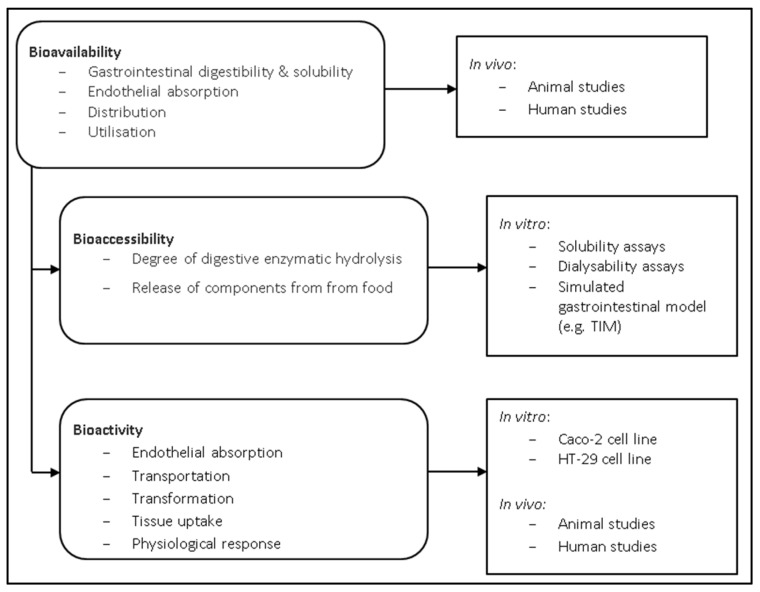
“effectively accessible for adsorption, and bioactivity, which refers to the intestinal adsorption of food elements, the transport to the target site, the elements biotransformation at the target site, and the physiological response.([147]) Bioavailability, bioaccessibility, and bioactivity are assessed by different in…”
BackgroundRobin, A., Kazir, M., Sack, M., Israel, A. A., Frey, W., Mueller, G., Livney, Y. D., & Golberg, A. (2018) · ACS Sustainable Chemistry & Engineering · doi:10.1021/acssuschemeng.8b01089 · Cited by 89
Food-derived bioactive peptides: production, biological activities, opportunities and challenges
Ye, H., Tao, X., Zhang, W., Chen, Y., Yu, Q., & Xie, J. (2022) · Journal of Future Foods · doi:10.1016/j.jfutfo.2022.08.002 · Cited by 90
Patel, A., Krikigianni, E., Rova, U., Christakopoulos, P., & Μάτσακας, Λ. (2022) · Chemical Engineering Journal · doi:10.1016/j.cej.2022.135529 · Cited by 89
Microalgal Bioeconomy: A Green Economy Approach Towards Achieving Sustainable Development Goals
Sarker, N. K., & Kaparaju, P. (2024) · Sustainability · doi:10.3390/su162411218 · Cited by 74
Marti-Quijal, F. J., Zamuz, S., Tomašević, I., Gómez, B., Rocchetti, G., Lucini, L., Remize, F., Barba, F. J., & Lorenzo, J. M. (2019) · LWT · doi:10.1016/j.lwt.2019.04.097 · Cited by 78
Karabulut, G., Purkiewicz, A., & Goksen, G. (2024) · Comprehensive Reviews in Food Science and Food Safety · doi:10.1111/1541-4337.13372 · Cited by 85
Araya, M., García, S., Rengel, J., Pizarro, S., & Álvarez, G. (2021) · Marine Chemistry · doi:10.1016/j.marchem.2021.103999 · Cited by 80
Developments in seaweed biorefinery research: A comprehensive review
Baghel, R. S. (2022) · Chemical Engineering Journal · doi:10.1016/j.cej.2022.140177 · Cited by 89
Sugumaran, R., Padam, B. S., Yong, W. T. L., Saallah, S., Ahmed, K., & Yusof, N. A. (2022) · International Journal of Environmental Research and Public Health · doi:10.3390/ijerph19127087 · Cited by 89
Scherer, D., Krust, D., Frey, W., Mueller, G., Nick, P., & Gusbeth, C. (2019) · Algal Research · doi:10.1016/j.algal.2019.101536 · Cited by 83
“Among the myriad of extraction methods [14,15] are also chemical and enzymatic extraction approaches.”
BackgroundPolikovsky, M., Fernand, F., Sack, M., Frey, W., Müller, G., & Golberg, A. (2018) · Food Chemistry · doi:10.1016/j.foodchem.2018.09.134 · Cited by 83
Pimentel, F. B., Alves, R. C., Harnedy, P. A., FitzGerald, R. J., & Oliveira, M. B. P. P. (2019) · Trends in Food Science & Technology · doi:10.1016/j.tifs.2019.09.006 · Cited by 81
Sedighi, M., Jalili, H., Darvish, M., Sadeghi, S., & Ranaei-Siadat, S.-O. (2019) · Food Chemistry · doi:10.1016/j.foodchem.2019.01.111 · Cited by 76
Pliego-Cortés, H. S., Wijesekara, I., Lang, M., Bourgougnon, N., & Bedoux, G. (2019) · Advances in botanical research · doi:10.1016/bs.abr.2019.11.008 · Cited by 91
Magdugo, R. P., Terme, N., Lang, M., Pliego-Cortés, H. S., Marty, C., Hurtado, A. Q., Bedoux, G., & Bourgougnon, N. (2020) · Molecules · doi:10.3390/molecules25122901 · Cited by 91
Optimization of the Freezing-Thawing Method for Extracting Phycobiliproteins from Arthrospira sp.
Tan, H. T., Khong, N. M. H., Khaw, Y. S., Ahmad, S. A., & Yusoff, F. M. (2020) · Molecules · doi:10.3390/molecules25173894 · Cited by 91
Prabhu, M. S., Israel, A. A., Palatnik, R. R., Zilberman, D., & Golberg, A. (2020) · Journal of Applied Phycology · doi:10.1007/s10811-020-02044-0 · Cited by 80
Siahbalaei, R., Kavoosi, G., & Noroozi, M. (2021) · LWT · doi:10.1016/j.lwt.2021.112023 · Cited by 81
Haris, N., Manan, H., Jusoh, M., Khatoon, H., Katayama, T., & Kasan, N. A. (2021) · Aquaculture Reports · doi:10.1016/j.aqrep.2021.100925 · Cited by 91
In Vitro Protein Digestibility of Selected Seaweeds
Bhowmick, G. D., & Hayes, M. (2022) · Foods · doi:10.3390/foods11030289 · Cited by 85
“However, due to the lack of widespread consumption of seaweeds, a deficit in understanding the bioaccessibility and bioavailability of algal proteins exists [14].”
BackgroundSelf-citationRed seaweed proteins: Valuable marine-origin compounds with encouraging applications
Jiménez-González, C., Torrado, A., Mallo, F., Rúa, M. L., & Fuciños, C. (2023) · Algal Research · doi:10.1016/j.algal.2023.103262 · Cited by 80
Bioactivities of enzymatic protein hydrolysates derived from Chlorella sorokiniana
Tejano, L. A., Peralta, J. P., Yap, E. E. S., & Chang, Y. (2019) · Food Science & Nutrition · doi:10.1002/fsn3.1097 · Cited by 78
“It has received much of the world's attention due to its potential application as a renewable resource and a promising alternative plant protein source (Bleakley & Hayes, 2017; Schwenzfeier, Wierenga, & Gruppen, 2011).”
BackgroundZhang, T., Yu, S., Pan, Y., Li, H., Liu, X., & Cao, J. (2023) · Food Research International · doi:10.1016/j.foodres.2023.113588 · Cited by 82
Abdelmoteleb, M., Zhang, C., Furey, B., Kozubal, M., Griffiths, H., Champeaud, M., & Goodman, R. E. (2021) · Food and Chemical Toxicology · doi:10.1016/j.fct.2020.111888 · Cited by 74
“Novel food ingredient sources are being developed to meet the growing demand for dietary proteins in industrialized countries due to the increasing human population, concerns for animal welfare, and environmental impacts of traditional sources of protein (Bleakley and Hayes, 2017; Frigerio et al., 2020).”
BackgroundExtraction and purification of phycobiliproteins from algae and their applications
Kovaleski, G., Kholany, M., Dias, L. M. S., Correia, S. F. H., Ferreira, R. A. S., Coutinho, J. A. P., & Ventura, S. P. M. (2022) · Frontiers in Chemistry · doi:10.3389/fchem.2022.1065355 · Cited by 75
Małecki, J., Tomasevic, I. B., Djekic, I. V., & Sołowiej, B. G. (2020) · Foods · doi:10.3390/foods9101467 · Cited by 87
“Referring to the work of Bleakley and Hayes [41], the formation of characteristic agglomerates in the case of algae protein may be related to the presence of lectins in this type of protein.”
BackgroundExpanded utilisation of microalgae in global aquafeeds
Siddik, M. A. B., Sørensen, M., Islam, S. M. M., Saha, N., Rahman, M. A., & Francis, D. S. (2024) · Reviews in Aquaculture · doi:10.1111/raq.12818 · Cited by 74
Nguyễn, T. T., Heimann, K., & Zhang, W. Y. (2020) · Marine Drugs · doi:10.3390/md18080391 · Cited by 80
Niemi, C., Mols‐Mortensen, A., Rautenberger, R., Matsson, S., Gorzsás, A., & Gentili, F. G. (2022) · Food Chemistry · doi:10.1016/j.foodchem.2022.134700 · Cited by 77
“Seaweed protein bioavailability has been shown to be drastically improved by fermentation or enzymatic treatments (Bleakley & Hayes, 2017).”
Structural, extraction and safety aspects of novel alternative proteins from different sources
Zhang, X., Zhang, T., Zhao, Y. N., Jiang, L., & Sui, X. (2023) · Food Chemistry · doi:10.1016/j.foodchem.2023.137712 · Cited by 77
Parniakov, O., Toepfl, S., Barba, F. J., Granato, D., Zamuz, S., Galvez, F., & Lorenzo, J. M. (2018) · Journal of Food Science and Technology · doi:10.1007/s13197-018-3175-1 · Cited by 78
Katiyar, R., Banerjee, S., & Arora, A. (2021) · Biofuels, Bioproducts and Biorefining · doi:10.1002/bbb.2187 · Cited by 69
Hosny, S., Elshobary, M. E., & El-Sheekh, M. M. (2025) · Environmental Science and Pollution Research · doi:10.1007/s11356-025-35885-8 · Cited by 76
“Microalgae contain 40–60% protein with essential and non-essential amino acids (Bleakley and Hayes 2017).”
Lian, H., Wen, C., Zhang, J., Feng, Y., Duan, Y., Zhou, J., He, Y., Zhang, H., & Ma, H. (2021) · Algal Research · doi:10.1016/j.algal.2021.102294 · Cited by 64
Okolie, C. L., Akanbi, T. O., Mason, B., Udenigwe, C. C., & Aryee, A. N. A. (2018) · Food Research International · doi:10.1016/j.foodres.2018.09.018 · Cited by 75
The One-Health approach in seaweed food production
Bizzaro, G., Vatland, A. K., & Pampanin, D. M. (2021) · Environment International · doi:10.1016/j.envint.2021.106948 · Cited by 75
The Potential of Marine Microalgae for the Production of Food, Feed, and Fuel (3F)
Mahata, C., Das, P., Khan, S., Thaher, M. I., Quadir, M. A., Nagappan, S., & Jabri, H. M. S. J. A. (2022) · Fermentation · doi:10.3390/fermentation8070316 · Cited by 74
“In recent years, increasing concerns about the health and food safety of processed food products have led national agencies, such as The American Food and Drug Administration (FDA) and the European Food Safety Authority (EFSA), to restrict the use of synthetic colors in diets owing to increased oncogenesis or allergic…”
BackgroundInfluentialPurdi, T. S., Setiowati, A. D., & Ningrum, A. (2023) · Journal of Food Measurement & Characterization · doi:10.1007/s11694-023-02051-y · Cited by 76
“Thus, the extraction of proteins is needed to facilitate their use to possess excellent functionalities [7–9] To obtain the intracellular products, cell disruption is carried out, and the method depends on the cell wall structure of the algal species, product location, size, solubility, and energy used; furthermore, t…”
BackgroundInfluentialNutritional Quality, Safety and Environmental Benefits of Alternative Protein Sources—An Overview
Choręziak, A., Rosiejka, D., Michałowska, J., & Bogdański, P. (2025) · Nutrients · doi:10.3390/nu17071148 · Cited by 76
“Seaweed and microalgae contain protein levels similar to traditional protein sources like meat, eggs, soy, and milk and have a higher protein yield per unit area [117].”
Structure-informed separation of bioactive peptides
Acquah, C., Chan, Y. W., Pan, S., Agyei, D., & Udenigwe, C. C. (2019) · Journal of Food Biochemistry · doi:10.1111/jfbc.12765 · Cited by 70
Recent Advances in Microalgae Peptides: Cardiovascular Health Benefits and Analysis
Li, Y., Lammi, C., Boschin, G., Arnoldi, A., & Aiello, G. (2019) · Journal of Agricultural and Food Chemistry · doi:10.1021/acs.jafc.9b03566 · Cited by 69
Towards the Properties of Different Biomass-Derived Proteins via Various Extraction Methods
Du, L., Arauzo, P. J., Zavala, M. F. M., Cao, Z., Olszewski, M. P., & Kruse, A. (2020) · Molecules · doi:10.3390/molecules25030488 · Cited by 75
Mhatre, A., Gore, S., Mhatre, A., Trivedi, N., Sharma, M., Pandit, R., Anil, A., & Lali, A. (2019) · Renewable Energy · doi:10.1016/j.renene.2018.08.012 · Cited by 69
Verni, M., Demarinis, C., Rizzello, C. G., & Pontonio, E. (2023) · Foods · doi:10.3390/foods12050983 · Cited by 69
Algae: A promising and sustainable protein-rich food ingredient for bakery and dairy products
Bhatnagar, P., Gururani, P., Parveen, A., Gautam, P., Joshi, N. C., Tomar, M. S., Nanda, M., Vlaskin, M. S., & Kumar, V. (2024) · Food Chemistry · doi:10.1016/j.foodchem.2023.138322 · Cited by 70
Lozober, H. S., Okun, Z., & Shpigelman, A. (2021) · Innovative Food Science & Emerging Technologies · doi:10.1016/j.ifset.2021.102857 · Cited by 75
Air‐sea carbon dioxide equilibrium: Will it be possible to use seaweeds for carbon removal offsets?
Hurd, C. L., Gattuso, J., & Boyd, P. W. (2023) · Journal of Phycology · doi:10.1111/jpy.13405 · Cited by 69
“Seaweeds also have tremendous aquaculture potential for human food and animal feeds, novel nutraceuticals, and pharmaceuticals (e.g., Bleakley & Hayes, 2017; Wells et al., 2017: Yu et al., 2018).”
BackgroundRecent Advances of Natural Pigments from Algae
Chen, Z., Wu, W., Wen, Y., Zhang, L., Wu, Y., Farid, M. S., El-Seedi, H. R., Capanoglu, E., & Zhao, C. (2023) · Food Production, Processing and Nutrition · doi:10.1186/s43014-023-00155-y · Cited by 67
“As a unique natural pigment in algae, phycobiliprotein provides new options for products in the food, medicine, and cosmetics (Bleakley & Hayes 2017; Saini et al.”
BackgroundTahir, F., Ashfaq, H., Khan, A. Z., Amin, M., Akbar, I., Malik, H. A., Abdullah, M., Alessa, A. H., Alsaigh, A. A., Ralph, P. J., et al. (2024) · Reviews in Environmental Science and Bio/Technology · doi:10.1007/s11157-024-09697-0 · Cited by 67
Microalgae as a Potential Source of Proteins
Matos, Â. P. (2019) · Elsevier eBooks · doi:10.1016/b978-0-12-816695-6.00003-9 · Cited by 96
Bianco, M., Ventura, G., Calvano, C. D., Losito, I., & Cataldi, T. R. I. (2022) · Talanta · doi:10.1016/j.talanta.2021.123188 · Cited by 60
Exploring alternative protein sources: Evidence from patents and articles focusing on food markets
Otero, D. M., Mendes, G. D. R. L., Lucas, A. J. D. S., Christ-Ribeiro, A., & Ribeiro, C. D. F. (2022) · Food Chemistry · doi:10.1016/j.foodchem.2022.133486 · Cited by 66
Lorenzo-Hernando, A., Vegas, J. R., Vega, M., & Bolado, S. (2018) · Bioresource Technology · doi:10.1016/j.biortech.2018.11.068 · Cited by 69
Senousy, H. H., Ellatif, S. A. A., & Ali, S. (2020) · Environmental Science and Pollution Research · doi:10.1007/s11356-020-08332-z · Cited by 72
Micro-algae: Revolutionizing food production for a healthy and sustainable future
Naik, B., Mishra, R., Kumar, V., Mishra, S., Gupta, U., Rustagi, S., Gupta, A. K., Preet, M. S., Bhatt, S. C., & Rizwanuddin, S. (2024) · Journal of Agriculture and Food Research · doi:10.1016/j.jafr.2023.100939 · Cited by 65
Yan, K., Guo, F., Kainz, M. J., Li, F., Gao, W., Bunn, S. E., & Zhang, Y. (2023) · Biological reviews/Biological reviews of the Cambridge Philosophical Society · doi:10.1111/brv.13017 · Cited by 68
“While essential AAs can be reliable biomarkers when combined with stable isotopes of carbon and nitrogen, there are technical limitations (Bleakley & Hayes, 2017; Choi et al ., 2017).”
BackgroundManzoor, M. F., Afraz, M. T., Yılmaz, B. B., Adil, M., Arshad, N., Gökşen, G., Ali, M., & Zeng, X. (2024) · Journal of Agriculture and Food Research · doi:10.1016/j.jafr.2024.100991 · Cited by 79
Opazo‐Navarrete, M., Burgos‐Díaz, C., Bravo-Reyes, C., Gajardo-Poblete, I., Chacón-Fuentes, M., Reyes, J. E., & Mojica, L. (2025) · Applied Sciences · doi:10.3390/app15073538 · Cited by 69
Food Proteins: Potential Resources
Dolganyuk, V. F., Сухих, С. А., Kalashnikova, O. B., Ivanova, S. A., Kashirskikh, E., Prosekov, A. Y., Michaud, P., & Babich, O. (2023) · Sustainability · doi:10.3390/su15075863 · Cited by 69
Venkatesan, M., Arumugam, V., Pugalendi, R., Karthik, R., Karthi, S., Ramkumar, V. S., Sundaresan, U., Ramachandran, S., & Pugazhendhi, A. (2019) · Process Biochemistry · doi:10.1016/j.procbio.2019.05.029 · Cited by 67
Morales-Sánchez, D., Schulze, P. S. C., Kiron, V., & Wijffels, R. H. (2020) · Algal Research · doi:10.1016/j.algal.2020.102016 · Cited by 63
Adarshan, S., Sree, V. S. S., Muthuramalingam, P., Nambiar, K. S., Sevanan, M., Satish, L., Venkidasamy, B., Jeelani, P. G., & Shin, H. (2023) · Plants · doi:10.3390/plants13010113 · Cited by 73
“Algae are being investigated as a potential source of various products such as antibiotics [6], proteins [7], metabolites [8], antioxidants [9], and dietary supplements [10].”
BackgroundTowards protein production and application by using Chlorella species as circular economy
Lai, Y.-C., Chang, C., Chen, C., Chang, J., & Ng, I. (2019) · Bioresource Technology · doi:10.1016/j.biortech.2019.121625 · Cited by 65
Wang, Y., Tibbetts, S. M., Berrue, F., McGinn, P. J., MacQuarrie, S. P., Puttaswamy, A., Patelakis, S., Schmidt, D., Melanson, R., & MacKenzie, S. E. (2020) · Foods · doi:10.3390/foods9111531 · Cited by 62
“There are numerous microalgae species known to science, while the majority have not been explored for their chemical compositions and nutritional values [10].”
BackgroundMoaveni, S., Salami, M., Khodadadi, M., McDougall, M., & Emam‐Djomeh, Z. (2021) · LWT · doi:10.1016/j.lwt.2021.112468 · Cited by 65
Samarathunga, J., Wijesekara, I., & Jayasinghe, M. A. (2022) · Food Reviews International · doi:10.1080/87559129.2021.2023564 · Cited by 67
“Traditional protein extraction methods (aqueous, acidic, and alkaline) have shown lower yields (24% to 59%).([100]) Although novel protein extraction methods (ultrasound-assisted extraction, pulsed electric field, and microwave-assisted extraction([101])) have exhibited higher extraction yields, these have not yet bee…”
BackgroundUlhas, R. S., Ravindran, R., Malaviya, A., Priyadarshini, A., Tiwari, B. K., & Rajauria, G. (2023) · Food Research International · doi:10.1016/j.foodres.2023.113479 · Cited by 102
“Microalgae and macroalgae (Seaweed) are traditional food sources in many cultures due to their high protein content and have been used as a source of human nutrition for centuries in some indigenous populations (Nadeeshani et al., 2022; Bleakley & Hayes, 2017; Chakdar et al., 2012).”
Recent biotechnological applications of value-added bioactive compounds from microalgae and seaweeds
Eladl, S. N., Elnabawy, A. M., & Eltanahy, E. (2024) · Botanical studies · doi:10.1186/s40529-024-00434-y · Cited by 69
“Further, for increased consumer acceptance, flavour-masking chemicals and even genetic manipulation of algae strains, that result in reduced amounts of the undesired flavours, can be utilised (Bleakley and Hayes 2017).”
BackgroundNichele, S., Phillips, S. M., & Boaventura, B. C. B. (2022) · Applied Physiology, Nutrition, and Metabolism · doi:10.1139/apnm-2021-0806 · Cited by 61
Silva, S. C., Almeida, T., Colucci, G., Santamaria-Echart, A., Manrique, Y. A., Dias, M. M., Barros, L., Fernandes, Â., Colla, E., & Barreiro, M. F. (2022) · Colloids and Surfaces A: Physicochemical and Engineering Aspects · doi:10.1016/j.colsurfa.2022.129264 · Cited by 61
Polyhydroxyalkanoates from organic waste streams using purple non-sulfur bacteria
Corona, V. M., & Buitrón, G. (2020) · Bioresource Technology · doi:10.1016/j.biortech.2020.124610 · Cited by 61
Naseri, A., Jacobsen, C., Sejberg, J. J. P., Pedersen, T. E., Larsen, J. O., Hansen, K. M., & Holdt, S. L. (2020) · Foods · doi:10.3390/foods9081072 · Cited by 66
Metadata
- Authors
- Bleakley, S., & Hayes, M.
- Affiliations
- Teagasc - The Irish Agriculture and Food Development Authority (IE)
- Food Biosciences Department, Teagasc Ashtown Food Research Centre, Ashtown, Dublin D15 KN3K, Ireland
- ORCID
- Bleakley, Stephen
- Venue
- Foods
- Publisher
- MDPI AG
- Published
- 2017-04-26
- Volume
- 6
- Issue
- 5
- Pages
- 33
- ISSN
- 2304-8158 (ISSN-L)
- PMC
- PMC5447909
- OpenAlex
- W2610120235
- Semantic Scholar
- 23bf8fd65fc4c9b10fa47cd4ddb45cd13b1aa01c
- Cited by
- 1,092
- References
- 253
- Citations by year
- 2026: 108 · 2025: 159 · 2024: 164 · 2023: 148 · 2022: 144 · 2021: 126 · 2020: 104 · 2019: 88 · 2018: 46 · 2017: 5
- FWCI
- 7.49
- Type
- journal article
- Language
- en
- Open access
- gold
- doi.org
- Licence
- Locations
- Foods (publishedVersion, cc-by)
- Europe PMC (PubMed Central) (publishedVersion, other-oa)
- PubMed Central (publishedVersion, cc-by)
- PubMed (publishedVersion)
- Arrow@dit (Dublin Institute of Technology) (acceptedVersion)
- DOAJ (DOAJ: Directory of Open Access Journals) (submittedVersion, cc-by-sa)
- T-Stór (Teagasc) (submittedVersion, cc-by-nc-sa)
- Funders
- TEAGASC (BioAlgae Project 2016073)
- Topics
- Life Sciences › Agricultural and Biological Sciences › Aquatic Science › Seaweed-derived Bioactive Compounds
- Life Sciences › Agricultural and Biological Sciences › Food Science › Protein Hydrolysis and Bioactive Peptides
- Physical Sciences › Energy › Renewable Energy, Sustainability and the Environment › Algal biology and biofuel production
- Keywords
- algal proteins, seaweed, microalgae, alternative protein sources, protein extraction, enzymatic hydrolysis, ultrasound-assisted extraction, pulsed electric field, microwave-assisted extraction, protein enrichment, bioactive peptides, functional food ingredients, protein quality, amino acid composition, digestibility, human nutrition, animal feed, aquaculture feed
About these checks
Registry, retraction, Cites and statistics results are computed, not judged, with one exception: a printed reference that no index lists is read once by a model before it counts as a citation error. Claims are extracted by a model and kept only when their quote appears verbatim in the text; each cited source is then checked, with a model’s help, for whether it says what the claim relies on. Those verdicts can be wrong — read the claim’s quote and the cited source before relying on one.
Statistics and arithmetic are recomputed, not judged.
Confidence bands are shown only for fields calibrated on our annotated test set. None is calibrated yet, so no band is shown.
What counts as a claim ›How we measure confidence ›How we check this ›
Are you an author, or do you see a problem with this page? Request a review
Data sources
Bibliographic data: Semantic Scholar, OpenAlex, Crossref.
Contains information from the Semantic Scholar Academic Graph Datasets, made available under the ODC Attribution License (ODC-BY 1.0).
Semantic Scholar’s data is described in: Kinney, R., et al. (2023). The Semantic Scholar Open Data Platform. arXiv:2301.10140.
