

Algal Proteins: Extraction, Application, and Challenges Concerning Production
Open accessThe DOI matches its Crossref record; 253 of the 254 references it cites were found in a registry or an index.
Abstract
Population growth combined with increasingly limited resources of arable land and fresh water has resulted in a need for alternative protein sources. Macroalgae (seaweed) and microalgae are examples of under-exploited “crops”. Algae do not compete with traditional food crops for space and resources. This review details the characteristics of commonly consumed algae, as well as their potential for use as a protein source based on their protein quality, amino acid composition, and digestibility. Protein extraction methods applied to algae to date, including enzymatic hydrolysis, physical processes, and chemical extraction and novel methods such as ultrasound-assisted extraction, pulsed electric field, and microwave-assisted extraction are discussed. Moreover, existing protein enrichment methods used in the dairy industry and the potential of these methods to generate high value ingredients from algae, such as bioactive peptides and functional ingredients are discussed. Applications of algae in human nutrition, animal feed, and aquaculture are examined.
Overview
The claims and statistics of this paper haven’t been checked yet.
Free: it reads the open-access text and checks the first 5 claims that cite a source we can check. Create a free account to check every claim.
Integrity signals
Registry
Cites
Statistics
Figures
Verification
Claims the paper makes
The claims and statistics of this paper haven’t been checked yet.
Free: it reads the open-access text and checks the first 5 claims that cite a source we can check. Create a free account to check every claim.
Claims other papers make about this one
Each is checked against this paper’s own text: does it say what the citing paper says it does?
The source backs part of the claim, not all of it — or backs it for a different population, condition or comparison.
In the citing paper
“Their protein content accounts for more than 60% of the dry mass [20].”
From Application of Arthrospira platensis for Medicinal Purposes and the Food Industry: A Review of the Literature (2023) · cites this paper as [20]
Experimental — accuracy not yet measuredThe source backs part of the claim, not all of it — or backs it for a different population, condition or comparison.
In the citing paper
“In addition to being used as a coloring agent in the food industry, spirulina has a wide range of uses in the areas of human nutrition, animal feed, and fish feed [11,12,13].”
From Trends and Technological Advancements in the Possible Food Applications of Spirulina and Their Health Benefits: A Review. (2022) · cites this paper as [12]
Experimental — accuracy not yet measuredThe source backs part of the claim, not all of it — or backs it for a different population, condition or comparison.
In the citing paper
“Although it is estimated that between 200,000 and 800,000 microalgal species exist globally, only around 30,000 have been identified and studied to some extent, with just a small fraction evaluated for their health-related potential [3,111].”
From Navigating the potential of algal peptides: health effects, market applications, and scientific challenges (2026) · cites this paper as [3]
Experimental — accuracy not yet measuredThe source backs part of the claim, not all of it — or backs it for a different population, condition or comparison.
In the citing paper
“Releasing these proteins requires physical or chemical disruption techniques, and even then, only a limited portion of the total protein content is typically recovered [3].”
From Navigating the potential of algal peptides: health effects, market applications, and scientific challenges (2026) · cites this paper as [3]
Experimental — accuracy not yet measuredIn the citing paper
“Microalgae produce 2.5–7.5 tons/Ha/year of proteins [186]”
From The promising future of microalgae: Current status, challenges, and optimization of a sustainable and renewable industry for biofuels, feed, and other products (2018) · cites this paper as [186]
Self-check
Percentages, sums and reported differences re-computed from the paper’s own numbers.
The self-check needs the paper’s full text.
Citations
Cites
Food Security: The Challenge of Feeding 9 Billion People
Godfray, H. C. J., Beddington, J. R., Crute, I. R., Haddad, L., Lawrence, D., Muir, J. F., Pretty, J., Robinson, S., Thomas, S. M., & Toulmin, C. (2010) · Science · doi:10.1126/science.1185383 · Cited by 11,943
Global food demand and the sustainable intensification of agriculture
Tilman, D., Balzer, C., Hill, J., & Befort, B. L. (2011) · Proceedings of the National Academy of Sciences · doi:10.1073/pnas.1116437108 · Cited by 7,692 · cited 1×
“Previously utilised methods of intensifying agriculture will soon no longer be an option due to the high impact trade-offs they have on the environment, including fragmenting natural habitats and threatening biodiversity, production of greenhouse gases from land clearing, fertilisers and animal livestock production, a…”
A standardised static in vitro digestion method suitable for food – an international consensus
Minekus, M., Alminger, M., Alvito, P., Ballance, S., Bohn, T., Bourlieu, C., Carrière, F., Boutrou, R., Corredig, M., Dupont, D., et al. (2014) · Food Funct. · doi:10.1039/c3fo60702j · Cited by 5,824 · cited 1×
“INFOGEST is a static in vitro digestion model which aims to harmonise the methods used to assess digestibility, allowing for better comparisons between studies [60,61].”
Brennan, L., & Owende, P. (2010) · Renewable and Sustainable Energy Reviews · doi:10.1016/j.rser.2009.10.009 · Cited by 4,894 · cited 1×
“Several of these species are currently exploited for a variety of biotechnological purposes, including cosmeceuticals, animal feed, fatty acids, alginates, wastewater treatment, and biofuel [9,25,26].”
Commercial Applications of Microalgae
Spolaore, P., Joannis-Cassan, C., Duran, E., & Isambert, A. (2006) · Journal of Bioscience and Bioengineering · doi:10.1263/jbb.101.87 · Cited by 4,285 · cited 6×
“Alternatively, the Earthrise Company has the largest Spirulina production plant, which is located in California, USA, and covers 440,000 m 2 [121].”
InfluentialApplications of ultrasound in food technology: Processing, preservation and extraction
Chemat, F., Zill-e-Huma, & Khan, M. K. (2011) · Ultrasonics Sonochemistry · doi:10.1016/j.ultsonch.2010.11.023 · Cited by 2,533 · cited 5×
“MAE has attracted attention for extraction of compounds due low energy efficiency, although its use in algae may be limited by impaired function with dried samples [81].”
InfluentialMicro-algae as a source of protein
Becker, E. W. (2007) · Biotechnology Advances · doi:10.1016/j.biotechadv.2006.11.002 · Cited by 2,311 · cited 6×
“Treatments to disrupt the cellulosic cell wall could help to overcome this issue to make algal proteins and other cell components more accessible [28].”
InfluentialBioactive compounds in seaweed: functional food applications and legislation
Holdt, S. L., & Kraan, S. (2011) · Journal of Applied Phycology · doi:10.1007/s10811-010-9632-5 · Cited by 2,135 · cited 4×
“For example, P. tenera (nori) is commonly used as a sushi wrap in several Asian cultures [22].”
InfluentialValuable Products from Biotechnology of Microalgae
Pulz, O., & Gross, W. (2004) · Applied Microbiology and Biotechnology · doi:10.1007/s00253-004-1647-x · Cited by 2,132 · cited 5×
“This has led to the evolution of natural protective systems, such as the production of pigments (e.g., carotenes, chlorophylls, and phycobiliproteins) and polyphenols (e.g., catechins, flavonols, and phlorotannins), which can impart health benefits to the consumer when eaten [9,10].”
InfluentialAn outlook on microalgal biofuels
Wijffels, R. H., & Barbosa, M. J. (2010) · Science · doi:10.1126/science.1189003 · Cited by 1,886 · cited 1×
“Current processes of algal protein isolation are time-consuming and economically unviable [11].”
Research works printed but not linked: 9
- Janczyk P. Wolf C. Souffrant W.B. Evaluation of nutritional value and safety of the green microalgae Chlorella vulgaris treated with novel processing methods Arch Zootech 2005 8 132 147
- Qu W. Ma H. Wang T. Zheng H. Alternating two-frequency countercurrent ultrasonic-assisted extraction of protein and polysaccharide from Porphyra yezoensis Trans. Chin. Soc. Agric. Eng. 2013 29 285 292
- Mariey Y. Samak H. Abou-Khashba H. Sayed M. Abou-Zeid A. Effect of using Spirulina platensis algae as a feed additives for poultry diets: 2 productive performance of broiler Egypt. Poult. Sci. 2014 34 245 258
- Mariey Y. Samak H. Ibrahem M. Effect of using Spirulina platensis algae as a feed additive for poultry diets. 1. Productive and reproductive performances of local laying hens Egypt. Poult. Sci. 2012 32 201 215
- Kulpys J. Paulauskas E. Pilipavicius V. Stankevicius R. Influence of cyanobacteria arthrospira (Spirulina) platensis biomass additive towards the body condition of lactation cows and biochemical milk indexes Agron. Res 2009 7 823 835
- Šimkus A. Oberauskas V. Laugalis J. Želvytė R. Monkevičienė I. Sederevičius A. Šimkienė A. Pauliukas K. The effect of weed Spirulina platensis on the milk production in cows Vet. Zootech. 2007 38 74 77
- Bezerra L. Silva A. Azevedo S. Mendes R. Mangueira J. Gomes A. Performance of santa inês lambs submitted to the use of artificial milk enriched with Spirulina Platensis Ciênc. Anim. Bras. 2010 11 258 263
- Werner A. Kraan S. Review of the Potential Mechanisation of Kelp Harvesting in Ireland Marine Institute Dublin, Ireland 2004 52
- Werner A. Clarke D. Kraan S. Strategic Review and the Feasibility of Seaweed Aquaculture in Ireland Irish Seaweed Centre, Martin Ryan Institute, National University of Ireland Galway, Ireland 2004 120
Cited by
Items 301–400 of 1,001
Sarkarat, R., Mohamadnia, S., & Tavakoli, O. (2022) · Brazilian Journal of Chemical Engineering · doi:10.1007/s43153-022-00256-0 · Cited by 40
“Both groups can produce and accumulate diverse, high value-added biochemical compounds within the cells, e.g., carbohydrates, lipids, proteins, vitamins, pigment, etc. (Bleakley and Hayes 2017; Silva et al.”
BackgroundChanana, I., Kaur, P., Kumar, L., Kumar, P., & Kulshreshtha, S. (2023) · Fermentation · doi:10.3390/fermentation9030202 · Cited by 42
Bakhsh, A., Park, J., Baritugo, K. A., Kim, B., Sil Moon, S., Rahman, A., & Park, S. (2023) · Frontiers in Nutrition · doi:10.3389/fnut.2023.1110613 · Cited by 35
Macroalgae valorization for the production of polymers, chemicals, and energy
Kammler, S., Romero, A. M., Burkhardt, C., Baruth, L., Antranikian, G., Liese, A., & Kaltschmitt, M. (2024) · Biomass and Bioenergy · doi:10.1016/j.biombioe.2024.107105 · Cited by 37
Singh, A. K., Srivastava, R. K., Pal, P., Mandal, S., Sahoo, U. K., Prakash, A., Sridhar, K., Sharma, M., Sarangi, P. K., & Inbaraj, B. S. (2024) · Biocatalysis and Agricultural Biotechnology · doi:10.1016/j.bcab.2024.103192 · Cited by 37
Huang, Z. J., Pang, L., Li, S., Su, Y., Zhao, Q., Zhang, W., Yang, X., & Jiang, Y. (2024) · Food Chemistry · doi:10.1016/j.foodchem.2024.140559 · Cited by 38
Gharajeh, N. H., Valizadeh, M., Dorani, E., & Hejazi, M. A. (2020) · Biotechnology Reports · doi:10.1016/j.btre.2020.e00479 · Cited by 42
Verspreet, J., Soetemans, L., Gargan, C., Hayes, M., & Bastiaens, L. (2021) · Foods · doi:10.3390/foods10071516 · Cited by 37
“Citation: Verspreet, J.; Soetemans, L.; Gargan, C.; Hayes, M.; Bastiaens, L. Nutritional Profiling and Preliminary Bioactivity Screening of Five Micro-Algae Strains Cultivated in Northwest Europe.”
BackgroundMethodInfluentialSelf-citationMicroalgal Growth in Aquaculture Effluent: Coupling Biomass Valorisation with Nutrients Removal
Esteves, A. F., Soares, S. M., Salgado, E. M., Boaventura, R. A. R., & Pires, J. C. M. (2022) · Applied Sciences · doi:10.3390/app122412608 · Cited by 39
Okeke, E. S., Okagu, I. U., Chukwudozie, K. I., Ezike, T. C., & Ezeorba, T. P. C. (2024) · Natural Product Communications · doi:10.1177/1934578x241239825 · Cited by 52
“61 Some bioactive peptides in algae have been shown to have anti-in fl ammatory effects, such as reducing the production of pro-in fl ammatory cytokines and inhibiting the activation of NF-κ B, a key transcription factor involved in in fl ammation such as C-phycocyanin and ulvan peptides of green…”
Echers, S. G., Kongsted, A.-S. H., Nielsen, R. B., Hansen, S. S., Lau, F. A., Rasmussen, J. B., Holdt, S. L., & Jacobsen, C. (2021) · Food Chemistry X · doi:10.1016/j.fochx.2021.100137 · Cited by 37
Zhang, N., Li, F., Zhang, T., Li, C., Zhu, L., & Yan, S. (2022) · European Food Research and Technology · doi:10.1007/s00217-021-03949-x · Cited by 38
Digestibility of seaweed protein from Ulva sp. and Saccharina latissima in rats
Juul, L., Stødkilde, L., Ingerslev, A. K., Bruhn, A., Jensen, S. K., & Dalsgaard, T. K. (2022) · Algal Research · doi:10.1016/j.algal.2022.102644 · Cited by 37
Zhu, J., Guo, B., Qie, F., Li, X., Zhao, X., Rong, J., & Zong, B. (2022) · Journal of Energy Chemistry · doi:10.1016/j.jechem.2022.04.008 · Cited by 38
Microalgae as a Mainstream Food Ingredient: Demand and Supply Perspective
Wang, A., Yan, K. T. H., Chu, D. K., Nazer, M., Lin, N. T., Samaranayake, E. A., & Chang, J. (2020) · Springer eBooks · doi:10.1007/978-981-15-0169-2_2 · Cited by 40
Braspaiboon, S., Osiriphun, S., Surawang, S., Jirarattanarangsri, W., Kanha, N., & Laokuldilok, T. (2022) · International Journal of Food Science & Technology · doi:10.1111/ijfs.15975 · Cited by 35
Microalgal Carbohydrates and Proteins: Synthesis, Extraction, Applications, and Challenges
Shahid, A., Khan, F. S. A., Ahmad, N., Farooq, M., & Mehmood, M. A. (2020) · Springer eBooks · doi:10.1007/978-981-15-0169-2_14 · Cited by 40
Dimopoulou, M., Kolonas, A., Stagos, D., & Gortzi, O. (2025) · Biomass · doi:10.3390/biomass5010011 · Cited by 34
Dhaouafi, J., Nedjar, N., Jridi, M., Romdhani, M., & Balti, R. (2024) · Foods · doi:10.3390/foods13091362 · Cited by 35
“Despite the high nutritional value of algal proteins [9], their availability is limited by the rigidity of the algal membrane.”
BackgroundTang, C., Cheng, J., & Sun, D. (2024) · Critical Reviews in Food Science and Nutrition · doi:10.1080/10408398.2024.2399293 · Cited by 40
“Due to the small Mw of BPs, they are more easily digested and absorbed in the body, and their bioavailability is generally greater than that of proteins (Bleakley and Hayes 2017).”
Manzocchi, E., Guggenbühl, B., Kreuzer, M., & Giller, K. (2020) · Journal of Dairy Science · doi:10.3168/jds.2020-18602 · Cited by 40
Seaweed Proteins as a Source of Bioactive Peptides
Alboofetileh, M., Hamzeh, A., & Abdollahi, M. (2021) · Current Pharmaceutical Design · doi:10.2174/1381612827666210208153249 · Cited by 38
Castro-Ferreira, C., Gomes-Dias, J. S., Ferreira-Santos, P., Pereira, R. N., Vicente, A. A., & Rocha, C. M. R. (2022) · Food Hydrocolloids · doi:10.1016/j.foodhyd.2021.107276 · Cited by 32
NIR spectroscopy and artificial neural network for seaweed protein content assessment in-situ
Shalev, N. T., Ghermandi, A., Tchernov, D., Shemesh, E., Israel, A. A., & Brook, A. (2022) · Computers and Electronics in Agriculture · doi:10.1016/j.compag.2022.107304 · Cited by 38
Quiroz‐Arita, C., Shinde, S., Kim, S., Monroe, E. A., George, A., Quinn, J. C., Nagle, N. J., Knoshaug, E. P., Kruger, J. S., Dong, T., et al. (2022) · Sustainable Energy & Fuels · doi:10.1039/d1se01230d · Cited by 38
Suttisuwan, R., Phunpruch, S., Saisavoey, T., Sangtanoo, P., Thongchul, N., & Karnchanatat, A. (2019) · Food Technology and Biotechnology · doi:10.17113/ftb.57.03.19.6028 · Cited by 38
“Soy protein has antioxidant properties, and polypeptides from digested soy protein can inhibit ovarian cancer cells by hindering the activity of urokinase (8).”
BackgroundMcLaughlin, C. M., Sharkey, S. J., Harnedy‐Rothwell, P. A., Parthsarathy, V., Allsopp, P. J., McSorley, E. M., Fitzgerald, R. J., & O'Harte, F. P. M. (2020) · Journal of Functional Foods · doi:10.1016/j.jff.2020.104101 · Cited by 35
Sánchez-Parra, E., Boutarfa, S., & Aboal, M. (2020) · Toxins · doi:10.3390/toxins12090552 · Cited by 27
“Thus, meat substitutes like microalgae flourish [3,4], and the world demand for these products increases [1], even if the long-term success of such products depends especially on their digestibility, bioavailability and clinical evidence [5].”
BackgroundHuang, C., Chen, W.-C., Gao, Y.-H., Chen, G., Lin, H. V., & Pan, C. (2021) · Processes · doi:10.3390/pr9030560 · Cited by 33
“and the availability of scalable production methods for protein extraction [9].”
BackgroundMethodCycil, L. M., Hausrath, E. M., Ming, D. W., Adcock, C. T., Raymond, J. A., Remias, D., & Ruemmele, W. P. (2021) · Frontiers in Microbiology · doi:10.3389/fmicb.2021.733244 · Cited by 37
Meat alternatives: A proofed commodity?
Boukid, F., & Gagaoua, M. (2022) · Advances in food and nutrition research · doi:10.1016/bs.afnr.2022.02.003 · Cited by 36
Unveiling the rise of microalgae-based foods in the global market: Perspective views and way forward
Ang, W. S., Kee, P. E., Lan, J. C.-W., Chen, W.-H., Chang, J.-S., & Khoo, K. S. (2025) · Food Bioscience · doi:10.1016/j.fbio.2024.105390 · Cited by 32
Microalgae-Derived Peptides: Exploring Bioactivities and Functional Food Innovations
Ashraf, A., Guo, Y., Yang, T., ud Din, A. S., Ahmad, K., Li, W., & Hou, H. (2025) · Journal of Agricultural and Food Chemistry · doi:10.1021/acs.jafc.4c06800 · Cited by 32
Yang, S., Xu, H., Chen, J., Liu, B., & Cheng, K. (2023) · Food and Bioprocess Technology · doi:10.1007/s11947-023-03194-y · Cited by 35
“These methods and techniques possess their respective advantages and downsides and have been previously reviewed (Amorim et al., 2021; Bleakley & Hayes, 2017; Machado et al., 2022).”
Algae as a source of protein in the sustainable food and gastronomy industry
Procházka, P., Abrhám, J., Červený, J., Soukupová, J., Ouma, C. N., Mullen, K. J., Šánová, P., & Smutka, Ľ. (2023) · Frontiers in Sustainable Food Systems · doi:10.3389/fsufs.2023.1256473 · Cited by 36
Sow, W. J. C., & Du, J. (2024) · Ultrasonics Sonochemistry · doi:10.1016/j.ultsonch.2024.106851 · Cited by 32
“Microalga as unicellular, microscopic organisms have been considered an alternative, unconventional protein source and food supplement for animal and human nutrition, wastewater treatment, cosmeceutical and biofuels [6].”
BackgroundRevolution of Bioactive Compound Extraction: Impacts on Food Safety, Health, and Sustainability
Zaky, A. A., Witrowa‐Rajchert, D., & Nowacka, M. (2025) · Food Safety and Health · doi:10.1002/fsh3.70012 · Cited by 35
“According to Bleakley and Hayes (2017), the majority of products that need water extraction are metals, hydrophilic chemicals, peptides, sugars, ions, nucleotides, and water‐soluble amino acids.”
Cosmeceutical Significance of Seaweed: A Focus on Carbohydrates and Peptides in Skin Applications
Kalasariya, H. S., Maya-Ramírez, C. E., Cotas, J., & Pereira, L. (2024) · Phycology · doi:10.3390/phycology4020015 · Cited by 43
“Peptides like PYP1-5 and Porphyra 334, extracted from Porphyra yezoensis f. coreana , enhance elastin and collagen production while inhibiting the expression of matrix metalloproteinases (MMP) [386].”
BackgroundDin, S. S., Chew, K. W., Chang, Y.-K., Show, P. L., Phang, S. M., & Juan, J. C. (2019) · Journal of Oceanology and Limnology · doi:10.1007/s00343-019-8145-6 · Cited by 32
Microalgal proteins: Unveiling sustainable alternatives to address the protein challenge
Xu, Y., Tong, X., Lu, Y., Lu, Y., Wang, X., Han, J., Liu, Z., Ding, J., Diao, C., Mumby, W., et al. (2024) · International Journal of Biological Macromolecules · doi:10.1016/j.ijbiomac.2024.133747 · Cited by 33
Bojorges, H., López‐Rubio, A., Martínez‐Abad, A., & Fabra, M. J. (2024) · Food Hydrocolloids · doi:10.1016/j.foodhyd.2024.110967 · Cited by 32
Nègre, D., Aïte, M., Belcour, A., Frioux, C., Brillet-Guéguen, L., Liu, X., Bordron, P., Godfroy, O., Lipinska, A. P., Leblanc, C., et al. (2019) · Antioxidants · doi:10.3390/antiox8110564 · Cited by 34
“Thus, studying the mechanisms of biomass production of those organisms through their Genome–Scale Metabolic Networks (GSMNs) may have a direct interest for algoculture [4].”
Fernandes, H., Martins, N., Vieira, L., Salgado, J. M., Castro, C., Oliva‐Teles, A., Belo, I., & Perés, H. (2022) · Algal Research · doi:10.1016/j.algal.2022.102803 · Cited by 35
Kasmiati, K., Syahrul, S., Badraeni, B., & Rahmi, M. H. (2022) · IOP Conference Series Earth and Environmental Science · doi:10.1088/1755-1315/1119/1/012049 · Cited by 42
Mishra, P., Das, R., Chaudhary, A., Mishra, B., & Jha, R. (2023) · Poultry Science · doi:10.1016/j.psj.2023.103056 · Cited by 35
Suwal, S., Bentahar, J., Marciniak, A., Beaulieu, L., Deschênes, J., & Doyen, A. (2019) · Algal Research · doi:10.1016/j.algal.2019.101470 · Cited by 32
Advanced Mass Balance Characterization and Fractionation of Algal Biomass Composition
Van Wychen, S., Rowland, S. M., Lesco, K. C., Shanta, P. V., Dong, T., & Laurens, L. M. L. (2021) · Journal of Applied Phycology · doi:10.1007/s10811-021-02508-x · Cited by 30
“2012; Bleakley and Hayes 2017).”
BackgroundMarkou, G., Ilkiv, B., Brulé, M., Antonopoulos, D., Chakalis, L., Arapoglou, D., & Chatzipavlidis, I. (2022) · Biomass Conversion and Biorefinery · doi:10.1007/s13399-020-00703-3 · Cited by 30
The versatility of algae in addressing the global sustainability challenges
Das, B. D., & Bhattarai, A. (2025) · Frontiers in Bioengineering and Biotechnology · doi:10.3389/fbioe.2025.1621817 · Cited by 32
“Recent reviews underscore the potential of microalgae and macroalgae in various domains, including wastewater treatment (Rawat et al., 2011), bioenergy generation (Borowitzka and Moheimani, 2013), nutraceutical production (Bleakley and Hayes, 2017), and carbon capture technologies (Chisti, 2007).”
Hessami, M. J., Phang, S. M., Sohrabipoor, J., Zafar, F. F., & Aslanzadeh, S. (2019) · Algal Research · doi:10.1016/j.algal.2019.101581 · Cited by 29
Effect of Phlorotannins from Brown Seaweeds on the In Vitro Digestibility of Pig Feed
Ford, L., Curry, C., Campbell, M., Theodoridou, K., Sheldrake, G. N., Dick, J. T. A., Stella, L., & Walsh, P. J. (2020) · Animals · doi:10.3390/ani10112193 · Cited by 30
Enhancing the bio-prospects of microalgal-derived bioactive compounds in food industry: a review
Bhatnagar, P., Gururani, P., Joshi, S. J., Singh, Y. P., Vlaskin, M. S., & Kumar, V. (2023) · Biomass Conversion and Biorefinery · doi:10.1007/s13399-023-04410-7 · Cited by 30
“However, this problem can be overcome by applying some treatments like heat treatment for disrupting algal cell walls, thus increasing the accessibility of bioactive compounds [95].”
Kerrison, P. D., Twigg, G. C., Stanley, M. S., Smet, D. D., Buyle, G., Pina, A. M., & Hughes, A. D. (2019) · Journal of Applied Phycology · doi:10.1007/s10811-019-01793-x · Cited by 31
Food from the oceans: Evidence review report
Aksnes, D. L., Holm, P., Bavinck, M., Biermann, F., Donovaro, R., Harvey, P., Hynes, S., Ingram, J. S. I., Kaiser, M., Kaushik, S., et al. (2017) · Helmholtz Centre for Ocean Research Kiel (GEOMAR) · doi:10.26356/foodfromtheoceans · Cited by 38
Markou, G., Arapoglou, D., Eliopoulos, C., Balafoutis, A., Taddeo, R., Panara, A., & Thomaidis, N. (2019) · Algal Research · doi:10.1016/j.algal.2019.101716 · Cited by 28
Microalgae-based functional foods: a blue-green revolution in sustainable nutrition and health
Andrade-Bustamante, G., Martínez-Ruiz, F. E., Ortega-García, J., Renganathan, P., Gaysina, L. A., Mahendhiran, M., & Puente, E. O. R. (2025) · Applied Microbiology · doi:10.3390/applmicrobiol5020039 · Cited by 28
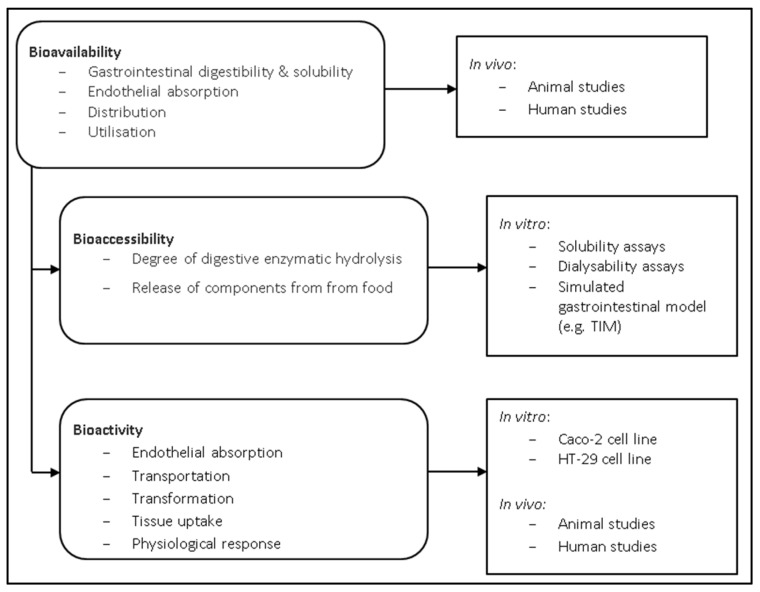
“The second is bioactivity, which involves absorption in the intestine, movement to the target location, metabolic transformation, and subsequent physiological effects [136].”
Jebali, A., Acién, F. G., Jiménez-Ruíz, N., Gómez-Serrano, C., Fernández-Sevilla, J. M., Mhiri, N., Karray, F., Sayadi, S., & Grima, E. M. (2019) · Biotechnology for Biofuels · doi:10.1186/s13068-019-1461-4 · Cited by 31
“This would make it potentially interesting as a feedstock for protein-based food processes, following oil extraction, particularly for aquaculture species such as shrimps, molluscs and fish [69, 70].”
BackgroundPeptides from plants and their applications
Hayes, M., & Bleakley, S. (2017) · Elsevier eBooks · doi:10.1016/b978-0-08-100736-5.00025-9 · Cited by 31
Self-citationZainan, N. H., Thiruvenkadam, S., Danquah, M. K., & Harun, R. (2019) · Journal of Applied Phycology · doi:10.1007/s10811-019-01960-0 · Cited by 29
“The yield of proteins could be improved by pre-treating the microalgae biomass via mechanical, chemical, and/or enzymatic action (Safi et al. 2014; Bleakley and Hayes 2017).”
BackgroundA first view on the unsuspected intragenus diversity of N‐glycans in Chlorella microalgae
Mócsai, R. T., Figl, R., Sützl, L., Fluch, S., & Altmann, F. (2020) · The Plant Journal · doi:10.1111/tpj.14718 · Cited by 30
“Green microalgae from the Chlorella clade are grown on a large scale for various purposes including protein-rich animal feed (Guccione et al. , 2014; Bleakley and Hayes, 2017; Grossmann et al. , 2019), as there are indications that algae may be grown on various types of sewage or sludge (Mar-kou et…”
Wu, H., Li, J., Wang, C., Liao, Q., Fu, Q., & Liu, Z. (2020) · Journal of Cleaner Production · doi:10.1016/j.jclepro.2020.123563 · Cited by 28
Kaur, M., Shitanaka, T., Surendra, K. C., & Khanal, S. K. (2024) · Critical Reviews in Food Science and Nutrition · doi:10.1080/10408398.2024.2384643 · Cited by 33
“…compounds (e.g., tannins) reduce the digestibility of proteins in some macroalgae, heating the macroalgal biomass induces partial denaturation of proteins, improving their susceptibility to proteolytic enzymes and digestibility (Bleakley and Hayes 2017; Leandro et al. 2020; Maehre et al. 2016).”
Microalgae to bioplastics – Routes and challenges
Chaudry, S., Hurtado-McCormick, V., Cheng, K. Y., Willis, A., Speight, R. E., & Kaksonen, A. H. (2025) · Cleaner Engineering and Technology · doi:10.1016/j.clet.2025.100922 · Cited by 34
Tayebati, H., Shariati, F. P., Soltani, N., & Tehrani, H. S. (2021) · Preparative Biochemistry & Biotechnology · doi:10.1080/10826068.2021.1941102 · Cited by 35
Maliki, I. M., Misson, M., Teoh, P. L., Rodrigues, K. F., & Yong, W. T. L. (2022) · Marine Drugs · doi:10.3390/md20020102 · Cited by 28
“Traditional methods for extracting algal protein include aqueous, acidic and alkaline methods, followed by several rounds of centrifugation and recovery using techniques such as ultrafiltration, precipitation, or chromatography [8,60].”
BackgroundMethodInfluentialAgar content of estuarine seaweed Gracilaria using different cultivation methods
Mendes, M., Fortunato, D., Cotas, J., Pacheco, D., Morais, T., & Pereira, L. (2022) · Applied Food Research · doi:10.1016/j.afres.2022.100209 · Cited by 28
Flavour characterization of twelve species of edible algae
Chua, W. C. L., Yeo, A. Y. Y., Yuan, W., Lee, Y. Y., Ikasari, L., Dharmawan, J., & Delahunty, C. M. (2024) · Algal Research · doi:10.1016/j.algal.2024.103540 · Cited by 27
Klüber, P., Arous, E., Zorn, H., & Rühl, M. (2023) · Life · doi:10.3390/life13020355 · Cited by 26
“However, the quality of the protein may not be optimal for the adult BSF since amino acids such as tryptophan and lysine are particularly limiting in many algae [62,63].”
BackgroundMicroalgae: revolutionizing skin repair and enhancement
Chinjoo, N., & Golzary, A. (2025) · Biotechnology Reports · doi:10.1016/j.btre.2025.e00911 · Cited by 30
“Chlorella contains the Chlorella Growth Factor (CGF), which promotes cell regeneration and improves skin elasticity [85].”
Alternative proteins: innovations in sources, processing, and consumption
Kaur, S. P., Sagar, N. A., & Rani, N. (2025) · Frontiers in Sustainable Food Systems · doi:10.3389/fsufs.2025.1641712 · Cited by 29
Chlorella, ¿un potencial biofertilizante?
Ortíz-Moreno, M. L., Sandoval-Parra, K. X., & Solarte-Murillo, L. V. (2019) · Orinoquia · doi:10.22579/20112629.582 · Cited by 37
Algal biotechnology in Australia and Vietnam: Opportunities and challenges
Rao, N. R. H., Tamburic, B., Doan, Y. T.-T., Nguyen, B. D., & Henderson, R. K. (2021) · Algal Research · doi:10.1016/j.algal.2021.102335 · Cited by 27
Aquatic Phlorotannins and Human Health: Bioavailability, Toxicity, and Future Prospects
Okeke, E. S., Nweze, E. J., Chibuogwu, C. C., Anaduaka, E. G., Chukwudozie, K. I., & Ezeorba, T. P. C. (2021) · Natural Product Communications · doi:10.1177/1934578x211056144 · Cited by 33
Lafeuille, B., Tamigneaux, É., Berger, K., Provencher, V., & Beaulieu, L. (2023) · Marine Drugs · doi:10.3390/md21070392 · Cited by 28
Liu, Y., Chen, X., Wei, D., & Xing, X. (2024) · Algal Research · doi:10.1016/j.algal.2024.103509 · Cited by 28
Lim, A. S., Jeong, H. J., Kim, S. J., & Ok, J. H. (2018) · ALGAE · doi:10.4490/algae.2018.33.9.10 · Cited by 27
“Furthermore, some salmonoids, shrimp, and lobsters need to consume carotenoid pigments such as astaxanthin and canthaxanthin which causes the pink color in their flesh (Gouveia et al. 2008, Bleakley and Hayes 2017).”
BackgroundHamzelou, S., Belobrajdic, D. P., Broadbent, J. A., Juhász, A., Chang, K. L., Jameson, I. D., Ralph, P. J., & Colgrave, M. L. (2023) · Critical Reviews in Biotechnology · doi:10.1080/07388551.2023.2283376 · Cited by 25
“The use of different methods to extract protein from microalgae has been reviewed recently [18,24]; however, the main comparisons were made based on total protein extracted, using estimates of total nitrogen content as a proxy protein measurement (Kjeldahl or Dumas methods) [25]. yet, measures of…”
Tuning the extraction methodology targeting protein-enriched fractions from red algae
Nunes, R., Ferreira‐Santos, P., Moreira, C., Teixeira, J. A., & Rocha, C. M. R. (2024) · Future Foods · doi:10.1016/j.fufo.2024.100335 · Cited by 26
Pandita, G., Sharma, S., Oommen, I. E., Madaan, N., Bhosale, Y. K., Nagy, V. Á., Shaikh, A. M., & Kovács, B. (2024) · Ultrasonics Sonochemistry · doi:10.1016/j.ultsonch.2024.107087 · Cited by 25
Amiri, M., Hosseini, S. E., Asadi, G., & Khayambashi, B. (2024) · LWT · doi:10.1016/j.lwt.2024.116819 · Cited by 26
Green synthesis of silver nanoparticles by algae: Advancements, challenges and sustainable prospects
Teh, H. Y., Lam, M. K., Chai, Y. H., Lim, J. W., Wong, V.-L., Tan, I. S., Lau, S. Y., & Cheng, Y. W. (2024) · Materials Today Chemistry · doi:10.1016/j.mtchem.2024.102389 · Cited by 33
Nutritional and Sensory Properties of Meat Analogues: A Current Overview and Future Considerations
Juhrich, L., Große, M., Mörlein, J., Bergmann, P., Zorn, H., & Gand, M. (2025) · Journal of Agricultural and Food Chemistry · doi:10.1021/acs.jafc.4c09414 · Cited by 28
The potential of deep eutectic solvents in the extraction of alternative proteins
Tarahi, M., Aghababaei, F., McClements, D. J., & Hadidi, M. (2025) · Food Hydrocolloids · doi:10.1016/j.foodhyd.2025.111552 · Cited by 28
Lafeuille, B., Tamigneaux, É., Berger, K., Provencher, V., & Beaulieu, L. (2023) · Foods · doi:10.3390/foods12081736 · Cited by 26
“For instance, polyphenols from macroalgae have shown, among other potential bioactivities, a strong antioxidant capacity [5,14,47], as have sulfated polysaccharides (such as alginates, fucoidans, and laminarans) [7,86].”
BackgroundJalili, S., Aryan, S., Mousavinezhad, S. A., Moeini, H., & Dehnad, D. (2023) · Journal of Food Measurement & Characterization · doi:10.1007/s11694-023-02231-w · Cited by 26
“Microalgae are unicellular organisms whose size is around 0.2 μm [1]; the recent trend is that for the extraction of active compounds for animal and human consumption, biofuels, food products and cosmetics, some of the species are grown at the industrial level [2].”
InfluentialCosta, J. P., Custódio, L. M. B., & Reis, C. P. (2023) · Marine Drugs · doi:10.3390/md21120620 · Cited by 26
Biorefinery Concept as a Key for Sustainable Future to Green Chemistry—The Case of Microalgae
Vernès, L., Li, Y., Chemat, F., & Vian, M. A. (2019) · Green chemistry and sustainable technology · doi:10.1007/978-981-13-3810-6_2 · Cited by 34
Seaweed components, properties, and applications
Padam, B. S., & Chye, F. Y. (2020) · Elsevier eBooks · doi:10.1016/b978-0-12-817943-7.00002-0 · Cited by 39
Guadalupi, L. S., Bianco, M., Cataldi, T. R. I., Ravnsborg, T., Jensen, O. N., & Calvano, C. D. (2025) · LWT · doi:10.1016/j.lwt.2025.117647 · Cited by 25
Microwave-assisted extraction of proteins and carbohydrates from marine resources
Sharma, P., & Zalpouri, R. (2021) · Elsevier eBooks · doi:10.1016/b978-0-12-820096-4.00019-5 · Cited by 26
Martínez-Ruiz, M., Molina-Vázquez, A., Santiesteban-Romero, B., Reyes-Pardo, H., Villaseñor-Zepeda, K. R., Meléndez-Sánchez, E. R., Araújo, R. G., Sosa‐Hernández, J. E., Bilal, M., Iqbal, H. M. N., et al. (2022) · Environmental Pollution · doi:10.1016/j.envpol.2022.119422 · Cited by 24
Potential of using microalgae to sequester carbon dioxide and processing to bioproducts
Balan, V., Pierson, J., Husain, H., Kumar, S., Saffron, C. M., & Kumar, V. (2023) · Green Chemistry · doi:10.1039/d3gc02286b · Cited by 27
Algae as Source of Natural Flavour Enhancers - A Mini Review
Sarkar, N. S., & Choudhury, S. (2017) · Plant Science Today · doi:10.14719/pst.2017.4.4.338 · Cited by 25
Mangena, P. (2019) · Protein and Peptide Letters · doi:10.2174/0929866526666191014125453 · Cited by 24
Study on Spirulina platensis growth employing non-linear analysis of biomass kinetic models
Islam, M. S., Kabir, K. M. A., Tanimoto, J., & Saha, B. B. (2021) · Heliyon · doi:10.1016/j.heliyon.2021.e08185 · Cited by 26
Physicochemical Characteristics of Protein Isolated from Thraustochytrid Oilcake
Tran, T. L. N., Miranda, A. F., Mouradov, A., & Adhikari, B. (2020) · Foods · doi:10.3390/foods9060779 · Cited by 24
Determination of bioactive properties of protein and pigments obtained from Spirulina platensis
Arslan, R., Eroğlu, E. Ç., & Aksay, S. (2020) · Journal of Food Processing and Preservation · doi:10.1111/jfpp.15150 · Cited by 26
Mechanical/Physical Methods of Cell Disruption and Tissue Homogenization
Goldberg, S. (2021) · Methods in molecular biology · doi:10.1007/978-1-0716-1186-9_36 · Cited by 23
Update on the application of magnetic fields to microalgal cultures
Santos, L. O., Silva, P. G. P., Machado, B. R., Sala, L., & Deamici, K. M. (2022) · World Journal of Microbiology and Biotechnology · doi:10.1007/s11274-022-03398-y · Cited by 25
“Since the global population is estimated at 9.7 billion by 2050 – data issued by the United Nations (2019) –, there must be increase of 70% in food production worldwide (Bleakley and Hayes 2017).”
BackgroundInfluentialFan, W., Duan, H., Ren, X., Guo, X., Zhang, Y., Li, J., Zhang, F., Chen, J., & Yang, X. (2023) · Ultrasonics Sonochemistry · doi:10.1016/j.ultsonch.2023.106561 · Cited by 23
Metadata
- Authors
- Bleakley, S., & Hayes, M.
- Affiliations
- Teagasc - The Irish Agriculture and Food Development Authority (IE)
- Food Biosciences Department, Teagasc Ashtown Food Research Centre, Ashtown, Dublin D15 KN3K, Ireland
- ORCID
- Bleakley, Stephen
- Venue
- Foods
- Publisher
- MDPI AG
- Published
- 2017-04-26
- Volume
- 6
- Issue
- 5
- Pages
- 33
- ISSN
- 2304-8158 (ISSN-L)
- PMC
- PMC5447909
- OpenAlex
- W2610120235
- Semantic Scholar
- 23bf8fd65fc4c9b10fa47cd4ddb45cd13b1aa01c
- Cited by
- 1,092
- References
- 253
- Citations by year
- 2026: 108 · 2025: 159 · 2024: 164 · 2023: 148 · 2022: 144 · 2021: 126 · 2020: 104 · 2019: 88 · 2018: 46 · 2017: 5
- FWCI
- 7.49
- Type
- journal article
- Language
- en
- Open access
- gold
- doi.org
- Licence
- Locations
- Foods (publishedVersion, cc-by)
- Europe PMC (PubMed Central) (publishedVersion, other-oa)
- PubMed Central (publishedVersion, cc-by)
- PubMed (publishedVersion)
- Arrow@dit (Dublin Institute of Technology) (acceptedVersion)
- DOAJ (DOAJ: Directory of Open Access Journals) (submittedVersion, cc-by-sa)
- T-Stór (Teagasc) (submittedVersion, cc-by-nc-sa)
- Funders
- TEAGASC (BioAlgae Project 2016073)
- Topics
- Life Sciences › Agricultural and Biological Sciences › Aquatic Science › Seaweed-derived Bioactive Compounds
- Life Sciences › Agricultural and Biological Sciences › Food Science › Protein Hydrolysis and Bioactive Peptides
- Physical Sciences › Energy › Renewable Energy, Sustainability and the Environment › Algal biology and biofuel production
- Keywords
- algal proteins, seaweed, microalgae, alternative protein sources, protein extraction, enzymatic hydrolysis, ultrasound-assisted extraction, pulsed electric field, microwave-assisted extraction, protein enrichment, bioactive peptides, functional food ingredients, protein quality, amino acid composition, digestibility, human nutrition, animal feed, aquaculture feed
About these checks
Registry, retraction, Cites and statistics results are computed, not judged, with one exception: a printed reference that no index lists is read once by a model before it counts as a citation error. Claims are extracted by a model and kept only when their quote appears verbatim in the text; each cited source is then checked, with a model’s help, for whether it says what the claim relies on. Those verdicts can be wrong — read the claim’s quote and the cited source before relying on one.
Statistics and arithmetic are recomputed, not judged.
Confidence bands are shown only for fields calibrated on our annotated test set. None is calibrated yet, so no band is shown.
What counts as a claim ›How we measure confidence ›How we check this ›
Are you an author, or do you see a problem with this page? Request a review
Data sources
Bibliographic data: Semantic Scholar, OpenAlex, Crossref.
Contains information from the Semantic Scholar Academic Graph Datasets, made available under the ODC Attribution License (ODC-BY 1.0).
Semantic Scholar’s data is described in: Kinney, R., et al. (2023). The Semantic Scholar Open Data Platform. arXiv:2301.10140.
