

A Pan-RNase Inhibitor Enabling CRISPR-mRNA Platforms for Engineering of Primary Human Monocytes
Open accessThe DOI matches its Crossref record; 76 of the 77 references it cites were found in a registry or an index.
Abstract
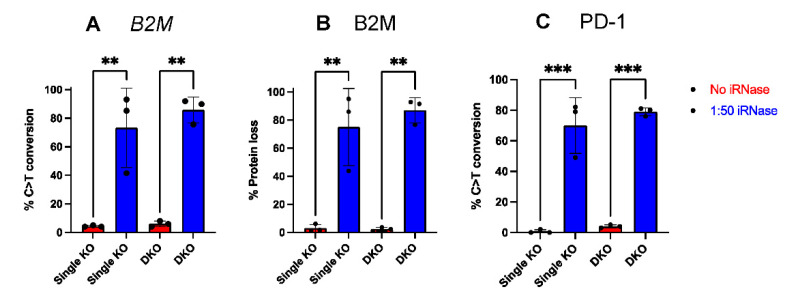
Monocytes and their downstream effectors are critical components of the innate immune system. Monocytes are equipped with chemokine receptors, allowing them to migrate to various tissues, where they can differentiate into macrophage and dendritic cell subsets and participate in tissue homeostasis, infection, autoimmune disease, and cancer. Enabling genome engineering in monocytes and their effector cells will facilitate a myriad of applications for basic and translational research. Here, we demonstrate that CRISPR-Cas9 RNPs can be used for efficient gene knockout in primary human monocytes. In addition, we demonstrate that intracellular RNases are likely responsible for poor and heterogenous mRNA expression as incorporation of pan-RNase inhibitor allows efficient genome engineering following mRNA-based delivery of Cas9 and base editor enzymes. Moreover, we demonstrate that CRISPR-Cas9 combined with an rAAV vector DNA donor template mediates site-specific insertion and expression of a transgene in primary human monocytes. Finally, we demonstrate that SIRPa knock-out monocyte-derived macrophages have enhanced activity against cancer cells, highlighting the potential for application in cellular immunotherapies.
Overview
The claims and statistics of this paper haven’t been checked yet.
Free: it reads the open-access text and checks the first 5 claims that cite a source we can check. Create a free account to check every claim.
Integrity signals
Registry
Cites
Statistics
Figures
Verification
Claims the paper makes
The claims and statistics of this paper haven’t been checked yet.
Free: it reads the open-access text and checks the first 5 claims that cite a source we can check. Create a free account to check every claim.
Claims other papers make about this one
Each is checked against this paper’s own text: does it say what the citing paper says it does?
The source backs part of the claim, not all of it — or backs it for a different population, condition or comparison.
In the citing paper
“Some cell types, such as primary human natural killer (NK) cells and monocytes, may benefit from addition of RNase inhibitor (Millipore Sigma, Cat #3335399001) to reduce degradation of the mRNA and gRNA by endogenous RNases.27,54”
From Adenine base editor for knockout of proteins: A practical guide from design to analysis with updated MultiEditRbatch (2026) · cites this paper as [54]
Experimental — accuracy not yet measured
Self-check
Percentages, sums and reported differences re-computed from the paper’s own numbers.
The self-check needs the paper’s full text.
Citations
Cites
Programmable editing of a target base in genomic DNA without double-stranded DNA cleavage
Komor, A. C., Kim, Y. B., Packer, M. S., Zuris, J. A., & Liu, D. R. (2016) · Nature · doi:10.1038/nature17946 · Cited by 5,437 · cited 2×
“However, alternative genome editing methods that do not create DSBs, such as DNA base editors, can largely circumvent these issues [27,51].”
BackgroundSearch-and-replace genome editing without double-strand breaks or donor DNA
Anzalone, A. V., Randolph, P. B., Davis, J. R., Sousa, A. A., Koblan, L. W., Levy, J. M., Chen, P. J., Wilson, C., Newby, G. A., Raguram, A., et al. (2019) · Nature · doi:10.1038/s41586-019-1711-4 · Cited by 4,767 · cited 1×
“Delivery of CRISPR-Cas9-based systems using an mRNA format instead of RNP would allow for more flexibility and broader applications, particularly when specific editing enzyme proteins are not readily producible; for example, as noted with base editors and the prime editing systems [40,41].”
BackgroundMacrophage biology in development, homeostasis and disease
Wynn, T. A., Chawla, A., & Pollard, J. W. (2013) · Nature · doi:10.1038/nature12034 · Cited by 4,684
Programmable base editing of A•T to G•C in genomic DNA without DNA cleavage
Gaudelli, N. M., Komor, A. C., Rees, H. A., Packer, M. S., Badran, A. H., Bryson, D. I., & Liu, D. R. (2017) · Nature · doi:10.1038/nature24644 · Cited by 4,184 · cited 3×
“However, alternative genome editing methods that do not create DSBs, such as DNA base editors, can largely circumvent these issues [28,52].”
BackgroundFate Mapping Reveals Origins and Dynamics of Monocytes and Tissue Macrophages under Homeostasis
Yona, S., Kim, K.-W., Wolf, Y., Mildner, A., Varol, D., Breker, M., Strauss-Ayali, D., Viukov, S., Guilliams, M., Misharin, A., et al. (2013) · Immunity · doi:10.1016/j.immuni.2012.12.001 · Cited by 3,245
Development of Monocytes, Macrophages, and Dendritic Cells
Geissmann, F., Manz, M. G., Jung, S., Sieweke, M. H., Merad, M., & Ley, K. (2010) · Science · doi:10.1126/science.1178331 · Cited by 3,049
Dendritic cells in cancer immunology and immunotherapy
Wculek, S. K., Cueto, F. J., Mujal, A. M., Melero, I., Krummel, M. F., & Sancho, D. (2020) · Nature Reviews Immunology · doi:10.1038/s41577-019-0210-z · Cited by 2,574
mRNA-based therapeutics--developing a new class of drugs
Sahin, U., Karikó, K., & Türeci, Ö. (2014) · Nature Reviews Drug Discovery · doi:10.1038/nrd4278 · Cited by 2,474 · cited 1×
“Monocytes are a critical component of the innate immune response and are thus equipped with various intracellular response mechanisms to detect foreign genetic material [42,43].”
BackgroundEasy quantitative assessment of genome editing by sequence trace decomposition
Brinkman, E. K., Chen, T., Amendola, M., & van Steensel, B. (2014) · Nucleic Acids Research · doi:10.1093/nar/gku936 · Cited by 2,390 · cited 1×
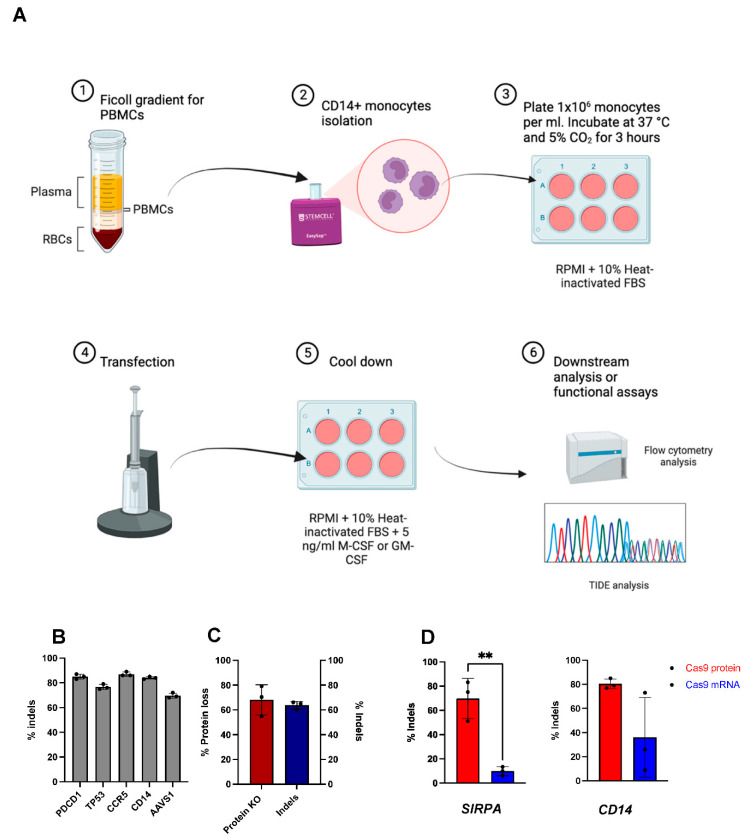
“CRISPR-Cas9 ribonucleoproteins (RNPs) complexes with these chemically modified sgRNAs were then individually electroporated into monocytes and the cells were cultured for 5 days before Sanger sequencing and analysis for non-homologous end joining derived insertions/deletions (indels), using the TIDE algorithm [35].”
MethodFrom Monocytes to M1/M2 Macrophages: Phenotypical vs. Functional Differentiation
Italiani, P., & Boraschi, D. (2014) · Frontiers in Immunology · doi:10.3389/fimmu.2014.00514 · Cited by 2,067
Role of CD47 as a Marker of Self on Red Blood Cells
Oldenborg, P.-A., Zheleznyak, A., Fang, Y.-F., Lagenaur, C. F., Gresham, H. D., & Lindberg, F. P. (2000) · Science · doi:10.1126/science.288.5473.2051 · Cited by 1,970 · cited 1×
“SIRPα is a transmembrane protein that regulates ADCP and ADCC in innate immune cells by interacting with the broadly expressed CD47 molecule, conferring a “don’t eat me” signal that prevents phagocytosis of healthy cells [61,73].”
BackgroundBase editing: precision chemistry on the genome and transcriptome of living cells
Rees, H. A., & Liu, D. R. (2018) · Nature Reviews Genetics · doi:10.1038/s41576-018-0059-1 · Cited by 1,675
Willingham, S. B., Volkmer, J.-P., Gentles, A. J., Sahoo, D., Dalerba, P., Mitra, S. S., Wang, J., Contreras-Trujillo, H., Martin, R., Cohen, J. D., et al. (2012) · Proceedings of the National Academy of Sciences · doi:10.1073/pnas.1121623109 · Cited by 1,666
Blood Monocytes: Development, Heterogeneity, and Relationship with Dendritic Cells
Auffray, C., Sieweke, M. H., & Geissmann, F. (2009) · Annual Review of Immunology · doi:10.1146/annurev.immunol.021908.132557 · Cited by 1,655 · cited 2×
“Much of the knowledge of human monocytes and their biological functions come from carefully compared genomic analysis of sorted monocyte subsets in conjunction with comparison to murine monocytes or monocyte cell lines [63].”
BackgroundTHE ORIGIN AND KINETICS OF MONONUCLEAR PHAGOCYTES
van Furth, R., & Cohn, Z. A. (1968) · The Journal of Experimental Medicine · doi:10.1084/jem.128.3.415 · Cited by 1,563
Human chimeric antigen receptor macrophages for cancer immunotherapy
Klichinsky, M., Ruella, M., Shestova, O., Lu, X. M., Best, A., Zeeman, M., Schmierer, M., Gabrusiewicz, K., Anderson, N. R., Petty, N. E., et al. (2020) · Nature Biotechnology · doi:10.1038/s41587-020-0462-y · Cited by 1,495
Chemically modified guide RNAs enhance CRISPR-Cas genome editing in human primary cells
Hendel, A., Bak, R. O., Clark, J. T., Kennedy, A. B., Ryan, D. E., Roy, S., Steinfeld, I., Lunstad, B. D., Kaiser, R. J., Wilkens, A. B., et al. (2015) · Nature Biotechnology · doi:10.1038/nbt.3290 · Cited by 1,090 · cited 1×
“All sgRNAs were synthesized with chemically modified 2′-O-methyl and 3′ phosphorothioate internucleotide modified linkages at the 3′ and 5′ ends (IDT, Coralville, IA), as previously described [76].”
MethodChao, M. P., Alizadeh, A. A., Tang, C., Myklebust, J. H., Varghese, B., Gill, S., Jan, M., Cha, A. C., Chan, C. K., Tan, B. T., et al. (2010) · Cell · doi:10.1016/j.cell.2010.07.044 · Cited by 1,087 · cited 3×
“Previous work by Weissman and colleagues rep rted that antibody blockade of SIRPα/CD47 interaction in conjunction with rituximab (anti-CD20) allows for enhanced antibody- ependent cellular phagocytosis (ADCP) and antib dydependent cellular cytotoxicity (ADCC) of macrophages [38,39,61].”
BackgroundMethodIDENTIFICATION OF A NOVEL CELL TYPE IN PERIPHERAL LYMPHOID ORGANS OF MICE
Steinman, R. M., Lustig, D. S., & Cohn, Z. A. (1974) · The Journal of Experimental Medicine · doi:10.1084/jem.139.6.1431 · Cited by 1,050
Phagocytosis checkpoints as new targets for cancer immunotherapy
Feng, M., Jiang, W., Kim, B. Y. S., Zhang, C. C., Fu, Y.-X., & Weissman, I. L. (2019) · Nature Reviews Cancer · doi:10.1038/s41568-019-0183-z · Cited by 911 · cited 1×
“In addition, cancers escape ADCP and ADCC by expressing CD47 on the plasma membrane to bind to SIRPα-expressing TAMs to inhibit these anti-cancer mechanisms [22].”
BackgroundReprogramming human T cell function and specificity with non-viral genome targeting
Roth, T. L., Puig-Saus, C., Yu, R., Shifrut, E., Carnevale, J., Li, P. J., Hiatt, J., Saco, J., Krystofinski, P., Li, H., et al. (2018) · Nature · doi:10.1038/s41586-018-0326-5 · Cited by 839 · cited 2×
“We, and others [56,57], have found that transfection of plasmid-based HDR templates causes toxicity in primary immune cells; therefore, we tested recombinant adeno-associated virus (rAAV) for DNA donor template delivery.”
MethodIDENTIFICATION OF A NOVEL CELL TYPE IN PERIPHERAL LYMPHOID ORGANS OF MICE
Steinman, R. M., & Cohn, Z. A. (1974) · The Journal of Experimental Medicine · doi:10.1084/jem.139.2.380 · Cited by 814
Rupp, L. J., Schumann, K., Roybal, K. T., Gate, R. E., Ye, C. J., Lim, W. A., & Marson, A. (2017) · Scientific Reports · doi:10.1038/s41598-017-00462-8 · Cited by 757
Genetic Drivers of Epigenetic and Transcriptional Variation in Human Immune Cells
Chen, L., Ge, B., Casale, F. P., Vasquez, L., Kwan, T., Garrido-Martín, D., Watt, S., Yan, Y., Kundu, K., Ecker, S., et al. (2016) · Cell · doi:10.1016/j.cell.2016.10.026 · Cited by 679 · cited 1×
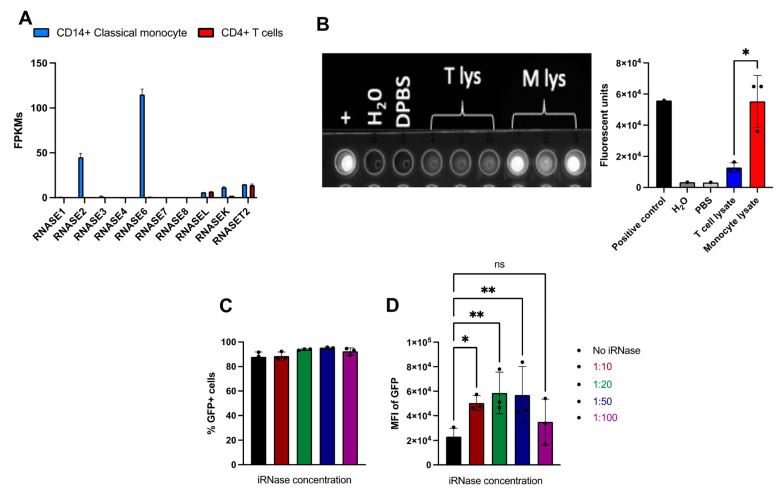
“This is in stark contrast to the near absence of RNase A superfamily expression in primary human T cells (Figure 3A) [47].”
ResultTseng, D., Volkmer, J.-P., Willingham, S. B., Contreras-Trujillo, H., Fathman, J. W., Fernhoff, N. B., Seita, J., Inlay, M. A., Weiskopf, K., Miyanishi, M., et al. (2013) · Proceedings of the National Academy of Sciences · doi:10.1073/pnas.1305569110 · Cited by 657 · cited 17×
“Systemic administration of antibodies against SIRPa/CD47 has been shown to enhance macrophage phagocytosis of CD47-expressing tumors in mice [36,38,39]; however, toxicity due to systemic admi istration of antibodies as been reported [36].”
BackgroundInfluentialDubois, N. C., Craft, A. M., Sharma, P., Elliott, D. A., Stanley, E. G., Elefanty, A. G., Gramolini, A., & Keller, G. (2011) · Nature Biotechnology · doi:10.1038/nbt.2005 · Cited by 544 · cited 1×
“demonstrated that SIRPA, a hallmark of cardiomyocyte marker, can be upregulated during differentiation of iPSCs into cardiomyocytes [75].”
BackgroundHuang, X., Venet, F., Wang, Y. L., Lepape, A., Yuan, Z., Chen, Y., Swan, R., Kherouf, H., Monneret, G., Chung, C.-S., et al. (2009) · Proceedings of the National Academy of Sciences · doi:10.1073/pnas.0809422106 · Cited by 515 · cited 2×
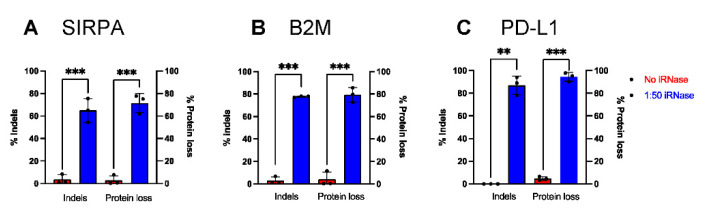
“As PD-1 protein is not commonly expressed in monocytes [53], we did not measure percent reduction of expression of this protein.”
BackgroundMerad, M., & Manz, M. G. (2009) · Blood · doi:10.1182/blood-2008-12-180646 · Cited by 395
Homology-mediated end joining-based targeted integration using CRISPR/Cas9
Yao, X., Wang, X., Hu, X., Liu, Z., Liu, J., Zhou, H., Shen, X., Wei, Y., Huang, Z., Ying, W., et al. (2017) · Cell Research · doi:10.1038/cr.2017.76 · Cited by 333 · cited 1×
“(MMEJ) can improve precise integration of a transgene in non-dividing cells [70].”
BackgroundMethodologies for Improving HDR Efficiency
Liu, M., Rehman, S., Tang, X., Gu, K., Fan, Q., Chen, D., & Ma, W. (2019) · Frontiers in Genetics · doi:10.3389/fgene.2018.00691 · Cited by 323 · cited 1×
“As homologous recombination occurs largely during the S to G2 phases of the cell cycle [69], this may be explained by the fact that monocytes are largely non-dividing in vitro.”
BackgroundTHP-1 cells as a model for human monocytes
Bosshart, H., & Heinzelmann, M. (2016) · Annals of Translational Medicine · doi:10.21037/atm.2016.08.53 · Cited by 322 · cited 2×
“However, there are many limitations associated with THP-1 cells and other monocyte cell lines for the study of basic monocyte biology, such as differences in cytokine expression and effector functions [6,7].”
BackgroundMethodMafB/c-Maf Deficiency Enables Self-Renewal of Differentiated Functional Macrophages
Aziz, A., Soucie, E., Sarrazin, S., & Sieweke, M. H. (2009) · Science · doi:10.1126/science.1176056 · Cited by 317 · cited 1×
“A previous study reported that dual MafB/c-Maf knockout mice produce functional mouse macrophages with highly enhanced self-renewal potential [71].”
BackgroundNguyen, D. N., Roth, T. L., Li, P. J., Chen, P. A., Apathy, R., Mamedov, M. R., Vo, L. T., Tobin, V. R., Goodman, D., Shifrut, E., et al. (2020) · Nature Biotechnology · doi:10.1038/s41587-019-0325-6 · Cited by 312 · cited 4×
“Sequencing chromatograms from coBE4 mediated base editing were analyzed using the EditR online tool [54] (z.umn.edu/editr accessed on 30 April 2020) to quantify percent C to T conversion (% C > T).”
MethodInfluentialSteinhart, Z., Pavlovic, Z., Chandrashekhar, M., Hart, T., Wang, X., Zhang, X., Robitaille, M., Brown, K. R., Jaksani, S., Overmeer, R., et al. (2017) · Nature Medicine · doi:10.1038/nm.4219 · Cited by 297
Anti-SIRPα antibody immunotherapy enhances neutrophil and macrophage antitumor activity
Ring, N. G., Herndler-Brandstetter, D., Weiskopf, K., Shan, L., Volkmer, J.-P., George, B. M., Lietzenmayer, M., McKenna, K. M., Naik, T. J., McCarty, A., et al. (2017) · Proceedings of the National Academy of Sciences · doi:10.1073/pnas.1710877114 · Cited by 283 · cited 17×
“Systemic administration of antibodies against SIRPa/CD47 has been shown to enhance macrophage phagocytosis of CD47-expressing tumors in mice [36,38,39]; however, toxicity due to systemic admi istration of antibodies as been reported [36].”
BackgroundInfluentialSchildberger, A., Rossmanith, E., Eichhorn, T., Strassl, K., & Weber, V. (2013) · Mediators of Inflammation · doi:10.1155/2013/697972 · Cited by 262 · cited 1×
“However, there are many limitations associated with THP-1 cells and other monocyte cell lines for the study of basic monocyte biology, such as differences in cytokine expression and effector functions [6,7].”
BackgroundAntigen presentation by monocytes and monocyte-derived cells
Randolph, G. J., Jakubzick, C., & Qu, C. (2008) · Current Opinion in Immunology · doi:10.1016/j.coi.2007.10.010 · Cited by 237
Webber, B. R., Lonetree, C.-L., Kluesner, M. G., Johnson, M. J., Pomeroy, E. J., Diers, M. D., Lahr, W. S., Draper, G. M., Slipek, N. J., Smeester, B. A., et al. (2019) · Nature Communications · doi:10.1038/s41467-019-13007-6 · Cited by 232 · cited 4×
“Interestingly, in stark contrast to our finding in other immune cell types, such as T and B cells [27,31,68], Cas9 mRNA yielded inefficient and highly inconsistent genome editing across multiple independent monocyte donors and genomic target sites.”
BackgroundMethodResultSelf-citationMonocytes and Macrophages in Cancer: Development and Functions
Richards, D. M., Hettinger, J., & Feuerer, M. (2013) · Cancer Microenvironment · doi:10.1007/s12307-012-0123-x · Cited by 210 · cited 1×
“Critical to cancer immunotherapy, monocytes have been shown to robustly home to and infiltrate tumors where they are influenced by the tumor microenvironment and can differentiate into tumor-associated macrophages (TAMs) that either inhibit or promote tumor progression via various mechanisms [14].”
BackgroundChallita, P. M., Skelton, D., el-Khoueiry, A., Yu, X. J., Weinberg, K., & Kohn, D. B. (1995) · Journal of Virology · doi:10.1128/jvi.69.2.748-755.1995 · Cited by 209 · cited 2×
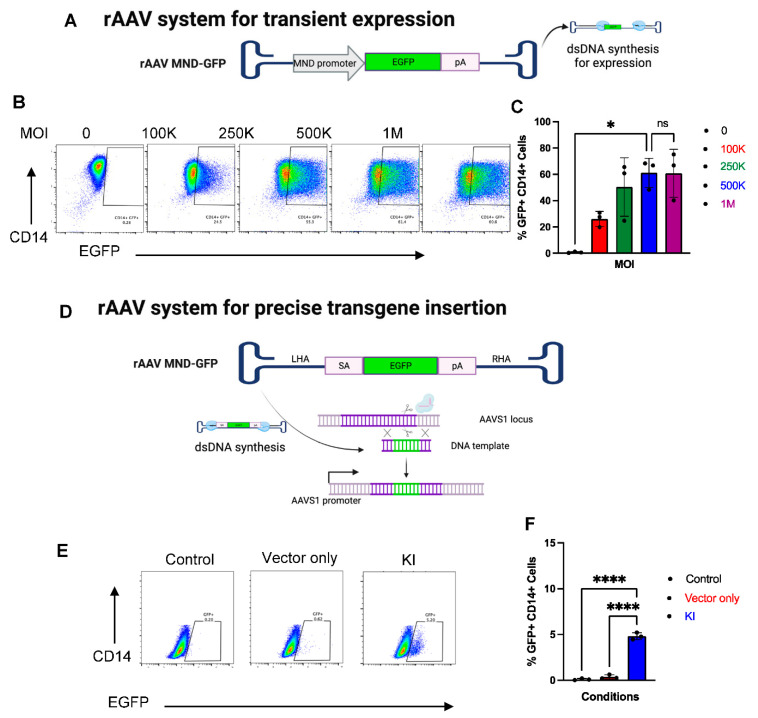
“To find optimal transduction efficie cy, we utilized rAAV6 encoding a EGFP expression cass tte under the regulation of the MND promoter, a strong synthetic promoter [58] (Figure 6D).”
BackgroundMethodEvaluation of TCR Gene Editing Achieved by TALENs, CRISPR/Cas9, and megaTAL Nucleases
Osborn, M. J., Webber, B. R., Knipping, F., Lonetree, C.-L., Tennis, N., DeFeo, A. P., McElroy, A. N., Starker, C. G., Lee, C., Merkel, S., et al. (2016) · Molecular Therapy · doi:10.1038/mt.2015.197 · Cited by 201 · cited 1×
“Interestingly, in stark contrast to our finding in other immune cell types, such as T and B cells [27,31,68], Cas9 mRNA yielded inefficient and highly inconsistent genome editing across multiple independent monocyte donors and genomic target sites.”
ResultSelf-citationA Genetically Engineered Primary Human Natural Killer Cell Platform for Cancer Immunotherapy
Pomeroy, E. J., Hunzeker, J. T., Kluesner, M. G., Lahr, W. S., Smeester, B. A., Crosby, M. R., Lonetree, C.-L., Yamamoto, K., Bendzick, L., Miller, J. S., et al. (2020) · Molecular Therapy · doi:10.1016/j.ymthe.2019.10.009 · Cited by 195
Tracking of intertissue migration reveals the origins of tumor-infiltrating monocytes
Shand, F. H. W., Ueha, S., Otsuji, M., Koid, S. S., Shichino, S., Tsukui, T., Kosugi-Kanaya, M., Abe, J., Tomura, M., Ziogas, J., et al. (2014) · Proceedings of the National Academy of Sciences · doi:10.1073/pnas.1402914111 · Cited by 175
Migrating monocytes recruited to the spleen play an important role in control of blood stage malaria
Sponaas, A.-M., Freitas do Rosario, A. P., Voisine, C., Mastelic, B., Thompson, J., Koernig, S., Jarra, W., Renia, L., Mauduit, M., Potocnik, A. J., et al. (2009) · Blood · doi:10.1182/blood-2009-04-217489 · Cited by 164
Monocyte-derived dendritic cells
León, B., López-Bravo, M., & Ardavín, C. (2005) · Seminars in Immunology · doi:10.1016/j.smim.2005.05.013 · Cited by 163 · cited 1×
“Monocytes and their downstream effectors are armed with a functional diversity of receptors that allow them to execute a variety of immunological defense mechanisms including phagocytosis of pathogens and antigen presentation to T and B cells [5].”
BackgroundImmune Modulation by Human Secreted RNases at the Extracellular Space
Lu, L., Li, J., Moussaoui, M., & Boix, E. (2018) · Frontiers in Immunology · doi:10.3389/fimmu.2018.01012 · Cited by 160
The Ribonuclease A Superfamily in Humans: Canonical RNases as the Buttress of Innate Immunity
Koczera, P., Martin, L., Marx, G., & Schuerholz, T. (2016) · International Journal of Molecular Sciences · doi:10.3390/ijms17081278 · Cited by 154
B cells engineered to express pathogen-specific antibodies protect against infection
Moffett, H. F., Harms, C. K., Fitzpatrick, K. S., Tooley, M. R., Boonyaratanakornkit, J. B., & Taylor, J. J. (2019) · Science Immunology · doi:10.1126/sciimmunol.aax0644 · Cited by 151 · cited 1×
“As rAAV pseudotyped 6 (rAAV6) has been reported to efficiently transduce several diff ent typ s of rimary human i mune cells, inc uding myeloid c ls [28,32,57], we tested wh ther rAAV6 is suitable for delivering a DNA donor template for CRISPR-Cas9 mediated HDR.”
MethodMonocyte Heterogeneity: Consequences for Monocyte-Derived Immune Cells
Sprangers, S., Vries, T. J. D., & Everts, V. (2016) · Journal of Immunology Research · doi:10.1155/2016/1475435 · Cited by 150 · cited 1×
“Monocytes have been broadly classified into three distinct subsets; CD14++ CD16− (classical), CD14+(+) CD16+ (intermediate) and CD14+CD16++ (non-classical) [1].”
BackgroundThe RNase a superfamily: Generation of diversity and innate host defense
Dyer, K. D., & Rosenberg, H. F. (2006) · Molecular Diversity · doi:10.1007/s11030-006-9028-2 · Cited by 144
Origin, development, and homeostasis of tissue‐resident macrophages
Haldar, M., & MURPHY, K. M. M. (2014) · Immunological Reviews · doi:10.1111/imr.12215 · Cited by 143
Tabdanov, E. D., Rodríguez-Merced, N. J., Cartagena-Rivera, A. X., Puram, V. V., Callaway, M. K., Ensminger, E. A., Pomeroy, E. J., Yamamoto, K., Lahr, W. S., Webber, B. R., et al. (2021) · Nature Communications · doi:10.1038/s41467-021-22985-5 · Cited by 138
Kluesner, M. G., Lahr, W. S., Lonetree, C.-L., Smeester, B. A., Qiu, X., Slipek, N. J., Claudio Vázquez, P. N., Pitzen, S. P., Pomeroy, E. J., Vignes, M. J., et al. (2021) · Nature Communications · doi:10.1038/s41467-021-22009-2 · Cited by 121 · cited 5×
“As PD-1 protein is not commonly expressed in monocytes [54], we did not measure percent reduction of expression of this protein.”
BackgroundMethodSelf-citationAng, Z., Er, J. Z., Tan, N. S., Lu, J., Liou, Y.-C., Grosse, J., & Ding, J. L. (2016) · Scientific Reports · doi:10.1038/srep34145 · Cited by 100
Khan, K. D., Emmanouilides, C., Benson, D. M., Hurst, D., Garcia, P., Michelson, G., Milan, S., Ferketich, A. K., Piro, L., Leonard, J. P., et al. (2006) · Clinical Cancer Research · doi:10.1158/1078-0432.ccr-06-1571 · Cited by 99 · cited 1×
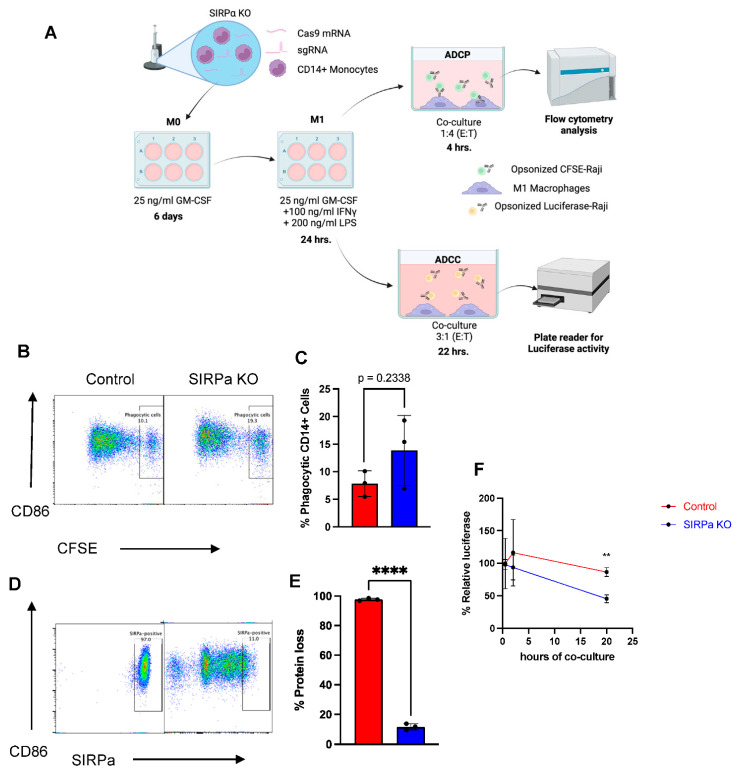
“As ADCC activity has been described as one of the core functions of macrophages [19,62], we tested whether SIRPα knockout could increase ADCC in MDMs.”
BackgroundGM‐CSF promotes migration of human monocytes across the blood brain barrier
Vogel, D. Y. S., Kooij, G., Heijnen, P. D. A. M., Breur, M., Peferoen, L. A. N., van der Valk, P., de Vries, H. E., Amor, S., & Dijkstra, C. D. (2015) · European Journal of Immunology · doi:10.1002/eji.201444960 · Cited by 94
High-purity production and precise editing of DNA base editing ribonucleoproteins
Jang, H.-K., Jo, D. H., Lee, S.-N., Cho, C. S., Jeong, Y. K., Jung, Y., Yu, J., Kim, J. H., Woo, J.-S., & Bae, S. (2021) · Science Advances · doi:10.1126/sciadv.abg2661 · Cited by 93 · cited 1×
“In addition, we closely examined deploying Cas9 mRNA in place of Cas9 protein to enable the use of rapidly evolving engineering tools, such as base and prime editors where purified proteins are not commercially available or difficult to produce [67].”
BackgroundEngineering of Primary Human B cells with CRISPR/Cas9 Targeted Nuclease
Johnson, M. J., Laoharawee, K., Lahr, W. S., Webber, B. R., & Moriarity, B. S. (2018) · Scientific Reports · doi:10.1038/s41598-018-30358-0 · Cited by 92 · cited 1×
“Interestingly, in stark contrast to our finding in other immune cell types, such as T and B cells [27,31,68], Cas9 mRNA yielded inefficient and highly inconsistent genome editing across multiple independent monocyte donors and genomic target sites.”
ResultSelf-citationBrain‐targeted stem cell gene therapy corrects mucopolysaccharidosis type II via multiple mechanisms
Gleitz, H. F., Liao, A. Y., Cook, J. R., Rowlston, S. F., Forte, G. M., D'Souza, Z., O'Leary, C., Holley, R. J., & Bigger, B. W. (2018) · EMBO Molecular Medicine · doi:10.15252/emmm.201708730 · Cited by 85
Moradian, H., Roch, T., Lendlein, A., & Gossen, M. (2020) · Scientific Reports · doi:10.1038/s41598-020-60506-4 · Cited by 82 · cited 1×
“Monocytes are a critical component of the innate immune response and are thus equipped with various intracellular response mechanisms to detect foreign genetic material [42,43].”
BackgroundEnhanced NK-92 Cytotoxicity by CRISPR Genome Engineering Using Cas9 Ribonucleoproteins
Huang, R.-S., Shih, H.-A., Lai, M.-C., Chang, Y.-J., & Lin, S. (2020) · Frontiers in Immunology · doi:10.3389/fimmu.2020.01008 · Cited by 80 · cited 1×
“As rAAV pseudotyped 6 (rAAV6) has been reported to efficiently transduce several different types of primary human immune cells, including myeloid cells [29,33,58], we tested whether rAAV6 is suitable for delivering a DNA donor template for CRISPR-Cas9 mediated HDR.”
BackgroundEfficient viral delivery of Cas9 into human safe harbor
Hayashi, H., Kubo, Y., Izumida, M., & Matsuyama, T. (2020) · Scientific Reports · doi:10.1038/s41598-020-78450-8 · Cited by 65 · cited 2×
“We chose the AAVS1 as it has no known biological function in mammalian cells and has been coined as a “safe harbor” for transgene expression [59].”
MethodEfficient generation of isogenic primary human myeloid cells using CRISPR-Cas9 ribonucleoproteins
Hiatt, J. B., Cavero, D. A., McGregor, M., Zheng, W., Budzik, J. M., Roth, T. L., Haas, K. M., Wu, D., Rathore, U., Meyer‐Franke, A., et al. (2021) · Cell Reports · doi:10.1016/j.celrep.2021.109105 · Cited by 58 · cited 6×
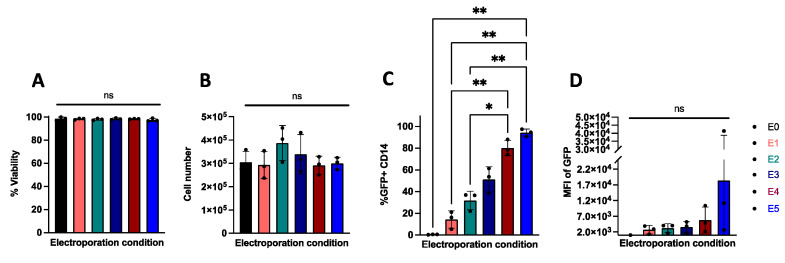
“These data demonstrate that CRISPR-Cas9 RNPs can be used to efficiently edit the genome of primary human monocytes.”
BackgroundMethodInfluentialLuo, B., Zhan, Y., Luo, M., Dong, H., Liu, J., Lin, Y., Zhang, J., Wang, G., Verhoeyen, E., Zhang, Y., et al. (2020) · Cell Death and Disease · doi:10.1038/s41419-020-03187-1 · Cited by 57 · cited 1×
“As rAAV pseudotyped 6 (rAAV6) has been reported to efficiently transduce several different types of primary human immune cells, including myeloid cells [29,33,58], we tested whether rAAV6 is suitable for delivering a DNA donor template for CRISPR-Cas9 mediated HDR.”
BackgroundInhibition of SIRPα in dendritic cells potentiates potent antitumor immunity
Liu, Q., Wen, W., Tang, L., Qin, C., Lin, Y., Zhang, H., Wu, H., Ashton, C., Wu, H., Ding, J., et al. (2016) · OncoImmunology · doi:10.1080/2162402x.2016.1183850 · Cited by 48 · cited 2×
“SIRPα is expressed on monocytes, MDMs, and MDDCs where it interacts with its ligand CD47, which is expressed on most cells as a “don’t eat me” signal, but is often overexpressed by tumor cells to escape immune checkpoint [37,38].”
BackgroundVrtačnik, P., Kos, Š., Bustin, S. A., Marc, J., & Ostanek, B. (2014) · Analytical Biochemistry · doi:10.1016/j.ab.2014.06.017 · Cited by 33 · cited 1×
“A ‘Protector’ RNase Inhibitor (iRNase, Roche) is a protein derived from rat lung that has pan inhibition of the RNase A superfamily [49] and has been historically used for RNA-related in vitro experiments to prevent RNA degradation [50].”
BackgroundArming Tumor-Associated Macrophages to Reverse Epithelial Cancer Progression
Wettersten, H. I., Weis, S. M., Pathria, P., Schalscha, T. V., Minami, T., Varner, J. A., & Cheresh, D. A. (2019) · Cancer Research · doi:10.1158/0008-5472.can-19-1246 · Cited by 33 · cited 13×
“In line with this, Wettersten et. al., reported that macrophage were able to kill CD47-expressing lung cancer when opsonized with anti-integrin b-3 antibody through ADCC mechanism instead of ADCP [74].”
BackgroundInfluentialUssher, J. E., & Taylor, J. A. (2010) · Human Gene Therapy · doi:10.1089/hum.2010.087 · Cited by 30
Phase IB trial for malignant melanoma using R24 monoclonal antibody, interleukin-2/α-interferon
Alpaugh, R. K., von Mehren, M., Palazzo, I., Atkins, M. B., Sparano, J. A., Schuchter, L. M., Weiner, L. M., & Dutcher, J. P. (1998) · Medical Oncology · doi:10.1007/bf02821938 · Cited by 24
Lambert, M., Leijonhufvud, C., Segerberg, F., Melenhorst, J. J., & Carlsten, M. (2020) · Methods in molecular biology · doi:10.1007/978-1-0716-0338-3_18 · Cited by 19
Vangeti, S., Strandin, T. M., Liu, S., Tauriainen, J., Räisänen-Sokolowski, A. K., Cabrera, L. E., Hassinen, A., Mäkelä, S., Mustonen, J. T., Vaheri, A. I., et al. (2021) · PLoS Pathogens · doi:10.1371/journal.ppat.1009400 · Cited by 19
Genome Engineering of Primary Human B Cells Using CRISPR/Cas9
Laoharawee, K., Johnson, M. J., Lahr, W. S., Peterson, J. J., Webber, B. R., & Moriarity, B. S. (2020) · Journal of Visualized Experiments · doi:10.3791/61855 · Cited by 16 · cited 2×
“In our previous report using this approach in primary human B cells, we observed high rates of integration (>60%) [60].”
MethodDevelopment of a Macrophage-Based ADCC Assay
Uccellini, M. B., Aslam, S., Liu, S. T. H., Alam, F., & García‐Sastre, A. (2021) · Vaccines · doi:10.3390/vaccines9060660 · Cited by 15 · cited 2×
“As ADCC activity has been described as one of the core functions of macrophages [19,62], we tested whether SIRPα knockout could increase ADCC in MDMs.”
BackgroundMethodPeterson, C. W., Venkataraman, R., Reddy, S. S., Pande, D., Enstrom, M., Radtke, S., Humbert, O., & Kiem, H. (2021) · Molecular Therapy — Methods & Clinical Development · doi:10.1016/j.omtm.2021.11.010 · Cited by 8 · cited 2×
“Moreover, a pan-RNase inhibitor was recently reported to allow higher mRNA expression and enhanced mRNA-based genome engineering in non-human primate hematopoietic cells [48].”
BackgroundCRISPR/Cas9-Based Genetic Screening to Study T-Cell Function
Shang, W., Wang, F., Zhu, Q., Wang, L., & Wang, H. (2020) · Methods in molecular biology · doi:10.1007/978-1-0716-0266-9_5 · Cited by 5
Update in General Internal Medicine: Evidence Published in 2011
Brooks, R. C., Hasley, P. B., Jasti, H., & Macpherson, D. (2012) · Annals of Internal Medicine · doi:10.7326/0003-4819-156-9-201205010-00410 · Cited by 2
Cited by
Skeate, J. G., Pomeroy, E. J., Slipek, N. J., Jones, B. J., Wick, B. J., Chang, J., Lahr, W. S., Stelljes, E. M., Patrinostro, X., Barnes, B., et al. (2024) · Molecular Therapy · doi:10.1016/j.ymthe.2024.04.024 · Cited by 34
“61 However, there are very limited data available on the expression of ribonucleases in NK cells in resting or activated states.”
Muneekaew, S., Sasithong, P., Chupradit, K., Saiprayong, K., Nuchphongsai, T., & Wattanapanitch, M. (2025) · FEBS Journal · doi:10.1111/febs.70192 · Cited by 12
“[20] demonstrated that human macrophages derived from the SIRP a KO monocytes had enhanced phagocytic activity against rituximab-opsonized Raji cells.”
Eaton, E. J., Wick, B. J., Chacón, J. S., Wang, A. J., Kluesner, M., Barnes, J. T., Kar, B., Wang, M., Johnson, M. J., Skeate, J. G., et al. (2026) · Molecular Therapy Nucleic Acids · doi:10.1016/j.omtn.2026.102908 · Cited by 2
Molecular Targets for Cancer Immunotherapy: Focusing on (Immune and Tumor) Cell-Derived Metabolites
Quintans, R. D. T., de Freitas, Â. A., de Souza, M. M., Dias-Lopes, G., & Silva, R. C. M. C. (2026) · Applied Sciences · doi:10.3390/app16052461 · Cited by 1
Editing of ADA2 Point Mutation in Human Hematopoietic Stem CellsPreprint
Kopcil, P., Ervik, C. W., Reint, G., Mamia, K., Szymańska, M., Dahal‐Koirala, S., Conradi, J., Skjelbostad, S. F., Dønåsen, O. A., Jiang, X., et al. (2025) · bioRxiv (Cold Spring Harbor Laboratory) · doi:10.1101/2025.08.14.670303
Metadata
- Authors
- Laoharawee, K., Johnson, M. J., Lahr, W. S., Sipe, C. J., Kleinboehl, E., Peterson, J. J., Lonetree, C.-L., Bell, J. B., Slipek, N. J., Crane, A. T., Webber, B. R., & Moriarity, B. S.
- Affiliations
- University of Minnesota (US)
- Corresponding author
- Moriarity, Branden S.
- ORCID
- Venue
- International Journal of Molecular Sciences
- Publisher
- MDPI AG
- Published
- 2022-08-28
- Volume
- 23
- Issue
- 17
- Pages
- 9749
- ISSN
- 1422-0067 (ISSN-L)
- PMC
- PMC9456164
- OpenAlex
- W4293426408
- Cited by
- 7
- References
- 77
- Citations by year
- 2026: 3 · 2025: 3 · 2024: 1
- FWCI
- 0.33
- Type
- journal article
- Language
- en
- Open access
- gold
- doi.org
- Licence
- Locations
- International Journal of Molecular Sciences (publishedVersion, cc-by)
- PubMed Central (publishedVersion, cc-by)
- PubMed (publishedVersion)
- DOAJ (DOAJ: Directory of Open Access Journals) (submittedVersion, cc-by-sa)
- Funders
- European Commission (282510, 2007–2013, FP7 2007-2013, FP7/2007)
- National Institute of Allergy and Infectious Diseases (R21AI163731)
- Topics
- Life Sciences › Biochemistry, Genetics and Molecular Biology › Molecular Biology › CRISPR and Genetic Engineering
- Life Sciences › Biochemistry, Genetics and Molecular Biology › Molecular Biology › RNA Interference and Gene Delivery
- Life Sciences › Biochemistry, Genetics and Molecular Biology › Molecular Biology › RNA regulation and disease
- Keywords
- CRISPR/Cas9, RNase inhibitor, genome editing, base editors, rAAV vectors, transgene integration, monocyte-derived macrophages, tumor cell killing, cellular immunotherapy, innate immunity
- MeSH terms
- Gene Editing, Endoribonucleases, Genetic Engineering, Humans, Monocytes, Ribonucleases, RNA, Messenger, Gene Knockout Techniques, CRISPR-Cas Systems
About these checks
Registry, retraction, Cites and statistics results are computed, not judged, with one exception: a printed reference that no index lists is read once by a model before it counts as a citation error. Claims are extracted by a model and kept only when their quote appears verbatim in the text; each cited source is then checked, with a model’s help, for whether it says what the claim relies on. Those verdicts can be wrong — read the claim’s quote and the cited source before relying on one.
Statistics and arithmetic are recomputed, not judged.
Confidence bands are shown only for fields calibrated on our annotated test set. None is calibrated yet, so no band is shown.
What counts as a claim ›How we measure confidence ›How we check this ›
Are you an author, or do you see a problem with this page? Request a review
Data sources
Bibliographic data: Semantic Scholar, OpenAlex, Crossref.
Contains information from the Semantic Scholar Academic Graph Datasets, made available under the ODC Attribution License (ODC-BY 1.0).
Semantic Scholar’s data is described in: Kinney, R., et al. (2023). The Semantic Scholar Open Data Platform. arXiv:2301.10140.
