

Vascular Diseases in Women: Do Women Suffer from Them Differently?
Open accessThe DOI matches its Crossref record; 172 of the 173 references it cites were found in a registry or an index, and 1 are not checked yet.
Abstract
According to the World Health Organization, cardiovascular disease (CVD) is the leading cause of death among women worldwide, yet its magnitude is often underestimated. Biological and gender differences affect health, diagnosis, and healthcare in numerous ways. The lack of sex and gender awareness in health research and healthcare is an ongoing issue that affects not only research but also treatment and outcomes. The importance of recognizing the impacts of both sex and gender on health and of knowing the differences between the two in healthcare is beginning to gain ground. There is more appreciation of the roles that biological differences (sex) and sociocultural power structures (gender) have, and both sex and gender affect health behavior, the development of diseases, their diagnosis, management, and the long-term effects of an illness. An important issue is the knowledge and awareness of women about vascular diseases. The risk of cardiovascular events is drastically underestimated by women themselves, as well as by those around them. The purpose of this review is to draw attention to improving the medical care and treatment of women with vascular diseases.
Overview
The claims and statistics of this paper haven’t been checked yet.
Free: it reads the open-access text and checks the first 5 claims that cite a source we can check. Create a free account to check every claim.
Integrity signals
Registry
Cites
Statistics
Figures
Verification
Claims the paper makes
The claims and statistics of this paper haven’t been checked yet.
Free: it reads the open-access text and checks the first 5 claims that cite a source we can check. Create a free account to check every claim.
Claims other papers make about this one
Each is checked against this paper’s own text: does it say what the citing paper says it does?
The source backs part of the claim, not all of it — or backs it for a different population, condition or comparison.
In the citing paper
“Hormone replacement therapies in the postmenopausal period also increase the risk of ischemic diseases [15].”
From Trends and Demographics of Vascular Intestinal Diseases‐Related Mortality Among Adults Living in United States From 1999 to 2020; A CDC Wonder Analysis (2025) · cites this paper as [15]
Experimental — accuracy not yet measuredThe source backs part of the claim, not all of it — or backs it for a different population, condition or comparison.
In the citing paper
“Females outlive males and are more prone to develop chronic vascular conditions, especially in the postmenopausal period.”
From Trends and Demographics of Vascular Intestinal Diseases‐Related Mortality Among Adults Living in United States From 1999 to 2020; A CDC Wonder Analysis (2025) · cites this paper as [15]
Experimental — accuracy not yet measuredThe cited source says what the claim attributes to it.
In the citing paper
“Females of reproductive age are at higher risk of vascular thromboembolic disease due to hormonal contraceptives.”
From Trends and Demographics of Vascular Intestinal Diseases‐Related Mortality Among Adults Living in United States From 1999 to 2020; A CDC Wonder Analysis (2025) · cites this paper as [15]
Self-check
Percentages, sums and reported differences re-computed from the paper’s own numbers.
The self-check needs the paper’s full text.
Citations
Cites
Home visits: a strategy to improve newborn survival - Authors' reply
(2008) · Americanae (AECID Library) · doi:10.1016/s0140 · Cited by 22,524
Hulley, S. (1998) · JAMA · doi:10.1001/jama.280.7.605 · Cited by 6,216
Konstantinides, S. V., Meyer, G., Becattini, C., Bueno, H., Geersing, G.-J., Harjola, V.-P., Huisman, M. V., Humbert, M., Jennings, C. S., Jiménez, D., et al. (2020) · European Heart Journal · doi:10.1093/eurheartj/ehz405 · Cited by 4,916
Type 2 diabetes mellitus after gestational diabetes: a systematic review and meta-analysis
Bellamy, L., Casas, J.-P., Hingorani, A. D., & Williams, D. (2009) · The Lancet · doi:10.1016/s0140-6736(09)60731-5 · Cited by 3,253 · cited 1×
“About one-third of women experiencing gestational diabetes mellitus (GDM) will develop Type 2 DM with time, which poses a 7-fold higher risk compared to women without GDM. [45].”
BackgroundDavis, K. (2008) · Feminist Theory · doi:10.1177/1464700108086364 · Cited by 2,539
Wanhainen, A., Verzini, F., Van Herzeele, I., Allaire, E., Bown, M., Cohnert, T., Dick, F., van Herwaarden, J., Karkos, C., Koelemay, M., et al. (2019) · European Journal of Vascular and Endovascular Surgery · doi:10.1016/j.ejvs.2018.09.020 · Cited by 2,326 · cited 3×
“These findings raise questions about the current European screening guidelines that do not recommend population screening in women (Class III level B), regardless of their smoking status [17].”
BackgroundMethodInfluentialIsselbacher, E. M., Preventza, O., Hamilton Black, J., Augoustides, J. G., Beck, A. W., Bolen, M. A., Braverman, A. C., Bray, B. E., Brown-Zimmerman, M. M., Chen, E. P., et al. (2022) · Circulation · doi:10.1161/cir.0000000000001106 · Cited by 2,082
Sex and Gender Differences in Risk, Pathophysiology and Complications of Type 2 Diabetes Mellitus
Kautzky-Willer, A., Harreiter, J., & Pacini, G. (2016) · Endocrine Reviews · doi:10.1210/er.2015-1137 · Cited by 2,043 · cited 2×
“…end-stage renal disease, as well as gender-related aspects regarding access to treatment and management modalities might, at least partly, explain excess mortality in diabetic women [172] The prevalence of retinopathy in the diabetic population of the National Health and Nutrition Survey was 28.5%.”
BackgroundInfluentialSex and gender: modifiers of health, disease, and medicine
Mauvais-Jarvis, F., Bairey Merz, N., Barnes, P. J., Brinton, R. D., Carrero, J.-J., DeMeo, D. L., De Vries, G. J., Epperson, C. N., Govindan, R., Klein, S. L., et al. (2020) · The Lancet · doi:10.1016/s0140-6736(20)31561-0 · Cited by 2,001
Diabetes, Hypertension, and Cardiovascular Disease: Clinical Insights and Vascular Mechanisms
Petrie, J. R., Guzik, T. J., & Touyz, R. M. (2018) · Canadian Journal of Cardiology · doi:10.1016/j.cjca.2017.12.005 · Cited by 1,787 · cited 2×
“In addition, women with diabetes exhibit an increased hypercoagulable state, impaired endothelium-dependent vasodilation, more pronounced atherogenic dyslipidemia, and a higher prevalence of metabolic syndrome compared to diabetic men [81].”
BackgroundGloviczki, P., Comerota, A. J., Dalsing, M. C., Eklof, B. G., Gillespie, D. L., Gloviczki, M. L., Lohr, J. M., McLafferty, R. B., Meissner, M. H., Murad, M. H., et al. (2011) · Journal of Vascular Surgery · doi:10.1016/j.jvs.2011.01.079 · Cited by 1,517
Song, P., Rudan, D., Zhu, Y., Fowkes, F. J. I., Rahimi, K., Fowkes, F. G. R., & Rudan, I. (2019) · The Lancet Global Health · doi:10.1016/s2214-109x(19)30255-4 · Cited by 1,317 · cited 1×
“Nevertheless, it is crucial to acknowledge the potential underestimation of these figures, given that women frequently display asymptomatic or atypical symptoms in contrast to men, posing challenges in accurate diagnosis [82,83].”
El Khoudary, S. R., Aggarwal, B., Beckie, T. M., Hodis, H. N., Johnson, A. E., Langer, R. D., Limacher, M. C., Manson, J. E., Stefanick, M. L., Allison, M. A., et al. (2020) · Circulation · doi:10.1161/cir.0000000000000912 · Cited by 1,219 · cited 1×
“The International Menopause Society and the American Heart Association recommend MHT for CV prevention shortly after menopause, particularly in peri-menopausal or postmenopausal women under 60, but not in women over 60 or 10 years after menopause [34,35].”
Background2018 Update of the EULAR recommendations for the management of large vessel vasculitis
Hellmich, B., Agueda, A., Monti, S., Buttgereit, F., de Boysson, H., Brouwer, E., Cassie, R., Cid, M. C., Dasgupta, B., Dejaco, C., et al. (2020) · Annals of the Rheumatic Diseases · doi:10.1136/annrheumdis-2019-215672 · Cited by 1,200
Preeclampsia and Future Cardiovascular Health: A Systematic Review and Meta-Analysis
Wu, P., Haththotuwa, R., Kwok, C. S., Babu, A., Kotronias, R. A., Rushton, C., Zaman, A., Fryer, A. A., Kadam, U., Chew-Graham, C. A., et al. (2017) · Circulation: Cardiovascular Quality and Outcomes · doi:10.1161/circoutcomes.116.003497 · Cited by 1,147 · cited 2×
“[43,44].”
Kramer, C. K., Campbell, S., & Retnakaran, R. (2019) · Diabetologia · doi:10.1007/s00125-019-4840-2 · Cited by 965 · cited 1×
“Women diagnosed with GDM appear to have twice the risk of CVD in the future compared to those without GDM (RR 1.98 [95% CI, 1.57–2.50]) [46].”
BackgroundInfluential2016 IMS Recommendations on women’s midlife health and menopause hormone therapy
Baber, R. J., Panay, N., & Fenton, A. (2016) · Climacteric · doi:10.3109/13697137.2015.1129166 · Cited by 964 · cited 1×
“The International Menopause Society and the American Heart Association recommend MHT for CV prevention shortly after menopause, particularly in peri-menopausal or postmenopausal women under 60, but not in women over 60 or 10 years after menopause [34,35].”
BackgroundThalidomide-induced Teratogenesis: History and Mechanisms
Vargesson, N. (2015) · Birth Defects Research Part C Embryo Today Reviews · doi:10.1002/bdrc.21096 · Cited by 912 · cited 1×
“…standards were very different in the 1950s, and the drug had primarily been tested on mice, which were less sensitive to thalidomide than other species [53]; also, thalidomide was a drug that had been shown to be minimally harmful to adults, but that had a very high degree of embryotoxicity [54].”
BackgroundRisk factors for myocardial infarction in women and men: insights from the INTERHEART study
Anand, S. S., Islam, S., Rosengren, A., Franzosi, M. G., Steyn, K., Yusufali, A. H., Keltai, M., Diaz, R., Rangarajan, S., & Yusuf, S. (2008) · European Heart Journal · doi:10.1093/eurheartj/ehn018 · Cited by 909
Huxley, R. R., & Woodward, M. (2011) · The Lancet · doi:10.1016/s0140-6736(11)60781-2 · Cited by 906 · cited 1×
“Female smokers face an increased risk of CAD, and their risk of developing MI is twice that of equivalent men [14,15].”
BackgroundSong, P., Fang, Z., Wang, H., Cai, Y., Rahimi, K., Zhu, Y., Fowkes, F. G. R., Fowkes, F. J. I., & Rudan, I. (2020) · The Lancet Global Health · doi:10.1016/s2214-109x(20)30117-0 · Cited by 866 · cited 1×
“More contemporary data on women aged 30–79 years report that the estimated prevalence rates of increased carotid intima-media thickness, carotid plaque, and carotid stenosis are lower among women versus men: 23.2% vs. 32.1%, 17 .1% vs. 25.2%, and 1.2% vs. 1.8%, respectively [69].”
InfluentialDe Maeseneer, M. G., Kakkos, S. K., Aherne, T., Baekgaard, N., Black, S., Blomgren, L., Giannoukas, A., Gohel, M., de Graaf, R., Hamel-Desnos, C., et al. (2022) · European Journal of Vascular and Endovascular Surgery · doi:10.1016/j.ejvs.2021.12.024 · Cited by 847
Eberhardt, R. T., & Raffetto, J. D. (2014) · Circulation · doi:10.1161/circulationaha.113.006898 · Cited by 757
Epidemiology of varicose veins
Callam, M. J. (1994) · Journal of British Surgery · doi:10.1002/bjs.1800810204 · Cited by 754 · cited 1×
“Women are more commonly affected than men [107].”
BackgroundPOMP, E. R., LENSELINK, A. M., ROSENDAAL, F. R., & DOGGEN, C. J. M. (2008) · Journal of Thrombosis and Haemostasis · doi:10.1111/j.1538-7836.2008.02921.x · Cited by 724 · cited 1×
“The relative risk of VTE increases 5-fold during pregnancy and 60-fold in the puerperium (6 weeks postpartum) [114].”
BackgroundEberhardt, R. T., & Raffetto, J. D. (2005) · Circulation · doi:10.1161/01.cir.0000164199.72440.08 · Cited by 692
Maz, M., Chung, S. A., Abril, A., Langford, C. A., Gorelik, M., Guyatt, G., Archer, A. M., Conn, D. L., Full, K. A., Grayson, P. C., et al. (2021) · Arthritis & Rheumatology · doi:10.1002/art.41774 · Cited by 654 · cited 2×
“It is recommended in critical cerebrovascular disease or in verte-brobasilar involvement, but not routinely [104].”
BackgroundBates, S. M., Rajasekhar, A., Middeldorp, S., McLintock, C., Rodger, M. A., James, A. H., Vazquez, S. R., Greer, I. A., Riva, J. J., Bhatt, M., et al. (2018) · Blood Advances · doi:10.1182/bloodadvances.2018024802 · Cited by 625 · cited 1×
“Most cases of pregnancy-related VTE can be treated with low molecular weight heparin, but cases of limb-or life-threatening VTE require consideration of thrombolysis and other reperfusion therapies [121].”
BackgroundSex differences in type 2 diabetes
Kautzky-Willer, A., Leutner, M., & Harreiter, J. (2023) · Diabetologia · doi:10.1007/s00125-023-05891-x · Cited by 624 · cited 2×
“Consequently, women show a higher prevalence of undiagnosed diabetes after 60 years of age and of total diabetes after 70 years of age [167].”
BackgroundLong term hormone therapy for perimenopausal and postmenopausal women
Farquhar, C., Marjoribanks, J., Lethaby, A., Suckling, J. A., & Lamberts, Q. (2005) · Cochrane Database of Systematic Reviews · doi:10.1002/14651858.cd004143.pub2 · Cited by 582
Risk factors for erysipelas of the leg (cellulitis): case-control study
Dupuy, A., Benchikhi, H., Roujeau, J.-C., Bernard, P., Vaillant, L., Chosidow, O., Sassolas, B., Guillaume, J.-C., Grob, J.-J., & Bastuji-Garin, S. (1999) · BMJ · doi:10.1136/bmj.318.7198.1591 · Cited by 575
El Khoudary, S. R., Greendale, G., Crawford, S. L., Avis, N. E., Brooks, M. M., Thurston, R. C., Karvonen-Gutierrez, C., Waetjen, L. E., & Matthews, K. (2019) · Menopause · doi:10.1097/gme.0000000000001424 · Cited by 562 · cited 1×
“The SWAN study revealed dramatic increases in total cholesterol, LDL-C, and (Apo)B levels related to menopause that correlate with the presence of long-term carotid plaques [18].”
BackgroundSex Differences in Blood Pressure Trajectories Over the Life Course
Ji, H., Kim, A., Ebinger, J. E., Niiranen, T. J., Claggett, B. L., Bairey Merz, C. N., & Cheng, S. (2020) · JAMA Cardiology · doi:10.1001/jamacardio.2019.5306 · Cited by 556 · cited 1×
“HTN seems to progress more rapidly in women compared to men, starting in the third decade of life, exposing women to a higher risk of developing MI [9,12].”
BackgroundEarly age at menarche associated with cardiovascular disease and mortality
Lakshman, R., Forouhi, N. G., Sharp, S. J., Luben, R., Bingham, S. A., Khaw, K.-T., Wareham, N. J., & Ong, K. K. (2009) · The Journal of Clinical Endocrinology & Metabolism · doi:10.1210/jc.2009-1789 · Cited by 542 · cited 1×
“After adjusting for age, physical activity, smoking, alcohol, educational level, occupational social class, oral contraceptive use, hormone replacement therapy, parity, BMI, and waist circumference, the estimates of CVD risk were slightly reduced; however, the risk remained significant [38,39].”
BackgroundLaCroix, A. Z. (2011) · JAMA · doi:10.1001/jama.2011.382 · Cited by 538
Gender equality in science, medicine, and global health: where are we at and why does it matter?
Shannon, G., Jansen, M., Williams, K., Cáceres, C., Motta, A., Odhiambo, A., Eleveld, A., & Mannell, J. (2019) · The Lancet · doi:10.1016/s0140-6736(18)33135-0 · Cited by 534
Cormier, J. N., Askew, R. L., Mungovan, K. S., Xing, Y., Ross, M. I., & Armer, J. M. (2010) · Cancer · doi:10.1002/cncr.25458 · Cited by 515
Shih, Y.-C. T., Xu, Y., Cormier, J. N., Giordano, S., Ridner, S. H., Buchholz, T. A., Perkins, G. H., & Elting, L. S. (2009) · Journal of Clinical Oncology · doi:10.1200/jco.2008.18.3517 · Cited by 489 · cited 1×
“Among breast cancer survivors, patients with lymphedema had significantly higher medical costs, hospitalizations, and medical visits than those without lymphedema [133,134].”
BackgroundTOSETTO, A., IORIO, A., MARCUCCI, M., BAGLIN, T., CUSHMAN, M., EICHINGER, S., PALARETI, G., POLI, D., TAIT, R. C., & DOUKETIS, J. (2012) · Journal of Thrombosis and Haemostasis · doi:10.1111/j.1538-7836.2012.04735.x · Cited by 443 · cited 1×
“Persistently elevated D-dimer after discontinuation of anticoagulant therapy, age group over 50 years, male sex, and VTE unrelated to hormonal therapy (in women) increased the risk of recurrence of idiopathic VTE in the DASH prediction score [120].”
BackgroundDuration of Lactation and Risk Factors for Maternal Cardiovascular Disease
Schwarz, E. B., Ray, R. M., Stuebe, A. M., Allison, M. A., Ness, R. B., Freiberg, M. S., & Cauley, J. A. (2009) · Obstetrics & Gynecology · doi:10.1097/01.aog.0000346884.67796.ca · Cited by 436 · cited 1×
“…by WHI found that women who breastfed for a duration exceeding 12 months during their lifetime had a reduced risk of developing HTN (odds ratio [OR] 0.88, p 0.001), DM (OR 0.80, p 0.001), HLD (OR 0.81, p 0.001), or CVD (OR 0.91, p = 0.008) in comparison to women who never breastfed [51].”
ResultInfluentialFirst International Consensus on the diagnosis and management of fibromuscular dysplasia
Gornik, H. L., Persu, A., Adlam, D., Aparicio, L. S., Azizi, M., Boulanger, M., Bruno, R. M., de Leeuw, P., Fendrikova-Mahlay, N., Froehlich, J., et al. (2019) · Vascular Medicine · doi:10.1177/1358863x18821816 · Cited by 432 · cited 9×
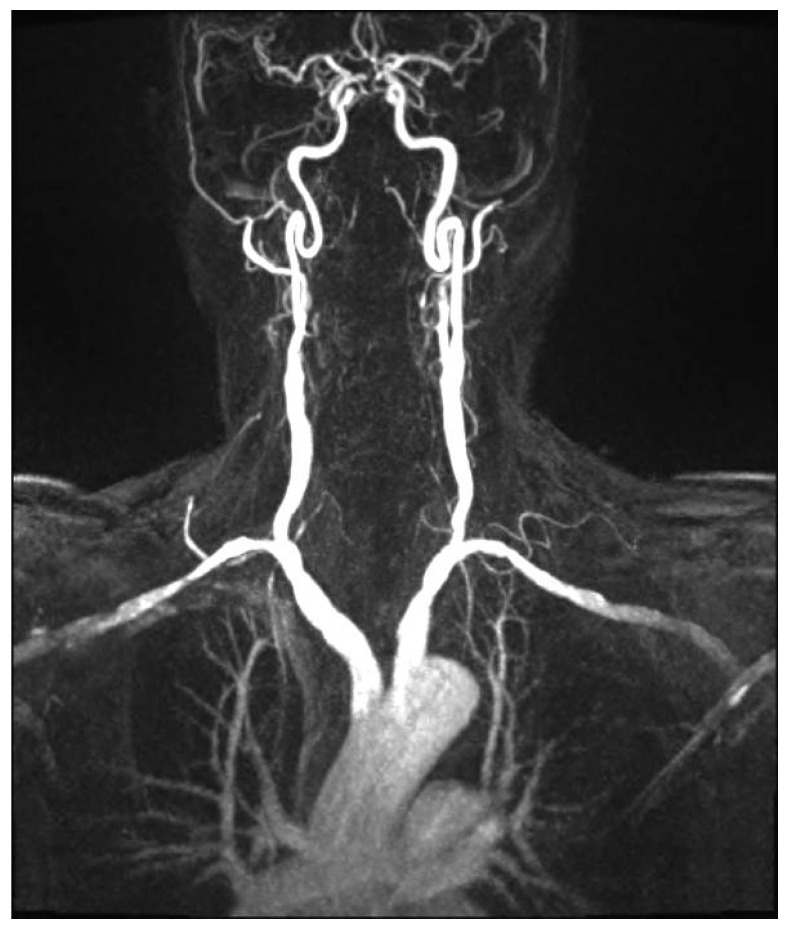
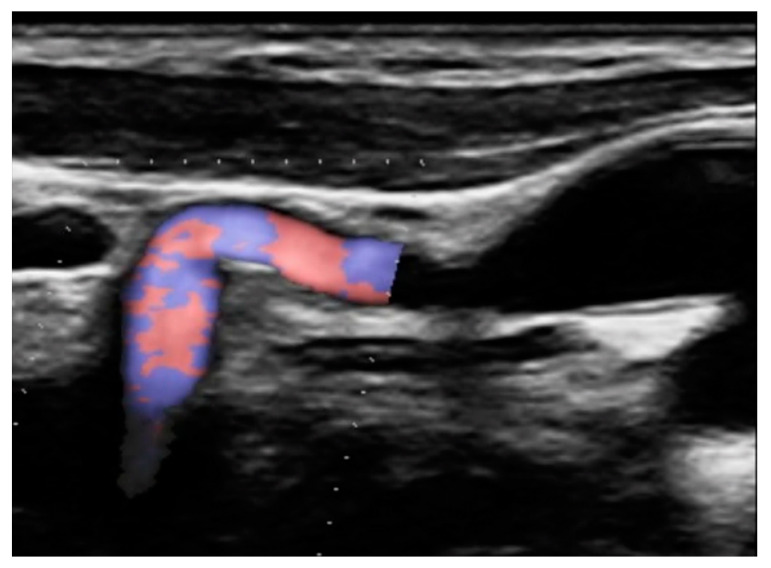
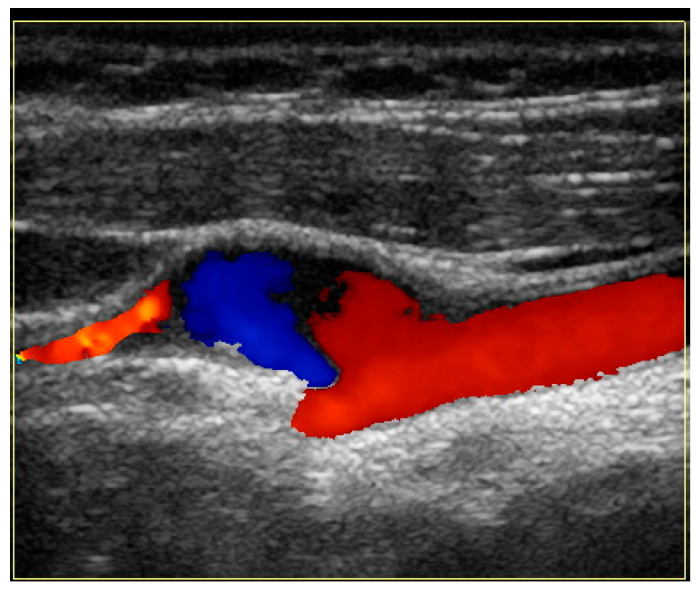
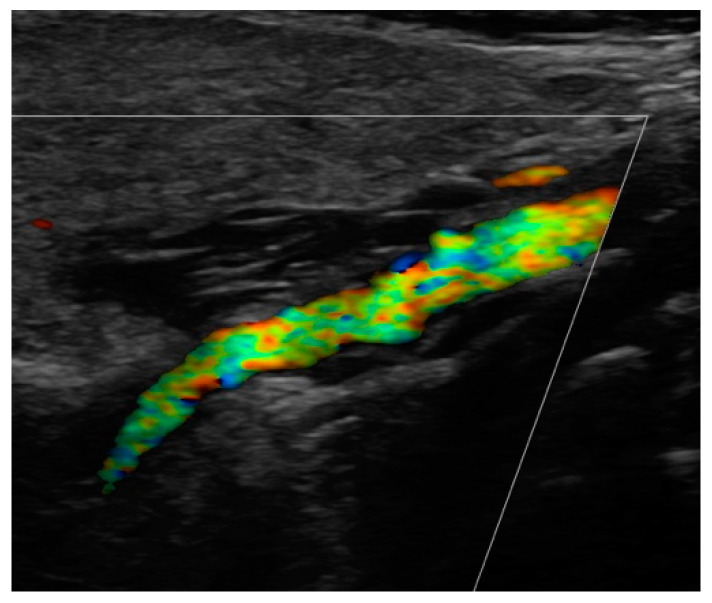
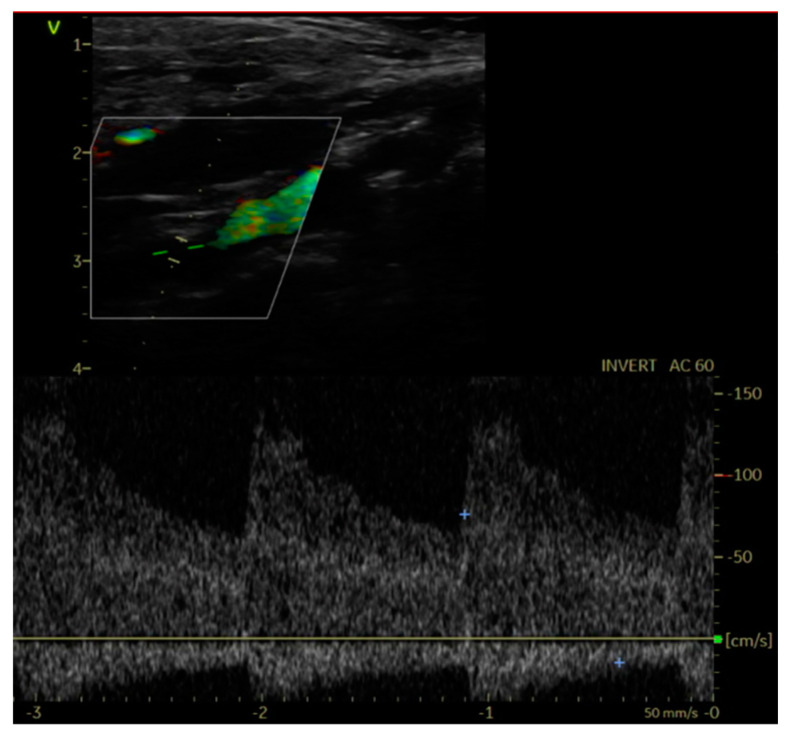
“Carotid DUS maybe useful for surveillance, but with some drawbacks: unsatisfactory access to vertebral and carotid arteries (especially the distal cervical portion of the ICA and intracranial arteries), and no validated criteria for FMD [160] (Figures 4 and 5).”
BackgroundInfluentialLong-term hormone therapy for perimenopausal and postmenopausal women
Marjoribanks, J., Farquhar, C., Roberts, H., Lethaby, A., & Lee, J. (2017) · Cochrane Database of Systematic Reviews · doi:10.1002/14651858.cd004143.pub5 · Cited by 424
Sigvant, B., Wiberg-Hedman, K., Bergqvist, D., Rolandsson, O., Andersson, B., Persson, E., & Wahlberg, E. (2007) · Journal of Vascular Surgery · doi:10.1016/j.jvs.2007.02.004 · Cited by 419 · cited 1×
“Moreover, women also have twice the prevalence of limb-threatening ischemia (CLTI) and more multilevel arterial occlusive disease [85,86].”
BackgroundBarreto, M. L., Teixeira, M. G., Bastos, F. I., Ximenes, R. A., Barata, R. B., & Rodrigues, L. C. (2011) · The Lancet · doi:10.1016/s0140-6736(11)60202-x · Cited by 396
de Groot, P. C. M., Dekkers, O. M., Romijn, J. A., Dieben, S. W. M., & Helmerhorst, F. M. (2011) · Human Reproduction Update · doi:10.1093/humupd/dmr001 · Cited by 394 · cited 1×
“However, the status of PCOS as an independent CVRF for CVD remains unclear [41,42].”
BackgroundVasospasm, its Role in the Pathogenesis of Diseases with Particular Reference to the Eye
Flammer, J., Pache, M., & Resink, T. (2001) · Progress in Retinal and Eye Research · doi:10.1016/s1350-9462(00)00028-8 · Cited by 382 · cited 1×
“Elevated plasma ET-1 levels have been noted in those with vascular dysregulation [105].”
BackgroundLifetime risk of stroke and dementia: current concepts, and estimates from the Framingham Study
Seshadri, S., & Wolf, P. A. (2007) · The Lancet Neurology · doi:10.1016/s1474-4422(07)70291-0 · Cited by 369 · cited 1×
“Men have a higher lifetime risk of ischemic stroke but, beyond the age of 85, stroke risk is higher in women [65].”
BackgroundSex differences in risk factors for myocardial infarction: cohort study of UK Biobank participants
Millett, E. R. C., Peters, S. A. E., & Woodward, M. (2018) · BMJ · doi:10.1136/bmj.k4247 · Cited by 364
Maas, A. H. E. M., Rosano, G., Cifkova, R., Chieffo, A., van Dijken, D., Hamoda, H., Kunadian, V., Laan, E., Lambrinoudaki, I., Maclaran, K., et al. (2021) · European Heart Journal · doi:10.1093/eurheartj/ehaa1044 · Cited by 344 · cited 2×
“Moreover, previous studies have reported an increased likelihood of elevated subclinical markers of CVD in women with PCOS, including coronary artery calcium, C-reactive protein levels, and carotid intima-media thickness [40].”
BackgroundSex Hormones and Sex Chromosomes Cause Sex Differences in the Development of Cardiovascular Diseases
Arnold, A. P., Cassis, L. A., Eghbali, M., Reue, K., & Sandberg, K. (2017) · Arteriosclerosis, Thrombosis, and Vascular Biology · doi:10.1161/atvbaha.116.307301 · Cited by 335 · cited 1×
“Estradiol appears to have a protective effect in women against stroke that decreases after menopause [71].”
BackgroundSumner, J. A., Kubzansky, L. D., Elkind, M. S. V., Roberts, A. L., Agnew-Blais, J., Chen, Q., Cerdá, M., Rexrode, K. M., Rich-Edwards, J. W., Spiegelman, D., et al. (2015) · Circulation · doi:10.1161/circulationaha.114.014492 · Cited by 290 · cited 1×
“Other than the classical CVRF, depression [22], trauma exposure [23], and socioeconomic status [24] are being increasingly recognised as risk factors for CAD in women, probably impacting CV status via unhealthy behaviors and by accelerating other CVRF that result in rapid progression of…”
BackgroundPrevalence and Risk Factors of Chronic Venous Insufficiency
Fowkes, F. G. R., Evans, C. J., & Lee, A. J. (2001) · Angiology · doi:10.1177/0003319701052001s02 · Cited by 281 · cited 1×
“Both men and women share common risk factors, including age, deep vein thrombosis, obesity, smoking, cancer, occupation, muscle weakness, leg injury, inactivity, family history, phlebitis, and footwear choices [111].”
BackgroundLong term hormone therapy for perimenopausal and postmenopausal women
Marjoribanks, J., Farquhar, C., Roberts, H., & Lethaby, A. (2012) · Cochrane Database of Systematic Reviews · doi:10.1002/14651858.cd004143.pub4 · Cited by 278 · cited 1×
“A Cochrane review [37] assessed the long-term effects of MHT on mortality, cardiovascular outcomes, cancer, fractures, and quality of life and showed that MHT is not indicated for primary or secondary prevention of CVD in postmenopausal women.”
BackgroundAge at Menarche and Risks of Coronary Heart and Other Vascular Diseases in a Large UK Cohort
Canoy, D., Beral, V., Balkwill, A., Wright, F. L., Kroll, M. E., Reeves, G. K., Green, J., & Cairns, B. J. (2015) · Circulation · doi:10.1161/circulationaha.114.010070 · Cited by 276 · cited 1×
“After adjusting for age, physical activity, smoking, alcohol, educational level, occupational social class, oral contraceptive use, hormone replacement therapy, parity, BMI, and waist circumference, the estimates of CVD risk were slightly reduced; however, the risk remained significant [38,39].”
BackgroundChronic venous insufficiency and varicose veins of the lower extremities
Youn, Y. J., & Lee, J. (2019) · The Korean Journal of Internal Medicine · doi:10.3904/kjim.2018.230 · Cited by 247 · cited 9×
“The superficial veins are most frequently affected in patients with chronic venous disease [110,112].”
BackgroundInfluentialMenopause: a cardiometabolic transition
Nappi, R. E., Chedraui, P., Lambrinoudaki, I., & Simoncini, T. (2022) · The Lancet Diabetes & Endocrinology · doi:10.1016/s2213-8587(22)00076-6 · Cited by 242 · cited 1×
“This transition is associated with reduced endothelial cell turnover and reduced production of vasoactive, anti-inflammatory and antiatherogenic compounds, ultimately leading to increased atherosclerotic plaque formation [30].”
BackgroundObesity, Diabetes, and Cardiovascular Diseases: A Compendium
Scherer, P. E., & Hill, J. A. (2016) · Circulation Research · doi:10.1161/circresaha.116.308999 · Cited by 237 · cited 2×
“Recent evidence indicates that the risk of stroke is increased in diabetic patients with hyperglycemia but not in those without hyperglycemia, suggesting an important role for metabolic disturbances in these associations [170].”
BackgroundStroke in Women: Disparities and Outcomes
Persky, R. W., Turtzo, L. C., & McCullough, L. D. (2010) · Current Cardiology Reports · doi:10.1007/s11886-009-0080-2 · Cited by 224 · cited 1×
“Thus, it is believed that estradiol can slow the progression of atherosclerosis if hormone therapy is started soon after menopause when the endothelium is relatively healthier [72].”
BackgroundCancer-associated secondary lymphoedema
Rockson, S. G., Keeley, V., Kilbreath, S., Szuba, A., & Towers, A. (2019) · Nature Reviews Disease Primers · doi:10.1038/s41572-019-0072-5 · Cited by 218 · cited 3×
“Objective measurements of the volume of the affected limb obtained with water displacement methods, circumferential measurements, or electronic volumetry are helpful for assessing the effectiveness of therapies [129].”
BackgroundMethodSex differences in micro- and macro-vascular complications of diabetes mellitus
Maric-Bilkan, C. (2017) · Clinical Science · doi:10.1042/cs20160998 · Cited by 217 · cited 1×
“Although scarce and inconclusive, some evidence suggest that men might be at a higher risk for diabetic microvascular complications [168].”
BackgroundProspective Study of Type 1 and Type 2 Diabetes and Risk of Stroke Subtypes
Janghorbani, M., Hu, F. B., Willett, W. C., Li, T. Y., Manson, J. E., Logroscino, G., & Rexrode, K. M. (2007) · Diabetes Care · doi:10.2337/dc06-2363 · Cited by 212
Wang, Y., O’Neil, A., Jiao, Y., Wang, L., Huang, J., Lan, Y., Zhu, Y., & Yu, C. (2019) · BMC Medicine · doi:10.1186/s12916-019-1355-0 · Cited by 207
Vascular congestion and hyperemia
Taylor, H. C. (1949) · American Journal of Obstetrics and Gynecology · doi:10.1016/0002-9378(49)90422-6 · Cited by 207 · cited 2×
“…PCS, including estrogen, inflammation, vasoactive peptides such as endothelin, calcitonin gene-related peptide (CGRP) and substance P (SP), and nociceptive mechanism, which activates the autonomic nervous system by sexual and non-sexual stimuli, and neuropathic and psychogenic mechanisms [147,148].”
BackgroundEuropean consensus on the diagnosis and management of fibromuscular dysplasia
Persu, A., Giavarini, A., Touzé, E., Januszewicz, A., Sapoval, M., Azizi, M., Barral, X., Jeunemaitre, X., Morganti, A., Plouin, P.-F., et al. (2014) · Journal of Hypertension · doi:10.1097/hjh.0000000000000213 · Cited by 198 · cited 1×
“According to the definition of the European consensus, fibromuscular dysplasia (FMD) is ‘idiopathic, segmental, non-atherosclerotic and non-inflammatory disease of the musculature of the arterial walls, leading to stenosis of small and medium arteries’ [159,160].”
BackgroundGeorge, J., Rapsomaniki, E., Pujades-Rodriguez, M., Shah, A. D., Denaxas, S., Herrett, E., Smeeth, L., Timmis, A., & Hemingway, H. (2015) · Circulation · doi:10.1161/circulationaha.114.013797 · Cited by 196
Sex Differences in Peripheral Artery Disease
Pabon, M., Cheng, S., Altin, S. E., Sethi, S. S., Nelson, M. D., Moreau, K. L., Hamburg, N., & Hess, C. N. (2022) · Circulation Research · doi:10.1161/circresaha.121.320702 · Cited by 191 · cited 1×
“Furthermore, the typical presentation of intermittent claudication in women generally occurs about 10–20 years later in age than men, and post-menopause [89].”
BackgroundEstrogens, progestogens and thrombosis
Rosendaal, F. R., Van Hylckama Vlieg, A., Tanis, B. C., & Helmerhorst, F. M. (2003) · Journal of Thrombosis and Haemostasis · doi:10.1046/j.1538-7836.2003.00264.x · Cited by 188 · cited 1×
“Postmenopausal hormone replacement therapy is associated with a 2–4-fold increased risk of VTE [117].”
BackgroundHodis, H. N., & Mack, W. J. (2022) · The Cancer Journal · doi:10.1097/ppo.0000000000000591 · Cited by 187
Pelvic Congestion Syndrome: Etiology of Pain, Diagnosis, and Clinical Management
Phillips, D., Deipolyi, A. R., Hesketh, R. L., Midia, M., & Oklu, R. (2014) · Journal of Vascular and Interventional Radiology · doi:10.1016/j.jvir.2014.01.030 · Cited by 178 · cited 1×
“…factors such as pregnancy, obesity, jobs associated with prolonged standing or heavy lifting, some treatment interventions such as pelvic surgery and estrogen therapy, some anomalies in pelvic venous anatomy, and a genetic basis are risk factors involved in the pathology of PCS [143–145].”
BackgroundPolycystic ovary syndrome (PCOS) and the risk of coronary heart disease (CHD): a meta-analysis.
Zhao, L., Zhu, Z., Lou, H., Zhu, G., Huang, W., Zhang, S., & Liu, F. (2016) · Oncotarget · doi:10.18632/oncotarget.9553 · Cited by 174 · cited 1×
“However, the status of PCOS as an independent CVRF for CVD remains unclear [41,42].”
BackgroundChronic Venous Insufficiency and Varicose Veins
Raju, S., & Neglén, P. (2009) · New England Journal of Medicine · doi:10.1056/nejmcp0802444 · Cited by 171
Women's experiences of lymphedema.
Bj, C. (1997) · PubMed · Cited by 161
Canadian Spontaneous Coronary Artery Dissection Cohort Study
Saw, J., Starovoytov, A., Aymong, E., Inohara, T., Alfadhel, M., McAlister, C., Samuel, R., Grewal, T., Parolis, J. A., Sheth, T., et al. (2022) · Journal of the American College of Cardiology · doi:10.1016/j.jacc.2022.08.759 · Cited by 155 · cited 1×
“However, although SCAD and FMD show overlapping data, they are not a single disease However, although SCAD and FMD show overlapping data, they are not a single disease [165].”
BackgroundZhu, D., Chung, H.-F., Dobson, A. J., Pandeya, N., Brunner, E. J., Kuh, D., Greenwood, D. C., Hardy, R., Cade, J. E., Giles, G. G., et al. (2020) · Human Reproduction · doi:10.1093/humrep/deaa124 · Cited by 148 · cited 1×
“The analysis, based on pooled individual data from ten observational studies, examined the associations between the type of menopause, age at menopause, and the risk of the first non-fatal cardiovascular manifestation in more than 200,000 postmenopausal women [31].”
MethodStroke in women — from evidence to inequalities
the Women Initiative for Stroke in Europe (WISE) group, Cordonnier, C., Sprigg, N., Sandset, E. C., Pavlovic, A., Sunnerhagen, K. S., Caso, V., & Christensen, H. (2017) · Nature Reviews Neurology · doi:10.1038/nrneurol.2017.95 · Cited by 147
Joakimsen, O., Bønaa, K. H., Stensland-Bugge, E., & Jacobsen, B. K. (1999) · Arteriosclerosis, Thrombosis, and Vascular Biology · doi:10.1161/01.atv.19.12.3007 · Cited by 143 · cited 1×
“In 1999, the Tromsø study, which was among the first to describe sex differences in the prevalence of atherosclerotic carotid artery disease, reported that more women beyond the age of 75 had more carotid plaques [68].”
BackgroundEpidemiology of peripheral artery disease in Europe: VAS Educational Paper
Olinic, D.-M., Spinu, M., Olinic, M., Homorodean, C., Tataru, D.-A., Liew, A., Schernthaner, G.-H., Stanek, A., Fowkes, G., & Catalano, M. (2018) · International Angiology · doi:10.23736/s0392-9590.18.03996-2 · Cited by 142 · cited 1×
“Lower extremity arterial disease (LEAD), also called lower extremity peripheral artery disease (LEPAD), is the third component of the manifestations of systemic atherosclerosis [76].”
BackgroundSelf-citationHaug, E. B., Horn, J., Markovitz, A. R., Fraser, A., Klykken, B., Dalen, H., Vatten, L. J., Romundstad, P. R., Rich-Edwards, J. W., & Åsvold, B. O. (2019) · JAMA Cardiology · doi:10.1001/jamacardio.2019.1746 · Cited by 140
The Psycho-Social Impact of Lymphedema
Ridner, S. H. (2009) · Lymphatic Research and Biology · doi:10.1089/lrb.2009.0004 · Cited by 140 · cited 1×
“Among breast cancer survivors, patients with lymphedema had significantly higher medical costs, hospitalizations, and medical visits than those without lymphedema [133,134].”
BackgroundPeters, S. A. E., Huxley, R. R., & Woodward, M. (2013) · Stroke · doi:10.1161/strokeaha.113.001624 · Cited by 139
Jelani, Q., Petrov, M., Martinez, S. C., Holmvang, L., Al-Shaibi, K. F., & Alasnag, M. A. (2018) · Current Atherosclerosis Reports · doi:10.1007/s11883-018-0742-x · Cited by 137 · cited 3×
“Women have a greater functional impairment of the lower extremities, with a shorter distance from the treadmill to intermittent claudication, a shorter maximum distance from the treadmill, and a poorer quality of life compared to men [80,88].”
BackgroundMaughan, B. C., Marin, M. L. D. L., Han, J. S., Gibbins, K. J., Brixey, A. G., Caughey, A. B., Kline, J. A., & Jarman, A. F. (2022) · Obstetrical & Gynecological Survey · doi:10.1097/ogx.0000000000001043 · Cited by 132 · cited 3×
“Pregnant patients with normal proximal CUS results should have dedicated iliac vein testing (typically Doppler/duplex ultrasonography or, rarely, non-contrast MRI) if they have symptoms of iliac vein DVT [115].”
BackgroundInfluentialUnderrepresentation of women in randomized controlled trials: a systematic review and meta-analysis
Daitch, V., Turjeman, A., Poran, I., Tau, N., Ayalon-Dangur, I., Nashashibi, J., Yahav, D., Paul, M., & Leibovici, L. (2022) · Trials · doi:10.1186/s13063-022-07004-2 · Cited by 132
Compression Therapy to Prevent Recurrent Cellulitis of the Leg
Webb, E., Neeman, T. M., Bowden, F. J., Gaida, J. E., Mumford, V., & Bissett, B. (2020) · New England Journal of Medicine · doi:10.1056/nejmoa1917197 · Cited by 129 · cited 1×
“Treatment of edema, prevention of injuries, and treatment of tinea pedis are recommended to decrease the risk of cellulitis [138–140].”
BackgroundBrouillard, P., Witte, M. H., Erickson, R. P., Damstra, R. J., Becker, C., Quéré, I., & Vikkula, M. (2021) · Nature Reviews Disease Primers · doi:10.1038/s41572-021-00309-7 · Cited by 128
Boyages, J., Kastanias, K., Koelmeyer, L. A., Winch, C. J., Lam, T. C., Sherman, K. A., Munnoch, D. A., Brorson, H., Ngo, Q. D., Heydon-White, A., et al. (2015) · Annals of Surgical Oncology · doi:10.1245/s10434-015-4700-3 · Cited by 124 · cited 1×
“Surgical therapy can be considered in selected patients, directed at restoring lymphatic flow in the early stages of the disease [129] or at reducing the limb size, in severe forms of lymphedema, in addition to compression garments [132].”
BackgroundPelvic Congestion Syndrome: Systematic Review of Treatment Success
Rizer, M., Alexander, R., Sharpe, E., Rochon, P. J., & Brown, C. (2018) · Seminars in Interventional Radiology · doi:10.1055/s-0038-1636519 · Cited by 119 · cited 1×
“Depending on the SVP class, which is diagnosed and confirmed by imaging, there are different options for treatment, including pharmacological and hormonal therapy, endovascular therapy, and surgery [149,150].”
BackgroundAssociation of Physical Activity Level and Stroke Outcomes in Men and Women: A Meta-Analysis
Diep, L., Kwagyan, J., Kurantsin-Mills, J., Weir, R., & Jayam-Trouth, A. (2010) · Journal of Women's Health · doi:10.1089/jwh.2009.1708 · Cited by 117 · cited 1×
“Moreover, according to a large meta-analysis, women require higher levels of physical training to decrease their risk of stroke [21].”
BackgroundPelvic congestion syndrome: chronic pelvic pain caused by ovarian and internal iliac varices
Liddle, A. D., & Davies, A. H. (2007) · Phlebology The Journal of Venous Disease · doi:10.1258/026835507780807248 · Cited by 113 · cited 2×
“As mentioned below, pregnancy is a risk factor for PCS. Compression of the iliac veins by the gravid uterus, elevation of blood volume, and dilation of the ovarian and pelvic veins during pregnancy are the factors that make multiparous women prone to PCS [142,145,156].”
BackgroundClinical Manifestations of Fibromuscular Dysplasia Vary by Patient Sex
Kim, E. S. H., Olin, J. W., Froehlich, J. B., Gu, X., Bacharach, J. M., Gray, B. H., Jaff, M. R., Katzen, B. T., Kline-Rogers, E. M., Mace, P. D., et al. (2013) · Journal of the American College of Cardiology · doi:10.1016/j.jacc.2013.07.038 · Cited by 110
Lymphedema: Knowledge, Treatment, and Impact Among Breast Cancer Survivors
Paskett, E. D., & Stark, N. (2000) · The Breast Journal · doi:10.1046/j.1524-4741.2000.99072.x · Cited by 102 · cited 1×
“…of lymphedema on daily life include altered body image, sleep disturbances (avoiding the affected site, elevation of the limb during sleep), burden of self-care (economic cost, time-consuming tasks, and need to alter their wardrobe), and the impact of living with a chronic disease [136,137].”
BackgroundTeratology – past, present and future
Ujházy, E., Mach, M., Navarová, J., Brucknerová, I., & Dubovický, M. (2012) · Interdisciplinary Toxicology · doi:10.2478/v10102-012-0027-0 · Cited by 102 · cited 1×
“…standards were very different in the 1950s, and the drug had primarily been tested on mice, which were less sensitive to thalidomide than other species [53]; also, thalidomide was a drug that had been shown to be minimally harmful to adults, but that had a very high degree of embryotoxicity [54].”
BackgroundSosinsky, A. Z., Rich-Edwards, J. W., Wiley, A., Wright, K., Spagnolo, P. A., & Joffe, H. (2022) · Contemporary Clinical Trials · doi:10.1016/j.cct.2022.106718 · Cited by 100 · cited 2×
“Also, traditionally women have been and largely still are underrepresented in clinical trials, even when they concern diseases that occur predominantly in women [52].”
BackgroundPizzi, C., Manzoli, L., Mancini, S., Bedetti, G., Fontana, F., & Costa, G. M. (2010) · Atherosclerosis · doi:10.1016/j.atherosclerosis.2010.04.038 · Cited by 98 · cited 1×
“…recognised as risk factors for CAD in women, probably impacting CV status via unhealthy behaviors and by accelerating other CVRF that result in rapid progression of atherosclerosis, although other mechanisms such as inflammation or autonomic nervous system dysfunction have been suggested [25].”
BackgroundConsequences of Smoking during Pregnancy on Maternal Health
Roelands, J., Jamison, M. G., Lyerly, A. D., & James, A. H. (2009) · Journal of Women's Health · doi:10.1089/jwh.2008.1024 · Cited by 97 · cited 1×
“Being a current smoker during pregnancy has been demonstrated to contribute cumulatively to the risk of myocardial infarction [50].”
BackgroundCardiovascular Risk Following Fertility Therapy
Dayan, N., Filion, K. B., Okano, M., Kilmartin, C., Reinblatt, S., Landry, T., Basso, O., & Udell, J. A. (2017) · Journal of the American College of Cardiology · doi:10.1016/j.jacc.2017.07.753 · Cited by 94 · cited 1×
“Studies investigating an increased risk of CVD after fertility treatment show conflicting results, and a clear causality has not been established [47].”
BackgroundSex‐specific and hormone‐related differences in vascular remodelling in atherosclerosis
Yerly, A., van der Vorst, E. P. C., Baumgärtner, I., Bernhard, S., Schindewolf, M., & Döring, Y. (2022) · European Journal of Clinical Investigation · doi:10.1111/eci.13885 · Cited by 92
Falck, J., Rolander, B., Nygårdh, A., Jonasson, L., & Mårtensson, J. (2022) · BMC Women s Health · doi:10.1186/s12905-022-02022-3 · Cited by 91 · cited 1×
“Its diagnosis is frequently delayed, as is the appropriate management and support [131].”
BackgroundImportance of sex and gender in ischaemic stroke and carotid atherosclerotic disease
Gasbarrino, K., Iorio, D. D., & Daskalopoulou, S. S. (2021) · European Heart Journal · doi:10.1093/eurheartj/ehab756 · Cited by 88 · cited 1×
“Women were found to have higher rates of stable fibrous/fibrocalcific plaques, while men had higher rates of unstable plaques, with high-risk features such as large intraplaque hemorrhage, thin fibrous cap, large lipid core, and more inflammatory cells [70].”
Backes, G. M., Lasch, V., & Reimann, K. (2006) · VS Verlag für Sozialwissenschaften eBooks · doi:10.1007/978-3-531-90355-2 · Cited by 85
Women and NCDs: Overcoming the neglect
Bonita, R., & Beaglehole, R. (2014) · Global Health Action · doi:10.3402/gha.v7.23742 · Cited by 83
Sigvant, B., Wiberg-Hedman, K., Bergqvist, D., Rolandsson, O., & Wahlberg, E. (2009) · European Journal of Cardiovascular Prevention & Rehabilitation · doi:10.1097/hjr.0b013e32831c1383 · Cited by 79 · cited 1×
“However, in the case of women, the duration of smoking emerged as a risk factor for LEAD after just 10 years, in contrast to the 30-year threshold observed in men [79].”
ResultBehrendt, C., Sigvant, B., Kuchenbecker, J., Grima, M. J., Schermerhorn, M. L., Thomson, I. A., Altreuther, M., Setacci, C., Svetlikov, A. V., Laxdal, E. H., et al. (2020) · European Journal of Vascular and Endovascular Surgery · doi:10.1016/j.ejvs.2020.08.027 · Cited by 76 · cited 1×
“Notable differences between women and men were evident in terms of patient age (72 vs. 70 years), the percentage of octogenarians (28% vs. 15%), the prevalence of claudication (45% vs. 51%), the incidence of PVI (57% vs. 51%), and the duration of hospital stay (7 days vs. 6 days) [99].”
BackgroundEstrogen, migraine, and vascular risk
Allais, G., Chiarle, G., Sinigaglia, S., Airola, G., Schiapparelli, P., & Benedetto, C. (2018) · Neurological Sciences · doi:10.1007/s10072-018-3333-2 · Cited by 74 · cited 1×
“Interestingly, this stands in contrast to exogenous estrogen, which has been observed to increase C-reactive protein levels [27].”
BackgroundSex differences in claudication pain in subjects with peripheral arterial disease
Gardner, A. W. (2002) · Medicine & Science in Sports & Exercise · doi:10.1097/00005768-200211000-00001 · Cited by 72 · cited 2×
“Women have a greater functional impairment of the lower extremities, with a shorter distance from the treadmill to intermittent claudication, a shorter maximum distance from the treadmill, and a poorer quality of life compared to men [80,88].”
BackgroundFunctional vascular diseases: Raynaud’s syndrome, acrocyanosis and erythromelalgia
Heidrich (2010) · VASA · doi:10.1024/0301-1526/a000003 · Cited by 71 · cited 1×
“Onset typically occurs between 40 and 55 years, with various therapeutic approaches that are occasionally successful [106].”
BackgroundSethi, S. S., Lau, J. F., Godbold, J., Gustavson, S. M., & Olin, J. W. (2014) · Vascular Medicine · doi:10.1177/1358863x14547122 · Cited by 71 · cited 1×
“It speci fi c for FMD, but it should alert the clinician in individuals <70 is not specific for FMD, but it should alert the clinician in individuals <70 years of age [162]. years of age [162].”
BackgroundParticipation of Women in Clinical Trials
Pilote, L., & Raparelli, V. (2018) · Journal of the American College of Cardiology · doi:10.1016/j.jacc.2018.02.069 · Cited by 70 · cited 1×
“…significant issues, including inclusion criteria dominated by the male standard, outcome measurements that are sex-biased, inadequate data analysis, and a failure to transfer research results into clinical practice [62], but even when differences are known, these are not always applied in practice.”
BackgroundA hidden problem: peripheral artery disease in women
Kavurma, M. M., Boccanfuso, L. M., Cutmore, C., Passam, F. H., Patel, S., Hennessy, A., Loa, J., Figtree, G. A., Golledge, J., Robinson, D. A., et al. (2023) · European Heart Journal - Quality of Care and Clinical Outcomes · doi:10.1093/ehjqcco/qcad011 · Cited by 68 · cited 1×
“Nevertheless, it is crucial to acknowledge the potential underestimation of these figures, given that women frequently display asymptomatic or atypical symptoms in contrast to men, posing challenges in accurate diagnosis [82,83].”
BackgroundMeissner, M. H., Khilnani, N. M., Labropoulos, N., Gasparis, A. P., Gibson, K. D., Greiner, M., Learman, L. A., Atashroo, D., Lurie, F., Passman, M. A., et al. (2021) · Phlebology The Journal of Venous Disease · doi:10.1177/0268355521999559 · Cited by 68 · cited 3×
“Also, the underlying pathological hemodynamic can be reflux or obstruction, and the etiology can be thrombotic, non-thrombotic, or congenital [144,146].”
BackgroundLiu, J., Jin, X., Liu, W., Chen, W., Wang, L., Feng, Z., & Huang, J. (2023) · Frontiers in Cardiovascular Medicine · doi:10.3389/fcvm.2023.1131251 · Cited by 68 · cited 1×
“However, more research is needed to determine whether these results are independent of menopausal hormone therapy (MHT), which can be a major confounder in the association between PM/EM and CVD [32].”
BackgroundChase-Vilchez, A., Chan, I. H. Y., Peters, S. A. E., & Woodward, M. (2020) · Cardiovascular Diabetology · doi:10.1186/s12933-020-01130-4 · Cited by 67 · cited 1×
“Unlike other forms of cardiovascular disease, diabetes does not appear to confer a higher excess risk in women compared to men for PAD [171].”
BackgroundMaking pharmaceutical research and regulation work for women
Ravindran, T. S., Teerawattananon, Y., Tannenbaum, C., & Vijayasingham, L. (2020) · BMJ · doi:10.1136/bmj.m3808 · Cited by 67 · cited 1×
“After this, due to perceived risk, women of reproductive age were actively discouraged from participating in clinical trials [55], and although such discouragement is no longer a policy, women continue to be underrepresented in clinical trials.”
BackgroundJoseph, G., Goel, R., Thomson, V. S., Joseph, E., & Danda, D. (2023) · Journal of the American College of Cardiology · doi:10.1016/j.jacc.2022.09.051 · Cited by 66 · cited 2×
“Few patients reach the third stage, and only 19% follow a triphasic progression through all three stages [102].”
BackgroundMcGinigle, K. L., Browder, S. E., Strassle, P. D., Shalhub, S., Harris, L. M., & Minc, S. D. (2020) · Journal of Vascular Surgery · doi:10.1016/j.jvs.2020.11.034 · Cited by 63 · cited 2×
“Additionally, fewer women undergo surgical intervention for LEAD [95].”
BackgroundChallenges associated with peripheral arterial disease in women
Barochiner, J., Aparicio, L. S., & Waisman, G. D. (2014) · Vascular Health and Risk Management · doi:10.2147/vhrm.s45181 · Cited by 62 · cited 2×
“This unique distribution can pose challenges for conducting precise physical examinations, including the assessment of pulses and bruits [90].”
BackgroundInfluentialWesterlund, E., Henriksson, P., Wallén, H., Hovatta, O., Rodriguez‐Wallberg, K. A., & Antovic, A. (2011) · Thrombosis Research · doi:10.1016/j.thromres.2011.11.024 · Cited by 62 · cited 1×
“Increased risk of thrombosis is also associated with ovarian stimulation therapy, in the background of which studies have demonstrated the effect of supraphysiological estrogen levels on various coagulation factors [116].”
BackgroundGender-related variation in the clinical presentation and outcomes of critical limb ischemia
McCoach, C. E., Armstrong, E. J., Singh, S., Javed, U., Anderson, D., Yeo, K. K., Westin, G. G., Hedayati, N., Amsterdam, E. A., & Laird, J. R. (2013) · Vascular Medicine · doi:10.1177/1358863x13475836 · Cited by 61 · cited 1×
“Moreover, women also have twice the prevalence of limb-threatening ischemia (CLTI) and more multilevel arterial occlusive disease [85,86].”
BackgroundCurrent progress in clinical, molecular, and genetic aspects of adult fibromuscular dysplasia
Persu, A., Dobrowolski, P., Gornik, H. L., Olin, J. W., Adlam, D., Azizi, M., Boutouyrie, P., Bruno, R. M., Boulanger, M., Demoulin, J., et al. (2021) · Cardiovascular Research · doi:10.1093/cvr/cvab086 · Cited by 60 · cited 3×
“Due to a relative paucity of inflammatory cells in advanced lesions, FMD is defined as a ‘non-inflammatory’ disease, but inflammation could be involved in the early stages of the disease [161].”
BackgroundApproaches to Peripheral Artery Disease in Diabetes: Are There Any Differences?
Achim, A., Stanek, A., Homorodean, C., Spînu, M., Onea, H., Lazăr, F.-L., Marc, M., Ruzsa, Z., & Olinic, D.-M. (2022) · International Journal of Environmental Research and Public Health · doi:10.3390/ijerph19169801 · Cited by 60 · cited 1×
“Moreover, it is the main cause of lower limb amputation and a major risk factor for cardiovascular mortality [77,78].”
BackgroundSelf-citationJakubiak, G. K., Pawlas, N., Cieślar, G., & Stanek, A. (2020) · International Journal of Environmental Research and Public Health · doi:10.3390/ijerph17249339 · Cited by 59 · cited 1×
“Moreover, it is the main cause of lower limb amputation and a major risk factor for cardiovascular mortality [77,78].”
BackgroundSelf-citationPeripheral Arterial Disease in Women: The Gender Effect
Patel, T., Baydoun, H., Patel, N. K., Tripathi, B., Nanavaty, S. P., Savani, S., Mojadidi, M. K., Agarwal, N., Patel, G., Patel, S., et al. (2019) · Cardiovascular revascularization medicine · doi:10.1016/j.carrev.2019.05.026 · Cited by 58 · cited 2×
“Symptoms in women, often resembling arthritis, neuropathy, or spinal stenosis, can be misconstrued as atypical manifestations of LEAD [84].”
BackgroundThe Impact of Estrogen Receptor in Arterial and Lymphatic Vascular Diseases
Fontaine, C., Morfoisse, F., Tatin, F., Zamora, A., Zahreddine, R., Henrion, D., Arnal, J., Lenfant, F., & Garmy-Susini, B. H. (2020) · International Journal of Molecular Sciences · doi:10.3390/ijms21093244 · Cited by 58 · cited 1×
“Although multiple factors intervene in its pathophysiology, the lymphatic endothelium expresses estrogen receptors, suggesting a role of estrogen in the lymphatic function that may explain the higher prevalence in females (60–80% of the population) [122–125].”
BackgroundPrestwood, K. M., Unson, C., Kulldorff, M., & Cushman, M. (2004) · The Journals of Gerontology Series A: Biological Sciences and Medical Sciences · doi:10.1093/gerona/59.8.m827 · Cited by 57 · cited 1×
“Endogenous estrogen seems to impart a protective effect against CVD, leading to a lower cardiovascular risk compared to men of the same age [26].”
BackgroundCarter, J. L., Morris, D., Sherliker, P., Clack, R. M., Lam, H. K. B., Halliday, A. W., Clarke, R., Lewington, S., & Bulbulia, R. A. (2020) · Journal of the American Heart Association · doi:10.1161/jaha.119.014748 · Cited by 53 · cited 2×
“Furthermore, postoperative outcomes have been reported to be less favorable among women and it has been hypothesized that this may be due to smaller mean diameters of the carotid arteries in women, which may present greater technical difficulty during carotid endarterectomy [16].”
BackgroundParvar, S. L., Thiyagarajah, A., Nerlekar, N., King, P., & Nicholls, S. J. (2021) · Journal of Vascular Surgery · doi:10.1016/j.jvs.2020.09.039 · Cited by 51
Pelvic Congestion Syndrome Presenting as Persistent Genital Arousal: A Case Report
Thorne, C., & Stuckey, B. (2008) · The Journal of Sexual Medicine · doi:10.1111/j.1743-6109.2007.00666.x · Cited by 51 · cited 1×
“In addition, some case reports indicate that persistent genital arousal can be associated with PCS [152,153].”
BackgroundCellulitis risk factors for patients with primary or secondary lymphedema
Vignes, S., Poizeau, F., & Dupuy, A. (2021) · Journal of Vascular Surgery Venous and Lymphatic Disorders · doi:10.1016/j.jvsv.2021.04.009 · Cited by 50 · cited 2×
“In addition to this, patients with lymphedema are predisposed to having recurrent cellulitis: 38% had at least one episode and 23% had more than one [138].”
BackgroundPorras, C. P., Bots, M. L., Teraa, M., van Doorn, S., & Vernooij, R. W. M. (2022) · European Journal of Vascular and Endovascular Surgery · doi:10.1016/j.ejvs.2021.12.039 · Cited by 50 · cited 1×
“Porras et al. [87], in their systematic review and meta-analysis, revealed that women diagnosed with LEAD tend to experience rest pain more frequently, with a lower prevalence of intermittent claudication.”
BackgroundPrevalence of lymphoedema in the UK: focus on the southwest and West Midlands
Cooper, G., & Bagnall, A. (2016) · British Journal of Community Nursing · doi:10.12968/bjcn.2016.21.sup4.s6 · Cited by 45 · cited 2×
“Although multiple factors intervene in its pathophysiology, the lymphatic endothelium expresses estrogen receptors, suggesting a role of estrogen in the lymphatic function that may explain the higher prevalence in females (60–80% of the population) [122–125].”
BackgroundPâquet, M., Pilon, D., Tétrault, J.-P., & Carrier, N. (2010) · Canadian Journal of Public Health · doi:10.1007/bf03405572 · Cited by 44 · cited 2×
“However, approximately 20% of patients with other CVI clinical features do not experience leg discomfort, while around 10% solely present with this symptom [93].”
BackgroundLiu, J., Han, L., & Han, X. (2019) · Academic Radiology · doi:10.1016/j.acra.2018.12.024 · Cited by 41 · cited 1×
“Infertility is another challenge for PCS patients due to ovarian varices or pelvic congestion caused by inferior vena cava obstruction [142,154,155].”
BackgroundImpact of socioeconomic status on coronary artery calcification
Djekic, D., Angerås, O., Lappas, G., Fagman, E., Fagerberg, B., Bergström, G. M. L., & Rosengren, A. (2018) · European Journal of Preventive Cardiology · doi:10.1177/2047487318792103 · Cited by 40 · cited 1×
“Other than the classical CVRF, depression [22], trauma exposure [23], and socioeconomic status [24] are being increasingly recognised as risk factors for CAD in women, probably impacting CV status via unhealthy behaviors and by accelerating other CVRF that result in rapid progression of…”
BackgroundCerebrovascular disease in women
Kumar, A., & McCullough, L. D. (2021) · Therapeutic Advances in Neurological Disorders · doi:10.1177/1756286420985237 · Cited by 40
Comprehensive review of pelvic congestion syndrome: causes, symptoms, treatment options
Bendek, B., Afuape, N. O., Banks, E. C., & Desai, N. A. (2020) · Current Opinion in Obstetrics & Gynecology · doi:10.1097/gco.0000000000000637 · Cited by 40 · cited 2×
“…and performing SVP classification, the first line of diagnosis includes non-invasive approaches, including pelvic ultrasound, cross-sectional computed tomography (CT) and magnetic resonance (MR) imaging, whereas conventional venography is the gold standard procedure for PCS diagnosis [142,149].”
BackgroundMethodTalvitie, M., Stenman, M., Roy, J., Leander, K., & Hultgren, R. (2021) · Journal of the American Heart Association · doi:10.1161/jaha.120.019592 · Cited by 40 · cited 1×
“Although the median times to rupture and death were similar at approximately 2.8 years, there was a higher risk of rupture and poorer survival among untreated female patients at all time points up to 5 years after diagnosis [74].”
BackgroundInfluentialBush, R. L., Kallen, M. A., Liles, D. R., Bates, J. T., & Petersen, L. A. (2008) · Journal of Surgical Research · doi:10.1016/j.jss.2007.03.022 · Cited by 38
Kolossváry, E., Farkas, K., Karahan, O., Golledge, J., Schernthaner, G.-H., Karplus, T. E., Bernardo, J. J., Marschang, S., Abola, M. T. B., Heinzmann, M., et al. (2023) · Vascular Medicine · doi:10.1177/1358863x231169316 · Cited by 37
Self-citationAssociation of Sex With Repair Type and Long-term Mortality in Adults With Abdominal Aortic Aneurysm
Ramkumar, N., Suckow, B. D., Arya, S., Sedrakyan, A., MacKenzie, T. A., Goodney, P. P., & Brown, J. R. (2020) · JAMA Network Open · doi:10.1001/jamanetworkopen.2019.21240 · Cited by 36 · cited 1×
“Although no significant sex differences were observed with open repair for elective or symptomatic aneurysms, women who underwent open repair for ruptured AAA had a greater risk of death, which was not statistically significant with endovascular intervention [75].”
BackgroundPalomba, S., Costanzi, F., Nelson, S. M., Besharat, A. R., Caserta, D., & Humaidan, P. (2023) · International Journal of Molecular Sciences · doi:10.3390/ijms241814185 · Cited by 35 · cited 1×
“More studies are needed on treatments and prevention strategies [48,49].”
BackgroundThe relevance of estrogen/estrogen receptor system on the gender difference in cardiovascular risk
Principe, D. D., Ruggieri, A., Pietraforte, D., Villani, A., Vitale, C., Straface, E., & Malorni, W. (2015) · International Journal of Cardiology · doi:10.1016/j.ijcard.2015.03.145 · Cited by 32
Putting gender into sex- and gender-sensitive medicine
Oertelt‐Prigione, S. (2020) · EClinicalMedicine · doi:10.1016/j.eclinm.2020.100305 · Cited by 32 · cited 3×
“There is a greater appreciation of the role biological differences (sex) and sociocultural power structures (gender) play, and both sex and gender affect health behavior, the development of diseases, their diagnosis, management, and long-term effects of an illness [58].”
BackgroundMethodInfluentialInsights into pelvic venous disorders
Rezaei‐Kalantari, K., Fahrni, G., Rotzinger, D. C., & Qanadli, S. D. (2023) · Frontiers in Cardiovascular Medicine · doi:10.3389/fcvm.2023.1102063 · Cited by 32 · cited 3×
“Also, the underlying pathological hemodynamic can be reflux or obstruction, and the etiology can be thrombotic, non-thrombotic, or congenital [144,146].”
BackgroundHoyle, E., Kilbreath, S. L., & Dylke, E. S. (2022) · Supportive Care in Cancer · doi:10.1007/s00520-021-06751-3 · Cited by 31
LIMPRINT in Specialist Lymphedema Services in United Kingdom, France, Italy, and Turkey
Keeley, V. L., Franks, P. J., Quéré, I., Mercier, G., Michelini, S., Cestari, M., Borman, P., Hughes, A., Clark, K., Lisle, J., et al. (2019) · Lymphatic Research and Biology · doi:10.1089/lrb.2019.0021 · Cited by 30
Sex and Gender Differences in Cardiovascular Health
Mensah, G. A., & Fuster, V. (2022) · Journal of the American College of Cardiology · doi:10.1016/j.jacc.2022.02.008 · Cited by 28 · cited 1×
“Failures to address sex and gender as important variables in cardiovascular research as well as in reporting, and the resulting limited understanding of differences based on both sex and gender, have contributed to the existing disparities in cardiovascular care and outcomes [60].”
BackgroundPappaccogli, M., Prejbisz, A., Ciurică, S., Bruno, R. M., Aniszczuk-Hybiak, A., Bracalente, I., Backer, T. L. M. D., Debiève, F., Delmotte, P., Monaco, S. D., et al. (2020) · Hypertension · doi:10.1161/hypertensionaha.120.15349 · Cited by 27 · cited 1×
“However, the prevalences of preeclampsia and arterial complications were low to moderate in this population [166].”
BackgroundKim, P., Mufti, A., Sachdeva, M., Lytvyn, Y., Zabihi‐Pour, D., Zaaroura, H., & Yeung, J. (2021) · International Journal of Dermatology · doi:10.1111/ijd.15736 · Cited by 26 · cited 1×
“Skin changes should prompt a further evaluation [141].”
BackgroundMorfoisse, F., Zamora, A., Marchaud, E., Nougué, M., Diallo, L. H., David, F., Roussel, É., Lacazette, É., Prats, A., Tatin, F., et al. (2021) · Cancers · doi:10.3390/cancers13030530 · Cited by 25 · cited 2×
“%) and more prevalent in females after puberty, suggesting hormonal influence [123,126].”
Backgroundİnal, M., Bilgili, M. Y. K., & Şahin, S. (2014) · Iranian Journal of Radiology · doi:10.5812/iranjradiol.11075 · Cited by 24 · cited 1×
“In addition, some case reports indicate that persistent genital arousal can be associated with PCS [152,153].”
BackgroundOverweight and Obesity as Determinants of Cardiovascular Risk: The Framingham Experience
Wilson, P. W. F., D'Agostino, R. B., Sullivan, L., Parise, H., & Kannel, W. B. (2002) · Archives of Internal Medicine · doi:10.1001/archinte.162.16.1867 · Cited by 22 · cited 1×
“Obesity raises the probability of developing ischemic heart disease by 64% in women versus 46% in men, as demonstrated in The Framingham Heart Study [20].”
BackgroundZhang, X., McLaughlin, E. M., Krok‐Schoen, J. L., Naughton, M. J., Bernardo, B. M., Cheville, A. L., Allison, M., Stefanick, M. L., Bea, J. W., & Paskett, E. D. (2022) · JAMA Network Open · doi:10.1001/jamanetworkopen.2022.1671 · Cited by 22 · cited 1×
“Among female survivors of other cancers, those with lymphedema reported lower physical function and required more assistance for activities of daily living [135].”
BackgroundAltin, S. E., Gitto, M., Secemsky, E. A., Rao, S. V., & Hess, C. N. (2022) · Circulation Cardiovascular Interventions · doi:10.1161/circinterventions.121.011768 · Cited by 22 · cited 1×
“In addition, women, after endovascular intervention, also have a higher risk of myocardial infarction, dissection, amputation, and death [96].”
BackgroundCanonico, M. E., Hsia, J. A., Hess, C. N., & Bonaca, M. P. (2023) · Vascular Medicine · doi:10.1177/1358863x231155308 · Cited by 21 · cited 1×
“Furthermore, Black women are less frequently prescribed guideline-directed medical therapy (GDMT) compared to White women [94].”
BackgroundThe role of vasoactive neuropeptides in the genesis of venous pelvic pain: A review
Gavrilov, S. G., Vassilieva, G. Y., Vasil’ev, I. M., & Grishenkova, A. S. (2019) · Phlebology The Journal of Venous Disease · doi:10.1177/0268355519855598 · Cited by 20 · cited 2×
“…PCS, including estrogen, inflammation, vasoactive peptides such as endothelin, calcitonin gene-related peptide (CGRP) and substance P (SP), and nociceptive mechanism, which activates the autonomic nervous system by sexual and non-sexual stimuli, and neuropathic and psychogenic mechanisms [147,148].”
BackgroundWells, B. J., Modi, R. D., Gu, X., Bumpus, S. M., Swan, K., Froehlich, J. B., Gray, B. H., Southerland, A. M., Kim, E. S., Mahlay, N. F., et al. (2020) · Vascular Medicine · doi:10.1177/1358863x20923740 · Cited by 19 · cited 3×
“Headaches are the most frequent but non-speci fi c symptoms (50–70% of patients with FMD) [160,164].”
BackgroundGender Differences in the Medical Treatment of Peripheral Artery Disease
Lanéelle, D., Sauvet, G., Guillaumat, J., Trihan, J.-E., & Mahé, G. (2021) · Journal of Clinical Medicine · doi:10.3390/jcm10132855 · Cited by 19 · cited 1×
“Women face a lower likelihood of being prescribed statins, antiplatelet agents, and angiotensin-converting enzyme inhibitors compared to men [92,93].”
BackgroundPediatric Lymphedema: Study of 180 Patients Referred to a Tertiary Lymphedema Clinic
Colmant, C., Turpin, S., Lambert, R., Wong, N., Ondrejchak, S., Lapointe, C., Powell, J., Dubois, J., & McCuaig, C. C. (2022) · Journal of Cutaneous Medicine and Surgery · doi:10.1177/12034754221112002 · Cited by 17 · cited 1×
“%) and more prevalent in females after puberty, suggesting hormonal influence [123,126].”
BackgroundLetrozole and Ovarian Hyperstimulation Syndrome (OHSS): A Promising Prevention Strategy
Guardo, F. D., Lello, C., Incognito, G. G., Bruno, M. T., & Palumbo, M. A. (2023) · Journal of Clinical Medicine · doi:10.3390/jcm12020614 · Cited by 17 · cited 1×
“More studies are needed on treatments and prevention strategies [48,49].”
BackgroundAbdulrehman, J., Elbaz, C., Aziz, D. J., Parpia, S., Fazelzad, R., Eischer, L., Rodger, M. A., Cannegieter, S. C., ten Cate‐Hoek, A. J., Nagler, M., et al. (2022) · British Journal of Haematology · doi:10.1111/bjh.18331 · Cited by 15 · cited 1×
“The risk of recurrence after discontinuation of anticoagulation for a combined oral contraceptive-associated VTE was low, and this was lower than after an unprovoked VTE [119].”
BackgroundHassan, A. H., Abugroun, A., Daoud, H., Mahmoud, S., Awadalla, S., Volgman, A. S., & Alonso, A. (2020) · The American Journal of Cardiology · doi:10.1016/j.amjcard.2020.11.003 · Cited by 15 · cited 2×
“In turn, there were no significant differences in the rates of myocardial infarction, vascular complications, limb amputation, acute kidney injury, or length of stay [97].”
BackgroundRamkumar, N., Suckow, B. D., Behrendt, C., MacKenzie, T. A., Sedrakyan, A., Brown, J. R., & Goodney, P. P. (2023) · Catheterization and Cardiovascular Interventions · doi:10.1002/ccd.30617 · Cited by 15 · cited 1×
“However, among CLTI patients, women had a lower risk-adjusted hazard of major amputation [100].”
BackgroundPelvic Congestion Syndrome: A Missed Opportunity
Kaufman, C. S., & Little, N. A. (2021) · Indian journal of radiology and imaging - new series/Indian journal of radiology and imaging/Indian Journal of Radiology & Imaging · doi:10.1055/s-0041-1735497 · Cited by 14 · cited 2×
“…factors such as pregnancy, obesity, jobs associated with prolonged standing or heavy lifting, some treatment interventions such as pelvic surgery and estrogen therapy, some anomalies in pelvic venous anatomy, and a genetic basis are risk factors involved in the pathology of PCS [143–145].”
BackgroundGalea, M., Brincat, M., & Calleja‐Agius, J. (2023) · Human Fertility · doi:10.1080/14647273.2023.2212846 · Cited by 12 · cited 5×
“Also, renal hilar varices, pelvic varices, and pelvic origin extra-pelvic varices are varices classifications related to the anatomical zones [142,144,146].”
BackgroundMethodInfluentialBartl, T., Wolf, F., & Dadak, C. (2021) · BMC Women s Health · doi:10.1186/s12905-021-01323-3 · Cited by 11 · cited 1×
“Although PCS is well known as a premenopausal disease in which there is a remission of symptoms, possibly due to less estrogen and consequently a decrease in vein dilation, there are postmenopausal patients who meet the PCS criteria [156–158].”
BackgroundCan health equity become a reality?
Lancet, T. (2008) · The Lancet · doi:10.1016/s0140-6736(08)61663-3 · Cited by 11
van den Hurk, L., Hiltner, S., & Oertelt‐Prigione, S. (2022) · International Journal of Environmental Research and Public Health · doi:10.3390/ijerph192114299 · Cited by 10 · cited 1×
“A 2022 study of biomedical publications found that the term ‘gender differences’ only analyzed and reported biological occurrences, demonstrating how such terminology is still used interchangeably and incorrectly in medical research [56].”
BackgroundPelvic Congestion Syndrome in a Postmenopausal Female
Potla, N., Veluri, S. C., Stead, T. S., Dubey, J., & Ganti, L. (2021) · Cureus · doi:10.7759/cureus.17444 · Cited by 8 · cited 1×
“In addition, the pain that worsens during pregnancy makes pregnancy difficult for PCS patients [157].”
BackgroundDong, W., & Yang, Z. (2023) · Frontiers in Endocrinology · doi:10.3389/fendo.2023.1128878 · Cited by 7 · cited 1×
“In secondary prevention, women’s lipid levels remain higher, with only 51% of women achieving dyslipidemia control compared to 63% of men, differences likely attributable to lifestyle factors, adherence to medication, and physical activity [19].”
BackgroundPelvic congestion needs attention in infertile women with Budd-Chiari syndrome
Sharma, A., & Eapen, C. E. (2023) · Indian Journal of Gastroenterology · doi:10.1007/s12664-023-01341-z · Cited by 7 · cited 1×
“Infertility is another challenge for PCS patients due to ovarian varices or pelvic congestion caused by inferior vena cava obstruction [142,154,155].”
BackgroundThe Impact of Gender and Age on Cardiovascular Health in Germany
Kendel, F., & Sieverding, M. (2008) · VS Verlag für Sozialwissenschaften eBooks · doi:10.1007/978-3-531-90355-2_5 · Cited by 5
Best Practices for Designing Informative Trials Including Women
Nicolas, J., Edens, M., Vogel, B., & Mehran, R. (2022) · Current Atherosclerosis Reports · doi:10.1007/s11883-022-01064-0 · Cited by 4 · cited 1×
“However, no prescription doses adjusted for sex have been established [61].”
BackgroundPizzi, C., Costa, G. M., & Bugiardini, R. (2011) · American Heart Journal · doi:10.1016/j.ahj.2011.07.023 · Cited by 1 · cited 1×
“Other than the classical CVRF, depression [22], trauma exposure [23], and socioeconomic status [24] are being increasingly recognised as risk factors for CAD in women, probably impacting CV status via unhealthy behaviors and by accelerating other CVRF that result in rapid progression of…”
Background
Research works printed but not linked: 1
- Lazarashvili Z. Antignani P.L. Leal Monedero J. Pelvic congestion syndrome: Prevalence and quality of life Phlebolymphology 2016 23 123 126
Cited by
Diagnosis of hypertensive disorders in pregnancy
Horgan, R., Diab, Y. H., Costantine, M. M., Saade, G. R., & Sibai, B. (2025) · American Journal of Obstetrics & Gynecology MFM · doi:10.1016/j.ajogmf.2025.101693 · Cited by 14
Shahzad, M., Maryam, K. U. E., Hashim, A., Khan, A. Z., Ali, M. A., Khan, A. Y., Younas, M., Bokhari, S. S. S., Khalid, W., Shahzad, F., et al. (2025) · JGH Open · doi:10.1002/jgh3.70267 · Cited by 4
“Hormone replacement therapies in the postmenopausal period also increase the risk of ischemic diseases [15].”
Female patients at increased risk for adverse outcomes after acute limb ischemia
Lowenkamp, M. N., Jarosinski, M. C., Li, K. D., Andraska, E., Sachdev, U., Chaer, R. A., & Sridharan, N. D. (2025) · Journal of Vascular Surgery · doi:10.1016/j.jvs.2025.08.026 · Cited by 4
Stent Diameter, Not Sex, Is Predictive of Reintervention after Common Iliac Artery Stenting
Lowenkamp, M. N., Reitz, K. M., Sridharan, N. D., Eslami, M. H., & Madigan, M. C. (2026) · Annals of Vascular Surgery · doi:10.1016/j.avsg.2026.03.035 · Cited by 2
Interconnected challenges of hypertension and diabetes mellitus in cardiovascular and kidney health
Khan, S. U., Alam, O., Alam, S., Hussain, T., & Lodhi, F. S. (2026) · Journal of Diabetes & Metabolic Disorders · doi:10.1007/s40200-026-01904-9 · Cited by 2
“Additionally, peripheral artery disease (PAD) affects the narrowing of arteries outside the coronary heart, generally affecting the legs and causing signs and symptoms like leg pain or cramping at some stage in the bodily pastime [ 6].”
Metadata
- Authors
- Farkas, K., Stanek, A., Zbinden, S., Borea, B., Ciurica, S., Moore, V., Maguire, P., Abola, M. T. B., Alajar, E. B., Marcoccia, A., Erer, D., Casanegra, A. I., Sharebiani, H., Sprynger, M., Kavousi, M., & Catalano, M.
- Affiliations
- Szent Imre Egyetemi Oktatókórház (HU)
- Medical University of Silesia (PL)
- VAS-European Independent Foundation in Angiology/Vascular Medicine, Via GB Grassi 74, 20157 Milan, Italy
- University Hospital of Geneva (CH)
- European Institute of Women's Health (IE)
- Philippine Heart Center (PH)
- Manila Doctors Hospital (PH)
- Ospedale Sandro Pertini (IT)
- Gazi Hastanesi (TR)
- Mayo Clinic (US)
- Centre Hospitalier Universitaire de Liège (BE)
- Erasmus MC (NL)
- University of Milan (IT)
- Corresponding author
- Farkas, Katalin
- ORCID
- Venue
- Journal of Clinical Medicine
- Publisher
- MDPI AG
- Published
- 2024-02-15
- Volume
- 13
- Issue
- 4
- Pages
- 1108
- ISSN
- 2077-0383 (ISSN-L)
- PMC
- PMC10889109
- OpenAlex
- W4391844245
- Cited by
- 13
- References
- 173
- Citations by year
- 2026: 6 · 2025: 5 · 2024: 2
- FWCI
- 1.15
- Type
- journal article
- Language
- en
- Open access
- gold
- doi.org
- Licence
- Locations
- Journal of Clinical Medicine (publishedVersion, cc-by)
- Preprints.org (acceptedVersion, cc-by)
- PubMed Central (publishedVersion, cc-by)
- PubMed (publishedVersion)
- ORBi (University of Liège) (submittedVersion, other-oa)
- EUR Research Repository (Erasmus University Rotterdam) (submittedVersion, cc-by)
- Topics
- Health Sciences › Medicine › Public Health, Environmental and Occupational Health › Sex and Gender in Healthcare
- Health Sciences › Medicine › Cardiology and Cardiovascular Medicine › Cardiovascular Health and Risk Factors
- Social Sciences › Gender Studies › Diversity and Career in Medicine
- Keywords
- vascular disease, women, sex differences, gender differences, cardiovascular disease, cardiovascular risk awareness, cardiovascular disease in women
About these checks
Registry, retraction, Cites and statistics results are computed, not judged, with one exception: a printed reference that no index lists is read once by a model before it counts as a citation error. Claims are extracted by a model and kept only when their quote appears verbatim in the text; each cited source is then checked, with a model’s help, for whether it says what the claim relies on. Those verdicts can be wrong — read the claim’s quote and the cited source before relying on one.
Statistics and arithmetic are recomputed, not judged.
Confidence bands are shown only for fields calibrated on our annotated test set. None is calibrated yet, so no band is shown.
What counts as a claim ›How we measure confidence ›How we check this ›
Are you an author, or do you see a problem with this page? Request a review
Data sources
Bibliographic data: Semantic Scholar, OpenAlex, Crossref.
Contains information from the Semantic Scholar Academic Graph Datasets, made available under the ODC Attribution License (ODC-BY 1.0).
Semantic Scholar’s data is described in: Kinney, R., et al. (2023). The Semantic Scholar Open Data Platform. arXiv:2301.10140.
