

Interactions between Aspergillus fumigatus and Pulmonary Bacteria: Current State of the Field, New Data, and Future Perspective
Open accessThe DOI matches its Crossref record; 91 of the 93 references it cites were found in a registry or an index.
Abstract
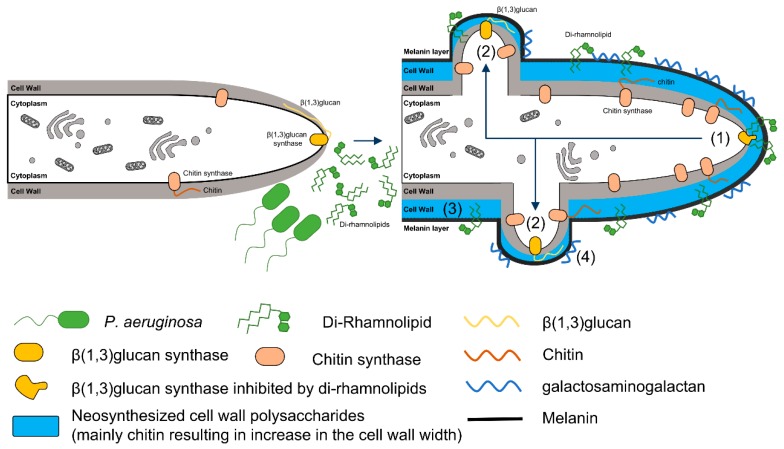
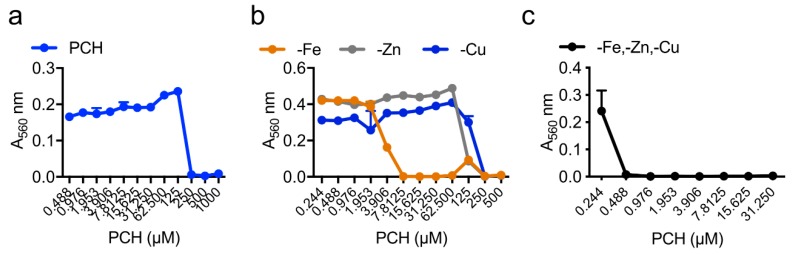
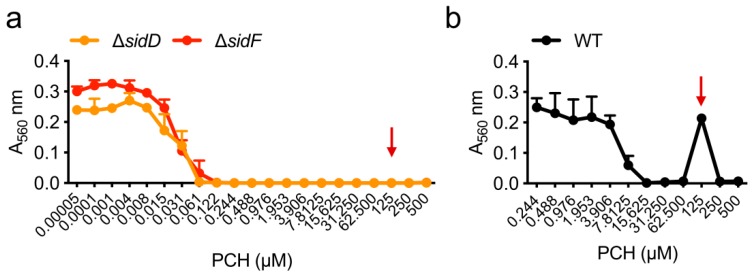
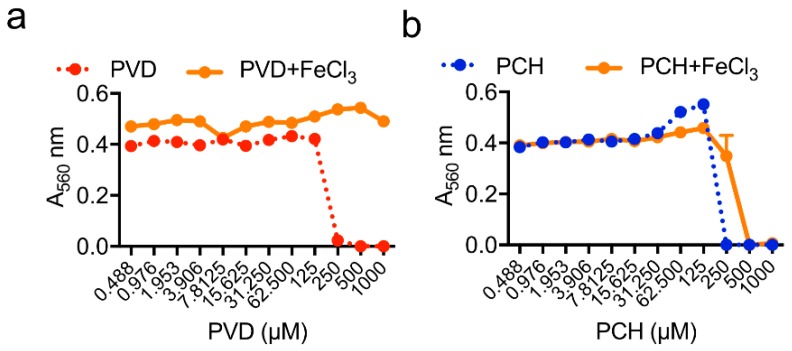
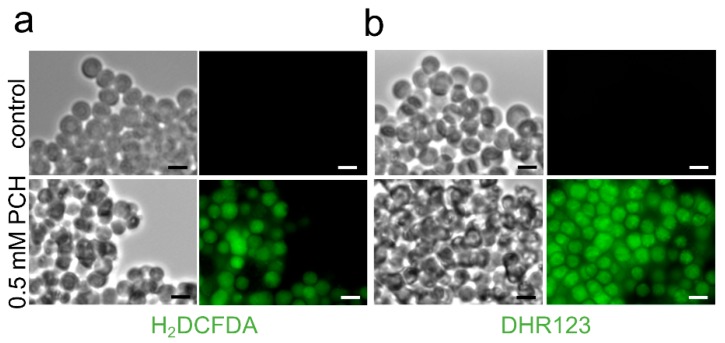
Aspergillus fumigatus and Pseudomonas aeruginosa are central fungal and bacterial members of the pulmonary microbiota. The interactions between A. fumigatus and P. aeruginosa have only just begun to be explored. A balance between inhibitory and stimulatory effects on fungal growth was observed in mixed A. fumigatus–P. aeruginosa cultures. Negative interactions have been seen for homoserine-lactones, pyoverdine and pyochelin resulting from iron starvation and intracellular inhibitory reactive oxidant production. In contrast, several types of positive interactions were recognized. Dirhamnolipids resulted in the production of a thick fungal cell wall, allowing the fungus to resist stress. Phenazines and pyochelin favor iron uptake for the fungus. A. fumigatus is able to use bacterial volatiles to promote its growth. The immune response is also differentially regulated by co-infections.
Overview
The claims and statistics of this paper haven’t been checked yet.
Free: it reads the open-access text and checks the first 5 claims that cite a source we can check. Create a free account to check every claim.
Integrity signals
Registry
Cites
Statistics
Figures
Verification
Claims the paper makes
The claims and statistics of this paper haven’t been checked yet.
Free: it reads the open-access text and checks the first 5 claims that cite a source we can check. Create a free account to check every claim.
Claims other papers make about this one
Each is checked against this paper’s own text: does it say what the citing paper says it does?
In the citing paper
“Like phenazine, pyoverdine and pyochelin are able to penetrate the fungal cells and induce detrimental ROS species, especially under hypoxic conditions (578, 579).”
From Aspergillus fumigatus and Aspergillosis in 2019 (2019) · cites this paper as [579]
Self-check
Percentages, sums and reported differences re-computed from the paper’s own numbers.
The self-check needs the paper’s full text.
Citations
Cites
1 retracted
Hunter, R. C., Klepac-Ceraj, V., Lorenzi, M. M., Grotzinger, H., Martin, T. R., & Newman, D. K. (2012) · American Journal of Respiratory Cell and Molecular Biology · doi:10.1165/rcmb.2012-0088oc · Cited by 168 · cited 2×
“fumigatus susceptibility; (ii) phenazines which at biological concentrations (<100 μM) [74] enhance fungus growth with ferrous iron uptake; (iii) pyochelin, which at sub-inhibitory concentrations can be used by A.”
BackgroundRetractedAspergillus fumigatus and Aspergillosis
Latgé, J.-P. (1999) · Clinical Microbiology Reviews · doi:10.1128/cmr.12.2.310 · Cited by 2,307 · cited 4×
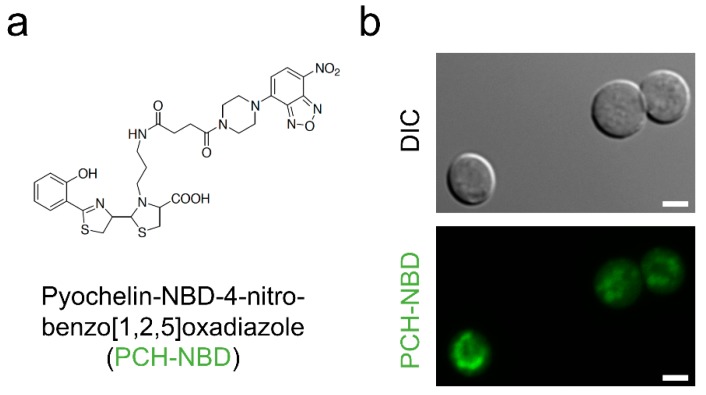
“Structure (a) and penetration (b) of pyochelin 4-nitrobenzo[1,2,5]oxadiazole (PCH-NBD) in A.”
BackgroundInfluentialFrey-Klett, P., Burlinson, P., Deveau, A., Barret, M., Tarkka, M., & Sarniguet, A. (2011) · Microbiology and Molecular Biology Reviews · doi:10.1128/mmbr.00020-11 · Cited by 913
The clinical spectrum of pulmonary aspergillosis
Kosmidis, C., & Denning, D. W. (2015) · Thorax · doi:10.1136/thoraxjnl-2014-206291 · Cited by 850 · cited 3×
“Structure (a) and penetration (b) of pyochelin 4-nitrobenzo[1,2,5]oxadiazole (PCH-NBD) in A.”
BackgroundThe Multiple Signaling Systems Regulating Virulence in Pseudomonas aeruginosa
Nadal Jimenez, P., Koch, G., Thompson, J. A., Xavier, K. B., Cool, R. H., & Quax, W. J. (2012) · Microbiology and Molecular Biology Reviews · doi:10.1128/mmbr.05007-11 · Cited by 736
Co-culture systems and technologies: taking synthetic biology to the next level
Goers, L., Freemont, P., & Polizzi, K. M. (2014) · Journal of The Royal Society Interface · doi:10.1098/rsif.2014.0065 · Cited by 630 · cited 2×
“In vitro models of interaction are highly dependent on the bacterial and fungal inoculum, the strains used, the composition of the medium, solid or liquid medium, shaken conditions including a membrane separating the two microorganisms or unshaken conditions, temperature and pH [29].”
BackgroundA Pseudomonas aeruginosa quorum‐sensing molecule influences Candida albicans morphology
Hogan, D. A., Vik, Å., & Kolter, R. (2004) · Molecular Microbiology · doi:10.1111/j.1365-2958.2004.04349.x · Cited by 575 · cited 1×
“albicans, as it inhibits hyphal growth and consequently the biofilm formation [53].”
BackgroundAbalos, A., Pinazo, A., Infante, M. R., Casals, M., García, F., & Manresa, A. (2001) · Langmuir · doi:10.1021/la0011735 · Cited by 451
Lung organoids: current uses and future promise
Barkauskas, C. E., Chung, M.-I., Fioret, B., Gao, X., Katsura, H., & Hogan, B. L. M. (2017) · Development · doi:10.1242/dev.140103 · Cited by 444 · cited 1×
“Organoid models recently developed could be an interesting alternative [86,87].”
BackgroundThe lung microbiome in moderate and severe chronic obstructive pulmonary disease
Pragman, A. A., Kim, H. B., Reilly, C. S., Wendt, C., & Isaacson, R. E. (2012) · PLoS ONE · doi:10.1371/journal.pone.0047305 · Cited by 437 · cited 1×
“fumigatus is never alone, but is always present in microbial communities [8,9].”
BackgroundNetzker, T., Fischer, J., Weber, J., Mattern, D. J., König, C. C., Valiante, V., Schroeckh, V., & Brakhage, A. A. (2015) · Frontiers in Microbiology · doi:10.3389/fmicb.2015.00299 · Cited by 389
Pseudomonas aeruginosa adapts its iron uptake strategies in function of the type of infections
Cornelis, P., & Dingemans, J. (2013) · Frontiers in Cellular and Infection Microbiology · doi:10.3389/fcimb.2013.00075 · Cited by 382 · cited 3×
“Pyochelin is an unusual siderophore in that it has a lower molecular mass than other bacterial or fungal siderophores [51].”
BackgroundInfluentialAmin, R., Dupuis, A., Aaron, S. D., & Ratjen, F. (2010) · Chest · doi:10.1378/chest.09-1103 · Cited by 376 · cited 1×
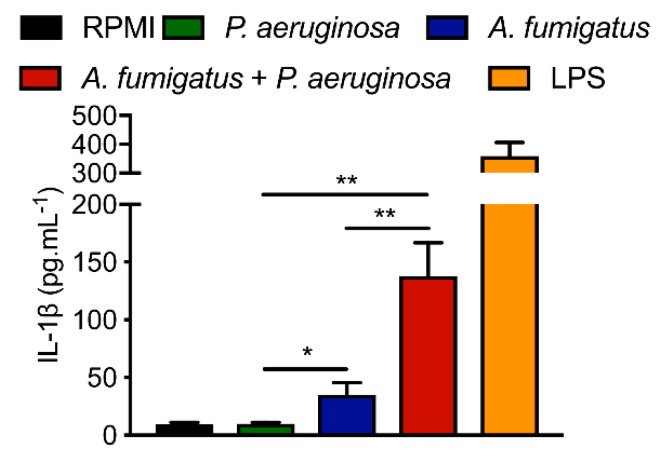
“The synergistic increase in IL1β release during co-infection could explain the dramatic decrease in respiratory functions of CF patients colonized by both pathogens due to an over-inflammatory environment [23].”
BackgroundWilson, R., Sykes, D. A., Watson, D., Rutman, A., Taylor, G. W., & Cole, P. J. (1988) · Infection and Immunity · doi:10.1128/iai.56.9.2515-2517.1988 · Cited by 374
Charlson, E. S., Diamond, J. M., Bittinger, K., Fitzgerald, A. S., Yadav, A., Haas, A. R., Bushman, F. D., & Collman, R. G. (2012) · American Journal of Respiratory and Critical Care Medicine · doi:10.1164/rccm.201204-0693oc · Cited by 348
Delhaes, L., Monchy, S., Fréalle, E., Hubans, C., Salleron, J., Leroy, S., Prevotat, A., Wallet, F., Wallaert, B., Dei-Cas, E., et al. (2012) · PLoS ONE · doi:10.1371/journal.pone.0036313 · Cited by 347
Farnesol, a common sesquiterpene, inhibits PQS production in Pseudomonas aeruginosa
Cugini, C., Calfee, M. W., Farrow, J. M., Morales, D. K., Pesci, E. C., & Hogan, D. A. (2007) · Molecular Microbiology · doi:10.1111/j.1365-2958.2007.05840.x · Cited by 332 · cited 1×
“aeruginosa PQS biosynthesis [54], but to date, nothing is known about a similar A.”
BackgroundKong, E. F., Tsui, C., Kucharíková, S., Andes, D., Van Dijck, P., & Jabra-Rizk, M. A. (2016) · mBio · doi:10.1128/mbio.01365-16 · Cited by 294 · cited 1×
“albicans provides the bacterium with enhanced tolerance to antimicrobial drugs [72].”
BackgroundBurns, J. L., Van Dalfsen, J. M., Shawar, R. M., Otto, K. L., Garber, R. L., Quan, J. M., Montgomery, A. B., Albers, G. M., Ramsey, B. W., & Smith, A. L. (1999) · The Journal of Infectious Diseases · doi:10.1086/314727 · Cited by 289 · cited 1×
“[85] observed that exposure to frequent antibacterial therapy increases pulmonary fungal load.”
BackgroundCurrent Perspectives on Echinocandin Class Drugs
Perlin, D. S. (2011) · Future Microbiology · doi:10.2217/fmb.11.19 · Cited by 274 · cited 2×
“fumigatus and the hyphae are also highly ramified with short ramifications at the tips [42].”
BackgroundIn vivo biofilm composition of Aspergillus fumigatus
Loussert, C., Schmitt, C., Prevost, M.-C., Balloy, V., Fadel, E., Philippe, B., Kauffmann-Lacroix, C., Latgé, J. P., & Beauvais, A. (2010) · Cellular Microbiology · doi:10.1111/j.1462-5822.2009.01409.x · Cited by 269 · cited 1×
“fumigatus synthesized on the surface of the cell wall and in the extracellular matrix [32], was responsible for the binding of P.”
BackgroundSelf-citationGenetic Basis of Candida Biofilm Resistance Due to Drug‐Sequestering Matrix Glucan
Nett, J. E., Sanchez, H., Cain, M. T., & Andes, D. R. (2010) · The Journal of Infectious Diseases · doi:10.1086/651200 · Cited by 250 · cited 1×
“This process was mediated by the cell wall polysaccharide β1,3 glucan secreted in the biofilm matrix, which sequestered drugs in the matrix [73].”
BackgroundControl of Candida albicans Metabolism and Biofilm Formation by Pseudomonas aeruginosa Phenazines
Morales, D. K., Grahl, N., Okegbe, C., Dietrich, L. E. P., Jacobs, N. J., & Hogan, D. A. (2013) · mBio · doi:10.1128/mbio.00526-12 · Cited by 242 · cited 1×
“albicans, only the antifungal activity of phenazines via the production of ROS altering respiratory activity has been reported so far [59].”
BackgroundInterkingdom metabolic transformations captured by microbial imaging mass spectrometry
Moree, W. J., Phelan, V. V., Wu, C.-H., Bandeira, N., Cornett, D. S., Duggan, B. M., & Dorrestein, P. C. (2012) · Proceedings of the National Academy of Sciences · doi:10.1073/pnas.1206855109 · Cited by 239 · cited 3×
“Moreover, all genes required for adaptation to iron starvation (HAPX, SIDA, SIDF, SIDG and MIRB) are induced by 1-HP, whereas genes encoding iron-dependent proteins are repressed (ACOA and CYCA) [49,60].”
BackgroundThe Pseudomonas aeruginosa Pyochelin-Iron Uptake Pathway and Its Metal Specificity
Braud, A., Hannauer, M., Mislin, G. L. A., & Schalk, I. J. (2009) · Journal of Bacteriology · doi:10.1128/jb.00010-09 · Cited by 222
Self-citationBrandel, J., Humbert, N., Elhabiri, M., Schalk, I. J., Mislin, G. L. A., & Albrecht-Gary, A.-M. (2012) · Dalton Transactions · doi:10.1039/c1dt11804h · Cited by 218 · cited 2×
“Pyochelin has been described to be one of the bacterial siderophores that has the best affinity for zinc [61], even if pyochelin does not behave as a zincophore for P.”
BackgroundSelf-citationAspergillus Cell Wall Melanin Blocks LC3-Associated Phagocytosis to Promote Pathogenicity
Akoumianaki, T., Kyrmizi, I., Valsecchi, I., Gresnigt, M. S., Samonis, G., Drakos, E., Boumpas, D., Muszkieta, L., Prevost, M.-C., Kontoyiannis, D. P., et al. (2016) · Cell Host & Microbe · doi:10.1016/j.chom.2015.12.002 · Cited by 218 · cited 1×
“During infection, DHN-melanin inhibits the non-canonical autophagy pathway termed LC3-associated phagocytosis (LAP) that promotes phagolysosomal fusion and fungal killing [33].”
BackgroundSelf-citationModulation of Gene Expression via Disruption of NF-κB Signaling by a Bacterial Small Molecule
Kravchenko, V. V., Kaufmann, G. F., Mathison, J. C., Scott, D. A., Katz, A. Z., Grauer, D. C., Lehmann, M., Meijler, M. M., Janda, K. D., & Ulevitch, R. J. (2008) · Science · doi:10.1126/science.1156499 · Cited by 212 · cited 2×
“aeruginosa virulence factors as they induce the production of IFNγ and the disruption of NFκB, resulting in an inflammatory process [52].”
BackgroundIsolation of an iron-binding compound from Pseudomonas aeruginosa
Cox, C. D., & Graham, R. (1979) · Journal of Bacteriology · doi:10.1128/jb.137.1.357-364.1979 · Cited by 210 · cited 1×
“It is hydrophobic and unlike pyoverdine or ferrichrome, it does not contain catecholate or hydroxamate as iron-chelating groups [64].”
BackgroundMowat, E., Rajendran, R., Williams, C., McCulloch, E., Jones, B., Lang, S., & Ramage, G. (2010) · FEMS Microbiology Letters · doi:10.1111/j.1574-6968.2010.02130.x · Cited by 199 · cited 1×
“fumigatus to form hyphae and reduced the biomass of the fungal biofilm [47], but their mode of action is not yet understood.”
BackgroundDumas, Z., Ross-Gillespie, A., & Kümmerli, R. (2013) · Proceedings of the Royal Society B: Biological Sciences · doi:10.1098/rspb.2013.1055 · Cited by 195 · cited 1×
“aeruginosa first produces pyochelin and switches to pyoverdine production when concentration of iron becomes really low [62].”
BackgroundVAN GENNIP, M., CHRISTENSEN, L. D., ALHEDE, M., PHIPPS, R., JENSEN, P. Ø., CHRISTOPHERSEN, L., PAMP, S. J., MOSER, C., MIKKELSEN, P. J., KOH, A. Y., et al. (2009) · APMIS · doi:10.1111/j.1600-0463.2009.02466.x · Cited by 192 · cited 1×
“aeruginosa can be responsible in vivo for the pathophysiological responses such as HSLs in inflammation [52], host immune cells apoptosis due to ROS production induced by phenazines, pyochelin and rhamnolipids [37,58,65,68,74,76].”
BackgroundEffect of Allergic Bronchopulmonary Aspergillosis on Lung Function in Children with Cystic Fibrosis
Kraemer, R., Deloséa, N., Ballinari, P., Gallati, S., & Crameri, R. (2006) · American Journal of Respiratory and Critical Care Medicine · doi:10.1164/rccm.200603-423oc · Cited by 179
Maltophilin: A New Antifungal Compound Produced by Stenotrophomonas maltophilia R3089.
JAKOBI, M., WINKELMANN, G., KAISER, D., KEMPTER, C., JUNG, G., BERG, G., & BAHL, H. (1996) · The Journal of Antibiotics · doi:10.7164/antibiotics.49.1101 · Cited by 166
Valiante, V., Jain, R., Heinekamp, T., & Brakhage, A. A. (2009) · Fungal Genetics and Biology · doi:10.1016/j.fgb.2009.08.005 · Cited by 165 · cited 1×
“Cell wall stress induced the production of pyomelanin [34].”
BackgroundBriard, B., Bomme, P., Lechner, B. E., Mislin, G. L. A., Lair, V., Prévost, M.-C., Latgé, J.-P., Haas, H., & Beauvais, A. (2015) · Scientific Reports · doi:10.1038/srep08220 · Cited by 161 · cited 7×
“The main ROS target of phenazines is the mitochondria in the hyphal cells [49].”
BackgroundInfluentialSelf-citationBriard, B., Heddergott, C., & Latgé, J.-P. (2016) · mBio · doi:10.1128/mbio.00219-16 · Cited by 153 · cited 1×
“fumigatus can interact at distance via volatile-mediated communication [70].”
BackgroundSelf-citationZuck, K. M., Shipley, S. M., & Newman, D. J. (2011) · Journal of Natural Products · doi:10.1021/np200255f · Cited by 152
Bacterium Induces Cryptic Meroterpenoid Pathway in the Pathogenic Fungus Aspergillus fumigatus
König, C. C., Scherlach, K., Schroeckh, V., Horn, F., Nietzsche, S., Brakhage, A. A., & Hertweck, C. (2013) · ChemBioChem · doi:10.1002/cbic.201300070 · Cited by 148
Lopez-Medina, E., Fan, D., Coughlin, L. A., Ho, E. X., Lamont, I. L., Reimmann, C., Hooper, L. V., & Koh, A. Y. (2015) · PLOS Pathogens · doi:10.1371/journal.ppat.1005129 · Cited by 143 · cited 1×
“[63], using a neutropenic mouse model of microbial gastrointestinal colonization and dissemination, showed that C.”
MethodMüller, M. K. (2002) · Free Radical Biology and Medicine · doi:10.1016/s0891-5849(02)01087-0 · Cited by 141
Pathophysiological aspects of Aspergillus colonization in disease
Gago, S., Denning, D. W., & Bowyer, P. (2018) · Medical Mycology · doi:10.1093/mmy/myy076 · Cited by 135
Sass, G., Nazik, H., Penner, J., Shah, H., Ansari, S. R., Clemons, K. V., Groleau, M.-C., Dietl, A.-M., Visca, P., Haas, H., et al. (2018) · Journal of Bacteriology · doi:10.1128/jb.00345-17 · Cited by 128 · cited 4×
“aeruginosa produces less pyoverdine [50,69].”
BackgroundResultInfluentialPulmonary Th17 Antifungal Immunity Is Regulated by the Gut Microbiome
McAleer, J. P., Nguyen, N. L. H., Chen, K., Kumar, P., Ricks, D. M., Binnie, M., Armentrout, R. A., Pociask, D. A., Hein, A., Yu, A., et al. (2016) · The Journal of Immunology · doi:10.4049/jimmunol.1502566 · Cited by 125 · cited 2×
“More and more data show that the gut microbiota has a profound impact on the lung microbiota [91].”
BackgroundWhiteson, K. L., Bailey, B., Bergkessel, M., Conrad, D., Delhaes, L., Felts, B., Harris, J. K., Hunter, R., Lim, Y. W., Maughan, H., et al. (2014) · American Journal of Respiratory and Critical Care Medicine · doi:10.1164/rccm.201312-2129pp · Cited by 123 · cited 1×
“In CF, the most abundant bacteria found in sputum samples from patients with end-stage disease are usually from a small group of known CF pathogens including Pseudomonas aeruginosa, Stenotrophomonas maltophilia, Staphylococcus aureus, Burkholderia cenocepacia and non-tuberculous Mycobacteria abscessus [14,15].”
BackgroundChambers, C. E., Visser, M. B., Schwab, U. E., & Sokol, P. A. (2005) · FEMS Microbiology Letters · doi:10.1016/j.femsle.2005.01.055 · Cited by 120
Catecholate Siderophores Protect Bacteria from Pyochelin Toxicity
Adler, C., Corbalán, N. S., Seyedsayamdost, M. R., Pomares, M. F., de Cristóbal, R. E., Clardy, J., Kolter, R., & Vincent, P. A. (2012) · PLoS ONE · doi:10.1371/journal.pone.0046754 · Cited by 118 · cited 4×
“li t i i t ri l, t elial a l onary cells [65,68].”
BackgroundInfluentialNew animal models of cystic fibrosis: what are they teaching us?
Keiser, N. W., & Engelhardt, J. F. (2011) · Current Opinion in Pulmonary Medicine · doi:10.1097/mcp.0b013e32834b14c9 · Cited by 114 · cited 1×
“However, mice with deletion in the CFTR gene do not recapitulate human CF disease [81].”
BackgroundSha, R., Jiang, L., Meng, Q., Zhang, G., & Song, Z. (2012) · Journal of Basic Microbiology · doi:10.1002/jobm.201100295 · Cited by 113
The Volatome of Aspergillus fumigatus
Heddergott, C., Calvo, A. M., & Latgé, J. P. (2014) · Eukaryotic Cell · doi:10.1128/ec.00074-14 · Cited by 113 · cited 1×
“fumigatus, but they have not been tested yet on bacteria [71].”
BackgroundSelf-citationRHAMNOLIPID OF PSEUDOMONAS AERUGINOSA IN SPUTUM OF CYSTIC FIBROSIS PATIENTS
Kownatzki, R., Tümmler, B., & Döring, G. (1987) · The Lancet · doi:10.1016/s0140-6736(87)92286-0 · Cited by 110
Borman, A. M., Palmer, M. D., Delhaes, L., Carrère, J., Favennec, L., Ranque, S., Gangneux, J.-P., Horré, R., & Bouchara, J.-P. (2010) · Medical Mycology · doi:10.3109/13693786.2010.511287 · Cited by 105 · cited 1×
“fumigatus as the principal colonizing fungus in COPD or CF patients [3,9,12,13].”
BackgroundReece, E., Doyle, S., Greally, P., Renwick, J. A. A., & McClean, S. (2018) · Frontiers in Microbiology · doi:10.3389/fmicb.2018.01205 · Cited by 104 · cited 5×
“fumigatus clinical isolate resulted in a significant increased production of pro-inflammatory cytokines IL6 and IL8 [77].”
BackgroundMethodInfluentialBritigan, B. E., Rasmussen, G. T., & Cox, C. D. (1997) · Infection and Immunity · doi:10.1128/iai.65.3.1071-1076.1997 · Cited by 100 · cited 1×
“aeruginosa can be responsible in vivo for the pathophysiological responses such as HSLs in inflammation [52], host immune cells apoptosis due to ROS production induced by phenazines, pyochelin and rhamnolipids [37,58,65,68,74,76].”
BackgroundZheng, H., Kim, J., Liew, M., Yan, J. K., Herrera, O., Bok, J. W., Kelleher, N. L., Keller, N. P., & Wang, Y. (2015) · Current Biology · doi:10.1016/j.cub.2014.11.018 · Cited by 96 · cited 18×
“fumigatus conidiation at sub-inhibitory concentrations, which is an operative stress response pathway [57].”
BackgroundInfluentialRamírez‐Granillo, A., Medina‐Canales, M. G., Espindola, M. E. S., Martínez-Rivera, M. Á., Lucio, V. M. B., & Rodríguez-Tovar, A. V. (2015) · BMC Microbiology · doi:10.1186/s12866-015-0363-2 · Cited by 93 · cited 2×
“The incubation was pursued for 24 h [28].”
BackgroundFerreira, J. A. G., Penner, J. C., Moss, R. B., Haagensen, J. A. J., Clemons, K. V., Spormann, A. M., Nazik, H., Cohen, K., Banaei, N., Carolino, E., et al. (2015) · PLOS ONE · doi:10.1371/journal.pone.0134692 · Cited by 92 · cited 1×
“fumigatus in the airways occurs later in CF disease [25].”
BackgroundPenner, J. C., Ferreira, J. A. G., Secor, P. R., Sweere, J. M., Birukova, M., Joubert, L., Haagensen, J. A. J., Garcia, O. S., Malkovskiy, A. V., Kaber, G., et al. (2016) · Microbiology · doi:10.1099/mic.0.000344 · Cited by 89 · cited 1×
“Moreover, sputa collected from CF patients contained high number of phages which can be stimulated by biofilm or hypoxia conditions during bacterial growth [19].”
BackgroundJubin, V., Ranque, S., Stremler Le bel, N., Sarles, J., & Dubus, J. (2010) · Pediatric Pulmonology · doi:10.1002/ppul.21240 · Cited by 88 · cited 3×
“Structure (a) and penetration (b) of pyochelin 4-nitrobenzo[1,2,5]oxadiazole (PCH-NBD) in A.”
BackgroundAspergillus infections in cystic fibrosis
King, J., Brunel, S. F., & Warris, A. (2016) · Journal of Infection · doi:10.1016/j.jinf.2016.04.022 · Cited by 86
Manavathu, E. K., Vager, D. L., & Vazquez, J. A. (2014) · BMC Microbiology · doi:10.1186/1471-2180-14-53 · Cited by 80 · cited 2×
“aeruginosa biofilm extracellular matrix [30], as observed with C.”
MethodChaudhary, N., Datta, K., Askin, F. B., Staab, J. F., & Marr, K. A. (2012) · American Journal of Respiratory and Critical Care Medicine · doi:10.1164/rccm.201106-1027oc · Cited by 79 · cited 2×
“fumigatus inhalation in CFTR−/− mice [80].”
BackgroundSotirova, A., Avramova, T., Stoitsova, S. R., Lazarkevich, I., Lubenets, V. I., Karpenko, E., & Galabova, D. (2012) · Current Microbiology · doi:10.1007/s00284-012-0191-7 · Cited by 79 · cited 1×
“The biosurfactant activity of the dirhamnolipids induces the disorganization of the plasma membrane, resulting in quantitative changes in phospholipid headgroup in Bacillus subtilis [40].”
BackgroundMicrobial Interactions in the Cystic Fibrosis Airway
Granchelli, A., Adler, F. R., Keogh, R. H., Kartsonaki, C., Cox, D. R., & Liou, T. G. (2018) · Journal of Clinical Microbiology · doi:10.1128/jcm.00354-18 · Cited by 74 · cited 1×
“aeruginosa dominates the bacterial community in adult patients [16].”
BackgroundMalcolm, K. C., Nichols, E. M., Caceres, S. M., Kret, J. E., Martiniano, S. L., Sagel, S. D., Chan, E. D., Caverly, L., Solomon, G. M., Reynolds, P., et al. (2013) · PLoS ONE · doi:10.1371/journal.pone.0057402 · Cited by 69
Kolwijck, E., & van de Veerdonk, F. L. (2014) · European Journal of Immunology · doi:10.1002/eji.201344404 · Cited by 69 · cited 3×
“fumigatus-induced allergic airway disease in murine model [9].”
BackgroundIntravenous antibiotics reduce the presence of Aspergillus in adult cystic fibrosis sputum
Baxter, C. G., Rautemaa, R., Jones, A. M., Webb, A. K., Bull, M., Mahenthiralingam, E., & Denning, D. W. (2013) · Thorax · doi:10.1136/thoraxjnl-2012-202412 · Cited by 67
Briard, B., Rasoldier, V., Bomme, P., ElAouad, N., Guerreiro, C., Chassagne, P., Muszkieta, L., Latgé, J.-P., Mulard, L., & Beauvais, A. (2017) · The ISME Journal · doi:10.1038/ismej.2017.32 · Cited by 66 · cited 6×
“The production of this polysaccharide increased in response to the bacterial assault against the fungus [31].”
BackgroundInfluentialSelf-citationSynthesis of Fluorescent Probes Based on the Pyochelin Siderophore Scaffold
Noël, S., Guillon, L., Schalk, I. J., & Mislin, G. L. A. (2011) · Organic Letters · doi:10.1021/ol1028173 · Cited by 65 · cited 4×
“Structure (a) and penetration (b) of pyochelin 4-nitrobenzo[1,2,5]oxadiazole (PCH-NBD) in A. fumigatus swollen conidia.”
BackgroundInfluentialSelf-citationHuerta, A., Soler, N., Esperatti, M., Guerrero, M., Menendez, R., Gimeno, A., Zalacaín, R., Mir, N., Aguado, J. M., & Torres, A. (2014) · Respiratory Research · doi:10.1186/1465-9921-15-17 · Cited by 63
Singh, N., Pemmaraju, S. C., Pruthi, P. A., Cameotra, S. S., & Pruthi, V. (2013) · Applied Biochemistry and Biotechnology · doi:10.1007/s12010-013-0149-7 · Cited by 61
Delhaès, L., Touati, K., Faure-Cognet, O., Cornet, M., Botterel, F., Dannaoui, É., Morio, F., Pape, P. L., Grenouillet, F., Favennec, L., et al. (2018) · Journal of Cystic Fibrosis · doi:10.1016/j.jcf.2018.10.001 · Cited by 58
Li, S., Calvo, A. M., Yuen, G. Y., Du, L., & Harris, S. D. (2008) · Journal of Eukaryotic Microbiology · doi:10.1111/j.1550-7408.2008.00384.x · Cited by 56 · cited 1×
“nidulans cell wall thickening and chitin levels, in response to defective sphingolipid metabolism [36].”
BackgroundDhamgaye, S., Qu, Y., & Peleg, A. Y. (2016) · Cellular Microbiology · doi:10.1111/cmi.12674 · Cited by 55 · cited 1×
“These molecules have low molecular weight and different structure, and are known to modulate the pathogenicity of pathogens [46].”
BackgroundMelloul, É., Luiggi, S., Anaïs, L., Arné, P., Costa, J., Fihman, V., Briard, B., Dannaoui, É., Guillot, J., Decousser, J., et al. (2016) · PLoS ONE · doi:10.1371/journal.pone.0166325 · Cited by 50 · cited 3×
“maltophila/mL and incubation for 24 h [26].”
BackgroundSelf-citationShirazi, F., Ferreira, J. A. G., Stevens, D. A., Clemons, K. V., & Kontoyiannis, D. P. (2016) · PLOS ONE · doi:10.1371/journal.pone.0150155 · Cited by 48 · cited 1×
“aeruginosa has been investigated in CF patients, particularly in the chronically infected oldest patients [21].”
BackgroundBotterel, F., Angebault, C., Cabaret, O., Stressmann, F. A., Costa, J., Wallet, F., Wallaert, B., Bruce, K. D., & Delhaès, L. (2017) · Mycopathologia · doi:10.1007/s11046-017-0185-x · Cited by 48 · cited 1×
“fumigatus requires a tight contact with the bacteria in the host airway, which is likely, since both microorganisms are recovered in sputum samples [6,7].”
BackgroundAllard, J. B., Rinaldi, L., Wargo, M. J., Allen, G., Akira, S., Uematsu, S., Poynter, M. E., Hogan, D. A., Rincon, M., & Whittaker, L. A. (2009) · European Journal of Immunology · doi:10.1002/eji.200838932 · Cited by 45 · cited 3×
“aeruginosa induced an inflammatory response dominated by neutrophils recruitment and secretion of Th1 type cytokines with minimal mucus production [75].”
BackgroundInfluentialMartin, C., Thévenot, G., Danel, S. B., Chapron, J., Tazi, A., Macey, J., Dusser, D. J., Fajac, I., & Burgel, P. (2011) · European Respiratory Journal · doi:10.1183/09031936.00134910 · Cited by 43
Aspergillus fumigatus Detection and Risk Factors in Patients with COPD–Bronchiectasis Overlap
Everaerts, S., Lagrou, K., Vermeersch, K., Dupont, L., Vanaudenaerde, B. M., & Janssens, W. (2018) · International Journal of Molecular Sciences · doi:10.3390/ijms19020523 · Cited by 43
Penetration of the Human Pulmonary Epithelium by Aspergillus fumigatus Hyphae
Fernandes, J., Hamidi, F., Leborgne, R., Beau, R., Castier, Y., Mordant, P., Boukkerou, A., Latgé, J. P., & Pretolani, M. (2018) · The Journal of Infectious Diseases · doi:10.1093/infdis/jiy298 · Cited by 41 · cited 1×
“Organoid models recently developed could be an interesting alternative [86,87].”
BackgroundSelf-citationCharacteristics of pathogenic fungi and antifungal therapy in cystic fibrosis
Müller, F. C., & Seidler, M. J. (2010) · Expert Review of Anti-infective Therapy · doi:10.1586/eri.10.72 · Cited by 38
Casaulta, C., Schöni, M. H., Weichel, M., Crameri, R., Jutel, M., Daigle, I., Akdiş, M., Blaser, K., & Akdiş, C. A. (2003) · Pediatric Research · doi:10.1203/01.pdr.0000047528.79014.cf · Cited by 37 · cited 2×
“fumigatus T cell responses, was observed, suggesting an adaptive mechanism observed in CF patients in response to prolonged cycles of lung inflammation and damages due to infections [82].”
BackgroundMethodHraiech, S., Bregeon, F., Brunel, J.-M., Rolain, J.-M., Lepidi, H., Andrieu, V., Raoult, D., Papazian, L., & Roch, A. (2012) · Journal of Antimicrobial Chemotherapy · doi:10.1093/jac/dks230 · Cited by 36
Reen, F. J., Phelan, J. P., Woods, D. F., Shanahan, R., Cano, R., Clarke, S., McGlacken, G. P., & O’Gara, F. (2016) · Frontiers in Microbiology · doi:10.3389/fmicb.2016.02074 · Cited by 28 · cited 1×
“PQS also altered biofilm biomass and structure by reducing the attachment of the conidia to the polystyrene plates and blocking the germination [48].”
BackgroundAnand, R., Clemons, K. V., & Stevens, D. A. (2017) · Archives of Microbiology · doi:10.1007/s00203-017-1362-5 · Cited by 25 · cited 4×
“aeruginosa produces less pyoverdine [50,69].”
BackgroundInfluentialInfluenza Coinfection: Be(a)ware of Invasive Aspergillosis
Verweij, P. E., Brüggemann, R. J. M., Wauters, J., Rijnders, B. J. A., Chiller, T. M., & van de Veerdonk, F. L. (2019) · Clinical Infectious Diseases · doi:10.1093/cid/ciz391 · Cited by 25 · cited 1×
“More recently, the influenza virus was recognized as a strong inducer of aspergillosis [18].”
BackgroundDeWitte, J. J., Cox, C. D., Rasmussen, G. T., & Britigan, B. E. (2001) · Archives of Biochemistry and Biophysics · doi:10.1006/abbi.2001.2517 · Cited by 22 · cited 3×
“li t i i t ri l, t elial a l onary cells [65,68].”
BackgroundYonezawa, M., Sugiyama, H., Kizawa, K., Hori, R., Mitsuyama, J., Araki, H., Shimakura, M., Minami, S., Watanabe, Y., & Yamaguchi, K. (2000) · Journal of Infection and Chemotherapy · doi:10.1007/s101560070015 · Cited by 15 · cited 3×
“aeruginosa may secrete antifungal compounds or stimulate the immunological antifungal host response [24].”
BackgroundInfluentialMonin, L., Mehta, S. B., Elsegeiny, W. A. W., Gopal, R., McAleer, J. P., Oury, T. D., Kolls, J. K., & Khader, S. A. (2017) · Infection and Immunity · doi:10.1128/iai.00859-17 · Cited by 14 · cited 4×
“that it inhibited Th1 responses required to control infection and promote fungal biofilm formation [15].”
BackgroundInfluentialMultiplex Detection of Aspergillus fumigatus Mycoviruses
Özkan-Kotiloğlu, S., & Coutts, R. H. A. (2018) · Viruses · doi:10.3390/v10050247 · Cited by 10
Cited by
Aspergillus fumigatus and Aspergillosis in 2019
Latgé, J.-P., & Chamilos, G. (2019) · Clinical Microbiology Reviews · doi:10.1128/cmr.00140-18 · Cited by 1,400
Self-citationEnaud, R., Prevel, R., Ciarlo, E., Beaufils, F., Wieërs, G., Guery, B., & Delhaes, L. (2020) · Frontiers in Cellular and Infection Microbiology · doi:10.3389/fcimb.2020.00009 · Cited by 738
“aeruginosa-derived volatile sulfur compounds (Briard et al., 2019; Scott et al., 2019).”
Camus, L., Briaud, P., Vandenesch, F., & Moreau, K. (2021) · Frontiers in Microbiology · doi:10.3389/fmicb.2021.617784 · Cited by 96
Let’s Get Physical: Bacterial-Fungal Interactions and Their Consequences in Agriculture and Health
Steffan, B. N., Venkatesh, N., & Keller, N. P. (2020) · Journal of Fungi · doi:10.3390/jof6040243 · Cited by 87
Bacterial‐fungal interactions and their impact on microbial pathogenesis
MacAlpine, J., Robbins, N., & Cowen, L. E. (2022) · Molecular Ecology · doi:10.1111/mec.16411 · Cited by 80
“Several recent publications have also reviewed bacterial- fungal interactions in the context of the human host (Briard et al., 2019; Kapitan et al., 2019; Kumari & Singh, 2019; Mayer & Kronstad, 2019; Montelongo- Jauregui & Lopez- Ribot, 2018; Negrini et al., 2019; Nogueira et al., 2019; Santus et…”
Background
Metadata
- Authors
- Briard, B., Mislin, G. L. A., Latgé, J.-P., & Beauvais, A.
- Affiliations
- Institut Pasteur (FR)
- Centre National de la Recherche Scientifique (FR)
- Corresponding author
- Beauvais, Anne
- Venue
- Journal of Fungi
- Publisher
- MDPI AG
- Published
- 2019-06-12
- Volume
- 5
- Issue
- 2
- Pages
- 48
- ISSN
- 2309-608X (ISSN-L)
- PMC
- PMC6617096
- OpenAlex
- W2950932263
- Cited by
- 69
- References
- 93
- Citations by year
- 2026: 6 · 2025: 7 · 2024: 6 · 2023: 8 · 2022: 9 · 2021: 15 · 2020: 14 · 2019: 4
- FWCI
- 0.93
- Type
- journal article
- Language
- en
- Open access
- gold
- dx.doi.org
- Licence
- Locations
- Journal of Fungi (publishedVersion, cc-by)
- Europe PMC (PubMed Central) (publishedVersion, cc-by)
- PubMed Central (publishedVersion, cc-by)
- PubMed (publishedVersion)
- HAL (submittedVersion)
- DOAJ (DOAJ: Directory of Open Access Journals) (submittedVersion, cc-by-sa)
- univOAK (4 institutions : Université de Strasbourg, Université de Haute Alsace, INSA Strasbourg, Bibliothèque Nationale et Universitaire de Strasbourg) (submittedVersion)
- Funders
- Association Vaincre la Mucoviscidose (RIF20140501052/1/1/141, RIF20180502335)
- Topics
- Life Sciences › Biochemistry, Genetics and Molecular Biology › Molecular Biology › Bacterial biofilms and quorum sensing
- Health Sciences › Medicine › Infectious Diseases › Antifungal resistance and susceptibility
- Life Sciences › Biochemistry, Genetics and Molecular Biology › Molecular Biology › Fungal and yeast genetics research
- Keywords
- Aspergillus fumigatus, Pseudomonas aeruginosa, fungal-bacterial interactions, pulmonary microbiota, co-infection, homoserine lactone, pyoverdine, pyochelin, di-rhamnolipids, phenazine, iron starvation, reactive oxygen species, bacterial volatiles, host immune response
About these checks
Registry, retraction, Cites and statistics results are computed, not judged, with one exception: a printed reference that no index lists is read once by a model before it counts as a citation error. Claims are extracted by a model and kept only when their quote appears verbatim in the text; each cited source is then checked, with a model’s help, for whether it says what the claim relies on. Those verdicts can be wrong — read the claim’s quote and the cited source before relying on one.
Statistics and arithmetic are recomputed, not judged.
Confidence bands are shown only for fields calibrated on our annotated test set. None is calibrated yet, so no band is shown.
What counts as a claim ›How we measure confidence ›How we check this ›
Are you an author, or do you see a problem with this page? Request a review
Data sources
Bibliographic data: Semantic Scholar, OpenAlex, Crossref.
Contains information from the Semantic Scholar Academic Graph Datasets, made available under the ODC Attribution License (ODC-BY 1.0).
Semantic Scholar’s data is described in: Kinney, R., et al. (2023). The Semantic Scholar Open Data Platform. arXiv:2301.10140.
