

The lncRNA Toolkit: Databases and In Silico Tools for lncRNA Analysis
Open accessThe DOI matches its Crossref record; 174 of the 177 references it cites were found in a registry or an index.
Abstract
Long non-coding RNAs (lncRNAs) are a rapidly expanding field of research, with many new transcripts identified each year. However, only a small subset of lncRNAs has been characterized functionally thus far. To aid investigating the mechanisms of action by which new lncRNAs act, bioinformatic tools and databases are invaluable. Here, we review a selection of computational tools and databases for the in silico analysis of lncRNAs, including tissue-specific expression, protein coding potential, subcellular localization, structural conformation, and interaction partners. The assembled lncRNA toolkit is aimed primarily at experimental researchers as a useful starting point to guide wet-lab experiments, mainly containing multi-functional, user-friendly interfaces. With more and more new lncRNA analysis tools available, it will be essential to provide continuous updates and maintain the availability of key software in the future.
Overview
The claims and statistics of this paper haven’t been checked yet.
Free: it reads the open-access text and checks the first 5 claims that cite a source we can check. Create a free account to check every claim.
Integrity signals
Registry
Cites
Statistics
Figures
Verification
Claims the paper makes
The claims and statistics of this paper haven’t been checked yet.
Free: it reads the open-access text and checks the first 5 claims that cite a source we can check. Create a free account to check every claim.
Claims other papers make about this one
Each is checked against this paper’s own text: does it say what the citing paper says it does?
The check wasn’t confident either way, so it gives no verdict — never disputed.
In the citing paper
“Incorrect gene research articles could also lead to the overestimation of knowledge from text mining approaches, particularly given the assumed reliability of published experimental results (63)”
From Identification of human gene research articles with wrongly identified nucleotide sequences (2022) · cites this paper as [63]
Experimental — accuracy not yet measured
Self-check
Percentages, sums and reported differences re-computed from the paper’s own numbers.
The self-check needs the paper’s full text.
Citations
Cites
Basic local alignment search tool
Altschul, S. F., Gish, W., Miller, W., Myers, E. W., & Lipman, D. J. (1990) · Journal of Molecular Biology · doi:10.1006/jmbi.1990.9999 · Cited by 98,669 · cited 2×
“This system is similar to that used by BLAST to ensure results are provided rapidly to the user [50].”
BackgroundMethodAn integrated encyclopedia of DNA elements in the human genome
The ENCODE Project Consortium (2012) · Nature · doi:10.1038/nature11247 · Cited by 18,072 · cited 2×
“The LncATLAS database of lncRNA localization was developed from subcellular RNA-Seq data published by the ENCODE Consortium [3].”
BackgroundMethodSequence to Sequence Learning with Neural Networks
Sutskever, I., Vinyals, O., & Le, Q. V. (2014) · arXiv · doi:10.48550/arxiv.1409.3215 · Cited by 17,766
Tissue-based map of the human proteome
Uhlén, M., Fagerberg, L., Hallström, B. M., Lindskog, C., Oksvold, P., Mardinoglu, A., Sivertsson, Å., Kampf, C., Sjöstedt, E., Asplund, A., et al. (2015) · Science · doi:10.1126/science.1260419 · Cited by 15,286
Lewis, B. P., Burge, C. B., & Bartel, D. P. (2005) · Cell · doi:10.1016/j.cell.2004.12.035 · Cited by 11,855 · cited 1×
“LNCBook offers multi-omics integration, such as expression profiles across tissue types (both normal and cancer), DNA methylation patterns in different gene regions, genomic variation and microRNA (miRNA) interaction predictions using TargetScan [31] and miRanda [28,32].”
MethodNCBI GEO: archive for functional genomics data sets—update
Barrett, T., Wilhite, S. E., Ledoux, P., Evangelista, C., Kim, I. F., Tomashevsky, M., Marshall, K. A., Phillippy, K. H., Sherman, P. M., Holko, M., et al. (2012) · Nucleic Acids Research · doi:10.1093/nar/gks1193 · Cited by 10,418
The Human Genome Browser at UCSC
Kent, W. J., Sugnet, C. W., Furey, T. S., Roskin, K. M., Pringle, T. H., Zahler, A. M., & Haussler, A. D. (2002) · Genome Research · doi:10.1101/gr.229102 · Cited by 10,400 · cited 2×
“Secondly, multiple pre-existing databases including UCSC [74], Ensembl [22], GENCODE [29] and Flybase [75] were used to gather lncRNA gene information (e.”
MethodThe cancer genome atlas pan-cancer analysis project
The Cancer Genome Atlas Research Network, Weinstein, J. N., Collisson, E. A., Mills, G. B., Shaw, K. R. M., Ozenberger, B. A., Ellrott, K., Shmulevich, I., Sander, C., & Stuart, J. M. (2013) · Nature Genetics · doi:10.1038/ng.2764 · Cited by 9,092 · cited 2×
“This information was taken from The Cancer Genome Atlas (TCGA) [43], the Cancer Cell Line Encyclopedia (CCLE) [44], and from three additional independent cancer cohorts [45–47].”
BackgroundEnsemble methods in machine learning
Dietterich, T. G. (2000) · Lecture Notes in Computer Science · doi:10.1007/3-540-45014-9_1 · Cited by 8,408
The Cancer Cell Line Encyclopedia enables predictive modelling of anticancer drug sensitivity
Barretina, J., Caponigro, G., Stransky, N., Venkatesan, K., Margolin, A. A., Kim, S., Wilson, C. J., Lehár, J., Kryukov, G. V., Sonkin, D., et al. (2012) · Nature · doi:10.1038/nature11003 · Cited by 7,950 · cited 1×
“This information was taken from The Cancer Genome Atlas (TCGA) [43], the Cancer Cell Line Encyclopedia (CCLE) [44], and from three additional independent cancer cohorts [45–47].”
BackgroundIntegrative analysis of 111 reference human epigenomes
Roadmap Epigenomics Consortium, Kundaje, A., Meuleman, W., Ernst, J., Bilenky, M., Yen, A., Heravi-Moussavi, A., Kheradpour, P., Zhang, Z., Wang, J., et al. (2015) · Nature · doi:10.1038/nature14248 · Cited by 6,368
O'Leary, N. A., Wright, M. W., Brister, J. R., Ciufo, S., Haddad, D., McVeigh, R., Rajput, B., Robbertse, B., Smith-White, B., Ako-Adjei, D., et al. (2016) · Nucleic Acids Research · doi:10.1093/nar/gkv1189 · Cited by 6,357 · cited 3×
“LNCipedia contains data from ten different sources as of 2019: LncRNAdb version 1 [20], the Broad Institute human body map of lincRNAs [21], Ensembl release 92 [22], RefSeq 106 [23], NONCODE v4 [4], FANTOM CAT (stringent set, a version of the database with more strict entry criteria) [24] and three research papers: Ha…”
MethodThe GTEx Consortium atlas of genetic regulatory effects across human tissues
The GTEx Consortium, Aguet, F., Anand, S., Ardlie, K. G., Gabriel, S., Getz, G. A., Graubert, A., Hadley, K., Handsaker, R. E., Huang, K. H., et al. (2020) · Science · doi:10.1126/science.aaz1776 · Cited by 5,547 · cited 4×
“Information on disease associations and context specific genetic effects, and Quantitative Trait Locus (QTL) information is available, further allowing insight into genomic loci which affect expression (eQTL data) or splicing (sQTL data) of both protein coding and long non-coding genes [40].”
BackgroundMethodInfluentialLandscape of transcription in human cells
Djebali, S., Davis, C. A., Merkel, A., Dobin, A., Lassmann, T., Mortazavi, A., Tanzer, A., Lagarde, J., Lin, W., Schlesinger, F., et al. (2012) · Nature · doi:10.1038/nature11233 · Cited by 5,187 · cited 1×
“The human genome is now thought to be more akin to a jungle, where great swathes are transcriptionally active and interacting with other constituents, forming a delicate milieu of reciprocity [2].”
BackgroundThe Genotype-Tissue Expression (GTEx) pilot analysis: Multitissue gene regulation in humans
The GTEx Consortium, Ardlie, K. G., Deluca, D. S., Segrè, A. V., Sullivan, T. J., Young, T. R., Gelfand, E. T., Trowbridge, C. A., Maller, J. B., Tukiainen, T., et al. (2015) · Science · doi:10.1126/science.1262110 · Cited by 5,062
Derrien, T., Johnson, R., Bussotti, G., Tanzer, A., Djebali, S., Tilgner, H., Guernec, G., Martin, D., Merkel, A., Knowles, D. G., et al. (2012) · Genome Research · doi:10.1101/gr.132159.111 · Cited by 5,061 · cited 4×
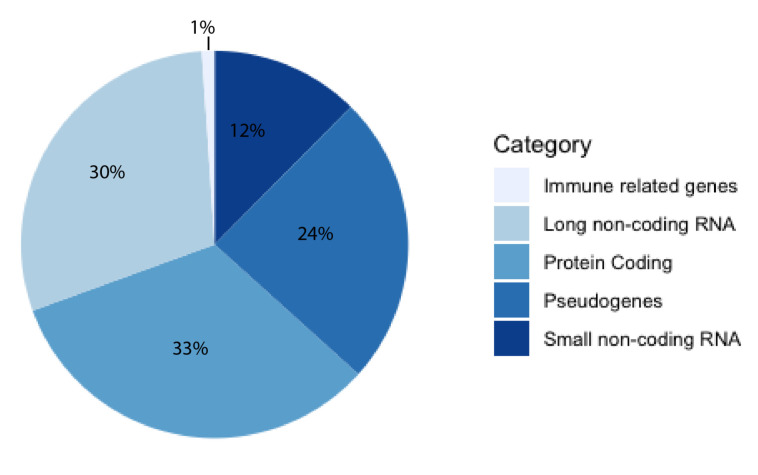
“The majority of known human genes are non-coding [3], and approximately half of these are long non-coding RNAs (lncRNAs), according to the latest release of GENCODE (Figure 1).”
MethodInfluentialLi, J.-H., Liu, S., Zhou, H., Qu, L.-H., & Yang, J.-H. (2014) · Nucleic Acids Research · doi:10.1093/nar/gkt1248 · Cited by 4,686
Genome Regulation by Long Noncoding RNAs
Rinn, J. L., & Chang, H. Y. (2012) · Annual Review of Biochemistry · doi:10.1146/annurev-biochem-051410-092902 · Cited by 4,005 · cited 2×
“The field of lncRNA-DNA interactions has been reviewed in detail by Rinn and Chang (2012) [148], and discussed more recently by Marchese et al.”
MethodJohn, B., Enright, A. J., Aravin, A., Tuschl, T., Sander, C., & Marks, D. S. (2004) · PLoS Biology · doi:10.1371/journal.pbio.0020363 · Cited by 3,796 · cited 1×
“LNCBook offers multi-omics integration, such as expression profiles across tissue types (both normal and cancer), DNA methylation patterns in different gene regions, genomic variation and microRNA (miRNA) interaction predictions using TargetScan [31] and miRanda [28,32].”
MethodOptimal computer folding of large RNA sequences using thermodynamics and auxiliary information
Zuker, M., & Stiegler, P. (1981) · Nucleic Acids Research · doi:10.1093/nar/9.1.133 · Cited by 3,562 · cited 1×
“RNAfold is built on Zuker and Stiegler’s dynamic programming algorithm [109], which incorporates stacking and destabilizing energies, at the same time gradually increasing the sequence length in a stepwise fashion, to predict the best structure at each increasing length.”
MethodCabili, M. N., Trapnell, C., Goff, L., Koziol, M., Tazon-Vega, B., Regev, A., & Rinn, J. L. (2011) · Genes & Development · doi:10.1101/gad.17446611 · Cited by 3,502 · cited 1×
“LNCipedia contains data from ten different sources as of 2019: LncRNAdb version 1 [20], the Broad Institute human body map of lincRNAs [21], Ensembl release 92 [22], RefSeq 106 [23], NONCODE v4 [4], FANTOM CAT (stringent set, a version of the database with more strict entry criteria) [24] and three research papers: Ha…”
MethodLong Noncoding RNA as Modular Scaffold of Histone Modification Complexes
Tsai, M.-C., Manor, O., Wan, Y., Mosammaparast, N., Wang, J. K., Lan, F., Shi, Y., Segal, E., & Chang, H. Y. (2010) · Science · doi:10.1126/science.1192002 · Cited by 3,290 · cited 1×
“This is exemplified by the recruitment of chromatin modifying enzymes by the lncRNA HOTAIR, resulting in histone modifications [147], and the direct binding of DNA promoter elements by the lncRNA FENDRR, forming a lncRNA-DNA triplex resulting in recruitment of the PRC2 complex [119].”
BackgroundLong non-coding RNAs: new players in cell differentiation and development
Fatica, A., & Bozzoni, I. (2014) · Nature Reviews Genetics · doi:10.1038/nrg3606 · Cited by 2,980 · cited 1×
“LncRNAs are usually expressed in a cell-type and tissue-specific manner [37], indicating their importance in developmental processes and disease mechanisms [38].”
BackgroundKong, L., Zhang, Y., Ye, Z.-Q., Liu, X.-Q., Zhao, S.-Q., Wei, L., & Gao, G. (2007) · Nucleic Acids Research · doi:10.1093/nar/gkm391 · Cited by 2,803 · cited 5×
“[54], CPPred (Coding Potential Prediction) was developed to better distinguish between transcripts encoding micropeptides, and true non-coding RNAs [59].”
BackgroundMethodInfluentialGruber, A. R., Lorenz, R., Bernhart, S. H., Neubock, R., & Hofacker, I. L. (2008) · Nucleic Acids Research · doi:10.1093/nar/gkn188 · Cited by 2,688 · cited 13×
“DMfold is an alternative prediction tool that unlike RNAfold, can take pseudoknots into account using deep learning [96].”
BackgroundMethodInfluentialThe RIN: an RNA integrity number for assigning integrity values to RNA measurements
Schroeder, A., Mueller, O., Stocker, S., Salowsky, R., Leiber, M., Gassmann, M., Lightfoot, S., Menzel, W., Granzow, M., & Ragg, T. (2006) · BMC Molecular Biology · doi:10.1186/1471-2199-7-3 · Cited by 2,623
Berman, H. M., Battistuz, T., Bhat, T. N., Bluhm, W. F., Bourne, P. E., Burkhardt, K., Feng, Z., Gilliland, G. L., Iype, L., Jain, S., et al. (2002) · Acta Crystallographica Section D Biological Crystallography · doi:10.1107/s0907444902003451 · Cited by 2,577
A Long Noncoding RNA Controls Muscle Differentiation by Functioning as a Competing Endogenous RNA
Cesana, M., Cacchiarelli, D., Legnini, I., Santini, T., Sthandier, O., Chinappi, M., Tramontano, A., & Bozzoni, I. (2011) · Cell · doi:10.1016/j.cell.2011.09.028 · Cited by 2,554 · cited 1×
“On the other hand, lncRNAs exported to the cytoplasm can modulate mRNA stability [69] and translation [70], regulate protein modification [71], or compete for miRNAs [72].”
BackgroundThe Noncoding RNA Revolution—Trashing Old Rules to Forge New Ones
Cech, T. R., & Steitz, J. A. (2014) · Cell · doi:10.1016/j.cell.2014.03.008 · Cited by 2,524 · cited 2×
“The topic of lncRNA functional interactions has recently been reviewed in detail by Marchese et al. [120], and is also discussed by Cech and Steitz [121].”
BackgroundUtilizing sequence intrinsic composition to classify protein-coding and long non-coding transcripts
Sun, L., Luo, H., Bu, D., Zhao, G., Yu, K., Zhang, C., Liu, Y., Chen, R., & Zhao, Y. (2013) · Nucleic Acids Research · doi:10.1093/nar/gkt646 · Cited by 2,099
A Large Intergenic Noncoding RNA Induced by p53 Mediates Global Gene Repression in the p53 Response
Huarte, M., Guttman, M., Feldser, D., Garber, M., Koziol, M. J., Kenzelmann-Broz, D., Khalil, A. M., Zuk, O., Amit, I., Rabani, M., et al. (2010) · Cell · doi:10.1016/j.cell.2010.06.040 · Cited by 2,053 · cited 1×
“On the other hand, lncRNAs exported to the cytoplasm can modulate mRNA stability [69] and translation [70], regulate protein modification [71], or compete for miRNAs [72].”
BackgroundImaging individual mRNA molecules using multiple singly labeled probes
Raj, A., van den Bogaard, P., Rifkin, S. A., van Oudenaarden, A., & Tyagi, S. (2008) · Nature Methods · doi:10.1038/nmeth.1253 · Cited by 2,028 · cited 1×
“Although a useful addition to the in silico lncRNA toolkit LncLocator, such as many predictive tools, will only provide a best guess and always require experimental validations, such as RT-qPCR of fractionated cells [85] or RNA fluorescence in situ hybridization (RNA-FISH) [86].”
CPAT: Coding-Potential Assessment Tool using an alignment-free logistic regression model
Wang, L., Park, H. J., Dasari, S., Wang, S., Kocher, J.-P., & Li, W. (2013) · Nucleic Acids Research · doi:10.1093/nar/gkt006 · Cited by 1,995 · cited 4×
“Similar to LNCipedia, LNCBook offers built-in coding potential prediction through CPAT [33] and PLEK [34], which are discussed later in this review in Section 4 [28].”
MethodInfluentialA promoter-level mammalian expression atlas
The FANTOM Consortium and the RIKEN PMI and CLST (DGT) (2014) · Nature · doi:10.1038/nature13182 · Cited by 1,982
Long noncoding RNAs: past, present, and future
Kung, J. T. Y., Colognori, D., & Lee, J. T. (2013) · Genetics · doi:10.1534/genetics.112.146704 · Cited by 1,874 · cited 2×
“A lncRNA is a non-coding transcript longer than 200 nucleotides (nt) comprising both RNA polymerase II and III transcripts, with the former often being spliced, capped, and polyadenylated [5].”
BackgroundCells of the adult human heart
Litviňuková, M., Talavera-López, C., Maatz, H., Reichart, D., Worth, C. L., Lindberg, E. L., Kanda, M., Polanski, K., Heinig, M., Lee, M., et al. (2020) · Nature · doi:10.1038/s41586-020-2797-4 · Cited by 1,729 · cited 1×
“What lies on the horizon for this field is the release of a complete atlas of human single-cell transcriptomes, which would offer an unprecedented glimpse into truly cell-type specific expression across the human body [52,53].”
BackgroundCPC2: a fast and accurate coding potential calculator based on sequence intrinsic features
Kang, Y.-J., Yang, D.-C., Kong, L., Hou, M., Meng, Y.-Q., Wei, L., & Gao, G. (2017) · Nucleic Acids Research · doi:10.1093/nar/gkx428 · Cited by 1,637
The equilibrium partition function and base pair binding probabilities for RNA secondary structure
McCaskill, J. S. (1990) · Biopolymers · doi:10.1002/bip.360290621 · Cited by 1,310 · cited 1×
“RNAfold also uses the McCaskill partition function [110] to predict base-pairing probabilities of the structure (limited to structures of up to 7500 nts in length).”
MethodGenomic Maps of Long Noncoding RNA Occupancy Reveal Principles of RNA-Chromatin Interactions
Chu, C., Qu, K., Zhong, F. L., Artandi, S. E., & Chang, H. Y. (2011) · Molecular Cell · doi:10.1016/j.molcel.2011.08.027 · Cited by 1,269 · cited 2×
“The combined search results were filtered to a total of 27 high quality datasets, which were processed to retrieve lncRNA binding site information according to their standard pipeline, described in detail in Chu et al., 2011 [151].”
BackgroundMethodMapping the Human miRNA Interactome by CLASH Reveals Frequent Noncanonical Binding
Helwak, A., Kudla, G., Dudnakova, T., & Tollervey, D. (2013) · Cell · doi:10.1016/j.cell.2013.03.043 · Cited by 1,269 · cited 1×
“These interactions have been extracted from several high-throughput sequencing experiments [100–102,125] and targeted studies, which used methods including Cross-linking, Ligation and Sequencing of Hybrids (CLASH) [126,127], RNA Interactome Analysis and sequencing (RIA-seq) [118] and RNA Antisense Purification (RAP-RN…”
Method(2011) · Cited by 1,258
Local regulation of gene expression by lncRNA promoters, transcription and splicing
Engreitz, J. M., Haines, J. E., Perez, E. M., Munson, G., Chen, J., Kane, M., McDonel, P. E., Guttman, M., & Lander, E. S. (2016) · Nature · doi:10.1038/nature20149 · Cited by 1,253 · cited 1×
“LncRNAs localizing to the nucleus are often involved in regulating gene expression and/or splicing [67], imprinting genes [68] or inactivating the X-chromosome [6].”
BackgroundKino, T., Hurt, D. E., Ichijo, T., Nader, N., & Chrousos, G. P. (2010) · Science Signaling · doi:10.1126/scisignal.2000568 · Cited by 1,231
Integrated molecular analysis of clear-cell renal cell carcinoma
Sato, Y., Yoshizato, T., Shiraishi, Y., Maekawa, S., Okuno, Y., Kamura, T., Shimamura, T., Sato-Otsubo, A., Nagae, G., Suzuki, H., et al. (2013) · Nature Genetics · doi:10.1038/ng.2699 · Cited by 1,221
A micropeptide encoded by a putative long noncoding RNA regulates muscle performance
Anderson, D. M., Anderson, K. M., Chang, C.-L., Makarewich, C. A., Nelson, B. R., McAnally, J. R., Kasaragod, P., Shelton, J. M., Liou, J., Bassel-Duby, R., et al. (2015) · Cell · doi:10.1016/j.cell.2015.01.009 · Cited by 1,216
Yates, A. D., Achuthan, P., Akanni, W., Allen, J., Allen, J., Alvarez-Jarreta, J., Amode, M. R., Armean, I. M., Azov, A. G., Bennett, R., et al. (2019) · Nucleic Acids Research · doi:10.1093/nar/gkz966 · Cited by 1,152
PhyloCSF: a comparative genomics method to distinguish protein-coding and non-coding regions
Lin, M., Jungreis, I., & Kellis, M. (2010) · Nature Precedings · doi:10.1038/npre.2010.4784.1 · Cited by 1,016
An atlas of human long non-coding RNAs with accurate 5′ ends
Hon, C.-C., Ramilowski, J. A., Harshbarger, J., Bertin, N., Rackham, O. J. L., Gough, J., Denisenko, E., Schmeier, S., Poulsen, T. M., Severin, J., et al. (2017) · Nature · doi:10.1038/nature21374 · Cited by 1,007 · cited 1×
“LNCipedia contains data from ten different sources as of 2019: LncRNAdb version 1 [20], the Broad Institute human body map of lincRNAs [21], Ensembl release 92 [22], RefSeq 106 [23], NONCODE v4 [4], FANTOM CAT (stringent set, a version of the database with more strict entry criteria) [24] and three research papers: Ha…”
MethodThe multidimensional mechanisms of long noncoding RNA function
Marchese, F. P., Raimondi, I., & Huarte, M. (2017) · Genome Biology · doi:10.1186/s13059-017-1348-2 · Cited by 975
Evolutionary Dynamics of Gene and Isoform Regulation in Mammalian Tissues
Merkin, J., Russell, C., Chen, P., & Burge, C. B. (2012) · Science · doi:10.1126/science.1228186 · Cited by 972 · cited 1×
“First, in order to increase the accuracy of prediction, subcellular localization data from lncATLAS [76] and tissue-specific expression data from five human [21,141–144] and four mouse RNA-seq datasets [145,146] have been included in the prediction algorithm.”
Control of somatic tissue differentiation by the long non-coding RNA TINCR
Kretz, M., Siprashvili, Z., Chu, C., Webster, D. E., Zehnder, A., Qu, K., Lee, C. S., Flockhart, R. J., Groff, A. F., Chow, J., et al. (2013) · Nature · doi:10.1038/nature11661 · Cited by 945 · cited 2×
“In addition, the lncRNA TINCR is known to control somatic tissue differentiation by interacting with mRNA [118], while the lncRNA FENDRR binds directly to DNA to regulate gene expression [119].”
BackgroundMethodFORMATION OF A THREE-STRANDED POLYNUCLEOTIDE MOLECULE
Felsenfeld, G., Davies, D. R., & Rich, A. (1957) · Journal of the American Chemical Society · doi:10.1021/ja01565a074 · Cited by 931 · cited 1×
“One method of predicting a direct lncRNA-DNA interaction is to estimate the likelihood of triplex formation, where a single stranded RNA undergoes Hoogsteen base-pairing with the double stranded DNA, forming a three stranded structure [159,160].”
MethodLiu, B., Sun, L., Liu, Q., Gong, C., Yao, Y., Lv, X., Lin, L., Yao, H., Su, F., Li, D., et al. (2015) · Cancer Cell · doi:10.1016/j.ccell.2015.02.004 · Cited by 908 · cited 1×
“On the other hand, lncRNAs exported to the cytoplasm can modulate mRNA stability [69] and translation [70], regulate protein modification [71], or compete for miRNAs [72].”
BackgroundThe sequence read archive: explosive growth of sequencing data
Kodama, Y., Shumway, M., Leinonen, R., & on behalf of the International Nucleotide Sequence Database Collaboration (2012) · Nucleic Acids Research · doi:10.1093/nar/gkr854 · Cited by 894 · cited 1×
“LncRNAs were manually curated from paired-end RNA-seq data from 328 separate experiments [49].”
MethodMerino, E. J., Wilkinson, K. A., Coughlan, J. L., & Weeks, K. M. (2005) · Journal of the American Chemical Society · doi:10.1021/ja043822v · Cited by 796 · cited 3×
“These are from multiple different types of experiments, including SHAPE, hydroxyl radical footprinting [105] and base methylation by dimethyl sulfate [106], among others [104].”
MethodLi, A., Zhang, J., & Zhou, Z. (2014) · BMC Bioinformatics · doi:10.1186/1471-2105-15-311 · Cited by 792
Hangauer, M. J., Vaughn, I. W., & McManus, M. T. (2013) · PLoS Genetics · doi:10.1371/journal.pgen.1003569 · Cited by 738 · cited 2×
“This theory has since fallen out of favor with the growing support of pervasive transcription [1].”
BackgroundMethodFlyBase 2.0: the next generation
Thurmond, J., Goodman, J. L., Strelets, V. B., Attrill, H., Gramates, L. S., Marygold, S. J., Matthews, B. B., Millburn, G., Antonazzo, G., Trovisco, V., et al. (2019) · Nucleic Acids Research · doi:10.1093/nar/gky1003 · Cited by 733 · cited 2×
“Secondly, multiple pre-existing databases including UCSC [74], Ensembl [22], GENCODE [29] and Flybase [75] were used to gather lncRNA gene information (e.”
MethodIntaRNA 2.0: enhanced and customizable prediction of RNA–RNA interactions
Mann, M., Wright, P. R., & Backofen, R. (2017) · Nucleic Acids Research · doi:10.1093/nar/gkx279 · Cited by 725
lncRNA-dependent mechanisms of androgen-receptor-regulated gene activation programs
Yang, L., Lin, C., Jin, C., Yang, J. C., Tanasa, B., Li, W., Merkurjev, D., Ohgi, K. A., Meng, D., Zhang, J., et al. (2013) · Nature · doi:10.1038/nature12451 · Cited by 657
RNA Duplex Map in Living Cells Reveals Higher-Order Transcriptome Structure
Lu, Z., Zhang, Q. C., Lee, B., Flynn, R. A., Smith, M. A., Robinson, J. T., Davidovich, C., Gooding, A. R., Goodrich, K. J., Mattick, J. S., et al. (2016) · Cell · doi:10.1016/j.cell.2016.04.028 · Cited by 656 · cited 3×
“These approaches include selective 2’ hydroxyl acylation with primer extension (SHAPE) and its derivatives SHAPE-Map and SHAPE-seq [97–99], as well as psoralen analysis of RNA interactions and structures (PARIS) [100], sequencing of psoralen crosslinked, ligated, and selected hybrids (SPLASH) [101] and Ligation of int…”
MethodRNA motif discovery by SHAPE and mutational profiling (SHAPE-MaP)
Siegfried, N. A., Busan, S., Rice, G. M., Nelson, J. A. E., & Weeks, K. M. (2014) · Nature Methods · doi:10.1038/nmeth.3029 · Cited by 654
NONCODE 2016: an informative and valuable data source of long non-coding RNAs
Zhao, Y., Li, H., Fang, S., Kang, Y., wu, W., Hao, Y., Li, Z., Bu, D., Sun, N., Zhang, M. Q., et al. (2016) · Nucleic Acids Research · doi:10.1093/nar/gkv1252 · Cited by 643 · cited 8×
“LNCipedia contains data from ten different sources as of 2019: LncRNAdb version 1 [20], the Broad Institute human body map of lincRNAs [21], Ensembl release 92 [22], RefSeq 106 [23], NONCODE v4 [4], FANTOM CAT (stringent set, a version of the database with more strict entry criteria) [24] and three research papers: Ha…”
BackgroundMethodInfluentialThe transcriptional landscape and mutational profile of lung adenocarcinoma
Seo, J.-S., Ju, Y. S., Lee, W.-C., Shin, J.-Y., Lee, J. K., Bleazard, T., Lee, J., Jung, Y. J., Kim, J.-O., Shin, J.-Y., et al. (2012) · Genome Research · doi:10.1101/gr.145144.112 · Cited by 584
lncRNAdb: a reference database for long noncoding RNAs
Amaral, P. P., Clark, M. B., Gascoigne, D. K., Dinger, M. E., & Mattick, J. S. (2011) · Nucleic Acids Research · doi:10.1093/nar/gkq1138 · Cited by 584 · cited 1×
“LNCipedia contains data from ten different sources as of 2019: LncRNAdb version 1 [20], the Broad Institute human body map of lincRNAs [21], Ensembl release 92 [22], RefSeq 106 [23], NONCODE v4 [4], FANTOM CAT (stringent set, a version of the database with more strict entry criteria) [24] and three research papers: Ha…”
MethodPredicting protein function from sequence and structure
Lee, D., Redfern, O., & Orengo, C. (2007) · Nature Reviews Molecular Cell Biology · doi:10.1038/nrm2281 · Cited by 583 · cited 1×
“Predicting the function of a lncRNA from sequence alone has been a challenging task in the field of lncRNA biology [168,169].”
BackgroundForna (force-directed RNA): Simple and effective online RNA secondary structure diagrams
Kerpedjiev, P., Hammer, S., & Hofacker, I. L. (2015) · Bioinformatics · doi:10.1093/bioinformatics/btv372 · Cited by 563 · cited 1×
“Both the MFE and the centroid structure outputs can be downloaded directly, or viewed using the forna visualization tool [112], which provides an interactive visualization of secondary structure.”
MethodBusch, A., Richter, A. S., & Backofen, R. (2008) · Bioinformatics · doi:10.1093/bioinformatics/btn544 · Cited by 552 · cited 1×
“0, which was originally published in 2008 [140].”
BackgroundTANRIC: An Interactive Open Platform to Explore the Function of lncRNAs in Cancer
Li, J., Han, L., Roebuck, P., Diao, L., Liu, L., Yuan, Y., Weinstein, J. N., & Liang, H. (2015) · Cancer Research · doi:10.1158/0008-5472.can-15-0273 · Cited by 548 · cited 2×
“The Atlas of Non-coding RNAs in Cancer (TANRIC) was first compiled in 2015 [42].”
BackgroundLNCipedia 5: towards a reference set of human long non-coding RNAs
Volders, P.-J., Anckaert, J., Verheggen, K., Nuytens, J., Martens, L., Mestdagh, P., & Vandesompele, J. (2019) · Nucleic Acids Research · doi:10.1093/nar/gky1031 · Cited by 547
LNCipedia: a database for annotated human lncRNA transcript sequences and structures
Volders, P.-J., Helsens, K., Wang, X., Menten, B., Martens, L., Gevaert, K., Vandesompele, J., & Mestdagh, P. (2013) · Nucleic Acids Research · doi:10.1093/nar/gks915 · Cited by 523 · cited 1×
“Originally released in 2013 [18], the latest release (v5) of LNCipedia was published in 2019 [19].”
BackgroundEngreitz, J. M., Sirokman, K., McDonel, P., Shishkin, A. A., Surka, C., Russell, P., Grossman, S. R., Chow, A. Y., Guttman, M., & Lander, E. S. (2014) · Cell · doi:10.1016/j.cell.2014.08.018 · Cited by 500 · cited 1×
“These interactions have been extracted from several high-throughput sequencing experiments [100–102,125] and targeted studies, which used methods including Cross-linking, Ligation and Sequencing of Hybrids (CLASH) [126,127], RNA Interactome Analysis and sequencing (RIA-seq) [118] and RNA Antisense Purification (RAP-RN…”
MethodBao, Z.-S., Chen, H.-M., Yang, M.-Y., Zhang, C.-B., Yu, K., Ye, W.-L., Hu, B.-Q., Yan, W., Zhang, W., Akers, J., et al. (2014) · Genome Research · doi:10.1101/gr.165126.113 · Cited by 409
Cao, Z., Pan, X., Yang, Y., Huang, Y., & Shen, H.-B. (2018) · Bioinformatics · doi:10.1093/bioinformatics/bty085 · Cited by 403 · cited 9×
“Recently, new computational tools to predict subcellular localization for novel transcripts have been developed, including LncLocator [77], iLoc-lncRNa [78], and DeepLncRNA [79].”
BackgroundMethodInfluentialLucks, J. B., Mortimer, S. A., Trapnell, C., Luo, S., Aviran, S., Schroth, G. P., Pachter, L., Doudna, J. A., & Arkin, A. P. (2011) · Proceedings of the National Academy of Sciences · doi:10.1073/pnas.1106501108 · Cited by 389
The NORAD lncRNA assembles a topoisomerase complex critical for genome stability
Munschauer, M., Nguyen, C. T., Sirokman, K., Hartigan, C. R., Hogstrom, L., Engreitz, J. M., Ulirsch, J. C., Fulco, C. P., Subramanian, V., Chen, J., et al. (2018) · Nature · doi:10.1038/s41586-018-0453-z · Cited by 388 · cited 1×
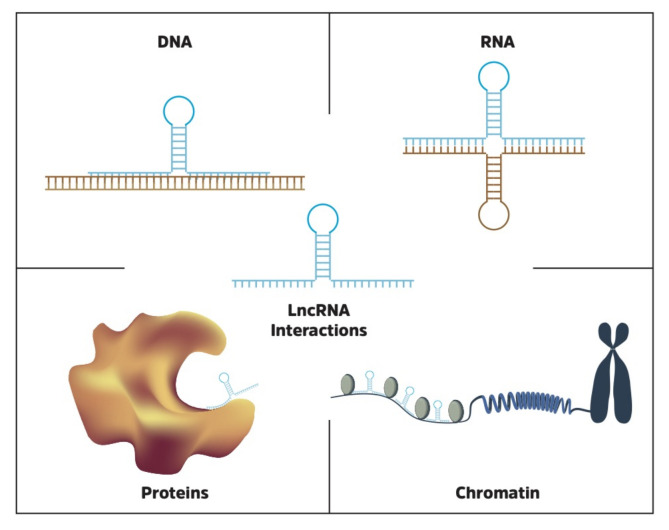
“LncRNA interactions with proteins have been shown to drive important cellular processes such as recruitment of protein complexes to chromatin [163,164] as well as post-transcriptional regulation of gene expression, splicing and translation [8].”
BackgroundHigh-resolution Xist binding maps reveal two-step spreading during X-chromosome inactivation
Simon, M. D., Pinter, S. F., Fang, R., Sarma, K., Rutenberg-Schoenberg, M., Bowman, S. K., Kesner, B. A., Maier, V. K., Kingston, R. E., & Lee, J. T. (2013) · Nature · doi:10.1038/nature12719 · Cited by 387 · cited 1×
“The majority of the information in the database is from high-throughput experiments such as ChIRP-seq [151] and CHART-seq [155], and 70% of the total data is categorized as human.”
BackgroundGlobal Mapping of Human RNA-RNA Interactions
Sharma, E., Sterne-Weiler, T., O’Hanlon, D., & Blencowe, B. J. (2016) · Molecular Cell · doi:10.1016/j.molcel.2016.04.030 · Cited by 383 · cited 1×
“These approaches include selective 2’ hydroxyl acylation with primer extension (SHAPE) and its derivatives SHAPE-Map and SHAPE-seq [97–99], as well as psoralen analysis of RNA interactions and structures (PARIS) [100], sequencing of psoralen crosslinked, ligated, and selected hybrids (SPLASH) [101] and Ligation of int…”
MethodPseudoknots: RNA Structures with Diverse Functions
Staple, D. W., & Butcher, S. E. (2005) · PLoS Biology · doi:10.1371/journal.pbio.0030213 · Cited by 367 · cited 2×
“These RNA structures fold back on and base-pair with itself, and are known to be challenging for many RNA structure prediction tools [113,114].”
BackgroundWutz, A. (2011) · Nature Reviews Genetics · doi:10.1038/nrg3035 · Cited by 362 · cited 2×
“LncRNAs have been shown to serve a myriad of functions, from X-chromosome inactivation [6] to regulation of gene expression on the chromatin level [7] and post-transcriptional regulation [8].”
BackgroundSingle cell transcriptomics comes of age
Aldridge, S., & Teichmann, S. A. (2020) · Nature Communications · doi:10.1038/s41467-020-18158-5 · Cited by 360 · cited 1×
“This allows researchers to understand the transcriptomes of single cells, as opposed to the average expression across a tissue as a whole [51].”
BackgroundLncATLAS database for subcellular localization of long noncoding RNAs
Mas-Ponte, D., Carlevaro-Fita, J., Palumbo, E., Hermoso Pulido, T., Guigo, R., & Johnson, R. (2017) · RNA · doi:10.1261/rna.060814.117 · Cited by 358 · cited 2×
“First, in order to increase the accuracy of prediction, subcellular localization data from lncATLAS [76] and tissue-specific expression data from five human [21,141–144] and four mouse RNA-seq datasets [145,146] have been included in the prediction algorithm.”
BackgroundConsiderations when investigating lncRNA function in vivo
Bassett, A. R., Akhtar, A., Barlow, D. P., Bird, A. P., Brockdorff, N., Duboule, D., Ephrussi, A., Ferguson-Smith, A. C., Gingeras, T. R., Haerty, W., et al. (2014) · eLife · doi:10.7554/elife.03058 · Cited by 350 · cited 1×
“Examples for experimental validation include the generation and in vitro characterization of knockout/knock-in/knockdown models coupled to RNA-Seq, mass spectrometry, and/or metabolic assays [170,171].”
MethodAw, J. G. A., Shen, Y., Wilm, A., Sun, M., Lim, X. N., Boon, K.-L., Tapsin, S., Chan, Y.-S., Tan, C.-P., Sim, A. Y. L., et al. (2016) · Molecular Cell · doi:10.1016/j.molcel.2016.04.028 · Cited by 348 · cited 2×
“These approaches include selective 2’ hydroxyl acylation with primer extension (SHAPE) and its derivatives SHAPE-Map and SHAPE-seq [97–99], as well as psoralen analysis of RNA interactions and structures (PARIS) [100], sequencing of psoralen crosslinked, ligated, and selected hybrids (SPLASH) [101] and Ligation of int…”
MethodZhang, X., Rice, K., Wang, Y., Chen, W., Zhong, Y., Nakayama, Y., Zhou, Y., & Klibanski, A. (2010) · Endocrinology · doi:10.1210/en.2009-0657 · Cited by 325 · cited 2×
“Two of these three motifs are required for the activation of the tumor suppressor p53, while the other is involved in suppression of DNA synthesis [87].”
BackgroundNeighboring Gene Regulation by Antisense Long Non-Coding RNAs
Villegas, V., & Zaphiropoulos, P. (2015) · International Journal of Molecular Sciences · doi:10.3390/ijms16023251 · Cited by 308 · cited 1×
“Considering that many lncRNAs such as antisense transcripts overlap with protein coding genes [27], this may have resulted in numerous biologically relevant lncRNAs being omitted from the database.”
BackgroundCross-linking, ligation, and sequencing of hybrids reveals RNA–RNA interactions in yeast
Kudla, G., Granneman, S., Hahn, D., Beggs, J. D., & Tollervey, D. (2011) · Proceedings of the National Academy of Sciences · doi:10.1073/pnas.1017386108 · Cited by 308 · cited 1×
“These interactions have been extracted from several high-throughput sequencing experiments [100–102,125] and targeted studies, which used methods including Cross-linking, Ligation and Sequencing of Hybrids (CLASH) [126,127], RNA Interactome Analysis and sequencing (RIA-seq) [118] and RNA Antisense Purification (RAP-RN…”
MethodSu, Z.-D., Huang, Y., Zhang, Z.-Y., Zhao, Y.-W., Wang, D., Chen, W., Chou, K.-C., & Lin, H. (2018) · Bioinformatics · doi:10.1093/bioinformatics/bty508 · Cited by 294 · cited 2×
“For example, the lncRNA XIST, which inactivates one of the two X chromosomes in females, requires a physical interaction with Polycomb repressive complex 2 (PRC2) to achieve its function [78].”
BackgroundThe Genotype-Tissue Expression (GTEx) project
Lonsdale, J., Thomas, J., Salvatore, M., Phillips, R., Lo, E., Shad, S., Hasz, R., Walters, G., Garcia, F., Young, N., et al. (2013) · Nature Genetics · doi:10.1038/ng.2653 · Cited by 263 · cited 2×
“LNCipedia contains data from ten different sources as of 2019: LncRNAdb version 1 [20], the Broad Institute human body map of lincRNAs [21], Ensembl release 92 [22], RefSeq 106 [23], NONCODE v4 [4], FANTOM CAT (stringent set, a version of the database with more strict entry criteria) [24] and three research papers: Ha…”
MethodStructural architecture of the human long non-coding RNA, steroid receptor RNA activator
Novikova, I. V., Hennelly, S. P., & Sanbonmatsu, K. Y. (2012) · Nucleic Acids Research · doi:10.1093/nar/gks071 · Cited by 259 · cited 1×
“Finally, one lncRNA gene may give rise to multiple splicing isoforms, resulting in several different corresponding RNA structures, such as the lncRNA Steroid receptor RNA activator (SRA) [91].”
Emerging roles of lncRNAs in the post-transcriptional regulation in cancer
He, R.-Z., Luo, D.-X., & Mo, Y.-Y. (2019) · Genes & Diseases · doi:10.1016/j.gendis.2019.01.003 · Cited by 255 · cited 2×
“LncRNAs have been shown to serve a myriad of functions, from X-chromosome inactivation [6] to regulation of gene expression on the chromatin level [7] and post-transcriptional regulation [8].”
BackgroundFunctional classification of long non-coding RNAs by k-mer content
Kirk, J. M., Kim, S. O., Inoue, K., Smola, M. J., Lee, D. M., Schertzer, M. D., Wooten, J. S., Baker, A. R., Sprague, D., Collins, D. W., et al. (2018) · Nature Genetics · doi:10.1038/s41588-018-0207-8 · Cited by 254 · cited 4×
“The k-mer profiles for two lncRNAs can be tested for similarity using a Pearson correlation, allowing for two lncRNAs which would share little linear homology to have their k-mer profile similarities brought to light [168].”
BackgroundMethodInfluentialStueber, D., Ibrahimi, I., Cutler, D., Dobberstein, B., & Bujard, H. (1984) · The EMBO Journal · doi:10.1002/j.1460-2075.1984.tb02271.x · Cited by 250 · cited 1×
“In vitro methodologies for determining the protein coding potential of a putative lncRNA include in vitro transcription/translation assays coupled with chemiluminescent or colorimetric detection [66].”
MethodMicropeptide CIP2A-BP encoded by LINC00665 inhibits triple-negative breast cancer progression
Guo, B., Wu, S., Zhu, X., Zhang, L., Deng, J., Li, F., Wang, Y., Zhang, S., Wu, R., Lu, J., et al. (2020) · The EMBO Journal · doi:10.15252/embj.2019102190 · Cited by 243
Triplexator: Detecting nucleic acid triple helices in genomic and transcriptomic data
Buske, F. A., Bauer, D. C., Mattick, J. S., & Bailey, T. L. (2012) · Genome Research · doi:10.1101/gr.130237.111 · Cited by 231
LncBook: a curated knowledgebase of human long non-coding RNAs
Ma, L., Cao, J., Liu, L., Du, Q., Li, Z., Zou, D., Bajic, V. B., & Zhang, Z. (2019) · Nucleic Acids Research · doi:10.1093/nar/gky960 · Cited by 229
Long Non-coding RNA Structure and Function: Is There a Link?
Zampetaki, A., Albrecht, A., & Steinhofel, K. (2018) · Frontiers in Physiology · doi:10.3389/fphys.2018.01201 · Cited by 227 · cited 2×
“Determining the structural conformation of RNAs is an emerging field, with many contributing factors remaining unknown thus far [93].”
BackgroundExpression Atlas update: from tissues to single cells
Papatheodorou, I., Moreno, P., Manning, J., Fuentes, A. M.-P., George, N., Fexova, S., Fonseca, N. A., Füllgrabe, A., Green, M., Huang, N., et al. (2019) · Nucleic Acids Research · doi:10.1093/nar/gkz947 · Cited by 224
The SUPERFAMILY 2.0 database: a significant proteome update and a new webserver
Pandurangan, A. P., Stahlhacke, J., Oates, M. E., Smithers, B., & Gough, J. (2019) · Nucleic Acids Research · doi:10.1093/nar/gky1130 · Cited by 223
RAID v2.0: an updated resource of RNA-associated interactions across organisms
Yi, Y., Zhao, Y., Li, C., Zhang, L., Huang, H., Li, Y., Liu, L., Hou, P., Cui, T., Tan, P., et al. (2017) · Nucleic Acids Research · doi:10.1093/nar/gkw1052 · Cited by 217
RNAInter in 2020: RNA interactome repository with increased coverage and annotation
Lin, Y., Liu, T., Cui, T., Wang, Z., Zhang, Y., Tan, P., Huang, Y., Yu, J., & Wang, D. (2020) · Nucleic Acids Research · doi:10.1093/nar/gkz804 · Cited by 215 · cited 7×
“In addition to experimentally detected interactions, RNAInter has the option to run interaction prediction tools directly from the web server, including IntaRNA, which will be discussed in further detail below [122].”
BackgroundMethodInfluentialLncBook: a curated knowledgebase of human long non-coding RNAs
Ma, L., Cao, J., Liu, L., Du, Q., Li, Z., Zou, D., Bajic, V. B., & Zhang, Z. (2019) · Nucleic Acids Research · doi:10.1093/nar/gkz073 · Cited by 207
Euskirchen, G. M., Rozowsky, J. S., Wei, C.-L., Lee, W. H., Zhang, Z. D., Hartman, S., Emanuelsson, O., Stolc, V., Weissman, S., Gerstein, M. B., et al. (2007) · Genome Research · doi:10.1101/gr.5583007 · Cited by 203 · cited 1×
“LnChrom provides a genome browser for visualization of interactions, accompanied by outsourced expression data [157], transcription factor occupancy data [158] and a cancer exploration panel [42,43].”
BackgroundStaufen1 regulates diverse classes of mammalian transcripts
Kim, Y. K., Furic, L., Parisien, M., Major, F., DesGroseillers, L., & Maquat, L. E. (2007) · The EMBO Journal · doi:10.1038/sj.emboj.7601712 · Cited by 197 · cited 1×
“On the other hand, lncRNAs exported to the cytoplasm can modulate mRNA stability [69] and translation [70], regulate protein modification [71], or compete for miRNAs [72].”
BackgroundSathishkumar, C., Prabu, P., Mohan, V., & Balasubramanyam, M. (2018) · Human Genomics · doi:10.1186/s40246-018-0173-3 · Cited by 195 · cited 1×
“They have been implicated as drivers of numerous diseases, including cancers [9–11], Alzheimer’s disease [12], inflammatory bowel disease [13], autoimmune disease [14] and diabetes [15].”
BackgroundConserved Pseudoknots in lncRNA MEG3 Are Essential for Stimulation of the p53 Pathway
Uroda, T., Anastasakou, E., Rossi, A., Teulon, J.-M., Pellequer, J.-L., Annibale, P., Pessey, O., Inga, A., Chillón, I., & Marcia, M. (2019) · Molecular Cell · doi:10.1016/j.molcel.2019.07.025 · Cited by 195
Platforms for Investigating LncRNA Functions
Charles Richard, J. L., & Eichhorn, P. J. A. (2018) · SLAS Technology · doi:10.1177/2472630318780639 · Cited by 191 · cited 1×
“Examples for experimental validation include the generation and in vitro characterization of knockout/knock-in/knockdown models coupled to RNA-Seq, mass spectrometry, and/or metabolic assays [170,171].”
MethodSun, M., Gadad, S. S., Kim, D.-S., & Kraus, W. L. (2015) · Molecular Cell · doi:10.1016/j.molcel.2015.06.023 · Cited by 189 · cited 1×
“…Institute human body map of lincRNAs [21], Ensembl release 92 [22], RefSeq 106 [23], NONCODE v4 [4], FANTOM CAT (stringent set, a version of the database with more strict entry criteria) [24] and three research papers: Hangauer et al. 2013 [1], Nielsen et al. 2014 [25], and Sun et al. 2015 [26].”
MethodGrote, P., & Herrmann, B. G. (2013) · RNA Biology · doi:10.4161/rna.26165 · Cited by 189 · cited 2×
“This is exemplified by the recruitment of chromatin modifying enzymes by the lncRNA HOTAIR, resulting in histone modifications [147], and the direct binding of DNA promoter elements by the lncRNA FENDRR, forming a lncRNA-DNA triplex resulting in recruitment of the PRC2 complex [119].”
BackgroundCarlevaro-Fita, J., Lanzós, A., Feuerbach, L., Hong, C., Mas-Ponte, D., Pedersen, J. S., PCAWG Drivers and Functional Interpretation Group, Abascal, F., Amin, S. B., Bader, G. D., et al. (2020) · Communications Biology · doi:10.1038/s42003-019-0741-7 · Cited by 187 · cited 1×
“These include but are not limited to: MONOCLdb for mouse lung lncRNAs [35], the Cancer lncRNA Census [36] and GreenNC for plant lncRNAs [17].”
BackgroundSystematic Mapping of RNA-Chromatin Interactions In Vivo
Sridhar, B., Rivas-Astroza, M., Nguyen, T. C., Chen, W., Yan, Z., Cao, X., Hebert, L., & Zhong, S. (2017) · Current Biology · doi:10.1016/j.cub.2017.01.011 · Cited by 186
lncRNAs in development and disease: from functions to mechanisms
Delás, M. J., & Hannon, G. J. (2017) · Open Biology · doi:10.1098/rsob.170121 · Cited by 183 · cited 1×
“LncRNAs are usually expressed in a cell-type and tissue-specific manner [37], indicating their importance in developmental processes and disease mechanisms [38].”
BackgroundLnc2Cancer v2.0: updated database of experimentally supported long non-coding RNAs in human cancers
Gao, Y., Wang, P., Wang, Y., Ma, X., Zhi, H., Zhou, D., Li, X., Fang, Y., Shen, W., Xu, Y., et al. (2019) · Nucleic Acids Research · doi:10.1093/nar/gky1096 · Cited by 180 · cited 1×
“), or were constructed for a specific purpose, such as for a particular disease (Lnc2Cancer [16]) or species (GreeNC [17]).”
BackgroundMapping RNA–RNA interactome and RNA structure in vivo by MARIO
Nguyen, T. C., Cao, X., Yu, P., Shu Dong, X. I. A. O., Lu, J., Biase, F. H., Sridhar, B., Huang, N., Zhang, K., & Zhong, S. (2016) · Nature Communications · doi:10.1038/ncomms12023 · Cited by 179
Cai, B., Li, Z., Ma, M., Wang, Z., Han, P., Abdalla, B. A., Nie, Q., & Zhang, X. (2017) · Frontiers in Physiology · doi:10.3389/fphys.2017.00230 · Cited by 172
NPInter v4.0: an integrated database of ncRNA interactions
Teng, X., Chen, X., Xue, H., Tang, Y., Zhang, P., Kang, Q., Hao, Y., Chen, R., Zhao, Y., & He, S. (2019) · Nucleic Acids Research · doi:10.1093/nar/gkz969 · Cited by 171 · cited 2×
“Based on a lncRNA NONCODE ID [4] query, it first downloads known lncRNA-protein interactions from NPInter [131], lncRNA sequences from NONCODE [4] and finally, protein sequences from SUPERFAMILY [167].”
MethodSci-fate characterizes the dynamics of gene expression in single cells
Cao, J., Zhou, W., Steemers, F., Trapnell, C., & Shendure, J. (2020) · Nature Biotechnology · doi:10.1038/s41587-020-0480-9 · Cited by 170 · cited 1×
“What lies on the horizon for this field is the release of a complete atlas of human single-cell transcriptomes, which would offer an unprecedented glimpse into truly cell-type specific expression across the human body [52,53].”
BackgroundA Novel RNA Motif Mediates the Strict Nuclear Localization of a Long Noncoding RNA
Zhang, B., Gunawardane, L., Niazi, F., Jahanbani, F., Chen, X., & Valadkhan, S. (2014) · Molecular and Cellular Biology · doi:10.1128/mcb.01673-13 · Cited by 168 · cited 5×
“CNIT was also tested with sORFs to determine its accuracy in predicting micropeptide synthesis, where it was only out competed by PLEK [61].”
MethodInfluentialGuo, J., Fang, S., Wu, Y., Zhang, J., Chen, Y., Liu, J., Wu, B., Wu, J., Li, E., Xu, L., et al. (2019) · Nucleic Acids Research · doi:10.1093/nar/gkz400 · Cited by 166
Freiburg RNA tools: a central online resource for RNA-focused research and teaching
Raden, M., Ali, S. M., Alkhnbashi, O. S., Busch, A., Costa, F., Davis, J. A., Eggenhofer, F., Gelhausen, R., Georg, J., Heyne, S., et al. (2018) · Nucleic Acids Research · doi:10.1093/nar/gky329 · Cited by 165 · cited 1×
“0 [135] is an open-source tool developed as part of the Freiburg RNA Tools suite [139].”
Method[32] Use of dimethyl sulfate to probe RNA structure in vivo
Wells, S. E., Hughes, J. M. X., Igel, A. H., & Ares, M. (2000) · Methods in enzymology on CD-ROM/Methods in enzymology · doi:10.1016/s0076-6879(00)18071-1 · Cited by 160 · cited 1×
“These are from multiple different types of experiments, including SHAPE, hydroxyl radical footprinting [105] and base methylation by dimethyl sulfate [106], among others [104].”
Zhang, W., Yue, X., Tang, G., Wu, W., Huang, F., & Zhang, X. (2018) · PLoS Computational Biology · doi:10.1371/journal.pcbi.1006616 · Cited by 158 · cited 1×
“Here, we will discuss a machine-learning, ensemble-based method called SFPEL-LPI (sequence-based feature projection ensemble learning method–lncRNA-protein interaction) [166].”
MethodFukunaga, T., Iwakiri, J., Ono, Y., & Hamada, M. (2019) · Frontiers in Genetics · doi:10.3389/fgene.2019.00462 · Cited by 153 · cited 7×
“The second tool, LncRRIsearch [136] is a web server integrating the methodology of the authors’ previously released command-line tool, RIblast [137] (based on interaction energy that is computed by using both accessibility energy and hybridization energy) with tissue-specific expression and subcellular localization da…”
BackgroundMethodInfluentialCPPred: coding potential prediction based on the global description of RNA sequence
Tong, X., & Liu, S. (2019) · Nucleic Acids Research · doi:10.1093/nar/gkz087 · Cited by 148
Long noncoding RNAs and Alzheimer's disease
Luo, Q., & Chen, Y. (2016) · Clinical Interventions in Aging · doi:10.2147/cia.s107037 · Cited by 147
Hu, L., Xu, Z., Hu, B., & Lu, Z. J. (2016) · Nucleic Acids Research · doi:10.1093/nar/gkw798 · Cited by 147 · cited 1×
“The tools covered here are by no means an exhaustive list of options, with other commonly used tools including PhyloCSF [64] and COME [65].”
MethodThe emerging role of lncRNAs in inflammatory bowel disease
Yarani, R., Mirza, A. H., Kaur, S., & Pociot, F. (2018) · Experimental & Molecular Medicine · doi:10.1038/s12276-018-0188-9 · Cited by 146 · cited 1×
“They have been implicated as drivers of numerous diseases, including cancers [9–11], Alzheimer’s disease [12], inflammatory bowel disease [13], autoimmune disease [14] and diabetes [15].”
BackgroundLong Non-Coding RNAs and Their Roles in Non-Small-Cell Lung Cancer
Wei, M., & Zhou, G.-B. (2016) · Genomics Proteomics & Bioinformatics · doi:10.1016/j.gpb.2016.03.007 · Cited by 142
Prediction of LncRNA Subcellular Localization with Deep Learning from Sequence Features
Gudenas, B. L., & Wang, L. (2018) · Scientific Reports · doi:10.1038/s41598-018-34708-w · Cited by 140 · cited 1×
“Recently, new computational tools to predict subcellular localization for novel transcripts have been developed, including LncLocator [77], iLoc-lncRNa [78], and DeepLncRNA [79].”
BackgroundRISE: a database of RNA interactome from sequencing experiments
Gong, J., Shao, D., Xu, K., Lu, Z., Lu, Z. J., Yang, Y., & Zhang, Q. C. (2017) · Nucleic Acids Research · doi:10.1093/nar/gkx864 · Cited by 138
RIblast: an ultrafast RNA–RNA interaction prediction system based on a seed-and-extension approach
Fukunaga, T., & Hamada, M. (2017) · Bioinformatics · doi:10.1093/bioinformatics/btx287 · Cited by 137
Nuclear and cytoplasmic mRNA quantification by SYBR green based real-time RT-PCR
Wang, Y., Zhu, W., & Levy, D. E. (2006) · Methods · doi:10.1016/j.ymeth.2006.06.010 · Cited by 128 · cited 1×
“Although a useful addition to the in silico lncRNA toolkit LncLocator, such as many predictive tools, will only provide a best guess and always require experimental validations, such as RT-qPCR of fractionated cells [85] or RNA fluorescence in situ hybridization (RNA-FISH) [86].”
Isolation and genome-wide characterization of cellular DNA:RNA triplex structures
Cetin, N. S., Kuo, C., Ribarska, T., Li, R., Costa, I. G., & Grummt, I. (2018) · Nucleic Acids Research · doi:10.1093/nar/gky1305 · Cited by 125
LncRNAWiki: harnessing community knowledge in collaborative curation of human long non-coding RNAs
Ma, L., Li, A., Zou, D., Xu, X., Xia, L., Yu, J., Bajic, V. B., & Zhang, Z. (2015) · Nucleic Acids Research · doi:10.1093/nar/gku1167 · Cited by 124 · cited 1×
“The community-curated transcripts are derived from LncRNAWiki, a community driven database created by the authors of LNCBook in 2015 [30].”
MethodJosset, L., Tchitchek, N., Gralinski, L. E., Ferris, M. T., Eisfeld, A. J., Green, R. R., Thomas, M. J., Tisoncik-Go, J., Schroth, G. P., Kawaoka, Y., et al. (2014) · RNA Biology · doi:10.4161/rna.29442 · Cited by 119 · cited 1×
“These include but are not limited to: MONOCLdb for mouse lung lncRNAs [35], the Cancer lncRNA Census [36] and GreenNC for plant lncRNAs [17].”
BackgroundRAIN: RNA–protein Association and Interaction Networks
Junge, A., Refsgaard, J. C., Garde, C., Pan, X., Santos, A., Alkan, F., Anthon, C., von Mering, C., Workman, C. T., Jensen, L. J., et al. (2017) · Database · doi:10.1093/database/baw167 · Cited by 117 · cited 1×
“The targeted studies were curated from the RAIN [129], RAIDv2.”
MethodCANTATAdb 2.0: Expanding the Collection of Plant Long Noncoding RNAs
Szcześniak, M. W., Bryzghalov, O., Ciomborowska-Basheer, J., & Makałowska, I. (2019) · Methods in molecular biology · doi:10.1007/978-1-4939-9045-0_26 · Cited by 117 · cited 2×
“0 in 2019, increasing the database content to 239,631 lncRNAs across 39 different plant species (three of which are algal species) [48].”
BackgroundRIsearch: fast RNA–RNA interaction search using a simplified nearest-neighbor energy model
Wenzel, A., Akbaşli, E., & Gorodkin, J. (2012) · Bioinformatics · doi:10.1093/bioinformatics/bts519 · Cited by 111 · cited 7×
“The second tool, LncRRIsearch [136] is a web server integrating the methodology of the authors’ previously released command-line tool, RIblast [137] (based on interaction energy that is computed by using both accessibility energy and hybridization energy) with tissue-specific expression and subcellular localization da…”
MethodInfluentialYeasmin, F., Yada, T., & Akimitsu, N. (2018) · Frontiers in Genetics · doi:10.3389/fgene.2018.00144 · Cited by 108
An RNA Mapping DataBase for curating RNA structure mapping experiments
Cordero, P., Lucks, J. B., & Das, R. (2012) · Bioinformatics · doi:10.1093/bioinformatics/bts554 · Cited by 104 · cited 2×
“These are from multiple different types of experiments, including SHAPE, hydroxyl radical footprinting [105] and base methylation by dimethyl sulfate [106], among others [104].”
MethodMolecular mechanisms of long noncoding RNAs‐mediated cancer metastasis
Li, Y., Egranov, S. D., Yang, L., & Lin, C. (2019) · Genes Chromosomes and Cancer · doi:10.1002/gcc.22691 · Cited by 103 · cited 1×
“LncRNAs have been shown to serve a myriad of functions, from X-chromosome inactivation [6] to regulation of gene expression on the chromatin level [7] and post-transcriptional regulation [8].”
BackgroundWang, L., Liu, Y., Zhong, X., Liu, H., Lu, C., Li, C., & Zhang, H. (2019) · Frontiers in Genetics · doi:10.3389/fgene.2019.00143 · Cited by 102 · cited 13×
“DMfold is an alternative prediction tool that unlike RNAfold, can take pseudoknots into account using deep learning [96].”
BackgroundMethodInfluentialComplex regulation of ADAR-mediated RNA-editing across tissues
Huntley, M. A., Lou, M., Goldstein, L. D., Lawrence, M., Dijkgraaf, G. J. P., Kaminker, J. S., & Gentleman, R. C. (2016) · BMC Genomics · doi:10.1186/s12864-015-2291-9 · Cited by 95 · cited 1×
“First, in order to increase the accuracy of prediction, subcellular localization data from lncATLAS [76] and tissue-specific expression data from five human [21,141–144] and four mouse RNA-seq datasets [145,146] have been included in the prediction algorithm.”
The molecular structure of long non-coding RNAs: emerging patterns and functional implications
Chillón, I., & Marcia, M. (2020) · Critical Reviews in Biochemistry and Molecular Biology · doi:10.1080/10409238.2020.1828259 · Cited by 93 · cited 2×
“The implications of lncRNA structural conformation and function have been reviewed in detail by Chillón and Marcia (2020) [92], and Zampetaki et al. (2018) [93].”
BackgroundStructure, Regulation, and Function of Linear and Circular Long Non-Coding RNAs
Qin, T., Li, J., & Zhang, K. (2020) · Frontiers in Genetics · doi:10.3389/fgene.2020.00150 · Cited by 90 · cited 1×
“Both algorithms have been adjusted by the authors to take into account the formation of circular RNA structures (circRNAs), which some lncRNAs are known to form [111].”
A comprehensive benchmark of RNA–RNA interaction prediction tools for all domains of life
Umu, S. U., & Gardner, P. P. (2016) · Bioinformatics · doi:10.1093/bioinformatics/btw728 · Cited by 86 · cited 5×
“0 performed in the top three of tools benchmarked by Umu and Gardner [108], receiving a Matthews correlation coefficient (MCC) of 0.”
BackgroundMethodResultInfluentialRNA: Nuclear Glue for Folding the Genome
Nozawa, R., & Gilbert, N. (2019) · Trends in Cell Biology · doi:10.1016/j.tcb.2018.12.003 · Cited by 86 · cited 1×
“LncRNA interactions with proteins have been shown to drive important cellular processes such as recruitment of protein complexes to chromatin [163,164] as well as post-transcriptional regulation of gene expression, splicing and translation [8].”
BackgroundA classification model for lncRNA and mRNA based on k-mers and a convolutional neural network
Wen, J., Liu, Y., Shi, Y., Huang, H., Deng, B., & Xiao, X. (2019) · BMC Bioinformatics · doi:10.1186/s12859-019-3039-3 · Cited by 86 · cited 1×
“The first of these features is raw k-mer frequency, which has been proven as a powerful feature for differentiating between lncRNAs and mRNAs [81] and lncRNA-miRNA interactions [82].”
BackgroundThe Air Noncoding RNA: An Imprinted cis-silencing Transcript
Braidotti, G., Baubec, T., Pauler, F. M., Seidl, C. I., Smrzka, O. W., Stricker, S. H., Yotova, I., & Barlow, D. P. (2004) · Cold Spring Harbor Symposia on Quantitative Biology · doi:10.1101/sqb.2004.69.55 · Cited by 84 · cited 1×
“LncRNAs localizing to the nucleus are often involved in regulating gene expression and/or splicing [67], imprinting genes [68] or inactivating the X-chromosome [6].”
BackgroundA comprehensive comparison of general RNA–RNA interaction prediction methods
Lai, D., & Meyer, I. M. (2015) · Nucleic Acids Research · doi:10.1093/nar/gkv1477 · Cited by 80 · cited 2×
“Although these algorithms are useful in the absence of experimental evidence for a lncRNA of interest, they often result in low prediction accuracy when benchmarked [107,108], similar to many other in silico prediction approaches.”
BackgroundResultZinc-finger protein CNBP alters the 3-D structure of lncRNA Braveheart in solution
Kim, D. N., Thiel, B. C., Mrozowich, T., Hennelly, S. P., Hofacker, I. L., Patel, T. R., & Sanbonmatsu, K. Y. (2020) · Nature Communications · doi:10.1038/s41467-019-13942-4 · Cited by 78 · cited 2×
“its 3D structure upon binding to Cellular Nucleic acid Binding Protein (CNBP) [88].”
BackgroundPrediction of lncRNAs and their interactions with nucleic acids: benchmarking bioinformatics tools
Antonov, I., Mazurov, E., Borodovsky, M. Y., & Medvedeva, Y. A. (2018) · Briefings in Bioinformatics · doi:10.1093/bib/bby032 · Cited by 68 · cited 2×
“, in 2018 [161], suggesting Triplexator [150] as the most accurate and usable tool currently available.”
BackgroundMethodMammary Tumor-Associated RNAs Impact Tumor Cell Proliferation, Invasion, and Migration
Diermeier, S. D., Chang, K.-C., Freier, S. M., Song, J., Demerdash, O. E., Krasnitz, A., Rigo, F., Bennett, C. F., & Spector, D. L. (2016) · Cell Reports · doi:10.1016/j.celrep.2016.08.081 · Cited by 67
Self-citationSeemann, S. E., Richter, A. S., Gesell, T., Backofen, R., & Gorodkin, J. (2010) · Bioinformatics · doi:10.1093/bioinformatics/btq634 · Cited by 64
lncSLdb: a resource for long non-coding RNA subcellular localization
Xiao, W., Gao, L., Guo, X., Li, X., Huang, X., Wang, Y., Xu, H., He, R., Jia, C., & Liang, F. (2018) · Database · doi:10.1093/database/bay085 · Cited by 64 · cited 4×
“Published in 2018, LncSLdb (lncRNA subcellular localization database) is a database driven application detailing the subcellular localization data for >11,000 non-coding transcripts [73].”
BackgroundInfluentialIdentification of expressed and conserved human noncoding RNAs
Nielsen, M. M., Tehler, D., Vang, S., Sudzina, F., Hedegaard, J., Nordentoft, I., Orntoft, T. F., Lund, A. H., & Pedersen, J. S. (2013) · RNA · doi:10.1261/rna.038927.113 · Cited by 55 · cited 1×
“…Institute human body map of lincRNAs [21], Ensembl release 92 [22], RefSeq 106 [23], NONCODE v4 [4], FANTOM CAT (stringent set, a version of the database with more strict entry criteria) [24] and three research papers: Hangauer et al. 2013 [1], Nielsen et al. 2014 [25], and Sun et al. 2015 [26].”
MethodIwakiri, J., Terai, G., & Hamada, M. (2017) · Biology Direct · doi:10.1186/s13062-017-0183-4 · Cited by 53 · cited 1×
“The second tool, LncRRIsearch [136] is a web server integrating the methodology of the authors’ previously released command-line tool, RIblast [137] (based on interaction energy that is computed by using both accessibility energy and hybridization energy) with tissue-specific expression and subcellular localization da…”
MethodOccurrences Algorithm for String Searching Based on Brute-force Algorithm
Mohammad, A., Oqeili, S., & Abdeen, R. A. (2006) · Journal of Computer Science · doi:10.3844/jcssp.2006.82.85 · Cited by 52
Zhang, W., Tang, G., Zhou, S., & Niu, Y. (2019) · BMC Genomics · doi:10.1186/s12864-019-6284-y · Cited by 51 · cited 1×
“The first of these features is raw k-mer frequency, which has been proven as a powerful feature for differentiating between lncRNAs and mRNAs [81] and lncRNA-miRNA interactions [82].”
BackgroundCrystallization of RNA-Protein Complexes
OBAYASHI, E., Oubridge, C., Krummel, D. P., & Nagai, K. (2007) · Methods in molecular biology · doi:10.1007/978-1-59745-209-0_13 · Cited by 49 · cited 1×
“It is challenging to determine dynamic regions of RNAs using traditional methods such as X-Ray crystallography [90].”
MethodKnotty: efficient and accurate prediction of complex RNA pseudoknot structures
Jabbari, H., Wark, I., Montemagno, C., & Will, S. (2018) · Bioinform. · doi:10.1093/bioinformatics/bty420 · Cited by 45 · cited 8×
“DMfold is an alternative prediction tool that unlike RNAfold, can take pseudoknots into account using deep learning [96].”
BackgroundInfluentialVisualizing the structure and motion of the long noncoding RNA HOTAIR
Spokoini-Stern, R., Stamov, D., Jessel, H., Aharoni, L., Haschke, H., Giron, J., Unger, R., Segal, E., Abu-Horowitz, A., & Bachelet, I. (2020) · RNA · doi:10.1261/rna.074633.120 · Cited by 43
Probing lncRNA–Protein Interactions: Data Repositories, Models, and Algorithms
Peng, L., Liu, F., Yang, J., Liu, X., Meng, Y., Deng, X., Peng, C., Tian, G., & Zhou, L. (2020) · Frontiers in Genetics · doi:10.3389/fgene.2019.01346 · Cited by 42
LnChrom: a resource of experimentally validated lncRNA–chromatin interactions in human and mouse
Yu, F., Zhang, G., Shi, A., Hu, J. R., Li, F., Zhang, X., Zhang, Y., Huang, J. H., Xiao, Y., Li, X., et al. (2018) · Database · doi:10.1093/database/bay039 · Cited by 40 · cited 5×
“Although there is high-throughput information available for many lncRNA-chromatin interactions such as that stored in LnChrom [149], tools to predict RNA-chromatin interactions that have not been experimentally detected are very limited in number, and those that are available do not have a high level of usability for…”
BackgroundInfluentialMemPype: a pipeline for the annotation of eukaryotic membrane proteins
Pierleoni, A., Indio, V., Savojardo, C., Fariselli, P., Martelli, P. L., & Casadio, R. (2011) · Nucleic Acids Research · doi:10.1093/nar/gkr282 · Cited by 39 · cited 1×
“In comparison, MemPype, the first protein localization prediction tool was published a decade ago [80].”
BackgroundA deep learning model for plant lncRNA-protein interaction prediction with graph attention
Wekesa, J. S., Meng, J., & Luan, Y. (2020) · Molecular Genetics and Genomics · doi:10.1007/s00438-020-01682-w · Cited by 39 · cited 1×
“Other methods include alignment-based approaches such as RIsearch [132], homology based methods including PETcofold [133], and deep learning models such as GPLPI [134].”
MethodAkhade, V. S., Arun, G., Donakonda, S., & Rao, M. R. S. (2014) · RNA Biology · doi:10.1080/15476286.2014.996070 · Cited by 38
Ward, M., Datta, A., Wise, M. J., & Mathews, D. H. (2017) · Nucleic Acids Research · doi:10.1093/nar/gkx512 · Cited by 38 · cited 1×
“The prediction unit was trained on a publicly available dataset of 3975 known RNA primary sequences and structures [116].”
MethodUpdates to the RNA mapping database (RMDB), version 2
Yesselman, J. D., Tian, S., Liu, X., Shi, L., Li, J. B., & Das, R. (2017) · Nucleic Acids Research · doi:10.1093/nar/gkx873 · Cited by 23
Chemical probing of RNA with the hydroxyl radical at single-atom resolution
Ingle, S., Azad, R. N., Jain, S. S., & Tullius, T. D. (2014) · Nucleic Acids Research · doi:10.1093/nar/gku934 · Cited by 22 · cited 1×
“These are from multiple different types of experiments, including SHAPE, hydroxyl radical footprinting [105] and base methylation by dimethyl sulfate [106], among others [104].”
Advances of lncRNA in autoimmune diseases
Wang, J., Wei, F., & Zhou, H. (2018) · Frontiers in Laboratory Medicine · doi:10.1016/j.flm.2018.07.004 · Cited by 15 · cited 1×
“They have been implicated as drivers of numerous diseases, including cancers [9–11], Alzheimer’s disease [12], inflammatory bowel disease [13], autoimmune disease [14] and diabetes [15].”
BackgroundComputational prediction of nucleic acid secondary structure: Methods, applications, and challenges
Condon, A., & Jabbari, H. (2008) · Theoretical Computer Science · doi:10.1016/j.tcs.2008.09.042 · Cited by 11 · cited 1×
“These RNA structures fold back on and base-pair with itself, and are known to be challenging for many RNA structure prediction tools [113,114].”
BackgroundA Walkthrough to the Use of GreeNC: The Plant lncRNA Database
Paytuví-Gallart, A., Sanseverino, W., & Cigliano, R. A. (2019) · Methods in molecular biology · doi:10.1007/978-1-4939-9045-0_25 · Cited by 7 · cited 2×
“), or were constructed for a specific purpose, such as for a particular disease (Lnc2Cancer [16]) or species (GreeNC [17]).”
BackgroundCrystallization of RNA/protein complexes
Garber, M., Gongadze, G. M., Meshcheryakov, V., Nikonov, O. S., Никулин, А. Д., Perederina, A. A., Piendl, W., Serganov, A., & Tishchenko, S. (2002) · Acta Crystallographica Section D Biological Crystallography · doi:10.1107/s0907444902014257 · Cited by 6
Cited by
Mechanisms of circRNA/lncRNA-miRNA interactions and applications in disease and drug research
Ma, B., Wang, S., Wu, W., Shan, P., Chen, Y., Meng, J., Xing, L., Yun, J., Hao, L., Wang, X., et al. (2023) · Biomedicine & Pharmacotherapy · doi:10.1016/j.biopha.2023.114672 · Cited by 225
Chen, Z., Liu, X., Zhao, P., Li, C., Wang, Y., Li, F., Akutsu, T., Bain, C., Gasser, R. B., Li, J., et al. (2022) · Nucleic Acids Research · doi:10.1093/nar/gkac351 · Cited by 107
“Various algorithms have been proposed to predict lncRNAs and their functions from mRNAs (91).”
BackgroundLong non-coding RNAs: novel regulators of cellular physiology and function
Oo, J. A., Brandes, R. P., & Leisegang, M. S. (2021) · Pflügers Archiv - European Journal of Physiology · doi:10.1007/s00424-021-02641-z · Cited by 107
Decoding the regulatory roles of non-coding RNAs in cellular metabolism and disease
Zong, Y., Wang, X., Cui, B., Xiong, X., Wu, A., Lin, C., & Zhang, Y. (2023) · Molecular Therapy · doi:10.1016/j.ymthe.2023.04.012 · Cited by 54
“20 ncRNAs have also been reported to be involved in the pathogenesis of various cardiovascular diseases and cancers via the regulation of glucose metabolism, lipid metabolism, and amino acid metabolism.”
Borkiewicz, L., Kałafut, J., Dudziak, K., Przybyszewska-Podstawka, A., & Telejko, I. (2021) · Cancers · doi:10.3390/cancers13112643 · Cited by 54
Metadata
- Authors
- Pinkney, H. R., Wright, B. M., & Diermeier, S. D.
- Affiliations
- University of Otago (NZ)
- Corresponding author
- Diermeier, Sarah D.
- Venue
- Non-Coding RNA
- Publisher
- MDPI AG
- Published
- 2020-12-16
- Volume
- 6
- Issue
- 4
- Pages
- 49
- ISSN
- 2311-553X (ISSN-L)
- PMC
- PMC7768357
- OpenAlex
- W3111419662
- Cited by
- 56
- References
- 177
- Citations by year
- 2026: 4 · 2025: 12 · 2024: 6 · 2023: 12 · 2022: 9 · 2021: 13
- FWCI
- 0.87
- Type
- journal article
- Language
- en
- Open access
- gold
- doi.org
- Licence
- Locations
- Non-Coding RNA (publishedVersion, cc-by)
- PubMed Central (publishedVersion, cc-by)
- PubMed (publishedVersion)
- DOAJ (DOAJ: Directory of Open Access Journals) (submittedVersion, cc-by-sa)
- Funders
- Royal Society Te Apārangi (RDF-UOO1802)
- Topics
- Life Sciences › Biochemistry, Genetics and Molecular Biology › Cancer Research › Cancer-related molecular mechanisms research
- Life Sciences › Biochemistry, Genetics and Molecular Biology › Molecular Biology › Genomics and Phylogenetic Studies
- Life Sciences › Biochemistry, Genetics and Molecular Biology › Molecular Biology › RNA Research and Splicing
- Keywords
- long non-coding RNA, lncRNA database, bioinformatics software, lncRNA function prediction, tissue-specific gene expression, protein-coding potential, subcellular localization, RNA secondary structure, protein binding partners
About these checks
Registry, retraction, Cites and statistics results are computed, not judged, with one exception: a printed reference that no index lists is read once by a model before it counts as a citation error. Claims are extracted by a model and kept only when their quote appears verbatim in the text; each cited source is then checked, with a model’s help, for whether it says what the claim relies on. Those verdicts can be wrong — read the claim’s quote and the cited source before relying on one.
Statistics and arithmetic are recomputed, not judged.
Confidence bands are shown only for fields calibrated on our annotated test set. None is calibrated yet, so no band is shown.
What counts as a claim ›How we measure confidence ›How we check this ›
Are you an author, or do you see a problem with this page? Request a review
Data sources
Bibliographic data: Semantic Scholar, OpenAlex, Crossref.
Contains information from the Semantic Scholar Academic Graph Datasets, made available under the ODC Attribution License (ODC-BY 1.0).
Semantic Scholar’s data is described in: Kinney, R., et al. (2023). The Semantic Scholar Open Data Platform. arXiv:2301.10140.
